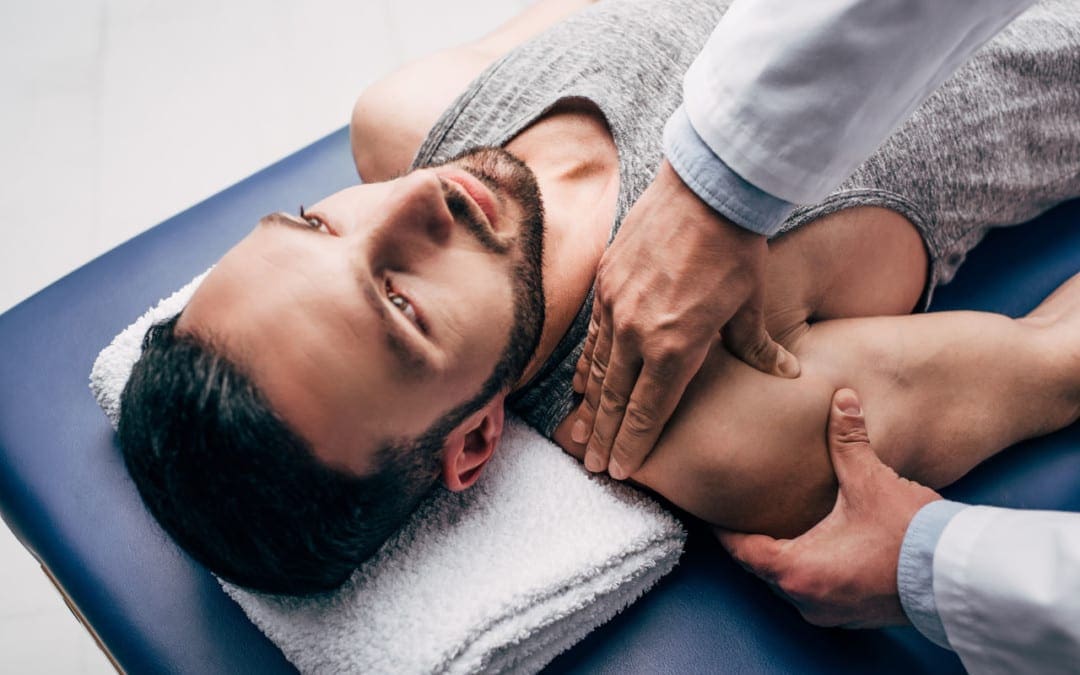
What are the recommendations for a pulled muscle injury to fully recover?
Pulled Muscle Recovery Time
A pulled muscle, medically known as a strain, occurs when muscle fibers are stretched too far and sometimes tear. A pulled muscle injury typically starts to heal within days. Mild injuries can heal completely in one to three weeks, but more serious strains or tears, depending on the severity, can take six to 12 weeks or longer. (Fernandes T. L., Pedrinelli A., & Hernandez A. J. 2015) Rest, hydration, healthy foods, and slowly returning to activity can help expedite healing time.
Timeline
The timeline for recovering from a pulled muscle depends on the injury’s severity.
Pulled muscles are typically categorized into three grades based on the degree and size of pulled muscle fibers, as follows (Hospital for Special Surgery, 2024)
Grade 1 (mild)
Heals in a few days.
A microscopic tear or stretch in the muscle fiber.
It might feel sore, but you can still use the muscle.
Grade 2 (moderate)
Heals in four to six weeks.
A partial tear in the muscle causes noticeable pain and swelling, making it harder to move or use the injured muscle.
Grade 3 (severe)
Heals in several months
This type of muscle strain causes a complete tear, also known as a rupture.
It results in intense pain, significant swelling, and inability to use the muscle.
Surgery may be required in some cases.
Larger muscles, such as the hamstrings and quadriceps, may take longer to heal than smaller muscles due to their increased size and greater weight-bearing loads.
Body Parts More Susceptible To Injury
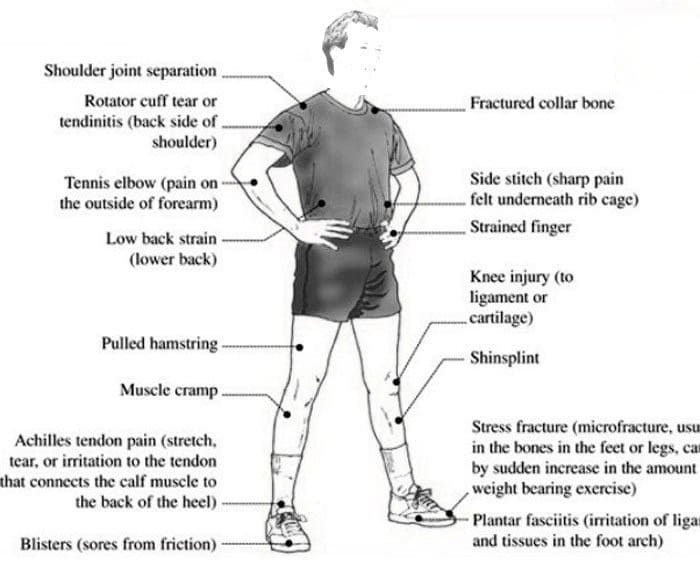
The following are more susceptible to muscle strains, pulls, or tears (Nölle L. V. et al., 2022)
Neck – levator scapulae and trapezius
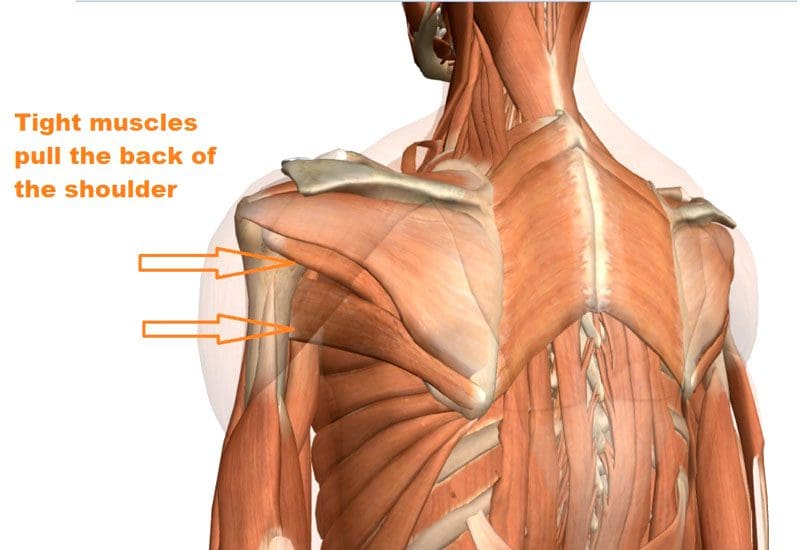
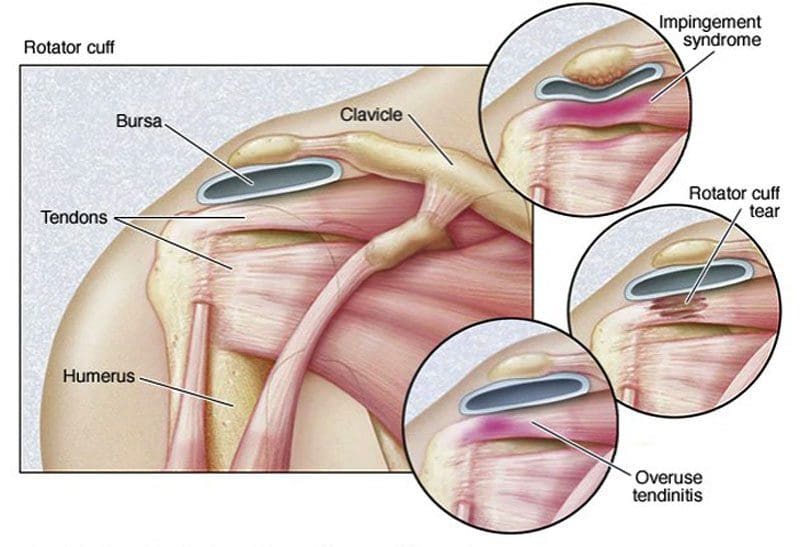
Shoulders – rotator cuff muscles
Lower back – erector spinae
Groin – adductors
Front of the thigh – quadriceps
Behind the thigh – hamstrings
Calves – gastrocnemius and soleus
Healing Stages and Factors
Pulled muscles heal in three predictable stages, though the timing and progression may vary by individual and injury severity (Baoge L. et al., 2012).
Inflammatory Stage (zero to three days)
When pulling a muscle, the body reacts instantly with an inflammatory response that may include swelling, redness, bruising, and pain.
Rest is important during this stage to prevent the injury from getting worse.
Repair Stage (three to 21 days)
Damaged muscle fibers are repaired and regrow during this stage.
Collagen fills in any tears to rebuild damaged muscle tissue.
Gentle movement and easy activity can help the fibers line up properly and reduce stiffness.
Start slowly moving a pulled muscle as soon as possible, but avoid too much activity too soon, as it can delay and prolong healing.
Remodeling Stage (three weeks to one year)
Repaired tissue gets stronger and adapts to regular movement.
Gradually adding more activity, stretching, and strengthening exercises helps treat a pulled muscle and return to full strength and function but should be done carefully to avoid re-injury.
Avoid activities that cause pain, but move the muscle gently to prevent stiffness.
Prolonged rest can slow healing, so maintain a balance between rest and exercise.
Ice
Add ice for 10–20 minutes for the first 48 hours to reduce swelling and pain.
Ice helps control inflammation by limiting blood flow to the injured area.
Compression
Use compression stockings or wrap the injured part in bandages to help reduce swelling.
Ensure the binding is not too tight so circulation is not cut off.
Elevation
Raise the injured area above heart level throughout the day.
This helps reduce swelling by allowing fluids to drain away from the injury site.
Heat
After the first two to three days, heat therapy increases blood circulation and improves flexibility, helping the muscle heal.
Eat Healthy
Get enough protein for muscle repair.
Maintain Hydration
Drink plenty of water to help with circulation and muscle lubrication.
Massage and Physical Therapy
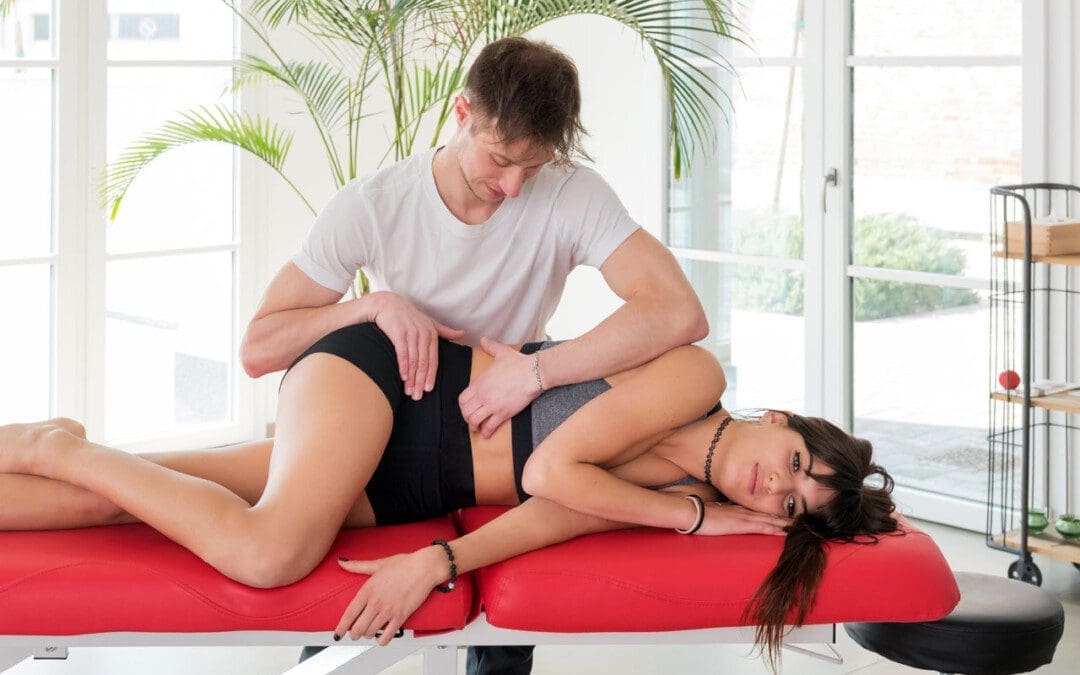
These hands-on interventions can improve circulation, help reduce scar tissue, and restore range of motion.
Over-the-counter Medications
If needed, over-the-counter nonsteroidal anti-inflammatory medications like Advil or Motrin (ibuprofen) and Aleve (naproxen sodium) can help with pain and swelling.
Only use as directed.
These steps can help promote faster healing and expedite returning to normal daily activities.
When to Resume Normal Activity
Individuals may need one to two weeks to recover before resuming normal activity for mild strains. However, for more severe injuries, it could take four to six weeks or longer to return to all daily activities. (Harvard Health Publishing, 2023) It’s essential to gradually return to daily activities to avoid reinjury, which can delay and prolong healing. Follow these recommendations to recover from a pulled muscle safely and quickly (Kraemer W., Denegar C., & Flanagan S. 2009)
Once the pain has subsided, the swelling has decreased, and the muscle feels better, start with low-impact exercises.
Slowly resume normal activities, avoiding overexerting the injured area.
Gradually increase activity levels and stop if there is any pain.
Avoid strenuous activities that place excessive stress on the injured muscle until the muscle is completely healed.
Contact a Healthcare Provider
While most pulled muscles heal with home care, seek medical attention if: (Penn Medicine, 2023)
Pain persists or worsens after seven to 10 days.
This can indicate a more serious injury, such as a severe torn muscle.
Significant pain, loss of motion and strength, and swelling disrupt daily activities or show signs of worsening despite rest and self-care.
It is difficult to move the affected area, or the muscle cannot bear weight, suggesting a more severe injury.
There are signs of infection, including redness, warmth, increased swelling, or fever, especially if the skin is cut or broken near the injured area.
There is unusual bruising or a visible deformity, which could indicate a bone fracture requiring professional evaluation.
A healthcare provider may recommend imaging studies, such as MRI, ultrasound, or X-rays, to assess the extent of the injury, rule out fractures, or check for muscle tears.
Injury Medical Chiropractic & Functional Medicine Clinic
Injury Medical Chiropractic and Functional Medicine Clinic works with primary healthcare providers and specialists to develop an optimal health and wellness solution. We focus on what works for you to relieve pain, restore function, and prevent injury. Regarding musculoskeletal pain, specialists like chiropractors, acupuncturists, and massage therapists can help mitigate the pain through spinal adjustments that help the body realign itself. They can also work with other medical professionals to integrate a treatment plan to resolve musculoskeletal issues.
Say Goodbye to Pain with Chiropractic Care
References
Fernandes, T. L., Pedrinelli, A., & Hernandez, A. J. (2015). MUSCLE INJURY – PHYSIOPATHOLOGY, DIAGNOSIS, TREATMENT, AND CLINICAL PRESENTATION. Revista brasileira de ortopedia, 46(3), 247–255. https://doi.org/10.1016/S2255-4971(15)30190-7
Hospital for Special Surgery. J. N. R., MD. (2024). Muscle Strain: Causes, Symptoms, Treatment. https://www.hss.edu/conditions_muscle-strain.asp
Nölle, L. V., Mishra, A., Martynenko, O. V., & Schmitt, S. (2022). Evaluation of muscle strain injury severity in active human body models. Journal of the mechanical behavior of biomedical materials, 135, 105463. https://doi.org/10.1016/j.jmbbm.2022.105463
Baoge, L., Van Den Steen, E., Rimbaut, S., Philips, N., Witvrouw, E., Almqvist, K. F., Vanderstraeten, G., & Vanden Bossche, L. C. (2012). Treatment of skeletal muscle injury: a review. ISRN orthopedics, 2012, 689012. https://doi.org/10.5402/2012/689012
Laumonier, T., & Menetrey, J. (2016). Muscle injuries and strategies for improving their repair. Journal of Experimental Orthopaedics, 3(1), 15. https://doi.org/10.1186/s40634-016-0051-7
Harvard Health Publishing. (2023). Muscle strain. https://www.health.harvard.edu/staying-healthy/muscle-strain-a-to-z
Kraemer, W., Denegar, C., & Flanagan, S. (2009). Recovery from injury in sport: considerations in the transition from medical care to performance care. Sports Health, 1(5), 392–395. https://doi.org/10.1177/1941738109343156
Penn Medicine. (2023). Strains. https://www.pennmedicine.org/for-patients-and-visitors/patient-information/conditions-treated-a-to-z/strains
Can a push-pull workout routine be an option for individuals who want focused training on specific muscle groups and balanced muscle development throughout the body?
Push-Pull Strength Training
A “push-pull” workout is a training style in which you split your exercise routine into separate days dedicated to “push” exercises (targeting muscles like the chest, shoulders, and triceps) and “pull” exercises (targeting muscles like the back and biceps). This allows focused training on each muscle group by isolating their primary movement patterns—pushing away from the body or pulling towards it. The workout often accompanies a separate leg day to complete the full-body workout. This routine comes from bodybuilding. Bodybuilders use this method to maximize their workouts and rest periods. By splitting their workouts into push exercises one day and pull exercises another, they can work out more often without overtraining. (Castanheira R. P. M. et al., 2017)
Upper Body Push Exercises
These exercises involve all the movements that push the weights away from your body. These exercises typically focus on the quads, outer thighs, chest, shoulders, and triceps. (Collins P. 2009)
Pushups
Push-ups are a versatile bodyweight exercise that engages multiple muscle groups, including the chest, shoulders, triceps, and core.
Chest Presses
Chest presses are exercises that target the pectoral muscles (chest muscles).
They can be performed with various equipment and techniques, providing a comprehensive workout for the chest.
Chest Flies
Chest flies are a weightlifting exercise that targets the pectoral muscles (chest muscles).
They are performed by lying on a bench and extending the arms outward with weights in each hand.
The weights are then lowered in an arc motion until they are slightly below chest level before being raised back to the starting position.
Overhead Presses
An overhead press is a weight-training exercise that involves pushing a weight above your head.
Also known as a shoulder, military, or strict press.
Lateral Raises
Lateral raises are an isolation exercise that targets the lateral deltoid muscle on the shoulder’s side.
They raise the arms laterally (out to the sides) while slightly bending at the elbows.
Bent Arm Lateral Raises
A bent-over lateral raise is a weightlifting exercise that strengthens the rear deltoids, the muscles on the back of the shoulders.
It also works other upper and lower body muscles, including the trapezius, rhomboids, triceps, hamstrings, and lower back.
Front Raises
Front raises are a weight training exercise that targets the shoulder muscles.
They can also help build strength and stability in the upper body.
Dips
Dips are an upper-body exercise that uses your body weight to strengthen your triceps and chest.
Triceps Extensions
Triceps extensions are resistance exercises that target the triceps muscles in the back of the upper arm.
They involve extending the arms at the elbows while keeping the shoulders stationary.
Skull Crushers
Skull crushers are a weightlifting exercise that targets the triceps muscles in the upper arms.
They are performed by lying on a bench or floor, holding a weight (such as a dumbbell or barbell) overhead, and then lowering it towards the forehead while keeping the elbows slightly bent.
This exercise helps to strengthen and build muscle mass in the triceps.
Upper Body Pull Exercises
Pull exercises are movements where you are pulling the weight toward your body. These exercises primarily use the biceps, hamstrings, glutes, and back muscles. A routine set up in which you do a push routine one day and a pull routine the next without working the same muscles two days in a row.
Barbell Rows
Often referred to as a “bent-over row” due to the hinged position of your body during the movement.
A barbell row is a weightlifting exercise in which you bend over at the hips, grasp a barbell with an overhand grip, and pull the weight toward your stomach.
This exercise primarily targets the upper back muscles, including the latissimus dorsi, while also engaging the core and posterior chain muscles.
One Arm Rows
A variation of the bent-over row, a one-arm row, also known as a single-arm dumbbell row, is an upper-body exercise that targets the back muscles using a dumbbell and a bench.
Double arm rows
A “double arm row” is a rowing exercise in which you simultaneously pull a weight toward your body using both arms, typically with a barbell or dumbbell.
This exercise engages your upper back muscles, including the latissimus dorsi, trapezius, and rhomboids.
To effectively target the back muscles, you maintain a bent-over position. Essentially, it’s the opposite movement of a chest press, but you use both arms simultaneously.
Barbell High Rows
A barbell high row, also known as a wide row, is an exercise that uses a barbell to work the upper and mid back muscles.
Dumbell Pullovers
Dumbbell pullovers are a weightlifting exercise that targets the chest, back, and shoulder muscles.
Seated Rows with Resistance Bands
A “seated row with bands” is an exercise where you sit on the ground, loop a resistance band around your feet, and then pull the handles towards your chest, mimicking a rowing motion.
By squeezing the shoulder blades together, this motion primarily targets the upper back muscles, including the latissimus dorsi and rhomboids.
You are essentially performing a seated row movement using the tension of a resistance band instead of weights.
Lat Pulls with Resistance Band
Lat pulls with a resistance band are a back exercise that strengthens the latissimus dorsi muscles and can improve posture.
Back extensions
Back extensions are an exercise that strengthens and isolates the lower back muscles, also known as the erector spinae.
Seated Alternating Rows
A seated alternating row is an exercise that targets the upper back, biceps, and lats.
It can be performed using a resistance machine or with a band.
Renegade Rows
A renegade row is a full-body exercise that combines a plank with a dumbbell row.
It’s an advanced exercise that targets the upper body, back, shoulders, and core.
Biceps Curls
A bicep curl involves bending the arm at the elbow towards the body, strengthening the biceps, the large muscles in the front of the upper arm.
Home Equipment
Resistance bands and a quality pair of adjustable dumbbells are recommended for home training. These don’t take up much space and can be used for most upper-body exercises. To set up a more dedicated space for workouts, add a weight bench or a full home gym to increase your push-pull training options.
Benefits
Push-pull workouts are great for anybody, whether you’re a bodybuilder or just someone lifting weights to be strong and fit. This routine is usually spread out over three days of training, allowing for shorter workouts. These can help you stay committed despite a busy schedule and are easier than longer, total-body workouts. These exercises can also be done with a cable pulley system or resistance bands.
Day 1 might be a push upper body workout.
Day 2 might be a lower-body workout.
Day 3 might be the pull upper body workout.
First, push-pull workouts allow you to work your muscles without overstressing them. (Castanheira R. P. M. et al., 2017) Second, although they are more frequent, push-pull workouts are shorter, so you can do more because your other muscles are resting. Third, push-pull routines are more interesting and contain more variety, as they can be done in various ways.
Alternating Workouts
Trainers recommend changing workouts every 6-12 weeks to avoid hitting a plateau, which can delay weight loss (American Council on Exercise, 2001). For example, you could do a push-pull routine for a few weeks and then switch to a different training method, pyramid training. Then, return to total body workouts, which you can do up to 3 non-consecutive days a week. Circuit training may be an option because the quick workouts allow you to get your cardio in simultaneously. (Haltom R. W. et al., 1999) With so many different training methods, there’s no need to do the same workouts repeatedly.
Injury Medical Chiropractic and Functional Medicine Clinic
For those who are easily bored with weight training and prefer a variety of exercises, this can be a refreshing way to stay focused and avoid burnout. Injury Medical Chiropractic and Functional Medicine Clinic works with primary healthcare providers and specialists to build optimal health and wellness solutions. We focus on what works for you to relieve pain, restore function, prevent injury, and help mitigate issues through adjustments that help the body realign itself. They can also work with other medical professionals to integrate a treatment plan to resolve musculoskeletal problems.
Transform Your Body
References
Castanheira, R. P. M., Ferreira-Junior, J. B., Celes, R. S., Rocha-Junior, V. A., Cadore, E. L., Izquierdo, M., & Bottaro, M. (2017). Effects of Synergist vs. NonSynergist Split Resistance Training Routines on Acute Neuromuscular Performance in Resistance-Trained Men. Journal of strength and conditioning research, 31(12), 3482–3488. https://doi.org/10.1519/JSC.0000000000001762
American Council on Exercise. (2001). Weight Loss Plateaus and Pitfalls. ACE. https://contentcdn.eacefitness.com/assets/education-resources/lifestyle/fitfacts/pdfs/fitfacts/itemid_69.pdf
Haltom, R. W., Kraemer, R. R., Sloan, R. A., Hebert, E. P., Frank, K., & Tryniecki, J. L. (1999). Circuit weight training and its effects on excess postexercise oxygen consumption. Medicine and science in sports and exercise, 31(11), 1613–1618. https://doi.org/10.1097/00005768-199911000-00018
When a groin strain injury happens, can knowing the symptoms help in the diagnosis, treatment, and recovery times?
Groin Strain Injury
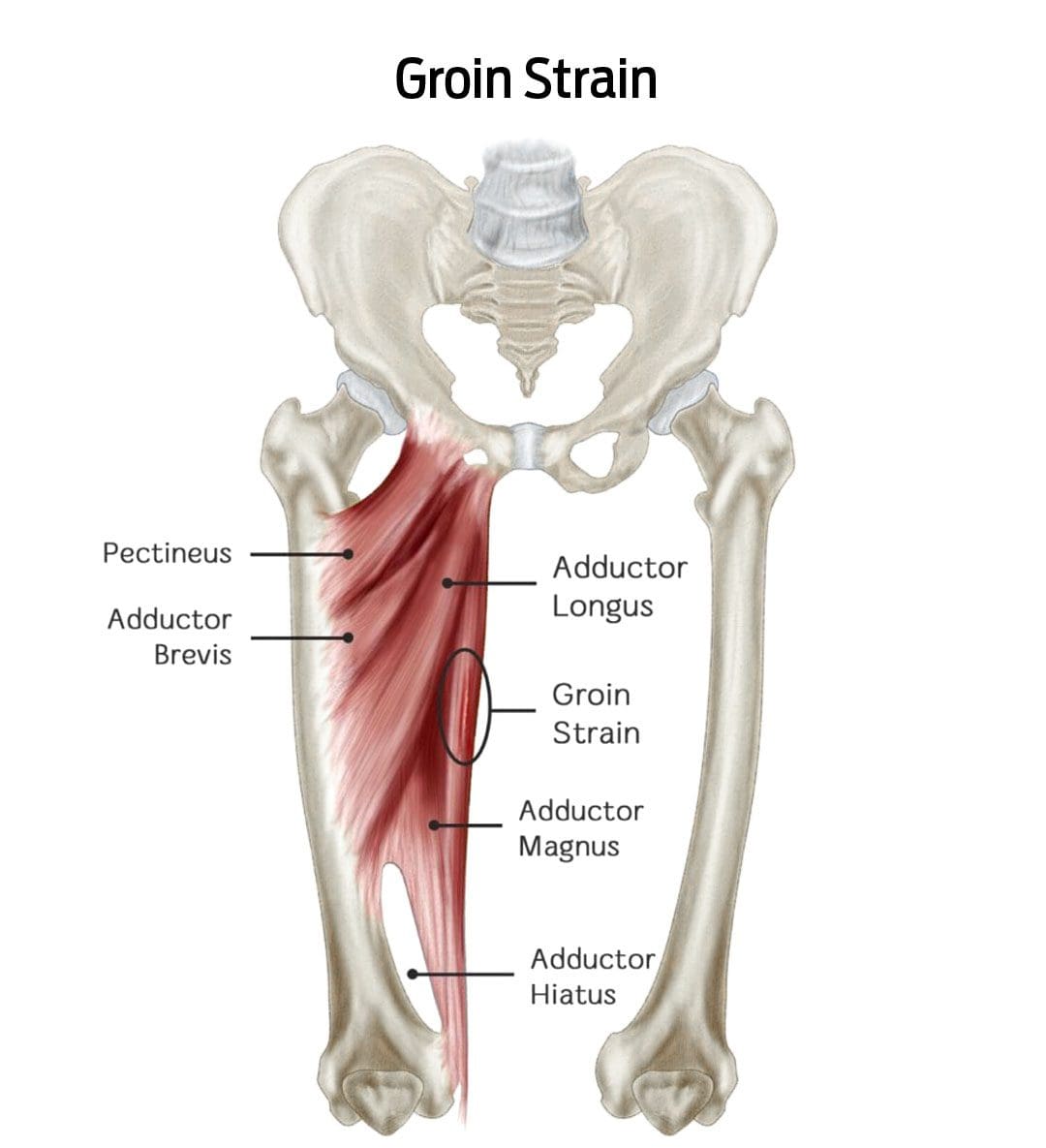
A groin strain is an injury to an inner thigh muscle. A groin pull is a type of muscle strain affecting the adductor muscle group (the muscles help pull the legs apart). (Parisa Sedaghati, et al., 2013) The injury is caused when the muscle is stretched beyond its normal range of motion, creating superficial tears. Severe strains can tear the muscle in two. (Parisa Sedaghati, et al., 2013)
A groin muscle pull causes pain and tenderness that worsens when squeezing the legs together.
There may also be swelling or bruising in the groin or inner thigh.
An uncomplicated groin pull takes four to six weeks to heal with proper treatment. (Andreas Serner, et al., 2020)
Symptoms
A groin pull can be painful, interfering with walking, navigating stairs, and/or driving a car. In addition to pain, other symptoms around the injured area include: (Parisa Sedaghati et al., 2013)
A popping sound or snapping sensation when the injury occurs.
Increased pain when pulling the legs together.
Redness
Swelling
Bruising of the groin or inner thigh.
Groin pulls are graded by severity and how much they impact mobility:
Grade 1
Mild discomfort but not enough to limit activities.
Grade 2
Moderate discomfort with swelling or bruising that limits running and/or jumping.
Grade 3
Severe injury with significant swelling and bruising can cause pain while walking and muscle spasms.
Signs of a severe groin strain
Difficulty walking
Groin pain while sitting or resting
Groin pain at night
A healthcare provider should see severe groin pulls because the muscle may have ruptured or be on the verge of rupturing.
In severe cases, surgery is necessary to reattach the torn ends.
Groin pulls are sometimes accompanied by a stress fracture of the pubis/forward-facing pelvic bones, which can significantly extend healing and recovery time. (Parisa Sedaghati et al., 2013)
Causes
Groin pulls are often experienced by athletes and individuals who play sports where they must stop and change directions quickly, placing excessive strain on the adductor muscles. (Parisa Sedaghati et al., 2013) The risk is increased in individuals who: (T. Sean Lynch et al., 2017)
Have weak hip abductor muscles.
Are not in adequate physical condition.
Have a previous groin or hip injury.
Pulls can also occur from falls or extreme activities without the proper conditioning.
Diagnosis
A healthcare provider will perform a thorough investigation to confirm the diagnosis and characterize the severity. This involves: (Juan C. Suarez et al., 2013)
Medical History Review
This includes any previous injuries and specifics about where and when the symptoms started.
Physical Examination
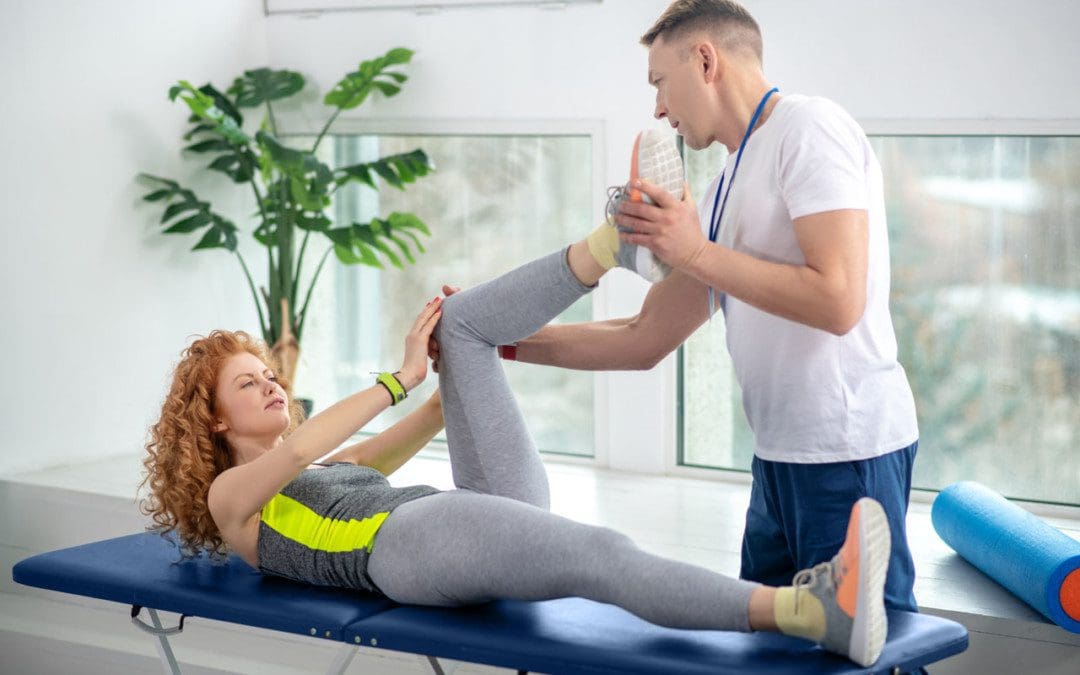
This involves palpating – lightly touching and pressing the groin region and manipulating the leg to understand better where and how extensive the injury is.
Imaging Studies
Ultrasound or X-rays.
If a muscle rupture or fracture is suspected, an MRI scan may be ordered to visualize soft tissue injuries and stress fractures better.
Differential Diagnosis
Certain conditions can mimic a groin pull and require different treatments. These include: (Juan C. Suarez, et al., 2013)
Sports Hernia
This type of inguinal hernia occurs with sports and work injuries.
It causes a portion of the intestine to pop through a weakened muscle in the groin.
Hip Labral Tear
This is a tear in the cartilage ring of the labrum outside the rim of the hip joint socket.
Hip Osteoarthritis
This is the wear-and-tear form of arthritis that can present with groin pain symptoms.
Osteitis Pubis
This is inflammation of the pubic joint and surrounding structures, usually caused by the overuse of the hip and leg muscles.
Referred Groin Pain
This nerve pain originates in the lower back, often due to a pinched nerve, but is felt in the groin.
Treatment
Beginning treatment is conservative and includes rest, ice application, physical therapy, and prescribed gentle stretching and exercises.
Individuals may need crutches or a walking device to reduce pain and prevent further injury if the pain is significant. (Andreas Serner, et al., 2020)
Physical therapy will be a part of the treatment plan.
Over-the-counter pain medications like Tylenol/acetaminophen or Advil/ibuprofen can help with pain relief short term.
If there is severe pain from a grade 3 injury, prescription medications may be used for a short period to help minimize pain. (Andreas Serner, et al., 2020)
Sedaghati, P., Alizadeh, M. H., Shirzad, E., & Ardjmand, A. (2013). Review of sport-induced groin injuries. Trauma monthly, 18(3), 107–112. https://doi.org/10.5812/traumamon.12666
Serner, A., Weir, A., Tol, J. L., Thorborg, K., Lanzinger, S., Otten, R., & Hölmich, P. (2020). Return to Sport After Criteria-Based Rehabilitation of Acute Adductor Injuries in Male Athletes: A Prospective Cohort Study. Orthopaedic journal of sports medicine, 8(1), 2325967119897247. https://doi.org/10.1177/2325967119897247
Lynch, T. S., Bedi, A., & Larson, C. M. (2017). Athletic Hip Injuries. The Journal of the American Academy of Orthopaedic Surgeons, 25(4), 269–279. https://doi.org/10.5435/JAAOS-D-16-00171
Suarez, J. C., Ely, E. E., Mutnal, A. B., Figueroa, N. M., Klika, A. K., Patel, P. D., & Barsoum, W. K. (2013). Comprehensive approach to the evaluation of groin pain. The Journal of the American Academy of Orthopaedic Surgeons, 21(9), 558–570. https://doi.org/10.5435/JAAOS-21-09-558
Acute and chronic sports injuries. Individuals who participate in sports or physical activities have an increased risk of experiencing an injury. These types of damages range from minor to severe and could require medical attention. Acute sports injuries happen suddenly and are usually the result of trauma to the area. A specific, identifiable incident is what causes an acute injury. Chronic sports injuries, also known as repetitive/overuse injuries, happen with time and are not caused by a single incident.
Acute and Chronic Sports Injuries Identification
Acute injuries can be identified by their cause. This could be a falling down during a run, sharp pain that presents in the shoulder after a throw, or a sprained ankle. The ability to focus on one cause usually means it’s acute. Acute injuries are characterized by:
Sudden pain in an area where there was none.
Swelling
Redness
Tenderness
Limited range of motion.
The inability of the injured area to support its weight.
A broken bone.
Dizziness
Headache
Nausea
Vomiting
Chronic injuries are different but are usually easy to identify. The pain begins gradually, usually over weeks or months. Repetitive activities like running, throwing, and swinging can exacerbate the pain. However, it is difficult to point to a specific issue that first caused the discomfort or pain. Chronic sports injuries are characterized by:
Pain and tenderness in the area, especially during and immediately after activity.
Minor swelling and limited range of motion.
Dull pain when resting.
These two types of injuries have different causes – trauma for acute and wear-and-tear for chronic – but they can both result in similar issues. For example, shoulder rotator cuff injuries are common, especially those that repeatedly use their shoulder to swing, throw, swim, etc. The individual needs to undergo a rotator cuff injury test to diagnose the injury correctly, whether the damage is acute or chronic. Chronic injuries can cause acute injuries, and acute injuries can lead to chronic injuries if left untreated.
Examples of Acute and Chronic Sports Injuries
Chronic and acute injuries are common in every type of sport. There’s an opportunity for both types of injuries. The most common include:
Other injuries from trauma, overuse, or both include:
Nonspecific Back Pain
Herniated Disc/s
Spondylolysis
Treatment
Minor acute injuries can be treated with rest, ice, compression, and elevation, aka R.I.C.E. Overuse injuries, are different as the injury has been gradually increasing in its severity, possibly causing scar tissue and ganglion cysts to develop. To prevent the injury from worsening, it’s recommended to see a sports injury chiropractor or physical therapist. These professionals can help heal the body and educate the individual on self-care and prevention.
Chiropractic
The musculoskeletal system takes a beating. Chronic injuries usually affect the bones, joints, muscles, or a combination. Chiropractic helps keep the musculoskeletal system limber and in proper alignment. Adjustments include:
Neck adjustments
Arm and hand adjustments
Shoulder adjustments
Knee adjustments
Hip adjustments
Foot adjustments
Physical Therapy
Physical therapy for a chronic injury can help prevent future injuries. A physical therapist helps:
Improve range of motion
Reduces pain and swelling
Increases strength
Whether an athlete or is just staying active and having some fun with sports, acute and chronic injuries can sneak up and worsen if they are not treated properly. Healing with the help of a professional can quicken recovery time and prevent future injuries.
Body Composition
Maintain Muscle Mass While Losing Fat
Individuals who want to lose weight should focus on losing excess fat tissue, not muscle mass. Studies have shown that diet and exercise are crucial to preserving Skeletal Muscle Mass while losing weight. Losing weight healthily includes:
A healthy balance of cardio and resistance training to burn calories and build muscle.
Wörtler, K, and C Schäffeler. “Akute Sportverletzungen und chronische Überlastungsschäden an Vor- und Mittelfuß” [Acute sports injuries and chronic overuse stress damage to the forefoot and midfoot]. Der Radiologe vol. 55,5 (2015): 417-32. doi:10.1007/s00117-015-2855-3
Yang, Jingzhen et al. “Epidemiology of overuse and acute injuries among competitive collegiate athletes.” Journal of athletic training vol. 47,2 (2012): 198-204. doi:10.4085/1062-6050-47.2.198
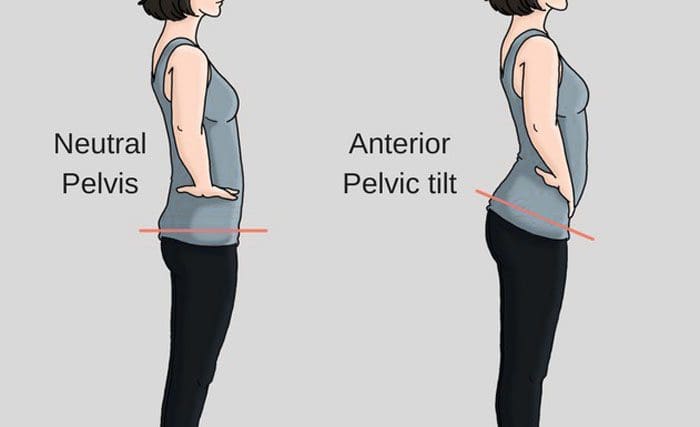
APT is short for anterior pelvic tilt. APT is when the pelvis tilts more down than forward, which can cause strain on the surrounding muscles and the spine to hold the torso up. The body’s own anatomical structure causing the condition and/or part of a bad habit that an individual has grown accustomed to. This can be from injury/s, back, and/or hip pain causing an individual to take on awkward postures to compensate for the discomfort and try and avoid it. However, these unhealthy postures cause their own set of musculoskeletal problems. Addressing this form of poor posture can help reduce and alleviate low back and hip pain and prevent further injuries. Chiropractic can pinpoint an anterior pelvic tilt and fix it.
Anterior Pelvic Tilt
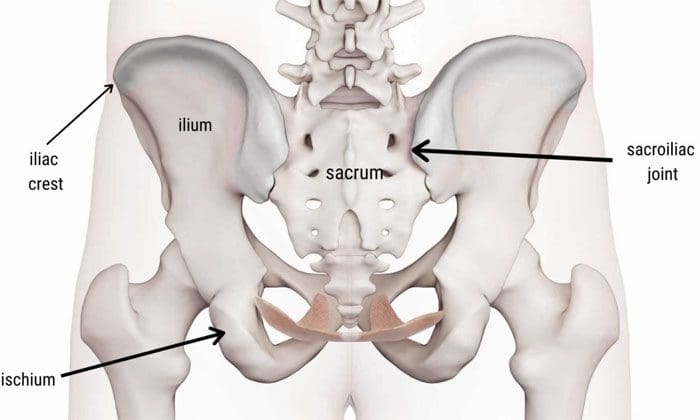
What happens is the pelvis becomes tilted or rotated forward. Place the hands, specifically the fingertips, on the hips. There are bone ridges. These are the iliac crests. If they’re facing more toward the ground than directly forward, this could be an anterior pelvic tilt. It usually happens when the hip flexors become tight and pull the pelvis down. Another contributor is the glute and hamstring muscles have weakened and are not strong enough to counteract the forward pulling. This can be caused by sitting for long periods, poor posture, and for women who wear high heels regularly. These contribute to tightening the hip flexors and the glutes, hamstrings, and core muscles.
An anterior pelvic tilt causes an increase in the curve of the lower back. It can feel like the hip flexors are tightening up. It typically affects the lower back at the lowest two levels, which are L4-5 and L5-S1. There can be long-term issues if an anterior pelvic tilt is left untreated. The spine becomes more vulnerable to disc issues that can include:
An anterior pelvic tilt is a repairable condition. Several exercises can help loosen/relax the hip flexors and strengthen the core and posterior muscle chain. This in addition to walking and reducing wearing high heels regularly. A few exercises for anterior pelvic tilt.
The Tail Tuck
This is literally trying to tilt the tailbone forward, like tucking in an imaginary tail. This can be done for 10-12 reps and up to 3 times.
Plank
Core-strengthening exercises can help with all types of back and hip problems. If possible, do the exercises in front of a mirror to ensure no arching of the back or the butt sticking out. If it is too difficult on the hands, go to the elbows. If there are wrist or shoulder issues, planks can be done on a raised surface, like a table or couch. Hold as long as possible, maintaining proper form. Start with 10-30 seconds and build up to minutes.
Strengthening the Glutes
It is recommended to strengthen the glute muscles. This can be done with exercises like clams or side-stepping with resistance bands. For clams, lie on the side and raise each leg up and down 10-12 times, up to 3 sets. For side-stepping, place resistance bands around the ankle/shin area and step to the side for 8-10 steps. Then go the other direction for the same number of steps. Repeat up to 3 sets.
Hip Flexor Stretch
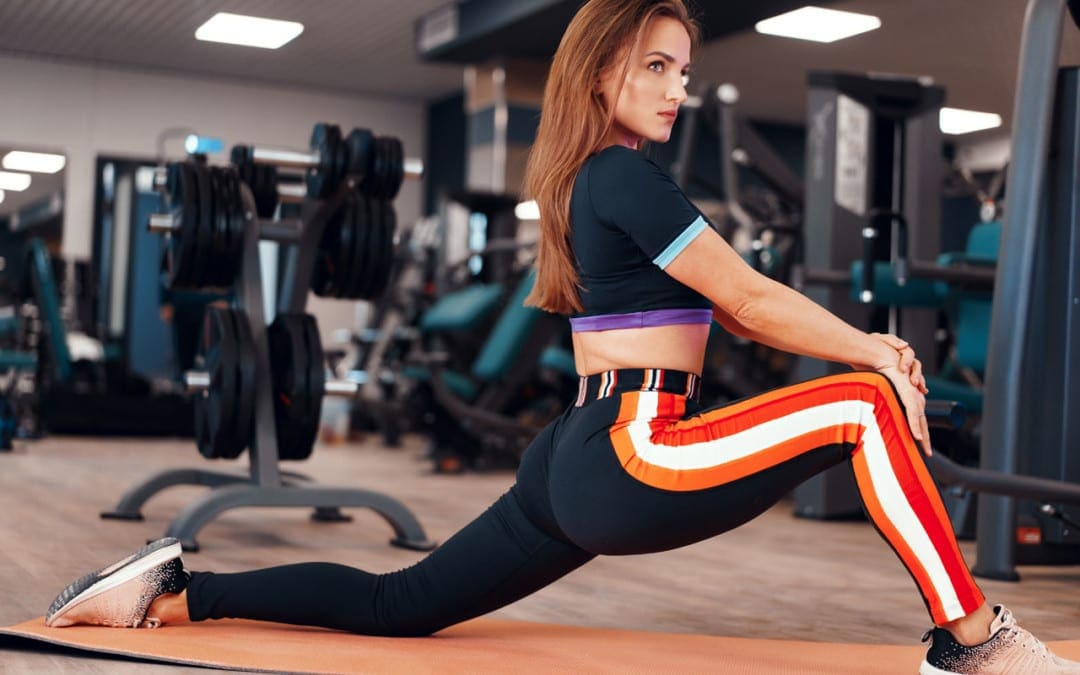
Lunge forward while standing or lunge and kneel with the other leg on the ground. Then move the torso back a little and engage the core to stretch the hip flexors in the front of the thigh/pelvis area. Hold for 30 seconds, then release. Repeat 3-5 times per leg.
Lifestyle
These exercises can help, but if there is no progress around a month, contact a qualified chiropractor or physical therapist for further instruction and supervision. Also, if any neurological symptoms present like:
Sciatica
Shooting pain
Numbness
Tingling
Weakness
See a doctor as soon as possible.
Fixing posture-related problems require individuals to learn to be posture aware along with making some lifestyle adjustments. One way to do these exercises is to tack them onto a workout. Also, set reminders on a calendar to get up, stretch, and move around if sitting most of the day.
Body Composition Health
Difference between Processed sugar and Natural sugar
There are different types of sugar. There are natural sugars that are found in:
Fruits
Vegetables
Nuts
Whole grains
Beans
All sugar is broken down into glucose. However, foods that contain natural sugar are also rich in nutrients, including:
Vitamins
Minerals
Fiber
Protein
All which the body requires for optimal health.
Natural sugar does not lead to excess sugar intake; it happens with processed sugar. Processed sugar is extracted from sugarcane or sugar beet and is normally found as sucrose. This is present in cakes, cookies, cereal, and beverages. Processed sugar is also hidden in foods that are not sweet, like:
Microwave meals
Spaghetti sauce
Low-fat yogurt
Ketchup
Sports drinks
Foods that contain processed sugar are an energy source, but they contain little or no nutrients and can cause blood sugar levels to spike. In addition, consuming too much sugar is linked to an increased risk of:
Diabetes
Accelerated aging
Weight gain
Research has found that added sugar contributes to around 17% of the total calorie intake for adults. The recommended daily amount of calories from added sugar is 10%.
References
Azaïs-Braesco, Véronique et al. “A review of total & added sugar intakes and dietary sources in Europe.” Nutrition journal vol. 16,1 6. 21 Jan. 2017, doi:10.1186/s12937-016-0225-2
Centers for Disease Control and Prevention (CDC). (May 2020) “Acute Low Back Pain” https://www.cdc.gov/acute-pain/low-back-pain/index.html
National Institute of Neurological Disorders and Stroke. (March 2020) “Low Back Pain Fact Sheet” https://www.ninds.nih.gov/Disorders/Patient-Caregiver-Education/Fact-Sheets/Low-Back-Pain-Fact-Sheet
Orlando Health. (2019) “Bad Posture Often to Blame for Chronic Pain and Health Issues, But Survey Finds Too Few Americans Are Concerned” https://www.orlandohealth.com/content-hub/bad-posture-often-to-blame-for-chronic-pain-and-health-issues
The shoulder joint consists of different muscles for moving, protection, and a wide range of motion. When one or more of these muscles is pulled or strained, it can affect the smallest movements. A pulled shoulder muscle can make simple activities difficult, painful, and impossible. Minor shoulder injuries can heal on their own with home remedies. A serious shoulder muscle injury should be addressed by a medical professional. The shoulder is a ball-and-socket joint. Pulling a muscle in the shoulder can be caused by:
Injury
Overuse
General wear and tear
Pulled Shoulder Muscle Causes
Pulling a shoulder muscle can happen quickly, like falling on the shoulder or from a car accident. It can also develop from months or years of working a job where individuals perform repetitive motions with the shoulders and overuse the muscles to the point of strain. No matter the cause, rehabilitation and recovery depend on the type and severity of the injury.
Common Shoulder Muscle Injuries
Several muscles and tendons surround the shoulder joint, and because the shoulder can move so freely, it is a common area for a pull or strain. Different shoulder muscle injuries fall under being pulled or strained.
Rotator Cuff Tear
Shoulder Tear
Shoulder Sprain
Shoulder Strain
Pulled Muscle in the shoulder blade
A Pulled Muscle or Something Else
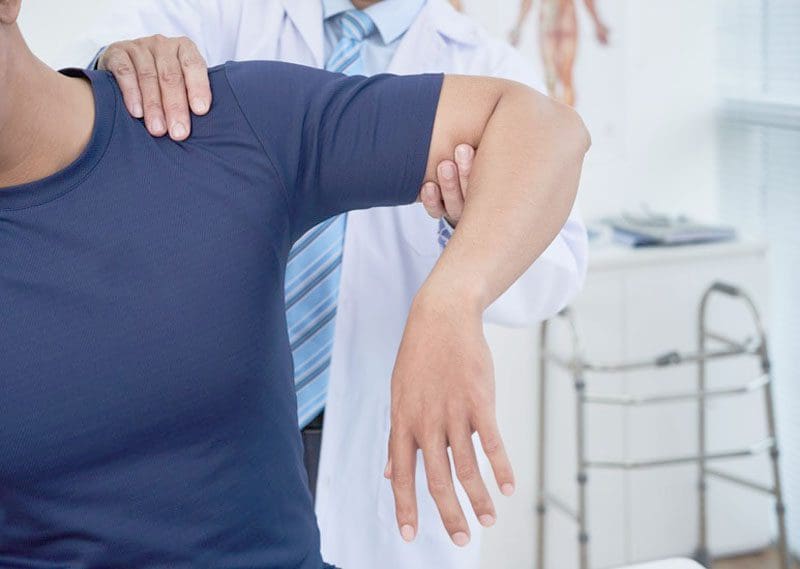
Unless an individual is a medical professional or has experienced this type of pain before, it can be hard to tell exactly its cause. Shoulder pain can have other or combined causes like inflammation of the tendons and joints, or the joint itself could be causing the injury. Here are a few ways to investigate what is causing shoulder pain.
Pulled Shoulder Muscle Symptoms
Pain in the shoulder blade area is characterized by dull, sore, or aching pain.
Sometimes shooting pain in the area between the shoulder blades will present, causing pain in the front or back of the shoulder.
Shoulder instability of the muscles or tendons.
The shoulder feels fragile.
Movement causes pain
A bump can develop at the top of the shoulder near the end of the collarbone.
General symptoms include:
Pain when the shoulder is at rest
Pain when the specific muscle is used
Tenderness
Possible swelling of the area
Inability to use the muscle at all
The Seriousness of a Pulled Shoulder Muscle
The majority of the time, a pulled shoulder muscle is not serious. If the pain is not severe and is not the result of an accident, it is okay to utilize home remedies to reduce pain and help the shoulder heal. However, some symptoms could indicate a serious injury or medical problem. If you experience shoulder pain and any of the following, seek immediate medical attention.
Severe and intense pain
Severe, abrupt pain that has no obvious cause
Shortness of breath
Chest numbness or pain
Seeing clearly
Difficulty speaking
Sudden swelling, pain, or redness
Individuals who experience shoulder pain that does not get better over time seek professional help, even if the pain is mild. A professional will develop the right treatment plan, reduce pain, and generate a healthy recovery, getting the individual back to normal and optimal health.
Treatment and Recovery Options
Treatment and recovery plans are different for everyone. This is because it depends on the severity of the pull and the individual's overall health. Many find that the pain is reduced with home remedies in two or three weeks. Chiropractic treatment for a pulled shoulder muscle can provide relief within one or two weeks.
Home Remedies for Pulled Shoulder Muscles
Depending on the severity and how much pain is presenting, NSAIDs like Ibuprofen can help reduce pain and swelling. Individuals can also incorporate the following:
Rest
The shoulder should rest for 2 or 3 days. This gets the healing process started and prevents further injuring the area.
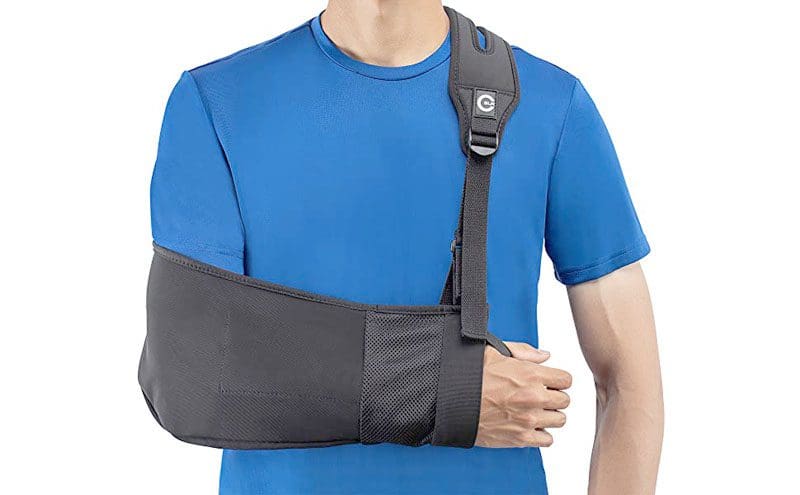
Wrap or Sling
During the days of rest, keeping the shoulder from moving can be difficult. To avoid this, wrap the shoulder or utilize a sling to support the arm. Remember that these should not be used for more than 2 or 3 days.
Ice for Swelling
If there is swelling, applying ice to the area can help reduce the inflammation. Apply for 20 minutes every hour. The swelling should begin reducing in a day or two.
Gentle Stretching
Working out the muscles after 2 or 3 days of rest is important. Stretches will help the muscle group strengthen and heal. Not stretching the muscles and not using them for an extended time could worsen the injury and increase further injury.
Stretching the Shoulder
As aforementioned, not moving/stretching can cause more problems in the long run. Not using the muscle can cause it toatrophy, which means that it will take longer to heal with the surrounding muscles weakening. Gentle stretches for a pulled shoulder muscle include:
Cross-Body Shoulder Stretch
Bring the affected arm across the body at an angle
Cup the elbow of the affected arm with the other hand
Use that hand to pull the arm toward the body gently
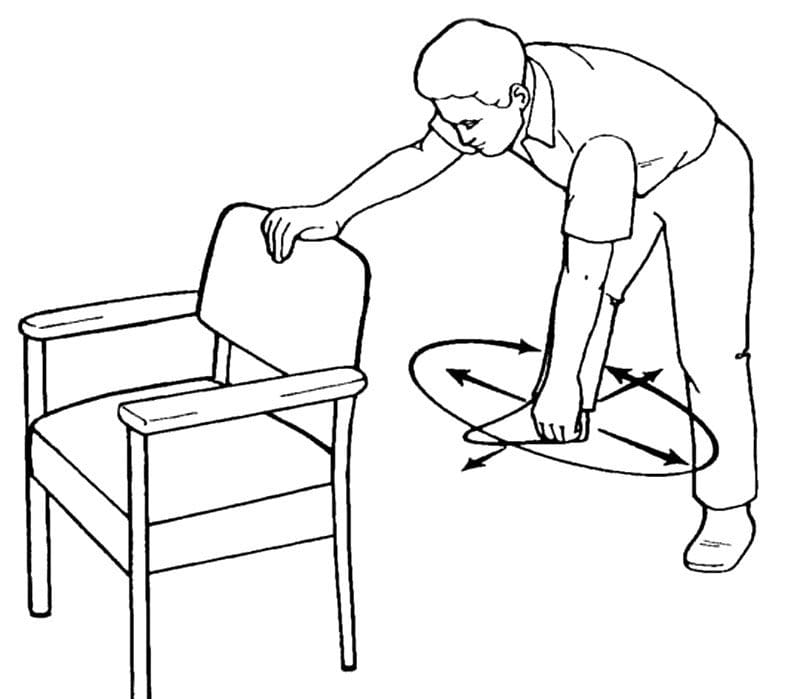
Bend slightly forward, support the body by placing the non-injured arm on a table or chair
Allow the injured arm to hang straight down.
Start swinging the arm in small circles clockwise that gradually grow wider
Do for 1 minute, then switch counterclockwise for another minute
Repeat 4 to 8 times throughout the day
Chiropractic
If home remedies are not enough, then chiropractic can help. Chiropractors use a variety of treatment modalities for pulled shoulder muscles. These include:
Chiropractic adjustments
Electrical stimulation
Manual stretching
Ultrasound
Cold laser therapy to reduce pain and swelling
Health coaching
Posture exercises
Physical rehabilitative therapy
If the pain is persistent, it could indicate more than a pulled muscle is causing the pain. This could be a pinched nerve or a joint issue. A doctor of chiropractic can develop the best recovery option to get to the root cause.
Body Composition
Women and muscle distribution
Research reveals that women could have a higher distribution of type 1 muscle fibers and lower distribution of type 2 muscle fibers which are more prevalent in men. Type 1 muscle fibers are slow-twitch muscles and are extremely useful in long-endurance activities like long-distance running. Type 1 muscle fibers are also the first ones that activate during any exercise. Type 2 are the fast-twitch muscle fibers and get activated when performing powerful or explosive bursts of movements like sprinting.
Because of these muscle-fiber differences, men are likely to excel in training that involves explosive, powerful routines. However, a study found that women can gain more muscle mass using a total body strength training program than men. For optimal results, mix up the workout with a variety of resistance and strength training routines. This will allow for greater muscle mass growth.
References
Kim, Jun-hee et al. Comparison of the Shoulder External Rotator Strength and Asymmetry Ratio Between Workers With and Without Shoulder Impingement Syndrome. Journal of strength and conditioning research, 10.1519/JSC.0000000000003343. 17 Sep. 2019, doi:10.1519/JSC.0000000000003343
Verniba, Dmitry, and William H Gage. Stepping threshold with platform-translation and shoulder-pull postural perturbation methods.Journal of biomechanics vol. 94 (2019): 224-229. doi:10.1016/j.jbiomech.2019.07.027
Dealing with Painful Trigger Points. Berkeley Wellness. http://www.berkeleywellness.com/self-care/preventive-care/article/dealing-painful-trigger-points. Published September 1, 2011. Accessed June 14, 2018.
IFM's Find A Practitioner tool is the largest referral network in Functional Medicine, created to help patients locate Functional Medicine practitioners anywhere in the world. IFM Certified Practitioners are listed first in the search results, given their extensive education in Functional Medicine