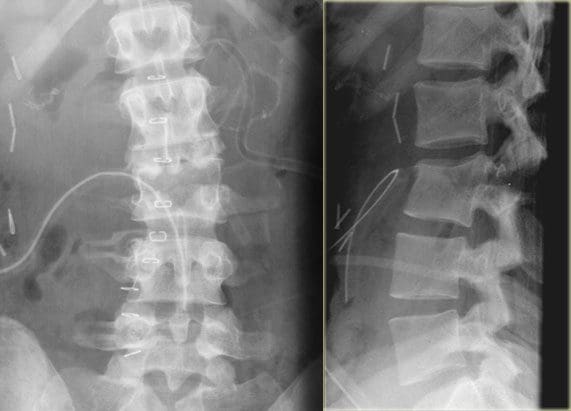
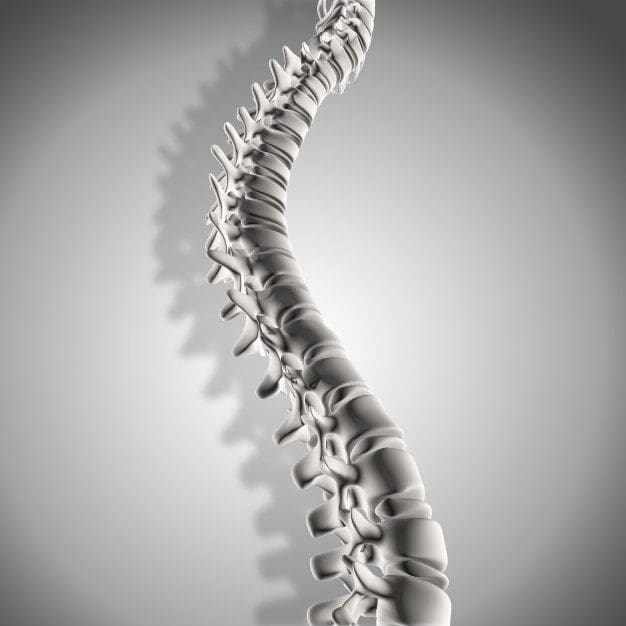
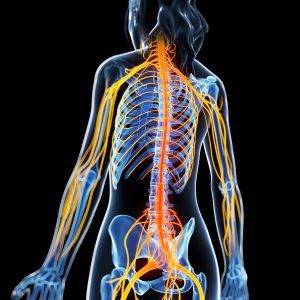
Spinal Cord Injuries Are Not Only Caused by Trauma
When people think of spinal cord injury/s or SCI’s, traumatic events like a major auto accident, hard fall, severe sports injury or intense work injury come to mind. It is true that auto accidents are the leading cause, however, non-traumatic accidents and diseases like a spinal tumor can also cause spinal cord injuries.
These types of injuries involve damage to the spinal cord that can temporarily or permanently affect its functionality. Spinal cord injuries are divided into 2 categories: traumatic and non-traumatic. Even with non-traumatic injuries the impact or severity is not lessened and the aftermath can have a devastating effect on a person�s life.
Spinal Cord Injury Trauma
Vehicle crashes: Motor vehicle accidents are the leading cause of traumatic spinal cord injuries, and they account for 40% of all SCI’s.
Falls: Falls are the second cause of traumatic spinal cord injuries, and they account for 32% of injuries.
Violence: Violent acts, like gunshot wounds or a stabbing cause around 14% of spinal cord injuries.
Spinal cord injuries occur more in men than women with 80% of cases affecting men.
Although people of all ages can experience SCI, there are activities/events that increase the risk that affects different age groups more than others. An example is high-impact actions like motor vehicle accidents and sports injuries occur more in young adults. Conversely, spinal cord injuries caused by a fall happens more in adults over age 60.
Regardless, SCI occurs more in the neck or cervical spine. Around 60% of cases involve the neck, followed by the mid-back or thoracic spine that averages to around 32% of injuries. Although most people experience low-back pain, only 9% of spinal injuries occur in the low back and tailbone or lumbosacral spine.
Understanding SCI Trauma
Damage to the spinal cord not only affects the area where the point of impact occurred. The primary injury can also damage cells, dislocate the vertebrae and cause spinal compression. It can also trigger secondary injuries, that cause a series of biological changes. This can happen within weeks or months after the injury.
The secondary injury cascade processes:
Glial cells along with the nerve cells in the spinal cord begin to die. These cells provide nutrients and other support to the nerve cells in the central nervous system. This consists of the brain and spinal cord.
The blood vessels in the spinal cord lose their ability to function, and this reduces the blood supply to the cord. When the blood supply becomes inadequate it is called ischemia. Blood vessel injuries expose the cord to inflammatory cells that in turn cause swelling. When the spinal cord becomes inflamed the spinal cord gets more and more compressed. If this happens�the initial injury progressively worsens.
This changes the cord�s structure and its normal operation. The secondary injury cascade can interfere with the cord�s ability to heal itself. This means an individual could experience permanent nerve pain and dysfunction.
Non-traumatic SCI
Spinal cord damage does not only happen with traumatic events. An SCI can also be caused by non-traumatic diseases in the spine. Tumors are the leading cause, but infections and degenerative disc disease can also cause serious damage.
Non-traumatic SCI’s happen more than traumatic based ones. �The incidence of traumatic SCI in North America comes to around 54 cases per one million people. With the incidence of non-traumatic SCI is around 1,227 cases per million people.
Healthy Spinal Cord Injury Outcomes
Spine researchers are making great strides in developing optimal protective and regenerative treatments to improve spinal cord health after these injuries occur.
Currently, innovative medical, surgical, cell-based and alternative treatments are furthering the medical community�s understanding of SCI’s. This is dramatically improving the quality of life and creating positive futures for individuals who experience these injuries.
Car Accident Injury Rehabilitation | El Paso, Tx (2020)
NCBI Resources
The muscles in the back keep the spine moving and functioning properly.�When the spine or�abdominal muscles are�weak this creates a higher probability of a back strain or injury. Having strong, healthy spine muscles are important because they function in maintaining correct posture, which in some cases, causes chronic back pain because of poor posture.
If�only one part of the body is�strengthened like the back is not enough. Therefore strengthening the rest of the body is a must. These include the body�s core and leg muscles. Total body strength will reduce back pain and can help perform regular activities, like�lifting heavy objects much easier, with more confidence and with a lesser probability of injury.
Wellness Chiropractor, Dr. Alexander Jimenez takes a look at discussing nutrition with patients in a clinical setting.
How Clinicians Can Do Better
Despite overwhelming evidence that relatively small dietary changes can significantly improve health, clinicians seldom discuss nutrition with their patients. Poor nutritional intake and nutrition-related health conditions, such as cardiovascular disease (CVD), diabetes, obesity, hypertension, and many cancers, are highly prevalent in the United States,1 yet only 12% of office visits include counseling about diet.2 Even among high- risk patients with CVD, diabetes, or hyperlipidemia, only 1 in 5 receive nutrition counseling.2 It is likely that many patients receive most of their nutrition information from other, and often unreliable, sources.
These data may reflect the minimal training, time, and reimbursement allocated to nutrition counseling (and preventive services in general) in clinical practice.3 Most physicians and other health care professionals receive limited education on nutrition in medical school (or other professional schools) or in postgraduate training. Just 25% of medical schools offer a dedicated nutrition course, a decline since the status of nutrition education in US medical schools was first assessed in 1985, and few medical schools achieve the 30 hours of nutrition education recommended by the National Academy of Sciences.4 As a result, physicians report inadequate nutrition knowledge and low self-efficacy for counseling patients about diet.3 In addition, time pressures, especially in primary care, limit opportunities to counsel on nutrition or address preventive issues beyond patients� acute complaints. Lack of time is frequently cited as the greatest barrier to counseling on nutrition and obesity.3
Moreover, nutrition and behavioral counseling have traditionally been non-reimbursed services. Few state Medicaid programs cover nutrition or obesity counseling, and before 2012, Medicare explicitly excluded coverage for obesity counseling; although now a reimbursed service for Medicare beneficiaries, just 1% of eligible Medicare beneficiaries receive this counseling.5 Dietitian counseling is also excluded by Medicare, unless patients have diabetes or renal disease. Although the Affordable Care Act mandates coverage for services graded A or B by the US Preventive Services Task Force, including nutrition counseling for patients with CVD risk factors and obesity counseling for patients with a body mass index of 30 or greater, existing private health insurance benefits are in- consistent, and the covered services are often unclear to both clinicians and patients, thereby limiting use.
Furthermore, health behavior change counseling is often frustrating given the current food environment, in which less nutritious foods tend to be less expensive, larger portioned, more easily accessible, and more heavily marketed than healthier options, making patient adherence 6 to nutrition advice challenging. Conflicting and confusing nutrition messages from popular books, blogs, and other media further complicate patient decision making.
Despite these unfavorable trends, there has been progress in this area. The evidence base supporting the benefits of nutrition intervention and behavioral counseling is expanding. Renewed focus on nutrition education in health care professional training is being driven by both student demand and the health care system. Although time pressures and reimbursement remain impediments, incentives and reimbursement options for nutrition and behavioral counseling are growing, and value-based care and health care team approaches hold promise to better align time demands and incentives for long-term care management. Initiatives to integrate clinical care and community resources offer opportunities to leverage resources that alleviate the clinician�s time commitment. There is evidence of some success; for instance, the amount of sugar-sweetened beverages consumed by individuals in the United States has declined substantially over the past 10 years.7
Clinicians can take the following reasonable steps to include nutrition counseling into the flow of daily practice:
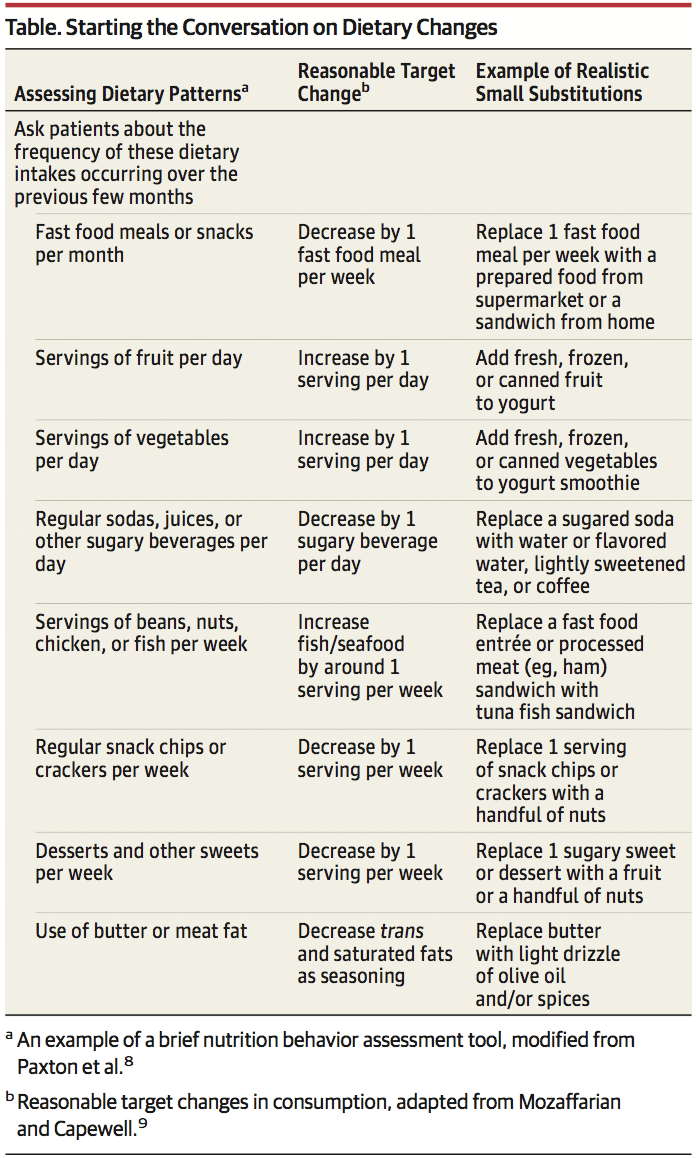
1. Start the conversation. Several short, validated screen- ing questionnaires are available to quickly assess need for nutrition counseling, such as the Starting the Conversation tool8 (Table). This approach can be efficiently used prior to seeing the patient at an appointment, either delivered by medical assistants as part of vital sign assessment or as prescreening paperwork for patients to complete online or in the waiting room.
2. Structure the encounter.�Using methods such as the �5 A�s� (assess, advise, agree, assist, arrange), which has been adapted from tobacco counseling. Motivational interviewing, which has documented efficacy in numerous behavior change settings, is particularly helpful to engage patients who are not yet committed or are hesitant to consider behavioral change.
3. Focus on small steps. Changing lifelong nutrition behaviors can seem overwhelming, but even exceedingly small shifts can have an effect (Table). For example, increasing fruit intake by just 1 serving per day has the estimated potential to reduce cardiovascular mortality risk by 8%, the equivalent of 60 000 fewer deaths annually in the United States and 1.6 million deaths globally.9 Other examples include reducing intake of sugar-sweetened beverages, fast food meals, processed meats, and sweets, while increasing vegetables, legumes, nuts, and whole grains. Emphasize to patients that every food choice is an opportunity to accrue benefits, and even small ones add up. Small substitutions still allow for �treats,� such as replacing potato chips and cheese dip with tortilla chips and salsa, the latter lowering trans fats and saturated fat and increasing whole grain and vegetable intake (Table).
4. Use available resources. Numerous extracurricular resources are readily available for clinicians. The Nutrition in Medicine program offers online, evidence-based nutrition education and tutorials for clinicians and an online, core nutrition curriculum for medical students. The Dietary Guidelines for Americans offers evidence- based and freely available nutrition guidance, tutorials, and tools for clinicians and patients alike. A companion website, Choose My Plate, offers nutrition and counseling advice for clinicians and handy resources for patients, including recently added videos with useful examples of small substitutions that patients will appreciate.
5. Do not do it all at once. Expecting to create long-term behavioral change during a single episode of care is a recipe for frustration and failure, for both the patient and clinician. Empowering and sup- porting patients is an ongoing process, not a 1-time curative event. Use a few minutes at the close of a patient visit to identify opportunities for future counseling, offer to serve as a resource, and be- gin a discussion and support that can be reinforced over time. Take solace in knowing that small initial steps can quickly improve health; for example, reducing trans fats at a single meal (eg, replacing baked goods with fruit or nuts or fried foods with non-fried alternatives) promptly improves endothelial function.10
6. Do not do it all alone.�The primary care physician need not be the sole clinician who provides nutrition counseling. Proactive use of physician extenders (eg, physician assistants, nurses, medical assistants, and health coaches) and referrals can alleviate much of the burden for the busy clinician. Receptionists can distribute assessment and screening questionnaires for patients to complete in the waiting room; medical assistants can document behavioral change progress while assessing vital signs; administrative staff can identify and con- tact patients who are overdue for interaction. Large practices may benefit from including nutrition or health coaches on staff. Referring to clinical specialists and community-based support programs can significantly extend the clinician�s reach.7 In addition to registered dietitians, numerous clinical and community resources are available and often covered by insurance plans. Board-certified obesity medicine specialists, certified diabetes educators, and physician nutrition specialists are available as referrals in many areas. Diabetes Prevention Program group counseling sessions are now covered by Medicare and available throughout communities, such as in many YMCA sites, and electronically.
Summary
Although there is no conclusive evidence that these steps will improve diet and health outcomes for patients, there is virtually no harm in counseling and the potential gains, especially at the population level, are substantial. Nutrition and health behavior change must become a core competency for virtually all physicians and any other health professionals working with patients who have or are at risk for nutrition-related chronic disease.
A Healthier You
Scott Kahan, MD, MPH Department of Health Policy and Management, Johns Hopkins Bloomberg School of Public Health, Baltimore, Maryland; and George Washington University School of Medicine, Washington, DC.
JoAnn E. Manson, MD, DrPH Department of Medicine, Brigham and Women’s Hospital and Harvard Medical School, Boston, Massachusetts; and Department of Epidemiology, Harvard T. H. Chan School of Public Health, Boston, Massachusetts.
ARTICLE INFORMATION
Published Online: September 7, 2017. doi:10.1001/jama.2017.10434 Conflict of Interest Disclosures: All authors have
completed and submitted the ICMJE Form for Disclosure of Potential Conflicts of Interest and none were reported.
REFERENCES
1. Ward BW, Schiller JS, Goodman RA. Multiple chronic conditions among US adults: a 2012 update. Prev Chronic Dis. 2014;11:E62.
2. Office of Disease Prevention and Health Promotion. Healthy People 2020. https://www.healthypeople.gov/2020/data-search/Search-the-Data#srch=nutrition. Accessed January 23, 2017.
3. Kolasa KM, Rickett K. Barriers to providing nutrition counseling cited by physicians. Nutr Clin Pract. 2010;25(5):502-509.
4. Adams KM, Kohlmeier M, Zeisel SH. Nutrition education in U.S. medical schools: latest update of a national survey. Acad Med. 2010;85(9):1537-1542.
5. Batsis JA, Bynum JPW. Uptake of the Centers for Medicare and Medicaid obesity benefit: 2012-2013. Obesity (Silver Spring). 2016;24(9):1983-1988.
6. Kahan S, Cheskin LJ. Obesity and eating behaviors and behavior change. In: Kahan S, Gielen AC, Fagan PJ, Green LW, eds. Health Behavior Change in Populations. Baltimore, MD: Johns Hopkins University Press; 2014:chap 13.
7. Rehm CD, Pe�alvo JL, Afshin A, Mozaffarian D. Dietary intake among US adults, 1999-2012.JAMA. 2016;315(23):2542-2553.
8. Paxton AE, Strycker LA, Toobert DJ, Ammerman AS, Glasgow RE. Starting the conversation performance of a brief dietary assessment and intervention tool for health professionals. Am J Prev Med. 2011;40(1):67-71.
9. Mozaffarian D, Capewell S. United Nations� dietary policies to prevent cardiovascular disease. BMJ. 2011;343:d5747.
10. Williams MJA, Sutherland WHF, McCormick MP, de Jong SA, Walker RJ, Wilkins GT. Impaired endothelial function following a meal rich in used cooking fat.J Am Coll Cardiol. 1999;33(4):1050-1055
6 Tweaks For Posture & See What Happens To Back Pain
Your Guide for Getting Rid of Pain With Super-Easy Posture-Tweaking Moves
A lot of us have aches and pains that have become so much a part of our daily lives that we�ve learned to live with them (if not accept them). The problem is that all these small aches and pains, such as lower back and neck issues, are derived from posture mistakes.
We�re NOT pointing any fingers here; we all make posture mistakes on a daily basis without even realizing it. Sure, an Epsom Salt Bath Soak might clear up the problem temporarily, but if you keep on making the same posture mistake, guess who�ll be knocking on your door again soon?
In this post, we�ll be highlighting some common posture mistakes, and then we�ll be giving you tips on how to fix those mistakes. We�ll even throw in some advice on how to posture-check yourself, just to help keep you on the right track. All of our recommendations take 30 seconds or less, and we�re kind of sure that you�ll find them as useful as we do.
6 Common Posture Problems (& How To Fix Them!)
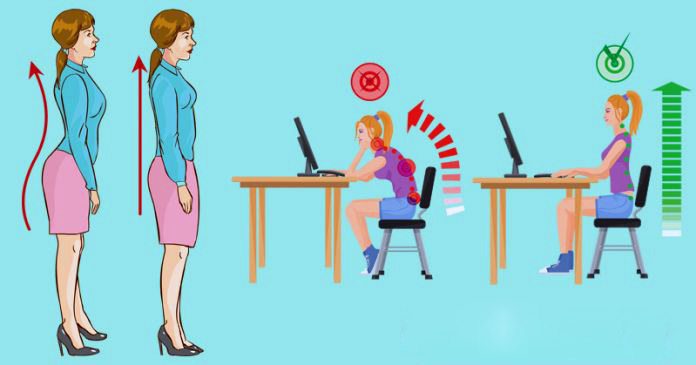
1. Not Sitting Up in a Chair
Most of us slouch in our chairs, which is why most of us experience some form of lower back pain during one stage or another of our lives.
How to Fix It
Make sure you sit up properly in your chair. Make sure you do exercises that strengthen the back and core muscles, which will further support your posture while sitting in a chair.
2. Standing With Your Butt Outwards
People that have a pronounced curve in their lower backs and folks that tend to stand with their bottom stuck out may develop (or already suffer from) hyper-lordosis.
This posture problem looks like a classic picture of Donald Duck. Conditions such as pregnancy and carrying too much belly fat exacerbate this problem.
How to Fix It
Make sure you do thigh stretches and hip flexor exercises � you can also do some core training, as well as exercises that strengthen the buttocks.
It�s crucial that you learn to stand upright, almost as if having a string tied to your head which pulls you upward. This will help get rid of your back pain.
3. Having Your Back Flat While Standing
Folks that tuck their pelvises in and straighten out their lower backs (instead of having a naturally curved posture) tend to stoop forward while standing.
This increases their chances of developing back pains that extend all the way from their upper to their lower backs. They�ll also have a hard time standing around for extended periods of time.
How to Fix It
Core strengthening exercises along with those that focus on strengthening the buttocks, neck, back, and shoulder muscles should be done to help correct this very common posture problem.
4. Leaning on the Right or Left Leg
While it might feel super comfy, leaning on either one of your legs while standing is a habit that could be causing you a lot of pain.
That�s because instead of using your buttocks or core muscle groups to keep you up, you�re relying on your hip and your lower back, and putting too much strain on this area causes pain.
How to Fix It
The best way to fix this common problem is to focus on the idea of distributing your weight on both of your legs as you stand. You can try exercises such as bridges and plank poses to help strengthen your muscles and get rid of any posture-related pains which you may be experiencing.
5. The Common Hunchback
Most of us know this posture problem as �the phone pose.� It�s the pose we all seem to adopt when we�re glued to our smartphones, putting a strain on our necks and backs while we check what�s new.
This leads to problems such as a rounded upper back, causing severe pain in the upper back and the shoulders.
How to Fix It
Make sure you�re doing a lot of exercises that�ll strengthen your shoulders, neck, and, of course, your upper back.
6. The Chin-Out Pose
Another name for this posture problem is the �PC screen stare.� You�ve all seen it, heck you may even be doing it right this moment! We�re talking about the people who sit too low beneath their PC screens and stick their chins out to compensate.
How to Fix It
Your sitting habits will have to be addressed and corrected if you want to get rid of the back pain that comes paired with the chin-out posture problem. Make sure you�re adjusting your seat height, and focus on keeping your head straight and upright while using the computer.
Final Thoughts
In our modern world, it�s pretty hard not to fall victim to one of these common posture pitfalls and the pain associated with them. The good news is that now you know what these common mistakes are, and how they can quickly and easily be corrected.
We hope that this post has been helpful in guiding you through the process of alleviating the pains that derive from poor posture, and that you�re a little more aware of where, why, and how to avoid these innocent yet painful mistakes.
Tips for Improving Posture and Ergonomics
Over time, poor posture may be caused by habits from everyday activities such as sitting in office chairs, staring at the computer, cradling a cell phone, carrying a purse over same shoulder, driving, prolonged standing, caring for small children, or even sleeping.
Poor posture can easily become second nature, causing and aggravating episodes of back and neck pain and damaging spinal structures. Fortunately, the main factors affecting posture and ergonomics are completely within one’s ability to control and are not difficult to change.
The following guidelines suggest several ways to improve posture and ergonomics, especially for people who work sitting in an office chair for most of the day.
Identify The Warning Signs Of Back Pain Caused by Poor Ergonomics & Posture
Back pain may be the result of poor ergonomics and posture if the back pain is worse at certain times of day or week (such as after a long day of sitting in an office chair in front of a computer, but not during the weekends); pain that starts in the neck and moves downwards into the upper back, lower back, and extremities; pain that goes away after switching positions; sudden back pain that is experienced with a new job, a new office chair, or a new car; and/or back pain that comes and goes for months.
Keep The Body In Alignment While Sitting & While Standing
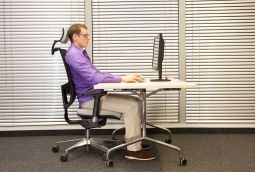
When standing, distribute body weight evenly to the front, back, and sides of the feet. While sitting in an office chair, take advantage of the chair’s features. Sit up straight and align the ears, shoulders, and hips in one vertical line. Any prolonged sitting position, even a good one, can be tiring. Shifting forward to the edge of the seat with a straight back can alternate with sitting back against the support of the office chair to ease the work of back muscles.
Some people benefit from a naturally balanced posture that is achieved by sitting on a balance ball; in this posture the pelvis is rocked gently forward increasing the lumbar curve which naturally shifts the shoulders back (similar to sitting on the edge of a chair seat).
Also be aware of and avoid unbalanced postures such as crossing legs unevenly while sitting, leaning to one side, hunching the shoulders forward, or tilting the head.
Get Up & Move
As muscles tire, slouching, slumping, and other poor postures become more likely; this in turn puts extra pressure on the neck and back. In order to maintain a relaxed yet supported posture, change positions frequently. One way is to take a break from sitting in an office chair every half hour for two minutes in order to stretch, stand, or walk.
Use Posture-Friendly Props & Ergonomic Office Chairs When Sitting
Supportive ergonomic “props” can help to take the strain and load off of the spine.�Ergonomic office chairs or chairs with an adjustable back support can be used at work.
Footrests, portable lumbar back supports, or even a towel or small pillow can be used while sitting in an office chair, on soft furniture and while driving.
Using purses, bags, and backpacks that are designed to minimize back strain can also influence good posture.
Proper corrective eyewear, positioning computer screens to your natural, resting eye position can also help to avoid leaning or straining the neck with the head tilted forward.
Increase Awareness Of Posture & Ergonomics In Everyday Settings
Becoming aware of posture and ergonomics at work, at home, and at play is a vital step towards instilling good posture and ergonomic techniques. This includes making conscious connections between episodes of back pain and specific situations where poor posture or ergonomics may be the root cause of the pain.
Building on the prior page, the following five points highlight important ways to improve posture in the workplace, helping to reduce back and neck pain and stiffness.
Exercise To Help Prevent Injury & Promote Good Posture
Regular exercise such as walking, swimming, or bicycling will help the body stay aerobically conditioned, while specific strengthening exercises will help the muscles surrounding the back to stay strong. These benefits of exercise promote good posture, which will, in turn, further help to condition muscles and prevent injury.
There are also specific exercises that will help maintain good posture. In particular, a balance of core muscle and back muscle strength is essential to help support the upper body and maintain good posture.
Avoid regularly wearing high-heeled shoes, which can affect the body�s center of gravity and induce compensatory alignment of the entire body, thus negatively affecting back support and posture.
When standing for long periods of time, propping a leg up on a foot rest, wearing supportive shoe orthotics, or placing a rubber mat on the floor can improve comfort.
Simply walking, lifting heavy materials, holding a telephone, and typing are all moving activities that require attention to ergonomics and posture. It is important to maintain good posture even while moving to avoid injury, walking tall with shoulders back for example.
Back injuries are especially common while twisting and/or lifting and often occur because of awkward movement and control of the upper body weight alone.
Create A Ergonomic Physical Environment & Workspace
It does require a small investment of time to personalize the workspace, home, and car, but the payoff will be well worth it. Undue strain will be placed on the structures of the spine unless the office chair, desk, keyboard, and computer screen, etc. are correctly positioned.
It’s much easier and less time consuming to correct everyday ergonomics and minimize back or neck pain than to add doctor visits and corrective therapies for debilitating pain conditions.
Remember that it is important to maintain an overall relaxed posture. Avoid restricting movements by clenching muscles or adopting an unnatural, stiff posture. For individuals who already have some back or neck pain, it’s a natural tendency to limit movements to avoid provoking increased pain.
However, unless there is a fracture or other serious problem, the structures in the spine are designed for movement and any limitation in motion over a long period of time creates more pain and a downward cycle of less motion and more pain.
Aches and pains have become a part of our daily lives that we�ve learned to live with them (if not accept them). The problem is that all these small aches and pains, such as lower back and neck issues, are derived from posture mistakes.�For Answers to any questions you may have please call Dr. Jimenez at�915-850-0900
Neck pain that is not caused by whiplash or other trauma has a postural component as part of the underlying problem. Sitting atop the body, the health of the neck is subject to the �curvature of the spine below and the position of the head above.
See Chronic Neck Pain: What Condition Is Causing My Neck Pain?
The neck muscle pain can be caused by the following neck muscles becoming tight:Scalene muscles (three pairs of muscles that help rotate the neck)
Suboccipital muscles (four pairs of muscles used to rotate the head)
Pectoralis minor muscles (a pair of thin triangular muscles at the upper part of the chest)
Subscapularis muscles (a pair of large triangular muscles near each shoulder joint)
Levator scapulae muscles (a pair of muscles located at the back and side of the neck).
If the alignment of the head and spine is not optimal, the neck can be predisposed to injury and/or the degenerative effects of wear and tear over time.
The most common condition that contributes to neck pain is forward head and shoulder posture.
Forward head posture is when the neck slants forward placing the head in front of the shoulders.
This head position leads to several problems:
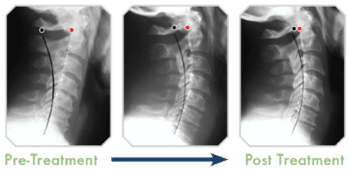
The forward pull of the weight of the head puts undue stress on the vertebrae of the lower �neck, contributing to degenerative disc disease and other degenerative neck problems.
Similarly, this posture causes the muscles of the upper back to continually overwork to counterbalance the pull of gravity on the forward head.
This position is often accompanied by forward shoulders and a rounded upper back, which not only feeds into the neck problem but can also cause shoulder pain.
The more time spent with a forward head posture, �the more likely it is that one will develop neck and shoulder problems.
Poor Posture Effects On the Lower Cervical Vertebrae
The part of the neck that is particularly vulnerable to forward head posture is the lower part of the neck, just above the shoulders.
See Cervical Spine Anatomy and Neck Pain
The lower cervical vertebrae (C5 and C6) may slightly slide or shear forward relative to one another as a result of the persistent pull of gravity on a forward head. This shear force can be a problem for patients with jobs that require them to look down or forward all day, such as pharmacists who spend many hours counting pills or data entry workers who look at a computer screen.
Prolonged shearing of the vertebrae from forward head posture eventually irritates the small facet joints in the neck as well as the ligaments and soft tissues.
This irritation can result in neck pain that radiates down to the shoulder blades and upper back, potentially causing a variety of conditions, including:
Trigger points in the muscles, which are points of exquisite tenderness that are painful to touch, along with limited range of motion
Disc degeneration problems, which may potentially lead to cervical degenerative disc disease, cervical osteoarthritis, or a cervical herniated disc.
BRAIN BASED POSTURAL CORRECTION
The neurologic system controls and coordinates all other systems of the body? What system provides the physical framework for all other systems of the body to resist gravity and function within our environment? The Posture System. These intricate systems work together to control and coordinate all experiences and actions throughout our lives.
Postural Neurology is defined as the network of neural impulses to support proper functional alignment of the Posture System. The purpose of Postural Neurology is to develop plasticity of proper structural alignment through brain based treatment protocols.
Why implement Postural Neurology into your practice? Quite simply, every musculoskeletal problem is at some level a neurologic problem. Neurology dictates movement, structure, and the function of your Posture System, overseeing and refining every single movement that you do on a daily basis.
It is an outdated system of healthcare to look at one part of the body, the site of injury or pain, and make assumptions about that person�s health and ability to function.
Identifying the area of injured tissue, then creating a rehabilitation plan around that injuryis less than adequate. The new system is all about function and whole posture patterns.
Segmental Rehabilitation & Brain Based Postural Correction
If the patient says �I hurt here,� or you test a weak muscle �here.� It does not mean that the problem lives �here.� This is simply information telling us that there is pain or dysfunction that is being expressed in that end organ. There is absolutely no indication that the problem is in that tissue. The noxious stimulus being interpreted by the brain is nothing more than a sensory input. The weak muscular output is nothing more than an insufficient motor plan.
This is the difference between segmental and brain based thinking. Segmental healthcare professionals do not see beyond the �hurt� or �weak� segment, oblivious to compensation patterns that are dampening function in the rest of the body.
Compartmentalized thinking is not adequate for a system as dynamically developed and as functionally managed as the human body. It simply won�t cut it.
This guide introduces you to the Neurology of the Posture System, so you can understand the functional output of the brain and how it contributes to upright postural design.
Motor Cortex:�
The primary motor cortex is located in the frontal lobe of the brain.
The frontal lobe is the center of human development including executive decision-making, language, and problem-solving.
Located within the Motor cortex is the Motor Homonculus. The Motor Homonculus is a map of motor output for each part of your human anatomy. Within this map, the amount of cortex devoted to any given body region is proportional to how richly innervated that region is, not to the body region�s physical size. Areas of the body with greater or more complex sensory or motor connections
are represented as larger in the homunculus such as the hands, lips, and the face.
The primary motor cortex receives signals from the pre-motor cortex to make a movement.
The primary motor cortex then sends the information to make that movement from the cortex down the spinal cord to the skeletal muscle of that body region.
Motor movement occurs contralaterally, meaning that your left motor cortex controls movement on the right side of your body. Your right motor cortex controls movement on the left side of your body. Every action occurs in this fashion, in response to a descending signal from the brain to the body.
Is the Motor Cortex important to Posture?
The motor cortex controls motor function. The Posture System is never actually �static,� we are dynamic beings who are always in motion. The motor cortex is constantly making small movements (even minute movements) necessary to prevent falling over, and to interact within our environment. Optimal dynamic posture begins in the motor cortex and is regulated by the cerebellum.
Can I check for weakness of the Motor Cortex?�
You can check for weakness�of motor output by performing muscle tests. If a muscle on the left side is weak,
this is information to do further muscle tests to confirm for weakness of the right motor cortex.
�Sensory Cortex:
The somatosensory cortex of the parietal lobe is the center for
sensation. This is where you perceive your world and how you process all of the tactile and
proprioceptive information received from your external environment.
Just as the motor cortex is a map whose arrangement gives preference to the highly innervated parts of the body, so does the sensory homunculus. The sensory homunculus is the primary mechanism of cortical processing for sensoryinformation originating at body surfaces and other tissues.
Is the Sensory Cortex important to Posture?
The sensory cortex is very important for posture because the sensory cortex lights up with activation from novel stimuli such as proprioceptive signals and mechanoreceptor feedback
from complex movements. Lack of movement is the worst thing for your sensory cortex. In fact, with lack of stimulation to an area of the sensory cortex, the sensory map �blurs� together with less representation of that body part in the brain.
For example, when patients present an injured knee and they have worn a brace that limits their range of motion. This limited motor output of the knee results in less tactile and proprioceptive
feedback from the knee, the brain then thinks that the knee is �less important� and blurring of the cortical representation of the hip and ankle will begin to occur over the knee.
Less awareness of our body leads to poor activation and neglect of that area. To keep your patients healthy, keep them moving and activating all joints of the body.
Can I check for weakness of the Sensory Cortex?
You can check for dysfunction of the sensory cortex by performing sensory tests such as light touch,
vibration, temperature, painful stimuli, and joint position. If the patient presents with decreased sensory recognition, the contralateral sensory cortex is weak.
Meaning, that if the left side of the body cannot detect tactile sensation, this is a weakness of the right sensory cortex.
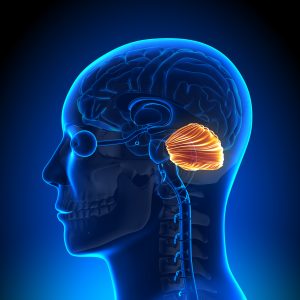
Cerebellum:
The cerebellum works in conjunction with the contralateral motor
cortex to coordinate fine movements. The cerebellum is an �inhibitor,� it reduces any extra or unnecessary motor movements to perform the desired action as accurately as possible.
The cerebellum receives input from sensory systems of the spinal cord and from other parts of the brain, and integrates these inputs to fine-tune motor activity, providing feedback to the motor cortex of how movements can be smoother and more precise. When patients have deficits of the cerebellum
they have excess movement, such as a tremor or a wide stance because they can�t balance with their feet together. Their equilibrium and ability to perform controlled motor movements is compromised.
Is the Cerebellum important to Posture?�
The cerebellum coordinates all movement, to more
precisely regulate fine movements. Proper cerebellar output means that the patient can perform their intended movement without recruiting other muscles. They are on target and on point with coordinated functions of the Posture System. Cerebellar deficits on the other hand affect the patient�s posture, they have compromised postural stability and uncoordinated dynamic postures.
Can I check for weakness of the Cerebellum?
You can check for cerebellar weakness by performing a Romberg�s test. Have the patient stand with their feet together, close their eyes, and see if they sway to one side. The patient will sway toward the side of cerebellar dysfunction.
Brainstem:
The brainstem is the center of postural control. The brainstem is made up of the midbrain, the pons, and the medulla and is the house of the nuclei of 10 of 12 of Cranial Nerves.
Each of the cranial nerves provides important sensory and motor functions for the body. Of particular importance to the Posture System are the visual and vestibular nuclei that reside in the brainstem.
The visual system controls your orientation in space, literally how you see the world. Visual fibers descend to the cervical spine controlling head posture. Visual deficits result in forward head posture, lateral head tilt, and head rotation.
The vestibular system controls balance and extension. Flexor dominant posture is weak posture; upright extended posture is healthy and optimal for better function. This system is of utmost importance for upright postural stabilization and balance.
The brainstem also controls involuntary systems of your autonomicnervous system that regulate life-sustaining processes such as breathing, heart rate, sexual function, and digestion. Plus, the brainstem modulates postural tone, and inhibits flexion toward gravity.
Is the Brainstem important to Posture?
This is the primary control center of postural stabilization! The brainstem inhibits flexion, and in conjunction with the vestibular system activates extension. Descending fibers from the cranial nerve nuclei of the eyes control your head posture, and the ability to keep your eyes parallel to the horizon during dynamic movement.
Understanding the brainstem is an important connection for all posture professionals. Your posture depends upon the functional output of the brainstem.
Can I check for weakness of the Brainstem?
Checking posture provides valuable insight into the function of the brainstem. Noted flexion of the Posture System or head posture distortion patterns indicates that there is weakness of the brainstem.
The Cranial Nerves also provide valuable insight of the function of the brainstem. Dysfunction of the cranial nerves means that there is ipsilateral weakness of the brainstem.
Spinal Pathways:�
The spinal chord and its pathways are the communication system to and from the brain and the body. The descending motor pathways stimulate movement and postural control. The ascending sensory pathways carry information of sensation to be processed and �understood� in the brain.
The brain and the body are in constant communication to perform efficient movements, to stabilize without falling, and to detect signals from the environment that require a response. Sensorimotor integration happens in your spine, this is the communication highway of the nervous system.
Are the Spinal Pathways important to Posture?
The pathways are invaluable to your postural design. Pathways from the motor cortex send information to create dynamic movements,�and pathways from the brainstem descend to stabilize your postural tone. Ascending pathways from the body to the brain ignite the sensory homunculus for perception, and carry information from the primary sensors of your body for proprioception, vision, hearing, touch, smell, taste, etc.
Can I check for weakness of the Spinal Pathways?
There are many different pathways. When you understand the function of that pathway you can design a test for it. For example, the corticospinal tract descends from the motor cortex to the spine
to create motor output. Dysfunction of this pathway would present as weakness on muscle tests.
The spinothalamic tract is an ascending tract from the spine to the thalamus that recognizes stimuli associated with pain and temperature. To test this tract you would test sensory integration of hot, cold, and painful stimuli.
Neck pain that is not caused by whiplash or other trauma has a postural component as part of the underlying problem. Sitting atop the body, the health of the neck is subject to the �curvature of the spine below and the position of the head above.�For Answers to any questions you may have please call Dr. Jimenez at�915-850-0900
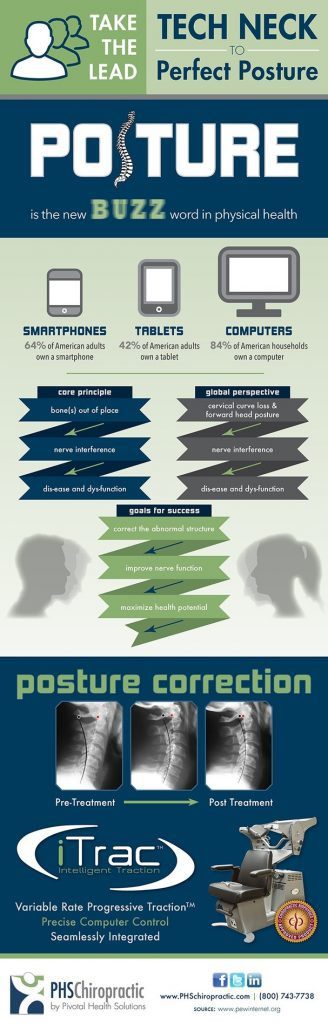
It�s obvious that Posture has become the new buzzword surrounding physical health and wellbeing over the past few years. We don�t have to look very far to understand why. Though there are many potential causes for poor posture, there�s no doubt the most widespread cause of our current posture dilemma is a direct result of our obsession with and our dependence on mobile devices. Tablets, smartphones and other technologies are not only a luxury but a necessity in our day-to-day lives.
It�s nearly impossible to avoid the onslaught of news articles and video segments cautioning the public of the harmful effects of long-term mobile device use on spinal health. As a result, our patients (and potential patients) are becoming increasingly aware of this issue as well.
This is great awareness, right?
The media is doing the hard work for us by effectively and efficiently reaching millions of people currently affected �by this epidemic. Arming them with information and questions they need to ask their healthcare providers in order to work towards finding a solution to their problem.
Perfect. That�s us, right?
Now, all we have to do is deliver the correct treatment regimen and the patient walks out of our office with perfect posture, a smile and the quality of life they�ve always dreamed of. Well� Not so fast�
Where do I go from here? Spinal function or spinal structure?
Unfortunately, like most of you are probably thinking at this very moment, it�s not that simple. But, why not? Shouldn�t it be? At one point in our careers, likely as na�ve chiropractic students in our first few trimesters, fixing spines was the ideal we were all hoping to achieve when we became doctors. Then, something changed.
Let�s reflect for a moment on the core principle our great profession is built upon;
bone(s) out of place ? nerve interference ? dis-ease and dys-function
From a global spinal perspective, it looks like this;
cervical curve loss & forward head posture ? nerve interference
? dis-ease and dys-function
As a young student this principle offered our analytical minds an objective means of measuring our success as a future spine care specialist;
correct the abnormal structure ? improve nerve function ? maximize health potential
Unfortunately, we were never taught how to correct abnormal structure and as we continued through the �clinical� trimesters in school we heard less and less about the importance of spinal structure and the overwhelming focus began to land on spinal function. Confused, conflicted, yet anxiously awaiting our release into the real world, we then began to put less and less importance on spinal structure as well and we carried that philosophy with us to our clinical practices. Likely thinking, structural spinal correction was merely for theoretical discussion and not practical application in a clinical setting.
Herein lies a major conflict. The very principle we were taught as the foundation of our careers is now something most of us have been encouraged to disregard because it�s too difficult to achieve, it�s too time consuming, it�s not possible, etc., etc.
Putting more focus towards structural spinal correction is the way forward.
Fortunately for our patients and ourselves, the structure dictates function principle is still very alive and well within us and I believe the latest advancements in traction technology will allow us to incorporate this principle with each of our patients like never before.
Throughout the next 10 months I, along with a few special guest contributors, will be engaging and challenging doctors around the world to take the lead in their communities to begin changing people�s lives by integrating cervical curve remodeling and posture correction into their existing treatment protocols.
We will be using a variety of information disseminating platforms such as blogs, infographics and ebooks to share case studies. Also, treatment protocols and latest advancements in cervical spine remodeling devices will be put in place to demonstrate how quickly and easily cervical curve remodeling and posture correction can be integrated into your existing clinic(s).
We care about posture. We care about quality of life.
Our goal is to create a collaborative, productive discussion. We are taking the lead and fighting this posture epidemic in the communities we serve. I encourage you to reach out and share your questions and ideas with us.
By Dr. Alex Jimenez
Doctors of Chiropractic Offer Tips for Good Posture
Proper Posture has become a passing thing that is�no longer paid attention to. However, through proper posture people would not be in�pain or in some form of disablement. The time has come to bring proper posture awareness.
IFM's Find A Practitioner tool is the largest referral network in Functional Medicine, created to help patients locate Functional Medicine practitioners anywhere in the world. IFM Certified Practitioners are listed first in the search results, given their extensive education in Functional Medicine