Rain generally comes with a drop in barometric pressure. A low-pressure system you may have heard from the local weather forecast. Lower pressure outside can cause tissues inside the body to swell and irritate sensitive nerves. For those who have sciatic nerve pain, rainy, hot, humid weather can cause the nerve tissues to expand causing increased compression, inflammation, and pain.
Rainy Weather
For anyone who is prone to inflammation, there are ways to cope with rainy weather-related symptoms, including:
Stay inside air-conditioned areas where the humidity level is lower.
Use a dehumidifier to keep the indoor air at 40-60% relative humidity for comfort.
Utilize vent fans in the kitchen and in laundry areas and after baths/showers in bathrooms.
Easy Physical Activity
Easing the pain can also be done through:
At work, school, home adjust the seat to work for you. Individuals with sciatic nerve pain already know how to make adjustments to chairs and other places for sitting.
If you’re heading out to a baseball or soccer game, you may want to use a comfortable sideline seat that provides cushion and support. If attending a pro game, check online or call to see if you can bring a therapeutic seat cushion.
Going on a trip whether road or flight, seats might not be comfortable or supportive. Tips that can help maintain comfort to mitigate the pain, include:
Adjust the seat for proper posture to maintain spinal curvature
Use lumbar support
Maintaining a workout routine is key leading up to your trip. If the body is inactive for a period of time, the back muscles are more likely to spasm when having to sit in tight quarters.
Don’t overpack. Carrying around heavy luggage increases the risk of straining the muscles.
Pack pain medication or anti-inflammatories on hand in case of a flare-up.
Inflammation
Target inflammation with ice therapy
Using topical heat or a heating pad can get the blood circulation flowing through the area
Wear compression garments over the affected areas to bring down swelling and promote blood and nerve circulation.
Chiropractic Rainy Day Relief
Chiropractors know the whole musculoskeletal system. Chiropractic massage therapy induces deep muscles relaxation and the release of endorphins/natural painkillers. A regular spa massage can release sore muscles and tension, chiropractic massage focuses on soothing and healing sciatica. Adjustments or spinal manipulations allow the disc/s rest back into position and relieve the pressure on the sciatic nerve. This will lessen the pain and generate nerve signal flow and mobility.
Spinal decompression relieves the compression of the nerves that are causing sciatica pain. This includes techniques to lengthen the spine and enhance the space between the vertebrae.
A chiropractor will recommend exercises to prevent nerve aggravation and help release the pressure that comes from the inflamed and tight muscles.
Exercises include stretching programs that can be done at home to release pressure on the nerve and ease irritations.
Body Composition
About Fat
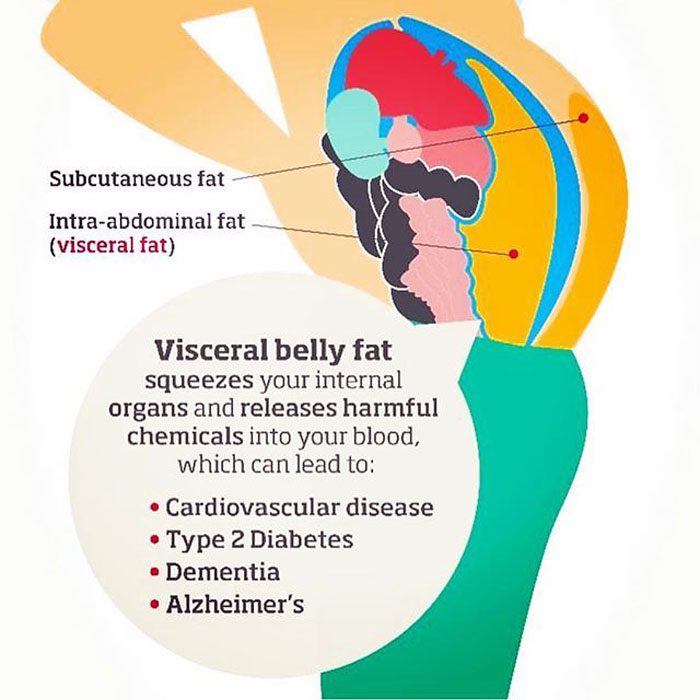
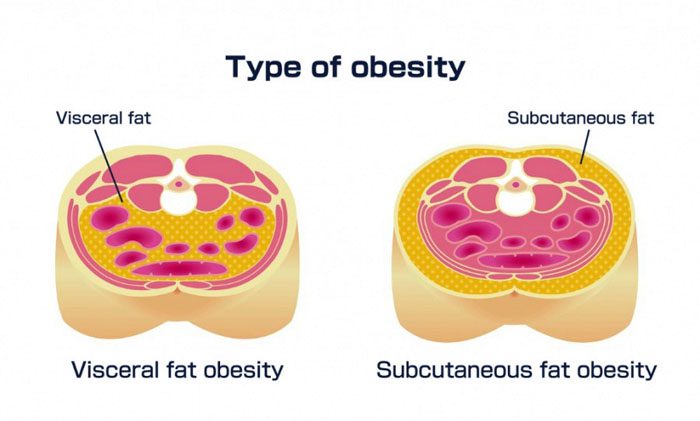
Fat, also known as adipose tissue, contributes to overall body weight. This is also the type that individuals want to get rid of when talking about weight loss. Two different kinds of fat:
Subcutaneous fat is the fat that is beneath the skin.
Visceral fat lies deep in the abdominal cavity and surrounds the organs.
Having a certain amount of fat tissue is necessary for a healthy body.
The body stores unused energy from food as fat. This is to provide a reliable source of fuel when the body needs it.
Fat tissue acts as insulation to keep the body warm and as a cushion to protect the vital organs.
The problem/issue is excess body fat. This is what leads to higher body weight and altered hormone release that can make the excess weight condition worse.
References
National Institutes of Health. (2019.) “Sciatica.” medlineplus.gov/sciatica.html.
Zwart, J A et al. “Warm and cold sensory thresholds in patients with unilateral sciatica: C fibers are more severely affected than A-delta fibers.” Acta neurologica Scandinavica vol. 97,1 (1998): 41-5. doi:10.1111/j.1600-0404.1998.tb00607.x
Zwart, John-Anker, and Trond Sand. “Repeatability of dermatomal warm and cold sensory thresholds in patients with sciatica.” The European spine journal: official publication of the European Spine Society, the European Spinal Deformity Society, and the European Section of the Cervical Spine Research Society vol. 11,5 (2002): 441-6. doi:10.1007/s005860100333
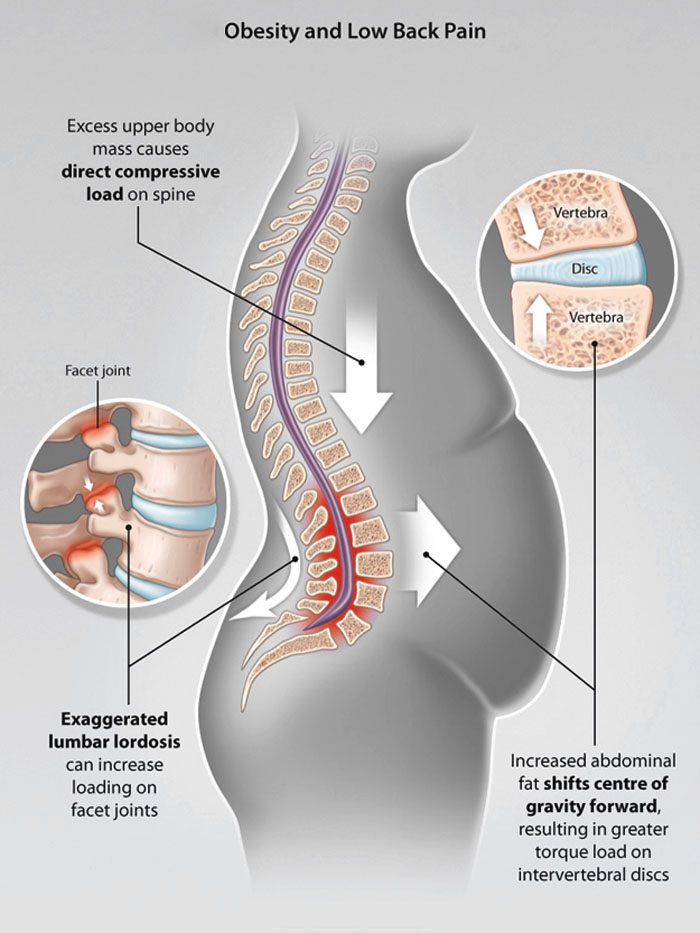
Belly fat is a gateway to back pain/spinal issues that can lead to various health problems. The bulging belly population has grown a bit since the beginning of the COVID-19 pandemic. 37% of individuals have gained weight since it began, according to a global Ipsos survey. If back pain is presenting and there is excess weight around the abdomen known as abdominal obesity, this could be a contributing factor.
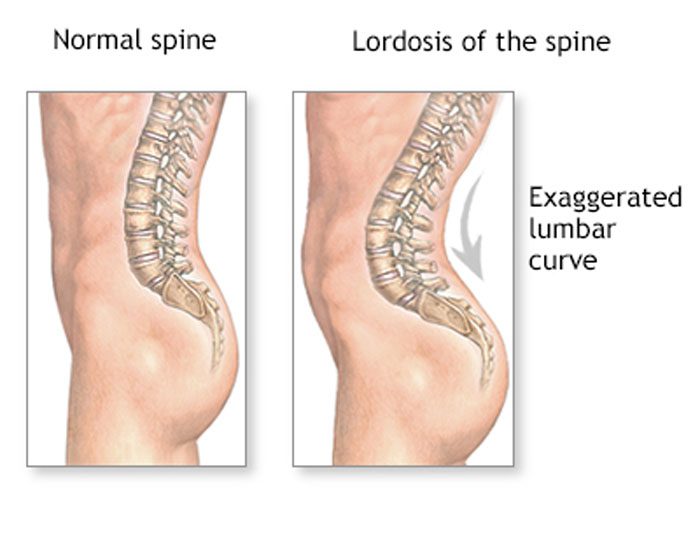
Belly fat and posture
When the natural curves of the spine are normal, the core is stable and well-supported. Excessive weight, including a large abdomen, shifts these curves out of correct alignment. Excessive abdominal fat has been associated with lordosis, which is an excessive inward curve of the spine toward the lower back. One study found that severely obese individuals had pain and changes in posture. This was especially visible in the spine, knees, and feet.
Front-loading shift
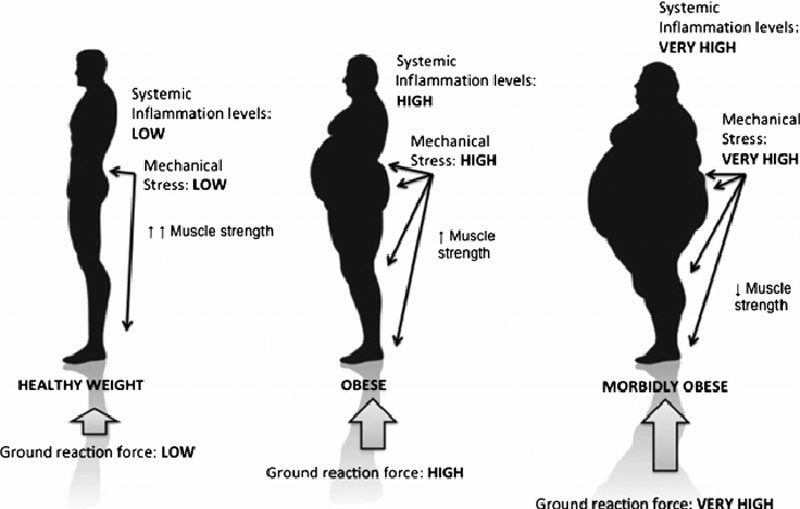
The back pain felt from a bulging belly can be caused by a shift in posture and body mechanics. Studies show these can have a negative impact on back pain and body positioning. All or most of the weight is placed on the lower back.
Overloaded discs
Abdominal obesity can damage/injure the discs/shock absorbers of the spine. This leads to:
And a bulging belly can flatten the height of the intervertebral discs.
Fat pollutants in the blood
Fat can accumulate and secrete toxins that contribute to swelling and inflammation that can be painful. Over time, these toxins wear down components of the skeletal system.A study found potential links between obesity and degenerative disc disease. Scientists found a connection in obese men, but not obese women. This is believed to be because men tend to store fat in their bellies, and women tend to store fat in the buttocks and thighs.
Damage to the musculoskeletal system
The bones constantly renew themselves, but when there is excess body fat it can interfere with the process. This has the potential to turn into osteoporosis over time. Studies associate visceral fat with lower bone mineral density, and an increase in the risk of fractures.
Ankylosing spondylitis treatment and fat interference
Ankylosing spondylitis is an inflammatory disease that causes chronic back pain and can cause the vertebrae to fuse. The back can be extremely stiff, and the condition can lead to a permanently hunched posture. There are medications to improve symptoms and slow the disease. However, being overweight reduces the drugs’ effectiveness. This is because belly fat can cause medication absorption problems.
Rare spinal condition linked to obesity
Obesity along with a high Body Mass Index increases the risk of a rare condition called spinal epidural lipomatosis or SEL. This is an overgrowth of body fat in the spinal canal. Spinal epidural lipomatosis can cause various types of back pain. This is why it is recommended to have a doctor examine and evaluate any aches or pains.
Body Composition
Kombucha beneficial for gut bacteria
Kombucha contains a wide variety of bacteria and fungi that helps ferment the sugar in kombucha drinks. It is able to affect the existing microbes in the gut by inhibiting the growth of various gut-dwelling pathogens. These include:
It is a probiotic drink made from fermenting green or black tea
It is made up of healthy bacteria that produce acetic acid that is beneficial for blood sugar, insulin levels, and body composition
It helps the body process food by lowering insulin levels after a meal
It contains polyphenols that reduce oxidative stress, to help fight disease risks
It destroys unhealthy bacteria in the gut
It helps increase healthy bacteria
Kombucha can be thought of as a natural antibiotic. However, it does not come with the weight-gain side effect. Improving the health of the gut through fermented foods like kombucha help reduce the risk for weight gain/obesity, as well as restore gut health for those trying to lose weight by creating a healthy gut environment.
Disclaimer
The information herein is not intended to replace a one-on-one relationship with a qualified health care professional, licensed physician, and is not medical advice. We encourage you to make your own health care decisions based on your research and partnership with a qualified health care professional. Our information scope is limited to chiropractic, musculoskeletal, physical medicines, wellness, sensitive health issues, functional medicine articles, topics, and discussions. We provide and present clinical collaboration with specialists from a wide array of disciplines. Each specialist is governed by their professional scope of practice and their jurisdiction of licensure. We use functional health & wellness protocols to treat and support care for the musculoskeletal system’s injuries or disorders. Our videos, posts, topics, subjects, and insights cover clinical matters, issues, and topics that relate to and support, directly or indirectly, our clinical scope of practice.* Our office has made a reasonable attempt to provide supportive citations and has identified the relevant research study or studies supporting our posts. We provide copies of supporting research studies available to regulatory boards and the public upon request. We understand that we cover matters that require an additional explanation of how it may assist in a particular care plan or treatment protocol; therefore, to further discuss the subject matter above, please feel free to ask Dr. Alex Jimenez or contact us at 915-850-0900.
Dr. Alex Jimenez DC, MSACP, CCST, IFMCP, CIFM, CTG* email: [email protected] phone: 915-850-0900 Licensed in Texas & New Mexico
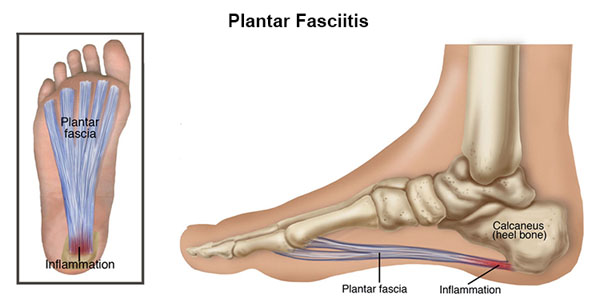
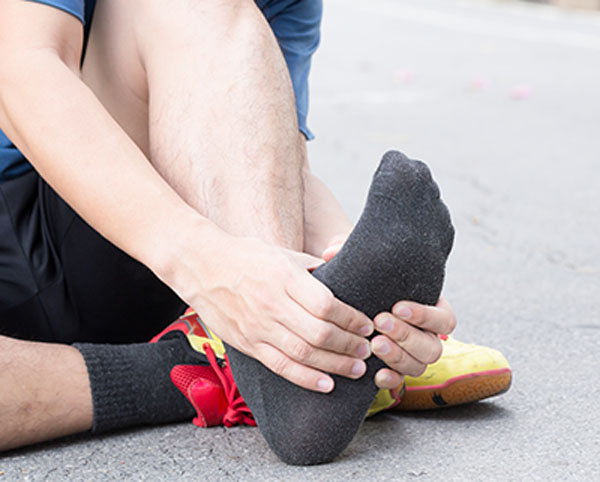
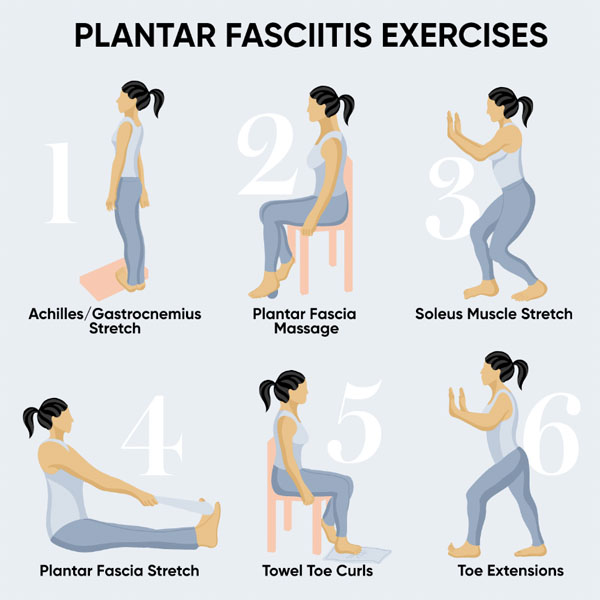
One of the most likely causes of foot/heel pain is inflamed plantar fascia, which causes plantar fasciitis. It can be a painful and common injury from overuse of the ligaments in the foot. When this pain presents, it can make an individual not want to walk or place any type of pressure on the feet, as the pain worsens with pressure or impact on the foot. �
�
Chiropractic care doesn�t just treat the spine but can help with various other musculoskeletal issues throughout the body. With chiropractic adjustments, rest, icing, and exercises, the ligaments, and tissues of the feet are worked out, massaged, and stretched back to their normal range. �
�
Plantar Fascia
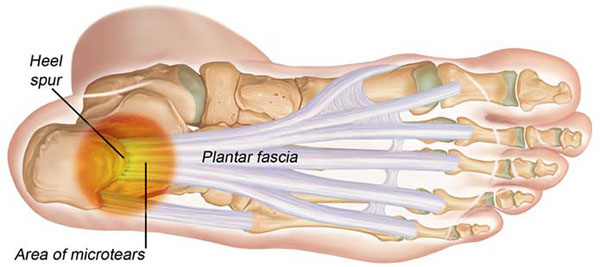
There is a ligament called the plantar fascia. It runs along the bottom of the foot and connects the toes to the heel. The plantar fascia absorbs shock and helps support the feet when walking. However, ligament tension can begin to increase, specifically when standing for long periods. When the tension reaches its limit, small tears can begin to form along with inflammation causing pain.
The pain occurs when walking, standing, or immediately after waking up. The condition can happen to anyone but is more likely to become an issue for those who stand or walk as a regular part of their job, home activity, etc. Side effects from the foot pain often cause individuals to adjust their walking gait to avoid feeling discomfort, that stresses the rest of the body like the muscles, ligaments, joints that can lead to various types of injury/s. �
�
Chiropractic Treatment
Individuals with an inflamed plantar fascia often experience a shooting/stabbing pain that worsens in the morning or after standing or sitting for an extended time. Repetitive impact on the feet and poor arch support from shoes cause small tears to happen over time from the continued stress. If it has just started the pain can be treated with ice and rest, but they are not for solving the root cause. Chiropractic can help bring pain relief that lasts along with recurrence prevention. Here are some a few ways a chiropractor can help: �
Ankle Re-alignment
Ankle misalignment can contribute to plantar fasciitis at the plantar fascia has to work harder to move the foot without the ankle's support. Manipulation and realignment of the ankle will improve foot function.
�
Massage
A chiropractor along with a physical therapy team can be utilized for soft tissue massage and trigger point therapy to release tension.
Exercises and Stretches
Various stretching and exercising techniques can be implemented to help speed up the healing process. A chiropractor will work the individual through exercises and stretches designed to relieve inflammation and stretch out the tissue. Specific exercises will also be taught to help strengthen the lower leg muscles to stabilize the heel and help prevent pain.
�
Posture
A chiropractor will correct any improper posture/s that has contributed to the foot pain or has become a way of being able to function as a result of the pain. This will return the individual to a normal gait when walking and running. Pressure on the feet and plantar fascia will be alleviated.
�
Spinal/Hip Re-alignment
Individuals learn to avoid pain by walking/moving in a different way than how the body is supposed to. This results in pain in the hips and back, as the body is being pulled in various ways. Manipulation and mobilization will be used to realign the body to its proper form.
�
Footwear/Orthotics
A chiropractor will make adjustments to the feet, ankles, and spine to reduce pain and relieve the pressure on the plantar fascia. Supportive footwear and orthotics could be recommended for extended/preventative care. Once diagnosed with a foot problem wearing proper shoes that support the feet is essential.
Orthotics can also help prevent injury to the back, joints, and muscles that were stretched or over-worked from an abnormal gait. When the pressure is relieved, the ligament starts to heal. This can take a few weeks. The result is a healthier heel/foot with proper function. Chiropractic can accelerate the healing process combined with home care. If pain is presenting in the heel, do not delay and focus on healing the foot.
Reduce Plantar Fasciitis
Dr. Alex Jimenez�s Blog Post Disclaimer
The scope of our information is limited to chiropractic, musculoskeletal, physical medicines, wellness, and sensitive health issues and/or functional medicine articles, topics, and discussions. We use functional health & wellness protocols to treat and support care for injuries or disorders of the musculoskeletal system. Our posts, topics, subjects, and insights cover clinical matters, issues, and topics that relate and support directly or indirectly our clinical scope of practice.*
Our office has made a reasonable attempt to provide supportive citations and has identified the relevant research study or studies supporting our posts. We also make copies of supporting research studies available to the board and or the public upon request. We understand that we cover matters that require an additional explanation as to how it may assist in a particular care plan or treatment protocol; therefore, to further discuss the subject matter above, please feel free to ask Dr. Alex Jimenez or contact us at 915-850-0900. The provider(s) Licensed in Texas& New Mexico*
References
Goff, James D, and Robert Crawford. �Diagnosis and treatment of plantar fasciitis.��American family physician�vol. 84,6 (2011): 676-82.
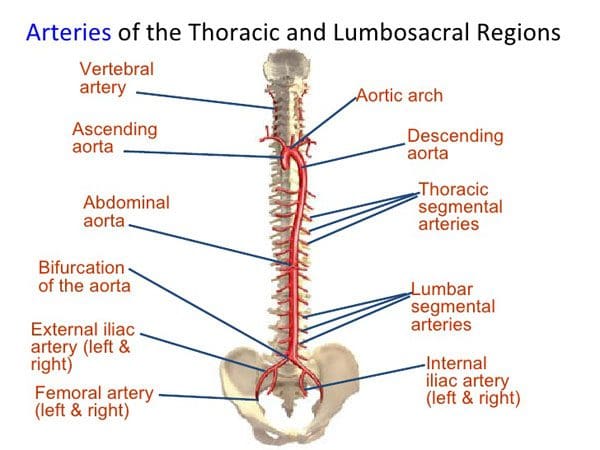
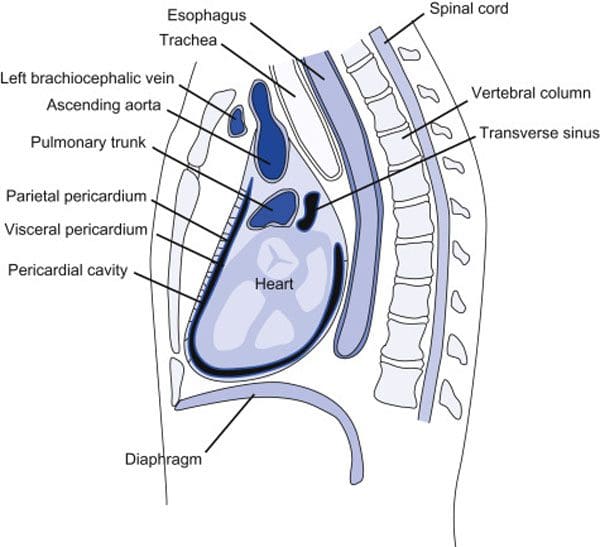
The heart never stops working. The efficiency of the heart and how it operates depends on various factors related to individual health. High blood pressure management can include chiropractic treatment for proper spinal alignment. This promotes improved nervous system function, regulation, and optimal blood flow throughout the body.
High blood pressure is also known as hypertension, often it has no symptoms, and if left untreated, it could lead to heart conditions like heart disease and stroke. Blood pressure is the force the heart exerts on the arteries each time it contracts and relaxes. It is measured with a blood pressure cuff or monitor.
Normal is around 120/80 mmHg
A blood pressure reading of 130/90 mmHg or more, is categorized as high blood pressure.
High blood pressure
Any type of heart condition can place added strain on the body and can lead to poor quality of life, disease, and be fatal. When the body's ability to pump the proper amount of blood gets compromised the body suffers from a lack of oxygenated blood. These issues can go undiagnosed for years. Often high blood pressure does not get associated with any specific symptoms other than general poor health. When left untreated, high blood pressure can lead to issues like:
Heart attack
Stroke
Kidney disease
Dementia
Prevention and regular monitoring are crucial for staying on top of any potential heart issues.
Heart conditions
Different heart conditions can cause pain in the chest, upper back, and shoulder(s):
Angina is when the heart muscle does not get enough blood causing chest pain.
A heart attack occurs when there is reduced or complete loss of blood supply from the blockage of an artery.
Pericarditisis the inflammation of the thin layers that surround the heart.
Heart conditions are commonly associated with chest pain but remember that chest pain is not always present or severe. Pain-related to the heart can also be felt in other areas, like the shoulder or upper back.
Risk factors
Risk factors associated with high blood pressure include:
An unhealthy diet high full of processed foods, sugar, and salt
The most common treatment for high blood pressure is medication. However, this does not address the root cause of the issue in relation to individual lifestyle and underlying imbalances of the body that include the spine.
Lifestyle
Lifestyle adjustments should be the first line of defense for managing, and reversing heart health issues. High blood pressure management includes:
Focus on nutrition
Exercise
Stress management
Chiropractic
Chiropractic is a specialized approach that focuses on identifying and addressing the root cause of musculoskeletal health issues and optimized organ function through restored impaired nerve function. Spinal misalignment can cause nerve signals to be impaired/damaged which can affect the heart and overall health.
A chiropractic physician can help reduce the strain on the body�s functions by restoring nerve function/energy/blood flow with spinal adjustments that bring the body back into proper alignment. One primary cause of high blood pressure is over-activation of the autonomic nervous system, which regulates the stress response.
When spinal alignment is achieved, there is improved regulation to prevent unnecessary spikes in stress affecting body homeostasis and organ function. Chiropractic can help an individual achieve the best possible heart health. Once the diagnosis is found, an effective customized treatment plan will be developed.
Chiropractor Near Me
Dr. Alex Jimenez�s Blog Post Disclaimer
The scope of our information is limited to chiropractic, musculoskeletal, physical medicines, wellness, and sensitive health issues and/or functional medicine articles, topics, and discussions. We use functional health & wellness protocols to treat and support care for injuries or disorders of the musculoskeletal system. Our posts, topics, subjects, and insights cover clinical matters, issues, and topics that relate and support directly or indirectly our clinical scope of practice.*
Our office has made a reasonable attempt to provide supportive citations and has identified the relevant research study or studies supporting our posts. We also make copies of supporting research studies available to the board and or the public upon request. We understand that we cover matters that require an additional explanation as to how it may assist in a particular care plan or treatment protocol; therefore, to further discuss the subject matter above, please feel free to ask Dr. Alex Jimenez or contact us at 915-850-0900. The provider(s) Licensed in Texas& New Mexico*
References
Win, Ni Ni et al. �Effects of Upper and Lower Cervical Spinal Manipulative Therapy on Blood Pressure and Heart Rate Variability in Volunteers and Patients With Neck Pain: A Randomized Controlled, Cross-Over, Preliminary Study.��Journal of chiropractic medicine�vol. 14,1 (2015): 1-9. doi:10.1016/j.jcm.2014.12.005
Smartphones! It’s no secret that almost everyone has one. In fact, a series of surveys by The Pew Institute in 2015 showed that 64% of American adults now own a smartphone of some kind. They keep us connected, offer us flexibility, and provide us with access to endless information.
They have their drawbacks. Smartphones also do a number on your spine.
Frequently hunching over your phone, texting, surfing, or reading takes a toll on your spine in numerous ways.
SmartPhones
Pressure
According to spine surgeon Kenneth Hansraj, looking down at your smartphone exerts up to 60 pounds of pressure on your head. This is serious wear and tear, and can set you up to be a prime candidate for degenerative issues.
Pain
The motion of texting or surfing the net on your smartphone can cause tightness in your shoulders, and pain radiating down your arms into your wrists and hands. Too many hours spent on your device can also cause upper and lower back pain.
Muscle Spasms
Over time, your smartphone usage may damage your upper back to the point you begin dealing with muscle spasms, often attributed to “text neck.”
Instead of woefully shutting you beloved smartphone in a drawer, vowing to never use it again, realize there are ways to keep your phone and a healthy spine intact. You just need to take a few simple precautions. Here are four ways to prevent spinal issues from smartphone usage, and handle the ones you may already have.
#1: Be Aware Of Your Posture
A few small changes to the way you use your smartphone can be the difference in ensuring your spine, neck, and back don’t end up suffering. Bring your phone up in front of your face, instead of leaning your head over and bending your neck to see your screen. This will keep the pressure off your neck, and minimize issues that could result.
#2: Take Breaks
Get off that phone, there’s a whole world out there! Avoid the temptation of keeping your nose stuck in your phone for an hour or more. Keep your surfing and texting to a few minutes at a time. Lay down your phone, stand up, or simply look around at your surroundings every few minutes. Frequent breaks give your spine a chance to relax, and relieve the pressure of bending your neck for a long period.
#3: Practice Stretching
Get in the habit of stretching your neck, raising your arms, rolling your shoulders, and twisting your back at the waste. These easy stretches are a quick way to loosen up body parts that can tighten up and cause injury over time.
#4: Visit A Chiropractor
If you begin noticing pain, spasms, or irritation in your neck, shoulders, or back that lingers, make an appointment with a professional chiropractor. Explain when the pain occurred, the severity, and the activity that started it. You may only require a simple adjustment to get re-aligned and gain relief from pain caused by overuse of your smartphone. A good chiropractor can also help decrease the chances of the injury worsening over time.
Not one of us is going to swear off our smartphones because of pain. However, by following these tips, improving our posture, and taking frequent breaks to stretch, we will be able to minimize the impact our phone obsession has on our spine. If you overdo it, make sure you get to an experienced chiropractor for an adjustment, so the issue is kept to a minimum.
IFM's Find A Practitioner tool is the largest referral network in Functional Medicine, created to help patients locate Functional Medicine practitioners anywhere in the world. IFM Certified Practitioners are listed first in the search results, given their extensive education in Functional Medicine