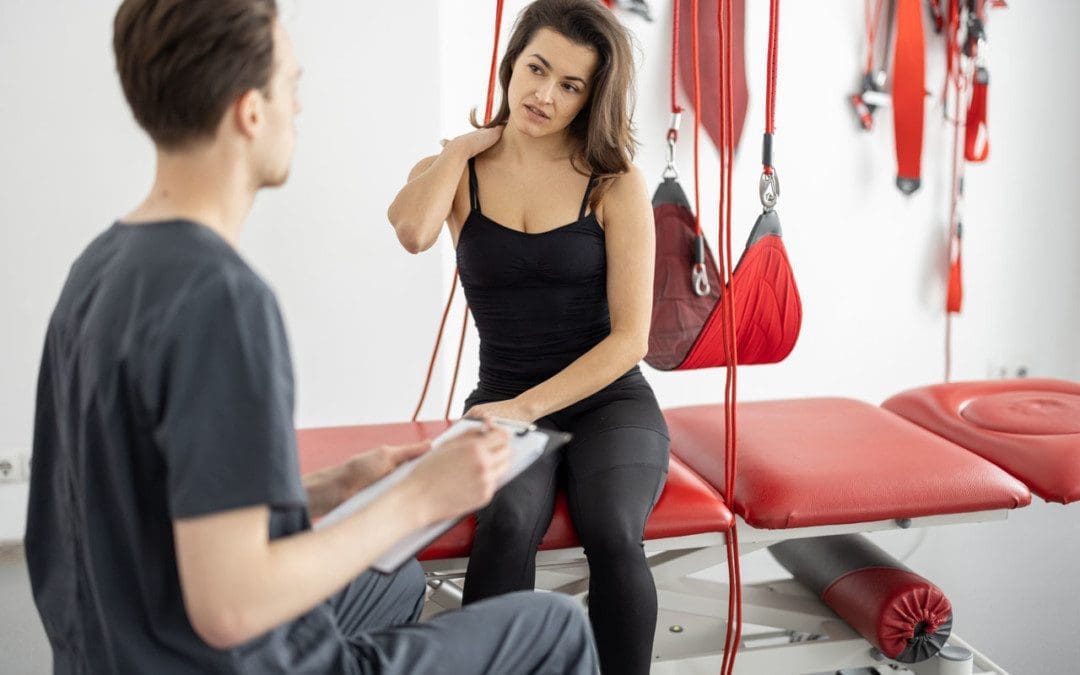
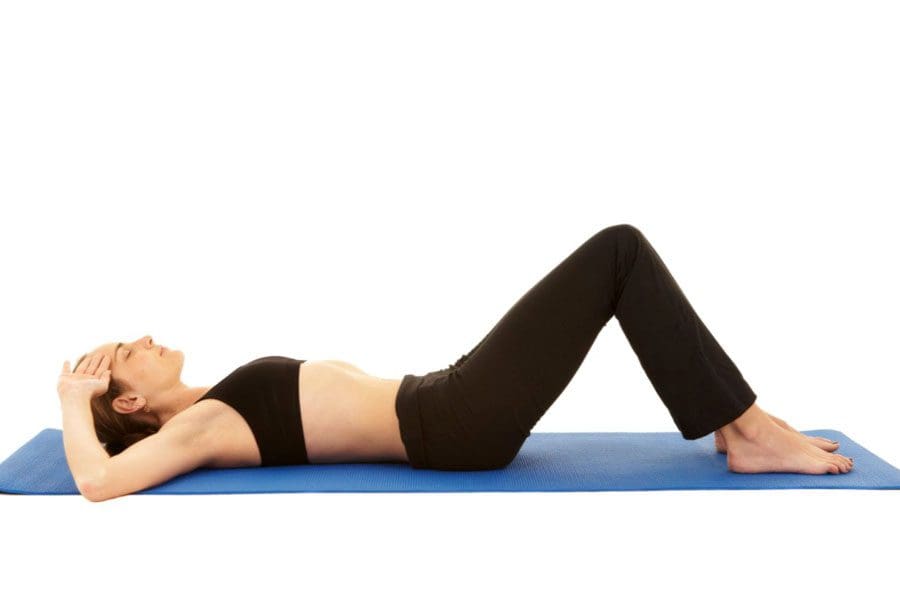
Improving posture can be challenging. Poor posture is often the source of various musculoskeletal issues like chronic pain throughout the body. Poor posture can be so ingrained in the brain that it becomes an unconscious positioning reflex that feels right but could be worsening spinal, hip, and leg problems. The Alexander Technique could be a treatment option that could help long-term.
Alexander Technique
The approach focuses on learning mind-body awareness. It is an educational process to teach individuals to become aware of their body positioning and change unhealthy posture/movement habits into healthy ones. The objective is learning to utilize sufficient levels of muscle tension for everyday activities, like sitting, standing up, and walking in a healthy way to maintain optimal health of the musculoskeletal system.
The theory is that less tension minimizes wear and tear on the muscles and structures of the spine vulnerable to compression.
The fundamental goal of the Alexander Technique is to undo all the unhealthy tension habits to decompress the spine and retrain the mind and body to approach movement and body positioning in a new and healthy way.
Teachings
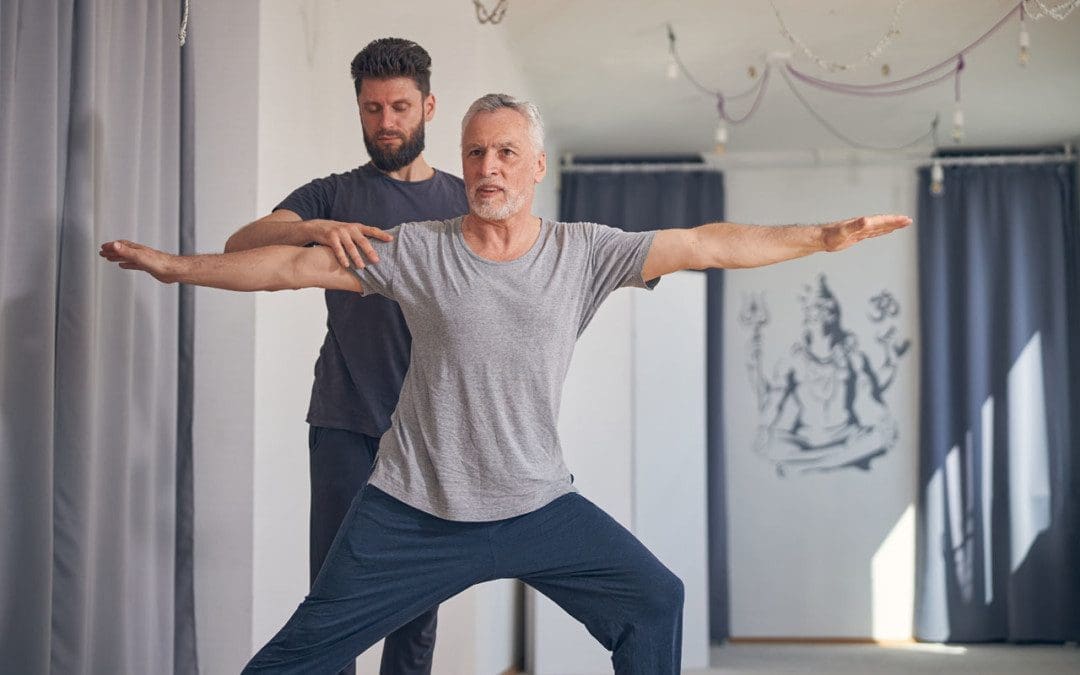
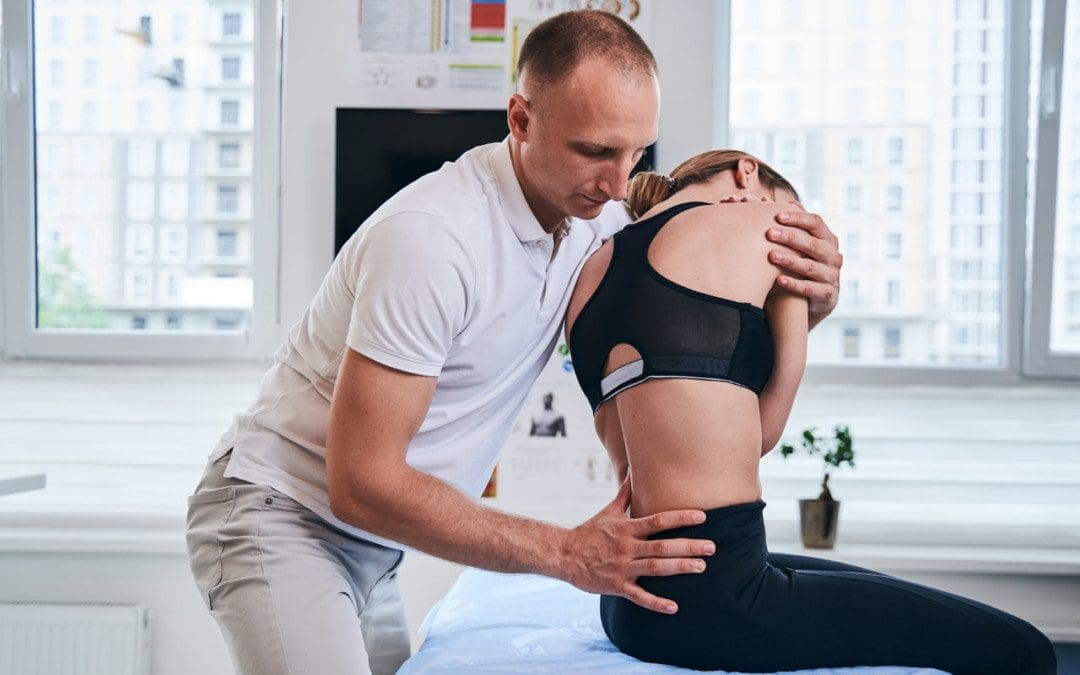
The technique can be done in a class setting or one-on-one teaching because everyone’s postural and movement habits are unique. A teacher helps identify the tension-inducing postures and educates the individual on how to correct them. Human touch is an integral part of the Alexander Technique. Using their hands gently to adjust the individual to a proper upright position, a teacher helps release pressure from the head, neck, shoulders, and upper back. The individual learns to release the tension throughout their body. The Alexander Technique is a type of hands-on therapy; it is not manipulation or massage. It uses a light touch with no risk of injury to the spine, allowing anyone to participate. However, individuals must be willing to participate/engage in the process to get the benefits. Most individuals can tell if it’s right for them during the first lesson.A typical program teaches:
Staying alert to the body’s warning of tension and compression.
Tension Build Up
Individuals usually don’t even realize they’re constantly placing pressure on their spine from unhealthy postural habits, building up muscular tension they never knew they created. For example, unhealthy neck position habits include:
Pushing the head forward
Slumping over
Pinning the shoulders back
These postures generate/build pressure and tension that radiates outward and down to the large muscles of the spine.
Habitual downward pressure can pull and change the spine’s shape, leading to degenerative forms of spinal deformity in severe cases.
When the tension is released, the neck and body begin to stand upright comfortably, without pulling down or pulling back.
Frederick Matthias Alexander
Developed the technique in the 1890s to help his muscle tension problems affecting his acting career. When performing, he would stiffen his neck and pull his head back and up, building tension that caused him to tighten his throat and lose his voice. He did not know he was doing this until he performed in front of a mirror and saw his awkward positioning. He realized this and retrained himself to pose naturally, stay relaxed, and be aware of any tension building in the muscles to release it immediately. Alexander Technique educators/practitioners practice all over the world. The American Society for the Alexander Technique or AmSAT website has a Find A Teacher Tool that connects individuals to AmSAT-approved teachers.
Body Composition
Practicing Mindfulness
Developing a mindfulness practice can help identify triggers of negative behavior or thoughts. Just like diet and exercise, practicing mindfulness is unique to everyone. It is recommended to try different things like:
Journaling is another way to tune into oneself. Grab a pen and paper, a computer, tablet, or phone, and take a few minutes to write every day.
Write one thing that makes you happy.
One thing you want to improve.
One goal you want to accomplish that day or that week.
Mindful music listening can help reduce stress by allowing the individual to focus their attention when their mind is going in all directions.
Instead of turning to the news or email when waking up, grab a cup of coffee or tea and listen to a favorite podcast or music.
Put the phone away and listen to your mind and self.
Try to meditate in the morning when waking up. This helps set the day’s goals/plans. Goal-setting mindfulness has been shown to reduce stress levels and anxiety. However, if the morning is not possible then at night before bed can be used to reflect on the day’s activities, what went well, what didn’t, how to improve something, whatever the case, the point is to make time for yourself to reflect, set goals, and develop a plan to achieve those goals.
References
Becker, Jordan J et al. “Preliminary evidence for feasibility, efficacy, and mechanisms of Alexander technique group classes for chronic neck pain.” Complementary therapies in medicine vol. 39 (2018): 80-86. doi:10.1016/j.ctim.2018.05.012
Cacciatore et al., Improvement in automatic postural coordination following Alexander technique lessons in a person with low back pain. Physical Therapy Journal, 2005; 85:565-578. Accessed January 5, 2011
Chin, Brian et al. “Psychological mechanisms driving stress resilience in mindfulness training: A randomized controlled trial.” Health psychology: official journal of the Division of Health Psychology, American Psychological Association vol. 38,8 (2019): 759-768. doi:10.1037/hea0000763
Little P, Lewith G, Webley F, et al. Randomised controlled trial of Alexander technique lessons, exercise, and massage (ATEAM) for chronic and recurrent back pain. The BMJ. 2008;337:a884. doi: https://doi.org/10.1136/bmj.a884.
Paolucci, Teresa et al. “Chronic low back pain and postural rehabilitation exercise: a literature review.” Journal of pain research vol. 12 95-107. December 20 2018, doi:10.2147/JPR.S171729
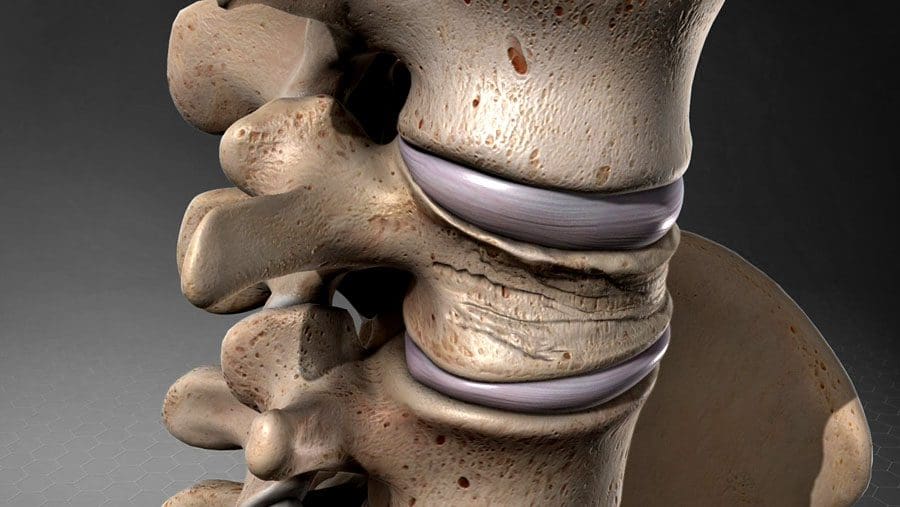
Sometimes the bones or vertebrae of the spine can crack and collapse under their weight. This is known as a compression fracture, vertebral compression fracture, or VCF. There are almost 1 million compression fractures every year, usually because the bones become weakened and crack under the weight of the vertebrae above them. These fractures can cause spinal weakness affect posture and the ability to stand up straight. They are often the cause for individuals to hunch over, also called kyphosis.
Compression Fracture
Compression fractures are small breaks or cracks in the vertebrae. The breaks occur in the vertebral body, the thick rounded part on the front of each vertebra. These fractures cause the spine to weaken and collapse. With time, these fractures affect posture as the spine curves forward. The fractures are often found in the middle/thoracic spine in the lower area. They often result from osteoporosis but can also happen after a trauma like an automobile accident, work, sports injury, or a tumor on the spine.
Symptoms
Compression fracture symptoms range from mild to severe or no symptoms. Many individuals can stand or walk without pain. They are often discovered when X-rays are taken for another condition. Symptoms include:
Back pain can come on suddenly and last for a significant time, often diagnosed as chronic back pain.
It usually develops between the shoulders and the lower back.
The pain and discomfort decrease when lying down and worsen when standing or walking.
Decreased mobility or flexibility in the spine. Individuals are unable to twist or bend.
Hunched over appearance, known as dowager’s hump or hunchback.
Loss of height from the vertebrae compression and the spine curving.
Pinched nerves
Nerve damage can cause tingling, numbness, and difficulty walking.
Loss of bladder or bowel control with severe, untreated fractures.
Individuals At Risk
Individuals who have had a compression fracture are more likely to have another one.
Women over 50 have a higher risk due to osteoporosis.
With age, the risk increases for men and women.
Diagnosis
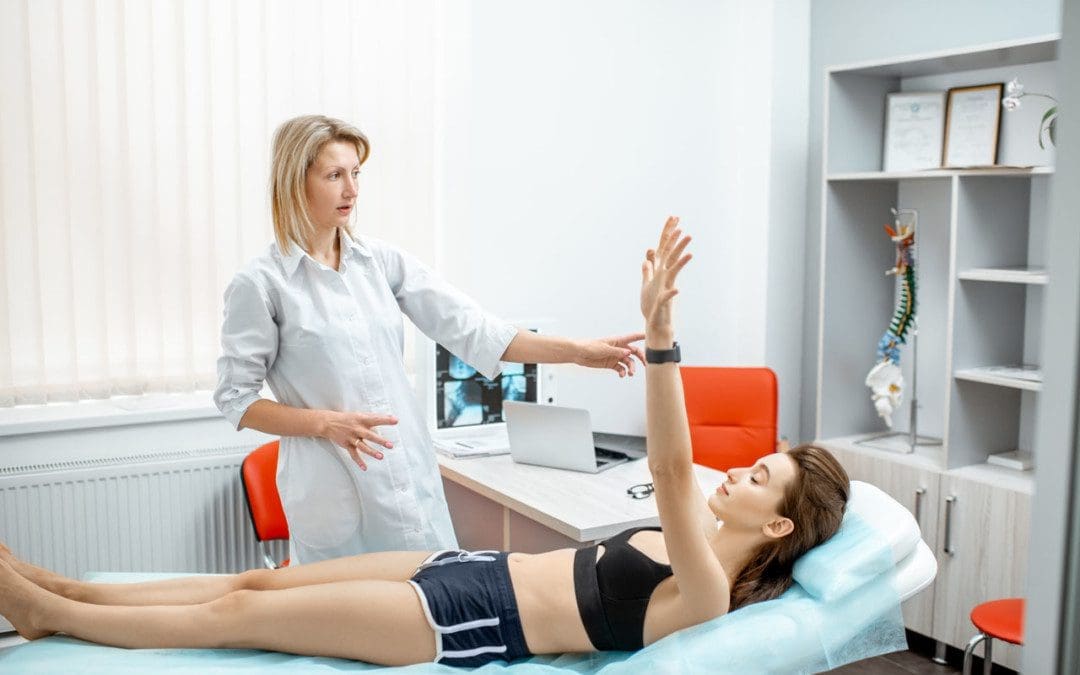
A doctor will perform an examination and ask about symptoms. The exam will include:
Checking spinal alignment.
Posture analysis.
Gently palpates different areas of the back to identify the source of pain.
Examine for signs of nerve damage that include numbness, tingling, or muscle weakness.
A doctor will order imaging studies to examine the backbones, muscles, and soft tissues. Imaging studies include:
CT scan, X-ray, or MRI of the spine.
DEXA scan is a type of X-ray that measures bone loss bone density.
A myelogram is a procedure used along with imaging studies. A contrast dye is injected into the spine before the scan making the images easier to see.
Compression fracture treatment focuses on relieving pain, stabilizing the vertebrae, and ongoing fracture prevention. Treatment depends on the severity of the fracture and the individual’s overall health. Treatment can include:
Pain Medication
A doctor can recommend over-the-counter non-steroidal anti-inflammatory medication.
A doctor may prescribe muscle relaxers or prescription medication.
Follow instructions carefully when taking medications.
Back Brace
A special type of back brace helps to support the vertebrae.
The brace can also relieve pain by reducing how much the spine moves.
Strengthening Meds
Medications known as bisphosphonates can help slow down bone loss, stabilize the bones and prevent fractures.
This minimally invasive procedure relieves pain, stabilizes the bones, and improves mobility.
During vertebroplasty, the doctor inserts a needle in the vertebra and injects bone cement.
During kyphoplasty, the doctor inserts an inflatable device that they fill with cement.
Both are outpatient procedures allowing the individual to go home the same day.
Individuals over 65 or that have osteoporosis or a history of cancer are recommended to see their doctor. Individuals who present with sudden back pain that doesn’t get better after a day or two are advised to see a doctor and evaluate for back pain so the doctor can determine the cause and develop a treatment plan.
Body Composition
Vitamin D To Build Muscle
Skeletal Muscle Mass decreases as the body ages, primarily due to decreased physical activity. Vitamin D has been reported to influence muscle quality. This could be helpful for adults as they age. Muscle loss diminishes functional performance on activities that require strength and coordination. When this loss of muscle mass becomes significant, it becomes a condition known as sarcopenia. Treatments include:
All were found to slow down muscle loss and help regain muscle mass and strength.
Vitamin D supplementation is effective, especially in older adults whose blood levels are low.
References
American Academy of Orthopaedic Surgeons. Osteoporosis and Spinal Fractures. (https://orthoinfo.aaos.org/en/diseases–conditions/osteoporosis-and-spinal-fractures/) Accessed 10/25/2021.
American Association of Neurological Surgeons. Vertebral Compression Fractures. (https://www.aans.org/en/Patients/Neurosurgical-Conditions-and-Treatments/Vertebral-Compression-Fractures) Accessed 10/25/2021.
Bischoff-Ferrari, H A et al. “Vitamin D receptor expression in human muscle tissue decreases with age.” Journal of bone and mineral research: the official journal of the American Society for Bone and Mineral Research vol. 19,2 (2004): 265-9. doi:10.1359/jbmr.2004.19.2.265
Donnally III CJ, DiPompeo CM, Varacallo M. Vertebral Compression Fractures. [Updated 2021 Nov 21]. In: StatPearls [Internet]. Treasure Island (FL): StatPearls Publishing; 2022 Jan-. Available from: https://www.ncbi.nlm.nih.gov/books/NBK448171/
Hassan-Smith, Zaki K et al. “25-hydroxyvitamin D3, and 1,25-dihydroxyvitamin D3 exert distinct effects on human skeletal muscle function and gene expression.” PloS one vol. 12,2 e0170665. 15 Feb. 2017, doi:10.1371/journal.pone.0170665
McCarthy, Jason, and Amy Davis. “Diagnosis and Management of Vertebral Compression Fractures.” American family physician vol. 94,1 (2016): 44-50.
A nerve injury is often caused by a sudden traumatic event, like a slip and fall, personal or work injury, an automobile accident, or a sports injury. Overall stresses of the body from poor posture and being overweight can also lead to nerve pain over time, known as cumulative trauma. Where ligaments and bones are not aligned correctly, nerve pain and damage can occur. When nerve pain presents, there is pressure being placed on that nerve/s. Nerve pain symptoms include burning, tingling, or numbness-type sensations in the tissues controlled by that nerve. Orthopedic and neurologic testing will determine what specific nerve is affected. Chiropractic adjustments realign the spine and relieve the pressure on the nerve, thus eliminating the pain and correcting the problem.
Nerve Injury
Too much pressure from surrounding tissues compresses and irritates the nerve and interrupts its ability to function correctly. Pinched nerves are most vulnerable at points in the body where they pass through narrow spaces and have little to no soft tissue protection. Symptoms include:
Pins and Needles Sensation
Numbness
Pain
Weakness
A pinched nerve can decrease the range of motion and cause muscle spasms. If left untreated, a nerve injury can leave an individual with chronic pain and lead to permanent nerve damage.
Tingling and Numbness
Tingling and numbness are unusual or unpleasant physical sensations, most commonly experienced in the arms, hands, fingers, legs, feet, and toes. Tingling and numbness come in two forms:
To determine the appropriate course of treatment, a doctor of chiropractic must diagnose the cause of the nerve injury. Depending on the nature or severity of the sensation, the examination will include:
Muscle tests
Range-of-motion tests
Neurological tests
Orthopedic tests
The chiropractor will palpate the effective areas and order imaging tests like X-rays if necessary. If further testing is needed to diagnose the source of the nerve injury, the doctor may order an MRI or CT scan. Once the underlying condition is diagnosed, a chiropractor will develop a treatment plan to eliminate irritation, correct misalignments causing pressure, and restore proper nerve function. Treatment plans vary from case to case but can include:
Therapeutic Massage
Body adjustments
Spinal manipulation
Heat and Ice
The objective is to relieve/release the pressure on the nerves. Chiropractic adjustments help reposition the muscles and nerves. Deep-tissue massage helps to release tension and eliminate toxins that worsen the sensations. Treatment improves circulation and relieves pressure on the neural pathways necessary to restore normal neural signaling between the body and the brain.
Body Composition
Why The Brain Needs Sugar
The brain needs half of all the body’s energy supply because of its complex nerve cell system. The brain requires glucose for brain cell energy. Because neurons can’t store energy, they need a continuous fuel supply to function correctly from the bloodstream. The ability to think, learn and recall information is closely associated with glucose levels. When blood glucose levels are low, the ability to think is inhibited as the production of chemical messengers/neurotransmitters, are reduced, disrupting communication between the neurons. Natural sugar can boost brain health because it requires glucose for functioning. Sugar is released slowly into the bloodstream when taken naturally from sources like apples and bananas, keeping the energy levels steady, without craving more sugar.
References
Ameh, Victor, and Steve Crane. “Nerve injury following shoulder dislocation: the emergency physician’s perspective.” European journal of emergency medicine: official journal of the European Society for Emergency Medicine vol. 13,4 (2006): 233-5. doi:10.1097/01.mej.0000206190.62201.ad
Nichols, J S, and K O Lillehei. “Nerve injury associated with acute vascular trauma.” The Surgical clinics of North America vol. 68,4 (1988): 837-52. doi:10.1016/s0039-6109(16)44589-5
Ruggiero, S L. “Trigeminal nerve injury and repair.” The New York state dental journal vol. 62,8 (1996): 36-40.
Welch, J A. “Peripheral nerve injury.” Seminars in veterinary medicine and surgery (small animal) vol. 11,4 (1996): 273-84. doi:10.1016/s1096-2867(96)80020-x
WOODHALL, B. “Peripheral nerve injury.” The Surgical clinics of North America (1954): 1147-65. doi:10.1016/s0039-6109(16)34299-2
Recovery and rehabilitation after spinal fusion surgery take time. Gentle yoga poses can help expedite recovery from spinal fusion surgery and are recommended in a rehabilitation program. The spine is the body’s central support structure that allows the body to stand upright, bend, and stay balanced. However, an individual may need to have vertebrae fused to repair painful back problems. Spinal fusion is a surgical procedure that permanently connects/fuses two or more vertebrae into a single bone. The procedure is done to help:
Correct a deformity
Improve stability
Reduce pain
At the beginning of the recovery process, the doctor may recommend light physical activity like walking. As the spine continues to heal, moderate exercise is essential for optimal recovery. Doctors are recommending gentle yoga to increase mobility, flexibility and regain strength.
Gentle Yoga and Spine Surgery Recovery
Yoga has become a way to stretch the body, exercise, promote physical and mental well-being. There are different styles of yoga, ranging from gentle stretching to advanced poses. Yoga focuses on stretching, coordination, and balance. When stretching the body, the range of motion is improved. Yoga also helps improve balance and increases strength to reduce the risk of falls and injuries. Gentle yoga after spinal fusion benefits include:
Pain relief
Stress reduction
Improved mental health
Increased flexibility and strength
Improved balance
Increase in energy levels
Gentle yoga after surgery focuses on an improved range of motion/coordination of the arms and legs with the torso. This allows the spine to safely flex, not become stiff, and avoid strain, leading to fuller activity.
When To Begin Yoga After Spinal Fusion?
A reduced range of motion and loss of muscle mass is expected in the weeks and months following surgery. The healthcare/rehabilitation team will address this through exercise and physical therapy once the doctor clears the individual to begin rehabilitation training. The doctor will use some form of diagnostic imaging to determine if the vertebrae have fully fused before giving the ok for exercise. Most individuals can begin light physical activity four to six weeks after the procedure. If the fusion surgery was fused in only one place, individuals could start gentle yoga poses within two to three months. For a multi-level fusion surgery, individuals may need to wait four to six months after the procedure before they can safely begin.
Yoga Recovery Program
It’s essential to take it slow and steady when first beginning yoga after spinal fusion. As the body continues to heal, gradually add more challenging poses and stretches to the routine. This is a graduated recovery program separated into stages to help the individual build back strength and flexibility. In the first stages of recovery, gentle poses that have minimal effects on the spine are recommended. These include:
It’s crucial to listen to the body as a guide when moving through the poses, no matter what stage of recovery. The fusion needs time to heal and stabilize, so any poses that involve twisting movements and flexing should be avoided. Seek advice if there is confusion about how or whether or not to proceed. It is recommended to work with an experienced yoga teacher after spinal fusion. A knowledgeable instructor can guide with the poses, inform which poses to avoid and make modifications to get the most out of the gentle poses.
Body Composition
How Heat Affects Basal Metabolic Rate
Gender, height, and age influence Basal Metabolic Rate. These are factors individuals cannot control or change. However, individuals can increase the calories the body burns by regulating body temperature. Both the internal and external temperatures influence metabolic rate. The chemical reactions that contribute to metabolism happen more quickly if the temperature is higher, as the body works harder to restore normal temperature balance. For example, when a fever is present, the Basal Metabolic Rate will jump up to a much higher rate than usual to increase the speed of cellular metabolic reactions to combat the fever and get the body back to a healthy state. When it comes to external temperature, it’s only prolonged exposure to heat that raises the Basal Metabolic Rate.
References
American Academy of Orthopedic Surgeons. (June 2018). “Spinal Fusion.” https://orthoinfo.aaos.org/en/treatment/spinal-fusion/
Gillooly, James F, and Andrew P Allen. “Changes in body temperature influence the scaling of VO2max and aerobic scope in mammals.” Biology letters vol. 3,1 (2007): 99-102. doi:10.1098/rsbl.2006.0576
National Center for Complementary and Integrative Health. (February 2020) “Yoga for Health: What the Science Says.” https://www.nccih.nih.gov/health/providers/digest/yoga-for-health-science
National Center for Complementary and Integrative Health. (April 2021) “Yoga: What You Need to Know.” https://www.nccih.nih.gov/health/yoga-what-you-need-to-know
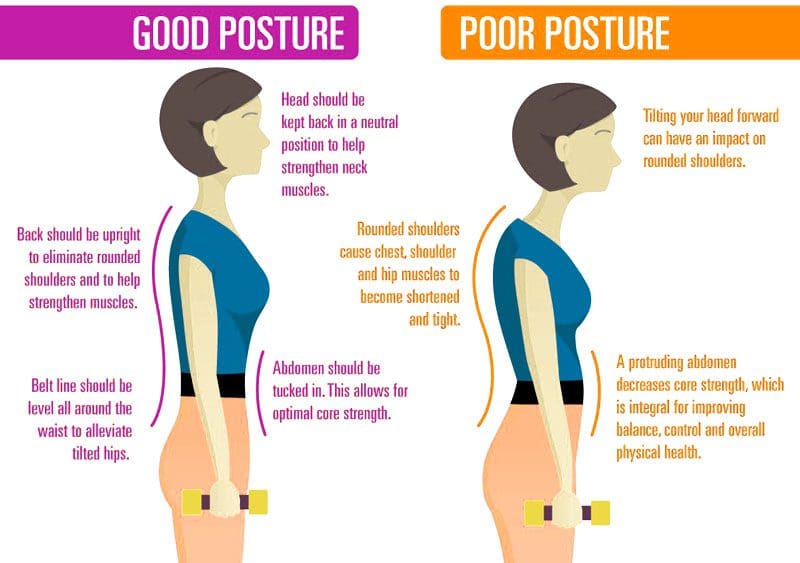
Posture is how we hold our bodies while standing, sitting, or lying down. A healthy posture is the correct alignment of the body supported by the right amount of muscle tension. Our everyday movements and activities affect the body’s alignment. A postural imbalance can impact the body’s health in various ways. It can cause:
General soreness
Back pain
Muscular pain
Fatigue
Digestive problems
Poor self-esteem
Unhealthy posture can increase the risk of spinal dysfunction, joint degeneration, stress joints, and muscles, resulting in permanent damage if left untreated. The best way to prevent postural imbalances is to be aware of the causes utilize proper ergonomic and movement strategies that can help avoid these problems. As the everyday bad habits, behaviors, and activities are understood, it is much easier to prevent and correct them.
Everyday Posture Is Important
Specific muscles maintain the body’s posture, so we don’t have to think about it and constantly adjust. Muscle groups, including the hamstrings and large back muscles, are essential in maintaining healthy positions. When the muscles function correctly, the postural muscles prevent gravity from pushing the body forward. Postural muscles also maintain balance when moving. A healthy posture reduces strain on the supporting muscles and ligaments during everyday movement and weight-bearing activities. Engaging in healthy posture helps:
Keep the bones and joints in correct alignment so that the muscles function correctly.
Decrease the abnormal wearing of joints resulting in degenerative arthritis and joint pain.
Reduce the stress on the ligaments holding the spinal joints together, preventing injury.
Allow muscles to work more efficiently.
The body exert less energy.
Prevent muscle fatigue and muscle pain.
Prevent muscle strain and overuse disorders.
Unhealthy Posture
Unhealthy posture results when the body sits or stands with the spine in an abnormal position. When an individual practices unhealthy posture over a long period, it progressively leads to muscles and ligaments becoming elongated and weak, while others become short and tight. This creates a physical imbalance that leads to postural abnormalities like:
Individuals can begin to develop unhealthy habits that negatively impact their posture, like walking with their head looking towards the ground. This shifts the body out of alignment.
Sitting For Too Long
Spending too much time sitting even with the correct posture will impact the spine and muscles. It weakens the muscles, ligaments, and abdominals.
Weight
Carrying extra weight can force the spine into an awkward position. This is true for individuals with pot bellies, as it pulls the lower back forward, increasing the risk of lumbar lordosis.
Unhealthy Diet
If the spine does not have access to the vitamins and nutrients it needs, it can struggle to maintain its strength and flexibility. It is also more difficult for the body to repair damage to the spine’s muscles and ligaments.
Clothing and Footwear
Clothing and footwear can impact posture.
High heels, poor-fitting shoes, saggy jeans, large belts, heavy jackets, and other items can force the spine into an unnatural position.
These are fine to wear for short periods but avoid wearing them day in and day out.
Treatment
Chiropractors specialize in issues affecting the spine, especially posture. They can:
Perform a postural examination involving a complete assessment of the musculoskeletal system to identify any joint misalignments and issues that affect soft tissue.
Perform adjustments of misaligned joints using various techniques.
Recommend stretches to loosen/lengthen tight muscles and strengthen weak ones, leading to improvements. A chiropractor will develop an effective stretching regimen to target the correct muscles.
Individuals who sit for extended periods, don’t exercise and don’t watch their diet can experience insulin resistance. Insulin resistance happens when insulin cannot transport excess blood sugar out of the blood and into the muscles. One study found that women who sat for eight hours a day had a higher chance of developing diabetes. Individuals with diabetes tend to have more fat within their bodies, particularly visceral fat, increasing insulin resistance potential. Individuals with diabetes experience a faster loss of muscle mass as they age, further intensifying symptoms and deterioration of body composition.
References
Feldman, Anatol G. “The Relationship Between Postural and Movement Stability.” Advances in experimental medicine and biology vol. 957 (2016): 105-120. doi:10.1007/978-3-319-47313-0_6
Jaromi, Melinda et al. “Treatment and ergonomics training of work-related lower back pain and body posture problems for nurses.” Journal of clinical nursing vol. 21,11-12 (2012): 1776-84. doi:10.1111/j.1365-2702.2012.04089.x
Jung, Suk Hwa et al. “Visceral Fat Mass Has Stronger Associations with Diabetes and Prediabetes than Other Anthropometric Obesity Indicators among Korean Adults.” Yonsei medical journal vol. 57,3 (2016): 674-80. doi:10.3349/ymj.2016.57.3.674
Pope, Malcolm H et al. “Spine ergonomics.” Annual review of biomedical engineering vol. 4 (2002): 49-68. doi:10.1146/annurev.bioeng.4.092101.122107
Changing positions and posture. Individuals who have to sit at a desk, workstation, or cubicle for most of the day increase their risk of back pain, contributing to other health issues. GetAmericaStanding.org reports the average adult sits for ten hours or more a day. Prolonged sitting at home and work without movement, physical activity, exercise can lead to issues like:
Pain
Irritability
Cardiovascular problems
Obesity
Diabetes
Long periods of inactivity are associated with increased mortality as sedentariness causes the same damage related to smoking and obesity. It can be challenging to find ways to remain active while sitting at work; this is where changing positions and posture, also known as dynamic sitting throughout the day, can help.
Changing Positions and Posture Throughout the Day
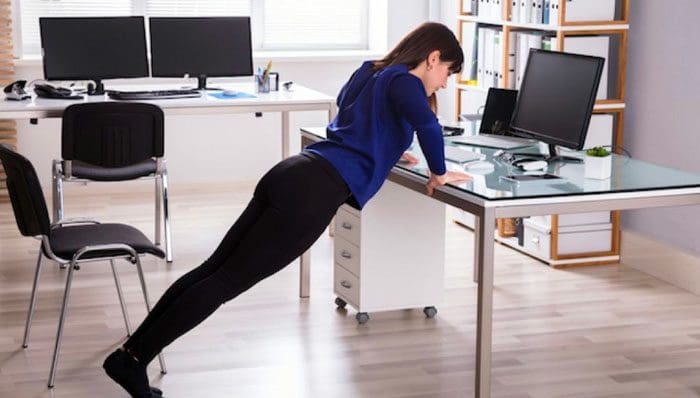
Constantly sitting in a chair means the body remains static, causing blood and energy circulation to slow down, stressing the body’s muscles. Changing the body’s positions regularly along with short periods of activity like standing up, walking around while on the phone, and stretching helps to work out the muscles and keep circulation at optimal levels.
The Importance of Changing Positions and Posture
The body was meant to move and requires movement to stay healthy.
Staying in one position for too long can lead to loss of core strength from the abdominal musculature becoming deconditioned. Muscle deconditioning leads to weakness and tightness. The imbalance affects the spinal support system leading to back, hip, and leg pain. Moving around and doing quick mini-workouts can help strengthen the body, increase core strength, improve posture, burn calories and prevent pain and injury.
The Basics
According to a 2018 study, researchers found improvements in cardiometabolic health among individuals that would stand up, sit less, and move more. Ways to adjust the work or home office to make changing positions and posture easier include.
Sit-stand desks can be raised and lowered throughout the day to change position regularly.
Treadmill desks are actual treadmills that are fitted with a desk so individuals can work and walk simultaneously.
These small changes and adjustments can make a big difference when experiencing body pain from too much sedentariness. However, it is crucial to know if other issues are causing the health problem/s. If back or any pain is associated with any of the following, consult a medical professional.
Trauma from an accident or injury.
Balance issues.
Weakness in the legs.
Infection.
Fever.
Unexplained weight loss.
Overflow urinary incontinence is when the bladder fills up and empties without feeling the need to urinate.
Severe constipation.
Body Composition
How to Read Blood Pressure Measurements
An individual’s blood pressure includes:
Systolic Blood Pressure
This is the first or top number listed on a blood pressure reading and is the measurement of the pressure that the blood exerts against the walls of the arteries.
A normal systolic reading should be less than 120 mm Hg.
Diastolic Blood Pressure
This is the second number that measures the force of the blood against the artery walls when the heart is resting between beats.
A normal diastolic reading is less than 80 mm Hg.
Pulse
The pulse is the number of beats per minute the heart is beating.
A normal adult pulse is between 60 to 100 beats per minute.
When checking blood pressure, a doctor will read out a vital sign in the normal range of 120/80 mmHg or below. Anything above that could be an indication of an underlying health condition.
References
“Ergonomics for Prolonged Sitting.” The University of California at Los Angeles, Los Angeles, CA. https://www.uclahealth.org/spinecenter/ergonomics-prolonged-sitting
“Workplace sitting is associated with self-reported general health and back/neck pain: a cross-sectional analysis in 44,978 employees.” BMC Public Health, London, UK. May 2021. https://pubmed.ncbi.nlm.nih.gov/33957889/
“Active Sitting Guide: 6 Reasons To Really Consider It.” The Ergonomics Health Association. (n.d.) https://ergonomicshealth.com/active-sitting-guide/
“Cardiometabolic Impact of Changing Sitting, Standing, and Stepping in the Workplace.” Medicine & Science in Sports & Exercise, Indianapolis, IN. March 2018. https://oce.ovid.com/article/00005768-201803000-00015/HTML
“Reducing occupational sitting time and improving worker health: the Take-a-Stand Project, 2011.” Preventing Chronic Disease, Atlanta, GA. 2012.
“Office exercise: Add more activity to your day.” The Mayo Clinic, Rochester, MN. October 2019. https://www.mayoclinic.org/healthy-lifestyle/adult-health/in-depth/office-exercise/art-20047394
“The Tools: Put an End to Your Sedentary Lifestyle.” Ergotron, St. Paul, MN. (n.d.). https://www.juststand.org/the-tools/
The low back is made up of five vertebrae, L1 to L5. Pain in the low back is common, specifically because of all the sitting at work, school, and home. Individuals dealing with low back pain know how difficult it can be to sit without discomfort and have found that a low back support pillow can help.
Low Back Support Pillow
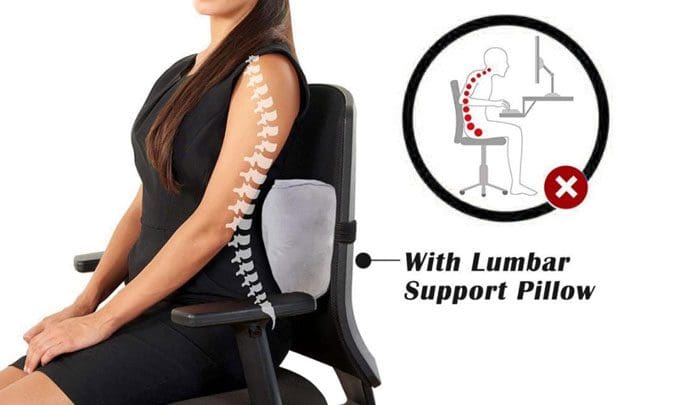
A lumbar pillow is a pillow that supports the low back region of the spine. Different types include:
Specially shaped pillows made from materials like memory foam.
Lumbar pillows can be used on any chair at the office or home.
They are also helpful for travel with small-sized versions that can be packed and easy to carry.
How Lumbar Pillows Help
According to the CDC, the average adult spends around 6.5 and 8 hours a day sitting. Constant sitting hurts the body, specifically the spine and the back muscles, and is a significant cause of muscle stress. Properly supporting the low back helps remove the stress and strain. A low back support pillow can help correct sitting posture.
Pillow Options
There are plenty of options for low-back support pillow shapes, sizes, fillings, and materials. These include:
Some look like a half-cylinder in shape, rectangular, and curved.
Personal preference and comfort are different for everybody, and it could take some trial and error to find the right lumbar pillow. Some pillows are customizable, allowing the ability to add or remove filling as needed. Talking with a spine specialist, orthopedist or chiropractor can help in figuring out what type is best. Pillows come in various price ranges, with some at $10-15, while others can cost $100 or more. However, any pillow that provides enough support for the low spine’s natural curvature can work. It is important to be comfortable and supported to prevent pain and injury no matter where you sit.
Body Composition
Fermentable and Nonfermentable Fiber
The entire body can host trillions of beneficial bacteria. The majority live in the intestines and are referred to as the gut microbiome. Also known as the forgotten organ, these bacteria have a say in the body’s composition and overall health. The beneficial bacteria thrive on fermentable fiber, and fermentation in the gut produces short-chain fatty acids like:
These help suppress gut inflammation and can reduce the risk of various digestive disorders like:
Irritable bowel syndrome
Crohn’s disease.
Ulcerative colitis.
Foods that are rich in fermentable fibers include:
Oats
Barley
Fruit
Vegetables
Cereal fibers that are rich in cellulose, like wheat bran, are nonfermentable.
References
“What is Memory Foam?” Sleep Foundation, Seattle, WA. August 2020. https://www.sleepfoundation.org/mattress-information/what-is-memory-foam
“Association Between Sitting Time and Cardiometabolic Risk Factors After Adjustment for Cardiorespiratory Fitness, Cooper Center Longitudinal Study, 2010–2013.” Centers for Disease Control, Atlanta, GA. December 2016. https://www.cdc.gov/pcd/issues/2016/16_0263.htm
“Ergonomics for Prolonged Sitting.” The University of California at Los Angeles, Los Angeles, CA. https://www.uclahealth.org/spinecenter/ergonomics-prolonged-sitting
“Workplace sitting is associated with self-reported general health and back/neck pain: a cross-sectional analysis in 44,978 employees.” BMC Public Health, London, UK. May 2021. https://pubmed.ncbi.nlm.nih.gov/33957889/
IFM's Find A Practitioner tool is the largest referral network in Functional Medicine, created to help patients locate Functional Medicine practitioners anywhere in the world. IFM Certified Practitioners are listed first in the search results, given their extensive education in Functional Medicine