
Brain Injuries and Stomach Problems: How They Relate
Understanding the Gut-Brain Connection After Traumatic Brain Injury: How Chiropractic Care Can Help Restore Balance

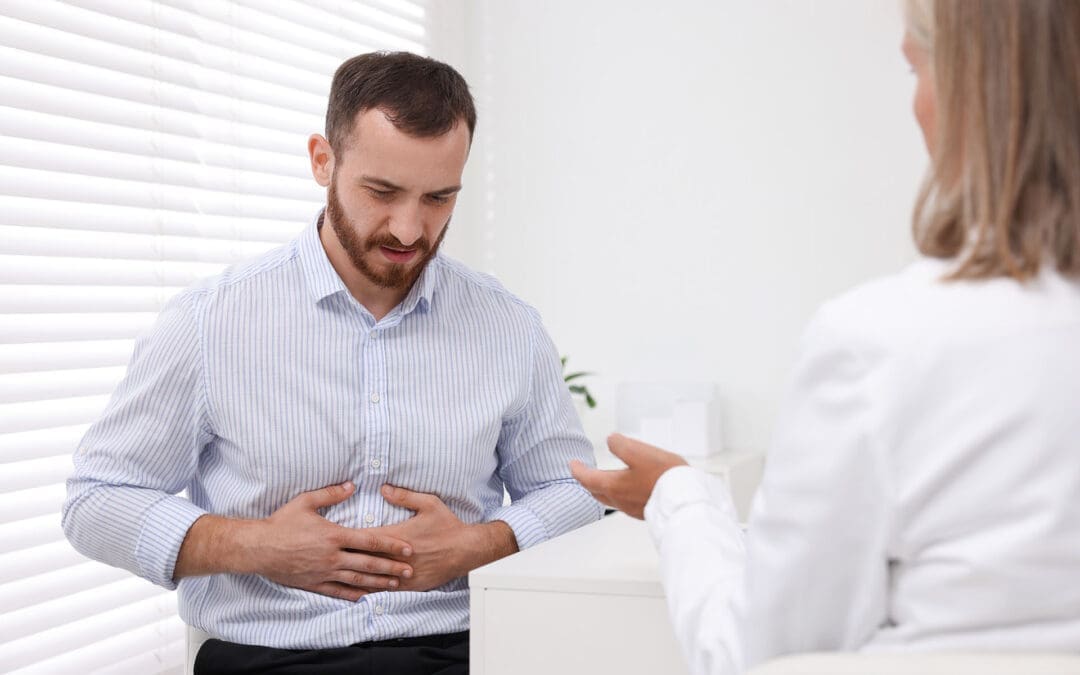
A woman is experiencing gut pain symptoms after sustaining a head injury in a motor vehicle crash.
Traumatic brain injury, often called TBI, happens when a sudden blow or jolt to the head disrupts normal brain function. This can range from mild concussions to severe cases that change lives forever. However, many people are unaware that TBI doesn’t just affect the head—it can also impact the entire body, particularly the gut. The gut and brain communicate with each other constantly through a network known as the gut-brain axis. When TBI occurs, this chat becomes disrupted, leading to issues such as leaky gut, imbalanced gut bacteria, and poor digestion. These issues can exacerbate the brain injury by spreading inflammation throughout the body. On the other hand, simple changes like chiropractic adjustments may help alleviate issues by calming nerves, reducing inflammation, and strengthening the gut-brain connection.
In this article, we’ll break down how TBI harms the gut, the symptoms it causes, and why the gut matters for healing the brain. We’ll also examine how integrative chiropractic therapy—think spinal adjustments to enhance nerve signals—can alleviate digestive issues and promote recovery. Drawing from recent studies and expert insights, we’ll keep it straightforward so you can grasp the science without getting lost in jargon.
What Is Traumatic Brain Injury, and Why Does It Matter for Gut Health?
TBI strikes about 69 million people worldwide each year, from car crashes to sports hits (Dhar et al., 2024). Right after the injury, the brain swells and releases signals that stress the body. This stress doesn’t stay in the head; it travels down nerves and hormones to the belly. The gut-brain axis is like a two-way street: the brain instructs the gut when to digest food, and the gut sends back signals that influence mood and focus.
When TBI blocks this street, the gut suffers. One significant change is increased gut permeability, also known as “leaky gut.” Normally, the gut wall acts like a tight filter, letting nutrients in but keeping junk out. After a TBI, that filter loosens, allowing bacteria and toxins to slip into the blood. This sparks body-wide inflammation, which in turn inflames the brain further (Nicholson et al., 2019).
Here’s a quick list of how TBI disrupts the gut-brain axis:
- Nerve Signal Glitches: The vagus nerve, a key player in the autonomic nervous system, gets thrown off, slowing gut movement and causing backups.
- Hormone Shifts: Stress hormones, such as cortisol, spike, weakening the gut lining.
- Immune Overdrive: Brain damage triggers alarm signals that activate gut immune cells, resulting in swelling.
These changes don’t just cause tummy troubles—they can drag out brain fog, fatigue, and even raise risks for long-term issues like depression or Alzheimer’s (Nicholson et al., 2019). Restoring the gut could significantly contribute to the recovery from traumatic brain injury.
The Gut’s Hidden Role in Brain Healing
Your gut isn’t just for breaking down lunch; it’s a powerhouse for brain health. It houses trillions of bacteria—the microbiome—that make feel-good chemicals like serotonin, which boosts mood and sleep. Approximately 90% of serotonin originates from the gut, rather than the brain (Nicholson et al., 2019). After a TBI, this factory slows down, leaving you irritable or exhausted.
The gut also absorbs key nutrients essential for brain repair, such as omega-3s for nerve growth and B vitamins for energy. When gut issues arise, you miss them, stalling the healing process. Additionally, healthy gut bacteria combat inflammation, facilitating the brain’s ability to rewire itself through neuroplasticity—the brain’s capacity to form new neural pathways.
- Microbiome Magic: Good bacteria produce short-chain fatty acids (SCFAs) that calm brain swelling and support new cell growth.
- Barrier Buddies: A strong gut wall blocks toxins that could cross the blood-brain barrier and worsen damage.
- Mood Messengers: Gut signals via the vagus nerve influence stress and focus, key for rehab.
Studies indicate that TBI patients with gut imbalances have slower recovery and more cognitive slips (Hassan et al., 2020). However, nourishing the gut with the right foods or therapies can help reverse the situation.
How TBI Leads to Leaky Gut and Bacterial Imbalance
Leaky gut starts fast after TBI—sometimes in hours. Brain trauma intensifies stress responses, flooding the body with catecholamines that disrupt the gut’s tight junctions, the “zippers” that hold cells together (Pitman et al., 2021). Proteins like occludin and ZO-1 break down, letting bacteria sneak out.
This leakage triggers a firestorm: toxins enter the bloodstream, activating immune cells to release cytokines such as TNF-α and IL-6. These chemicals not only inflame the gut but also travel to the brain, fueling secondary damage (Dhar et al., 2024). In one study, TBI mice exhibited 2.5 times more gut leaks, which was linked to higher mortality rates from infections (Nicholson et al., 2019).
Dysbiosis, or bacterial imbalance, worsens. TBI alters the microbiome, with harmful bacteria, such as Proteobacteria, proliferating while beneficial ones, like Firmicutes, decline (Wang et al., 2021). This imbalance reduces SCFA production, which normally helps soothe inflammation. Human data support this—patients post-TBI have altered gut microbiomes for years, linked to poorer cognitive skills (Hassan et al., 2020).
Key signs of this gut takeover include:
- Early Warning: Within days, slower gut motility leads to bloating and irregular poops.
- Long Haul: Chronic dysbiosis increases the likelihood of ongoing inflammation and nutrient deficiencies.
- Feedback Loop: Leaky gut feeds brain inflammation, which in turn worsens gut leaks—a vicious cycle.
Breaking this loop is crucial; without it, TBI recovery stalls (Cognitive FX, 2023).
Common Digestive Woes After a Brain Injury
TBI’s gut punch shows up in everyday gripes that sap energy and joy. Nausea strikes hard early on, often accompanied by vomiting or dry heaves, making eating a chore (Cognitive FX, 2023). Constipation is sneaky—slowed nerves mean food lingers too long, causing hard stools and belly pain. Diarrhea flips the script, from bacterial overgrowth or stress.
Other hits:
- Bloating and Gas: Trapped air from poor motility feels like a balloon in your gut.
- Appetite Crash: Loss of hunger leads to weight drops and missing nutrients.
- Acid Issues: Reflux or heartburn from weakened barriers irritates the throat.
These aren’t just annoyances; they link to brain symptoms. For example, gut inflammation can amp up headaches or dizziness (Flint Rehab, 2023). In severe cases, feeding intolerance affects up to 50% of patients, hiking infection risks (Dhar et al., 2024). Spotting these early lets you act fast.
Inflammation: The Bridge Between Gut Chaos and Brain Strain
Inflammation is the troublemaker tying gut woes to brain hurt. After a TBI, damaged brain cells release danger signals (DAMPs) that alert the immune system. This revs up gut cytokines, which leak through the damaged wall and reach the brain, causing swelling of neurons (Pitman et al., 2021).
The gut, which contains 70% of immune cells, amplifies this process. Dysbiosis releases pro-inflammatory signals, while low SCFAs allow swelling to run rampant (Wang et al., 2021). Result? A body-wide storm that delays healing and sparks issues like epilepsy or PTSD (Hassan et al., 2020).
- Gut-to-Brain Path: Leaked toxins cross barriers, activating microglia—the brain’s immune guards—into overdrive.
- Brain-to-Gut Backlash: Swollen brain signals slow digestion, breeding more unhealthy bacteria.
- Chronic Creep: Lingering inflammation is linked to diseases years later, according to long-term studies.
Taming this fire is key; therapies that cool gut swelling often ease brain fog too (Nicholson et al., 2019).
Enteric Nervous System: The Gut’s Brain Goes Haywire
The enteric nervous system (ENS), your gut’s own nerve web, acts like a mini-brain, controlling wiggles and juices. TBI zaps it via vagus glitches and hormone floods, leading to dysfunction (Nicholson et al., 2019). Serotonin levels in the colon decrease, slowing peristalsis—the wave that propels food through the digestive tract (Traumatic brain injury alters the gut-derived serotonergic system, 2022).
This means gastroparesis (stomach paralysis) or spasms, which can worsen leaks and dysbiosis. ENS glia, support cells, become reactive, adding to swelling (Dhar et al., 2024). In patients, this ties to incontinence or pain lasting months.
Quick facts on ENS fallout:
- Signal Static: Vagus tone drops, cutting anti-inflammatory acetylcholine.
- Peristalsis Problems: Uneven waves cause backups or rushes.
- Repair Potential: Boosting vagal signals can reset the ENS, per animal tests.
Restoring ENS flow could smooth digestion and brain signals alike.
Chiropractic Therapy: A Natural Treatment for Gut-Brain Blues
Integrative chiropractic care excels in this area, utilizing spinal adjustments to optimize the nervous system. Misaligned vertebrae, common after TBI whiplash, pinch nerves and disrupt gut chats (Auburn Chiropractors, 2023). Adjustments realign the spine, easing pressure and boosting vagus tone to promote better motility and reduced swelling.
How it helps:
- Nerve Boost: Upper neck tweaks enhance brain-gut signals, restoring serotonin balance.
- Inflammation Drop: Adjustments release anti-swelling chemicals, calming the axis (Psychology Today, 2025a).
- Vagal Revival: A higher tone helps combat dysbiosis and leaky gut, according to studies on autonomic shifts.
Dr. Alexander Jimenez, a chiropractor with over 20 years in functional medicine, observes this in practice. At his clinic, TBI patients report less nausea and steadier bowels after adjustments, thanks to better spine-gut links. “Spinal care isn’t just for backs—it’s key to whole-body healing, including the gut-brain tie,” Jimenez notes in his wellness posts (Jimenez, 2023). His approach combines adjustments with nutrition, aligning with research on multi-modal solutions.
Real Ways Chiropractic Eases Digestive Drama Post-TBI
Patients under chiropractic care see quick wins. Adjustments lower cortisol, easing stress that tightens gut junctions (Eugene Chiropractor, 2023). A study-linked review shows reduced gastrointestinal symptoms in brain injury cases through vagus stimulation (Northwest Florida Physicians Group, 2023).
Benefits include:
- Motility Makeover: Faster transit cuts constipation by 30–50%, according to some reports.
- Barrier Build: Less permeability means fewer toxins, aiding brain clarity.
- Pain Peace: Fewer headaches from gut-brain loops.
When combined with probiotics, it becomes a potent combination—Jimenez frequently pairs them for microbiome resets (Jimenez, 2023).
Blending Chiropractic with Other Gut-Healing Tools
Chiropractic isn’t a solo approach; it often teams with diet and supplements. Eat anti-inflammatory foods like salmon and greens to feed beneficial bacteria (Flint Rehab, 2023). Probiotics, such as Lactobacillus, help rebuild diversity by reducing cytokines (Li et al., 2024).
- Nutrient Power: Omega-3s and fibers repair leaks.
- Stress Soothers: Yoga plus adjustments amp vagal calm.
- Med Check: Swap gut-hurting pills for gentler options.
Jimenez emphasizes the importance of personalization: “Tailor care to the patient’s axis—test microbiome, adjust spine, track progress” (Jimenez, 2023). This holistic approach aligns with studies on enteral nutrition following TBI (Zhang et al., 2024).
Long-Term Outlook: Healing the Gut for Lasting Brain Gains
Gut fixes post-TBI pay off big. Early action reduces chronic risks, such as neurodegeneration (Wang et al., 2021). Patients with balanced microbiomes show better memory and mood years out (Hassan et al., 2020).
Future paths? More trials on chiropractic for TBI patients, according to experts (Psychology Today, 2025b). Jimenez pushes for integrated clinics: “Chiro plus gut therapy—it’s the future for TBI survivors.”
Wrapping Up: Take Charge of Your Gut-Brain Health
TBI disrupts the gut-brain axis, but knowledge and action can help rebuild it. From leaky gut to dysbiosis, these hits cause real pain—but chiropractic offers a gentle reset. Start with a check-up, tweak your plate, and align your spine. Your body thanks you.
References
Auburn Chiropractors. (2023). Traumatic brain injury & the leaky gut connection. https://www.theauburnchiropractors.com/blog/214636-traumatic-brain-injury-amp-the-leaky-gut-connection
Cognitive FX. (2023). Post-concussion stomach problems: Loss of appetite, pain, & more. https://www.cognitivefxusa.com/blog/concussion-loss-of-appetite-and-other-stomach-problems
Dhar, R., et al. (2024). Dysregulated brain-gut axis in the setting of traumatic brain injury: Review of mechanisms and anti-inflammatory pharmacotherapies. PMC, 11083845. https://pmc.ncbi.nlm.nih.gov/articles/PMC11083845/
Eugene Chiropractor. (2023). Can chiropractic care improve your gut health? https://www.eugenechiropractor.com/blog/posts/can-chiropractic-care-improve-your-gut-health
Flint Rehab. (2023). Brain injury and gut health: Looking at the gut-brain axis. https://www.flintrehab.com/brain-injury-and-gut-health/
Hassan, T. H., et al. (2020). The gut-brain axis in traumatic brain injury: Literature review. Journal of Clinical Neuroscience. https://www.sciencedirect.com/science/article/abs/pii/S0967586825002309
Jimenez, A. (2023). Injury specialists. https://dralexjimenez.com/
Li, Y., et al. (2024). Probiotics in traumatic brain injury: New insights into mechanisms and future perspectives. PMC, 11313054. https://pmc.ncbi.nlm.nih.gov/articles/PMC11313054/
Nicholson, S. E., et al. (2019). The gut reaction to traumatic brain injury. PMC, 5019014. https://pmc.ncbi.nlm.nih.gov/articles/PMC5019014/
Northwest Florida Physicians Group. (2023). Using chiropractic care to treat traumatic brain injuries. https://northwestfloridaphysiciansgroup.com/using-chiropractic-care-to-treat-traumatic-brain-injuries/
Pitman, S., et al. (2021). Brain-gut axis dysfunction in the pathogenesis of traumatic brain injury. PMC, 8203445. https://pmc.ncbi.nlm.nih.gov/articles/PMC8203445/
Psychology Today. (2025a). Fixing the gut-brain chaos after head injury. https://www.psychologytoday.com/us/blog/your-brain-on-food/202501/fixing-the-gut-brain-chaos-after-head-injury
Psychology Today. (2025b). The gut-brain-spine connection. https://www.psychologytoday.com/us/blog/the-leading-edge/202503/the-gut-brain-spine-connection
Traumatic brain injury alters the gut-derived serotonergic system and associated peripheral organs. (2022). Biochimica et Biophysica Acta (BBA) – Molecular Basis of Disease. https://www.sciencedirect.com/science/article/pii/S0925443922001624
Wang, L., et al. (2021). Diet-microbiome-gut-brain nexus in acute and chronic brain injury. PMC, 9523267. https://pmc.ncbi.nlm.nih.gov/articles/PMC9523267/
Zhang, Y., et al. (2024). Research progress on digestive disorders following traumatic brain injury. PMC, 11695231. https://pmc.ncbi.nlm.nih.gov/articles/PMC11695231/







