For individuals living with chronic pain and various diseases like Parkinson’s, arthritis, and diabetes, can water aerobics be beneficial?
Water Aerobics
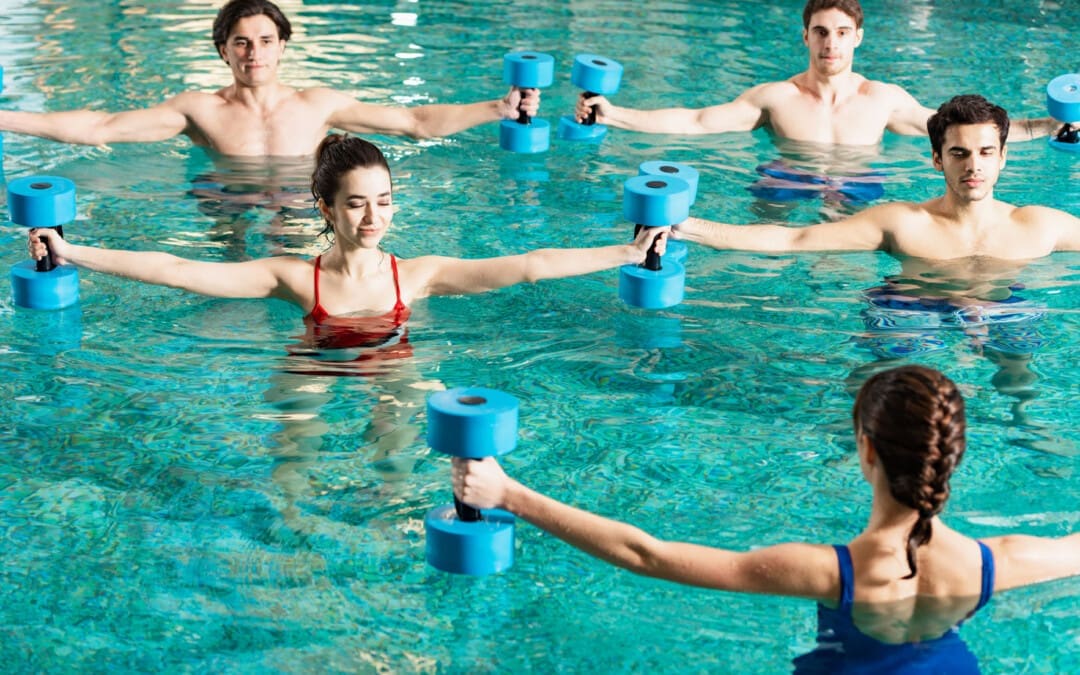
Water aerobics are low-impact exercises performed commonly in swimming pools. It is a great way to exercise for a full-body, low-impact workout without overworking the body’s joints and muscles. Other names used include:
Aquafitness
Aqua aerobics
Aquarobics
Many types can be tailored to individual needs, injuries, and/or conditions. The exercises have various health benefits, especially for those who cannot perform higher-impact movements.
Individuals participating in water aerobics will need a bathing suit, towel, goggles, and a swim cap to protect their eyes or hair from chlorinated water. Individuals do not need other special equipment while exercising as the water acts as extra resistance. Foam dumbbells or paddles can be used to increase resistance. Other optional equipment includes: (Plunge San Diego, 2024) (Harvard Health Publishing Harvard Medical School, 2023)
Kickboards
Wrist and ankle weights
Water-jogging belts
Swim bar
Pool Exercises
There are many types of pool exercises to help reach health and fitness goals. They include:
Water Walking
The basic act of walking in water is a great way to get a full-body workout.
Start by standing in waist-deep water with the feet planted on the bottom of the pool.
Lengthen the spine by bringing the shoulders up and back and aligning the shoulders with the hips and knees.
Once in a good starting position, walk through the water, putting pressure on the heel first and then the toes, just like walking out of the water, while swinging the arms back and forth through the water.
This exercise can be done for five to 10 minutes.
The muscles that will get the most attention are the arms, core, and the lower body.
Arm Lifts
Stand up to the shoulders in water.
With the palms facing up, draw the elbows into the torso while lifting the forearms in front of the body up to the water’s surface.
Once at the surface, rotate the palms to face down and slowly move the forearms back down to the sides.
For more resistance, this exercise can also be done using foam dumbbells.
Repeat the action 10–15 times for one to three sets.
The muscles targeted are the core and the arm muscles.
Jumping Jacks
Water resistance makes jumping jacks in the water much more difficult than on land.
To perform, start by standing in chest-level water with your feet together and your arms straight down the sides.
Once in position, begin by simultaneously swinging the legs out to the side and arms over the head before returning to the starting position.
Muscles targeted include the entire body and cardiovascular system.
Add wrist or ankle weights for more resistance and to make the exercise more challenging.
High-Knee-Lift Extensions
High-knee-lift extensions are performed while standing in water that is waist deep.
To do the exercise, engage the core and lift one leg in a bent position until it is level with the water’s surface.
Hold the position for a few seconds, then extend the leg out in front and hold again.
After the hold period, move the leg back down through the water to the starting position while keeping it straight and flexing the foot.
Repeat on both legs for two to three sets of 15 reps per leg.
Use weights on the ankles to increase resistance.
The muscles targeted include the core, glutes, and lower body.
Risks
While exercising in water, individuals may not notice how much they sweat. This can make it seem like the workout is not as hard and can lead to dehydration. Individuals should always hydrate before and after a pool workout. Individuals who cannot swim well should avoid exercises that do not require a flotation device. Sometimes pools are heated, so choosing one 90 degrees F or below is recommended so the body doesn’t get overheated while exercising.
Stop Pool Exercises Immediately
Performing pool exercises can often seem easier than they are, leading to overworking. Stop exercising immediately if you feel:
Pain in any area of the body
Shortness of breath
Nauseated
Faint
Dizzy
Pressure in the upper body or chest
Other Health Conditions That Benefit
Water aerobics is recommended for most individuals, completely healthy or with a chronic disease. Those with chronic disease have been shown to benefit from the low-impact exercise. (Faíl, L. B. et al., 2022) One study looked at individuals with various health conditions, with the results showing that the following conditions saw improvements after 12 weeks of regular water exercise (Faíl, L. B. et al., 2022)
Diabetes
Arthritis
Fibromyalgia
Bone diseases
High blood pressure
Coronary artery disease
Stroke
Multiple sclerosis (MS)
Parkinson’s disease
While the benefits of water aerobics have been studied and proven effective, individuals should be cleared by a medical professional before starting any new exercise regimen. Injury Medical Chiropractic and Functional Medicine Clinic works with primary healthcare providers and specialists to develop an optimal health and wellness solution through an integrated approach to treating injuries and chronic pain syndromes, improving flexibility, mobility, and agility programs to relieve pain and help individuals return to normal. Our providers create personalized care plans for each patient. If other treatments are needed, Dr. Jimenez has teamed up with top surgeons, clinical specialists, medical researchers, and rehabilitation providers to provide the most effective treatments.
Chiropractic and Integrative Healthcare
References
Harvard Health Publishing Harvard Medical School. (2023). Basic types of water-based exercises. HealthBeat. https://www.health.harvard.edu/healthbeat/basic-types-of-water-based-exercise
Pereira Neiva, H., Brandão Faíl, L., Izquierdo, M., Marques, M. C., & Marinho, D. A. (2018). The effect of 12 weeks of water-aerobics on health status and physical fitness: An ecological approach. PloS one, 13(5), e0198319. https://doi.org/10.1371/journal.pone.0198319
Harvard Health Publishing Harvard Medical School. (2024). Advantages of water-based exercise. HealthBeat. https://www.health.harvard.edu/healthbeat/advantages-of-water-based-exercise
Plunge San Diego. (2024). 5 must-have pieces of aquatic exercise equipment for water aerobics. Plunge San Diego. https://plungesandiego.com/what-equipment-needed-water-aerobics-shoes/
Faíl, L. B., Marinho, D. A., Marques, E. A., Costa, M. J., Santos, C. C., Marques, M. C., Izquierdo, M., & Neiva, H. P. (2022). Benefits of aquatic exercise in adults with and without chronic disease-A systematic review with meta-analysis. Scandinavian journal of medicine & science in sports, 32(3), 465–486. https://doi.org/10.1111/sms.14112
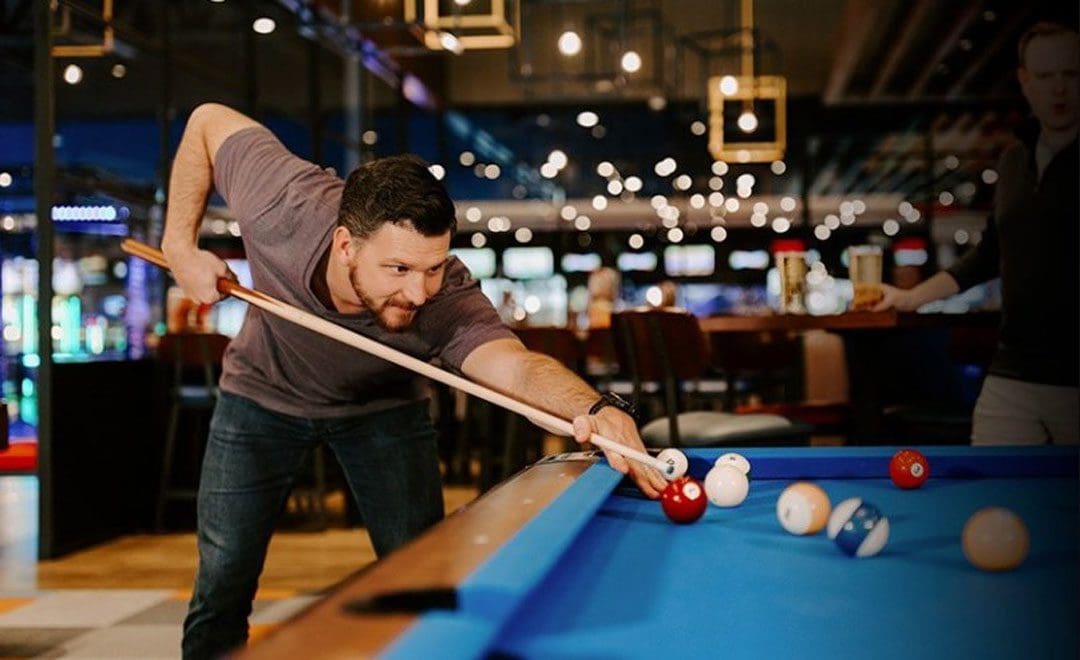
Cue sports use a cue stick to strike billiard balls off and around a pool or equivalent table. The most common game is pool. Although these are not contact sports, various musculoskeletal injuries can manifest. Therefore, it is recommended to know the common injuries so that they can be self-treated or treatment can be sought before the condition worsens. Injury Medical Chiropractic and Functional Medicine Clinic can relieve symptoms, rehabilitate the body, and restore mobility and function.
Cue Sports Injuries
Sports medicine doctors say cue sports players suffer from sprains, strains, and fractures, among other injuries. Cue sports players are constantly:
Bending
Reaching
Twisting
Stretching their arms
Using their hands and wrists
Performing these constant movements and motions for extended periods increases the risk of sustaining injuries. Common symptoms include:
Inflammation
Warmth or heat in affected areas
Swelling
Tightness in the affected areas
Pain
Decreased range of motion
Injuries
Back and Waist
The posturing can cause individuals to tense their muscles, increasing the likelihood of injury. With all the bending, waist and back injuries are common. Back issues include:
Pinched nerves
Sciatica
Sprains
Strains
Herniated discs
Individuals with existing spine conditions or osteoarthritis have an increased risk of injury.
Shoulder, Arm, Wrist, Hand, and Finger
The shoulders, hands, wrists, and fingers are in constant use.
This can lead to overuse injuries affecting the muscles, tendons, ligaments, nerves, and bones.
Consistent stress can lead to sprains, strains, or bursitis.
Tendonitis
Tendonitis occurs when too much pressure is applied, causing tendons to inflame.
This could lead to swelling and pain and could lead to long-term damage.
Foot and Ankle
The feet can slip when stretching too far while setting up and taking a shot.
This injury usually happens when trying to balance on one foot.
Slipping can lead to a sprained ankle or something worse, like a torn ligament or fractured foot.
Chiropractic Care
Chiropractic adjustments combined with massage therapy and functional medicine can treat these injuries and conditions, relieving symptoms and restoring mobility and function. When the tendons, muscles, ligaments, and bones are properly aligned, recovery and rehabilitation progress faster. A chiropractor will also recommend stretching and exercise programs to help maintain the adjustments and prevent injuries.
Physical Therapy and Exercises
References
Garner, Michael J et al. “Chiropractic care of musculoskeletal disorders in a unique population within Canadian community health centers.” Journal of manipulative and physiological therapeutics vol. 30,3 (2007): 165-70. doi:10.1016/j.jmpt.2007.01.009
Hestbaek, Lise, and Mette Jensen Stochkendahl. “The evidence base for chiropractic treatment of musculoskeletal conditions in children and adolescents: The emperor’s new suit?.” Chiropractic & osteopathy vol. 18 15. 2 Jun. 2010, doi:10.1186/1746-1340-18-15
Orloff, A S, and D Resnick. “Fatigue fracture of the distal part of the radius in a pool player.” Injury vol. 17,6 (1986): 418-9. doi:10.1016/0020-1383(86)90088-4
Seven: Working in the yard, and wherever else the sun beats down relentlessly will be a test as to the type of shape your body is in. Poor eating habits have increased fat deposits, as well as sitting around. Never fear, it is recommended that you try out these seven exercise tuneup tips to get back in shape as summer begins.
Seven
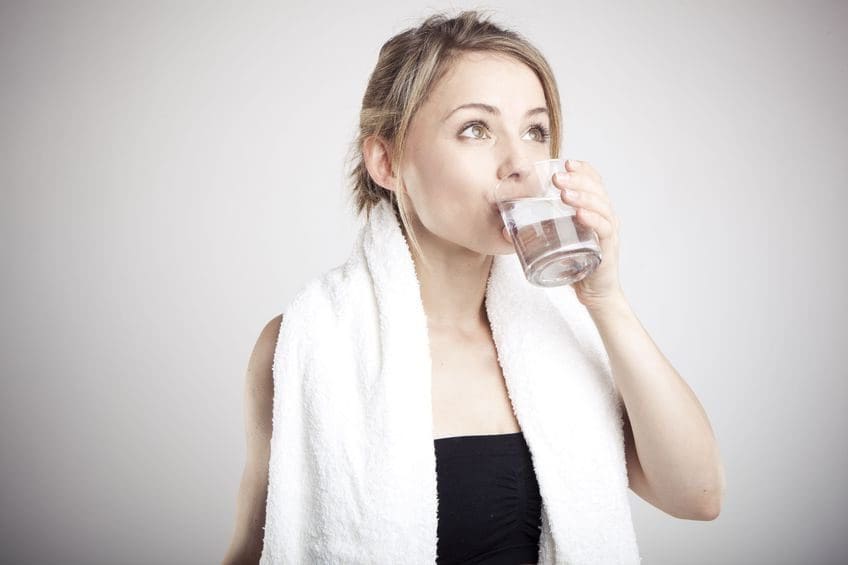
Drink proper amount of water regularly
Water helps immensely in generating fat-loss. 64 ounces a day is the absolute minimum. Twice that amount, or one-gallon, is the way to go, making sure the water is ice cold. Ice water is about 40-degrees Fahrenheit. This means the body’s system has to heat the water to a core body temperature of 98.6 degrees.
The process requires about one calorie to warm one ounce of cold water to body temperature. Therefore an 8-ounce bottle of ice waterburns seven calories. Try that with 16 glasses, which equals 128 ounces, or one gallon. This generates 123 calories of heat energy. �
�
Eat small meals more often
Fat-loss study subjects were given six meals to consume a day, with no meal having more than 400 calories. The study emerged successfully. It is important to allow no longer than three hours between eating. This could be snacks, light meals, salads, etc.
Eating with this type of pattern keeps the body on an even keel. And since the individual is never overly-full/stuffed and never over-hungry/famished this seems to be ideal for losing weight and getting rid of fat cells. �
�
When eating takeout Assert Yourself
All the help you can get to avoid gorging on rich, high-caloric, restaurant foods. Here are some tips:
Don’t go through the whole menu
Choose a simple green salad without the garnish
Lemon juice, vinegar, or low-calorie dressing is the way to go instead of the creamy and oily dressings.
Select one or two vegetables with nothing
A plain baked potato is a great choice
Other positive choices are broccoli, carrots, and cauliflower
Find out what kind of fish is available
Try the fish baked, steamed, or broiled, with nothing on top
Decaffeinated coffee or tea as a dessert, with some fresh fruit
�
Get an exercise routine that you will stick to
Be careful if it’s swimming or some type of water-based exercise. Swimming does offer benefits, but the thermal effect of being in the water can cause you to eat more from all of the energy loss. Strength training is the way to go, so you can lose weight and then get into the water exercises. More than any other exercise or activity strength training promotes a double-reducing advantage. �
�
Do not Over-Exercise
Overdoing it with the exercise can tear down body tissue/s, increasing the risk of injuries, which then puts you in downtime and less active.
�
Too much Television Time
Decrease the exposure to television because of the convenient foods that are offered. This diminishes the temptation to overeat. Get involved in a household project, along with the extended daylight hours, can help this situation.
�
Take advice
When you are tough on yourself, life can become a beautiful thing, as you witness the benefits from the hard work. We don’t pay the price for good health, we just enjoy it along with the benefits. However, we do pay the price for bad/poor health. �
�
Exercise Facts
More than half of adults do not get the recommended amount of exercise.
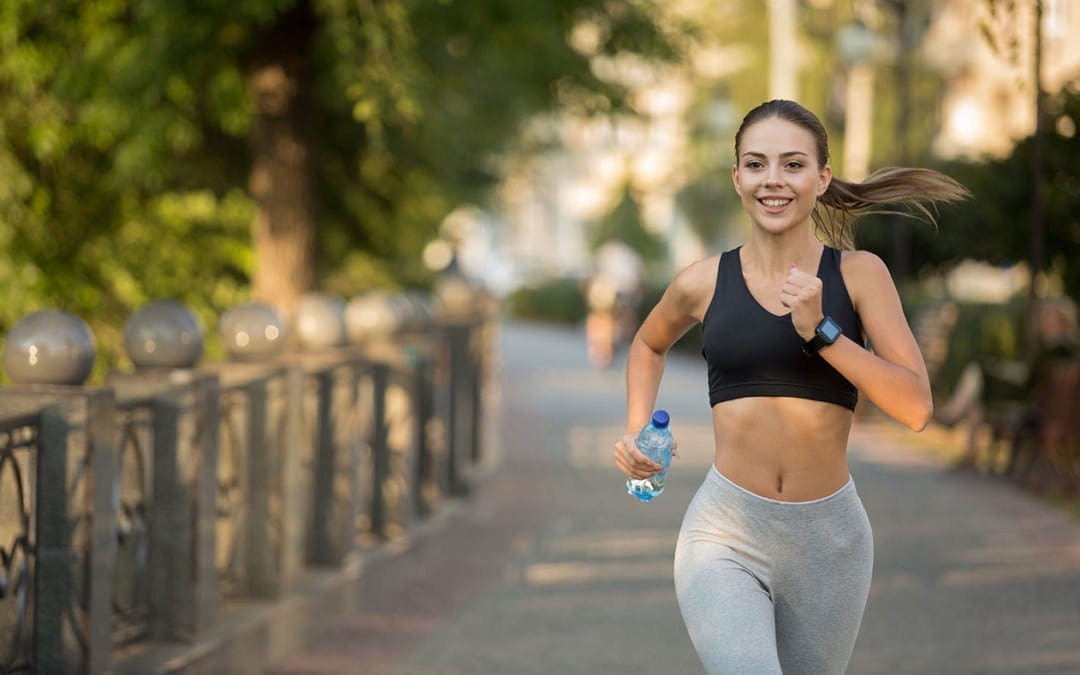
Try for at least 20 minutes of exercise a day.
Around 25% of adults don’t exercise at all
Keep the exercise routine fresh by mix it up doing different activities like alternate power walking, yoga, bicycling, tennis, band workouts, etc.
Regular exercise helps maintain healthy bones and helps keep the muscles and joints strong.
Incorporate fitness into a daily routine to help control weight and boosts mood and sense of well-being.
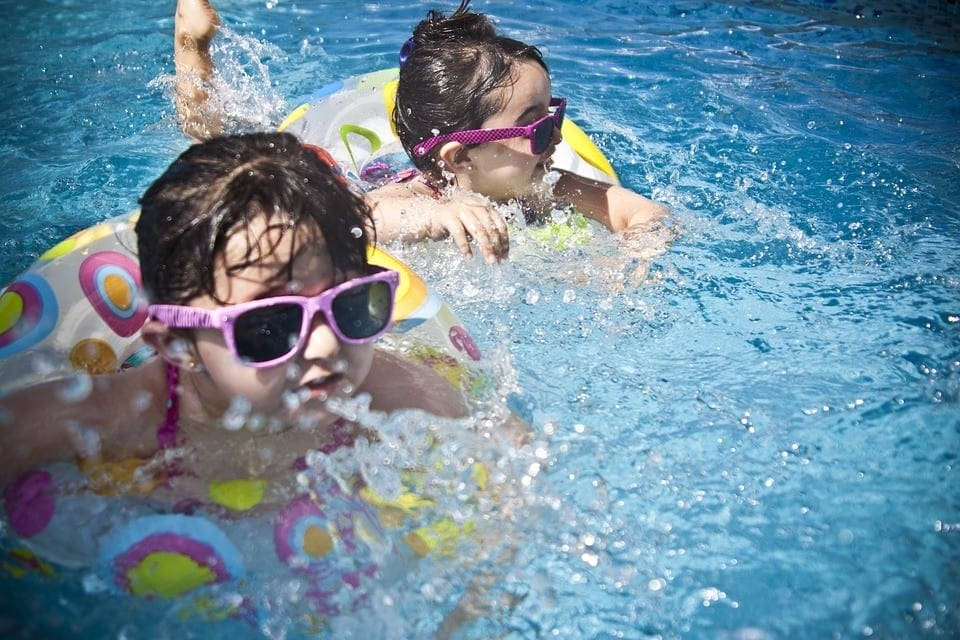
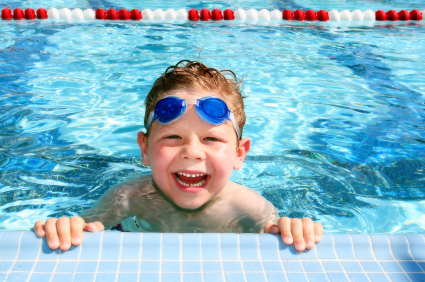
School is out, and the cool, fresh water of the local swimming pool awaits beckoning. Long, sunny days, the smell of sunscreen, and the laughter of the playing children will fill the next few months.
However, there are elements of this delightful picture that can end up causing harm to children and adults alike. It’s important to take a few key precautions when enjoying a day at the pool this summer. Doing so will minimize the risk of the summer laughter turning to tears.
Here are six bright ways for adults and children to stay safe at the pool this summer.
Pool Safety Tips:
#1: Enroll In Swimming Lessons
Playing in the water is a fun, refreshing activity, but can turn dangerous quickly. According to the Red Cross, the single biggest precaution to take to ensure summer safety is to make sure your children are able to swim. Book age appropriate swimming lessons for your children as young as possible.
#2: Avoid Spills With Water Shoes Or Rough Bottom Sandals
Nothing brings a playful pool day to a screeching halt like a slip and fall on the side of the pool. This goes for you, too, Mom and Dad!
Bare feet offer no traction on wet and slick concrete, and falling can cause serious accidents that require stitches, casts, and, well, chiropractic visits! Make it a rule to wear water shoes or sandals around the pool at all times.
#3: Take Measures To Fight Off Swimmer’s Ear
Swimmer’s ear is a common condition that is brought on by water remaining in the ear canal, allowing germs to grow. Yuk!
The CDC reports that this condition results in an astonishing 2.4 million doctor visits every year. Guard against this by teaching your children to tilt each side of their heads toward the ground to drain their ears, and to dry their ears thoroughly with a towel every time they get out of the pool.
If you or one of your little swimmers experience ear pain after a pool day, take them to the doctor as soon as possible to begin treatment.
#4: Beware Of Little Critters
Hot days and bare skin are too much temptation for bees, mosquitoes, and ticks. Bites from these creatures range from itchy to extremely serious. Ward them off with bug spray, or sunscreen with insect repellent.
Ticks in particular are dangerous. If you or your child gets bitten by a tick, remove it promptly and clean the area thoroughly.
#5: Be Cautious Of Overdoing It
A day at the pool can be a blast for the young ones, but wagging the cooler and lawn chairs back and forth to the pool can exhaust an adult, causing injury. Remember to lift heavy items with your legs, and don’t overload yourself. An extra trip to the car is worth it to avoid a neck or back strain.
#6: Prepare For Disaster
Okay, that is a little melodramatic, but it pays to be prepared in the event of an emergency. Pack a small kit with alcohol, tweezers, bug bite cream, and bandages. Keep the kit in your car or pool bag. Better safe than sorry.
Pool days are a big part of the hot summer months, and are usually lazy and enjoyable. Keep them that way by taking these six tips to heart and talking to your children about the pool rules. With a little preparation up front, the chance of fun-dampening or dangerous instances happening to your family will be greatly minimized.
Prevention, Recognition & Management of Youth Sports Injuries
This article is copyrighted by Blogging Chiros LLC for its Doctor of Chiropractic members and may not be copied or duplicated in any manner including printed or electronic media, regardless of whether for a fee or gratis without the prior written permission of Blogging Chiros, LLC.
IFM's Find A Practitioner tool is the largest referral network in Functional Medicine, created to help patients locate Functional Medicine practitioners anywhere in the world. IFM Certified Practitioners are listed first in the search results, given their extensive education in Functional Medicine






 #4: Beware Of Little Critters






