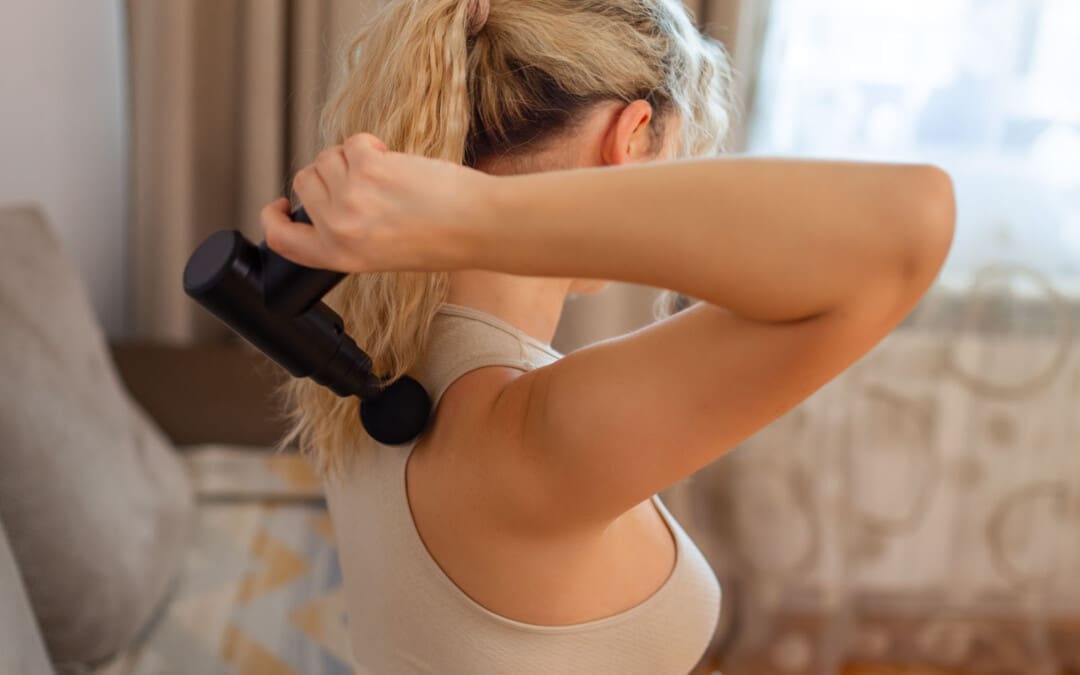
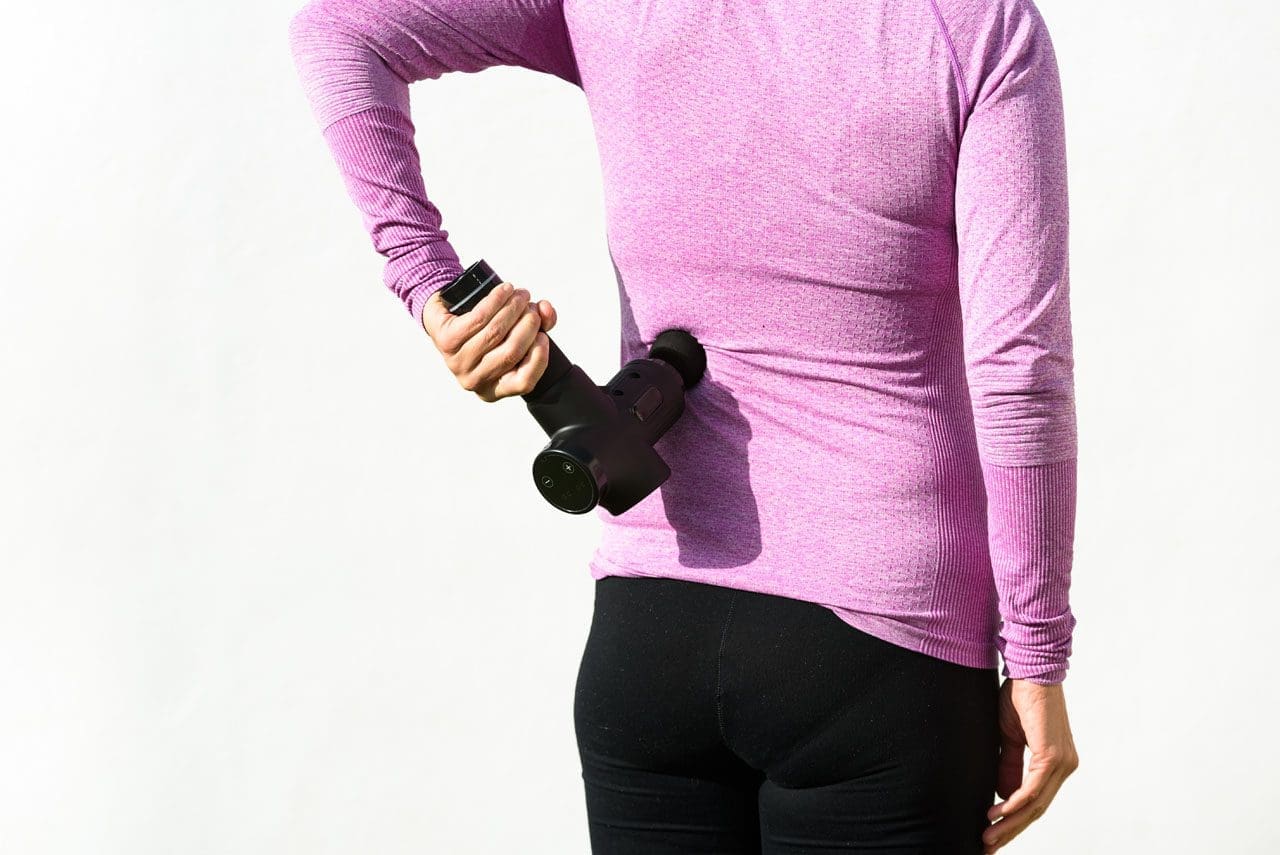
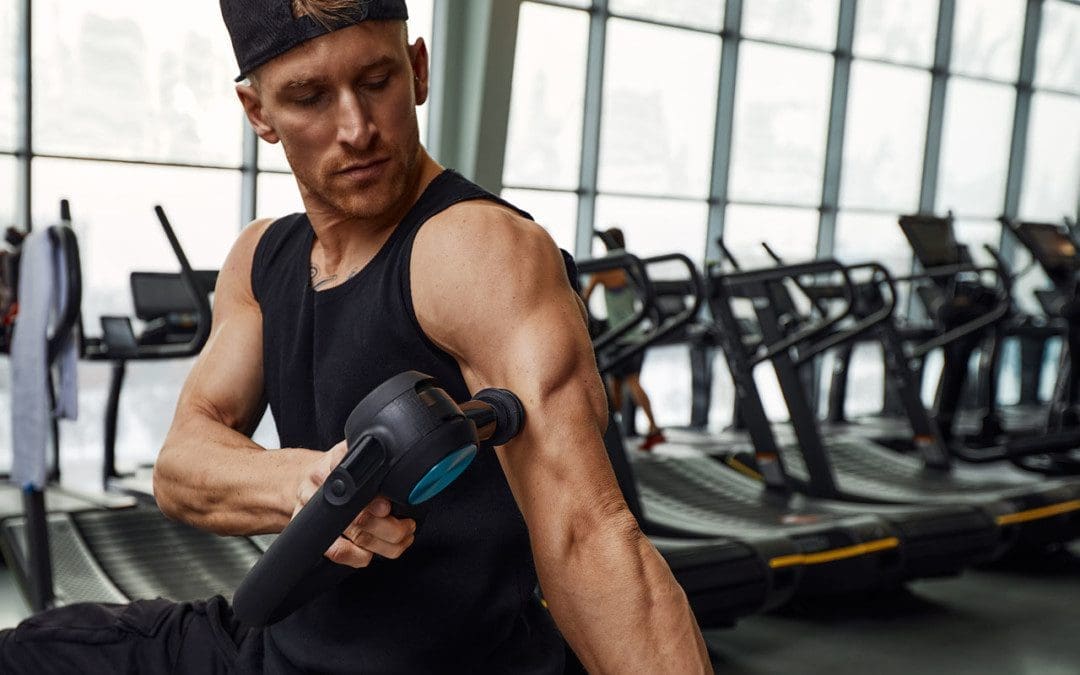
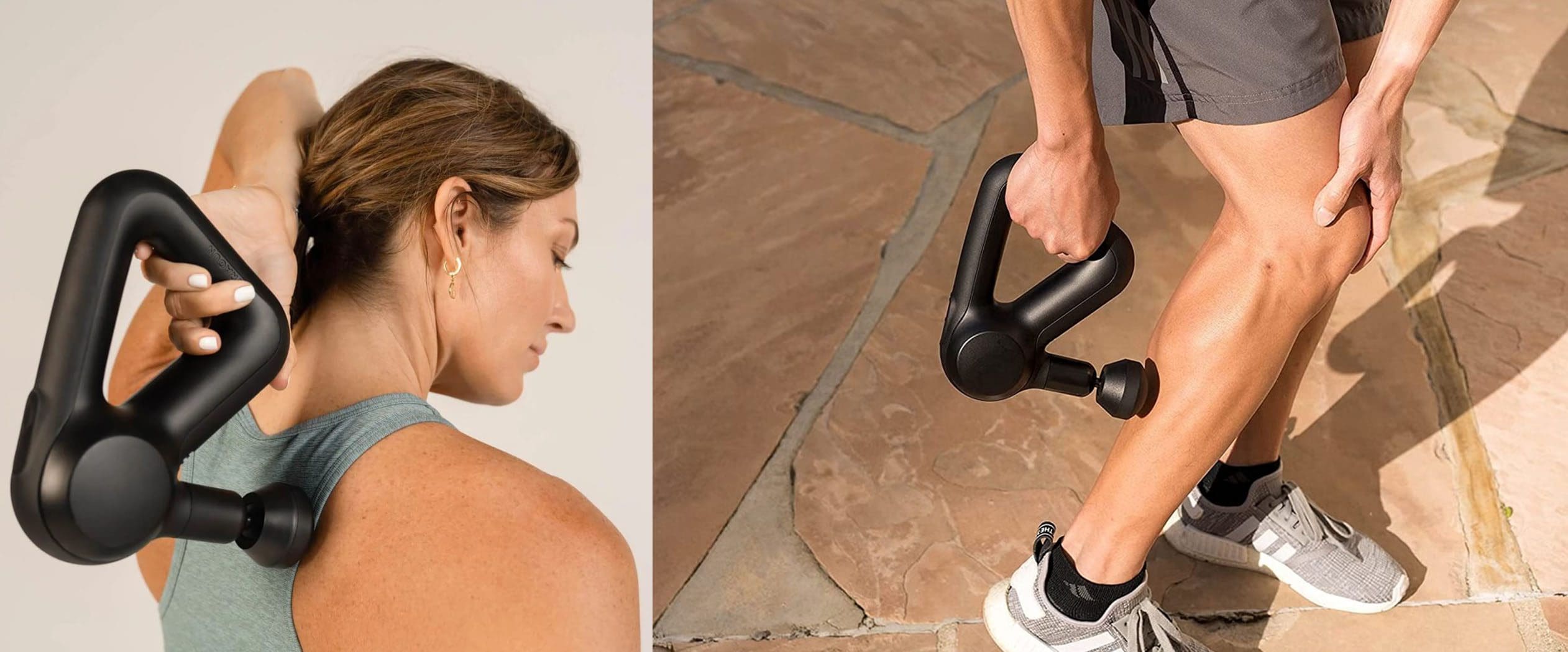
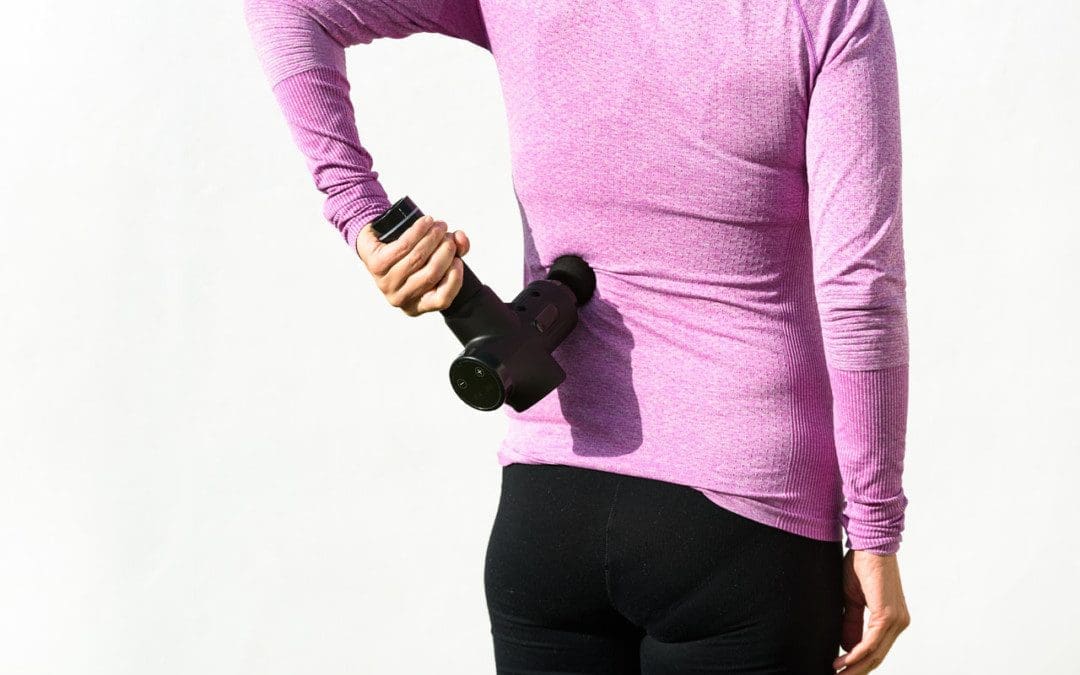
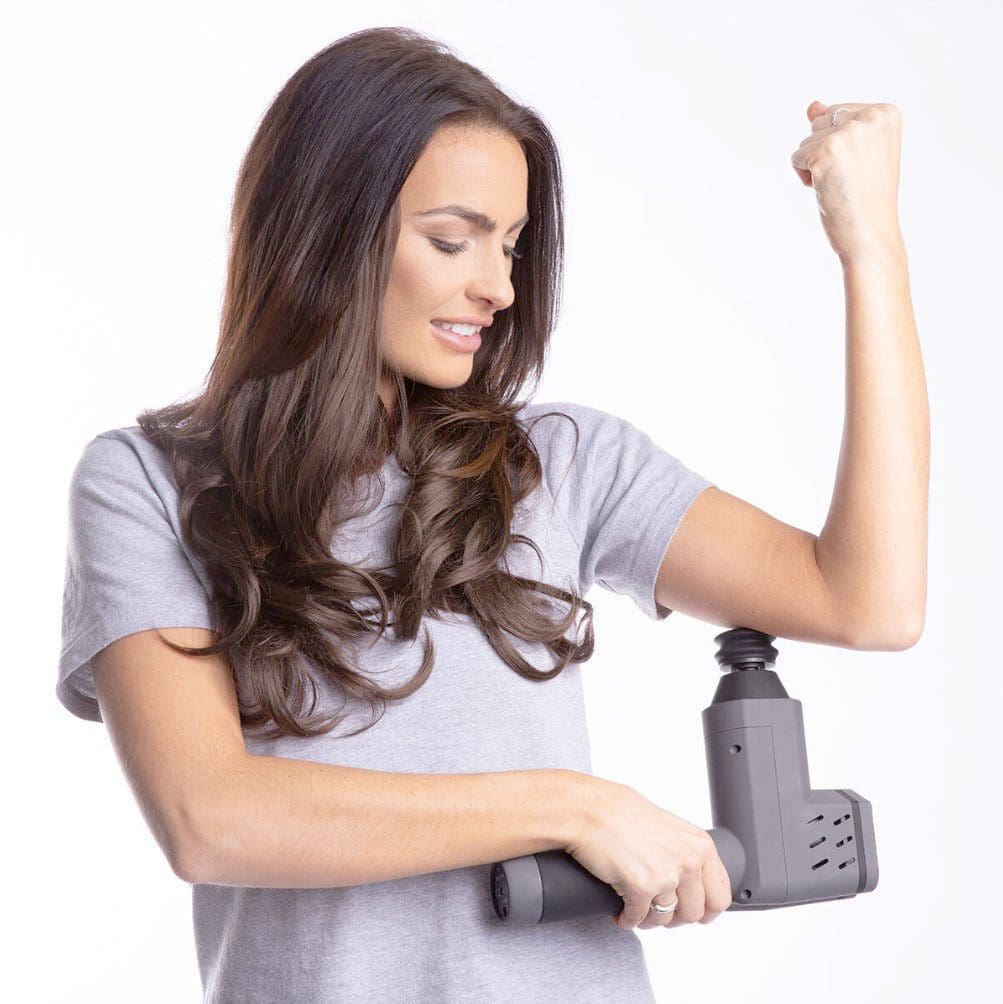
Therapeutic massage guns are great for athletes and fitness enthusiasts. Can daily massage gun use be incorporated into a daily routine?
Daily Massage Gun Use
Athletes or individuals participating in recreational sports and exercise may want to consider adding a massage gun to their daily routine. Massage guns create short, repeated bursts of pressure on certain areas of the body. Most massage guns have multiple settings to allow for different preferences and levels of intensity. They can help by warming up the muscles and during recovery. While the benefits are still being researched, daily massage gun therapy can improve the quality of physical activity, exercise, and life.
Benefits
Because massage guns work by softly and repeatedly stimulating or massaging the muscles, they are gentle enough to use daily as long as they are used correctly. They offer several benefits, including increasing physical ability and reducing recovery time. One study found that consistently using a massage gun increased the quality of life in fibromyalgia patients, indicating potential beyond exercise and sports. (Kraft, K., Kanter, S., and Janik, H. 2013) Some of the benefits include:
Decrease Muscle Soreness
Delayed-onset muscle Soreness/DOMS is a feeling of soreness experienced after a workout or intense manual labor. An example is waking up and feeling sore from work or exercising the previous day (National Academy of Sports Medicine, 2024). A study compared the effectiveness of vibration and massage therapy on DOMS. Both were found to be equally effective in preventing delayed onset muscle soreness. (Imtiyaz, S., Veqar, Z., and Shareef, M. Y. 2014)
Help Prevent Muscle Fatigue
Muscle fatigue occurs when the muscles are overworked and cannot function. Reduced muscle performance can lead to shorter workouts and injuries. A study on non-athletic males found that massage therapy helped prevent or reduce muscle fatigue. Researchers also found that different massage gun settings prevented or prolonged the onset of muscle fatigue. (Otadi, K. et al., 2019)
Increase Range of Motion
Range of motion/ROM describes the flexibility of a muscle or joint in the body. When engaging in physical activity or exercise, it is vital to know and consider the range of motion of the joints to ensure proper form and decrease the risk of injury. One study found that massage therapy can improve joint performance by increasing an individual’s range of motion. (Lyu, B. J. et al., 2020) The performance of the joints depends in part on the muscles that expand and contract to move it. Another research study found that a five-minute massage on certain muscle groups improved muscle performance and range of motion. (Konrad, A. et al., 2020)
Increase Muscle Strength and Endurance
Muscle strength and endurance are key components of a healthy musculoskeletal system and are essential to avoid straining or overworking muscles. Muscle strength describes the immediate performance of a muscle or muscle group, and muscle endurance describes how long performance can be sustained. (Lyu, B. J. et al., 2020) Massage therapy has been shown to improve muscle strength and endurance by helping increase immediate performance and the number of repetitions an individual can endure. (García-Sillero, M. et al., 2021)
Improve Agility
Agility is the ability to accelerate, decelerate, stabilize, and quickly change directions while maintaining proper posture. (National Academy of Sports Medicine, 2024) It is a skill that needs to be developed. One study found that engaging in massage therapy before a workout could improve agility. (Lyu, B. J. et al., 2020)
Daily Use
A massage gun is safe to use daily as long as it is used properly. Using a massage device correctly will improve effectiveness and prevent discomfort or injury. Recommended daily usage of a massage gun includes:
Set the massage gun to the lowest setting.
Use a light touch.
Adjust the speed to comfort level, ensuring there is no pain.
Focus the massage gun on an area for 10 to 30 seconds.
Hover it across the muscle or tendon to allow the vibrations to do their job.
Do this over the desired areas as part of a warm-up and cool-down.
Safety
While massage guns are useful for warmups and workout recovery, they should be used cautiously. Individuals should use massage guns over muscles and not on bony or sensitive areas. Individuals should avoid massaging around vital organs and/or inflamed body areas as these areas could cause a jarring or uncomfortable sensation and lead to injury. If the massage gun is causing bruising, sensitivity, or discomfort, stop using it and allow the body to recover before trying again. If pain persists, talk to a healthcare provider or a physical therapist. They can determine what is causing issues, whether a massage gun is being used correctly, and whether it is an appropriate self-care treatment for the individual. There are situations where using a massage gun is not advised. Individuals should talk to a healthcare provider before using the device if they have any of the following:
Have a musculoskeletal condition like osteoporosis or arthritis.
Take blood thinners.
Have anemia.
Have other blood-related conditions.
Are older than 65.
Take several medications.
Have a broken bone or a fracture.
Have varicose veins or a history of deep vein thrombosis.
Using a massage gun can help improve performance and reduce recovery time and can be incorporated into a daily routine.
Injury Medical Chiropractic and Functional Medicine Clinic
Injury Medical Chiropractic and Functional Medicine Clinic treats patients’ injuries and chronic pain syndromes. We focus on improving ability through flexibility, mobility, and agility programs tailored to the individual. We use in-person and virtual health coaching and comprehensive care plans to ensure every patient’s care and wellness outcomes. Our providers use an integrated approach to create customized care plans that include Functional Medicine, Acupuncture, Electro-Acupuncture, and Sports Medicine principles. Our goal is to relieve pain naturally by restoring health and function to the body. Patients who need other treatment will be referred to a clinic or physician best suited for them. Dr. Jimenez has teamed up with the top surgeons, clinical specialists, medical researchers, and premier rehabilitation providers to provide our community with the best clinical treatments.
Enhance Your Lifestyle With Chiropractic!
References
Kraft, K., Kanter, S., & Janik, H. (2013). Safety and effectiveness of vibration massage by deep oscillations: a prospective observational study. Evidence-based complementary and alternative medicine : eCAM, 2013, 679248. https://doi.org/10.1155/2013/679248
National Academy of Sports Medicine. Kaminski, J. (2024). Muscle soreness & DOMS. NASM. https://blog.nasm.org/doms-muscle-sorenes
Imtiyaz, S., Veqar, Z., & Shareef, M. Y. (2014). To Compare the Effect of Vibration Therapy and Massage in Prevention of Delayed Onset Muscle Soreness (DOMS). Journal of clinical and diagnostic research : JCDR, 8(1), 133–136. https://doi.org/10.7860/JCDR/2014/7294.3971
Otadi, K., Ghasemi, M., Jalaie, S., Bagheri, H., Azizian, M., Emamdoost, S., Sarafraz, H., & Sepahvand, M. (2019). A prophylactic effect of local vibration on quadriceps muscle fatigue in non-athletic males: a randomized controlled trial study. Journal of physical therapy science, 31(3), 223–226. https://doi.org/10.1589/jpts.31.223
Lyu, B. J., Lee, C. L., Chang, W. D., & Chang, N. J. (2020). Effects of Vibration Rolling with and without Dynamic Muscle Contraction on Ankle Range of Motion, Proprioception, Muscle Strength and Agility in Young Adults: A Crossover Study. International journal of environmental research and public health, 17(1), 354. https://doi.org/10.3390/ijerph17010354
Konrad, A., Glashüttner, C., Reiner, M. M., Bernsteiner, D., & Tilp, M. (2020). The Acute Effects of a Percussive Massage Treatment with a Hypervolt Device on Plantar Flexor Muscles’ Range of Motion and Performance. Journal of sports science & medicine, 19(4), 690–694.
García-Sillero, M., Jurado-Castro, J. M., Benítez-Porres, J., & Vargas-Molina, S. (2021). Acute Effects of a Percussive Massage Treatment on Movement Velocity during Resistance Training. International journal of environmental research and public health, 18(15), 7726. https://doi.org/10.3390/ijerph18157726
National Academy of Sports Medicine. Miller, K. (2024). Speed, agility, and quickess: SAQ. NASM. https://blog.nasm.org/sports-performance/speed-agility-quickness-saq
Percussive massage guns have become a standard tool in osteopathy, physical and massage therapy, and chiropractic care. They provide rapid bursts of force into muscle tissues to quickly loosen and relax the muscles to alleviate soreness, stiffness and increase circulation. Percussive massager therapy devices can be a healthy part of an exercise and recovery routine. They allow individuals to give themselves quick, powerful massages anytime and anywhere. But they need to be used correctly to reap the benefits.
Percussive Massager
These devices can be found in stores and online. Many are on the market, making it tough to separate high-quality massagers from low-quality ones. With a little research and advice from a physical therapist or chiropractic professional, they can help the individual get the right one and training on how to use them to maintain a healthy musculoskeletal system.
Percussive Therapy
Massage guns utilize percussive therapy or vibration therapy, sometimes simultaneously. Percussion and vibration therapy are slightly different. They are soft tissue manipulation, which reduces muscle soreness and post-physical activity, and workout fatigue.
Vibration therapy uses vibration movements to relax the body, alleviate stress and improve circulation.
Vibration therapy applies force to targeted areas but with less intensity.
This type of soft tissue therapy is generally defined as reaching eight to 10 millimeters into the soft tissues.
Vibration therapy is often recommended for individuals with chronic pain conditions, overly sensitive muscles, or a medical condition that prevents them from using percussive therapy.
Percussive therapy involves the application of force to muscles and fascia to break up adhesions and increase circulation to sore and sensitive areas.
Percussive therapy extends deeper into the muscles and reaches deep into soft tissue, estimated to be about 60% deeper.
Using It Properly
It’s important to know how to use the machine to get the most out of a percussive massager. Using the massager incorrectly can lead to further injury or the development of new injuries.
Before Workouts
A pre-workout massage session can help warm up the body by increasing circulation and improving the range of motion of the muscles that will be engaged during the workout. Spend one to two minutes massaging each muscle group that will be worked out, plus 30 seconds on supporting muscle groups. For example, here is a pre-workout massage for a leg workout.
Sixty seconds on each quadricep.
Sixty seconds on each hamstring.
Thirty seconds on the lower back.
Thirty seconds on each calf.
Circulation increases in less than five minutes, and the muscles are ready for exercise. However, this does not replace proper warming-up like dynamic stretching and light cardio to increase heart rate.
After Workouts
After working out, a percussive massage can be part of the cool-down.
Post-workout percussive therapy can help return the body from a heightened state to a resting state.
Percussive therapy helps reduce inflammation, which helps reduce post-workout muscle soreness is thought to occur due to microscopic tears in muscle fibers and inflammation in the tissues.
Percussive therapy maintains increased circulation after a workout, providing oxygen and nutrients to tired muscles.
The massage helps relax the nervous system by reducing soreness and pain signals, similar to a TENS unit.
Sore Muscles
The muscles may still be sore a day or two after working out. This is called delayed-onset muscle soreness/DOMS.
A percussive massage can help but may not completely alleviate DOMS but it will provide temporary relief.
The massager’s speed and depth settings should be adjusted to where they don’t cause pain.
Sore muscles tend to remain sensitive, and it is recommended to use the lower settings.
Once a setting feels good, use the massager for one to two minutes on each sore area.
How Not to Use
Individuals are recommended to consult a doctor if not sure of percussive massage therapy and should avoid using a percussive massager on:
Musculoskeletal injuries – sprains and strains.
Bony areas.
Areas of severe or unexplained pain.
Sensitive areas.
Bruises or open wounds.
Individuals with arthritis, osteoporosis, fibromyalgia, or other musculoskeletal conditions.
Percussive massage devices are safe to use for muscle soreness and as a tool to improve fitness.
Individuals can safely use a percussive massager every day as long as they use proper techniques and don’t exceed the recommended usage time, usually provided with instructions on how long to use the device during a session. And some massagers have an automatic shut-off so the individual doesn’t exceed the recommended time.
Revitalize and Rebuild with Chiropractic
References
Cheatham, Scott W et al. “Mechanical Percussion Devices: A Survey of Practice Patterns Among Healthcare Professionals.” International journal of sports physical therapy vol. 16,3 766-777. 2 Jun. 2021, doi:10.26603/001c.23530
Dupuy, Olivier, et al. “An Evidence-Based Approach for Choosing Post-exercise Recovery Techniques to Reduce Markers of Muscle Damage, Soreness, Fatigue, and Inflammation: A Systematic Review With Meta-Analysis.” Frontiers in physiology vol. 9 403. 26 Apr. 2018, doi:10.3389/fphys.2018.00403
García-Sillero, Manuel et al. “Acute Effects of a Percussive Massage Treatment on Movement Velocity during Resistance Training.” International journal of environmental research and public health vol. 18,15 7726. 21 Jul. 2021, doi:10.3390/ijerph18157726
Hotfiel, Thilo, et al. “Advances in Delayed-Onset Muscle Soreness (DOMS): Part I: Pathogenesis and Diagnostics.” “Delayed Onset Muscle Soreness – Teil I: Pathogenese und Diagnostik.” Sportverletzung Sportschaden : Organ der Gesellschaft fur Orthopadisch-Traumatologische Sportmedizin vol. 32,4 (2018): 243-250. doi:10.1055/a-0753-1884
Imtiyaz, Shagufta, et al. “To Compare the Effect of Vibration Therapy and Massage in Prevention of Delayed Onset Muscle Soreness (DOMS).” Journal of Clinical and diagnostic research: JCDR vol. 8,1 (2014): 133-6. doi:10.7860/JCDR/2014/7294.3971
Konrad, Andreas, et al. “The Acute Effects of a Percussive Massage Treatment with a Hypervolt Device on Plantar Flexor Muscles’ Range of Motion and Performance.” Journal of sports science & Medicine vol. 19,4 690-694. 19 Nov. 2020
The body’s musculoskeletal system consists of bones, cartilage, ligaments, tendons, and connective tissues. These parts get pushed to the extreme with everyday wear and tear, job, school, house chores, and tasks. All the flexing and contracting cause tightness, strain, and soreness that can contribute to negative muscle behavior that holds the muscles in an unhealthy position and in a semi-flexed or tightened state. An example is an unhealthy posture that becomes the norm for an individual. A percussive massage can release tightness, maintain flexibility, relieve discomfort, alleviate stress, and improve circulation.
Percussive Massage Therapy
A percussive/percussion massage is a form of physical therapy that utilizes vibration through repeated pressure bursts to massage muscles. Percussive therapy offers more control over targeted muscle groups than foam rollers and other static massagers. The treatment involves using an electric massage device to relieve muscle tension. Different massage heads for various therapeutic purposes move rapidly and forcefully, applying pressure directly to the soft tissues while the vibrations help release and loosen the areas.
How The Massage Works
Fascia, which wraps around the muscles and joints, can become tight and inflamed, causing soreness and pain.
Research shows that tight fascia can limit mobility and proper range of motion.
When a muscle group is stiff and limits the range of motion of a specific part of the body, the rest of the muscles and body will overcompensate. This increases the risk of serious injury.
Percussive therapy loosens the tissues and increases blood circulation.
Once the stiffness and soreness are relieved, continued percussive therapy can prevent tightness from reforming, improve the range of motion, and speed up muscle recovery.
Massage guns can penetrate up to an inch into the soft tissue, stimulating the muscles and helping release tension.
Benefits
Improved mobility
Percussive massage distributes the thickened fascia fluid to relieve pressure and tightness.
Repeated pressure at high speed thins the fluids, making the fascia more workable so the muscles can move easily and efficiently.
Reduced Soreness
Lactic acid builds up in the muscles after working, physical activity, and exercise.
This build-up causes soreness and pain.
The percussion forces muscle fibers to release the lactic acid, reducing the soreness.
Decreased DOMS/Delayed Onset Muscle Soreness
It’s common to experience pain and soreness 24 to 72 hours after unfamiliar physical activity, such as a new job, exercise routine, or rehabilitation after injury or surgery.
This is known as delayed onset muscle soreness or DOMS, which results from tiny muscle fiber tears.
Percussive therapy increases skin temperature, blood flow, and hormonal responses to reduce inflammation and pain.
Increases Relaxation
After work, school, physical activities, and working out, a percussive massage session can help the body wind down and relax.
A percussive massage will help the muscles release and relax when the body is exhausted or overwhelmed.
How To Use A Percussive Massager
Before starting a new medical treatment, including percussion therapy, talk to your doctor, physical therapist, or chiropractor.
Ensure you know the difference between normal muscle soreness and pain from an injury.
Don’t use a massager on an injured muscle or body part, as the aggressive motion could aggravate the injury.
Avoid using the device on bones or joints.
Never use a massage gun directly on the neck; perform the massage on the shoulders and upper back.
Start with the lowest intensity level.
The low and medium settings should provide plenty of power for most users.
As you become more comfortable with the device, you’ll understand how your body reacts then you can try out the higher settings.
A percussive massager should be used in short bursts on small, targeted areas.
It is recommended to perform treatments for only a few minutes.
Seeing the muscles turning reddish during the massage signals that blood is flowing and it’s time to move on to another area.
If the massage gun makes the skin sore or sensitive, make tiny circles instead of holding the massager in one spot.
Combined with chiropractic and professional massage, percussive therapy can help individuals maintain a relaxed musculoskeletal system.
Best Massage Guns
References
Cafarelli, E et al. “Vibratory massage and short-term recovery from muscular fatigue.” International journal of sports medicine vol. 11,6 (1990): 474-8. doi:10.1055/s-2007-1024840
Cerciello, Simone, et al. “Clinical applications of vibration therapy in orthopedic practice.” Muscles, ligaments and tendons journal vol. 6,1 147-56. 19 May. 2016, doi:10.11138/mltj/2016.6.1.147
Cheatham, Scott W et al. “Mechanical Percussion Devices: A Survey of Practice Patterns Among Healthcare Professionals.” International journal of sports physical therapy vol. 16,3 766-777. 2 Jun. 2021, doi:10.26603/001c.23530
García-Sillero, Manuel et al. “Acute Effects of a Percussive Massage Treatment on Movement Velocity during Resistance Training.” International journal of environmental research and public health vol. 18,15 7726. 21 Jul. 2021, doi:10.3390/ijerph18157726
Jack Martin, “A critical evaluation of percussion muscle gun therapy as a rehabilitation tool focusing on lower limb mobility.” A literature review. Department of Health and Wellbeing. The University of Winchester. https://osf.io/preprints/sportrxiv/j9ya8/
Imtiyaz, Shagufta et al. “To Compare the Effect of Vibration Therapy and Massage in Prevention of Delayed Onset Muscle Soreness (DOMS).” Journal of clinical and diagnostic research: JCDR vol. 8,1 (2014): 133-6. doi:10.7860/JCDR/2014/7294.3971
Konrad, Andreas et al. “The Acute Effects of a Percussive Massage Treatment with a Hypervolt Device on Plantar Flexor Muscles’ Range of Motion and Performance.” Journal of sports science & medicine vol. 19,4 690-694. 19 Nov. 2020
IFM's Find A Practitioner tool is the largest referral network in Functional Medicine, created to help patients locate Functional Medicine practitioners anywhere in the world. IFM Certified Practitioners are listed first in the search results, given their extensive education in Functional Medicine