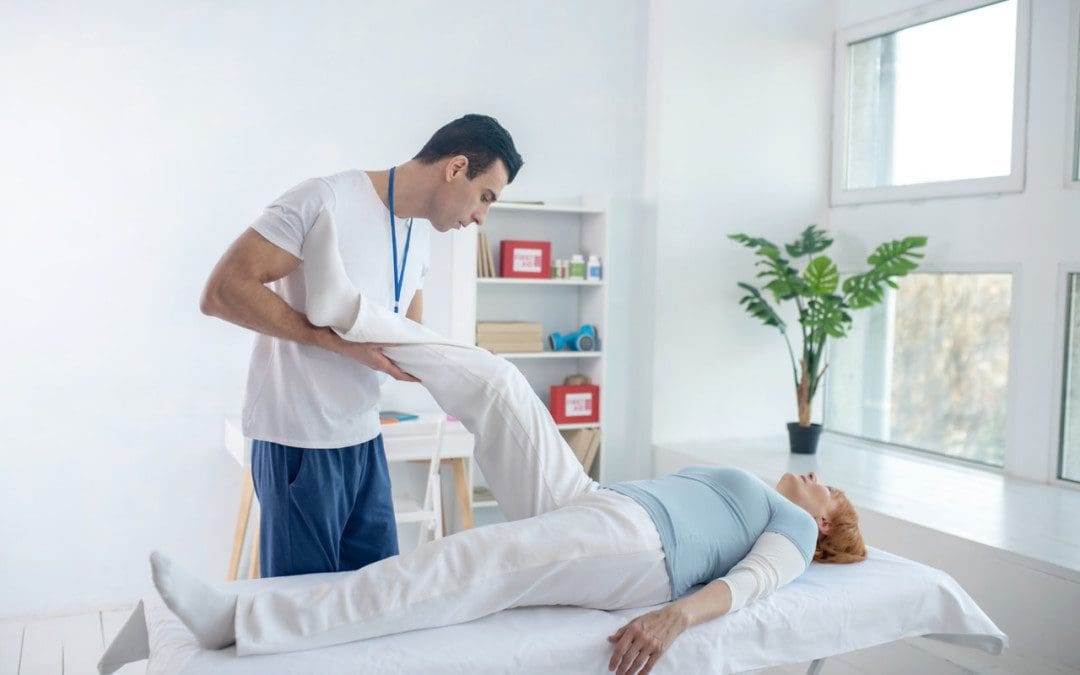
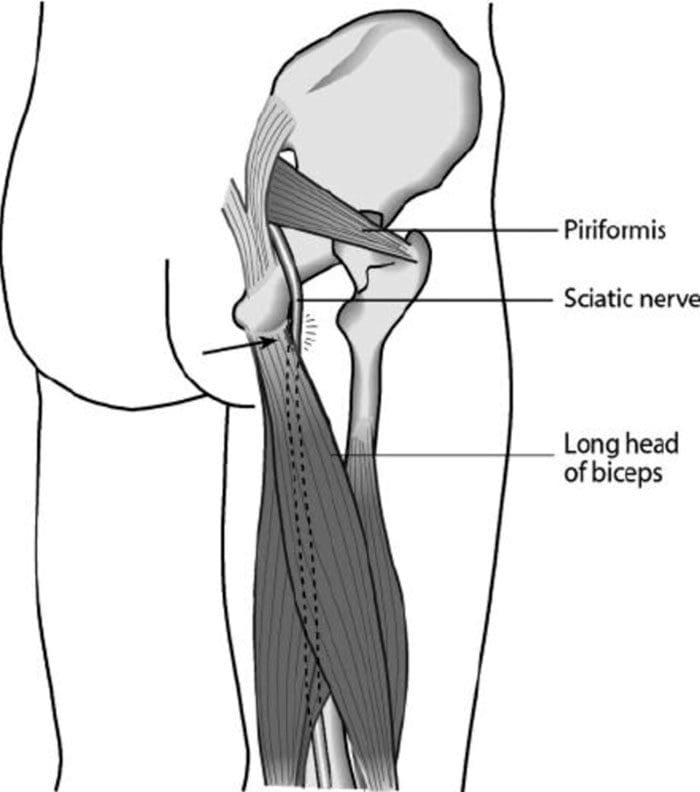
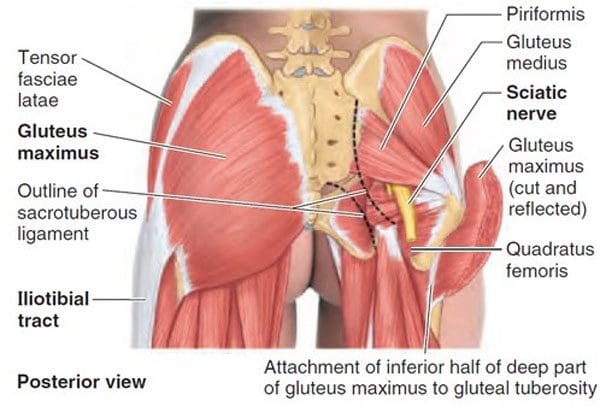
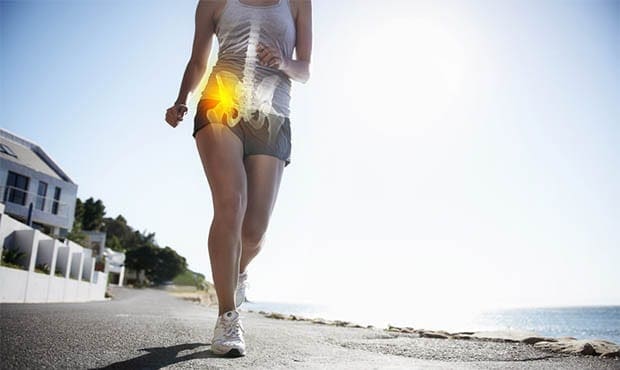
The hamstring muscles are three muscles in the back of the thigh. The sciatic nerve goes through or around and down the legs into the feet. Hamstring syndrome is a condition where injury or spasm apply pressure compressing the sciatic nerve.
The nerve can become pinched between the hamstring muscles and the pelvic bone or the band of tissue that connects the hamstring muscles.
This can cause discomfort, tingling, numbness, and pain down the back of the leg, hip, buttock, and into the foot.
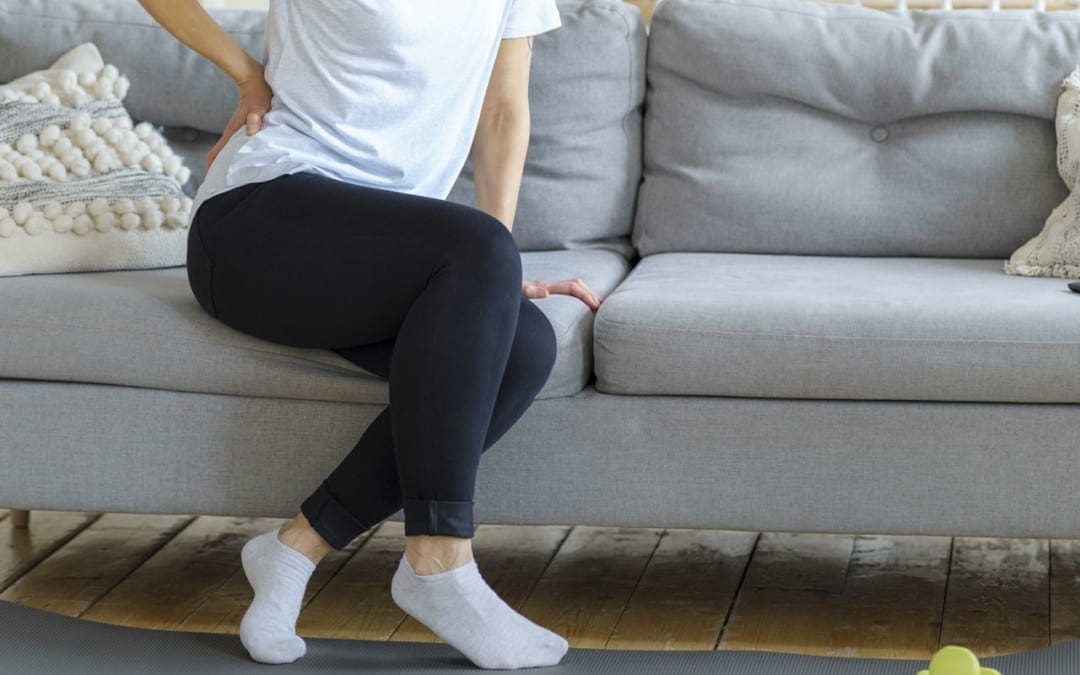
Pain can present when sitting down or stretching the hamstrings.
Pain reduces when lying flat on the back.
Hamstring syndrome
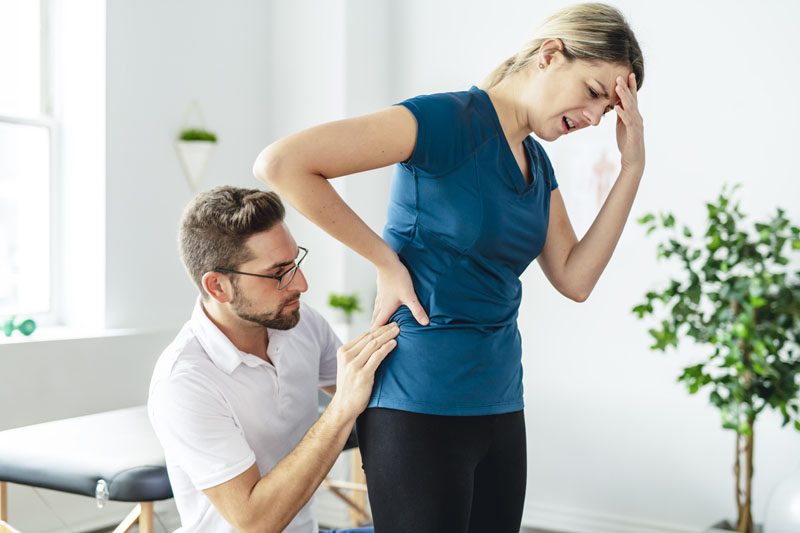
This condition could be the result of wearing and tearing to the back muscles and hamstring muscles. It is often seen in individuals that play sports involving running, kicking, and/or jumping. But it can happen to anyone from some awkward leg motion causing the muscles to spasm that can twist around the sciatic nerve or pull on it, causing various symptoms. A doctor or chiropractor will diagnose the condition by examining the symptoms, physical activities, and leg. Most individuals diagnosed with hamstring syndrome report discomfort or pain where they sit down. The pain gradually worsens when performing physical activities, regularly sitting, and when flexing the knee. Hamstring syndrome usually gets better within a few weeks with proper rest and home care. A doctor or chiropractor will recommend exercises and stretches to strengthen the muscles.
Home care
Ask the doctor or chiropractor about taking over-the-counter pain medication:
Acetaminophen – Tylenol
Ibuprofen – Advil, Motrin
Naproxen – Aleve
Read and follow all label instructions.
Use an ice pack on the pain area for 10 to 20 minutes at a time.
Try to do this every 1 to 2 hours for 3 days or until the swelling goes down.
After 2 or 3 days, if the swelling is gone, apply heat.
Use a warm water bottle, heating pad, or warm cloth over the area.
Avoid sitting if possible, unless it feels better than standing.
Take short walks to keep the muscles stretched.
Don’t do anything that causes symptoms to worsen.
Return to normal physical activities slowly.
If symptoms do not improve, then contact a doctor or chiropractor.
Caffeine falls under stimulants, or substances that excite the systems throughout the body.
Ingesting caffeine can cause the body to experience increased excitement, especially in the cardiovascular system.
This excitement causes the heart rate and blood pressure to rise
Then it lowers back down to baseline levels for most healthy individuals.
It is recommended to drink coffee in moderation, safe for individuals with pre-existing cardiovascular conditions.
References
de Ridder, Roel et al. “Neurodynamic sliders promote flexibility in tight hamstring syndrome.” European journal of sports science vol. 20,7 (2020): 973-980. doi:10.1080/17461391.2019.1675770
Matsuda, Dean K. “Editorial Commentary: Proximal Hamstring Syndrome: Another Pain in the Buttock.” Arthroscopy: the journal of arthroscopic & related surgery: official publication of the Arthroscopy Association of North America and the International Arthroscopy Association vol. 34,1 (2018): 122-125. doi:10.1016/j.arthro.2017.08.260
Park, Jung Wee et al. “Deep gluteal syndrome as a cause of posterior hip pain and sciatica-like pain.” The bone & joint journal vol. 102-B,5 (2020): 556-567. doi:10.1302/0301-620X.102B5.BJJ-2019-1212.R1
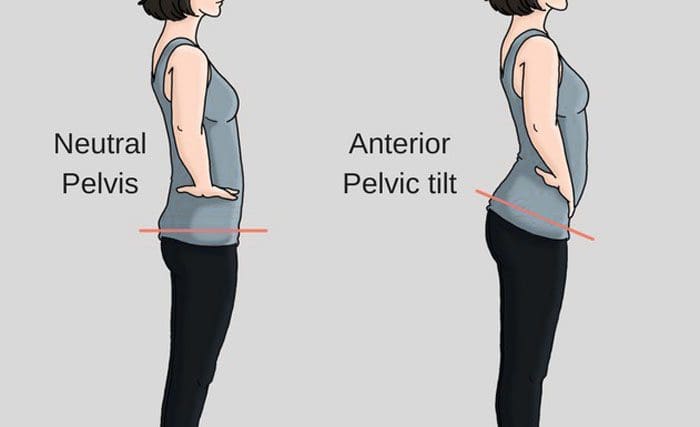
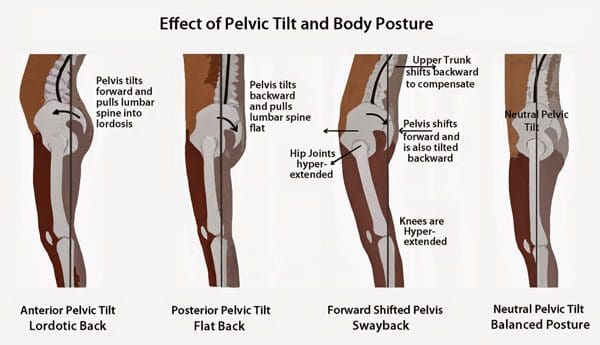
APT is short for anterior pelvic tilt. APT is when the pelvis tilts more down than forward, which can cause strain on the surrounding muscles and the spine to hold the torso up. The body’s own anatomical structure causing the condition and/or part of a bad habit that an individual has grown accustomed to. This can be from injury/s, back, and/or hip pain causing an individual to take on awkward postures to compensate for the discomfort and try and avoid it. However, these unhealthy postures cause their own set of musculoskeletal problems. Addressing this form of poor posture can help reduce and alleviate low back and hip pain and prevent further injuries. Chiropractic can pinpoint an anterior pelvic tilt and fix it.
Anterior Pelvic Tilt
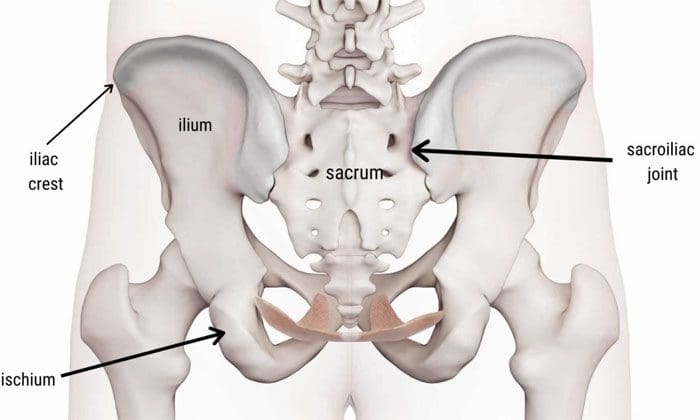
What happens is the pelvis becomes tilted or rotated forward. Place the hands, specifically the fingertips, on the hips. There are bone ridges. These are the iliac crests. If they’re facing more toward the ground than directly forward, this could be an anterior pelvic tilt. It usually happens when the hip flexors become tight and pull the pelvis down. Another contributor is the glute and hamstring muscles have weakened and are not strong enough to counteract the forward pulling. This can be caused by sitting for long periods, poor posture, and for women who wear high heels regularly. These contribute to tightening the hip flexors and the glutes, hamstrings, and core muscles.
An anterior pelvic tilt causes an increase in the curve of the lower back. It can feel like the hip flexors are tightening up. It typically affects the lower back at the lowest two levels, which are L4-5 and L5-S1. There can be long-term issues if an anterior pelvic tilt is left untreated. The spine becomes more vulnerable to disc issues that can include:
An anterior pelvic tilt is a repairable condition. Several exercises can help loosen/relax the hip flexors and strengthen the core and posterior muscle chain. This in addition to walking and reducing wearing high heels regularly. A few exercises for anterior pelvic tilt.
The Tail Tuck
This is literally trying to tilt the tailbone forward, like tucking in an imaginary tail. This can be done for 10-12 reps and up to 3 times.
Plank
Core-strengthening exercises can help with all types of back and hip problems. If possible, do the exercises in front of a mirror to ensure no arching of the back or the butt sticking out. If it is too difficult on the hands, go to the elbows. If there are wrist or shoulder issues, planks can be done on a raised surface, like a table or couch. Hold as long as possible, maintaining proper form. Start with 10-30 seconds and build up to minutes.
Strengthening the Glutes
It is recommended to strengthen the glute muscles. This can be done with exercises like clams or side-stepping with resistance bands. For clams, lie on the side and raise each leg up and down 10-12 times, up to 3 sets. For side-stepping, place resistance bands around the ankle/shin area and step to the side for 8-10 steps. Then go the other direction for the same number of steps. Repeat up to 3 sets.
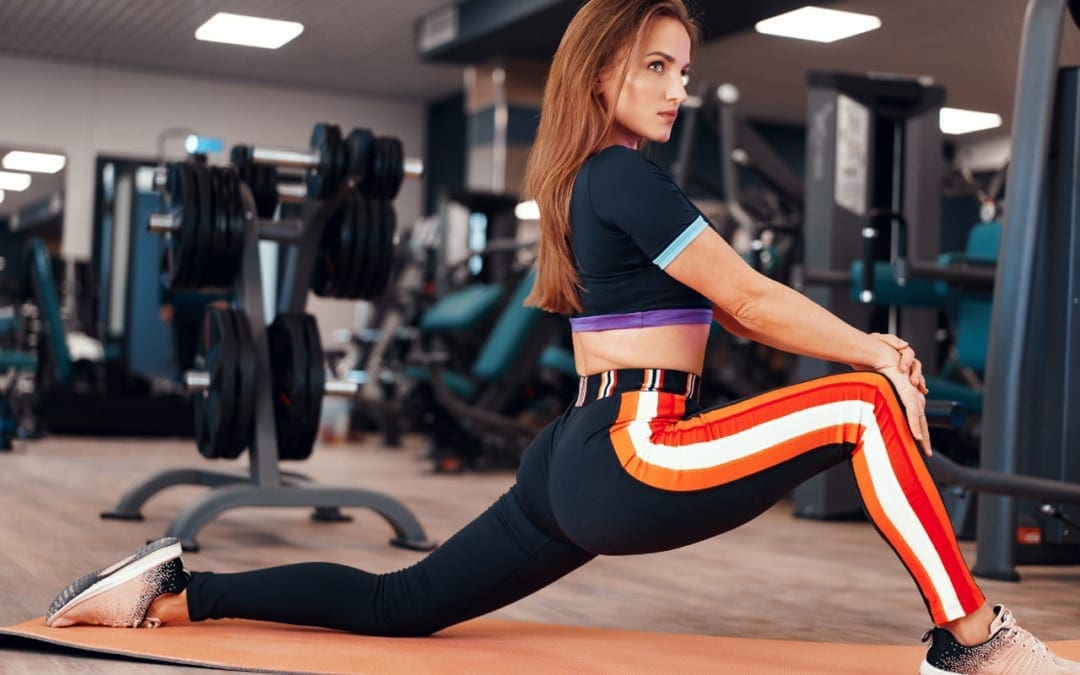
Hip Flexor Stretch
Lunge forward while standing or lunge and kneel with the other leg on the ground. Then move the torso back a little and engage the core to stretch the hip flexors in the front of the thigh/pelvis area. Hold for 30 seconds, then release. Repeat 3-5 times per leg.
Lifestyle
These exercises can help, but if there is no progress around a month, contact a qualified chiropractor or physical therapist for further instruction and supervision. Also, if any neurological symptoms present like:
Sciatica
Shooting pain
Numbness
Tingling
Weakness
See a doctor as soon as possible.
Fixing posture-related problems require individuals to learn to be posture aware along with making some lifestyle adjustments. One way to do these exercises is to tack them onto a workout. Also, set reminders on a calendar to get up, stretch, and move around if sitting most of the day.
Body Composition Health
Difference between Processed sugar and Natural sugar
There are different types of sugar. There are natural sugars that are found in:
Fruits
Vegetables
Nuts
Whole grains
Beans
All sugar is broken down into glucose. However, foods that contain natural sugar are also rich in nutrients, including:
Vitamins
Minerals
Fiber
Protein
All which the body requires for optimal health.
Natural sugar does not lead to excess sugar intake; it happens with processed sugar. Processed sugar is extracted from sugarcane or sugar beet and is normally found as sucrose. This is present in cakes, cookies, cereal, and beverages. Processed sugar is also hidden in foods that are not sweet, like:
Microwave meals
Spaghetti sauce
Low-fat yogurt
Ketchup
Sports drinks
Foods that contain processed sugar are an energy source, but they contain little or no nutrients and can cause blood sugar levels to spike. In addition, consuming too much sugar is linked to an increased risk of:
Diabetes
Accelerated aging
Weight gain
Research has found that added sugar contributes to around 17% of the total calorie intake for adults. The recommended daily amount of calories from added sugar is 10%.
References
Azaïs-Braesco, Véronique et al. “A review of total & added sugar intakes and dietary sources in Europe.” Nutrition journal vol. 16,1 6. 21 Jan. 2017, doi:10.1186/s12937-016-0225-2
Centers for Disease Control and Prevention (CDC). (May 2020) “Acute Low Back Pain” https://www.cdc.gov/acute-pain/low-back-pain/index.html
National Institute of Neurological Disorders and Stroke. (March 2020) “Low Back Pain Fact Sheet” https://www.ninds.nih.gov/Disorders/Patient-Caregiver-Education/Fact-Sheets/Low-Back-Pain-Fact-Sheet
Orlando Health. (2019) “Bad Posture Often to Blame for Chronic Pain and Health Issues, But Survey Finds Too Few Americans Are Concerned” https://www.orlandohealth.com/content-hub/bad-posture-often-to-blame-for-chronic-pain-and-health-issues
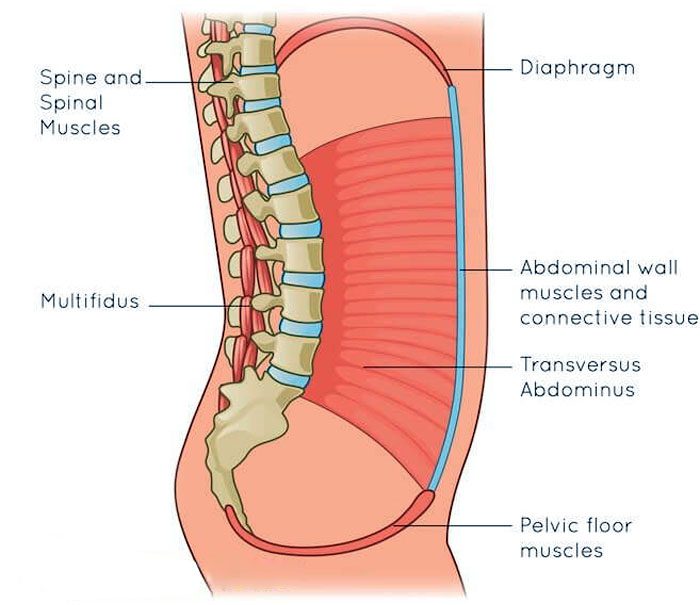
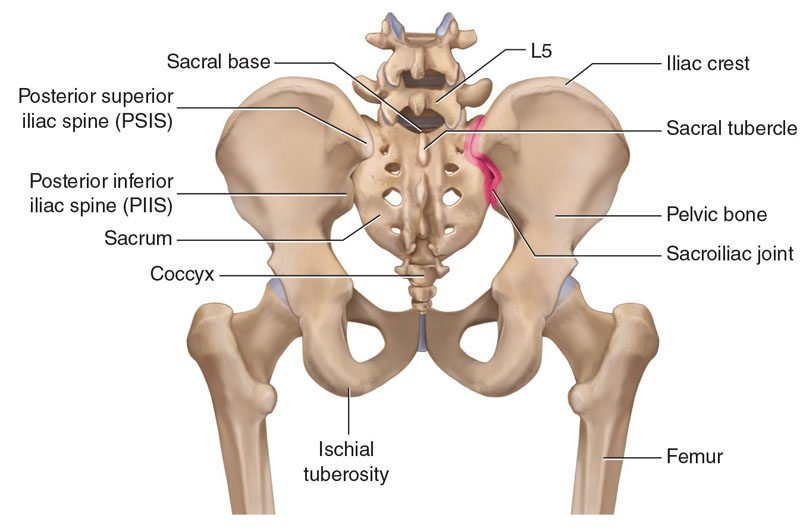
The pelvis is designed to bear and distribute the weight of the body along with regular everyday movement. It is built to properly distribute weight between the upper and lower body that utilizes the core muscles, ligaments, and joints creating a complex pelvic girdle that helps the body function properly. The bones of the pelvis house and protect organs like the:
Reproductive system
Bladder
Below the digestive tract
When pain in the pelvis presents, daily physical activities can become difficult to get through. Chiropractic treatment combined with lifestyle adjustments can bring pain relief and strengthen the pelvis muscles/bones to maintain optimal function.
Causes of Pelvic Pain
When pain presents there can be a variety of underlying causes contributing to it. Certain causes are more serious than others. This is why seeking professional medical guidance is highly recommended for the best outcomes. Possible causes include:
These are a few causes that can contribute to mechanical changes and imbalances within the pelvis anatomy. If the pain is thought to be caused by an internal organ issue with nausea, fever, vomiting, or severe pain contact a healthcare provider immediately.
Chiropractic Relief
The pelvis can be thought of as a direct continuation of the spine. The lowest fused five vertebrae are known as the sacrum and are part of the pelvic girdle complex. Individuals dealing with pelvic pain typically experience the sensation within the joints themselves. These are the pubic symphysis and/or sacroiliac joints. These joints interact with the entire skeletal system. Learning how they operate can help bring relief and recovery. This is where a chiropractor can help.
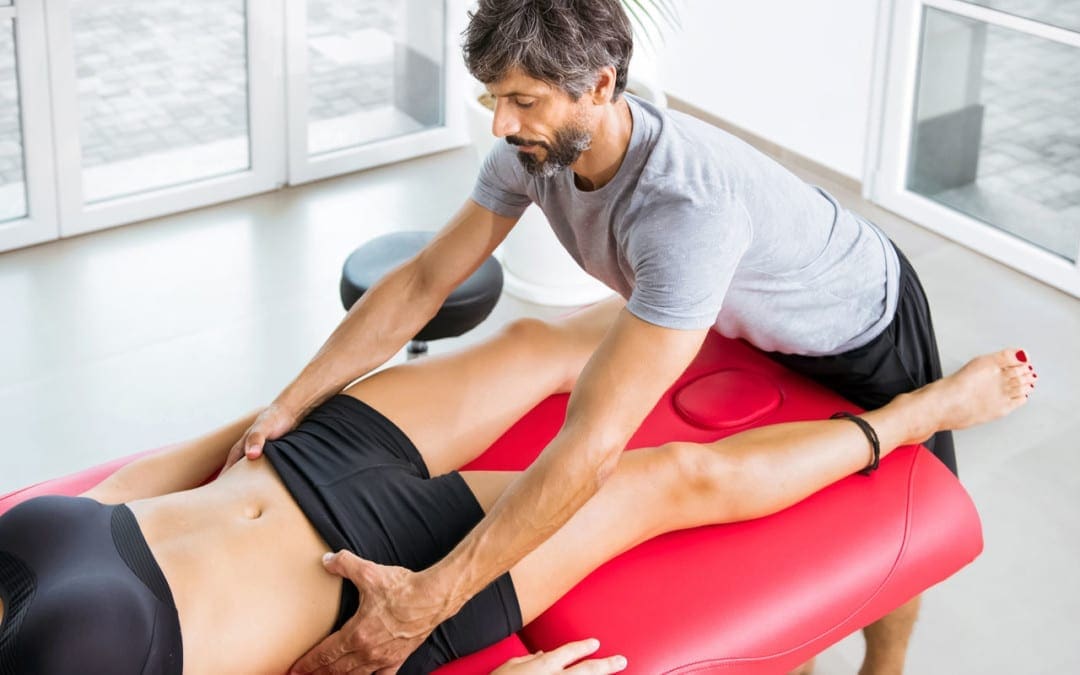
Chiropractors are experts in total body alignment, restoring balance to the pelvis and spine. Plus through the treatment, they help increase the body’s natural ability to heal itself. When the lower back or pelvis is out of alignment the entire body along with its systems can be thrown off balance causing dysfunction. Chiropractic promotes and increases balance with pelvic adjustments and diverse therapies that include:
A professional chiropractor is one of the best options for the management and alleviation of pelvis pain. Pelvis misalignment can impede nerve energy and adequate blood flow. Chiropractic restoration strengthens and maintains optimal long-lasting results. Whether the pelvic pain comes from an injury, pregnancy, or pelvic shift/imbalance, a chiropractic provider can help address and alleviate the pain.
Body Composition
Lifestyle Adjustments for Optimal Kidney Health
The kidneys are small organs that work twenty-four-seven to filter blood and flush waste. In one day the kidneys pump more than 400 gallons of recycled blood throughout the body. When the kidneys do not function properly the body can be engulfed with waste. This is why it is vital to keep them healthy. Individuals usually don’t realize how an unhealthy lifestyle can harm/injure the kidneys. Chronic kidney disease slowly progresses over years, and it is not reversible. Incorporating some basic healthy lifestyle adjustments can lower the risk of developing kidney-related diseases. Here are a few lifestyle adjustments that can keep the kidneys healthy.
Drinking plenty of water
An adequate supply of water in the kidneys flushes out sodium, urea, and toxins helping avoid kidney stones. The goal is to drink eight 8-ounce glasses of water every day. Everyone’s water levels are different but body composition analysis can calculate what a normal level should be.
Healthy foods maintain a healthy body
Poor diet and visceral fat gain have been linked to chronic kidney disease. Reducing visceral fat can be achieved by eating a restricted caloric diet of vegetables, fruit, and lean protein, as well as cutting back on processed foods.
Be cautious consuming supplements, antibiotics, and over the counter medications
Regular use of common medications and supplements can cause kidney damage and disease. Consult with a doctor before taking medications and supplements if there is kidney function impairment.
Fitness and activity
Individuals need to participate in regular cardiovascular and weight-resistance physical activity/exercise. High blood sugar levels have been shown to stress the kidneys. Building adequate muscle mass helps control blood sugar.
Smoking and kidney health issues
Smoking narrows the blood vessels in the kidneys. This reduces proper blood flow and accelerates kidney malfunction.
Disclaimer
The information herein is not intended to replace a one-on-one relationship with a qualified health care professional, licensed physician, and is not medical advice. We encourage you to make your own health care decisions based on your research and partnership with a qualified health care professional. Our information scope is limited to chiropractic, musculoskeletal, physical medicines, wellness, sensitive health issues, functional medicine articles, topics, and discussions. We provide and present clinical collaboration with specialists from a wide array of disciplines. Each specialist is governed by their professional scope of practice and their jurisdiction of licensure. We use functional health & wellness protocols to treat and support care for the musculoskeletal system’s injuries or disorders. Our videos, posts, topics, subjects, and insights cover clinical matters, issues, and topics that relate to and support, directly or indirectly, our clinical scope of practice.* Our office has made a reasonable attempt to provide supportive citations and has identified the relevant research study or studies supporting our posts. We provide copies of supporting research studies available to regulatory boards and the public upon request. We understand that we cover matters that require an additional explanation of how it may assist in a particular care plan or treatment protocol; therefore, to further discuss the subject matter above, please feel free to ask Dr. Alex Jimenez or contact us at 915-850-0900.
Dr. Alex Jimenez DC, MSACP, CCST, IFMCP, CIFM, CTG* email: [email protected] phone: 915-850-0900 Licensed in Texas & New Mexico
Kim DH, Cho D, Dickman CA, Kim I, et al. Surgical Anatomy & Techniques to the Spine. 2nd Ed. Saunders, Elsevier, Inc. Philadelphia, PA.
Lirette LS, Chaiban G, Tolba R, Eissa H. Coccydynia: An Overview of the Anatomy, Etiology, and Treatment of Coccyx Pain. Ochsner J. 2014 Spring;14(1): 84-87.
Few individuals realize they have problems with their feet. Flat feet can cause anterior or posterior pelvic tilt. This is a condition where the pelvis tilts too far forward or too far backward. Individuals can go through their entire life without realizing they have some type of foot issue. This can cause poor support in the lumbar spine generating back problems and chronic illness. The problem with foot issues is that it can set-up a chain of physiological deficiencies. This can include:
Many accept these health issues as part of their normal physiology. However, flat-feet and other related musculoskeletal issues can be identified and corrected with proper support. Custom FootOrthotics for the foot issue/s and chiropractic alignment for the whole-body. Based on the assessment of the spinal curvature and posture of the individual, a chiropractor will be able to determine to what degree the pelvic tilt and foot problem/s need to be corrected.
Foot Orthotic Support
How orthotics function to promote proper posture and alleviate back pain works like this.
First, immediate support to the feet that are weakened, unbalanced, and lack physiological strength is provided. This generates proper posture and balance all the way up the spine.
Second, the feet are able to remodel themselves over time as they become accustomed to the new support.
Pelvic Tilt Identification
Chiropractors utilize orthotics when correcting anterior or posterior pelvic tilt. This is because the conditions are the direct result of a poor/weakened foundation. When there is little or no natural arch of the foot there is no support for the:
The lower body needs this support from these various muscle groups with many in the lower back. This causes strain on these muscles and causes pelvic and potential spinal misalignment. Depending on the progress of the tilt/misalignment and posture, will aid a chiropractor to determine the best treatment approach.
Rebuilding
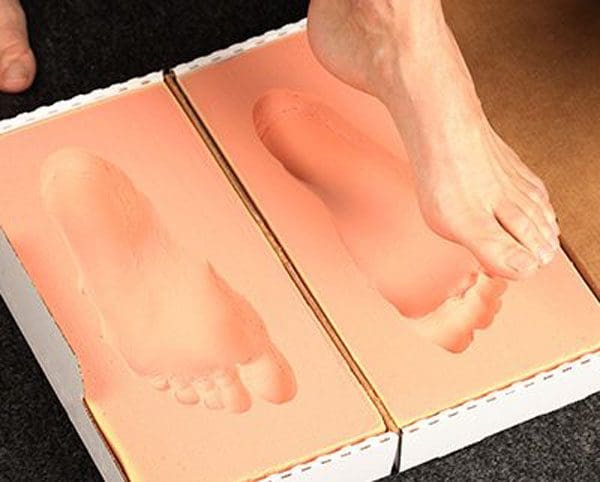
Chiropractic adjustments will be able to restore the lumbar support that was weakened or lost from foot issues. A chiropractor will go to the source or root of the problem. Foot orthotics can be a primary tool for re-training the feet for proper support. These orthotics are custom modeled to an individual�s feet.
This promotes spinal and pelvic wellness combined with the right amount of support required for each foot. Over time, and as the feet remodel themselves the custom orthotics can also be remodeled allowing for continuous improvement. With time it�s possible for many to accomplish the restoration of the body’s musculoskeletal health. These include:
Strengthened foot arches
Stress and muscle tension alleviation
A re-trained proper lower back support
Restoration of proper spinal curvature
Correct and retrain anterior/posterior pelvic tilting habits
Custom Foot Orthotics
Foot orthotics require no effort. An individual just puts them in their footwear and done. The orthotics do the work for the individual when standing, walking, or running. If diagnosed with a pelvic tilt condition or are unsure if there is a tilt, contact a chiropractor about the benefits of foot orthotics.
Benefits of Functional Foot Orthotics
Dr. Alex Jimenez�s Blog Post Disclaimer
The scope of our information is limited to chiropractic, musculoskeletal, physical medicines, wellness, and sensitive health issues and/or functional medicine articles, topics, and discussions. We use functional health & wellness protocols to treat and support care for injuries or disorders of the musculoskeletal system. Our posts, topics, subjects, and insights cover clinical matters, issues, and topics that relate and support directly or indirectly our clinical scope of practice.*
Our office has made a reasonable attempt to provide supportive citations and has identified the relevant research study or studies supporting our posts. We also make copies of supporting research studies available to the board and or the public upon request. We understand that we cover matters that require an additional explanation as to how it may assist in a particular care plan or treatment protocol; therefore, to further discuss the subject matter above, please feel free to ask Dr. Alex Jimenez or contact us at 915-850-0900. The provider(s) Licensed in Texas& New Mexico*
References
Betsch, Marcel, et al. �Influence of foot positions on the spine and pelvis.� Arthritis care & research�vol. 63,12 (2011): 1758-65. doi:10.1002/acr.20601
While scoliosis is a disorder that affects the backbone there are many other circumstances that could be a element that drives the curvature. One of the most frequent are imbalances in the pelvis and lower extremities.
In optimum upright human posture the the top needs to be positioned on the midline of the shoulder, rib cage, lumbar spine, pelvis, knees ankles and feet. Something that causes a deviation from orthogonal placement exacerbate a scoliosis imbalance and can significantly impact the posture of the body.
Just as an imbalance in the base of a building can trigger difficulties the structure over-head, feel of the leaning tower of Pisa which is only 4 levels off it�??s vertical stability, imbalances in the pelvis and lower extremities can cause issues to the structural integrity of the backbone above it. When the foundation is not level the spine should adapt in order to keep the eyes level with the horizon.
Imbalances Affecting Scoliosis Progression
These are some of the more common contributing elements that should they’re a problem need to be resolved to enable optimum conservative administration of a scoliosis.
Leg Length Discrepancies
There are two sorts of leg length discrepancies that are commonly described by doctors.
Apparent Leg-Length Deficiency: The legs are of equal length but one side of the body is drawing up the leg as a result of imbalances in the muscles of the pelvis and trunk on that aspect.
True Leg-Length Deficiency: There is a real difference in length from left to right.
When there’s a leg size deficiency that was true then thought have to be created for for offering a shoe lift to the side of deficiency but only if an addition of a raise will also seem to help improve the scoliosis. If the scoliosis would be worsened by adding a raise to the facet that was deficient then it would be contraindicated.
An apparent short leg can result from an imbalance in the pelvis or could be a compensatory mechanism involving the the total amount techniques of the backbone. Treatment can contain chiropractic adjustments to recover motion to the adapted shortened muscles of the spiral lines of the physique in the pelvis and atlas or trunk orthogonal therapy to help reduce neuro logical adaptations in the postural mechanisms of the spine to the pelvis, active release treatment.
Pes Valgus is a disorder that is commonly known as a flat foot disorder?�. It can occur on one side or bilaterally also it can affect the integrity of foot and the lower extremity. When the postural muscles of the arch of the foot are weakened then foot flattens inward. This causes a torque to the knee, hi-P, pelvis and eventually the spine.
Postural Collapse of the Foot & Scoliosis
This torque force can help push the progression of the scoliosis by adding on the spine to the ab-normal forces and must be addressed as a way to help improve the curvature.
Corrective workout to help restore the arch of the foot, like a Short Foot?� workout, strolling barefoot over uneven terrain or perhaps barefoot operating can occasionally be really advantageous in supporting recover the proper bio-mechanical function of the arch of the foot.
The use of custom orthotics are still another superb method to assist enhance the bio-mechanical place of the foot to help torque the lower extremities and decrease the imbalances which can be contributing to the scoliosis, but only if the orthotic is cast in the place.
The scope of our information is limited to chiropractic and spinal injuries and conditions. To discuss options on the subject matter, please feel free to ask Dr. Jimenez or contact us at 915-850-0900 .
By Dr. Alex Jimenez
Additional Topics: Scoliosis Pain and Chiropractic
According to recent research studies, chiropractic care and exercise can substantially help correct scoliosis. Scoliosis is a well-known type of spinal misalignment, or subluxation, characterized by the abnormal, lateral curvature of the spine. While there are two different types of scoliosis, chiropractic treatment techniques, including spinal adjustments and manual manipulations, are safe and effective alternative treatment measures which have been demonstrated to help correct the curve of the spine, restoring the original function of the spine.
IFM's Find A Practitioner tool is the largest referral network in Functional Medicine, created to help patients locate Functional Medicine practitioners anywhere in the world. IFM Certified Practitioners are listed first in the search results, given their extensive education in Functional Medicine