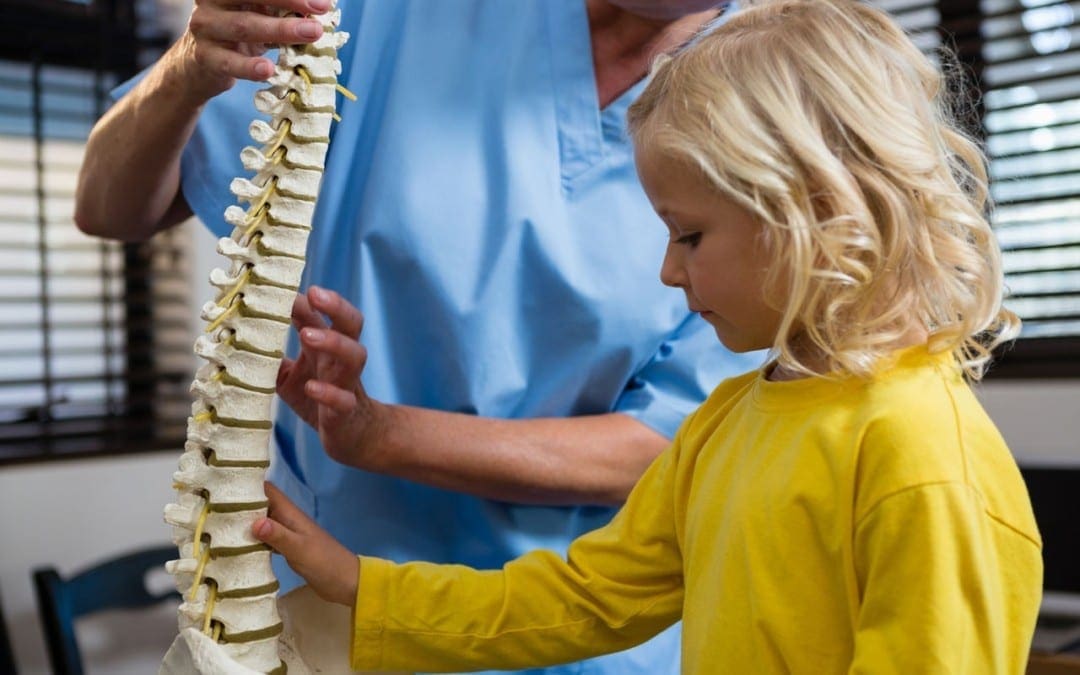
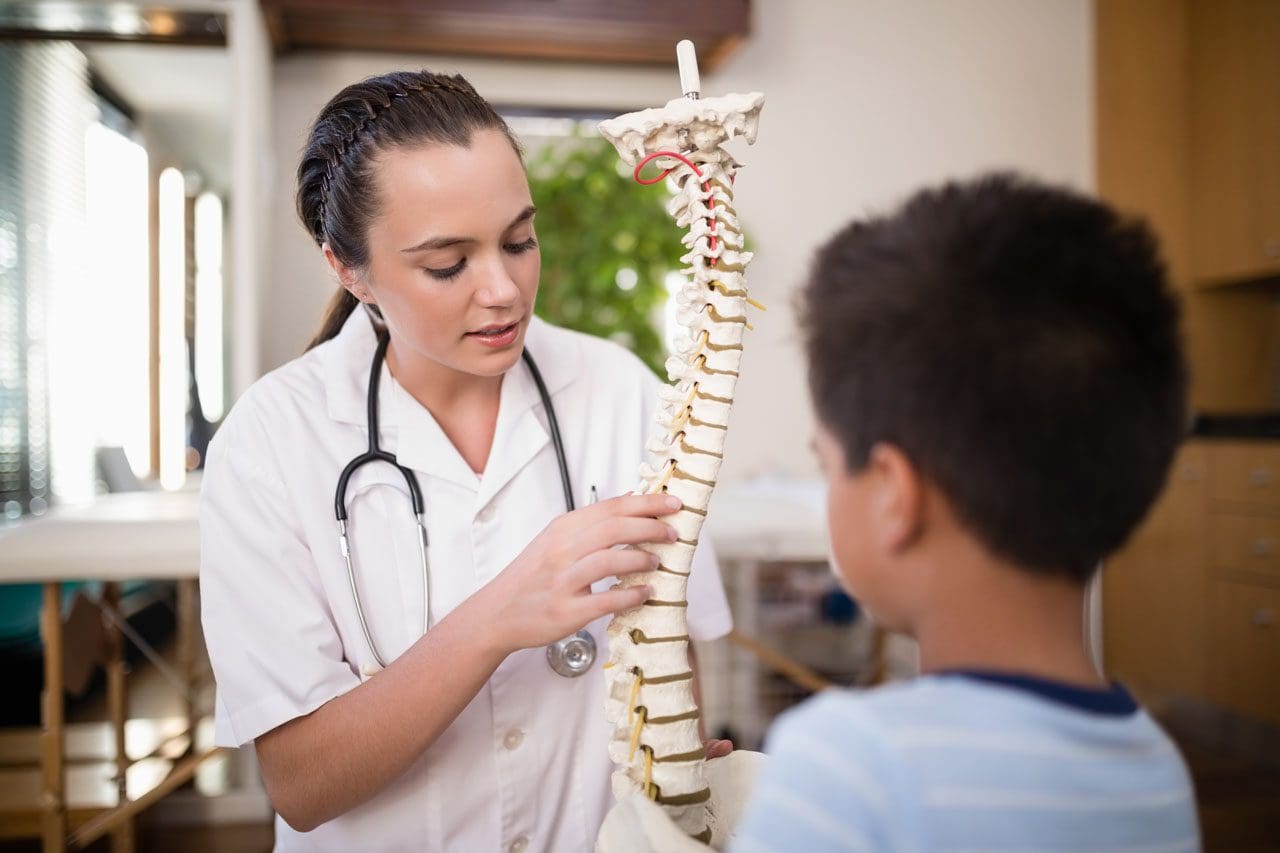
Children and adolescents are experiencing back pain. Why it happens, and how parents can help prevent it is the objective. When thinking of back pain the image is typically a man or woman, hunched over grabbing their backs and wincing in pain. However, back pain in children and adolescents is not that uncommon.
According to a 2020 study published in Spine, around thirty-four percent of children report having back pain, with almost nine percentexperiencing severe back pain. By the time they are fifteen, 20 to 70% of children will have experienced back pain at some point. Developing chronic back pain increases with age and is more common in girls.
The study found those that sought out early treatment, physical therapy, and chiropractic being the most prescribed lessened the need for more invasive treatments, like spinal injections, and surgery. Back pain can have a major impact on an adult’s life, and more so on a child. Prevention and treatment are important to help restore overall health and wellness.
Signs and Symptoms
Symptoms can vary, the most common:
Pain increases with movement, like bending or twisting
Increased pain after sitting or standing for an extended period
Sore and tender muscles around the spine
Tight muscles
Muscle spasms
Most back pain in children is mild. However, there are times when the child will require medical attention. A child should see a doctor if back pain persists for more than two or three days, if there is a fever, or if there is any numbness or weakness in the arms and legs.
Common Causes
Like adults, muscle sprains and strains are the most common cause of back pain. Strains are more common in the low back than around the neck or middle back and usually occur from overuse injuries, poor posture, poor body mechanics, and falls. Other common causes include:
Sitting and slouching in front of the computer for too long
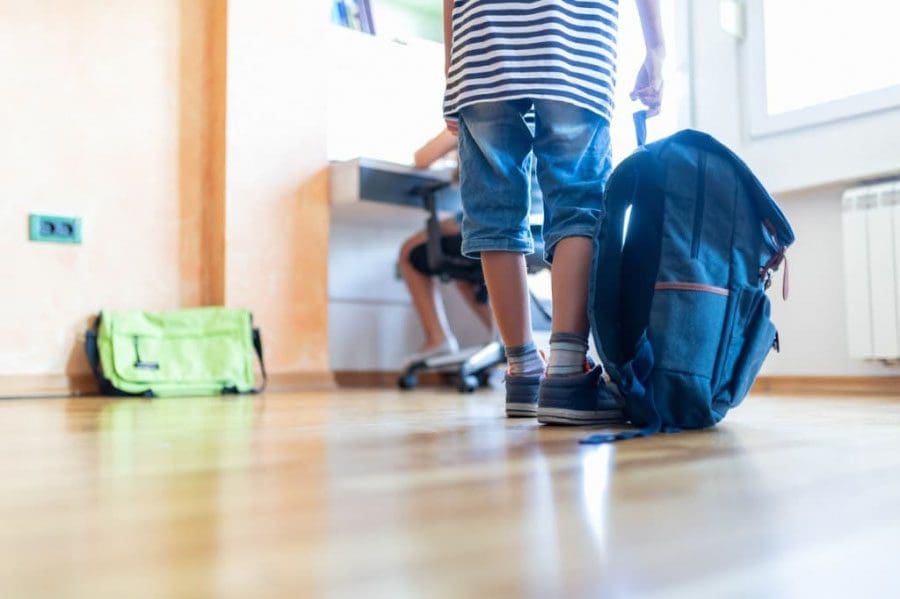
Carrying an overloaded backpack
Spinal Conditions
Recreational and sports activities with injuries sustained are the most common causes of developing back pain. However, back pain can be brought on by underlying health and spine-related conditions. About a third of adolescents with low back pain could have a spinal condition. The most common conditions include:
Idiopathic Scoliosis
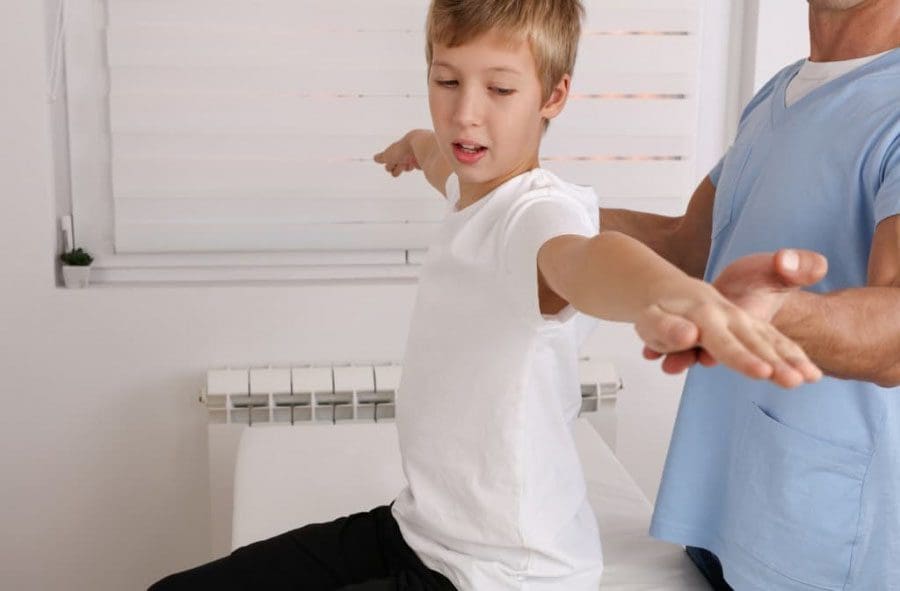
This is an abnormal curvature of the spine. This is usually not a painful condition. Some curvatures can be severe enough to cause pain and require medical care. Scoliosis can include the middle, low spine, or the entire spine. It is most common in adolescents 11-17 years of age. Symptoms include:
Tilted shoulders
Uneven hip bones
One side of the ribs projects out more than the other
Scheuermann�s kyphosis
This is a growth disorder of the vertebrae. It happens when the front of the spine does not grow as fast as the back of the spine. This can produce a humpback curvature. The spine bends forward but the child cannot stand up straight. Usually, it happens during accelerated growth periods.
Spondylolysis
The vertebrae can break in children and kids that do repetitive exercises involving bending and twisting. Sports like gymnastics and football create a heightened risk for spondylolysis. It usually affects the low back and presents with non-stop low back pain. The most common treatment is rest. Other causes include:
Spinal cord tumors
Sickle cell anemia
Infection
Tumors and infections are highly uncommon in children. They often present with pain and fever. If the nerves are pinched numbness, tingling, and weakness in the extremities can develop.
Common Treatments
Back pain in children is usually a short experience and can be treated with ice, rest, and over-the-counter medications like acetaminophen for children and nonsteroidal anti-inflammatory drugs like ibuprofen. A playing/exercise program can significantly help reduce child back pain.
However, there could be a need to modify the activity, so as to not worsen the injury or create new injury/s. The activities could be made to be lighter or a brace could be utilized. A specialist like a chiropractor/physical therapist can provide treatment, along with exercises, stretches, and lifestyle changes that will help reduce the pain. Complementary therapies like massage and acupuncture can enhance the child�s healing/recovery time and knock out the pain quickly.
Parental Prevention
Proper posture can and will prevent back pain. Children’s and adolescents’ musculoskeletal structures continue to develop at this stage. Therefore, sitting, standing, and lifting properly is paramount to preventing back pain. Along with this is avoiding activities that place repeated strain on the spine. An example is an overexertion while playing sports. Tips for keeping kids back-pain free:
Avoid activities that generate repeated strain on the same muscles
Stretching breaks need to be incorporated when sitting for a long time
As much as possible make the home a stress-free environment
Maintain a healthy weight and diet with balanced meals and snacks
Help promote overall mental and physical health
Children and kids that are stressed out or depressed have a greater risk of developing back pain. Encourage the kids to stay active, get proper sleep, stretch out, and eat foods that are healthy for the spine. If back pain is presenting, a customized treatment plan along with lifestyle changes will get the child back to their favorite activities.
Lower Back Pain Chiropractic Treatment
Dr. Alex Jimenez�s Blog Post Disclaimer
The scope of our information is limited to chiropractic, musculoskeletal, physical medicines, wellness, and sensitive health issues and/or functional medicine articles, topics, and discussions. We use functional health & wellness protocols to treat and support care for injuries or disorders of the musculoskeletal system. Our posts, topics, subjects, and insights cover clinical matters, issues, and topics that relate and support directly or indirectly our clinical scope of practice.*
Our office has made a reasonable attempt to provide supportive citations and has identified the relevant research study or studies supporting our posts. We also make copies of supporting research studies available to the board and or the public upon request. We understand that we cover matters that require an additional explanation as to how it may assist in a particular care plan or treatment protocol; therefore, to further discuss the subject matter above, please feel free to ask Dr. Alex Jimenez or contact us at 915-850-0900. The provider(s) Licensed in Texas& New Mexico*
As parents and grandparents, we first need to think about the activities that we will be doing throughout the day and consider how to protect ourselves and loved ones from falls and falling injury/s.
Around the House
Most accidents indeed happen at the house. Add that to the increasing number of people, both young and elder, that work from home. Consider the following tips.
Home
If possible, hire a professional to clean the gutters or get one of those gutter washers that you can use from the ground. Falls from the roof results in multiple injuries, and some are very serious.
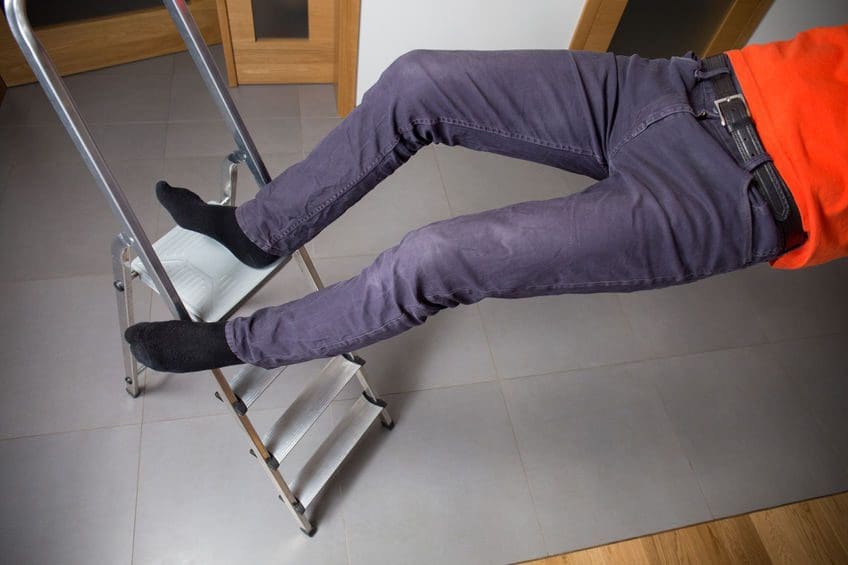
Would you please not stand on a chair to change lights or clean those out-of-reach areas? Always use a reliable heavy-duty step ladder with anti-slip steps and handrails. Doctors from emergency rooms report that falls from chairs are a common case they treat.
Proper Lighting
Having the right lighting throughout the house is the best defense against tripping and falling. The stairways, hallways, and entrances are primary areas that should be adequately lit to see everything around you. The light switches should be easy to find and activate. Inexpensive nightlights should be placed anywhere you go at night, like the kitchen or bathroom. A small flashlight should also be kept nearby, possibly a keychain or next to the bed in case of an emergency or if the power goes out.
Kitchen
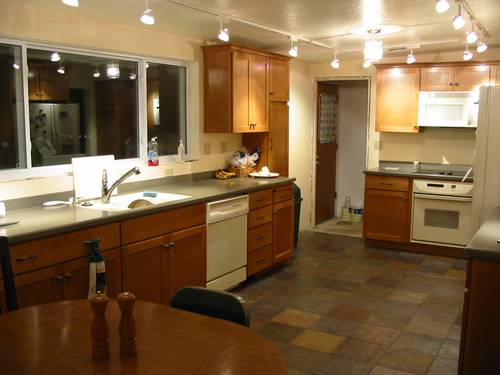
Falling on wood or tile kitchen floors can have a serious impact on the body. A wet slippery floor can be another cause for a fall, so clean up spills or fix a dripping refrigerator immediately. Using a no-slip floor wax rather than conventional floor wax will reduce accident probability. Keep a secondary heavy-duty step ladder with wide anti-slip steps and handrails for the kitchen.
Bathroom
The bathroom has the potential to be one of the most dangerous rooms. The slick hard floor floors from bath/shower water, along with the limited room to move around comfortably and metal towel rods, can make for a dangerous space to fall in. However, bathrooms can be made safe by the following:
Handrails/grabs can be placed along the walls and shower/bath, near the toilet and sink. Make sure that the proper height is measured.
Anti-slip bath/shower mats and anti-slip floormats can go a long way to help prevent falls. They provide traction and stability while standing and moving around.
There are some top assisted bath devices in various drug stores and home centers. They include shower seats and walk-in baths.
Raised toilet seats can be easily installed and shorten the distance needed to sit and, more importantly, get up comfortably from the toilet.
Elderly and physically challenged individuals could still need help. Make sure assistance is readily available. Elderly and physically challenged individuals could benefit by carrying an alarm or emergency contact system in case they fall or need help.
Stairways
The stairway is an area that can be another danger zone. One stairway danger is the use of canes, walkers, and walkers with wheels. These can easily get snagged on a step, or the wheels can slip and quickly travel down the stairs. Safety railing and step mats with traction nibs can help prevent slips and falls. Outdoor stairs should have non-slip tape to prevent falling.
Carpeting/Rugs
Carpeting and rugs are great for warmth, foot care, and decoration, but they can also pose a danger. Here are a few tips:
Throw rugs that are not properly anchored to the floor should be anchored or used in an area that will not pose a potential injury. These rugs can be bought with a rubber backing to prevent slippage. Stores carry non-slip backing that can be cut and used between the floor and the rug.
Carpeting needs to be smooth and not wrinkled, which can snag and cause tripping.
Bent corners should be removed and fixed to prevent unraveling or tacked down with non-slip tape.
Loose fibers need to be cut off.
Furniture
Individuals that don’t use an assisted device like a cane or walker could find navigating through the house difficult. Furniture should be arranged and organized for easy maneuverability. Electrical cords should be safely placed out of the walking path.These cords can be tacked to the floorboard, placed behind/under furniture, or stored in special cord tubes/runners. Small tables, floor lamps, and plants should not be in the walking path as well as this can cause an easy bump to fall scenario.�
Footwear
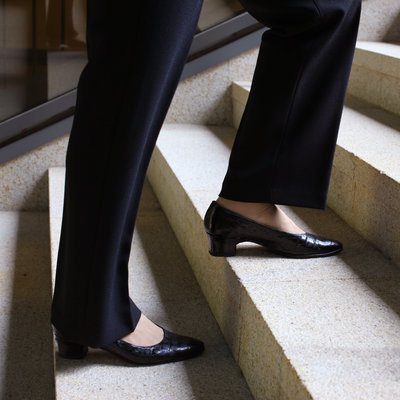
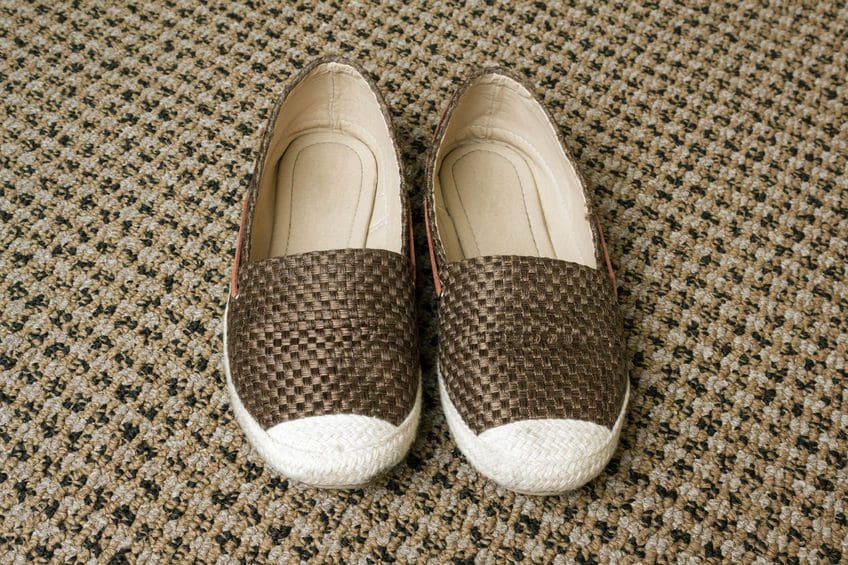
Footwear should be nice but also practical. Flat-soled shoes, high heels, not properly structured, or ill-fitting shoes can lead to slips and falls. Unsupported feet will not provide a solid foundation to help prevent a fall.
If there are foot issues, custom foot orthotics can really help stabilize balance, help the spine stay aligned, and bring relief from pain. Orthotics are designed to fit inside shoes to relieve pain from various foot conditions/issues. Non-slip and anti-slip soled shoes can also help prevent a slip and fall. With these types of shoes, care needs to be taken to avoid sticking to floor surfaces. This can contribute to stumbling and tripping. Don’t wear socks or hosiery on smooth tiled/wood floors; because there is no floor-foot traction, the potential for slipping increases.
When walking outside, if the sidewalk is slippery, walk on the grass or dirt area. Try walking in an area that does not show iciness or wetness. Cat litter or rock/sidewalk salt can provide foot traction.
Assistive Devices for Balance and Stability
If you feel unstable while walking, ask your doctor about an assisted device that includes canes and walkers. If using a cane, make sure the rubber grip tip is not worn down.
Conclusion
Here are a few tips that may help you to take a proactive approach to fall prevention. Depending on specific conditions and needs, you may want to talk to your doctor, chiropractor, physical therapist, or other health care professional. They will create a customized individual plan to help prevent falls and enjoy life.
Our clinical focus and personal goals are to help your body heal naturally, quickly, and effectively. At times, it may seem like a long path; nevertheless, with our commitment to you, it’s sure to be an exciting journey. The commitment to you in health is never to lose our deep connection to each one of our patients on this journey.
Plantar Fasciitis, Reduce Foot Pain with Custom Orthotics
NCBI Resources
Aging is hard on the body. As you move into your senior years, you may expect some discomfort and loss of mobility. But it is important to understand that there are things you can do to feel better. Regular exercise, a healthy diet, and chiropractic care can all make your senior years active and thriving.
IFM's Find A Practitioner tool is the largest referral network in Functional Medicine, created to help patients locate Functional Medicine practitioners anywhere in the world. IFM Certified Practitioners are listed first in the search results, given their extensive education in Functional Medicine