Can acupuncture be an effective treatment for anxiety and panic disorders in addition to other treatments, like therapy and/or medication?
Acupuncture For Anxiety and Panic Disorders
Considered one of the most popular types of alternative medicine, acupuncture has grown in popularity as a way to treat a variety of mental health conditions, including depression, post-traumatic stress disorder (PTSD), and other anxiety disorders. With the growth in popularity, more research has been focused on treatment for panic and anxiety symptoms. (Pilkington K. 2010)
Acupuncture can enhance personal wellness.
Acupuncture is generally safe and has few side effects.
It can help reduce physical and mental symptoms like tension, pain, and rapid heart rate.
Other alternative medicine practices include yoga, therapeutic massage, herbal medicines, and aromatherapy.
Traditional Chinese Medicine
Acupuncture is a healing technique originating from traditional Chinese medicine (TCM). The practice is based on the concept that medical conditions and mental health disorders are caused by an imbalance in the energy and circulation of the body’s vital life energy, known as chi or qi (National Institute for Complementary and Integrative Health, 2022). When the body and mind function properly, energy flows optimally through the channels/meridians at certain points throughout the body. Like tight or spasming muscles, energy or circulation becomes congested in different meridian pathways, leading to disease or disorders. The goal of acupuncture is to restore the health and balance of these channels.
How It Works
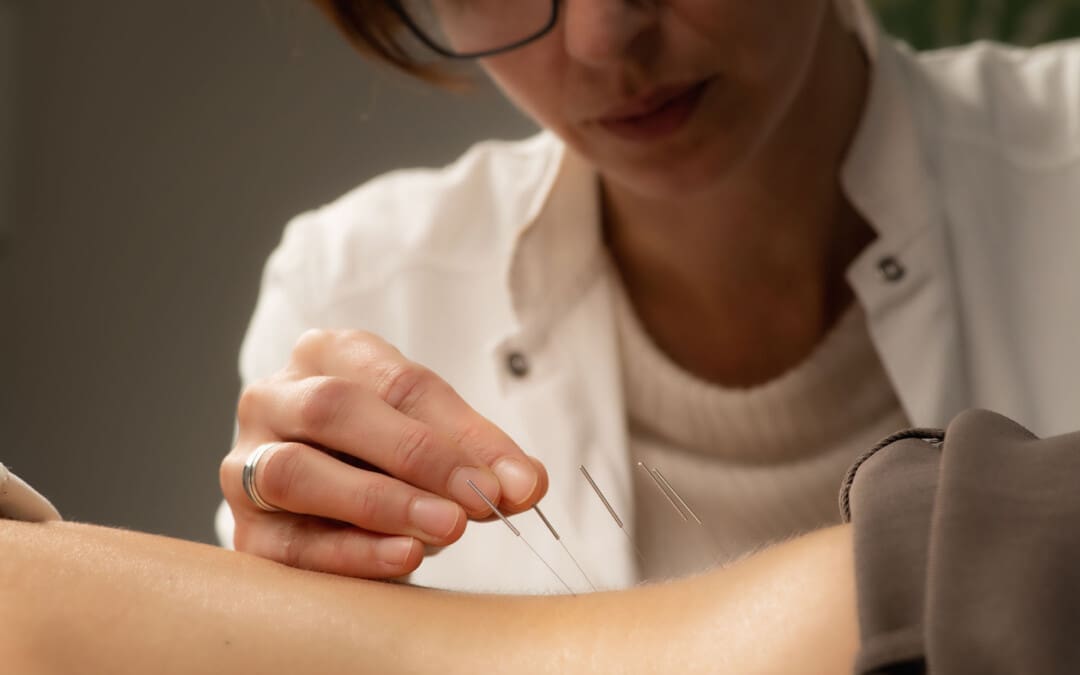
During acupuncture treatment sessions, small needles are placed along specific body areas, known as acupuncture points. These areas are thought to be where energy blockage occurs. The needles, which come in various thicknesses and lengths, stimulate and open blocked energy channels. Experts have conceptualized acupuncture from a neuroscience perspective, where nerves, muscles, and connective tissues are stimulated, and neurochemicals are released.
Acupuncture can help regulate the nervous system.
It can stimulate the body’s feel-good hormones and reduce stress hormones.
It can help deactivate the analytical brain, which is responsible for anxiety and worries.
Clinical trials examining acupuncture for anxiety and panic disorders have shown some positive results. (Pilkington K. 2010) Acupuncturists and medical professionals are still not clear exactly why it may help with anxiety, but some research has noted that acupuncture appears to have a calming effect. More research studies are needed to prove the effectiveness of acupuncture for anxiety disorders. (Kim Y. K. 2019)
Getting Treated
What it can help with:
Agoraphobia
Generalized anxiety disorder (GAD)
Panic disorder
Phobias
Selective mutism
Separation anxiety disorder
Social anxiety disorder
If you are interested in treating your anxiety and panic symptoms through acupuncture, the first step is to consult your main healthcare provider. Professional acupuncture practitioners are on websites, including the National Certification Commission for Acupuncture and Oriental Medicine and the American Academy of Medical Acupuncture. The use of acupuncture continues to rise, making it more readily available. Since it has been evaluated for effectiveness and is available through many hospitals, some insurance policies may cover some acupuncture treatments.
Injury Medical Chiropractic and Functional Medicine Clinic
Acupuncture can help relieve symptoms of anxiety, stress, pain, discomfort, tightness, and poor circulation. Injury Medical Chiropractic and Functional Medicine Clinic can help individuals recover and build optimal health and wellness solutions with primary healthcare providers and specialists. We focus on what works for you to relieve pain, restore function, prevent injury, and help mitigate issues through adjustments that help the body realign itself. They can also work with other medical professionals to integrate a treatment plan to resolve musculoskeletal problems.
Discovering The Benefits of Chiropractic Care
References
Pilkington K. (2010). Anxiety, depression, and acupuncture: A review of the clinical research. Autonomic neuroscience : basic & clinical, 157(1-2), 91–95. https://doi.org/10.1016/j.autneu.2010.04.002
National Institute for Complementary and Integrative Health. (2022). Acupuncture: Effectiveness and Safety. Retrieved from https://www.nccih.nih.gov/health/acupuncture-effectiveness-and-safety
Kim Y. K. (2019). Panic Disorder: Current Research and Management Approaches. Psychiatry investigation, 16(1), 1–3. https://doi.org/10.30773/pi.2019.01.08
Stress in the workplace is a serious issue. Working is rewarding, but it can become a cause for major stress as well. Studies have shown that more than 40% of workers find their job to be a workplace stressor. Stress takes a toll on the body both mentally and physically. Numerous factors can result in being stressed. This includes:
Working for long hours regularly
Large amounts of work to complete
Meeting deadlines
Job insecurity
Workplace Stress Can Hurt The Body
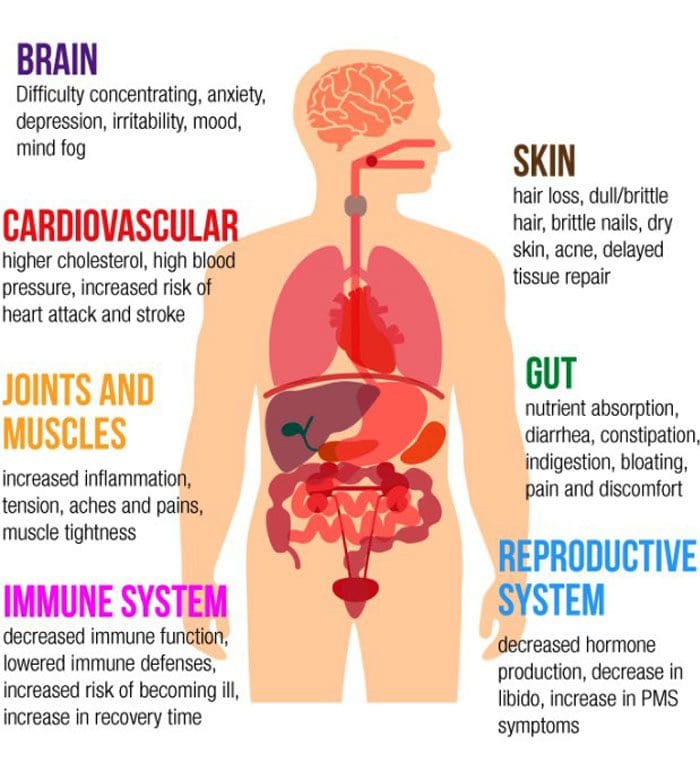
Workplace stress fatigues and agitates the body and can cause major health issues. These include:
Sometimes stress can be so intense that the heart races. For some, this can lead to panic attacks. To help calm the body down, breathing exercises can help.
One exercise to relieve stress is to take one deep inhale and hold it for three seconds.
After three seconds, with the front teeth over the edge of the upper lip.
Slowly exhale.
Wait a few seconds
Repeat until you feel calm.
Second exercise
Close your eyes and breathe in and out like blowing up a balloon.
Take a long inhale, pretend the stomach is a balloon and hold the air for seconds.
Exhaling, pretend the air escaping is like a balloon releasing the air.
This helps to slow down the heart and releases tension.
Stay Aware of Body Posture
When intensely working on something standing or hunched over for a long time, muscle tension is occurring.
When sitting, make sure the feet are planted firmly on the floor.
Keep the shoulders back and aligned.
Investing in an ergonomic chair with lumbar support can help.
Low back support will automatically encourage the body to maintain proper posture while also providing comfort.
Never cross the legs when sitting. This can place pressure on the pelvis that can lead to low back pain.
It’s important to keep the body moving as it promotes circulation and maintains muscle strength and flexibility. Not moving around can make the body feel lethargic and irritated.
By getting up and walking around, tension is released, which helps reduce stress.
Make an effort to get out and walk regularly.
Walking has been proven to reduce stress and strengthen the bones.
Therapeutic Massage
Another way to manage stress in the workplace is to get a therapeutic massage. It will soothe and relax the body, helping you feel more at ease at work and home. Benefits of massage include:
Improves flexibility
Boosts immune system function
Increases energy
Reduces anxiety symptoms
Types of massages that help with reducing tension and stress are:
Fast food and junk food can bring temporary/false relief, but eating poorly regularly will increase stress in the body. The food does not supply the body with the nutrients it needs to get large amounts of work done. Individuals get a quick jolt of energy then crash rapidly and feel worse creating an unhealthy cycle. To help manage stress, some of the best foods include:
Adjustments can be helpful to manage workplace stress. The benefits are able to release tension throughout the body and increase flexibility. Chiropractic can improve blood circulation which can reduce symptoms caused by hypertension and nerve damage. Some chiropractic techniques used include:
This can improve how the body responds to stress. Keeping the body stress-free while working will help to be more productive, and encouraged to live healthier. The nervous system is responsible for adapting to the environment, especially a stressful environment. A properly aligned spine and nervous system allow the body to manage stress better.
Body Composition
High blood pressure and diabetes prevention
Living a healthy lifestyle reduces the risk of chronic diseases, that includes diabetes and hypertension. Too much:
Sodium
Alcohol
Saturated fat
Combined with:
Smoking
Lack or no physical activity
Mental stress
These are all factors that can affect overall health and longevity.
The American Heart Association recommends at least 150 minutes a week of moderate-intense aerobic activity or 75 minutes a week of intense aerobic activity. Moderate-intense activities include:
Jamison, J R. “Stress management: an exploratory study of chiropractic patients.” Journal of manipulative and physiological therapeutics vol. 23,1 (2000): 32-6. doi:10.1016/s0161-4754(00)90111-8
IFM's Find A Practitioner tool is the largest referral network in Functional Medicine, created to help patients locate Functional Medicine practitioners anywhere in the world. IFM Certified Practitioners are listed first in the search results, given their extensive education in Functional Medicine