The various muscles and tendons surrounding the foot play an important role as they provide stability to the lower parts of the body and allow the individual to move and flex their feet. These various muscles and tendons help support the ankles and allow leg movement. Many people will be on their feet constantly as the world moves and sometimes have to deal with various issues affecting their walking ability. As the body naturally ages, many people will shuffle their feet around, which causes strain on the foot muscles and can affect the calves and legs over time. To that point, it can lead to foot pain and other conditions that can affect the individual. Other issues that can affect the feet and their muscles could be incorrect footwear, how they are standing, or how they walk. When this happens, conditions like plantar fasciitis and trigger point pain can affect the feet differently. Today’s article focuses on the superficial intrinsic foot muscles, how trigger points and plantar fasciitis correlate with foot pain, and how to strengthen the foot muscles. We refer patients to certified providers incorporating techniques and therapies in the lower body extremities of trigger points affecting the feet. This helps many people with trigger point pain symptoms associated with plantar fasciitis along the intrinsic foot muscles. We encourage and appreciate each patient by referring them to associated medical providers based on their diagnosis when it is appropriate. We understand that education is a terrific way to ask our providers intricated questions at the patient’s request and understanding. Dr. Alex Jimenez, D.C., only utilizes this information as an educational service. Disclaimer
The Superficial Intrinsic Foot Muscles
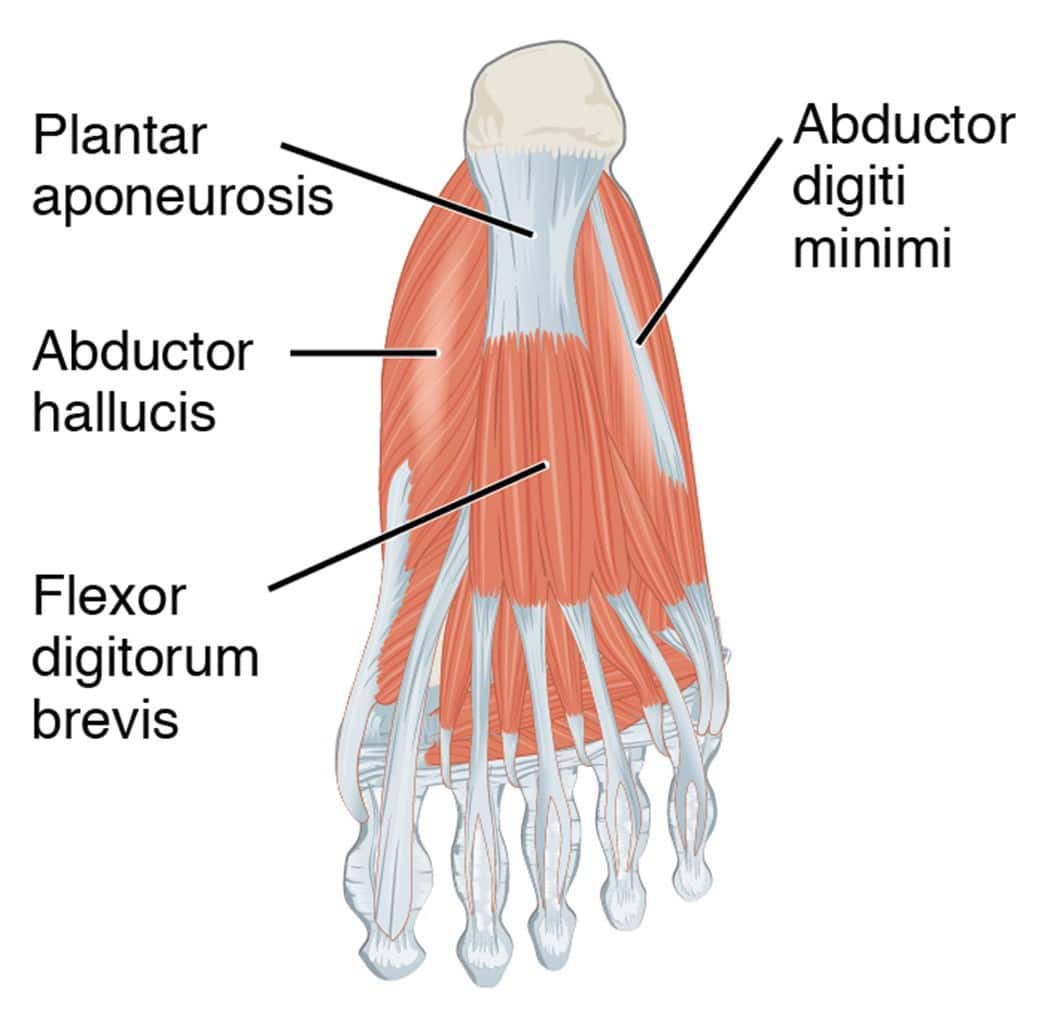
As stated earlier, the foot has various muscles and tendons that allow stability to the ankles and allow movement when a person is walking. The foot has two muscle groups: the extrinsic and intrinsic muscles. Today, we will look at the intrinsic foot muscles and their importance to the foot. Studies reveal that the intrinsic foot muscles are highly important as they are contained to the foot and contribute to supporting the medial longitudinal arch. The intrinsic foot muscles are superficial and help keep the toes straight while providing flexion and extension when in motion. The foot has about 29 muscles, including 10 surrounding the foot and ankle, while the other 19 are intrinsic and provide the roles for gait and posture. The 19 intrinsic muscles have the following:
Abductor Hallucis
Quadratus Plantae
Flexor Hallucis Brevis
Flexor Digitorum Brevis
Abductor Digiti Minimi
Flexor Digiti Minimi
The Interossei Muscles
The Lumbricals
These muscles allow individuals to walk, run, or jog without pain. However, when the intrinsic muscles become impaired, studies reveal that intrinsic foot muscle function could be linked to various foot conditions that affect a person’s walking ability.
How Does Foot Pain Correlate With Plantar Fasciitis & Trigger Points?
Studies reveal that foot pain can cause an unpleasant sensory and emotional experience. Many factors can affect how a person walks, leading to various issues affecting the mobility of the lower extremities. When multiple problems affect a person’s walking, the intrinsic muscle and other muscles surrounding the ankle and foot could become strained and overlap with other foot conditions. Coexisting muscle impairments could affect the alignment, motion, load distribution, and muscle performance that involves the legs when foot pain affects the intrinsic foot muscles. When these impairments cause foot pain, it can correlate with trigger points and conditions like plantar fasciitis, affecting a person’s walking ability. But how does foot pain connect with plantar fasciitis and trigger points?
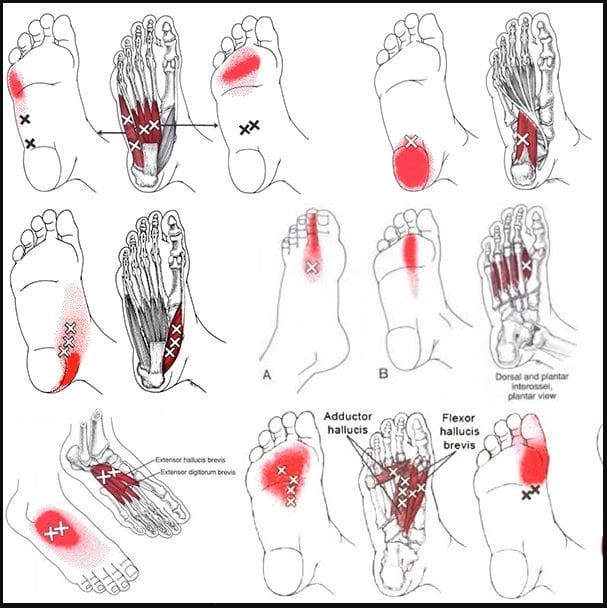
According to Dr. Travell, M.D.’s book “Myofascial Pain and Dysfunction,” when tension starts to overload the foot, the intrinsic muscles develop tiny nodules in the muscle fibers and reduce the muscle strength of the medial arch. To that point, it can collapse and cause the foot to create inflammation associated with repetitive actions that cause plantar fasciitis in the feet. When this happens, it can affect a person’s ability to walk, run, and stand and affect the lower extremities’ mobility. If not treated right away, it can cause muscle and joint pain in the hips, legs, knees, and lower back.
An Overview Of The Intrinsic Foot Muscles-Video
Have you been dealing with issues on your feet? Do you find it difficult to step down or walk? Or have you been rubbing your feet constantly to reduce the soreness in your feet? Many of these issues correlate with trigger points affecting the intrinsic foot muscles that could cause foot issues like plantar fasciitis. The foot has various muscles, like the intrinsic muscles, that allow gait and stability to the body. Multiple factors affecting the intrinsic foot muscles can lead to instability, muscle strain, tendon stress, and muscle and joint pain. This can affect how a person moves throughout the day and their quality of life. The video above explains where each muscle is, which ones are extrinsic and intrinsic, and how each muscle helps with foot function. When various issues begin to affect the foot and cause mobility issues, multiple techniques are available to help strengthen the foot muscles and prevent future problems from affecting the feet.
Strengthening The Foot Muscles
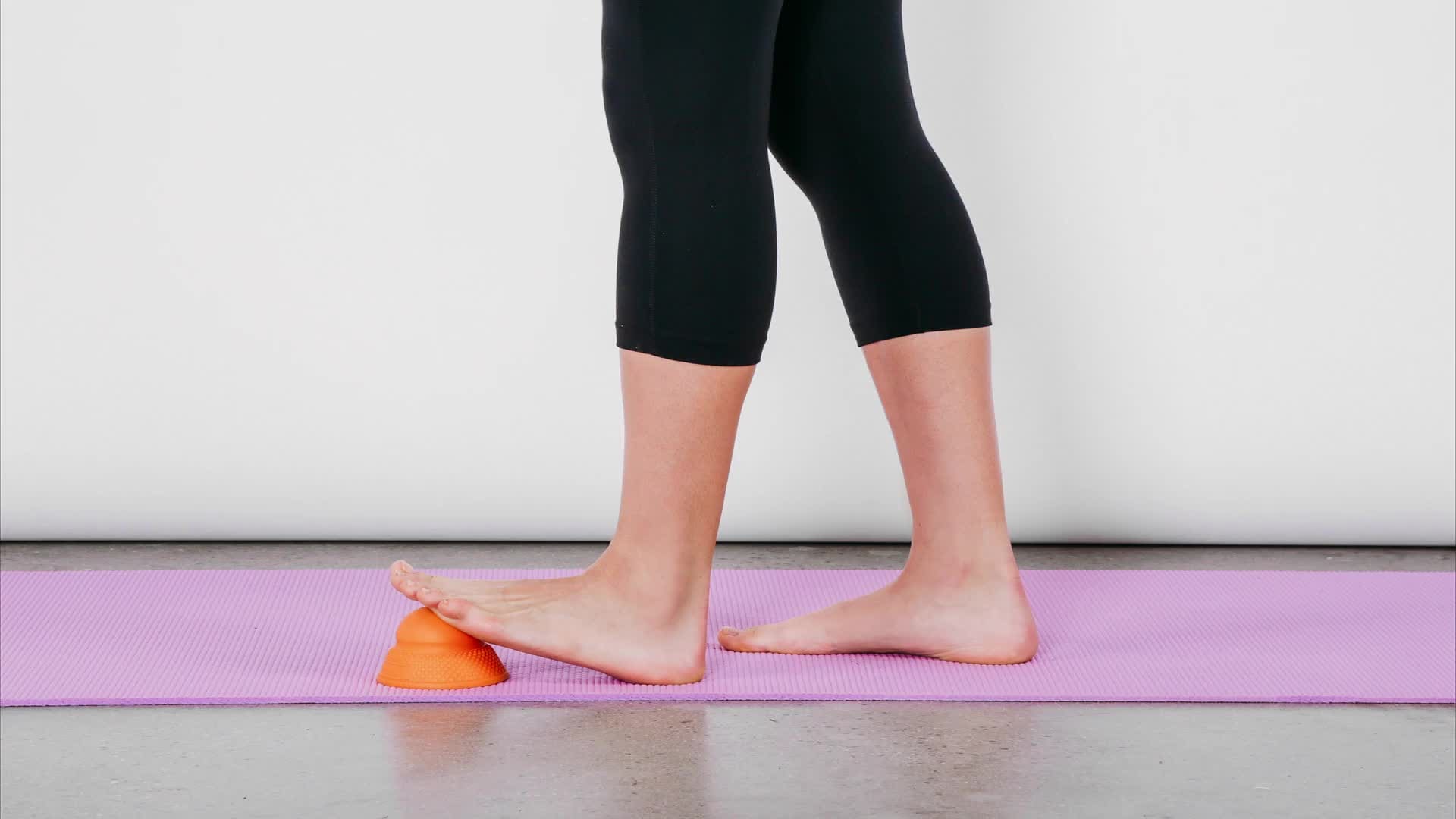
Regarding trigger point pain affecting the intrinsic foot muscles, various techniques can reduce the pain-like symptoms of trigger points and prevent foot issues like plantar fasciitis from re-occurring. Studies reveal that light, non-weight-bearing exercises like cycling and swimming can minimize muscle overload on the foot. Other ways to strengthen the intrinsic foot muscles are by stretching the toe flexors to help improve stability and prevent hypermobility in the foot. Different techniques to reduce trigger points in the foot’s muscle fibers include using a cylindrical or spherical object and rolling under the arches to massage and loosen stiff muscles. Many of these techniques could help restore foot functionality and stability while reducing future issues like plantar fasciitis in the feet. To that point, people should be allowed to walk pain-free again.
Conclusion
The foot has 29 muscles, including ten extrinsic muscles surrounding the foot and ankle and 29 intrinsic muscles on the foot. The intrinsic muscles are highly important for foot functionality as they are superficial and contribute to supporting the medial longitudinal arch. The intrinsic foot muscles also help keep the toes straight and allow flexion and extension when in motion. These muscles also help a person walk and stabilize the ankle. When various factors affect a person’s walking ability, it can lead to muscle strain and tendon stress to the foot, developing trigger points in the intrinsic muscle fibers and causing pain. This could cause foot conditions like plantar fasciitis and other co-existing muscle impairments that can affect the lower extremities’ mobility while causing muscle and joint pain in the hips, legs, knees, and lower back. Luckily, available techniques can help massage, stretch, and strengthen the intrinsic foot muscles while reducing trigger points and preventing their associated symptoms from recurring. To that point, these techniques can allow many individuals to walk without feeling pain.
References
Card, Ryan K, and Bruno Bordoni. “Anatomy, Bony Pelvis and Lower Limb, Foot Muscles.” In: StatPearls [Internet]. Treasure Island (FL), StatPearls Publishing, 27 Feb. 2022, https://www.ncbi.nlm.nih.gov/books/NBK539705/.
Gooding, Thomas M, et al. “Intrinsic Foot Muscle Activation during Specific Exercises: A T2 Time Magnetic Resonance Imaging Study.” Journal of Athletic Training, U.S. National Library of Medicine, Aug. 2016, https://www.ncbi.nlm.nih.gov/pmc/articles/PMC5094843/.
Hawke, Fiona, and Joshua Burns. “Understanding the Nature and Mechanism of Foot Pain.” Journal of Foot and Ankle Research, U.S. National Library of Medicine, 14 Jan. 2009, https://www.ncbi.nlm.nih.gov/pmc/articles/PMC2631512/.
Hayter, Matt. “Why Do We Need the Intrinsic Muscles of the Foot? [Guide 2022].” Dynamic Podiatry, 2022, https://foothealthguy.com/hammer-toes-causes-and-treatment/
Lim, Ang Tee, et al. “Management of Plantar Fasciitis in the Outpatient Setting.” Singapore Medical Journal, U.S. National Library of Medicine, Apr. 2016, https://www.ncbi.nlm.nih.gov/pmc/articles/PMC4853481/.
Soysa, Achini, et al. “Importance and Challenges of Measuring Intrinsic Foot Muscle Strength.” Journal of Foot and Ankle Research, U.S. National Library of Medicine, 26 Nov. 2012, https://www.ncbi.nlm.nih.gov/pmc/articles/PMC3544647/.
Travell, J. G., et al. Myofascial Pain and Dysfunction: The Trigger Point Manual: Vol. 2:the Lower Extremities. Williams & Wilkins, 1999.
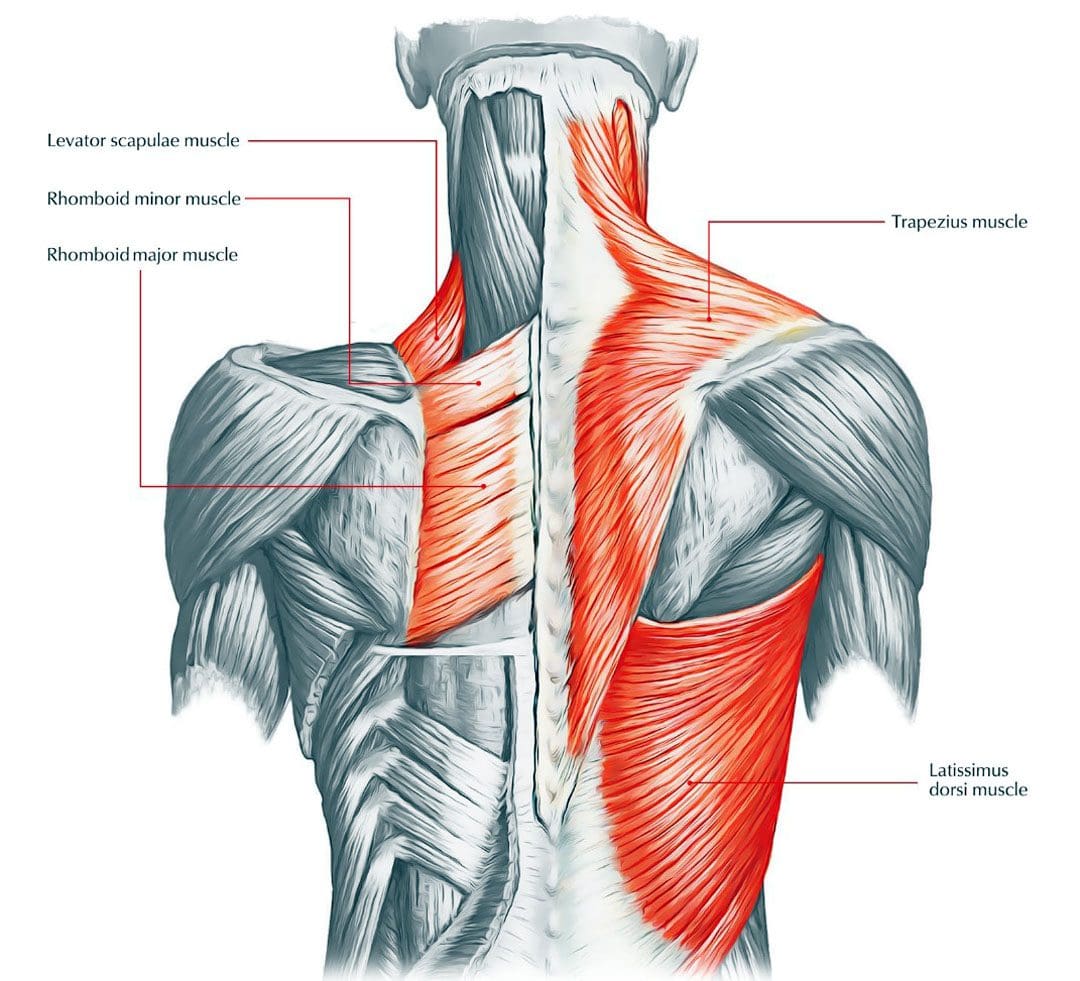
There is a multitude of reasons why back muscles tighten and stiffen up. Muscles pull the bones and joints. Overuse and/or injuries can pull the bones, joints, and tendons out of place, thus causing the muscles to stay in a flexed or stretched position, the inability for the muscles to relax and return to their normal position, resulting in symptoms of discomfort, stiffness, and pain. Individuals can have reoccurring bouts of tight muscles, eventually becoming chronic. Chronic muscle tension can pull the spine out of alignment even if there is no specific injury. The Injury Medical Chiropractic and Functional Wellness Team can relieve tight back muscle tension and restore positioning, mobility, and function.
Muscles are the Key
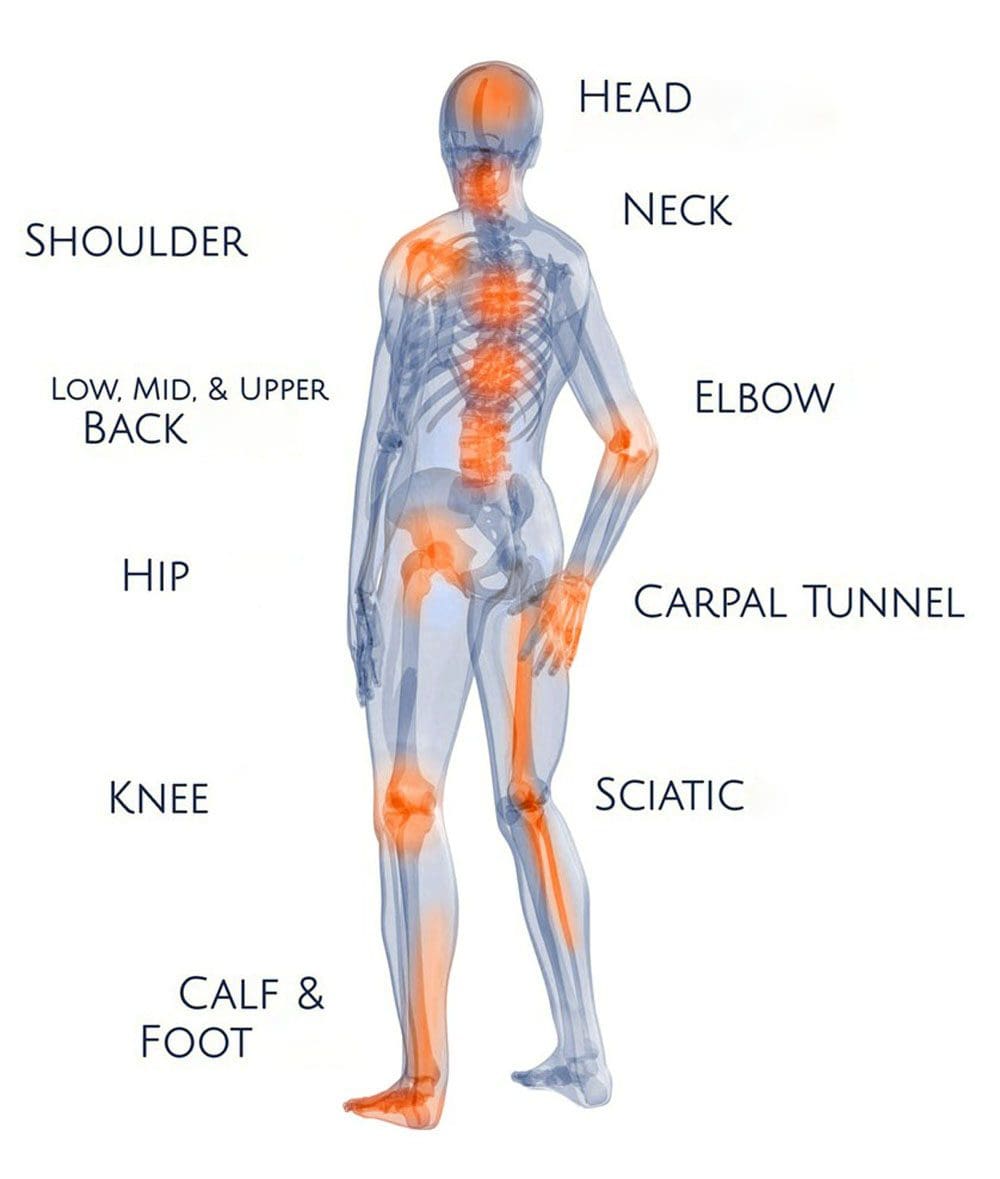
Muscles make the body move and greatly impact the skeletal and nervous systems. When a muscle is overstretched or pulled, there is not just injury to the muscles but the potential for injury to the bones and tendons in the area. This, in turn, can pinch nerves and cause problems with the nervous system, especially in pain signal transmissions.
Symptoms
Symptoms will depend on the cause and severity. The most common include:
Constant or chronic muscle achiness, soreness, stiffness, and tightness.
Even after stretching or flexing, there is a dull aching or pain.
More serious symptoms may include:
Electrical or burning sensations
Sharp or stabbing pain.
Weakness in the legs or arms
Tingling or numbness in the legs, arms, or chest.
Chest discomfort symptoms.
Causes
Aging
The older a person is, the more likely they will experience back discomfort symptoms. Back issues most likely occur in 30- to 50-year-olds.
The aging process naturally wears the body.
Thinning bones
Muscle mass reduction
Fluid loss between joints in the spine.
All these can cause back issues and problems.
Unhealthy posture
Constant pressure on the spine can lead to general back discomfort symptoms. Practicing unhealthy posture can generate this pressure. The muscles and ligaments must work harder to keep the body balanced because the muscles are out of position, and the other muscles can’t perform their job properly. Overworking and overuse lead to tight back muscles, aches, and pain.
Muscle sprain or strain
Sprains are the tearing or stretching of ligaments. Strains are the tearing or stretching of muscles and tendons. Lifting heavy objects without proper form can easily cause a back sprain or strain. Sprains and strains can also occur after an awkward, sudden, or jerking movement.
Herniated disc
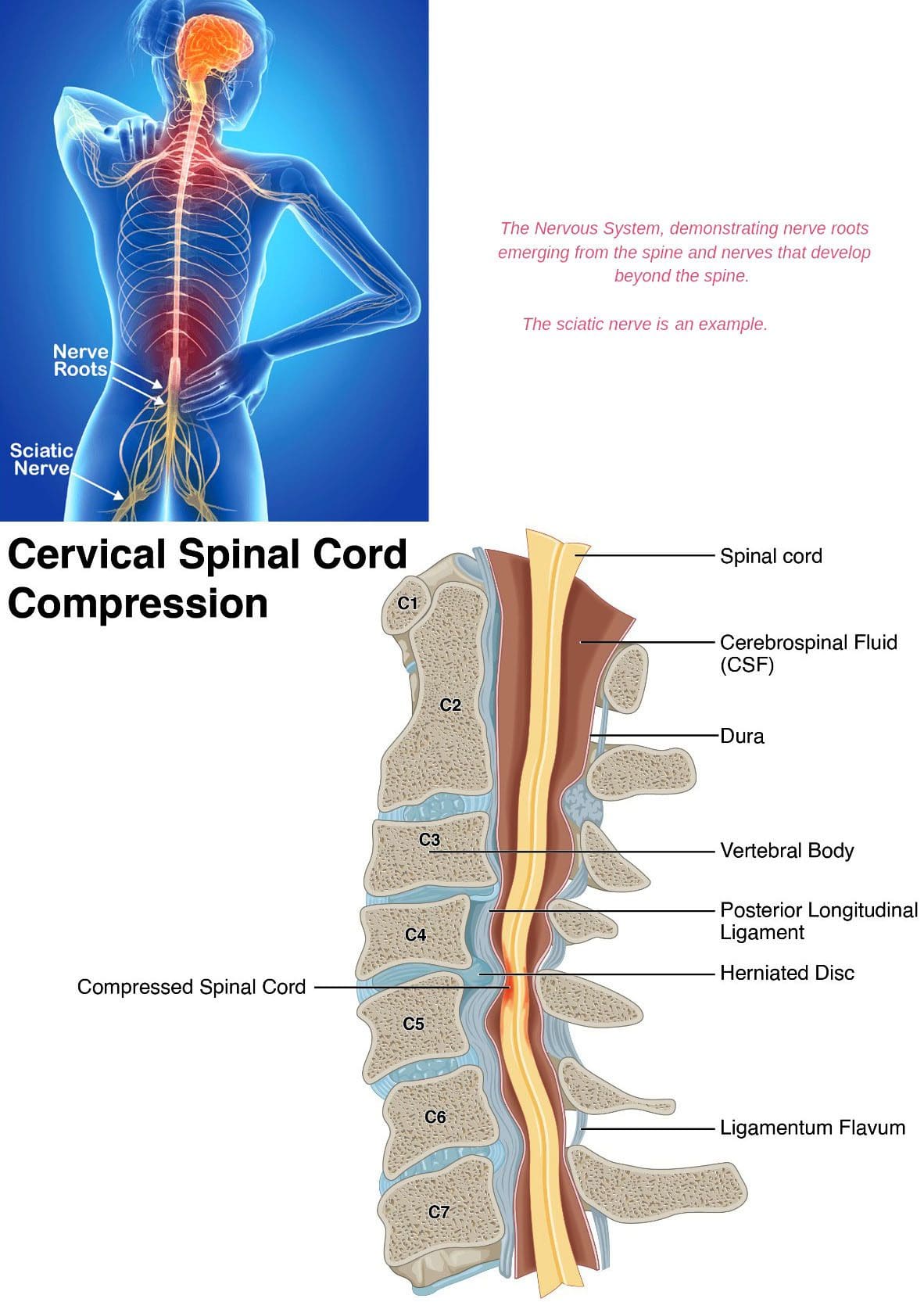
A herniated, slipped, or ruptured disc puts pressure on a nerve/s. This can stress the surrounding muscles causing tension to build up.
Fall or other injuries
Tight back muscles can result from the following:
A fall
Vehicle accident
Force Trauma
Sports accident
Weight gain
Added weight stresses and pulls the body down. This causes unhealthy posture and muscle tension.
Chiropractic Functional Wellness
Usually, tight muscles can be relieved with a hot bath or cold therapy. Reoccurring bouts of, or chronically tense back muscles, are signals that something is wrong and should not be ignored. Chiropractic care can release and relax tight back muscles and get them back into a natural state by re-aligning the spine through tissue manipulation, decompression, massage, and adjustments. The various treatment methods will relieve the discomfort, pain, tension, and realign the spinal column, and strengthen the body. When spinal components are put back into their proper place, the surrounding muscles no longer need to provide a counter-balance to the misalignment and begin to relax. Chiropractors can also recommend ways to improve posture and strengthen muscles to incur less wear and tear.
Chiropractic Back Therapy
References
Furlan, Andrea D et al. “Complementary and alternative therapies for back pain II.” Evidence report/technology assessment,194 (2010): 1-764.
Geneen, Louise J et al. “Physical activity and exercise for chronic pain in adults: an overview of Cochrane Reviews.” The Cochrane database of systematic reviews vol. 4,4 CD011279. 24 Apr. 2017, doi:10.1002/14651858.CD011279.pub3
Mayo Clinic Staff. (2017). Back pain: Symptoms. mayoclinic.org/diseases-conditions/back-pain/basics/symptoms/con-20020797
Miake-Lye, Isomi M et al. “Massage for Pain: An Evidence Map.” Journal of alternative and complementary medicine (New York, N.Y.) vol. 25,5 (2019): 475-502. doi:10.1089/acm.2018.0282
Nahian, Ahmed, et al. “Osteopathic Manipulative Treatment: Facial Muscle Energy, Direct MFR, and BLT Procedure – for TMJ Dysfunction.” StatPearls, StatPearls Publishing, 12 September 2022.
Rahman Shiri, Jaro Karppinen, Päivi Leino-Arjas, Svetlana Solovieva, Eira Viikari-Juntura, The Association Between Obesity and Low Back Pain: A Meta-Analysis, American Journal of Epidemiology, Volume 171, Issue 2, 15 January 2010, Pages 135–154, https://doi.org/10.1093/aje/kwp356
Regarding different destinations, our feet allow the legs and the lower body to move forward and stabilize the upper extremities from putting so much weight on the body itself. The lower portion of the body contains the hips, pelvis, legs, and feet. Within each section of the lower body, various muscles surround the joints and skeletal features of the lower half. For the hips, multiple muscles and tendons help support hip mobility and pelvic function. The legs work with the thigh as numerous muscles and tendons help the legs have more power to move. The lower portion of the legs works with the knee to allow extension and flexion to move as well. And finally, the ankles and feet work with various muscles to enable movement to the toes. The different muscles in the toes help stabilize the foot from causing issues to the ankles. However, when multiple injuries or factors begin to affect the muscles in the toes, it can lead to myofascial pain syndrome or trigger points to affect not only the toes but the entire portion of the legs and travel up to the hips.
Today’s article looks at the flexor muscles of the toes, how calf pain is associated with trigger points affecting the toes, and how different treatments and stretches can alleviate trigger points along the toe flexor muscles. We refer patients to certified providers that incorporate various techniques and therapies in the lower body extremities pertaining to trigger points affecting the legs, calves, and feet. This helps many people with pain symptoms along the flexor toe muscles, causing pain when doing everyday actions like stepping or walking. We encourage and appreciate each patient by referring them to associated medical providers based on their diagnosis when it is appropriate. We understand that education is a terrific way when asking our providers intricated questions at the patient’s request and understanding. Dr. Alex Jimenez, D.C., only utilizes this information as an educational service. Disclaimer
The Flexor Muscles Of The Toes
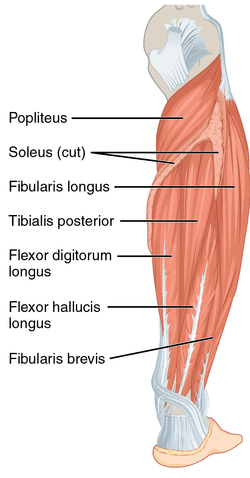
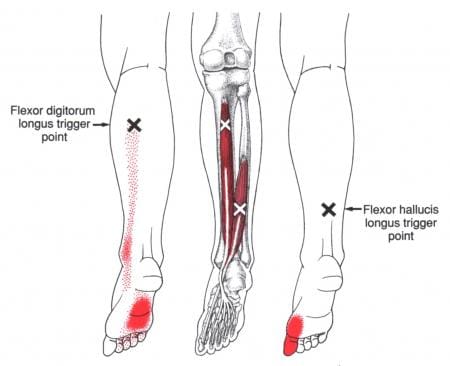
Have you been dealing with stability issues that are affecting the way you are standing? How about coping with unquestionable calf or foot pain? Do you feel aches in your big toe? Many of these issues affecting the feet are correlated with the flexor muscles in the toes. The flexor muscles are the flexor digitorum longus and the flexor hallucis longus. These muscles are located in the calf region of the lower leg and travel downwards to the ankle, forming the tendons for the feet and toes. Research studies reveal that the flexor digitorum longus muscle is a thin muscle located in the tibia’s deep posterior muscles and provides operational support to the four different sections of the toes and allows flexion. While other research studies reveal that the flexor hallucis longus muscle is a deep posterior muscle located in the fibula and provides flexion to the great toe while serving to plantarflex and inversion to the foot.
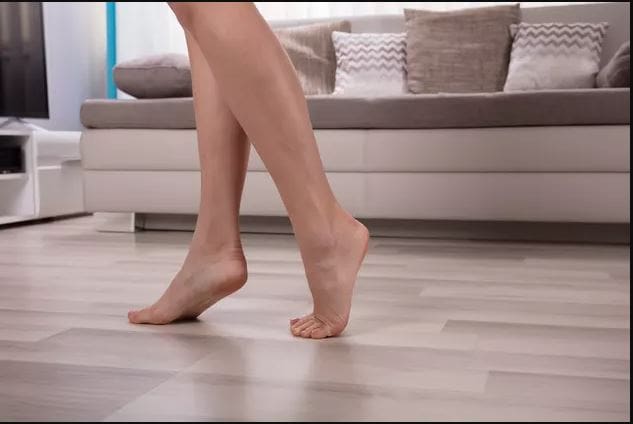
Now the flexor muscles work together to allow stability to the foot when a person is walking. Additional studies have shown that the flexor muscles are active as many people push off from the heel to allow movement to the toes and feet when stepping on the ground. This action enables the flexor muscles to contract and exerts much energy to allow the feet to move. However, when the body begins to age naturally, or various issues affect the lower body extremities, it can lead to multiple problems affecting a person’s mobility.
Calf Pain Associated With Trigger Points Affecting The Toes
As the body ages naturally, a person’s mobility will eventually begin to decline as they shuffle in their steps instead of picking up their feet to move. Studies reveal that when older adults start to age naturally, they tend to have a decreased foot posture that enables them to have a more pronated foot than a supinated foot. When this happens, it can reduce mobility in their legs while also causing stress to the flexor muscles and have a high occurrence in lower extremity injuries like patellofemoral pain or tendon dysfunction. Stress in the flexor muscles can lead to the potential development of trigger points along the flexor muscles, which can correlate to calf pain. Dr. Janet Travell, M.D.’s book, “Myofascial Pain and Dysfunction,” mentioned that trigger points along the toe flexor muscles could potentially cause impaired mobility and strain to the foot. Since the flexor muscles are located in the calves, many individuals that incorporate running, jogging, or walking as part of their daily lives can be affected. To that point, if a person is walking on uneven ground, it can cause the foot to be hyper-pronated and lead to calf pain. At the same time, trigger points in the flexor muscles can cause symptoms of muscle spasms and cramps which can become overlapping risk profiles for ankle and foot pain.
Treating Trigger Points Along The Flexor Muscles- Video
Have you been dealing with unexplainable muscle spasms in your calves? Do you feel unstable when walking for a long time? Or do you notice you shuffle instead of picking up your feet? Many of these issues are correlated with trigger points affecting the flexor muscles of the toes that are causing pain to the calves and feet. When it comes to trigger points along the flexor muscles of the toes, studies show that it can develop a “trigger toe” where the flexor hallucis muscle that is providing flexion to the great toe, is in pain which leads to foot issues like plantar fasciitis or ankle pain. Fortunately, all is still possible as there are different stretches and treatments to reduce trigger points associated with the toe flexor muscles. The video above explains where the flexor muscles are located in the calve region of the leg and demonstrates how to stretch the flexor muscle to prevent trigger points from returning.
Different Stretches & Treatments For Toe Flexor Muscles
When relieving foot and calf pain associated with trigger points affecting the flexor muscles, there are different stretches and treatments to reduce pain-like symptoms associated with trigger points. Studies reveal that incorporating various muscle-strengthening exercises that target the calves could improve postural balance on the feet. Or find the right footwear to prevent trigger points from appearing in the future. Other stretches like toe grasping and flexing the foot allow many pain specialists to locate where the trigger points affect the flexor muscles and develop a treatment plan to reduce the effects of trigger points along the toe flexor muscles. Some of the treatments include chiropractic care. Now, doesn’t chiropractic care only incorporate spinal adjustments on the back? Yes, it does, but it can also alleviate other issues. As stated earlier, the feet provide stability to the lower body extremities. When problems affect a person’s balance can cause limited mobility to the hips, affect the legs and feet over time, and develop trigger points along the way. With chiropractic care, chiropractors can restore hip mobility through mechanical and manual manipulation of the spine and can help loosen the stiff joints and muscles that are causing pain. Chiropractors can pinpoint where the trigger points are located and find ways to reduce the pain in the affected muscle.
Conclusion
The flexor muscles of the toes, the flexor digitorum longus, and the flexor hallucis longus allow stability and flexion to the toes. The flexor muscles are located in the calve region and enable the individual to walk without complications. When issues or injuries start to affect the feet, they could develop into overlapping issues that affect the flexor muscles and causes symptoms of instability in a person’s balance. If not treated right away, it could develop trigger points in the calf region and cause pain to the flexor muscles. Trigger points in the flexor muscles can cause stress on the flexor muscles, which then leads to foot issues like patellofemoral pain or tendon dysfunction. To that point cause impaired mobility and muscle strain on the foot. Luckily there are treatments and various stretches to reduce trigger points from developing further and improve stability in the body. To that point, allow the individual to walk without any foot pain.
References
Fowles, J V, and N M Newman. “A Case of ‘Trigger Toe.’” Canadian Journal of Surgery. Journal Canadien De Chirurgie, U.S. National Library of Medicine, July 1984, https://pubmed.ncbi.nlm.nih.gov/6744145/.
Goldmann, Jan-Peter, and Gert-Peter Brüggemann. “The Potential of Human Toe Flexor Muscles to Produce Force.” Journal of Anatomy, U.S. National Library of Medicine, Aug. 2012, https://www.ncbi.nlm.nih.gov/pmc/articles/PMC3406365/.
Kusagawa, Yuki, et al. “Toe Flexor Strength Is Associated with Mobility in Older Adults with Pronated and Supinated Feet but Not with Neutral Feet.” Journal of Foot and Ankle Research, U.S. National Library of Medicine, 11 Sept. 2020, https://www.ncbi.nlm.nih.gov/pmc/articles/PMC7488436/.
Murdock, Christopher J, et al. “Anatomy, Bony Pelvis and Lower Limb, Calf Flexor Hallucis Longus Muscle …” In: StatPearls [Internet]. Treasure Island (FL), StatPearls Publishing, 25 Aug. 2022, https://www.ncbi.nlm.nih.gov/books/NBK539776/.
Quinlan, Shayan, et al. “The Evidence for Improving Balance by Strengthening the Toe Flexor Muscles: A Systematic Review.” Gait & Posture, U.S. National Library of Medicine, Sept. 2020, https://pubmed.ncbi.nlm.nih.gov/32679464/.
Travell, J. G., et al. Myofascial Pain and Dysfunction: The Trigger Point Manual: Vol. 2:the Lower Extremities. Williams & Wilkins, 1999.
The feet allow movement to make the host do various actions when it comes to the body. Whether running, walking, or stretching, the feet allow stability with help from the legs and lower limbs of the lower body to support the upper body’s weight and allow mobility and functionality to the hips. The feet have various extensor muscles that start at the head where the tibia and in the front of the shin and spreads out to the front of the foot and allow movement to each of the toes. Injuries like ankle sprains, objects landing on the foot, or muscle cramps can cause the various muscles to become injured and soon develop tiny nodules that can cause referred pain to the lower portion of the legs and cause mobility issues. To that point, trigger point pain can affect how a person functions and cause many to deal with unquestionable foot pain. Today’s article looks at the extensor muscles of the toes, how trigger points can affect the foot and toes, and how chiropractic care can help treat trigger points along the extensor muscles of the toes. We refer patients to certified providers that incorporate various techniques in the lower body extremities, like lower legs, calves, and foot pain therapies correlating to trigger points. This helps aid many people with pain symptoms along the extensor toe muscles, causing pain when doing everyday actions like stepping or walking. We encourage and appreciate each patient by referring them to associated medical providers based on their diagnosis when it is appropriate. We understand that education is a terrific way when asking our providers intricated questions at the patient’s request and understanding. Dr. Alex Jimenez, D.C., only utilizes this information as an educational service. Disclaimer
The Extensor Muscles Of The Toes
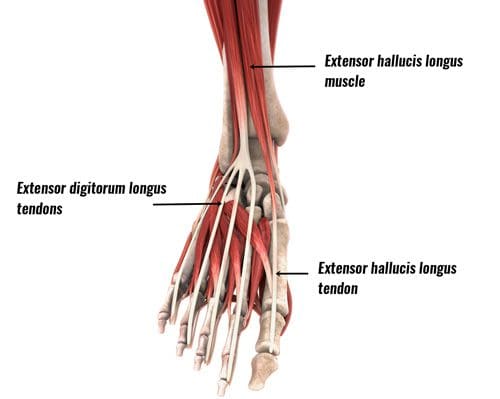
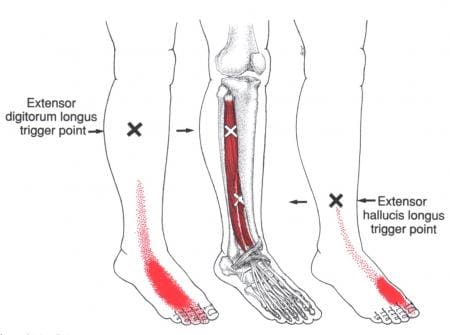
Have you been having issues walking for long periods? Do your feet constantly ache, so you have to take off your shoes to rub them? Or have you been having mobility issues that start at the hips and then travel down to the feet? Many of these issues are associated with pain that can affect the extensor muscles of the toes. The feet have various superficial muscles that allow movement to each toe. Today, we will look at the extensor muscles that enable movement to the toes and help with lower limb functionality. The extensor toe muscles include the extensor digitorum and the extensor hallucis longus. Studies reveal that the extensor muscles are the anterior compartment of the lower limbs that can allow extension and dorsiflex of the foot at the ankle. The extensor hallucis provides movement to the big toe, independently moving it up and down. At the same time, the extensor digitorum forms into four tendons to the other toe joints.
These muscles work together to control the foot when descending and allow the heel to land first and then the toes after to prevent foot slaps or hard stepping. To that point, during this gait action, the extensor digitorum helps provide pure dorsiflex of the foot through balance on the tibial muscle. In contrast, the extensor hallucis allows the foot to adapt when the host is walking. Now, what happens when the extensor muscles suffer from injuries that cause mobility issues to the individual?
Trigger Points Affecting The Foot & Toes
When issues affect mobility and prevent many people from walking, it could be due to trigger points associated with the extensor muscles affecting the foot and toes. Trigger points or myofascial pain syndrome is where sensitive points or pressure in the muscles or muscle groups can cause referred pain in different body areas. This means that, for example, someone is dealing with pain in their elbows; however, they are complaining about shoulder pain. Studies reveal that when the legs’ lower limbs have trigger points in the feet musculature, it can lead to hypersensitivity in the extensor muscles and tendons. According to Dr. Janet G. Travell, M.D., she explained in her book, “Myofascial Pain and Dysfunction,” when the extensor muscles of the toes are being affected by trigger points, it could potentially be associated with anterior compartment syndrome and ischemia along the lower limbs. To that point, trigger points could affect a person’s ability to walk and cause them to shift their weight around to compensate for the pain from affecting them. When this happens, it can lead to hip issues.
Trigger Points Of The Week: The Extensor Toe Muscles- Video
Have you been dealing with foot pain affecting your ability to walk? Does it hurt when you are stepping? Do you have mobility issues in your hips or legs associated with foot pain? Suppose you have been experiencing any of these issues in the lower extremities of your body. In that case, you could be dealing with trigger points associated with the toe extensor muscles correlating with foot pain. Studies reveal that trigger points associated with the extensor muscles can be characterized by pain and cause a limited range of joint motion. What that does is that trigger points in the extensor hallucis muscle can cause the lower portion of the legs to have intense sensitivity and hyper-irritability to the legs, which can affect how a person walks. The video above explains where the extensor muscles are located in the lower portions of the legs and where the trigger points cause referred pain to the foot and legs. When trigger points affect the extensor muscles, they can cause referred pain to the entire lower half of the body, including the hips. How would trigger points be associated with the hips when it affects the extensor muscles? Well, when the extensor muscles succumb to pain, it causes the individual to shift their weight and can cause the hips to become unstable, and that instability can affect not only the hips but the legs, knees, calves, and feet. Fortunately, treatments can reduce trigger point pain in the extensor muscles.
Chiropractic Care For Trigger Points
So when a person is dealing with mobility issues along the extensor muscles that are causing them pain, they don’t realize that their hips, legs, and knees are being affected. By going to chiropractic treatment, they can get the relief they are looking for and regain their ability to walk. A chiropractor will thoroughly examine and assess the individual dealing with trigger points along the extensor muscles. Chiropractors can pinpoint where the trigger points are located in the affected muscle and dramatically decrease pain through manipulation. Using mechanical and manual manipulation can help realign the spine out of subluxation, and chiropractors can provide a personalized treatment plan to the individual to incorporate to prevent trigger points from returning after a few treatments. Since chiropractic care is a whole-body approach, many patients can learn healthy habits, which include using a tennis ball under the feet, light stretching on the feet, and walking correctly with good posture can prevent future injuries from coming.
Conclusion
The feet allow movement to allow the host to walk from one location to another. The extensor muscles of the toes allow mobility and stability as they work together with the legs and hips to support the upper body’s weight and stability. When injuries like ankle sprains or heavy objects landing on foot affect the extensor muscles, it can lead to trigger points associated with foot pain that can affect the hips. When trigger points affect the extensor muscles, it can cause a person to be unable to walk properly and cause more issues in the hips. When this happens, treatments like chiropractic care can manually manipulate the spine and release trigger points from the extensor muscles. With chiropractic care, many individuals will be pain-free and can walk again.
References
Lezak, Bradley, and Spencer Summers. “Anatomy, Bony Pelvis and Lower Limb, Extensor Hallucis Longus Muscle.” In: StatPearls [Internet]. Treasure Island (FL), StatPearls Publishing, 26 Sept. 2022, https://www.ncbi.nlm.nih.gov/books/NBK539875/.
Tornero-Caballero, Maria, et al. “Muscle Trigger Points and Pressure Pain Sensitivity Maps of the Feet in Women with Fibromyalgia Syndrome.” Pain Medicine (Malden, Mass.), U.S. National Library of Medicine, 1 June 2016, https://pubmed.ncbi.nlm.nih.gov/27257287/.
Travell, J. G., et al. Myofascial Pain and Dysfunction: The Trigger Point Manual: Vol. 2:the Lower Extremities. Williams & Wilkins, 1999.
Wada, Juliano T, et al. “An Anatomical Basis for the Myofascial Trigger Points of the Abductor Hallucis Muscle.” BioMed Research International, U.S. National Library of Medicine, 22 Jan. 2020, https://www.ncbi.nlm.nih.gov/pmc/articles/PMC6998759/.
Pinched Nerves and Muscle Spasms: A pinched or compressed nerve can occur in various body regions, from the wrist to the foot. When a nerve is compressed, a pins and needles feeling can present until the pressure is relieved, or there can be no sensation symptoms, but other symptoms like muscle spasms, especially in the arm or leg, can appear. Individuals will feel a repetitive fluttering or twitching when the arm or leg is not in motion. A pinched nerve could be the cause of spasms in the back or extremities. Injury Medical Chiropractic and Functional Medicine Clinic can help if symptoms are not stopping or worsening.
Pinched Nerves and Muscle Spasms
When multiple symptoms appear, individuals may not realize they are connected. Individuals may think aches, pains, and spasms are normal aging processes. Pinched nerves occur when there is an impingement on any one of the numerous nerves of the spine. Impingements can be caused by:
Repetitive motion injuries
Disc degeneration
Herniated/ruptured discs
Bone spurs
Arthritis
Trauma injury
The pain symptoms from the spasm can be quick, sharp, or pulsating and throbbing. The muscles respond by tightening or spasming as the nerve sends interrupted/incomplete signals. In addition to muscle spasms, a pinched nerve can contribute to other symptoms, including the following.
Tingling
Numbness
Pins and needles sensation
Reduced range of motion
Muscle weakness
Signs a Pinched Nerve Might Be Causing Spasms
Sudden shooting pain that radiates down the leg or arm.
Weak muscles
Muscle atrophy – shrinking or deteriorating.
Chronic tingling in the extremities.
A burning sensation in a specific area; this could but is not necessarily the source of the pinched nerve.
Electrical shock-type pain accompanies the spasms.
If a pinched nerve is left untreated and continues to generate symptoms, it can affect daily life and lead to uncomfortable long-term issues. Severe nerve compression combined with inflammation can cause damage to nearby soft tissues and muscles, leading to chronic conditions. When the nerves are damaged, it can be harder to control the muscles making certain motions uncomfortable or difficult to move certain body parts.
Chiropractic Care
Chiropractic care, massage, and decompression therapy will relieve pinched nerves and muscle spasms and restore neuromusculoskeletal system function. The body will be realigned, and patients will be trained on stretching exercises, muscle strengthening, posture training, and nutritional support to optimize the body’s natural healing abilities to repair the damaged nerves.
Low Back Pain
References
Bustamante, S, and P G Houlton. “Swelling of the leg, deep venous thrombosis, and the piriformis syndrome.” Pain research & management vol. 6,4 (2001): 200-3. doi:10.1155/2001/104091
Chu, Eric Chun-Pu, and Robert J Trager. “Thoracic Schwannoma as an Unusual Cause of Sciatic Pain in the Chiropractic Office: A Case Report.” The American journal of case reports vol. 23 e938448. 16 Nov. 2022, doi:10.12659/AJCR.938448
Coletti, Roger H. “The ischemic model of chronic muscle spasm and pain.” European journal of translational myology vol. 32,1 10323. 18 Jan. 2022, doi:10.4081/ejtm.2022.10323
Hirayama, Jiro, et al. “Relationship between low-back pain, muscle spasm and pressure pain thresholds in patients with lumbar disc herniation.” The European spine journal: official publication of the European Spine Society, the European Spinal Deformity Society, and the European Section of the Cervical Spine Research Society vol. 15,1 (2006): 41-7. doi:10.1007/s00586-004-0813-2
Kennedy, John G, and Donald E Baxter. “Nerve disorders in dancers.” Clinics in sports medicine vol. 27,2 (2008): 329-34. doi:10.1016/j.csm.2008.01.001
Waddell, Roger K. “Chiropractic care for a patient with spasmodic dysphonia associated with cervical spine trauma.” Journal of chiropractic medicine vol. 4,1 (2005): 19-24. doi:10.1016/S0899-3467(07)60108-6
Dr. Alex Jimenez, D.C., presents how to look for signs of hormonal imbalances in men and how different treatment strategies, like chiropractic care, can help regulate hormonal functionality in the body. We direct patients to certified providers that provide functional hormonal replacement treatments that can restore body functionality. We acknowledge each patient and their symptoms by referring them to our associated medical providers based on their diagnosis to understand better what they are dealing with. We understand that education is a tremendous way to ask our providers various questions that apply to the patient’s knowledge. Dr. Jimenez, D.C., applies this information as an educational service. Disclaimer
Hormone Imbalances
Dr. Alex Jimenez, D.C., presents: Today, we will be looking at how to look for the signs of hormonal imbalances in men and how chiropractic care can help with the symptoms associated with hormonal imbalances. We need to understand the subtypes of hormonal deficiency to enable appropriate treatment strategies like chiropractic care. So when it comes to hormones in the body, it is important to know how hormones function in the body and what happens when comorbidities are associated with hormonal imbalances. The hormonal imbalances in the male body could cause physiologic effects of low testosterone correlating with disruptive factors.
Now hormones in both male and female bodies provide various actions that make the body functional. This includes:
Regulating body temperature
Sexual function
Work with other hormones (insulin, DHEA, cortisol)
Support the major body systems
When it comes to the male body, the two main hormones, androgen and testosterone, can help with cognitive function. However, when the body begins to age naturally, the hormonal process begins to decrease in the male body and causes chronic illnesses to start to cause problems in the body. When this happens, it can cause the individual to be in pain and disrupt daily activities.
Dr. Alex Jimenez, D.C., presents: Since many environmental disruptors can affect the body and cause hormonal imbalances, they can cause various symptoms in many test results when patients are being examined by their primary doctors. Signs of chronic fatigue, brain fog, depression, increased muscle mass, and low libido correlates with testosterone deficiency and can make the body dysfunctional. And if there is chronic hormonal dysfunction in the body, it can also lead to inflammation associated with hormonal deficiency. When inflammation starts to affect the muscles and joints of the male body, it can lead to issues affecting the back, hips, legs, shoulders, and neck that can cause limited mobility, muscle fatigue, increased body fat, and a decrease in bone mineral density.
Low testosterone levels in the body can overlap with pre-existing conditions that correlate with metabolic syndrome associated with hypogonadism. Hypogonadism is when the body’s reproductive organs produce little to no hormones for sexual function. Hypogonadism can affect about 30% of all males between the ages of 40-79. To that point, it causes the male body to produce more leptin hormones and can negatively affect the brain when it comes to releasing these hormones to the body. At the hypothalamic level of gonadotropin-releasing hormones, we have increased sensitivity at the hypothalamus to negative feedback from androgens. This can be many factors that can contribute to low male testosterone levels:
Diet
Stress
Toxin exposure
Osteoporosis
Decreased hair density
Erectile dysfunction
Andropause
When the reproductive organs produce little to no hormones, they can develop andropause and cause testosterone levels to diminish. Andropause is the male version of menopause for females, which can contribute to other conditions like dementia, Alzheimer’s, diabetes, and metabolic syndrome. How is metabolic syndrome associated with andropause when it comes to hormone imbalances? Well, low levels of testosterone in the body can increase insulin levels, causing insulin resistance, which then leads to an increase in BMI in the body. To that point, disorders like chronic stress can lower DHEA and testosterone hormone levels, which can then increase insulin levels and cause more pain-like issues in the body.
Chiropractic Care & Hormones
Dr. Alex Jimenez, D.C., presents: Now all is not lost, as there are ways to improve hormone production in the body. Many individuals can exercise regularly to lower cortisol and insulin levels while boosting testosterone levels. Another way to improve hormone dysfunction is by going to various therapies like chiropractic care to help reduce some of the symptoms associated with hormonal imbalances. Now how would chiropractic care be correlated with hormonal imbalances? Isn’t just manual manipulation to the back?
Surprisingly chiropractic care is more than just manipulating the spine when it is in subluxation. As stated earlier, hormonal imbalances can lead to chronic muscle and joint stress that can become inflamed and lead to chronic issues. When hormonal imbalances in the body cause low testosterone production, it can cause stress on the muscle groups and affect the joints. To that point, the body will be in constant pain or succumb to various injuries. So, incorporating chiropractic care as part of treatment can help improve the body’s musculoskeletal structure and how to deal with stress, allowing the nervous system, where hormones are being sent to different areas in the body, to function properly and operate normally. Chiropractic care enables the musculoskeletal structure to be pain-free from musculoskeletal dysfunction associated with hormone imbalances and can be combined with other treatments.
Conclusion
Utilizing and incorporating chiropractic care and hormone therapy can allow the body to function with normal hormone levels and reduce the pain-like symptoms that may affect the body’s muscles and joints. Chiropractic care combined with a nutritional diet that helps with hormone regulation and physical therapy can help the body’s hormone levels to be normal. To that point, this combination of treatments can improve muscle growth and reduce the symptoms associated with hormone imbalances that can cause muscle and joint pain associated with other pre-existing conditions related to hormone balance.
Dr. Alex Jimenez, D.C., presents how many people can recognize the cause of metabolic syndrome. Metabolic syndrome is a cluster of conditions ranging from insulin resistance to muscle and joint pain. Considering how every person is different, we look at how metabolic syndrome is associated with cardiovascular disorders. We refer patients to certified providers that provide cardiovascular treatments associated with metabolic syndrome to relieve issues affecting the body while ensuring optimal wellness for the patient through various treatments. We acknowledge each patient by referring them to our associated medical providers based on their diagnosis to understand better what they are dealing with appropriately. We understand that education is an excellent way to ask our providers various intricated questions to the patient’s knowledge. Dr. Jimenez, D.C., utilizes this information as an educational service. Disclaimer
What Is Metabolic Syndrome?
Dr. Alex Jimenez, D.C., presents: Today, we are going to start widening the lens on metabolic syndrome. From a functional medicine perspective, many didn’t always call it metabolic syndrome. Other terms used to describe the diagnosis were:
Dysmetabolic syndrome
Hypertriglyceridemic waist
Insulin resistance syndrome
Obesity syndrome
Syndrome X
Metabolic syndrome is a cluster of disorders that can affect an individual’s daily life and cause various issues that can cause the body to be dysfunctional. So in 2005, the ATP three guidelines told us that patients must meet three out of five criteria to get the diagnosis of metabolic syndrome. So these are around waist circumference, which is about visceral adiposity, blood pressure, blood glucose, triglycerides, and HDL. And then you see the cutoffs there. So in the International Diabetes Federation diagnosis criteria, notice that it’s required to have central obesity, but per ethnicity-specific cutoffs for waist circumference. So instead of three out of five, you have to have one, and then the other two out of four must be met. So you see the other ones the same as before, but they’re just compartmentalized differently in this diagnosis scheme. Now let’s talk about these ethnicity-specific cutoffs.
So if you are a standard corn-fed American, your waist circumference cutoff is 40 inches as a male and 35 inches as a female. Now, if you were from different parts of the world, the numbers for waist circumference are different whether the ethnicity is Asian, Hispanic, African, European, or Middle Eastern. By looking at the diagnosis of metabolic syndrome by looking more into the ethnicity-specific cutoffs, you can see that more people would start to meet the criteria for metabolic syndrome if doctors use the stringent ethnicity-specific standards to diagnose their patients for metabolic syndrome. Other diagnoses would also notice where the visceral adiposity is at during the cutoff and see additional hints of insulin resistance. Other factors besides insulin resistance can cause the body’s systems to be dysfunctional, which will drive the common risk factors to cause the pain associated with metabolic syndrome to affect the muscles and muscle groups. When the body becomes dysfunctional due to metabolic syndrome, it can also affect vital organ systems like the cardiovascular system. Now how does metabolic syndrome correlate with the cardiovascular system?
How Does Metabolic Syndrome Associated With Cardiovascular System?
Dr. Alex Jimenez, D.C., presents: If you look at how a person’s lifestyle habits affect their body, you can see that the data shows how metabolic factors contribute to total cardiometabolic risk. This information lets the doctors and patients know about their LDL cholesterol, BMIs, family history, and blood pressure. Suppose a person has pre-existing cardiovascular issues associated with metabolic syndrome. In that case, it is important to know if their glucose levels have elevated or dropped and to see how to control those risk factors associated with cardiometabolic syndrome. These are important risk factors that have to be brought up in a metabolic dysfunction conversation to have a better understanding.
Now there are ways to reduce the effects of metabolic syndrome associated with cardiovascular diseases. By expanding the data from the patient’s test results, we can look beyond the cardiometabolic risk; we can determine the causes that are the progression of these issues affecting the body. This can be numerous issues like how much exercise the person is doing, how they deal with stress and inflammation, and what foods they eat.
By recognizing these results, we can identify things beyond metabolic syndrome and figure out what other disorders are contributing to metabolic syndrome. Many doctors will inform their patients about how their insulin levels can become elevated, which can cause them to develop insulin resistance and lose their beta cells. When insulin resistance corresponds with metabolic syndrome, many people need to realize that their genes can also play into effect. Some people have genes that drive them with the same kind of lifestyle dysfunction, inflammation, dysfunction, and insulin resistance. Their genes will also equal blood pressure issues or crazy lipid disturbances. When cardiometabolic risk factors are contributing to underlying problems affecting the body, it is really important to have functional medicine be the main focus to figure out where the issues are causing dysfunction in the body.
Insulin Resistance & Metabolic Syndrome
Dr. Alex Jimenez, D.C., presents: So when it comes to insulin resistance, it is important to take note of the abnormal beta cell function in the body if the pancreas can’t produce enough insulin to be turned into glucose. When this happens, people will begin to have elevated glucose levels, and if it continues to rise at a certain point, they will already be prone to having type 2 diabetes. To that point, the body will have this relative insulin deficiency, causing the body’s receptors not to be as sticky and functional.
When enough insulin is circulating the body and doing its job, the blood glucose levels don’t hit the threshold to become diabetes. Now, suppose the body maintains normal beta cell function. In that case, however, the insulin receptors are not working, which allows the pancreas to start pumping out insulin to be able to keep up with this resistance, causing the individual to be at a compensatory high insulin state. By stabilizing insulin levels, many individuals can control how much glucose is in their bodies. However, suppose a person is prone to becoming diabetic. In that case, all that insulin is being pumped out is a massive system biology dysfunction signaling many other nondiabetic downstream diseases.
Conclusion
So insulin dysfunction can be associated with cardiovascular disease due to poor lifestyle choices, dietary habits, and physical activity. When dealing with metabolic syndrome associated with these risk factors, it can cause the body to be dysfunctional and cause pain in the organs, muscles, and joints. This can lead to obesity and diabetes if it is not handled properly. Getting a routine started can help lower insulin resistance by eating properly, getting adequate sleep, practicing mindfulness, and exercising can help improve the body and mind.
IFM's Find A Practitioner tool is the largest referral network in Functional Medicine, created to help patients locate Functional Medicine practitioners anywhere in the world. IFM Certified Practitioners are listed first in the search results, given their extensive education in Functional Medicine



 Muscles are the Key