Can healthcare professionals help individuals with spinal pain by incorporating non-surgical spinal decompression to restore mobility?
Introduction
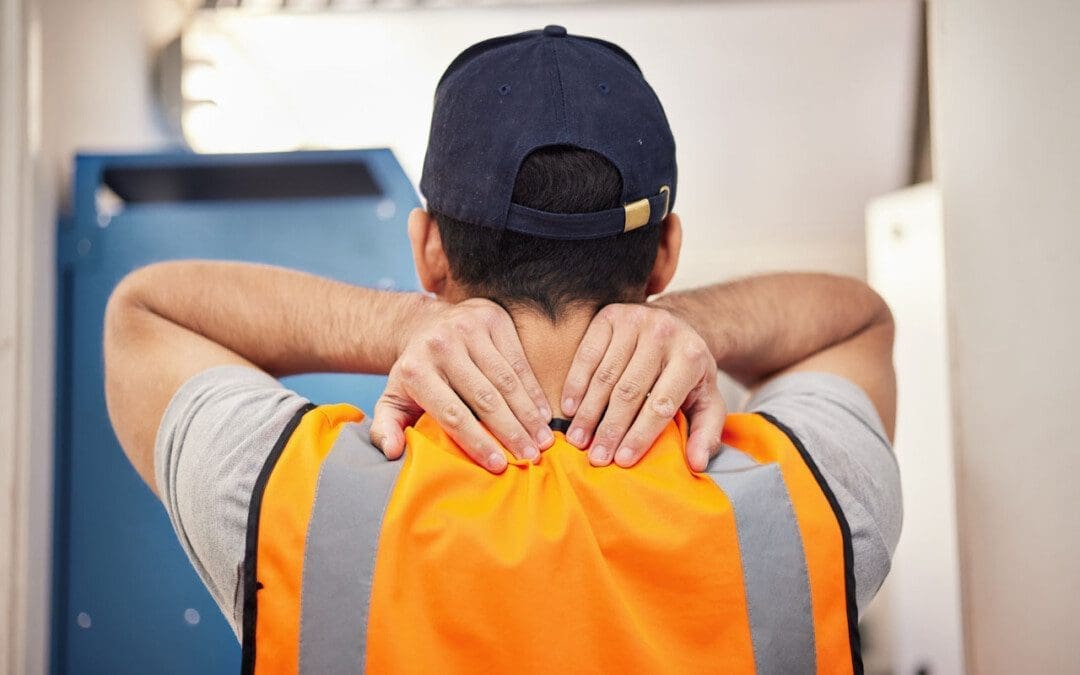
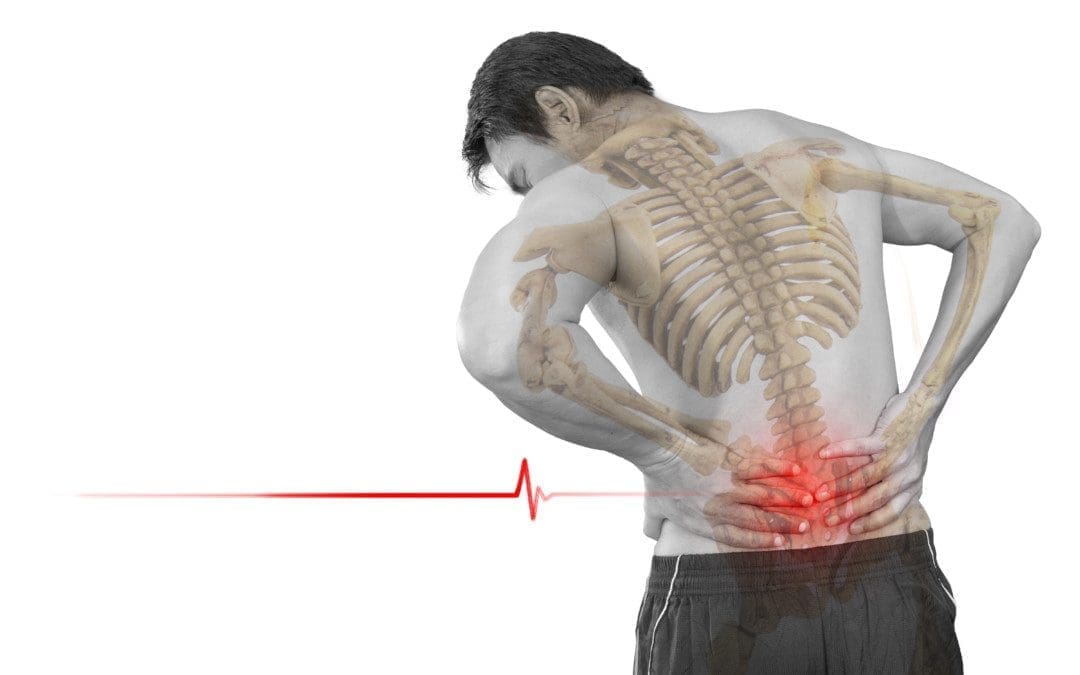
Many individuals don’t realize that putting unwanted pressure on their spines can lead to chronic pain within their spinal discs that is affecting their spinal mobility. This usually happens with demanding jobs requiring individuals to carry heavy objects, step wrong, or be physically inactive, which causes the surrounding back muscles to be overstretched and leads to referred pain that affects the upper and lower body portions. This can cause individuals to go to their primary doctors to get treated for back pain. This leads to them missing out on their busy work schedules and paying a high price to get treated. Back pain correlating with spinal issues can be a huge problem and make them feel miserable. Fortunately, numerous clinical options are cost-effective and personalized to many individuals dealing with spinal pain that is causing them to find the relief they deserve. Today’s article focuses on why spinal pain affects many people and how spinal decompression can help reduce spinal pain and restore spinal mobility. Coincidentally, we communicate with certified medical providers who incorporate our patients’ information to provide various treatment plans to reduce spinal pain affecting their backs. We also inform them that there are non-surgical options to reduce the pain-like symptoms associated with spinal issues in the body. We encourage our patients to ask amazing educational questions to our associated medical providers about their symptoms correlating with body pain in a safe and positive environment. Dr. Alex Jimenez, D.C., incorporates this information as an academic service. Disclaimer
Why Spinal Pain Is Affecting Many People?
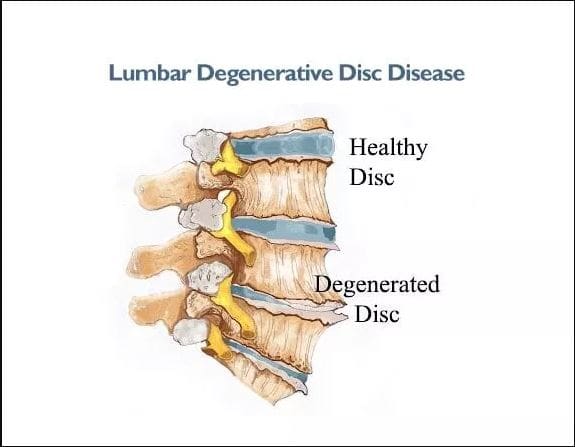
Have you often experienced pain from your back muscles that seem to ache after bending down constantly to pick up objects? Do you or your loved ones feel muscle stiffness in the back and experience numbness in your upper or lower body portions? Or are you experiencing temporary relief after stretching your back muscles, only for the pain to return? Many individuals with back pain never realize that their pain is within their spinal column. Since the spine is an S-curve shape with three different regions in the body, the spinal discs within each spinal segment can become compressed and become misaligned over time. This causes degenerative changes within the spine and can cause the three different spinal regions to develop pain-like issues in the body. When several environmental factors start to be the causes of degeneration of the spinal discs, it can affect the spinal structure. It can become a strong influence affecting their function, predisposing the disc to injuries. (Choi, 2009) At the same time, this can cause a significant impact when getting treated due to its high cost and can start normal age-related changes that cause pathophysiological issues to the vertebral body. (Gallucci et al., 2005)
When many individuals are dealing with spinal pain associated with herniated discs, it can not only cause discomfort but also mimic other musculoskeletal disorders that can cause radiating pain to different locations in the body. (Deyo et al., 1990) This, in turn, causes individuals to suffer constantly and research various treatments to reduce the pain they are experiencing. When spinal pain affects most individuals, many will seek cost-effective therapies to ease the pain they are experiencing and to be mindful of the daily habits they adopt over time and correct them.
Spinal Decompression In-Depth- Video
Do you often feel constant muscle aches and pains in your body that are your general areas of complaint? Do you feel your muscles pull uncomfortably after lifting or carrying a heavy object? Or do you feel constant stress in your neck, shoulders, or back? When many individuals are dealing with general pain, they often assume that it is just back pain when it could be a spinal issue that can be the root cause of the pain they are experiencing. When this happens, many individuals opt for non-surgical treatments due to its cost-effectiveness and how it can be personalized depending on the severity of the pain. One of the non-surgical treatments is spinal decompression/traction therapy. The video above gives an in-depth look at how spinal decompression can help reduce spinal pain associated with low back pain. Spinal pain can increase with age and be provoked by extreme lumbar extension, so incorporating spinal decompression can help reduce pain in the upper and lower extremities. (Katz et al., 2022)
How Spinal Decompression Can Reduce Spinal Pain
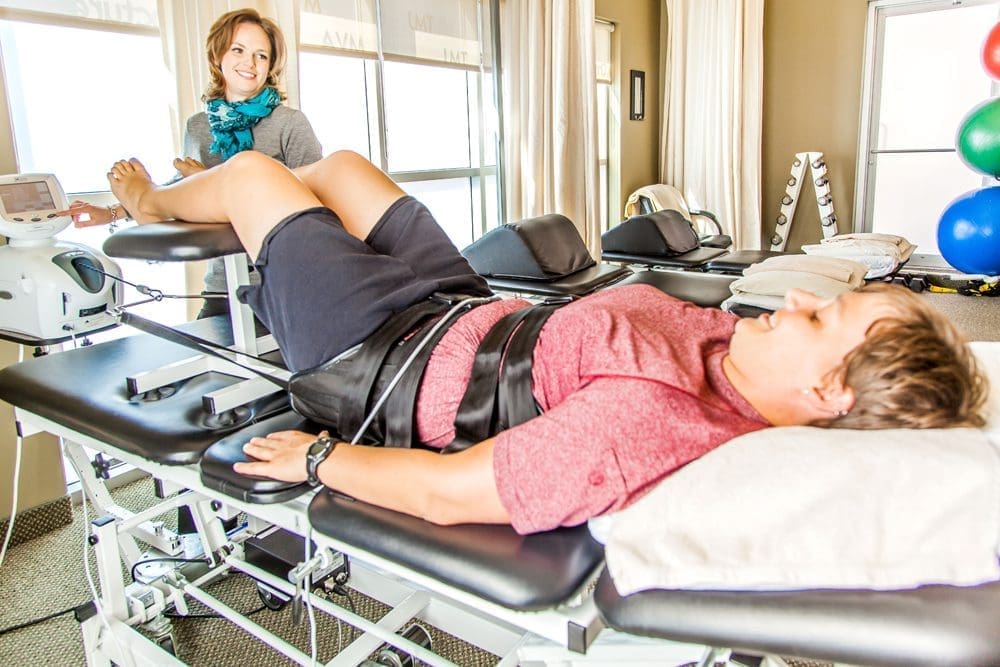
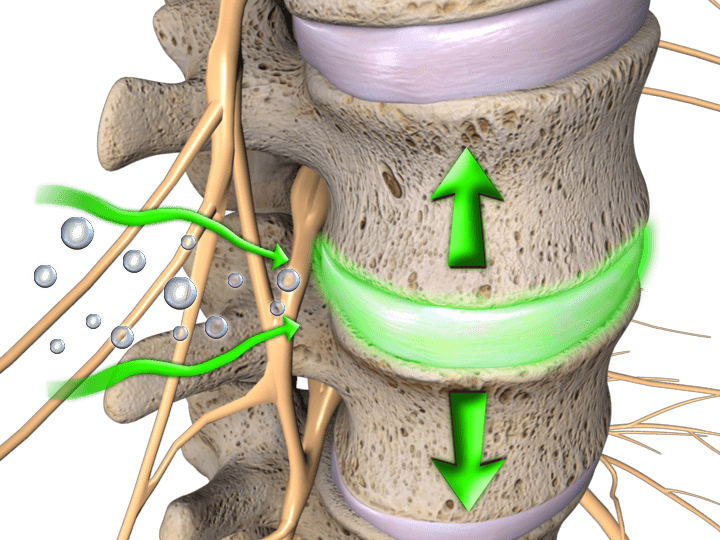
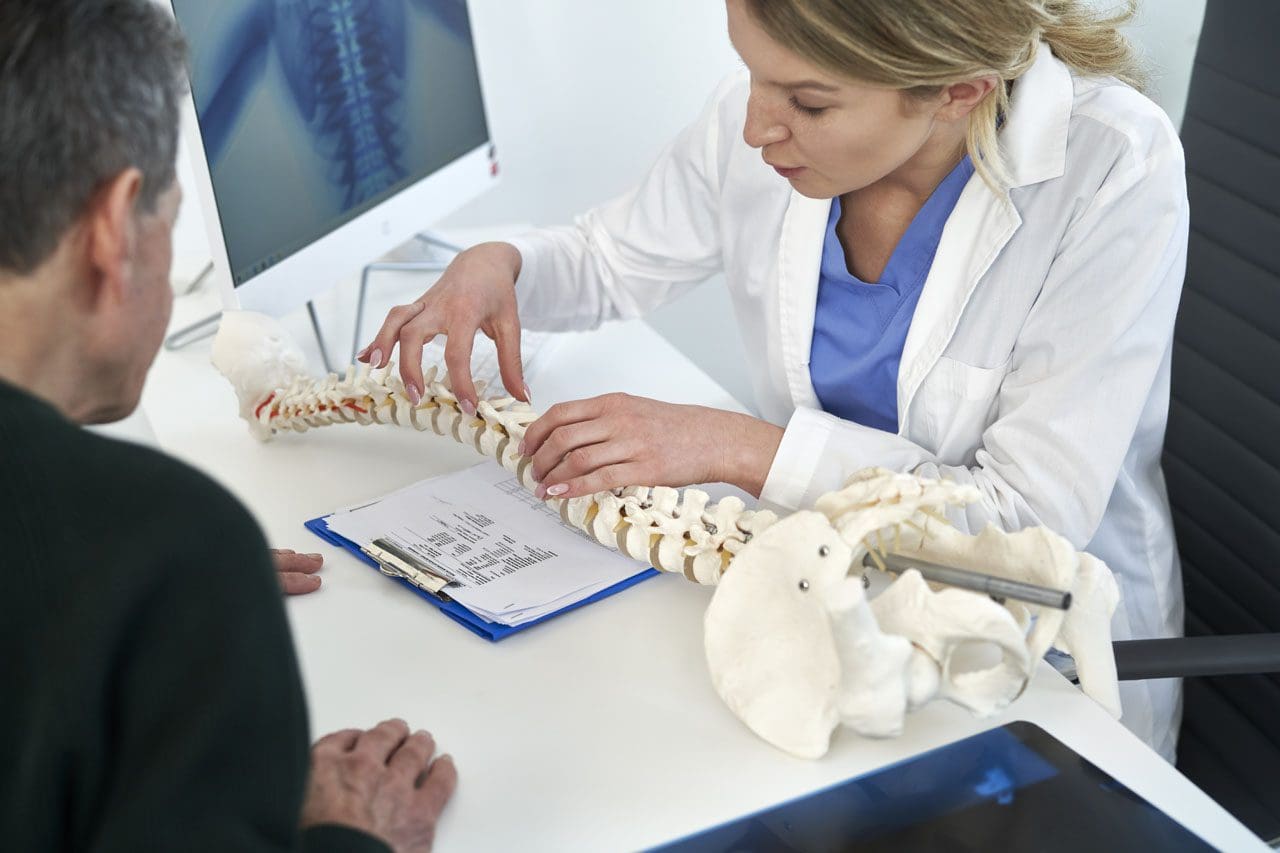
When individuals develop spinal issues, spinal decompression can help restore the spine to its original position and help the body naturally heal itself. When something is out of place within the spine, it is important to naturally restore it to its proper place to allow the affected muscles to heal. (Cyriax, 1950) Spinal decompression uses gentle traction to pull the spinal joints to let the spinal disc back in its original position and help increase fluid intake back in the spine. When people start incorporating spinal decompression into their health and wellness routine, they can reduce their spinal pain after a few consecutive treatments.
Spinal Decompression Restoring Spinal Mobility
Spinal decompression can also be incorporated with other non-surgical treatments to restore spinal mobility. When pain specialists utilize spinal decompression within their practices, they can help treat various musculoskeletal conditions, including spinal disorders, to allow the individual to regain spinal mobility. (Pettman, 2007) At the same time, pain specialists can use mechanical and manual manipulation to reduce the pain the individual feels. When spinal decompression starts to use gentle traction on the spine, it can help minimize radical pain correlated with nerve entrapment, create negative pressure within the spinal sections, and relieve musculoskeletal disorders causing pain. (Daniel, 2007) When people start thinking more about their health and wellness to reduce their pain, spinal decompression can be the answer through a personalized plan and can help many individuals find the relief they deserve.
Daniel, D. M. (2007). Non-surgical spinal decompression therapy: does the scientific literature support efficacy claims made in the advertising media? Chiropr Osteopat, 15, 7. https://doi.org/10.1186/1746-1340-15-7
Gallucci, M., Puglielli, E., Splendiani, A., Pistoia, F., & Spacca, G. (2005). Degenerative disorders of the spine. Eur Radiol, 15(3), 591-598. https://doi.org/10.1007/s00330-004-2618-4
Katz, J. N., Zimmerman, Z. E., Mass, H., & Makhni, M. C. (2022). Diagnosis and Management of Lumbar Spinal Stenosis: A Review. JAMA, 327(17), 1688-1699. https://doi.org/10.1001/jama.2022.5921
When individuals experience a neuromusculoskeletal injury strain, can following basic pulled muscle treatment protocols help in healing and a full recovery?
Pulled Muscle Treatment
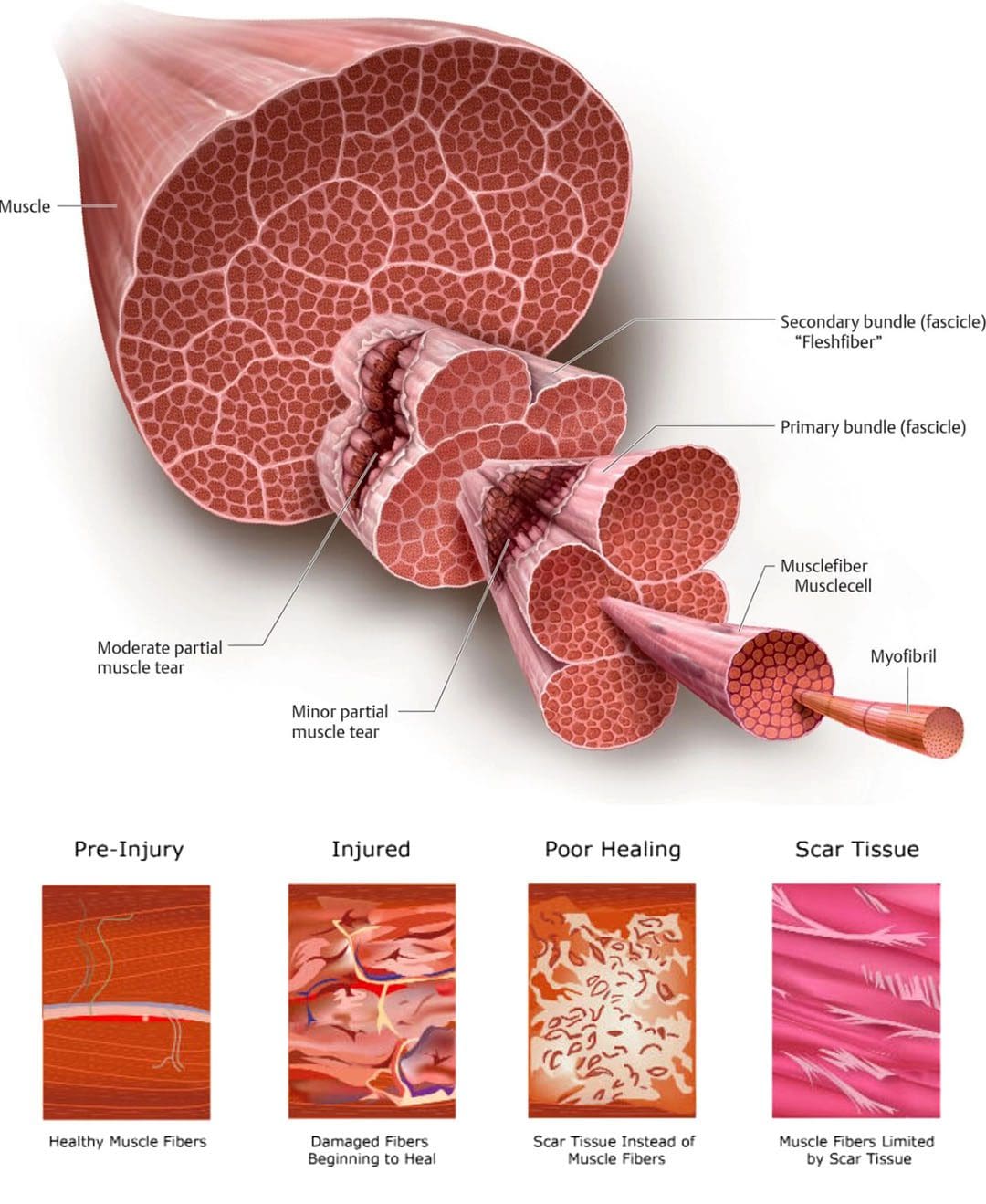
A pulled muscle or muscle strain occurs when a muscle is stretched beyond its ability resulting in discomfort symptoms and mobility issues. Microscopic tears can occur within the muscle fibers potentially worsening the injury. This type of injury usually causes mild to severe pain, bruising, and immobility, and nerve injuries can develop as well. Common muscle strains include:
Pulled hamstrings
Groin strains
Pulled abdominal muscles
Calf strains
Pulled muscle treatment requires patience to promote proper healing and restoration of optimal function.
Individuals need to focus on the different stages of healing.
Gradually increase activity levels as the body allows to prevent stiffness and atrophy which can cause complications.
Symptoms
The usual symptoms of this type of injury include:
Pain
Limited mobility
Muscle spasms
Swelling
Bruising
Often individuals will feel a sudden grabbing or tearing sensation and are then unable to continue the activity.
Can limit the ability to perform certain activities.
May have moderate swelling and bruising.
Grade III
Severe injury that can cause significant pain.
Muscle spasms.
Swelling.
Significant bruising.
Basic Treatment Protocols
Most pulled muscle strain injuries heal with simple treatment. Following the right steps can ensure an expedited recovery. In the early stages after the injury, there is a balance between doing too much or not enough. The amount of activity an individual will be able to do, and the time required for recovery depends on the severity of the injury. Here are some guidelines in the right direction.
Rest
Rest is recommended for the early recovery stage.
Depending on the severity of the injury this could last from one to five days.
Immobilization is usually not necessary, and not moving at all can lead to muscle and joint stiffness.
To avoid injuries make sure the muscles are not over-exerted.
Gradually increase activity levels when starting an exercise program to build endurance.
Properly Warming Up
Warming up before taking on physical activities will help loosen the muscles and prevent injuries.
Beginning work or exercise with stiff muscles can lead to an increased chance of strain.
Studies have shown that temperature can influence the stiffness of a muscle. (K. W. Ranatunga. 2018)
Maintaining body and muscle warmth helps prevent injury and re-injury.
Injuries and Chiropractic: The Road To Recovery
References
Hospital for Special Surgery, Muscle Strain: What You Need to Know About Pulled Muscles.
Kary J. M. (2010). Diagnosis and management of quadriceps strains and contusions. Current reviews in musculoskeletal medicine, 3(1-4), 26–31. https://doi.org/10.1007/s12178-010-9064-5
Malanga, G. A., Yan, N., & Stark, J. (2015). Mechanisms and efficacy of heat and cold therapies for musculoskeletal injury. Postgraduate medicine, 127(1), 57–65. https://doi.org/10.1080/00325481.2015.992719
Mair, S. D., Seaber, A. V., Glisson, R. R., & Garrett, W. E., Jr (1996). The role of fatigue in susceptibility to acute muscle strain injury. The American journal of sports medicine, 24(2), 137–143. https://doi.org/10.1177/036354659602400203
Ranatunga K. W. (2018). Temperature Effects on Force and Actin⁻Myosin Interaction in Muscle: A Look Back on Some Experimental Findings. International journal of molecular sciences, 19(5), 1538. https://doi.org/10.3390/ijms19051538
As the body ages, individuals want to stay active and maintain a healthy pain free lifestyle. Can regenerative cells for arthritis and cartilage damage be the future of neuromusculoskeletal medicine and joint healing?
Regenerative Cells For Arthritis and Cartilage Damage
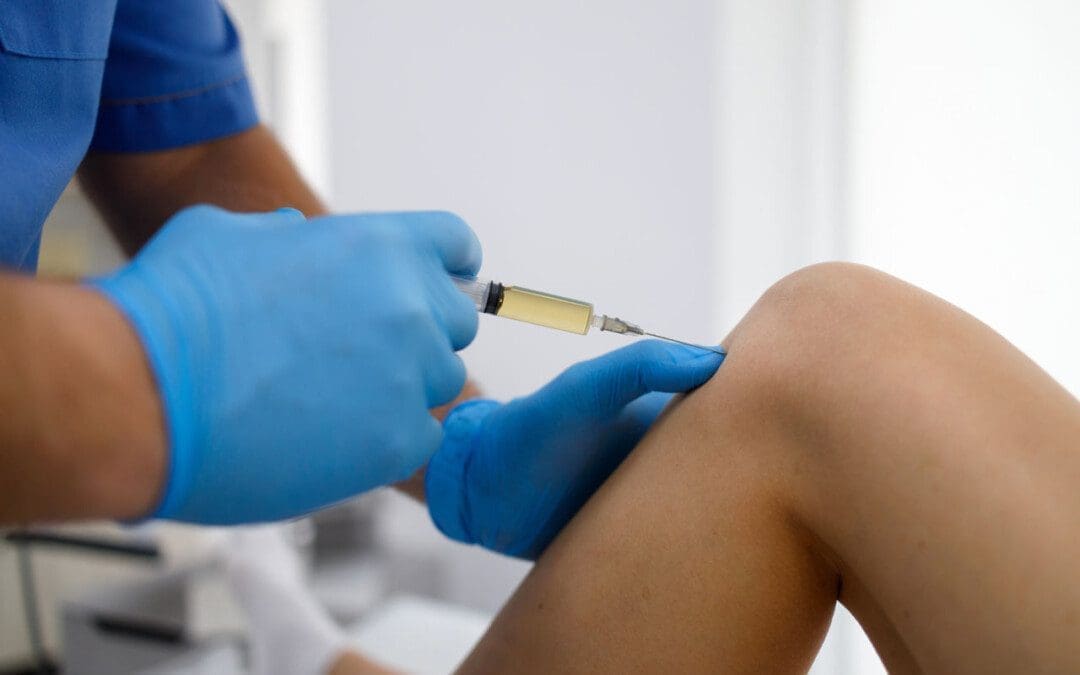
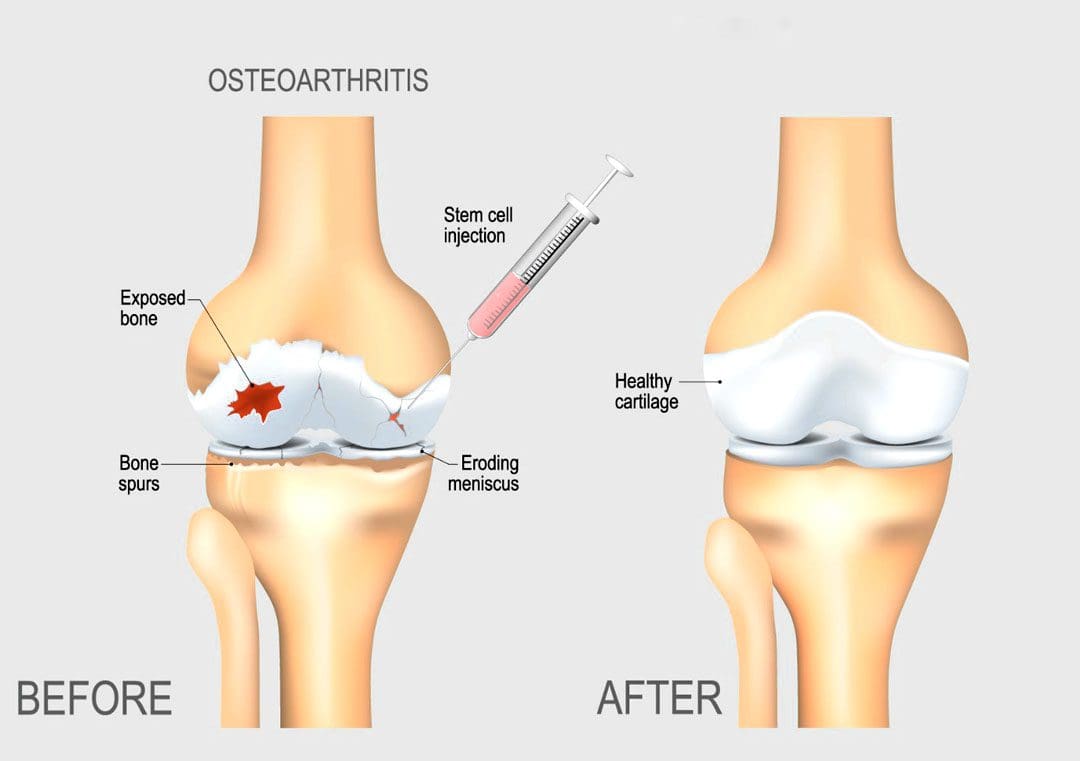
Individuals want to continue to do the physical activities they love, which require healthy joints. Scientists are learning how to harness the abilities of regenerative cells to repair and regrow damaged and deteriorated cartilage. Current stem cell treatment of cartilage problems has not been shown to reverse the effects of arthritis and while studies show clinical improvement, further research is necessary. (Bryan M. Saltzman, et al., 2016)
Cartilage and How It Gets Damaged
Cartilage is a type of connective tissue. In the joints, there are a few types of cartilage. The most commonly referred to is the smooth lining known as articular or hyaline cartilage. This type forms a smooth layer of cushion on the end of a bone at the joint. (Rocky S. Tuan, et al., 2013)
The tissue is very strong and has the ability to compress and absorb energy.
It is very smooth allowing a joint to glide effortlessly through a limb’s range of motion.
When joint cartilage is damaged, the cushioning can wear down.
In traumatic injuries, a sudden force can cause the cartilage to break off and/or suffer damage, that exposes the underlying bone.
In osteoarthritis – degenerative or wear-and-tear arthritis, the smooth layer can wear down thin and unevenly.
Eventually, the cushion wears away, the joints become inflamed and swollen and movements become stiff and painful.
There are treatments for arthritis and cartilage damage, but these treatments are usually focused on relieving symptoms by smoothing down the damaged cartilage or replacing the joint surface with an artificial implant, like knee replacement or hip replacement surgeries. (Robert F. LaPrade, et al., 2016)
Regenerative Cells
Regenerative stem cells are special cells that have the ability to multiply and develop into different types of tissue. In an orthopedic surgery setting for joint problems, stem cells are obtained from adult stem cell primary sources which are bone marrow and fatty tissue. These cells have the ability to develop into cartilage cells, called chondrocytes. (Rocky S. Tuan, et al., 2013)
They also help by stimulating the body to reduce inflammation, stimulate cell repair, and improve blood circulation.
This process is caused by cellular signals and growth factors to stimulate the body to activate the healing processes.
Once stem cells have been obtained, they need to be delivered to the area of cartilage damage.
Cartilage is a complex tissue that is described as a scaffold structure that is composed of collagen, proteoglycans, water, and cells. (Rocky S. Tuan, et al., 2013)
To regenerate cartilage, the complex tissues must also be reconstructed.
There are studies on types of tissue scaffolds engineered to recreate a similar type of cartilage structure.
The stem cells can then be injected into the scaffold, in hopes of restoring a normal type of cartilage.
Non-Surgical Arthritis Treatments
Standard treatments such as cortisone shots or physical therapies work as well and provide benefits that could be utilized in combination with regenerative cells for arthritis and cartilage damage in the near future. Data takes time and therefore how this impacts the long-term health of a joint needs continued research in terms of tissue engineering and cell delivery to determine the best approach to help individuals.
Arthritis
References
LaPrade, R. F., Dragoo, J. L., Koh, J. L., Murray, I. R., Geeslin, A. G., & Chu, C. R. (2016). AAOS Research Symposium Updates and Consensus: Biologic Treatment of Orthopaedic Injuries. The Journal of the American Academy of Orthopaedic Surgeons, 24(7), e62–e78. https://doi.org/10.5435/JAAOS-D-16-00086
Saltzman, B. M., Kuhns, B. D., Weber, A. E., Yanke, A., & Nho, S. J. (2016). Stem Cells in Orthopedics: A Comprehensive Guide for the General Orthopedist. American journal of orthopedics (Belle Mead, N.J.), 45(5), 280–326.
Tuan, R. S., Chen, A. F., & Klatt, B. A. (2013). Cartilage regeneration. The Journal of the American Academy of Orthopaedic Surgeons, 21(5), 303–311. https://doi.org/10.5435/JAAOS-21-05-303
Back problems and discomfort symptoms are a common ailment that many types of healthcare providers diagnose and treat it. Can knowing a little about what each back pain specialist does and what they have to offer help in choosing a provider?
Back Pain Specialists
Nowadays individuals have options for treating back pain. Primary healthcare providers, general practitioners, pediatricians, and emergency room workers are usually the first to examine the injury or problem. If they are unable to properly diagnose or treat the injury, they will refer the individual to a specialist. Specialists include:
Osteopaths
Chiropractors
Orthopedists
Rheumatologists
Neurologists
Neurosurgeons.
They specialize in chronic conditions and diseases like arthritis or problems like herniated discs. Complementary and alternative providers treat individuals solely or with help from a care team. They look at the whole body and focus on improving overall function.
Family and General Practitioners
When neck or back pain begins a regular doctor that’s usually a family or general practitioner/GP or primary care provider PCP is a recommended place to start. They will:
Order diagnostic tests.
Recommend exercises and stretches.
Prescribe medication.
Refer the patient to a physical therapist or other back pain specialist.
However, studies suggest general providers can be uninformed and slow to adopt new back treatments. (Paul B. Bishop, Peter C. Wing. 2006) It is recommended to research possible treatment options, ask a lot of questions during an appointment, and ask or request a referral to a specialist.
Pediatricians
Pediatricians diagnose and treat children. They cover a wide range of issues including back problems and injuries. As with a general practitioner or primary care provider, a child’s pediatrician is the place to start. Depending on the child’s needs, they’ll refer them to the proper specialist.
Emergency Healthcare Providers
When there is serious neck or back trauma, individuals need to go to the emergency room. Trauma can include automobile collisions, sports accidents, work accidents, and/or personal home accidents. Someone with a possible spinal injury should not be moved. (W Yisheng, et al., 2007) Go to the ER if there is back pain with loss of bowel or bladder control, or the legs become progressively weaker. These are symptoms of an emergency condition known as cauda equina syndrome. (American Association of Neurological Surgeons. 2023)
Orthopedists
Orthopedists and orthopedic surgeons treat the musculoskeletal system, which includes:
Muscles
Bones
Joints
Connective tissues
Cartilage
Common orthopedic issues include:
Repetitive stress injuries
Sports injuries
Bursitis
Tendonitis
Ruptured discs
Nerve impingement
Scoliosis
Osteoporosis
Osteoarthritis
Orthopedics can overlap with other specialties. As orthopedists and rheumatologists both treat arthritis and orthopedic surgeons and neurosurgeons do some of the same procedures that include spinal fusions and discectomies.
Rheumatologists
A rheumatologist treats autoimmune, inflammatory, and musculoskeletal conditions that can include different types of arthritis, lupus, and Sjogren’s syndrome. A primary care provider may refer a patient to a rheumatologist if they have symptoms that include:
Sacroiliitis – inflammation of the sacroiliac joint at the base of the spine.
Axial spondylosis – a form of spinal arthritis.
Axial spondylosis – spinal arthritis that causes the bones to fuse together.
Rheumatologists can also treat spinal stenosis or advanced osteoarthritis as they overlap with orthopedists.
Neurologists
A neurologist specializes in the function of the nervous system. They treat disorders of the brain, spinal cord, and nerves that include:
Parkinson’s disease
Multiple sclerosis
Alzheimer’s disease
Chronic back or neck pain
They are experts in the origins of pain. (David Borsook. 2012) However, a neurologist does not perform spine surgery.
Neurosurgeons
A neurosurgeon specializes in nervous system surgical procedures that include the brain, spine, and spinal cord. However, neurosurgeons do not provide overall treatment for back pain because they are usually the last to be seen after exhausting all other treatment options.
Osteopaths
An osteopath is a licensed physician who practices medicine using conventional treatments and osteopathic manipulative medicine. They have the same education as an MD plus 500 hours of musculoskeletal system studies. (National Library of Medicine. 2022) They take the same exams and are licensed as an MD. Many osteopaths are primary care providers. For back pain, they will focus on:
Posture rehabilitation and training.
Stretching
Therapeutic massage
Spinal manipulation
The goal is to relieve pain and muscle tension, increase mobility, and improve musculoskeletal function.
Physiatrists
Physiatrists are holistic providers that focus on physical function. They can be thought of as a primary care provider plus a physical therapist. These back pain specialists provide rehabilitation for various types of conditions and injuries including:
Back pain
Sports injuries
Stroke
Often they will coordinate a team of specialists to develop a targeted treatment plan.
Chiropractor
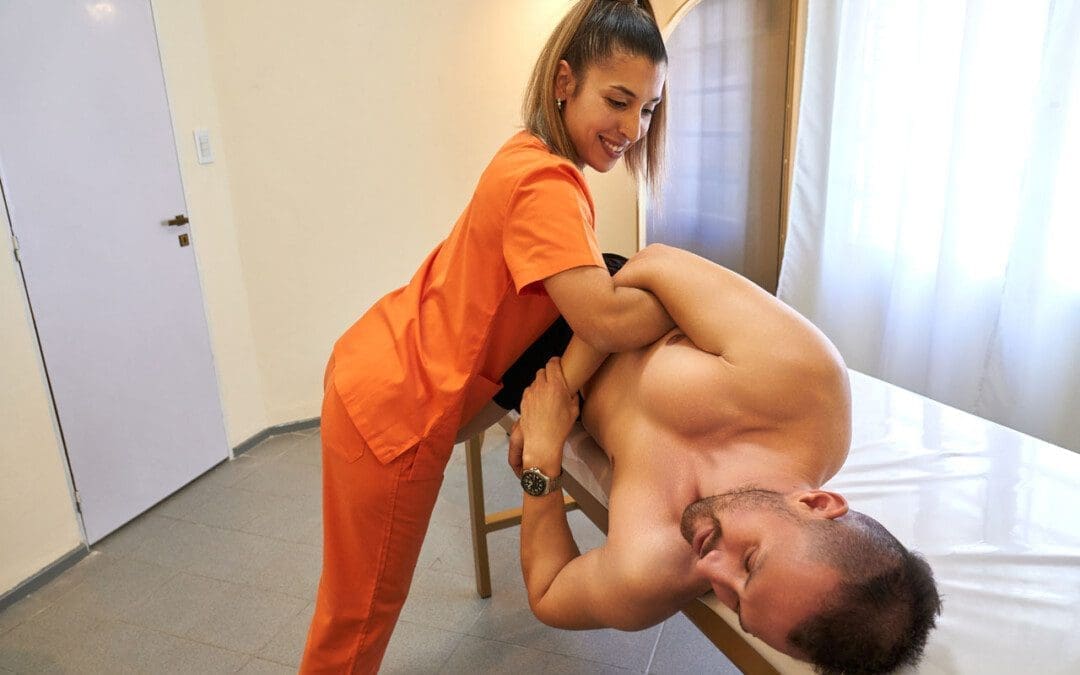
Chiropractic is a hands-on alternative medicine. The goal is to restore neuromusculoskeletal function by realigning the spine to its proper form. They do this with spinal manipulations, non-surgical mechanical decompression, traction, and massage techniques. (Michael Schneider, et al., 2016)
The purpose of most chiropractic adjustments is to relax and retrain tight muscles and increase flexibility.
Chiropractic helps to relieve stiff muscles and restore range of motion.
Individuals may not be referred to a chiropractor if they:
Have loose-joints
Have connective tissue problems or conditions.
Have osteoporosis/thinning bones
All types of back pain specialists provide various forms of therapy that may be able to help.
Spinal Decompression in Depth
References
Bishop, P. B., & Wing, P. C. (2006). Knowledge transfer in family physicians managing patients with acute low back pain: a prospective randomized control trial. The spine journal : official journal of the North American Spine Society, 6(3), 282–288. https://doi.org/10.1016/j.spinee.2005.10.008
Yisheng, W., Fuying, Z., Limin, W., Junwei, L., Guofu, P., & Weidong, W. (2007). First aid and treatment for cervical spinal cord injury with fracture and dislocation. Indian journal of orthopaedics, 41(4), 300–304. https://doi.org/10.4103/0019-5413.36991
Schneider, M., Murphy, D., & Hartvigsen, J. (2016). Spine Care as a Framework for the Chiropractic Identity. Journal of chiropractic humanities, 23(1), 14–21. https://doi.org/10.1016/j.echu.2016.09.004
Individuals that experience nerve pain in the foot could be caused by a number of different conditions, can recognizing the most common causes help in developing an effective treatment plan?
Nerve Pain In The Foot
These sensations can feel like a burning, shooting, electrical, or stabbing pain and can happen while in motion or at rest. It can occur on the top of the foot or through the arch. The area closest to the nerve may be sensitive to the touch. A number of different conditions can cause nerve pain in the foot, including:
Morton’s neuroma
Pinched nerve
Tarsal tunnel syndrome
Diabetic peripheral neuropathy
Herniated disc
Morton’s Neuroma
Morton’s neuroma involves the nerve that runs between the third and fourth toes, but can sometimes occur between the second and third toes becoming thicker. Typical symptoms include a burning or shooting pain in the area, usually while walking. (Nikolaos Gougoulias, et al., 2019) Another common symptom is the sensation of pressure beneath the toes like the sock is bunched up underneath. Treatments can include:
Arch supports
Cortisone injections to decrease swelling
Footwear modifications – can include lifts, orthotics combined with metatarsal pads, and rocker soles, to provide cushion where needed.
Things that increase the risk of developing the condition include:
Regularly wearing high-heels – the condition occurs more frequently in women.
Shoes that are too tight.
Participating in high-impact sports like running.
Having flat feet, high arches, bunions, or hammertoes.
Pinched Nerve
A pinched nerve can feel like shooting or burning pain. Nerve entrapment can occur in various regions of the foot or the area on top of the foot may feel sensitive. Causes can be caused by: (Basavaraj Chari, Eugene McNally. 2018)
Trauma that causes swelling.
Blunt impact.
Tight shoes.
Treatment can include:
Massage
Physical therapy
Rest
Footwear modifications
Anti-inflammatories.
Things that increase the risk of developing a pinched nerve in the foot include:
Poor-fitting footwear.
Repetitive stress injury.
Trauma to the foot.
Obesity.
Rheumatoid arthritis.
Tarsal Tunnel Syndrome
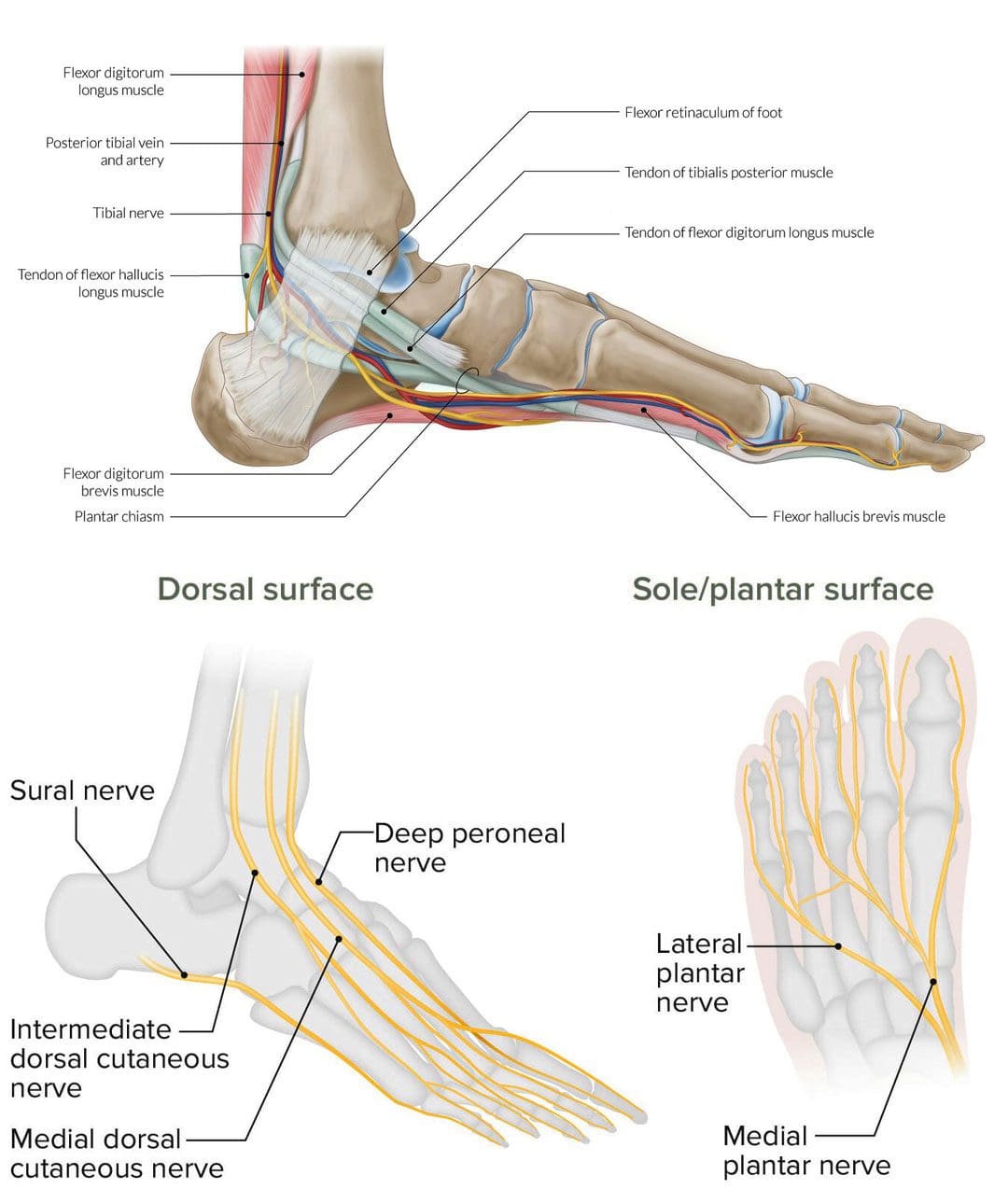
Another type of nerve entrapment is tarsal tunnel syndrome. Tarsal tunnel syndrome is “anything that produces compression on the posterior tibial nerve.” (American College of Foot and Ankle Surgeons. 2019) The tibial nerve is located near the heel. Symptoms include numbness and foot cramps, burning, tingling, or shooting sensations that often radiate from the instep/arch. Both can worsen while the foot is at rest, like when sitting or sleeping. Treatment can consist of:
Placing padding in the shoe where the foot is being compressed to relieve the pain.
Custom foot orthotics.
Cortisone shots or other anti-inflammatory treatments.
Surgery may be necessary to release the nerve.
Conditions that compress the tibial nerve and can lead to tarsal tunnel syndrome include:
Flat feet
Fallen arches
Ankle sprain
Diabetes
Arthritis
Varicose veins
Bone spurs
Diabetic Peripheral Neuropathy
Long-term high blood sugar/glucose associated with diabetes can lead to a form of nerve damage known as peripheral neuropathy. (Centers for Disease Control and Prevention. 2022) Neuropathy pain feels like burning or shooting pain, or the sensation of walking on bubble wrap that usually shows up overnight. The pain can come and go as well as a gradual loss of feeling in the feet that begins in the toes and moves up the foot. It’s estimated that around half of individuals with diabetes will eventually develop neuropathy. (Eva L. Feldman, et al., 2019) Treatments can include:
Physical therapy massage to increase circulation.
Topical treatments with capsaicin.
Vitamin B.
Blood sugar management.
Alpha lipoic acid.
Medication.
Individuals with diabetes have an increased risk of developing peripheral neuropathy if:
Blood sugar is not well-controlled.
Diabetes has been present for many years.
Kidney disease.
Smoke.
Overweight or obese.
Herniated Disc
Nerve pain in the foot can be caused by spinal issues. A herniated disc in the lower back can irritate and compress the nerves, causing pain that radiates down the leg and foot. Additional symptoms usually include muscle weakness in the legs and/or numbness and tingling. Most herniated discs don’t require surgery and get better with conservative treatment. (Wai Weng Yoon, Jonathan Koch. 2021) If symptoms don’t improve or worsen, a healthcare provider may recommend surgery. Herniated discs are most common in young and middle-aged adults. Increased chances of developing a herniated disc can come from:
Degenerative changes in the spine from normal age wear and tear.
Physically demanding job.
Lifting incorrectly.
Overweight or obese.
Genetic predisposition – family history of herniated discs.
Spinal Stenosis
Spinal stenosis occurs when the spaces in the spine begin to narrow, creating pressure on the spinal cord and nerve roots. It is usually caused by wear and tear on the spine as the body ages. Stenosis in the lower back can cause burning pain in the buttocks and leg. As it progresses pain can radiate into the feet along with numbness and tingling. Conservative treatment consists of physical therapy exercises and non-steroidal anti-inflammatory medications/NSAIDs. (Jon Lurie, Christy Tomkins-Lane. 2016) Cortisone injections can be beneficial and if the condition worsens, surgery may be an option. Risk factors include:
Physical trauma – after surgery or an automobile or sports accident.
Certain cancer, antiviral medications, or antibiotics.
Complex regional pain syndrome.
Tumors that irritate and/or compress a nerve.
Liver or kidney disease.
Infectious diseases – Lyme disease complications or viral infections.
Nerve pain in the foot is definitely a reason to see a healthcare provider. Early diagnosis can help prevent symptom progression and future problems. Once the cause of the pain has been identified, the healthcare team can work together to develop a personalized treatment plan to release compressed nerves and restore mobility and function. See a healthcare provider right away if the pain and symptoms worsen, or if there are difficulties standing or walking.
Chiropractic After Accidents and Injuries
References
Gougoulias, N., Lampridis, V., & Sakellariou, A. (2019). Morton’s interdigital neuroma: instructional review. EFORT open reviews, 4(1), 14–24. https://doi.org/10.1302/2058-5241.4.180025
Chari, B., & McNally, E. (2018). Nerve Entrapment in Ankle and Foot: Ultrasound Imaging. Seminars in musculoskeletal radiology, 22(3), 354–363. https://doi.org/10.1055/s-0038-1648252
Feldman, E. L., Callaghan, B. C., Pop-Busui, R., Zochodne, D. W., Wright, D. E., Bennett, D. L., Bril, V., Russell, J. W., & Viswanathan, V. (2019). Diabetic neuropathy. Nature reviews. Disease primers, 5(1), 42. https://doi.org/10.1038/s41572-019-0097-9
Yoon, W. W., & Koch, J. (2021). Herniated discs: when is surgery necessary?. EFORT open reviews, 6(6), 526–530. https://doi.org/10.1302/2058-5241.6.210020
Lurie, J., & Tomkins-Lane, C. (2016). Management of lumbar spinal stenosis. BMJ (Clinical research ed.), 352, h6234. https://doi.org/10.1136/bmj.h6234
Staff, N. P., & Windebank, A. J. (2014). Peripheral neuropathy due to vitamin deficiency, toxins, and medications. Continuum (Minneapolis, Minn.), 20(5 Peripheral Nervous System Disorders), 1293–1306. https://doi.org/10.1212/01.CON.0000455880.06675.5a
Can combining chiropractic treatment with the common therapies of medication, exercise, and/or physical therapy help relieve sciatic endometriosis pain symptoms?
Sciatic Endometriosis
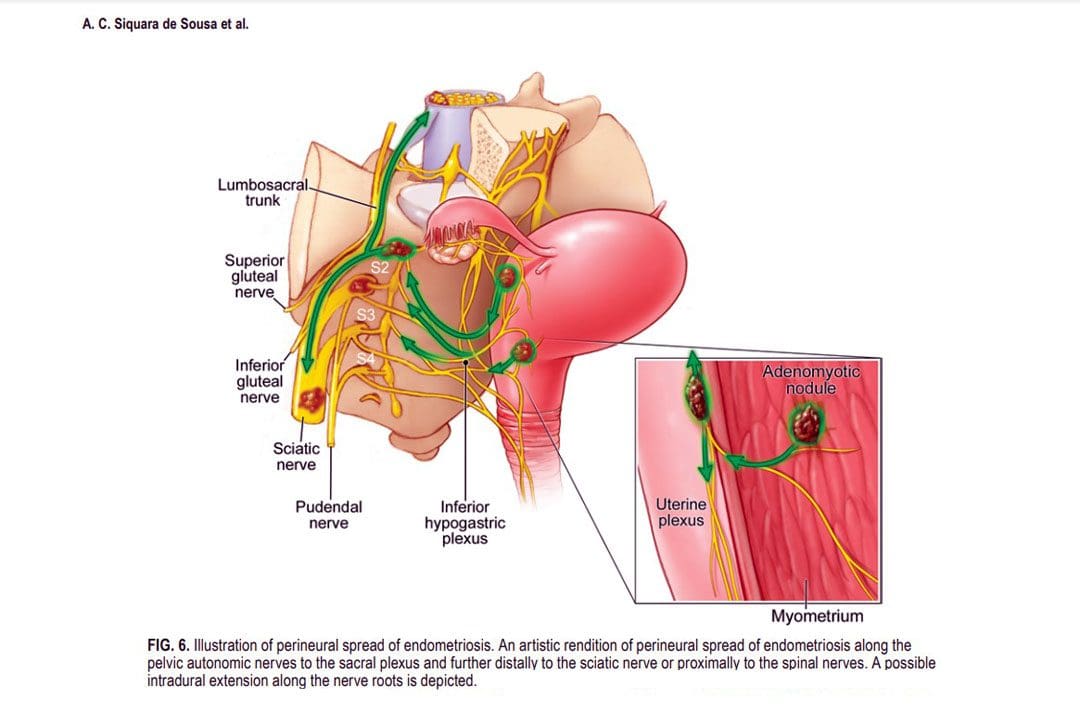
Sciatic endometriosis is a condition in which endometrial cells (tissue that resembles the lining of the uterus) grow outside of the uterine lining and compress the sciatic nerve. This places stress and pressure on the nerve causing back, pelvic, hip, and leg pain, especially before and during the menstrual cycle. It can also cause pain, irregular periods, and infertility. (The American College of Obstetricians and Gynecologists. 2021)
These areas of endometrial tissue growth are also known as lesions or implants.
Women with sciatic endometriosis often experience leg pain and weakness around the time of their menstrual cycle. (Lena Marie Seegers, et al., 2023)
Sciatic endometriosis can also cause pain when urinating, during a bowel movement, during sex, and fatigue, and irregular vaginal bleeding.
The abnormal growth may be caused by higher-than-normal levels of estrogen.
Researchers believe that endometriosis is related to retrograde menstruation, which causes menstrual blood to flow back into the pelvis instead of out through the vagina. (World Health Organization. 2023)
Sometimes, the cells grow in the area of the pelvis right above the sciatic nerve. (Adaiah Yahaya, et al., 2021)
The sciatic nerve is the longest nerve in the body and travels down the back of each leg. (Johns Hopkins Medicine. 2023)
When endometrial lesions place pressure on the sciatic nerve, they can cause irritation and inflammation leading to severe pelvic pain, which makes it harder to conceive. (Liang Yanchun, et al., 2019)
Symptoms
Some women with endometriosis experience no symptoms or misinterpret the symptoms as typical premenstrual syndrome/PMS signs. The most common signs and symptoms of sciatic endometriosis include:
Difficulty walking or standing.
Loss of sensation, muscle weakness, and reflex alteration.
Limping.
Balance problems.
Bloating and nausea.
Constipation or diarrhea before or after a period.
Painful, heavy, and/or irregular periods.
Bleeding between periods.
Pain during sex, urination, and bowel movements.
Pain in the stomach, pelvis, lower back, hips, and buttocks. (MedlinePlus. 2022)
Weakness, numbness, tingling, burning, or dull aching sensations in the back of one or both legs.
Endometriosis, including sciatic endometriosis, typically cannot be diagnosed with a pelvic examination or ultrasound by themselves. A healthcare provider may need to perform a biopsy using laparoscopy and discuss menstrual cycles, symptoms, and medical history.
The laparoscopy procedure involves making tiny incisions and taking a tissue sample with tools attached to a thin tube with a camera. (MedlinePlus. 2022)
Imaging tests, like magnetic resonance imaging/MRI, and computed tomography/CT scans, can help provide essential information about the location and size of any endometrial lesions. (The American College of Obstetricians and Gynecologists. 2021)
Treatment
Symptoms can sometimes be temporarily relieved with over-the-counter/OTC pain relievers. Depending on the condition and severity a healthcare provider may prescribe hormonal treatment to prevent new endometrial implants from growing. These can include:
Hormonal birth control.
Progestin – a synthetic form of progesterone.
Gonadotropin-releasing hormone – GnRH agonists.
If pain persists or worsens, individuals may need to undergo surgery to remove the tissue.
The American College of Obstetricians and Gynecologists. Endometriosis.
Seegers, L. M., DeFaria Yeh, D., Yonetsu, T., Sugiyama, T., Minami, Y., Soeda, T., Araki, M., Nakajima, A., Yuki, H., Kinoshita, D., Suzuki, K., Niida, T., Lee, H., McNulty, I., Nakamura, S., Kakuta, T., Fuster, V., & Jang, I. K. (2023). Sex Differences in Coronary Atherosclerotic Phenotype and Healing Pattern on Optical Coherence Tomography Imaging. Circulation. Cardiovascular imaging, 16(8), e015227. https://doi.org/10.1161/CIRCIMAGING.123.015227
World Health Organization. Endometriosis.
Yahaya, A., Chauhan, G., Idowu, A., Sumathi, V., Botchu, R., & Evans, S. (2021). Carcinoma arising within sciatic nerve endometriosis: a case report. Journal of surgical case reports, 2021(12), rjab512. https://doi.org/10.1093/jscr/rjab512
Johns Hopkins Medicine. Sciatica.
Yanchun, L., Yunhe, Z., Meng, X., Shuqin, C., Qingtang, Z., & Shuzhong, Y. (2019). Removal of an endometrioma passing through the left greater sciatic foramen using a concomitant laparoscopic and transgluteal approach: case report. BMC women’s health, 19(1), 95. https://doi.org/10.1186/s12905-019-0796-0
MedlinePlus. Endometriosis.
Center for Endometriosis Care. Sciatic endometriosis.
Chen, S., Xie, W., Strong, J. A., Jiang, J., & Zhang, J. M. (2016). Sciatic endometriosis induces mechanical hypersensitivity, segmental nerve damage, and robust local inflammation in rats. European journal of pain (London, England), 20(7), 1044–1057. https://doi.org/10.1002/ejp.827
Siquara de Sousa, A. C., Capek, S., Howe, B. M., Jentoft, M. E., Amrami, K. K., & Spinner, R. J. (2015). Magnetic resonance imaging evidence for perineural spread of endometriosis to the lumbosacral plexus: report of 2 cases. Neurosurgical focus, 39(3), E15. https://doi.org/10.3171/2015.6.FOCUS15208
Can non-surgical options be beneficial for many working individuals with low back pain than surgical therapeutic options?
Introduction
Many working individuals will experience pain in their lower backs due to their demanding workloads that are causing unwanted pressure load on the lumbar region of the spine. With the spine’s main job to support the body’s upper and lower quadrants, many individuals with demanding jobs are either constantly sitting down at their desks or carrying heavy objects to different locations. With low back pain being a normal problem for everyone at some point, many individuals find temporary solutions to relieve the pain, only to repeat the factors. To that point, this leads to chronic musculoskeletal disorders that can cause referred pain to the lower and upper extremities and can be pricey when going into treatment. However, there are numerous options for working individuals that are cost-effective and safe on their lower backs. Today’s article examines how low back pain affects the working individual and how non-surgical treatment options vary with surgical possibilities when dealing with low back pain. Coincidentally, we communicate with certified medical providers who incorporate our patients’ information to ease low back pain associated with musculoskeletal disorders. We also inform them that there are non-surgical options to reduce the effects of low back pain and restore their quality of life. We encourage our patients to ask amazing educational questions to our associated medical providers about their musculoskeletal symptoms correlating with low back pain. Dr. Alex Jimenez, D.C., incorporates this information as an academic service. Disclaimer
How Does Low Back Pain Affect The Working Individual?
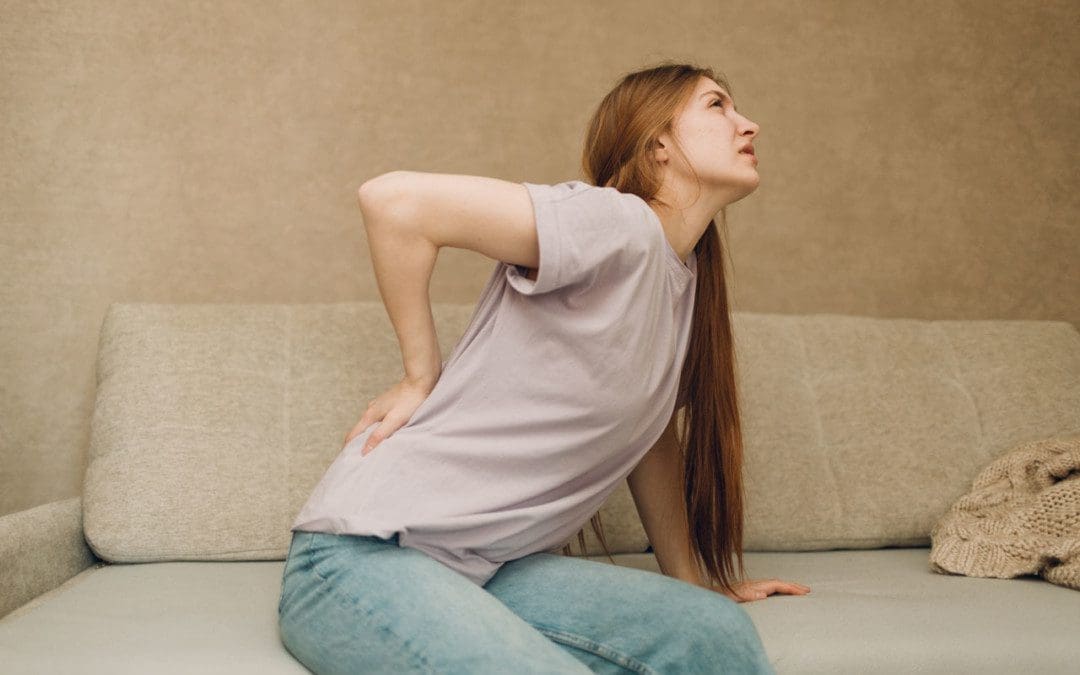
Have you been dealing with constant radiating pain in your lower back, legs, or feet after a long workday? Do you feel pain when moving around, only to find relief when resting? Or do you and your loved ones feel muscle aches and strains when stretching in the morning? Many individuals, especially working individuals, deal with low back pain daily when dealing with these musculoskeletal issues. Low back pain is extremely common for working individuals as it can affect their job performance and be an economic burden when treated. Low back pain is a multifactorial problem that has an increased rate of affecting individuals and contributes to the growth of numerous health problems. Low back pain can cause many individuals to miss work due to the lack of clarity on the causes, treatments, and factors contributing to this musculoskeletal disorder. (Pai & Sundaram, 2004)
So, how would low back pain affect the working individual? Since many people have demanding jobs, it can cause the surrounding muscles, ligaments, and tissues in the lumbar region to be overworked, and the spinal discs degenerate over time. When there are unrelenting changes within the spine, it can be associated with affecting the lumbar structures of the spine to degenerate over time. This, in turn, causes the lumbar spine to go through biochemical changes that can generate pain-like symptoms in the lumbar region and cause structural changes to the spine, leading to lower back pain. (Benoist, 2003)
Additionally, there are many causes and factors that many working individuals will do that lead to low back pain. Normal factors like improper lifting, stepping wrong, or sitting down excessively can contribute to lower back pain. At the same time, traumatic factors like accidents, injuries, or playing sports can also lead to lower back pain. When musculoskeletal conditions like low back pain become an issue, it can become a major burden to health and social care systems for many individuals, with indirect costs that can be pricey when treated. (Woolf & Pfleger, 2003)
Chiropractic Care After Accidents & Injuries-Video
Now, with low back pain being a nuisance to many, individuals will seek out treatment to reduce the pain they are experiencing in their lower back and mitigate the residual symptoms they have been dealing with in the other body extremities. Sadly, low back pain, especially in its chronic state, can become a diagnosis of convenience for many people, affecting their socioeconomic, work, and psychosocial lifestyles. (Andersson, 1999) Many individuals will seek out numerous treatment opportunities to reduce low back pain. Surgical treatments for low back pain are great for individuals when regular home therapies don’t work but can be pricey. Many will opt for non-surgical therapies when it comes to finding cost-effective treatments for treating low back pain. Non-surgical treatments, including chiropractic care and spinal decompression, are excellent for treating low back pain. Pain specialists like chiropractors and massage therapists utilize various techniques (mechanical and manual) to realign the body and stretch out the affected muscles that are affected by low back pain. The video explains how these treatments can reduce low back pain associated with accidents and injuries.
Non-Surgical Options For Low Back Pain
As stated earlier, non-surgical treatments can help reduce low back pain and can be combined with other therapies to manage the pain. Non-surgical treatments can be personalized to the person’s pain and can provide pain relief to the body. When individuals undergo a non-surgical treatment, pain specialists incorporate mechanical and manual manipulation to restore joint and spinal motion to the lower back. (Park et al., 2023) Additionally, individuals with low back pain include an exercise regime to effectively increase the person’s range of motion while increasing the person’s chances to return to normal daily activities and work. (van Tulder et al., 2000)
Non-Surgical Options Vs. Surgical Options
There is a vast difference between non-surgical and surgical options for treating low back pain. Anyone can personalized non-surgical options to provide more effective improvement in reducing pain, restoring lumbar range of motion, and improving back muscle endurance within a few sessions. (Amjad et al., 2022) Now, when home remedies and non-surgical options do not reduce pain, surgical options are only effective for low back pain. This is due to the psychological component that causes individuals to have persistent back pain that is not causing the relief that the person needs. (Corp et al., 2021) But both options are excellent when reducing low back pain as many doctors tell their patients to be more mindful about how they are using the muscles in their bodies and make small changes to reduce the chances of the pain from returning. When many working individuals start to think more about their pain and how to minimize its chances of returning, they can continue to live life to the fullest pain-free.
References
Amjad, F., Mohseni-Bandpei, M. A., Gilani, S. A., Ahmad, A., & Hanif, A. (2022). Effects of non-surgical decompression therapy in addition to routine physical therapy on pain, range of motion, endurance, functional disability and quality of life versus routine physical therapy alone in patients with lumbar radiculopathy; a randomized controlled trial. BMC Musculoskelet Disord, 23(1), 255. https://doi.org/10.1186/s12891-022-05196-x
Corp, N., Mansell, G., Stynes, S., Wynne-Jones, G., Morso, L., Hill, J. C., & van der Windt, D. A. (2021). Evidence-based treatment recommendations for neck and low back pain across Europe: A systematic review of guidelines. Eur J Pain, 25(2), 275-295. https://doi.org/10.1002/ejp.1679
Park, S. C., Kang, M. S., Yang, J. H., & Kim, T. H. (2023). Assessment and nonsurgical management of low back pain: a narrative review. Korean J Intern Med, 38(1), 16-26. https://doi.org/10.3904/kjim.2022.250
van Tulder, M., Malmivaara, A., Esmail, R., & Koes, B. (2000). Exercise therapy for low back pain: a systematic review within the framework of the cochrane collaboration back review group. Spine (Phila Pa 1976), 25(21), 2784-2796. https://doi.org/10.1097/00007632-200011010-00011
IFM's Find A Practitioner tool is the largest referral network in Functional Medicine, created to help patients locate Functional Medicine practitioners anywhere in the world. IFM Certified Practitioners are listed first in the search results, given their extensive education in Functional Medicine