by Dr Alex Jimenez DC, APRN, FNP-BC, CFMP, IFMCP | Athletes, Complex Injuries
The majority of clients that present to the clinic with anterior knee pain over the coming year will more often than not have a patellofemoral (PF) problem.
It may be a slight bit of biomechanical mal-alignment that has stirred up the knee cap – this is the good, or they may have started to wear the cartilage behind the knee cap and as a result it has softened – chondromalacia � this is the bad. They may even have worn a hole into the knee cap cartilage and they now have a chondral defect, or worse still an osteochondral defect – the downright ugly.
These problems affect runners, cross fitters, group exercise enthusiasts (PUMP classes) and simple recreational walkers who spend a lot of time on hills and stairs.
How These Extremes Are Managed Will Differ
The biomechanical irritations and the chondromalacia versions can be managed conservatively with a combination of local treatment modalities and correcting the biomechanical faults. The more serious chondral/osteochondral defects often need some surgical intervention as often the pathology is too advanced to respond to conservative treatment alone.
Understanding the exact mechanical contributions of the knee cap in relation to the femur is critical for the therapist to effectively manage these problems.
At the local PF level, the fault is usually a malposition of the patella in the femoral trochlear groove. Often the knee cap is being pulled too far laterally and superiorly in the groove, creating an uneven contact situation between the knee cap and the femur. The PF compression force during loaded knee flexion (squats, lunges etc.) is no longer optimal and usually a smaller portion of the patella cartilage is taking all the load. This wears the cartilage down and creates pain and pathology. This is most noticeable as the knee flexes to 30 degrees and onwards as it is this knee flexion angle where the knee cap enters the femoral trochlear groove.

The more distant (but often dominant) faults lie at the hip/pelvis and at the feet. Below is a breakdown of common biomechanical faults that may contribute to PF pain syndromes.
1. Overpronation
If the foot pronates (rolls in) for too long or too much, the pronated midfoot forces the tibia to remain internally rotated. The femur follows the tibia and also internally rotates. This creates a mal-alignment at the knee whereby the PF arrangement is altered and the knee cap shifts laterally. We are all familiar with the Q angle of the knee and how this affects the PF alignment.
Common causes of overpronation may be structural flatfoot problems that can be corrected with orthotics and shoe selection. However, tight soleus (that limits dorsiflexion) or a tight and overactive peroneal system that everts the foot and flattens the foot can also be a cause.
Stretching and loosening the soleus and peroneals along with strengthening the anti-pronation muscles such as tibialis posterior, flexor hallucis longus and flexor digitorum longus may help fix this problem.
http://secure.newsletters.co.uk/sportsinjurybulletin/image/overpronation…
2. Hip Joint FADDIR
FADDIR represents a flexed, adducted and internally rotated hip joint at foot strike. This is often caused by tight and overactive hip flexors such as TFL and the adductors and weakness in the abductors (gluteus medius) and external hip rotators (gemellus, obturator muscles). This hip posture forces the femur to roll inwards and as a result the knee is deviated medially and away from the vertical line drawn up from the foot. This also increases the Q angle and PF misalignment results and perpetuates the local knee imbalance of tight and overactive lateral quadriceps and lateral hamstrings along with ITB tightness. As a result the VMO weakens.
Loosening the overactive TFL, adductors, lateral quad, ITB and lateral hamstring whilst strengthening the gluteus medius, hip external rotators and VMO may help this biomechanical mal-alignment.
3. Pelvic Trendelenburg
Defined as lateral pelvic shift whereby at stance phase the opposite side of the pelvis drops down below the height of the pelvis on the stance side. This is usually caused by a weak gluteus medius complex that is unable to hold the pelvis stable during stance phase. The implications again are that this causes the knee to roll in and increase the Q angle. The solution is to muscle up the gluteus medius.
http://secure.newsletters.co.uk/sportsinjurybulletin/image/pelvictrendel…
4. Hip Flexor To Extensor Imbalance
This often forgotten about imbalance creates a situation whereby the individual finds it difficult to attain hip extension at the end of stance phase. The hip remains locked in a degree of flexion.
The knock on effect is that the knee also stays locked in some flexion. With the knee in flexion, the knee cap is now compressed against the femur, compression on the underside of the kneecap may result. To fix this the therapist needs to stretch/loosen the hip flexors and strengthen the gluteus maximus to promote more hip extension.

Call Today!
by Dr Alex Jimenez DC, APRN, FNP-BC, CFMP, IFMCP | Chiropractic, Chronic Back Pain, Lower Back Pain
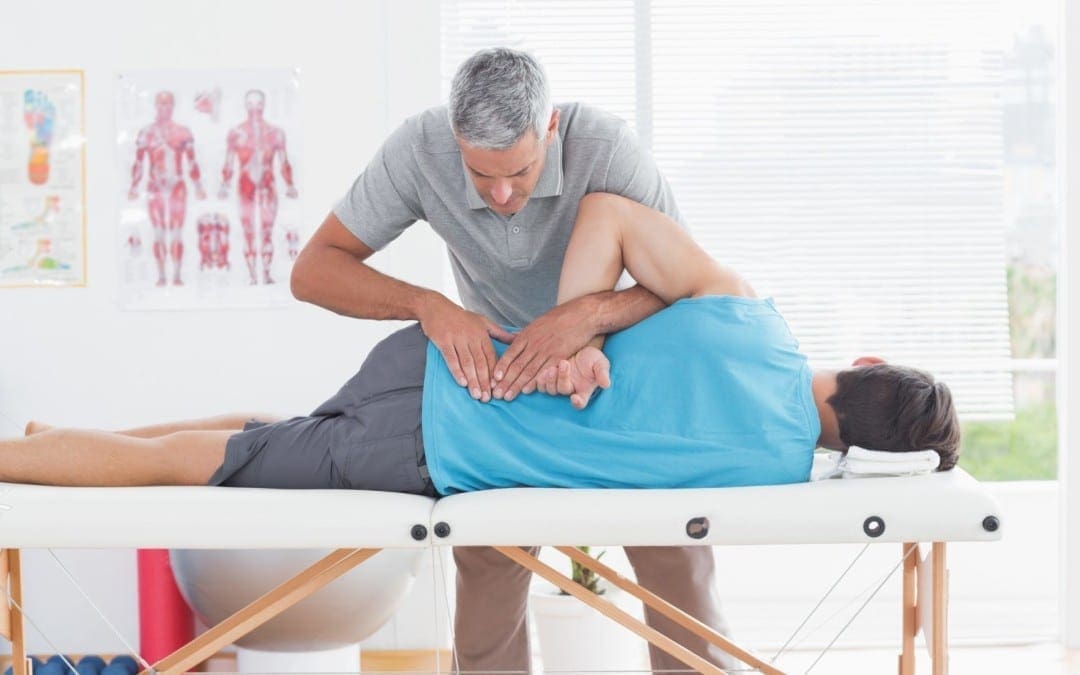
Chiropractors think that good health is decided by way of a healthy nervous system, particularly a healthy spinal column. Sometimes, vertebrae become misaligned and put pressure on the nerves exiting the spinal cord. The misalignment of a vertebra is called a chiropractic subluxation.
Chiropractors use specific methods to return the vertebrae in their proper locations or muster them to allow them to go freely when subluxations happen. These techniques are called spinal manipulations or adjustments. During an adjustment, the vertebra is freed in the misaligned location and returned to the right place in the spinal column. The adjustment permits the entire body to cure and preserve homeostasis once performed.
Chiropractors Are Trained In Many Different Adjustment Techniques
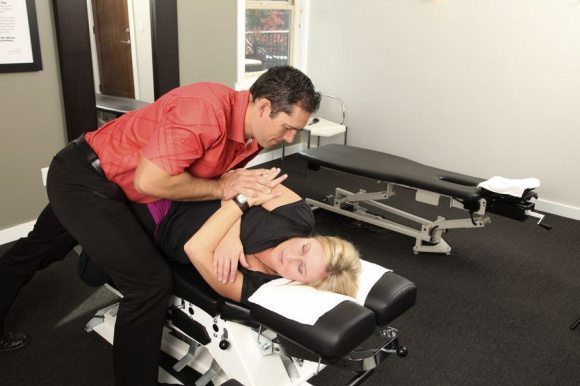
Some are done by hand; some necessitate using specialized instruments. Since each patient is different, your chiropractor will pick the best technique for the state. Nevertheless, don’t hesitate to ask the chiropractor which technique she or he will be doing and the way that it will be achieved.
Common Adjustment Techniques Employed By Chiropractors Are The Following:
- Toggle Drop – this is when the chiropractor presses down firmly on a specific part of the back. Subsequently, using a drive that is precise and rapid, the chiropractor aligns the spine. This really is accomplished to enhance mobility in the vertebral joints.
- Motion Palpation – this hand-on procedure is performed to determine in case your vertebrae are moving freely inside their normal planes of motion.
- Lumbar Spin -the chiropractor positions the patient on her or his side, then implements a thrust that is quick and precise returning it to its proper place.
- Release Work – the chiropractor applies gentle pressure using her or his fingertips to separate the vertebrae.
The chiropractor applies a quick thrust at once the table drops. The dropping of the table allows for a lighter adjustment without the twisting postures that can accompany the manual adaptation.
- Instrument adjustments – of correcting the spinal column frequently the gentlest ways. The patient lies on the table while a string is used by the chiropractor face down – filled activator instrument to do the adjustment. This technique is frequently used to perform adjustments on creatures too.
- Manipulation done under anesthesia (or twilight sedation) – this is performed by a chiropractor certified in this technique in a hospital outpatient setting when you’re unresponsive to traditional adjustments
Keep in mind that before you experience complete relief out of your symptoms you may really need to go back to the chiropractor’s office for additional adjustments.

Call Today!

by Dr Alex Jimenez DC, APRN, FNP-BC, CFMP, IFMCP | Chiropractic, Chronic Back Pain, Migraines, Neck Pain
About Pain Management (Medicine) Specialists
A pain medicine specialist is a medical or osteopathic doctor who treats pain due to disease, ailment, or injury. Many of these doctors are physiatrists or anesthesiologists although called interventional pain management specialists or pain medicine. Pain medicine is a mutlidisciplinary team effort generally affecting specialists in other disciplines, complimentary alternative medicine, along with radiology, psychiatry, psychology, oncology, nursing, physical therapy, and the patient’s primary care physician or other treating doctor.

Education & Training
After graduating medical school and completing a one-year internship, the physician enters a residency program normally in physical or anesthesiology medicine but sometimes from other fields like psychiatry and neurology. Upon conclusion of a residency program (typically 3 years long), the physician completes a one-year fellowship for advanced training in pain medicine.
Many pain medicine specialists are board certified. The organizations that board certify physiatrists, anesthesiologists, neurologists, and psychiatrists all collaborate to provide the board examination for the subspecialty of Pain Medicine. You can find numerous opportunities for pain management specialists to remain current with medical and technical improvements in pain medicine, such as scientific journals and society meetings.
Targets of Pain Management
The goal of pain medicine is to handle severe or long-term pain by reducing intensity and pain frequency. Besides addressing pain problems, a multidisciplinary pain management program may address your functional goals for activities of day-to-day living. Overall, a pain medicine plan aims to give you a feeling of well-being, increase your level of action (including return to work), and reduce or eliminate your reliance on drugs.
Many Kinds of Pain Treated
Pain medicine specialists treat all sorts of pain. Severe pain is described sharp or as acute and may indicate something is wrong. The pain experienced during dental work is an instance of intense pain. Pain lasting 6 months or longer is defined as chronic. This type of pain varies from mild to serious and is consistent. Spinal arthritis (spondylosis) pain is frequently chronic. A good consequence is produced by uniting different treatments regularly although chronic pain is difficult to handle.
- Degenerative disc disease
- Facet joint pain
- Sciatica
- Cervical and lumbar spinal stenosis
- Spondylolisthesis
- Whiplash
What to Anticipate During an Appointment
Your appointment with a pain or interventional pain management practitioner is much like other doctor visits. Although there are many similarities, the focus is fast managing it, and on your pain, the cause or contributing factors.
Pain medicine physicians execute a physical and neurological examination, and review your medical history paying particular focus on pain history. You may be asked many questions about your pain
- On a scale from zero to 10, with 10 being the worse pain imaginable, speed your pain.
- When did pain start? When pain started, what were you doing?
- Does pain disperse into other regions of the body?
- Is its intensity persistent, or is it worse at different times of night or the day?
- What really helps to alleviate the pain? Why is pain worse?
- What treatments have you ever attempted? What worked? What failed?
- Would you take over the counter drugs, vitamins, or herbal nutritional supplements?
- Does one take prescription medication? If so, what, how much, and how frequently?
Most pain medicine specialists utilize a standardized drawing of the front/back of the body to let you mark where pain is sensed, as well as indicate pain spread and type (eg, light, sharp). You may be asked to complete the form each time you see with the pain physician. The finished drawing helps you to evaluate your treatment progress.
Accurate Analysis Key to Treatment
Pain medicine includes diagnosing origin or the cause of pain. Making the proper identification may include getting an X ray, CT scan, or MRI study to verify the reason for your neck pr back pain. When treating spine-associated pain (which may include arm or leg symptoms), other tests, like discography, bone scans, nerve studies (electromyography, nerve conduction study), and myelography could possibly be performed. The proper analysis is crucial to some favorable treatment plan.
Some spinal ailments and pain treatment requires involvement of other specialists, such as your primary care physician, neurosurgeon, orthopaedic surgeon, and practitioners in radiology, psychiatry, psychology, oncology, nursing, physical therapy, and complimentary alternative medicine. The pain medicine specialist may consult with and/or refer you to a neurosurgeon or orthopaedic spine surgeon to determine if your pain difficulty necessitates back operation.
Call Today!

by Dr Alex Jimenez DC, APRN, FNP-BC, CFMP, IFMCP | Chiropractic, Chronic Back Pain, Integrative Functional Wellness, Integrative Medicine, Wellness
If It Sounds Too Good to Be True�
When you�re in pain, you might try just about anything to feel better. Claims of miracle cures that instantly relieve back and neck pain are tempting, but they often fall short of their promises.
Save your money and steer clear of the products featured promising to eliminate your spine-related pain.
Copper Bracelets
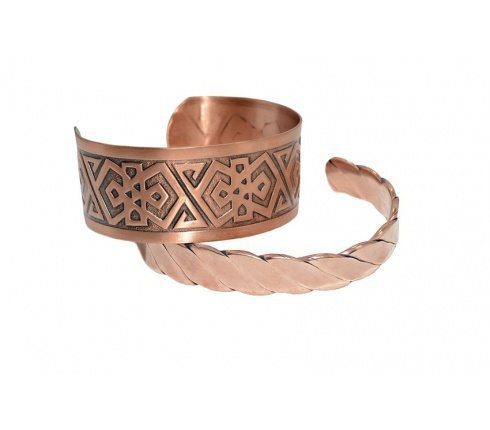
Copper bracelets and wristbands have attracted a following of arthritis sufferers because of their perceived ability to reduce joint pain.
The key word here is perceived.
A 2013 study in the UK examining the effects of copper bracelets in patients with rheumatoid arthritis found no difference in pain outcomes between those wearing copper bracelets and those using a placebo.
While the bracelets won�t do you any harm, they�re more for looks than clinical benefit. There�s no solid medical evidence available proving they reduce pain or inflammation.
Magnets
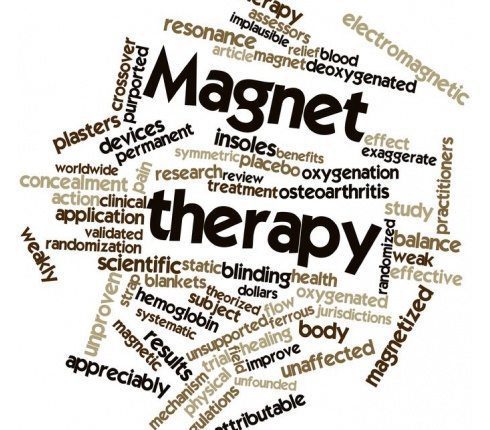
From magnetic shoe inserts to bandages, magnets have been heavily marketed as a miracle cure to zap away a variety of back pain conditions, including fibromyalgia and arthritis. However, no proof exists to back up magnets� health claims.
While studies have examined magnets� impact on pain, the results are mixed�and the quality of some of the research is questionable. Additionally, magnets are not safe for some people, including those who use pacemakers or insulin pumps.
Colloidal Silver

Silver jewelry? Classic. Silver home furnishings? Sure thing. Colloidal silver for your spine pain? Never a good idea.
Colloidal silver for back pain is typically found as a topical cream containing small particles of silver. In 1999, the U.S. Food and Drug Administration (FDA) recommended that people not use colloidal silver to treat any medical condition because it�s neither safe nor effective.
Even worse than the false claims of back and neck pain relief are colloidal silver�s strange and serious side effects. This product can interfere with the absorption of some prescription drugs and even permanently tint your skin a blue-gray color.
DMSO and MSM Dietary Supplements
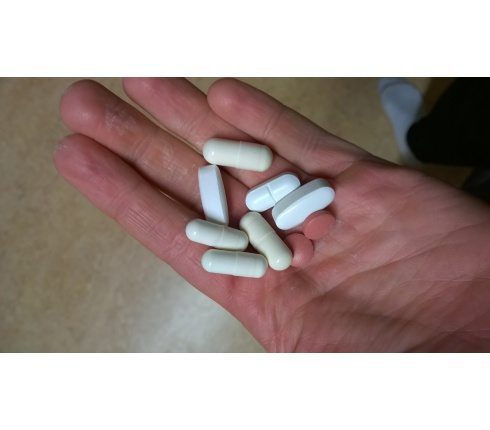
If you have spondylosis (osteoarthritis), you may have heard of the dietary supplements dimethyl sulfoxide (DMSO) and methylsulfonylmethane (MSM). Some believe this pair of supplements can block pain and inflammation, but no real medical evidence shows these substances actually relieve painful arthritis symptoms.
Instead of eliminating your arthritis pain, MSM and DMSO might cause some unwanted side effects. Both have been linked to causing upset stomach and skin rashes, while DMSO may also leave you with garlic breath and body odor.
A Word on Drug-Supplement Interactions

Speaking of supplements, it�s important to understand that dietary supplements may not mix with over-the-counter or prescription drugs. Some interactions result in mild side effects, but others can be much more serious�even life-threatening.
If you�re using a dietary supplement�even if it�s a seemingly benign herbal or vitamin�always let your doctor and pharmacist know before taking it with an over-the-counter or prescription medication. They will share any dangerous interactions, and ensure you�re safely addressing your back and neck pain.
The Real Deals: Alternative Treatments that Work

Many who fall prey to the products listed in this slideshow have an interest in alternative or complementary therapies for back and neck pain. While some non-traditional treatments should be avoided, many have been proven to reduce spine pain.
Scientists from the National Center for Complementary and Integrative Health at the National Institutes of Health reviewed 105 U.S.-based trials from the past 50 years that included more than 16,000 participants. They found the therapies below effective at controlling pain:
� Acupuncture � Massage � Relaxation techniques � Tai chi
If you prefer alternative methods to manage for your spinal condition, explore the therapies above. They are effective, safe, and will help you live a healthier life.
Call Today!
by Dr Alex Jimenez DC, APRN, FNP-BC, CFMP, IFMCP | Chronic Back Pain, Lower Back Pain, Mobility & Flexibility
Kettlebells Strengthen the Spine
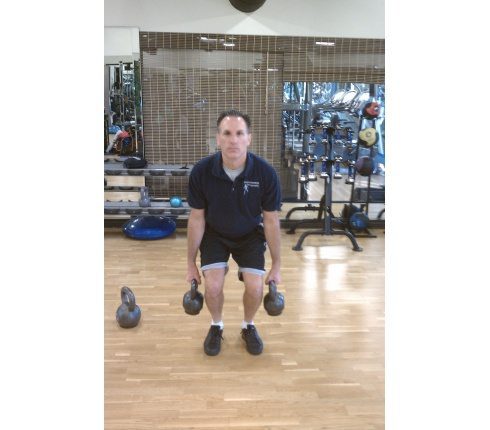
Strengthening the spinal muscles is essential for health and fitness. Functional kettlebell training is resistance training that strengthens the spine. Kettlebell training is an extremely effective type of exercise to increase functional strength, ballistic power, endurance, and flexibility in the entire body, especially the spinal and core muscles.
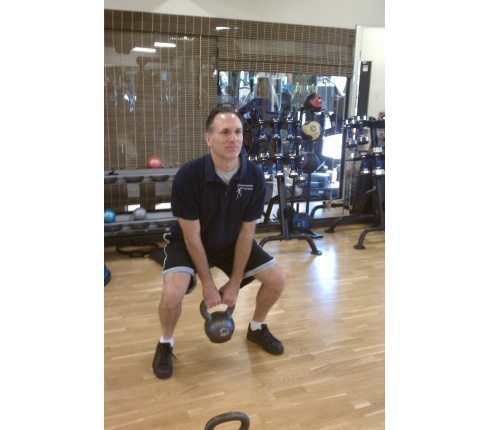
(Exercise shown is Anchor Squats.)
What Exactly Are Kettlebells?
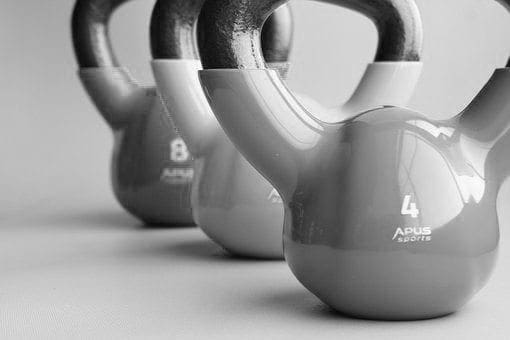
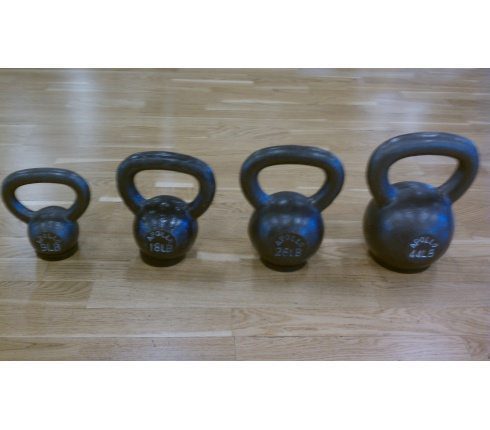
Kettlebells are round cast iron weights with a single handle. Picture a cannonball with a u-shaped handle. Kettlebells are manufactured in a wide range of weights, for all strength levels.
Muscles Used in Kettlebell Training
Kettlebell training incorporates large functional movements. Multiple muscle groups work in synergy to complete the exercises. The spinal muscles function as either the primary mover or assist the primary mover in every kettlebell exercise. The spinal muscles also stabilize the body during functional kettlebell training, thus developing the smaller supporting structures.
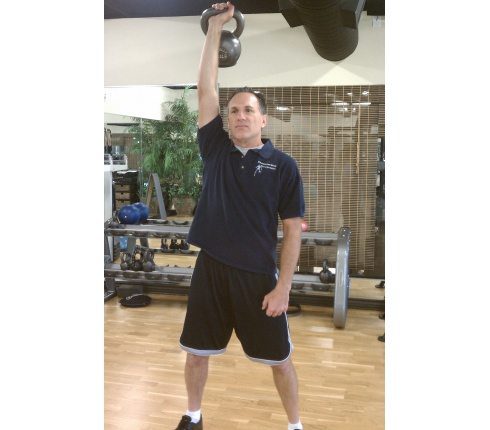
(Exercise shown is Push Press.)
High Reps Of High Importance In Kettlebell Training
Kettlebell training employs high repetitions, momentum, and centrifugal force. Momentum works the spinal muscles as the weight is raised and lowered. High repetitions combined with momentum and full body movement build strength and endurance in the entire musculoskeletal and cardio-vascular systems. Kettlebell training delivers aerobic and anaerobic benefits.
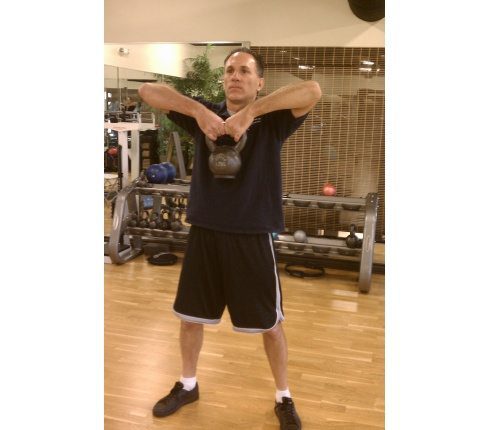
(Exercise shown is High Pulls.)
Always Learn From A Qualified Kettlebell Instructor
Perfect technique is mandatory during exercise. Correct exercise technique maximizes benefit and lowers injury risk. Poor exercise form increases the possibility of injury and diminishes results. Kettlebell exercises are learned motions, so you should learn proper training technique from a qualified kettlebell trainer. The trainer should demonstrate, instruct, and supervise your training and develop your routine.
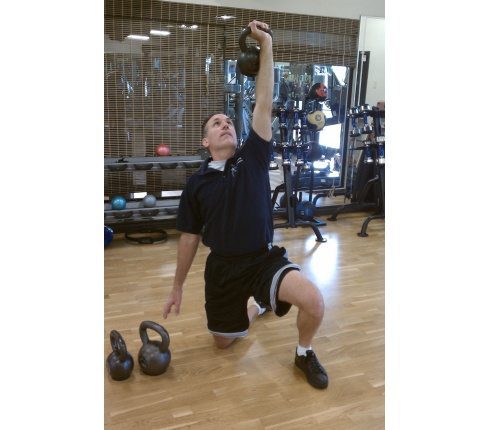
(Exercise shown is Turkish Get-up.)
So Many Possibilities
The kettlebell�s shape allows for a wide variety of exercises. This resourceful exercise tool is used for basic exercises like squats (shown in slide 1), cleans, swings, high pulls (shown in slide 4), snatches and push presses (shown in slide 3). The versatility of the kettlebell is demonstrated with exercises such as renegade rows (a combination of push-ups and rows�shown in slide 6), suitcase swings, woodchoppers (a combination of lunges and oblique twists), windmills, and Turkish get-ups (shown in slide 5)
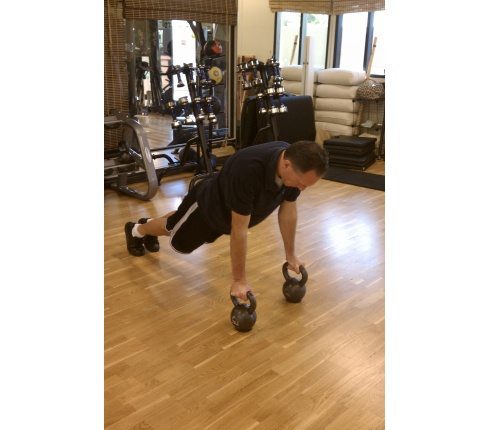
(Exercise shown is Renegade Rows.)
Kettlebell’s Benefits For The Spine
Functional kettlebell training is a rare type of exercises that increases aerobic and anaerobic health simultaneously. The benefits to the spine include increased strength, power, endurance, flexibility, function and mobility.
(Exercise shown is Suitcase Swings.)
Call Today!
by Dr Alex Jimenez DC, APRN, FNP-BC, CFMP, IFMCP | Chiropractic, Sciatica
Several lumbar spine (lower back) disorders may cause sciatica. Sciatica is usually referred to as light to severe pain in the left or right leg. Occasionally doctors call a radiculopathy that is sciatica. Radiculopathy is a medical term used to spell out pain, numbness, tingling, and weakness in legs or the arms caused by a nerve root issue. It’s known as a cervical radiculopathy, in the event the nerve difficulty is in the neck. But since sciatica influences the low back, it is called a lumbar.
Pathways To Sciatic Nerve Pain
Five sets of matched nerve roots in the lumbar spine combine to generate the sciatic nerve. Beginning at the rear of the pelvis (sacrum), the sciatic nerve runs in the trunk, under the buttock, and down through the hip region into each leg. Nerve roots aren’t “solitary” structures but are part of the entire body’s entire nervous system capable of transmitting pain and sensation to different parts of the body. Radiculopathy happens when compression of a nerve root from a disc rupture (herniated disc) or bone spur (osteophyte) happens in the lumbar spine prior to it joining the sciatic nerve.
What Causes Sciatic Nerve Compression?
Several spinal ailments can cause spinal nerve compression and sciatica or lumbar radiculopathy.
- spondylolisthesis
- Injury
- piriformis syndrome
- spinal tumors
Common Sciatica Cause #1: Lumbar Bulging Disc or Herniated Disc
A bulging disk is also called a contained disc illness. What this means is the gel-like center (nucleus pulposus) remains “included” within the tire-like outer wall (annulus fibrosus) of the disk.
A herniated disc happens when the nucleus breaks through the annulus fibrosus. It is called a “non-controlled” disk disorder. Whether a disc bulges or herniates, disk stuff compress delicate nerve tissue and cause sciatica and can press against an adjacent nerve root.
The effects of a herniated disc are worse. In both instances, nerve compression and irritation cause inflammation and pain, muscle weakness, tingling, and often ultimately causing extremity numbness.
Common Sciatica Cause #2: Lumbar Spinal Stenosis
Spinal stenosis is a nerve compression illness most frequently affecting older adults. Leg pain similar to sciatica may happen as an effect of lumbar spinal stenosis. The pain is generally positional, frequently brought on by actions like standing or walking and relieved by sitting down.
Spinal nerve roots branch outward through passageways in the spinal cord called neural foramina comprised of bone and ligaments. Between each group of vertebral bodies, located on the left and right sides, is a foramen. Nerve roots pass through these openings and extend outward to innervate other portions of the body. The term foraminal stenosis can be used when these passageways become clogged causing nerve compression or narrow.
Common Sciatica Cause #3: Spondylolisthesis
Spondylolisthesis is a disorder that almost all commonly influences the lumbar spine. It’s distinguished by one vertebra slipping forwards over an adjacent vertebra. When a vertebra slips and is displaced, spinal nerve root compression happens and frequently causes sciatic leg pain. Spondylolisthesis is categorized as developmental (located at birth, grows during childhood) or got from spinal degeneration, trauma or physical stress (eg, lifting weights).
Common Sciatica Cause #4: Trauma
Examples include motor vehicle accidents, falling down, football and other sports. The impact may injure the nerves or, sometimes, the nerves may compress.
Piriformis syndrome is named after the piriformis muscle and the pain caused when the sciatic nerve is irritated by the muscle. The piriformis muscle and the thighbone is found in the lower part of the spine, connect, and aids in hip rotation. The sciatic nerve runs beneath the piriformis muscle. Piriformis syndrome grows when muscle spasms develop in the piriformis muscle thereby compressing the sciatic nerve. It may be challenging to diagnose and treat because of the shortage of x ray or magnetic resonance imaging (MRI) findings.
Common Sciatica Cause #5: Piriformis Syndrome
Piriformis syndrome is named after the piriformis muscle when the muscle irritates the sciatic nerve and the pain caused. The piriformis muscle and the thighbone is located in the low part of the backbone, connect, and aids in hip rotation. When muscle spasms develop in the piriformis muscle thus compressing the sciatic nerve, piriformis syndrome develops. It can be hard to diagnose and treat due to the lack of x-ray or magnetic resonance imaging (MRI) findings.
Common Sciatica Cause #6: Spinal Tumours
Spinal tumors are abnormal growths which are either benign or cancerous (malignant). Fortunately, spinal tumors are uncommon. But when a spinal tumor develops in the lumbar region, there’s a risk for sciatica to grow as a result of nerve compression.
Call your doctor should you imagine you have sciatica. The very first step toward relieving pain is a proper diagnosis.
Call Today!
by Dr Alex Jimenez DC, APRN, FNP-BC, CFMP, IFMCP | Chiropractic, Integrative Functional Wellness, Integrative Medicine, Wellness
More Americans are looking beyond Western medicine to help relieve their back, neck, and spinal joint pain, including osteoarthritis of the backbone. In this specific article, we discuss Complementary and Alternative Medicine (CAM), which is also called Complementary and Integrative Medicine.
Interchangeable Terms
When an option (not mainstream) practice is combined with standard (mainstream) medicine, it�s called �complemental� or �integrative� health care. It�s called �alternative.� when it�s used in place of traditional medicine Nevertheless, these terms are frequently used interchangeably.
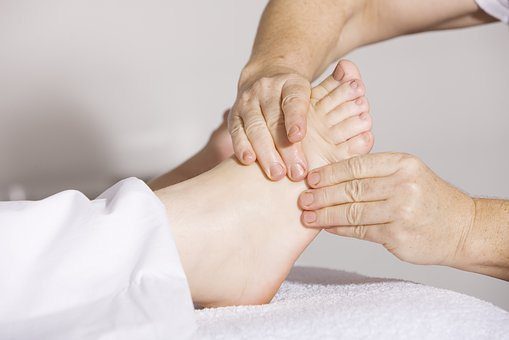
Complementary Alternative/Integrative Treatments
Although treatments might be combined you will find five general types of CAM therapies.
1. Alternative Medical Systems
Naturopathic or naturopathy medical care may include water therapy, massage, and herbal drugs.
2. Head-Body Techniques
Head-body techniques may help a patient with back or neck pain to utilize their head to change or restrain their symptoms in a way that is positive, therefore reducing pain.
3. Biologically-Based Therapies
Biologically-based treatments feature nature-based substances such as botanicals and dietary supplements to ease pain. Natural substances contain ginseng, ginkgo, fish oil, or Echinacea and could be obtainable in different kinds, including a tea, aromatherapy oils, syrup, powder, pill, or capsule.
4. Body-Based Practices
Body-established practices include different types of massage, body alignment techniques, osteopathic manipulation and chiropractic.
5. Energy Therapies
Energy therapies unblock energy fields or may help shift. Qi gong (eg, breathing techniques), Reiki (eg, stress reduction/relaxation), and magnets are treatments based on transferring energy.
Is Alternative, Complementary Or Integrative Therapy Right For You?
To assist you decide, look at the next points.
- If insurance coverage is essential to you, be sure to consult your health insurance provider before you select a CAM treatment to make certain the professional is insured.
- Learn as much as you can about the alternate treatment you’re enthusiastic about.
- Take into account that although a complementary alternative treatment may be popular, that doesn�t make it correct for you personally.
- Unlike mainstream medical care and procedures, some (if not most) alternative therapies are not scientifically validated by clinical trials and/or research studies. The amount of human players is frequently little, while there may be studies supporting a particular practice.
- Simply because a material is natural doesn�t mean it can�t damage you, cause illness or allergic reaction, or a serious interaction with a drug. For instance, blood pressure can be raised by ginseng.
- Always tell your treating physician about all of the herbs, vitamins and nutritional supplements (in any kind) that you take, particularly if you’re scheduled to get a neck or back process (eg, spinal injection, operation).
- Select your alternative therapy professional with all precisely the same attention and concern you would for pain management specialist or a back surgery.
Call Today!
Sources:
Rosenzweig S. Overview of Complementary and Alternative Medicine. Merck Manual. Consumer Version.� www.merckmanuals.com/home/special-subjects/complementary-and-alternative-medicine-cam/overview-of-complementary-and-alternative-medicine.
National Center for Complementary and Integrative Health (NCCIH). Complementary, Alternative, or Integrative Health: What�s In a Name? March 2015. https://nccih.nih.gov/health/integrative-health.