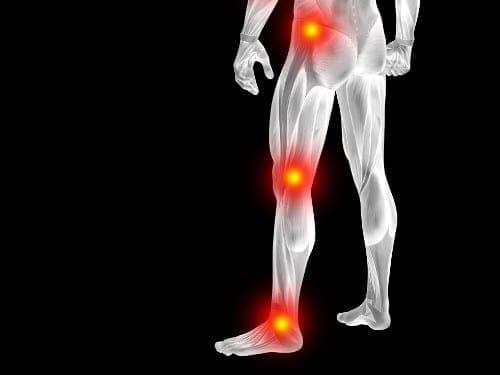
Chronic pain is one of the most prevalent conditions in the United States, affecting an estimated 100 million Americans each year. To put that into perspective, that�s more than the number of people suffering from cancer, heart disease, and diabetes, combined.
Many of these chronic pain sufferers are looking for relief beyond pharmaceuticals which can have unpleasant and even harmful side effects. This has brought them to natural pain management methods like chiropractic care as well as natural substances like curcumin. For many people, these treatment options have brought them relief from the pain and help them return to a more normal lifestyle.
How does it work though? And, more importantly, can it work for you?
What is Curcumin?
Natural herbal turmeric capsules with fresh herb leaves and dry curcumin in paper
Curcumin is a spice that is a relative of ginger and is a component of turmeric. Often in the U.S., the terms curcumin and turmeric are used interchangeably. However, curcumin is what gives turmeric its bright yellow color.
While it is often found in curries and other traditional Indian food, it has also long been used to treat a variety of health issues including inflammation that causes pain in the body. These claims have been backed up by several studies that show the tasty spice has tremendous health benefits to offer.
These studies have shown that curcumin has strong anti-inflammatory properties although why it works is not yet completely understood. This information has prompted further studies to determine the efficacy of curcumin in treating a wide range of conditions including chronic pain.
One study examined the spice�s effects on people suffering from arthritis or joint pain. The results determined that turmeric extract (curcumin) supplements were just as effective as ibuprofen in relieving the pain in patients with knee osteoarthritis. It helped to reduce the inflammation that was causing the pain, bringing the patients much-needed relief.
Taking Curcumin for Better Health
You can get curcumin or turmeric supplements, but there is no standard dosage information available. Your chiropractor can advise you on how much to take and which supplement brands are the best.
You can also use the spice in the foods you eat and gain a good bit of the health properties that way. However, it may be more efficient and more comfortable to take curcumin or turmeric supplements, especially when you are treating inflammation and pain.
Curcumin is generally safe with very few side effects. As with any medication or supplement, some people are sensitive to the spice and may experience diarrhea and nausea.
However, that usually occurs at higher doses or after the patient has been using it for a long time. High doses could also pose a risk if the person has ulcers. It can also irritate the skin is applied topically.
If you are considering incorporating curcumin into your daily diet as a health supplement, you should first talk to your doctor or chiropractor to make sure it is safe for you. Women who are pregnant or nursing should not take the supplements.
People with conditions like diabetes, gallbladder issues, bleeding disorders, kidney disease, or immunity problems should take special care when using the supplement. Also, it can interact with medications like NSAIDs, aspirin, diabetes drugs, statins, blood thinners, and blood pressure medications so talk to your health professional, such as your chiropractor, before taking. They may adjust your dosage or recommend certain nutritional therapies to better support the supplement.
Your chiropractor can help you live a more natural, pain-free life and supplements like curcumin may be a part of that plan. They can help put you on the path to a life well lived.
Say you have neck or back pain. How will you treat it? Many people will go to a medical doctor who will look at the symptoms, such as pain, and treat it with prescription or over the counter medications. In some cases, they may recommend surgery to manage the pain or correct the problem. But there is a safe and less expensive alternative. Chiropractic is the better choice over drugs and surgery!
An increasing number of people are foregoing the medical doctor and opting for chiropractic care for pain management � and often with excellent results. So, what is it about chiropractic that people feel makes it a better choice than drugs or surgery for their pain or mobility issues? There is more to the answer than you may realize.
Drug Therapy
When it comes to certain types of pain, particularly neck pain, medication is not the best way to manage it. Studies show that patients who opted to undergo chiropractic treatments and exercise regularly were more than twice as likely to significantly reduce their pain or even eliminate it entirely, compared to those who choose to take medication.
Aside from efficacy though, many medications have unpleasant and even dangerous side effects. Even over the counter medications can cause problems.
For instance, acetaminophen has been linked to serious health issues like pancreatitis and impaired liver function. NSAIDs like ibuprofen can upset the stomach and can cause rebound headaches in migraine patients (studies show that chiropractic is extremely effective in preventing migraines).
Prescription drugs can be highly addictive and lead to overdose. The Centers for Disease Control (CDC) has declared opioid addiction and overdose in the United States to be an epidemic. They have set forth guidelines for doctors who prescribe opioids for chronic pain, but the epidemic continues.
Surgery
Any treatment that can help a patient avoid invasive surgery is an optimal alternative, and chiropractic care provides that. One study shows that patients who saw a medical doctor as their first treatment option when dealing with back pain were more likely to have surgery than patients who say a chiropractor first.
Almost 43% of the medical patients eventually underwent surgery while only 1.5% of chiropractic patients had surgery. This means that if you are a medical patient trying to resolve your back pain you are 28 times more likely to eventually have surgery for it than you would if you went to a chiropractor.
Aside from the obvious invasiveness of the procedure as well as recovery time and probable physical therapy that would be required as part of your aftercare, there are many other downsides. The time and money necessary for the surgery, pre-surgery appointments, post-surgery appoints, recovery, and therapy can be significant.
However, a significant concern in hospital settings is the risk of C-diff (Clostridium difficile). C-diff is bacteria that can cause C. diff colitis, an inflammation of the colon or large intestine that can make you very sick. It can be passed from person to person but can also occur in people who take antibiotics � which are often given when a person undergoes surgery.
Chiropractic Care
Chiropractic care gets to the cause of the problem instead of treating the symptoms like most medical doctors. The whole-body approach also empowers patients to make lifestyle adjustments that aid in their care and healing. It allows them to take ownership of their health and pain management so that they feel more in control.
Chiropractors take a natural, holistic approach to pain management by bringing the body back into alignment if necessary and recommending exercises and other activities to help patients regain their normal range of motion and flexibility while relieving not only the pain symptoms but often correcting the problem that is causing the pain.
If you have low back pain�or have had it, you are not alone. Experts estimate that around 80% of people will experience some type of back problem at some point in their lives. The Global Burden of Disease 2010 lists low back pain as the number one cause of disability worldwide. The good news is the majority of back pain is mechanical in origin or is not organic. This means that infection, cancer, fracture, inflammatory arthritis, and other serious conditions are not the cause. In fact, you may benefit by looking to your feet, knees,�and hips as the culprits.
The spine is the foundation for the body, supporting the spinal cord and the limbs. When there is a problem with any of the limbs it can affect the spine and vice versa. The intricate network of tendons, ligaments, and nerves work together within the incredible machine that is the human body.
How the Feet Affect the Low Back
When there are problems with the feet, it can cause problems through the legs and all the way to the spine. This can cause the ankle to pronate, meaning it rolls inward. This alters the way the bones of the foot line up which extends through the tibia, or shin bone.
This can cause a condition called knock knees and it can change the way the entire body is aligned. This puts the body out of balance, destabilizing the spine, and can even cause the pelvis to tilt to one side or the other. When you are walking or standing, the stress caused by the misalignment it can create a domino effect, causing or contributing to low back pain.
How the Knees Affect the Low Back
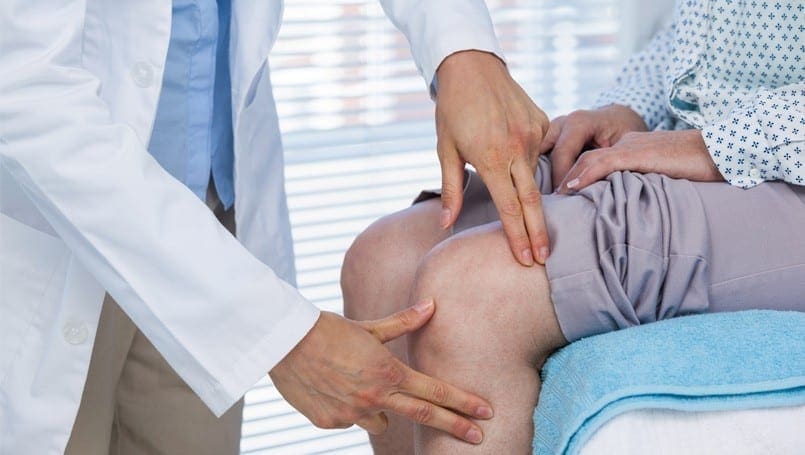
One thing to remember when assessing pain in the body is that where it hurts may not be the source of the problem. It could be a symptom. Because of this, knee pain could be caused by a problem with your back and back pain could be caused by a problem with your knees.
It is important to take this type of pain at more than face value and do a little investigating to find the cause. That is why chiropractic is so beneficial in these situations.
If you see a chiropractor for your knee or back pain, he or she will assess your issues, talk to you about the pain you are experiencing and help you get to the root of your problem so that you can treat it and, in turn, help correct other associated issues. Knees connect the foot and spine so problems that affect the feet and ankles,�as well as the spine, will very likely affect the knees and hips as well.
How the Hips Affect the Low Back
Muscle imbalances in the hip, such as tight hip flexors, can cause low back pain � or at least contribute to it. When the hip flexor muscles are too tight, it causes what is known as an anterior pelvic tilt.
In other words, the muscles cause an anterior pull on the pelvis. This affect posture and throws the entire lower body out of alignment. It can also affect the knees and feet if left untreated.
Hip flexors can become too tight if the person sits for extended periods of time or engages in activities like cycling and jogging. A chiropractor can guide you through exercises that will help release the tight muscles and stop the micro spams that occur as a result.
He or she will also assess your knees, feet, and ankles to ensure that the issue has not through them out of alignment as well. Correcting the cause of the problem will often correct the associated issues and resolve the pain allowing you to return to your normal activities.
Vincent Garcia trains in martial arts as a part of his activities. However, after he developed turf toe and he started to undergo knee pain, Vincent’s performance was affected. Dr. Alex Jimenez, a doctor of chiropractic, helped treat Vincent Garcia’s knee pain along with turf toe, gradually restoring his overall health and well-being. Dr. Alex Jimenez has also helped treat a variety of other sport-related injuries. Chiropractic care utilized corrections and manipulations that were manual to carefully restore the original integrity of the backbone, allowing the human body to heal itself. Vincent Garcia highly recommends Dr. Alex Jimenez as the non-invasive pick for many different accidents and/or conditions, including several sports accidents, among other problems.
Chiro Treatment
We are blessed to present to you�El Paso�s Premier Wellness & Injury Care Clinic.
As El Paso�s Chiropractic Rehabilitation Clinic & Integrated Medicine Center,�we passionately are focused on treating patients after frustrating injuries and chronic pain syndromes. We focus on improving your ability through flexibility, mobility and agility programs tailored for all age groups and disabilities.
We want you to live a life that is fulfilled with more energy, positive attitude, better sleep, less pain, proper body weight and educated on how to maintain this way of life. I have made a life of taking care of every one of my patients.
I assure you, I will only accept the best for you�
If you have enjoyed this video and we have helped you in any way, please feel free to subscribe and recommend�us.
Adhesive capsulitis, also known as frozen shoulder, is a condition that causes pain and stiffness in the shoulder joint. The onset of symptoms is gradual, steadily worsening over time, then resolves. The entire process occurs over a one to three-year period. The limited range of motion in the shoulder that is a primary symptom is also one of the signs that doctors use to diagnose the condition. An x-ray may be used to determine if an underlying condition such as a broken bone or arthritis may be causing the problem.
What Causes Frozen Shoulder?
The shoulder is one of the most dynamic joints in the body. It has a very wide range of motion and endures a lot of wear and tear with normal use. The joint is a network of ligaments and tendons that connect bone and muscle. It is all encased in connective tissue capsule. When that tissue thickens, it constricts to tighten around the shoulder joint. This restricts movement and causes pain.
In some cases, the cause is due to an injury or other conditions, but in other cases the cause is unknown. There is some evidence that suggests people with diabetes and other chronic diseases are more likely to develop the condition. It is also more prevalent in people who have had an arm fracture or surgery � something that causes them to keep their shoulder immobilized for an extended period of time. Women (particularly postmenopausal women) tend to be at higher risk and it most often occurs in people who are 40 to 70 years old.
Treatment for Frozen Shoulder
Most treatments for frozen shoulder focuses on preserving the joint�s range of motion and minimizing pain. Over the counter medications like ibuprofen and aspirin are usually the first line of defense. They help reduce inflammation and pain. However, in more severe cases a doctor may prescribe anti-inflammatory drugs and pain medication. Physical therapy may also be an option.
Other treatments for frozen shoulder include:
Shoulder manipulation � while the patient is under a general anesthetic, the doctor moves the shoulder to loosen the tightened tissue.
Joint distension � sterile water is injected into the joint capsule. This stretches the tissue and improves range of motion.
Steroid injection � corticosteroids are injected directly into the shoulder joint.
Surgery � this is a last resort so it�s very rare, but the doctor may go in and remove the adhesions and scar tissue from inside the shoulder joint.
Chiropractic for Frozen Shoulder
Chiropractic is an effective treatment for frozen shoulder. Many patients see their general practitioner first to get a diagnosis and to make sure that there are no underlying conditions that should be treated before chiropractic is pursued. However, most chiropractors do have the capabilities to use x-rays and other diagnostic tools to adequately assess the patient.
A 2012 study involved reviewing the case files of 20 males and 30 female patients with frozen shoulder who underwent chiropractic treatment. All subjects sought treatment between 11 and 51 days with the median being 28 days. Of the 50 cases:
16 resolved completely
25 were 75% to 90% improved
8 were 50% to 75% improved
1 was 0% to 50% improved
Chiropractic can help reduce the pain, improve the shoulder�s range of motion, and speed recovery. The treatment depends on the symptoms that are present, how progressed the condition is, and how long the patient has had the condition.
One common chiropractic technique used to treat frozen shoulder is the Niel Asher Technique. It involves the manipulation of the joints and muscle tissues. The chiropractor applies pressure and stretches key points to help reduce pain and resolve the condition. It can make a tremendous difference in the patient�s life.
Gale Grijalva was a victim of a car crash. As a result, she started to experience severe pain symptoms which tremendously affected her ability to perform her regular tasks. Gale Grijalva describes the conditions that resulted in the auto accident as well as how her symptoms that are specific began to manifest after the incident. Gale Grijalva visited Dr. Alex Jimenez, chiropractor, to receive chiropractic care for her car crash injuries and she was grateful to get the pain relief she deserved. Chiropractic care is an effective and secure, alternative treatment option which focuses on the identification, prevention, and treatment of many different injuries and/or conditions. Gale Grijalva highly recommends Dr. Alex Jimenez as the noninvasive choice for car accident injuries and whiplash, among other problems.
Chiropractic Treatment
We are blessed to present to you�El Paso�s Premier Wellness & Injury Care Clinic.
As El Paso�s Chiropractic Rehabilitation Clinic & Integrated Medicine Center,�we passionately are focused on treating patients after frustrating injuries and chronic pain syndromes. We focus on improving your ability through flexibility, mobility and agility programs tailored for all age groups and disabilities.
We want you to live a life that is fulfilled with more energy, positive attitude, better sleep, less pain, proper body weight and educated on how to maintain this way of life. I have made a life of taking care of every one of my patients.
I assure you, I will only accept the best for you�
If you have enjoyed this video and we have helped you in any way, please feel free to subscribe and recommend�us.
De Quervain’s Tenosynovitis, also called �washerwoman sprain,� is a condition of the hand that typically affects people who do continuous, fast, repetitive movements. The patient can experience a sudden onset of the condition or it can be gradual, beginning with tenderness in the thumb area and slowly progressing. It can restrict activity, but it doesn�t have to be a long-term disability. Chiropractic care can help relieve the symptoms of De Quervain�s Tenosynovitis and the hand can return to normal function.
What Is De Quervain’s Tenosynovitis?
De Quervain’s Tenosynovitis is a condition affecting the thumb side of the wrist. It is a very painful condition that makes many everyday activities difficult or impossible. Many activities like playing golf, lifting a child, garden work, and racket sports can worsen the condition.
What are the Symptoms ofDe Quervain’s Tenosynovitis?
There are several distinctive symptoms of De Quervain�s tenosynovitis which include:
Pain near or at the base of the thumb
Difficulty moving or controlling the thumb and wrist when doing activities that involve pinching or grasping
Swelling near or at the base of the thumb
A �catch� or �sticking� sensation when moving the thumb
If the condition is allowed to progress or goes untreated it can involve the forearm and entire thumb, causing pain and swelling in those areas. The pain and symptoms can be exacerbated by movements that involve the wrist and thumb. The symptoms can last for a long time, weeks or even months.
What causes De Quervain’s Tenosynovitis?
The exact cause of De Quervain�s Tenosynovitis is not known, but the condition is commonly associated with chronic overuse of the wrist. There are tendons that connect the wrist and lower thumb, enabling movement like grasping, gripping, pinching, and wringing. The tendons slide through a sheath as they facilitate the movement. Over time, the sheath can swell and thicken which inhibits the amount of the tendon�s movement. When the movements are repetitive, it can cause irritation of the sheath, resulting in inflammation.
Who is at Risk for De Quervain’s Tenosynovitis?
Research has identified several groups that are at risk for developing De Quervain�s Tenosynovitis:
30 to 50 years of age with a higher concentration statistically around 40
Female
African ethnicity or descent
Pregnant
Caring for a child or baby
Works at a job that involves repetitive wrist and hand motions
This condition has typically been considered to be one that affects people who are middle-aged. However, with the popularity of texting, many young people experience symptoms of De Quervain�s. In one study, more than half of students who texted extensively were labeled positive for De Quervain�s.
What are the Treatments for De Quervain’s Tenosynovitis?
Treatment for De Quervain�s Tenosynovitis include:
Resting the affected thumb and wrist
Bracing or immobilization
Ice to the affected area
Anti-inflammatory medications like ibuprofen and naproxen
If standard treatment is not effective it may be necessary to seek medical attention. If the condition is severe or chronic, the doctor may inject corticosteroid directly into the tendon sheath. Surgery for De Quervain�s is not common, but it may be deemed necessary in order to release the thumb. The speed of healing and the�degree of normal use of the thumb depends on the treatment chosen and if the activity that exacerbates the condition is stopped.
Can Chiropractic Help De Quervain’s Tenosynovitis?
A chiropractor may recommend rest, ice, and bracing for a patient with De Quervain�s Tenosynovitis. Upon reviewing the patient�s lifestyle and habits, he or she may also advise ergonomic changes, modification of activity, and reduce exposure to positions that exacerbate the symptoms. Soft tissue therapies may be used to quickly bring relief to the soft tissue, minimizing the inflammation and pain. As the pain decreases, the chiropractor will recommend specific strengthening and stretching exercises that involve the wrist, thumb, and forearm.
With regular care and modification to activities, the condition can be healed and full mobility of the thumb and wrist can be restored.
IFM's Find A Practitioner tool is the largest referral network in Functional Medicine, created to help patients locate Functional Medicine practitioners anywhere in the world. IFM Certified Practitioners are listed first in the search results, given their extensive education in Functional Medicine