Pain and discomfort, tingling sensations, burning sensations, numbness, and even balance problems are common symptoms associated with peripheral neuropathy. Dr. Valerie Monteiro, leading expert on peripheral neuropathy and recovery. Peripheral neuropathy is a health issue resulting from damage or injury to the nerves in the arms, hands, legs, and feet.
Dr. Valerie Monteiro discusses the 5 most common myths associated with peripheral neuropathy symptoms. Peripheral neuropathy can be treated utilizing the proper treatment approach. Dr. Alex Jimenez, a chiropractor in El Paso, TX, can also help patients with peripheral neuropathy, among other health issues.
Peripheral Neuropathy Myths & Facts | El Paso, TX (2019)
Neuropathy�affects about 8 percent of individuals over the age of 55. Your nervous system is composed of 2 parts: the central nervous system and the peripheral nervous system. The nerves of your peripheral nervous system transmit messages between your central nervous system, that is your brain and spinal cord, along with the rest of the body.
These nerves regulate a massive range of functions throughout the body, such as voluntary muscle movement, involving the motor nerves, involuntary organ action, through the autonomic nerves, and also the perception of stimuli, involving the sensory nerves.
Peripheral neuropathy, which is often simply referred to as �neuropathy,� is a state that happens when your nerves become damaged or injured, oftentimes simply disrupted. It�s estimated that neuropathy affects roughly 2.4 percent of the general populace and approximately 8 percent of people older than age 55. However, this quote doesn�t include people affected by neuropathy caused by physical trauma to the nerves.
Neuropathy Types
Neuropathy can affect any of the three types of peripheral nerves:
Sensory nerves, which transmit messages from the sensory organs, eyes, nose to your brain
Motor nerves, which track the conscious movement of your muscles
Autonomic nerves, which regulate the involuntary functions of your own body
Sometimes, neuropathy will only impact one nerve. This is medically referred to as mononeuropathy and instances of it include:
Ulnar neuropathy, which affects the elbow
Radial neuropathy, which affects the arms
Peroneal neuropathy, which affects the knees
Femoral neuropathy, which affects the thighs
Cervical neuropathy, which affects the neck
Sometimes, two or more isolated nerves in separate regions of the body can become damaged, injured or disrupted, resulting in mono neuritis multiplex neuropathy. Most often, however, multiple peripheral nerves malfunction at the same time, a condition called polyneuropathy. According to the National Institute for Neurological Disorders and Stroke, or the NINDS, there are over 100 kinds of peripheral neuropathies.
Neuropathy Causes
Neuropathies are often inherited from birth or they develop later in life. The most frequent inherited neuropathy is the neurological disease Charcot-Marie-Tooth disease, which affects 1 in 2,500 people in the USA. Although healthcare professionals are sometimes not able to pinpoint the exact reason for an acquired neuropathy, medically referred to as idiopathic neuropathy, there are many known causes for them, including systemic diseases, physical trauma, infectious diseases, and autoimmune disorders.
A systemic disease is one which affects the whole body. The most frequent systemic cause behind peripheral neuropathy is diabetes, which can lead to chronically high blood glucose levels that harm nerves.
A number of other systemic issues can cause neuropathy, including:
Kidney disorders, which permit high levels of nerve-damaging toxic chemicals to flow in the blood
Toxins from exposure to heavy metals, including arsenic, lead, mercury, and thallium
Certain drugs and/or medications, including anti-cancer medications, anticonvulsants, antivirals, and antibiotics
Chemical imbalances because of liver ailments
Hormonal diseases, including hyperthyroidism, which disturbs metabolic processes, potentially inducing cells and body parts to exert pressure on the nerves
Deficiencies in vitamins, such as E, B1 (thiamine), B6 (pyridoxine), B12, and niacin, that can be vital for healthy nerves
Alcohol abuse, which induces vitamin deficiencies and might also directly harm nerves
Cancers and tumors that exert damaging pressure on nerve fibers and pathways
Chronic inflammation, which can damage protective tissues around nerves, which makes them more vulnerable to compression or vulnerable to getting inflamed and swollen
Blood diseases and blood vessel damage, which may damage or injure nerve tissue by decreasing the available oxygen supply
Neuropathy Complications
Peripheral�neuropathy�may result in several complications, as a result of disease or its symptoms. Numbness from the ailment can allow you to be less vulnerable to temperatures and pain, making you more likely to suffer from burns and serious wounds. The lack of sensations in the feet, for instance, can make you more prone to developing infections from minor traumatic accidents, particularly for diabetics, who heal more slowly than other people, including foot ulcers and gangrene.
Furthermore, muscle atrophy may cause you to develop particular physical disfigurements, such as pes cavus, a condition marked by an abnormally high foot arch, and claw-like deformities in the feet and palms.
We are blessed to present to you�El Paso�s Premier Wellness & Injury Care Clinic.
It is essential for people with this condition to not take the simple symptoms like numbness lightly as it can cause some serious problems with time. For example, if you are feeling a sensation of numbness in your feet then you will not realize it if you even step on broken glass. For this reason, you must never ignore even the simplest of the symptoms as it can lead to severe results. You must visit http://www.neuropathycure.org�for more details.
Ever wonder what goes through your chiropractors head when treating your moderate back pain? Using a patient as an example, Dr. Jimenez shares his thought process through the treatment of a patient with moderate low back pain. All the way through the first appointment through to the recovery process.
Patient’s Background
Louis is a 47-year-old programmer who plays tennis regularly, especially tournaments.
However, low back pain has put Louis’ game on hold as he�s not able to manage the pain with the regular heating pad, ice, and over-the-counter pain reliever.
His primary physician referred him to Dr. Jimenez.
Louis’ is referred to chiropractic
Dr. Jimenez: Louis’ primary physician referred him to me instead of a spine surgeon because first, the pain is not yet serious enough for surgery. And so there was a window to treat with a non-invasive approach. Secondly, I specialize in sports medicine and so maximize conservative, non-operative techniques/methods.
The United States has 5 times the surgical rate of other countries, so going to a non-operative spine specialist/chiropractor is the best approach at the beginning before the pain becomes severe/acute/chronic.
Louis’ first appointment, medical history, and current back pain
Dr. Jimenez: Once I went through his medical history, I saw it was pretty straightforward. So I dug deeper into other areas of Louis’ lifestyle.
I asked about:
Diet
Physical activity
Emotional well-being
Smoking status
Also, a factor, his occupation was contributing to his pain. He�s a programmer, so spends a lot of time sitting at a desk. Sitting for prolonged periods and usually improperly/poor posture are two of the worst things you can do to your spine.
Sitting for a long time without moving around causes the hip muscles to get tight, and glutes and spine muscles to weaken.
Louis sits most of the day working and spends the weekend if not doing house chores, then playing tennis. Just imagine using weakened muscles during the week and then jumping into a sports activity on the weekend will definitely cause pain.
Louis said that his pain would worsen when serving, hitting a forehand and bending over to pick up a ball. The pain would ease down once he was resting and sleeping.
Louis’ physical exam
Dr. Jimenez: With the physical examination, I looked at
Alignment
Motion
Inflexibilities (not just the spine but the hips and lower extremities)
Muscular imbalances
Weaknesses
I saw that Louis had a flattened lumbar lordosis, meaning the gentle curve in his low back was now flat. Restricted motion in one direction� or a flexion. And weakness in the buttock muscles and hips, and tightness in the lower extremity muscles.
Pushing on certain areas along his spine, presented tenderness in the mid to lower lumbar spine and joint areas.
Initial treatment for Louis’ moderate low back pain
Chiropractic
Physical therapy
Exercises
Stretching
Re-education – proper sitting/standing
Diet
Foot orthotics if necessary
The best initial treatment is to work chiropractically on the muscular imbalances of the spine and lower extremities that are affecting the body’s biomechanics.
Other exams?
Dr. Jimenez: If necessary, a functional movement screening examination.
This test is used in sports medicine to check for imbalances from the feet all the way up to the neck.
After this, Louis would be tested to see if foot orthotics could help and receive specially designed exercises from a physical therapist to address the muscular imbalances.
Radiographic, CT, or MRI imaging
Dr. Jimenez: Many believe that imaging tests are essential to the diagnostic process.
My goal for Louis and all my patients is to get them pain-free, functional and back to health.
Are imaging tests important?
Dr. Jimenez: Imaging tests are important when there are neurologic discoveries/complaints, like muscle weakness, sensory loss, and immobility, as this can indicate the need for surgery.
Imaging tests are helpful for guiding targeted treatment like an epidural injection.
And if your doctor believes there is something serious, e.g., a spinal tumor, infection, then get an imaging test right away.
Louis’ diagnosis
Dr. Jimenez: Because Louis’ pain worsened while playing tennis and then ease during sleep, I diagnosed him with mechanical low back pain.
This type of back pain comes on through mechanical activities or applying a load to the spine.
Non-mechanical low back pain is pain that exists all the time.
Thought process while developing Louis’ treatment plan
Dr. Jimenez: The treatment plan is focused on controlling pain and inflammation.
I first recommended chiropractic treatment, physical therapy/massage, and heat/ice compress.
After completing the course of treatment I suggested Louis take naturally derived supplements:
Turmeric
Bromelain
High-dose omega 3’s
This would help reduce inflammation.
They have been proven to be effective without the serious side effects of both over-the-counter and prescription medications.
Louis and I also discussed his diet
I recommended cutting back on carbohydrate and processed sugar intake thus curbing inflammation and upped healthy fat consumption of and natural sugars that are found in nuts and berries.
I taught Louis proper basic movement techniques, including positioning himself at work and stretches to do throughout the day.
I suggested that Louis work with a fitness physical therapist to build strength and flexibility, that would take shape in 4 to 6 weeks.
After a few sessions, the goal is to be able to do the exercises without help.
Return to tennis
Dr. Jimenez: Very soon, as long as, he uses his natural anti-inflammatory supplements and follows through with regular chiropractic/physical therapy.
Slow and steady is the key to pain relief. Jumping into a tennis set before finishing treatment would set him back and possibly cause new injuries.
I recommended he start by playing non-competitive tennis and just rally after completing the treatment and then take a day or 2 to see how it feels.
Taking it slow should bring back full strength within 2 months after the initial visit.
Preventive tips:
A proper tennis swing should put minimal force on the spine.
Tennis professionals start and stop, jump, slide, dive and run, run, run. That is where a significant overload of the lower back occurs and all the energy goes right into the spine.
The key to a proper swing is to rotate the hips, take the proper arm swing, and hit through the ball.
If you don�t have proper hip rotation, your body will pay for it through the spine.
Bending at the hips and knees when picking up balls will greatly reduce stress on your low back.
Work with a tennis pro that can teach you proper swing and specific tennis training especially movement.
This will help you play well, alleviate/avoid back pain and enjoy the game.
Low Back Pain Treatment | El Paso, Tx
Low back pain which gradually influenced his quality of life was developed. David Garcia was unable to walk as his symptoms worsened and his back pain became excruciating. He first visited Dr. Alex Jimenez, a chiropractor in El Paso, TX, following a recommendation from his sister. Dr. Jimenez managed to supply David Garcia with all the aid he deserved for his low back pain, restoring his well-being. David Garcia clarifies the wonderful service Dr. Alex Jimenez and his team have given him to offer him relief from his painful symptoms and he highly recommends chiropractic care as the non-surgical pick for low back pain, among other health problems.
NCBI Resources
A chiropractor is the ideal medical professional to consult with for any unexplained pain in the musculoskeletal system. They are highly qualified professionals that their specialty is treating conditions like moderate lower back pain and they are very affordable. 31 million Americans experience moderate low back pain at any given time. This condition affects many, but finding the exact cause can be a challenge. Chiropractors are spinal specialists that are trained to not only alleviate pain but also find and help correct the cause of the problem.
One of the most recognized running injuries is runner�s knee. However, runner�s knee is not an injury but a result of different injuries. Running can hurt when improper mechanics, inadequate shoes, and cheap over the counter insoles are being used. It can lead to:
Plantar fasciitis
Achilles tendonitis
Medial tibial stress syndrome
Metatarsalgia
Runner�s knee
Runner�s knee is not an actual injury in of itself
It�s a broad description of knee pain caused by other knee injuries, which include:
Iliotibial band syndrome
Patellofemoral pain syndrome (PFPS)
Chondromalacia patella
This can keep runners sidelined, annually.
Runner�s knee is caused by usually one of two things: poor biomechanics and overuse.
Feet are the foundation of the body and if not taken care of, pain
Feet are 99% normal at birth.
Then life takes over and issues begin to arise.
8% develop foot conditions, then�by age 5 that number jumps to 41% and 80%� at twenty.
By forty pretty much everyone has a foot condition or some type of foot pain from work and activity.
These foot issues then begin to set up problems for the rest of the body, especially the generalized condition of back pain or leg/knee/hip problems.
Being able to foresee and realize a potential problem with the feet can PREVENT other injuries from beginning to present themselves and dodge any issues that can affect health and lifestyle.
Runners who are able to avoid injury are those that land the lightest, much like a cat and sustain the lowest level of impact.
Runners think about landing softly and adjust their stride so they land closer to the midfoot.
However, it’s easier said than done.
Most runners tend to be heel-strikers
Runners with excessive pronation that try to change to a forefoot strike pattern are more prone to inner foot and ankle injuries,
And runners with high arches that try to change to a forefoot strike pattern end up with sprained ankles and metatarsal fractures.
Runners try to treat the pain with stretches or exercises that target the area, but the source of the pain is actually elsewhere and they don’t realize it and are treating the wrong area.
A lot of the time the source of the imbalance comes from the feet.
An overlooked option for reducing knee injury and pain is the use of custom orthotics.
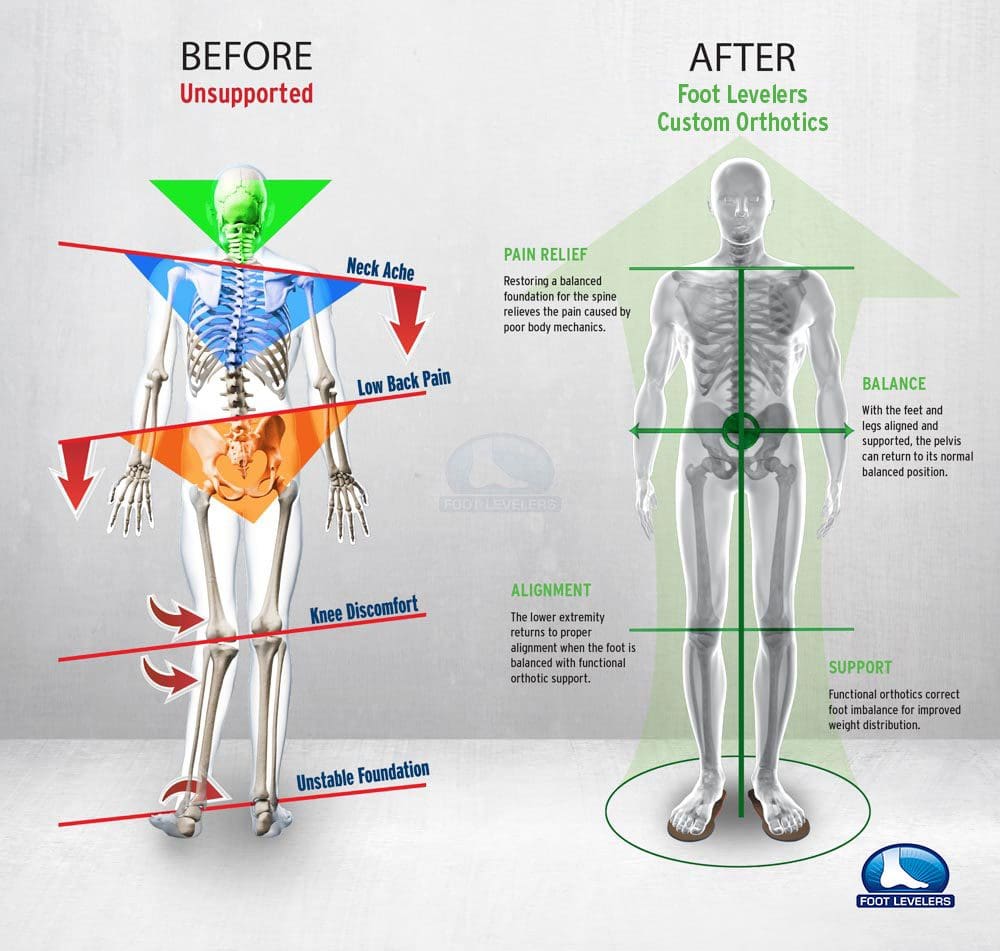
Custom orthotics align and support the foot/ankle in a more normal physiologic position for weight-bearing, which prevents dysfunction and improves the function of the body as a whole.
What they do is:
Make a symmetrical foundation that blocks pronation and supports supination
Give the heels shock absorption
Stops serial stress throughout the body
Enhances re-educating muscle-memory
Custom-made orthotics help reduce the impact of heel strikes when running or walking.
Shock absorption is a must when there is
Instability
Chronic degeneration
Inflammatory arthritis
Orthotics that are designed specifically to cushion the impact load from running can reduce pain triggers throughout the body.
Avoiding knee injuries
When orthotic care is indicated, custom-made functional orthotics can help reduce pain.
Look for orthotics that support the running gait and
Absorb shock at heel-strike
Support mid-stance
Provide propulsion at toe-off
Excessive Foot Pronation can Affect *FOOT POSTURE & MOBILITY* | El Paso, TX (2019)
The following video discusses how excessive foot pronation can ultimately have an effect on foot posture and mobility. Several things can impact foot posture and mobility, such as excessive foot pronation. Excessive foot pronation is most widespread among the overall populace, therefore, it’s regarded as one of the most frequent factors for abnormal foot posture and mobility, which can lead to a variety of health issues like overuse injuries. Excessive foot pronation and supination can ultimately impact general health and wellness.
What’s Afoot
Misalignment can be caused by many common runners� experiences including running on the same type of surface every day, running on a slanted surface such as a beach or replacing running shoes too infrequently. As a runner, you can work to vary your running surfaces and keep a better watch on your shoes, but your chiropractor will let you know if your body is in need of more balance.
NCBI Resources
If you are an active amateur or a competitive runner, using the services of a chiropractor can make a vast change in your overall health, reduce your pain from injuries and improve your alignment for a more effective run. Runners may not even realize that the tension they feel is the beginning of pain caused by being out of balance until it is adjusted. Chiropractic adjustments are often part and parcel of a runner�s training program to strengthen and improve performance. They can also help�recover from pregnancy�and postpartum bodily changes.
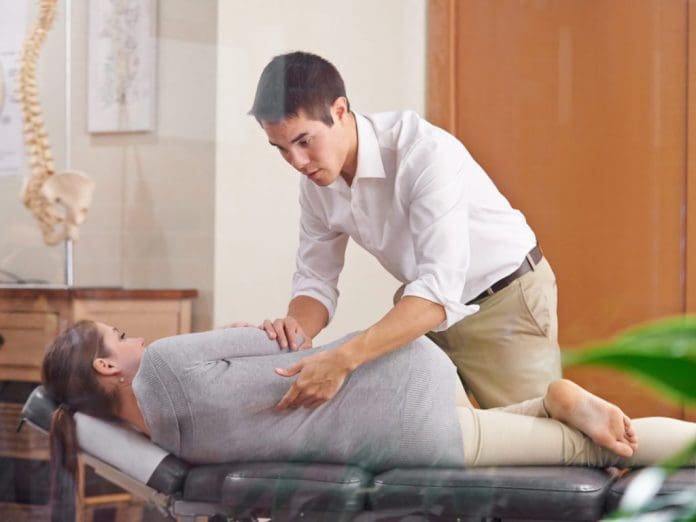
Do you have symptoms of back pain, headaches, or stress? Pain medications work for only so long and don’t fix the problem. Visiting a chiropractor may help some or all of your symptoms. A chiropractic adjustment means that a chiropractor physically adjusts the vertebrae in the spine. This procedure creates positive effects without the stress or invasiveness of surgery.
A study in the Human Journal of Hypertension showed that chiropractic could give people with high/low blood pressure the same effect as taking blood pressure medication.
The effects of the adjustment would last for 6 months after the adjustment.
Medications can have negative side effects which include:
Fatigue
Nausea
Dizziness
Anxiety
Weight loss
Imagine that chiropractic can have the same effect as these medications, An adjustment might be something to consider.
Neck and Lower Back Pain
80% of all Americans experience some sort of lower back pain in their lifetime.
Medications and surgery is an option, but as we know from the opioid epidemic, they can be dangerous, expensive, and ineffective. Chiropractic treatment can definitely reduce back and neck pain and is also cheaper than other back pain management therapies saving you from mild and chronic pain while reducing medical costs.
Sciatica
Sciatica is pain that radiates from the lower back, down your legs that usually stems from a damaged, herniated, bulging disc or sciatic nerve pressure.
Because of the intensity of the pain, over-medicating can become a problem.
A chiropractic adjustment can relieve pressure on the sciatic nerve.
Studies show that patients receiving chiropractic care reduced the number of pain days.
They also experienced a reduction in the intensity of their pain.
Inflammation is Reduced
Inflammation is one of the main causes of pain, joint issues, and tension.
Chronic inflammation has been linked to diseases like:
Heart disease
Chronic pain
Cancer
Chiropractic adjustments have been shown to reduce inflammation that leads to positive benefits:
Chronic lower back pain relief
Reduced muscle tension
Relief of joint pain
Headaches
Other than back pain, headaches are the top complaint that chiropractors treat. Both tension and migraine headaches can be caused by neck and spine issues. Back/Spinal misalignment can cause muscle tension and pain.
Neurological Conditions
Chiropractic adjustments help increase blood flow to the brain, as well as, cerebral spinal fluid. This helps people suffering from neurological conditions like multiple sclerosis and epilepsy.
Child Benefits
Chiropractic care can significantly improve conditions that affect children. The big three that can be helped are
Colic
Acid reflux
Ear infections
Colic
Colic causes crying and fussiness in children and babies from abdominal discomfort and gas. Adjustments have been shown to help improve colic symptoms.
Acid Reflux
Nerves in the gut can be particularly sensitive along with certain food sensitivity. Chiropractic helps keep the natural flow of the intestines moving.
This also boosts the immune system, which helps prevent infection/s.
Athletic Performance
Athletes who depend on their body for their sport definitely benefit from chiropractic. With a reduction of inflammation, pain, and other conditions chiropractic helps get the body in top shape and keep it.
Sports teams and professional athletes have chiropractors as part of their team. Alignments reduce inflammation and boost the immune system to help athletic performance.
Vertigo
Dizziness and vertigo can make it impossible to do everyday tasks without feeling disoriented, nauseous and fatigued. This is a common condition after going through a head or neck injury.
A chiropractic adjustment specifically targets joints and vertebrae that are not moving correctly. Adjustments also bring the body into balance, thus reducing vertigo episodes.
Conclusion
A chiropractic adjustment can be a great way to improve multiple areas of the body, along with improving overall health with non-invasive treatment.
With a chiropractic adjustment, you can safely and easily get yourself into top health.
Difference Foot Orthotics Make to *REDUCE FOOT PAIN* & Correct Posture | El Paso, TX (2019)
Custom made foot orthotics can help control foot motion and posture. Healthcare professionals prescribe custom foot orthotics to help patients focus on their foot posture and mobility control. Research studies have ascertained that using custom foot orthotics for posture and mobility control can help fix excessive foot pronation and supination to prevent a variety of foot health problems. The subsequent video describes how custom foot orthotics will help control foot posture and mobility to improve health and wellness.
NCBI Resources
A chiropractor is a healthcare professional who focuses on the diagnosis, treatment, and prevention of neuromuscular and musculoskeletal disorders through the use of adjustments and manipulations of the spine. Chiropractors seek to reduce pain and enhance the performance of patients as well as to instruct them on how they can account for their health via ergonomics, exercise and other therapies to deal with their pain. Chiropractic is usually categorized as alternative medicine or complementary medicine.
Vibrant America is at the forefront of modern medicine and is a leader in autoimmune diagnostics. Vibrant America has the ability and technology to get high-quality, accurate test results down to the peptide level.
One of the many tests we utilize from Vibrant America at Injury Medical & Chiropractic Clinic is Food Sensitivity. With this test, we are able to analyze 96 of the most common foods that are consumed. This is important because food sensitivities can occur hours or days after the food is consumed. Many individuals who suffer from digestive orders, migraines, weight gain, and inflammation might not realize it is from food sensitivities.
Why test for Food Sensitivity?
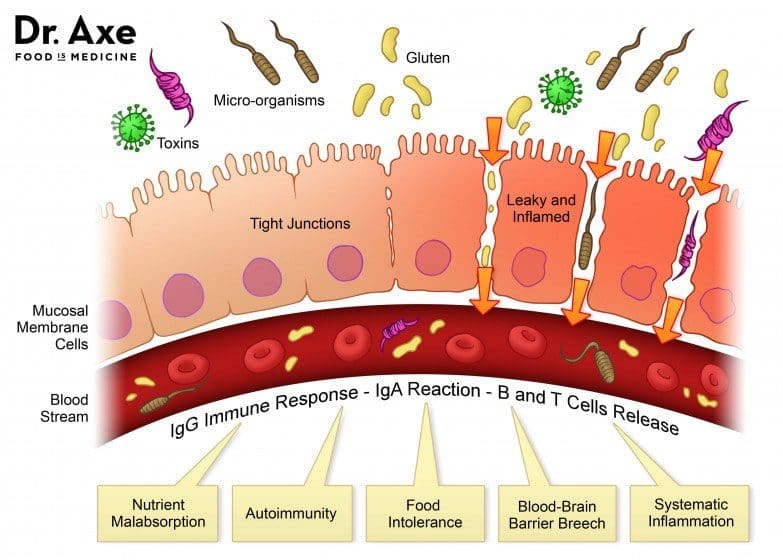
Not only do food sensitivities leave you with uncomfortable side effects days after ingestion, but they are damaging your gut. In a healthy gut, the intestinal lining will provide immunity to food antigens. The food we eat is not supposed to cross the intestinal barrier. However, in an unhealthy gut, the intestinal lining becomes damaged due to inflammation and an under abundance of healthy flora. This allows food particles to pass through into the bloodstream which then causes an IgG antibody response. This is commonly referred to as a “leaky gut”. This can result in further inflammation and can contribute to some diseases.
At Injury Medical, we want all of our patients to feel their best. On top of chiropractic care, we also offer functional medicine. When a patient mentions to us that they are having symptoms correlated to “leaky gut” such as abdominal pain, bloating, gas, skin itchiness, rashes like eczema, nausea, vomiting, joint pain, muscle stiffness, or feeling weak, we recommend running a food sensitivity panel.
How it works:
Once we sit down and have a detailed conversation, we send you to the labs with a “kit”. This “kit” provides the phlebotomist with everything they need in order to draw blood for the tests we order.
From here, the blood gets sent to Vibrant America. The blood is then examined all the way down to the peptide level. This allows a team of clinicians to discover the IgG and IgA antibody numbers in reaction to 96 foods (including dairy, meat, seafood, fruits, vegetables, grains, nuts, etc.).
Next, the results are sent back to us at Injury Medical Clinic. Dr. Jimenez and I ( Kenna Vaughn, Senior Health Coach), study these results to determine a proper treatment protocol. In addition to this, we have a team of clinicians that review each case with us, in order to fully understand what each result looks like and how to best approach it with the patient’s specific lifestyle.
Below is an example of how a patients test results would look:
Why this works
As mentioned above, food sensitivities have a delayed response. This testing works because it allows us to see what foods are responsible for the symptoms/reactions without the patient having to do an elimination diet.� With these results, the patient can start to make adjustments to their diet with our help in order to start feeling better and reducing their symptoms. The key to a healthy life is a healthy gut.
No one should have to live with uncomfortable symptoms or pain. If you or someone you know is experiencing these symptoms, come into Injury Medical Clinic where we can assess your needs and help you get on track to feeling better! – Kenna Vaughn, Senior Health Coach
Disclaimer: It is important to remember that food sensitivity testing and food allergy testing are not the same. Food allergies involve an IgE antibody and are an immediate reaction and can occur within minutes.
Around 3 million individuals suffer from plantar fasciitis
Heel pain
Foot pain
Spurs
Tight tendons
Stiffness
Signs of a long day, wearing the wrong shoes, both or you may have a condition known as plantar fasciitis. We don’t take our health seriously until we go through excruciating pain or some form of debilitation. Feet are the foundation of the body and when they are not at 100% there are going to be problems.
Identifying, diagnosing, and treating plantar fasciitis can be fast and easy with chiropractic orthotics!
What is it?
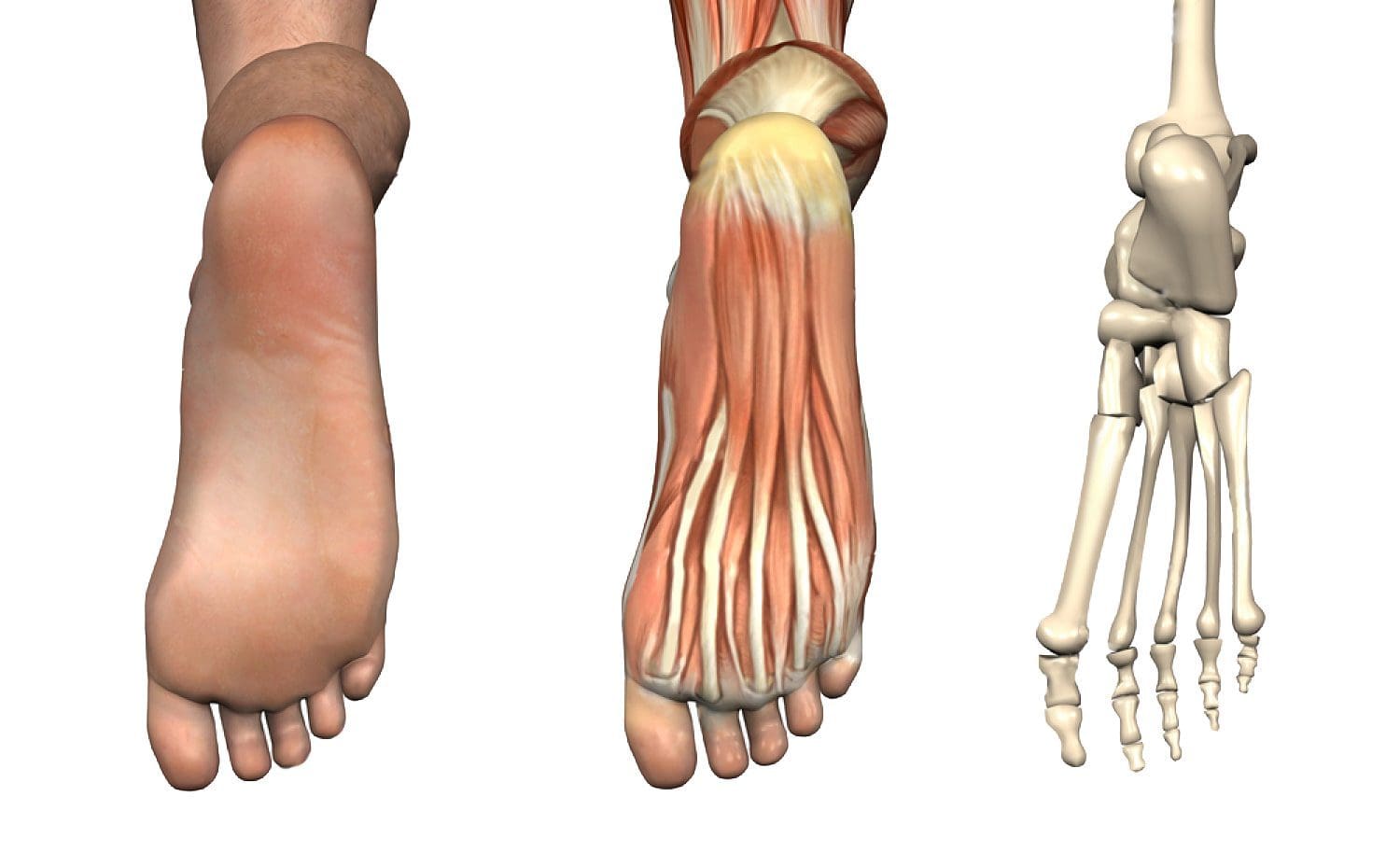
Plantar Fasciitis is inflammation of the tissues in your foot.
People think it only affects the heel, however, it can affect any or all of the bottom of the foot. Because it�s the tissue between the toes and heel that gets inflamed.
The tissue is called �fascia� hence the name of the condition: plantar fasciitis.
Heel spurs were once thought to be the cause of the discomfort, but now is a symptom of plantar fasciitis.
Many people who have plantar fasciitis wake up with stabbing pain in the bottom of their feet during the first few steps of their day.
Early morning pain and stiffness is a big indication of PF.
Also called �policeman�s heel,� pain and discomfort also arise after long periods of standing, walking, exercise.
The fascia in the foot acts as a shock absorber, which helps support the arch of the foot.
With time, increased tension, small tears begin to happen in the fascia, that leads to the inflammation.
Who gets Plantar Fasciitis?
People that stand on their feet for long hours, such as:
Factory workers
Teachers
Doctors
Nurses
Retail employees
Are at a higher risk of developing plantar fasciitis.
Improper Footwear/Posture
Wearing improper shoes, meaning too tight, too loose is another contributing factor.
Shoes that have arch support and heel protection are considered best and help to avoid pain and discomfort.
Poor posture
Abnormal walking gait
When heel or foot pain is not treated, it can lead to
Back
Knee
Hip problems�
Many adjust their walking to compensate for the pain and discomfort that can lead to more problems.
Being flat-footed raises the likelihood of developing plantar fasciitis regardless of age or lifestyle.
Other Contributing Factors
Weight also contributes to plantar fasciitis because it puts greater stress and tension on the feet as they hold the body. Exercise can help, but be sure that they are exercises specifically designed to help treat plantar fasciitis. Because certain types of exercise like running, aerobics, jumping, and dance-based workouts can lead to heel pain and plantar fasciitis.
Diagnosis
Identifying and diagnosing plantar fasciitis is straightforward and relatively easy. Diagnosing plantar fasciitis does not require an X-Ray or MRI, which is one reason many people avoid seeking treatment. But it’s best to seek the advice of a trusted healthcare professional.
Treatment
There are several ways to treat plantar fasciitis:
Rest is one of the best remedies, especially if it is caused by exercise or excessive stress.
Icing the area can help manage the pain
Stretching and/or light physical therapy
Stretches that focus on the Achilles tendon and lower leg muscles help stabilize and strengthen the ankles and heels.
This helps to:
Stand
Walk
Workout
Move around
Chiropractic and physical therapy can help with:
Stretching the muscles and tendons
Work out and tension
Provide day-to-day stretches
Kinesio taping along the bottom of the foot, heel, and lower leg but should be done first by a professional like your chiropractor to show the proper and most effective method then you can do it yourself.
Chiropractic orthotics, or custom insoles, can help immensely because they are custom made to each individual.
There are a variety of types designed for various types of pain and discomfort.
Custom chiropractic orthotics can work in nearly any type of shoe.
Athletic/Tennis/Skate shoes
Work Shoes/Boots
High heels
Sandals
They are easily and custom made specifically to your body, which factors in your weight, posture, and gait.
If you�re experiencing any of the symptoms like heel pain, throbbing pain when you wake-up, or pain along the arch of your foot, then don’t hesitate and make an appointment with us today!
Our chiropractic/physical therapy team will teach you how to make small adjustments to your lifestyle, show you how to stretch properly, and how to use custom chiropractic orthotics to get you back on your feet with comfort, control and freedom to live your life.
Manage *PLANTAR FASCIITIS PAIN* with Custom Foot Orthotics | El Paso, TX (2019)
Gloria underwent foot pain that stretched throughout her body. Her plantar fasciitis developed because of her regular activities. Gloria explains how her well-being has been influenced by her afflictions. The custom made foot orthotics supplied for her by Dr. Alex Jimenez, a chiropractor in El Paso, TX, tremendously helped relieve her foot pain and plantar fasciitis symptoms. Gloria explains the comfort that the custom-made foot orthotics supplied for her symptoms. Gloria highly recommends Dr. Alex Jimenez as the non-surgical selection for foot pain and plantar fasciitis treatment, among other problems.
What’s Afoot
Particularly true with foot dysfunction is when the mechanics of the foot are off, which can throw off the alignment of the entire body.�Overpronation and oversupination in the foot�can lead to severe and�chronic back pain. Ankle pain refers to any type of pain or discomfort in the ankle. This pain could generally be due to an injury, such as a sprain, or due to another health issue. As stated by the National University of Health Sciences, or NUHS, an ankle sprain is one of the most frequent causes of foot pain, making up 85 percent of all ankle injuries. A sprain occurs when the ligaments tear or are overstretched.
Chiropractors utilize a combination of treatment techniques and methods to ease ankle and foot pain. Chiropractic care is a safe and effective, alternative treatment option which focuses on the diagnosis, treatment, and prevention of a variety of injuries and conditions associated with the musculoskeletal and nervous system, including foot and ankle pain.
NCBI Resources
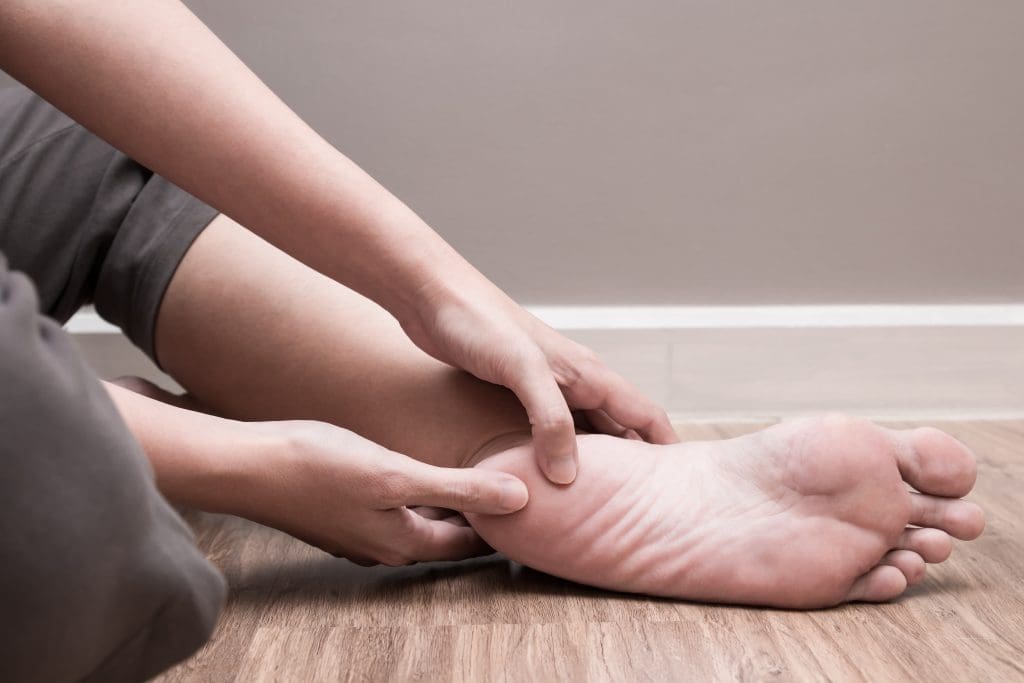
Plantar fasciitis/heel pain syndrome�is the most common cause of heel pain, that results from a gradual degeneration of the plantar fascia or sudden trauma.�Individuals describe the pain like sharp stabbing or deep aching in the middle of the heel or along the bottom of the foot that happens when walking or standing. Pain arises in the morning after taking the first few steps or after extended periods of sitting/lying down/non-activity.
Gloria experienced considerable foot pain which extended throughout her entire body. Her plantar fasciitis developed due to her everyday physical activities. Gloria describes how her foot pain and plantar fasciitis affected her quality of life. The custom foot orthotics provided to her by Dr. Alex Jimenez, a chiropractor in El Paso, TX, tremendously helped improve her foot pain and plantar fasciitis symptoms. Gloria describes how much comfort the custom foot orthotics provided for her painful symptoms. Gloria highly recommends Dr. Alex Jimenez as the non-surgical choice for foot pain and plantar fasciitis treatment, among other health issues.
Treat *PLANTAR FASCIITIS & FOOT PAIN* with Orthopedic Foot Orthotics | El Paso, TX (2019)
This condition affects approximately 2 million people in the United States a year.
There are doctors that believe bone spurs are the cause, and surgery is needed. However, bone spurs are not the cause of plantar fasciitis. Surgery will not eliminate the pain but may weaken or even rupture the plantar fascia
Symptoms
Pain on the bottom of the heel
Pain in the arch of the foot
Pain that is usually worse upon arising
Pain that increases over a period of months
Swelling on the bottom of the heel
Causes:
Improper footwear
Strenuous activity
Obesity
Over-pronation
High arches or flat feet
Poor shock absorption shoes
Plantar fasciitis is commonly seen in middle-aged patients.
We also see it often in those who place a great deal of stress on their feet like:
Runners
Athletes�
Soldiers
We are blessed to present to you�El Paso�s Premier Wellness & Injury Care Clinic.
We Are Ready To Help You Get Back To Your Normal Life!
How Chiropractic Helps Plantar Fasciitis
Chiropractic care is a very effective treatment for plantar fasciitis as well as the pain that is caused by the condition. Chiropractic for plantar fasciitis involves a very precise technique that involves adjustments to the feet and ankles as well as spinal alignment. This provides several benefits.
Reduces Stress in the Plantar Fascia�� When a ligament is inflamed or stressed the tissue can develop very small tears that cause the pain of plantar fasciitis. Chiropractic adjustments made to the heel and foot take the pressure off of the plantar fascia, allowing it to relax.
Promotes Healing�� When the stress on the plantar fascia is reduced through these chiropractic adjustments, the foot can begin to heal. The chiropractor may also recommend specific exercises that stretch the ligament and help it heal. They may also advise the patient of lifestyle changes as well as nutritional adjustments that can help with the pain and condition.
Provides Effective Pain Management � Chiropractic is a very effective way to manage pain throughout the body. Spinal adjustments allow better communication between the brain and nerves, allowing the central nervous system to function more effectively. Condition-specific adjustments speak to the root of the problem, not just the symptoms. This means a more effective form of pain management that is longer lasting.
Reduces the Risk of Further Injury�� When a person has a condition like plantar fasciitis, they will often adjust their gait in an effort to avoid the pain. This puts stress on other parts of the body and can lead to back pain, sore joints, strained muscles, and other problems. Chiropractic�s�whole-body approach�helps the person realign their body properly so that they stand and walk properly. This helps them avoid further injury and discomfort.
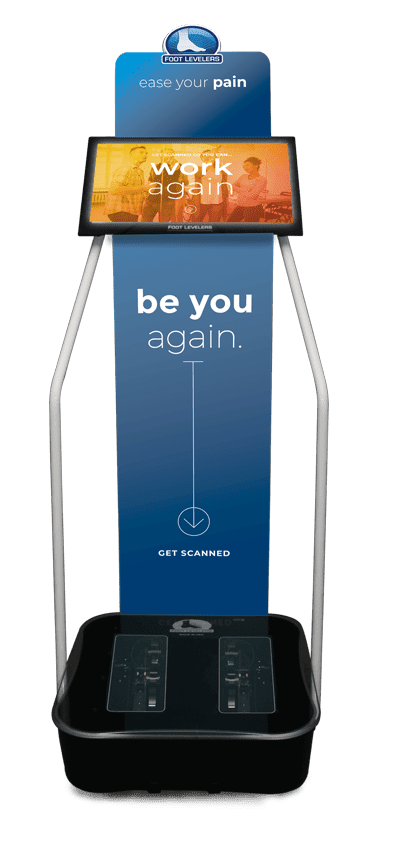
Foot Levelers Kiosk
The Kiosk helps guide patients in selecting the best custom-made orthotics for their condition and lifestyle. It’s�
Fast:�Push the Start button and the scanner begins.
Easy to use:�User-friendly easy touch screen.
Engaging:�Videos explain the importance of healthy feet and the benefits of custom-made orthotics.
Cloud-based:�Results can be securely accessed from anywhere.
Comprehensive:�Easily retrieve previous scans to compare them to new scans and see the difference.
The Foot Levelers Kiosk saves time so you can spend more time living your life.
What’s Afoot
Plantar fasciitis is caused when the ligament that connects your toes to your heel (the plantar fascia) becomes inflamed, swollen, and weak. This causes the bottom of your foot or heel to hurt when you walk or stand, especially when you first wake or after sitting for a long time. The pain tends to be sharp and stabbing. It is the most common�cause of heel pain and is more prevalent among middle-aged people. However, anyone can get it at any age, especially people who spend a lot of time on their feet.
Feet are important. When you consider what your feet go through, taking 8,000 steps over the course of a day, according to the�Illinois Podiatric Medical Association�(IPMA), it�s easy to see how 75 percent of all Americans will have some type of�foot pain�at some point in their lives.�Plantar fasciitis�is a common and very painful foot condition that can become chronic if not treated. It is also a condition that responds very well to chiropractic care.
IFM's Find A Practitioner tool is the largest referral network in Functional Medicine, created to help patients locate Functional Medicine practitioners anywhere in the world. IFM Certified Practitioners are listed first in the search results, given their extensive education in Functional Medicine