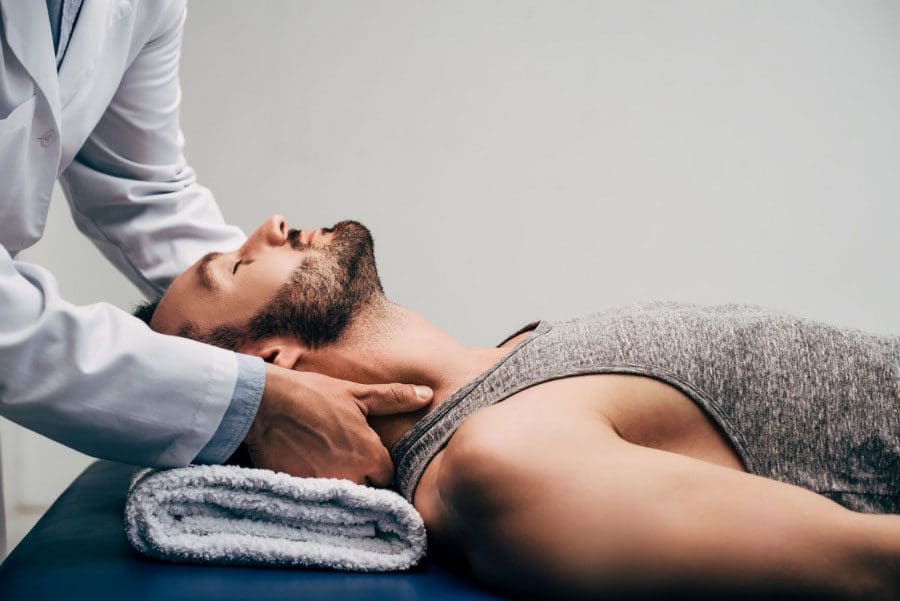
Many patients with peripheral neuropathy often believe that their painful symptoms are irreversible or permanent. However, Dr. John Coppola and Dr. Valerie Monteiro describe that peripheral neuropathy can be treated by treating the underlying source of the painful symptoms. Several patients discuss their painful peripheral neuropathy symptoms and how these affected their overall quality of life.
Moreover, the patients also discuss how Dr. John Coppola and Dr. Valerie Monteiro helped treat their painful peripheral neuropathy symptoms through the use of a variety of treatment methods and techniques. Dr. Alex Jimenez, doctor of chiropractic in El Paso, TX, can help treat painful symptoms associated with peripheral neuropathy. Dr. Alex Jimenez is the non-surgical choice for chiropractic care and peripheral neuropathy treatment.
Peripheral Neuropathy Recovery Stories | El Paso, TX (2019)
Neuropathy is a medical term used to describe a collection of general diseases or malfunctions which affect the nerves.
The causes of neuropathy, or nerve damage, can vary among individuals and these may be caused by different:
Diseases
Injuries
Infections
Vitamin deficiencies
Neuropathy can also be classified according to the location of the nerves being affected and according to the disease-causing it.
Furthermore, depending on which nerves are affected will depend on the symptoms that will manifest.
Peripheral neuropathy is simply referred to as neuropathy, which is a state that happens when the nerves become damaged or injured, oftentimes simply disturbed.
It�s estimated that neuropathy affects roughly 2.4 percent of the general populace and approximately 8 percent of people older than age 55.
Type
Neuropathy can affect any of the three types of peripheral nerves:
Sensory nerves�transmit messages from sensory organs:
Eyes
Nose
Brain
Motor nerves track the movement of the muscles
Autonomic nerves regulate the involuntary body functions
Sometimes, neuropathy will only impact one nerve. This is medically referred to as mononeuropathy and instances of it include:
Ulnar neuropathy affects the elbow
Radial neuropathy affects the arms
Peroneal neuropathy affects the knees
Femoral neuropathy affects the thighs
Cervical neuropathy affects the neck
Sometimes, two or more isolated nerves in separate regions of the body can become damaged, injured or disrupted, resulting in mono neuritis multiplex neuropathy.
Most of the time, multiple peripheral nerves malfunction at the same time, a condition called polyneuropathy.
Cause
Neuropathies are often inherited from birth or they develop later in life.
The most frequent inherited neuropathy is the Charcot-Marie-Tooth disease, which affects 1 in 2,500 people in the USA.
Although healthcare professionals are sometimes not able to pinpoint the exact reason for an acquired neuropathy, medically referred to as idiopathic neuropathy.
There are many known causes for them, including:
Systemic diseases – a systemic disease is one that affects the whole body.
Physical trauma
Infectious diseases
Autoimmune disorders
The most frequent systemic cause behind peripheral neuropathy is diabetes, which can lead to chronically high blood glucose levels that harm nerves.
Other systemic issues can cause neuropathy, including:
Kidney disorders permit high levels of nerve-damaging toxic chemicals to flow in the blood
Toxins from exposure to heavy metals include:
Arsenic
Lead
Mercury
Thallium
Drugs/medications, including anti-cancer medications, anticonvulsants, antivirals, and antibiotics
Chemical imbalances because of liver illnesses.
Hormonal diseases, like hyperthyroidism, which disturbs metabolic processes, and potentially induces cells and body parts to exert pressure on the nerves.
Deficiencies in vitamins, such as E, B1 (thiamine), B6 (pyridoxine), B12, and niacin can be vital for healthy nerves.
Alcohol abuse induces vitamin deficiencies and could harm nerves.
Cancers and tumors can exert damaging pressure on nerve fibers and paths.
Chronic inflammation can damage protective tissues around nerves, which makes them more vulnerable to compression, getting inflamed and swollen.
Blood diseases and blood vessel damage, which may damage or injure nerve tissue by decreasing the available oxygen supply
Symptoms
Depending on the reason and unique to each patient, signs, and symptoms of neuropathy can include:
Symptoms are dependent on autonomic, sensory, or motor nerves or a combination are affected.
Autonomic nerve damage can start a chain reaction of physiological functions like blood pressure or create gastrointestinal problems and issues.
Damage or dysfunction in the sensory nerves may impact sensations and sense of equilibrium or balance, while injury to motor nerves affects movement and reflexes.
When both sensory and motor nerves are involved, the condition is known as sensorimotor polyneuropathy.
Complications
Peripheral�neuropathy�may result in several complications, as a result of disease or its symptoms.
Numbness from the ailment can allow you to be less vulnerable to temperatures and pain, making you more likely to suffer from burns and serious wounds.
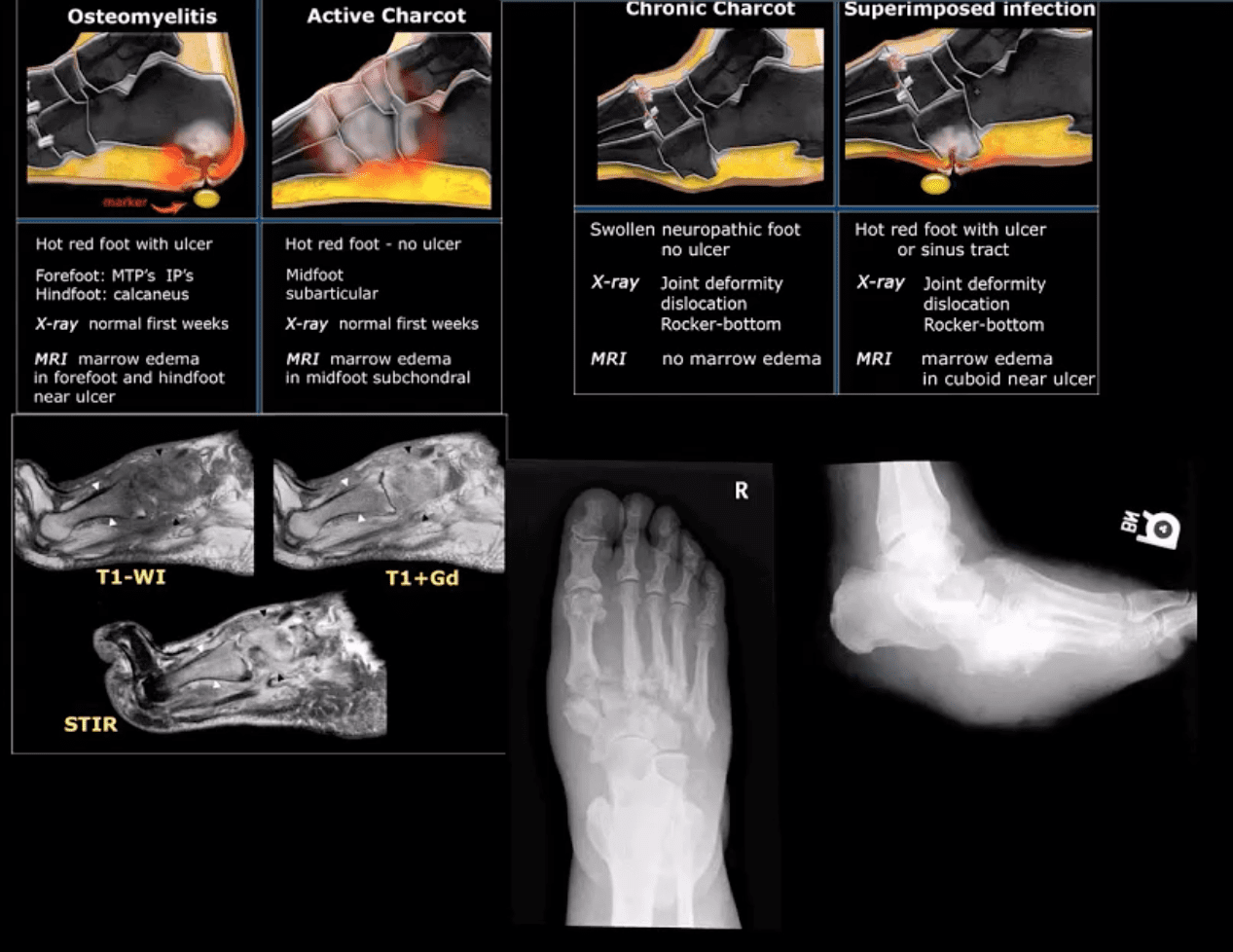
The lack of sensations in the feet, for instance, can make you more prone to developing infections from minor traumatic accidents, particularly for diabetics, who heal more slowly than other people, including foot ulcers and gangrene.
Furthermore, muscle atrophy may cause you to develop particular physical disfigurements, such as pes cavus, a condition marked by an abnormally high foot arch, and claw-like deformities in the feet and palms.
Treatment
The first step in neuropathy treatment should be finding the root cause that’s causing the neuropathy.
Treatment of diseases such as:
Diabetes
Guillain-Barre syndrome
Rheumatoid arthritis
Sarcoidosis
Other underlying diseases
Prevents continued nerve damage and in cases heals the damaged nerves.
If you are unaware of any underlying disease that is causing the peripheral neuropathy, make sure to let your doctor know of abnormal symptoms.
Medication
Peripheral neuropathy can be treated with various medications.
The first type used to treat mild symptoms are:
Over-the-counter pain medications
In more severe cases:
Opiates
Narcotic medications
Anti-seizure medications
A doctor may prescribe a lidocaine patch or anti-depressants to relieve symptoms.
Patients should thoroughly discuss�neuropathymedication with a doctor before proceeding.
Chiropractic/Massage/Physical Therapy
Various manual therapies can benefit symptoms in neuropathy treatment.
A therapist or chiropractor will perform various manipulation techniques, and teach exercises and stretches to help improve symptoms combined with increased muscle strength/control.
A therapist may also recommend braces or splints to improve mobility.
Patients should attend all physical therapy sessions to gain maximum benefits.
Acids
Supplements like:
Essential acids called ALA (alpha-Lipoic acid)
GLA (gamma-linolenic acid) and omega-3 fatty acids
These can have a beneficial effect on diabetic peripheral neuropathy.
L-Carnitine
L-carnitine is a substance that the body makes and stores in the:
Liver
Brain
There have been reports that certain diabetics with neuropathy symptoms could regain regular sensation in the limbs when they increased their consumption of carnitine called acetyl-L-carnitine.
Red meat
Peanut butter
Dairy products
Are good dietary sources of this nutrient.
Supplements are also available at health food stores and pharmacies and health/wellness clinics.
Vitamin Supplements
Vitamin deficiencies can result in peripheral neuropathy in some people.
Therefore there needs to be a replenishing of vitamins:
B
B12
E
These can help to decrease symptoms.
Recommended dosages are 300mg daily of vitamin E.
Doses of the different B vitamins differ, but one option for patients is to take a daily B-complex supplement.
Herb Supplements
Herbal remedies are an alternative to explore.
St. John’s Wort, is a herbal supplement that can be taken orally and can reduce the pain.
Topical creams that have capsaicin, which is an anti-inflammatory found in chili peppers, can reduce the burning sensation.
While every type of neuropathy, such as diabetic neuropathy or autoimmune disease-associated neuropathy, develops its own unique group of symptoms, many patients will often report common complaints. Individuals with neuropathy generally describe their pain as stabbing, burning or tingling.
If you experience unusual or abnormal tingling or burning sensations, weakness and/or pain in your hands and feet, it�s essential to seek immediate medical attention in order to receive a proper diagnosis of the cause of your specific signs and symptoms. Early diagnosis may help prevent further nerve injury. Visit http://www.neuropathycure.org.
Pilates or yoga can work wonders and always stretch before physical exercise.
Get fit – no regular physical activity can lead to serious conditions and possibly chronic pain.
Exercise benefits all, even some light walking around the neighborhood is enough. Just get moving!
Playing a sport could be a way to keep active. Remember, in order for any exercise to work is that it is done regularly.
Strength training is important, just as its name implies strength training builds muscle and reduces muscle imbalances.
It�s never too late to increase strength and flexibility.
Look at activities that you and your friends/family can enjoy and make doing them a regular thing.
A�chiropractor�is the ideal�medical professional to consult with for any unexplained pain in the musculoskeletal system. They are highly qualified professionals that their specialty is treating conditions like lower back pain and they are very affordable. If you or a loved one have pain in the lower back, give us a call. We�re here to help!
Understand *FOOT PRONATION* & How to Correct it with Orthotics | El Paso, TX (2019)
Foot pronation is the natural movement that occurs during foot landing while walking or running. Foot pronation also occurs while standing, and in this instance, it is the amount in which the foot rolls inward toward the arch. Foot pronation is normal, however, excessive foot pronation can cause a variety of health issues, including bad posture. The following video describes the 5 red flags of excessive foot pronation, which can ultimately affect a person’s overall health and wellness. Dr. Alex Jimenez can help diagnose and treat excessive foot pronation. Patients recommend Dr. Alex Jimenez and his staff as the non-surgical choice for excessive foot pronation health issues.
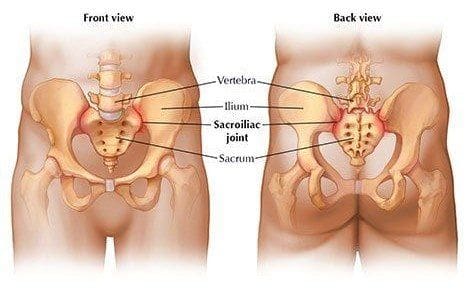
Sacroiliac joint dysfunction is known to cause low back pain, but diagnosing can be hard for some doctors. Especially those that do not have a great deal of experience in sacroiliac joint pain. However, chiropractors specialize in this area as the SI joint is an important part of the musculoskeletal system.
SI joint dysfunction and pain can involve�one or both joints.
�
Other terms associated with SI joint dysfunction are sacroiliitis or degenerative sacroiliitis.
Low back pain may be SI joint-related, so how to start the conversation with your doctor?
Things to Remember Before Appointment
Diagnosing sacroiliac joint-related pain begins before your first appointment with a doctor or chiropractor.
Three things to do before your appointment can help make the visit highly productive.
I. Know your medical history
If you have an existing spinal condition, it can definitely affect SI joint dysfunction
Any recent trauma, like an auto accident or fall?
Pregnant?
Think about these before, because they can help a doctor identify links or cause of Sacroiliac joint dysfunction.
II. Know the symptoms
Make it a point to know the symptoms so you can explain them in full detail.
Dull pain
Achy
Stiff
If you need to, write them down.
Common symptoms:
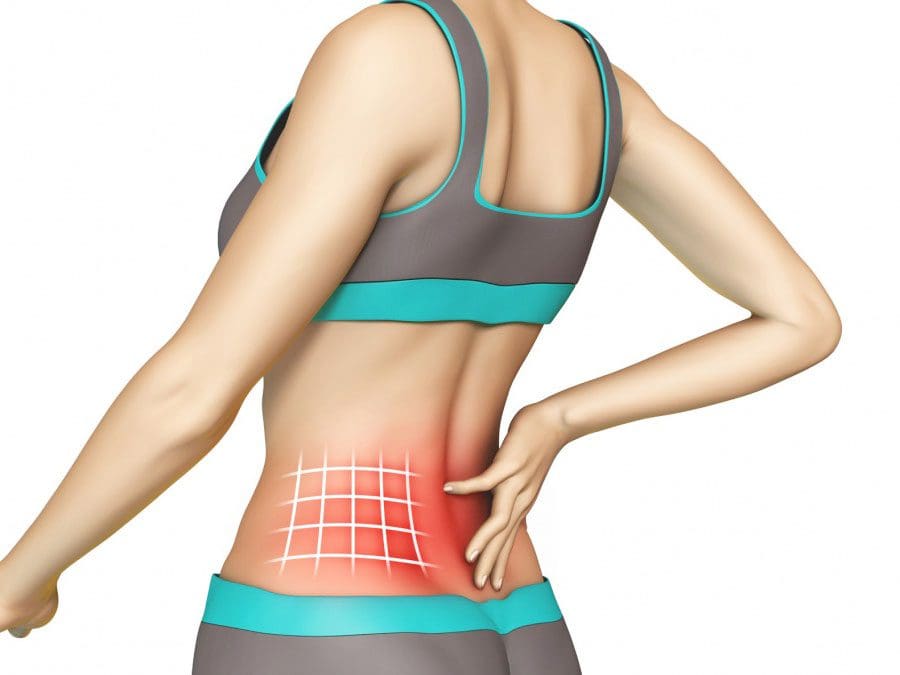
Low back pain
Pain that travels through:
Hips
Buttocks
Thighs
Groin
Pain when pressing on the Sacroiliac joints�
Stiffness or electrical burning sensations in the pelvis
Know when the symptoms get worse and when they go away. For example:
The pain usually increases when:
Standing
Walking for extended periods
Climbing stairs
Getting/rising up from a seated position
And the pain usually goes away when lying down.
III. Write down questions for your doctor.
Think about what you want your doctor to understand and the pain you are going through.
Write down questions and take them with you.
This questions could be like:
Is this pain caused by a sacroiliac joint problem?
Why rule out sacroiliac joint dysfunction?
How long does it take for the treatment/s to take effect?� �
Is the treatment plan for long sustained relief or short-term relief?
The Appointment
Ask your doctor to examine you for sacroiliac joint dysfunction.
Low back pain research shows the sacroiliac joint, is a definite cause of low back pain.
This problem affects� 30-34% of patients with low back pain.
A doctor can diagnose sacroiliac joint dysfunction based on medical history and a physical exam.
The physical exam, which can include performing specific maneuvers/movements to re-create the pain in a controlled manner, to help confirm a diagnosis.
Physical tests can initiate sacroiliac joint pain and help diagnose low back pain that is being caused by sacroiliac joint dysfunction.
Fortin finger test, which means pressing down near the sacroiliac joints
If three out of five tests produce pain, then more than likely you have sacroiliac joint dysfunction.
Dialogue with your doctor/chiropractor
It�s normal to feel overwhelmed during a doctor’s visit, especially if you have a�condition that is hard-to-diagnose.
Talk with your doctor, their voice should not be the only one heard, this is your body and your health that’s at stake.
Your information is essential to help with an accurate diagnosis.
If your doctor doesn’t feel comfortable or feels they don’t have enough experience in diagnosing sacroiliac joint pain, then ask for a referral to a spine specialist/chiropractor that is comfortable and does have the experience in diagnosing sacroiliac joint pain.
There are a number of treatments for sacroiliac joint dysfunction, including pain medication, epidural steroid injection, and surgery. However, chiropractic care is non-invasive and does not have the unpleasant, sometimes harmful side effects of pain meds. It is safe and effective and treats the entire body instead of just the part that hurts.
Low Back Pain Treatment | El Paso, Tx
Low back pain which gradually influenced his quality of life was developed. David Garcia was unable to walk as his symptoms worsened and his back pain became excruciating. He first visited Dr. Alex Jimenez, a chiropractor in El Paso, TX, following a recommendation from his sister. Dr. Jimenez managed to supply David Garcia with all the aid he deserved for his low back pain, restoring his well-being. David Garcia clarifies the wonderful service Dr. Alex Jimenez and his team have given him to offer him relief from his painful symptoms and he highly recommends chiropractic care as the non-surgical pick for low back pain, among other health problems.
NCBI Resources
Patients who experience lower back pain never want to deal with it again, but�it can flare up periodically. According to the�National Institute of Neurological Disorders and Stroke, roughly 20% of those who suffer from low back pain will eventually deal with it chronically. This can cause frustration, primarily when it affects mobility.
Before you run screaming in horror to the medicine cabinet, one of the best reasons to participate in chiropractic treatment is that it helps reduce the chance of a recurrence. By working on the total body and getting it in the best shape possible, the patient is stronger and more balanced to handle their workload and other strenuous activities. Chiropractors also impart advice on how to minimize the chances of re-aggravating the lower back.
As far too many Americans and Texans know, chronic pain remains a huge public health problem and one of the most prevalent reasons why people seek medical care. Chronic pain negatively impacts many aspects of a person�s life as well as the lives of their families, friends, and caregivers. It is essential that patients understand all treatment options for various types of pain.
Chiropractors are highly skilled professionals who are dedicated to providing safe and effective physician-level health care to patients suffering from back pain. Chiropractic care focuses on disorders of the musculoskeletal system and the nervous system as well as promotes a hands-on, non-drug approach to pain management and healthy lifestyles. Their expertise in the prevention, care, and rehabilitation of back, neck, joint, and head pain is critical for treating patients with various pains and disorders and can save the public from the physical and financial tolls of other treatment options. As a first line of defense against pain, chiropractors� services can help individuals heal naturally without the need for drugs or surgery.
At this time, I encourage all Texans to learn more about the vital role that chiropractors play in the health care field and how chiropractic services can benefit their lives. I commend Texas chiropractors for their commitment and efforts to improve the quality of life for all Texans by promoting effective pain management and healthy lifestyles.
Therefore, I, Greg Abbott, Governor of Texas, do hereby proclaim October 2019, to be
Chiropractic Health Month
in Texas, and urge the appropriate recognition whereof.
In official recognition whereof, I hereby affix my signature this the 18th day of September 2019.
� Governor of Texas
PDF Download
NCBI Resources
Do you have back, shoulder, neck, leg pain, headaches, or stress? Pain medications work for only so long and don�t fix the problem. A chiropractor can help your symptoms. A chiropractic adjustment means that a chiropractor physically/manually adjusts the vertebrae in the spine. This procedure creates positive effects without the stress or invasiveness of surgery. A chiropractic adjustment�can be a great way to improve multiple areas of the body, along with improving overall health with non-invasive treatment.
Sciatica doesn�t have to prevent you from being able to travel.
Sometimes a journey can create a series of challenges for people with sciatic nerve pain in the low back and leg.
A common issue among individuals is to prevent sciatica from flaring up when on the road or in the air.
A solution for this is to find ways to keep moving. However, easier said than done, but it can be done!
Flying and driving often mean long periods of sitting and sitting in a position typically not friendly with sciatic pain.
“When we drive or fly for an extended trip, it means long sitting times, and sitting in a position that can cause sciatica to flare up at any time,” says Dr. Alexander Jimenez, D.C. in El Paso, Texas, and member of the American Chiropractic Association (ACA).
Dr. Jimenez shares some basic tips for keeping mobility up, all the while pain-free, when flying and driving with sciatica.
He also offers additional advice to keep radiating pain from starting, upon arrival.
Flying with Sciatica
Sciatica pain radiates through the lower body meaning:
The low back
Hips
Buttocks
Legs
So when a flight anchors you to a seat, this can aggravate the area and cause pain.
The first thing to consider is the seat choice.
An aisle seat allows you the easiest access out of the seat, allowing you to move more during the flight.
Also when flying with sciatica, tell the flight crew about your condition.
When the seatbelt off light comes on, get up, stretch your legs and move around anywhere you can find room.
With a good portion of the population suffering from sciatica, most crews have seen people with this condition, and will usually let you do some stretching if they’re not busy.
A good sciatica stretch is to put your hands on something stable and do some deep knee bends.
This will use the upper body weight to stretch the lumbar spine comfortably.
Do a few and make sure you feel and return to your seat stretched and refreshed.
When taking a long flight, do this every hour to feel better when landing.
Sciatica Road Trip
Road trips, on the other hand, are easier to stop and move around. However, it can also create over-concentration on the drive and forgetting how much you are hurting until the pain is unbearable.
Dr. Jimenez advises frequentstops, if possible every hour is best to prevent pain.
On the stops walk two or three laps around the car/Suv/truck.
Rear bumper stretching prop
Place one foot on the bumper, and the other a few feet behind, lean into the bumper and square the hips with the lead foot.
This is like a hurdle stretch.
Stretch both legs on each break.
Regular stretching helps relieve the pressure on the low back so you can drive comfortably.
Arrival
Packing light is a healthy tip because hauling heavy luggage will aggravate sciatic nerve pain.
There are a few things that Dr. Jimenez recommends packing or getting upon arrival.
Gel ice pack you can keep in the refrigerator or freezer in a hotel.
Apply the cold pack to the low back for 20-minute increments will go a long way toward relieving pain.
Topical agent/cream/gel that has menthol or camphor, that you can apply to any area of tenderness or pain before the ice gel pack.
This increases the ice pack’s power by helping relax muscles and decreasing pain.
Supportive shoes or custom foot orthotics
People with sciatica should choose footwear or orthotics that support all three arches of the foot.
Leg length is usually not equal on each side, and proper arch supports can be custom made for you by your chiropractor to compensate for the difference.
Even a 5mm difference can cause chronic back pain.
And if possible, ask your chiropractor or primary physician if they can recommend a chiropractor, physical/massage therapist,� or acupuncturist that you can see in case you need emergency treatment.
This can give you some peace of mind.
Keep Your Exercise/Stretching Routine When Traveling
When we travel especially on vacations it can be easy to let healthy lifestyle habits you practice at home slide.
All are sciatica�s natural enemies make sure to bring these healthy practices with you to your destination.
Use the same good sense when you travel just like at home getting:
Get plenty of rest
Drink plenty of water
Don’t overeat
You will need more rest when you travel and don’t forget when you travel to:
Walk
Stretch
Stay mobile
Difference Foot Orthotics Make to *REDUCE FOOT PAIN* & Correct Posture | El Paso, TX (2019)
Custom made foot orthotics can help control foot motion and posture. Healthcare professionals prescribe custom foot orthotics to help patients focus on their foot posture and mobility control. Research studies have ascertained that using custom foot orthotics for posture and mobility control can help fix excessive foot pronation and supination to prevent a variety of foot health problems. The subsequent video describes how custom foot orthotics will help control foot posture and mobility to improve health and wellness.
NCBI Resources
Sciatica is generally caused by the compression of lumbar or sacral nerves or by compression of the sciatic nerve. When sciatica is caused by compression of a dorsal nerve root, it’s known as lumbar radiculopathy. This can occur because of a spinal disk bulge or spinal disk herniation (a herniated intervertebral disc), or by roughening, enlarging, or misalignment (spondylolisthesis) of the fascia, or as a consequence of degenerated discs which can reduce the diameter of the lateral foramen by which nerve roots exit the spine.
Myofascial syndrome, what is it? You’re probably thinking I don’t have that, but more than likely, you have.
Myo means muscle and fascia refer to the tissue bands that cover and connect the muscles/organs.
Tightness
Twitching areas
Painful knots
In the neck/back, then myofascial pain syndrome could be the cause.
Myofascial syndrome is a very common condition. It affects about 44 million people in the United States.
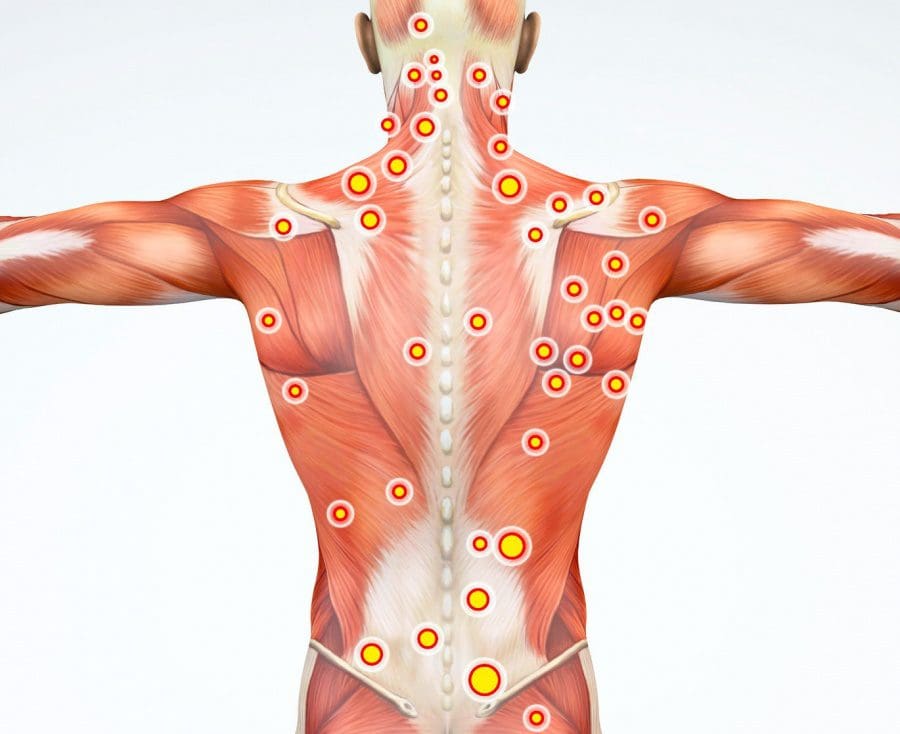
Trigger Points The Areas Where Pain Can Develop
Myofascial pain is associated with trigger points. These are areas that can become tender and stiff inside muscle tissue that reduce the range of motion.
Myofascial pain syndrome can happen when you have several active trigger points.
Trigger points are often referred to as knots because they feel tight and balled up compared to the softer relaxed surrounding muscle/s.
If the muscle becomes tight, it can cut off its blood supply, that can trigger:
Muscle tenderness
Pain
Spasm
Tightness
Trigger points can form all over the body which includes:
Neck
Mid-back
Low back
Common characteristics of trigger points are that they cause pain that travels or spreads to the surrounding area. For example, shoulder pain can radiate across the upper back.
The muscles can also twitch when touched.
Pretty much everyone has trigger points, but not all triggers cause symptoms.
Dormant or latent��trigger points can reduce the range of motion but only cause pain when directly palpated or compressed,
Active trigger points are painful any time, even when at rest.
Lifestyle factors like:
Stress
Poor posture
Can make a dormant trigger point become active.
Trigger Point Causes in the Spine
Spinal injury or trauma can result in myofascial pain syndrome, but lifestyle factors usually have a hand in the condition.
Poor posture over a long period, for example, sleeping in an awkward position can cause physical muscular stress on the spinal muscles.
Mental and emotional stress can present itself through muscle tension that helps the development of trigger points.
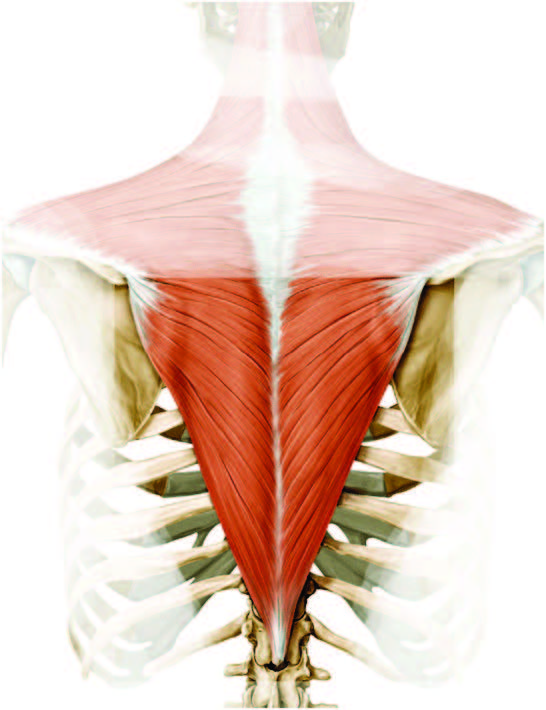
The trapezius muscle, that extends from the back of the neck down the shoulders and upper back, is the most common site of spinal trigger points and myofascial pain because of the significant amount of pressure that the muscle has to bear and its susceptibility to whiplash.
The Difference Myofascial Syndrome and Fibromyalgia
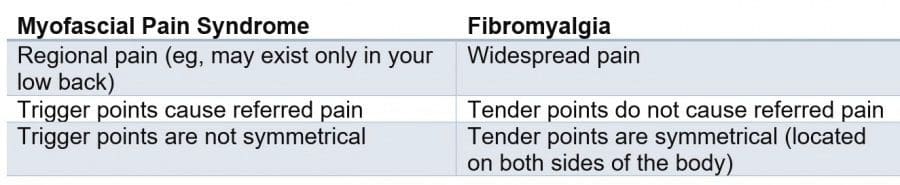
Because myofascial syndrome is linked to triggering points, fibromyalgia and its tender points bring out a comparison of the two.
Myofascial pain syndrome and fibromyalgia are two distinct conditions, and the table below outlines the primary differences.
Because they are unique conditions, there is a possibility to develop both conditions.
Doctor(s) can help craft a treatment approach that addresses the pain of both trigger points and tender points.
Diagnosis can be difficult
Myofascial pain syndrome is common but can be difficult to diagnose.
The challengingreasons behind diagnosing include:
Scientists are not sure how these trigger points cause pain.
The condition is often confused for other spinal disorders and conditions.
An example is having low back pain caused by myofascial syndrome in the lumbar spine. But low back pain brought on by arthritis can cause similar pain. That’s when the cause needs to be carefully and properly assessed.
There is no standard test for myofascial pain syndrome diagnosis yet.
There�s no standard diagnosing protocol but manual palpation or use of the hands to feel for:
Tenderness
Twitching
Tightness around the area
Is the most common way doctors diagnose the condition.
Some doctors might only utilize manual palpation but ultrasound is emerging as a diagnostic tool for myofascial pain syndrome.
Ultrasound produces clean images of the soft tissues and shows the active trigger points.
However, more research is needed to secure its place as a diagnostic method and tool.
A personal or primary care doctor can diagnose myofascial syndrome, but they may refer you to a pain specialist or a spine specialist like:
Doctors and researchers are still learning about myofascial syndrome, therefore, treatment options differ from doctor to doctor.
But most doctors do support a multidisciplinary treatment approach that is, using a variety of therapies and employing lifestyle changes to manage trigger point pain and prevent it from coming back.
Below are common treatments for myofascial pain syndrome.
Release Therapy
Myofascial release is a broad treatment option that consists of manual or instrument-guided therapydesigned to release the muscles and fascia by use of applying pressure.
Practitioners and clinicians are trained in myofascial release therapy, including:
Massage therapists
Physical therapists
Chiropractors
Physiatrists
The goal is the same:
Put pressure on the trigger point and release it.
Myofascial release technique might sound like a massage, but it is a distinct method compared to massage.
Massage moves muscles up and down,� myofascial release utilizes direct pressure into the stiff fascia and muscle.
Repeated pressure on the tight areas is not soothing, and patients tell of soreness during and after the treatment.
Once the trigger point loosens up, blood flow and nerve function begin to return to the area.
Then the pain is gone, hallelujah!
Additional Care Options
Myofascial release therapy is just one option for trigger point pain.
Other common treatments to manage spine-related pain include:
Home
If you know the location of the trigger points you can treat them at home with simple tools.
Rolling the trigger point over a:
Foam roller
Golf ball
Tennis ball
Can help loosen any of the tight areas.
Over-the-counter medication
If doctor-approved, then taking an over-the-counter pain reliever like acetaminophen (Tylenol) or ibuprofen (Motrin, Advil) can help with spine pain and allow daily activities.
Physical therapy
Physical therapy like:
Massage
Chiropractic
Heat
Electrical stimulation
Ultrasound
There are also stretches/exercises to keep muscles warm and flexible to help any future trigger points from forming.
Massage therapy
Licensed massage therapists practice myofascial release therapy, but also include other forms of massage
Deep tissue massage
Swedish massage
Can also help relieve trigger point pain.
Massage can also help to relax, and this is very important in preventing myofascial pain syndrome.
Also, learn how to keep stress and anxiety in check, and avoid tension that can turn into trigger points.
Dry needling/acupuncture
While both therapies use needles, dry needling and acupuncture are different treatments that can reduce the pain.
There is not a lot of research on dry needling like acupuncture, but it can help increase blood flow to the trigger point area.
Acupuncture means inserting needles into specific points on the body.
These needles help stimulate the body’s energy and help in sending signals to the nervous system to release chemicals into the body to help with the pain, which means less pain.
Trigger point injections
If any of these treatments don’t seem to be working, then you might want to talk to your doctor about trigger point injections.
Many people who have trigger points or myofascial pain syndrome in their spine have knots and tightness throughout their back and neck.
To prevent myofascial pain syndrome one needs to practice a healthy lifestyle that promotes good spine health.
Stretching and exercising regularly can help keep stress under control and prevent tension from building up, which makes it harder for trigger points to activate and cause pain.
El Paso Chiropractic Back Pain Therapy
Andres “Andy” Martinez first came to see Dr. Alex Jimenez in Push Fitness after undergoing back pain and knee issues. Following a period of physical therapy and rehabilitation, Andy became engaged in Crossfit, where he learned everything he needed to know about health and wellness from the coaches at Push. Andres Martinez expresses how grateful he is to receive the amount of care he does against the staff and he clarifies how much his perspective of fitness has shifted from the first time he walked into Push Fitness. Andy has seen a family at Push who led him to a healthy, clean life and both the trainers and staff mean everything to Andres Martinez.
NCBI Resources
The knots you have probably felt in your muscles or had others identify are also known as trigger points. These tight spots are often sensitive to the touch and can be found in any muscle in your body. As they develop, they may produce symptoms like numbness, burning, weakness, pain, and tingling. Trigger points are caused by trauma to the body, such as an accident in a car or during athletics. They can also be caused by more mild, long-term trauma, such as working at a desk without proper ergonomics or making a repetitive motion over a long period of time. Chiropractors are not only good at finding trigger points, but they are also good at treating them.
Cervical radiculopathy happens when a pinched nerve in the neck (cervical spine) causes pain.
Radicular pain can extend beyond the neck and radiate down:
The shoulders
Arms
Fingers
This type of nerve compression also causes:
Weakness
Numbness
Tingling
Reflex problems
The neck consists of 8 pairs of nerves that control several motor (strength) and sensory (feel) functions.
The cervical nerve roots at the top send movement and feeling signals to the head and neck, and the nerves at the bottom enable motor and sensory function to the arms and hands.
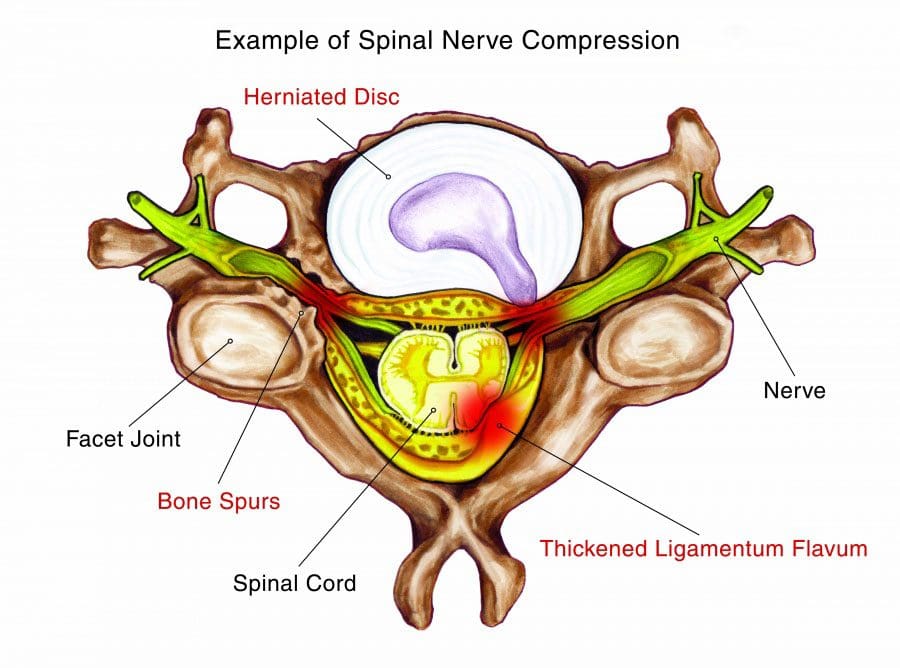
If one or more of the spinal nerves in the neck gets pinched, it can disturb its ability to function correctly.
This results in radiating pain in the neck and other areas of the body.
This condition can affect anyone but usually affects middle-aged adults.
Men also tend to develop cervical radiculopathy more than women.
Causes
The natural aging process on the spine is what usually causes cervical radiculopathy.
The spine goes through the aging process just like the rest of the body and even more as it is the basis of our structure.
This process can lead to several degenerative spinal disorders, that include:
Cervical spondylosis (osteoarthritis)
Spinal stenosis
Herniated discs
When nerve passageways begin to narrow, intervertebral discs begin to protrude,� and bone spurs, caused by these disorders can put pressure on the nerves in the neck.
The condition can also be caused by a traumatic injury to the neck like whiplash or sports injury.
Rarely is it caused by an infection or spinal tumor.
Symptoms
The primary symptom is pain radiating from the neck down to the:
Shoulders
Arms
Hands
Fingers
The above is an example of sensory function, which is related to feeling.
In addition to sensory symptoms, radiculopathy can also cause motor dysfunction.
Motor dysfunction relates to muscles and movement.
Reflex changes in the neck and upper body and weakness are examples of motor dysfunction.
Diagnosis
A spine specialist/chiropractor has several tools to diagnose cervical radiculopathy.
First and foremost your medical history will be reviewed and then will be:
Asked to describe symptoms
A physical exam will be conducted�to recreate the pain in a controlled manner in the:
Neck
Shoulder
Arms
Example: Spurling�s maneuver, which gently rotates the head, while applying gentle pressure.
Once the information from the medical history and physical exam are done,��imaging tests such as an MRI�may be ordered so they can pinpoint the location of the nerve compression.
MRI scans show the soft tissues in the spine, including the nerves.
The doctor may request a pair of diagnostic tests called electromyogram (EMG) and nerve conduction exam if there are significant upper nerve arm and neck pain.
These tests help understand if there is nerve damage, the cause of the damage and if the symptoms are related to the nerve damage.
EMG and nerve conduction tests are usually performed together to help in the diagnosis.
Emergency Symptoms
Once the spine specialist confirms the diagnosis, they will develop a treatment plan to relieve the nerve compression or prevent it from getting worse.
Most cases are taken care of with non-surgical treatment, however, if the following occurs you should contact your doctor:
Neck pain does not improve with treatment in the time your doctor expects.
Pain worsens regardless of treatment
Or you develop new:
Numbness
Weakness in the
Neck
Arms
Upper body
Develop fever
If you experience symptoms in the lower body like:
Weakness in the leg
Difficulty walking
Lack of bowel/bladder function, then seek medical attention immediately.
These symptoms may indicate cervical myelopathy, a more severe condition.
Cervical myelopathy is the compression of the spinal cord.
When the spinal cord gets compressed, it can generate widespread spine issues and usually requires surgery.
Treatment Cervical Radiculopathy
Like most types of spine pain, a doctor will recommend trying one or more conservative treatments first.
Conservative treatments are nonsurgical means.
It�s important to understand that just because a treatment is considered conservative does not mean it is ineffective.
In fact, it�s quite the opposite. Most people with nerve compression in their neck respond well to conservative therapies.
Though research on the efficacy of conservative treatments for cervical radiculopathy has produced mixed results, findings show that these therapies help eliminate pain and other nerve-related symptoms (like numbness and muscle weakness) in 40-80% of people.
The following are the most common conservative treatments:
Over-the-counter medications, like acetaminophen (Tylenol) or nonsteroidal anti-inflammatory medications(ibuprofen, Motrin)
Prescription medications, like steroids (prednisone), neuropathic agents (gabapentin, pregabalin), and muscle relaxants (baclofen, cyclobenzaprine)
Cervical spinal traction, that can be performed during physical therapy
Avoiding strenuous activity, but don’t avoid all activity, as too much rest can exacerbate the injury and extend the recovery time
These conservative treatments can go on for 6 to 8 weeks. If there is no improvement or it gets worse, then a doctor may want to step you up to the next level.
This may include steroid injections.
Spinal Injections
Cervical epidural steroid injections are considered a second-line treatment for radiculopathy that is not responding to conservative therapy. These injections send a dose of anti-inflammatory medicine into a specific nerve root�s that can relieve pain.
The number of injections differs from patient to patient. A doctor will make recommendations based on the condition and response to the first injection.
If the first injection reduces the pain and symptoms, a second or third injection might not be necessary unless symptoms recur.
If more than one is needed, they are given 3 weeks between each injection.
Injections can help manage pain and inflammation, but cannot strengthen or improve the flexibility of the cervical muscles.
Because of this, a doctor may prescribe physical therapy, chiropractic or an exercise program to condition the neck muscles.
Surgery Considered
When surgery is needed it is considered a last resort option. This is not a guaranteed solution and there are risks and complications.
Different types of surgical approaches are available. These procedures can be performed minimally invasively in a hospital setting or an outpatient surgery center.
Discussing options with a doctor and whether you are a candidate for minimally invasive surgery or not, along with other types of surgery e.g. artificial disc, is a discussion that is different for everybody, as some patients have existing medical conditions that can increase risks and complications.
Anterior cervical discectomy and fusion (ACDF)
This approach is the most widely used surgical approach.
The surgeon makes an incision through the front of the neck and removes the damaged intervertebral disc, fills the empty space with spacers to restore the height and attaches spinal instrumentation (plate, screws) for stabilization.
A bone graft is then packed into and around the body spacers for bone ingrowth and healing.
Posterior cervical foraminotomy
Here, the surgeon accesses one or more levels of the cervical spine with an incision in the back of the neck.
Foraminotomy decompresses the nerve root by removing whatever is compressing the nerve like a bone or soft tissue.
The procedure opens/widens the neural foramen or the nerve passageway where the nerve exits the spinal canal.
Cervical artificial disc replacement (C-ADR)
Here an artificial disc device is implanted in the empty disc space.
C-ADR is like a shock absorber and enables healthy movement the way that an actual disc does.
Conclusion
A compressed nerve in your neck can lead to radiating pain. This pain can make it almost unbearable to do simple tasks, even moving the neck from side to side or just opening a jar. Conservative treatment like chiropractic and exercise can ease the pain of this condition and restore function. Fortunately, surgery is rarely necessary.
El Paso, TX Neck Pain Chiropractic Treatment
Alfonso J. Ramirez now retired, found follow-up treatment with Dr. Alex Jimenez for his neck pain. Mr. Ramirez experienced chronic pain and headaches, but after receiving chiropractic care, he found relief from his symptoms. Ever since that time, Alfonso Ramirez has continued to maintain the alignment of his backbone with Dr. Jimenez. Mr. Ramirez is grateful for the chiropractic care he’s received for his neck pain and for his knee and shoulder pain. Alfonso J. Ramirez recommends Dr. Alex Jimenez as the non-invasive pick for neck pain.
NCBI Resources
Approximately two-thirds of the population being affected by neck pain at any time throughout their lives. Pain that originates in the cervical spine, or upper spine, can be caused by numerous other spinal health issues. Joint disruption in the neck can generate a variety of other common symptoms, which include headaches, head pain, and migraines. Neck pain affects about 5 percent of the global population, according to statistics.
IFM's Find A Practitioner tool is the largest referral network in Functional Medicine, created to help patients locate Functional Medicine practitioners anywhere in the world. IFM Certified Practitioners are listed first in the search results, given their extensive education in Functional Medicine