The holiday decorations are out, possibly still in the box or boxes, you’re browsing all the deals and recipes. Family is coming in ready to spend quality family time and catch up on everything. All the while juggling bedding, seating arrangements, whose gluten-free, etc.
Chronic pain is exhausting all on its own. Add the approaching holidays to the mix and there is a set up for a perfect storm of pain and possibly more injuries. And just a reminder the holidays aren’t even here yet! But like most of us, we are already getting into holiday mode, which equals stress, stress, and more stress.
Everyone needs to take a breath/break in order to manage the pain. Here are some positive ways to de-stress to take the pressure off, and be in a� frame of mind to enjoy the celebration.
Know Your Limitations
Living with chronic pain means that you may not be able to do everything you’re planning. Sometimes, traditions need to change.
Do not beat yourself up if it doesn’t all come together. Don’t worry, everyone will survive.
View it as an opportunity to bond with the family and non-family members and show them how to carry on traditions.
Make Sure You Exercise
When the body gets moving and the heart pumping, the brain releases endorphins, and these relieve stress and keep you in a better mood.
Exercise helps to burn off the day�s worries, empties out the mind and stretches the muscles keeping them from tightening up. Better yet exercise will help you sleep way better at night. However, check with a doctor or chiropractor before starting an exercise program.
Make Sure To Get Time For Yourself
Allow plenty of time for yourself every day. Your body and mind need it. Relax and enjoy yourself with whatever calms you down and makes you happy. It could be jamming a musical instrument, sewing, playing a favorite video game, watching your favorite show/movie, etc. Whatever it is, take the time to unwind and really enjoy the beginning of the holiday season.
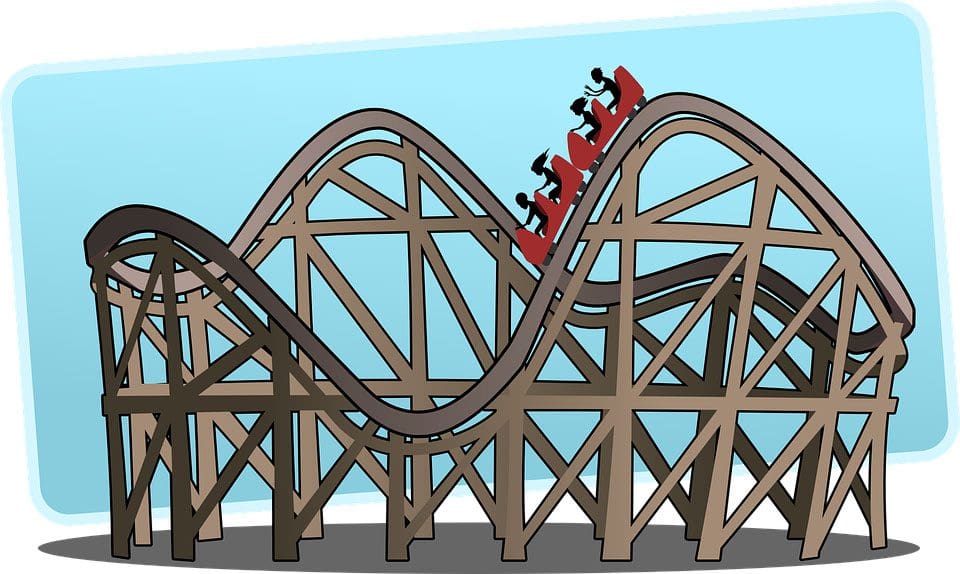
Don’t Get On the Holiday Rollercoaster
Chronic pain during the holidays can bring elevated levels of pain. Making preparations for company, buying, cleaning up and readying the home for friends and family is all good. But don’t immerse yourself in the process. It does not have to be perfect, allow it to be what it is! Family, friends coming together, enjoying the atmosphere and being thankful for everything.
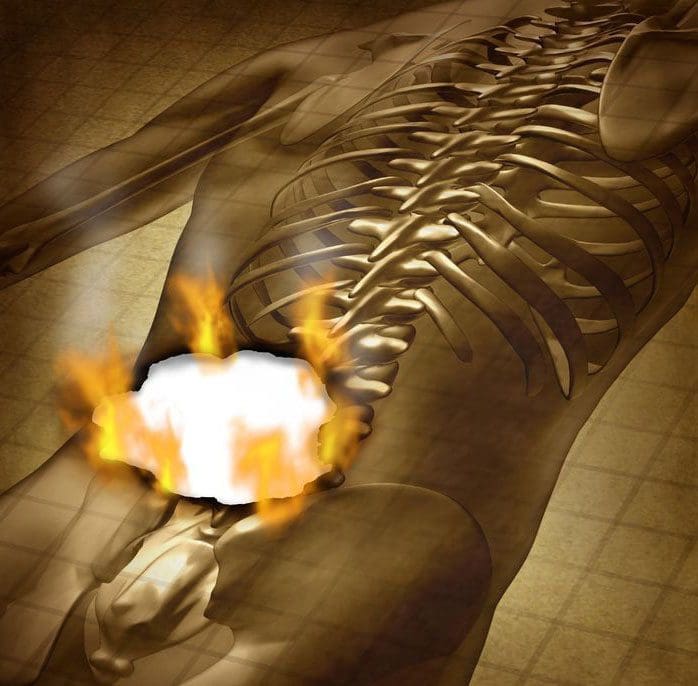
For those with chronic back pain or other diseases affecting the spine, the holidays can take its toll on the body and mind and take you out of the game.
Three Important Things:
Enlist help: Don’t be afraid or too proud to ask for help. Family members, neighbors, and friends can make the occasion so much more enjoyable and safer. The jobs get done quicker, more efficiently and can be fun with everybody participating, so it doesn’t feel like work.
Take a seat: Don’t forget to breathe and breathe deeply, drink some tea or water to stay hydrated.
Go to bed earlier: During the holiday’s serious rest is a must. This means allowing yourself to sleep late or take full naps because your body is telling you it needs it.
Doing these three things can lessen the pain and increase the joy! When your body is truly healthy, you will arrive at your optimal fitness level proper physiological fitness state. �We want to help you live a new and improved lifestyle. Over the last two decades, while researching and testing methods with thousands of patients, we have learned what works effectively at decreasing pain while increasing human vitality.
*CHRONIC* pain Chiropractic Relief | El Paso, Tx
Living with chronic pain symptoms can tremendously affect an individual’s quality of life. Neck and back pain caused by a variety of health issues, such as herniated discs and/or automobile accident injuries, can cause persistent symptoms which may last weeks, months, even years if left untreated. Patients describe how their chronic neck and back pain has ultimately affected their ability to engage and participate in their everyday physical activities.
Dr. Alex Jimenez has helped patients with chronic neck and back pain find the treatment they deserve. Patients describe how Dr.� Jimenez has helped them find pain relief and achieve overall health and wellness. The patients highly recommend Dr. Jimenez and his staff as the non-surgical choice for a chronic neck and back pain, among other chronic health issues.
NCBI Resources
Ultimately, stress symptoms can lead to some very serious conditions including heart disease, hypertension, diabetes, obesity, and even certain cancers. Psychologically, it can lead to social withdrawal and social phobias. Everyone experiences stress at some point in their life. In fact, it is becoming a sort of new normal in today�s hectic, fast-paced, high-pressure society. Chiropractic treatment can help relieve stress symptoms and achieve optimal health!
Q: My neck pain comes and goes, depending on the weather, and has for a few years. I have found certain exercises that help and others that make the pain worse. A co-worker told me about Mechanical diagnosis therapy. What is it and can it help? � El Paso, TX.
A: Mechanical Diagnosis Therapy also known as the McKenzie Method is a spinal technique that teaches how to safely and effectively reduce neck pain and improve neck function.
The goal of mechanical diagnosis therapy is to:
Assess
Treat
Prevent back and neck pain
This puts you in a position to control the pain. This technique can also help with joint problems that cause
Shoulder
Hip
Knee pain
Exercises that help reduce neck pain are highly beneficial, especially combined with chiropractic, physical therapy, rehabilitation treatment plan. But, mechanical diagnosis therapy definitely would be worth trying out for relief and prevention of neck pain. This method finds a key exercise that you can do to control the pain, which can be more effective than other exercises.
This is known as the directional preference of movement�and can hold the key to reducing pain.
The best results have been demonstrated with patients who work with chiropractors and physical therapists who have completed training and passed a standardized examination by the McKenzie Institute.
Chiropractic/Physical Therapy session that incorporates Mechanical Diagnosis Therapy:
A physical therapist or chiropractor will perform a detailed assessment. Your health history, neck pain, and other symptoms.
The therapist instructs the patient on how to perform specific, structured exercises.
This helps determine what movements or positions cause the neck pain and which positions and movements are more comfortable, and help reduce symptoms.
Patients often show signs of centralization. This is when the original�pain in the neck is felt in other parts of the body like the arm or hand and radiates toward the spine from specific positions or movements.
The chiropractor/therapist will create a customized exercise plan that the patient will do at work/home to reduce neck pain and other symptoms.
Every patient’s plan is different and completely individualized to treat your specific neck pain.
After the first appointment, the patient will perform the exercises themselves. But depending on the treatment plan, chiropractic exams could be implemented for 3 to 4 weeks to monitor progress. As these appointments are fulfilled the chiropractor could add or alter the exercises as the pain and symptoms reduce and range of motion increases.
Doing these exercises regularly will help reduce neck pain and prevent it from worsening.
The exercises can be performed quickly and easily so they become a part of the patient’s regular routine. A chiropractor/therapist will work with the patient to design a simple but effective exercise plan that fits into their schedule. The chiropractor will also teach ways to prevent aggravating neck pain by avoiding positions and other activities not thought about.
Mechanical Diagnosis Therapy can create tools to help reduce and prevent neck pain along with other symptoms. Most of the time, a few sessions are all that is needed to see benefits. Results happen rather quickly, especially as the patients are managing their neck pain between visits with their chiropractor.
As El Paso�s Chiropractic Rehabilitation Clinic & Integrated Medicine Clinic,�we passionately are focused on treating patients after frustrating injuries and chronic pain syndromes. We focus on improving your ability through flexibility, mobility and agility programs tailored for all age groups and disabilities.
El Paso, TX Chiropractic Neck Pain Treatment
Shane Scott was involved in an automobile accident when he heard about Dr. Alex Jimenez from a friend. After experiencing headache, neck and low back pain, several days after the incident, Shane’s quality of life, was tremendously affected. Thankfully, treatment with Dr. Jimenez helped Shane return to his normal life. Shane recommends Dr. Jimenez as the non-surgical choice for neck pain treatment.
Neck pain (or cervicalgia) is a common problem, where two-thirds of individuals will experience neck pain some time in their lives. Neck pain can be brought on by numerous other spinal issues. It can arise from muscle tightness in either the neck and upper spine or pinching of the nerves in the cervical vertebrae.
NCBI Resources
A chiropractor evaluates the spine as a whole because other regions of the�neck (cervical), mid-back (thoracic) and low back (lumbar) can be affected as well. Along with treating the spine as a whole, chiropractic treatment is geared toward the entire body and not just symptom/s. Chiropractors will also educate on nutrition, stress management, and lifestyle goals in addition to treating neck pain.
Do you have lower back pain or pain literally in the rear that runs down into one thigh or below the knee into the leg and even the foot? A doctor may diagnose these symptoms as sciatica, which describes compression of the sciatic nerve.
Sensations include:
Numbness
Tingling
Pins and needles
Electric like shock running through the leg
Depending on the nerve that is affected pain could radiate only into the buttock or all the way down to the foot. A common cause is a lumbar disc herniation or bone spur that presses down on the spinal nerve. Sciatic pain radiates along the nerve, usually from the low back, down the buttocks, into the thigh and leg, below the knee and sometimes into the foot and big toe.
Sciatica usually affects one side of the body.
Radicular Pain
A doctor may use the terms radicular pain or radiculopathy when talking about sciatica. Radiculopathy is pain/adverse sensation that travels along a nerve. When a spinal nerve root is compressed, pinched or injured, it becomes inflamed. Low back conditions that can contribute to this type of problem are spinal stenosis, foraminal stenosis or herniated disc.
Proper Diagnosis & Proper Treatment
The doctor will ask about your symptoms:
When did the pain begin?
Where is the pain most intense?
What activities worsen the pain?
What activities reduce pain?
Does the pain go all the way down the leg or stops at the knee?
Do you feel weakness or tingling in your legs or feet?
A doctor might perform a straight-leg test to see if there is an inflamed nerve. This is a simple exam where you lie on your back and the doctor lifts each leg. If this causes or produces pain and sensations, it can indicate there is a bulging/slipped or ruptured disc.
The compression of the nerve can also cause muscle weakness in the foot. Another exam may be to walk like you normally do, then on your heels and finally on your toes. This checks your balance and lower-body strength.
A doctor will:
Check your posture
Range of motion
Movements that cause pain
Check the curvature and alignment of your spine
Check for muscle spasms
Note your sensations
Test your reflexes and muscle strength
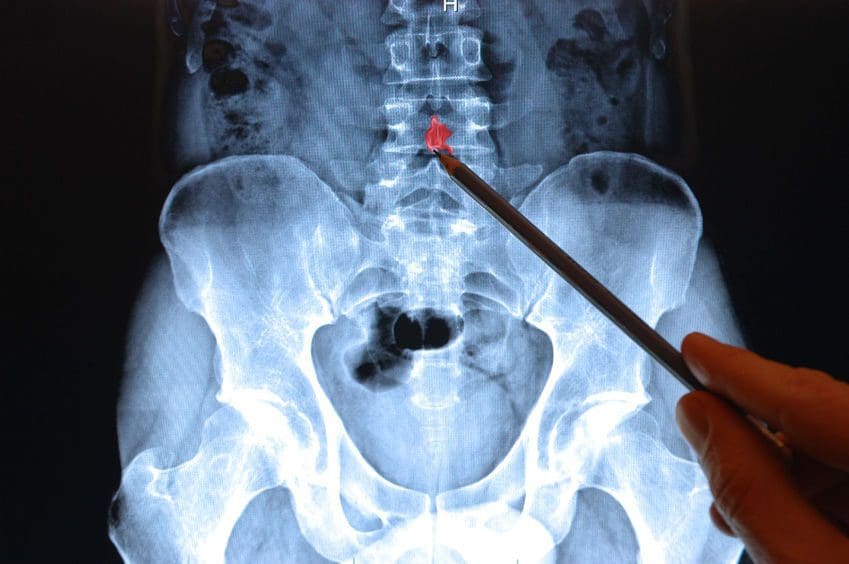
A doctor may order x-rays, CT scan or MRI.
The CT scan or MRI provides doctors with various images of your spine which can help in diagnosing whatever is causing your symptoms. These tests are then compared to what the doctor took note of during your medical history interview and the physical and neurological examinations. An accurate diagnosis is the first step in figuring out the best treatment plan.
Could something else be causing the nerve pain?
Only a doctor can tell if your symptoms are sciatica. There are other structures in the spine that can cause similar types of pain.
The sacroiliac joint between the pelvis and sacrum is the lowest part of the spine can cause sciatic pain.
The facet joint which connects the joints in the back of the spine gets sprained, it can also cause sciatica-like pain.
A tear in a spinal disc can cause pain down into the leg.
The hip joint can also cause pain in the thigh, that can radiate outward.
Sciatica Nerve Treatment
Sciatica can be treated non-surgically with:
Chiropractic care
Physical therapy
24 to 48 hours of bed rest
Over the counter pain relievers like ibuprofen or acetaminophen
Patients with sciatica feel better with time, usually a few weeks. If pain continues, other treatment modalities can be discussed. Muscle spasms can accompany sciatica symptoms and can be treated with heat or ice therapy. A doctor may advise light exercise like short walks and once recovery is established they may give you exercises to strengthen your back and core.
Severe *Sciatica”* Pain Relief | El Paso, Tx (2020)
NCBI Resources
A study cited by the health magazine�Prevention�found that sixty percent of sciatica sufferers who failed to get relief from other treatments found their symptoms improved after chiropractic care. In fact, they got the same level of relief as those who went through surgery � without any of the serious side effects that so often come with surgical procedures.
Chiropractic is effective for treating sciatica because it gets to the source of the problem � relieving pressure on the sciatic nerve.
Low back pain is one of the most common ailments for people visiting a doctor or an urgent care clinic. When the back pain becomes intense, it can get you thinking something is seriously wrong with your back. The doctor might offer an x-ray or MRI scan to put your concerns at ease.
Fortunately, most cases of low back pain, even acute pain, improve within days or a few weeks. Most cases are remedied with chiropractic, physical therapy, heat/ice therapy, and rest. And a lot of these cases do not require any form of spinal imaging. However, those are why X-ray, MRI, and CT scans are necessary to figure out what’s happening.
Strained muscle
Sprained ligament
Poor posture
These typical causes of low back pain can be painful and limit activities.
Back Pain Lasting Longer Than 2/3 Weeks
Subacute pain lasts between 4 and 12 weeks, while chronic back pain lasts three months or longer. These are not indications of a severe lower back spinal condition.
Less than 1% of people with low back pain are diagnosed with the condition that may require spine surgery:
Doctors may recommend an x-ray or MRI if the low back pain is from a traumatic injury, like a:
Slip
Fall
Automobile accident
Other potential causes of low back pain may warrant medical imaging immediately or later.
The diagnostic process starts with the evaluation of the low back symptoms and how they relate to what was found during the:
Physical exam
Neurological exam
Medical history
A doctor utilizes these results to determine whether spinal imaging is necessary, along with the type of imaging test, x-ray, or MRI and the timing to confirm a diagnosis.
A Low Back X-Ray/MRI
X-ray spinal imaging best detects bony structural problems but is not so great with soft tissue injuries. X-ray series may be performed to diagnose vertebral compression fractures.
Anterior
Posterior
Lateral views
MRI is a radiation-free test. MRIs create 3-D anatomical views of the spinal bones and soft tissues. A contrast dye like gadolinium is used to enhance and improve the quality of the images. The contrast is injected through an intravenous line in your hand or arm before or during the test. An MRI can evaluate neurological symptoms, like radiating pain or pain that develops after a cancer diagnosis.
Symptoms, Co-existing Medical Diagnoses, and Conditions that may Require Spine Imaging
Neurological symptoms
Low back pain that radiates, fans out, or downward into the buttocks, legs, and feet
Abnormal reflexes in the lower body can indicate nerve disruption
Radiation to your entire body is measured through the millisievert (mSv), also known as the effective dose. The radiation dose is the same amount every time you experience an x-ray. When undergoing an x-ray, the radiation not absorbed by the body creates the image.
The effective dose helps a doctor measure the risk for possible side effects of radiographic imaging:
CT scans use radiation as well
Specific body tissues and organs in the lower back are sensitive to radiation exposure, like the reproductive organs.
MRI Radiation-Free Why Not Just Use This Test All The Time
MRI cannot be used on all patients because of its powerful magnet technology. Pregnant women or individuals with metal inside their body, like a spinal cord stimulator, heart pacemaker, etc., cannot be scanned with an MRI.
MRI testing is also expensive; doctors do not want to prescribe unnecessary tests that increase costs. Or because of the fine detail that MRIs provide, sometimes a spinal issue can look severe but is not.
Example: An MRI of the lower back reveals a herniated disc in a patient with no back/leg pain or other symptoms.
This is why doctors bring all their findings like the symptoms, physical exam, and medical history to confirm a diagnosis and create a custom treatment plan.
Imaging Test Takeaways
If low back pain takes its toll, listen to what the doctor recommends. They might not order a lumbar x-ray or MRI immediately but remember the issues mentioned above, like neurological symptoms and co-existing medical conditions. But these tests help discover the cause or causes of the pain. Remember this is to help get patients to their optimal health and pain-free.
How to eliminate Back Pain naturally | (2020) Foot Levelers |El Paso, Tx
NCBI Resources
Imaging diagnostics is an essential element in the evaluation of spine trauma. The rapid evolution of imaging technology has tremendously changed the assessment and treatment of spine injuries. Imaging diagnostics utilizing CT and MRI, among others, are helpful in acute and chronic settings. Spinal cord and soft-tissue injuries are best evaluated by magnetic resonance imaging, or MRI, whereas computed tomography scanning or CT scans best evaluate spinal trauma or spine fracture.
Understanding your spine, the way it works and moves is critical to finding the right back pain treatment when back pain or injury creeps in.
People don’t really think about their spines until back pain rears its ugly head. The spine is not one continuous structure that extends from the neck to the tailbone. It is an intricate, complex group of several structures.
Some understanding of the spine can help individuals make informed decisions before getting involved in activities that can cause a spinal injury.
Anatomy
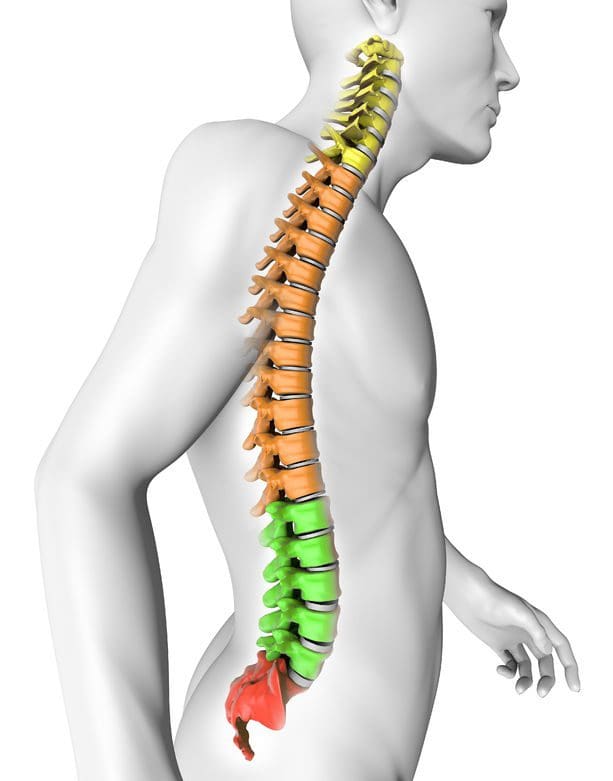
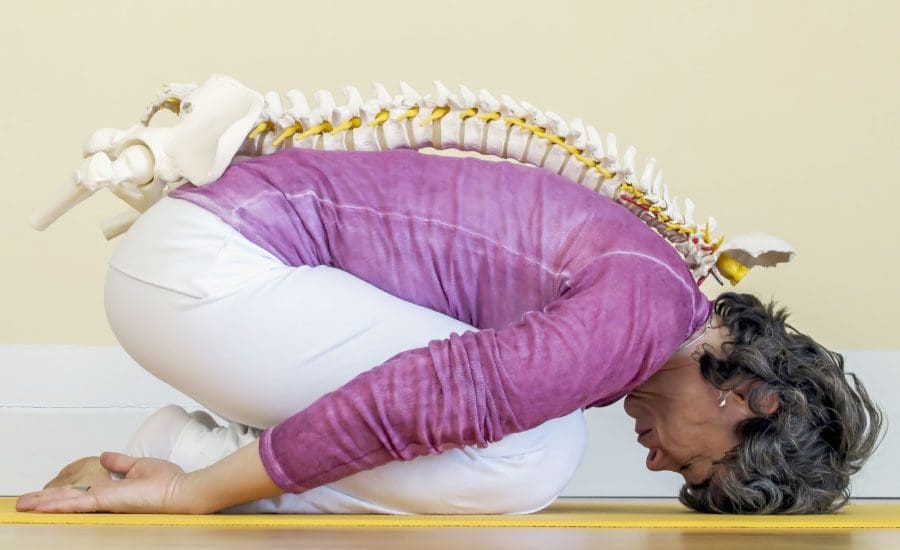
The spine is made up of 24 vertebrae, these are the bones stacked on top of each other and forms the spinal column.
The spinal cord passes through the vertebrae that acts as a protective frame.
The spinal column surrounds the spinal cord like an electrical cord. It protects the nerves that run from the brain, through the spinal column and out to the rest of the body.
The spinal cord is the highway of nerves that carry the brain’s signals to the rest of the body, allowing the ability to move the arms and legs, etc.
The soft, spongy shock absorbers in between the vertebrae are the intervertebral discs.
They keep the vertebrae separated so smooth function and movement is possible.
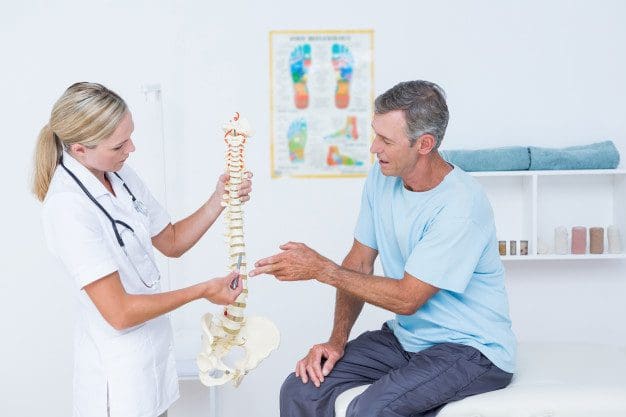
Because the spine is such a complicated network of bones, discs, muscles, nerves, and ligaments, getting to the bottom of exactly what�s wrong when back pain sets in can be a complicated process. This is where having some knowledge of your spine can help a doctor or chiropractor figure out what’s going on and then developing the best treatment plan possible.
Time
Dealing with time can be a tricky issue when suffering from back pain.
When only soreness, stiffness and muscle stress occur every so often then time can be the best medicine, as rest is all that is needed for the swelling to go down.
But when the pain does not go away with rest and is getting worse, waiting for evaluation is not an option.
Imagine all of those complex structures in the spine as dominos in a row.
If one domino/disc falls or slips pressure is placed on all the other dominos/discs to work harder to support the failing structure. But they can only do this for so long until the other discs or other areas of the body begin to fail.
Left untreated will eventually cause the failure of other structures of the body.
Strong Spine
It was designed to support the entire body combined with the additional weight that we carry.
It deserves care and respect.
Unfortunately, it is not made of titanium and is susceptible to injury.
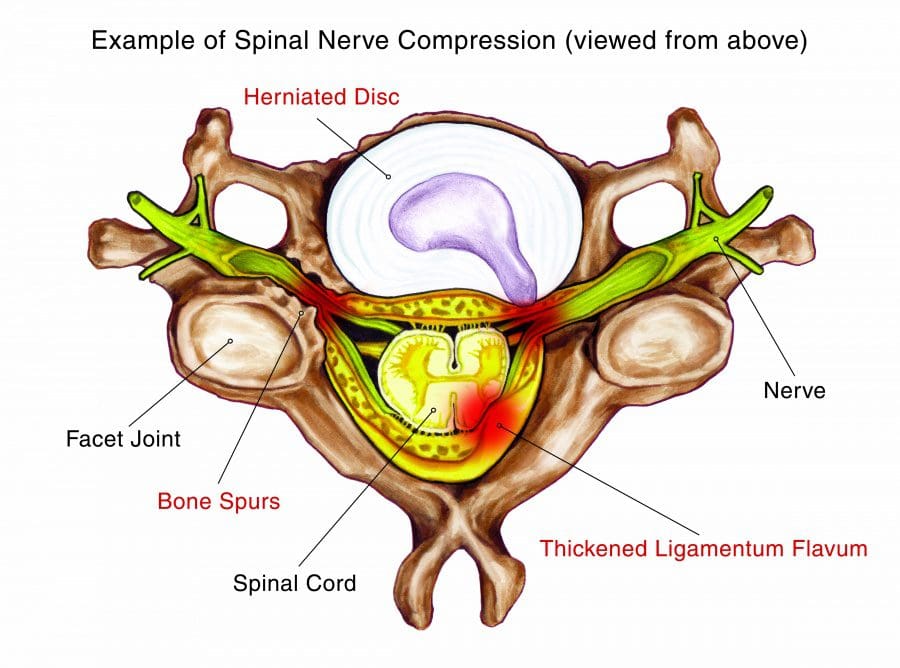
Spinal Nerve Compression
When a spinal nerve gets compressed, entrapped, or pinched it becomes inflamed and pain sets in. In the illustration of a neck spine segment, many different disorders are causing the�nerve�compression in this instance:
Herniated disc
Thickened ligament
Bone spurs called osteophytes
Making sure to pay close attention to your spine will safeguard it. So spend some time to understand how your spine operates.� Looking at some basic yoga for back poses can be a great start to understand how your spine functions.
What is Yoga?
In its purest form,�it is an ascetic and spiritual discipline that comes from Hindu culture. It involves simple meditation, breath control, and performing body postures.
While an ancient practice long used for spiritual and emotional healing as well as physical wellness, yoga has been adopted in western culture and widely accepted as a form of fitness as well as a therapeutic practice used for relaxation and overall good health. It focuses on inward healing with outward results.
Proven Reduced Back Pain with *FOOT ORTHOTICS* | El Paso, Tx
Kent S. Greenawalt, President, and CEO of Foot Levelers discuss how custom foot orthotics can help reduce back pain, low back pain, and sciatica. In a recent research study published by the American Congress of Rehabilitation Medicine (ACRM), researchers demonstrated that Foot Levelers custom foot orthotics help considerably reduce back pain and several of its associated health issues.
The research study also demonstrated that Foot Levelers custom foot orthotics and chiropractic care help tremendously reduce low back pain and sciatica. Foot Levelers custom foot orthotics and chiropractic care helped improve the patient’s overall health and wellness. Dr. Jimenez is a chiropractor in El Paso, TX who can help provide these benefits through the utilization of chiropractic care and Foot Levelers custom foot orthotics, among other treatments.
NCBI Resources
The spine is a complex structure. Understand that the spine is also surrounded by fibrous and muscular supporting structures, intervertebral discs, the spinal cord and nerve roots, and blood vessels. An injury such as a back sprain or strain caused by improperly lifting and twisting simultaneously can often be a cause for back pain. Chiropractic care is a well-known, alternative treatment option utilized to prevent, diagnose and treat a variety of injuries and conditions associated with the spine, primarily subluxations or spinal misalignments.
Physical therapists (PTs) are healthcare professionals that treat patients of all ages with various ailments/conditions. A spine surgeon, physiatrist, orthopedist, primary care physician, neurosurgeon, and a chiropractor may refer patients to a physical therapist as part of a non-operative treatment plan.
An organized physical therapy plan may be an integral part of after-care following surgery. Therapists practice in a variety of settings, like hospitals, outpatient clinics, rehabilitation centers, and nursing homes. Physical therapists provide:
Treatments
Exercises
Mechanics
The primary goals�of physical therapy include:
Maintain practical skills
Improvement
Building endurance and strength
Increasing flexibility
Reducing pain
Preventing impairment
Physical therapists also instruct patients on the best way to exercise to enhance overall physical fitness, move about safely (biomechanics and ergonomics), and injury prevention. Physical therapists also help patients with long-term physical incapacity (eg, spinal cord injury).
Aquatic Therapy
Patients with osteoarthritis have found�waterexercise to be beneficial. With a gravity-free environment,�patients can perform simple exercises without stressing the tender joints. Movement increases circulation to the affected joints and can relieve stiffness. Swimming is also a great exercise for anyone for loosening up stiff joints and strengthening muscles.
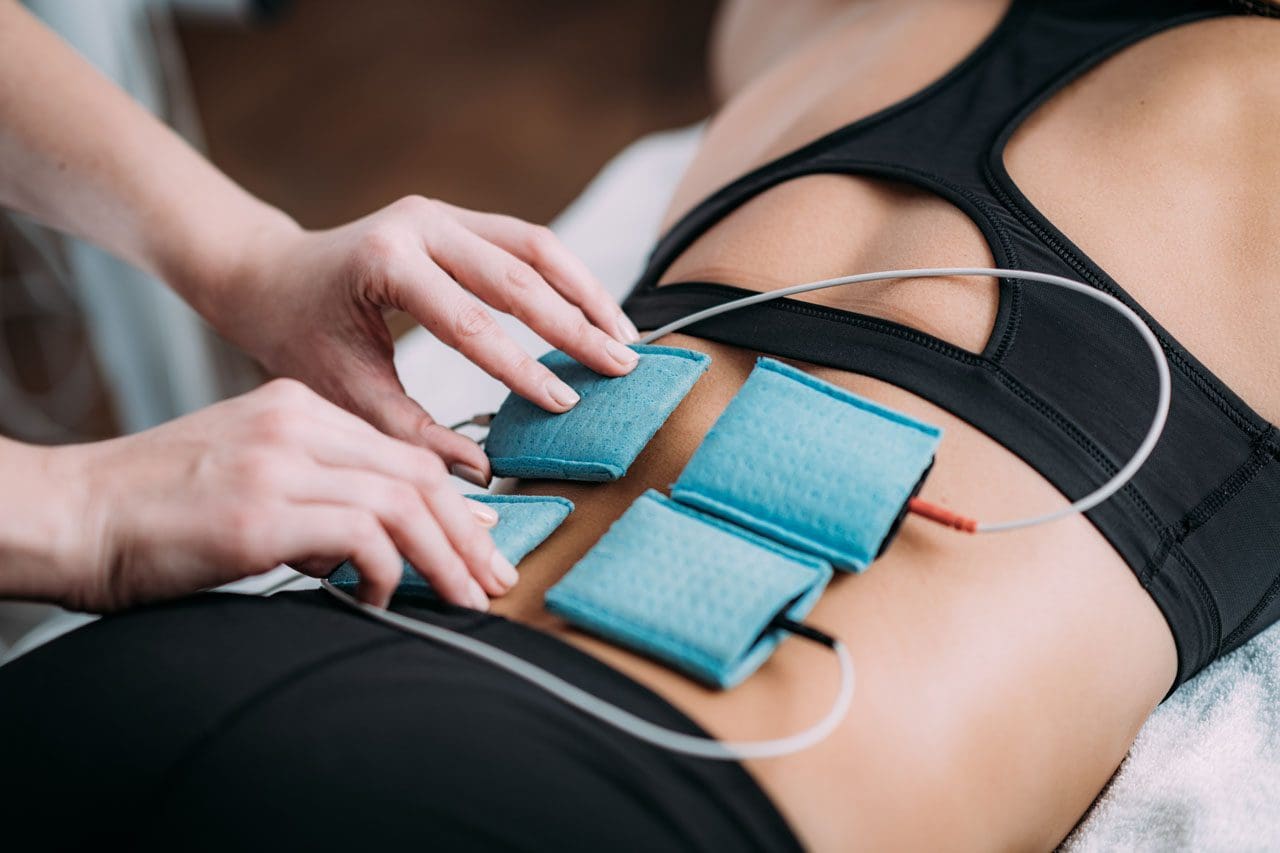
Electrical Stimulation
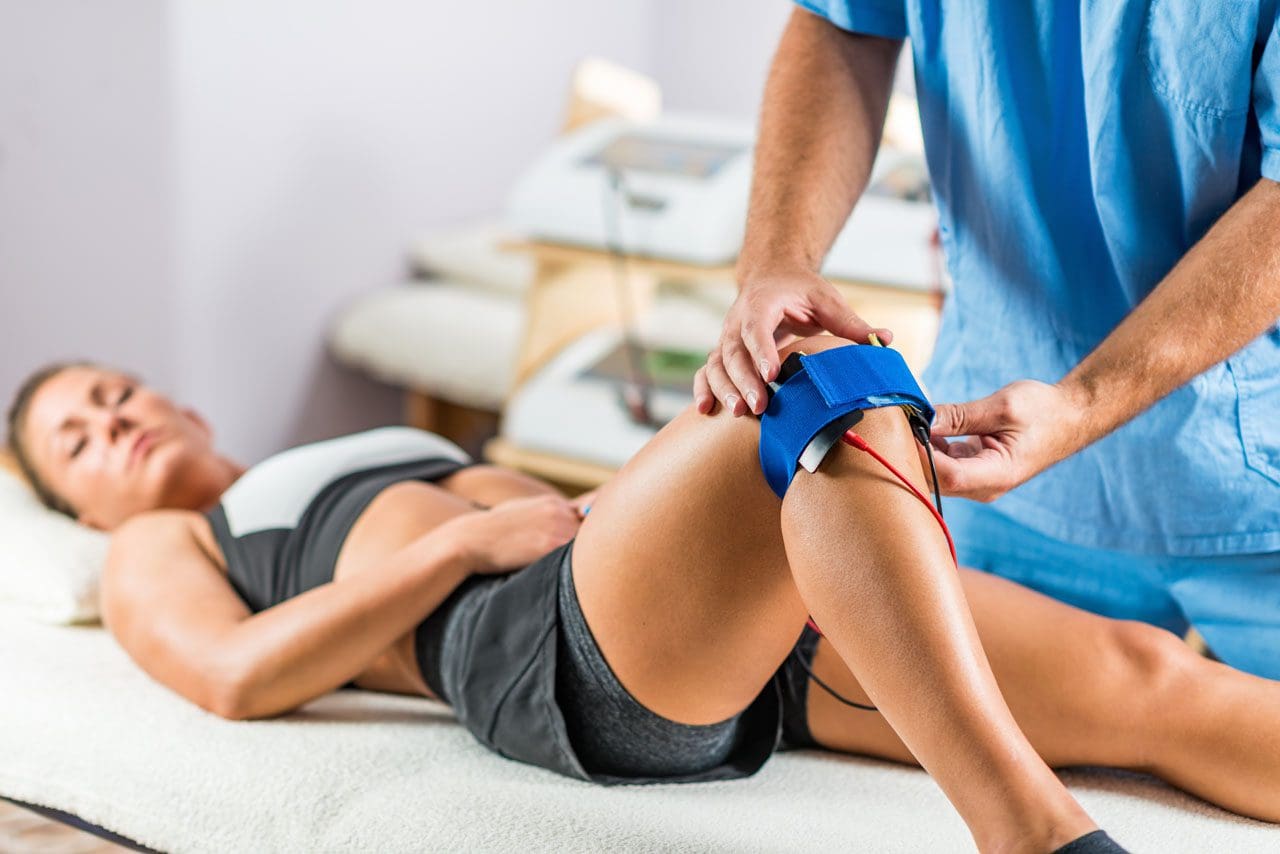
This type of therapy forces a muscle or muscle group to contract and relax. Therapists place surface patches containing electrodes on the skin over the area to be treated. The therapist programs the equipment to deliver the correct amount of stimulation for a set time.
The electrical current flows through nerve and muscle cells. The treatment is not painful. The patient feels gentle pulsating or an on/off sensation. This treatment stimulates circulation and supplies the area with oxygen and nourishment for healing. Electrical stimulation enhances healing and alleviates swelling and pain.
Electrical stimulation in physical therapy. Therapist positioning electrodes onto a patient’s knee
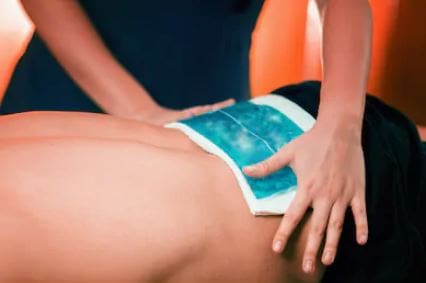
Heat and Ice
Heat increases circulation, decreases stiffness, pain and muscle spasms.
Patients with early arthritis symptoms find relief by taking a warm bath or hot shower.
It is best when done in the morning to help loosen up and alleviate stiffness.
Physical therapists use moist hot packs wrapped in a towel that is laid or wrapped around the affected area.
A moist hot pack transfers moist heat that penetrates deeply into soft tissues and stimulates local circulation more than heat alone.
Ice decreases pain by slowing the nerve impulses.
Inflammation subsides with forms of cold therapy:
Cold packs
Ice massage
Iced towels
They are usually the first aid following trauma.
When treating an overworked body part�ice�treatment should be supervised by a physical therapist.
Hydrotherapy
This is like a whirlpool bath. The water temperature and agitation loosen up joints, stimulate muscles and are controlled for maximum benefit.
Myofascial Release
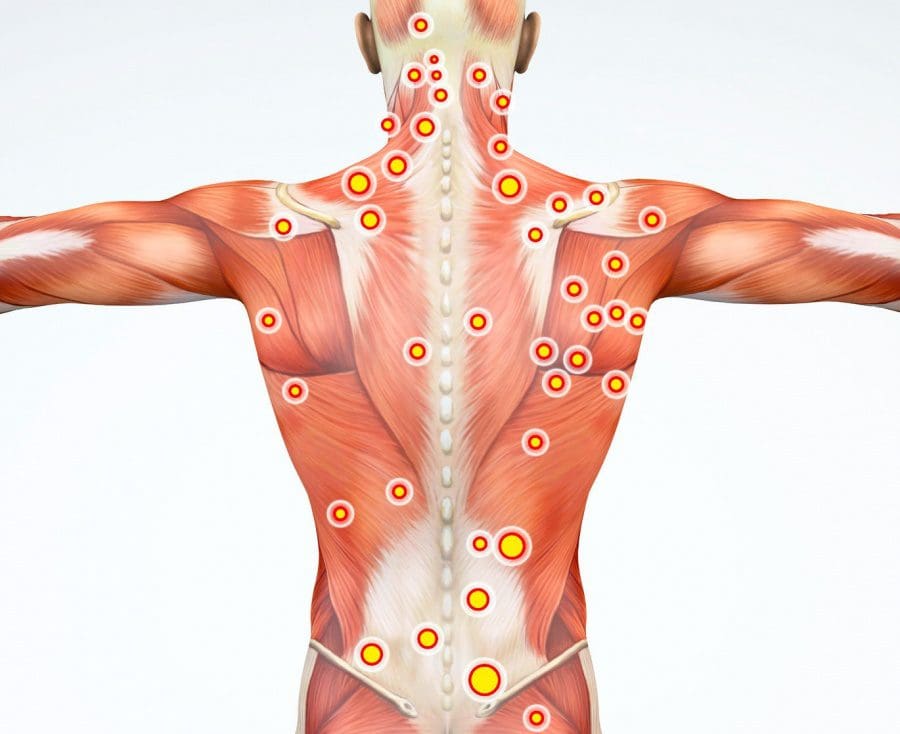
This therapy improves circulation, decreases muscular tension and increases range of motion.
It is a type of massage that stimulates the muscles. The muscle tissue is manipulated by hand to stretch the tissue. Tight tissues become loosened using a cross friction motion with this therapy.
Movement & Conditioning
A physical therapist teaches patients how to move properly while being able to work through the pain. Therapists want patients to work as pain-free as possible. This does not mean that the exercises will be easy. More than likely they are going to be tough, but that is what you want to get back into top physical form.
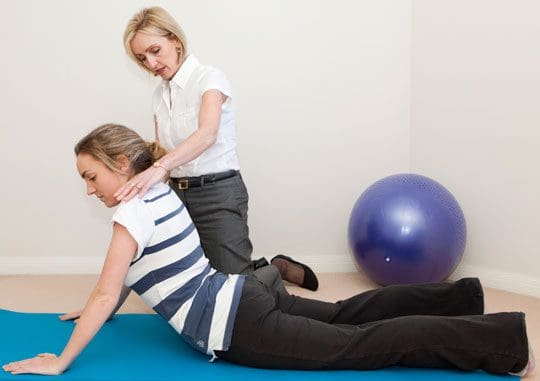
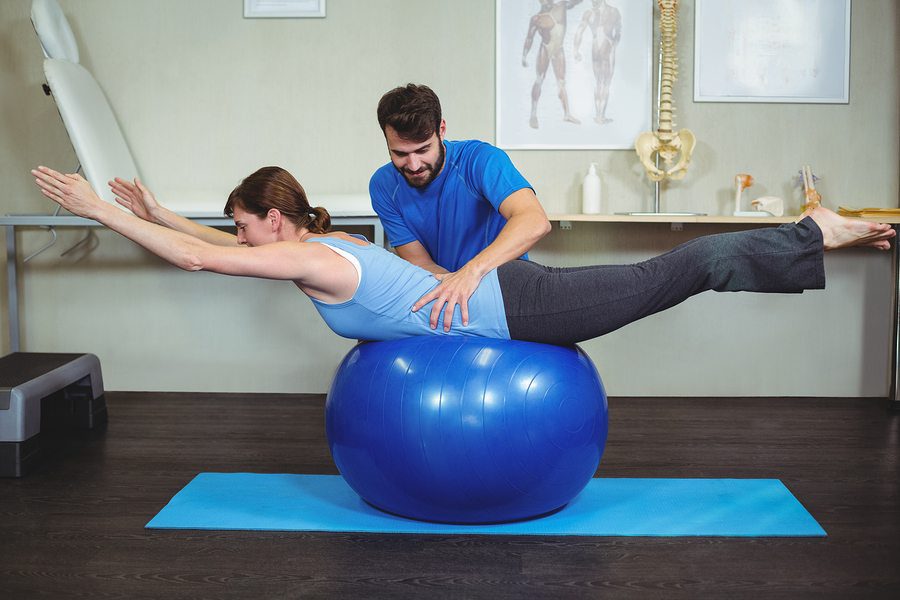
Physical therapist assisting woman on an exercise ball at the clinic
Warming-Up can be accomplished by riding a stationary bike and some light stretching. The type of warm-up that goes with the therapy is determined by the individual treatment plan.
There will be muscle soreness for 24 to 48 hours following exercise therapy. This is completely normal and should be expected. As the exercises become a normal part of the day the discomfort will gradually go away. Stretching will increase flexibility. And as the treatment goes on resistive and strength exercises could be added.
Couple warming up
Home Exercise
With any treatment plan, there is usually a custom home exercise program. Exercises pretty much follow clinic exercises with variations and added stretches to keep the body from stiffening staying limber. Changes can be discussed with a physician.
Body Mechanics & Posture
Proper body mechanics helps to prevent further injury/s from occurring. Patients willing to maintain
Physical fitness
Reduce stress
Apply proper body mechanics
This reduces the risk of injury.
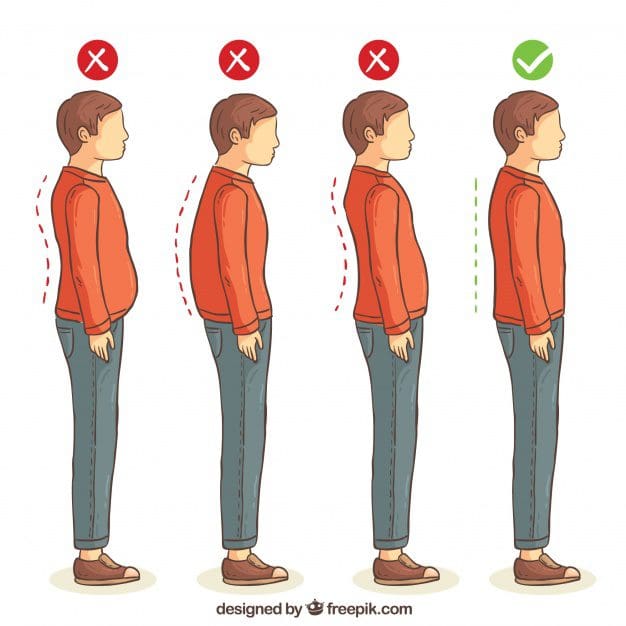
Proper posture is defined as keeping the natural curve of the spine. Proper posture minimizes stress to the spine. This is the first lesson a physical therapist teaches a patient.
Poor posture and poor body mechanics are leading contributors to neck and back pain.
Proper Work Habits
Do not lean over a desk for long periods.
Try not to sit without back support.
Adjust chair height so the knees are bent at a 90-degrees.
Bend the elbows at a 90-degree angle or they can rest on the work surface.
Don’t cradle the phone against the ear and shoulder as this can cause neck and shoulder issues.
Lifting and Carrying Objects
First, look at the object to be moved. If it looks too heavy find help.
Remove obstacles from the pathway where the object will be going through.
Visualize maintaining proper posture.
Get as close to the object as you can.
Place feet slightly apart and flat on the floor.
Bend at the knees to provide stable support.
Tighten the stomach muscles.
Breathe deeply.
Smoothly lift the object using arms and legs and not the back.
Hold the object at the sides and bottom.
Keep the object close to the body.
Keep back straight and carry the object with elbows slightly bent.
With shopping bags or luggage split the load in two, and try to carry the same amount of weight in each hand.
Pushing versus Pulling
Pushing is the more efficient and safer method of moving objects. Keep the back straight and use the knees to push. Keep close to the object and reposition the body every so often.
Reaching for Objects
Check the size, weight, and location of the object.
Use a proper stool or step-ladder to get the object. Stand with both feet flat.
One hand can be used for additional support.
Try not to look over too much as this can cause neck strain.
Think about storing regularly used items within easy reach.
Physical therapists may work directly for or with a physician, therapist, chiropractor and other healthcare providers to organize aspects of physical treatment plans. For example, a doctor may send physical therapist information of graphs, medications, analysis, and imaging results.
Massage Rehabilitation El Paso, Texas
NCBI Resources
During the first consultation, a physical therapist will talk about symptoms, analysis, and medical history.� Severity the location, type, and variables that decrease or increase pain are significant, and the PT will ask many questions regarding pain.
Physical therapists are healthcare professionals and members of your medical team. While physical therapy may be challenging or demanding at first, there are many benefits. It�s an opportunity to take charge of back or neck pain while building a stronger more resilient body.
Lower back pain is a condition that pretty much affects most of us at some point in our lives. Some find:
Sitting
Standing
Walking
can be painfully difficult or helpful, depending on the position or the activity they’re involved in.
Low back pain varies from person to person, yet there remains no consensus on the optimal way to diagnose and treat patients.
Lower back pain can be caused by a multitude of factors and can be difficult to diagnose the exact cause. However, there is an advanced method of diagnosing and treating individuals with musculoskeletal conditions/injuries.
TENS, Transcutaneous Electrical Nerve Stimulation in Physical Therapy. Therapist Positioning Electrodes onto Patient’s Lower Back
Successful treatment
Dividing patients with lower back pain into more similar groups based on the same factors that aggravate and alleviate the pain means that a more custom based treatment plan can be created.
The one size fits all method just doesn’t cut it. A more focused approach for every individual leads to better results.
Patients find that placing their bodies in certain positions and certain physical activities can:
Activate
Aggravate
Deactivate their back pain.
Patients also find the pain being either better or worse.
Understanding why sitting, standing, and walking can change the severity of low back pain can be helpful in diagnosis.
These are important cues that help to diagnose and treat low back pain.
People sit, stand, and walk all day. This is why so much research has been conducted on how these specific positions and activities contribute to low back pain.
Spine Anatomy
The alignment of the spinal column, from the skull to the pelvis, is S-shaped.
The cervical and lumbar spinal segments curve towards the front of the body, and so are lordotic,�while the thoracic spine curves towards the back of the body and is kyphotic.
The amount of curvature does not stay in one place and changes based on body position.
Compared to standing, sitting decreases lumbar lordosis by about 50%.
Changes in lumbar lordosis can relieve pain from certain forms of back pain but can aggravate others.
Picture The Spine Bending
Imagine you are holding a garden hose. Holding it vertically in front of you. The hollow part of the tube represents the spinal canal, the part of the hose facing you is the posterior spinal column, and the part of the hose facing away from you is the anterior spinal column.
Bend the hose in half. The hose on the outward-facing side of the curve will stretch out, while the hose on the inward-facing side of the tube will be compressed.
This exercise helps visualize that an object being bent will experience two forces, either:
Compression
Tension
Increasing lumbar curvature will compress the posterior column�and stretch out the anterior column vertebrae and discs.
Decreasing lumbar curvature will�stretch out�the posterior column and�compress�the anterior column. This is the basis of why certain body positions can relieve back pain symptoms for some people and make it worse for others.
Prolonged sitting, and especially if poor posture is involved, can cause overstretching of spinal muscles.
Arthritis can affect the joints.
The facet joints are posterior based structures and can become compressed with increased curvature. When the facet joints are the primary cause of back pain, patients usually find that sitting improves the pain, while standing and walking make it worse.
When the discs are the pain generator, sitting seems to aggravate the pain as there is more compression in the tissue.
With certain types of disc herniations, sitting can compress the disc to the point that the herniated tissue starts to press against a nerve root causing radicular pain or pain that radiates out to another area of the body like the legs. In this case, walking seems to alleviate the pain.
Spinal Conditions
Various spinal conditions definitely contribute to back pain and have the same presentations and alleviations.
Spinal Stenosis which means the narrowing of the spinal canal. Patients with this type of spine pain improve with leaning forward sitting. This is because the posture increases/opens the size of the canal�and decreases the nerve root compression.
Spondylolisthesis is when one vertebra slips forward over the vertebra right underneath. This is more commonly known as a slipped disc. There are various forms of this condition. But the pain occurs immediately when sitting, bending or walking and is usually relieved when standing still or in a neutral position for short periods.
Sacroiliac Joint Dysfunction comes from the sacroiliac joint becoming inflamed. Pain is usually aggravated when sitting or about to sit. especially when there is added weight on the affected side. This can be difficult to diagnose because of trying to figure out if it’s the hip or low back causing the pain.
Locating the Pain Generator
Sitting, standing, walking low back pain causes are different for everyone. But finding the root cause helps to prescribe the best treatment possible. A chiropractor uses many different techniques to relieve pain. These include:
Applied pressure
Massage
Hands-on manipulation (adjustments)
X-rays
MRI’s
Lab work
Health coaching
Chiropractors don�t prescribe medications, but they do recommend therapeutic, rehabilitative exercises and nutritional lifestyle counseling to help the body heal itself.
Low Back Pain Treatment El Paso, Texas
NCBI Resources
A chiropractor sets up treatment approaches based on the individual. This begins with the natural, non-invasive treatments before moving on to more aggressive techniques. And as an added bonus patient�s who have received chiropractic treatment have experienced improvements to their digestive health and have reported better and deeper sleep after a chiropractic visit.
IFM's Find A Practitioner tool is the largest referral network in Functional Medicine, created to help patients locate Functional Medicine practitioners anywhere in the world. IFM Certified Practitioners are listed first in the search results, given their extensive education in Functional Medicine