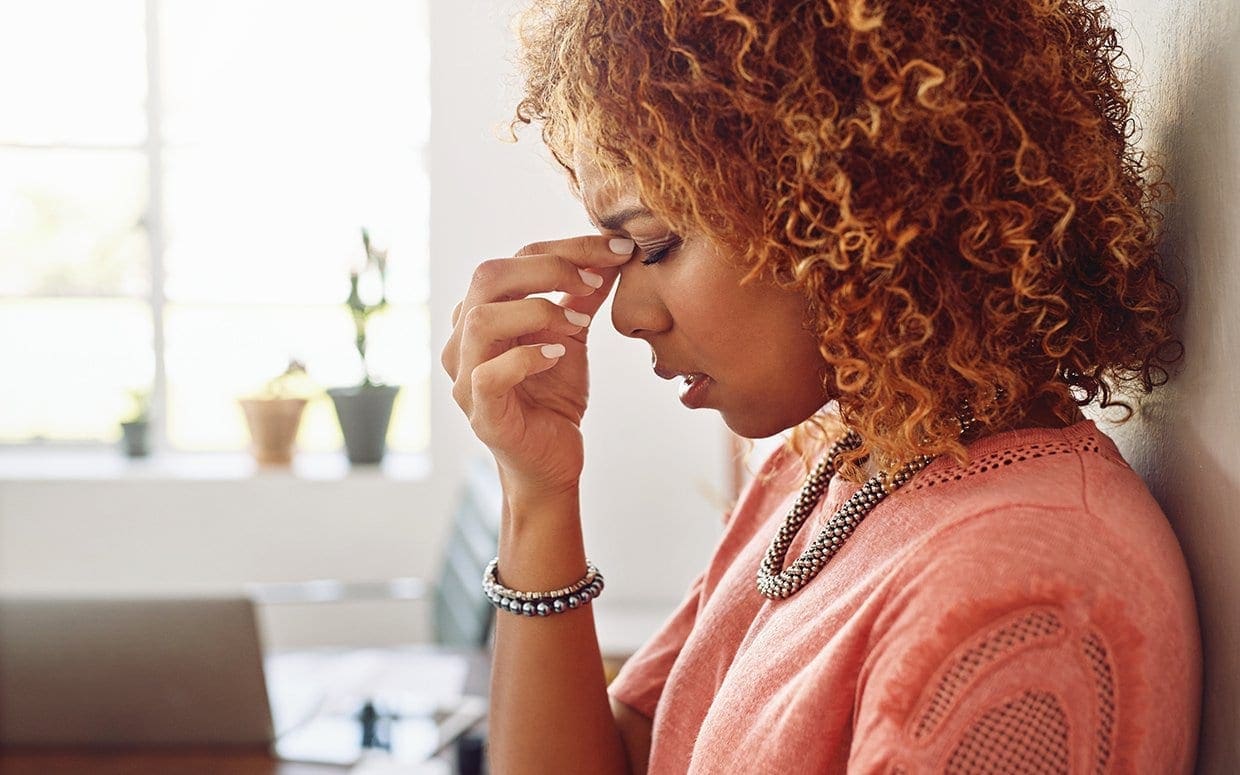
Damaris Foreman suffered from migraines before she received chiropractic care from Dr. Alex Jimenez. After various treatment approaches were unable to provide Damaris Foreman with the migraine pain relief she needed, she was skeptical at first about chiropractic care. However, following the migraine pain relief she found with Dr. Alex Jimenez, Damaris Foreman highly recommends chiropractic care. She emphasizes how much Dr. Jimenez has helped her and how much she has learned about her health issue. Damaris Foreman states that Dr. Alex Jimenez has provided her with the best treatment approach she has ever received for her migraines. Dr. Jimenez is the non-surgical choice for various injuries and conditions, including headaches and migraines.
Chiropractic Therapy
We are blessed to present you El Paso’s Premier Wellness & Injury Care Clinic.
Our services are specialized and focused on injuries and the complete recovery process. Our areas of practice include Wellness and nutrition, Chronic Pain, Personal Injury, Auto Accident Care, Work Injuries, Back Injury, Low Back Pain, Neck Pain, Migraine Treatment, Sports Injuries, severe sciatica, Scoliosis, Complex Herniated Discs, Fibromyalgia, Chronic Pain, Stress Management, and Complex Injuries.
As El Paso’s Chiropractic Rehabilitation Clinic & Integrated Medicine Center, we passionately focus on treating patients with frustrating injuries and chronic pain syndromes. We also focus on improving your ability through flexibility, mobility, and agility programs tailored for all age groups and disabilities.
We want you to live a life that is fulfilled with more energy, a positive attitude, better sleep, less pain, proper body weight, and education on how to maintain this way of life. I have made a life of caring for all of my patients.
I assure you, I will only accept the best for you.
If you have enjoyed this video and we have helped you in any way, please feel free to subscribe and recommend us.
Individuals dealing with pain in the buttocks and in the back of the thigh, along with numbness and tingling down to the bottom of the foot, may be experiencing hamstring syndrome, a condition caused by pressure on the sciatic nerve. What is the recommended treatment?
Hamstring-Syndrome Relief
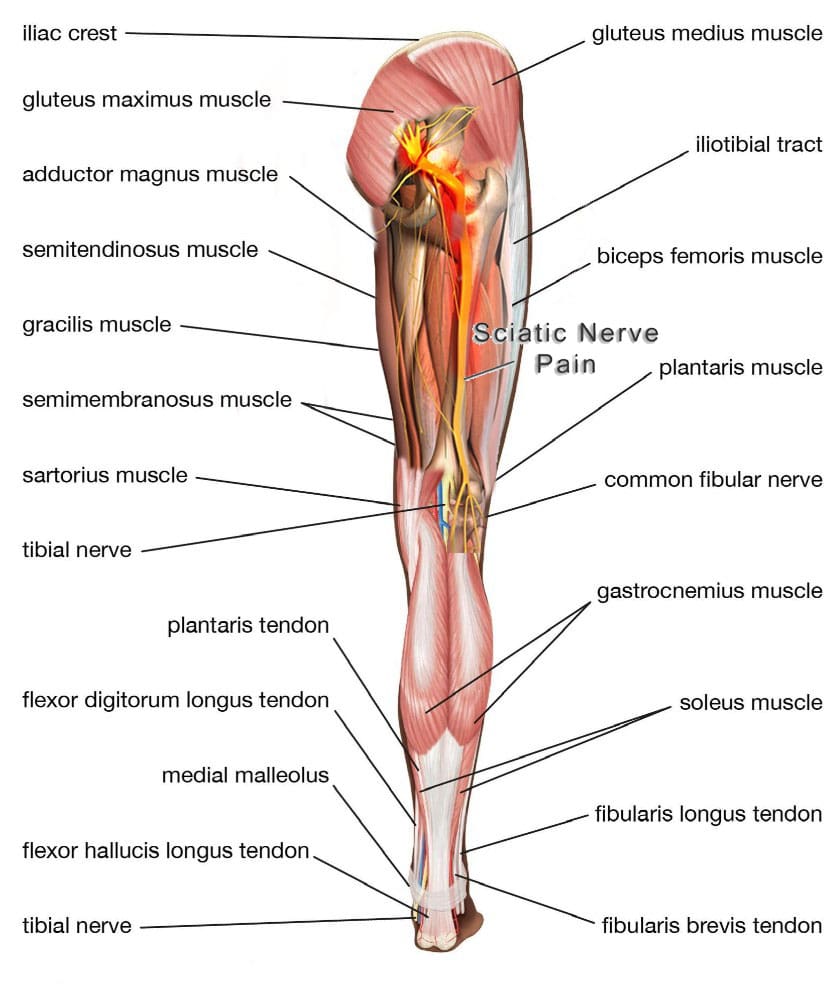
The hamstrings are three muscles in the back of the thigh, extending from the pelvis or upper thigh across the back of the knee to the leg. This muscle group is important for bending the knee, straightening the hip, and stabilizing the knee. The sciatic nerve is a large nerve that runs from the lower back down the legs. It usually passes near or through these muscles, and the pelvis then runs under these muscles in the thigh. Hamstring syndrome refers to pain in the buttock and back of the thigh, often radiating down the leg, caused by compression or irritation of the sciatic nerve at the hamstring-insertion point on the ischial tuberosity, typically due to tight or scarred tissue. (Sakari Orava, 1997)
Pain Location
The pain is primarily felt in the buttock and back of the thigh, sometimes extending down the leg. It’s characterized by pressure on the sciatic nerve, which runs through the buttock and into the back of the thigh, where it supplies the hamstring muscles. (Kaiser Permanente, 2024)
In some cases, injections with cortisone and numbing medicine may be used to reduce nerve inflammation and pain. (Lower Limb Surgery, 2024)
Surgery
In severe cases, surgery may be necessary to release the compressing bands and free the sciatic nerve. (Lower Limb Surgery, 2024)
Injury Medical Chiropractic & Functional Medicine Clinic
Talk to a healthcare provider about what interventions would help the most. Injury Medical Chiropractic and Functional Medicine Clinic works with primary healthcare providers and specialists to develop an optimal health and wellness solution. We focus on what works for you to relieve pain, restore function, and prevent injury. Regarding musculoskeletal pain, specialists like chiropractors, acupuncturists, and massage therapists can help mitigate the pain through spinal adjustments that help the body realign itself. They can also work with other medical professionals to integrate a treatment plan to resolve musculoskeletal issues.
Kaiser Permanente. (2024). Hamstring Syndrome: Care Instructions. https://healthy.kaiserpermanente.org/health-wellness/health-encyclopedia/he.hamstring-syndrome-care-instructions.abr3618
Puranen, J., & Orava, S. (1988). The hamstring syndrome. A new diagnosis of gluteal sciatic pain. The American Journal of Sports Medicine, 16(5), 517–521. https://doi.org/10.1177/036354658801600515
Zion Physical Therapy. (2023). Hamstring Tendinitis Vs. Hamstring Syndrome. https://www.zionpt.com/post/hamstring-tendinitis-vs-hamstring-syndrome
Can understanding how leg cramps feel, their causes, and prevention help individuals with treatment options?
Leg Cramp Causes
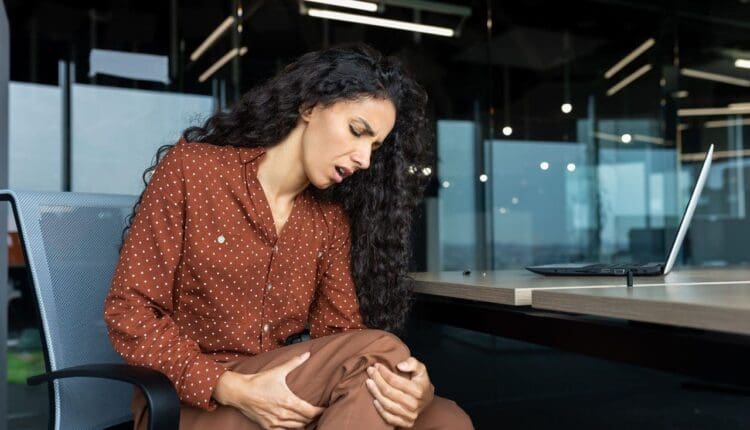
A leg cramp is an involuntary contraction of the muscles in the leg, typically the calf muscle. It causes a sudden, sharp, and painful tightening of the muscle. They commonly occur from
Dehydration
Muscle overexertion
They can be a symptom of an underlying health condition, such as type 2 diabetes or kidney failure.
They can also be a side effect of certain medications.
Sensation
Leg cramps typically cause sudden, severe pain in the affected muscle. Individuals may also feel a hard knot or twitching of the muscle. The calf muscles are the most common site. (Harvard Health Publishing, 2024)
Causes
The underlying cause of leg cramps isn’t always known. However, work, lifestyle factors, and medical conditions can play a role. Common causes include:
Dialysis – treatment to remove excess fluid from the blood when kidneys fail.
Respiratory diseases of the lungs and airways
Amyotrophic lateral sclerosis (ALS, or Lou Gehrig’s disease, a neurological condition affecting the brain, nerves, and muscles)
Self-Care
Leg cramps often go away on their own after a few minutes. However, other self-care can help. Recommendations: (Harvard Health Publishing, 2024)
Change Body Positions
Moving can help relieve tension and pain.
If the leg cramps happen at night, stand up and take a few steps.
Massage
Gently rubbing the cramped muscle can help it relax.
Stretch
Stretching the cramping muscle can help it relax.
Apply Heat
If the leg cramp lasts more than a few minutes, apply a heating pad or take a warm shower to increase blood circulation to and around the muscle to help it relax.
Treatment
There are no medications specifically for treating leg cramps. However, if symptoms are caused by another medical condition, treating the underlying condition might help reduce cramp frequency. Dehydration or low electrolytes can cause leg cramps; in these cases, drinking water or electrolyte-infused beverages can help. If cramps are related to overexercising, consider reducing the intensity of your activity or exercising in a cooler environment. (Maughan R. J. & Shirreffs S. M. 2019) Magnesium supplements are usually marketed to relieve muscle cramps; they are not proven to alleviate them. (Garrison, S. R. et al., 2020)
Exercises and Stretches
It is important to know which muscle to target when stretching the leg. If the cramp does not resolve after the first stretch attempt, try again.
Place palms flat against the wall at shoulder height.
Step the cramping leg away from the wall around 12 to 18 inches.
Keep your heels flat on the floor.
Keeping the back leg straight, bend the front knee slowly and lean forward until you feel a stretch along the calf.
Hold for 30 to 60 seconds.
Prevention
They can’t always be prevented. However, if they are related to dehydration or other lifestyle factors, individuals may be able to prevent them from occurring or decrease the frequency. Try the following: (Harvard Health Publishing, 2024)
Drink plenty of water.
Stretch the leg muscles before you go to bed.
Try drinking a beverage with electrolytes for longer workouts or activities in hot weather.
Warm up before exercise, such as with a slow jog, before getting into more intense exercises.
Properly cool down after a workout.
Stretch the leg muscles before and after exercising.
Maintain a healthy body weight.
Contact a Healthcare Provider
Leg cramps can sometimes signify something more serious than a Charley horse. See a healthcare provider if any of the following symptoms present (National Library of Medicine, 2020)
Change in skin color, including redness or a deeper tone than normal
Cramps that last more than a few minutes or occur frequently
Muscle weakness
Severe pain from the cramps
Swelling
Warm skin
Injury Medical Chiropractic & Functional Medicine Clinic
Talk to a healthcare provider about leg cramps to learn what interventions would help the most. Injury Medical Chiropractic and Functional Medicine Clinic works with primary healthcare providers and specialists to develop an optimal health and wellness solution. We focus on what works for you to relieve pain, restore function, and prevent injury. Regarding musculoskeletal pain, specialists like chiropractors, acupuncturists, and massage therapists can help mitigate the pain through spinal adjustments that help the body realign itself. They can also work with other medical professionals to integrate a treatment plan to resolve musculoskeletal issues.
Is Motion Key to Healing?
References
Harvard Health Publishing. (2024). How to get rid of muscle cramps in your legs. https://www.health.harvard.edu/pain/how-to-get-rid-of-muscle-cramps-in-your-legs
National Library of Medicine. (2020). Muscle cramps. Retrieved from https://medlineplus.gov/musclecramps.html
Maughan, R. J., & Shirreffs, S. M. (2019). Muscle Cramping During Exercise: Causes, Solutions, and Questions Remaining. Sports Medicine (Auckland, N.Z.), 49(Suppl 2), 115–124. https://doi.org/10.1007/s40279-019-01162-1
Garrison, S. R., Korownyk, C. S., Kolber, M. R., Allan, G. M., Musini, V. M., Sekhon, R. K., & Dugré, N. (2020). Magnesium for skeletal muscle cramps. The Cochrane database of systematic reviews, 9(9), CD009402. https://doi.org/10.1002/14651858.CD009402.pub3
American Academy of Orthopaedic Surgeons. (2018). Knee conditioning program. https://orthoinfo.aaos.org/en/recovery/knee-conditioning-program/
Learn about gua-sha combined with chiropractic care and how it can improve your well-being through ancient healing techniques.
Introduction
When it comes to many individuals dealing with musculoskeletal pain, it can be due to many environmental factors that can affect the body. Excessive movement can affect different body areas, from overly stressful days to injuries. Some of the more common musculoskeletal issues are neck, shoulder, and back pain. These muscle issues can cause referred pain to the upper and lower extremities while causing the affected muscles to become tight and stiff. When individuals are experiencing musculoskeletal pain, many can incorporate non-surgical treatments to not only relax the body but also reduce the overlapping symptoms of musculoskeletal pain affecting the muscles. One of the most underutilized and effective tools that can help relax the affected muscles is Gua Sha therapy.
What is Gua-Sha?
Gua Sha is a traditional healing technique incorporating a smooth-edged tool made from either jade, rose quartz, or metal to scrape the skin gently. This technique has been used regularly in China and Southeast Asia and has therapeutic properties to restore the body’s chi or energy. “Gua Sha” means scraping stagnant blood to increase circulation beneath the skin. Thus enhancing the immune surveillance function of the affected muscle. (Chu et al., 2021) GuaSha therapy can be a powerful therapeutic tool for reducing inflammation in soft tissues, improving mobility within the extremities, and relieving muscle pain.
How Gua-Sha Helps With Musculoskeletal Pain
Now, when it comes to individuals dealing with musculoskeletal pain, it is often associated with overuse, repetitive movements, injuries, poor posture, or chronic conditions. When these environmental factors start to cause musculoskeletal pain, it can affect different body areas, especially the neck, shoulders, and back. These common areas of musculoskeletal pain can cause localized or referred pain that causes the muscles, fascia, and ligaments to be pain generators due to overuse, leading to myofascial pain and muscle trigger points. (Knezevic et al., 2021) Gua Sha therapy can address these root musculoskeletal causes by:
Breaking up fascia adhesions and scar tissue within the soft tissues
Gua Sha can reduce inflammation in the affected area by improving muscle microcirculation.
Help stimulate the parasympathetic nervous system, providing pain relief
Releasing muscle tension and myofascial trigger points in the upper and lower extremities
Helps to enhance lymphatic drainage, thus reducing swelling and stagnation
In short, Gua Sha can help remove du meridian obstructions, replenish the body’s energy, remove blood stasis, and promote blood circulation for natural healing. (Wang et al., 2020)
Discovering the Benefits of Chiropractic Care- Video
Gua-Sha & Chiropractic Care: A Powerful Combination
When individuals are experiencing musculoskeletal issues within their upper and lower extremities correlated with environmental factors, many will often seek non-surgical treatment for their pain. Some non-surgical treatments, like chiropractic care, can benefit the musculoskeletal system. Chiropractic care emphasizes diagnosing and managing musculoskeletal disorders that use mechanical and manual spinal manipulation. (Trager et al., 2024) Combined with Gua Sha, it can be more effective in promoting healing properties since chiropractic care helps restore joint mobility and realign the spine. Gua-Sha helps break down or scrape the surrounding tissues. For chiropractors, incorporating the Graston technique (another form of Gua Sha) utilizes specialized instruments to modify the affected body area structure and composition of soft tissue. This then enhances fascia mobility while addressing tissue adhesions. (Deshmukh & Phansopkar, 2023)
The Benefits of Chiropractic Care & Gua-Sha
Chiropractic adjustments assist people in maintaining healthy musculoskeletal alignment, significantly reducing discomfort in the muscles, joints, bones, and connective tissues. (Chu et al., 2023) The following are some advantages of using gua sha either by itself or in conjunction with chiropractic care:
Relief from shoulder, back, and neck discomfort
Increase the flexibility and range of motion of your muscles.
Reduced inflammation in the afflicted muscle
Speeds up the body’s recuperation process
As part of an individual’s personalized treatment strategy, Gua-Sha and chiropractic adjustments may assist in addressing the underlying problems that impact the whole kinetic body chain. Gua Sha may be used either before to or after a chiropractic adjustment to help restore tissue flow and function, lessen guarding, promote mobility, and boost the procedure’s efficacy. This, in turn, supports both functional musculoskeletal mobility and long-term repair.
Common Gua-Sha Uses In Musculoskeletal Care
A mild, non-invasive treatment that can be tailored to each person’s tolerance and healing requirements, gua sha therapy is useful for several ailments. This comprises:
Persistent lower back or neck discomfort
Syndrome of Myofascial Pain
Carpal tunnel syndrome
Tendonitis (e.g., Achilles, tennis elbow)
Fascia plantar
Scarring or stiffness after surgery
The malfunctioning of the TMJ and tension headaches
Although Gua Sha treatment has several positive benefits for the musculoskeletal system, not everyone who has particular vascular or skin issues or who bleeds readily should use it. People must speak with their affiliated healthcare professionals to explore a suitable, individualized treatment plan for certain illnesses.
Conclusion
People seeking a natural, non-pharmacological remedy for environmental-induced musculoskeletal discomfort may use Gua Sha in their personalized chiropractic therapy regimen. By promoting soft tissue health and ensuring adequate spinal alignment, this combination may lessen the likelihood that musculoskeletal issues will recur. People who begin to consider their health and well-being will have a whole team to support them on their path to wellness and help them become pain-free with chiropractic adjustments and Gua Sha treatment.
Injury Medical & Functional Medicine Clinic
We associate with certified medical providers who understand the importance of assessing individuals dealing with musculoskeletal pain by incorporating Gua-Sha and chiropractic care. When asking important questions to our associated medical providers, we advise patients to utilize Gua-Sha combined with chiropractic care to reduce musculoskeletal pain and restore soft tissue mobility in the extremities. Dr. Alex Jimenez, D.C., uses this information as an academic service. Disclaimer.
References
Chu, E. C., Lin, A. F. C., & Chu, V. (2023). The Inclusion of Chiropractic Care in the Healthy China Initiative 2030. Cureus, 15(8), e43068. https://doi.org/10.7759/cureus.43068
Chu, E. C. P., Wong, A. Y. L., Sim, P., & Kruger, F. (2021). Exploring scraping therapy: Contemporary views on an ancient healing – A review. J Family Med Prim Care, 10(8), 2757-2762. https://doi.org/10.4103/jfmpc.jfmpc_360_21
Deshmukh, N. S., Jr., & Phansopkar, P. (2023). Effect of the Graston Technique and Cupping Therapy on Pain and Functions in Individuals With Medial Tibial Stress Syndrome: A Randomized Clinical Trial. Cureus, 15(11), e48246. https://doi.org/10.7759/cureus.48246
Knezevic, N. N., Candido, K. D., Vlaeyen, J. W. S., Van Zundert, J., & Cohen, S. P. (2021). Low back pain. The Lancet, 398(10294), 78-92. https://doi.org/10.1016/s0140-6736(21)00733-9
Trager, R. J., Bejarano, G., Perfecto, R. T., Blackwood, E. R., & Goertz, C. M. (2024). Chiropractic and Spinal Manipulation: A Review of Research Trends, Evidence Gaps, and Guideline Recommendations. J Clin Med, 13(19). https://doi.org/10.3390/jcm13195668
Wang, Y. W., Xi, Z. W., Pu, B., Chen, G. Y., Ma, Y. F., Liu, D. L., & Xu, X. (2020). Gua sha therapy for chronic low back pain: A protocol for systematic review. Medicine (Baltimore), 99(40), e20606. https://doi.org/10.1097/MD.0000000000020606
For individuals with lower back pain when walking, could they have injured a muscle or have an underlying condition affecting the joints, ligaments, or nerves?
Back Pain When Walking
Lower back pain when walking can occur for a variety of reasons. It can result from poor posture, injuries, muscle fatigue, or an underlying condition. Specific injuries, like muscle strains, can affect the ligaments in the spine and cause pain. Muscles that have not been used often can result in fatigue and pain. Specific health conditions, such as degenerative disc disease, spinal stenosis, herniated discs, sciatica, or even sacroiliac joint dysfunction, can cause lower back pain. Factors like overexertion or improper gait can exacerbate it.
Muscle Issues
Muscle strains, ligament sprains, or fatigue can cause lower back pain when walking. Pain can occur after walking or come on gradually from wear and tear without an apparent cause, as follows (American Association of Neurological Surgeons, 2024)
Strains
Occur when the fibers in the back are overstretched or torn.
Pain from muscle strains is usually worse during activity and better when resting.
Sprains
It occurs when the ligaments that connect bone to bone become detached.
If the muscles do not adequately support the spine, the spinal joints absorb more pressure, which can lead to injury to the spinal ligaments.
Fatigue
It can happen from overexertion and lead to lower back pain when walking.
It could occur when walking longer than the body is used to, on uneven surfaces that make the muscles work harder to help maintain balance, or climbing hills that cause you to lean forward while walking.
Degenerative Disc Disease
Between each vertebra is a disc that provides cushioning between the bones.
As the disc wears down, surrounding muscles, ligaments, joints, and nerves in the spine absorb more pressure, causing damage.
Degenerative disc disease is a wear-and-tear condition that becomes more common as individuals age and is a common cause of lower back pain.
Healthcare providers recommend walking as a low-impact activity for individuals with the disease. However, if the condition is more severe, individuals could experience pain from this exercise, especially when walking on hard surfaces. (Hospital for Special Surgery, 2024)
Sciatica
Sciatica pain occurs when a nerve exiting the spine in the lower back becomes compressed or pinched. It is a common symptom of a herniated disc, in which a disc moves out of place and puts pressure on nearby nerves. In addition to lower back pain, sciatica can cause pain in the hip, the back of the thigh, and down the leg. Sciatica can also cause: (American Academy of Orthopaedic Surgeons, 2021)
Numbness
Tingling
Muscle cramps
Leg muscle weakness
Healthcare providers often recommend walking as a safe form of physical activity for individuals with sciatica. However, individuals should avoid twisting or bending forward. (American Academy of Orthopaedic Surgeons, 2021) To decrease pain, avoid walking on uneven surfaces or uphill.
Lumbar Spinal Stenosis
Spinal stenosis is a wear-and-tear condition that often affects the lumbar spine/five vertebrae in the lower back.
It causes the space surrounding the spinal cord to narrow.
Lumbar spinal stenosis typically causes pain when standing upright, including when walking.
Many with this condition find that leaning slightly forward helps to reduce the pain by opening up the compressed areas.
Hyperlordosis
Lordosis describes the normal curve in the spine in the lower back. However, when this curve is exaggerated, it causes hyperlordosis or swayback. (American Academy of Orthopaedic Surgeons, 2020) Hyperlordosis affects the range of motion, putting abnormal pressure on the muscles, ligaments, and joints. It also reduces the spine’s ability to absorb shock correctly when walking, leading to pain. (Cedars-Sinai, 2025)
Prevention Strategies
Individuals can take steps to reduce their risk of lower back pain when walking, even if they’ve been diagnosed with a condition that can potentially cause this symptom. Walking can decrease chronic low back pain for some. (Suh J. H. et al., 2019) As with any new exercise program, check with a healthcare provider to ensure that walking for exercise is appropriate for the injury, condition, or disease and is safe. Recommended tips: (Harvard Health Publishing, 2015)
Wear shoes made for walking.
Perform gentle lower back stretches before walking.
Start slowly by walking for a few minutes, then gradually increase the time.
Walk on a smooth surface, such as a sidewalk or athletic track, or indoors, such as in a shopping center or mall.
Warm up and cool down by walking slowly at the beginning and end of the walk.
This allows the back and leg muscles to warm up before exercise and recover afterward.
Walk at a slow to moderate pace/speed that allows one to converse.
Standing up straight while walking or standing upright reduces pressure on the lower back.
Alternative Exercise
If there is still back pain when walking, it might not be an appropriate exercise for the individual and/or how their condition presents symptoms. Alternate activities can include: (Hospital for Special Surgery, 2023)
Elliptical Trainer
This exercise keeps the feet in contact with the pedals, putting less shock-absorbing pressure on the spine than walking.
Recumbent Biking
will keep the back upright, which is recommended if there is more pain when bending forward.
Upright Stationary Biking
This is recommended if the back pain improves when bending forward.
Walking In A Pool
This activity provides benefits while reducing pressure on the spine.
To target different muscles, try walking laps in waist-deep water in multiple directions (forward, backward, and side to side).
Water Aerobics
This activity provides cardiovascular health benefits with decreased pressure on the back.
Injury Medical Chiropractic & Functional Medicine Clinic
See a physical therapist for a personalized exercise program to reduce back pain and appropriate for your condition. Injury Medical Chiropractic and Functional Medicine Clinic works with primary healthcare providers and specialists to develop an optimal health and wellness solution. We focus on what works for you to relieve pain, restore function, and prevent injury. Regarding musculoskeletal pain, specialists like chiropractors, acupuncturists, and massage therapists can help mitigate the pain through spinal adjustments that help the body realign itself. They can also work with other medical professionals to integrate a treatment plan to resolve musculoskeletal issues.
Beyond Adjustments: Chiropractic and Integrative Healthcare
References
American Association of Neurological Surgeons. (2024). Low back strain and sprain. https://www.aans.org/patients/conditions-treatments/low-back-strain-and-sprain/
Hospital for Special Surgery. (2024). Degenerative disc disease. https://www.hss.edu/condition-list_degenerative-disc-disease.asp
American Academy of Orthopaedic Surgeons. (2021). Sciatica. https://orthoinfo.aaos.org/en/diseases–conditions/sciatica
American Academy of Orthpaedic Surgeons. (2021). Lumbar spinal stenosis. https://orthoinfo.aaos.org/en/diseases–conditions/lumbar-spinal-stenosis/
American Academy of Orthopaedic Surgeons. (2020). Spine basics. https://orthoinfo.aaos.org/en/diseases–conditions/spine-basics/
Suh, J. H., Kim, H., Jung, G. P., Ko, J. Y., & Ryu, J. S. (2019). The effect of lumbar stabilization and walking exercises on chronic low back pain: A randomized controlled trial. Medicine, 98(26), e16173. https://doi.org/10.1097/MD.0000000000016173
Harvard Health Publishing. (2015). 5 tips for getting started with a walking program. https://www.health.harvard.edu/exercise-and-fitness/get-started
Hospital for Special Surgery. (2023). Best types of exercise for back pain. https://www.hss.edu/article_best-exercise-lower-back-pain.asp
What are some leg-strengthening exercises that will expedite recovery for athletes and physically active individuals who have undergone leg surgery?
Post Surgery Leg Strengthening
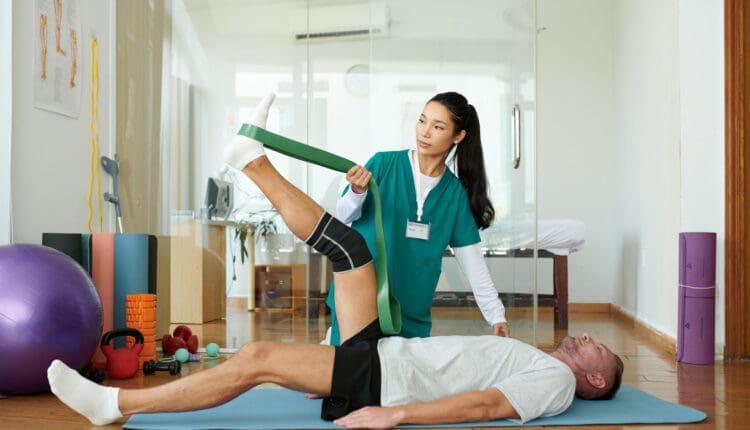
Leg muscles may weaken after hip, knee, ankle, or foot surgery. This happens because those muscles are not used as much during recovery. Gaining back strength and muscle endurance after an injury or surgery is an important step in recovery. Leg exercises can help regain mobility and prevent complications like blood clots and pressure sores after surgery or an injury, which is why engaging in post-surgery leg strengthening is important once the doctor gives the ok.
Benefits
Post-surgery leg strengthening exercises have several benefits, including
Rebuilds strength and confidence
Retraining for optimal mobility and flexibility
Prevents pressure sores
Prevents blood clots
When the leg muscles are contracted, they move blood like a pump, maintaining proper circulation. Moving in a bed after surgery also helps prevent pressure sores from forming and blood clots. A physical therapy team will determine the right leg exercises for each individual and their injury/condition. This is an important step when moving forward after surgery. (Hoogeboom T. J. et al., 2014)
This isometric exercise means the muscles contract while no motion occurs at the hip joints. To perform:
Lie on your back and tighten your buttock muscles.
Hold the muscles tight for 5 seconds, then relax.
Repeat 10 or 15 times.
Gluteal sets can be done several times per day.
Heel Slide
Heel slides can help regain strength in the major muscles of the leg. To perform:
Lie on your back.
Bend the knee of the surgical leg and slowly slide the heel toward your butt.
Slide as far as possible and hold for 5 seconds.
Slowly return to the starting position and repeat.
Short Arc Quad
The short arc quad, or SAQ, is a simple way to get the quadricep muscles working. To perform:
Lie on your back with a towel roll, small ball, or something similar under the knee.
Slowly straighten the knee.
Tighten the quad muscle on the top of the thigh.
Hold for 3 seconds, then relax.
Repeat 10 to 15 times.
Quad Set
This exercise helps get the quad muscles working. It also helps control the position of the kneecap. To perform:
Lie on your back.
Place a small towel roll under the knee.
Try to press the back of the knee flat against the floor.
Hold for 10 seconds and release.
Repeat 10 to 15 times.
Individuals can complete quad sets bilaterally or with both knees simultaneously. This makes the stronger leg help strengthen the weaker side.
Straight Leg Raise
To perform:
Lie on your back.
Lift your leg straight off the floor until it is at the height of the opposite bent knee.
Hold for 10 seconds and slowly lower.
Repeat 10 to 15 times.
Be sure to keep the knee straight for the entire exercise. Keep the opposite knee bent for comfort. To ensure the knee is straight, individuals can complete a quad set first and then the straight leg raise. The exercise can be more challenging by increasing repetitions or adding a 2- to 3-pound ankle weight on the thigh. For even more challenge, add the ankle weight to the ankle.
Hamstring Strengthening
Working out the hamstrings after injury or surgery is important. The hamstring muscles bend the knee and extend the hip backward. To perform:
Lie on your stomach.
Bend one knee to raise the lower limb straight in the air.
Hold for 5 seconds and lower slowly.
Repeat 10 to 15 times.
Once the exercise is easy to do, increase the repetitions to 30. Individuals can also try adding a 2- to 3-pound ankle weight.
Physical therapy can help individuals regain mobility after injury or surgery. A therapist may prescribe exercises as part of an at-home exercise program. Over time, progress will go from simple exercises to more challenging ones to improve balance and mobility. (Madara K. C. et al., 2019)
Injury Medical Chiropractic & Functional Medicine Clinic
Before starting this or any other exercise program, consult a doctor and a physical therapist to find the right exercises for your situation. Injury Medical Chiropractic and Functional Medicine Clinic works with primary healthcare providers and specialists to develop an optimal health and wellness solution. We focus on what works for you to relieve pain, restore function, and prevent injury. Regarding musculoskeletal pain, specialists like chiropractors, acupuncturists, and massage therapists can help mitigate the pain through spinal adjustments that help the body realign itself. They can also work with other medical professionals to integrate a treatment plan to resolve musculoskeletal issues.
Are You Recovering From Ankle Sprains?
References
Hoogeboom, T. J., Dronkers, J. J., Hulzebos, E. H., & van Meeteren, N. L. (2014). Merits of exercise therapy before and after major surgery. Current opinion in anaesthesiology, 27(2), 161–166. https://doi.org/10.1097/ACO.0000000000000062
Madara, K. C., Marmon, A., Aljehani, M., Hunter-Giordano, A., Zeni, J., Jr., & Raisis, L. (2019). PROGRESSIVE REHABILITATION AFTER TOTAL HIP ARTHROPLASTY: A PILOT AND FEASIBILITY STUDY. International Journal of Sports Physical Therapy, 14(4), 564–581.
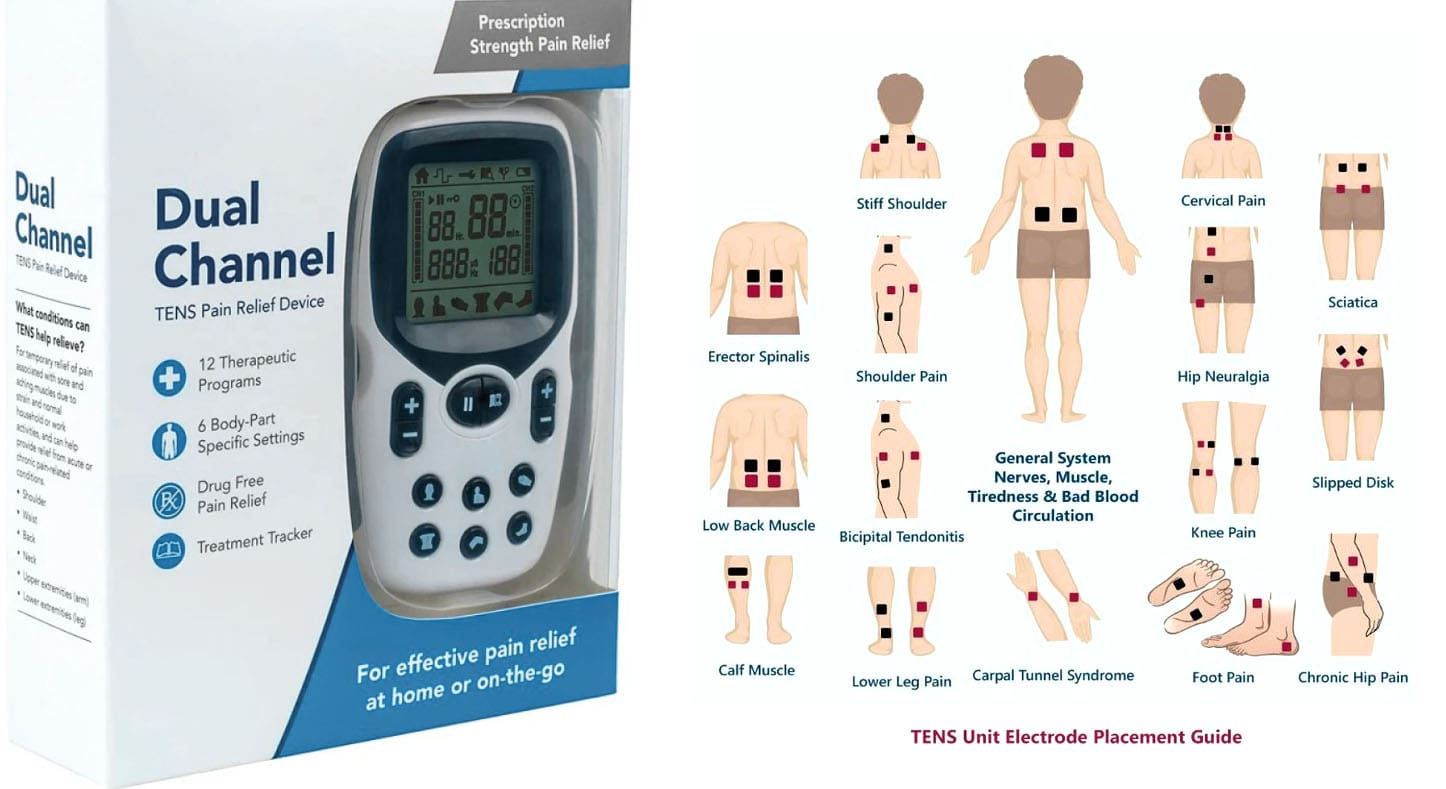
For individuals managing chronic pain conditions, can incorporating a personal TENS device help?
Personal TENS Device
Almost all physical therapy, chiropractic, acupuncture, and massage clinic healthcare providers offer TENS (transcutaneous electrical nerve stimulation) therapy. Individuals can buy a TENS unit for on-the-go and home care use. A personal TENS unit is a small, battery-powered device that uses low-voltage electrical currents delivered through electrodes placed on the skin to help relieve pain.
How It Works
TENS units work by stimulating nerve fibers in pain, which can help block pain signals from reaching the brain or by stimulating the release of endorphins, the body’s natural pain-killing chemicals.
Uses
TENS units are used to treat a variety of conditions, including:
Arthritis
Muscle cramps
Neck pain
Back pain
Pelvic pain
Knee pain
Osteoarthritis
Fibromyalgia
Tendinitis
Bursitis
Diabetes-related neuropathy
Pelvic pain from periods or endometriosis
Features
Portability
TENS units are small, lightweight, and portable, making them convenient for home or on the go. It can be held in a pocket or clipped to a belt. (National Health Service UK, 2025)
Electrodes
The unit is connected to a series of electrodes placed on the skin to deliver the electrical charge.
Adjustable Settings
Many TENS units allow users to adjust the electrical pulses’ intensity, frequency, and duration.
Benefits
Non-Invasive
TENS therapy is a non-invasive method for relieving pain.
Drug-Free
It can provide pain relief without the need for medication.
Convenient
TENS units are small, portable, and relatively discrete.
Precautions
Consult a healthcare provider before using a TENS device to ensure its safety for you and your injury/condition. The treatment should not be used for individuals who are pregnant, have epilepsy, poor sensation, a heart problem, a pacemaker, or another electrical or metal implant in their body. (National Health Service UK, 2025) The electrodes should not be placed on certain areas of the body, including (Teoli D, Dua A, An J. 2025)
Head
Eyes
Mouth
Front of the Neck
Chest and upper back at the same time
Numb areas
Broken skin
Tumors
There is a minor risk of skin irritation, particularly if allergic to the adhesive pads.
Effectiveness
Researchers are still determining how effective TENS units are for relieving and reducing pain. A study found that TENS was effective in relieving pain for patients with fibromyalgia. (Dailey D. L. et al., 2013) Another study suggested that TENS may improve bone pain for cancer patients, but the results were inconclusive because of the limited number of randomized trials. (Vance C. G. et al., 2014)
Research suggests that some factors can impact the effectiveness of the intervention. Varying the intensity and frequency may help it be more effective so the body doesn’t develop a tolerance to it. In addition, using the electrodes in areas that are acupuncture points may help to reduce pain. While further study is needed, TENS is considered a safe pain-relief option for many conditions because it’s non-invasive and doesn’t require medication. (Vance C. G. et al., 2014)
Injury Medical Chiropractic & Functional Medicine Clinic
Individuals interested in trying a personal TENS unit should consult their healthcare provider. They may be able to refer them to a physical therapist, who can show them which type and how to use it for their particular condition. Injury Medical Chiropractic and Functional Medicine Clinic works with primary healthcare providers and specialists to develop an optimal health and wellness solution. We focus on what works for you to relieve pain, restore function, and prevent injury. Regarding musculoskeletal pain, specialists like chiropractors, acupuncturists, and massage therapists can help mitigate the pain through spinal adjustments that help the body realign itself. They can also work with other medical professionals to integrate a treatment plan to resolve musculoskeletal issues.
Don’t Ignore Post-Accident Pain
References
National Health Service UK. (2025). TENS (transcutaneous electrical nerve stimulation). https://www.nhs.uk/conditions/transcutaneous-electrical-nerve-stimulation-tens/
Teoli, D., Dua, A., & An, J. (2025). Transcutaneous Electrical Nerve Stimulation. In StatPearls. https://www.ncbi.nlm.nih.gov/pubmed/30725873
Dailey, D. L., Rakel, B. A., Vance, C. G. T., Liebano, R. E., Amrit, A. S., Bush, H. M., Lee, K. S., Lee, J. E., & Sluka, K. A. (2013). Transcutaneous electrical nerve stimulation reduces pain, fatigue, and hyperalgesia while restoring central inhibition in primary fibromyalgia. Pain, 154(11), 2554–2562. https://doi.org/10.1016/j.pain.2013.07.043
Vance, C. G., Dailey, D. L., Rakel, B. A., & Sluka, K. A. (2014). Using TENS for pain control: the state of the evidence. Pain management, 4(3), 197–209. https://doi.org/10.2217/pmt.14.13
IFM's Find A Practitioner tool is the largest referral network in Functional Medicine, created to help patients locate Functional Medicine practitioners anywhere in the world. IFM Certified Practitioners are listed first in the search results, given their extensive education in Functional Medicine