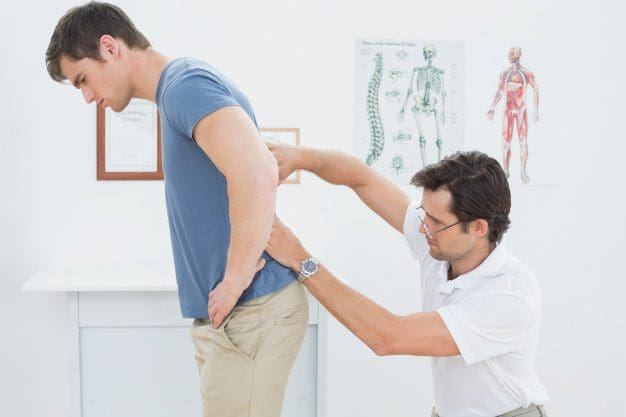
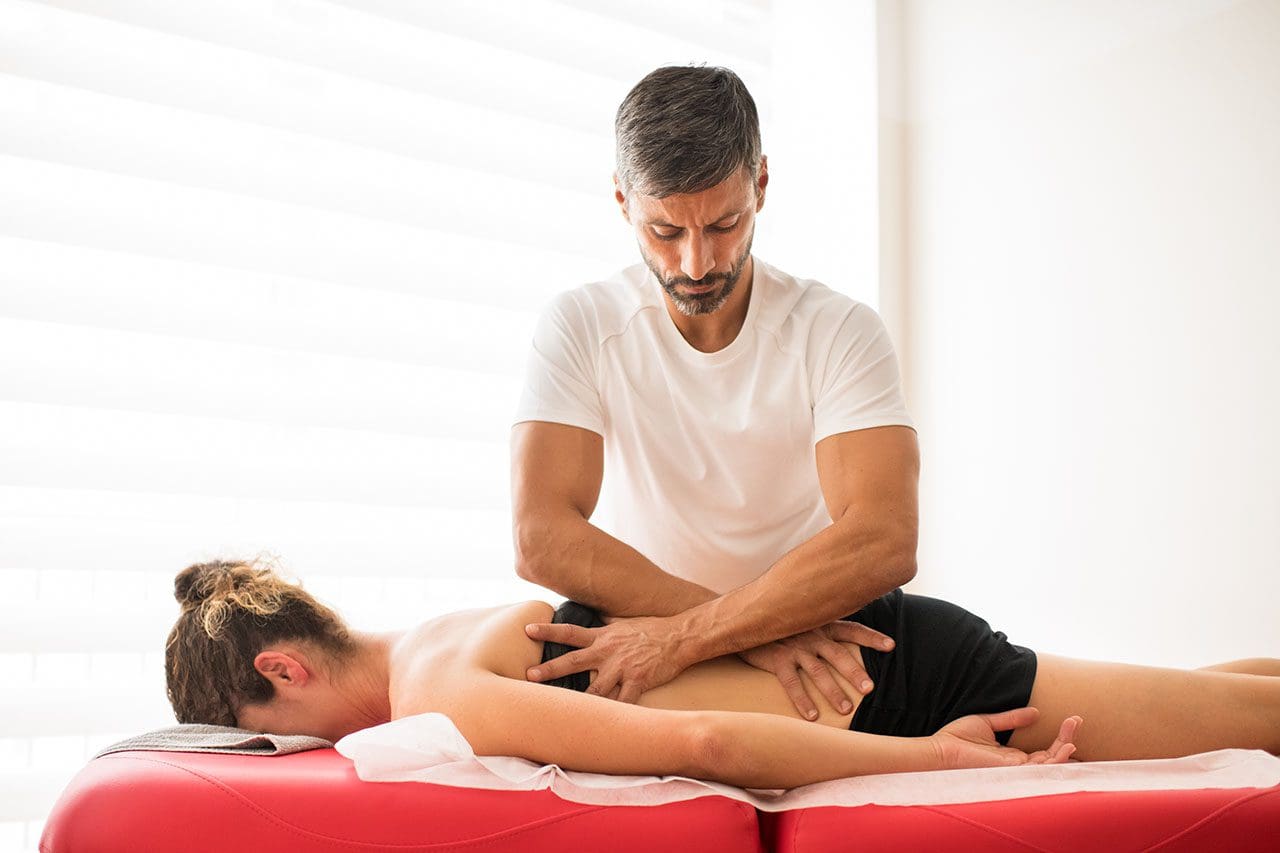
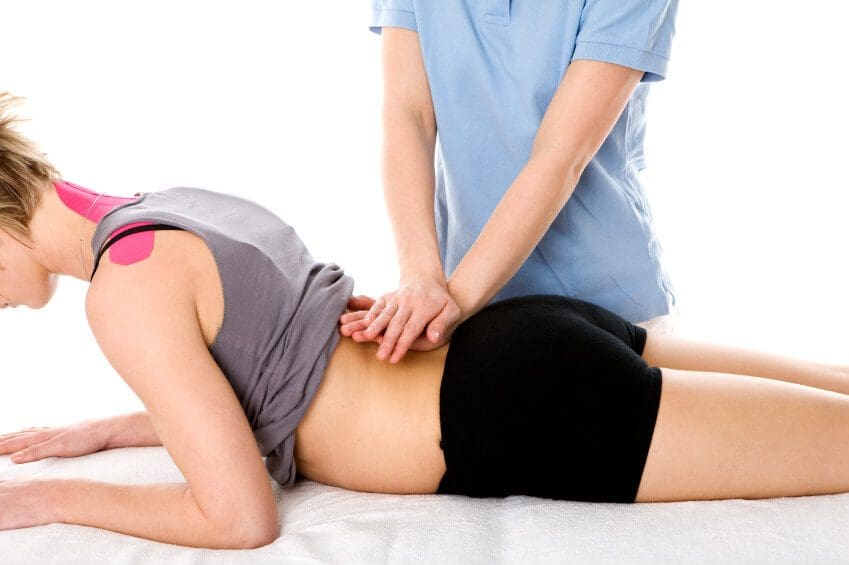
Chiropractor Dr. Alexander Jimenez of Injury Medical and Chiropractic Clinic focuses on long-haul truck driversand non-invasive spinal treatments. Truck drivers are at a much higher risk of developing degenerative spinal disorders from the stress that constant driving and repetitive lifting can place on the spinal muscles of the lower back.
Driving a huge truck for eight to ten hours every day/night means the person sits in a stationary position for a long time. The muscles, joints, and ligaments tend to become stiff, and proper blood circulation is affected over time. Ailments can last for weeks, even up to several years if drivers don’t take time to focus on their health and find the right treatment.
Teams are in a truck that never stops. Even sleeping in the bunk, these drivers are subject to constant vibration and bouncing as the truck moves. Roads that are poorly maintained can cause impact trauma to both the driver and the person in the bunk. Various factors can cause musculoskeletal pain like:
Having limited mobility can lead to structural problems like pain in the back, hip, knee, shoulder, arms, and legs. This is compounded by the fact that prescription medications are the norm for these issues and can be dangerous.
Long Haul
These individuals are taught proper lifting techniques but with time forget to follow them during the rush to make the delivery/s on time. Driving for extended periods regularly places added strain on the back. This is due in part because these individuals can’t use their feet to support the lower part of their bodies while working the pedals of the truck.
The continuous instability, vibrations, and positional changes that come with long-haul driving can cause tension in the spine and surrounding muscles in the area. Research has shown that vibration of the body while driving increases the load on the lower back and driving on roads that are not maintained can exacerbate the condition.
The continuous bouncing can lead to spinal disc compression, which in turn causes degeneration of pain in the spine and nerves. This continuous strenuous routine can lead to herniated/bulging discs, which can cause pain and lead to the development of other spinal conditions like sciatica. Improper alignment of the spine can lead to dysfunction and pain in one or several areas of the body. Other conditions that could develop include:
Facet joint syndrome – the cartilage wears away making the spinal joints stiff and swollen. This syndrome can lead to reduced mobility.
Spinal compression from sitting in a single position for a long time places pressure on the spinal column. As the spinal column compresses, it causes tightness in the lower and upper back muscles.
Sciatica is a combination of symptoms and pain that travel from the lower back to the knee and even into the foot. Usually, caused by a herniated disc that compresses the sciatic nerve, it can cause shooting electrical pain down the leg. Drivers with sciatica can also have tight gluteal muscles that place pressure on the nerve.
Neck pain from tight and tender muscles can affect the middle back and cervical/neck area of the spine causing soreness.
Tension headaches begin with the muscles at the base of the skull. When these muscles are tight, they can pinch the nerves, beginning a headache.
Shoulder pain can be caused by overuse when loading, along with rotator cuff injuries and bicep tendonitis. An inflamed bicep can cause inflammation and pain in the shoulder.
Preventable and Treatable
Prevention and proper treatment are key. Here are a few simple ways to improve the drive:
Better seating to reduce vibration
Correct sitting posture
Chiropractic/physical therapy
Exercise
Proper diet
Ice therapy
Proper sleep support
Proper Seat
The seats that are standard in a truck do not offer proper support for a driver’s back, shoulders, neck, and legs. A seat pad for extra comfort or a memory foam seat with a massage base can relax the muscles. For quick lumbar supportroll up a pillow, towel, or t-shirt and place it behind the lower back.
An ergonomic truck seat helps fight the discomfort and awkward positions, that result in positive posture. A proper seat will force the back into its healthy arch. Driving with less strain helps:
Boost circulation
Distribute the body weight evenly
Helps drivers operate longer
Reduces the vibrations running through the body
These long-haul drivers can choose to bypass invasive procedures that can take months to heal. This is because the inability to drive means they don’t earn a check. And being taken out of a driving job for any period can cause financial difficulties.
Chiropractic provides long-haul truck drivers with a non-invasive, drug-free way to treat injuries, manage conditions, and relieve pain. Regular chiropractic can help correct postural habits that expose the body to injury or move the body and the spine out of alignment. It can identify emerging issues before they become a severe condition.
Larger truck stops offer drivers access to medical and chiropractic services allowing them to get treatment when they need it. Long haul drivers can be out for weeks and may not be able to get their regular adjustments. But it is still a good idea to have a regular chiropractor at home so you can stay healthy and on the road.
Chiropractic works great for neck and back problems, but it is highly effective for the entire body. Carpal tunnel syndrome or CTS is becoming a widespread health issue with so many working on computers, devices, phones, etc. Chiropractic is perfect for treating CTS. It relieves pain, loosens/stretches the ligaments, and promotes healing without meds. �
�
�
Carpal Tunnel
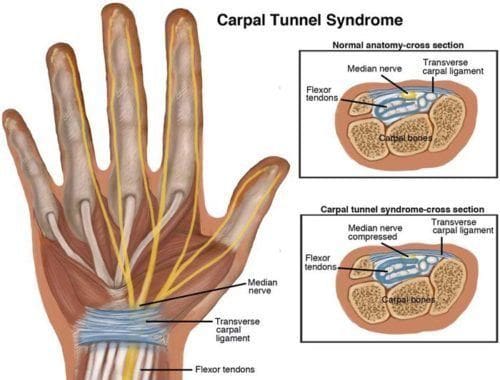
Carpal tunnel is diagnosed as a repetitive stress injury. This is a condition that affects the hands and wrists. The most common symptoms include:
Tingling
Numbness
Weakness in the middle, index, and thumb
Pain in the wrist/hand
Gets worse at night
It is found in:
Hairdressers
Office workers – typing, writing, filing, etc.
Mechanics
Cashiers
Those who perform repetitive hand motions throughout the day
It is estimated that around 3% of adults will deal with CTS at some time in their lives. Around 50 percent of workplace injuries are attributed to CTS. Research has shown that job occupation plays a large role in how it develops. �
�
The carpal tunnel lies on the front side of the wrist. Here is where the blood vessels, nerves, and tendons necessary for the hand to move and work reside. The carpal tunnel can become inflamed, damaged, or strained with added pressure on the area compressing the arteries and nerves. This is when CTS develops. It starts slowly with symptoms gradually worsening as the condition progresses.
�
How chiropractic helps
There are 3 primary ways that chiropractors treat carpal tunnel syndrome. Manual Adjustment of the:
Upper spine
Arm
Wrist
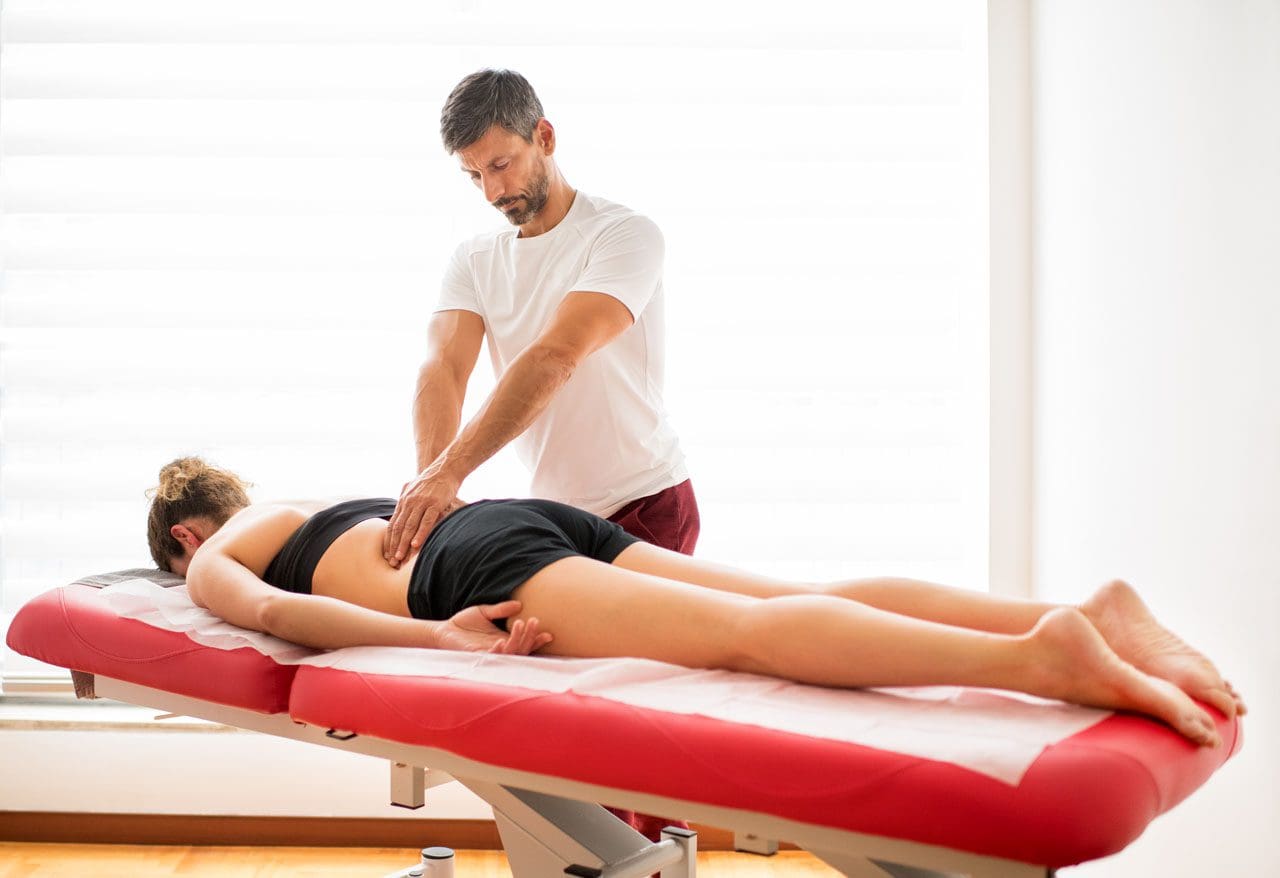
If the spine is out of alignment it could contribute and exacerbate the carpal tunnel. Chiropractic utilizes spinal manipulation to realign the spine to its correct position. These adjustments are performed by hand, but special devices, instruments, tools, rollers, etc, could be used during the treatments. A chiropractor will make adjustments to the arm and wrist, as well. �
� Ultrasound
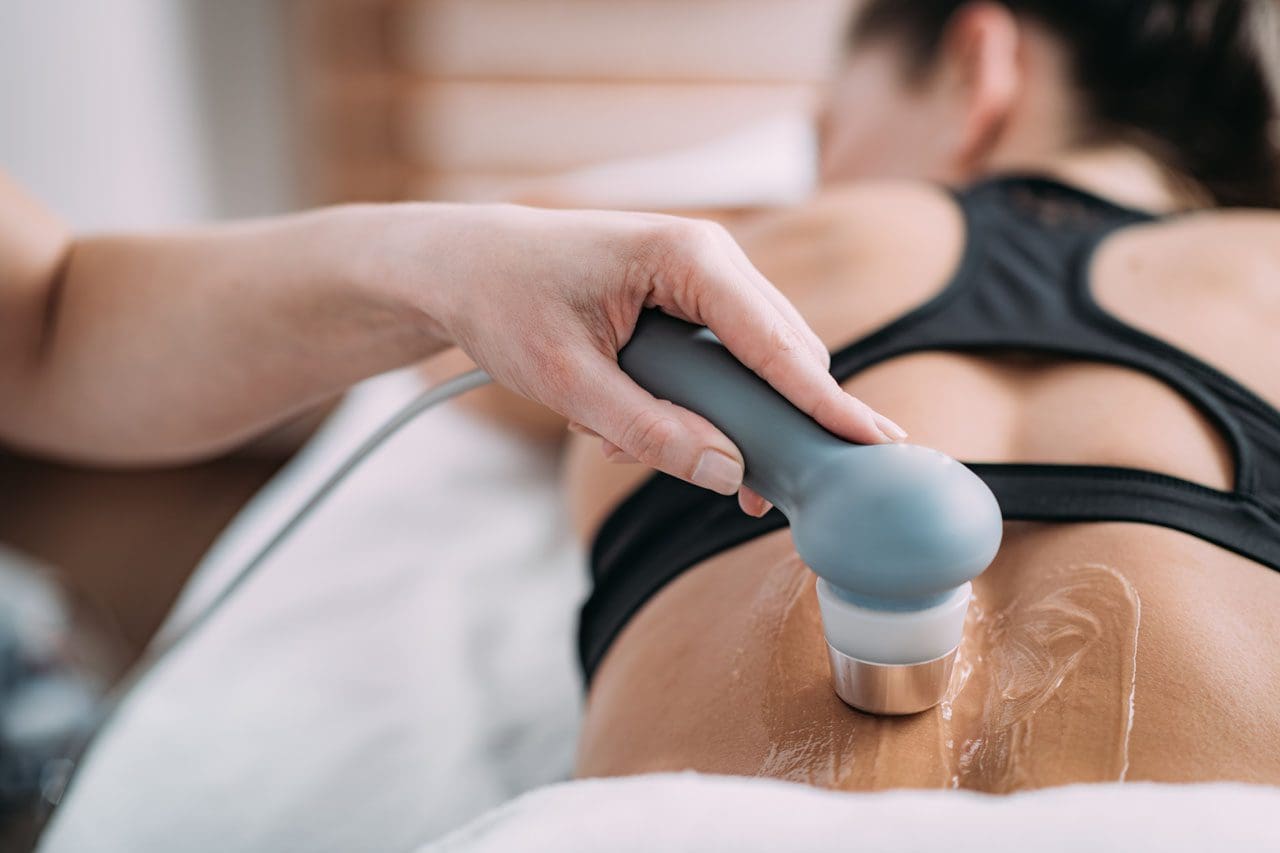
Ultrasound uses low energy sound or high energy sound. The sound waves are highly focused and penetrate the body�s tissue at a very deep level. These waves are quite effective in reducing inflammation, alleviating pain, and relaxing the muscles. It could be used as a stand-alone treatment or along with chiropractic treatment. �
�
Wrist Supports
Wrist supports are used to keep the wrist properly aligned with the rest of the arm to reduce pressure and compression. It can be used as a preventative measure against carpal tunnel. A chiropractor could go with this option if the individual does repetitive work that could contribute to the condition. �
�
This is usually done in conjunction with regular chiropractic care. When treating carpal tunnel, a chiropractor could suggest certain therapeutic exercises and a dietary change to help promote optimal wellness. This is to help the individual get the most benefits from the treatment and to help prevent the condition from worsening, as well as, other conditions. �
�
Posture
Proper posture is essential for optimal health, well being, can help avoid age-related conditions and allows the organs room to operate properly and efficiently. Posture can be affected in different ways. Sustaining an injury is one in which the body compensates by listing to one side or hunching over to relieve the pain.
Another reason is slouching. Those of us that just don�t stand and sit up straight through bad habits, lack of exercise, improper diet, medication, and the list goes on and on. Whatever the reason, poor posture will gradually lead to:
Back pain
Headaches
Increased risk of injury
Decreased flexibility
Decreased mobility
It can cause the body to age quicker. However, in most cases, even those with extremely poor posture can find help and return to a high quality of life. Chiropractic has shown to help many regain a straight, healthy posture.
�
Postural Conditions
There are postural conditions that chiropractic is very helpful in alleviating, include:
Forward head posture – usually associated with mobile devices
Kyphosis
Scoliosis
�
Treatment
A chiropractor will:
Discuss the problem/s you are experiencing
Listen to the complaints
Find out when the problem started
Go through events or work that could have contributed to the problem
Thoroughly evaluate the medical history
Observe the way you sit, walk, bend, and movearound
A chiropractor will request x-rays and assess the alignment of the spine. If necessary a neurological or orthopedic test could be done to ensure that there is no underlying condition or injury that is causing the problem.
They will ask you to stand straight and possibly take measurements to determine if there is any visible deviation from the optimum posture. They will then ask you to move and bend while they test the range of motion, mobility, flexibility along with muscle strength and length. �
�
Posture Plan
Once the assessments are complete the chiropractor will discuss the best treatment option available. They will walk you through the adjustments that will be performed along with other therapies they might recommend. The best course of action to relieve any pain will be discussed, as well as get your spine into proper alignment improving posture. They will also talk to you about stretching exercises and things to do at home. They could also discuss:
Sleep positions
Diet
Work area adjustments
Exercise
Weight loss
Chiropractic focuses on whole-body treatment. This means addressing lifestyle changes and getting the individual into optimal shape. Basic chiropractic adjustments can help improve posture within a few sessions.
After the body is in alignment you will feel more energetic, healthier, and happier. The body is an intricate machine and when one part is out of order it begins to affect all the other parts. Chiropractic can improve overall health and wellness. We want to get your body functioning more effectively and efficiently and feeling better.
�
Chiropractic Podcasting: Why Chiropractic Works
Dr. Alex Jimenez�s Blog Post Disclaimer
The scope of our information is limited to chiropractic, musculoskeletal, physical medicines, wellness, and sensitive health issues and/or functional medicine articles, topics, and discussions. We use functional health & wellness protocols to treat and support care for injuries or disorders of the musculoskeletal system. Our posts, topics, subjects, and insights cover clinical matters, issues, and topics that relate and support directly or indirectly our clinical scope of practice.*
Our office has made a reasonable attempt to provide supportive citations and has identified the relevant research study or studies supporting our posts. We also make copies of supporting research studies available to the board and or the public upon request. We understand that we cover matters that require an additional explanation as to how it may assist in a particular care plan or treatment protocol; therefore, to further discuss the subject matter above, please feel free to ask Dr. Alex Jimenez or contact us at 915-850-0900. The provider(s) Licensed in Texas& New Mexico*
Spinal injections are exactly what the name says. They are administered direct injections of medicine/s in a specific location of the spine. These are used to treat various conditions affecting the spine when non-invasive treatment/s are not working.
This could be an area along the upper cervical/neck spine all the way down to the sacrum. Injections are also utilized in helping to diagnose neck or back pain that radiates or spreads into an individual�s arms and legs. These are known as:
Cervical radiculopathy
Lumbar radiculopathy
Spinal injection/s for diagnostic or treatment purposes could be a part of an overall treatment plan along with chiropractic/physical therapy and possible medication.
�
�
The medicine in the injection
The medicine could be comprised of a local anesthetic on its own, steroid on its own, or a combination of the two. Steroids are short for corticosteroid, which is a strong anti-inflammatory medication. A contrast dye like an x-ray dye could be added to the injection mix. This dye acts as a guide for precise placement of the needle using image guidance.
�
Spinal disorders that could benefit
Proceeding with an injection treatment plan is based on an individual’s unique factors that apply to their condition/state. This decision will be made after consultation, and diagnosis with your doctor, spine specialist, or chiropractor.
Healthcare providers recommend conservative treatment first. A treatment plan typically runs around 4-6 weeks. If there is no change or improvement in the individual’s condition from the conservative therapy then injection treatment/s could be recommended. Conditions, where injection/s are used, include:
Disc herniation
Facet joint pain
Failed back syndrome
Sacroiliac joint pain
Sciatica
Spinal stenosis
�
Spinal injection and nerve block difference
Spinal injections are a general term that could mean any type of injection involving the spine. Nerve blocks are a precise type of injection that targets a specific nerve. As the medicine is injected into the target nerve/s, it blocks or creates a blockade of the pain signals being sent from the area (ex. neck, low back, etc.) that is generating the pain.
�
Injection types
Epidural
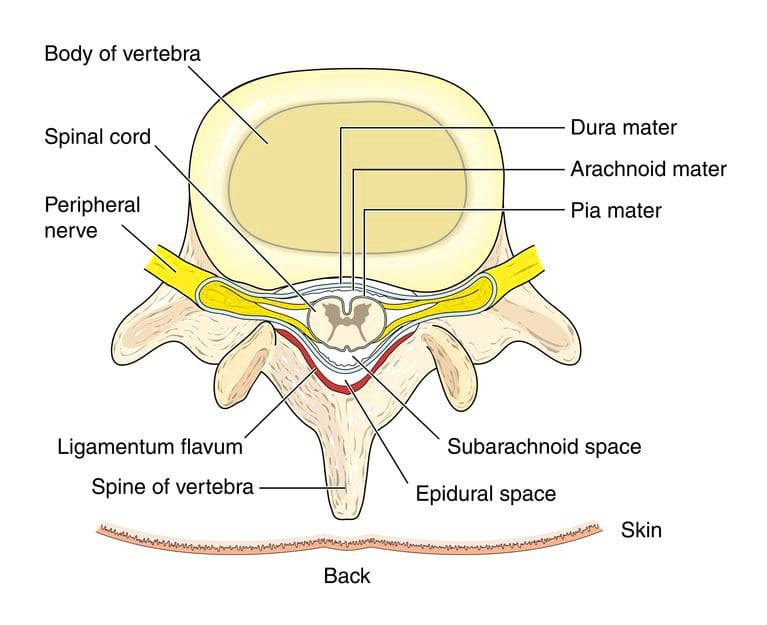
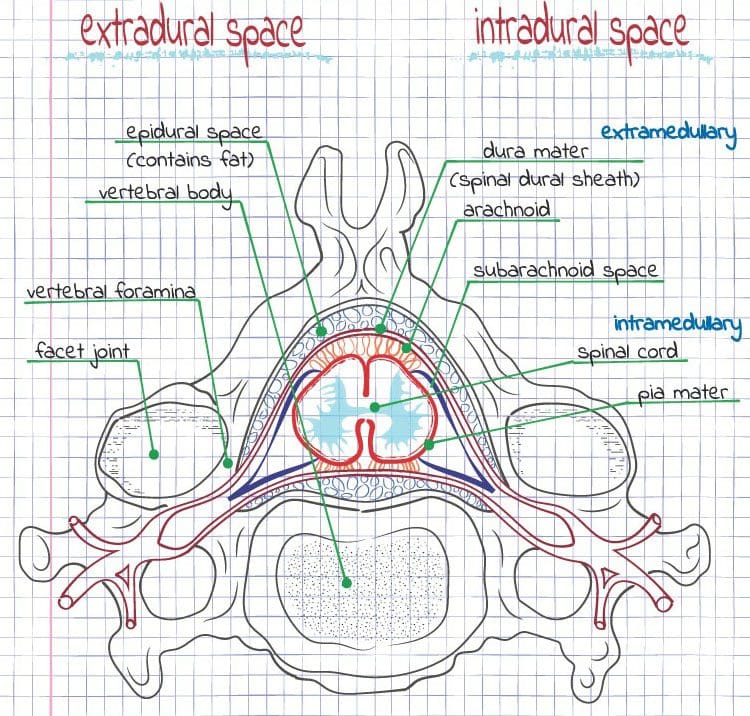
An epidural means an injection on the dura. The dura is the outermost layer that encloses the spinal cord. �
�
3 types of epidurals. They are named according to the direction and angle the needle takes to get to the dura.
Caudal epidural:
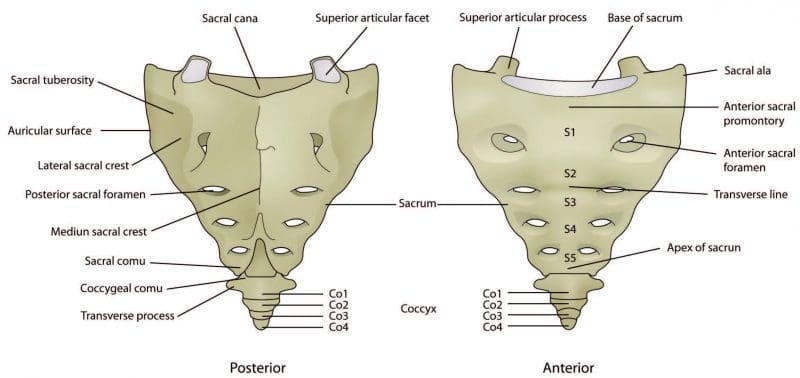
The spinal canal ends at an opening at the end of the sacrum called the spinal hiatus. The medicine is injected into the epidural space through the sacral hiatus. This is the method that is used to provide anesthesia to pregnant women when they’re in labor. �
�
Transforaminal epidural:
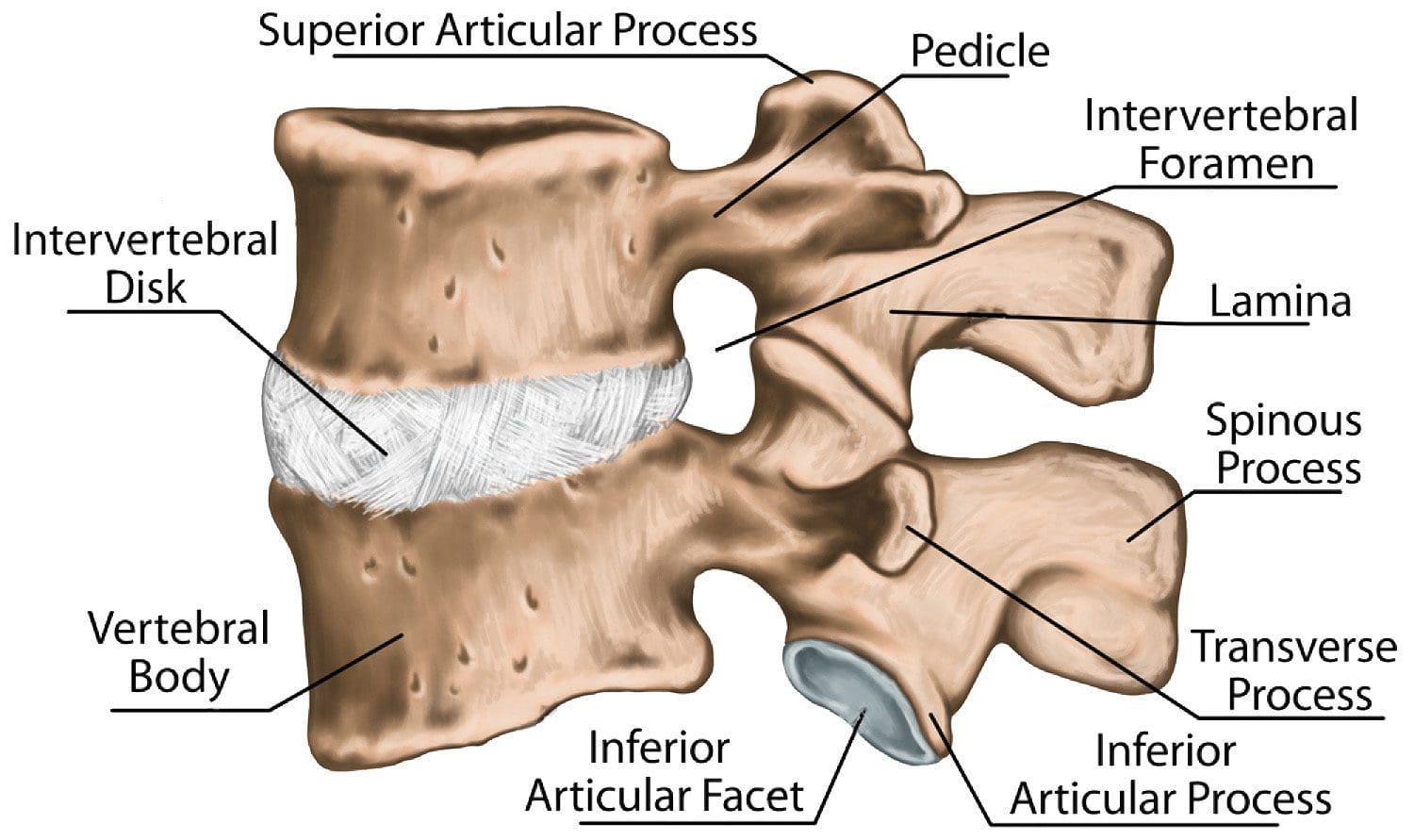
There are nerve roots that come out of the spinal canal at each level through a bony opening called the intervertebral foramen or neuroforamen. The medicine is injected into the epidural space in these areas.
Interlaminar epidural:
The lamina is a section that forms the arch of each level and forms the spinal canal. The lamina at each level lays on top of the lamina right below. The needle is inserted between the lamina for delivery of the medicine into the epidural space. �
�
Selective Nerve Root Block – SNRB
These involve the injection of a local anesthetic onto a targeted nerve. They are typically used for diagnostic purposes. For individuals with multi-spinal compression/s, these combined with:
Medical history
Physical exam
MRI
These can help identify the pain generator such as spinal stenosis.
�
Medial Branch Block – MBB
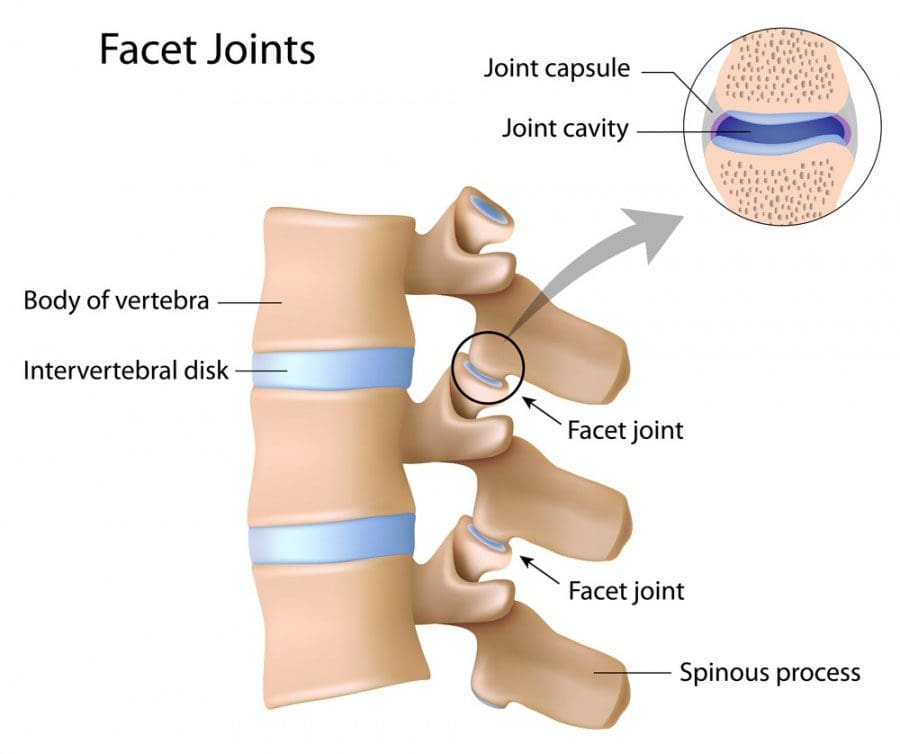
The facet joints are bony projections that connect a vertebral level to the levels above and below. These can become arthritic and is responsible for different forms of back pain.
This type of spinal injection is local anesthetic injected on the medial branch nerves. These are the nerves that send pain signals from the facet joint/s. They are useful in determining if the facet joint is the pain generator. �
�
Facet Joint
These are injections directly into the facet joint itself. Much like injecting anti-inflammatory and pain meds into a knee with arthritis.
�
Sacroiliac Joint
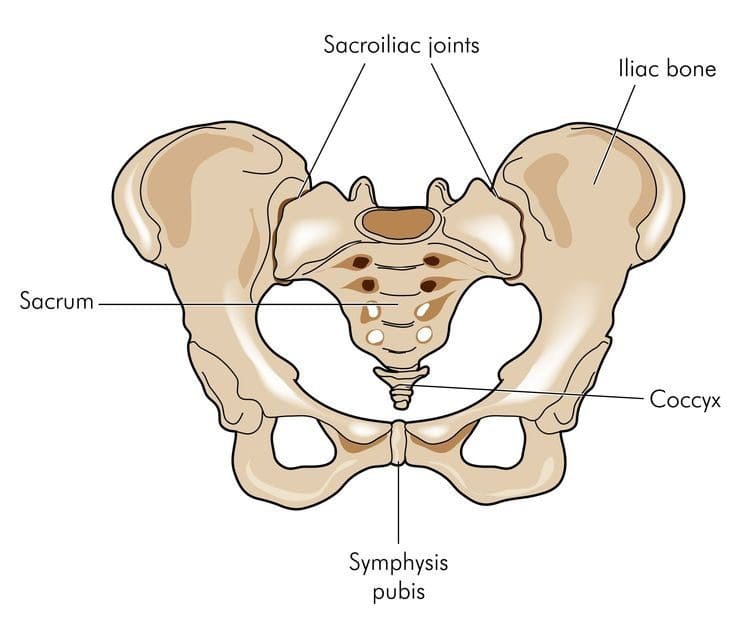
The two sacroiliac joints help connect either side of the sacrum to the hip joint. Like other joints, these can get inflamed and cause painful symptoms. This is an injection directly into one or both of the sacroiliac joints.
�
Administration of the spinal injection or nerve block
Injections are only to be performed by doctors trained specifically in spinal injections. Injections are usually performed by an:
Anesthesiologist
Neurologist
Neurosurgeon
Orthopedic surgeon
Physiatrist
Radiologist
�
Role of these procedures
Reasons why an injection could be used:
Help as a diagnostic to identify the pain generator
Therapeutically to provide pain relief
As a prognostic pain predictor of the relief, an individual could expect from a more invasive procedure like nerve ablation.
�
How often
A maximum of 6 injections for one year is the recommended treatment protocol. Each injection should be based on the effect/s of the previous injection.
�
Potential benefits
The main benefit is to bring pain relief and the ability to function.
Major complications happen in less than one percent of those undergoing the treatment. Individuals with diabetes could see a temporary elevation of their blood sugar.
�
Lasting effects
How long the medicine lasts is different for everyone and comes with variables like:
Type of injection
Type of pathology
Diagnosis
Cause
How long the symptoms last
Most can expect to have one and a half to three months of relief. However, with some, they may only provide minimal relief, while others may see improvements for up to a year.
�
Treating Severe & Complex Sciatica Syndromes
�
Dr. Alex Jimenez�s Blog Post Disclaimer
The scope of our information is limited to chiropractic, musculoskeletal, physical medicines, wellness, and sensitive health issues and/or functional medicine articles, topics, and discussions. We use functional health & wellness protocols to treat and support care for injuries or disorders of the musculoskeletal system. Our posts, topics, subjects, and insights cover clinical matters, issues, and topics that relate and support directly or indirectly our clinical scope of practice.*
Our office has made a reasonable attempt to provide supportive citations and has identified the relevant research study or studies supporting our posts. We also make copies of supporting research studies available to the board and or the public upon request. We understand that we cover matters that require an additional explanation as to how it may assist in a particular care plan or treatment protocol; therefore, to further discuss the subject matter above, please feel free to ask Dr. Alex Jimenez or contact us at�915-850-0900. The provider(s) Licensed in Texas& New Mexico*
Having the proper mattress can help reduce, prevent, and alleviate neck and back pain. Individuals spend around one-third of their life sleeping. However, when it comes to the mattress that we sleep on, there seems to be no consideration of how the mattress will affect our spines. No other piece of furniture in the house is used more often or affects overall health more than our beds. �
�
�
Down to sleep
Everybody needs to sleep, as the proper amount of rest is an essential part of life. When there is a lack of sleep or sleep disorder, this contributes and leads to health issues of all types and increased/exacerbated pain.
Specifically, the spine benefits tremendously from a proper sleep cycle. The spine works all day supporting the body and its functions. Rest is essential to maintain this level of activity day in and out. But when the surface that we sleep on does not support our body and spine in the correct form, then proper sleep can be impossible to achieve.
�
Proper Mattress Selection
The mattress we sleep on can make a significant difference in the quality of sleep we are getting on a regular basis. A mattress that does not provide optimal support for the spine can lead to muscle fatigue and sleep deprivation.
A proper mattress keeps the spine in the same natural alignment as when standing. When the body can rest in its natural position, the muscles are relaxed and the sleep is healthy following the five stages of a full sleep cycle.
�
Healthy sleep means the individual needs to cycle through five stages: 1, 2, 3, 4, and rapid eye movement or REM sleep. A full sleep cycle takes around 90 to 110 minutes to complete. Once the five stages have finished, it starts over at stage 1. Here is a look at the stages:
Stage 1
This is the lightest stage and is characterized by slow eye movement and relaxed muscle activity.
Stage 2
Eye movement stops and brain waves slow down.
Stage 3
This is the first stage of deep sleep where brain waves appear but are extremely slow. It can be quite difficult to wake someone from this stage.
Stage 4
This is the second stage of deep sleep with no eye or muscle activity. Just like stage 3, it can be more difficult to wake someone in this stage.
REM sleep
This is the dream phase where breathing quickens, heart rate, blood pressure increase, and eyes begin to move around in different directions. REM sleep could be considered the most important stage, as researchers believe REM sleep contributes to storing memories, learning, and regulating mood. Most adults spend half of their total sleep time in stage 2, 20% in REM sleep, and 30% in the other stages. �
Innerspring mattresses can offer more variety in terms of firmness and support. However, individuals find other types of mattresses just as comfortable. What makes a proper mattress the best is that it is the one that offers you the most support and the most comfort.
�
Foundation
This is usually called the box spring, which is just as important as the mattress. The box spring absorbs the weight along with the added stress of movement etc, from the mattress. Having the proper foundation extends the life of the mattress.
If possible try to purchase the box spring designed for the mattress. Using no box spring, an old box spring, or mixing the mattress and box spring can have a negative impact on the level of support and durability of the mattress.
�
Firmness
The belief that the firmer the mattress is the better is not exactly true. A too-firm mattress does not support the body in a balanced fashion. Which means that only the body’s heaviest parts are supported. A too-soft mattress can sink, preventing the spine from keeping proper alignment. Too firm or too soft does not allow the muscles to relax and rest, because they have to keep working to find a comfortable position just to maintain correct posture.
�
Comfort
Make sure to take the time to lie on the mattress and test it out when shopping. Lie down and position yourself the way you would when sleeping. Take turns turning/moving from side to side. If sleeping with a spouse or partner, try out the mattress together to make sure there is enough space to move around comfortably. Be sure that the mattress can support the spine and maintain its natural curve.
Beware, mattress manufacturers use different terms for comfort and firmnessthat could be confusing. Mattress makers will use a term like orthopedic but it does not have any actual medical merit or benefit. That is why trying out the mattress before buying is the way to go. It will definitely help to tell which one is the most supportive and comfortable.
�
Durability
How long the mattress and materials that it’s made of will last determines the durability. Top-quality materials are what to aim for. Especially, the core and the cover. Prices are determined by:
What the mattress is made out of
The quality of the construction
The size
A proper mattress and box spring should last for around 8-10 years. Therefore it is an investment in your spine and quality health. Don’t automatically go for the mattresses on sale or that are the cheapest. Instead, search for the best quality and value.
�
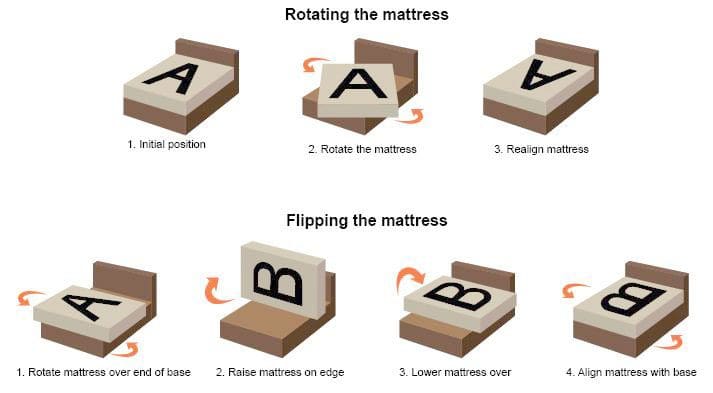
Flip or Rotate
Keeping the mattress in top form means flipping or rotating the mattress on a regular basis. This will ensure even wear and tear giving you optimal spine and body support. �
�
Time for a new one
Even proper mattresses don’t last a lifetime. But like most of us, we wait way too long when it comes to replacing. For those who’ve had the same mattress for 10 years or more, it is definitely time for a new one. There are other signs letting you know it’s time to replace including:
Waking up tired and aching could signal that the mattress is no longer providing enough support for proper rest. Not feeling refreshed after sleep could be the sign it’s time for a new mattress.
If the mattress looks old, worn, or strained, and the box spring rocks and squeaks are all signs that the mattress and foundation are worn out.
The bed is no longer comfortable with the mattress sagging/sinking or leaving an impression where you sleep. Slipping or rolling toward the center along with the inability to find a comfortable position means it’s time to think about a new mattress.
�
Sleep position makes a difference
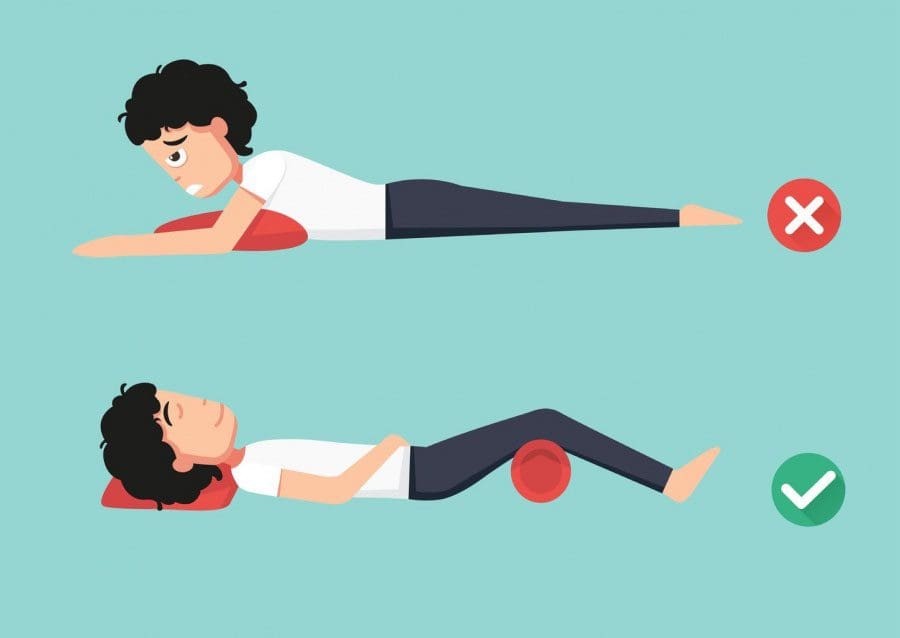
Sleeping on the side, with knees bent or with a pillow between the knees is considered the best way to maintain proper body posture. However, if you must sleep on your back, place a pillow under the knees to support the normal curve of the spine.
Sleeping on the stomach or with the head elevated on an oversized pillow creates an unnatural arch of the spine. This increases pressure on the diaphragm and lungs. These positions usually lead to restless tossing and turning and loss of proper sleep. �
�
Don’t Worry
If there is difficulty getting the right amount of sleep or you are waking up exhausted then this could be the time to take a look at where and how you sleep. A proper mattress and box spring will generate proper comfortable rest all the while maintaining posture and protecting the spine. Remember that sleep is an essential nutrient for our bodies. Therefore, the bed that we sleep on can make a significant difference.
Three Points of Weight Loss @ PUSH Fitness Center
Dr. Alex Jimenez�s Blog Post Disclaimer
The scope of our information is limited to chiropractic, musculoskeletal, physical medicines, wellness, and sensitive health issues and/or functional medicine articles, topics, and discussions. We use functional health & wellness protocols to treat and support care for injuries or disorders of the musculoskeletal system. Our posts, topics, subjects, and insights cover clinical matters, issues, and topics that relate and support directly or indirectly our clinical scope of practice.*
Our office has made a reasonable attempt to provide supportive citations and has identified the relevant research study or studies supporting our posts. We also make copies of supporting research studies available to the board and or the public upon request. We understand that we cover matters that require an additional explanation as to how it may assist in a particular care plan or treatment protocol; therefore, to further discuss the subject matter above, please feel free to ask Dr. Alex Jimenez or contact us at�915-850-0900. The provider(s) Licensed in Texas& New Mexico
Pets have improved the lives of those living with chronic pain and can help alleviate the depression that comes with it. There’s no doubt that having a pet or interacting with a trained therapy animal can help reduce and alleviate the pain and improve the quality of life.
Animals and the companionship they offer seems to be a natural pain reliever, and significant research supports this theory. Here are some ways that our pets can help us live optimal lives even with chronic pain. �
�
�
Ways Pets Can Relieve Pain
Our pets allow us to feel less stressed out. Research has shown even for those that are not into pets, that petting a dog for ten-fifteen minutes reducescortisol, which is a stress hormone. In a journal for pain, researchers studied the effects of quick therapy dog visits at a pain management clinic. Over 2-months they compared the individuals’ feelings of:
Pain
Fatigue
Stress
Tremendous improvements were reported for pain, state of mind, and other measures of stress among the individuals after the dog visit. Improvements were also seen in family, friends, and staff after the therapy dog visits.
�
They Generate More Activity
Specifically, dog owners seem to be healthier than those without a dog. Cats are great but when it comes to activity/fitness, dogs require regular walks, which makes owners get up, go outside and move around. Walking a dog can help:
Improve balance
Combat fatigue
Improve flexibility
Reduce joint pain
Increase strength
Manage weight
Being active combined with walking helps to get a better night’s sleep and reduced pain. �
�
They Make Us Feel Better Without Medication
Research has shown how the proper attitude impacts treatment outcomes. With a positive attitude, an individual is more likely to stick with a long-term pain treatment plan. Petting and playing with a furry friend can be the perfect medicine creating an improved mood literally relieving pain and reducing the need for pain meds.
�
They Distract The Pain Away
Individuals living with chronic pain are constantly thinking about it. Having a pet changes the focus from pain to joy and happiness. With a pet to care for gives the day structure and life purpose. Pets need attention and because of their lovability are hard to ignore. �
�
Animal-Assisted Therapy
This type of therapy is a legitimate option for chronic pain management. With the problems associated with opioids, doctors and patients are looking for alternative ways to treat pain. The American Academy of Family Physicians reports that nonpharmacological therapies, like animal-assisted therapy, are now included in chronic pain treatment plans. Other options for pain relief include:
Example: An individual has a pain syndrome/condition. When the pain flares up the individual becomes irritable and upset. The individual has a dog that recognizes these feelings. The dog comes over and starts playing, licking, etc. The individual picks up the dog, calming the individual, helping change the mood, and ease the pain.
�
Pet Time
Owning a pet is a real responsibility, for those who are not interested in adopting, there are still benefits from pet medicine. Some ideas to consider:
Perhaps a family member or friend owns a pet that could have regular visits. This would be a good way to get a feel for the experience and see what it’s like to have a pet without committing.
Cats are an option if dogs are not your cup of tea. This could be because of allergies or residing in a location that does not permit them. Cats offer companionship along with the same psychological benefits as dogs. However, there is not much activity since they don’t need to be walked. But they still need to play/pretend hunt.
Try spending time at a pain management clinic that has an animal therapy program. Some of these clinics allow individuals to spend time with a therapy dog a few times per week. These are usually 15-minute sessions.
Unable to locate a clinic in the area, try looking into other organizations that could provide therapy animals and programs. Local vets and animal shelters can be a good source of information for animal therapy programs.
�
Therapy and Service Dogs Are Not the Same
When it’s time you might be ready for a dog of your own. Before searching the local shelter’s website, consider everything that comes with pet ownership. Factor in costs like:
Veterinary care
Behavior classes
Food
Shelter
Toys
Travel
Think about the size of the animal and if you can safely manage a small or large pet. Remember this is a therapy for individuals with a health condition of chronic pain. An individual needs to be able to see what they can take given their level of pain at any given time.
If you’ve never owned a pet, there needs to be an understanding that housebreaking a pet can be quite a time-consuming and exhausting task. This could add more stress and worsen the pain.
It is important to remember that therapy dogs do not have the same training as assistance or service dogs. Service dogs are trained to perform and assist with specific tasks to help an individual that has a disability. This could be a seeing-eye dog helping their blind owner. Also, service dogs live with their owners and are granted special access to public places like planes, restaurants, places of business, etc.
The American Kennel Club defines therapy dogs as dogs that can accompany their owners to volunteer in schools, hospitals, and nursing homes where they work together as a team to improve the lives of other people.
There are definitely medical benefits to having pets in our lives. However, don’t expect them to remove chronic pain overnight. Pets are another tool that can bring relief and improve the quality of life for individuals living with pain.
Metabolic Syndrome & Inflammation
�
Dr. Alex Jimenez�s Blog Post Disclaimer
The scope of our information is limited to chiropractic, musculoskeletal, physical medicines, wellness, and sensitive health issues and/or functional medicine articles, topics, and discussions. We use functional health & wellness protocols to treat and support care for injuries or disorders of the musculoskeletal system. Our posts, topics, subjects, and insights cover clinical matters, issues, and topics that relate and support directly or indirectly our clinical scope of practice.*
Our office has made a reasonable attempt to provide supportive citations and has identified the relevant research study or studies supporting our posts. We also make copies of supporting research studies available to the board and or the public upon request. We understand that we cover matters that require an additional explanation as to how it may assist in a particular care plan or treatment protocol; therefore, to further discuss the subject matter above, please feel free to ask Dr. Alex Jimenez or contact us at�915-850-0900. The provider(s) Licensed in Texas& New Mexico
An overview of chiropractic treatment for lower lumbar back pain, how it works, how safe it is, and how often treatment is necessary. Along with the principles of chiropractic for the relief of lower/lumbar back pain, whether acute or chronic. Seeing a doctor ofchiropractic/DC, a chiropractor�or a chiropractic physician can be highly beneficial towards effectively treating low back pain. �
�
�
Practice
Chiropractic medicine utilizes a variety of treatments/therapies that are designed to manipulate/adjust the:
Spine
Joints
Tissues
These treatments focus on the entire body to relieve pain and improve functional ability. This is referred to as spinal manipulative therapy or SMT, but there are many other treatment methods and techniques.
Every chiropractor has a personal treatment approach based on the patient’s condition/s, medical history, and personalized treatment plan. A chiropractor will begin traditionally starting off with soft, natural, less-invasive treatments. If these do not generate positive results they will move on to more aggressive techniques.
�
Consent Form
At every stage of the chiropractic process, there is a strict emphasis maintained on proactively discussingwith the patient exactly what is taking place and what is going to happen. A chiropractor makes sure that the patient understands everything that occurs during:
Diagnosis
Examination
Procedure/s
This is all done in order to educate the patient and receive direct permission to start the treatment. The emphasis on informed consent is essential. This is because some chiropractic techniques could carry material risk. This means that a certain technique or particular procedure could possibly cause injury.
A chiropractor also informs the patient of the possible risks of not being treated. It is not meant to scare a patient. It is to eliminate any misunderstandings and make sure that the patient has full control over their body, so they can make an informed decision, as to which way they want to go. �
�
Examination
A chiropractor will thoroughly examine a patient before making any sort of diagnosis or treatment plan. The assessment can include:
�
Medical history
The characteristics of the pain, any red flag symptoms that require further diagnostic testing will be conducted to remove any potentially serious medical issues that can be associated with neck or lower lumbar back pain-like:
Neurological disorders
Fractures
Infections
Tumors
There can be many reasons as to why low lumbar back pain happens. A chiropractor will investigate and develop a personally customized treatment plan. Next, a physical exam will be performed. This includes an orthopedic and neurological exam. These will test the:
Reflexes
Sensory nerves
Joints
Muscles
Other areas of the body
�
Advanced Diagnostic Testing
Imaging and laboratory tests are not always used for non-specificlower lumbar back pain, but they could be necessary if there are signs/symptoms of an underlying condition.
�
Severity/Duration of Condition
Chiropractic medicine looks at the symptoms and conditions of an injury or ailment and classifies them on how severe they are, and how long they last. Symptoms can be divided into degrees of severity: They are:
Mild
Moderate
Severe
For the duration period, pain and other symptoms are referred to as:
Acute pain – lasts for less than 6 weeks
Subacute – lasts between 6 and 12 weeks
Chronic – lasts for at least 12 weeks
Flare-ups – the same symptoms happen irregularly or from an exacerbation of the original injury
�
Treatment Trial
If an individual is dealing with acute or subacute lower lumbar back pain, then a chiropractic trial could be an option. This could be two to three weekly sessions over the course of two to four weeks adding up to twelve total sessions. This can be a sufficient treatment to completely alleviate the pain. However, when the pain does not go away then additional treatments could be necessary, especially if an individual has other issues/conditions.
�
Measured Outcomes
Outcome measurements are a valuable tool because they help determine whether or not the treatment is producing significant results. Some outcome measurements of treatments include:
Numeric Pain Scale for patients to rate the pain
Pain diagram so patients can describe the location and character of the pain
Increases and decreases in normal daily practices, like work, exercise, and sleep
Testing functions
Lifting ability
Strength
Flexibility
Endurance
For some low lumbar back pain could last and go over the 12-week mark making it a chronic pain condition. A chiropractor will look for signs/symptoms to see if there is a risk of developing chronic pain. �
�
Chiropractic How Often
When the pain is acute lower lumbar back pain, a standard treatment plan can be six to ten sessions over the course of two to four weeks. These treatments emphasize the passive non-exercise approach of manual therapy for relieving pain and improving function.
If the non-exercise method doesn’t deliver positive results then a more active exercise-based treatment can be utilized to increase function and return an individual back to normal life.
�
Back Pain That Doesn’t Go Away
Often acute symptoms are resolved within the first 4-weeks. But it is possible that the pain can become chronic, meaning that it lasts longer than 12 weeks. Some individuals can hit a plateau during the recovery process.
This is referred to as MTB or that the patient has met the therapeutic benefits. A chiropractor will want to see if pausing/stopping chiropractic treatment will have a residual effect, exacerbate the pain, or reduce function and activity.
Example: If mild to severe chronic lower lumbar back pain has worsened, a patient could need one to six more visits with each pain episode. And this would be two to three weekly treatments for two to four weeks. However, patients rarely need continuing or ongoing care of one to four visits per month.
�
Re-Evaluation
Chiropractors will not continue treatment/s if they are not helping the patient. Therefore, every 2 to 4 weeks there is a re-evaluation of the patient to see if the treatment is still having a positive and beneficial effect. Here are some of the criteria for continuing treatment:
Individual still responds positively to the treatment
The individual has met the therapeutic benefits and worsens when they are not treated
Proof shows that self-care alone will not be sufficient to maintain the therapeutic benefits
�
Continuing Treatment
Living with chronic lower lumbar back pain can be a challenge, but chiropractors want to emphasize to individuals that self-care is an essential component for pain management. This includes physical rehabilitation combined with range-of-motion exercises. A chiropractic physician may encourage a variety of treatment options, like:
Chiropractic treatment and the benefits are different for everybody. This is why it is important to communicate with your chiropractor every step of the way and to be open-minded about the different treatment options they offer.
�
Lower Back Pain Chiropractic Treatment
Dr. Alex Jimenez�s Blog Post Disclaimer
The scope of our information is limited to chiropractic, musculoskeletal, physical medicines, wellness, and sensitive health issues and/or functional medicine articles, topics, and discussions. We use functional health & wellness protocols to treat and support care for injuries or disorders of the musculoskeletal system. Our posts, topics, subjects, and insights cover clinical matters, issues, and topics that relate and support directly or indirectly our clinical scope of practice.*
Our office has made a reasonable attempt to provide supportive citations and has identified the relevant research study or studies supporting our posts. We also make copies of supporting research studies available to the board and or the public upon request. We understand that we cover matters that require an additional explanation as to how it may assist in a particular care plan or treatment protocol; therefore, to further discuss the subject matter above, please feel free to ask Dr. Alex Jimenez or contact us at 915-850-0900. The provider(s) Licensed in Texas*& New Mexico*�
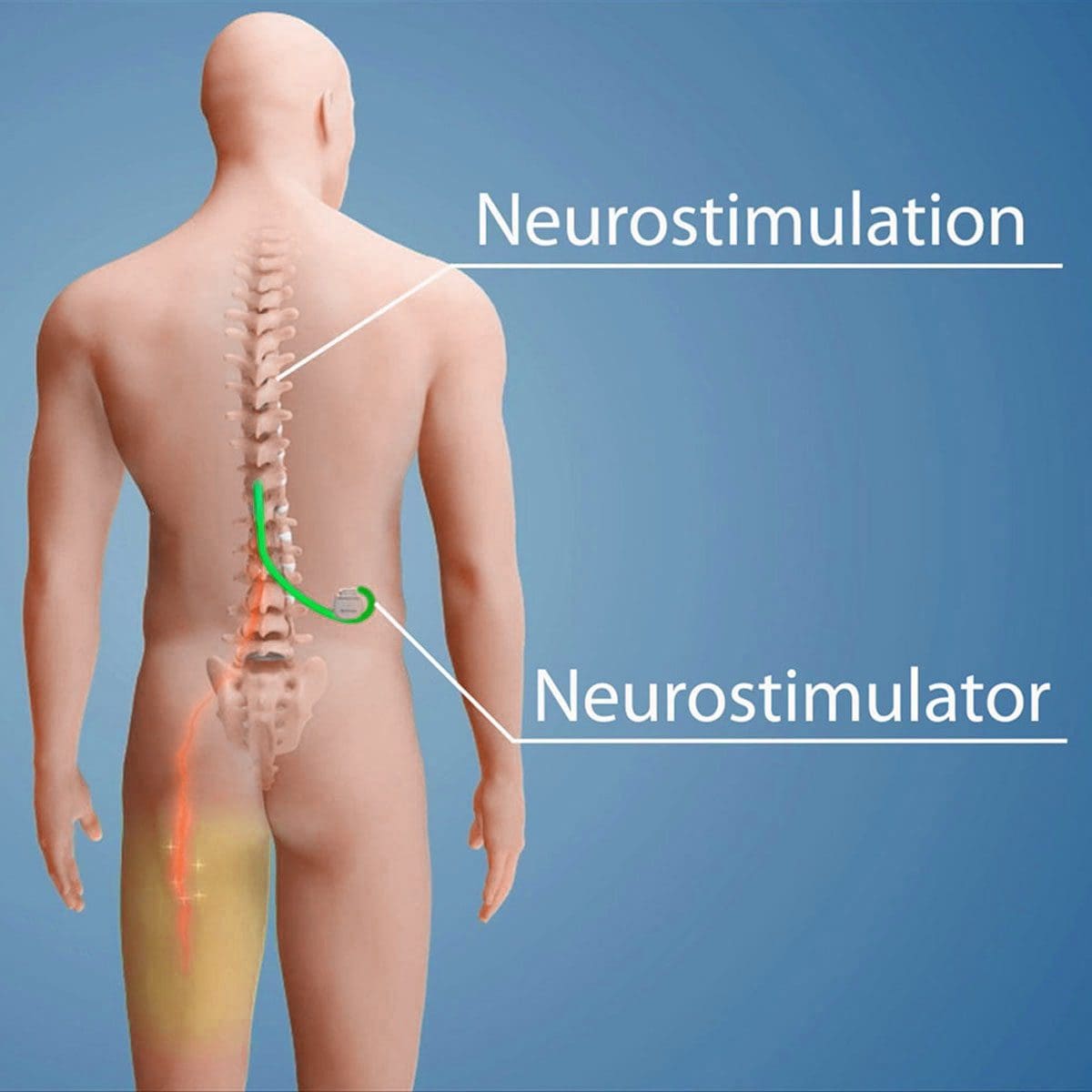
Spinal stimulation is a treatment option that could help bring relief from pain and improve the quality of life for individuals dealing with chronic pain, like low back, and leg pain. Spinal stimulation can help reduce and manage chronic pain that does not alleviate or reduce with physical therapy, pain medications, injections, and other non-surgical treatments/therapies. �
It is a form of neuromodulation that works by blocking pain signals that the nerves send out from reaching the brain. A spinal stimulator is a tiny device that is implanted underneath the skin. The device delivers a very low electrical impulse that masks/changes pain signals before they reach the brain.
�
A Spinal Stimulation System
�
Neurostimulator:
This is the entire device that is implanted and sends out electrical impulses through a lead wire to the nerves in the spine.
Lead:
The thin wire that delivers the electrical impulses from the neurostimulator.
Remote control:
This turns on/off the stimulator and increases or decreases the amount of stimulation.
Charger:
Stimulators are rechargeable and normally require recharging about one hour every two weeks.
�
Spinal Stimulator Types:
�
Traditional stimulators
These produce a gentle ringing/tingling sensation that masks the pain.
Burst stimulators
These send out random interval bursts of electrical impulses designed to copy the way the body sends out nerve impulses.
High-frequency stimulators
These reduce pain without generating tingling sensations. �
�
Types of Pain Spinal Stimulation Treats
Spinal stimulation is approved by the U.S. FDA to treat chronic back and leg pain, including pain that doesn’t go away after back surgery known as failed back surgery syndrome. Chronic neuropathic back and leg pain are the most common types that stimulation treats. This means back or leg pain caused by nerve damage from:
Auto accident
Injury – personal, sports, work
Disease
Acute pain is like stepping on a sharp piece of glass, where the pain serves as protection letting you know something is wrong and not to continue. Whereas chronic neuropathic pain lasts for 3 months or more and does not help protect the body. �
�
Spinal stimulation is also used to treat complex regional pain syndrome or CRPS. This is a rare condition that affects the arms/hands or legs/feet and is believed to be caused by damage or malfunction of the nervous system. It is also used in treating peripheral neuropathic pain. This is damage to the nerves outside of the spinal cord often in the hands/feet that is caused by an:
Infection
Trauma
Surgery
Diabetes
Other unknown causes
�
Appropriate Treatment
Spinal cord stimulation should not be used in patients that are pregnant, unable to operate the stimulation system, went through a failed trial of spinal stimulation, and are at risk for surgical complications. The decision to use spinal stimulation is based on an individual’s needs and risks. Talk to a doctor, spine specialist, chiropractor to see if spinal stimulation could be an option.
�
Benefits and Risks
The effects of stimulation are different for everyone. Therefore, it is important to understand that spinal stimulation can help reduce pain, but not completely eliminate it. �
�
The Benefits of Spinal Cord Stimulation
In addition to reducing pain, other benefits of spinal stimulation include:
Better sleep
Improved body function
Increased activity
Improved mobility
Reduced opioid medication/s use
Less need for other types of pain meds
Reduced dependence on braces/bracing
�
Risks
During the implantation, there is a risk for:
Bleeding
Infection
Pain at the site of incision
Nerve damage
Rarely paralysis
� For some individuals, scar tissue can build up over the electrode, which can block the stimulator’s electrical impulse. The lead wire could move or shift out of position. This could lead to impulses being sent to the wrong location. The device itself could shift under the skin causing pain, making it hard to re-charge or communicate with the remote.
There is a risk that the lead wire could detach or break off causing a malfunction and require a replacement. Also, individuals could respond well to the stimulation at first, but later on, they develop a tolerance, and so the therapy no longer has the same impact and the pain could get worse because the nerves stop responding.
�
Take Precautions
Discuss with a doctor, spine specialist, or chiropractor what you can and can’t do after the stimulator is implanted and activated. Here are a few precautions:
Do not drive or operate heavy equipment when the stimulator is active.
Stimulation systems could set off metal detectors, which could require manual screening.
MRIs, electrocautery, diathermy, defibrillators, and cardiac pacemakers could have a negative interaction with certain types of stimulators. This could result in injury or damage to the spinal stimulator. Talk to your doctor to determine if a spinal stimulator is a treatment option that will work for you.
�
Weight Loss Techniques – Push Fitness Center
Dr. Alex Jimenez�s Blog Post Disclaimer
The scope of our information is limited to chiropractic, musculoskeletal, physical medicines, wellness, and sensitive health issues and/or functional medicine articles, topics, and discussions. We use functional health & wellness protocols to treat and support care for injuries or disorders of the musculoskeletal system. Our posts, topics, subjects, and insights cover clinical matters, issues, and topics that relate and support directly or indirectly our clinical scope of practice.*
Our office has made a reasonable attempt to provide supportive citations and has identified the relevant research study or studies supporting our posts. We also make copies of supporting research studies available to the board and or the public upon request. We understand that we cover matters that require an additional explanation as to how it may assist in a particular care plan or treatment protocol; therefore, to further discuss the subject matter above, please feel free to ask Dr. Alex Jimenez or contact us at�915-850-0900. The provider(s) Licensed in Texas& New Mexico
IFM's Find A Practitioner tool is the largest referral network in Functional Medicine, created to help patients locate Functional Medicine practitioners anywhere in the world. IFM Certified Practitioners are listed first in the search results, given their extensive education in Functional Medicine