Medical experts have seen how pain education and cognitive behavioral therapy or CBT classes effectively manage chronic back pain; even a one-time pain management class can help. Individuals experiencing back pain often try a variety of remedies to find relief. These include:
Eliminating activities
Over-the-counter medications
Prescription pain medications
Support devices and braces
Pain specialists
Surgery
All treatment options can help alleviate discomfort and pain, but sometimes taking a pain management class and getting educated on what is happening in the body has been shown to help individuals gain a better understanding helping them to find relief. A recent study suggests that a one-time class may be all that is needed. These quick classes can give more individuals immediate access to information and skill sets that can help reduce the pain and everything that comes with it.
Cognitive Behavioral Therapy Classes
Cognitive Behavioral Therapy for chronic pain provides individuals with information and pain management skills. Cognitive-behavioral therapy is handled by a therapist and can take multiple individual or group sessions that last one or two hours. A session can include:
Education on pain and how it works.
How thoughts and emotions influence pain.
How pain affects mood.
Sleep and pain.
Activity and action plan development.
Chronic lower back pain or CLBP is considered a physical ailment; cognitive behavioral therapy can provide mental health strategies to manage symptoms better. For example, individuals with chronic pain begin to fear doing activities that could increase their pain level and begin to constantly worry about worsening the injury or creating a new injury. This can lead to severe stress that exacerbates the chronic symptoms and can lead to other health issues.
Single Session Vs. Multiple
Doctors and medical experts are trying to make pain education and relief skills more accessible. They do not require multiple sessions and instead consist of single-session, two-hour management classes. A randomized clinical trial of adults with chronic low back pain was compared to:
2-hour back pain health education class with no skill set training.
16-hour, 8-session cognitive behavioral therapy group class.
The study found that three months after treatment, the Empowered Relief group showed positive results. In the randomized trial, a single-session pain relief class was found to be non-inferior to an eight-session cognitive behavioral therapy class to:
Reduce pain-related distress
Pain intensity
Pain interference
Benefits
The individuals that completed the one-time 2-hour class reported positive results after three months. They found that the course had significantly reduced:
Pain intensity
Pain interference
Sleep disturbance
Anxiety
Fatigue
Depression
However, doctors caution that the two-hour class does not replace comprehensive cognitive-behavioral therapy. This is to get individuals on a positive path of pain management that can further develop into a healthy lifestyle. The objective is to create a range of options that meets an individual’s needs. The most significant advantage of a two-hour class is the convenience. Individuals can participate in these classes in person or online.
Body Composition
Supplements That Can Help Improve Lean Body Mass
A few dietary supplements that directly support body composition improvement.
Protein Powders
Protein powders are common nutritional/dietary supplements. Protein powders come in a variety of sources:
Plant-based – rice, hemp, pea, pumpkin seed, and soy.
Rice Protein
Rice protein is a plant-based protein powder used by vegans, vegetarians, and individuals who can’t tolerate dairy products. Research has found that rice protein has similar effects on body composition as whey. Scientists found that individuals who took rice protein and individuals that took whey protein both experienced positive body composition changes.
References
Cochrane Database of Systematic Reviews. (Oct 2015) “Psychological therapies for the management of chronic neuropathic pain in adults.” https://www.ncbi.nlm.nih.gov/pmc/articles/PMC6485637/
Darnall BD, Roy A, Chen AL, et al. Comparison of a Single-Session Pain Management Skills Intervention With a Single-Session Health Education Intervention and 8 Sessions of Cognitive Behavioral Therapy in Adults With Chronic Low Back Pain: A Randomized Clinical Trial. JAMA Netw Open. 2021;4(8):e2113401. doi:10.1001/jamanetworkopen.2021.13401
Future Neurology. (Nov 2014) “Neuroimaging chronic pain: what have we learned and where are we going?” https://www.ncbi.nlm.nih.gov/pmc/articles/PMC5289824/
HRB Open Research. (Aug 2020) “The relative effectiveness of psychotherapeutic techniques and delivery modalities for chronic pain: a protocol for a systematic review and network meta-analysis” https://www.ncbi.nlm.nih.gov/pmc/articles/PMC7459872/
Journal of Psychosomatic Research. (Jan 2010) “Mindfulness-based stress reduction for chronic pain conditions: variation in treatment outcomes and role of home meditation practice.”
National Institutes of Health. (March 2016) “Meditation and cognitive-behavioral therapy ease low back pain.” https://www.nih.gov/news-events/nih-research-matters/meditation-cognitive-behavioral-therapy-ease-low-back-pain
Pain. (Feb 2008). “Mindfulness meditation for the treatment of chronic low back pain in older adults: A randomized controlled pilot study. https://www.ncbi.nlm.nih.gov/pmc/articles/PMC2254507/
Pain and Therapy. (Jun 2020) “Rehabilitation for Low Back Pain: A Narrative Review for Managing Pain and Improving Function in Acute and Chronic Conditions.” https://www.ncbi.nlm.nih.gov/pmc/articles/PMC7203283/
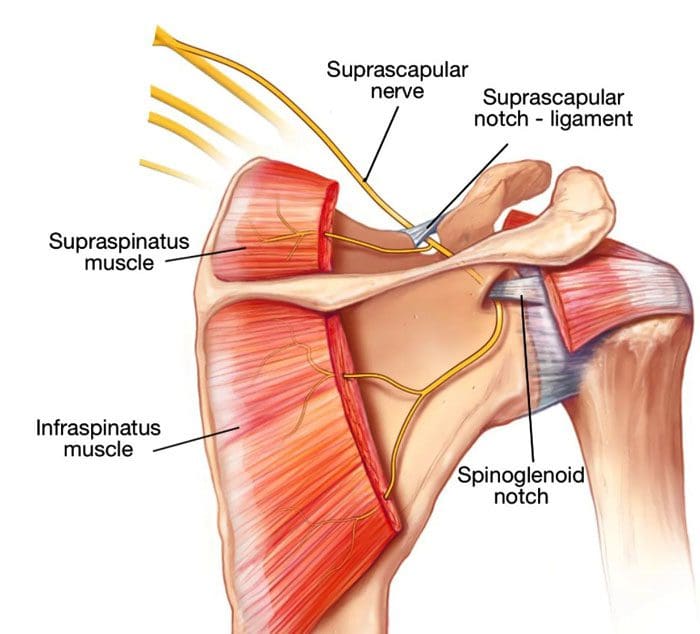
The shoulder is a ball-and-socket joint. The shoulder has several muscles that help it move and allow a wide range of motion. A strain or pulled shoulder muscle can affect the slightest movements, making simple activities difficult and painful. Pulling a muscle in the shoulder can be caused by an injury, overuse, and general wear and tear. Minor shoulder injuries usually heal on their own with rest and self-care. Severe shoulder muscle injuries should be addressed by a medical professional.
Pulled Shoulder Muscle Causes
Pulling a muscle in the shoulder can happen quickly. This could be from falling on the shoulder, an auto accident, or a work accident. It can develop after weeks, months, and years of repetitive motion and overuse. It is common among individuals that play certain sports or jobs that require repetitive activities with the shoulders. They can also happen with no apparent cause. Treatment and recovery depend on the type and severity of the injury.
How to Tell If It’s a Pulled Muscle
It can be hard to tell the cause unless the individual has experienced the specific type of pain before. Otherwise, it is recommended to consult a medical professional like a physical therapist or chiropractor. This is because shoulder pain can be caused by inflammation of the tendons and joints and/or the joint itself.
Pulled Muscle Shoulder Symptoms
A pulled muscle is characterized by:
Tenderness
Dull, sore, or aching pain.
Sometimes it can cause shooting pain between the shoulder blades in the front or back.
Pain when the shoulder is at rest.
Pain when the specific muscle is used.
Swelling of the area.
Shoulder instability.
The shoulder feels fragile.
Movement causes pain.
A bump may develop at the top of the shoulder near the end of the collarbone.
Inability to use the muscle at all.
If the pain is persistent, it could signify that there is something other than a pulled muscle like a pinched nerve or a joint issue.
Treatment and Recovery Options
Treatment and recovery vary and depend on the severity of the pull and the individual’s overall health. Many find that their pain is reduced with self-care in 2 or 3 weeks. Chiropractic treatment for a pulled shoulder muscle can provide relief within 1 or 2 weeks.
Self Care
Depending on the severity of the pull and how much pain is being experienced, individuals could be recommended to take an NSAID like Ibuprofen to reduce pain and swelling. Self-care can include:
Ice To Reduce Swelling
Applying ice or a cold pack to the area can help reduce swelling.
Place a cloth or towel between the skin and the cold pack.
Apply it for 20 minutes an hour.
The swelling should reduce in a day or two.
Rest
It is recommended to rest the shoulder for no more than 2 or 3 days.
This begins the healing process and prevents worsening the injury.
Wrap or Sling
During rest days, it can be hard to keep the shoulder from moving.
To avoid this, use a shoulder wrap or a sling to support the arm.
However, they should not be used for more than 2 or 3 days.
Gentle Stretching
It is essential to get the muscle working again after 2 or 3 days of rest.
Stretches will help the muscle group heal and gain strength.
Not stretching the muscle could prolong recovery and worsen the injury, and possibly cause new injuries.
Stretches For a Pulled Shoulder
Stretching a pulled shoulder muscle after a few days of rest is recommended because not working out the injured muscle can cause more problems. Not using the muscle can cause it to atrophy, which will take longer to heal, and the surrounding muscles become weak.
Pendulum Stretch
Slightly bent support the body by placing the unaffected arm on a table or chair.
Let the injured arm hang straight down.
Swing the arm in small circles clockwise as far as the pain or discomfort allows.
Perform for 1 minute.
Go counterclockwise for one minute.
Repeat 4 to 8 times throughout the day.
Chiropractic
If self-care is not providing sufficient relief, then chiropractic treatment is recommended. A doctor of chiropractic can advise on the best treatment options and get to the root of the issue. Chiropractors have a treatment arsenal of modalities and approaches to help treat pulled muscles. These include:
A somatotype is the overall shape and composition of the human body. Body types based on physique have three generalized divisions:
Endomorph
Mesomorph
Ectomorph
However, it is rare for someone to fall entirely into one somatotype. Individuals can have a combination of qualities from two somatotypes, like an ectomorph-endomorph hybrid or an endomorph-ectomorph, for example.
Ectomorphs
Naturally lean with long limbs, ectomorphs typically possess a slender look no matter what type of diet.
A lot of endurance runners and swimmers are ectomorphs.
Ectomorphs may have a decent amount of muscle but may appear to have less muscle development because of their long limb length.
Body fat also seems to get hidden by the long, slender figure, which means they can get away with a few extra pounds of fat.
However, if ectomorphs do not watch their health, they can become skinny fat.
Mesomorphs
Mesomorphs have a natural athletic look.
They can achieve a muscular physique without really trying.
The physiology tends to include:
Narrow hips
Wide back
A large frame contributes to a muscular appearance.
Many professional fighters, football, and basketball players are mesomorphs.
Endomorphs
Endomorphs have a larger structure with wide hips and shoulders.
Shorter arms and legs.
This type of body shape is excellent for activities that require a lot of strength.
Rugby players, strength athletes, and powerlifters are endomorphs.
This body type is considered to be a contributing performance factor in Ironman athletes.
References
Blache, Y et al. “Superficial shoulder muscle co-activations during lifting tasks: Influence of lifting height, weight, and phase.” Journal of electromyography and kinesiology: official journal of the International Society of Electrophysiological Kinesiology vol. 25,2 (2015): 355-62. doi:10.1016/j.jelekin.2014.11.004
Brantingham, James W et al. “Manipulative therapy for shoulder pain and disorders: expansion of a systematic review.” Journal of manipulative and physiological therapeutics vol. 34,5 (2011): 314-46. doi:10.1016/j.jmpt.2011.04.002
Kandel, Michel et al. “Somatotype, training and performance in Ironman athletes.” European journal of sports science vol. 14,4 (2014): 301-8. doi:10.1080/17461391.2013.813971
McFarland, Daniel C et al. “Spatial dependency of shoulder muscle demand during dynamic unimanual and bimanual pushing and pulling.” Applied ergonomics vol. 73 (2018): 199-205. doi:10.1016/j.apergo.2018.07.011
A common symptom of sciatica is radiating/spreading pain running down the leg. However, the leg pain could be something to do with the blood vessels. If the pain travels from the low back to the hip, through the buttocks, down the leg, and into the foot, then more than likely it is sciatica. However, sciatica is just one condition that causes leg pain; other causes of leg pain include:
Bone spurs
Herniated disc
Arthritis
All can irritate the sciatic nerve causing sciatica.
The vascular system, also called the circulatory system, comprises the vessels that circulate blood and lymph throughout the body. Problems with the vascular system are a less common cause of leg pain but can be severe. Therefore, it is vital to learn to tell the difference.
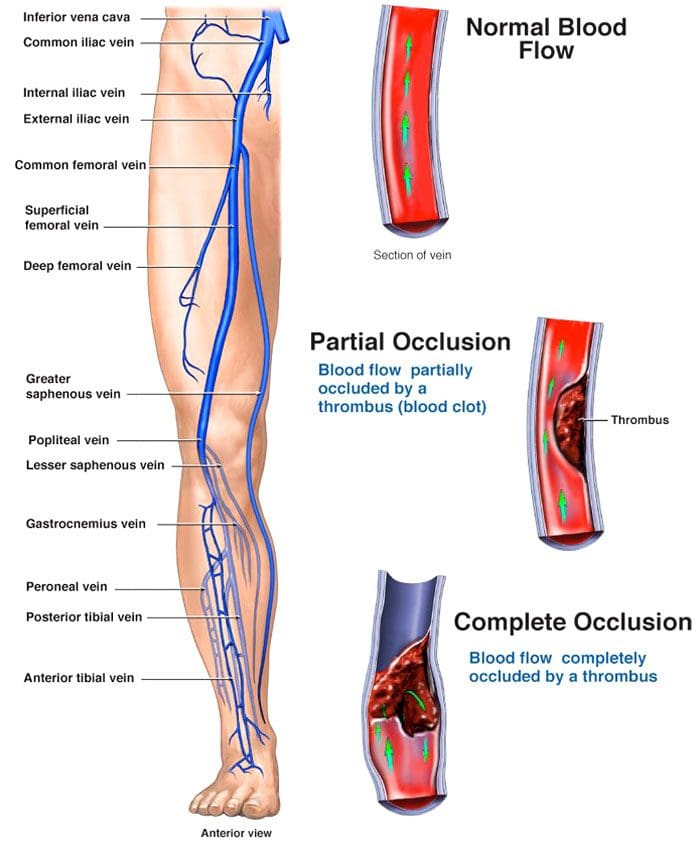
Deep Vein Thrombosis
Deep vein thrombosis – DVT happens when a blood clot forms in a deep vein in the body and not the superficial veins just under the skin. The legs’ deep veins are susceptible to clotting. The formation of a clot can happen:
After surgery
From an accident
When recovering, bed resting and not moving.
When the body is in the same position for a long time with little to no movement, like a long plane ride.
On long plane rides, try to get up and walk around every hour. If unable to walk, do three sets of 20 reps of heel-to-toe exercises every hour.
Deep vein thrombosis can cause leg pain or swelling but can also present without causing any symptoms. Other risk factors include:
Blunt or penetrating injury to the blood vessel and/or its walls.
Pain running down the leg from a blood clot feels like:
Tightness
Cramping soreness
Throbbing
Possible warmth
Swelling.
Blood clots and sciatica are reported to feel relatively different. The pain from a blood clot does not spread out and does not extend from or to the back. Sciatica does not cause swelling, redness, and warmth. If a doctor suspects a blood clot is causing the pain, they will order an ultrasound to confirm the diagnosis. If it is deep vein thrombosis, blood thinners could be recommended for three to six months.
A doctor may recommend aspirin, which can help in the prevention of blood clots.
In some cases, the clot may have to be surgically removed.
Vascular Conditions and Pain Running Down The Leg
Other blood vessel conditions that can cause individuals to believe they have sciatica include:
Peripheral artery disease – PAD
This often presents in individuals with diabetes or who smoke. It causes pain in the calf area but does not radiate throughout the leg. The pain usually presents with physical effort movement. If the pain occurs when at rest, this could be a serious medical emergency. Peripheral artery disease is a chronic condition that can worsen if lifestyle changes are not made to reduce risk factors.
Acute limb ischemia
This condition can cause leg pain, but not the same as sciatica. What happens is the leg is not receiving blood, causing:
Intense pain in the extremity
Change in the color of the skin
Numbness
Weakness
Loss of a pulse
This vascular condition is a medical emergency and requires immediate treatment.
Acute compartment syndrome
This can happen after some kind of trauma to the leg.
The pain is acute, with the leg swelling up and a building up of tight pressure.
It usually affects the lower part of the leg.
This condition can also cause:
Numbness
Tingling
Visible swelling
Bruising
It is considered a medical emergency and needs to be treated quickly to avoid complications.
Varicose veins
Varicose veins can cause some pain running down the leg and/or aching, but the discomfort is not as intense. Treatment has come a long way, is less invasive, and includes:
Compression stockings, including prescription socks/stockings
Laser treatments
Minimally invasive procedures
Not staying on the feet too much
Elevating the legs
Maintaining an ideal weight can help
Vascular Disorder Prevention
Healthy lifestyle habits are recommended to keep the vascular system operating correctly. This includes:
If it is sciatica, fortunately, most cases go away on their own, but if treatment is needed, it is recommended to start with conservative treatments such as:
Chiropractic
Physical therapy
Anti-inflammatory medication
Muscle relaxants
Corticosteroid injections
In severe cases, surgery like a microdiscectomy or laminectomy will be performed to relieve pressure on the sciatic nerve.
Body Composition
Why might blood pressure be different when measuring on each arm?
The heart sits just to the left of the midline in the chest cavity. The aorta is the largest blood vessel in the body. It leaves through the left side of the heart and transports blood to a network of blood vessels that branch out, supplying the body with oxygen and nutrients. The arteries that branch off the aorta and go to the left and right sides of the body are different.
On the right, the brachiocephalic trunk comes off the aorta and splits into the right common carotid artery and right subclavian artery. The left common carotid and left subclavian arteries branch directly off the aorta. The differences mean that the risk for arterial thrombosis is not the same for the right and left subclavian arteries. Arterial thrombosis causes the blood vessels to become stiff, causing obstruction over time and is more likely to happen in the left subclavian than in the right. The difference in arterial branching affects blood pressure measurements on the left and right arms. The blood vessels are surrounded by:
Muscle
Fat
Connective tissue
When muscles place pressure on the blood vessels around the heart, it can cause short-term turbulence changes that can affect blood pressure.
References
American Heart Association. Atherosclerosis and cholesterol. https://www.heart.org/en/health-topics/cholesterol/about-cholesterol/atherosclerosis
American Heart Association. What is excessive blood clotting (Hypercoagulation?) https://www.heart.org/en/health-topics/venous-thromboembolism/what-is-excessive-blood-clotting-hypercoagulation
Centers for Disease Control and Prevention. What is venous thromboembolism? https://www.cdc.gov/ncbddd/dvt/facts.html
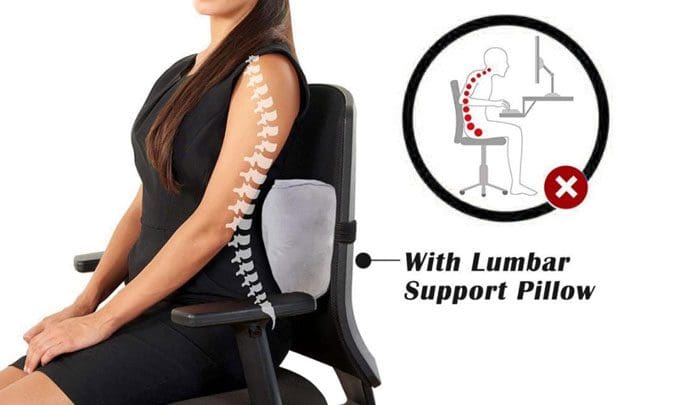
The low back is made up of five vertebrae, L1 to L5. Pain in the low back is common, specifically because of all the sitting at work, school, and home. Individuals dealing with low back pain know how difficult it can be to sit without discomfort and have found that a low back support pillow can help.
Low Back Support Pillow
A lumbar pillow is a pillow that supports the low back region of the spine. Different types include:
Specially shaped pillows made from materials like memory foam.
Lumbar pillows can be used on any chair at the office or home.
They are also helpful for travel with small-sized versions that can be packed and easy to carry.
How Lumbar Pillows Help
According to the CDC, the average adult spends around 6.5 and 8 hours a day sitting. Constant sitting hurts the body, specifically the spine and the back muscles, and is a significant cause of muscle stress. Properly supporting the low back helps remove the stress and strain. A low back support pillow can help correct sitting posture.
Pillow Options
There are plenty of options for low-back support pillow shapes, sizes, fillings, and materials. These include:
Some look like a half-cylinder in shape, rectangular, and curved.
Personal preference and comfort are different for everybody, and it could take some trial and error to find the right lumbar pillow. Some pillows are customizable, allowing the ability to add or remove filling as needed. Talking with a spine specialist, orthopedist or chiropractor can help in figuring out what type is best. Pillows come in various price ranges, with some at $10-15, while others can cost $100 or more. However, any pillow that provides enough support for the low spine’s natural curvature can work. It is important to be comfortable and supported to prevent pain and injury no matter where you sit.
Body Composition
Fermentable and Nonfermentable Fiber
The entire body can host trillions of beneficial bacteria. The majority live in the intestines and are referred to as the gut microbiome. Also known as the forgotten organ, these bacteria have a say in the body’s composition and overall health. The beneficial bacteria thrive on fermentable fiber, and fermentation in the gut produces short-chain fatty acids like:
These help suppress gut inflammation and can reduce the risk of various digestive disorders like:
Irritable bowel syndrome
Crohn’s disease.
Ulcerative colitis.
Foods that are rich in fermentable fibers include:
Oats
Barley
Fruit
Vegetables
Cereal fibers that are rich in cellulose, like wheat bran, are nonfermentable.
References
“What is Memory Foam?” Sleep Foundation, Seattle, WA. August 2020. https://www.sleepfoundation.org/mattress-information/what-is-memory-foam
“Association Between Sitting Time and Cardiometabolic Risk Factors After Adjustment for Cardiorespiratory Fitness, Cooper Center Longitudinal Study, 2010–2013.” Centers for Disease Control, Atlanta, GA. December 2016. https://www.cdc.gov/pcd/issues/2016/16_0263.htm
“Ergonomics for Prolonged Sitting.” The University of California at Los Angeles, Los Angeles, CA. https://www.uclahealth.org/spinecenter/ergonomics-prolonged-sitting
“Workplace sitting is associated with self-reported general health and back/neck pain: a cross-sectional analysis in 44,978 employees.” BMC Public Health, London, UK. May 2021. https://pubmed.ncbi.nlm.nih.gov/33957889/
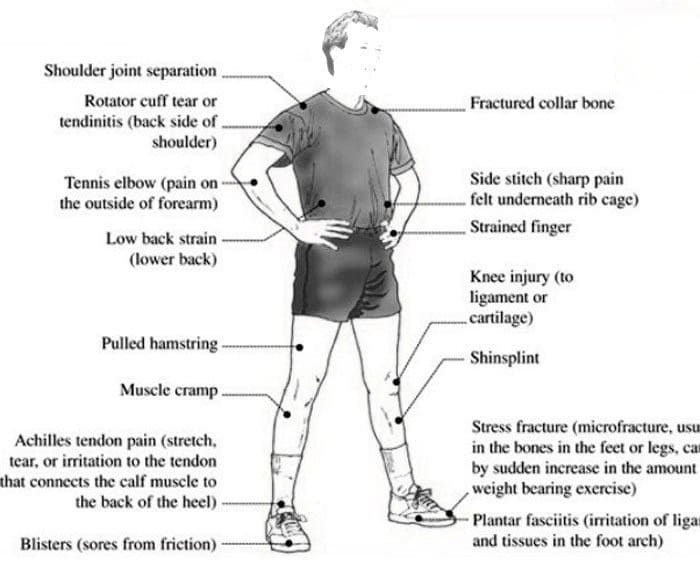
Acute and chronic sports injuries. Individuals who participate in sports or physical activities have an increased risk of experiencing an injury. These types of damages range from minor to severe and could require medical attention. Acute sports injuries happen suddenly and are usually the result of trauma to the area. A specific, identifiable incident is what causes an acute injury. Chronic sports injuries, also known as repetitive/overuse injuries, happen with time and are not caused by a single incident.
Acute and Chronic Sports Injuries Identification
Acute injuries can be identified by their cause. This could be a falling down during a run, sharp pain that presents in the shoulder after a throw, or a sprained ankle. The ability to focus on one cause usually means it’s acute. Acute injuries are characterized by:
Sudden pain in an area where there was none.
Swelling
Redness
Tenderness
Limited range of motion.
The inability of the injured area to support its weight.
A broken bone.
Dizziness
Headache
Nausea
Vomiting
Chronic injuries are different but are usually easy to identify. The pain begins gradually, usually over weeks or months. Repetitive activities like running, throwing, and swinging can exacerbate the pain. However, it is difficult to point to a specific issue that first caused the discomfort or pain. Chronic sports injuries are characterized by:
Pain and tenderness in the area, especially during and immediately after activity.
Minor swelling and limited range of motion.
Dull pain when resting.
These two types of injuries have different causes – trauma for acute and wear-and-tear for chronic – but they can both result in similar issues. For example, shoulder rotator cuff injuries are common, especially those that repeatedly use their shoulder to swing, throw, swim, etc. The individual needs to undergo a rotator cuff injury test to diagnose the injury correctly, whether the damage is acute or chronic. Chronic injuries can cause acute injuries, and acute injuries can lead to chronic injuries if left untreated.
Examples of Acute and Chronic Sports Injuries
Chronic and acute injuries are common in every type of sport. There’s an opportunity for both types of injuries. The most common include:
Other injuries from trauma, overuse, or both include:
Nonspecific Back Pain
Herniated Disc/s
Spondylolysis
Treatment
Minor acute injuries can be treated with rest, ice, compression, and elevation, aka R.I.C.E. Overuse injuries, are different as the injury has been gradually increasing in its severity, possibly causing scar tissue and ganglion cysts to develop. To prevent the injury from worsening, it’s recommended to see a sports injury chiropractor or physical therapist. These professionals can help heal the body and educate the individual on self-care and prevention.
Chiropractic
The musculoskeletal system takes a beating. Chronic injuries usually affect the bones, joints, muscles, or a combination. Chiropractic helps keep the musculoskeletal system limber and in proper alignment. Adjustments include:
Neck adjustments
Arm and hand adjustments
Shoulder adjustments
Knee adjustments
Hip adjustments
Foot adjustments
Physical Therapy
Physical therapy for a chronic injury can help prevent future injuries. A physical therapist helps:
Improve range of motion
Reduces pain and swelling
Increases strength
Whether an athlete or is just staying active and having some fun with sports, acute and chronic injuries can sneak up and worsen if they are not treated properly. Healing with the help of a professional can quicken recovery time and prevent future injuries.
Body Composition
Maintain Muscle Mass While Losing Fat
Individuals who want to lose weight should focus on losing excess fat tissue, not muscle mass. Studies have shown that diet and exercise are crucial to preserving Skeletal Muscle Mass while losing weight. Losing weight healthily includes:
A healthy balance of cardio and resistance training to burn calories and build muscle.
Wörtler, K, and C Schäffeler. “Akute Sportverletzungen und chronische Überlastungsschäden an Vor- und Mittelfuß” [Acute sports injuries and chronic overuse stress damage to the forefoot and midfoot]. Der Radiologe vol. 55,5 (2015): 417-32. doi:10.1007/s00117-015-2855-3
Yang, Jingzhen et al. “Epidemiology of overuse and acute injuries among competitive collegiate athletes.” Journal of athletic training vol. 47,2 (2012): 198-204. doi:10.4085/1062-6050-47.2.198
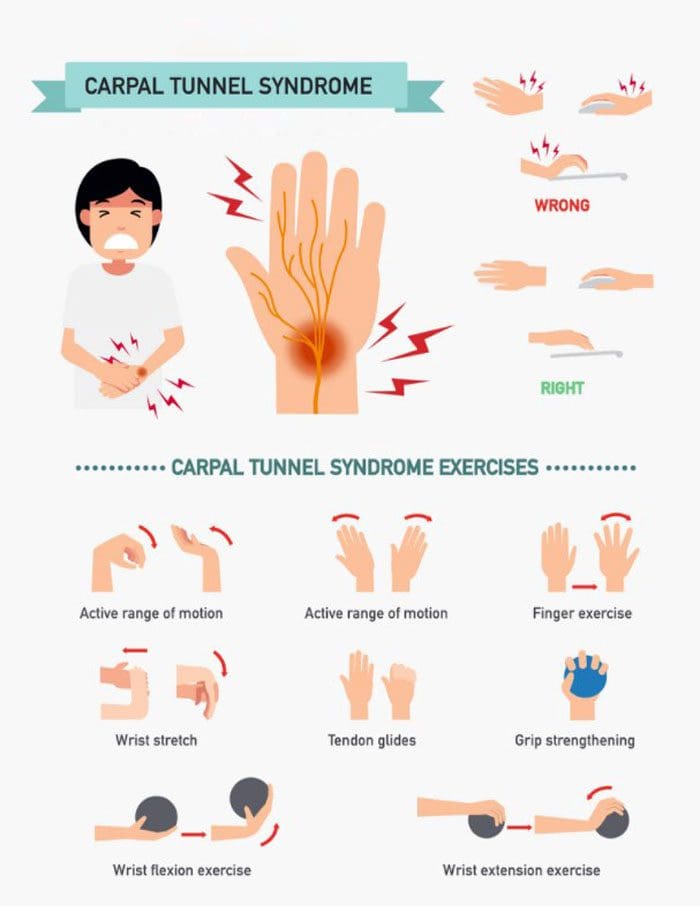
Today, we are constantly tapping, scrolling, clicking, using our hands, fingers, and thumbs on smartphones, tablets, computers, etc. Constant repetitive use has increased the development of carpal tunnel syndrome. If tingling, numbness, soreness, or electrical sensations have begun to develop in the hands, especially the index finger, thumb, or palm, carpal tunnel prevention measures can help before it becomes severe.
Pinched Nerve
Carpal tunnel syndrome is the medical terminology for a pinched nerve. It is the median nerve that passes through the narrow carpal tunnel passageway of ligaments and bones at the base of the hand. This tunnel houses the median nerve and the tendons that allow the fingers to bend. The median nerve generates physical sensation in the index, middle, ring finger, and palm near the thumb. Compression of the nerve or inflammation can cause tingling, numbness, and pain in any and/or all of the hand areas. It can also cause the fingers to bend awkwardly; however, this symptom develops over time. There are so many different causes of carpal tunnel syndrome that it is almost impossible to avoid with the constant overuse/repetition of the hands.
Work – tasks, typing, mouse use, writing, scanning, etc.
School
Injury
Doctors recommended approach for carpal tunnel prevention is to take action at the first sign/symptom. The most effective preventative measures include:
Using a computer mouse – moving, clicking, using the scrolling wheel, etc.
Writing
Cooking – chopping, slicing, mixing, squeezing, etc.
Drawing
Make sure to take frequent breaks from the motion.
Carpal tunnel is more likely to develop if the nerves and muscles are overused for a long time without stopping. When focused on a task, we often don’t realize how the repetitive motions cause strain until a sting or pinch makes us stop. Taking a hand break is essential to give the muscles, tendons, ligaments, and nerves time to relax and stay loose. The break only has to be a few minutes to be effective.
Repetitive Movements and Proper Hand Form/Posture
Repetitive hand or wrist motions in everyday activities sometimes cannot be helped. It is recommended to try to switch hands when performing the task, space it out over the day, take frequent breaks, stretch, and gently shake out the hands throughout the day. Make sure any pressure on the hands or wrists is as light as possible and evenly distributed. Keep the wrists straight or slightly bent and use light tools if possible. Proper posture is crucial for carpal tunnel prevention. Many individuals don’t realize the back, neck, and wrists are intricately connected. Poor posture like hunching over the computer, shoulders rolled forward, and forward neck posture can cause the nerves and muscles of the arm to become compressed, causing tingling, numbing, pain symptoms because they’re not properly aligned. The compression can run down the arms and affect the wrists and hands as well.
Carpal Tunnel Prevention Supportive Accessories
It is also recommended to consider integrating supportive accessories, like ergonomic keyboards, mice, wrist splints, keypad cushions, etc. These tools can support the body and keep the wrists and hands healthy, comfortable, and pain-free. Wrist splints can help by keeping the wrist in a straight, neutral position without thinking about it. This reduces stress on the area and absorbs the pressure of everyday tasks on the carpal tunnel and median nerve. Individuals can also wear the splint at night to support and train the wrist to stay straight throughout the day. Taking action before the symptoms become severe is highly recommended. Talk to a chiropractor or physical therapist for exercises, stretches, and general tips to help with carpal tunnel prevention.
Body Composition
A Snack and A Meal
Without proper planning, the calories an individual consumes from snacks can add up. A recent survey found that snacking contributes 586 calories for men and 421 calories for women per day. Weight loss, weight gain, and weight maintenance come down to calories in vs. calories out.
Eating snacks that are too high in calories or snacking too much can disrupt and derail health goals.
It’s essential to know what a snack consists of, what to look for on a label, and how to plan.
Snacks come in a range of calories, depending on individual goals.
For many, 100-200 calories are recommended for snacks.
Individuals that need increased calories may require a higher calorie snack.
The number of snacks eaten per day depends on individual needs and goals.
It’s best to plan and factor snacks into the overall meal plan to avoid overeating.
LeBlanc, Kim Edward, and Wayne Cestia. “Carpal tunnel syndrome.” American family physician vol. 83,8 (2011): 952-8.
Page, Matthew J et al. “Splinting for carpal tunnel syndrome.” The Cochrane database of systematic reviews vol. 2012,7 CD010003. 11 Jul. 2012, doi:10.1002/14651858.CD010003
Shiri, Rahman, and Kobra Falah-Hassani. “Computer use and carpal tunnel syndrome: A meta-analysis.” Journal of the neurological sciences vol. 349,1-2 (2015): 15-9. doi:10.1016/j.jns.2014.12.037
Reaching, twisting, walking, and driving are everyday activities that require upper and lower back strength. An aching back can easily affect daily activities, generate frustration, anger, and affect all-around health. The more back muscle strength an individual has, the more they can accomplish far more without injury. Immense power is not required to protect the body from a back injury. All that is needed is regular, consistent physical activity and exercise. A balance of body strength is vital for preventing injury. However, overdoing one fitness exercise or physical activity can imbalance musculature, leading to injury. Because the back/spine is the central part of the body, complete and proper care is necessary for optimal health and wellness. For individuals experiencing sore, aching, and tired muscles, here are some exercises that will help in the process.
Alternating Arm and Leg Extensions
Alternating extensions help build strength and coordination in the core areas. The back muscles increase their efficiency by creating muscle memory that supports the work shared by all the torso muscles. Upper and lower back muscles must work together to maintain a healthy balance and not overwork each other, causing strain and fatigue.
Start by placing hands and knees on the floor with the head directly between shoulders and facing toward the floor.
Feet are directly in line behind the buttocks and resting on the floor.
Hips and shoulders rest above the knees and hands.
Raise the right hand straight ahead with the arm at full length.
At the time same time, raise the left leg straight behind the body.
Try to keep the arm and leg as straight as possible.
Hold for 10 seconds.
Switch sides.
Repeat three to eight times, depending on strength level.
If it is difficult, a modified option is to raise the arm and leg separately.
Plank Hold
These can help build back muscles and strengthen the arms, legs, and the front torso area. Plank holds are a recommended starting point. Plank holds can be done on the elbows, palms of the hands, or closed fist hands. The key is to keep the shoulders, hips, and ankles straight like a wood plank parallel to the floor.
Place hands and feet directly on the floor like doing a push–up.
Toes should be on the floor.
Keep the abdominals tight and buttocks lifted to prevent straining the lower back.
Face straight down.
Hold for a count of 10.
Repeat three times.
For those with an aching back, keeping the hips level with the shoulders could be challenging at the beginning.
With practice, it will become easier; then, the individual is recommended to increase the length of time until 30 seconds is achieved.
Then increase the challenge to try more than three repetitions.
A modification for beginners is to start with the body resting on the floor, stomach down.
Then raise the body into the start position from the floor.
Hip Raises
Hip raises help to strengthen the lower back muscles to unite and support the lower half of the body. Training the body to work cooperatively is critical for reducing the aching and pain from muscle imbalance.
Rest the body flat on the floor, facing upward.
Place the hands flat at the body’s sides.
Knees should be about shoulder-width apart.
Keep the feet flat on the floor
Pull the feet toward the buttocks.
Look straight up.
Raise the hips as high as possible while pressing down with the hands.
Physical activity that keeps blood moving throughout the body. Examples include yoga, gardening, and dancing.
While the back is healing, go at a gentle even pace for any activity. Jerking and quickly stopping can be hard on joints and discs. When injured, the other muscles try to compensate to avoid causing a flare-up that could worsen the injury and/or create a new injury.
Aching Back Muscles
Strength-building exercises are great for preventing injury and avoiding re-injury. However, avoid overreaching or overstretching with any of the activities. Continuous aching or painful back muscles could indicate something else is occurring that could be:
The beginning of an arthritic condition causing inflammation.
Back muscle tear/s.
Pregnancy.
Body Composition
Sarcopenia – Loss of Skeletal Muscle Mass and Strenght Causes
Decreased Physical Activity
Physical inactivity is one of the primary contributors to sarcopenia.
Sedentariness can exacerbate the effects of sarcopenia.
Regular resistance exercise can help maintain muscle mass and build muscular strength.
Decrease in motor neurons
Aging is accompanied by a loss of motor neurons caused by cell death.
This can lead to a decrease in muscle fibers and size.
This decrease leads to:
Impaired performance
Reduced functional capacity
Decreased ability to perform everyday tasks.
Increase in Pro-inflammatory Cytokines
Poor diet and exercise also promote the storage of visceral fat.
This type of fat tissue produces pro-inflammatory cytokines.
This can accelerate muscle breakdown.
Obesity and muscle weakness are associated with high levels of pro-inflammatory cytokines.
References
Alfuth, M, and D Cornely. “Chronischer lumbaler Rückenschmerz : Vergleich zwischen Mobilisationstraining und Training der rumpfstabilisierenden Muskulatur” [Chronic low back pain : Comparison of mobilization and core stability exercises]. Der Orthopade vol. 45,7 (2016): 579-90. doi:10.1007/s00132-016-3233-1
Kim, Beomryong, and Jongeun Yim. “Core Stability and Hip Exercises Improve Physical Function and Activity in Patients with Non-Specific Low Back Pain: A Randomized Controlled Trial.” The Tohoku journal of experimental medicine vol. 251,3 (2020): 193-206. doi:10.1620/tjem.251.193
Smith, Benjamin E et al. “An update of stabilization exercises for low back pain: a systematic review with meta-analysis.” BMC musculoskeletal disorders vol. 15 416. 9 Dec. 2014, doi:10.1186/1471-2474-15-416
Suh, Jee Hyun et al. “The effect of lumbar stabilization and walking exercises on chronic low back pain: A randomized controlled trial.” Medicine vol. 98,26 (2019): e16173. doi:10.1097/MD.0000000000016173
IFM's Find A Practitioner tool is the largest referral network in Functional Medicine, created to help patients locate Functional Medicine practitioners anywhere in the world. IFM Certified Practitioners are listed first in the search results, given their extensive education in Functional Medicine