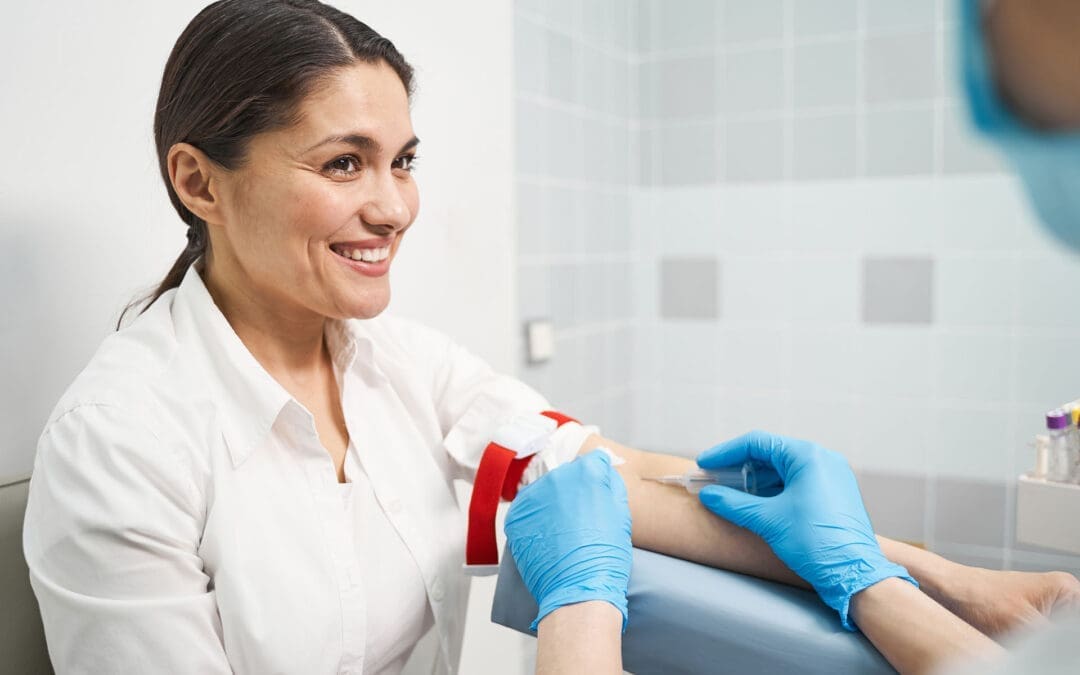
El Paso Orthobiologics for Innovative Pain Management
El Paso Orthobiologics for Joint Pain and Healing
Abstract
As a Doctor of Chiropractic, Advanced Practice Registered Nurse, and certified functional medicine practitioner, I am constantly exploring the leading edge of musculoskeletal health. In this educational post, I will share key insights from the forefront of orthobiologics, a revolutionary field that harnesses your body’s own substances to heal injuries and manage chronic conditions such as osteoarthritis (OA). We will delve into the nuances of Platelet-Rich Plasma (PRP), discussing the critical importance of understanding its cellular composition—specifically, the roles of platelets versus pro-inflammatory neutrophils. We will also explore advanced techniques, such as micro-fragmented adipose tissue (MFAT) and subchondral bone injections, and examine the latest research and clinical applications. Throughout this discussion, I will explain how our multidisciplinary practice integrates these advanced biological treatments with our foundational principles of integrative chiropractic care, physical rehabilitation, and functional medicine. Our goal is to provide a comprehensive, patient-centered approach that not only addresses symptoms but also corrects the underlying biomechanical and physiological imbalances that contribute to joint degeneration, all under the expert medical direction of Dr. Maria Guadalupe Cardenas, MD.
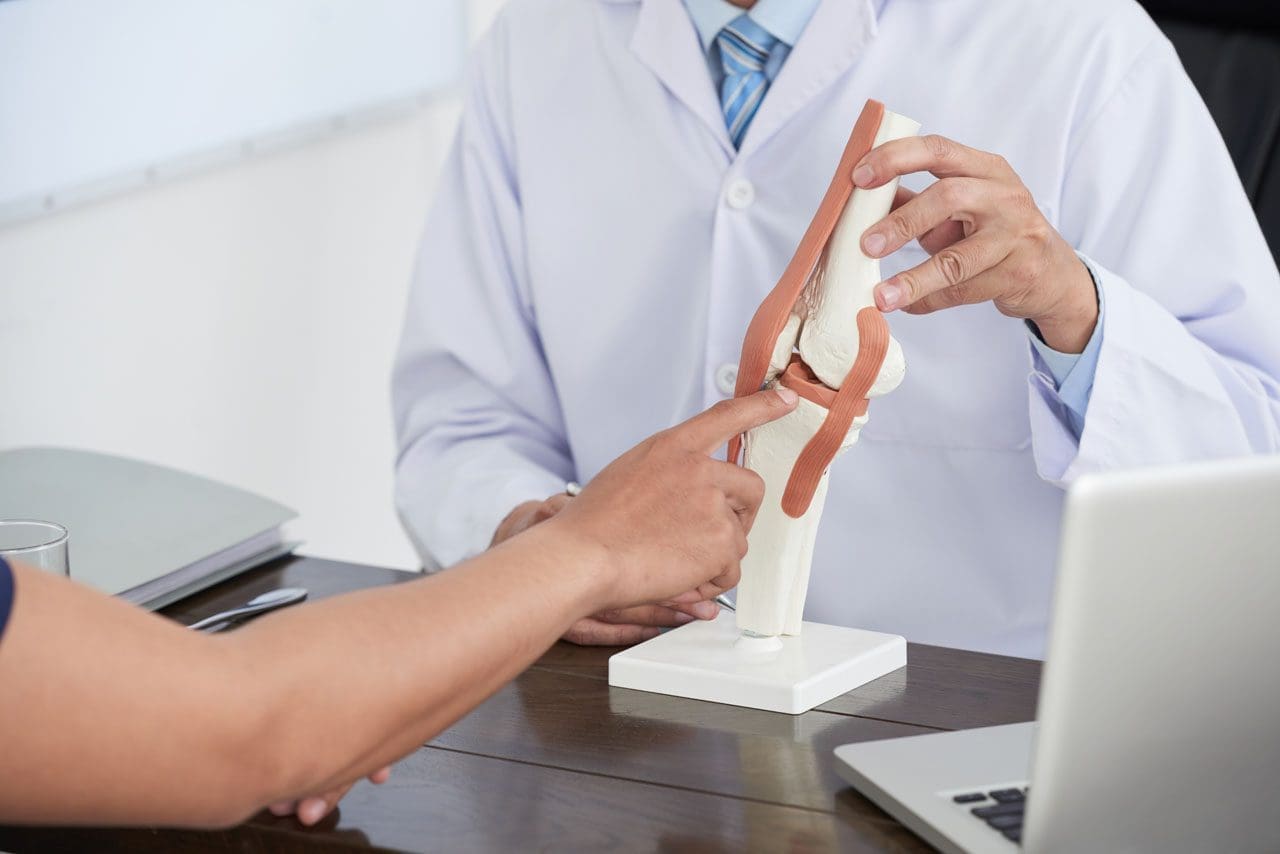
Our Collaborative Care Model: The Synergy of Chiropractic and Medicine
At Injury Medical Clinic, our strength lies in our multidisciplinary team approach. I, Dr. Alex Jimenez (DC, APRN, FNP-BC, CFMP), work in close collaboration with our Medical Director, Dr. Maria Guadalupe Cardenas, MD. Dr. Cardenas is a board-certified Internist with over 40 years of invaluable experience (NPI #1164426749, Texas MD License #J2933). This integrative model, common in advanced injury and wellness clinics, allows us to blend the best of different disciplines for superior patient outcomes.
- Dr. Jimenez’s Role: I focus on the biomechanical, functional, and structural aspects of health. Through chiropractic adjustments, I address spinal and joint misalignments that create abnormal stress on the body. My expertise in functional medicine allows me to investigate and correct underlying metabolic and inflammatory issues. My role as a Family Nurse Practitioner enables me to bridge the gap between conservative care and medical interventions.
- Dr. Cardenas’s Role: As the Medical Director, Dr. Cardenas provides essential medical oversight, ensuring all treatments are safe, appropriate, and aligned with the highest standards of medical care. Her deep knowledge of internal medicine is crucial for managing complex patient cases, especially those with comorbidities that could impact treatment outcomes. She collaborates on patient diagnoses, reviews treatment plans, and provides the necessary medical supervision for procedures that fall under the practice of medicine.
This partnership ensures that when we discuss and implement advanced therapies such as orthobiologics, we do so within a framework of comprehensive care. We can offer a spectrum of services from chiropractic adjustments and physical therapy to medically supervised regenerative procedures, all under one roof. This allows us to create truly personalized treatment plans that address the patient as a whole person, not just a symptom or a single joint.
The PRP Puzzle: Why Not All Platelet-Rich Plasma Is Created Equal
One of the most exciting and debated topics in orthobiologics is Platelet-Rich Plasma (PRP). The fundamental idea is simple: we concentrate the platelets from your blood and inject them into an injured area to stimulate healing. However, the details are crucial, and the clinical outcomes can vary dramatically based on the specific composition of the PRP.
It’s fascinating to look at the differences in preparation methods. For instance, European studies often describe manual preparation methods, which can yield a very different product from that of automated centrifuge systems commonly used in the United States. A key point of confusion in the literature and among practitioners concerns the white blood cell content of PRP, specifically the presence of neutrophils.
Leukocyte-Rich vs. Leukocyte-Poor PRP: The Neutrophil Question
When PRP was first being described, “leukocyte-rich” often implied it was rich in neutrophils. These are powerful immune cells that are excellent at fighting infection but are also highly pro-inflammatory. When injected into the sensitive, contained environment of a joint like the knee, a high concentration of neutrophils can trigger a significant inflammatory flare-up, leading to pain, swelling, and potentially even cartilage damage—an outcome we desperately want to avoid.
Many modern PRP systems in the U.S. are marketed as producing “leukocyte-poor” PRP. However, this term can be misleading. While these systems effectively reduce neutrophil counts, they often concentrate other white blood cell types, such as lymphocytes and monocytes. The total white blood cell count might remain the same or even increase, but the cell type has shifted.
My clinical takeaway for both patients and practitioners is this: Be meticulous.
- Know Your System: If you are considering PRP, it’s crucial to understand what kind of preparation is being used. Ask the provider or the system manufacturer for data on the cellular composition. What is the typical platelet concentration? What are the final counts of neutrophils, lymphocytes, and monocytes?
- The Differential is Key: The most important factor is the white blood cell differential. We generally want a preparation with a high concentration of platelets and monocytes (which can signal tissue repair) but a very low concentration of neutrophils. Injecting neutrophil-rich PRP into a joint with osteoarthritis is not a sound strategy and can lead to unhappy patients with increased pain and inflammation.
The future of this field may involve real-time analysis. I envision a time where we can aspirate fluid from a swollen knee, analyze its specific inflammatory profile in a lab, and then custom-tailor a biologic injection—be it a specific PRP formulation or another orthobiologic—to precisely counteract that patient’s unique inflammatory signature. Until then, diligence and a deep understanding of the product being used are paramount.
The Role of Integrative Chiropractic Care with PRP Therapy
When a patient receives PRP for a condition like knee osteoarthritis, the treatment doesn’t end with the injection. In our clinic, integrative chiropractic care is essential to maximizing the success of the biologic intervention.
- Biomechanical Optimization: A degenerating knee is often the victim of poor biomechanics. There may be a pelvic tilt, a functional leg length discrepancy, or spinal misalignments that cause uneven weight distribution, placing excessive stress on one side of the joint. Through chiropractic adjustments, we can help restore proper alignment of the pelvis and spine, ensuring that forces are distributed more evenly through the lower extremities. This off-loading of the treated joint is critical; it creates a more favorable mechanical environment for the new tissue to regenerate and reduces the repetitive strain that caused the problem in the first place.
- Neuromuscular Re-education: Our physical rehabilitation team works to strengthen weak muscles (such as the quadriceps and glutes) and release tight ones (such as the hamstrings). This corrects muscular imbalances that contribute to poor joint tracking and stability. Proper muscle function is vital for protecting the joint as it heals.
- Reducing Systemic Inflammation: My functional medicine training enables me to address sources of systemic inflammation that can hinder healing. We may use dietary modifications, targeted nutritional supplements, and lifestyle coaching to lower the body’s overall inflammatory load, giving the PRP a better physiological environment in which to work its magic.
By combining the targeted regenerative power of PRP with a comprehensive plan to correct the underlying biomechanical and physiological dysfunctions, we give our patients the best possible chance for long-term success.
Micro-Fragmented Adipose Tissue (MFAT): A Powerful Second-Line Therapy
What happens when a patient has tried everything—physical therapy, bracing, cortisone shots, even PRP—and still suffers from persistent joint pain and swelling? For these individuals, who are often trying to delay or avoid a total knee replacement, we may consider a more advanced orthobiologic: micro-fragmented adipose tissue (MFAT), also known as a fat graft.
This procedure involves harvesting a small amount of fat, typically from the flank or abdomen, through a minimally invasive liposuction process. The fat is then specifically processed to create a micro-fragmented injectate rich in reparative cells, including mesenchymal stem cells (MSCs), which are contained within the fat tissue’s supportive structural matrix. This matrix, called the stromal vascular fraction (SVF), provides a natural scaffold and signaling environment for the cells.
Who Is a Candidate for MFAT?
We typically reserve MFAT as a second-line therapy for specific cases:
- Patients with Osteoarthritis and Persistent Effusions (Swelling): These are individuals whose knees remain swollen and painful despite other treatments.
- Post-Surgical Patients: Some patients elect to have an MFAT injection following an orthopedic surgery to provide a biologic boost to the healing process.
- Patients Seeking to Avoid Joint Replacement: These are often individuals who have exhausted other non-surgical options and are seeking a more powerful intervention to preserve their native joint.
I have been pleasantly surprised by the number of patients who have responded favorably to MFAT after failing to respond to other biologics. This suggests that the cellular and structural components of adipose tissue confer a unique and potent capacity for healing. Does it work for everyone? No, just like any other medical procedure. But for the right patient, it can be a game-changing option.
The harvesting procedure itself is very well-tolerated. Interestingly, data from the plastic surgery field show that liposuction performed on an awake patient (using local anesthetic) is significantly safer than when performed under general anesthesia. We perform this procedure in a specialized treatment room in our clinic. We use a tumescent solution—a mixture of saline and local anesthetic—which is infused into the harvest area. A critical pearl of this process is time. We let the solution sit for 20-30 minutes. This not only numbs the area completely but also makes the fat tissue easier to harvest. It’s a comfortable and safe in-office procedure.
Decompressing the Bone: The Subchondral Injection Approach
For many years, the focus of osteoarthritis treatment has been on the cartilage. But we now understand that OA is a disease of the whole joint, including the subchondral bone—the layer of bone just beneath the cartilage. In advanced OA, this bone can become stressed, leading to bone marrow lesions (which appear as bruises on MRI), increased intraosseous pressure, and sclerotic changes. This “sick bone” is a major source of pain and contributes to the progression of cartilage breakdown.
This understanding has led to the development of subchondral bone injections. The procedure involves using fluoroscopic (X-ray) guidance to precisely place a needle into the area of diseased subchondral bone and decompress it. This act of creating a channel into the bone may itself be therapeutic by relieving the high pressure that causes pain.
What Do We Inject?
Once decompression is achieved, a biologic agent can be injected. Studies have explored using various substances, including:
- Bone Marrow Aspirate Concentrate (BMAC): Rich in stem cells and growth factors to stimulate bone healing.
- Calcium Phosphate Cement: A synthetic bone graft substitute that provides structural support.
A significant body of literature, including a notable French paper, has shown impressive results, with some studies reporting that up to 80-95% of patients avoided joint replacement for many years after the procedure. However, a consistent finding across most subchondral injection studies is a failure rate of about 20%. This tells us that while it is a powerful intervention for about 80% of patients, it’s not a silver bullet.
Maximizing Success: It’s All About the Environment
The key to improving that 80% success rate lies in what we do after the needle comes out. We must change the environment that made the bone sick in the first place.
This is where the principles of integrative and functional care are non-negotiable.
- Offloading the Joint: From an orthopedic perspective, this might mean a surgical osteotomy to realign the bone. From a non-surgical and chiropractic perspective, it means using an offloading brace, correcting biomechanics through chiropractic adjustments, and, most importantly, weight loss. Every pound of body weight lost reduces the force on the knee by four pounds.
- Treating the Biomechanics: As my surgical colleagues often point out, you can’t ignore the “roof collapsing on the foundation.” If a patient has poor core stability, weak quadriceps, and valgus collapse (knock-knees) during movement, they are constantly putting compressive stress on that joint. No biologic injection can fix that. This is why our physical rehabilitation programs are so vital. We must rebuild the functional foundation to protect the biological repair.
Patients who fail these advanced procedures are often those whose underlying biomechanical and metabolic issues are not addressed. The more variables we can modify—from spinal alignment and muscle function to body weight and systemic inflammation—the greater the patient’s chance of long-term success. It’s a testament to the fact that true healing is never about a single magic injection; it’s about a comprehensive, integrated strategy.
References
Hernigou, P., Auregan, J. C., Dubory, A., Flouzat-Lachaniette, C. H., Chevallier, N., & Rouard, H. (2018). Subchondral bone or intra-articular injection of bone marrow concentrate: what is the best treatment for knee osteoarthritis? International Orthopaedics, 42(10), 2265–2272. https://doi.org/10.1007/s00264-018-3926-5
Laudy, S., Boughedda, R., Musquer, N., & Verdot, F. (2020). Efficacy of autologous platelet-rich plasma to treat knee osteoarthritis: a systematic review. International Orthopaedics, 44(9), 1711–1725. https://doi.org/10.1007/s00264-020-04664-8
Pak, J., Lee, J. H., & Lee, S. H. (2013). A novel biological therapy for knee osteoarthritis: A combination of intra-articular and intraosseous injections of autologous adipose tissue-derived stromal cells. Journal of Medical and Biological Engineering, 33(5), 554-561. https://doi.org/10.5405/jmbe.1394
Sánchez, M., Delgado, D., Anitua, E., & Orive, G. (2019). The inflammatory paradox of platelet-rich plasma. Seminars in Thrombosis and Hemostasis, 45(6), 577-588. https://doi.org/10.1055/s-0039-1693444