The human body is about 60% to 75% water. Adequate hydration is necessary to flush toxins from the body, is essential for cognition, prevents dehydration, and provides energy. It can reduce headache onset and aid in weight management. With the summer heat kicking in, it is imperative to replenish the body’s systems from lost sources with water, other rehydrating beverages, and fruits and vegetables. It can be difficult for individuals to drink enough water, making it feel like a chore. Drinking lime water by adding a slice of lime or lime juice can add flavor with beneficial properties for everyday health, nutritional properties, and only a trace amount of sugar.
Lime Water
Citrus fruits offer anti-oxidative and anti-inflammatory effects and can help protect the cardiovascular system. Limes can provide a sour boost and a refreshing twist to a cold glass of water.
Lime Nutrition
Limes provide an excellent source of antioxidants that protect the body by preventing or stopping cell damage caused by free radicals or chemicals. Limes contain:
Calcium
Potassium
Magnesium
Vitamins A, B, C, and D
Digestion and Gut Health
Drinking lime water improves digestion.
The acidic nature of limes causes salivation, which is good for breaking down food for better digestion.
Flavonoids in limes stimulate the secretion of digestive juices to regulate different gut physiology in the gastrointestinal tract. They also stimulate the secretion of:
Gut hormones
Digestive juices
Gut microbiota
These play an important role in immune function to fight the growth of certain harmful bacteria that can lead to infection.
The acidity of limes can clear the excretory system and stimulate bowel activity for individuals experiencing constipation.
For individuals with frequent heartburn or acid reflux, drinking a glass of warm water with two teaspoons of lime juice 30 minutes before meals can help prevent reflux symptoms.
Fight Infections
The body’s risk of infection is higher during cold and flu season.
Vitamin C and antioxidants can strengthen the immune system to help the body fight off infections like the cold and flu virus.
Individuals who take vitamin C regularly may see milder symptoms and shorten the duration of a cold.
Improve Cardiovascular Health
Limes are a good source of magnesium and potassium for heart health.
Potassium can naturally lower blood pressure and improve blood circulation, which reduces the risk of a heart attack and stroke.
Research is ongoing on lime compounds called limonins that could help reduce cholesterol levels.
Lower Blood Sugar
Limes can be helpful for individuals with diabetes.
Limes have a low glycemic index.
They help regulate how the body absorbs sugar into the blood.
As a result, individuals may experience fewer spikes.
Reduce Inflammation
Arthritis, gout, and other joint problems are caused by inflammation.
Vitamin C can reduce inflammation to help relieve symptoms of arthritis and similar conditions that cause joint pain and stiffness.
To start the day and increase metabolism, drink a glass of lime water in the morning or have the juice of a lime wedge before meals.
Nutrition Fundamentals
References
Bucher A, White N. Vitamin C in the prevention and treatment of the common cold. Am J Lifestyle Med. 2016;10(3):181-183. doi:10.1177/1559827616629092
Fan, Shunming et al. “Limonin: A Review of Its Pharmacology, Toxicity, and Pharmacokinetics.” Molecules (Basel, Switzerland) vol. 24,20 3679. 12 Oct. 2019, doi:10.3390/molecules24203679
Iorgulescu, Gabriela. “Saliva between normal and pathological. Important factors in determining systemic and oral health.” Journal of Medicine and Life vol. 2,3 (2009): 303-7.
Oteiza PI, Fraga CG, Mills DA, Taft DH. Flavonoids and the gastrointestinal tract: Local and systemic effects. Mol Aspects Med. 2018;61:41-49. doi:10.1016/j.mam.2018.01.001
Panche, A N et al. “Flavonoids: an overview.” Journal of nutritional science vol. 5 e47. 29 Dec. 2016, doi:10.1017/jns.2016.41
Pattison, D J et al. “Vitamin C and the risk of developing inflammatory polyarthritis: a prospective nested case-control study.” Annals of the rheumatic diseases vol. 63,7 (2004): 843-7. doi:10.1136/ard.2003.016097
Peyrot des Gachons, Catherine, and Paul A S Breslin. “Salivary Amylase: Digestion and Metabolic Syndrome.” Current diabetes reports vol. 16,10 (2016): 102. doi:10.1007/s11892-016-0794-7
Protein deficiency, or hypoproteinemia, is when the body has lower-than-normal protein levels. Protein is an essential nutrient in bones, muscles, skin, hair, and nails, and maintains bone and muscle strength. The body does not store protein, so it is needed daily. It helps make hemoglobin, which carries oxygen throughout the body, and chemical enzymes, which cause reactions that maintain organ function. A lack of enough protein can cause problems like muscle loss, fatigue, a weakened immune system, and chronic pain. Injury Medical Chiropractic and Functional Medicine Clinic can provide nutritional guidance and develop a personalized nutrition plan to restore musculoskeletal health and function.
Protein Deficiency
When digested, protein breaks down into amino acids that help the body’s tissues function and grow. Individuals can become deficient if their bodies can’t effectively digest and absorb the proteins within the foods they eat.
Symptoms
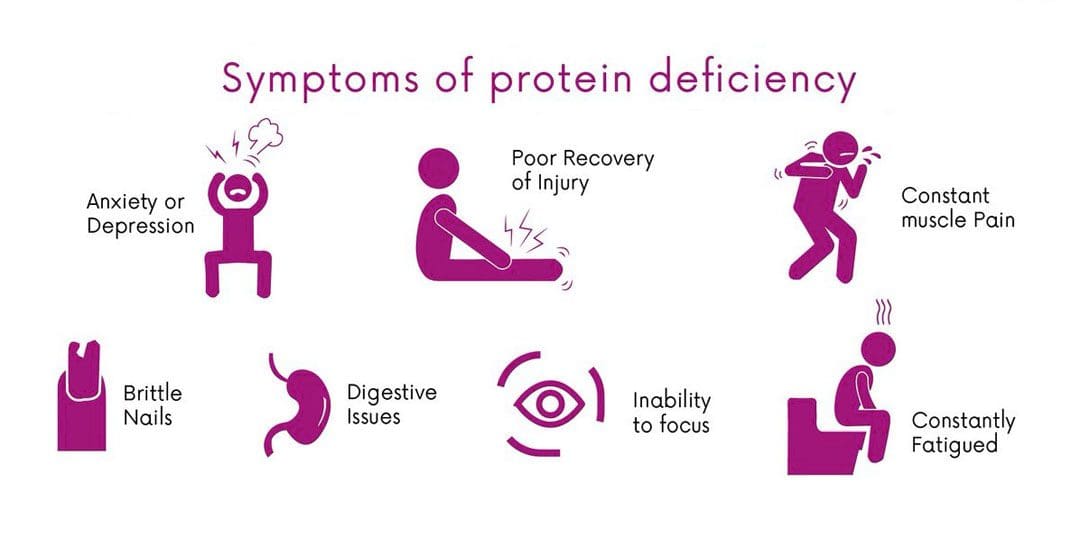
When the body doesn’t meet the required protein amounts or can’t absorb protein efficiently, it can lead to symptoms, including:
Chronic fatigue.
Increased infections and illnesses.
Reduced muscle mass.
Loss of muscle mass.
Slower injury healing times.
Sarcopenia in older individuals.
Swelling in the legs, face, and other areas from fluid buildup.
Dry, brittle hair that falls out.
Cracked, pitted nails.
High blood pressure during the second trimester of pregnancy/preeclampsia.
Causes
Protein deficiency can have various causes, depending on the individual case. Certain medical conditions include:
Malnutrition or undereating – an individual does not eat enough calories or avoids certain food groups.
Adequate protein intake is essential to maintain healthy amino acid levels to support cell structure and function. The requirement differs for everybody based on age, sex, and physical activity levels. Protein is available in a wide variety of animal and plant foods. Recommended nutritious protein sources for optimal health and fitness include foods such as:
Beans and legumes
Oats
Eggs
Cheese
Lean beef, chicken, turkey, and pork
Seafood
Seeds
Nuts
Various kinds of nut butter
Greek yogurt
Quinoa
Tofu
Protein is essential for all cells and body tissue and can impair body function in short supply. Although diet-related protein deficiency is rare in the United States, certain medical conditions can increase the risk. Adding protein to a diet is simple and can be achieved by incorporating various foods from either plant or animal sources.
Clinical Implementation of Functional Nutrition
References
Bauer, Juergen M, and Rebecca Diekmann. “Protein and Older Persons.” Clinics in geriatric medicine vol. 31,3 (2015): 327-38. doi:10.1016/j.cger.2015.04.002
Brock, J F. “Protein deficiency in adults.” Progress in food & nutrition science vol. 1,6 (1975): 359-70.
Deutz, Nicolaas E P, et al. “Protein intake and exercise for optimal muscle function with aging: recommendations from the ESPEN Expert Group.” Clinical nutrition (Edinburgh, Scotland) vol. 33,6 (2014): 929-36. doi:10.1016/j.clnu.2014.04.007
Paddon-Jones, Douglas, and Blake B Rasmussen. “Dietary protein recommendations and the prevention of sarcopenia.” Current Opinion in clinical nutrition and metabolic care vol. 12,1 (2009): 86-90. doi:10.1097/MCO.0b013e32831cef8b
Pappova, E et al. “Acute hypoproteinemic fluid overload: its determinants, distribution, and treatment with concentrated albumin and diuretics.” Vox sanguinis vol. 33,5 (1977): 307-17. doi:10.1111/j.1423-0410.1977.tb04481.x
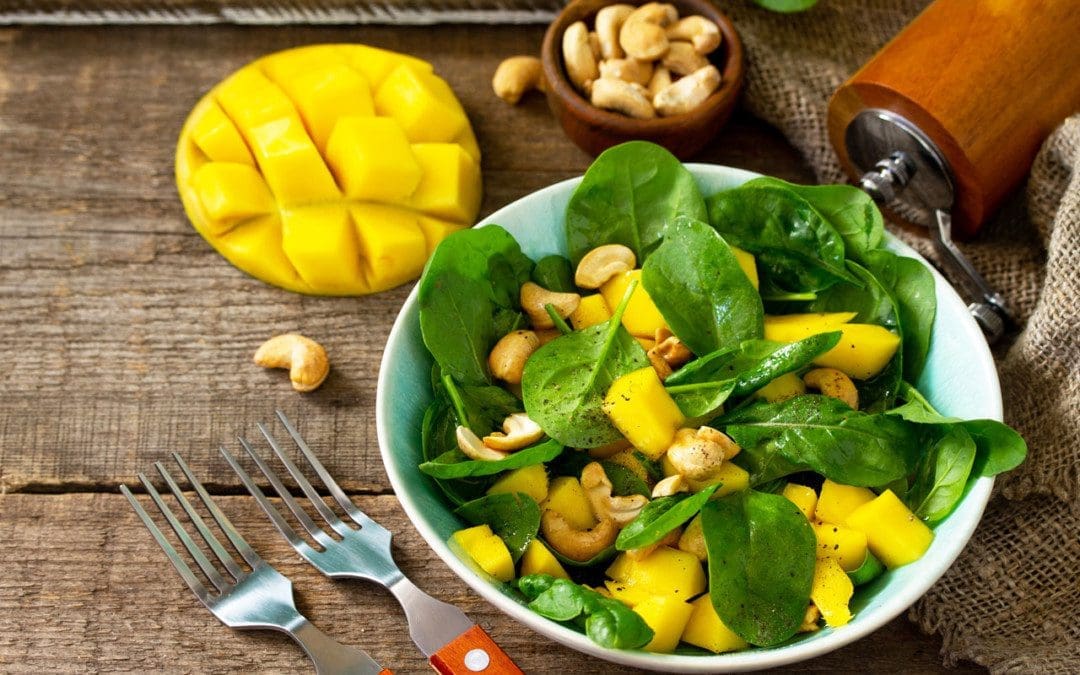
A satisfying salad is a great way to get more fruits and vegetables high in vitamins, minerals, and fiber. A salad using the right ingredients can be a filling meal. With the summer heat kicking in, making a quick, satisfying salad using your favorite ingredients can help cool off, rehydrate, and refuel the body.
Making A Satisfying Salad
Leafy Greens
Start with leafy greens.
They’re low in calories and a healthy source of fiber.
Different varieties include iceberg lettuce, leaf lettuce, spinach, escarole, romaine, kale, and butter lettuce.
Starchy vegetables like roasted sweet potatoes or cooked butternut squash.
These provide fiber, complex carbohydrates, vitamins, and minerals.
Fruit
Fruits or berries, blueberries, raspberries, blackberries, pomegranate seeds, apple slices, oranges, dates, and raisins can add vitamins, fiber, and antioxidants.
One-half cup of apple slices has 30 calories.
One-half cup of berries has about 40 calories.
Protein
A hard-boiled egg is an excellent source of protein.
A serving of lean beef, cooked shrimp, tuna, chicken breast, cheese strips, beans or legumes, hummus, tofu, or cottage cheese.
Be mindful of portion size.
A quarter cup of chopped chicken meat or one egg will add 75 calories.
Half a can of tuna adds about 80 calories.
Depending if it is low fat, two ounces of cubed or shredded mozzarella or cheddar cheese can add 200 calories.
Nuts or Seeds
Almonds, cashews, walnuts, pecans, sunflower, pumpkin, or chia seeds are great for added crunch.
All nuts add protein and heart-healthy polyunsaturated and monounsaturated fatty acids.
One-eighth cup of nuts adds around 90 calories.
Walnuts contain omega-3 fatty acids.
Salad Dressing
Add salad dressing.
One tablespoon of regular commercial salad dressing adds 50 to 80 calories.
Low-fat and reduced-calorie dressings are available.
Adding beans will increase fiber, protein, and total carbohydrates.
Body Signals Decoded
References
Chambers L, McCrickerd K, Yeomans MR. Optimizing foods for satiety. Trends in Food Science & Technology. 2015;41(2):149-160. doi:10.1016/j.tifs.2014.10.007
Cox, B D et al. “Seasonal consumption of salad vegetables and fresh fruit in relation to the development of cardiovascular disease and cancer.” Public health nutrition vol. 3,1 (2000): 19-29. doi:10.1017/s1368980000000045
Dreher ML, Davenport AJ. Hass avocado composition and potential health effects. Crit Rev Food Sci Nutr. 2013;53(7):738-750. doi:10.1080/10408398.2011.556759
Roe, Liane S et al. “Salad and satiety. The effect of timing of salad consumption on meal energy intake.” Appetite vol. 58,1 (2012): 242-8. doi:10.1016/j.appet.2011.10.003
Sebastian, Rhonda S., et al. “Salad Consumption in the U.S. What We Eat in America, NHANES 2011-2014.” FSRG Dietary Data Briefs, United States Department of Agriculture (USDA), February 2018.
Yen, P K. “Nutrition: salad sense.” Geriatric nursing (New York, N.Y.) vol. 6,4 (1985): 227-8. doi:10.1016/s0197-4572(85)80093-8
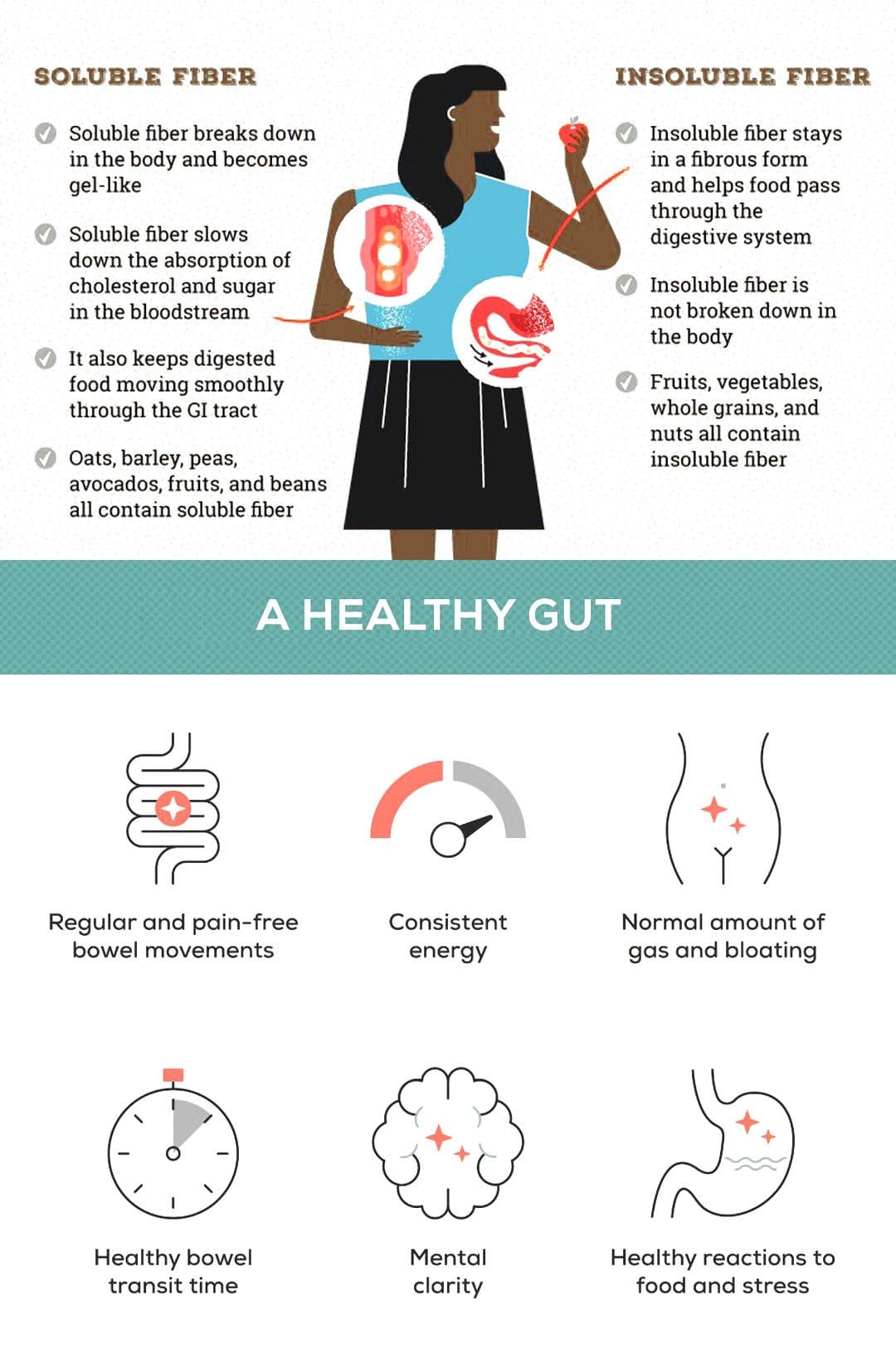
Not getting enough fiber in one’s diet can lead to fiber deficiency. Fiber helps support gut and microbiome health. Individuals not getting enough fiber may experience irregular bowel movements, constipation, blood sugar fluctuations, not feeling full/satisfied after eating, or rising cholesterol levels. About 100 trillion microorganisms in the gut are integral to maintaining a healthy immune system. Fiber is the food these microorganisms eat that helps them to do their job. Without the proper amount, the immune system’s health may also be compromised.
Fiber and Gut Health
Fiber and gut health benefits include regulating the body’s sugars, helping to keep hunger and blood sugar in check, helping to maintain a healthy weight, its ability to prevent or relieve constipation, reduce the risk of diabetes, heart disease, and certain types of cancer.
Dietary fiber, or roughage, is the part of plant foods the body can’t digest or absorb.
It passes through the stomach, small intestine, and colon and out of the body.
It is found mainly in fruits, vegetables, whole grains, and legumes.
Soluble and insoluble forms are important to overall health.
Types
Soluble Fiber
This type dissolves in water to form a gel-like substance.
It can help lower blood cholesterol and glucose levels.
It is found in oats, peas, beans, apples, citrus fruits, carrots, and barley.
Insoluble Fiber
This type of fiber promotes the movement of material through the digestive system.
It increases stool bulk, benefiting individuals who struggle with constipation or irregular stools.
Whole-wheat flour, wheat bran, nuts, beans, and vegetables, such as cauliflower, green beans, and potatoes, are good sources.
Benefits
Healthy Bowel Movements
Dietary fiber increases stool weight and thickness and makes it soft.
Fiber helps to solidify the stool by absorbing water and adding bulk.
A thicker stool is easier to pass, decreasing the potential for constipation and other problems.
Maintains Bowel Health
A high-fiber diet can lower the risk of developing hemorrhoids and small pouches in the colon/diverticular disease.
Studies have also found that a high-fiber diet can help lower the risk of colorectal cancer.
Some fiber gets fermented in the colon.
Researchers are looking at how this can help prevent diseases of the colon.
Lowers Cholesterol
Soluble fiber found in beans, oats, flaxseed, and oat bran can help lower blood cholesterol levels by lowering low-density lipoprotein or unhealthy cholesterol levels.
Studies also have shown that high-fiber foods can help reduce blood pressure and inflammation.
Regulates Blood Sugar Levels
In individuals with diabetes, fiber, particularly soluble fiber, can slow the absorption of sugar and improve blood sugar levels.
A healthy nutrition plan that includes insoluble fiber can help reduce the risk of developing type 2 diabetes.
Helps Achieve Healthy Weight
High-fiber foods can be more filling than low-fiber foods, helping individuals eat less and stay satisfied.
High-fiber foods can also take longer to eat and are less energy dense, meaning they have fewer calories.
Getting More Fiber
Ideas for adding more fiber to meals and snacks:
Fiber to Start The Day
Choose a high-fiber breakfast cereal with five or more grams of fiber per serving.
Choose cereals with whole grain, bran, or fiber in the name.
Add a few tablespoons of unprocessed wheat bran to the cereal.
Add Whole Grains
Try to make at least half of the grains eaten whole grains.
Look for bread that lists whole wheat, whole-wheat flour, or another whole grain as the first ingredient, with at least 2 grams of dietary fiber per serving.
Experiment with whole-wheat pasta, brown rice, wild rice, barley, and bulgur wheat.
Baked Foods
Substitute whole-grain flour for half or all white flour when baking.
Add crushed bran cereal, unprocessed wheat bran, or uncooked oatmeal to muffins, cakes, and cookies.
Legumes
Beans, peas, and lentils are recommended sources.
Add kidney beans to soups or salads.
Make nachos with refried black beans, fresh vegetables, whole-wheat tortilla chips, and healthy salsa.
Fruit and Vegetables
Fruits and vegetables are rich in fiber and vitamins and minerals.
Try to eat a favorite fruit daily.
Healthy Snacks
Fresh fruits, raw vegetables, low-fat popcorn, and whole-grain crackers are healthy choices.
Try for a handful of nuts or dried fruits; however, be aware that nuts and dried fruits can be high in calories.
Moderation
High-fiber foods are beneficial for the body’s health.
Adding too much fiber can promote intestinal gas, abdominal bloating, and cramping.
Increase fiber gradually over a few weeks.
This allows the natural bacteria in the digestive system to make adjustments.
Maintain hydration, as fiber works best when it absorbs water.
Individuals not sure how to incorporate more fiber can consult a nutritionist and health coach to help begin the process.
Gut Dysfunction
References
Anderson, James W et al. “Health benefits of dietary fiber.” Nutrition Reviews vol. 67,4 (2009): 188-205. doi:10.1111/j.1753-4887.2009.00189.x
Cronin, Peter, et al. “Dietary Fiber Modulates the Gut Microbiota.” Nutrients vol. 13,5 1655. 13 May. 2021, doi:10.3390/nu13051655
Fuller, Stacey, et al. “New Horizons for the Study of Dietary Fiber and Health: A Review.” Plant foods for human nutrition (Dordrecht, Netherlands) vol. 71,1 (2016): 1-12. doi:10.1007/s11130-016-0529-6
Gill, Samantha K et al. “Dietary fiber in gastrointestinal health and disease.” Nature reviews. Gastroenterology & hepatology vol. 18,2 (2021): 101-116. doi:10.1038/s41575-020-00375-4
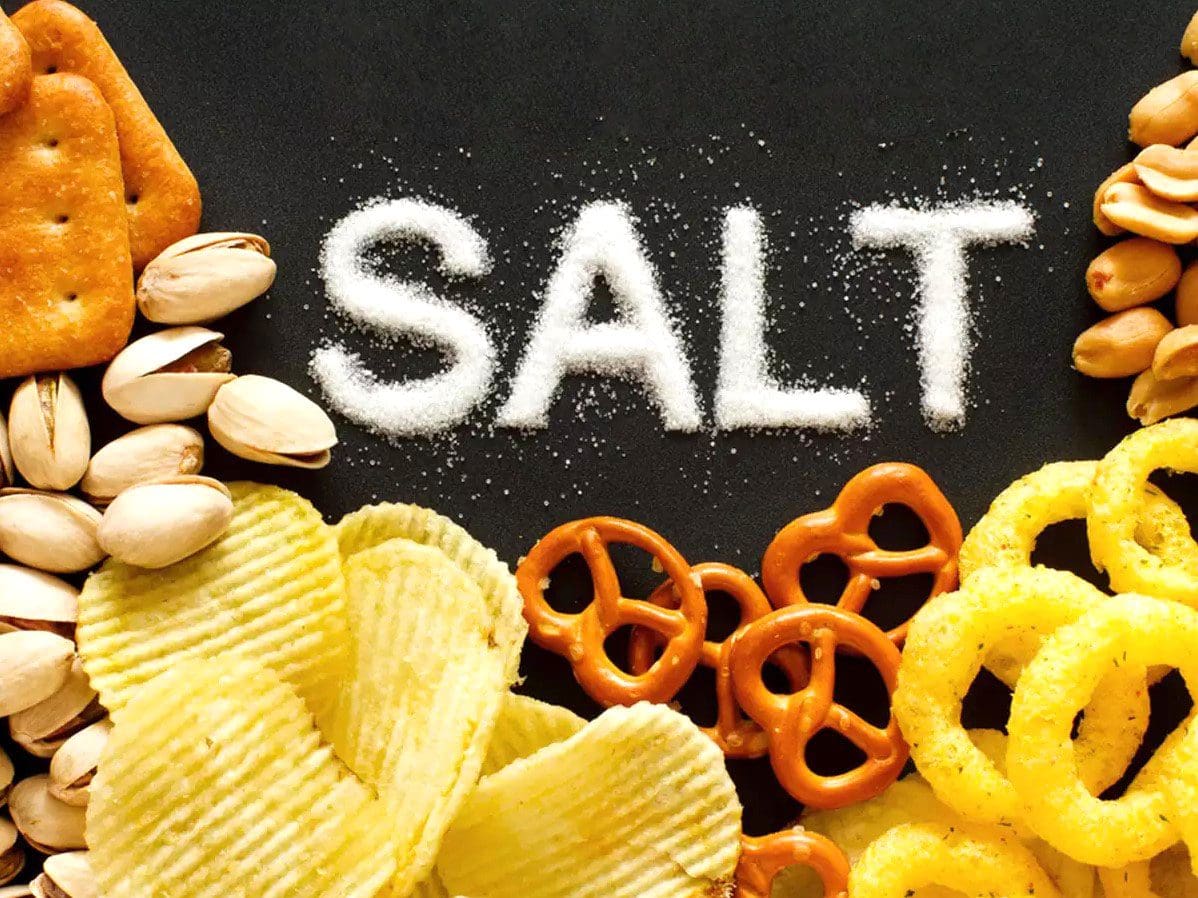
Although salt is satisfying to the palate and necessary for survival, when the body craves salt, it can be a symptom of a health condition/s. The body needs sodium, but many foods contain more than the body needs. Most individuals’ sodium intake comes from packaged foods, pizza, burgers, and soups. The body craves salty foods for various reasons, often related to a sodium imbalance. To help curb cravings and limit consumption, incorporate seasoning blends, spices, and vegetables into a nutritional plan. Injury Medical Chiropractic and Functional Medicine Clinic can provide expert diet recommendations and health coaching to develop a personalized nutrition plan.
The body needs 500 milligrams (mg) of sodium daily for optimal functioning.
That’s less than one-fourth of a teaspoon (tsp).
But because most individuals take in around 3,400 mg every day, the American Heart Association recommends that adults reduce consumption to 1,500-2,300 mg of salt daily.
Individuals who crave salt often shouldn’t ignore this as cravings could signal a health condition.
It is recommended to seek a healthcare provider’s advice to evaluate nutrition and lifestyle.
Causes
Dehydration
Craving salt could mean the body needs hydration. A sodium deficiency triggers systems that generate cravings for sodium, and the body feels rewarded after consuming salty foods. Individuals that find themselves dehydrated often should consider following these tips to maintain healthy body hydration:
Carry a water bottle throughout the day, take frequent sips, and try to refill two or more times.
Add fruit or fresh herbs to the water for flavor.
Freeze water bottles to have ice-cold water readily available.
Ask for water alongside other beverages when dining out.
Electrolyte Imbalance
When electrolytes are out of balance, the body can crave salty foods.
Electrolytes are minerals in the body with an electric charge.
Electrolytes are in the blood, urine, and tissues, and levels can spike or plummet.
This occurs when the amount of water taken does not equal the amount lost because of excessive sweating, sickness, and/or frequent urination.
Electrolytes are important because:
They help balance the body’s water equilibrium and pH levels
Move nutrients and waste into and out of the cells
Ensure the nerves, muscles, and brain are at optimal function.
Stress
Eating behavior can quickly be disrupted when experiencing stressful situations.
A stressed body can feel better after eating the foods it is used to, especially for individuals that consume a lot of salty foods when things are normal, and there is no stress.
Boredom
Eating because of boredom is an emotional eating behavior similar to stress eating.
This response to negative emotions can happen to anyone.
Individuals are recommended to work through their negative thoughts with stress reduction strategies that include:
Mindful eating.
Exercise.
Meditation.
Spending time in green spaces like a garden, park, etc.
Individuals can make a no-salt seasoning mix using cumin, garlic powder, onion powder, paprika, and cayenne pepper.
Garlic
Instead of one teaspoon of iodized salt, one teaspoon of fresh garlic can eliminate up to 2,360 mg of sodium and offers an intense flavor.
Reduce Salt Consumption
The U.S. Food and Drug Administration says that reducing the amount of sodium can gradually lower cravings. Taking these steps can help:
Limit consumption of packaged foods, especially those with the word instant in the name. These often contain a significant amount of sodium.
If possible, prepare lunch to take to work or school.
Read nutrition labels to ensure the products contain at least less than 2,300 milligrams of sodium.
Stick to fresh, frozen vegetables with no seasoning added or no-salt canned vegetables.
Split meals when eating out or cut the meal in half and take the rest home to avoid the high amounts of sodium in restaurant food.
Use none or low-sodium salad dressings or place them on the side.
Learning About Food Substitutions
References
Bell, Victoria, et al. “One Health, Fermented Foods, and Gut Microbiota.” Foods (Basel, Switzerland) vol. 7,12 195. 3 Dec. 2018, doi:10.3390/foods7120195
Husebye, Eystein S et al. “Adrenal insufficiency.” Lancet (London, England) vol. 397,10274 (2021): 613-629. doi:10.1016/S0140-6736(21)00136-7
Morris, Michael J et al. “Salt craving: the psychobiology of pathogenic sodium intake.” Physiology & behavior vol. 94,5 (2008): 709-21. doi:10.1016/j.physbeh.2008.04.008
Orloff, Natalia C, and Julia M Hormes. “Pickles and ice cream! Food cravings in pregnancy: hypotheses, preliminary evidence, and directions for future research.” Frontiers in psychology vol. 5 1076. 23 Sep. 2014, doi:10.3389/fpsyg.2014.01076
Souza, Luciana Bronzi de et al. “Do Food Intake and Food Cravings Change during the Menstrual Cycle of Young Women?.” “A ingestão de alimentos e os desejos por comida mudam durante o ciclo menstrual das mulheres jovens?.” Revista brasileira de ginecologia e obstetricia : revista da Federacao Brasileira das Sociedades de Ginecologia e Obstetricia vol. 40,11 (2018): 686-692. doi:10.1055/s-0038-1675831
The right kind of bread can be an extremely healthful food. Eating more whole grains is associated with lower weight and reduced health problems, heart disease, and cancer risk. Keeping bread in a healthy diet begins with choosing varieties with the best nutrition. Certain types are naturally high in fiber, vitamins, and minerals. Others are made from refined grains with added vitamins and minerals. Nutritional experts evaluate healthy breads based on researched health benefits and fiber, protein, micronutrient content, and total calories.
Healthy Breads
100% Whole Wheat
100% whole wheat bread contains abundant fiber and nutrients and is one of the most nutritious varieties.
A slice of bread made with all whole wheat flour provides 80 calories, 5 grams of protein, 0 grams of fat, 20 grams of carbohydrates, and 3 grams of fiber.
One hundred percent whole wheat bread also contains essential minerals like calcium, selenium, manganese, phosphorus, and thiamin.
Increasing whole grains has been shown to reduce the risk of multiple chronic diseases, including type 2 diabetes, cancer, and heart disease.
Studies have demonstrated the positive effects of whole grains on weight control.
Many breads advertise themselves as whole wheat and might not contain 100% whole, unrefined grains.
Read labels to determine if store-bought bread was made with only whole wheat flour.
A 100% whole wheat bread will either be labeled as such or have whole wheat flour as its first ingredient and does not list other flours like wheat flour or enriched bleached flour.
Multigrain
Whole grains like oats, buckwheat, barley, amaranth, and millet can be included in multigrain breads for increased fiber, protein, and micronutrients.
Adding a variety of whole grains like these can help reduce the risk of certain chronic diseases.
Navigating to healthy multigrain bread can be misleading.
Breads labeled as multigrain can be difficult to tell whether the grains used to make the bread were whole or refined.
It’s recommended to look for a multigrain bread label that has 100% whole grain.
Oat
Oats are whole grains that can supplement whole wheat in healthy store-bought and homemade breads.
Oats contain a special fiber called beta-glucan, with benefits that include lowering bad cholesterol, regulating blood sugar, and lowering blood pressure.
Oats are high in soluble fiber, which helps reduce constipation.
Read the labels and look for brands that list oats and whole wheat flour as the first ingredients with minimal added sugars.
Flax Seed
Flaxseeds are not grains, but they aren’t packed with nutrients.
Adding flaxseed might help protect against certain cancers and improve heart health.
Because the seeds are naturally gluten-free, flax seed bread can be an option for individuals with celiac disease or gluten sensitivity.
Some commercially prepared breads combine flax with wheat, but individuals may have to make their own for a loaf made entirely with flaxseed.
Sourdough
Sourdough bread is made through fermentation, which adds healthy probiotics to the finished product.
A diet rich in probiotics from fermented foods has been linked with positive health outcomes.
Benefits include the bread’s natural probiotics, improved digestion, immune system function, extra fiber, protein, and minerals.
For the healthiest, choose a variety made with whole wheat flour.
Benefits of a Healthy Diet and Chiropractic
References
Aune, Dagfinn, et al. “Whole grain consumption and risk of cardiovascular disease, cancer, and all-cause and cause-specific mortality: a systematic review and dose-response meta-analysis of prospective studies.” BMJ (Clinical research ed.) vol. 353 i2716. 14 Jun. 2016, doi:10.1136/bmj.i2716
El Khoury, D et al. “Beta glucan: health benefits in obesity and metabolic syndrome.” Journal of Nutrition and Metabolism vol. 2012 (2012): 851362. doi:10.1155/2012/851362
Freitas, Daniela, et al. “Lemon juice, but not tea, reduces the glycemic response to bread in healthy volunteers: a randomized crossover trial.” European Journal of Nutrition vol. 60,1 (2021): 113-122. doi:10.1007/s00394-020-02228-x
“Healthy Bread.” Hall’s Journal of Health vol. 3,7 (1856): 144-146.
Kikuchi, Yosuke, et al. “Effects of Whole Grain Wheat Bread on Visceral Fat Obesity in Japanese Subjects: A Randomized Double-Blind Study.” Plant foods for human nutrition (Dordrecht, Netherlands) vol. 73,3 (2018): 161-165. doi:10.1007/s11130-018-0666-1
Menezes, Leidiane A A, et al. “Effects of Sourdough on FODMAPs in Bread and Potential Outcomes on Irritable Bowel Syndrome Patients and Healthy Subjects.” Frontiers in microbiology vol. 9 1972. 21 Aug. 2018, doi:10.3389/fmicb.2018.01972
Parikh, Mihir, et al. “Flaxseed: its bioactive components and their cardiovascular benefits.” American Journal of Physiology. Heart and circulatory physiology vol. 314,2 (2018): H146-H159. doi:10.1152/ajpheart.00400.2017
P, Nirmala Prasadi V, and Iris J Joye. “Dietary Fibre from Whole Grains and Their Benefits on Metabolic Health.” Nutrients vol. 12,10 3045. 5 Oct. 2020, doi:10.3390/nu12103045
Tosh, Susan M, and Nicolas Bordenave. “Emerging science on benefits of whole grain oat and barley and their soluble dietary fibers for heart health, glycemic response, and gut microbiota.” Nutrition Reviews vol. 78, Suppl 1 (2020): 13-20. doi:10.1093/nutrit/nuz085
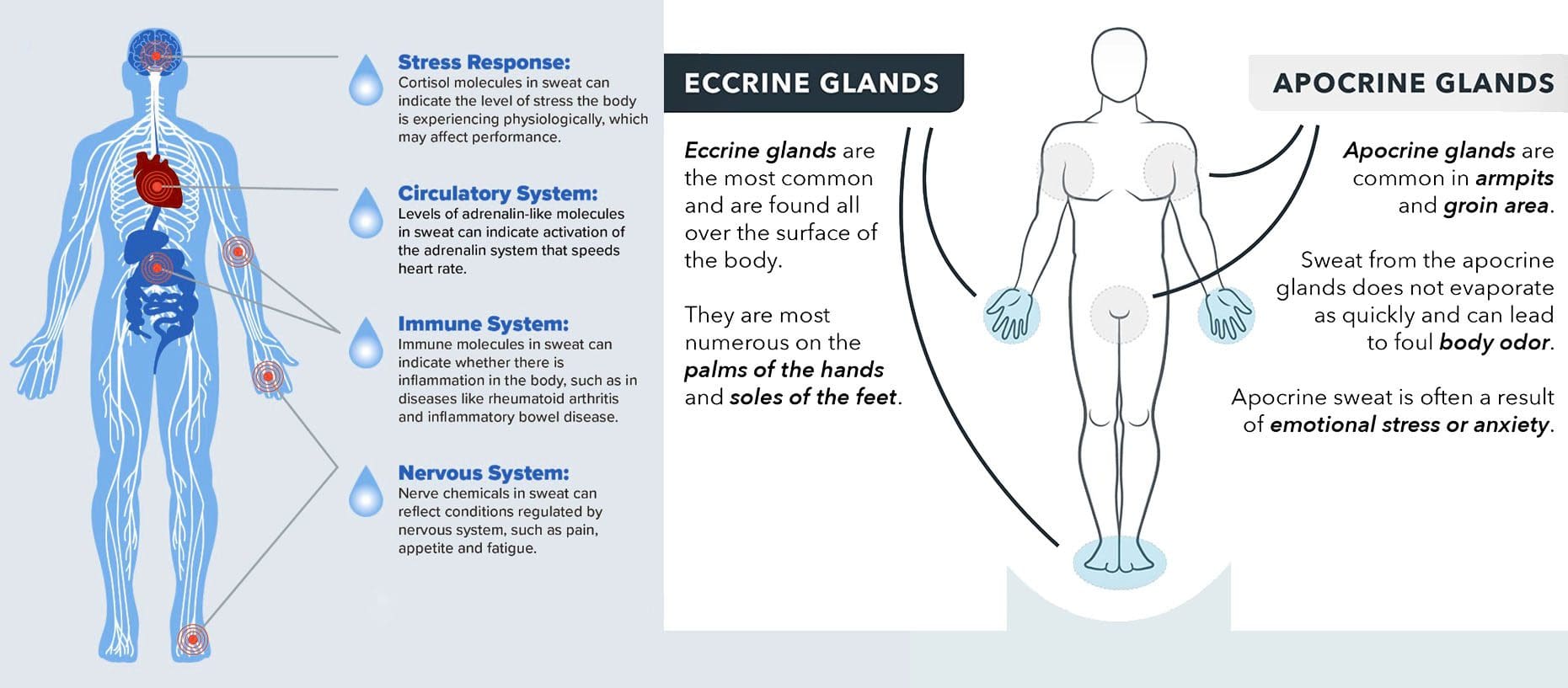
When the body shifts out of homeostasis or when something in the body is out of balance, the body sweats. Sweating is a process known as perspiration that releases salt-based fluids from the body’s sweat glands to help the body stay cool and regulate body temperature. Sweat is commonly found under the arms, on the feet, and on the palms of the hands. Body temperature, outdoor temperature, or emotional state changes can cause sweating.
Sweating
An individual has around 2-4 million sweat glands, which begin to become fully active during puberty. There are two types of sweat glands: eccrine and apocrine. The most common areas of sweating include:
Face.
Armpits.
Palms of the hands.
Soles of the feet.
Sweating in normal amounts is an essential bodily process.
Not sweating enough or sweating too much can cause problems.
Sweat is mostly water but contains small amounts of salt.
Sweat also contains electrolytes and minerals – including potassium, chloride, magnesium, zinc, copper, proteins, urea, and ammonia.
Electrolyte levels need to be replenished after heavy sweating.
Causes
Sweating is normal. However, a variety of causes can stimulate increased sweating.
High Temperature
Elevated body temperature.
Elevated outdoor temperature.
Are the primary cause of increased sweating.
Emotions and stress
Emotions and conditions can also make the body break out in a heavy sweat.
Emotional stress
Anxiety
Anger
Fear
Embarrassment
Foods
Sweating may be a response to certain foods. This type of sweat is known as gustatory sweating, which can be caused by:
Spicy foods
Caffeinated drinks – like soda, coffee, and tea.
Alcoholic beverages.
Medications
Illness and Medications
Sweating may be caused by medication use and certain illnesses:
Individuals can become dehydrated and have an increased risk of heatstroke.
Chiropractic Adjustments
The nervous system coordinates and oversees all functions of the body. Some can be consciously controlled, and others are automatic. The autonomic nervous system– ANS regulates involuntary processes, including blood pressure, heart rate, digestion, respiration, gland function, sweating, etc. The ANS is divided into the sympathetic and parasympathetic systems.
The sympathetic nervous system – when activated, creates a state of elevated activity and attention or the fight or flight response.
This process increases blood pressure and heart rate, preparing the body to respond to various stressors.
The parasympathetic nervous system promotes resting and digesting processes that lower heart rate and blood pressure.
The parasympathetic calms the body.
Chiropractic adjustments have been known to affect the autonomic nervous system. This is achieved by increasing parasympathetic activity/relaxation and down-shifting the sympathetic/fight or flight response and inflammation. A chiropractic adjustment can remove subluxations, which cause interferences in the nervous system. Chiropractic restores and improves the brain and body system communication.
Thoracic Spine Pain
References
Baker, Lindsay B. “Physiology of sweat gland function: The roles of sweating and sweat composition in human health.” Temperature (Austin, Tex.) vol. 6,3 211-259. 17 Jul. 2019, doi:10.1080/23328940.2019.1632145
Cabanac, M. “Temperature regulation.” Annual Review of Physiology vol. 37 (1975): 415-39. doi:10.1146/annurev.ph.37.030175.002215
Cui, Chang-Yi, and David Schlessinger. “Eccrine sweat gland development and sweat secretion.” Experimental dermatology vol. 24,9 (2015): 644-50. doi:10.1111/exd.12773
Kiani, Aysha Karim, et al. “Neurobiological basis of chiropractic manipulative treatment of the spine in the care of major depression.” Acta bio-medica : Atenei Parmensis vol. 91,13-S e2020006. 9 Nov. 2020, doi:10.23750/abm.v91i13-S.10536
McCutcheon, L J, and R J Geor. “Sweating. Fluid and ion losses and replacement.” The Veterinary clinics of North America. Equine practice vol. 14,1 (1998): 75-95. doi:10.1016/s0749-0739(17)30213-4
IFM's Find A Practitioner tool is the largest referral network in Functional Medicine, created to help patients locate Functional Medicine practitioners anywhere in the world. IFM Certified Practitioners are listed first in the search results, given their extensive education in Functional Medicine






 Fiber and Gut Health