Should individuals with existing gastrointestinal problems eat bananas?
Bananas
Bananas can be easy to digest and are often recommended for nausea and diarrhea, however, not everyone can tolerate them. (MedlinePlus. 2021)
Bananas are high in fructose, sorbitol, and soluble fiber, which makes them a common trigger for gastrointestinal problems.
Additionally, individuals not used to eating a high-fiber diet may find it helpful to gradually increase fiber and drink more water to alleviate unpleasant symptoms.
If there is a suspicion of intolerance, IBS, or malabsorption, it is recommended to speak with a healthcare provider for an evaluation.
Bananas can make the stomach hurt due to:
Irritable bowel syndrome (IBS)
Cramping
Gas
Bloating
Other gastrointestinal (GI) problems.
Individuals can experience stomach discomfort if there is a fructose intolerance or a rare banana allergy.
Stomach Pain
Bananas are used to replenish potassium and other essential nutrients lost from vomiting or diarrhea.
Some individuals can experience bloating and gas after eating them.
One reason is because of their soluble fiber content.
Soluble fiber dissolves in water and is more readily fermented in the colon than insoluble fiber.
Bananas also contain sorbitol – a naturally occurring sugar that acts as a laxative and can cause gas, bloating, and diarrhea when consumed in large amounts. (U.S. Food and Drug Administration. 2023)
Irritable Bowel Syndrome – IBS
Bananas can be a common trigger food for individuals with IBS.
Bananas are also high in fructose/simple sugar especially when they have overripened.
Individuals who have IBS are advised to avoid bananas because they can trigger many of the same side effects as undigested lactose/sugar in milk. (Johns Hopkins Medicine. 2023)
Ripe bananas are considered to be high in FODMAPS – fermentable oligosaccharides, disaccharides, monosaccharides, and polyols.
Individuals following a low FODMAP diet to manage IBS may want to avoid or limit consumption.
Fructose malabsorption is when the body cannot digest or absorb fructose correctly. This causes bloating gas and abdominal discomfort.
Hereditary fructose intolerance is very rare. It happens when the liver cannot assist in the breakdown of fructose.
This condition often causes more severe symptoms and requires additional treatment besides removing fructose from an individual’s diet. (UW School of Medicine and Public Health. 2019)
Most can tolerate small amounts of fructose found in fruits like bananas.
If you’re eating bananas that are too green or unripe, you may also experience stomach discomfort.
Unripened bananas contain high amounts of resistant starch. In large quantities, this can cause mild symptoms like gas and bloating. (Jennifer M Erickson, et al., 2018)
Jackson Siegelbaum Gastroenterology. Colon gas and flatus prevention.
U.S. Food and Drug Administration. Sorbitol.
Capili, B., Anastasi, J. K., & Chang, M. (2016). Addressing the Role of Food in Irritable Bowel Syndrome Symptom Management. The journal for nurse practitioners: JNP, 12(5), 324–329. https://doi.org/10.1016/j.nurpra.2015.12.007
Johns Hopkins Medicine. 5 foods to avoid if you have IBS.
Monash University. Bananas re-tested.
Dayıoğlu A, Akgiray S, Nacaroğlu HT, Bahçeci Erdem S. The clinical spectrum of reactions due to banana allergy. BMB. 2020;5(2):60-63. doi: 10.4274/BMB.galenos.2020.04.013
Family Medicine Austin. Banana allergy.
UW School of Medicine and Public Health. Fructose-restricted diet.
Erickson, J. M., Carlson, J. L., Stewart, M. L., & Slavin, J. L. (2018). The Fermentability of Novel Type-4 Resistant Starches in In Vitro System. Foods (Basel, Switzerland), 7(2), 18. https://doi.org/10.3390/foods7020018
The Johns Hopkins Guide to Diabetes. What is resistant starch?
Can weight and strength training increase speed and power in athletes that participate in throwing sports?
Throwing Sports
Top-throwing athletes have amazing arm speed. To succeed in throwing sports athletes need to be able to generate quick explosive power. This means the ability to propel the arm forward with substantial velocity for maximum object delivery like a baseball, javelin, hammer throw, shot put, discus, etc. Combined with sports technique training, throwing strength and power can be increased by training with weights. Here is a three-phase training plan to improve throwing performance.
Full Body
The arm provides only one part of the delivery process.
The legs, core, shoulders, and general flexibility need to work cooperatively to exert maximum thrust and achieve maximum object speed.
The natural ability to throw fast with power is largely determined by an individual’s muscle type, joint structure, and biomechanics. (Alexander E Weber, et al., 2014)
Preparation
Preparation should provide all-around muscle and strength conditioning for early pre-season conditioning.
Athletes will be doing throwing training as well, so fieldwork will need to be able to fit in.
It is recommended not to do weight training prior to throwing practice.
This leads to the start of competition and tournament play.
Frequency
2 to 3 sessions per week
Type
Strength and power – 60% to 70% for one-rep max/1RM
The one-repetition maximum test, known as a one-rep max or 1RM, is used to find out the heaviest weight you can lift once.
When designing a resistance training program, individuals use different percentages of their 1RM, depending on whether they’re lifting to improve muscular strength, endurance, hypertrophy, or power. (Dong-Il Seo, et al., 2012)
Throwing practice and competition are the priorities.
Before competition begins, take a 7- to 10-day break from heavyweight sessions while maintaining throwing workouts.
Weight training during competition should provide maintenance.
Frequency
1 to 2 sessions per week
Type
Power – lighter loads and faster execution than in the preparation stage.
Exercises
3 sets of 10
Rapid movement, 40% to 60% of 1RM.
Squats
Power hang clean and press
Romanian deadlift
Lat pulldown
Incline bench press
Crunches
Rest
Between sets 1 to 2 minutes.
Training Tips
Athletes have individual needs, so a general program like this needs modification based on age, sex, goals, skills, competitions, etc.
A certified strength and conditioning coach or trainer could help develop a fitness plan that can be adjusted as the athlete progresses.
Be sure to warm up prior to weight training and cool down afterward.
Don’t try to train through injuries or try to progress too fast – it is recommended not to throw or do weights when treating or recovering from an injury. (Terrance A Sgroi, John M Zajac. 2018)
Focus on the fundamentals and practice proper form.
Take a few weeks off at the end of the season to recover after hard training and competition.
Body Transformation
References
Weber, A. E., Kontaxis, A., O’Brien, S. J., & Bedi, A. (2014). The biomechanics of throwing: simplified and cogent. Sports medicine and arthroscopy review, 22(2), 72–79. https://doi.org/10.1097/JSA.0000000000000019
American College of Sports Medicine (2009). American College of Sports Medicine position stand. Progression models in resistance training for healthy adults. Medicine and science in sports and exercise, 41(3), 687–708. https://doi.org/10.1249/MSS.0b013e3181915670
Zaras, N., Spengos, K., Methenitis, S., Papadopoulos, C., Karampatsos, G., Georgiadis, G., Stasinaki, A., Manta, P., & Terzis, G. (2013). Effects of Strength vs. Ballistic-Power Training on Throwing Performance. Journal of sports science & medicine, 12(1), 130–137.
Seo, D. I., Kim, E., Fahs, C. A., Rossow, L., Young, K., Ferguson, S. L., Thiebaud, R., Sherk, V. D., Loenneke, J. P., Kim, D., Lee, M. K., Choi, K. H., Bemben, D. A., Bemben, M. G., & So, W. Y. (2012). Reliability of the one-repetition maximum test based on muscle group and gender. Journal of sports science & medicine, 11(2), 221–225.
Sakamoto, A., Kuroda, A., Sinclair, P. J., Naito, H., & Sakuma, K. (2018). The effectiveness of bench press training with or without throws on strength and shot put distance of competitive university athletes. European journal of applied physiology, 118(9), 1821–1830. https://doi.org/10.1007/s00421-018-3917-9
Sgroi, T. A., & Zajac, J. M. (2018). Return to Throwing after Shoulder or Elbow Injury. Current reviews in musculoskeletal medicine, 11(1), 12–18. https://doi.org/10.1007/s12178-018-9454-7
Cisgender has nothing to do with an individual’s sexual orientation. Therefore how do sex and gender differ and where does cisgender fall within the spectrum of gender identities?
Cisgender
Cisgender is a segment of the larger spectrum of gender identities. Also referred to as “cis,” it describes an individual whose gender identity corresponds to the sex they were assigned at birth. Therefore if an individual assigned sex at birth is female and identifies as a girl or a woman they are a cisgender woman.
The term describes how a person sees themselves and helps others communicate more accurately and respectfully.
Although many individuals may identify as cisgender, a cisgender person is not typical nor has qualities or characteristics that inherently differentiate them from a person of other gender identities.
Cisgender women commonly use the pronouns she and her.
A common mistake is using the term cis-gendered.
The proper usage of the term is cisgender.
Sex and Gender Differences
The terms sex and gender are often used interchangeably, however, they are not the same.
Sex is a biological and physiological designation based on an individual’s sex chromosomes and sexual organs.
This includes an individual’s genitals and sex organs.
It also encompasses secondary characteristics – like body size, bone structure, breast size, and facial hair – that are regarded as female or male.
Differences
Gender is a social construct that refers to roles and behaviors that society assigns as being masculine or feminine. The construct infers behaviors that are accepted or appropriate based on how an individual behaves, speaks, dresses, sits, etc.
Gender titles include sir, ma’am, mister, or miss.
Pronouns include him, she, he, and her.
Roles include actress, actor, prince, and princess.
Many of these suggest a power hierarchy of who has it and who does not.
Cisgender women often fall victim to these dynamics.
Sex
Refers to an individual’s chromosomes and the way that their genes are expressed.
Typically described in terms of male and female characteristics or the sex assigned at birth.
Gender
A social construct.
Refers to the social roles, behaviors, and expectations considered and/or deemed appropriate for men and women.
Historically defined as masculine and feminine, however, definitions can change as society changes.
Gender Identities Glossary
Today, gender is viewed as a spectrum where an individual might identify as one gender, more than one gender, or no gender. The definitions are often subtle and can often overlap, co-exist, and/or change. Gender identities include:
Cisgender
An individual whose gender identity matches their assigned sex at birth.
Transgender
An individual whose gender identity does not align with their assigned sex at birth.
Non-binary
An individual who feels their gender identity cannot be defined.
Demigender
An individual who experiences a partial, but not full/complete connection to a particular gender.
Agender
An individual who feels neither male nor female.
Genderqueer
Similar to non-binary but infers refusal of societal expectations.
Gender-neutral
Non-binary similarities but focuses on abandoning gender labels.
Gender fluid
An individual who experiences multiple genders or shifts between genders.
Polygender
An individual who experiences or expresses more than one gender.
Pangender
An individual who identifies with all genders.
Third gender
Third gender is a concept in which individuals are categorized, either by themselves or by society, as neither male nor female, not transitioning.
They are a different gender altogether.
Twin gender
A Native American term describing someone who is male and female or of two spirits simultaneously.
Cis Woman Identity
The terms cis woman or cis female are used to describe individuals who were assigned female at birth and identify as a woman or female. For cisgender woman, this means their gender identity aligns with their primary sex organs and secondary sex traits that include:
Higher pitch voice.
Wider pelvis.
Broadening of hips.
Breast development
It can also involve cisnormativity – a concept that everyone identifies as the gender they were assigned at birth. This could inform how a cis woman is expected to dress and act. An even more extreme concept is gender essentialism – this is the belief that gender differences are rooted purely in biology and cannot be changed. However, even cisnormativity beauty standards can influence the perceptions of transgender women that end up reinforcing gender stereotypes. (Monteiro D, Poulakis M. 2019)
Cisgender Privilege
Cisgender privilege is the concept that individuals who are cisgender receive added benefits compared to individuals who don’t conform to the gender binary norm. This includes cisgender women and men. Privilege happens when a cisgender individual assumes they are the norm and consciously or unconsciously takes action against those who are outside the definition of masculine and feminine. Examples of cisgender privilege include:
Not being denied work and social opportunities because of not fitting into the boy’s or girl’s club.
Not having to have sexual orientation questioned.
Not being denied healthcare due to provider discomfort.
Not fearing that civil rights or legal protections will be taken.
Not worrying about being bullied.
Not having to worry about attracting questioning looks in public.
Not being challenged or questioned about the clothes being worn.
Not being demeaned or mocked because of pronoun use.
Gender identity and sexual orientation are not the same.
A cisgender individual can be heterosexual, homosexual, bisexual, or asexual and so can a transgender individual.
Being cisgender has no correlation to an individual’s sexual orientation.
Chiropractic Care After Accidents and Injuries
References
Clayton, J. A., & Tannenbaum, C. (2016). Reporting Sex, Gender, or Both in Clinical Research? JAMA, 316(18), 1863–1864. https://doi.org/10.1001/jama.2016.16405
Monteiro, Delmira and Poulakis, Mixalis (2019) “Effects of Cisnormative Beauty Standards on Transgender Women’s Perceptions and Expressions of Beauty,” Midwest Social Sciences Journal: Vol. 22: Iss. 1, Article 10. DOI: https://doi.org/10.22543/2766-0796.1009 Available at: https://scholar.valpo.edu/mssj/vol22/iss1/10
Moleiro, C., & Pinto, N. (2015). Sexual orientation and gender identity: review of concepts, controversies and their relation to psychopathology classification systems. Frontiers in Psychology, 6, 1511. https://doi.org/10.3389/fpsyg.2015.01511
For individuals, does knowing about food condiments nutritional values help with overall health?
Food Condiments
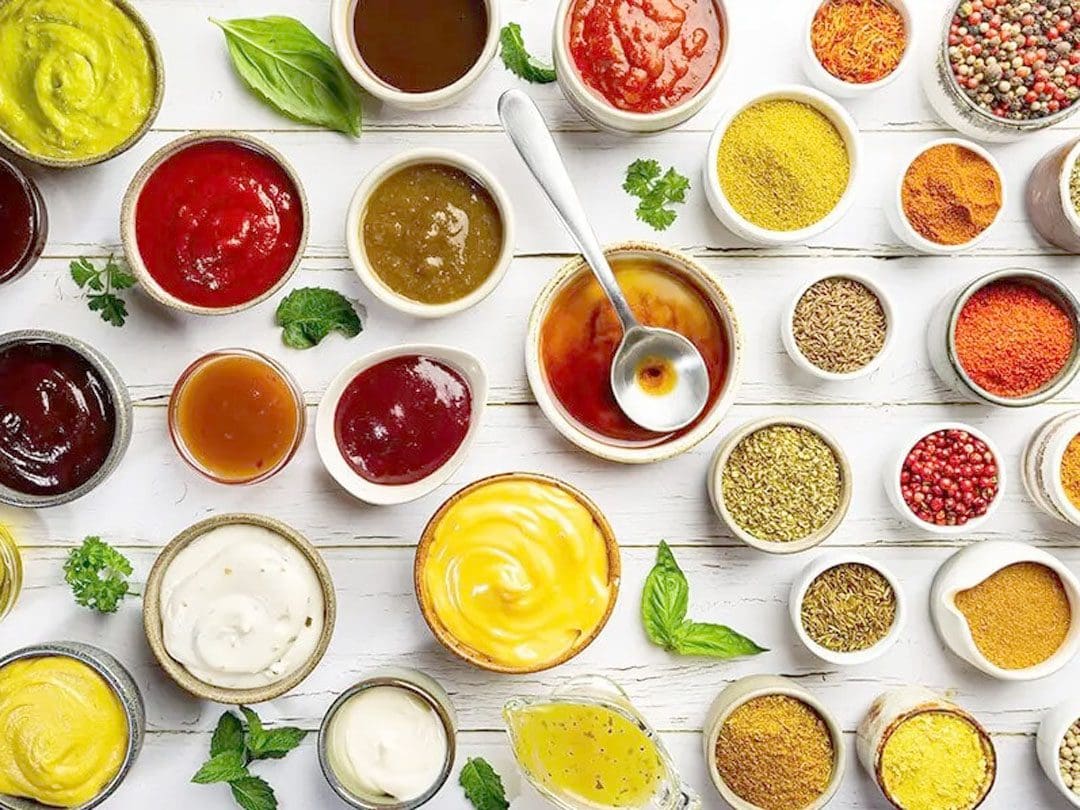
Condiment options go beyond the standard mayonnaise, ketchup, and mustard. Today there are various options to use as toppers, to marinate, tenderize, increase flavor, and add an appeal to the dish. Most condiments don’t provide much nutrition, but some do contain healthy ingredients like herbs, spices, heart-healthy fats, and antioxidants.
Healthy
The food condiments that are made the healthiest are those that are low in calories and unhealthy fat and they are made with less or no processed additives and quality ingredients that provide health benefits.
Pico de Gallo
This is a low-calorie, low-fat, nutrient-dense salsa that can zest up any meal.
It is made with tomatoes, onions, jalapeños, and lime.
Easily make your own to control sodium levels.
Top salads, vegetables, or protein with the salsa to add flavor.
Use as a dip for fresh raw vegetables as a snack.
Mustard
Mustard is a very low-calorie – 5 calories in 1 teaspoon, low-carbohydrate, and fat-free condiment that can increase the flavor of food by adding a sweet, sour, or spicy kick.
Most traditional mustards – yellow and spicy – are made with mustard seed, distilled vinegar, garlic powder, onion powder, salt, spices, and turmeric.
This means that mustard contains little or insignificant calories, fat, protein, and carbohydrate in one serving.
Studies have shown that turmeric can provide health benefits from a compound called curcumin.
Preclinical studies suggest that curcumin can act as an antioxidant and has anti-inflammatory, anticancer, and neuroprotective properties. (Abrahams S, et al., 2019)
Flavored mustards, like honey flavor, can contain added sugars, therefore, it is recommended to read the label before eating.
Balsamic, red or white wine or apple cider vinegar can be used on side dishes, salads, sandwiches, and to marinate.
This condiment ranges from 0 calories to 10 calories per tablespoon and contains no sodium.
Studies have shown that apple cider vinegar can reduce fasting blood sugar in individuals at risk for type 2 diabetes. (Johnston CS, Quagliano S, White S. 2013)
Hot Sauce
Hot sauce is made from red chili peppers.
Top eggs, vegetables, or whole grains with a few dashes.
Studies suggest that adding spice can help satisfy hunger, help curb appetite and possibly speed up metabolism. (Emily Siebert, et al., 2022)
Read labels as sauces can contain added sugars.
Ketchup
Because of its carbohydrate and sugar content, ketchup is a condiment that needs to be portion-controlled, especially for individuals with diabetes who are following a modified nutritional plan.
Although much of the fat is unsaturated/healthy type, it can be hard to portion control this food condiment, which can result in excess calorie intake.
Barbecue Sauce
Barbecue sauce is moderate in calories, around 60 in two tablespoons, but it can contain a large amount of sodium and sugar.
Most brands can contain 10 to 13 grams of sugar/equivalent to 3 teaspoons and 280 to 350 milligrams of sodium.
The recommended serving size is two tablespoons.
Individuals trying to watch calorie and sugar intake are recommended to stick to one serving.
Sour Cream
Sour cream contains 60 calories and 6 grams of fat in two tablespoons.
Regularly consuming saturated fat has been linked with heart disease, high cholesterol, and diabetes.
A healthy substitute for sour cream can be a tablespoon or two of low-fat or non-fat plain Greek yogurt.
Regardless of the healthy or non-healthy food condiments, it is recommended not to drown the food in them and stick to the recommended serving sizes.
Benefits of Healthy Diet and Chiropractic Care
References
Abrahams, S., Haylett, W. L., Johnson, G., Carr, J. A., & Bardien, S. (2019). Antioxidant effects of curcumin in models of neurodegeneration, aging, oxidative and nitrosative stress: A review. Neuroscience, 406, 1–21. https://doi.org/10.1016/j.neuroscience.2019.02.020
Spicy brown mustard. FoodData Central. U.S. Department of Agriculture.
Johnston CS, Quagliano S, White S. Vinegar ingestion at mealtime reduced fasting blood glucose concentrations in healthy adults at risk for type 2 diabetes. J Funct Foods. 2013;5(4):2007-2011. doi:10.1016/j.jff.2013.08.003
Siebert, E., Lee, S. Y., & Prescott, M. P. (2022). Chili pepper preference development and its impact on dietary intake: A narrative review. Frontiers in nutrition, 9, 1039207. https://doi.org/10.3389/fnut.2022.1039207
Ketchup. FoodData Central. U.S. Department of Agriculture.
Caesar dressing. FoodData Central. U.S. Department of Agriculture.
Vinaigrette. FoodData Central. U.S. Department of Agriculture.
Mayonnaise. FoodData Central. U.S. Department of Agriculture.
Sour cream, regular. FoodData Central. U.S. Department of Agriculture.
Gender identity is a wide spectrum. Can learning the language used to describe various gender identities and non-binary pronouns help explain the difference between gender expression and help in inclusivity?
Non-Binary
Non-binary is a term used that describes individuals who do not identify exclusively as male or female. The term addresses various gender identities and expressions that are outside of the traditional gender binary system, which categorizes individuals as either male or female.
Definition
Non-binary individuals are those whose gender identity and/or expression fall outside of the traditional binary categories of a man or woman. (Human Rights Campaign. (n.d.))
Some non-binary individuals identify as a blend of male and female; others identify as a gender different from male or female; some do not identify with any gender.
The term “non-binary” can also be “enby”/phonetic pronunciation of the letters NB for non-binary, although not every non-binary individual uses this term.
Transgender individuals and non-binary individuals are two distinct groups that are related.
There are some transgender/trans individuals who are non-binary, however, most transgender individuals identify as either male or female. (National Center for Transgender Equality. 2023)
To understand the difference, it can help to know the meanings of transgender, cisgender, and nonbinary: (GLAAD. 2023)
Transgender
An individual who identifies with a gender different from the one assigned at birth.
For example, someone assigned male at birth/AMAB, but identifies as a female is a transgender woman.
Cisgender
An individual whose gender identity follows the one they were assigned at birth.
For example, someone assigned female at birth/AFAB and identifies as a woman.
Non-binary
An individual who identifies with a gender outside the traditional binary of male and female.
This can include individuals who identify as genderqueer, agender, or genderfluid and others.
Using Pronouns
Using non-binary pronouns is a way to show respect and validation for an individual’s gender identity. Here are some recommendations on how to use pronouns: (National Center for Transgender Equality. 2023)
Ask for the individual’s pronouns
It’s recommended to avoid assuming an individual’s pronouns based on appearance or stereotype.
If unsure of someone’s pronouns, ask respectfully.
“What pronouns do you use?”
“Can you share your pronouns with me?”
Practice using the pronouns
Once you know an individual’s pronouns, practice using them.
This can be accomplished by using their pronouns when referring to them in conversation, emails, written forms, and/or other types of communication.
If you make a mistake, apologize and make the correction.
Gender-neutral language
If unsure of an individual’s pronouns, or if someone uses gender-neutral pronouns like they/them, use gender-neutral language instead of gendered language.
For example, instead of saying he or she, you can say they or their name.
Continue Learning
Learn as much as possible about identities and pronouns to better understand and support the LGBTQ+ community.
Injury Medical Chiropractic and Functional Medicine Clinic wants to help create a more inclusive and affirming environment for everyone.
Individuals dealing with health problems, UTIs, and skin issues can become chronic, what are the effects and benefits of drinking cranberry juice?
Cranberry Juice
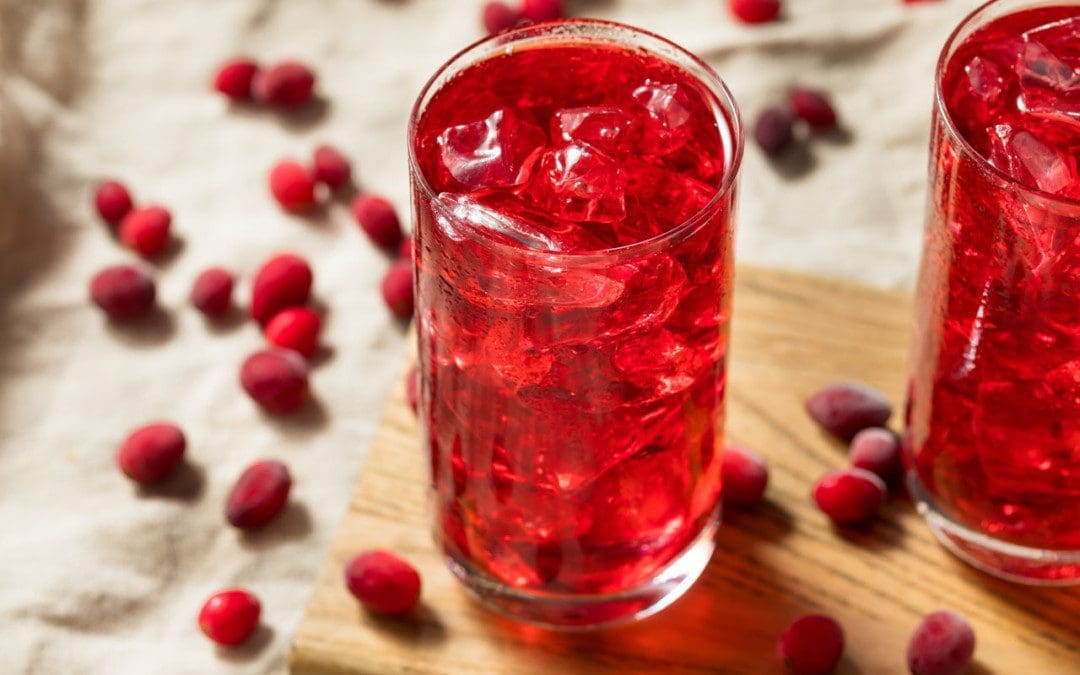
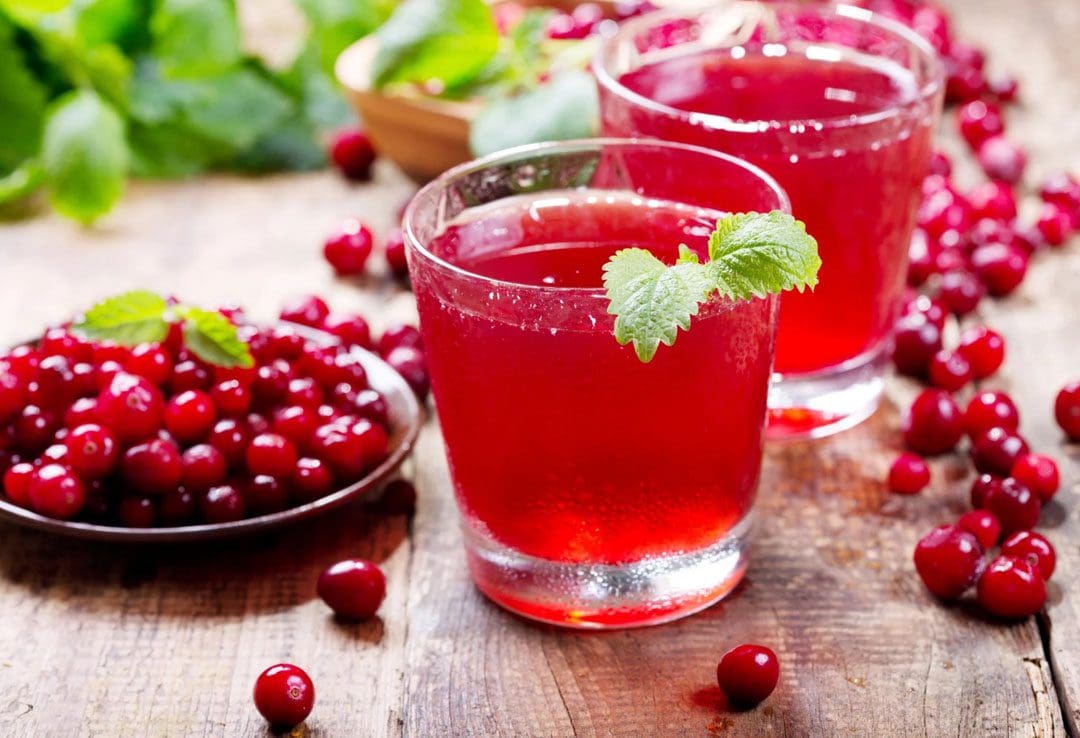
Cranberries are a healthy source of nutrients and antioxidants. Cranberry juice is a recommended source of vitamin C, with the added benefits of promoting digestive, heart, immune, and skin health. Most individuals can safely drink cranberry juice to their diet with no issues, but women who are pregnant or individuals that take blood thinners, or medications should discuss adding cranberry intake with a doctor or specialist first.
One cup of unsweetened cranberry juice provides 23.5 milligrams or 26% of the daily value for vitamin C. (USDA 2018)
To avoid excess consumption of added sugars and maximize the benefits, it is recommended to drink unsweetened cranberry juice.
Digestive Health
Cranberries contain antioxidant compounds/polyphenolsthat have been shown to help with digestive health.
A study found that drinking cranberry juice was associated with increased beneficial gut bacteria and decreased constipation.
Research funded by a cranberry juice company found participants who consumed cranberry juice twice daily had lower levels of several risk factors for heart disease, stroke, and diabetes than those who received a placebo. (USDA 2016)
A systematic review and meta-analysis found that cranberry supplementation may improve body weight and blood pressure levels.
Cranberries may also help improve high-density lipoprotein (HDL) cholesterol—considered “good” cholesterol—in younger adults.
Cranberry juice contains vitamin C, which is important for immune system function.
Research suggests that inadequate vitamin C consumption can lead to decreased immunity and an increased risk of infections. (Carr A, Maggini S, 2017)
Skin Health
Thanks to its high antioxidant content, cranberry juice may help protect your skin against damage caused by free radicals that contributes to premature aging.
The vitamin C in cranberry juice is also needed for collagen production.
Collagen is a type of protein that provides strength, elasticity, and structural support to the skin, helping to keep it firm and smooth.(Pullar JM, et al., 2017)
Infection Prevention
A study found that cranberry components known as proanthocyanidins, can promote oral health.
Cranberries activate antibacterial processes that can prevent bacteria from binding together, reducing periodontitis/gum disease and the formation of dental plaque. (Chen H, et al., 2022)
Urinary Tract Infection Prevention
Cranberries have gone through many studies for home treatment of UTIs.
It is believed the chemical compounds/proanthocyanidins can help prevent certain bacteria from sticking to the lining of the urinary tract, thus reducing the risk of UTIs. (Das S. 2020)
A study found cranberry products in the form of juice or tablets may lower the risk of UTIs in at-risk groups by approximately 30%.
At-risk groups include those with recurrent UTIs, pregnant women, older adults, and individuals with chronic indwelling catheters (devices used for short-term bladder drainage) and neurogenic bladder (conditions in which people lack bladder control due to problems in the brain, spine, or spinal cord). (Xia J Yue, et al., 2021)
Daily Amount
There is no official recommendation on the optimal amount of juice an individual should consume for health benefits. Most studies examining the benefits have used amounts ranging from 8 to 16 ounces, or around 1 to 2 cups per day. (The Cranberry Institute) However, cranberry juice with large amounts of added sugar can contribute to increased calories, leading to weight gain and other health concerns. Therefore, it is important to read the product label and look for pure, 100% cranberry juice.
If the pure juice is too tart, dilute it with some ice or water.
Avoid cranberry cocktails that are often mixed with other juices, like grape or apple juice, and contain added sugars that can decrease the benefits.
Chicas MC, Talcott S, Talcott S, Sirven M. Effect of cranberry juice supplementation on the gut microbiome and inflammatory markers: a randomized, double-blind, placebo-controlled study in overweight individuals. Curr Dev Nutr. 2022;6(Suppl 1):272. doi:10.1093/cdn/nzac053.013
Chen H, Wang W, Yu S, Wang H, Tian Z, Zhu S. Procyanidins and their therapeutic potential against oral diseases. Molecules. 2022;27(9):2932. doi:10.3390/molecules27092932
Pourmasoumi M, Hadi A, Najafgholizadeh A, Joukar F, Mansour-Ghanaei F. The effects of cranberry on cardiovascular metabolic risk factors: A systematic review and meta-analysis. Clinical Nutrition. 2020;39(3):774-788. doi:10.1016/j.clnu.2019.04.003
Pullar JM, Carr AC, Vissers MCM. The roles of vitamin C in skin health. Nutrients. 2017;9(8):866. doi:10.3390/nu9080866
Xia J Yue, Yang C, Xu D Feng, Xia H, Yang L Gang, Sun G ju. Consumption of cranberry as adjuvant therapy for urinary tract infections in susceptible populations: A systematic review and meta-analysis with trial sequential analysis. PLoS One. 2021;16(9):e0256992. doi:10.1371/journal.pone.0256992
With the summer heatwave blasting through, some individuals can experience digestive health problems. The relationship between the temperature outside and the temperature in the body translates to the digestive system. As the heat rises, it can make the digestive system slow down and become weakened feeling bloated, nauseated, and tired. The body’s balance may feel off because the body lowers its internal temperature to protect itself. Individuals must be careful not to overload themselves with the wrong foods. One way to avoid problems and maintain digestion working smoothly is to eat lighter, eat smaller portions for each meal, and eat easily digestible foods. Doing this will allow the body will feel cooler, and maintain alertness and energy throughout the hot day.
The objective is not to skip meals but to eat regular meals, just smaller and easily digestible ones. Foods low in fiber tend to be easy to digest and can help the body feel better.
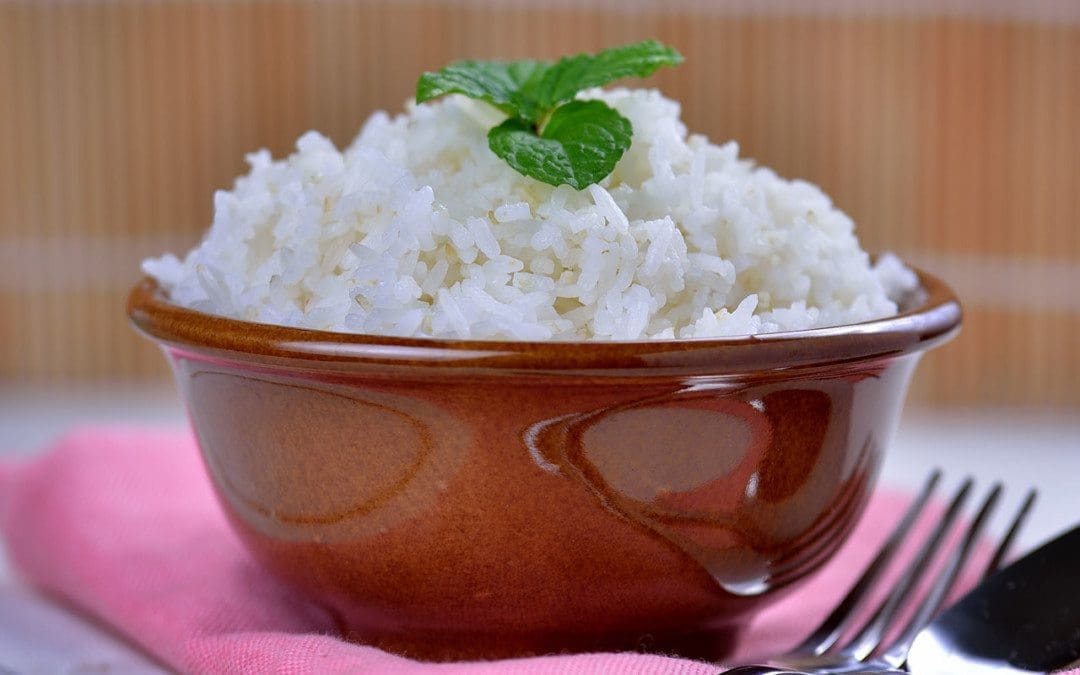
White Rice
White rice is low in fat and fiber, making it easy on the stomach and easy to digest.
It is not associated with any gastrointestinal issues and is considered a safe starch because it is an easy source of carbohydrates that provides instant energy.
To digest rice even more easily, eat it by itself or pair it with foods low in fat.
Certain foods that are high in fat, like vegetable oils, can take longer to digest and could cause discomfort.
A 1/2 cup of cooked white rice:
210 calories
4g protein
0g fat
49g carbohydrates
1g fiber
Bananas
Ripe bananas are an easily digestible fruit that only contains a moderate amount of fiber.
They are associated with improvements in both constipation and diarrhea,
Individuals with a variety of digestive issues may experience relief when incorporating bananas into their diets.
Cooking bananas makes them even easier to digest as it makes certain nutrients easier to absorb.
Make sure the bananas are ripe enough.
Unripe bananas can be more difficult to digest.
1 medium raw/ripe banana:
105 calories
1.3g protein
0.4g fat
27g carbohydrates
3g fiber
Applesauce
Although made from apples, applesauce is low in fiber and a great source of vitamin C.
Cooked, canned, or processed fruits tend to be lower in fiber and easier to digest.
Applesauce is recommended to calm a variety of stomach-related ailments like constipation, diarrhea, and gastroparesis.
A 4-ounce serving of applesauce:
90 calories
0g protein
0g fat
22g carbohydrates
2g fiber
White Bread
Plain white bread is low in fiber and easier to digest than bread made with whole-grain wheat bread.
It is often fortified with nutrients including folic acid, B vitamins, vitamin D3, and more.
Try plain toast for breakfast
Use low-fat fillings for an easily digestible sandwich for lunch or dinner.
2 slices of plain white bread:
150 calories
4g protein
28g carbohydrates
2g fat
1g fiber
Chicken and Turkey
Lean proteins low in fat like chicken breast and turkey are easy to digest.
Individuals experiencing digestive problems are recommended to consume lean protein over fattier red meats.
A 3-ounce serving of skinless, boneless chicken breast:
128 calories
26g protein
2.7g fat
0g carbohydrates
0g fiber
Sweet Potatoes
Cooked potatoes of all varieties are examples of easily digestible foods.
Sweet potatoes are gentle on the digestive tract because they are mostly insoluble fiber, which speeds up digestion and increases regularity.
To make potatoes easier to digest, remove the skins and mash the inside.
Removing the skins decreases the fiber content, and mashing them makes digestion easier.
1 medium sweet potato that is cooked and peeled:
135 calories
3g protein
0.2g fat
31g carbohydrates
5g fiber
Other recommendations that could help stimulate digestion include drinking more water, getting more sleep, reducing stress levels, and exercising.
The Healing Diet
References
Howard, Sally, and Geetanjali Krishna. “How hot weather kills: the rising public health dangers of extreme heat.” BMJ (Clinical research ed.) vol. 378 o1741. 14 Jul. 2022, doi:10.1136/bmj.o1741
Kong, Fanbin, et al. “Physical changes in white and brown rice during simulated gastric digestion.” Journal of food science vol. 76,6 (2011): E450-7. doi:10.1111/j.1750-3841.2011.02271.x
Nguyen, Hoang Chinh et al. “Bioactive Compounds, Antioxidants, and Health Benefits of Sweet Potato Leaves.” Molecules (Basel, Switzerland) vol. 26,7 1820. 24 Mar. 2021, doi:10.3390/molecules26071820
Remes-Troche, José María. “Too hot” or “too cold”: effects of meal temperature on gastric function.” Digestive diseases and sciences vol. 58,9 (2013): 2439-40. doi:10.1007/s10620-013-2789-4
Salfi, Salvatore F, and Karyn Holt. “The role of probiotics in diarrheal management.” Holistic nursing practice vol. 26,3 (2012): 142-9. doi:10.1097/HNP.0b013e31824ef5a3
Singh, Balwinder, et al. “Bioactive compounds in banana and their associated health benefits – A review.” Food Chemistry vol. 206 (2016): 1-11. doi:10.1016/j.foodchem.2016.03.033
IFM's Find A Practitioner tool is the largest referral network in Functional Medicine, created to help patients locate Functional Medicine practitioners anywhere in the world. IFM Certified Practitioners are listed first in the search results, given their extensive education in Functional Medicine