by Dr Alex Jimenez DC, APRN, FNP-BC, CFMP, IFMCP | Chiropractic
Inflammation is generally identified as a symptoms accompanied by pain and discomfort, however, this symptom is often necessary for�for preventing illnesses, treating injuries, and healing wounds. To a larger extent, inflammation is necessary to keep us healthy. However, occasionally, an individual’s own immune system can cause inflammation when there’s no apparent cause for it. From an improper diet to increased levels of stress and even environmental factors, inflammation can develop without any of the previously mention complications.
Fortunately, if this is the case, following a properly balanced diet, focusing on a variety of anti-inflammatory foods, an individual can reduce their inflammation and experience relief once more. The following 10 foods are some of the top, recommended anti-inflammatory foods which can help fight the symptoms.
1. Leafy green vegetables
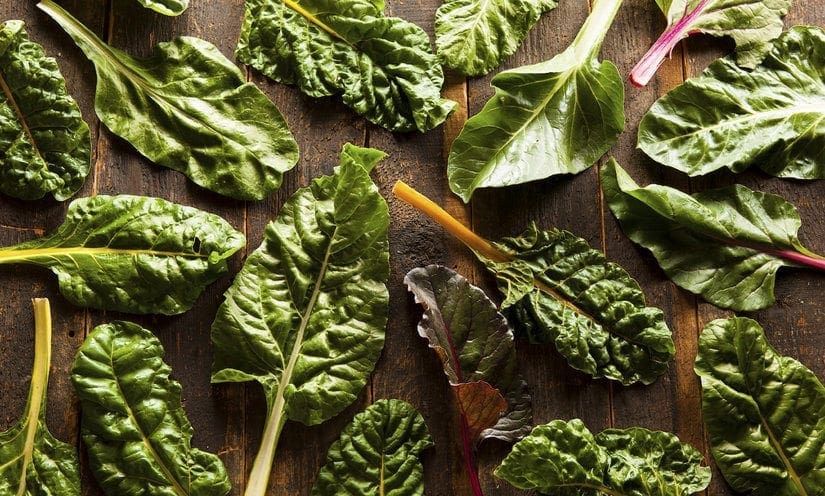
Dark, leafy greens like kale, spinach, bok choy, and Swiss chard are rich in flavonoids (powerful, plant-based antioxidants) that restore cellular health, which is essential to stopping inflammation.
In addition, they provide vitamins A, C, and K, which protect your brain against the oxidative stress caused by free-radical damage � the same process that causes aging and disease development.
2. Probiotic foods (sauerkraut, kimchi, kombucha, yogurt, kefir)
A very large portion of your immune system actually lives within your gut and is run by bacterial organisms � what you can think of as �your gut�s bugs.�
Microbial imbalances (when the bad bacteria outnumber the good) have been associated with heightened inflammation and increased risk of various diseases, but probiotic foods like sauerkraut and kimchi can help rebalance and heal your gut.
Probiotics are also linked to improvements in immune, cognitive, digestive, and endocrine system functions, and taking probiotics can even cheer you up!
3. Bone broth
Bone broth � the rich liquid that results from boiling the bones of organic, grass-fed beef or poultry for hours � comes packed with a number of nutrients, including collagen. Collagen and the amino acids proline and glycine work in unison to heal the lining of an inflamed gut, which quickly stops your immune system from acting on overdrive and attacking the body�s healthy tissues, from the skin to the brain.
Bone broth is also a great natural source of chondroitin sulphates and glucosamine � the same compounds sold as expensive over-the-counter supplements used to limit arthritis and joint pain caused by inflammation.
4. Walnuts
As a great source of omega-3s and trace minerals, walnuts are known for being a �brain food� because they supply special phytonutrients that help protect against cognitive decline.
An imbalance between oxidants (bad) and antioxidants (good) can eventually lead to oxidative stress, but walnuts help to calm an overactive immune system and reduce widespread inflammation.
5. Coconut oil
Coconut oil is a special kind of saturated fat that has built-in antioxidant, anti-inflammatory, and antibacterial properties. Benefits of this miracle oil include being both easy to digest and helpful in restoring gut health, thanks to its ability to cause a thermic, warming response in the body.
Because coconut oil contains essential fatty acids that can fight bacteria, yeast, and infections within the digestive tract � where most illness and disease begins � it�s beneficial for both preventing and treating inflammation.
6. Beets
As their deep pigment suggests, beets contain the antioxidant betalain, which works to repair cellular damage caused by inflammation. Beets can also help improve blood flow and supply high levels of inflammation-fighting potassium and magnesium, two important nutrients many people are deficient in.
7. Broccoli (and other cruciferous veggies)
Broccoli and other cruciferous vegetables like cauliflower, cabbage, and Brussels sprouts are packed with antioxidants, flavonoids, carotenoids, and key vitamins like vitamin C. These nutrients work together to lower oxidative stress in the body and help battle chronic inflammation and reduce the risk of developing cancer.
8. Berries
The stars of the fruit world, berries stand out because of their high content of both fiber and antioxidants like quercetin, a flavonoid compound that supports healthy bacterial growth in the gut and prevents colon damage.
Berries have also been shown to slow cognitive decline and improve memory and motor function.
9. Salmon
Consuming the ideal ratio of omega-3 to omega-6 essential fatty acids is one of the keys to fighting inflammation. Omega-6es are �pro-inflammatory� while omega-3s are considered potent anti-inflammatory substances.
Wild-caught salmon and other oily fish (including mackerel and sardines) are the best food sources of omega-3s. They naturally lower the risk for developing many inflammatory diseases, especially heart disease, arthritis, depression, and cognitive disorders.
10. Super seeds (chia, flax and hemp)
Super seeds like chia, flax, and hemp offer both omega-3 (in the form of plant-based alpha-linolenic acid) and omega-6 fatty acids, which help stop our immune system from overproducing cytokines and oxidant molecules that can lead to inflammation.
They�re also full of fiber, antioxidants, protein, and numerous trace minerals that help regulate cholesterol and lower blood pressure levels before they cause further damage.
Sourced from:�mindbodygreen.com
Insight
Inflammatory symptoms can create feelings of discomfort among those affected. Inflammation is a natural response to a harmful stimulation in the body, where even certain foods can cause it. Fortunately, several types of foods can have wonderful anti-inflammatory effects on the body as well as disease-fighting benefits.
For more information, please feel free to ask Dr. Jimenez or contact us at 915-850-0900 .
by Dr Alex Jimenez DC, APRN, FNP-BC, CFMP, IFMCP | Chiropractic
Your immune system attacks anything in your body that it recognizes as foreign�such as an invading microbe, plant pollen, or chemical. The process is called inflammation. Intermittent bouts of inflammation directed at truly threatening invaders protect your health.Foods that fight inflammation
However, sometimes inflammation persists, day in and day out, even when you are not threatened by a foreign invader. That’s when inflammation can become your enemy. Many major diseases that plague us�including cancer, heart disease, diabetes, arthritis, depression, and Alzheimer’s�have been linked to chronic inflammation.
One of the most powerful tools to combat inflammation comes not from the pharmacy, but from the grocery store. “Many experimental studies have shown that components of foods or beverages may have anti-inflammatory effects,” says Dr. Frank Hu, professor of nutrition and epidemiology in the Department of Nutrition at the Harvard School of Public Health.
Choose the right foods, and you may be able to reduce your risk of illness. Consistently pick the wrong ones, and you could accelerate the inflammatory disease process.
Foods that Cause Inflammation
Try to avoid or limit these foods as much as possible:
- refined carbohydrates, such as white bread and pastries
- French fries and other fried foods
- soda and other sugar-sweetened beverages
- red meat (burgers, steaks) and processed meat (hot dogs, sausage)
- margarine, shortening, and lard
Inflammation-promoting Foods
Not surprisingly, the same foods that contribute to inflammation are generally considered bad for our health, including sodas and refined carbohydrates, as well as red meat and processed meats.
“Some of the foods that have been associated with an increased risk for chronic diseases such as type 2 diabetes and heart disease are also associated with excess inflammation,” Dr. Hu says. “It’s not surprising, since inflammation is an important underlying mechanism for the development of these diseases.”
Unhealthy foods also contribute to weight gain, which is itself a risk factor for inflammation. Yet in several studies, even after researchers took obesity into account, the link between foods and inflammation remained, which suggests weight gain isn’t the sole driver. “Some of the food components or ingredients may have independent effects on inflammation over and above increased caloric intake,” Dr. Hu says.
Foods that Combat Inflammation
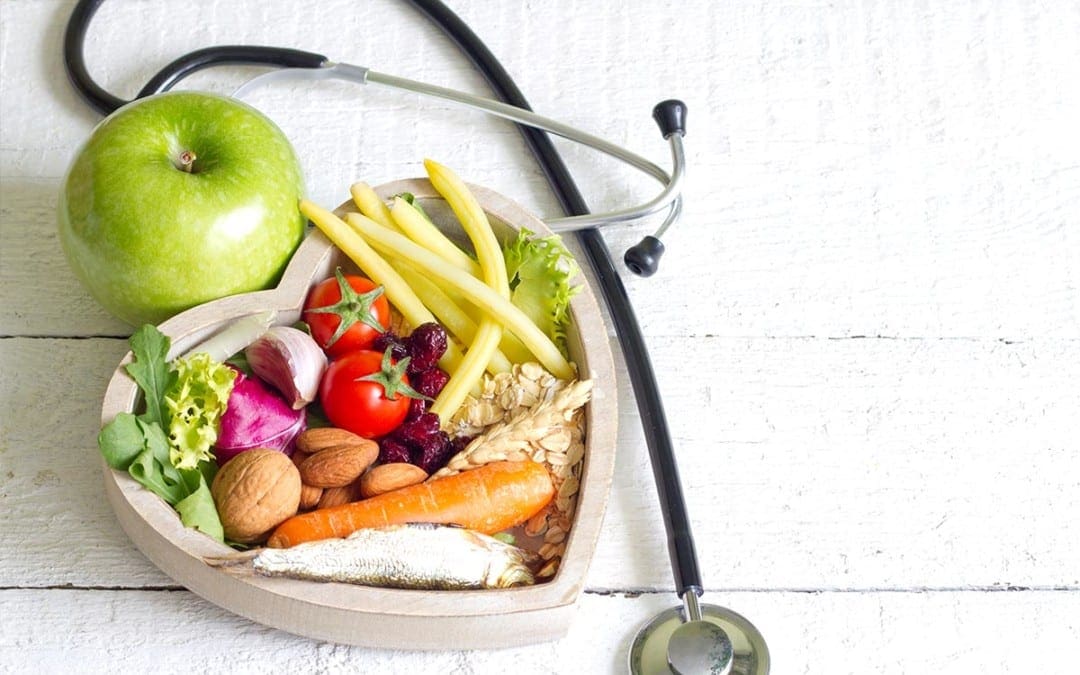
Include plenty of these anti-inflammatory foods in your diet:
- tomatoes
- olive oil
- green leafy vegetables, such as spinach, kale, and collards
- nuts like almonds and walnuts
- fatty fish like salmon, mackerel, tuna, and sardines
- fruits such as strawberries, blueberries, cherries, and oranges
Anti-inflammation Foods
On the flip side are foods and beverages that have been found to reduce the risk of inflammation, and with it, chronic disease, says Dr. Hu. He notes in particular fruits and vegetables such as blueberries, apples, and leafy greens that are high in natural antioxidants and polyphenols�protective compounds found in plants.
Studies have also associated nuts with reduced markers of inflammation and a lower risk of cardiovascular disease and diabetes. Coffee, which contains polyphenols and other anti-inflammatory compounds, may protect against inflammation, as well.
Anti-inflammatory Eating
To reduce levels of inflammation, aim for an overall healthy diet. If you’re looking for an eating plan that closely follows the tenets of anti-inflammatory eating, consider the Mediterranean diet, which is high in fruits, vegetables, nuts, whole grains, fish, and healthy oils.
In addition to lowering inflammation, a more natural, less processed diet can have noticeable effects on your physical and emotional health. “A healthy diet is beneficial not only for reducing the risk of chronic diseases, but also for improving mood and overall quality of life,” Dr. Hu says.
Sourced from:�health.harvard.edu
Insight
Inflammation is the body’s natural response to a specific, often general, harmful stimulation. While there are many things which can cause the body to experience symptoms of inflammation, the foods people consume can also lead to these type of symptoms. Therefore, a proper nutrition is essential for the body’s overall health and wellness, and various types of foods can even help reduce inflammation in the body.
For more information, please feel free to ask Dr. Jimenez or contact us at 915-850-0900 .

by Dr Alex Jimenez DC, APRN, FNP-BC, CFMP, IFMCP | Chiropractic
As the body ages, changes in the gastrointestinal tract occur, reducing the absorption of nutrients and slowing down intestinal motility. As a result, malabsorption, nutrient deficiency and constipation are relatively common health problems that affect elderly people of both genders.
A high-fiber diet helps to stimulate intestinal motility and prevent constipation. There is also evidence dietary fiber helps to lower cholesterol levels and regulate blood glucose levels. Ask your doctor about the benefits of adding more fiber to your diet.
Dietary fiber is common in plant foods such as fruits, vegetable and legumes. Although dietary fiber cannot be digested or absorbed, it still contributes to health in a variety of ways. Dietary fiber comes in two types: soluble and insoluble fiber. Soluble fiber dissolves in water and becomes gel-like, causing it to stick to bile, toxins and other debris and drag them from your body. Insoluble fiber attracts water like a sponge and acts to clean your intestines, increase intestinal motility and stimulate regular bowel movements. Constipation is more common in the elderly due to reduced intestinal peristalsis or rhythmic contractions, inactive lifestyles and diets low in fiber.
The Institute of Medicine of the National Academies recommends that total fiber intake for adults older than 50 should be at least 30 grams per day for men and 21 grams for women. Because insoluble fiber absorbs water, you need to drink plenty of water, too, or a high-fiber diet can lead to constipation and compound existing problems with bowel movements. Elderly people sometimes have difficulty regulating fluid levels because their thirst mechanism may be suppressed, so a conscious effort to drink a total of eight to 10 glasses of water is a good idea. Purified water, fresh juice, herbal tea and other non-caffeinated liquids are best.
Most whole grains, vegetables, fruits and legumes are sources of insoluble and soluble fiber. For example, multi-grain bread, wheat germ, brown rice, broccoli, spinach, celery, carrots, zucchini, apples, pears, most berries, chickpeas, lentils and virtually all beans are especially good sources of dietary fiber. Furthermore, psyllium is a high-fiber compound you can mix into water or fruit juice. Nut and seeds contain fiber also, but you may find it difficult to properly chew them if you have dental problems or dentures. Consequently, softer sources of fiber, such as beans and whole-grain bread, are not only easier to chew, but are usually much more affordable.
In addition to combating constipation, dietary fiber may help reduce high cholesterol and regulate blood sugar levels, thus lowering your risk of heart disease and type-2 diabetes, according to the book �Human Metabolism: Functional Diversity and Integration.� High-fiber diets also make you feel full for longer periods of time, which may help you reduce your calorie consumption and lose excess weight.
Sourced through Scoop.it from: healthyeating.sfgate.com
As previously discussed, with age, the body begins to change, especially the digestive system, where it’s normal function slows down, requiring additional care to optimize health. Fiber is an essential part of our diet, and for seniors, an intake of the proper amount of fiber can ensure the digestive system is functioning to its fullest.
For more information, please feel free to ask Dr. Jimenez or contact us at 915-850-0900 .�

by Dr Alex Jimenez DC, APRN, FNP-BC, CFMP, IFMCP | Nutrition, Seniors
Eating right and staying fit are important no matter what your age. As we get older our bodies have different needs, so certain nutrients become especially important for good health.
Calcium and Vitamin D
Older adults need more calcium and vitamin D to help maintain bone health. Have three servings of vitamin D-fortified low-fat or fat-free milk or yogurt each day. Other calcium-rich foods include fortified cereals and fruit juices, dark green leafy vegetables and canned fish with soft bones. If you take a calcium supplement or multivitamin, choose one that contains vitamin D.
Vitamin B12
Many people older than 50 do not get enough vitamin B12. Fortified cereal, lean meat and some fish and seafood are sources of vitamin B12. Ask your doctor or a registered dietitian nutritionist if you need a vitamin B12 supplement.
Fiber
Eat more fiber-rich foods to stay regular. Fiber also can help lower your risk for heart disease, control your weight and prevent Type 2 diabetes. Eat whole-grain breads and cereals, and more beans and peas � along with fruits and vegetables which also provide fiber.
Potassium
Increasing potassium along with reducing sodium (salt) may lower your risk of high blood pressure. Fruits, vegetables and low-fat or fat-free milk and yogurt are good sources of potassium. Also, select and prepare foods with little or no added salt.
Know Your Fats
Foods that are low in saturated fats and trans fat help reduce your risk of heart disease. Most of the fats you eat should be polyunsaturated and monounsaturated fats. Check the Nutrition Facts panel on food labels for total fat and saturated fat.
Sourced through Scoop.it from: www.eatright.org
Maintaining a proper nutrition throughout our lives is absolutely essential towards overall health, and many might find this difficult to follow, especially since our dietary needs change as we age. Due to natural wear and tear alterations of the tissues in our body, what we needed mostly as children may not be necessarily beneficial to us as adults. The above list covers several nutritional needs for seniors.
For more information, please feel free to ask Dr. Jimenez or contact us at 915-850-0900 .�
by Dr Alex Jimenez DC, APRN, FNP-BC, CFMP, IFMCP | Nutrition, Seniors, Supplements
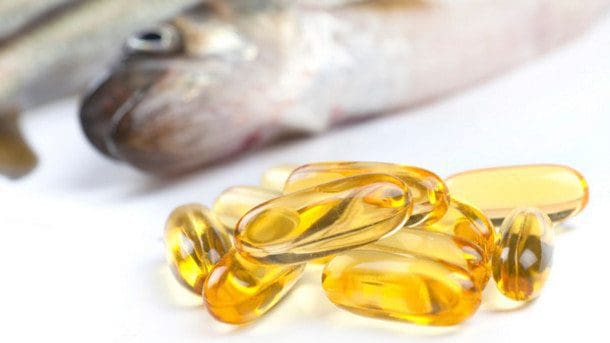
Fish oil is one of the most popular dietary supplements in the U.S. because of the perceived cardiovascular benefits of the omega-3 it contains. However, scientific findings on its effectiveness have been conflicting.
New research in Physiological Reports supports the claims for seniors, reporting that taking omega-3 fish oil supplements every day can improve the cardiovascular health of healthy seniors after 12 weeks of use.
Risk of cardiovascular disease increases with age because the arteries become stiffer. Arterial stiffness affects how blood travels through them and ultimately how strongly the heart needs to pump. The most commonly used measures of arterial stiffness are pulse wave velocity (PWV) and augmentation index. When the heart ejects blood into the blood vessels, pressure increases, creating a bulge in the vessel. PWV is the speed at which the bulge ripples through the arteries. When the pressure pulse hits a fork in the arteries, part of the pressure pulse bounces back towards the heart and combines with the new pulse coming out of the heart. How much the reflected pulse enhances the new one is called augmentation index. High PWV and high augmentation index values reflect stiffer arteries.
Reported cardiovascular benefits of omega-3 include reduced arterial stiffness seen through improved PWV and augmentation index. In this new study, researchers at Pennsylvania State University College of Medicine examined whether omega-3 supplements could reverse the effects of aging on the blood vessels in healthy older adults and reduce PWV and augmentation index.
Healthy subjects ages 60 to 80 took two omega-3 capsules twice daily for 12 weeks. Each capsule contained 1000 mg of omega-3 (465 mg eicosapentaenoic acid and 375 mg docosahexanoic acid). The researchers measured PWV, augmentation index and blood pressure before and after the 12-week regimen. The results were compared to young healthy subjects, ages 21 to 35, who also followed the same omega-3 supplement schedule.
The researchers found that 12 weeks of supplementation significantly decreased PWV in the older subjects, supporting improvement in vascular health, although PWV was still higher than in young subjects. While PWV improved, augmentation index and blood pressure did not. The omega-3 supplements also did not improve either index of arterial stiffness in the young subjects.
According to the researchers, “These findings provide support for the concept that increased omega-3 intake may be an efficacious therapy in the primary prevention of cardiovascular disease in aging humans through effects on central arterial stiffness.” They also noted that “these effects occurred over a relatively short period of time.”
Sourced through Scoop.it from: www.news-medical.net
With age, the body can become more vulnerable to developing certain conditions or even injuries related with aging. Cardiovascular disease is among the most common complication reported among the elderly, due to changes in the arteries. Fortunately, research has determined that omega-3 fish oil supplements can have tremendous benefits for seniors.
For more information, please feel free to ask Dr. Jimenez or contact us at 915-850-0900 .�
by Dr Alex Jimenez DC, APRN, FNP-BC, CFMP, IFMCP | Nutrition, Seniors
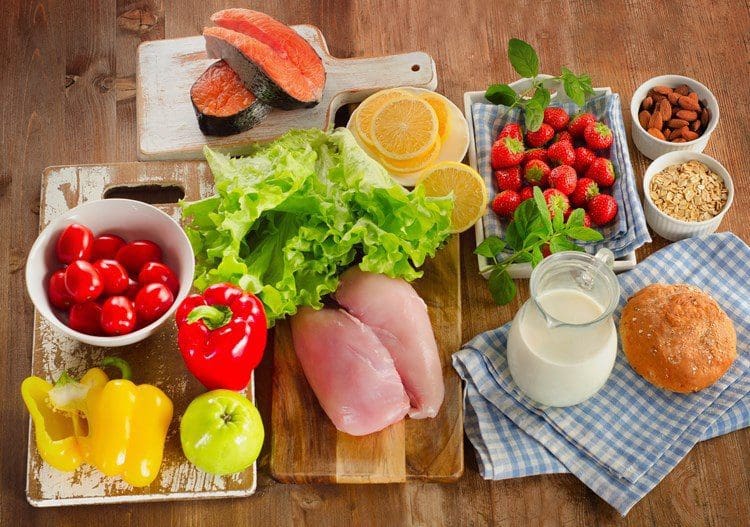
As people age, their diets may need to change, especially if their diets are not well-balanced. Generally, doctors will recommend a well-balanced diet for older adults, meaning that they should eat a variety of fruits, vegetables, proteins and whole grains to maintain and improve overall health. According to Ruth Frechman, registered dietitian and spokesperson for the American Dietetic Association, in addition to eating a healthful variety of foods, there are specific things a caregiver can incorporate into their their loved one’s diet to boost his or her health.
Prepare Meals Rich in These Nutrients
- Omega 3 Fatty Acids
The acids have been proven to reduce inflammation, which can cause heart disease, cancer and arthritis. They can be found in flaxseeds and flaxseed oil, walnuts, canola oil, and different types of fish. Your older relative should have foods rich in this nutrient twice per week. If this is impossible, check with their doctor to see if an Omega 3 supplement would be beneficial.
- Calcium
The need for calcium increases as people age. This is primarily to preserve bone health. One added benefit of calcium is that it helps to lower blood pressure. The World Health Organization (WHO) recommends that adults over the age of 50 get at least 1200 milligrams per day of calcium � equal to about four cups of fortified orange juice, dairy milk, or fortified non-dairy milks such as almond or soy. Leafy greens like kale and turnip greens are also great sources of absorbable calcium. Many people find it challenging to consume this much calcium per day by eating and drinking, so check with your loved one’s doctor to see if he or she should take a calcium supplement.
Hydrate
As people age, they do not get thirsty very often, even though their bodies still need the same amount of liquids. If you notice that your loved one is not drinking liquids very often, make sure that you provide them with it. If they do not feel thirsty, chances are they may not think about drinking a glass of water.
If you are concerned that your loved one may not be properly hydrated, check his or her urine. Urine is the surest sign of hydration or lack of it. If their urine is clear and light, then they are most likely properly hydrated. If, however, their urine is dark and/or cloudy, they will need to start drinking more liquids.
Limit Sodium Content
For those with hypertension,�one of the most important things caregivers can do to help reduce a loved one’s hypertension is to prepare foods that are low in sodium. Most people are surprised to find out that added table salt accounts for only a small percent of sodium content in food. Frozen, processed and restaurant foods are typically extremely high in sodium, and should be avoided or only be a very small part of the diet. Fresh and frozen fruits and vegetables, dry beans, unsalted nuts and nut butters, and grains like brown rice and oats are all foods that are naturally low in sodium, so try and incorporate them as much as possible in their diet.
Incorporate Changes Gradually
Making dietary changes can be difficult for anybody. It can be especially difficult for older adults, though, because people get stuck in habits. If your loved one needs to make dietary changes to increase their health and well-being, there are specific things that you, the caregiver, can do to help with the change.
Sourced through Scoop.it from: www.agingcare.com
Following a balanced nutrition is essential to achieve an individual’s overall health and wellness, especially for seniors. Because the body begins to adapt to aging alterations, older adults may have different nutritional requirements than most people. By following the above mentions tips, seniors can also achieve overall well being to maintain a quality lifestyle as they age.
For more information, please feel free to ask Dr. Jimenez or contact us at 915-850-0900 .�

by Dr Alex Jimenez DC, APRN, FNP-BC, CFMP, IFMCP | Chiropractic, Conditions Treated, Fibromyalgia, Scoop.it, Treatments
Fibromyalgia syndrome (FMS) is a common clinical syndrome of unknown cause characterized by widespread pain and muscle tenderness often accompanied by chronic fatigue, sleep disturbance, and depressed mood.
There are many theories regarding possible causes of FMS, but no universally accepted explanation, making a rational approach to therapy difficult. It is conventionally treated by non-steroidal anti-inflammatory agents and�tricyclic�antidepressant medications. Many patients prefer natural treatments, of which there are many, including aromatherapy, acupuncture, spiritual practices, oral supplementation and dietary modifications. Among these, a particular emphasis is placed on nutritional approaches, including both whole diet therapies and treatments based on isolated nutrients or supplements. This article will discuss nutritional treatments for fibromyalgia, with special attention to an intravenous vitamin-mineral mixture that is currently under investigation.
According to the National Fibromyalgia Research Association, symptoms of fibromyalgia tend to be alleviated when refined sugar, caffeine, alcohol, fried foods, red meat, and highly processed foods are eliminated or kept to a minimum, due to the potential these foods have to irritate muscles and stress the immune system. Many people reportedly benefit from eliminating all sugar in their diets for a month. This can appreciably reduce the craving for sweets, and allows the body to better manage its sugar intake when sugar is added back into the diet. Similarly, reducing caffeine and fried and processed fatty foods can improve cravings for these items in the same way. Eliminating certain food items like these not only contributes to a healthier overall diet and lifestyle, but also allows patients to see if the foods are contributing to their fibromyalgia symptoms.
To evaluate systematically which foods are problematic for fibromyalgia patients, the “Elimination Diet” can be used. Elimination diets focus on the foods most commonly implicated in allergy and other adverse reactions (wheat and other glutinous grains, dairy products, eggs, corn, soy and tofu, peanuts, citrus fruits, yeast and refined sugars, as well as highly processed foods, chemical additives, preservatives, artificial colorings, flavorings, caffeine, and alcohol), removing them singly or in groups. If symptoms improve with elimination of a food, its role in the condition is suggested. The food is then added back to see if symptoms recur. Several such cycles may be required to establish with certainty that a food is implicated in symptom severity, although sometimes it�s obvious right from the start.
In addition to eliminating some potentially troublesome foods, it is important also to supplement the diet with more raw or lightly cooked fruits and vegetables, and use less meat that is high in fat, and more fish or lean poultry. Vegan diets may also help relieve pain, improve quality of sleep, and enhance overall health in fibromyalgia patients. These dietary changes may lead to such positive results because they reduce the inflammatory/oxidative effects of diet, and enhance the anti-inflammatory/anti-oxidant effects.
Sourced through Scoop.it from: www.fmcpaware.org
Many researchers have studied a variety of treatments which could benefit and improve the symptoms of this painful condition, particularly, the benefits of a proper nutrition on individuals with fibromyalgia. For years, researchers have found a connection between nutritional deficiencies and the development of the condition, where certain eating habits may improve the symptoms.
For more information, please feel free to ask Dr. Jimenez or contact us at 915-850-0900 .








