
by Dr Alex Jimenez DC, APRN, FNP-BC, CFMP, IFMCP | Diets, Health, Nutrition
This edition of MRM Talking With is focused on Millennials. Stacie Sopinka, Vice President of Product Development and Innovation at US Foods shares with Modern Restaurant Management magazine her views on millennial dining and food trends and why it’s important for restaurateurs to understand this demographic.�In its new Spring Scoop, US Foods aims to help local chefs and independent restaurants create products and food experiences catered specifically for millennials. Some of the highlights include:
- Globally inspired cuisines that feature authentic ingredients and international flavors
- High-quality products that are both responsibly prepared and satisfy the taste buds
- A new menu design offering that helps restaurateurs design top-quality menus
Under the banner “What Millennials Crave,” Spring Scoop features a lineup of 26 new products designed to help restaurant customers attract more millennial diners. Also featured are new menu design capabilities and a wide array of products that address several trends and product attributes important to millennials, including global cuisine, sustainability and portability.
What are some unique trends and dishes millennials crave?
Nearly half of millennials seek globally-inspired foods when dining out.
The demand for ethnic cuisine is continually growing. Nearly half of millennials seek globally-inspired foods when dining out. To meet this demand head-on, we�re recommending that restaurants add items to their menus that feature international ingredients and flavors. Spring Scoop includes products like Pacific Jade� Indian Curry, Thai Red Curry Sauce Starters and Chef�s Line� All Natural Chicken Shawarma to help give chefs and operators easy options to add ethnic flare to their menus.
Natural, organic and sustainably sourced foods are also very popular with millennial diners, with 65 percent saying that they enjoy foods that are natural or organic (The Hartman Group). As demand continues to grow, we�ve made it a priority at US Foods to develop products and responsibly sourced ingredients. Spring Scoop aims to build on the success of last year�s Serve-Good� line with other new, sustainable products like Chef�s Line All Natural Fire Grilled Chicken Breast and White and Dark Turkey Burgers that are vegetarian-fed and raised without antibiotics.

Stacie Sopinka
Why is it crucial for restaurants to cater to this demographic?
Millennials spend more money dining out than any other demographic, so it�s essential that operators understand their preferences and shape their menus accordingly. Studies show millennials spend on average $174 a month on food away from home, compared to $153 for other generations. But what�s really compelling about this demographic is how much they cherish the experience of eating out. Studies also show that an overwhelming majority of millennials will prioritize eating out, even when money is tight.
How is the millennial taste bud different than previous generations?
Millennials are twice as likely to risk danger in order to participate in an adventure. This behavior translates into food as well with bold and spicy flavors being millennial favorites. Extreme Eating can also take the form of participating in decadent offerings like fried chicken, ice cream sandwiches and poutine. Millennials have also redefined the term �healthy� as they shift their focus from low fat and low calorie towards food tribe favorites such as the paleo diet, vegan and gluten free offerings.
What was the process of putting together these new items?
US Foods has a dedicated internal product innovation team that is charged with researching and identifying consumer trends and eating habits to inform our ongoing product development. We have three Scoop launches per year (Spring, Summer and Fall) that average around 25 new products and each launch has a different theme or set of trends that we try to concentrate our product innovation around.
With two-thirds of the team being millennials, we were able to draw on direct first-hand knowledge and experience for this year�s Spring Scoop.
How do you feel they will inspire chefs and restaurateurs?
The new Spring Scoop products will help chefs and restaurateurs attract more millennial diners. These customizable products allow operators to design dishes in their own unique way, which keeps the menu independent and true to their vision.
How important is menu design for restaurants?
Nothing is more important that a first impression, and for restaurants, that first impression is often made through the menu. Recent stats from OpenTable suggest that 86 percent of millennial diners browse a restaurant�s menu online before choosing to eat there. Therefore, menu design should express the personality of a restaurant, be clear, and highlight the most profitable products.
We launched US Foods Menu in Spring Scoop to help restaurateurs design top-quality menus that highlight key dishes and engage diners.
What are some upcoming trends you are seeing?
Diners are increasingly eating on the run and also ordering their meals to go.� We think of this as lifestyle eating � snacking, eating at your desk and in your car are all part of the new norm.� Approximately 20 percent of meals are eaten in cars in the U.S. and with busy schedules eating three square meals is increasingly becoming a rarity.� This opens up opportunities in the foodservice industry for shareable plates, portable healthy foods that are individually wrapped and increased focus on making home delivery ordering easy for customers.

Call Today!
by Dr Alex Jimenez DC, APRN, FNP-BC, CFMP, IFMCP | Diets, Nutrition, Wellness
If You�re Craving Something Sweet
It�s easy to get a quick sugar fix from foods that might be lying around (hello, blueberry muffins in the office kitchenette). Chances are, though, that you’re already eating way too much sugar; the average person takes in 22 teaspoons of�sugar daily�more than three times the amount suggested by the American Heart Association. A growing body of research links the sweet stuff to high cholesterol and blood pressure, increased risk for cancer, diabetes, and heart disease, and�of course�excess weight gain. Plus, a sweet treat can cause a blood sugar spike and crash, leaving you feeling sluggish, moody, and hungry (again).
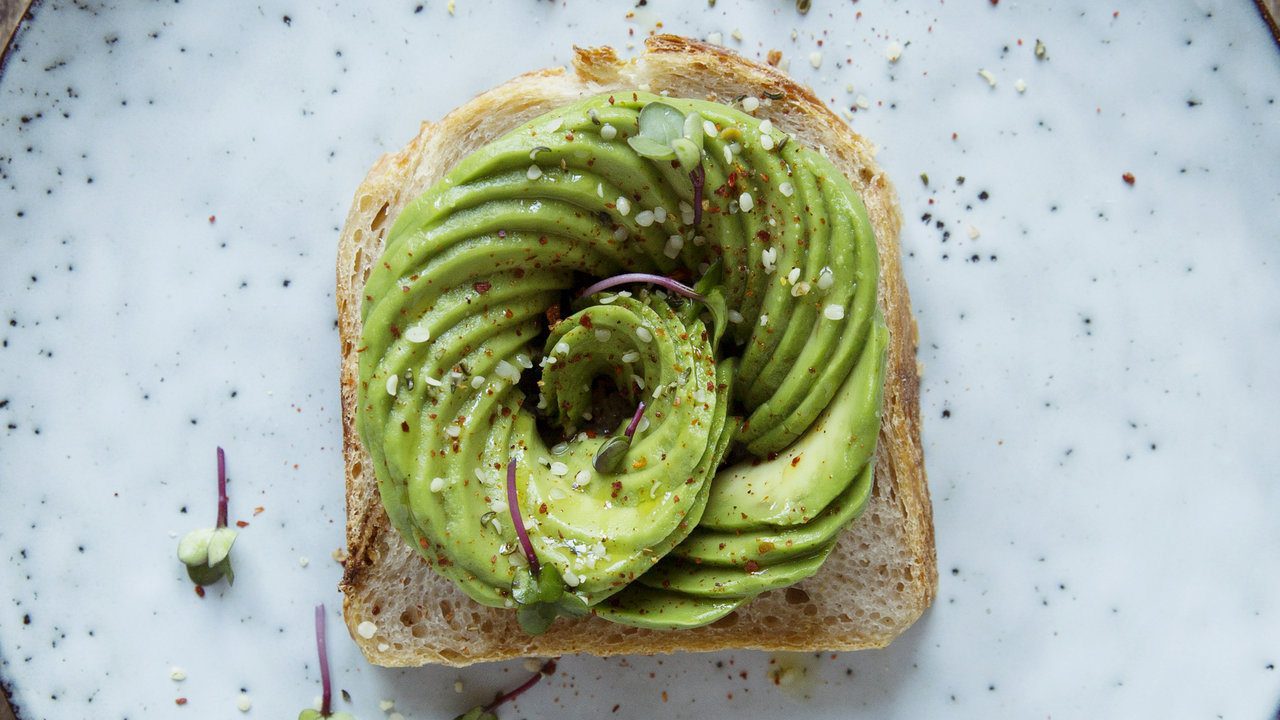
Reach For A Piece Of Fruit Instead
You’ll be satisfied�we promise. �When you craving something cold, creamy and sweet, think healthier options like frozen bananas, grapes, organic fruit purees, or homemade frozen yogurt pops,� suggests Natalia Levey, certified health and nutrition coach and author of Cravings Boss. Low-fat Greek or plain yogurt with some fruit on top is another nutrient-packed option. �The yogurt provides calcium which is good for your bones and the berries are packed with immune boosting antioxidants,� says Keri Gans, RD, New York City-based nutritionist and author of The Small Change Diet
Call Today!

by Dr Alex Jimenez DC, APRN, FNP-BC, CFMP, IFMCP | Chiropractic, Diets, Health, Nutrition
Mediterranean Diet
An Estimated 86 Million Americans Are At Risk For Type 2 Diabetes
But nearly 90 percent of them don�t know it.
Doctors say adhering to a Mediterranean diet may help to reverse your risk of developing Type 2 Diabetes.
The Mediterranean diet, which is especially popular from Spain and Italy to Greece and the Middle East, largely focuses on seasonal fruits and vegetables.
�It�s dark leafy greens, freshly foraged greens in all different varieties� like kale and collards and spinach and chard,� said Dahlia Shaaban, founder of Washington, D.C.-based Live Deliciously.
The majority of foods in a Mediterranean diet do come from plants, but Shaaban says to go for fish or lean proteins twice per week. Salmon and tuna, for example, contain Omega 3 Fatty Acids which promote heart and brain health.
�So you can think of crowding out your plate with more plant-based foods, then enjoying meat here and there,� explained Shaaban.

Beans, Nuts & Whole Grains Are Everyday Staples In A Mediterranean Meal
�The grain is something you can hold onto,� said Shaaban. �Brown rice, farro, wide rice, quinoa, bulgur or cracked wheat. The most common beans you find in the Mediterranean are:�lentils, chickpeas, fava beans, black eyed peas.�
The American Diabetes Association suggests using olive oil to cook instead of butter or margarine. That can help to lower cholesterol levels. And when it comes to seasoning, herbs, spices and citrus juice are better options than salt.
Finally, limit alcohol and sugar�and you�ve got the perfect blend of health-conscious choices for people managing diabetes.
�It�s not just a diet, it�s a lifestyle,� said Shaaban.
For Mediterranean-inspired recipes, visit the Live Deliciously�and�Live Deliciously Tribe Facebook pages.
Call Today!
� 2017 WFAA-TV

by Dr Alex Jimenez DC, APRN, FNP-BC, CFMP, IFMCP | Nutrition, Vitamins, Wellness
- The heat in the drinks can dramatically reduce the effects of tablets
- It can even kill the �friendly� bacteria in probiotic foods such as yoghurts
- Around 46 per cent of British adults take daily vitamin supplements
�
In these health-conscious times, millions of us wash down a vitamin pill as part of our breakfast routine.
But it seems we may be wasting our time. Researchers claim swallowing vitamin supplements with tea or coffee can wipe out all the good they do.
The heat in the drinks can dramatically reduce the effects of tablets, and even kill the �friendly� bacteria in probiotic foods such as yoghurts, experts said.

Researchers Claim Swallowing Vitamin Supplements With Tea Or Coffee Can Wipe Out All The Good They Do
A University of East Anglia study found that hot drinks and food such as porridge inhibit the absorption of iron by up to 73 per cent. Around 46 per cent of British adults take daily vitamin supplements, and 70 per cent of those who do take them with breakfast.
Now experts suggest waiting at least an hour before consuming hot food or drink after taking tablets.
Dr Sarah Brewer, a GP and medical nutritionist, said: �I don�t advise taking probiotics, vitamin or mineral supplements with tea or coffee.
These drinks contain compounds which, although beneficial at other times, also bind iron and other minerals to reduce their absorption.
�In fact, coffee can reduce iron absorption by up to 80 per cent if drunk within an hour of a meal. Very hot drinks can also inactivate some vitamins, and kill live probiotic bacteria.�
Dr Sarah Brewer, a GP and medical nutritionist, said: �I don�t advise taking probiotics, vitamin or mineral supplements with tea or coffee’
To ensure beneficial bacteria survive, Glenn Gibson, professor of food microbiology at the University of Reading, advises washing down supplements with water or milk. Breakfast is still the best time to take pills, as the gut has rested overnight and is therefore more receptive, he added.
Research by supplement company Healthspan also found that, among potential buyers of probiotics, few were aware of the alleged benefits of taking them during and after a course of antibiotics. While antibiotics kill the bacteria that cause infections, they can also destroy good bacteria in our bodies.
Arthur Ouwehand, professor in applied microbiology at the University of Turku, Finland, claimed: �It�s important to begin taking probiotics from the moment you start antibiotics and continue for a few weeks after finishing the course.�
Call Today!
By
Daily Mail

by Dr Alex Jimenez DC, APRN, FNP-BC, CFMP, IFMCP | Diets, Nutrition, Wellness
Most of us already know that eating less and moving more are the keys to dropping extra pounds. But if you’re already doing everything right and can’t seem to lose weight or are even gaining it you may have a hidden health condition that’s sabotaging your efforts. And the symptoms may be so subtle that even your doctor can miss them. Here, some possible weight-loss blockers and how to get the help you need.
A Sluggish Thyroid
Your thyroid gland makes hormones that regulate the way your body uses energy. An underactive thyroid (hypothyroidism) disrupts your metabolism, as well as many other aspects of your health. Some estimate that as many as 10 percent of adults have hypothyroidism, which is more common in women and is most often diagnosed in the 40s and 50s.
Could this be you? Besides weight gain or an inability to lose weight, you may notice fatigue, hair loss, dry skin, joint pain and muscle weakness, heavy periods, increased sensitivity to cold, even depression. Many people with low-grade hypothyroidism just feel off, with no obvious signs of being truly sick.
How to get tested: Ask your internist to run a TSH (thyroid-stimulating hormone) screening. In general, the higher your TSH level, the slower your thyroid is. While traditional normal’ values are between .45 and 4.5, if your level is above 2, you might still struggle to lose weight, explains Jamie Kane, MD, medical director of Park Avenue Medical Weight and Wellness in New York City. Your doctor may also want to check your levels of T-3 and T-4, the two main thyroid hormones. But hypothyroidism isn’t always a straight numbers game; more and more doctors are now treating the symptoms, not just the blood-test results. If a patient isn’t feeling well, it’s often because her thyroid isn’t functioning as well as it should for her body, says Erika Schwartz, MD, an internist in New York City.
How it’s treated: Your doc will usually start by prescribing a low-dose T-4 thyroid hormone like Synthroid. If your symptoms don’t improve, discuss upping your dosage or switching to a combination of T-3 and T-4.
Out-Of-Whack Hormones
As many as 1 in 10 women of childbearing age have polycystic ovary syndrome (PCOS), a condition in which a woman’s ovaries produce an excess of male hormones. In addition to causing ovulation problems and infertility, PCOS may go hand-in-hand with insulin resistance, a glitch in the way your body processes blood sugar, which is often associated with excess fat storage, especially around the waist. Left untreated, insulin resistance can lead to type 2 diabetes.
Could this be you? You may have irregular periods, excess facial and body hair, acne, some male pattern balding, and trouble getting pregnant, along with unexplained weight gain (though not everyone with PCOS has weight issues).
How to get tested: Your gynecologist or internist can test your levels of sex hormones for an imbalance of testosterone, progesterone, and estrogen, says David Katz, MD, director of the Yale Prevention Research Center. She may then test your blood sugar and insulin levels or perform an ultrasound to check for cysts on your ovaries.
How it’s treated: Lifestyle changes are usually the first step. If you’re already eating a healthy diet and exercising regularly, you may have to kick it up another notch to see results. If you have insulin resistance, Dr. Katz says, you’ll also want to cut out refined carbs and added sugars. If you’ve made these changes and still don’t notice a difference, your doc may prescribe a drug called metformin, which is used to treat insulin resistance as well as assist with ovulation (if you’re trying to get pregnant).
Trouble-Making Foods
Most people know if they’re allergic to certain foods like nuts or shellfish, but many aren’t aware of food intolerances. While a true food allergy results when your immune system mistakenly identifies a food as harmful and mounts an immediate response, food intolerances can have a variety of causes, including lack of a certain digestive enzyme (as with lactose intolerance) or sensitivity to food additives, and tend to manifest over time, says Elizabeth W. Boham, MD, RD, a family practitioner at The UltraWellness Center in Lenox, Massachusetts. Eating a trouble foodthe most common being dairy, gluten, eggs, soy, corn, and nutscan lead to bloating and water-weight gain, among other symptoms. Experts estimate that food intolerances affect as many as 1 in 10 people.
Could this be you? You may regularly have bloating, gas, diarrhea, and constipationas well as seemingly unrelated symptoms like mild asthma, eczema, headaches, muscle and joint pain, and fatigue.
How to get tested: An internist or gastroenterologist can help you diagnose the problem, but you can begin to figure it out for yourself through an elimination diet. Dr. Boham suggests that you start by removing gluten and dairy (these are the biggest culprits) from your diet for two to three weeks. If you don’t notice a difference, also eliminate eggs, corn, soy, and nuts, and consider nixing additives such as food coloring and preservatives. After a few weeks, slowly reintroduce the possible culprits, one at a time, noting any reactions.
How it’s treated: If the reaction is severe, you’ll need to cut the offending food from your diet. For mild reactions, try a daily probiotic supplement, which restores the good bacteria in your gut necessary for digestion and can help prevent bloating and water weight gain. Dr. Boham recommends one with at least 10 billion live bacteria per pill.
Pills That Pack On Pounds
Weight gain can be an unwelcome side effect of some drugs, including anti-depressants, steroids, and, more rarely, birth-control pills (due to a temporary increase in water retention).
Could this be you? You may notice weight gain within a few weeks of starting a new medication, though it could take several months before you see any effects, Dr. Kane says.
How to get tested: No special test is needed; you know if you’re gaining weight.
How to get tested: No special test is needed; you know if you’re gaining weight.How it’s treated: Talk to your doctor, who may be able to prescribe an alternative. In the case of anti-depressants, bupropion has been shown to cause less weight gain and possibly even lead to weight loss. With birth control pills, switching to a version with a lower dose of hormones might minimize weight gain. But remember, treating the condition you’re taking the drug for is your biggest priority, so you should never go off any meds on your own.
Call Today!

by Dr Alex Jimenez DC, APRN, FNP-BC, CFMP, IFMCP | Diets, Nutrition, Wellness
Restaurants are the number-one place to sabotage your diet, according to new research that will surprise no one who�s ever tried to lose weight while eating out.
The year-long study, which was presented at a recent meeting of the American Heart Association, offers insight into tempting foods and the behaviors they trigger. By using a smartphone app, researchers followed 150 overweight people who were trying to stick to a weight-loss plan throughout their daily lives. The people in the study, most of whom were women, checked in up to five times a day and reported where they were, who they were with and whether they had strayed from their eating plan (or were tempted to do so.)
The dieters were also asked to log in anytime they ate (or considered eating) foods or portion sizes they knew were inconsistent with their plan.
Some clear patterns emerged from this deluge of data. People reported the most temptations when they were in a restaurant or bar, or when they were in the presence of other people eating. They noted fewer desires to overeat at home or work, and even fewer when they were in their car or in other people�s homes.
People had about a 60% chance of succumbing to those temptations at restaurants and when they were around others who were eating. Their odds of lapsing at work or in the car were lower, about 40% and 30%, respectively.
�You might think that everybody knows they�re at higher risk when they go into a restaurant, but people go out into these toxic environments and they forget,� says lead author Lora Burke, professor of nursing at the University of Pittsburgh.
People may also see eating out as an excuse to take a break from their diet, she adds. �We remind people that it�s not a diet they can go on and off; it�s a lifestyle,� she says. �It�s okay if they want to go out Friday night and eat wings, but then they need to cut back on Thursday and Saturday.�
Eating at home was a safer bet, though not a foolproof one. People reported fewer food temptations in their homes and those of their friends than they did in restaurants. But when those temptations appeared, people gave in nearly 65% of the time. Even when they were completely alone, people were still likely to lapse about half the time.
Burke says there aren�t yet any commercially available smartphone apps that collect and analyze this type of data for the general public. But such a tool could be valuable for helping people learn and adapt to their diet-related weaknesses, she adds.
�We can go to an individual and say, �These are the high-risk situations you�re vulnerable to, so you need to keep your guard up and practice strategies for sticking with your plan,�� she says. �We could even intervene by sending a message right back to them when they need it, reminding them of why they may need to work really hard.�
Measuring diet in the moment may also provide researchers with data that�s more detailed and accurate. �When we ask people to recall what they ate and how they felt, there are a lot of biases and problems remembering,� says Burke. �This way, we can be there as people are going through weight-loss challenges and find out exactly what they�re feeling, and when.�
Call Today!

by Dr Alex Jimenez DC, APRN, FNP-BC, CFMP, IFMCP | Chiropractic
Gluten-free dominates the free-from category, especially the baking mix subcategory. Gluten-free product sales in 2015 grew nearly 10 percent to $25 billion, according to SPINS data.
“Gluten-free is growing,” notes Michelle Lorge, VP of marketing for Chicago-based Simple Mills. “Just in general, I would say that we are seeing the whole allergen-free world growing. What we found was that the allergen-free world is growing not just for people with allergies. Folks are realizing some of this element of bioindividuality and the fact that they’ve got sensitivities. Those sensitivities can be very different depending on the person because we’re all unique human beings; while they’re not necessarily truly �diagnosed’ with an issue, they know that they don’t feel their best, either physically or mentally, with certain food items.”
Clean and Simple
The free-from category has expanded well beyond gluten-free. “Customers are looking for clean labels completely across the board,” says Joe Hanni, president of PS Seasoning & Spices, Iron Ridge, Wis.
Lorge agrees that consumers want simple, hence, the name of her company Simple Mills. They want ingredient lists with words they can pronounce and can be found in their own pantries, she notes.
“There’s this whole group that is just looking for a cleaner product,” agrees Kasey Moss, senior brand director for Enjoy Life Foods, Chicago. “They don’t want all the fillers and the gums and all of the other ingredients that you find in a lot of mixes on those markets.” Instead, they turn to the free-from category to find the clean ingredient list.
For example, Simple Mills’ Banana Muffin & Bread Mix’s ingredient list only contains seven ingredients: almond flour, banana, organic coconut sugar, arrowroot, organic coconut flour, baking soda and sea salt.
In terms of clean label, consumers are looking further than just the flour used. “It’s beyond just gluten-free; they want non-GMO. They want all of that without giving up any type of function or flavorability,” Hanni says, crediting the company’s R&D department with formulating gluten-free flours that form the basis of the baking mixes and gives them all the function and flavor of traditional flour.
Search for Flavor
Consumers also are looking for more flavor than is just imparted from the flour. “We’re seeing customers looking for more interesting flavors in the baking mixes, not just baking flours,” Hanni says.
PS Seasoning & Spices has introduced a gourmet line of pancake mixes that includes flavors like Cookies & Cream, Fudge Brownie and Salted Caramel. “They’re looking for great, unique fusion flavors. They’re looking for free-from labeling and again, all of this without losing any type of functionality and/or without compromising any of the flavor as well,” Hanni notes. Retailers need to be aware that consumers are looking to recreate that gourmet experience in their kitchen, he says, and they want products that will make it easy to do so.
“Consumers want to be outside the norm,” he says. “One of the biggest pushes we’re seeing that retailers really need to pay attention to is that [consumers] don’t want a standard pancake. They want to try and make some these different baking items a fun, flavorful experience.”
Enjoy Life has taken a different approach to meet consumers’ growing demand for unique flavors. The company deliberately keeps its mixes’ flavor profile neutral and uses digital marketing to show customers how they can customize the end product to any flavor profile they want. For example, the company’s website offers a simple recipe to make a Cherry Coffee Cake Bread that uses Enjoy Life Foods Pizza Crust Baking Mix and consumers simply have to add sugar, vanilla, cherry preserves, flour and oil to create a completely unique and flavorful product.
Importance of Flour
Simple Mills also is looking for its ingredients to maximize nutrient density. “A lot of allergen-free products, especially in the baking world, are made with white rice or potato starch base devoid of all nutrients,” Lorge says. The company uses almond flour because it imparts all of the nutritional benefits of almonds, which have more nutrients than other tree nuts and are a good source of fiber, high in protein and naturally cholesterol free.
Enjoy Life Foods shies away from the nut flours that many manufacturers may turn to formulate gluten-free or other gluten-free products because nuts are one of the top eight allergens (milk, eggs, fish, shellfish, tree nuts, peanuts, wheat and soybeans) and has instead found teff flour to be an on-trend ingredient that works well in its baking mixes. Probiotics is another on-trend ingredient the company has incorporated to make the mixes as attractive as possible to all consumers.
“We took trends that you hear about maybe outside of baking mixes and put them into our mixes to create an all-encompassing product for multiple consumers, not just those with food allergies,” notes Moss.
Beyond Gluten
Simple Mills products are naturally gluten-free, which helps with the clean label aspect that consumers are looking for, due to the ingredients it chooses to use, but its products are also grain-free, soy-free, dairy-free and corn-free. “We know that a lot of our consumers have issues with these elements,” Lorge says. “Not everybody has issues with all of them, but we just generally try to avoid them because we are seeing increases across the board with these ingredients.”
She notes that grain-free in general is a growing trend, some of which could be due to the increasing interest in the Paleo diet. For example, Simple Mills avoids using rice flour because rice is technically a grain and people can have sensitivity to rice. Sales of grain-free foods grew 242 percent in the past year to account for $44 million in sales, she says, adding “While it still pales in comparison to gluten-free, it is definitely a growing trend we are seeing.”
What’s next in the free-from baking mix category? Hanni notes that plant-based diets continue to be on the rise, which will continue to push dairy out of diets as well as more consumers looking to avoid soy. Also, sales of free-from products will continue to grow as the price of the items continues to go down as manufacturers figure out how to make them more cost-efficiently.
Moss also thinks dairy may be the next big food item that consumers will look to eliminate as well as more consumers who do not suffer from food allergies seeking out the free-from products as a way to find the clean labels they want in order to eat more healthfully.
“In general, consumers are becoming a lot more aware,” Moss notes. “It’s an opportunity for retailers to really offer an alternative to consumers that are wanting to explore a newer, cleaner product.”
New Products
Sweet Potato Pancake & Waffle Mix
Birch Benders’ Sweet Potato Pancake & Waffle Mix features the exclusive seasonal flavor of sweet potatoes. Real sweet potatoes are blended with vanilla, brown sugar and buttermilk to bring flavor to a traditional holiday favorite while only requiring consumers to add water. The mix is made with all natural, non-GMO ingredients, contains no trans fat and is cholesterol-free. SRP: 4.99
Birch Bender, Denver, 303-658-9271 ext. 104, www.birchbenders.com
Cinnamon Sugar Muffin Mix
Among Friends Baking Mixes introduces Francie’s Make It Your Own Cinnamon Sugar Muffin Mix made with Vietnamese cinnamon spice � a perfect snack or breakfast to go. The new muffin mix is gluten-free and made with high-quality whole grain flours that offer superior flavor, texture and nutrition. All of the brand’s mixes are free of high glycemic fillers and gums like tapioca starch and xanthan gum. Other products available include Cora’s Honey Cornbread, Papa Tom’s Perfect Pancake and Alec’s Awesomely Fudgy Brownie mix.
Among Friends LLC, Ann Arbor, Mich., 202-276-1909, www.amongfriendsbakingmixes.com
 Call Today!