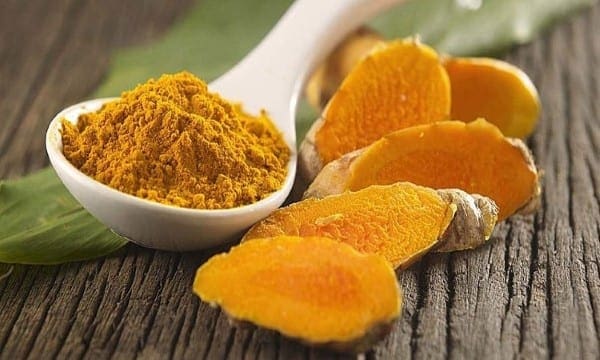
Curcumin is the main active ingredient found in turmeric, a bright yellow aromatic powder obtained from the rhizome of a plant in the ginger family commonly utilized for flavoring and coloring in a variety of Asian cuisines, as well as a very strong antioxidant which additionally has powerful anti-inflammatory effects. While turmeric has been consumed for generations due to its medicinal properties, it’s curcumin content is actually not that high. Therefore, if you want to experience its full benefits, it may be best to take a supplement that contains significant amounts of curcumin, or better yet, a supplement specially formulated to bring out the benefits of this naturally occurring chemical compound.
Curcumin is ultimately found in turmeric, the key ingredient in curry, and as a powerful antioxidant that offers numerous health benefits, curcumin helps support joint health and cardiovascular function, and it helps maintain a normal inflammatory reaction in the human body. Individuals throughout Asia have benefited from the healthful effects of curcumin for centuries.�Whether taken as a nutritional supplement or from meals, however, curcumin is usually poorly absorbed into the bloodstream.
Fortunately, global experts in botanical extract technologies have uncovered the key to curcumin absorption: phytosome technology. Meriva curcumin phytosome is an exceptional curcumin extract that’s significantly better absorbed than other curcumin extracts. Curcumin nutrients which have previously been remarkable in “test tube” experiments are extremely poorly absorbed when taken orally by people. The product Curcumin Phytosome comprising Meriva� unites curcumin with another bioactive nutrient, thereby dramatically improving its absorption and releasing its overall health and wellness potential.�Meriva is a unique, patented, time-release curcumin product.
Meriva Product Overview
Phytosomes are plant extracts bound to phosphatidylcholine, or PC, an important component of individual cells. The human body can create PC, or phosphatidylcholine, but it can even be obtained from food and/or supplements. When taken orally, PC is very well absorbed.�PC is a significant building block for membranes, the most metabolically dynamic zones of our cells. PC most likely transfers the curcumins in the bloodstream until they arrive in cell membranes. Researchers found a way to attach a curcumin extract to PC for superior absorption, leading to Meriva.�Curcumin phytosome is a curcumin molecule bonded to a molecule of PC. Unlike curcumin alone, PC is excellently absorbed orally.
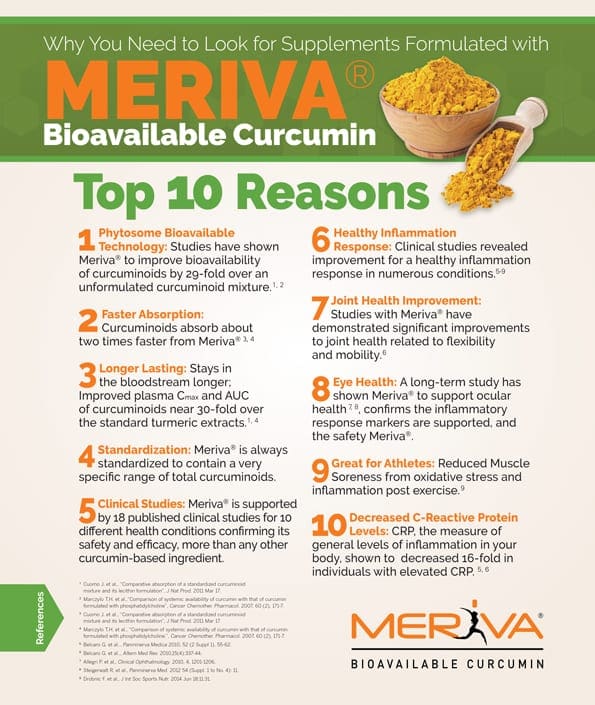
When consumers utilize Meriva curcumin phytosome, the body absorbs the PC as well as the attached curcumin, leading to more curcumin reaching the cells which can benefit more from it. After the curcumin phytosomes are accepted as a dietary supplement, PC protects its connected curcumin and economically transports it across the intestinal lining and into the circulating blood. Curcumins at phytosomes are over 29 times better absorbed than curcumin alone. PC itself has proven benefits for the liver, intestines, and lungs, and its existence in the Meriva curcumin phytosome amplifies the benefits available from the curcumin alone.
Dr. Alex Jimenez’s Insight
Turmeric contains four major curcuminoids: curcumin, demethoxycurcumin, bisdemethoxycurcumin and cyclocurcumin. These chemical compounds have been demonstrated to have tremendous benefits, which is why turmeric has been a fundamental addition in Asian cooking. However, curcumin, as well as all the other curcuminoids, are poorly absorbed by the human body when taken orally. Researchers developed Meriva curcumin phytosome, a curcumin compound which is bonded to the molecule phosphatidylcholine, or PC, which promotes the proper absorption of curcumin. Meriva curcumin phytosome can provide a variety of health benefits, including vision and eye health, joint health and even prostrate benefits, among other medicinal properties.
Meriva Curcumin Phytosome Research
Curcumin phytosome with Meriva� is a powerful antioxidant which protects cells and tissues by fighting free radicals. It’s also known to support healthy joint function, eye health and small vessel circulatory health. The curcumin is extracted from turmeric and provides a curcumin complex including, curcumin, bisdemethoxy curcumin and demethoxy curcumin. Meriva� curcumin phytosome is made utilizing the patented Phytosome� technology that enhances the absorption of those curcumins. Comprehensive research over the previous quarter of a century suggests that curcumin helps counter toxins, in addition to influencing cell survival through other means.
Although curcumins are poorly absorbed, Phytosome� technology helps improve bioavailability. The technology evolves every curcumin molecule with one or more atoms of the nutrient phosphatidylcholine, or PC, to create molecular complexes called phytosomes. Curcumin molecules at the Meriva� phytosome complexes are more stable against breakdown and combine far better into water in order for them to be better absorbed when taken orally. The PC molecules in the phytosomes serve as a “delivery vehicle” or even “chaperone”, which not only chemically protects the curcumin molecules but also markedly increases their absorption. A human absorption research discovered that the curcumins were absorbed when taken as Meriva� curcumin phytosomes, in comparison to their basic molecular forms.
The numerous beneficial effects attributed to turmeric root are linked to the antioxidant properties of the curcumins it contains. This antioxidant activity can neutralize free radicals which threaten the integrity of mobile structures. Free radicals may lead to “oxidative stress,” a process that can activate cell damage. In addition, oxidative stress is considered to play a role in the development of a variety of diseases. Because curcumins are poorly absorbed when taken orally, this can tremendously restrict their biological actions. The Phytosome� technology used with Meriva� curcumin phytosome creates phytosome complexes which are proven to be absorbed better.
A 2007 study published in the journal, Cancer Chemotherapy and Pharmacology, revealed Meriva’s exceptional bioavailability in contrast to ordinary curcumin. Liver levels of curcumin were also higher with Meriva supplementation. A recent human research study also demonstrated that Meriva curcumin phytosome has 29-times higher bioavailability. Meriva supplementation also resulted in higher plasma concentrations of curcumin from a much smaller dose compared to ordinary curcumin. In a recent eight-month human trial, Meriva was shown to encourage a healthy inflammatory reaction. People experienced improvements in clinical and biochemical end-points associated with joint health.
Several studies have shown curcumin’s hepatoprotective effects, causing researchers to suggest its use in protecting the liver from exogenous insults due to environmental toxins. Curcumin also has the capacity to increase both the circulation and solubility of bile. Curcumin’s hepatoprotective effects are due in part to lead free-radical scavenging; however, curcumin also enhances the body’s natural antioxidant system, which raises glutathione levels, thus aiding in hepatic detoxification and inhibiting nitrosamine formation. Furthermore, research studies have demonstrated several other health benefits of Meriva curcumin phytosome, including its support in joint health, eye health, vision and circulation, as well as several prostrate benefits, among others.
Supports Joint Health – Two Clinical Trials
In two double-blind trials with subjects having knee problems, Meriva, taken at about 1,000 mg/day, enhanced treadmill walk space by 345 percent after eight months. It improved joint pain, stiffness, swelling and joint work. Intakes of over-the-counter medications fell 63 percent and their adverse effects dropped by 67 percent. The subjects’ medical prices fell 45 percent after 8 months. C-Reactive Protein, or CRP, levels were reduced into a more healthy variety. After eight months, the Karnofsky Scale of well-being moved into “able to perform ordinary activity.”
Supports Eye Health, Vision, Circulation – Three Clinical Trials
One frequent eye problem is a really persistent redness that keeps coming back even when it is cleared. At a clinical trial, 106 patients obtained Meriva, taken at about 1,200 mg/day, for a single year. There were 86 percent fewer returns of this reddening, and in 82 percent of these patients, approximately 87 from 106, it didn’t return at all. In another study, Meriva, taken at about 1,000 mg/day, improved retinal blood circulation, retinal swelling, and eyesight. In only four weeks, visual sharpness improved from an initial average of 20/122-155 to 20/32-78. Meriva also improved circulation elsewhere in the body. In areas with foot blood circulation issues, it substantially reduced immunity, increased oxygen consumption, and enhanced nerve control over the capillary networks. The subjects’ Karnofsky Score of well-being improved, from “normal activity, with effort” into “normal activity.”
Breakthrough Prostate Benefits with Meriva
In a clinical trial on middle-aged men with prostate troubles, Meriva, taken at 1,000 mg/day, significantly enhanced: sense of incomplete bladder emptying, urination frequency, flow stop/start, feeble stream, straining and getting up at night, urinary block, and PSA levels. Quality of life and sexual activity were also considerably improved. The Meriva curcumin phytosome breakthrough guarantees that curcumins are effectively delivered to human cells, in functional mix with PC, or phosphatidylcholine. Multiple effective clinical trials have established curcumin phytosome comprising of Meriva� as the “gold standard” one of curcumin supplements.
In conclusion,�Meriva curcumin phytosome is bound to phosphatidylcholine, or PC, for increased absorption and bioavailability, ultimately protecting DNA against damage by free radicals and reactive oxygen species, among providing a variety of other health benefits. With its enhanced absorption through an improved curcumin absorb delivery system, Meriva curcumin phytosome is clinically documented to promote joint health, eye health, vision and circulation, and even has prostrate benefits. The scope of our information is limited to chiropractic as well as to spinal injuries and conditions. To discuss the subject matter, please feel free to ask Dr. Jimenez or contact us at�915-850-0900�.
Curated by Dr. Alex Jimenez
Additional Topics: Back Pain
Back pain is one of the most prevalent causes for disability and missed days at work worldwide. As a matter of fact, back pain has been attributed as the second most common reason for doctor office visits, outnumbered only by upper-respiratory infections. Approximately 80 percent of the population will experience some type of back pain at least once throughout their life. The spine is a complex structure made up of bones, joints, ligaments and muscles, among other soft tissues. Because of this, injuries and/or aggravated conditions, such as herniated discs, can eventually lead to symptoms of back pain. Sports injuries or automobile accident injuries are often the most frequent cause of back pain, however, sometimes the simplest of movements can have painful results. Fortunately, alternative treatment options, such as chiropractic care, can help ease back pain through the use of spinal adjustments and manual manipulations, ultimately improving pain relief.
Lower Back Injury: Isaiah Delgado, wrestler, began participating in a fitness and nutrition program at Push-as-RX in order to improve his performance in his physical activities. When he suffered a lower back sports injury, Isaiah Delgado once again came to Push for assistance, except this time, the trainers enrolled him in a rehabilitation program to help him return-to-play as soon as possible. Isaiah Delgado describes Push-as-Rx as a lifestyle and he recommends Push to anyone looking for the right type of support when it comes to recovery and increased performance.
Lower Back Injury And Chiropractic Care
Sports Therapy is an element of healthcare that’s specifically concerned with the prevention of injury and the rehabilitation of the individual back to optimum levels of practical, occupational and sports specific fitness, regardless of age and capacity. It utilizes the fundamentals of sport and exercise sciences incorporating behavioral and physiological processes to prepare the player for training, competition and where applicable, work. A variety of healthcare professionals are able to provide this type of treatment method.
We are blessed to present to you�El Paso�s Premier Wellness & Injury Care Clinic.
As El Paso�s Chiropractic Rehabilitation Clinic & Integrated Medicine Center,�we passionately are focused treating patients after frustrating injuries and chronic pain syndromes. We focus on improving your ability through flexibility, mobility and agility programs tailored for all age groups and disabilities.
If you have enjoyed this video and/or we have helped you in any way please feel free to subscribe and share us.
The human body needs vitamin D in order to build strong muscles and bones. When the body does not get enough vitamin D, it is not able to absorb calcium effectively. This makes it very important for good bone health. Children who do not get adequate vitamin D develop rickets, a condition that causes weak bones, deformities in the skeleton, and a stooped posture.
What Is Vitamin D?
Most people believe that vitamin D is a vitamin; it isn�t. It is actually a hormone. A vitamin is a nutrient that the human body requires but is unable to produce. This means that it can only be obtained through supplements and food.
However, the body is able to manufacture this vitamin. When the skin is exposed to the appropriate sunlight, the body begins a process that produces vitamin D. It should also be noted that vitamin D plays a part in a strong immune system and can prevent certain chronic diseases in older adults.
There are supplements for people who do not produce enough vitamin D or who do not get adequate amounts in the food that they eat (fish liver oils, certain fish, and egg yolks are good sources). Children and adults typically do not get enough from their foods and activities. People spend a great deal of time indoors with adults at work and children at school. The emergence of digital devices and video games has managed to keep children inside as they engage in these activities.
This vitamin is not measured in milligrams like many other supplements, but in International Units (IU) instead. Research has caused the daily recommended allowance for vitamin D to increase over the years, and the current recommendation is 400 IU. It has been determined that this amount is the most beneficial in promoting healthy bones.
The Role Of The Skeletal System
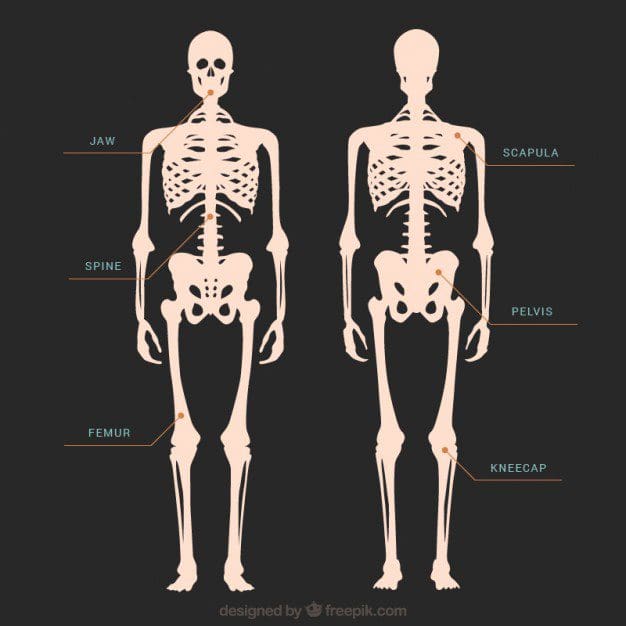
The skeletal system has several functions. The first and most obvious is that it is the structural support for the body. It also protects vital organs.
For instance, the skull protects the brain and the rib cage protects the lungs and heart. It is also an anchor point for muscle so it helps with mobility. The red bone marrow provides illness fighting white blood cells, as well as red blood cells. Calcium is stored in the marrow, as is phosphorous. Certain minerals and fats are stored in the yellow marrow which is found in the long bones of the body.
How Vitamin D Benefits The Skeletal System
Getting enough vitamin D helps the body absorb calcium which is a bone building mineral. In addition to that task, it also promotes good muscle health.
Stronger muscles can work much more effectively in protecting the muscles and supporting the skeletal system. This can help with joint health as well. Older people who have adequate vitamin D do not fall down as often and people of all ages have fewer broken bones.
Results Of Vitamin D Deficiency
Vitamin D deficiency is a serious condition mainly due to its essential role in the body�s ability to absorb calcium. Muscle weakness and bone pain are two common symptoms, but are typically seen in more severe cases.
A simple blood test can check for vitamin D levels � and it should be checked regularly. Even �minor� cases of low vitamin (those without any symptoms) have been linked to some serious health conditions including:
Increased risk of death due to cardiovascular disease
Vitamin D is generally very accessible. You can get it through foods and sunlight or via a supplement. People who may have some trouble getting adequate amounts are those who have limited exposure to sunlight, fail to consume the necessary levels of the vitamin, and people who have dark skin. If you think that you may have low vitamin D, it is best to talk to your doctor so you can come up with a plan to get your body back in balance.
Diets: The statistics are sobering. The typical American diet far exceeds the daily recommended intake levels in calories from sugars and solid fats, sodium, refined grains, and saturated fat. It is also lacking in the recommended amounts of fruits, vegetables, dairy, whole grains, and oils. The result is obesity and experts project that by 2030, in the United States alone, half of all adults will be obese.
That�s when people start dieting � and that is what gets them into trouble.
Diet vs. Lifestyle Change
Bottom line, diets are temporary. There are some serious consequences that can come from dieting, especially fad or crash diets. The effects of these types of diets can also seriously impact your chiropractic care, hindering your progress.
Also, because diets are temporary, once you return to your regular eating habits the weight usually comes back.
A lifestyle change is a far better choice. It involves making smart, healthy eating choices � choices that you maintain for the rest of your life. This also impacts your chiropractic care by strengthening your body and keeping it healthy so that it is in an optimal state for healing and responds well to treatment.
Types Of Diets
There are all sorts of diets out there. Some are blatantly unhealthy but others are sneaky. They come with claims of being healthy, of being created or endorsed by doctors, or include tons of vitamin supplements but very limited food intake. It is important to be able to spot these destructive fad diets so you don�t get suckered into their hype.
Some of the most common types of fad diets include high protein, low or no carb, liquid, cabbage, grapefruit, broth or juice, and food combining. Some of these can cause serious health problems including vital organ damage. Others can cause vitamin deficiencies and dehydration. None of them can (or should) be maintained over a long period of time, much less the rest of your life.
The Dangers Of Diets
Unhealthy dieting can come with some pretty scary dangers. Because they typically omit key foods or food groups your body can become imbalanced. Some of the dangers of dieting include dehydration, fatigue, weakness, vitamin and mineral deficiency, headaches, nausea, diarrhea, constipation, mental fogginess, loss of muscle mass, organ damage, and even heart attack and stroke.
One popular diet restricts carbs, often cutting them out completely. This includes all whole grains (which have vital minerals and fiber) as well as many fruits and vegetables. The result is a diet that is mostly protein and fat.
While the dieter may lose some weight on this plan, it is at a great cost. The extremely high intake of protein which exceeds the levels that the body should have can cause liver and kidney failure. The omission of vital grains, fruits, and vegetables can lead to serious vitamin deficiencies while the increased fat intake can lead to heart attack and stroke.
If a diet eliminates any of the key foods (lean meats, whole grains, fruits, and vegetables), it advocates losing more than 2 or 3 pounds a week, or it restricts caloric intake to less than 1,200 calories a day it is potentially unhealthy and should only be done 1) under a doctor�s close supervision, and 2) on a very temporary basis.
Healthy Eating Is A Lifestyle
When you make the life changing commitment to adopt a healthy eating lifestyle you open yourself up to a world of better health, more energy, and better focus. Your body will heal faster and you will feel better.
A diet of fresh fruits and vegetables, lean meats, fresh fish, and whole grains, along with lots of water should become a way of life. It is far healthier than the temporary diets that are out there and more effective too.
If you or a loved one need additional dietary guidance, give us a call. Our Doctor of Chiropractic is here to help!
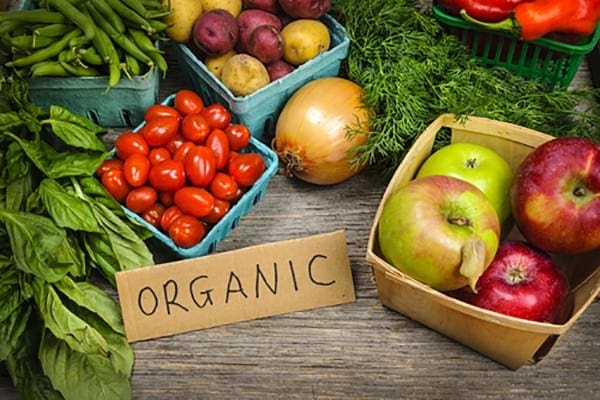
Organic Diet: It seems our moms were right; we are what we eat. Unfortunately in today’s marketplace, there are many valid worries about the foods we consume. Antibiotics, pesticides, and foods tainted with dangerous diseases are a top concern for many Americans. In addition, processed and genetically modified foods and artificial ingredients contribute to a number of health issues from obesity to cancer.
Our diet is one of the most important facets of maintaining overall good health for the long term. Farmer’s markets, small grocery stores, and the movement toward organic labeling shows the trend toward making healthier food choices.
If you are thinking about adding a few organic foods to your meal plan, or chucking all processed foods altogether, you are moving toward a healthier, higher performing body with fewer health issues.
Organic Diet: Five Reasons Why
#1: Fewer Chemicals
The practice of using a variety of pesticides in non-organic farming is widespread in the United States. No matter how fastidiously you wash them, foods with these toxins are harmful to your body. A recent article in The Huffington Post stated that toxic pesticides are present in 70% of the food found in grocery stores!
Many large, traditional farms aim to produce as much food as possible, as cheaply as they can. They turn to pesticides and herbicides to make the crops grow faster and last longer. It’s a sad fact, but the American public ends up paying a price anyway. An organic diet offers a respite from these chemically laden foods.
#2: Tastes Better
You may not even realize the taste you DON’T get when eating processed foods. Toxins that make them grow and keep them fresh deplete the taste dramatically.
Growing from properly maintained soil without the presence of pesticides, organic foods deliver a richer, more engaging flavor. Individuals who eat organic often eat less and are better satisfied with their meals because of the increased taste.
#3: More Nutrient Density
According to The Ideal Bite, organic foods contain up to 50% more nutrients than their non-organic counterparts. Depleted soil quality from over farming is a key reason for this situation. This means a person needs to eat less organic food to maintain the necessary dietary vitamins and minerals that ensures good health, offsetting the initial higher cost of choosing organic.
#4: Less Antibiotic Exposure
Large food manufacturing farms often choose to pump their animals full of antibiotics to reduce illness and promote rapid growth. Obviously, these make their way into the end product that we end up eating.
Too much exposure to antibiotics causes everything from early puberty in children to antibiotic resistance. If you become ill and require antibiotic medical treatment, long-term consumption of non-organic meat could literally hinder you from responding.
#5: Supports The Local Economy
In addition to building a strong body and mind, choosing organic contributes to the local community by supporting the small farmer. The small farmer is able to adopt to organic standards with less effort, and is more likely to embrace healthy soil practices and other ethical farming traits in the first place. Seek out local establishments for the widest variety of the freshest, locally grown food.
There are an assortment of reasons to choose an organic diet. In a nutshell, it is proven to offer great benefits to your long-term overall health. If you can’t commit to an entirely organic diet, substitute a few organic choices from your present food selections. Even changing small areas of your diet will provide better taste, greater nutrition, and stronger well-being.
Have more questions? We�re here for you! Simply ask our Doctor of Chiropractic during your next visit how eating organic foods can benefit you.
Good Nutrition & Chiropractic Care Contribute To Overall Well-Being
Nutritional Tips:Chiropractic care effectively and naturally treats a multitude of conditions and diseases. The overall premise is to return the body to its natural alignment by removing subluxations, which takes care of the root cause of many problems.
Spinal adjustments, however, aren�t necessarily the Holy Grail for total health. It’s essential for chiropractic patients to also make adjustments in their everyday lives. By doing so, they�ll maximize the effects of their chiropractic treatments, and experience better overall health in general.
Nutrition is one of the biggest factors and plays a large role in a patient’s recovery. The old adage “you are what you eat” is true. Feeding the body with vital vitamins and minerals promotes growth and healing. Filling up on fried, fatty foods does the opposite.
Let’s Look At Four Nutritional Tips Every Chiropractic Patient Should Follow:
Watch Your Calories
Individuals recovering from spinal or other injuries heal quicker when they avoid carrying excess weight. This is especially true if the injury has sidelined them from normal physical exercise.
Choose lean cuts of meat and fresh fruits and vegetables, and practice portion control. A diet with few excess calories offers the dual benefit of helping you avoid packing on the pounds, and helping you heal faster.
Pay Attention To Calcium Intake
Bones need calcium for strength, so it should be a priority to consume foods that are rich with it. According to healthconsciousness.com, the four most calcium-rich foods are dark leafy greens, low-fat cheese, milk, and yogurt.
If you are visiting a chiropractor for issues or conditions concerning your bones or nerves, he or she may recommend that you introduce these foods into your diet as soon as possible.
Make Protein A Priority
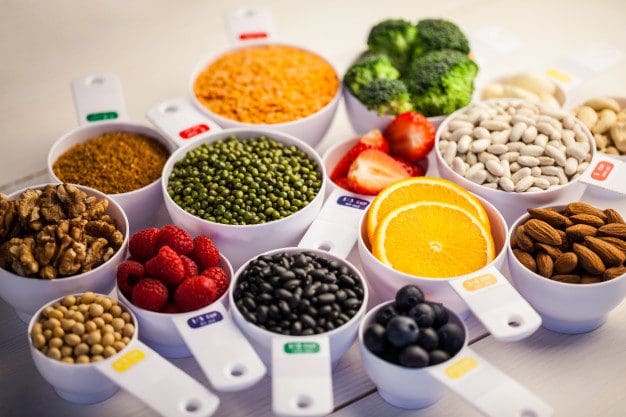
Muscle injuries are one of the most popular reasons for chiropractic visits. Protein helps build and heal muscle tissue, helping it to renew itself back to a pre-injury state.
If your daily intake of protein is low, it can hinder the healing process and stand in the way of chiropractic visits giving you the maximum results. Fish and lean meats are the foods that offer the highest protein.
Other vegetarian options are tofu, soy beans, eggs, milk, and nuts. Help your muscles rebuild and heal by adding high protein foods into every meal menu.
Stay Hydrated
Why do most of us view water drinking with dread? Its not that bad! If you wish to promote healing, it’s imperative to drink enough water every day.
Water provides an entire slew of benefits, from transporting those important nutrients to where they need to be, to flushing harmful toxins out of the body. Aim for eight glasses of water a day, and try to drink it throughout the day.
Getting into this habit will boost overall health, and promote healing of injuries and other medical conditions.
While it’s a smart goal to try to ingest all the nutrients you need through food and drink, supplements are available to bridge the gap. Before beginning a supplement regimen, talk to you chiropractor for recommendations on the type and dosage that will aid and improve your unique situation.
You may also want to download a smartphone app to track your daily intake of calories, calcium, protein and liquid. There are many available, one being My Fitness Pal.
Easy and free to use, this is a powerful tool to keep you on the right nutritional track.
Making the commitment to chiropractic treatment is a big step in the right direction for your overall health and well-being. Incorporate these nutritional tips to your daily routine in order to get the most out of your chiropractic care.
Good Nutrition & Chiropractic Care Contribute To Overall Well-Being
Dietary fat has several essential functions in the human body. First, it functions as a supply of energy and structural components for the cells and second, it functions as a regulator of gene expression, which influences lipid, carbohydrate, and protein metabolism, along with cell growth and differentiation. The effects of fatty acids on gene expression are cell-specific and influenced by structure and metabolism. Fatty acids interact with the genome. They regulate PPAR, and the activity or nuclear abundance like SREBP. Fatty acids bind directly with one another to regulate gene expression.
What’s the role of fatty acids towards disease pathogenesis?
Alternately, fatty acids behave on gene expression through their effects on specific enzyme-mediated pathways, such as cyclooxygenase, lipoxygenase, protein kinase C, or sphingomyelinase signal transduction pathways, or through pathways that require changes in tissue lipid to lipid raft composition which affect G-protein receptor or tyrosine kinase-linked receptor signaling. Additional definition of these fatty acid-regulated pathways can offer insight into the role dietary fat plays in human health as well as the beginning and growth of many chronic diseases, such as coronary artery disease and atherosclerosis, dyslipidemia and inflammation, obesity and diabetes, cancer, major depressive disorders, and schizophrenia. The effects of fatty acids on gene expression, however, have been widely described on inflammatory bowel disease, or IBD.
Fatty Acids and Gene Expression
The effect of fatty acids on gene expression was previously determined to result mainly from changes in tissue phospholipids or eicosanoid production. More recently, the discovery of nuclear receptors; such as peroxisome proliferator-activated receptors, or PPARs, and their regulation by fatty acids, has significantly altered this view. PPARs are ligand activated transcription factors that upon heterodimerization with the retinoic X receptor, or RXR, comprehend PPAR response elements in the promoter regions of different genes, that have an impact on gene transcription. PPARs bind various ligands, including nonsteroidal anti inflammatory medications, or NSAIDS, thiazolidinediones (antidiabetic agents) along with PUFAs and their metabolites. Several subtypes of the receptor are recognized (?,?,?) and are expressed in several different cells. PPAR? is extracted from the adrenal gland, with most of its numbers observed in the colon.
PPAR? has been implicated in the regulation of inflammation, and it has become a potential therapeutic goal in treating inflammatory diseases, such as IBD. It has been suggested that people with ulcerative colitis, or UC, have a mucosal deficit in PPAR? that could bring about the development of their own disease. Analysis of the mRNA and proteins within colonic biopsies demonstrated decreased levels of PPAR? in UC patients in comparison with Crohn’s patients or healthy subjects.
Using colon cancer lines, it has been demonstrated that PPAR ligands attenuate cytokine gene expression by inhibiting NF-?B via an I?B determined mechanism. Further research studies imply that PPAR activators inhibit COX2 by interruption with NF-?B. PPARs impair interactions with STAT and other signaling pathways as well as the AP-1 signaling pathway.
Animal studies support using PPAR for autoimmune inflammation. Inflammation decreased by ligands for PPAR. The direction of PPAR and RXR agonists synergistically reduced TNBS-induced colitis, together with improved macroscopic and histologic scores, reductions in TNF? and IL-1? mRNA, and diminished NF-?B DNA binding actions. Though clinical evidence is limited, the results of an open source research study with rosiglitazone, a PPAR? ligand as therapy for UC, demonstrated that 27 percent of patients achieved remission after 12 weeks of therapy. Thus, PPAR? ligands may represent a cure for UC, where double-blind, placebo-controlled, randomized trials have been warranted.
Of substantial curiosity, the capability to regulate PPAR nutritionally has been examined. Dietary PUFA demonstrated an impact during the regulation of transcription factors on gene expression. Fatty acid regulation of PPAR was originally detected by Gottlicher et al.. A choice of fatty acids, like eicosanoids, and metabolites are proven to activate PPAR. Both PPAR? and PPAR? bind mono- and polyunsaturated fatty acids. Thus, the anti inflammatory effects of n3 PUFA may entail PPAR and its interruption with NF?B, rather than only changes in eicosanoid synthesis.
Conclusion
Fatty acids regulate gene expression involved in lipid and energy metabolism. Polyunsaturated fatty acids, or PUFA, though not saturated or polyunsaturated FA, suppress the induction of lipogenic genes by inhibiting their expression and processing of SREBP-1c. This impact of PUFA suggests that SREBP-1c may regulate the synthesis of fatty acids to glycerolipids, among others. PPARalpha has a role in the adaptation to fasting by inducing ketogenesis in mitochondria. During fasting, fatty acids are considered as ligands of PPARalpha. Dietary PUFA, except for 18:2 n-6, are extremely prone to induce fatty acid oxidation enzymes through PPARalpha because of specific mechanisms. Signaling functions of PPARalpha pPARalpha is needed for controlling the synthesis of fatty acids. Further research is needed to conclude the full effects of fatty acids in relation to the regulation of transcription factors for gene expression in inflammatory bowel disease, or IBD.
Information referenced from the National Center for Biotechnology Information (NCBI) and the National University of Health Sciences. The scope of our information is limited to chiropractic and spinal injuries and conditions. To discuss the subject matter, please feel free to ask Dr. Jimenez or contact us at 915-850-0900 .
By Dr. Alex Jimenez
Additional Topics: Wellness
Overall health and wellness are essential towards maintaining the proper mental and physical balance in the body. From eating a balanced nutrition as well as exercising and participating in physical activities, to sleeping a healthy amount of time on a regular basis, following the best health and wellness tips can ultimately help maintain overall well-being. Eating plenty of fruits and vegetables can go a long way towards helping people become healthy.
1.�Liu Y, van Kruiningen HJ, West AB, Cartun RW, Cortot A, Colombel JF. Immunocytochemical evidence of Listeria, Escherichia coli, and Streptococcus antigens in Crohn’s disease.�Gastroenterology.�1995;108:1396�1404.�[PubMed]
2.�Sartor R.�Microbial factors in the pathogenesis of Crohn’s disease, ulcerative colitis and experimental intestinal inflammation.�Baltimore: Williams & Wilkins; 1995.
3.�Wakefield AJ, Ekbom A, Dhillon AP, Pittilo RM, Pounder RE. Crohn’s disease: pathogenesis and persistent measles virus infection.�Gastroenterology.�1995;108:911�916.�[PubMed]
4.�Sartor RB. Current concepts of the etiology and pathogenesis of ulcerative colitis and Crohn’s disease.�Gastroenterol Clin North Am.�1995;24:475�507.�[PubMed]
5.�Sartor RB. Pathogenesis and immune mechanisms of chronic inflammatory bowel diseases.�Am J Gastroenterol.�1997;92:5S�11S.�[PubMed]
6.�MacDermott RP. Alterations in the mucosal immune system in ulcerative colitis and Crohn’s disease.�Med Clin North Am.�1994;78:1207�1231.�[PubMed]
9.�Yang H, Rotter J.�The genetics of inflammatory disease.�Baltimore: Williams & Wilkins; 1994.
10.�Wurzelmann JI, Lyles CM, Sandler RS. Childhood infections and the risk of inflammatory bowel disease.�Dig Dis Sci.�1994;39:555�560.�[PubMed]
11.�Knoflach P, Park BH, Cunningham R, Weiser MM, Albini B. Serum antibodies to cow’s milk proteins in ulcerative colitis and Crohn’s disease.�Gastroenterology.�1987;92:479�485.�[PubMed]
12.�De Palma GD, Catanzano C. Removable self-expanding metal stents: a pilot study for treatment of achalasia of the esophagus.�Endoscopy.�1998;30:S95�S96.�[PubMed]
13.�Bernstein CN, Ament M, Artinian L, Ridgeway J, Shanahan F. Milk tolerance in adults with ulcerative colitis.�Am J Gastroenterol.�1994;89:872�877.�[PubMed]
14.�Matsui T, Iida M, Fujishima M, Imai K, Yao T. Increased sugar consumption in Japanese patients with Crohn’s disease.�Gastroenterol Jpn.�1990;25:271.�[PubMed]
15.�Kelly DG, Fleming CR. Nutritional considerations in inflammatory bowel diseases.�Gastroenterol Clin North Am.�1995;24:597�611.�[PubMed]
16.�Geerling BJ, Dagnelie PC, Badart-Smook A, Russel MG, Stockbr�gger RW, Brummer RJ. Diet as a risk factor for the development of ulcerative colitis.�Am J Gastroenterol.�2000;95:1008�1013.�[PubMed]
17.�Dudrick SJ, Latifi R, Schrager R. Nutritional management of inflammatory bowel disease.�Surg Clin North Am.�1991;71:609�623.�[PubMed]
18.�D’Odorico A, Bortolan S, Cardin R, D’Inca’ R, Martines D, Ferronato A, Sturniolo GC. Reduced plasma antioxidant concentrations and increased oxidative DNA damage in inflammatory bowel disease.�Scand J Gastroenterol.�2001;36:1289�1294.�[PubMed]
19.�Reimund JM, Hirth C, Koehl C, Baumann R, Duclos B. Antioxidant and immune status in active Crohn’s disease. A possible relationship.�Clin Nutr.�2000;19:43�48.�[PubMed]
20.�Romagnuolo J, Fedorak RN, Dias VC, Bamforth F, Teltscher M. Hyperhomocysteinemia and inflammatory bowel disease: prevalence and predictors in a cross-sectional study.�Am J Gastroenterol.�2001;96:2143�2149.�[PubMed]
21.�Lewis JD, Fisher RL. Nutrition support in inflammatory bowel disease.�Med Clin North Am.�1994;78:1443�1456.�[PubMed]
22.�Azcue M, Rashid M, Griffiths A, Pencharz PB. Energy expenditure and body composition in children with Crohn’s disease: effect of enteral nutrition and treatment with prednisolone.�Gut.�1997;41:203�208.[PMC free article]�[PubMed]
23.�Mingrone G, Capristo E, Greco AV, Benedetti G, De Gaetano A, Tataranni PA, Gasbarrini G. Elevated diet-induced thermogenesis and lipid oxidation rate in Crohn disease.�Am J Clin Nutr.�1999;69:325�330.[PubMed]
24.�Bjarnason I, Macpherson A, Mackintosh C, Buxton-Thomas M, Forgacs I, Moniz C. Reduced bone density in patients with inflammatory bowel disease.�Gut.�1997;40:228�233.�[PMC free article]�[PubMed]
25.�Griffiths AM, Nguyen P, Smith C, MacMillan JH, Sherman PM. Growth and clinical course of children with Crohn’s disease.�Gut.�1993;34:939�943.�[PMC free article]�[PubMed]
26.�Fischer JE, Foster GS, Abel RM, Abbott WM, Ryan JA. Hyperalimentation as primary therapy for inflammatory bowel disease.�Am J Surg.�1973;125:165�175.�[PubMed]
27.�Reilly J, Ryan JA, Strole W, Fischer JE. Hyperalimentation in inflammatory bowel disease.�Am J Surg.�1976;131:192�200.�[PubMed]
28.�Ganem D, Schneider RJ. Hepadnaviridae: The viruses and their replication. In: Knipe DM, Howley PM, editors.�Fields Virology. Volume 2.�Philadelphia: Lippincott, Williams & Wilkins; 2001. pp. 2923�2969.
29.�Jones VA, Dickinson RJ, Workman E, Wilson AJ, Freeman AH, Hunter JO. Crohn’s disease: maintenance of remission by diet.�Lancet.�1985;2:177�180.�[PubMed]
30.�Suzuki I, Kiyono H, Kitamura K, Green DR, McGhee JR. Abrogation of oral tolerance by contrasuppressor T cells suggests the presence of regulatory T-cell networks in the mucosal immune system.�Nature.�1986;320:451�454.�[PubMed]
31.�Ostro MJ, Greenberg GR, Jeejeebhoy KN. Total parenteral nutrition and complete bowel rest in the management of Crohn’s disease.�JPEN J Parenter Enteral Nutr.�1985;9:280�287.�[PubMed]
32.�Matuchansky C. Parenteral nutrition in inflammatory bowel disease.�Gut.�1986;27 Suppl 1:81�84.[PMC free article]�[PubMed]
33.�Payne-James JJ, Silk DB. Total parenteral nutrition as primary treatment in Crohn’s disease–RIP?�Gut.�1988;29:1304�1308.�[PMC free article]�[PubMed]
34.�Shiloni E, Coronado E, Freund HR. Role of total parenteral nutrition in the treatment of Crohn’s disease.�Am J Surg.�1989;157:180�185.�[PubMed]
35.�Dickinson RJ, Ashton MG, Axon AT, Smith RC, Yeung CK, Hill GL. Controlled trial of intravenous hyperalimentation and total bowel rest as an adjunct to the routine therapy of acute colitis.�Gastroenterology.�1980;79:1199�1204.�[PubMed]
36.�McIntyre PB, Powell-Tuck J, Wood SR, Lennard-Jones JE, Lerebours E, Hecketsweiler P, Galmiche JP, Colin R. Controlled trial of bowel rest in the treatment of severe acute colitis.�Gut.�1986;27:481�485.[PMC free article]�[PubMed]
37.�Greenberg GR, Fleming CR, Jeejeebhoy KN, Rosenberg IH, Sales D, Tremaine WJ. Controlled trial of bowel rest and nutritional support in the management of Crohn’s disease.�Gut.�1988;29:1309�1315.[PMC free article]�[PubMed]
38.�Hughes CA, Bates T, Dowling RH. Cholecystokinin and secretin prevent the intestinal mucosal hypoplasia of total parenteral nutrition in the dog.�Gastroenterology.�1978;75:34�41.�[PubMed]
39.�Stratton RJ, Smith TR. Role of enteral and parenteral nutrition in the patient with gastrointestinal and liver disease.�Best Pract Res Clin Gastroenterol.�2006;20:441�466.�[PubMed]
40.�O’Sullivan M, O’Morain C. Nutrition in inflammatory bowel disease.�Best Pract Res Clin Gastroenterol.�2006;20:561�573.�[PubMed]
41.�Gonz�lez-Huix F, Fern�ndez-Ba�ares F, Esteve-Comas M, Abad-Lacruz A, Cabr� E, Acero D, Figa M, Guilera M, Humbert P, de Le�n R. Enteral versus parenteral nutrition as adjunct therapy in acute ulcerative colitis.�Am J Gastroenterol.�1993;88:227�232.�[PubMed]
42.�Voitk AJ, Echave V, Feller JH, Brown RA, Gurd FN. Experience with elemental diet in the treatment of inflammatory bowel disease. Is this primary therapy?�Arch Surg.�1973;107:329�333.�[PubMed]
43.�Axelsson C, Jarnum S. Assessment of the therapeutic value of an elemental diet in chronic inflammatory bowel disease.�Scand J Gastroenterol.�1977;12:89�95.�[PubMed]
44.�Lochs H, Steinhardt HJ, Klaus-Wentz B, Zeitz M, Vogelsang H, Sommer H, Fleig WE, Bauer P, Schirrmeister J, Malchow H. Comparison of enteral nutrition and drug treatment in active Crohn’s disease. Results of the European Cooperative Crohn’s Disease Study. IV.�Gastroenterology.�1991;101:881�888.[PubMed]
45.�Malchow H, Steinhardt HJ, Lorenz-Meyer H, Strohm WD, Rasmussen S, Sommer H, Jarnum S, Brandes JW, Leonhardt H, Ewe K. Feasibility and effectiveness of a defined-formula diet regimen in treating active Crohn’s disease. European Cooperative Crohn’s Disease Study III.�Scand J Gastroenterol.�1990;25:235�244.�[PubMed]
46.�O’Brien CJ, Giaffer MH, Cann PA, Holdsworth CD. Elemental diet in steroid-dependent and steroid-refractory Crohn’s disease.�Am J Gastroenterol.�1991;86:1614�1618.�[PubMed]
47.�Okada M, Yao T, Yamamoto T, Takenaka K, Imamura K, Maeda K, Fujita K. Controlled trial comparing an elemental diet with prednisolone in the treatment of active Crohn’s disease.�Hepatogastroenterology.�1990;37:72�80.�[PubMed]
48.�O’Mor�in C, Segal AW, Levi AJ. Elemental diet as primary treatment of acute Crohn’s disease: a controlled trial.�Br Med J (Clin Res Ed)�1984;288:1859�1862.�[PMC free article]�[PubMed]
49.�Raouf AH, Hildrey V, Daniel J, Walker RJ, Krasner N, Elias E, Rhodes JM. Enteral feeding as sole treatment for Crohn’s disease: controlled trial of whole protein v amino acid based feed and a case study of dietary challenge.�Gut.�1991;32:702�707.�[PMC free article]�[PubMed]
50.�Rocchio MA, Cha CJ, Haas KF, Randall HT. Use of chemically defined diets in the management of patients with acute inflammatory bowel disease.�Am J Surg.�1974;127:469�475.�[PubMed]
51.�Saverymuttu S, Hodgson HJ, Chadwick VS. Controlled trial comparing prednisolone with an elemental diet plus non-absorbable antibiotics in active Crohn’s disease.�Gut.�1985;26:994�998.�[PMC free article][PubMed]
52.�Teahon K, Bjarnason I, Pearson M, Levi AJ. Ten years’ experience with an elemental diet in the management of Crohn’s disease.�Gut.�1990;31:1133�1137.�[PMC free article]�[PubMed]
53.�Teahon K, Smethurst P, Pearson M, Levi AJ, Bjarnason I. The effect of elemental diet on intestinal permeability and inflammation in Crohn’s disease.�Gastroenterology.�1991;101:84�89.�[PubMed]
54.�Heuschkel RB, Menache CC, Megerian JT, Baird AE. Enteral nutrition and corticosteroids in the treatment of acute Crohn’s disease in children.�J Pediatr Gastroenterol Nutr.�2000;31:8�15.�[PubMed]
55.�Sanderson IR, Boulton P, Menzies I, Walker-Smith JA. Improvement of abnormal lactulose/rhamnose permeability in active Crohn’s disease of the small bowel by an elemental diet.�Gut.�1987;28:1073�1076.[PMC free article]�[PubMed]
56.�Sanderson IR, Udeen S, Davies PS, Savage MO, Walker-Smith JA. Remission induced by an elemental diet in small bowel Crohn’s disease.�Arch Dis Child.�1987;62:123�127.�[PMC free article]�[PubMed]
57.�Ruemmele FM, Roy CC, Levy E, Seidman EG. Nutrition as primary therapy in pediatric Crohn’s disease: fact or fantasy?�J Pediatr.�2000;136:285�291.�[PubMed]
58.�O’Morain C, O’Sullivan M. Nutritional support in Crohn’s disease: current status and future directions.�J Gastroenterol.�1995;30 Suppl 8:102�107.�[PubMed]
59.�Rigaud D, Cosnes J, Le Quintrec Y, Ren� E, Gendre JP, Mignon M. Controlled trial comparing two types of enteral nutrition in treatment of active Crohn’s disease: elemental versus polymeric diet.�Gut.�1991;32:1492�1497.�[PMC free article]�[PubMed]
60.�Royall D, Wolever TM, Jeejeebhoy KN. Evidence for colonic conservation of malabsorbed carbohydrate in short bowel syndrome.�Am J Gastroenterol.�1992;87:751�756.�[PubMed]
61.�Giaffer MH, North G, Holdsworth CD. Controlled trial of polymeric versus elemental diet in treatment of active Crohn’s disease.�Lancet.�1990;335:816�819.�[PubMed]
62.�Verma S, Kirkwood B, Brown S, Giaffer MH. Oral nutritional supplementation is effective in the maintenance of remission in Crohn’s disease.�Dig Liver Dis.�2000;32:769�774.�[PubMed]
63.�Levine GM, Deren JJ, Steiger E, Zinno R. Role of oral intake in maintenance of gut mass and disaccharide activity.�Gastroenterology.�1974;67:975�982.�[PubMed]
64.�Weser E, Heller R, Tawil T. Stimulation of mucosal growth in the rat ileum by bile and pancreatic secretions after jejunal resection.�Gastroenterology.�1977;73:524�529.�[PubMed]
65.�Fell JM, Paintin M, Arnaud-Battandier F, Beattie RM, Hollis A, Kitching P, Donnet-Hughes A, MacDonald TT, Walker-Smith JA. Mucosal healing and a fall in mucosal pro-inflammatory cytokine mRNA induced by a specific oral polymeric diet in paediatric Crohn’s disease.�Aliment Pharmacol Ther.�2000;14:281�289.�[PubMed]
66.�Souba WW, Smith RJ, Wilmore DW. Glutamine metabolism by the intestinal tract.�JPEN J Parenter Enteral Nutr.�1985;9:608�617.�[PubMed]
67.�Windmueller HG, Spaeth AE. Uptake and metabolism of plasma glutamine by the small intestine.�J Biol Chem.�1974;249:5070�5079.�[PubMed]
68.�Higashiguchi T, Hasselgren PO, Wagner K, Fischer JE. Effect of glutamine on protein synthesis in isolated intestinal epithelial cells.�JPEN J Parenter Enteral Nutr.�1993;17:307�314.�[PubMed]
69.�Burke DJ, Alverdy JC, Aoys E, Moss GS. Glutamine-supplemented total parenteral nutrition improves gut immune function.�Arch Surg.�1989;124:1396�1399.�[PubMed]
70.�Souba WW, Herskowitz K, Klimberg VS, Salloum RM, Plumley DA, Flynn TC, Copeland EM. The effects of sepsis and endotoxemia on gut glutamine metabolism.�Ann Surg.�1990;211:543�549; discussion 543-551;.�[PMC free article]�[PubMed]
71.�Den Hond E, Hiele M, Peeters M, Ghoos Y, Rutgeerts P. Effect of long-term oral glutamine supplements on small intestinal permeability in patients with Crohn’s disease.�JPEN J Parenter Enteral Nutr.�1999;23:7�11.�[PubMed]
72.�Akobeng AK, Miller V, Stanton J, Elbadri AM, Thomas AG. Double-blind randomized controlled trial of glutamine-enriched polymeric diet in the treatment of active Crohn’s disease.�J Pediatr Gastroenterol Nutr.�2000;30:78�84.�[PubMed]
73.�Jacobs LR, Lupton JR. Effect of dietary fibers on rat large bowel mucosal growth and cell proliferation.�Am J Physiol.�1984;246:G378�G385.�[PubMed]
74.�Spaeth G, Berg RD, Specian RD, Deitch EA. Food without fiber promotes bacterial translocation from the gut.�Surgery.�1990;108:240�246; discussion 246-247;.�[PubMed]
75.�Roediger WE, Moore A. Effect of short-chaim fatty acid on sodium absorption in isolated human colon perfused through the vascular bed.�Dig Dis Sci.�1981;26:100�106.�[PubMed]
76.�Sakata T. Stimulatory effect of short-chain fatty acids on epithelial cell proliferation in the rat intestine: a possible explanation for trophic effects of fermentable fibre, gut microbes and luminal trophic factors.�Br J Nutr.�1987;58:95�103.�[PubMed]
77.�Roediger WE. The colonic epithelium in ulcerative colitis: an energy-deficiency disease?�Lancet.�1980;2:712�715.�[PubMed]
78.�Chapman MA, Grahn MF, Boyle MA, Hutton M, Rogers J, Williams NS. Butyrate oxidation is impaired in the colonic mucosa of sufferers of quiescent ulcerative colitis.�Gut.�1994;35:73�76.[PMC free article]�[PubMed]
79.�Den Hond E, Hiele M, Evenepoel P, Peeters M, Ghoos Y, Rutgeerts P. In vivo butyrate metabolism and colonic permeability in extensive ulcerative colitis.�Gastroenterology.�1998;115:584�590.�[PubMed]
80.�Simpson EJ, Chapman MA, Dawson J, Berry D, Macdonald IA, Cole A. In vivo measurement of colonic butyrate metabolism in patients with quiescent ulcerative colitis.�Gut.�2000;46:73�77.[PMC free article]�[PubMed]
81.�Tappenden KA, Thomson AB, Wild GE, McBurney MI. Short-chain fatty acid-supplemented total parenteral nutrition enhances functional adaptation to intestinal resection in rats.�Gastroenterology.�1997;112:792�802.�[PubMed]
82.�Senagore AJ, MacKeigan JM, Scheider M, Ebrom JS. Short-chain fatty acid enemas: a cost-effective alternative in the treatment of nonspecific proctosigmoiditis.�Dis Colon Rectum.�1992;35:923�927.[PubMed]
83.�Segain JP, Raingeard de la Bl�ti�re D, Bourreille A, Leray V, Gervois N, Rosales C, Ferrier L, Bonnet C, Blotti�re HM, Galmiche JP. Butyrate inhibits inflammatory responses through NFkappaB inhibition: implications for Crohn’s disease.�Gut.�2000;47:397�403.�[PMC free article]�[PubMed]
84.�Aslan A, Triadafilopoulos G. Fish oil fatty acid supplementation in active ulcerative colitis: a double-blind, placebo-controlled, crossover study.�Am J Gastroenterol.�1992;87:432�437.�[PubMed]
85.�Shoda R, Matsueda K, Yamato S, Umeda N. Epidemiologic analysis of Crohn disease in Japan: increased dietary intake of n-6 polyunsaturated fatty acids and animal protein relates to the increased incidence of Crohn disease in Japan.�Am J Clin Nutr.�1996;63:741�745.�[PubMed]
86.�Vilaseca J, Salas A, Guarner F, Rodr�guez R, Mart�nez M, Malagelada JR. Dietary fish oil reduces progression of chronic inflammatory lesions in a rat model of granulomatous colitis.�Gut.�1990;31:539�544.�[PMC free article]�[PubMed]
87.�Campos FG, Waitzberg DL, Habr-Gama A, Logullo AF, Noronha IL, Jancar S, Torrinhas RS, F�rst P. Impact of parenteral n-3 fatty acids on experimental acute colitis.�Br J Nutr.�2002;87 Suppl 1:S83�S88.[PubMed]
88.�Loeschke K, Ueberschaer B, Pietsch A, Gruber E, Ewe K, Wiebecke B, Heldwein W, Lorenz R. n-3 fatty acids only delay early relapse of ulcerative colitis in remission.�Dig Dis Sci.�1996;41:2087�2094.[PubMed]
89.�Belluzzi A, Brignola C, Campieri M, Pera A, Boschi S, Miglioli M. Effect of an enteric-coated fish-oil preparation on relapses in Crohn’s disease.�N Engl J Med.�1996;334:1557�1560.�[PubMed]
90.�Hawthorne AB, Daneshmend TK, Hawkey CJ, Belluzzi A, Everitt SJ, Holmes GK, Malkinson C, Shaheen MZ, Willars JE. Treatment of ulcerative colitis with fish oil supplementation: a prospective 12 month randomised controlled trial.�Gut.�1992;33:922�928.�[PMC free article]�[PubMed]
91.�Hillier K, Jewell R, Dorrell L, Smith CL. Incorporation of fatty acids from fish oil and olive oil into colonic mucosal lipids and effects upon eicosanoid synthesis in inflammatory bowel disease.�Gut.�1991;32:1151�1155.�[PMC free article]�[PubMed]
92.�Lehmann JM, Moore LB, Smith-Oliver TA, Wilkison WO, Willson TM, Kliewer SA. An antidiabetic thiazolidinedione is a high affinity ligand for peroxisome proliferator-activated receptor gamma (PPAR gamma)�J Biol Chem.�1995;270:12953�12956.�[PubMed]
93.�Lehmann JM, Lenhard JM, Oliver BB, Ringold GM, Kliewer SA. Peroxisome proliferator-activated receptors alpha and gamma are activated by indomethacin and other non-steroidal anti-inflammatory drugs.�J Biol Chem.�1997;272:3406�3410.�[PubMed]
94.�Delerive P, Furman C, Teissier E, Fruchart J, Duriez P, Staels B. Oxidized phospholipids activate PPARalpha in a phospholipase A2-dependent manner.�FEBS Lett.�2000;471:34�38.�[PubMed]
95.�Kliewer SA, Sundseth SS, Jones SA, Brown PJ, Wisely GB, Koble CS, Devchand P, Wahli W, Willson TM, Lenhard JM, et al. Fatty acids and eicosanoids regulate gene expression through direct interactions with peroxisome proliferator-activated receptors alpha and gamma.�Proc Natl Acad Sci USA.�1997;94:4318�4323.�[PMC free article]�[PubMed]
96.�Forman BM, Chen J, Evans RM. Hypolipidemic drugs, polyunsaturated fatty acids, and eicosanoids are ligands for peroxisome proliferator-activated receptors alpha and delta.�Proc Natl Acad Sci USA.�1997;94:4312�4317.�[PMC free article]�[PubMed]
97.�Mans�n A, Guardiola-Diaz H, Rafter J, Branting C, Gustafsson JA. Expression of the peroxisome proliferator-activated receptor (PPAR) in the mouse colonic mucosa.�Biochem Biophys Res Commun.�1996;222:844�851.�[PubMed]
98.�Desreumaux P, Ernst O, Geboes K, Gambiez L, Berrebi D, M�ller-Alouf H, Hafraoui S, Emilie D, Ectors N, Peuchmaur M, et al. Inflammatory alterations in mesenteric adipose tissue in Crohn’s disease.�Gastroenterology.�1999;117:73�81.�[PubMed]
99.�Su CG, Wen X, Bailey ST, Jiang W, Rangwala SM, Keilbaugh SA, Flanigan A, Murthy S, Lazar MA, Wu GD. A novel therapy for colitis utilizing PPAR-gamma ligands to inhibit the epithelial inflammatory response.�J Clin Invest.�1999;104:383�389.�[PMC free article]�[PubMed]
100.�Ricote M, Huang J, Fajas L, Li A, Welch J, Najib J, Witztum JL, Auwerx J, Palinski W, Glass CK. Expression of the peroxisome proliferator-activated receptor gamma (PPARgamma) in human atherosclerosis and regulation in macrophages by colony stimulating factors and oxidized low density lipoprotein.�Proc Natl Acad Sci USA.�1998;95:7614�7619.�[PMC free article]�[PubMed]
101.�Staels B, Koenig W, Habib A, Merval R, Lebret M, Torra IP, Delerive P, Fadel A, Chinetti G, Fruchart JC, et al. Activation of human aortic smooth-muscle cells is inhibited by PPARalpha but not by PPARgamma activators.�Nature.�1998;393:790�793.�[PubMed]
102.�Marx N, Bourcier T, Sukhova GK, Libby P, Plutzky J. PPARgamma activation in human endothelial cells increases plasminogen activator inhibitor type-1 expression: PPARgamma as a potential mediator in vascular disease.�Arterioscler Thromb Vasc Biol.�1999;19:546�551.�[PubMed]
103.�Delerive P, Martin-Nizard F, Chinetti G, Trottein F, Fruchart JC, Najib J, Duriez P, Staels B. Peroxisome proliferator-activated receptor activators inhibit thrombin-induced endothelin-1 production in human vascular endothelial cells by inhibiting the activator protein-1 signaling pathway.�Circ Res.�1999;85:394�402.�[PubMed]
104.�Sakai M, Matsushima-Hibiya Y, Nishizawa M, Nishi S. Suppression of rat glutathione transferase P expression by peroxisome proliferators: interaction between Jun and peroxisome proliferator-activated receptor alpha.�Cancer Res.�1995;55:5370�5376.�[PubMed]
105.�Zhou YC, Waxman DJ. STAT5b down-regulates peroxisome proliferator-activated receptor alpha transcription by inhibition of ligand-independent activation function region-1 trans-activation domain.�J Biol Chem.�1999;274:29874�29882.�[PubMed]
106.�Desreumaux P, Dubuquoy L, Nutten S, Peuchmaur M, Englaro W, Schoonjans K, Derijard B, Desvergne B, Wahli W, Chambon P, et al. Attenuation of colon inflammation through activators of the retinoid X receptor (RXR)/peroxisome proliferator-activated receptor gamma (PPARgamma) heterodimer. A basis for new therapeutic strategies.�J Exp Med.�2001;193:827�838.�[PMC free article]�[PubMed]
107.�Lewis JD, Lichtenstein GR, Stein RB, Deren JJ, Judge TA, Fogt F, Furth EE, Demissie EJ, Hurd LB, Su CG, et al. An open-label trial of the PPAR-gamma ligand rosiglitazone for active ulcerative colitis.�Am J Gastroenterol.�2001;96:3323�3328.�[PubMed]
108.�G�ttlicher M, Widmark E, Li Q, Gustafsson JA. Fatty acids activate a chimera of the clofibric acid-activated receptor and the glucocorticoid receptor.�Proc Natl Acad Sci USA.�1992;89:4653�4657.[PMC free article]�[PubMed]
IFM's Find A Practitioner tool is the largest referral network in Functional Medicine, created to help patients locate Functional Medicine practitioners anywhere in the world. IFM Certified Practitioners are listed first in the search results, given their extensive education in Functional Medicine




 We are blessed to present to you�El Paso�s Premier Wellness & Injury Care Clinic.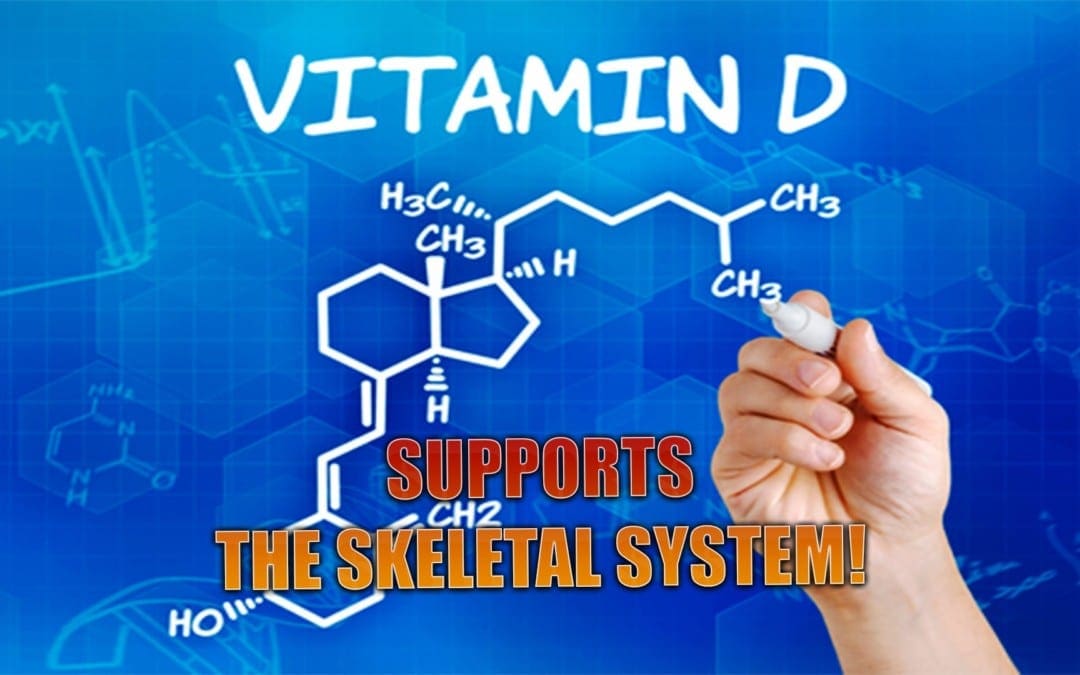



 Make Protein A Priority