El Paso Back Clinic®: Premier Wellness Chiropractic Care in El Paso, TX
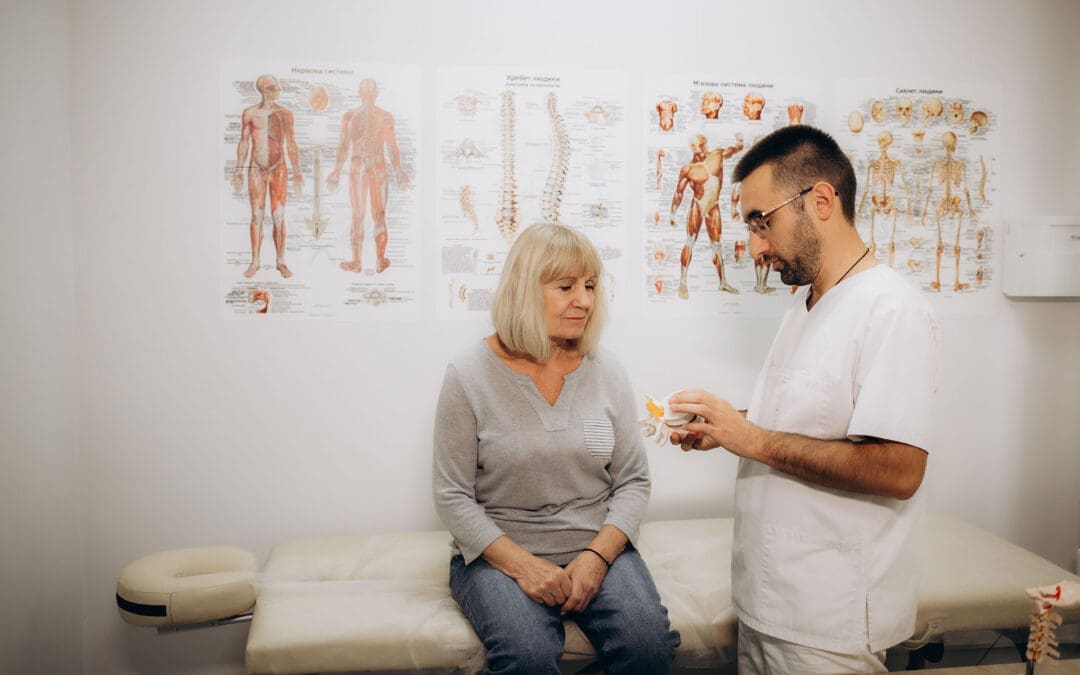
Spine problems are evident in the model. A woman is in consultation with the doctor in the clinic.
At El Paso Back Clinic®, led by Dr. Alexander Jimenez, DC, APRN, FNP-BC, we’re dedicated to transforming lives through advanced chiropractic care and integrative wellness in El Paso, TX. Specializing in recovery from motor vehicle accidents (MVAs), sports injuries, and chronic conditions such as neuropathy, our team utilizes cutting-edge neuromusculoskeletal imaging and dual-scope diagnostics to identify the root causes of injuries. From whiplash to gastrointestinal trauma, we craft personalized plans blending spinal adjustments, nutrition, and therapies like acupuncture to restore mobility and vitality. With a focus on holistic healing and legal support for injury claims, we empower El Pasoans to live pain-free and thrive.
Personal Injuries and Their Impact in El Paso
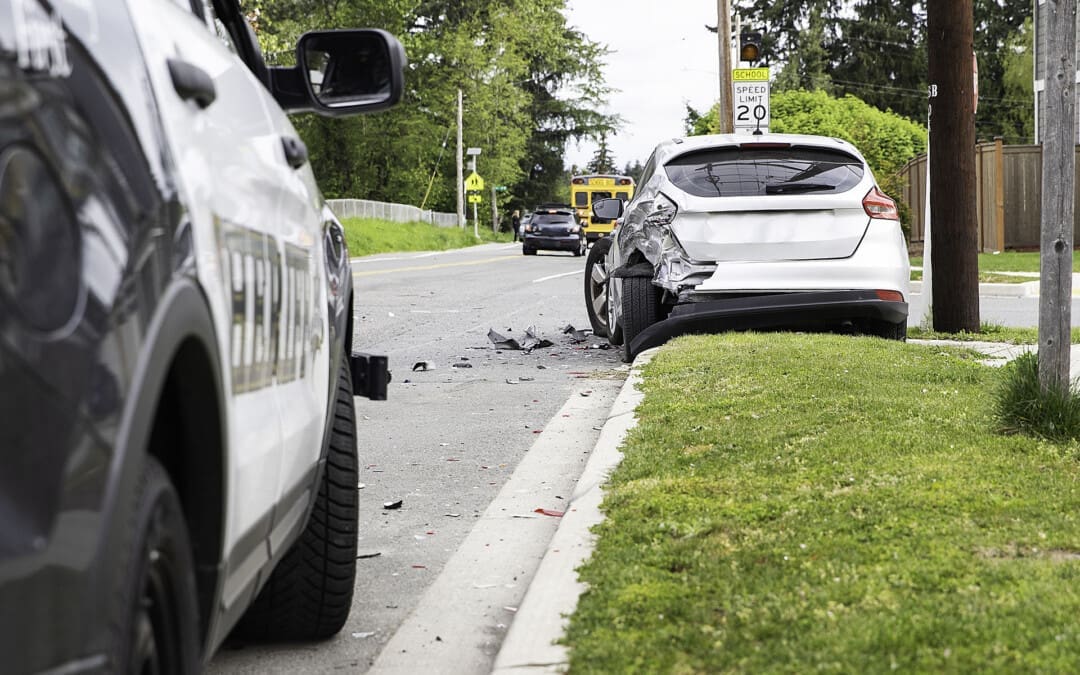
Living in El Paso’s bustling community means navigating busy roads and an active lifestyle, where accidents—from car crashes to sports mishaps—can disrupt one’s health. MVAs, common on rainy I-10 days, often cause spinal misalignments, leading to sciatica or numbness (Jimenez, 2025a). Sports injuries, like joint strains and workplace falls, add to the toll, risking chronic issues like neuropathy if untreated (Mana.md, n.d.).
At El Paso Back Clinic®, Dr. Jimenez’s chiropractic expertise targets these musculoskeletal and nerve disruptions. Using advanced imaging, we link injuries to symptoms, ensuring precise care. Our integrative approach, which combines adjustments with wellness coaching, helps prevent long-term pain and includes legal documentation to support insurance claims for patients in El Paso.
Nerve Pain and Neuropathy Post-Collision
Car accidents frequently trigger nerve compression, causing tingling, burning, or weakness that mimics peripheral neuropathy. Even minor collisions in El Paso’s unpredictable weather can cause vertebrae to shift, potentially pinching nerves (Jimenez, 2025b). Our clinic employs EMG and dynamic X-rays to map these injuries, correlating crash forces to nerve damage for accurate diagnosis.
We use spinal decompression and laser therapy to relieve pressure and promote healing, with patients often seeing 40-50% symptom improvement in weeks (Miami Chiropractors, n.d.). Detailed biomechanical reports strengthen personal injury claims, ensuring fair compensation for El Paso residents.
Chiropractic Care for Joint and Ligament Injuries
Injuries like ACL tears from sports or MVA dashboard impacts require targeted restoration. At El Paso Back Clinic®, we realign joints, boost circulation, and strengthen muscles to speed recovery without surgery (Jimenez, 2025c). Dr. Jimenez’s functional assessments prevent compensatory patterns, vital for El Paso’s athletes.
We integrate acupuncture and custom orthotics, helping patients resume activities in six months, rather than a year. Nutritional support, like collagen-rich diets, enhances ligament repair, tailored to El Paso’s active community.
Five Musculoskeletal Challenges We Address
Accidents hit muscles and bones hard. Our chiropractic team tackles five common issues:
Neck and Back Pain: Whiplash from MVAs causes stiffness; gentle adjustments restore motion (Jimenez, 2025d).
Sciatica: Pinched nerves from disc issues ease with traction therapy.
Joint Inflammation: Post-injury arthritis responds to ultrasound and anti-inflammatory nutrition.
Sports Strains: Overuse injuries can be effectively treated through myofascial work and gait analysis.
These protocols, customized for El Pasoans, cut recurrence by half, blending wellness education for lasting health.
Spinal Misalignment: Recovery After Crashes
El Paso’s slick roads amplify MVA risks, often misaligning spines and compressing discs, leading to radiating pain (Jimenez, 2025a). We utilize high-velocity adjustments and flexion-distraction techniques to realign the vertebrae, paired with massage to relax the muscles.
Dr. Jimenez’s imaging links crash dynamics to disc damage, guiding non-surgical plans that preserve mobility in 70% of cases (Knecht Chiropractic, n.d.). Legal reports detail injury causation, supporting the claims of El Paso patients.
Reducing Inflammation for Pain Relief
Inflammation fuels post-injury pain. Our chiropractic care enhances lymphatic drainage via soft-tissue therapy and cryotherapy, breaking the cycle (Jimenez, 2025e). Patients adopt home strategies, such as taking turmeric supplements, which can reduce swelling by 40% (Miami Chiropractors, n.d.).
For workers’ compensation cases, we monitor biomarkers, aligning treatments with recovery goals to help El Paso workers return to their feet.
Cyclist Recovery After Bike-MVA Collisions
Biking on El Paso’s scenic trails poses risks from urban traffic, which can lead to fractures or nerve injuries. Our integrative care includes bike-fit corrections and vestibular training for balance (Jimenez, 2025f). Cyclists return to riding in three months, supported by endurance nutrition and legal advocacy.
Massage Therapy for MVA Trauma Healing
MVAs cause soft-tissue damage, from bruises to adhesions. Massage therapy, paired with adjustments, boosts circulation and endorphins, reducing whiplash recovery time by 30% (Jimenez, 2025). We progress from gentle strokes to deep tissue, documenting for El Paso insurance claims.
Spinal Trauma from 18-Wheeler Accidents
Semi-truck crashes deliver intense force, fracturing vertebrae or tearing ligaments. We use dynamic imaging to assess damage, guiding bracing and neuromodulation (Jimenez, 2025h). Legal reports link crash mechanics to injuries, aiding settlements for El Paso patients.
Nutrition for Tissue Repair Post-MVA
Injured tissues require nutrients such as protein and antioxidants. Dr. Jimenez designs diets with salmon and berries, using genetic insights to optimize healing (Jimenez, 2025i). This reduces fibrosis, strengthening tissues for El Paso’s active residents.
Durable Medical Equipment for Recovery
Following a motor vehicle accident (MVA), tools such as TENS units or cervical collars can support healing. We select evidence-based equipment, such as ergonomic chairs, to offload spines (Jimenez, 2025). Tele-rehab ensures compliance, with invoices bolstering El Paso claims.
Comprehensive Musculoskeletal Recovery
MVAs strain muscles and joints, from sprains to dislocations. Our pain mapping and multi-modal care—adjustments, PT, mindfulness—restore 80% function in six weeks (Jimenez, 2025k). Legal narratives ensure fair compensation.
Whiplash-Associated Disorders (WAD) Recovery
WAD from crashes causes neck pain or dizziness. We use Doppler ultrasound for vascular checks and treat with mobilization for 90% relief (Jimenez, 2025). Immediate post-accident icing and evaluations ensure thorough El Paso claims.
Gastrointestinal Injuries from MVAs
Car accidents can disrupt digestion, causing nausea or organ strain. Our integrative care, which includes visceral manipulation and nutrition, restores gut health, backed by legal support for claims (Jimenez, 2025).
Why Choose El Paso Back Clinic®?
Our team, led by Dr. Jimenez, combines chiropractic precision with medical expertise, utilizing tools such as digital motion X-rays. We offer acute-to-chronic care, transparent billing, and testimony for legal cases. Patients reduce their reliance on medication, regaining vitality through holistic plans tailored for El Paso’s vibrant community.
Healing After a Car Accident: How Chiropractic Care, Nurse Practitioners, and Integrative Medicine Promote Recovery from Sciatica and Musculoskeletal Injuries
Introduction
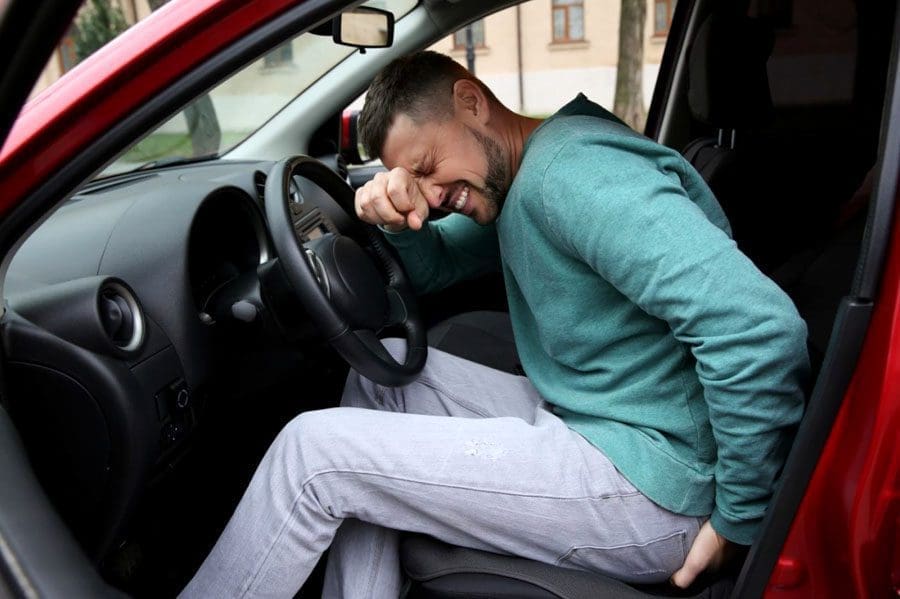
Motor vehicle accidents (MVAs) can turn your life upside down in an instant. The sudden jolt of a collision can lead to injuries that linger long after the crash, from nagging back pain to debilitating sciatica. Sciatica, caused by compression of the sciatic nerve, often stems from spinal misalignments or disc damage triggered by the trauma of an accident. The pain can radiate from your lower back down your leg, making everyday tasks feel impossible. Fortunately, a powerful combination of chiropractic care, nurse practitioner expertise, and integrative medicine offers a path to recovery. This blog post explores how these disciplines collaborate to treat MVA-related injuries, with a special focus on the groundbreaking work of Dr. Alexander Jimenez, a chiropractor and nurse practitioner in El Paso, Texas. This integrative approach addresses spinal health, nerve function, and overall wellness, promoting faster healing and improved long-term health. Whether you’re dealing with sciatica or chronic pain, this guide will show you how to reclaim your health.
Section 1: Understanding MVA-Related Injuries
Car accidents unleash tremendous force on your body, often causing injuries that aren’t immediately obvious. The spine, muscles, and nerves are particularly vulnerable, and damage to these structures can lead to chronic pain if left untreated. One of the most common issues following a motor vehicle accident (MVA) is sciatica, a condition in which the sciatic nerve becomes compressed, causing sharp, shooting pain that radiates from the lower back through the legs (Hurtado, 2024). Research suggests that up to 90% of sciatica cases are linked to spinal disc problems, which are frequently triggered by the trauma of a car crash (Jimenez, 2025a).
Common Injuries from MVAs
Whiplash: The rapid back-and-forth motion of the neck during a collision can strain muscles, ligaments, and vertebrae, leading to stiffness, headaches, and even chronic pain if not addressed (Jimenez, 2025b).
Herniated Discs: The force of an accident can cause spinal discs to bulge or rupture, pressing on nearby nerves and contributing to sciatica or other nerve-related pain (Portland Urgent Care, 2024).
Nerve Injuries: Compressed or irritated nerves, like the sciatic nerve, can cause tingling, numbness, or weakness in the affected area (Team Allied Physical Wellness, 2024).
Back and Neck Pain: Misaligned vertebrae or strained muscles often result in persistent discomfort that worsens without proper care (Versus Texas, 2024).
These injuries can be sneaky. You might feel fine right after the accident, only to wake up days later with pain or limited mobility. That’s why early evaluation is so important. Dr. Alexander Jimenez, a top expert in treating injuries from motor vehicle accidents, emphasizes that advanced tests, such as MRI and CT scans, are crucial for detecting hidden injuries, including soft tissue damage or subtle spinal misalignments, that regular X-rays may not reveal (Jimenez, 2024). His dual training as a chiropractor and nurse practitioner allows him to connect imaging results with patient symptoms, ensuring a precise diagnosis and a tailored treatment plan.
Why Early Detection Matters
Ignoring minor aches after an accident can lead to bigger problems down the road. For example, a small disc bulge might not cause pain initially but could worsen over time, compressing the sciatic nerve and triggering sciatica. Dr. Jimenez utilizes tools such as electromyography (EMG) to assess nerve function and identify issues like nerve compression, enabling him to detect problems early and prevent chronic pain (Jimenez, 2025a). By addressing injuries promptly, you can avoid long-term complications and return to your normal routine more quickly.
Section 2: The Power of Chiropractic Care in MVA Recovery
Chiropractic care is a cornerstone of MVA injury treatment because it targets the root cause of pain: spinal misalignments and nerve compression. When a car accident jolts your spine, vertebrae can shift out of place, creating subluxations that irritate nerves and cause pain. For sciatica, this scenario often happens in the lumbar spine, where a misaligned vertebra or herniated disc presses on the sciatic nerve (The Neck and Back Clinics, 2024). Chiropractors use precise, hands-on techniques to realign the spine, relieve nerve pressure, and restore mobility—all without the need for drugs or surgery.
Key Chiropractic Techniques for MVA Injuries
Spinal Manipulation: A controlled, high-velocity thrust to reposition vertebrae, reducing nerve irritation and improving joint function. This therapy is especially effective for sciatica and back pain (Mission Village Chiropractic, 2024).
Flexion-Distraction: A gentle, non-thrusting technique that stretches the spine to relieve pressure on herniated discs, making it ideal for sciatica patients (Charleston Chiropractic Studio, 2024).
Activator Method: A handheld device delivers low-force adjustments, making it ideal for patients with acute pain or sensitivity (OC Spinal Care, 2024).
Soft Tissue Therapy: Techniques like massage or myofascial release relax tight muscles, reduce inflammation, and improve blood flow to injured areas (Thrive VB, 2024).
How Chiropractic Care Helps
Chiropractic adjustments do more than just ease pain—they address the underlying issues that cause it. For example, realigning the lumbar spine can relieve pressure on the sciatic nerve, thereby reducing pain, tingling, and weakness in the legs. Adjustments also improve spinal mobility, which helps prevent scar tissue from forming and reduces the risk of chronic pain. Studies show that chiropractic care can significantly improve outcomes for MVA patients, with many reporting reduced pain and better function after just a few sessions (The Neck and Back Clinics, 2024).
Dr. Jimenez’s Chiropractic Approach
At his Injury Medical & Chiropractic Center in El Paso, Dr. Jimenez combines traditional chiropractic techniques with cutting-edge diagnostics. He uses functional movement screens to assess how injuries affect your body’s mechanics and EMG to pinpoint nerve damage. This data-driven approach allows him to create personalized treatment plans that target your specific injuries, whether it’s a herniated disc causing sciatica or whiplash-related neck pain (Jimenez, 2025a). Dr. Jimenez also emphasizes patient education, teaching you exercises and stretches to support your recovery at home.
Case Study: Sciatica Relief Through Chiropractic Care
Consider Maria, a 35-year-old teacher who was rear-ended at a stoplight. She developed lower back pain and a burning sensation down her right leg, classic signs of sciatica. After an MRI revealed a herniated disc at L5-S1, Dr. Jimenez designed a treatment plan that included spinal manipulation, flexion-distraction, and soft tissue therapy. Within six weeks, Maria’s pain dropped from an 8/10 to a 2/10, and she regained enough mobility to return to work. Her case highlights how chiropractic care can address the root cause of sciatica without relying on painkillers or invasive procedures.
Benefits of Chiropractic Care
Relieves pain naturally, reducing the need for medications.
Restores spinal alignment and nerve function.
Prevents chronic pain by addressing injuries early.
Section 3: The Role of Nurse Practitioners in MVA Injury Management
Nurse practitioners (NPs) are unsung heroes in MVA recovery, bringing a broad skill set that complements chiropractic care. NPs are trained to assess overall health, manage pain, and coordinate care across specialties, making them invaluable for patients dealing with complex injuries. They also play a critical role in documenting injuries for insurance claims or legal cases, ensuring patients get the support they need (Physicians Group LLC, 2024).
What NPs Bring to the Table
Pain Management: NPs can prescribe medications such as anti-inflammatories or muscle relaxants when needed, but they also recommend non-drug options, including transcutaneous electrical nerve stimulation (TENS) or acupuncture, to reduce reliance on pills (Versus Texas, 2024).
Diagnostic Expertise: NPs order and interpret imaging tests, such as MRIs or CT scans, to guide treatment decisions (Jimenez, 2024).
Patient Education: They educate patients on nutrition, exercise, and stress management to support healing and prevent future health issues (Physicians Group LLC, 2024).
Legal Documentation: NPs provide detailed medical records that link injuries to the accident, which is crucial for insurance or personal injury claims (Jimenez, 2025b).
Dr. Jimenez’s NP Expertise
As a board-certified Family Nurse Practitioner (FNP-C), Dr. Jimenez bridges the gap between medical and chiropractic care. He uses neurologic exams to assess reflexes and muscle strength, helping him identify nerve damage that might contribute to sciatica or radiculopathy. His training as a Nurse Practitioner also enables him to manage medications when necessary; however, he prioritizes non-invasive treatments such as chiropractic adjustments and physical therapy. This dual role ensures that patients get comprehensive care, from immediate pain relief to long-term recovery strategies (Jimenez, 2024).
Case Study: Coordinating Care for Whiplash
Take John, a 42-year-old construction worker who suffered whiplash in a side-impact collision. He experienced neck pain, headaches, and limited range of motion. Dr. Jimenez, acting as both a chiropractor and a nurse practitioner, ordered an MRI to rule out disc damage and used an EMG to confirm nerve irritation. He prescribed a short course of anti-inflammatories to manage acute pain while performing spinal adjustments to correct cervical misalignments. He also coordinated with a physical therapist to strengthen John’s neck muscles. Within eight weeks, John was back on the job, pain-free. This case demonstrates how nurse practitioners (NPs) can streamline care and improve outcomes.
Why NPs Are Essential
NPs bring a holistic perspective to MVA recovery, addressing not just physical injuries but also the emotional and logistical challenges patients face. They collaborate closely with chiropractors, physical therapists, and other healthcare providers to develop a comprehensive treatment plan, ensuring that no details are overlooked.
Section 4: Integrative Medicine for Holistic Healing
Integrative medicine elevates MVA recovery to the next level by combining conventional treatments with complementary therapies, including nutrition, health coaching, and physical therapy. This approach doesn’t just mask symptoms—it tackles the root causes of pain and promotes overall wellness. For sciatica and other MVA injuries, integrative medicine reduces inflammation, supports tissue repair, and helps prevent chronic issues. (Charleston Chiropractic Studio, 2024).
Key Components of Integrative Medicine
Nutrition: An anti-inflammatory diet rich in omega-3 fatty acids (found in fish and flaxseed), antioxidants (from berries and leafy greens), and lean proteins supports healing and reduces pain (Mission Village Chiropractic, 2024).
Health Coaching: Personalized guidance on stress management, sleep, and lifestyle changes helps patients cope with the emotional toll of an accident and stay committed to recovery (Thrive VB, 2024).
Physical Therapy: Targeted exercises strengthen muscles, improve flexibility, and complement chiropractic adjustments to ensure long-term spinal health (Jimenez, 2025b).
Acupuncture: This ancient technique stimulates nerve function and reduces pain, often used in conjunction with spinal decompression for sciatica relief (Versus Texas, 2024).
How Integrative Medicine Helps Sciatica
Sciatica often involves inflammation around the sciatic nerve, which can be worsened by poor diet or stress. Integrative medicine addresses these factors holistically. For example, eliminating processed foods and incorporating anti-inflammatory nutrients can help reduce swelling, while acupuncture and physical therapy can improve nerve function and mobility. Chiropractic adjustments then ensure the spine stays aligned, preventing further nerve compression. This multi-pronged approach leads to faster, more lasting relief (OC Spinal Care, 2024).
Dr. Jimenez’s Integrative Approach
Dr. Jimenez’s practice is a model of integrative medicine. He offers nutrition counseling to help patients adopt anti-inflammatory diets, reducing pain naturally. His health coaching sessions focus on stress reduction and goal setting, empowering patients to take charge of their recovery. He also incorporates functional medicine assessments to identify underlying imbalances, such as vitamin deficiencies or hormonal issues, that could slow healing. By addressing these factors, Dr. Jimenez helps patients not just recover from their injuries but also achieve better overall health (Jimenez, 2025a).
Case Study: Holistic Recovery from Back Pain
Sarah, a 29-year-old office worker, suffered lower back pain and sciatica after a fender-bender. Dr. Jimenez’s evaluation revealed a mild disc bulge and poor posture from long hours at a desk. He combined spinal adjustments with spinal decompression to relieve nerve pressure while prescribing an anti-inflammatory diet high in turmeric and salmon. Sarah also worked with a health coach to manage stress and started physical therapy to strengthen her core. Her pain disappeared after three months, and she experienced an increase in energy. This case illustrates the life-changing impact of integrative medicine on recovery.
Benefits of Integrative Medicine
Reduces inflammation and pain naturally.
Addresses emotional and physical aspects of recovery.
Section 5: Dr. Alexander Jimenez’s Unique Approach
Dr. Alexander Jimenez stands out as a leader in MVA injury treatment, thanks to his rare combination of credentials as a chiropractor (DC) and nurse practitioner (FNP-C). Based in El Paso, Texas, his clinic, Injury Medical & Chiropractic Center, serves as a hub for holistic healing, offering patients cutting-edge care for sciatica, back pain, and nerve injuries. Dr. Jimenez’s ability to integrate medical diagnostics, chiropractic techniques, and integrative medicine sets him apart, offering patients a one-stop recovery solution (Jimenez, 2025a).
Advanced Diagnostics for Precise Treatment
Dr. Jimenez relies on state-of-the-art tools to fully assess the extent of MVA injuries. His diagnostic approach includes:
MRI and CT Scans: These imaging techniques reveal soft tissue damage, disc herniations, and spinal misalignments that may not be visible on X-rays.
Electromyography (EMG): Measures nerve function to confirm conditions such as sciatica or radiculopathy, ensuring accurate treatment.
Neurologic Exams: Assesses reflexes, muscle strength, and coordination to identify nerve or spinal cord issues.
Functional Movement Screens: Evaluates how injuries affect mobility, guiding personalized treatment plans.
These diagnostics provide objective evidence of injuries, which is critical for both treatment and legal purposes. For example, an MRI might show a herniated disc pressing on the sciatic nerve, while an EMG confirms nerve dysfunction. This data allows Dr. Jimenez to design targeted interventions, such as spinal decompression for disc injuries or adjustments for subluxations (Jimenez, 2024).
Balancing Medical and Legal Needs
MVA patients often face not only physical challenges but also logistical ones, such as navigating insurance claims or personal injury lawsuits. As a nurse practitioner, Dr. Jimenez provides detailed medical records that link injuries to the accident, making it easier for patients to secure coverage or compensation. His reports include imaging results, clinical findings, and treatment progress, giving attorneys and insurers clear documentation. At the same time, his chiropractic expertise ensures patients get non-invasive, effective care that prioritizes healing over symptom management (Jimenez, 2025b).
Holistic Healing Philosophy
Dr. Jimenez’s practice is built on the belief that true recovery goes beyond pain relief—it’s about restoring overall health. He combines spinal adjustments with integrative therapies like nutrition counseling, health coaching, and physical therapy. For sciatica patients, he often uses spinal decompression, a non-surgical technique that gently stretches the spine to relieve disc pressure, in conjunction with adjustments to maintain proper alignment. His nutrition plans focus on anti-inflammatory foods to reduce swelling, while health coaching helps patients manage stress and adopt healthier habits (OC Spinal Care, 2024).
Case Study: Comprehensive Care for Nerve Damage
Michael, a 50-year-old truck driver, experienced numbness and weakness in his legs after a high-speed collision. Dr. Jimenez’s evaluation, including an MRI and EMG, revealed a pinched nerve in the lumbar spine. He used spinal decompression and adjustments to relieve nerve pressure while prescribing a diet rich in anti-inflammatory foods like walnuts and spinach. Michael also received health coaching to improve his posture and reduce stress. After 10 weeks, his symptoms resolved, and he returned to work with renewed energy. This case highlights Dr. Jimenez’s ability to integrate medical, chiropractic, and holistic care.
The combination of chiropractic care, nurse practitioner expertise, and integrative medicine offers a powerhouse approach to MVA recovery. Here’s why it works so well:
Comprehensive Care: Addresses physical injuries, nerve damage, and emotional stress, ensuring no aspect of recovery is overlooked.
Non-Invasive Solutions: Prioritizes natural treatments, such as adjustments and nutrition, over surgery or heavy medication.
Personalized Treatment: Tailors plans to your unique injuries and health needs, maximizing effectiveness.
Holistic Wellness: Promotes long-term health through a balanced diet, regular exercise, and effective stress management, helping you feel better than before the accident.
For sciatica, this approach is particularly effective. Chiropractic adjustments relieve nerve compression, nutrition reduces inflammation, and physical therapy strengthens supporting muscles. The result is faster pain relief and a lower risk of recurrence (The Neck and Back Clinics, 2024).
Real-World Impact
Patients who embrace this integrative model often report dramatic improvements. They not only recover from their injuries but also gain tools to live healthier lives. For example, adopting an anti-inflammatory diet can reduce pain from sciatica while lowering the risk of other chronic conditions, like heart disease. Similarly, learning stress management techniques can improve mental health and resilience, making it easier to cope with life’s challenges.
Recovering from an MVA takes time and effort, but these practical tips can help you get there faster:
Seek Care Immediately: Visit a chiropractor or nurse practitioner (NP) within 72 hours of the accident, even if you feel okay. Early treatment prevents minor injuries from developing into chronic conditions.
Stick to Your Treatment Plan: Attend all scheduled appointments and follow the recommendations for adjustments, exercises, and dietary changes.
Stay Active: Gentle stretches or physical therapy exercises keep your muscles flexible and prevent stiffness.
Report All Symptoms: Inform your healthcare provider about every symptom, no matter how minor. Tingling in your toes or mild headaches could signal nerve or soft tissue damage.
Keep Detailed Records: Document your treatments, symptoms, and medical bills for insurance or legal claims.
Dr. Jimenez’s clinic offers resources to support these steps, including patient education materials and access to a multidisciplinary team. His staff guides patients through the recovery process, from scheduling diagnostic tests to coordinating with insurers (Jimenez, 2025a).
References
Jimenez, A. (2025a). Auto accident-related nerve damage and treatment options. Chiropractic Scientist. https://chiropracticscientist.com/
Section 8: Overcoming Common Recovery Challenges
MVA recovery is not always a straightforward process. Patients often face hurdles like persistent pain, emotional stress, or insurance disputes. Here’s how an integrative approach helps overcome these challenges:
Persistent Pain: If pain persists, Dr. Jimenez may adjust your treatment plan by adding therapies such as acupuncture or spinal decompression to target stubborn issues.
Emotional Stress: Health coaching and stress management techniques, such as mindfulness or breathing exercises, help you cope with anxiety or frustration.
Insurance Issues: Dr. Jimenez’s detailed documentation simplifies the claims process, providing clear evidence of your injuries and treatments.
By addressing these challenges head-on, an integrative approach ensures you stay on track for a full recovery.
References
Jimenez, A. (2025a). Auto accident-related nerve damage and treatment options. Chiropractic Scientist. https://chiropracticscientist.com/
Section 9: The Long-Term Impact of Integrative Care
The benefits of integrative care extend far beyond immediate recovery. By addressing the root causes of MVA injuries, this approach helps you build a stronger, healthier body. For example, chiropractic adjustments keep your spine aligned, reducing the risk of future pain. Nutrition and exercise habits acquired during recovery can enhance your overall health, reducing the risk of chronic diseases. Plus, the stress management skills you gain can improve your mental well-being for years to come (Charleston Chiropractic Studio, 2024).
Preventing Future Injuries
Integrative care also teaches you how to protect your body from future injuries. Proper posture, regular exercise, and a balanced diet strengthen your musculoskeletal system, making it more resilient to stress. Dr. Jimenez’s patients often leave his clinic not just healed but empowered to live healthier lives.
A car accident can leave you with more than just a damaged vehicle—it can cause injuries like sciatica, back pain, and nerve damage that disrupt your life. But recovery is within reach. By combining chiropractic care’s focus on spinal health, nurse practitioners’ expertise in pain management, and integrative medicine’s holistic strategies, you can heal faster and feel better than ever. Dr. Alexander Jimenez, with his unique blend of chiropractic and medical training, leads the way in this integrative approach, offering personalized care that addresses both your injuries and your long-term health. This all-inclusive model can help you recover your mobility and flourish, regardless of whether you’re dealing with chronic pain or sciatica.
IFM's Find A Practitioner tool is the largest referral network in Functional Medicine, created to help patients locate Functional Medicine practitioners anywhere in the world. IFM Certified Practitioners are listed first in the search results, given their extensive education in Functional Medicine