

Peptide Therapy and Chiropractic Care Innovations
Peptide Therapy and Chiropractic Care: How They Work Together for Natural Healing
Peptides act like precise messengers inside your body. They are short chains of amino acids that tell specific cells what to do. These messages can help regulate metabolism, calm inflammation, or speed up healing in tissues like muscles, ligaments, and tendons. In an integrative chiropractic clinic, peptide therapy serves as a helpful catalyst. It works alongside your daily habits, nutrition plan, and spinal adjustments rather than acting as a quick fix or standalone solution.
This approach supports the body’s own repair systems. It combines targeted peptide signals with the raw materials of healthy nutrition and the improved nerve flow from chiropractic care. The result is often better healing from the inside out, especially for people dealing with back pain, old injuries, or slower recovery.
What Peptides Are and How They Function
Peptides are small chains of amino acids, usually between 2 and 50 or so units long. Amino acids are the building blocks that make up proteins in your body. Unlike larger proteins, peptides are short enough to act quickly and specifically. They attach to receptors on cells and deliver clear instructions.
Your body already makes many peptides naturally. They help control hormones, digestion, energy use, and repair processes. In therapy settings, specific peptides are used to give extra support where the body needs it most. Some peptides encourage tissue repair after strain or injury. Others help the body use energy better or reduce ongoing inflammation that slows healing.
Because they are so targeted, peptides send focused messages rather than broad effects. This makes them useful in care plans that already include hands-on treatments and lifestyle changes.
Peptides as a Catalyst in Integrative Chiropractic Clinics
In an integrative chiropractic setting, peptide therapy is never presented as a cure-all. Instead, it provides the body an extra push to respond better to other parts of the plan. Spinal adjustments improve alignment and nerve signals. Nutrition supplies the building blocks cells need. Peptides provide clear guidance for repair, metabolism, or control of inflammation.
This combination helps the body heal more efficiently. For example, a person recovering from a back strain might receive chiropractic care to restore motion, a nutrition plan rich in protein, and a peptide that supports ligament or tendon repair. The peptide does not work alone. It works best when the other pieces are in place.
Clinics that use this method focus on the whole person. They look at movement, diet, sleep, stress, and nerve function together. Peptide therapy fits into that bigger picture as one helpful tool among several.
Nutrition Provides the Essential Building Blocks
Peptides provide the instructions, but your cells still need supplies to follow them. That is where nutrition comes in. Your body requires amino acids, vitamins, and minerals to carry out repair work, control inflammation, and keep metabolism running smoothly.
Protein is especially important. It breaks down into amino acids during digestion. These amino acids become the raw materials for new tissue. If a peptide signals the body to repair a spinal ligament, the repair cannot happen well without enough dietary protein. Low protein intake is common, especially as people age or eat restrictive diets. This can limit how effectively peptide signals are transmitted.
Other nutrients matter too. Zinc, vitamin C, magnesium, and omega-3 fats support the processes peptides activate. Gut health also plays a role. A healthy digestive system absorbs these nutrients better. When the gut is irritated, even beneficial peptide signals may not reach full effect.
A practical nutrition approach often includes:
- Adequate protein from sources like eggs, fish, chicken, Greek yogurt, or quality supplements
- Colorful vegetables and fruits for vitamins and antioxidants
- Healthy fats from fish, nuts, and seeds to support inflammation control
- Plenty of water and fiber for digestion and nutrient transport
When nutrition and peptide therapy are paired, the body has both the message and the materials it needs.
The Nervous System Directs Healing Capacity
Your nervous system acts as the body’s master control center. It sends signals that tell cells when to repair, how to use energy, and how to manage inflammation. When nerve flow is smooth, the body heals and functions better. When there is interference, such as from spinal misalignments or tension, those signals can become disrupted. Healing slows, and even good nutrition or peptide messages may not work at full strength.
Chiropractic adjustments help reduce that interference. By restoring proper spinal motion and alignment, adjustments allow clearer nerve communication. This creates a better environment for peptides and nutrition to do their jobs. The nervous system can then coordinate repair processes more effectively throughout the body.
In integrative care, this connection is central. Adjustments optimize the control system. Peptides provide targeted cellular instructions. Nutrition supplies the building blocks. Together they support healing from multiple angles at once.
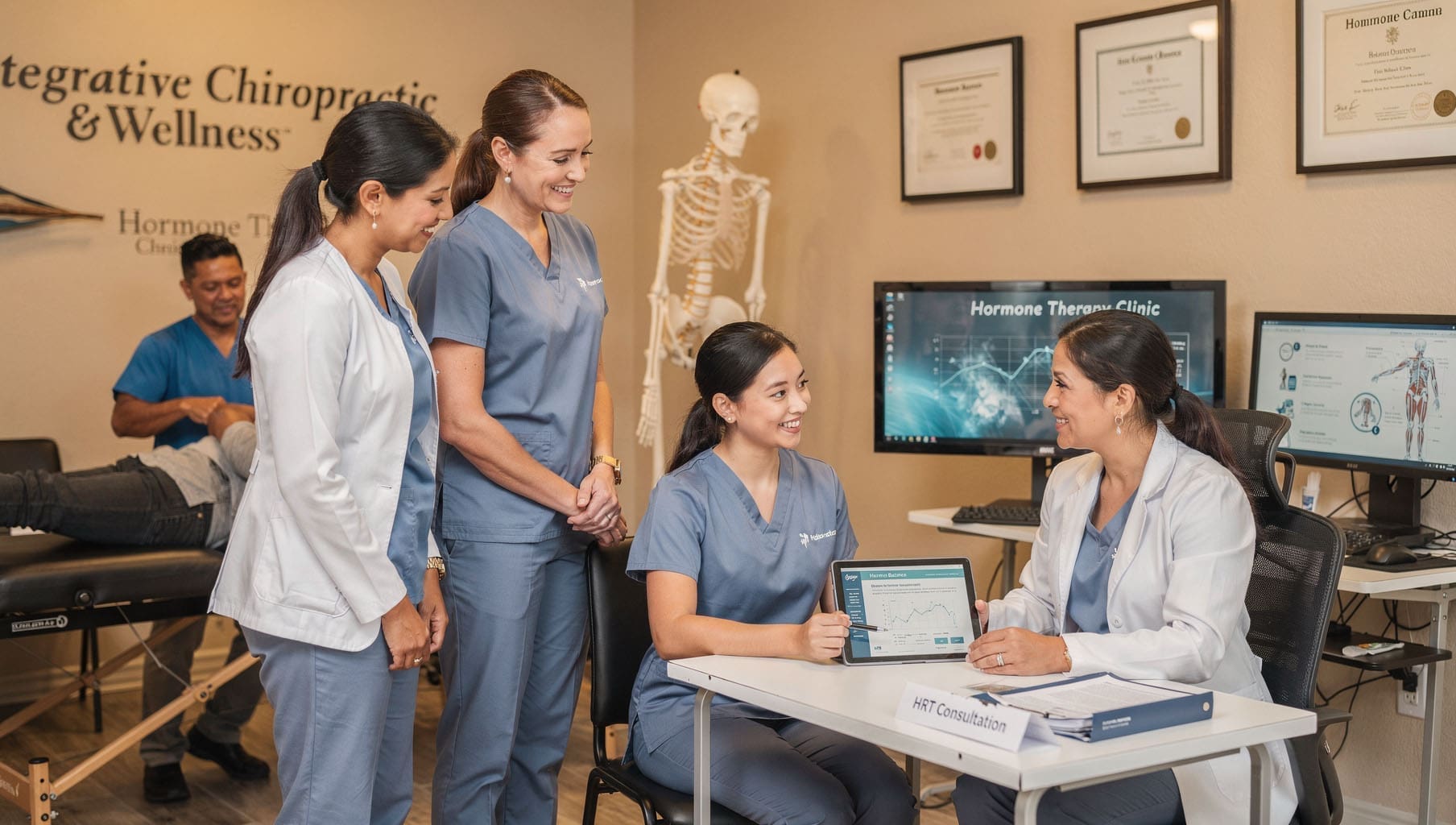
A Multidisciplinary Team Approach in El Paso
At Injury Medical Clinic PA in El Paso, Texas, this integrated model is put into practice every day. Dr. Alexander Jimenez, DC, APRN, FNP-BC, CCST, CFMP, IFMCP, ATN, brings decades of experience in chiropractic care, functional medicine, and advanced clinical practice. His clinical observations emphasize treating the whole person. He focuses on restoring natural healing ability through precise spinal care, functional rehabilitation, and addressing root factors like nutrition, inflammation, and nerve function.
Working alongside him is Dr. Maria Guadalupe Cardenas, MD. She is Board Certified in Internal Medicine with over 40 years of experience. Her Texas MD License is #J2933, and her NPI is #1164426749. Dr. Cardenas serves as Medical Director and Collaborative Physician. In this multidisciplinary setup, she provides medical oversight, reviews complex health histories, and ensures safety while Dr. Jimenez delivers chiropractic and functional care.
This team model is common in integrative and injury-focused clinics. The chiropractor handles spinal adjustments, soft-tissue work, rehabilitation exercises, and personal-injury documentation. The medical director offers an internal medicine perspective for overall health coordination. Functional medicine principles guide the search for root causes. Personal injury care addresses accident-related issues such as whiplash and lingering soft-tissue damage. Regenerative and supportive therapies, including carefully chosen peptides when appropriate, fit into personalized plans.
Patients often receive coordinated care that may include:
- Chiropractic adjustments to improve alignment and nerve flow
- Functional medicine assessments of nutrition, gut health, and inflammation
- Rehabilitation exercises to rebuild strength and mobility
- Medical oversight for safety and complex cases
- Targeted peptide support when it fits the individual plan
The goal is faster, more complete recovery and better long-term function.
What This Integrated Approach Looks Like in Practice
A typical journey might begin with a thorough evaluation. The team reviews movement patterns, injury history, nutrition habits, and nervous system function. Lab work or functional assessments can reveal nutrient gaps or inflammation levels. From there, a plan is built that layers chiropractic care, nutrition guidance, and peptide therapy only when it adds clear value.
For someone with ongoing back or neck discomfort, adjustments may restore motion while nutrition supports tissue repair. A peptide focused on healing or inflammation control can then amplify those efforts. Progress is tracked through follow-up visits, functional tests, and how the person feels and moves in daily life.
This method respects that healing is not one-dimensional. It combines precise signals, solid building materials, and clear nerve communication under coordinated professional guidance.
Moving Forward with Informed Choices
Peptide therapy in an integrative chiropractic setting offers a thoughtful way to support the body’s natural abilities. It works best when paired with strong nutrition and chiropractic care that optimizes nervous system function. In clinics with collaborative medical and chiropractic teams, patients receive care that addresses multiple layers of healing at once.
If you are exploring options for better recovery, reduced inflammation, or improved metabolic health, consider how these pieces fit together. A qualified integrative team can help determine whether peptide therapy makes sense as part of your personalized plan. The focus remains on giving your body the right messages, the right materials, and the right environment to heal and thrive.
References
Renaud, C. (2026, June 4). Nutrition and peptide therapy: How they work together for better results. Med Matrix.
Go Holistiq. (n.d.). What are peptides? A practical guide for modern wellness.
Hatch Chiropractic & Wellness. (n.d.). Peptide therapy.
Creekside Wellness. (n.d.). Peptide therapy.
Aloha. (2026, January 12). Peptide therapy – Integrative Health & Wellness.
El Paso Chiropractor Blog. (2026, June). Integrative chiropractic and regenerative medicine in El Paso: A modern path for spine, joint, and injury recovery.
Jimenez, A. (n.d.). Clinical insights and practice philosophy. Injury Medical Clinic PA.







