Can bone growth stimulators help promote bone healing in cases where fractures or fusions fail to heal properly?
Bone Growth Stimulator
Individuals who sustain broken bones typically heal the fracture with appropriate treatment, which may include casts, realignment, and surgery. This type of surgery is performed on the spine and joints throughout the body; typically, the bone heals without a problem. Bone healing is a natural process, as bones are constantly replaced with new ones, and after an injury, the body can heal the damage to the bone. However, bone healing sometimes does not happen correctly and/or completely. Bone healing can take a long time, which is known as a delayed union, or it may not occur at all, or a nonunion. This is when a healthcare provider could recommend bone growth stimulation.
How They Work
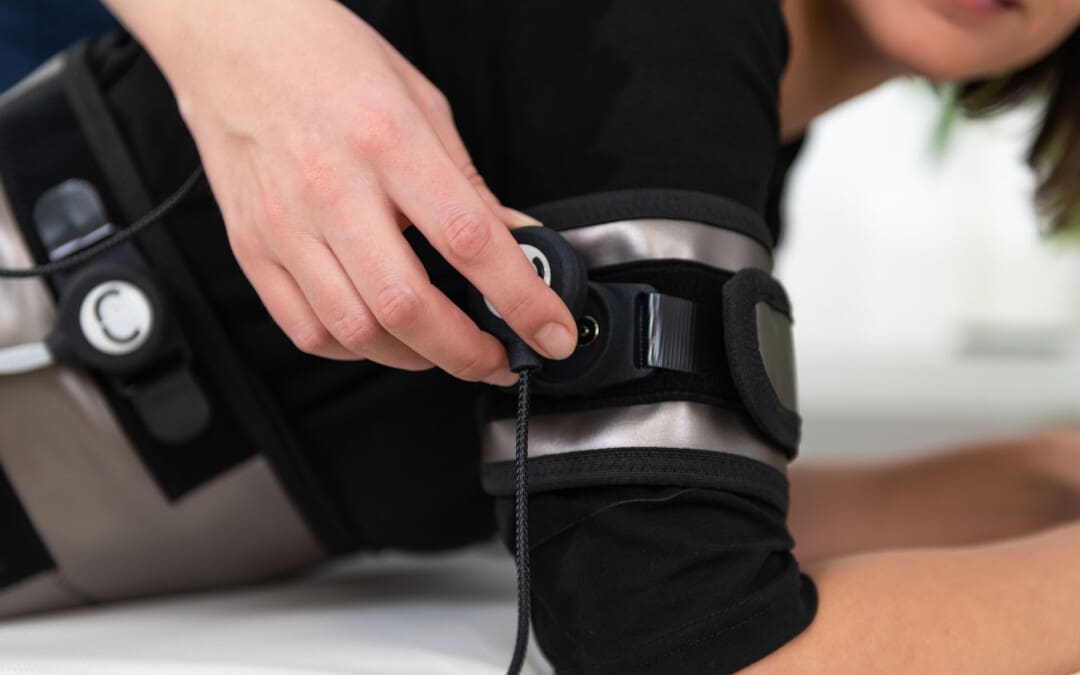
Bone growth stimulators apply external or implanted electrical or ultrasonic energy to the fracture or fusion site, stimulating bone growth. These devices are often used when a fracture doesn’t heal within the expected timeframe (a nonunion fracture) or when a spinal fusion has not successfully fused. (FDA, 2022)
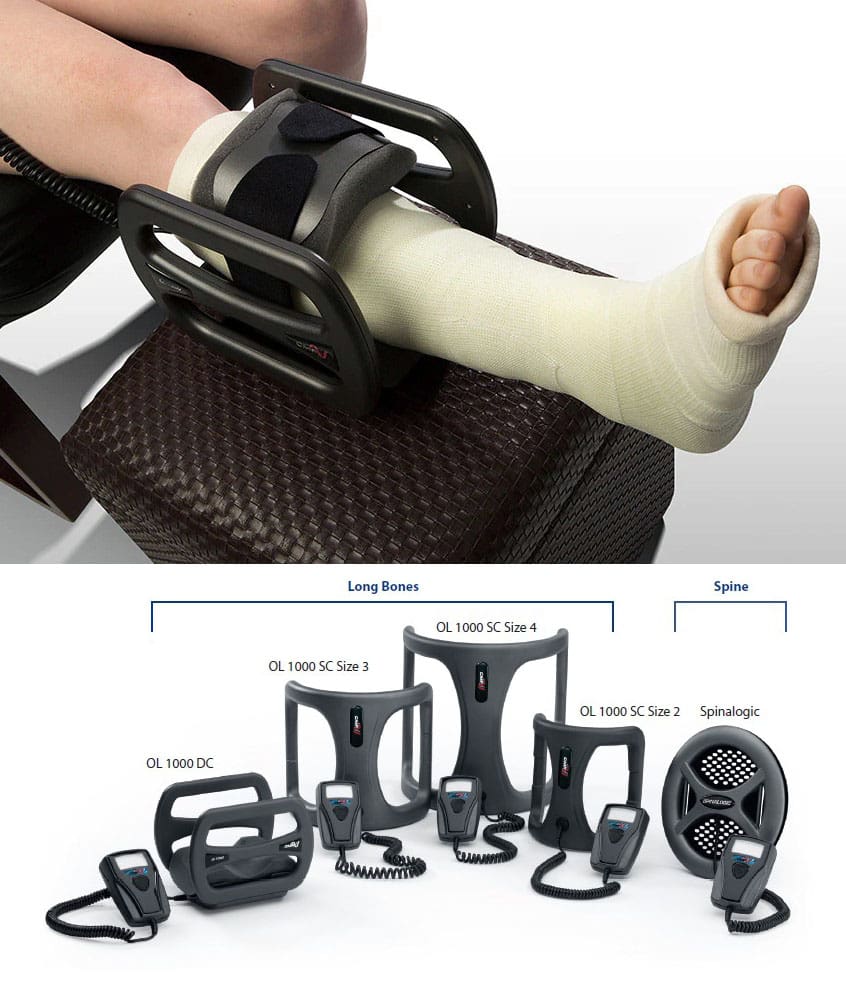
They come in various shapes, sizes, and technologies depending on the location of the fracture.
The most commonly used bone stimulators in orthopedics are electrical and ultrasound stimulators.
The stimulator emits a pulsed electromagnetic or ultrasonic impulse to the area where bone healing should occur.
Most modern bone stimulators are attached near the fracture site or fused with a small battery pack and worn for a period each day that may last minutes or hours.
Electrical Stimulation
Devices deliver low-level electrical pulses to the fracture site, which can stimulate bone cells to create new bone tissue.
Ultrasound Stimulation
They emit low-intensity pulsed ultrasound waves, which are absorbed by the bone and can promote bone healing.
Implantable vs. External
Some stimulators are surgically implanted, providing constant stimulation directly at the fracture site, while others are external and worn over the skin or cast.
The goal is to activate a series of receptors in the body to encourage a healing response. (Childs, S. G. 2003) The stimulator activates a pathway that releases chemicals within the body to promote fracture healing. This type of process in the body is called a cascade, and it happens when one signal stimulates another method, and so on until healing is complete. The bone stimulator ensures this cascade continues until the healing process is complete.
Effectiveness
Studies of bone stimulator effectiveness suggest two benefits:
Less pain is associated with the bone healing process.
Faster fracture healing.
However, these studies haven’t shown that these differences lead to improved patient functional outcomes. It would seem that if there is less pain and faster healing, then the patient should recover without complications. However, some researchers have suggested this is probably because the differences in pain and healing times are small and not necessarily noticeable. (Aleem, I. S. et al., 2016)
While bone growth stimulators can be effective, the results can vary, and their effectiveness is still under investigation.
Some studies have shown that stimulators can reduce pain and speed up healing time, while others have shown mixed results.
It’s important to discuss the benefits and risks of bone growth stimulation with a doctor to determine if it’s the right treatment option.
When Stimulation is Necessary
Bone stimulators are currently not used for routine fracture healing. It is certainly possible that bone healing stimulators will be used routinely in the future. They seem to show some benefit in non-healing fractures or fractures that are likely troublesome to heal. Some reasons individuals may have problems healing fractures are injuries to the blood supply to and around the fracture, injuries to specific bones, and overuse-related fractures. (Victoria, G. et al., 2009) These injuries may include (FDA, 2022)
Nonunion Fractures
When a fracture doesn’t heal within the expected timeframe.
Open fractures
Stress fractures
Scaphoid bone fractures
Talus fractures
Failed Fusions
When a spinal fusion hasn’t been successful.
High-Risk Patients
For individuals with factors that can hinder bone healing, such as smoking, diabetes, or certain medications
Bone healing typically proceeds without much problem. However, there are situations where people have issues healing after fractures or surgery. Bone stimulators are not used for routine bone healing but in situations where steps may be needed to help stimulate the body. While the improvement may be small, it may be critical if it is the difference between healing and nonhealing.
Injury Medical Chiropractic and Functional Medicine Clinic
As a Family Practice Nurse Practitioner, Dr. Jimenez combines advanced medical expertise with chiropractic care to address various conditions. Our clinic integrates Functional Medicine, Acupuncture, Electro-Acupuncture, and Sports Medicine to create customized care plans that promote natural healing, mobility, and long-term wellness. By focusing on flexibility, agility, and strength, we empower patients to thrive, regardless of age or health challenges. At El Paso’s Chiropractic Rehabilitation Clinic & Integrated Medicine Center, we passionately focus on treating patients after injuries and chronic pain syndromes. We focus on improving your ability through flexibility, mobility, and agility programs tailored for all age groups and disabilities. We use in-person and virtual health coaching and comprehensive care plans to ensure every patient’s personalized care and wellness outcomes.
From Injury to Recovery with Chiropractic Care
References
U.S. Food & Drug Administration. (2022). AccelStim Bone Growth Stimulator – P210035. Retrieved from https://www.fda.gov/medical-devices/recently-approved-devices/accelstim-bone-growth-stimulator-p210035#:~:text=What%20is%20it?,the%20transducer%20to%20the%20fracture
Childs, S. G. (2003). Stimulators of bone healing. Biologic and biomechanical. Orthopedic nursing, 22(6), 421–428. https://doi.org/10.1097/00006416-200311000-00010
Aleem, I. S., Aleem, I., Evaniew, N., Busse, J. W., Yaszemski, M., Agarwal, A., Einhorn, T., & Bhandari, M. (2016). Efficacy of Electrical Stimulators for Bone Healing: A Meta-Analysis of Randomized Sham-Controlled Trials. Scientific Reports, 6, 31724. https://doi.org/10.1038/srep31724
Victoria, G., Petrisor, B., Drew, B., & Dick, D. (2009). Bone stimulation for fracture healing: What’s all the fuss?. Indian Journal of Orthopaedics, 43(2), 117–120. https://doi.org/10.4103/0019-5413.50844
What is pseudoarthrosis of the cervical and lumbar spine?
Pseudoarthrosis of the cervical and lumbar spine
Individuals may need a spinal fusion to treat a fractured vertebra, scoliosis, or conditions like spinal stenosis, degenerative disc disease, and spondylolisthesis/slipped vertebrae. A spinal fusion reduces pain and stabilizes the spine by limiting movement between vertebrae. Pseudoarthrosis happens when the bones don’t heal after a fracture or bone surgery. When pseudoarthrosis affects the cervical or lumbar spine, it means that two vertebrae did not heal and grow together after spinal surgery to fuse them (spinal fusion). Reasons for a failed spinal fusion include:
Issues with the instruments used to stabilize the bone
Lack of bone growth
The number of vertebrae being fused.
The patient’s health and lifestyle play a role in failed fusions, which can include
Diabetes
Inflammatory health conditions increase the risk
Smoking
Long-term steroid use
In many cases, revision surgery is needed.
Surgery-Related
During a spinal fusion, surgeons insert a bone graft between two vertebrae and then apply spinal fixation hardware (instrumented spinal fusion) that includes:
Plates
Rods
Screws
The bone graft promotes growth between the two bones.
The hardware stabilizes the vertebrae and prevents movement while they fuse and grow together.
The hardware goes inside, or internal fixation.
Although rare, a severe spinal fracture or deformity may need external fixation.
A rigid frame secured outside the body helps to stabilize the bones.
If the fusion fails, it could be caused by one or more of the following surgical issues:
The surgeon must carefully plan and use the right hardware.
The type of hardware used during a spinal fusion may influence bone healing.
The instruments can come loose or break, interfering with the fusion process.
Spinal osteoporosis, having thin, weak bones, can affect fixation.
Even with the optimal surgical preparedness, weak bones significantly increase the chance of the instruments loosening and pseudoarthrosis developing.
Bone Graft
The type of bone graft used may affect the fusion.
For example, in cervical/neck spinal fusions, an autograft, which uses a small piece of bone from the patient’s body, has a higher success rate. (Verla T. et al., 2021)
Other graft options include specialized steel cages that fit between vertebrae and contain bone growth factors.
The surgeon recommends the optimal bone graft for the type of surgery, the number of vertebrae involved, and risk factors.
Risk Factors
The patient’s overall health and lifestyle impact the results of spinal fusion. Smoking increases the risk. (Berman D. et al., 2017)
Nicotine restricts blood circulation, decreases bone density, reduces new bone formation, and delays bone healing. (Hernigou J., & Schuind F., 2019)
The primary sign of pseudoarthrosis is pain in the same area as before the fusion surgery.
If the bones pinch a spinal nerve, one arm may experience pain, tingling, burning, or numbness.
Rarely does a pinched nerve affect both arms.
The pain may return shortly after the procedure.
The pain may develop gradually or not appear for many months.
However, it’s more likely to appear after several months when the individual returns to their usual activities.
Diagnosis
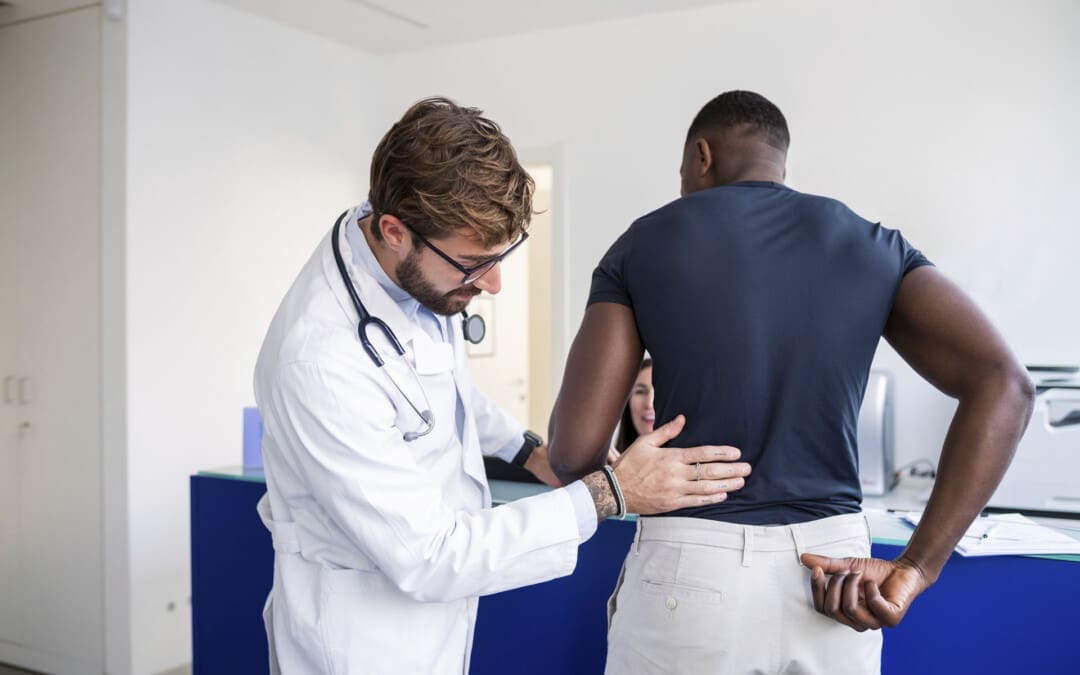
The healthcare provider will learn about symptoms and perform a physical exam to evaluate the back.
They’ll assess mobility and the type of movement that causes pain.
Then, they order diagnostic imaging to see the spine and identify the cause of pain.
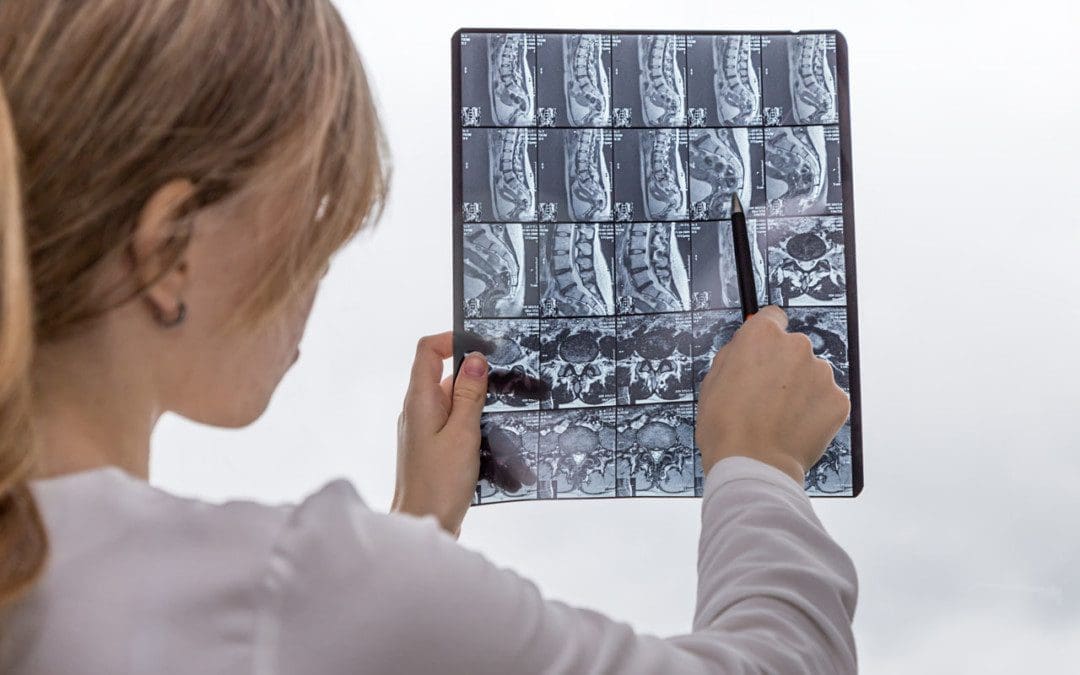
Individuals may need a CT scan, MRI, and/or X-rays to evaluate the spinal structures and instrumentation fully.
Treatment
Treatment for pseudoarthrosis will likely start with:
Physical therapy
Pain management – especially in cases where it is important to rule out other sources of back or neck pain.
Medication
Injections
If symptoms don’t improve with conservative care or if there is severe pain, the healthcare provider may recommend revision surgery.
Revision surgery is another procedure to treat complications or correct issues that arise after the initial pseudoarthrosis surgery.
Injury Medical Chiropractic and Functional Medicine Clinic
As a Family Practice Nurse Practitioner, Dr. Jimenez combines advanced medical expertise with chiropractic care to address various conditions. Our clinic integrates Functional Medicine, Acupuncture, Electro-Acupuncture, and Sports Medicine to create customized care plans that promote natural healing, mobility, and long-term wellness. By focusing on flexibility, agility, and strength, we empower patients to thrive, regardless of age or health challenges. At El Paso’s Chiropractic Rehabilitation Clinic & Integrated Medicine Center, we passionately focus on treating patients after injuries and chronic pain syndromes. We focus on improving your ability through flexibility, mobility, and agility programs tailored for all age groups and disabilities. We use in-person and virtual health coaching and comprehensive care plans to ensure every patient’s personalized care and wellness outcomes.
Enhancing Health Together
References
Boonsirikamchai, W., Wilartratsami, S., Ruangchainikom, M., Korwutthikulrangsri, E., Tongsai, S., & Luksanapruksa, P. (2024). Pseudarthrosis risk factors in lumbar fusion: a systematic review and meta-analysis. BMC musculoskeletal disorders, 25(1), 433. https://doi.org/10.1186/s12891-024-07531-w
Verla, T., Xu, D. S., Davis, M. J., Reece, E. M., Kelly, M., Nunez, M., Winocour, S. J., & Ropper, A. E. (2021). Failure in Cervical Spinal Fusion and Current Management Modalities. Seminars in plastic surgery, 35(1), 10–13. https://doi.org/10.1055/s-0041-1722853
Berman, D., Oren, J. H., Bendo, J., & Spivak, J. (2017). The Effect of Smoking on Spinal Fusion. International journal of spine surgery, 11(4), 29. https://doi.org/10.14444/4029
Hernigou, J., & Schuind, F. (2019). Tobacco and bone fractures: A review of the facts and issues that every orthopaedic surgeon should know. Bone & joint research, 8(6), 255–265. https://doi.org/10.1302/2046-3758.86.BJR-2018-0344.R1
Scoliosis Research Society. (2023). Pseudoarthrosis. https://www.srs.org/Patients/Conditions/Pseudoarthrosis
Torres, H. M., Arnold, K. M., Oviedo, M., Westendorf, J. J., & Weaver, S. R. (2023). Inflammatory Processes Affecting Bone Health and Repair. Current osteoporosis reports, 21(6), 842–853. https://doi.org/10.1007/s11914-023-00824-4
Jiao, H., Xiao, E., & Graves, D. T. (2015). Diabetes and Its Effect on Bone and Fracture Healing. Current osteoporosis reports, 13(5), 327–335. https://doi.org/10.1007/s11914-015-0286-8
Can understanding the mechanics of the throwing motion help to understand why it may cause shoulder pain, the symptoms of a shoulder problem, the diagnosis, and the treatment options available?
Throwing a Ball and Shoulder Pain
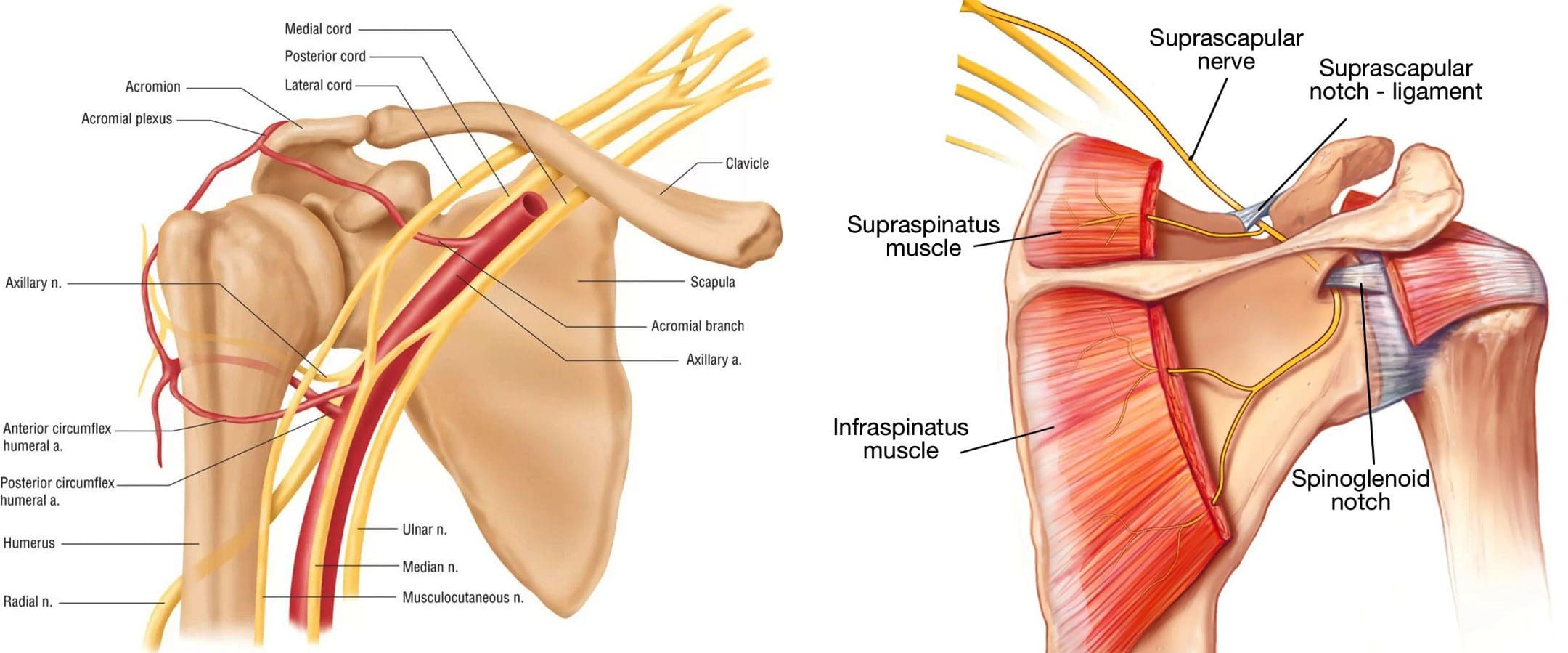
The throwing motion is a complex shoulder movement that requires the mechanics of muscles, tendons, joints, ligaments, and bones. They all must move in a synchronized and stable pattern to move the shoulder joint. When these mechanics are interrupted or altered, inflammation can result in pain symptoms. (Wardell M., Creighton D., & Kovalcik C., 2022)
The labrum stabilizes the ball in the socket of the shoulder.
The shoulder blade rotation coordinates with the arm to ensure mobility. (Itoigawa Y. et al., 2023)
The throwing motion generates high torque and acceleration forces acting on the shoulder joint and the surrounding muscles, ligaments, and tendons.
Causes of Pain
Pain when throwing can come from the:
Shoulder blade
Shoulder joint – cartilage and labrum
Rotator cuff muscles and tendons
Nerves that control the muscles’ function
The shoulder blade is attached to the upper back by ligaments, muscles, and tendons. The various muscles and tendons that control the movement of the shoulder blade impact movements. Abnormalities of any area can lead to shoulder dysfunction and pain when throwing. (Wardell M., Creighton D., & Kovalcik C., 2022) The most common is the tightness of the posterior shoulder capsule, causing a loss of normal internal rotation of the shoulder. If this is causing pain, individuals may notice that they can’t reach up as high on the side with the painful shoulder when reaching behind their back.
Symptoms
Whether an athlete or playing catch in the backyard, shoulder function abnormalities can cause significant pain. Some symptoms include.
Aching Pain
Often deep in the shoulder or extending down the upper arm.
Dead Arm
Lack of strength in the throwing motion.
Pain at Night
Pain can awaken you from sleep.
Diagnosis
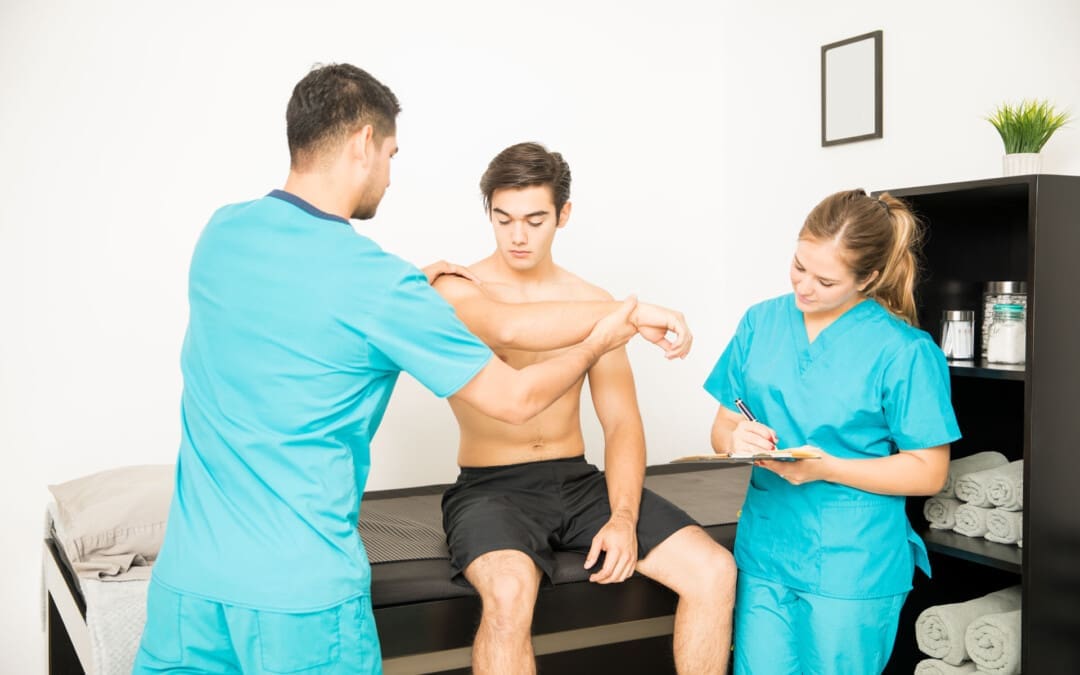
Finding a healthcare provider familiar with sports injuries can be helpful. They can best determine if a structural abnormality needs to be addressed. (American Academy of Orthopaedic Surgeons, 2021)
Treatment
Most can improve with nonsurgical treatments. The earliest phase of treatment is resting the joint and reducing inflammation. Treatments can include:
Ice
Anti-inflammatory medications
Cortisone injection
Once the inflammation has subsided, the source of the discomfort can be addressed.
Physical Therapy
Therapy can include:
A structured shoulder stretching and strengthening program will help.
The physical therapist will focus on scapular mobility when managing shoulder joint problems.
Stretching to improve internal rotation or any other lost motion can help allow a more normal throwing motion.
Strength exercises are often aimed at the rotator cuff, as these muscles initiate proper shoulder movements and stabilize the shoulder joint.
Maintaining flexibility and strength of the periscapular muscles (muscles that attach to the scapula bone) is important to ensure that the scapular movements are coordinated with the throwing motion.
If improvements are not made within three months of therapy, or individuals can’t return to competitive sports within six months. In that case, the individual may need to return to their healthcare provider or see an orthopedic specialist who may recommend surgery. (American Academy of Orthopaedic Surgeons, 2024)
Injury Medical Chiropractic and Functional Medicine Clinic
As a Family Practice Nurse Practitioner, Dr. Jimenez combines advanced medical expertise with chiropractic care to address various conditions.
Wellness & Nutrition: Personalized plans to optimize health and prevent disease.
Chronic Pain Management: Non-invasive solutions for fibromyalgia, sciatica, and low back pain.
Personal Injury & Auto Accident Care: Tailored rehabilitation for whiplash, soft tissue injuries, and more.
Sports Injuries & Orthopedic Care: Treatment for sprains, strains, and complex injuries.
Functional Medicine: Root-cause analysis for chronic disorders, incorporating nutrition, lifestyle, and environmental factors.
Neuromusculoskeletal Health: Care for neck pain, migraines, herniated discs, and scoliosis.
Our clinic integrates Functional Medicine, Acupuncture, Electro-Acupuncture, and Sports Medicine to create customized care plans that promote natural healing, mobility, and long-term wellness. By focusing on flexibility, agility, and strength, we empower patients to thrive, regardless of age or health challenges.
At El Paso’s Chiropractic Rehabilitation Clinic & Integrated Medicine Center, we passionately focus on treating patients after frustrating injuries and chronic pain syndromes. We focus on improving your ability through flexibility, mobility, and agility programs tailored for all age groups and disabilities. We use in-person and virtual health coaching and comprehensive care plans to ensure every patient’s personalized care and wellness outcomes.
Lumbar Spine Injuries in Sports: Chiropractic Healing
References
Wardell, M., Creighton, D., & Kovalcik, C. (2022). Glenohumeral Instability and Arm Pain in Overhead Throwing Athletes: A Correlational Study. International journal of sports physical therapy, 17(7), 1351–1357. https://doi.org/10.26603/001c.39800
Itoigawa, Y., Koga, A., Morikawa, D., Kubota, A., Uehara, H., Maruyama, Y., Takazawa, Y., & Ishijima, M. (2023). Posterior shoulder stiffness was associated with shoulder pain during throwing in college baseball players: assessment of shear wave elastography. European journal of orthopaedic surgery & traumatology: orthopedie traumatologie, 33(4), 1237–1244. https://doi.org/10.1007/s00590-022-03286-z
American Academy of Orthopaedic Surgeons. (2021). Shoulder Injuries in the Throwing Athlete. https://orthoinfo.aaos.org/en/diseases–conditions/shoulder-injuries-in-the-throwing-athlete/
American Academy of Orthopaedic Surgeons. (2024). Shoulder Impingement/Rotator Cuff Tendinitis. https://orthoinfo.aaos.org/en/diseases–conditions/shoulder-impingementrotator-cuff-tendinitis
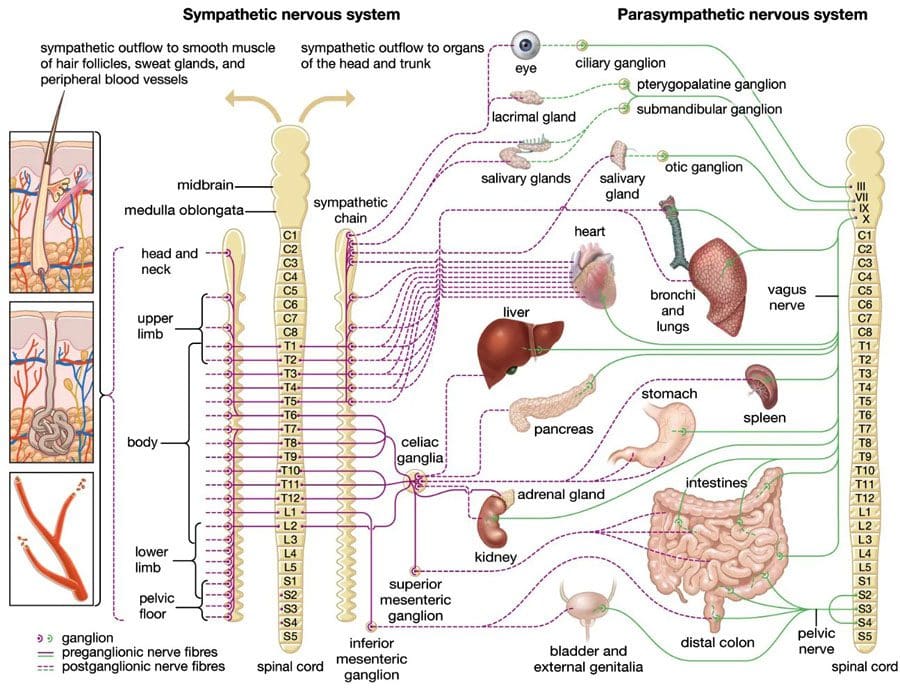
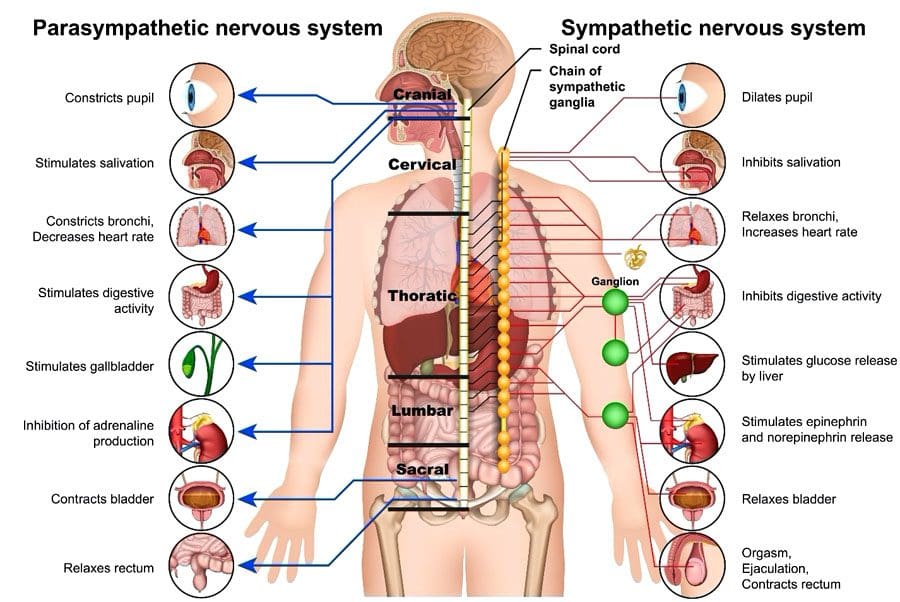
The neuromusculoskeletal system refers to the nerves, muscles, and bones. Nerve messages flow through the nervous system to coordinate and control every bodily function. Nerve interference causes an imbalance in this system, compromising body function. Uncoordinated or reduced nerve function over time can result in an unhealthy state or disease development. Complex or puzzling symptoms can include:
The nerves in the body are linked to the spinal cord, and when the spinal joints shift out of position, they can compress or kink the nerves, causing malfunction. Even a minor misalignment can create nerve, joint, and muscle tightness that travels throughout the body. This causes imbalances in nearly every other bodily system, forcing it to change in negative ways and typically becomes worse with time. Injuries from slips and falls, playing sports, accidents, unhealthy ergonomics, and repetitive/overuse motions can cause nerve injuries. Nerve dysfunction or damage can irritate the nerves causing nerve irritation that leads to nerve interference. Nerve damage can cause numbness, tingling, discomfort, and pain.
Dizziness and Mental Fog
Nerve interference can cause brain fog, sluggishness, dizziness, and anxiety.
If the brain and nervous system’s communication is disrupted by damage or injury to the nerves, mental ability may become confused and muddled.
Negatively Affect Sleep
Nerve interference can produce discomfort all over the body, causing sleep problems.
During restorative sleep, nerve interference can interrupt memory and cognitive function.
Gastrointestinal symptoms like indigestion, acid reflux, constipation, diarrhea, GERD, and nausea can present suddenly.
Back Pain
Back discomfort and pain can be caused by nerve issues.
Nerve pain can be aching, pinching, throbbing, or stabbing in the upper, middle, and lower back areas.
Numbness
Nerve signals can get mixed up or sent to the wrong areas.
Nerve interference reduces nerve energy circulation, causing tingling and numbing sensations in different body regions.
Recovery Problems
Pain could result from a past injury making injuries more difficult to heal.
Nerve interference can cause the body to become stiff, immobile, and numb, depleting the body’s energy.
Nerve energy transmission is required so the body can react to its surroundings and function correctly.
Chiropractic
Nerve blockage can be cleared through functional chiropractic medicine.
The nerve/s that are blocked or restricted are worked on through therapeutic percussive massage, manual adjustments, decompression, and stretching exercises.
Therapeutic deep tissue stimulation with or without heat is applied directly to the nerve region to increase circulation.
Proper function of nerves is restored and allows for increased blood circulation that provides increased oxygenated nutrients expediting the healing process.
Discomfort and pain are relieved.
Range of motion increases.
Restoration of muscle function and joint stability.
Tissue repair improves through treatment and nutrition.
Spinal Decompression Therapy
References
Crawford, J P. “Chiropractic intervention in the treatment of joint and soft tissue disorders.” Canadian journal of applied physiology = Revue canadienne de physiologie appliquee vol. 24,3 (1999): 279-89. doi:10.1139/h99-023
Gu, Xiaosong, et al. “Neural tissue engineering options for peripheral nerve regeneration.” Biomaterials vol. 35,24 (2014): 6143-56. doi:10.1016/j.biomaterials.2014.04.064
Mackinnon, Susan E. “Pathophysiology of nerve compression.” Hand clinics vol. 18,2 (2002): 231-41. doi:10.1016/s0749-0712(01)00012-9
Norton, Charles E et al. “Role of perivascular nerve and sensory neurotransmitter dysfunction in inflammatory bowel disease.” American journal of physiology. Heart and circulatory physiology vol. 320,5 (2021): H1887-H1902. doi:10.1152/ajpheart.00037.2021
T Francio, Vinicius. “Chiropractic care for foot drop due to peroneal nerve neuropathy.” Journal of bodywork and movement therapies vol. 18,2 (2014): 200-3. doi:10.1016/j.jbmt.2013.08.004
Experiencing low back pain and diarrhea can be a symptom of a viscerosomatic reflex,somatovisceral reflex, or a combination. A reflex is an involuntary response to nervous system stimulation. A doctor tapping below the knee causes the foot to kick forward is a basic example of a reflex. This is a somatovisceral or body organ reflex. Back pain could be from awkward posture, repetitive motions like bending or twisting, or injury that affects the spinal column. The effects could cause nerve compression and damage that can cause firing misinterpreted signals impacting/damaging internal organ function, causing pain and other symptoms.
However, the damage caused to the compressed/injured organ nerves can also cause back pain symptoms. This is a viscerosomatic or organ body reflex. One study found that a group of chiropractic patients dealing with low back pain also had increased bowel problems, even though there was no specific cause, link, or association between the two. Lower back pain and diarrhea may be completely unrelated, but if symptoms are recurring, there is an increased chance of an underlying medical issue.
Chiropractic Medicine
Chiropractic medicine is founded on the nervous system’s control of the body’s organ systems, whose impulse signals travel through the spinal cord. Body systems include the muscles, bones, and all organs. Any problems with the spine and/or nerve changes from normal wear and tear, injury, or infection can affect signal transmissions that can alter system functions. Altered nerve conduction can impact overall health and is referred to as reflex pathways in the nervous system. A somatovisceral reflex is where the musculoskeletal system causes altered nerve conduction creating organ system dysfunction and/or illness. Diarrhea brought on by back pain is an example.
Causes Of Back Pain and Diarrhea
Appendicitis
The appendix extends from the colon in the lower right abdomen. Appendicitis is inflammation of the appendix. The pain usually appears near the belly button and spreads to the right side of the stomach. Some individuals’ appendix extends behind the colon, which can also cause low back pain. Symptoms include:
Loss of appetite
Inability to relieve gas
Constipation
Abdominal pain – Moderate to severe
Diarrhea
Fever
Nausea
Vomiting
Appendicitis can be life-threatening and requires immediate treatment; if left untreated, the condition can worsen within hours, causing a rupture that can leak through the abdominal cavity.
Fecal impaction
Fecal impaction is stools that have become hard, dry, and stuck in the rectum and can cause abdominal and low back pressure and pain. It is commonly caused by chronic constipation, which can be associated with dehydration, lack of fiber, physical inactivity, medication side effects, or long-term use of laxatives. Taking laxatives for a long time can cause the intestines to shut off automatic evacuation of the bowels. Although the condition is common in older individuals, it can happen to individuals of any age who experience chronic constipation. Symptoms can include:
Bloating
Cramping
Bladder pressure
Bladder incontinence
Leakage or sudden diarrhea after long-term constipation.
Rectal bleeding
Enteropathic arthritis
Enteropathic arthritis is a chronic inflammatory arthritis associated with inflammatory bowel disease or IBD. Types include:
Ulcerative colitis
Crohn’s disease
Different arthritic diseases like ankylosing spondylitis and psoriatic arthritis can cause symptoms like diarrhea and abdominal pain or be associated with developing inflammatory bowel disease. Varying symptoms depend on the bowel disease and arthritis type and include:
Fatigue
Cramping
Joint pain
Joint stiffness
Loss of appetite
Bloody diarrhea
Pancreatic Cancer
The symptoms of pancreatic cancer vary depending on the type, location, and cancer stage. Pancreatic cancers in the early stages usually don’t cause signs or symptoms. Possible symptoms can include:
Chiropractic is ideal for addressing reflex issues. A doctor of chiropractic adjusts the spine to improve alignment, joint motion, and nerve energy transmission, improving nerve circulation/signal flow, which can help with unrelated health conditions. A chiropractor will locate any areas of spinal misalignment; once identified, a personalized treatment plan will return the correct alignment to the spine, enabling the nervous system to return to optimal function.
Sengupta, Jyoti N. “Visceral pain: the neurophysiological mechanism.” Handbook of experimental pharmacology,194 (2009): 31-74. doi:10.1007/978-3-540-79090-7_2
Walden, Anna L et al. “Bladder and bowel symptoms among adults presenting with low back pain to an academic chiropractic clinic: results of a preliminary study.” Journal of chiropractic medicine vol. 13,3 (2014): 178-87. doi:10.1016/j.jcm.2014.07.006
Wood, Jackie D. “Neuropathophysiology of functional gastrointestinal disorders.” World journal of gastroenterology vol. 13,9 (2007): 1313-32. doi:10.3748/wjg.v13.i9.1313
IFM's Find A Practitioner tool is the largest referral network in Functional Medicine, created to help patients locate Functional Medicine practitioners anywhere in the world. IFM Certified Practitioners are listed first in the search results, given their extensive education in Functional Medicine