Can athletic individuals with ACL injuries find relief through non-surgical treatments to restore knee mobility?
Introduction
The body’s lower extremities help the individuals to be mobile but also help stabilize the body’s upper weight. From the hips to the feet, many people are on their feet and using every muscle group to allow functionality. Athletic individuals use their lower extremities to do various physical activities and are susceptible to injuries. An ACL injury is one of the most common and feared injuries that can impact an athletic person’s performance. These types of injuries affect the knees of the individual and can make a person feel miserable. However, numerous surgical and non-surgical treatments can help the recovery process of an ACL injury while helping the individual restore their motion to their lower extremities. Today’s article looks at what an ACL injury is, how it affects the knees, and how non-surgical treatments can help restore knee mobility from ACL injuries. We discuss with certified associated medical providers who consolidate our patients’ information to assess ACL injuries affecting their mobility. We also inform and guide patients while asking their associated medical provider intricate questions to integrate and provide them with numerous non-surgical treatments to be incorporated into their personalized treatment plan. Dr. Jimenez, D.C., includes this information as an academic service. Disclaimer.
What Is An ACL Injury?
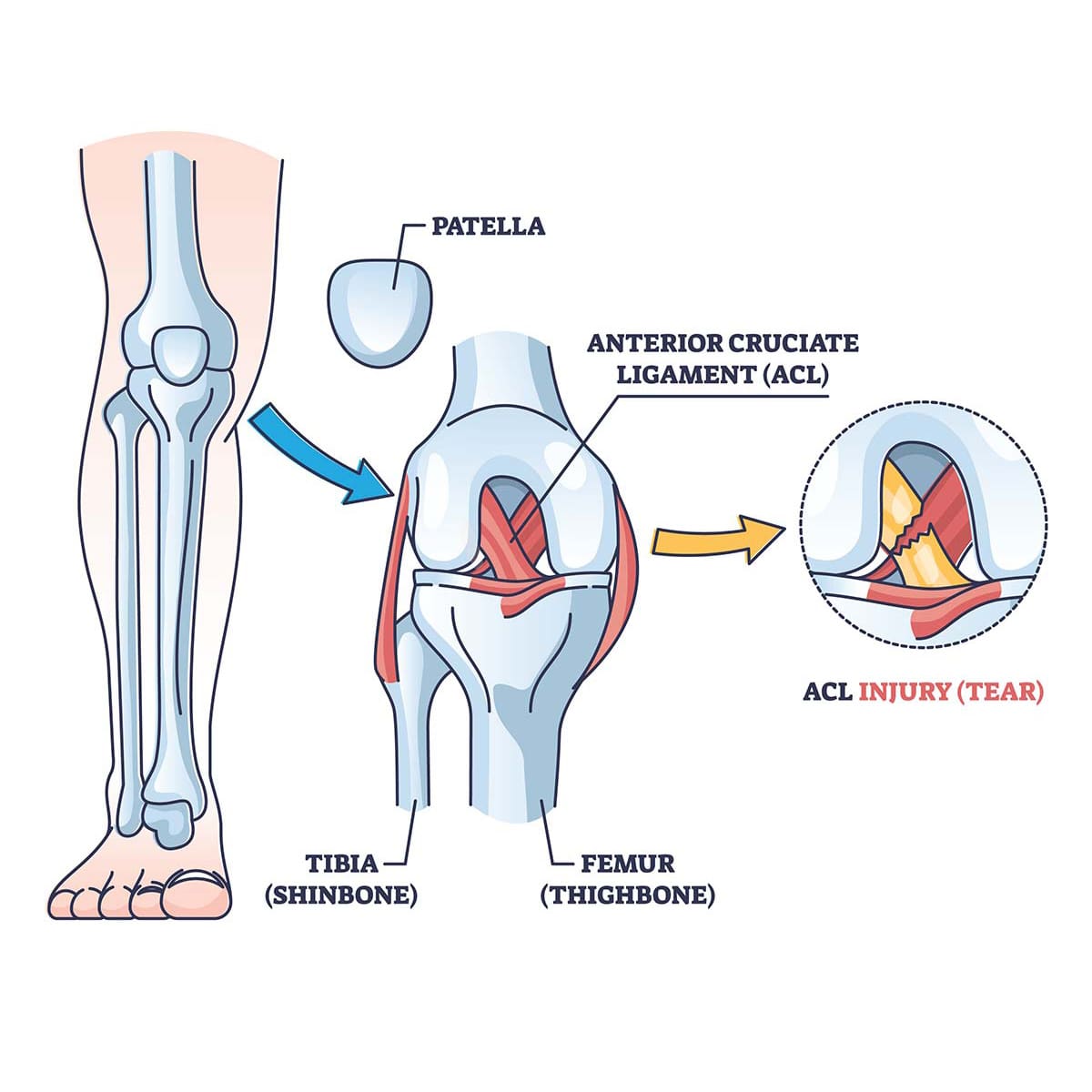
Do you feel aches or pains around your knees after a long exercise regime? Do you feel or hear a loud popping sensation in your knees? Or do you experience pain and swelling affecting your ability to be mobile? Many of these pain-like scenarios are correlated with ACL injuries, that is amongst the most common and feared injuries for athletic individuals and non-athletic individuals. However, we must look at the ACL itself to better understand ACL injuries. The ACL (anterior cruciate ligament) plays an important role as it helps with knee joint stabilization, prevents excessive forward movements from the tibia (shin bone), and limits rotational knee movements. (Yoo & Marappa-Ganeshan, 2024) This ligament is one of the most injured structures affecting athletic performance. ACL injuries and tears can lead to many individuals having knee instability and an increased risk of future knee osteoarthritis. (Atik, 2024) This is because ACL injuries typically occur during physical activities involving sudden stops, jumps, or directional impacts to the knees.
How Does It Affect The Knees?
So, how do ACL injuries affect the knees of the individual? As stated earlier, the ACL is a crucial ligament that stabilizes the knee joint during movement. When that ligament is injured, it can cause pain-like symptoms like:
Pain
Limited range of motion
Knee instability
Altered biomechanics
This causes many people to have reduced physical activity levels, which can become a great economic burden to their daily routine. (Wang et al., 2020) When dealing with ACL injuries, it can also affect the meniscus in the knees as cartilage erosion often accelerates and can potentially lead to early osteoarthritis, which correlates with ACL injuries. (Key et al., 2022) However, when a person is dealing with ACL injuries, there are numerous treatments to reduce the pain-like symptoms caused by ACL injuries and help restore knee mobility.
Overcoming An ACL Injury-Video
Non-Surgical Treatments For ACL Injuries
When finding the right treatment for ACL injuries, many individuals can incorporate non-surgical treatments as part of their customized treatment plan. Non-surgical treatments can vary and may be suitable for individuals with partial ACL tears and knee instability and who have been involved in low-impact sports. When athletic individuals are dealing with ACL injuries, by incorporating non-surgical treatments, they can address the impairments, achieve functional stability, and safely return to their physical activities while improving the neuromuscular system to achieve functional knee stability. (Diermeier et al., 2020) Non-surgical treatments can positively impact many individuals by relieving the overlapping pain-like issues affecting the knees and the severity of ACL injuries.
Chiropractic Care
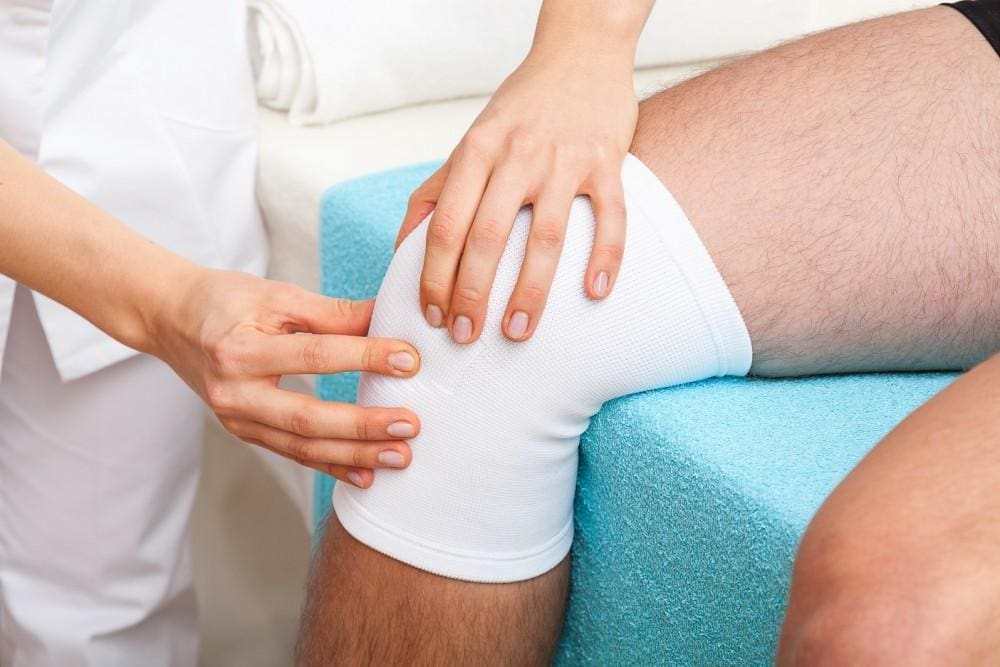
Chiropractic care is one of the many non-surgical treatments that can benefit individuals dealing with ACL injuries. Chiropractic care incorporates mechanical and manual manipulation to diagnose and treat any musculoskeletal issues associated with ACL injuries and emphasizes the body’s natural ability to heal itself. For many athletic and non-athletic individuals with ACL injuries, chiropractic care can offer several benefits:
Pain management
Enhancing mobility and flexibility
Improving balance
Strengthening supporting muscles
Chiropractic care can help individuals by stretching and strengthening weak muscles and soft tissues that can help break down scar tissues that may have surrounded the knee while improving blood flow to the injured area. Chiropractors can also incorporate specific rehabilitation exercises and physical therapy for the individual, focusing on strength, flexibility, and stability in the knees and surrounding muscles.
Physical Therapy
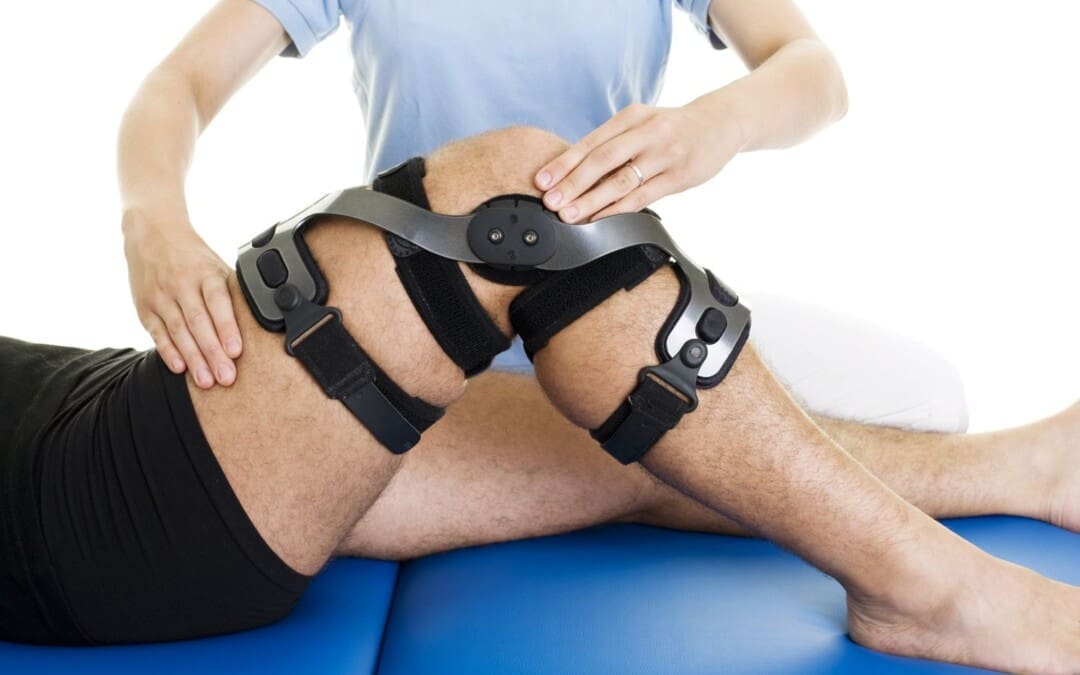
Another form of non-surgical treatment is through physical therapy. Physical therapy can help many individuals with ACL injuries through strength training, balance, and range of motion exercises that are catered to strengthen the surrounding muscles and help maintain the knee’s stability, flexibility, and mobility. Stretching exercises like Pilates and Tai Chi are favorable for ACL rehabilitation as they are important for functional outcomes and ACL stability. (Giummarra et al., 2022) Additionally, many individuals can utilize a functional knee brace to provide additional support to the knees when doing any physical therapy, as they can help stabilize the knee and prevent unwanted movements that could exacerbate the ACL injury. While ACL injuries are serious, non-surgical treatments offer viable alternatives for many athletes. Individuals can effectively manage their injuries and lead active, fulfilling lives by focusing on physical therapy, utilizing supportive braces, and adopting lifestyle modifications.
References
Atik, O. S. (2024). The risk factors for second anterior cruciate ligament (ACL) tear after ACL reconstruction. Jt Dis Relat Surg, 35(2), 255-256. https://doi.org/10.52312/jdrs.2024.57920
Diermeier, T., Rothrauff, B. B., Engebretsen, L., Lynch, A. D., Ayeni, O. R., Paterno, M. V., Xerogeanes, J. W., Fu, F. H., Karlsson, J., Musahl, V., Svantesson, E., Hamrin Senorski, E., Rauer, T., Meredith, S. J., & Panther Symposium, A. C. L. T. C. G. (2020). Treatment after anterior cruciate ligament injury: Panther Symposium ACL Treatment Consensus Group. Knee Surg Sports Traumatol Arthrosc, 28(8), 2390-2402. https://doi.org/10.1007/s00167-020-06012-6
Giummarra, M., Vocale, L., & King, M. (2022). Efficacy of non-surgical management and functional outcomes of partial ACL tears. A systematic review of randomised trials. BMC Musculoskelet Disord, 23(1), 332. https://doi.org/10.1186/s12891-022-05278-w
Key, S., Baygin, M., Demir, S., Dogan, S., & Tuncer, T. (2022). Meniscal Tear and ACL Injury Detection Model Based on AlexNet and Iterative ReliefF. J Digit Imaging, 35(2), 200-212. https://doi.org/10.1007/s10278-022-00581-3
Wang, L. J., Zeng, N., Yan, Z. P., Li, J. T., & Ni, G. X. (2020). Post-traumatic osteoarthritis following ACL injury. Arthritis Res Ther, 22(1), 57. https://doi.org/10.1186/s13075-020-02156-5
How do healthcare professionals provide a clinical approach to recognizing HIV for individuals in pain and providing relief?
Introduction
The human body has dealt with various environmental factors, injuries, and pathogens that can cause issues to the body system. As many individuals are always on the go from one location to another, being healthy is extremely important. Making time to make an appointment for a person’s health and well-being is extremely important, as many people have experienced comorbidities and overlapping risk profiles that are causing them pain. When individuals experience onset issues of fatigue, muscle and joint pain, or immune disorders, many healthcare professionals must assess the situation and ask the individuals when they experienced these overlapping risk profiles and how they affect their daily activities. One of the overlapping risk profiles that seems to affect the body is a viral infection known as Human Immunodeficiency Virus or HIV. This can get many healthcare professionals to come up with a personalized treatment plan to reduce these overlapping risk profiles and educate the individual on what to do to manage HIV symptoms. Today’s article looks at how HIV can impact a person, their symptoms, and non-surgical treatments to manage HIV. We discuss with certified associated medical providers who consolidate our patients’ information to assess the effects of HIV and its associated symptoms. We also inform and guide patients on how to be aware of the impact of HIV and ask their associated medical providers intricate questions to integrate a customized treatment plan to incorporate multiple non-surgical therapies to manage the symptoms. Dr. Jimenez, D.C., includes this information as an academic service. Disclaimer.
What Is HIV?
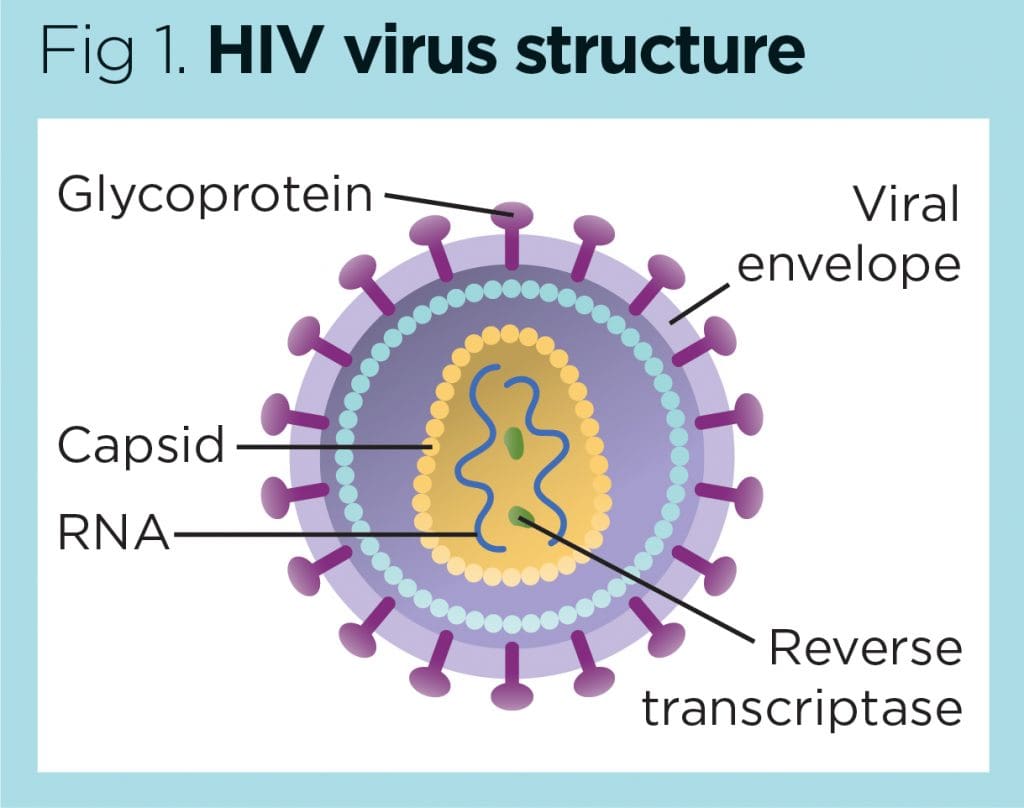
Do you constantly feel tired even after taking a good night’s rest? Do you feel your throat being sore without the flu symptoms? Or are you experiencing muscle and joint pain in different locations of your body? Worldwide, many individuals have often experienced these symptoms from a viral infection known as Human Immunodeficiency Virus or HIV. HIV belongs to the retroviridae family, which targets the body’s immune system, especially the CD4+ T cells. The CD4+T cells play an important role in the body’s immune response, but when HIV starts to deplete the receptors and terminate the host cells. (Masenga et al., 2023) This causes individuals to have acute stages of HIV and, if not treated immediately, can lead to the progression of severe stages. However, how do individuals contract HIV? Well, the most common mode is through unprotected sexual intercourse, sharing needles, or through maternal-infant exposure, which diminishes the T-helper cell population and, over time, can increasingly weaken the immune system. (van Heuvel et al., 2022) This causes many individuals to develop various symptoms from HIV that can vary, depending on the severity and the progression stages of the virus.
The Symptoms
Now, for the progression of HIV to infect the body’s immune system and cause various symptoms to affect the individual, many healthcare professionals have to look at the process of the host’s exosomes and their correlation role with HIV. The generational process of exosomes causes overlapping risk profiles with the viral assembly of HIV as exosomes can transport the virus from the infected cells to the uninfected cells of the body by helping it regulate the host’s immune response to the virus infection. (Chen et al., 2021) To that point, it can lead to the progression of several stages of HIV and its associated symptoms. When a person is dealing with an HIV infection in its acute stages, the symptoms can be mild and easily mistaken for a common viral infection. Some of the symptoms can include:
Muscle aches
Joint pain
Difficulty falling asleep
Fatigue
Neuropathy
Shortness of breath
Swollen glands
This is because the inflammatory cytokines from the immune system are heightened and influenced by HIV. When inflammatory cytokines become associated with HIV, symptoms have a huge impact on an individual’s life, causing them to be miserable. (Schnall et al., 2020) Additionally, when HIV is in a clinical latency stage, the virus is less active but can still replicate without exhibiting any symptoms in the body. However, when HIV progresses to its severe stage, it can lead to the development of AIDS. Luckily, treatment advancements to treat HIV from its acute stages can help manage the associated symptoms.
The Non-Surgical Approach To Wellness- Video
Non-Surgical Treatments For HIV
When it comes to treating HIV, non-surgical treatments can help manage its associated symptoms while dramatically improving the life expectancy and quality of life of the individual who is affected by the virus. For non-surgical treatments, the main goal is to diagnose HIV as early as possible and to assess the situation by coming up with new and innovative HIV testing initiatives to increase the frequency and prevention of HIV in both clinical and non-clinical settings. (Delaney & DiNenno, 2021) Below are some non-surgical treatments to manage HIV.
Antiretroviral Treatments
Now, some of the non-surgical treatments to manage HIV is by taking antiretroviral therapy. This allows the individual with HIV to be more mindful of taking antiretroviral medications daily, which then helps improve sustained viral suppression of HIV and provides effective strategies of therapeutic approaches to enhance antiretroviral activities. (Huerta, 2020) Additionally, the primary goal of antiretroviral therapy is to reduce the HIV load to an undetectable level, keep the immune system functioning, and prevent the progression development of AIDS.
Lifestyle Adjustments
While living with HIV today is vastly different from decades past, thanks to significant medical advancements. Many individuals can go to their healthcare providers for an early diagnosis and effective treatment to live long and healthy lives. Awareness, education, and staying proactive with health checks remain key in the fight against HIV and its progression. Additionally, proper nutrition, regular exercise, and mental health support are also crucial for people living with HIV, helping to boost the immune system and manage symptoms. At the same time, regular visits to a healthcare provider for blood tests are essential to monitor the effectiveness of ART and adjust the treatment regimen as needed to live a healthier life.
Delaney, K. P., & DiNenno, E. A. (2021). HIV Testing Strategies for Health Departments to End the Epidemic in the U.S. Am J Prev Med, 61(5 Suppl 1), S6-S15. https://doi.org/10.1016/j.amepre.2021.06.002
Masenga, S. K., Mweene, B. C., Luwaya, E., Muchaili, L., Chona, M., & Kirabo, A. (2023). HIV-Host Cell Interactions. Cells, 12(10). https://doi.org/10.3390/cells12101351
Schnall, R., Jia, H., & Reame, N. (2020). Association Between HIV Symptom Burden and Inflammatory Cytokines: An Analysis by Sex and Menopause Stage. J Womens Health (Larchmt), 29(1), 119-127. https://doi.org/10.1089/jwh.2019.7749
van Heuvel, Y., Schatz, S., Rosengarten, J. F., & Stitz, J. (2022). Infectious RNA: Human Immunodeficiency Virus (HIV) Biology, Therapeutic Intervention, and the Quest for a Vaccine. Toxins (Basel), 14(2). https://doi.org/10.3390/toxins14020138
Can various stretches can help relieve individuals with plantar fasciitis to reduce foot pain and restore gait function?
Introduction
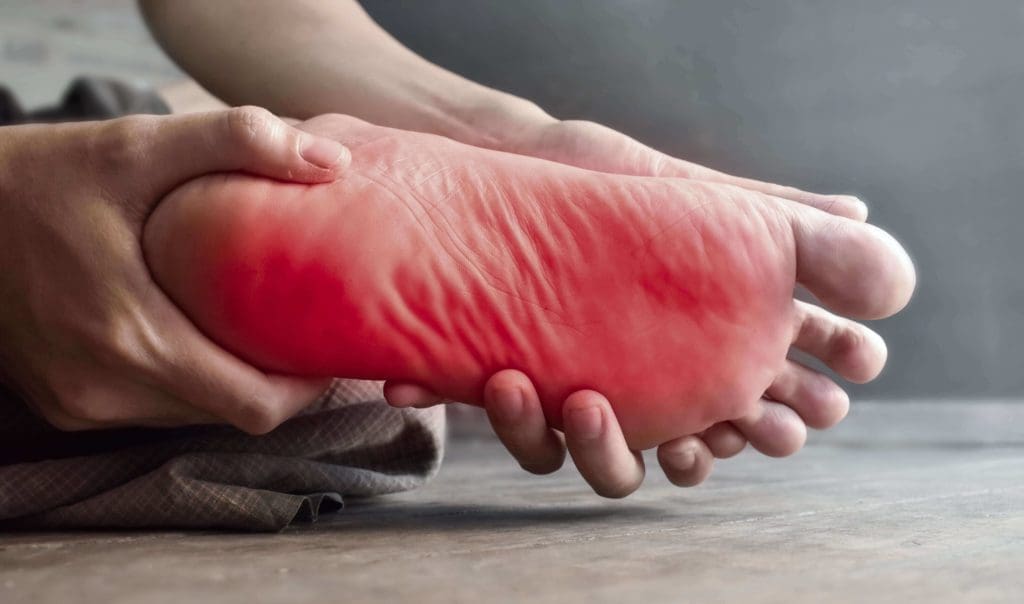
As human beings, we are constantly on the move, and our feet are the ones that take a toll after a long day. The feet have various muscles, ligaments, tendons, and soft tissues that help protect the joints and provide stability. The feet are part of the lower-body extremities that aid in mobility and upper-body strength. When many individuals are constantly on their feet, the muscles and ligaments become overworked and can develop into pain-like issues. Most of the time, it is just muscle aches and pain; however, when repetitive motions start to cause more problems in the feet, they can lead to microtears in the foot’s fascia. This, in turn, can lead to the development of plantar fasciitis, affecting a person’s gait ability. Today’s article looks at how plantar fasciitis affects gait and how various stretches can help alleviate symptoms. We discuss with certified associated medical providers who consolidate our patients’ information to assess plantar fasciitis and its associated comorbidities. We also inform and guide patients on various stretches for plantar fasciitis and ask their associated medical providers detailed questions to develop a customized treatment plan that incorporates multiple stretches to reduce the pain-like symptoms associated with it. Dr. Jimenez, D.C., includes this information as an academic service. Disclaimer.
How Plantar Fasciitis Affects Gait Function
Do you feel like you are walking crookedly from one location to another? Do you feel a stabbing pain when you take your first steps? Or do you feel constant pain in your feet while you are resting? As stated earlier, many individuals are constantly on their feet and have experienced pain that can affect their quality of life. Since the feet are part of the lower body, a person experiencing significant heel pain can develop a chronic musculoskeletal condition known as plantar fasciitis. The plantar fascia plays a major role in the human body, as it supports the foot’s normal biomechanics, maintains the arch, and absorbs shock during walking. (Buchanan et al., 2024) When a person repeatedly moves their feet, it can lead to plantar fasciitis. Plantar fasciitis is a common musculoskeletal disease that causes chronic degenerative changes in the plantar fascia. This musculoskeletal disease is also associated with mechanical factors, such as repetitive stress and weight-bearing, that can lead to microtears in muscle fibers. (Tseng et al., 2023) That point causes many individuals to have gait issues and other comorbidities.
Some risk factors for plantar fasciitis include decreased plantarflexion ROM and increased tensile load, which can lead to gait issues in many individuals. (Hamstra-Wright et al., 2021) Since many individuals rely on walking and are experiencing pain from plantar fasciitis, not only is their gait affected, but the surrounding leg muscles are also affected. Pain symptoms such as intrinsic muscle weakness, reduced muscle strength in the legs and dorsiflexion, leg length discrepancy, and arch deformity can increase the risk of developing plantar fasciitis. (Khammas et al., 2023) This can cause many individuals to have gait dysfunction since the pain can be unbearable. Additionally, when people deal with plantar fasciitis, they shift their weight to one side of their body to reduce pain and allow their secondary muscles to take on the excess load. Luckily, there are ways to minimize the pain-like effects of plantar fasciitis and help restore a person’s gait function.
Effective Stretches To Alleviate Plantar Fasciitis
When it comes to managing plantar fasciitis, many individuals seek various treatments to reduce pain-like symptoms that cause gait dysfunction. Many individuals seek non-surgical and surgical treatments to identify the right solution for their plantar fasciitis. Depending on the severity of foot pain, the main objective is to reduce tissue compressive load and provide a personalized treatment plan to educate and treat plantar fasciitis. (Morrissey et al., 2021) One of the best ways to reduce pain from plantar fasciitis is to incorporate various stretches. Various stretches for plantar fasciitis can be effective, as they can help relieve pain and enhance strength in the foot’s extrinsic and intrinsic muscles. (Boonchum et al., 2020) Below are some stretches that many people dealing with plantar fasciitis can do at home to relieve the pain.
Towel Stretch
This simple stretch is perfect for the morning, especially before taking your first steps.
How to do it:
Sit alongside the bed with your legs straight in front of you.
Loop a towel around the ball of the feet and hold each end with your hands.
Pull the towel towards you, keeping your knees straight, until you feel a stretch along the bottom of your foot and calf.
Hold the position for 15 to 30 seconds.
Repeat 2-3 times for each foot.
Calf Stretches
Tight calf muscles can exacerbate plantar fasciitis. Stretching your calves can relieve the pressure on your plantar fascia.
How to do it:
Stand near a wall with one foot back and one foot in front of you.
Keep your back heel on the ground and bend your front knee until you feel a stretch in the back leg’s calf muscle.
Hold for about 30 seconds and switch.
Repeat 2-3 times for each leg.
Plantar Fascia Stretch
Directly stretching the plantar fascia can help alleviate pain and improve foot function.
How to do it:
Sit with your affected foot and place it over the opposite side.
Use your hand to pull your toes back towards the shin until you feel a stretch along the arch of your foot.
Hold the stretch for at least 15 seconds and repeat the stretch three times.
Achilles Tendon Stretch
This stretch helps both the calf muscles and the plantar fascia.
How to do it:
Stand with your affected foot behind you.
Keep your heel down and bend your knee slightly.
Hold the position for 15-20 seconds, then relax.
Repeat 2-3 times for each leg.
Marble Pickup
Strengthening the muscles around your foot can also support the healing process.
How to do it:
Sit in a chair
Then place 20 marbles and a bowl on the floor in front of your feet.
Use your toes to pick up one marble at a time and place it into a bowl.
Repeat until you have all the marbles in the bowl.
References
Boonchum, H., Bovonsunthonchai, S., Sinsurin, K., & Kunanusornchai, W. (2020). Effect of a home-based stretching exercise on multi-segmental foot motion and clinical outcomes in patients with plantar fasciitis. J Musculoskelet Neuronal Interact, 20(3), 411-420. https://www.ncbi.nlm.nih.gov/pubmed/32877978
Hamstra-Wright, K. L., Huxel Bliven, K. C., Bay, R. C., & Aydemir, B. (2021). Risk Factors for Plantar Fasciitis in Physically Active Individuals: A Systematic Review and Meta-analysis. Sports Health, 13(3), 296-303. https://doi.org/10.1177/1941738120970976
Khammas, A. S. A., Mahmud, R., Hassan, H. A., Ibrahim, I., & Mohammed, S. S. (2023). An assessment of plantar fascia with ultrasound findings in patients with plantar fasciitis: a systematic review. J Ultrasound, 26(1), 13-38. https://doi.org/10.1007/s40477-022-00712-0
Morrissey, D., Cotchett, M., Said J’Bari, A., Prior, T., Griffiths, I. B., Rathleff, M. S., Gulle, H., Vicenzino, B., & Barton, C. J. (2021). Management of plantar heel pain: a best practice guide informed by a systematic review, expert clinical reasoning and patient values. Br J Sports Med, 55(19), 1106-1118. https://doi.org/10.1136/bjsports-2019-101970
Tseng, W. C., Chen, Y. C., Lee, T. M., & Chen, W. S. (2023). Plantar Fasciitis: An Updated Review. J Med Ultrasound, 31(4), 268-274. https://doi.org/10.4103/jmu.jmu_2_23
Can various stretches provide beneficial results for individuals experiencing TMJ pain by providing relief to the jaw?
Introduction
Many individuals use their jaws to communicate with one another, eat delicious food, and express themselves. The jaw is part of the upper extremities as it has five muscles that allow it to function when the mouth is opening or closing, chewing, and moving from side to side. When common motor functions like yawning, chewing, or speaking produce loud pops or clicks, it can become very painful and more often lead to temporomandibular joint dysfunction or TMJ. TMJ is a joint disorder that can affect a person’s ability to use their jaws properly and can lead to visceral-somatic disorders that can affect the upper extremities, causing them to be miserable. Luckily, many individuals can incorporate various stretches to reduce the impact of TMJ and help relax the stiff muscles around the jaw. Today’s article looks at the effects of TMJ, how various stretches can effectively reduce TMJ, and how additional non-surgical treatments can relieve TMJ pain. We discuss with certified associated medical providers who consolidate our patients’ information to assess pain-like issues associated with TMJ. We also inform and guide patients on various stretches for TMJ and ask their associated medical providers intricate questions to integrate a customized treatment plan to reduce the pain-like issues affecting their jaws. Dr. Jimenez, D.C., includes this information as an academic service. Disclaimer.
The Effects of TMJ
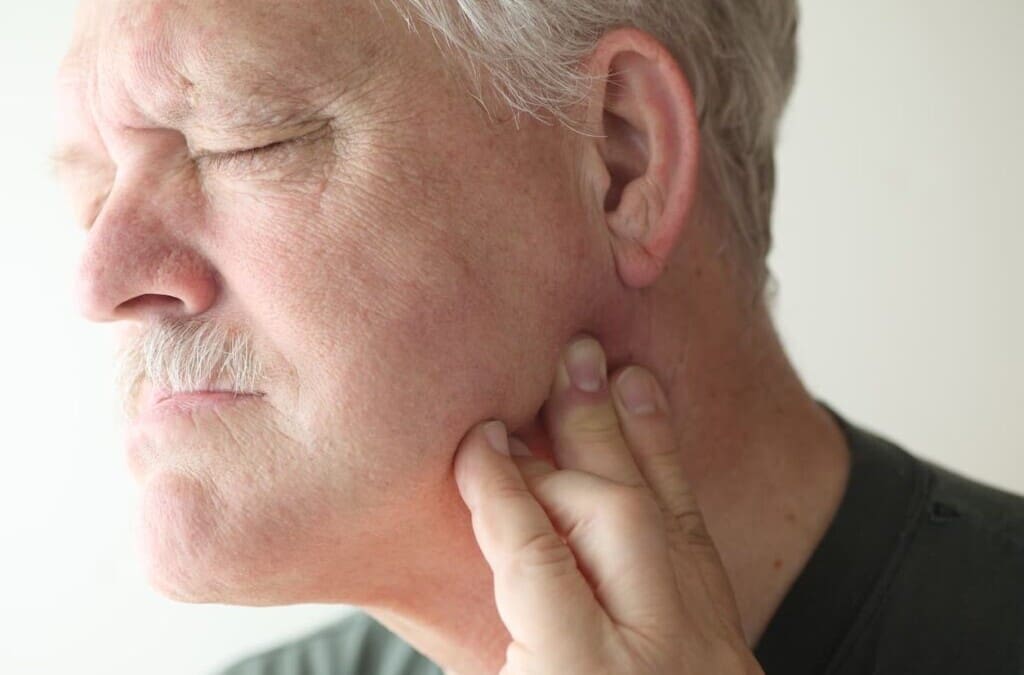
Do you feel stiffness in your jaw after clenching for an extended period? Do you hear excessive loud clicks when opening or closing your jaw? Or do you think your jaw is locking up constantly, making it difficult to open or close your mouth? When many individuals start to feel pain around their jaws excessively, many would often think that it could be tooth pain, but in actuality, it is the temporomandibular joint that is causing the issues. Temporomandibular joint disorder, or TMJ, can be developed through various causes that can impact a person’s jaw and can lead to pain and discomfort. Mechanical factors like jaw injuries, arthritis, teeth clenching, and grinding can cause excessive or unbalanced joint loading to the jaw, which can progress the development of TMJ. (Cardoneanu et al., 2022) When dealing with TMJ, pain can lead to symptoms of tenderness around the joint area of the jaw, difficulty chewing, ear pain, and stiffness.
At the same time, the effects of TMJ pain are often characterized by localized discomfort, as TMJ is a multifactorial musculoskeletal and neuromuscular disorder that can be difficult to diagnose. (Alolayan et al., 2022) This is because of how many individuals chew their foods on one side, which can lead to its development. When the masseter muscles of the jaw begin to overload on the TMJ, it can initiate remodeling on the non-working side of the jaw and cause the pain to flourish over time. (Santana-Mora et al., 2013) However, when dealing with TMJ pain, many individuals can seek out various treatment options that can reduce muscular impairment and disc displacement from the jaw and help improve the mandibular range of motion. (Brighenti et al., 2023)
The Science of Motion-Video
Why Stretching Helps With TMJ
When it comes to reducing TMJ pain, many individuals can seek out non-surgical treatments to reduce the overlapping pain symptoms and restore jaw function. Some of the main objectives that many pain specialists can take into account when dealing with TMJ pain are reducing reflex masticatory muscle pain and helping increase TMJ function through various treatments that can have a positive impact on the jaw. (Ferrillo et al., 2022) Some non-surgical treatments include multiple stretches to help relax the surrounding muscles and jaw and alleviate the tension and discomfort associated with TMJ.
Effective Stretches For TMJ Relief
Stretching can be part of a person’s personalized treatment plan to reduce TMJ pain and its associated comorbidities. Stretching and strengthening exercises can positively affect pain while improving the range of TMJ movement and helping many individuals restore their jaw motor function (Byra et al., 2020). Below are some of the stretches that can help reduce TMJ pain and relax the jaw muscles.
Relaxed Jaw Exercise
How to Do It: Place the tongue gently on the roof of the mouth behind the upper front teeth. This allows the teeth to come apart while relaxing the jaw muscles.
Benefits: This exercise helps relax the jaw and ease muscle tension.
Partial Goldfish Exercises
How to Do It: Place the tongue gently on the roof of the mouth and one finger in front of the ear where the TMJ is located. Place your middle finger on your chin. Drop your lower jaw halfway and close. Perform this exercise six times in one set.
Benefits: This stretch helps target the jaw’s range of motion and reduce joint stiffness.
Full Goldfish Exercises
How to Do It: Similar to the partial opening, but open your mouth fully this time.
Benefits: This stretch helps enhance the full range of motion and reduce joint stiffness.
Chin Tucks
How to Do It: Sitting upright in a chair, pulling your chin straight back, creating a “double chin.” Hold for three seconds, and then release.
Benefits: This exercise helps strengthen the neck muscles, improves posture, and reduces strain on the jaw.
Additional Tips To Reduce TMJ
Along with these stretches, additional tips for managing and reducing TMJ by avoiding excessive jaw movements and applying hot/cold packs to reduce any residual inflammation correlating with TMJ. When people with TMJ start incorporating non-surgical treatments and stretches to relieve the pain, it can help increase the mandibular active range of motion and provide beneficial relief. (Urbanski et al., 2021) This, in turn, allows many people with TMJ pain to be more mindful of the body and make small changes in their health and well-being.
References
Alolayan, A., Alsayed, S. S., Salamah, R. M., Ali, K. M., Alsousi, M., & Elsayed, S. (2022). Temporomandibular joint (TMJ) disorders prevalence and awareness of appropriate clinical practices, among Al-Madinah community in Saudi Arabia. F1000Res, 11, 395. https://doi.org/10.12688/f1000research.104272.2
Brighenti, N., Battaglino, A., Sinatti, P., Abuin-Porras, V., Sanchez Romero, E. A., Pedersini, P., & Villafane, J. H. (2023). Effects of an Interdisciplinary Approach in the Management of Temporomandibular Disorders: A Scoping Review. Int J Environ Res Public Health, 20(4). https://doi.org/10.3390/ijerph20042777
Byra, J., Kulesa-Mrowiecka, M., & Pihut, M. (2020). Physiotherapy in hypomobility of temporomandibular joints. Folia Med Cracov, 60(2), 123-134. https://www.ncbi.nlm.nih.gov/pubmed/33252600
Cardoneanu, A., Macovei, L. A., Burlui, A. M., Mihai, I. R., Bratoiu, I., Rezus, II, Richter, P., Tamba, B. I., & Rezus, E. (2022). Temporomandibular Joint Osteoarthritis: Pathogenic Mechanisms Involving the Cartilage and Subchondral Bone, and Potential Therapeutic Strategies for Joint Regeneration. Int J Mol Sci, 24(1). https://doi.org/10.3390/ijms24010171
Ferrillo, M., Giudice, A., Marotta, N., Fortunato, F., Di Venere, D., Ammendolia, A., Fiore, P., & de Sire, A. (2022). Pain Management and Rehabilitation for Central Sensitization in Temporomandibular Disorders: A Comprehensive Review. Int J Mol Sci, 23(20). https://doi.org/10.3390/ijms232012164
Santana-Mora, U., Lopez-Cedrun, J., Mora, M. J., Otero, X. L., & Santana-Penin, U. (2013). Temporomandibular disorders: the habitual chewing side syndrome. PLOS ONE, 8(4), e59980. https://doi.org/10.1371/journal.pone.0059980
Urbanski, P., Trybulec, B., & Pihut, M. (2021). The Application of Manual Techniques in Masticatory Muscles Relaxation as Adjunctive Therapy in the Treatment of Temporomandibular Joint Disorders. Int J Environ Res Public Health, 18(24). https://doi.org/10.3390/ijerph182412970
Can individuals dealing with musculoskeletal trigger points seek non-surgical treatments to reduce pain in their extremities?
Introduction
The musculoskeletal system has various muscles, tendons, ligaments, and soft tissues that allow the lower and upper extremities to function in multiple tasks that the person is doing. From physical activities to relaxing or just doing errands, the musculoskeletal system has a wonderful relationship with all the various body systems. It helps protect the vital organs from environmental factors and injuries. However, when environmental factors or injuries affect the body, many overlapping risk profiles affect the upper and lower quadrants, thus affecting the muscles and the soft tissues. When the musculoskeletal system starts to feel symptoms of pain and discomfort, it can cause visceral-somatic referred pain in different body locations and cause the development of trigger points in the muscle tissues. This causes the individual to be in excruciating pain and discomfort and is seeking treatment to reduce the pain-like symptoms. Today’s article gives us an understanding of musculoskeletal trigger points and how various non-surgical treatments can alleviate musculoskeletal trigger points in the body. We discuss with certified associated medical providers who consolidate our patients’ information to assess pain-like issues affecting their musculoskeletal system that are correlating to trigger point pain. We also inform and guide patients on various non-surgical treatments and ask their associated medical providers intricate questions to integrate a customized treatment plan to reduce musculoskeletal trigger point pain. Dr. Jimenez, D.C., includes this information as an academic service. Disclaimer.
Understanding Musculoskeletal Trigger Points
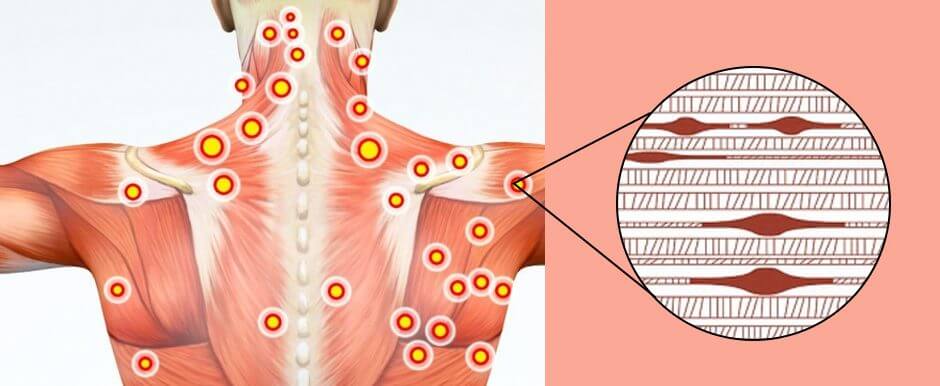
Do you often experience pain in your legs, arms, hands, and feet throughout the day? How often do you experience symptoms of stiffness and discomfort in your neck, shoulder, or back? Or do you feel tingling and numbing sensations in your hands and feet? More often than not, many people who are experiencing these overlapping pain issues in their musculoskeletal system might have trigger points in their muscle fibers. Trigger points are part of a painful musculoskeletal condition known as myofascial pain syndrome. This painful musculoskeletal condition constitutes a hyperirritable spot within the taut band of the musculoskeletal system, causing pain when being compressed. (Lavelle et al., 2007) When a person is dealing with musculoskeletal trigger points, they will often experience referred pain and discomfort, motor dysfunction, and autonomic issues. This is because when many individuals experience pain in the upper or lower muscle quadrants, they deal with referred pain from the affected muscles. When the affected muscles have abnormal tender muscle regions, it can lead to impaired movements associated with the affected muscles in any joint area. (Macdonald, 1980)
Additionally, musculoskeletal trigger points can be identified as latent or active based on the development of where the pain originates from within the musculoskeletal system. To that point, when environmental factors or injuries develop trigger points, pain-like symptoms like muscle stiffness, dysfunction, and restricted range of motion show up when a pain specialist is assessing a person. (Shah et al., 2015) Fortunately, musculoskeletal trigger points are not difficult to treat once the pain source is located in the musculoskeletal system. This is because non-surgical treatments help manage the pain-like symptoms by inactivating the trigger points and restoring the affected resistant muscles to their full range of motion. (Rubin, 1981)
The Non-Surgical Approach To Wellness-Video
Non-Surgical Treatments For Musculoskeletal Trigger Points
When it comes to treating musculoskeletal trigger points, many individuals seek out various treatments to reduce pain-like symptoms. Since musculoskeletal trigger points can range from mild discomfort to severe pain, it can affect a person’s daily activities and cause them to be miserable. Luckily, musculoskeletal trigger points can be reduced through non-surgical treatments. Non-surgical treatments can vary depending on the pain severity of the trigger points in the musculoskeletal system. At the same time, many individuals can have numerous non-surgical therapies as they are customizable, cost-effective, and personalized for the person’s treatment. Below are some non-surgical treatments that can help alleviate musculoskeletal trigger points.
Chiropractic Care
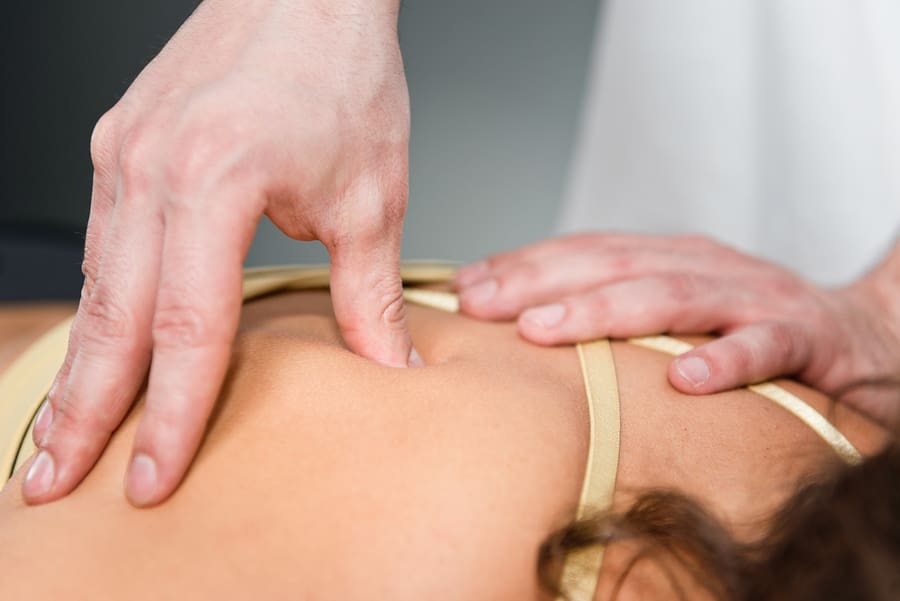
Chiropractic care utilizes mechanical and manual manipulation of the musculoskeletal system and can help reduce the overlapping effects of musculoskeletal trigger points. Chiropractors incorporate various techniques and ischemic pressure to relieve the pain and provide relief. (Vernon & Schneider, 2009) Additionally, chiropractors can locate the trigger points by pressing on the muscle tissue or manipulating the muscle fibers. Chiropractors can also combine massage therapy to relieve trigger points and associated pain symptoms to restore the body to optimal function. This combination can incorporate various techniques to increase blood circulation to the affected muscle, help break down the inflexible scar tissue, and help restore muscle function to the extremities.
Acupuncture
Another form of non-surgical treatment to reduce musculoskeletal trigger points is acupuncture. Acupuncture incorporates solid, thin needles placed on various acupoints in the body by a professional. What acupuncture does is that when the needles are placed in the acupoints of the affected muscle, it can help stimulate the nervous system and help facilitate the body’s natural pain-relieving chemicals to kick-start the healing process. Additionally, when people incorporate acupuncture to reduce musculoskeletal trigger points, the sensory input that is causing them pain is reduced and can provide prolonged relief. (Melzack, 1981)
Lifestyle Adjustments
When it comes to reducing trigger points and combining non-surgical treatments, many individuals dealing with overlapping pain profiles from musculoskeletal trigger points can make lifestyle adjustments to prevent its development. Making small adjustments to a person’s work and living environments can reduce stress from being a co-factor to developing trigger points in the muscle fibers. Other small adjustments like improving posture and employing relaxation techniques like yoga, meditation, or deep breathing exercises can help reduce muscle stress and strain from everyday life. Incorporating non-surgical treatments to reduce and manage musculoskeletal triggers can provide a positive, beneficial result to improve muscle function and allow individuals to live healthier lives.
Melzack, R. (1981). Myofascial trigger points: relation to acupuncture and mechanisms of pain. Archives of Physical Medicine and Rehabilitation, 62(3), 114-117. https://www.ncbi.nlm.nih.gov/pubmed/6972204
Rubin, D. (1981). Myofascial trigger point syndromes: an approach to management. Archives of Physical Medicine and Rehabilitation, 62(3), 107-110. https://www.ncbi.nlm.nih.gov/pubmed/6453568
Shah, J. P., Thaker, N., Heimur, J., Aredo, J. V., Sikdar, S., & Gerber, L. (2015). Myofascial Trigger Points Then and Now: A Historical and Scientific Perspective. PM R, 7(7), 746-761. https://doi.org/10.1016/j.pmrj.2015.01.024
Vernon, H., & Schneider, M. (2009). Chiropractic management of myofascial trigger points and myofascial pain syndrome: a systematic review of the literature. J Manipulative Physiol Ther, 32(1), 14-24. https://doi.org/10.1016/j.jmpt.2008.06.012
Can various stretches be beneficial for individuals dealing with wrist and hand pain by reducing pain and discomfort to the extremities?
Introduction
In a technological-driven world, it is common for people to experience wrist and hand pain at some point in their lives. The hands are part of the body’s upper extremities and are used for various tasks and chores throughout the entire day. The forearms provide a causal relationship with the hands and wrists for the upper extremities since they offer very important motor functions to the body. The hands support the body when carrying something; the various muscles, ligaments, tendons, and joints help the wrist with mobility and flexibility. However, when injuries or everyday movements begin to affect the forearms and cause issues with the hands and wrist, it can be difficult to do simple tasks and negatively impact a person’s way of life. Fortunately, numerous ways exist to reduce the pain and discomfort of the wrist and hands. Today’s article focuses on what causes wrist and hand pain, how to prevent wrist and hand pain from returning, and how incorporating various can help reduce the pain-like effects. We discuss with certified medical providers who consolidate our patients’ information to assess the multiple causes that lead to the development of wrist and hand pain. We also inform and guide patients on how various stretches and techniques can help reduce the chances of wrist and hand pain from returning. We also encourage our patients to ask their associated medical providers many intricate and important questions about incorporating these stretches and techniques into their daily routines to live healthier lives. Dr. Jimenez, D.C., includes this information as an academic service. Disclaimer.
What Causes Hand and Wrist Pain?
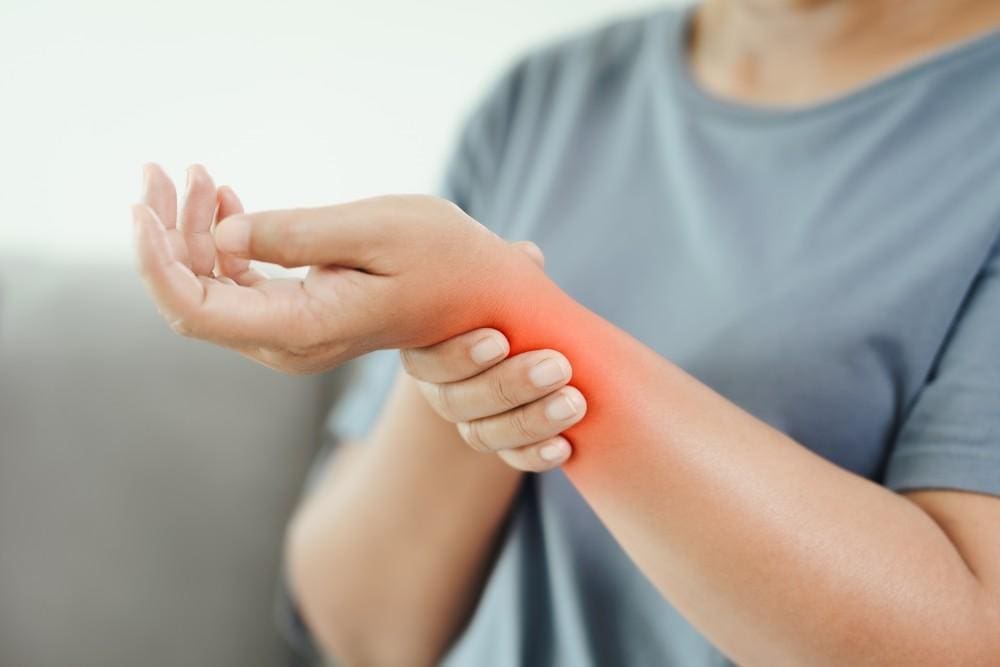
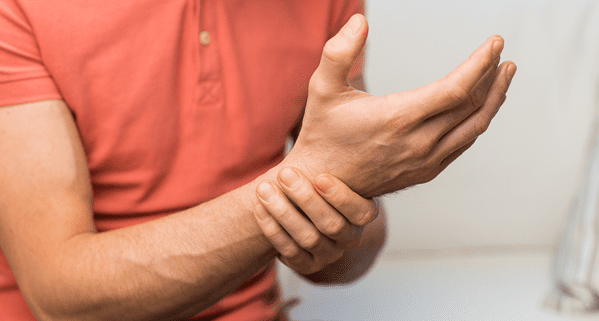
Do you often feel pain or stiffness in your wrist after typing all day on the computer or phone? Do you have trouble gripping items in your hands? Or how often do your hands ache that massaging them causes temporary relief? Many people, including older adults, have experienced pain at some point, and most of the time, it affects the hands and wrists. Since everyone uses their hands and wrists when performing various tasks, when injuries or repetitive movements start to affect the hands and wrists, it can have a huge impact on simple tasks. When dealing with wrist and hand pain, it can make life unbearable for the person. Since pain is a normal protective response to any injuries and potentially harmful stimuli in its acute form, when prolonged or dysfunctional neuromuscular issues start to affect the body, it may contribute to disability and pain. (Merkle et al., 2020) For wrist and hand pain, many occurrences that lead to its development result from micro-stress or repetitive tear usage.
This is because since the world is technological-driven, many people are using computers or smartphones to communicate with each other, which can be one of the causes of the development of wrist and hand pain. When many people frequently use electronic devices, the frequent movements and uses of the thumbs will increase their load and become a higher prevalence of musculoskeletal disorders. (Baabdullah et al., 2020) Other studies stated that when many individuals begin to do repetitive movements constantly and have different positions of their wrist joints while using their electronic devices continually, it can cause pain to their wrist joints and affect the structure. (Amjad et al., 2020) Additionally, when repetitive vibration exposures or forceful angular motions affect the hands and wrists, it can lead to carpal tunnel syndrome and affect the hands. (Osiak et al., 2022) The various joints, tendons, and muscles also become affected in the hands and wrist as trigger points in the forearm. Fortunately, there are multiple ways that many people can reduce the pain-like effects of wrist and hand pain.
The Benefits of Stretching-Video
How To Prevent Wrist & Hand Pain From Returning
There are numerous ways to reduce wrist and hand pain, and many people try to find therapeutic solutions to mitigate the pain. Non-surgical treatments like manual therapy can help with wrist and hand pain by using mobilization forces to allow wrist flexion and extension to improve motor function. (Gutierrez-Espinoza et al., 2022) Another non-surgical treatment that can help with wrist and hand pain is acupuncture. Acupuncture utilizes small, solid, thin needles to be placed in various acupoints in the forearm to reduce the pain intensity and bring back the mobility function to the hands and wrist. (Trinh et al., 2022)
Various Stretches For Wrist & Hand Pain
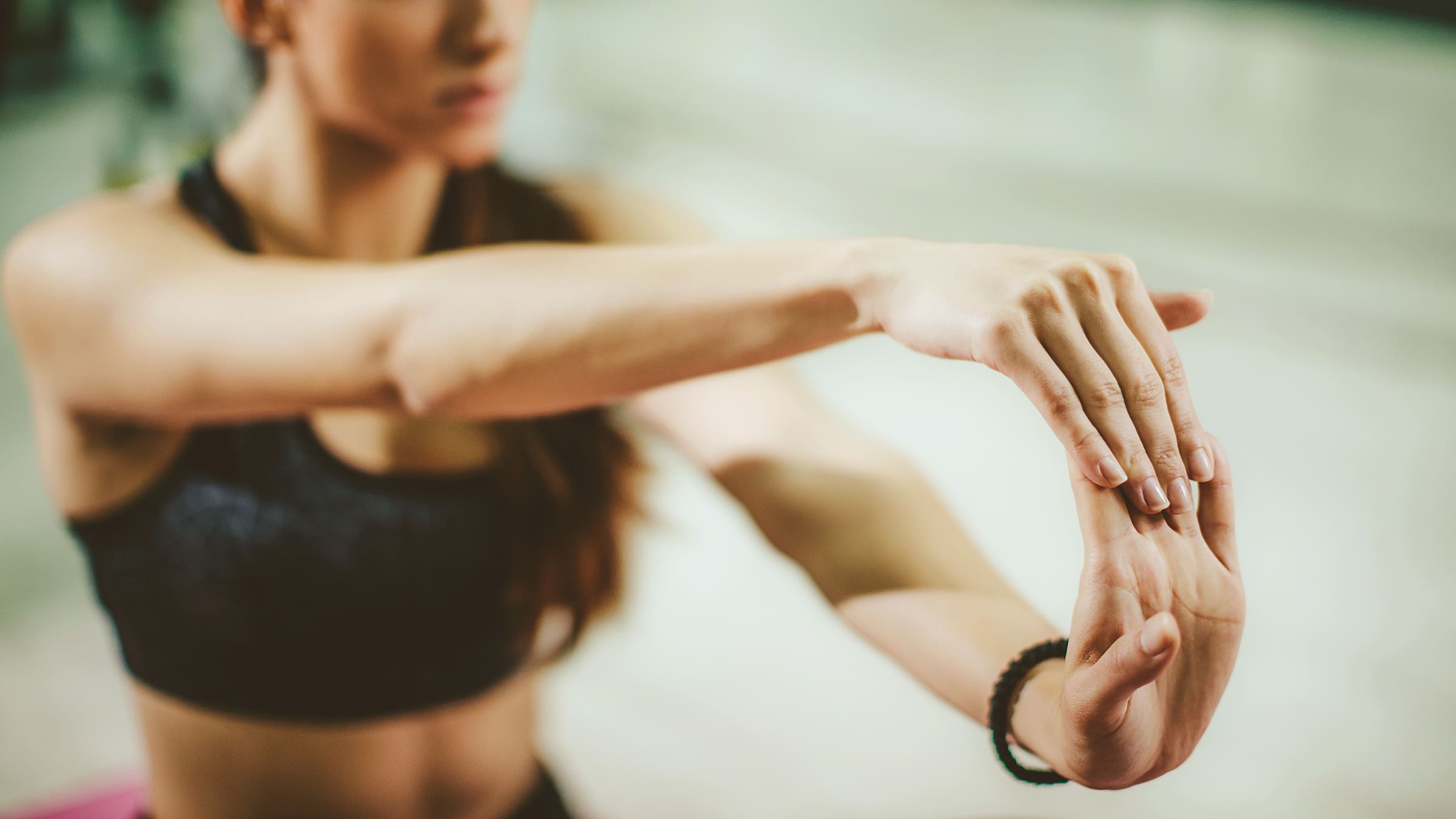
Fortunately, there’s a simple and accessible way for many individuals to reduce the effects of wrist and hand pain-stretching and incorporating yoga into their routine. Yoga stretches for the hands and wrists can help decompress and reduce stiffness, and these stretches can be done for just a few minutes, providing beneficial results. (Gandolfi et al., 2023) Below are some of these stretches that can be easily incorporated into anyone’s routine, making it easier for you to take control of your wrist and hand health.
Wrist Flexor Stretch
How to Do It:
Extend your arm in front of you with your palm up.
Use your other hand to gently pull the fingers back toward the body until you feel a stretch in your forearm.
Hold this position for about 15 to 30 seconds.
Repeat 2-3 times with each wrist.
Wrist Extensor Stretch
How to Do It:
Extend your arm in front of your body with your palm facing down.
Gently pull the fingers towards your body with your other hand until you feel a stretch on the outside of your forearm.
Hold for 15 to 30 seconds.
Do this 2-3 times per wrist.
Prayer Stretch
How to Do It:
Put the palms together in a prayer position in front of the chest, below the chin.
Slowly lower the conjoined hands towards the waistline, keeping the hands close to your stomach and your palms together until you feel a stretch under your forearms.
Hold for at least 30 seconds and repeat a few times.
Tendon Glides
How to Do It:
Start with your fingers extended straight out.
Then, bend your fingers to form a hook fist; you should feel a stretch but no pain.
Return to the starting position and bend your fingers to touch the top of your palm, keeping your fingers straight.
Finally, bend your fingers into a full fist.
Repeat the sequence ten times.
Thumb Stretch
How to Do It:
Extend your hand with your fingers together.
Pull your thumb away from your fingers as far as comfortable.
Hold for 15 to 30 seconds.
Repeat 2-3 times with each thumb.
Shake It Out
How to Do It:
After stretching, shake your hands lightly as if trying to dry them off. This helps reduce tension and promote circulation.
References
Amjad, F., Farooq, M. N., Batool, R., & Irshad, A. (2020). Frequency of wrist pain and its associated risk factors in students using mobile phones. Pak J Med Sci, 36(4), 746-749. https://doi.org/10.12669/pjms.36.4.1797
Baabdullah, A., Bokhary, D., Kabli, Y., Saggaf, O., Daiwali, M., & Hamdi, A. (2020). The association between smartphone addiction and thumb/wrist pain: A cross-sectional study. Medicine (Baltimore), 99(10), e19124. https://doi.org/10.1097/MD.0000000000019124
Gandolfi, M. G., Zamparini, F., Spinelli, A., & Prati, C. (2023). Asana for Neck, Shoulders, and Wrists to Prevent Musculoskeletal Disorders among Dental Professionals: In-Office Yoga Protocol. J Funct Morphol Kinesiol, 8(1). https://doi.org/10.3390/jfmk8010026
Gutierrez-Espinoza, H., Araya-Quintanilla, F., Olguin-Huerta, C., Valenzuela-Fuenzalida, J., Gutierrez-Monclus, R., & Moncada-Ramirez, V. (2022). Effectiveness of manual therapy in patients with distal radius fracture: a systematic review and meta-analysis. J Man Manip Ther, 30(1), 33-45. https://doi.org/10.1080/10669817.2021.1992090
Merkle, S. L., Sluka, K. A., & Frey-Law, L. A. (2020). The interaction between pain and movement. J Hand Ther, 33(1), 60-66. https://doi.org/10.1016/j.jht.2018.05.001
Osiak, K., Elnazir, P., Walocha, J. A., & Pasternak, A. (2022). Carpal tunnel syndrome: state-of-the-art review. Folia Morphol (Warsz), 81(4), 851-862. https://doi.org/10.5603/FM.a2021.0121
Trinh, K., Zhou, F., Belski, N., Deng, J., & Wong, C. Y. (2022). The Effect of Acupuncture on Hand and Wrist Pain Intensity, Functional Status, and Quality of Life in Adults: A Systematic Review. Med Acupunct, 34(1), 34-48. https://doi.org/10.1089/acu.2021.0046
Can incorporating various yoga poses help reduce neck tension and provide pain relief for individuals dealing with neck pain?
Introduction
Within the hustling and bustling of modern life, it is common for many individuals to carry stress in their bodies. When the body deals with everyday stressors, tension, discomfort, and pain can often manifest in the upper and lower portions of the body. When the body’s upper and lower portions deal with these issues, they can cause overlapping risk profiles in the musculoskeletal system. One of the most common musculoskeletal issues is neck pain. It can cause many problems to the cervical portion of the spine and cause the surrounding muscles to become tense and in pain from the stress of everyday responsibilities. Luckily, there are numerous ways to reduce stress from the neck and help relax the affected muscles from discomfort, including yoga. In today’s article, we will look at how neck pain affects the upper body, the benefits of yoga for neck pain, and various yoga poses to reduce the overlapping effects of neck pain. We discuss with certified medical providers who consolidate our patients’ information to assess how neck pain is correlated with everyday stressors that affect the upper body. We also inform and guide patients on how yoga and the various poses can benefit the body and provide pain relief to the surrounding muscles. We also encourage our patients to ask their associated medical providers many intricate and important questions about incorporating yoga into their daily routine to reduce muscle tension and provide clarity to their bodies. Dr. Jimenez, D.C., includes this information as an academic service. Disclaimer.
How Does Neck Pain Affect The Upper Body?
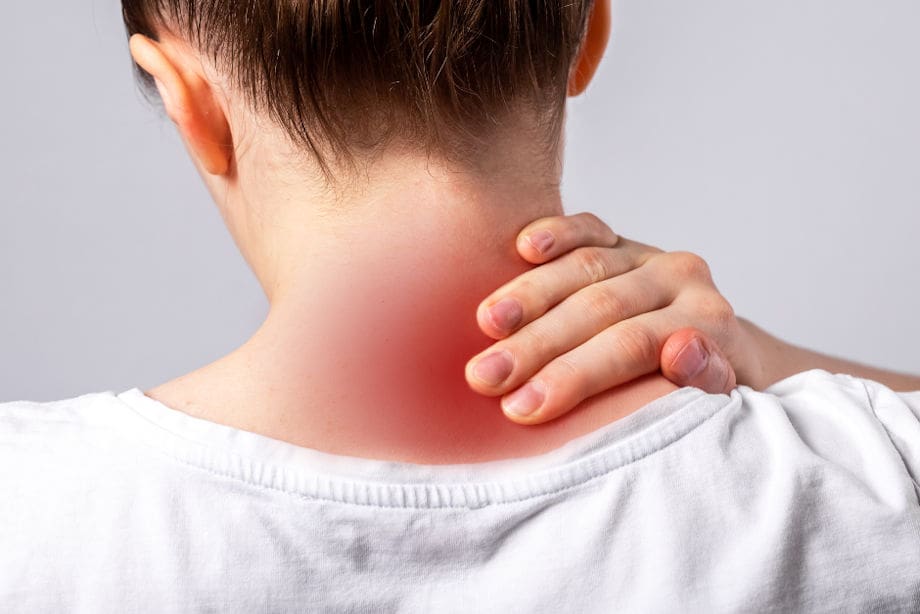
Do you feel discomfort or pain in your neck and shoulders after a long, hard workday? Do you notice you hunched more than usual when doing your daily routine? Or do you see yourself developing a hunched posture from looking at the computer screen or phone for an extended period? Many of these normal motions are often correlated with the upper body, especially in the neck and shoulder regions, which causes neck pain. As one of the most common problems affecting many people worldwide, neck pain is a multifactorial disease with numerous risk factors contributing to its development. (Kazeminasab et al., 2022) Like back pain, neck pain can have acute and chronic stages depending on the severity and environmental factors leading to its development. The various muscles, ligaments, and tissues surrounding the neck and shoulders keep the neck stable and mobile. When many individuals overuse these muscles in the neck and shoulders repetitively, it can increase neck pain in the upper body in adulthood. (Ben Ayed et al., 2019)
When acute neck pain turns chronic, it can cause the individual to be in constant discomfort, pain, and misery, so they start to look for various solutions to reduce the correlating symptoms when speaking to their primary doctors. When many individuals begin to explain to their doctors what their daily routine looks like, many doctors will start to assess and formulate a plan that focuses on any specific description of any injuries, including potential mechanisms, inciting and relieving factors, and pain patterns they have encountered throughout the day to come up with a personalized treatment plan to not only reduce neck pain but also provide relief to tension and discomfort to the body. (Childress & Stuek, 2020)
The Science of Motion- Video
The Benefits Of Yoga For Neck Pain
Many primary doctors will work with associated medical providers to develop a personalized plan to relieve neck pain and its associated symptoms in many individuals. Many of these customized treatment plans include spinal manipulation, acupuncture, massage, decompression therapy, and therapeutic exercises. One of the therapeutic exercises that many individuals have utilized is yoga. Yoga is a holistic practice encompassing breathing control, meditation, and various poses to stretch and strengthen the affected upper muscles. Yoga is excellent for reducing neck pain and helping with upper cervical spine mobility, stretching the neck musculature to help the individual improve mobility and flexibility. (Raja et al., 2021) Additionally, the effects of yoga and its many poses can reduce tension, give clarity to the mind, and allow the nutrients and oxygen to the musculo-articular system to naturally heal the body itself. (Gandolfi et al., 2023)
Yoga Poses For Neck Pain
At the same time, many individuals with sedentary jobs that correlate to neck pain have implemented yoga as part of their routine. Yoga improves their range of joint motion and cognitive function and helps relieve musculoskeletal discomfort in the neck and shoulder regions. (Thanasilungkoon et al., 2023) Below are some of the various yoga poses that can help reduce the pain-like symptoms of neck pain and ease the surrounding muscles.
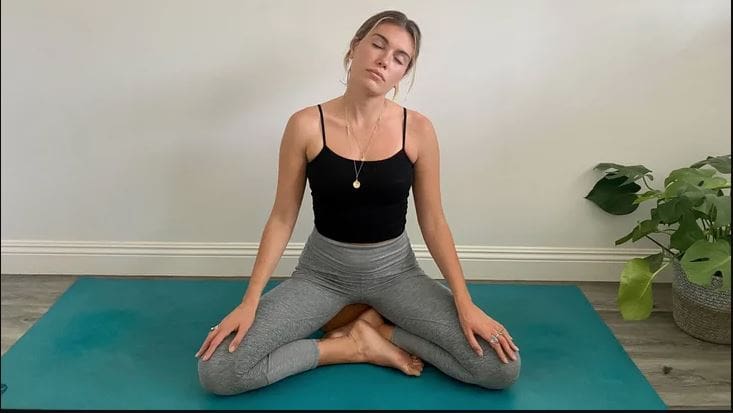
Seated Neck Stretches
For seated neck stretches, this yoga pose helps stretch and release the neck muscles that carry tension and stress in the cervical region of the body.
In a seated upright position, turn the head to the right and gently lift the chin.
You should feel a stretch along the left side of the neck and shoulders.
Hold the position for three to five breaths and repeat on the left side.
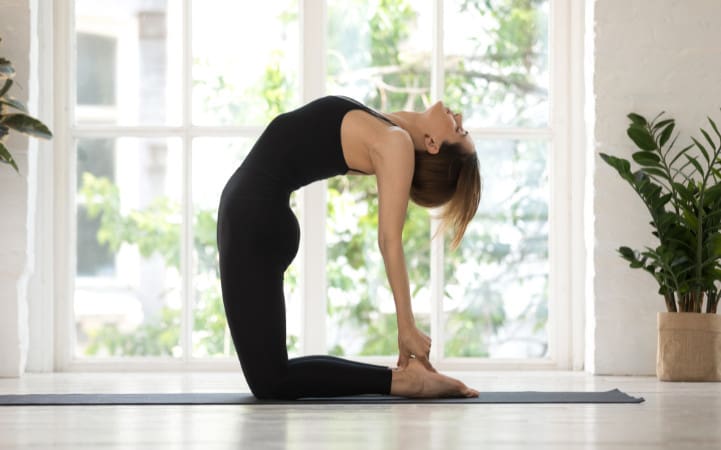
Camel Pose
For the camel pose, this yoga pose helps strengthen the front neck muscles while easing tension on the shoulders and back of the neck.
You can kneel on a yoga mat by keeping your knees and feet hip-distance apart while keeping the pelvis neutral.
Lift the chest while arching your back and pressing the pelvis slightly forward.
Bring the fingertips to the heels or yoga blocks beside the ankles.
Focus on drawing the chin close to the neck while pressing the feet to the mat.
Hold the position for three to five breaths before releasing and lifting the sternum to rise back up.
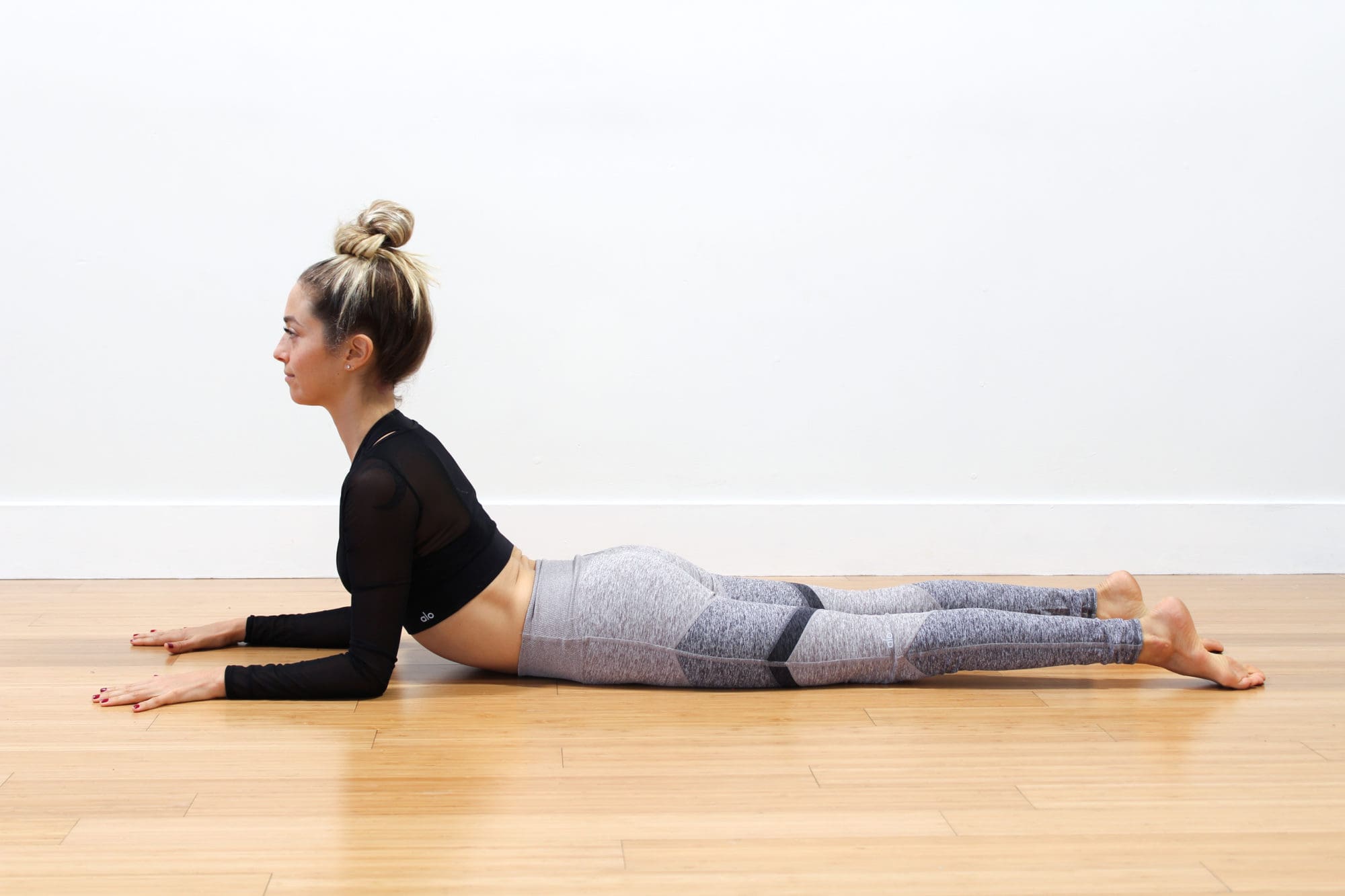
Sphinx Pose
The sphinx pose allows you to lengthen and strengthen the spine while stretching the shoulders and releasing tension.
On a yoga mat, lie on your stomach with the elbows under the shoulders.
Press your palms and forearms on the mat and tighten the lower half to support you as you lift your upper torso and head.
Keep looking straight ahead as you are being mindful of lengthening the spine.
Hold this position for three to five breaths.
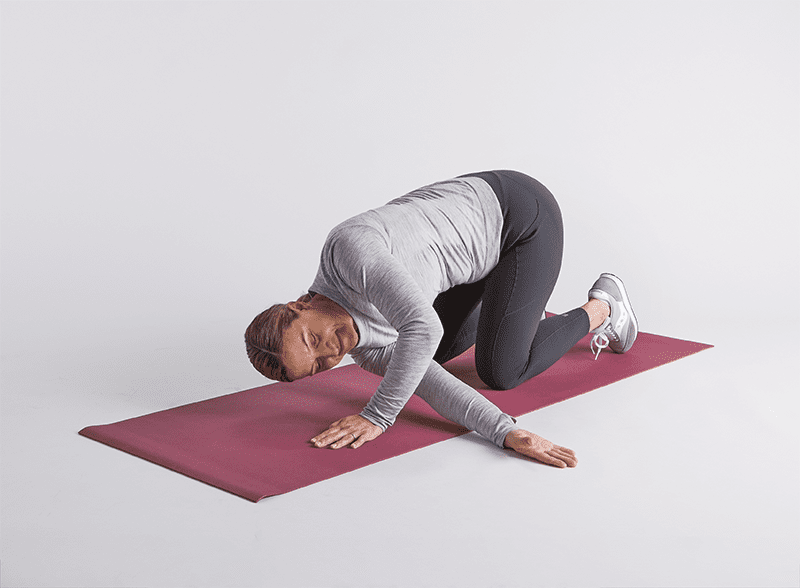
Thread The Needle Pose
The thread-the-needle pose helps release tension stored in the neck, shoulders, and back.
On a yoga mat, start in an all-fours position with the wrist under the shoulders and the knees under the hips.
Lift the right hand and move it to the left along the floor with the palm facing up.
Hold the position for three to five breaths for thirty seconds and release.
Return to the all-fours position and repeat to the left side.
Conclusion
Overall, incorporating yoga as part of a daily routine can provide beneficial results in reducing neck pain and its associated comorbidities. Yoga does not require hours of practice or even contorting into various poses, as just a few minutes of gentle stretching and mindful breathing each day can provide positive results. When people start to utilize yoga as part of their daily activities, they will notice their posture improving, their minds clearer than ever, and live a happier, healthier life without dealing with neck pain.
References
Ben Ayed, H., Yaich, S., Trigui, M., Ben Hmida, M., Ben Jemaa, M., Ammar, A., Jedidi, J., Karray, R., Feki, H., Mejdoub, Y., Kassis, M., & Damak, J. (2019). Prevalence, Risk Factors and Outcomes of Neck, Shoulders and Low-Back Pain in Secondary-School Children. J Res Health Sci, 19(1), e00440. https://www.ncbi.nlm.nih.gov/pubmed/31133629
Gandolfi, M. G., Zamparini, F., Spinelli, A., & Prati, C. (2023). Asana for Neck, Shoulders, and Wrists to Prevent Musculoskeletal Disorders among Dental Professionals: In-Office Yoga Protocol. J Funct Morphol Kinesiol, 8(1). https://doi.org/10.3390/jfmk8010026
Kazeminasab, S., Nejadghaderi, S. A., Amiri, P., Pourfathi, H., Araj-Khodaei, M., Sullman, M. J. M., Kolahi, A. A., & Safiri, S. (2022). Neck pain: global epidemiology, trends and risk factors. BMC Musculoskelet Disord, 23(1), 26. https://doi.org/10.1186/s12891-021-04957-4
Raja, G. P., Bhat, N. S., Fernandez-de-Las-Penas, C., Gangavelli, R., Davis, F., Shankar, R., & Prabhu, A. (2021). Effectiveness of deep cervical fascial manipulation and yoga postures on pain, function, and oculomotor control in patients with mechanical neck pain: study protocol of a pragmatic, parallel-group, randomized, controlled trial. Trials, 22(1), 574. https://doi.org/10.1186/s13063-021-05533-w
Thanasilungkoon, B., Niempoog, S., Sriyakul, K., Tungsukruthai, P., Kamalashiran, C., & Kietinun, S. (2023). The Efficacy of Ruesi Dadton and Yoga on Reducing Neck and Shoulder Pain in Office Workers. Int J Exerc Sci, 16(7), 1113-1130. https://www.ncbi.nlm.nih.gov/pubmed/38287934
IFM's Find A Practitioner tool is the largest referral network in Functional Medicine, created to help patients locate Functional Medicine practitioners anywhere in the world. IFM Certified Practitioners are listed first in the search results, given their extensive education in Functional Medicine