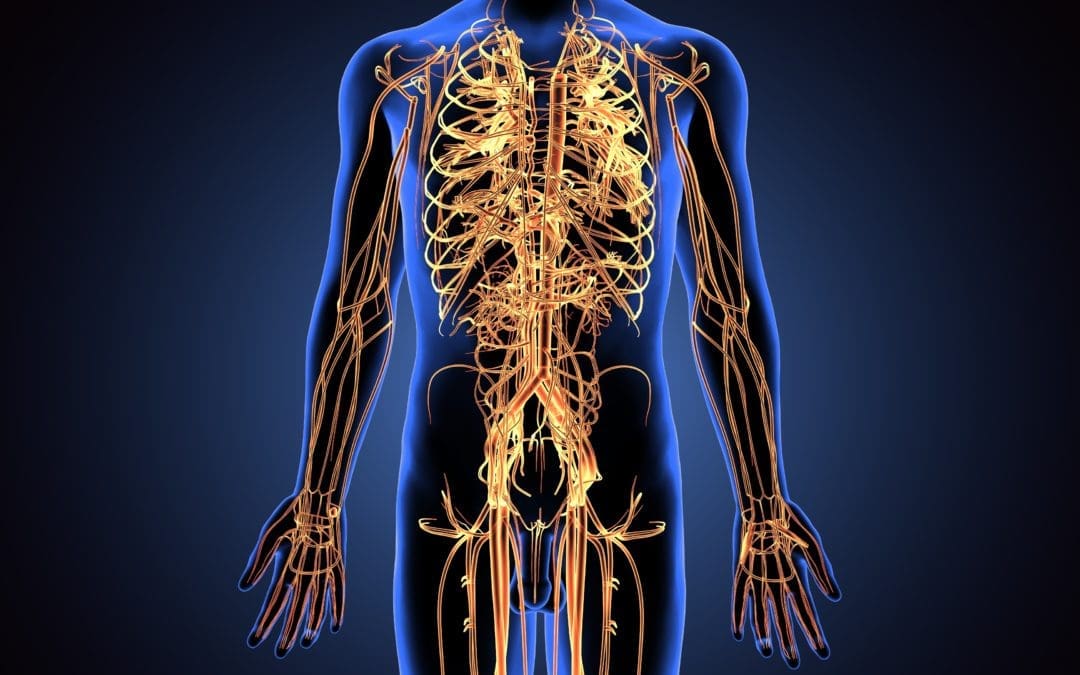
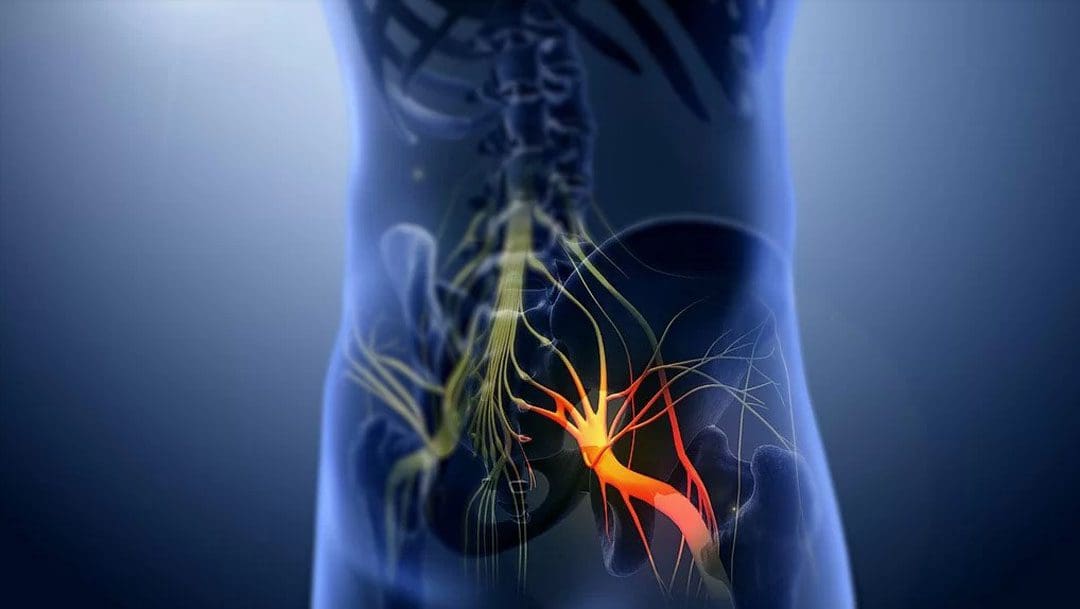
Can individuals dealing with sciatica incorporate nonsurgical treatments to reduce thigh pain and restore mobility in the legs and hips?
The Tensor Fascia Latae
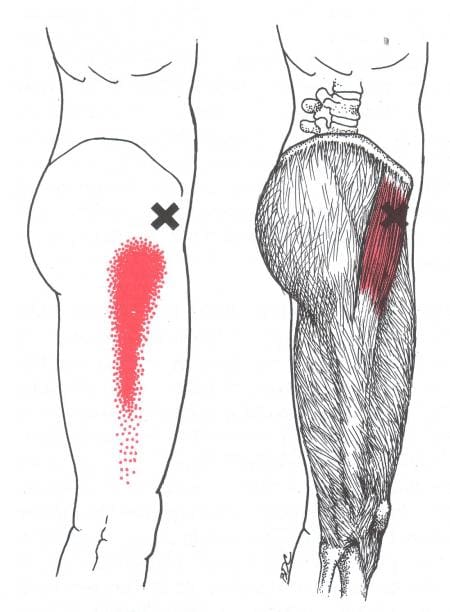
Do you feel stiffness or tightness in your legs, feet, and hips? Have you experienced walking crookedly when running errands? Or have you experienced radiating pain from your gluteal region down to your feet? The hips, thighs, and legs have numerous muscles, tissues, and ligaments surrounding the skeletal bone in the body’s lower extremities. These components allow the lower half of the body to stabilize the upper body’s weight and enable the individual to be mobile throughout the day. One muscle that works together is the tensor fasciae latae (TFL) muscle. The TFL muscle is part of the proximal anterolateral thigh between the deep fibers of the iliotibial (IT) band. It works with the gluteal muscles in various hip movements and assists with the knees. (Trammell et al., 2025) This muscle is poorly misunderstood as it helps with the hips and knee joint and pelvic stability. (Iyengar et al., 2022) At the same time, it has a casual relationship with the IT band.
The Iliotibial Band (ITB)
The iliotibial (IT) band is part of the lower extremities as it is a tough, fibrous fascial tissue that works together with the TFL muscle and has various functional roles that are dependent on posture and allows the individual to be mobile via walking, sprinting, and running. (Hutchinson et al., 2022) However, this muscle’s main function is knee flexion. When environmental factors affect the body, it can cause irritation and inflammation to the IT band, causing knee pain. (Martinez-Velez et al., 2020) When dealing with issues within their lower extremities, they affect the IT band, TFL muscle, and the thighs. Environmental factors can also affect the lower extremities as the surrounding muscles can aggravate the nerve roots, thus leading to sciatica pain. We associate with certified medical providers who inform our patients of how sciatica can negatively impact the lower extremities, especially the thighs. While asking important questions to our associated medical providers, we advise patients to integrate various non-invasive treatments to reduce sciatica and help regain mobility back to the lower body. Dr. Alex Jimenez, D.C., envisions this information as an academic service. Disclaimer.
Reclaim Your Mobility: Chiropractic Care For Sciatica Recovery-Video
Sciatica & Thigh Pain
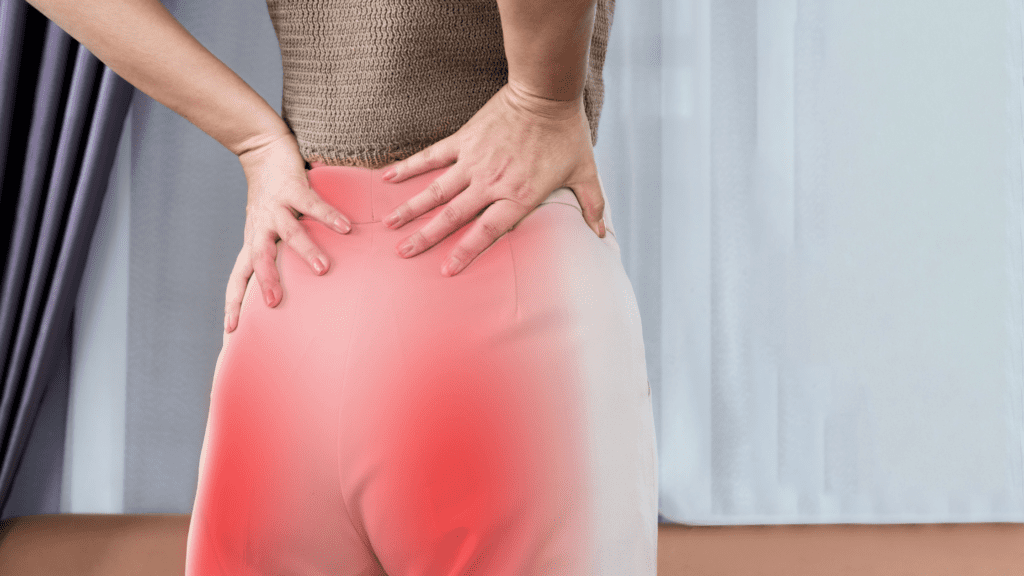
When the general population hears about sciatica, it is a frequent diagnosis associated with low back pain, which causes discomfort within the lower extremities, especially in the thighs. Sciatica is a debilitating condition where the sciatic nerve is often compressed and irritated, causing pain. (Davis et al., 2025) Many influences cause sciatica to develop, and it can cause the individual to deal with a spinal imbalance, which correlates with walking incorrectly, causing the accessory muscles to work overtime and compressing the sciatic nerve, causing thigh pain. (Wang et al., 2022) With thigh pain correlating with sciatica, many symptoms can range from muscle weakness, absence of tendon reflexes to the knees, and sensory deficit. (Fairag et al., 2022) Luckily, treatments are available to reduce thigh pain associated with sciatica and regain mobility back to the lower extremities.
Treatments For Sciatica-Thigh Pain
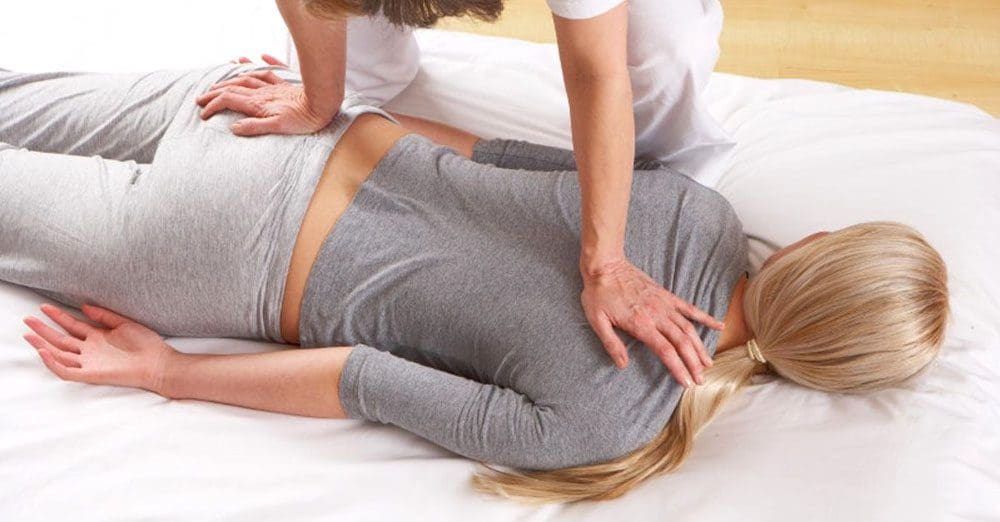
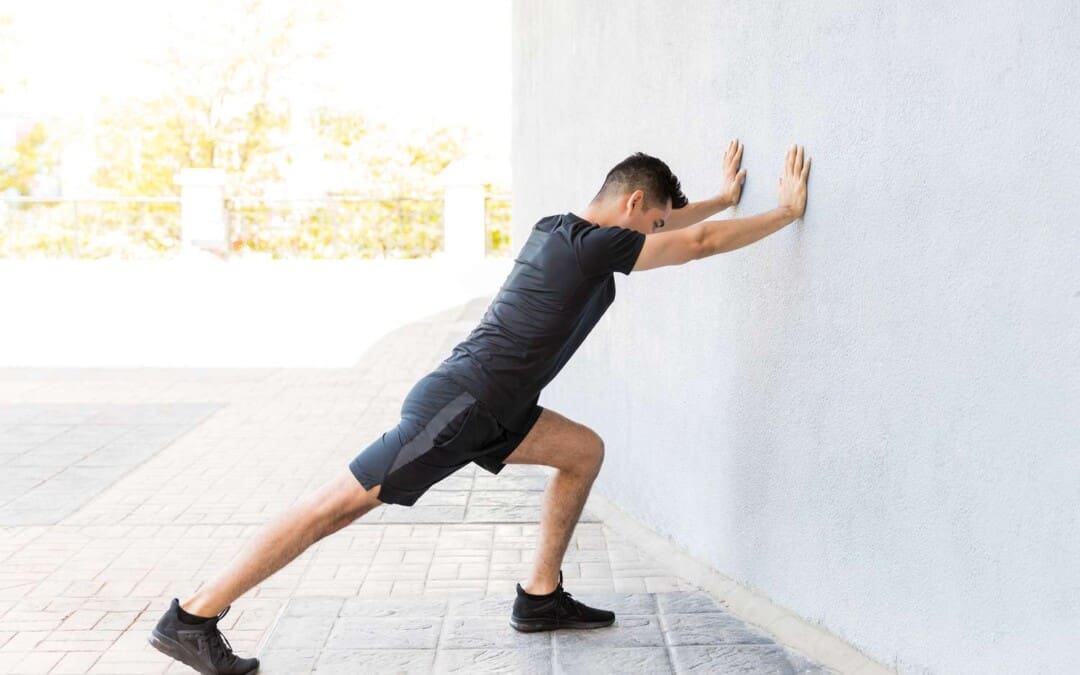
When treating the lower extremities, especially when experiencing sciatica-thigh pain, many individuals with thigh pain associated with sciatica can incorporate non-invasive treatments to reduce the pain. Many athletic and non-athletic individuals can utilize PRICE (protection, rest, ice, compression, and elevation) to the affected muscles that can minimize the injuries causing pain. (Lempainen et al., 2022) This can help reduce the inflammatory effects causing issues to the thighs and lower extremities. Many non-surgical treatments like physio-exercise therapy, massages, stretching, and spinal stabilization therapies can improve core strength and posture and help with range of motion to relieve sciatica pain affecting the lower extremities. (Aguilar-Shea et al., 2022) Other non-surgical treatments like yoga, physical therapy, and chiropractic care can help improve joint and lower extremity motions, stretch and strengthen weak muscles surrounding the thighs, and relieve sciatic nerve pain. (Kim & Yim, 2020) When people start thinking about their bodies and how pain is affecting their quality of life, many can incorporate non-surgical treatments to reduce the pain associated with sciatica. Many people can make small positive changes in their routine by becoming more physically active, stretching more, eating healthier, and being more mindful of what they are doing, which can reduce the chances of sciatica returning and affecting the lower extremities. This can help them achieve a healthier, better life.
References
Aguilar-Shea, A. L., Gallardo-Mayo, C., Sanz-Gonzalez, R., & Paredes, I. (2022). Sciatica. Management for family physicians. J Family Med Prim Care, 11(8), 4174-4179. https://doi.org/10.4103/jfmpc.jfmpc_1061_21
Fairag, M., Kurdi, R., Alkathiry, A., Alghamdi, N., Alshehri, R., Alturkistany, F. O., Almutairi, A., Mansory, M., Alhamed, M., Alzahrani, A., & Alhazmi, A. (2022). Risk Factors, Prevention, and Primary and Secondary Management of Sciatica: An Updated Overview. Cureus, 14(11), e31405. https://doi.org/10.7759/cureus.31405
Hutchinson, L. A., Lichtwark, G. A., Willy, R. W., & Kelly, L. A. (2022). The Iliotibial Band: A Complex Structure with Versatile Functions. Sports Med, 52(5), 995-1008. https://doi.org/10.1007/s40279-021-01634-3
Iyengar, K. P., Azzopardi, C., Kiernan, G., & Botchu, R. (2022). Isolated pathologies of Tensor Fasciae Latae: Retrospective cohort analysis from a tertiary referral centre. J Clin Orthop Trauma, 29, 101870. https://doi.org/10.1016/j.jcot.2022.101870
Kim, B., & Yim, J. (2020). Core Stability and Hip Exercises Improve Physical Function and Activity in Patients with Non-Specific Low Back Pain: A Randomized Controlled Trial. Tohoku J Exp Med, 251(3), 193-206. https://doi.org/10.1620/tjem.251.193
Lempainen, L., Mecho, S., Valle, X., Mazzoni, S., Villalon, J., Freschi, M., Stefanini, L., Garcia-Romero-Perez, A., Burova, M., Pleshkov, P., Pruna, R., Pasta, G., & Kosola, J. (2022). Management of anterior thigh injuries in soccer players: practical guide. BMC Sports Sci Med Rehabil, 14(1), 41. https://doi.org/10.1186/s13102-022-00428-y
Can individuals incorporate these simple but effective exercise routines to reduce pain and discomfort in their spine and back?
Why It’s Important To Keep The Back Mobile
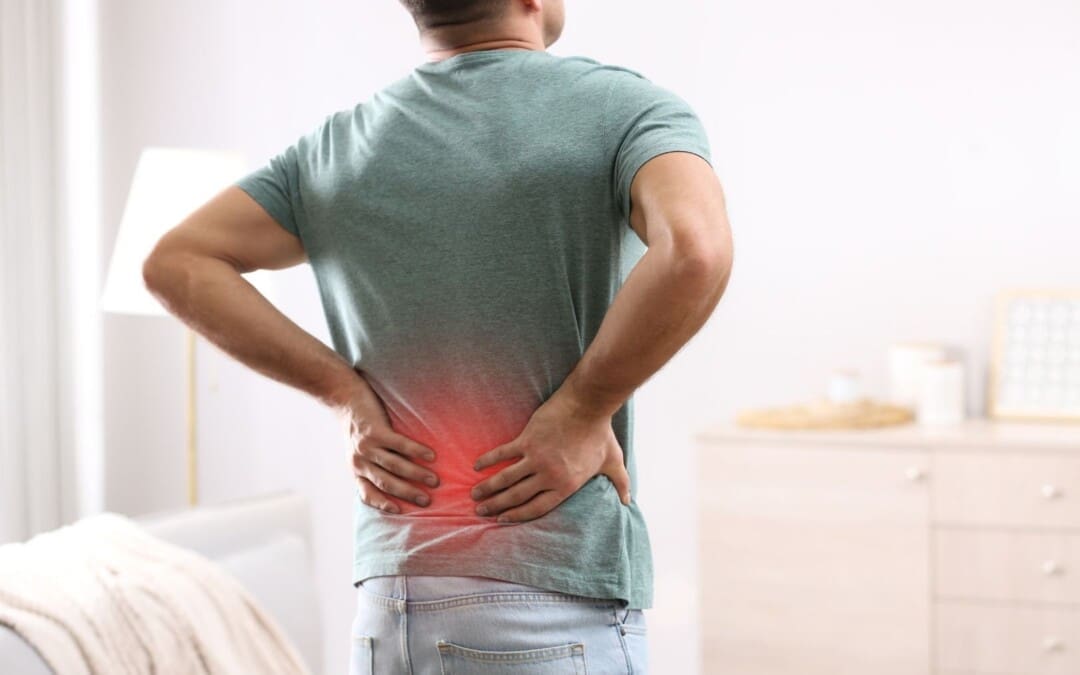
When many individuals are dealing with back pain from their upper, middle, and lower portions, it can put a halt to a person’s routine. When back pain becomes present, it causes the person to find a comfortable place like a couch or a bed and lie down. However, this can cause more issues than the original one, affecting the individual. Back pain is a common worldwide problem and is the leading issue of disability associated with a high socio-economic cost. (Chou, 2021) Additionally, when a person is dealing with back pain, they are also dealing with degenerative issues that are also affecting their spines, thus causing problems to their joints, discs, and bones. (Hauser et al., 2022) This is because back pain is a multifactorial musculoskeletal disorder that can cause referred pain to different body locations. So when a person dealing with back pain rests, it can become an issue as inflammation builds up and swelling in the affected areas. Hence, many doctors, chiropractors, physical therapists, and spine specialists recommend keeping mobile to allow blood flow and the body’s natural healing response to reduce pain and speed up recovery. Since back pain relief is challenging through visceral-somatic disturbances, it is important to find various treatment options to aid the person’s specific condition. As a person goes to get treatment for their back pain, it is important to note that the causes of their back pain can help determine which exercises can be most effective within their treatment plan. We associate with certified medical providers who inform our patients of the benefits of incorporating simple but effective exercises for their back pain. While asking important questions to our associated medical providers, we advise patients to integrate an exercise routine to reduce the chances of environmental factors causing back pain to return. Dr. Alex Jimenez, D.C., envisions this information as an academic service. Disclaimer.
Understanding Academic Low Back Pain- Video
Effective But Simple Exercises For The Back
Many people often wonder, “If I am dealing with back pain, why should I exercise to reduce this pain?” The answer is simple: since the affected back muscles are tight and weakened, simple but effective exercises can help recover. Exercise therapy can help increase muscle-joint strength in the body while improving muscle function and increasing range of motion. This boosts a speedy recovery and allows the individual to return to their usual activities. (Hayden et al., 2021) At the same time, with a customized treatment plan, exercise therapy can incorporate other non-surgical treatments with one goal: to restore normal musculoskeletal function and reduce the pain caused by environmental factors, diseases, or injuries. (Karlsson et al., 2020) Now, depending on the severity of the back pain, there are simple but effective exercises below to help reduce the pain and restore mobility to the back.
Physical Therapy & At-Home Workouts
Physical therapy and at-home exercises can help many individuals with back pain. They can help figure out which position can help centralize the pain and correct any restricted motions. Many physical therapists incorporate the McKenzie method to strengthen and support the spine while decreasing pain and inflammation. At-home exercises can be combined with a series designed to be practical, assessable, and feasible for therapeutic gain or even to improve physical capacity to maximum effort. (Quentin et al., 2021)
Water Exercises
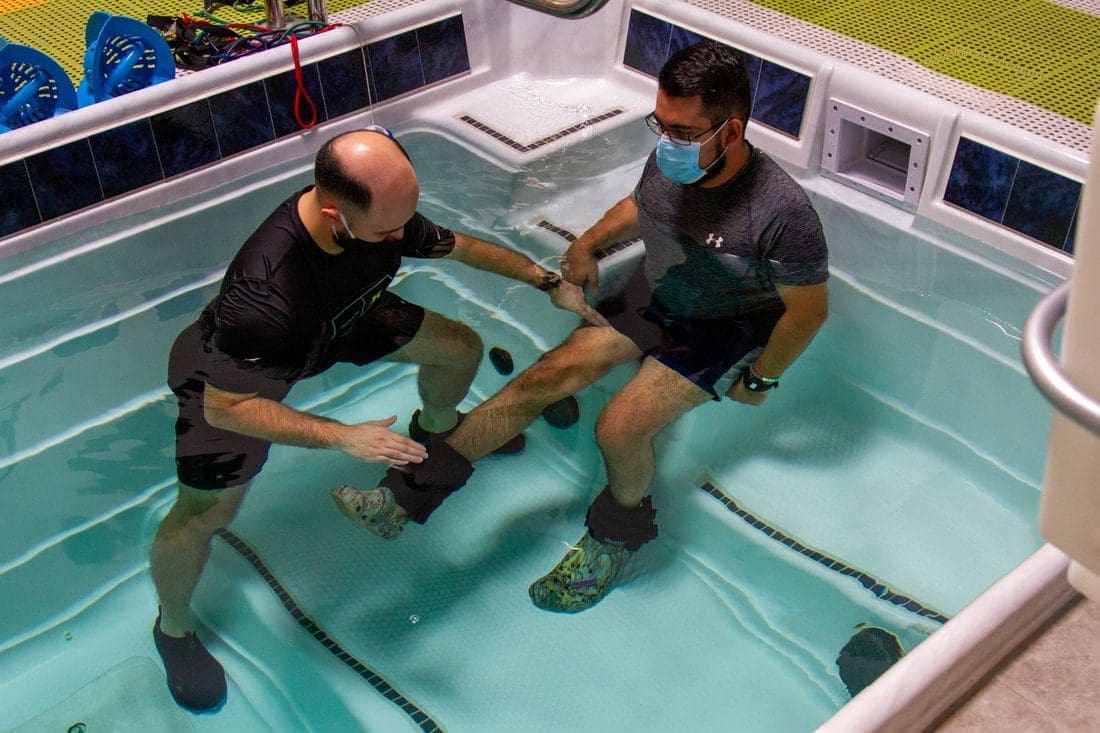
Water exercises are amazing exercises that can help lessen the body’s weight to take pressure and stress off the spine. This is because water is supposed to help cleanse and rejuvenate the body. When individuals are experiencing chronic back pain, aquatic physical therapy can help relieve pain intensity, relax the aching muscles, and even promote a positive workout experience for the individual. (Ma et al., 2022) After a few consecutive sessions, many individuals can see improvement in pain intensity and restored mobility function in their routines.
Tai Chi & Stabalizing Exercises
Now, another simple and effective exercise routine can help stabilize the surrounding muscles in the back and spine and become effective as part of a health and well-being routine. Tai chi and Qigong practices can help the individual emphasize stillness and controlled movements to promote calmness, resilience, body awareness, and relaxation for proper body alignment. (Yang et al., 2024) Tai chi and Qigong can also help support immune function in the body while regulating inflammation, which can help reduce and prevent diseases. (Oh et al., 2020) At the same time, yoga can help improve flexibility, mobility, and stability within the muscles and joints while also improving spinal alignment, which can help many individuals have proper posture. (Zhu et al., 2020) Depending on which exercise a person prefers for their treatment plan and to reduce their back pain; it is important to make these small changes to achieve optimal results. Making these small changes can help many individuals reduce the chances of their back pain returning and help them along with their health and wellness journey.
Hauser, R. A., Matias, D., Woznica, D., Rawlings, B., & Woldin, B. A. (2022). Lumbar instability as an etiology of low back pain and its treatment by prolotherapy: A review. J Back Musculoskelet Rehabil, 35(4), 701-712. https://doi.org/10.3233/BMR-210097
Hayden, J. A., Ellis, J., Ogilvie, R., Malmivaara, A., & van Tulder, M. W. (2021). Exercise therapy for chronic low back pain. Cochrane Database Syst Rev, 9(9), CD009790. https://doi.org/10.1002/14651858.CD009790.pub2
Karlsson, M., Bergenheim, A., Larsson, M. E. H., Nordeman, L., van Tulder, M., & Bernhardsson, S. (2020). Effects of exercise therapy in patients with acute low back pain: a systematic review of systematic reviews. Syst Rev, 9(1), 182. https://doi.org/10.1186/s13643-020-01412-8
Ma, J., Zhang, T., He, Y., Li, X., Chen, H., & Zhao, Q. (2022). Effect of aquatic physical therapy on chronic low back pain: a systematic review and meta-analysis. BMC Musculoskelet Disord, 23(1), 1050. https://doi.org/10.1186/s12891-022-05981-8
Oh, B., Bae, K., Lamoury, G., Eade, T., Boyle, F., Corless, B., Clarke, S., Yeung, A., Rosenthal, D., Schapira, L., & Back, M. (2020). The Effects of Tai Chi and Qigong on Immune Responses: A Systematic Review and Meta-Analysis. Medicines (Basel), 7(7). https://doi.org/10.3390/medicines7070039
Quentin, C., Bagheri, R., Ugbolue, U. C., Coudeyre, E., Pelissier, C., Descatha, A., Menini, T., Bouillon-Minois, J. B., & Dutheil, F. (2021). Effect of Home Exercise Training in Patients with Nonspecific Low-Back Pain: A Systematic Review and Meta-Analysis. Int J Environ Res Public Health, 18(16). https://doi.org/10.3390/ijerph18168430
Yang, Y., McCluskey, S., Bydon, M., Singh, J. R., Sheeler, R. D., Nathani, K. R., Krieger, A. C., Mehta, N. D., Weaver, J., Jia, L., DeCelle, S., Schlagal, R. C., Ayar, J., Abduljawad, S., Stovitz, S. D., Ganesh, R., Verkuilen, J., Knapp, K. A., Yang, L., & Hartl, R. (2024). A Tai chi and qigong mind-body program for low back pain: A virtually delivered randomized control trial. N Am Spine Soc J, 20, 100557. https://doi.org/10.1016/j.xnsj.2024.100557
Zhu, F., Zhang, M., Wang, D., Hong, Q., Zeng, C., & Chen, W. (2020). Yoga compared to non-exercise or physical therapy exercise on pain, disability, and quality of life for patients with chronic low back pain: A systematic review and meta-analysis of randomized controlled trials. PLOS ONE, 15(9), e0238544. https://doi.org/10.1371/journal.pone.0238544
Can non-surgical treatments help individuals with piriformis syndrome reduce referred sciatica pain and help restore hip mobility?
Piriformis Muscle & Piriformis Syndrome
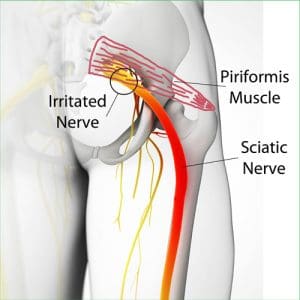
Within the lower extremities, various muscles, ligaments, tendons, and nerve roots allow the legs, hips, and thighs, enabling individuals to be mobile and help with good posture. One of the muscles, known as the piriformis muscle, is located in the gluteal region of the lower body, which helps the major muscles with every movement and allows the individual to walk, run, and rotate at the hips. (Chang et al., 2024) At the same time, the piriformis muscle is over the sciatic nerve, the longest and largest nerve that travels through the lower limbs down to the heel and provides motor-sensory function to the lower limbs. (Giuffre et al., 2024) Environmental factors like physical inactivity, excessive sitting or standing, lifting heavy objects, or improper posture can affect the piriformis muscle and develop musculoskeletal issues in the lower extremities. We associate with certified medical providers who inform our patients of the effects of piriformis syndrome, which affects their lower body extremities and causes pain and discomfort. While asking important questions to our associated medical providers, we advise patients to incorporate various non-surgical therapies to reduce the pain-like symptoms associated with piriformis syndrome. Dr. Alex Jimenez, D.C., envisions this information as an academic service. Disclaimer.
Have you experienced a pins and needles sensation in your hips and thighs that make it unbearable to walk? Do you feel radiating pain that travels down to your feet? Or have you noticed tightness in your hips and glutes region when stretching? When environmental factors impact the body, especially in the upper and lower extremities, they can cause overlapping risk profiles that can develop into chronic conditions. So, environmental factors affecting the piriformis muscle can lead to a musculoskeletal condition called piriformis syndrome. Piriformis syndrome is a somatic and neuropathic musculoskeletal condition caused by excessive or prolonged contraction of the piriformis muscle. (Jankovic et al., 2013) Many individuals who have dealt with piriformis syndrome will begin to report pain in the gluteal region that is causing sensations down the leg that can compress the sciatic nerve. (Hicks et al., 2024)
What Triggers Piriformis Syndrome?
Three causing factors can trigger piriformis syndrome in the lower extremities. Environmental factors like excessive movement, physical inactivity, or musculoskeletal conditions can compress the sciatic nerve over time, entrapping it and causing gradual pain. Additionally, trigger points in the muscles caused by repetitive strain can lead to muscle spasms or inflammation to irritate the sciatic nerve, which may present with a different musculoskeletal condition. (Pfeifer & Fitz, 1989) Finally, many people will begin to think that the pain they are experiencing is sciatica pain instead of piriformis syndrome.
Sciatica-Like Symptoms
Now, sciatica and piriformis syndrome are completely different but have similar symptoms that cause them to correlate. Sciatica is caused by spinal issues affecting the lower back that causes radiating pain down the leg. Piriformis syndrome only involves the piriformis muscle pressing one sciatic nerve area, causing overlapping risk profiles. Some of the common symptoms both sciatica and piriformis are associated with include:
Numbness
Tingling & burning sensations
Inflammation
Muscle spasms & tenderness
Pain & discomfort when sitting or standing
Sciatica: Causes, Symptoms, & Tips- Video
Non-Surgical Treatments For Piriformis
Luckily, numerous treatments are non-surgical and can help many individuals with piriformis syndrome find relief. Non-surgical treatments are affordable and non-invasive, customized to the person’s pain. With piriformis syndrome, non-surgical treatments can help improve pain and functionality back to the lower extremities and provide symptomatic relief from the piriformis muscle. (Vij et al., 2021) Some of the non-surgical treatments that are excellent for reducing pain-like symptoms associated with piriformis include:
Physical Therapy: Physical therapies allow the muscles to be mobilized and stretched and decompress the musculoskeletal structures. (Gandolfi et al., 2023)
Acupuncture: A trained acupuncturist incorporates small needles into the acupoints around the piriformis and provides anti-inflammatory effects. (He et al., 2023)
Chiropractic Adjustments: Chiropractors utilize mechanical and manual spinal manipulation to realign the body, stretch and strengthen the affected muscles, and alleviate pain.
Rest: Avoiding strenuous activities and sleeping on the right mattress can help reduce spinal pain associated with piriformis syndrome and improve sleep quality.
Incorporating these non-surgical treatments to reduce piriformis syndrome can help many individuals be more mindful of their bodies daily. They can be part of a daily routine in a person’s health and wellness journey in managing piriformis syndrome and reducing its pain-like symptoms. Doing so allows the lower extremities to be mobile again and the individual to be pain-free.
Gandolfi, M. G., Zamparini, F., Spinelli, A., & Prati, C. (2023). Asana for Back, Hips and Legs to Prevent Musculoskeletal Disorders among Dental Professionals: In-Office Yoga Protocol. J Funct Morphol Kinesiol, 9(1). https://doi.org/10.3390/jfmk9010006
Jankovic, D., Peng, P., & van Zundert, A. (2013). Brief review: piriformis syndrome: etiology, diagnosis, and management. Can J Anaesth, 60(10), 1003-1012. https://doi.org/10.1007/s12630-013-0009-5
Pfeifer, T., & Fitz, W. F. (1989). [The piriformis syndrome]. Z Orthop Ihre Grenzgeb, 127(6), 691-694. https://doi.org/10.1055/s-2008-1040313 (Das Piriformis-Syndrom.)
Vij, N., Kiernan, H., Bisht, R., Singleton, I., Cornett, E. M., Kaye, A. D., Imani, F., Varrassi, G., Pourbahri, M., Viswanath, O., & Urits, I. (2021). Surgical and Non-surgical Treatment Options for Piriformis Syndrome: A Literature Review. Anesth Pain Med, 11(1), e112825. https://doi.org/10.5812/aapm.112825
Can individuals experiencing back pain from various factors incorporate MET (muscle energy techniques) to restore mobility?
Factors That Causes Back Pain
More often than not, many individuals have experienced back pain in various parts of their lives. As one of the leading pains that people have dealt with worldwide, many factors can contribute to the development of back pain, and it can affect different musculoskeletal locations in the upper and lower body quadrants. Back pain has often been associated with the workplace or environmental factors. For back pain, the problem can range from all back sections, affecting the muscles, ligaments, tissues, intervertebral joints, or the bone itself. (Wiberg, 1949) People are constantly in motion, and the muscles can be overstretched and tight over time. When that happens, many people seek treatment to reduce back pain’s overlapping risk profiles and restore mobility. Today’s article focuses on the factors associated with back pain and how non-surgical treatments like MET (muscle energy technique) can help reduce back pain and restore mobility. We discuss with certified medical providers who inform our patients how various environmental factors are correlated with back pain and how it can affect the body. While asking informed questions to our associated medical providers, we advise patients to include various non-surgical treatments like MET to be incorporated to reduce overlapping risk profiles associated with back pain. Dr. Alex Jimenez, D.C., encompasses this information as an academic service. Disclaimer.
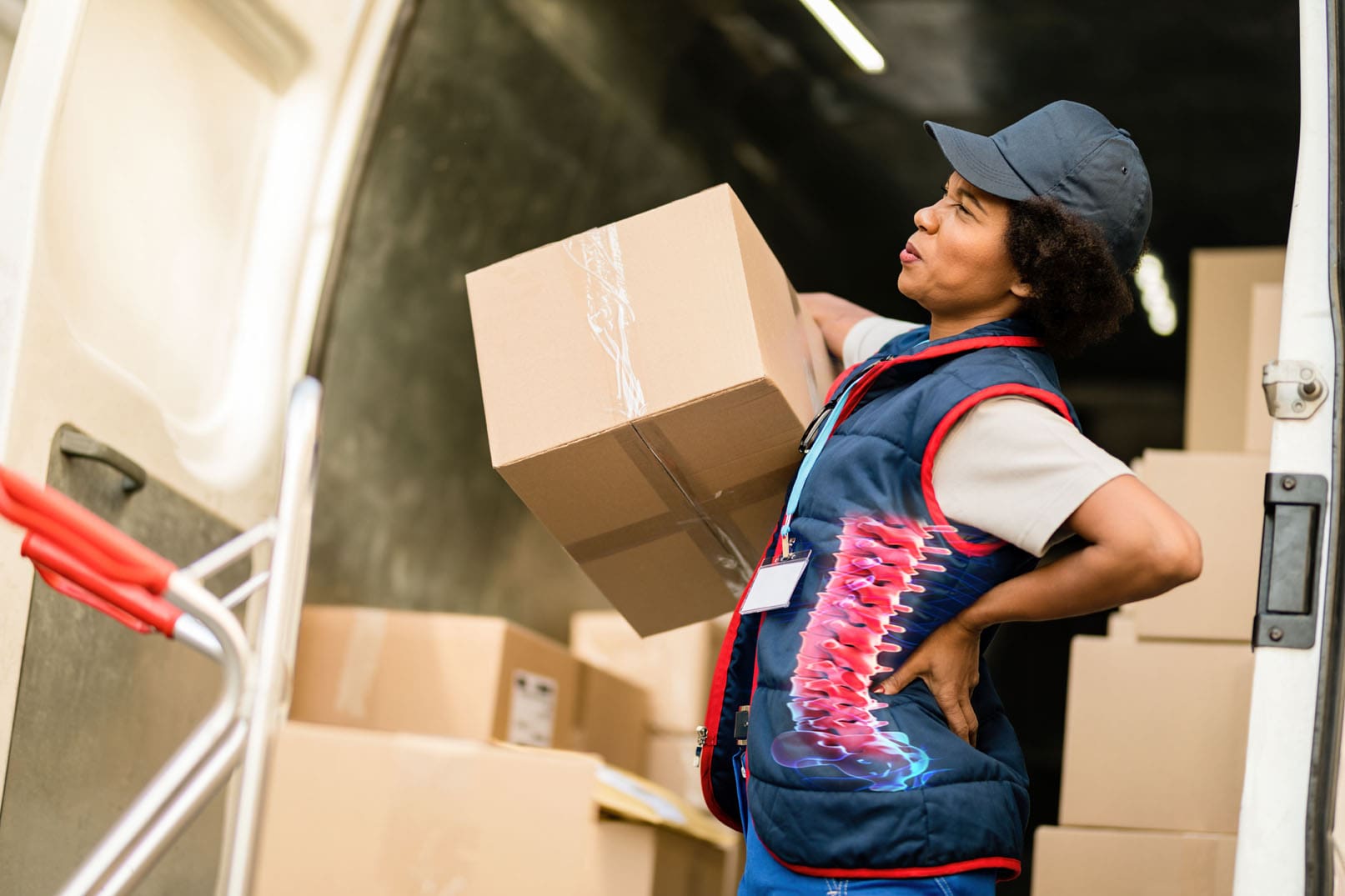
How often do you experience pain in different locations in your back after doing some strenuous activities? Do you feel like you are taking many breaks due to feeling tightness or sharp sensations in your back? Or have you felt that your posture is more hunched than normal? Many of these environmental factors scenarios are correlated with back pain, and it can become an issue over time. Back pain can be in two categories: specific and non-specific, and it can impact a person’s quality of life. Non-specific back pain can be associated with mobility impairment in the different back sections, referred to as radiating pain in the lower extremities or musculoskeletal disorders. (Delitto et al., 2012) This causes issues like repetitive loading to the spine and various pain-like symptoms to the back, causing a disbalance to the individual. (Zemková & Zapletalová, 2021) When it comes to environmental factors correlating with back pain, there are numerous ways for it to be developed and, over time, cause discomfort for the individual, as back pain symptoms vary for everyone.
Sleep
When it comes to the connection between sleep and back pain, these two issues can cause a vicious cycle of disturbed sleep and issues like insomnia. (Van Looveren et al., 2021) Now, when it comes to sleep disturbances and back pain, many individuals may be sleeping with the wrong mattress, causing their bodies to can cause pressure on their joints and spinal discs. This causes in-bed sleep behaviors like movements and postures could lead to health complications like pressure sores, apnea, and painful muscle spasms in the back and lower extremities. (Elnaggar et al., 2023) Luckily, there are various ways to reduce back pain, improve sleep quality, and restore body motion.
Understanding Academic Low Back Pain-Video
What Is MET?
When people come in for back pain treatment, non-surgical therapies can help stretch the overworked and tired back muscles and restore mobility to the body’s upper and lower extremities. One of the non-surgical treatments that pain specialists like chiropractors and massage therapists use is MET therapy or muscle energy technique therapy. MET comprises soft tissue manipulation that uses controlled isometric and isotonic contractions. (Sarkar et al., 2021) This helps the body not only improve the physiological function of the muscles but also decrease pain. MET can also be combined with other therapies to help lengthen short muscles, improve the range of motion from the joints, and increase fluid drainage from the body’s peripheral regions. (Batool et al., 2024)
MET Reducing Back Pain
Regarding MET, reducing back pain is possible as MET can be integrated with physical therapy to improve the disability and functionality of the person with back pain. (Wahyuddin et al., 2020) When people start to incorporate MET and non-surgical treatments as part of their routine for their health and well-being, they will begin to notice that the pain they have been experiencing in their back is diminishing over time. This allows them to be more mindful of their backs and bodies while making small changes to their routine. Sleeping better with a correct mattress, exercising more to stretch and strengthen muscles, eating healthier foods, and relaxing more allow people to be pain-free in their health and wellness journey.
References
Batool, K., Mehmood, M., Jafar, M., & Gull, M. (2024). Comparative efficacy of muscle energy technique and Bowen technique on hamstrings muscle tightness in chronic low back pain patients. Pak J Med Sci, 40(9), 2080-2084. https://doi.org/10.12669/pjms.40.9.8517
Delitto, A., George, S. Z., Van Dillen, L., Whitman, J. M., Sowa, G., Shekelle, P., Denninger, T. R., & Godges, J. J. (2012). Low Back Pain. Journal of Orthopaedic & Sports Physical Therapy, 42(4), A1-A57. https://doi.org/10.2519/jospt.2012.42.4.a1
Elnaggar, O., Arelhi, R., Coenen, F., Hopkinson, A., Mason, L., & Paoletti, P. (2023). An interpretable framework for sleep posture change detection and postural inactivity segmentation using wrist kinematics. Sci Rep, 13(1), 18027. https://doi.org/10.1038/s41598-023-44567-9
Sarkar, M., Goyal, M., & Samuel, A. J. (2021). Comparing the Effectiveness of the Muscle Energy Technique and Kinesiotaping in Mechanical Sacroiliac Joint Dysfunction: A Non-blinded, Two-Group, Pretest-Posttest Randomized Clinical Trial Protocol. Asian Spine Journal, 15(1), 54-63. https://doi.org/10.31616/asj.2019.0300
Van Looveren, E., Bilterys, T., Munneke, W., Cagnie, B., Ickmans, K., Mairesse, O., Malfliet, A., De Baets, L., Nijs, J., Goubert, D., Danneels, L., Moens, M., & Meeus, M. (2021). The Association between Sleep and Chronic Spinal Pain: A Systematic Review from the Last Decade. J Clin Med, 10(17). https://doi.org/10.3390/jcm10173836
Wahyuddin, W., Vongsirinavarat, M., Mekhora, K., Bovonsunthonchai, S., & Adisaipoapun, R. (2020). Immediate effects of muscle energy technique and stabilization exercise in patients with chronic low back pain with suspected facet joint origin: A pilot study. Hong Kong Physiother J, 40(2), 109-119. https://doi.org/10.1142/S1013702520500109
Wiberg, G. (1949). Back pain in relation to the nerve supply of the intervertebral disc. Acta Orthop Scand, 19(2), 211-221, illust. https://doi.org/10.3109/17453674908991094
Zemková, E., & Zapletalová, L. (2021). Back Problems: Pros and Cons of Core Strengthening Exercises as a Part of Athlete Training. International Journal of Environmental Research and Public Health, 18(10), 5400. https://doi.org/10.3390/ijerph18105400
Individuals dealing with fibromyalgia can find natural remedies to reduce the pain-like symptoms and provide relief to their bodies?
Introduction
When it comes to the immune system in the human body, it is the number one defender in healing the body naturally from chronic illness or injuries to which the host has succumbed. When the body is dealing with unwanted pathogens, the immune system sends out inflammatory cytokines to attach to the affected area, allowing the healing process to take effect. However, when environmental factors or pathogens develop inside the body over time, the immune system can become confused and begin to attack healthy cells; when this happens, the body can develop autoimmune diseases. This causes chronic issues and overlapping risk profiles to develop and cause the body to succumb to pain and discomfort. Autoimmune diseases like fibromyalgia can affect the various muscles in the body and cause a person to be in tremendous amounts of pain. Luckily, there are different natural remedies to dampen the pain-like effects of fibromyalgia. In today’s article, we are looking at the impact of fibromyalgia on the body and how various natural remedies can help reduce fibromyalgia flare-ups. We discuss with certified medical providers who inform our patients how fibromyalgia can affect the body and be correlated with pain-like symptoms. While asking informed questions to our associated medical providers, we advise patients to incorporate various natural remedies to reduce the chances of fibromyalgia causing more issues in the body. Dr. Alex Jimenez, D.C., encompasses this information as an academic service. Disclaimer.
How Fibromyalgia Affects The Body
Have you been dealing with pain and discomfort in different areas of your body? Do you feel exhausted throughout the day despite having a good night’s rest? Or have you been dealing with constant migraines that you would rather stay in bed all day? Many pain-like scenarios are associated with musculoskeletal conditions that can affect the entire body through painful sensations. However, musculoskeletal conditions have a casual relationship with not only environmental factors but also with autoimmune diseases like fibromyalgia. Now, fibromyalgia is characterized by chronic and widespread musculoskeletal pain and can be associated with hypersensitivity processing to pain in the brain. (Siracusa et al., 2021) This is because many factors like genetics, environmental, hormonal, neural, and immunological are all associated with fibromyalgia and can cause the neuron signals to be haywire and hypersensitive to the body. (Garcia Rodriguez & Abud Mendoza, 2020) When that happens, the body begins to experience musculoskeletal pain-like symptoms like muscle-joint stiffness and fatigue that can cause the vagus nerve to be in a constant hyperactive state in the body.
Additionally, since fibromyalgia is an autoimmune disease, the role of the immune system and inflammation also come into play as the body produces altered levels of pro-inflammatory cytokines to dysregulate neuro-sensitizing molecules and affect the small nerve fibers in the body (Clauw et al., 2024). Unfortunately, when doctors diagnose fibromyalgia, comorbidities can cause overlapping risk profiles in the body. Fortunately, there are numerous treatments and natural remedies available to reduce and manage pain-like symptoms associated with fibromyalgia.
Fibromyalgia: Food Choices & Neutraceutical Options- Video
Natural Remedies To Reduce Fibromyalgia
When it comes to finding numerous ways to reduce the pain-like effects of fibromyalgia, many people seek out over-the-counter medicine to reduce the musculoskeletal pain associated with fibromyalgia, which can provide temporary relief. Luckily, there are natural remedies that can improve overall fibromyalgia symptoms that can improve the global functioning of the body, pain reduction, psychological relief, and brain activity. (Assavarittirong et al., 2022) Many natural remedies for fibromyalgia include:
Incorporating vitamins and supplements
Making small changes in diet and lifestyle
Utilizing non-surgical treatments
Supplements
When it comes to reducing fibromyalgia flare-ups, many people wonder where to start on their health and wellness journey. The best way to start making small changes to their health and reducing fibromyalgia flare-ups is by incorporating vitamins and supplements. Vitamins and supplements can help the body by incorporating the necessary nutrients that the body needs to provide energy and function to the muscles, tissues, bones, and vital organs. When it comes to incorporating various vitamins and supplements to reduce fibromyalgia symptoms, many people have started incorporating vitamin D to boost the immune system and reduce muscle impairment in tissue structure and function. (Lombardo et al., 2022) This is because when individuals are dealing with fibromyalgia flare-ups, they experience extreme muscle pain, and it spreads throughout the entire body. At the same time, many people can also incorporate magnesium as part of the regime to reduce fibromyalgia. When people start to integrate magnesium, they will experience reduced symptoms of muscle pain, fatigue, anxiety, and improved sleep difficulties. (Boulis et al., 2021) By incorporating vitamins and supplements into individuals with fibromyalgia, they will begin to notice over time that the symptoms associated with fibromyalgia are reduced.
Diet & Lifestyle Changes
Another way for individuals dealing with fibromyalgia is by incorporating a diet that has anti-inflammatory properties and lifestyle changes that can be customized for the person’s treatment plan. When it comes to the diet portion of reducing fibromyalgia, many wonder how to start. Since a healthy diet is crucial for a natural treatment to reduce fibromyalgia, the main goal is to reduce the inflammatory effects associated with fibromyalgia. When people start incorporating fruits and vegetables that have been shown not only to reduce oxidative stress but also to reduce the inflammatory markers caused by fibromyalgia. (Lowry et al., 2020) While incorporating a healthy diet containing anti-inflammatory foods, exercising and utilizing non-surgical treatments also play a crucial role in managing fibromyalgia. When it comes to exercising can be a multimodal treatment as it can help create a physiological response that decreases the sympathetic activity and shifts the parasympathetic activity that relaxes the muscular and nervous system, thus reducing the stress levels of individuals with fibromyalgia. (Metyas et al., 2024) This allows people to manage their symptoms and make small changes in their health and well-being. At the same time, they can incorporate non-surgical treatments like chiropractic care and acupuncture to realign the body and reduce symptoms of stiffness and pain correlated with fibromyalgia. By doing so and managing their fibromyalgia symptoms, many people can begin taking back their health and wellness with these natural remedies for their fibromyalgia.
References
Assavarittirong, C., Samborski, W., & Grygiel-Gorniak, B. (2022). Oxidative Stress in Fibromyalgia: From Pathology to Treatment. Oxid Med Cell Longev, 2022, 1582432. https://doi.org/10.1155/2022/1582432
Boulis, M., Boulis, M., & Clauw, D. (2021). Magnesium and Fibromyalgia: A Literature Review. J Prim Care Community Health, 12, 21501327211038433. https://doi.org/10.1177/21501327211038433
Clauw, D., Sarzi-Puttini, P., Pellegrino, G., & Shoenfeld, Y. (2024). Is fibromyalgia an autoimmune disorder? Autoimmun Rev, 23(1), 103424. https://doi.org/10.1016/j.autrev.2023.103424
Garcia Rodriguez, D. F., & Abud Mendoza, C. (2020). Physiopathology of fibromyalgia. Reumatol Clin (Engl Ed), 16(3), 191-194. https://doi.org/10.1016/j.reuma.2020.02.003 (Fisiopatologia de la fibromialgia.)
Lombardo, M., Feraco, A., Ottaviani, M., Rizzo, G., Camajani, E., Caprio, M., & Armani, A. (2022). The Efficacy of Vitamin D Supplementation in the Treatment of Fibromyalgia Syndrome and Chronic Musculoskeletal Pain. Nutrients, 14(15). https://doi.org/10.3390/nu14153010
Lowry, E., Marley, J., McVeigh, J. G., McSorley, E., Allsopp, P., & Kerr, D. (2020). Dietary Interventions in the Management of Fibromyalgia: A Systematic Review and Best-Evidence Synthesis. Nutrients, 12(9). https://doi.org/10.3390/nu12092664
Metyas, C., Aung, T. T., Cheung, J., Joseph, M., Ballester, A. M., & Metyas, S. (2024). Diet and Lifestyle Modifications for Fibromyalgia. Curr Rheumatol Rev, 20(4), 405-413. https://doi.org/10.2174/0115733971274700231226075717
Siracusa, R., Paola, R. D., Cuzzocrea, S., & Impellizzeri, D. (2021). Fibromyalgia: Pathogenesis, Mechanisms, Diagnosis and Treatment Options Update. Int J Mol Sci, 22(8). https://doi.org/10.3390/ijms22083891
Can individuals with nerve injuries incorporate non-surgical treatments to reduce pain sensations and restore motor function to their bodies?
Introduction
The human body is a complex machine of nerves, bones, organs, tissues, and muscles that help the individual be mobile, flexible, and stable during various activities without pain and discomfort. However, when numerous factors start to hurt the body, it can lead to multiple overlapping risk profiles that can affect the body’s extremities and nerve injuries. Dealing with nerve injuries can lead to referred pain in the musculoskeletal system, and many people think it is muscle pain instead of nerve injury. When that happens, many individuals will begin to seek treatment to reduce not only the symptoms of nerve injuries but also reduce the pain associated with the nerves. In today’s article, we will look at what causes nerve injuries and how non-surgical treatments like chiropractic care and acupuncture can help with reducing the overlapping symptoms of nerve injuries and provide relief to the body. We discuss with certified medical providers who inform our patients about how nerve injuries can impact the musculoskeletal system. While asking informed questions to our associated medical providers, we advise patients to incorporate non-surgical treatments like chiropractic care and acupuncture to restore motor function to the body. Dr. Alex Jimenez, D.C., encompasses this information as an academic service. Disclaimer.
What Causes Nerve Injuries?
Do you constantly feel tingling or numbness in your legs, arms, feet, and hands? Do your muscles feel so weak that holding objects seems difficult? Or do you feel pain in your extremities, making it difficult to do everyday tasks? The body has trillions of nerves that branch out from the central nervous system and are intertwined with the muscles, tissues, and organs for motor-sensory function. Traumatic injuries, accidents, and normal environmental factors impact the nerves and cause overlapping risk profiles. More often than not, many individuals deal with non-mechanical and mechanical nerve injuries that can occur to the body. With nerve injuries, many individuals can feel various symptoms depending on the severity. Neuropraxia, a moderate form of nerve injury, causes nerve compression in the upper and lower extremities that causes motor dysfunction. (Carballo Cuello & De Jesus, 2024)
Additionally, neuropraxia can lead to functional impairment to the motor-sensory dysfunction that disrupts the peripheral nervous system, signaling this blocks nerve conduction and transient weakness or paresthesia. (Biso & Munakomi, 2024) When this happens, many individuals dealing with peripheral nerve injury that is associated with neuropraxia can experience structural and functional impairment to the sensory-motor skills in the extremities, which leads to physical disability and neuropathic pain, thus affecting a person’s quality of life. (Lopes et al., 2022) Many individuals dealing with nerve injuries can have various recovery periods depending on the severity. Many people often think they are dealing with musculoskeletal pain in their neck, shoulders, back, and extremities, but it is associated with nerve injury. When this happens, many individuals can seek out treatment to reduce the pain-like symptoms from nerve injuries.
Is Motion The Key To Healing?- Video
Non-Surgical Treatments For Nerve Injuries
When it comes to treating nerve injuries, it depends on the severity of the symptoms they cause. Surgical options are recommended to restore motor-sensory function if severe mechanical factors cause nerve injury. However, many individuals will opt out of surgical treatments due to their high cost and will often take over-the-counter medication to ease the pain. However, if the nerve injury is non-mechanical, many individuals can seek non-surgical treatments to reduce the nerve injury affecting the musculoskeletal system. Many non-surgical treatments are preferable to many people because they are cost-effective and can ultimately enhance a person’s care and improve their recovery outcome. (El Melhat et al., 2024) Non-surgical treatments can come in many forms, from chiropractic care to acupuncture, to help reduce the effects of non-mechanical nerve injuries and help restore the sensory-motor function of the musculoskeletal system.
Chiropractic Care
Chiropractic care is one of the many non-surgical therapies that use mechanical and manual manipulation of the spine to realign the body and help restore the sensory-motor function to the extremities. With nerve injuries, chiropractic care can help with neural mobilization to release trapped nerves in the affected muscle areas, thus reducing pain-like symptoms of tingling sensations. (Jefferson-Falardeau & Houle, 2019) Additionally, chiropractic care can help increase ROM (range of motion) in the extremities and reduce numbing and tingling sensations.
Acupuncture
Acupuncture is another non-surgical treatment that can also help reduce non-mechanical nerve injuries to the body. When a professional acupuncturist uses small, thin needles at different pressure points to rewire the neuron signaling and restore the body’s energy flow, acupuncture can help improve the clinical efficacy of nerve pain intensity and help enhance the person’s quality of life. (Li et al., 2023) Additionally, acupuncture can help improve nerve injury’s emotional and cognitive function and can be combined with other non-surgical treatments. (Jang et al., 2021) When it comes to reducing pain-like symptoms correlated with nerve injury, non-surgical treatments can provide the relief many individuals seek and lead to a happier, healthier life.
El Melhat, A. M., Youssef, A. S. A., Zebdawi, M. R., Hafez, M. A., Khalil, L. H., & Harrison, D. E. (2024). Non-Surgical Approaches to the Management of Lumbar Disc Herniation Associated with Radiculopathy: A Narrative Review. J Clin Med, 13(4). https://doi.org/10.3390/jcm13040974
Jang, J. H., Song, E. M., Do, Y. H., Ahn, S., Oh, J. Y., Hwang, T. Y., Ryu, Y., Jeon, S., Song, M. Y., & Park, H. J. (2021). Acupuncture alleviates chronic pain and comorbid conditions in a mouse model of neuropathic pain: the involvement of DNA methylation in the prefrontal cortex. Pain, 162(2), 514-530. https://doi.org/10.1097/j.pain.0000000000002031
Jefferson-Falardeau, J., & Houle, S. (2019). Chiropractic Management of a Patient With Radial Nerve Entrapment Symptoms: A Case Study. J Chiropr Med, 18(4), 327-334. https://doi.org/10.1016/j.jcm.2019.07.003
Li, X., Liu, Y., Jing, Z., Fan, B., Pan, W., Mao, S., & Han, Y. (2023). Effects of acupuncture therapy in diabetic neuropathic pain: A systematic review and meta-analysis. Complement Ther Med, 78, 102992. https://doi.org/10.1016/j.ctim.2023.102992
Lopes, B., Sousa, P., Alvites, R., Branquinho, M., Sousa, A. C., Mendonca, C., Atayde, L. M., Luis, A. L., Varejao, A. S. P., & Mauricio, A. C. (2022). Peripheral Nerve Injury Treatments and Advances: One Health Perspective. Int J Mol Sci, 23(2). https://doi.org/10.3390/ijms23020918
For individuals that are trying to change up their daily routine, can incorporating the beneficial properties of a HIIT workout reduce pain?
Introduction
When it comes to a person’s health and wellness, they need to exercise for at least 30 minutes. However, many individuals have hectic lifestyles, which correlates to a lack of time to work out, leading to various health conditions that can develop over time and lead to pain and discomfort. Around the world, many adults should get 150 to 300 minutes of exercise to reduce pain in their body system. This can include doing chores, exercising at home, or going to the gym. But people who want to get in a quick workout within their busy schedules can opt for a HIIT workout or high-intensity interval training. In today’s article, we will look at what HIIT is, its beneficial effects on the body, and how important it is to incorporate a HIIT workout as part of a daily routine. We talk with certified associated medical providers who inform our patients to include a HIIT workout in their daily routine. While asking their associated medical provider intricate questions, we advise patients to formulate a customized treatment plan to help with chronic pain affecting their bodies through various exercise routines. Dr. Alex Jimenez, D.C., includes this information as an academic service. Disclaimer.
What is HIIT?
Do you experience any weight changes that cause difficulty maintaining your ideal weight? How often do you feel stressed and tired after a hectic day that you don’t have time for yourself? Or do you feel unusual aches and pains in your body that make you feel fatigued throughout the day? When it comes to individuals making small changes in their health and well-being, try to work out with the minimum time they have but also achieve the benefits of a full workout, can try HIIT. HIIT, or high-intensity interval training, is defined by exercise activities that target 80% of the individual’s max heart rate with alternative explosive bursts of full-throttle efforts with rest periods. (Coates et al., 2023)
Additionally, a HIIT workout usually involves cardio and resistance training as part of its sub-categories. This is generally incorporated into gyms and fitness centers and still requires both a warm-up, recovery intervals, and cool-down to ensure that the body is getting the full beneficial properties and effects from a HIIT workout. This is because a HIIT workout involves an active, high-intensity training session that is less than 15 minutes long and helps improve cardiometabolic health and cardiovascular endurance. (Atakan et al., 2021)
Optimize Your Wellness- Video
The Beneficial Properties of HIIT
Since HIIT has beneficial properties, many individuals experiencing low back pain from stress, excessive sitting or standing, or lifting heavy objects can utilize HIIT workouts as part of their exercise routine. HIIT workouts for lower back pain can help through general resistance and core strength training, which helps improve muscle strength and decrease the pain and deconditioning of the trunk muscles. (Verbrugghe et al., 2020) The other beneficial properties of HIIT are that it can help improve a person’s cardiorespiratory system or stamina. This helps maintain healthy endurance levels and causes them to increase the length or intensity of a HIIT workout while enjoying the health benefits it can provide. (Martin-Smith et al., 2020)
Since HIIT has beneficial properties, many individuals experiencing low back pain from stress, excessive sitting or standing, or lifting heavy objects can utilize HIIT workouts as part of their exercise routine. HIIT workouts for lower back pain can help through general resistance and core strength training, which helps improve muscle strength and decrease the pain and deconditioning of the trunk muscles. (Verbrugghe et al., 2020) The other beneficial properties of HIIT are that it can help improve a person’s cardiorespiratory system or stamina. This helps maintain healthy endurance levels and causes them to increase the length or intensity of a HIIT workout while enjoying the health benefits it can provide. (Martin-Smith et al., 2020)
Incorporating HIIT As Part of A Routine
Additionally, anyone who wants to do a HIIT workout routine can do it since it is perfect for a quick workout in a short amount of time. Individuals with busy schedules can complete a workout with alternating bursts of exercises and rest periods that can build up a person’s endurance. With a HIIT workout, many individuals will begin to notice that they have more energy throughout the day and start making changes to improve their lives.
References
Atakan, M. M., Li, Y., Kosar, S. N., Turnagol, H. H., & Yan, X. (2021). Evidence-Based Effects of High-Intensity Interval Training on Exercise Capacity and Health: A Review with Historical Perspective. Int J Environ Res Public Health, 18(13). https://doi.org/10.3390/ijerph18137201
Coates, A. M., Joyner, M. J., Little, J. P., Jones, A. M., & Gibala, M. J. (2023). A Perspective on High-Intensity Interval Training for Performance and Health. Sports Med, 53(Suppl 1), 85-96. https://doi.org/10.1007/s40279-023-01938-6
Gjellesvik, T. I., Becker, F., Tjonna, A. E., Indredavik, B., Lundgaard, E., Solbakken, H., Brurok, B., Torhaug, T., Lydersen, S., & Askim, T. (2021). Effects of High-Intensity Interval Training After Stroke (The HIIT Stroke Study) on Physical and Cognitive Function: A Multicenter Randomized Controlled Trial. Archives of Physical Medicine and Rehabilitation, 102(9), 1683-1691. https://doi.org/10.1016/j.apmr.2021.05.008
Guimaraes, G. V., Ciolac, E. G., Carvalho, V. O., D’Avila, V. M., Bortolotto, L. A., & Bocchi, E. A. (2010). Effects of continuous vs. interval exercise training on blood pressure and arterial stiffness in treated hypertension. Hypertens Res, 33(6), 627-632. https://doi.org/10.1038/hr.2010.42
Martin-Smith, R., Cox, A., Buchan, D. S., Baker, J. S., Grace, F., & Sculthorpe, N. (2020). High Intensity Interval Training (HIIT) Improves Cardiorespiratory Fitness (CRF) in Healthy, Overweight and Obese Adolescents: A Systematic Review and Meta-Analysis of Controlled Studies. Int J Environ Res Public Health, 17(8). https://doi.org/10.3390/ijerph17082955
Verbrugghe, J., Agten, A., Stevens, S., Hansen, D., Demoulin, C., Eijnde, B. O., Vandenabeele, F., & Timmermans, A. (2020). High Intensity Training to Treat Chronic Nonspecific Low Back Pain: Effectiveness of Various Exercise Modes. J Clin Med, 9(8). https://doi.org/10.3390/jcm9082401
IFM's Find A Practitioner tool is the largest referral network in Functional Medicine, created to help patients locate Functional Medicine practitioners anywhere in the world. IFM Certified Practitioners are listed first in the search results, given their extensive education in Functional Medicine