
Chiropractic and Regenerative Joint Pain Care Strategies
Chiropractic and Regenerative Joint Pain Care: An Evidence-Based Approach
Abstract
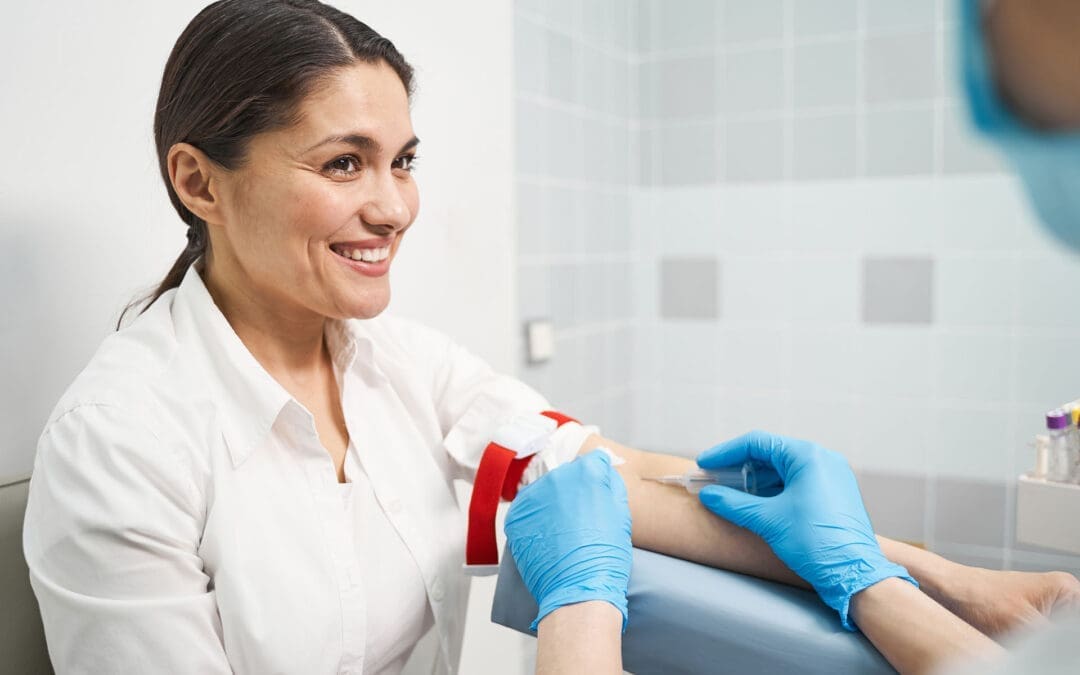
Welcome to our educational series. I’m Dr. Alexander Jimenez, and today, we’ll explore the sophisticated world of regenerative medicine, specifically focusing on platelet-rich plasma (PRP) and its applications in managing joint pain, particularly osteoarthritis. This post translates complex clinical research into practical insights, exploring patient selection, treatment protocols, and the crucial role of integrative care. We will discuss the science behind PRP, including platelet concentration, the debate between leukocyte-rich versus leukocyte-poor preparations, and how these factors influence patient outcomes. Furthermore, we’ll examine how we integrate these advanced biologic treatments with our foundational chiropractic and physical therapy principles to create a comprehensive, patient-centered journey toward healing and restored function. We’ll navigate the nuances of post-injection care, the timing of treatments relative to other interventions, such as cortisone shots, and the latest evidence-based strategies to optimize results. Our goal is to empower you with a clear understanding of how these modern therapies work synergistically with established musculoskeletal care, not just to alleviate pain but to foster true, long-term healing.
Hello, I am Dr. Alexander Jimenez, DC, APRN, FNP-BC, CFMP, IFMCP, ATN, CCST. It’s a privilege to share insights from the forefront of musculoskeletal and regenerative medicine. In my practice, we are dedicated to merging the latest scientific advancements with a holistic, patient-first philosophy. Today, I want to guide you through a fascinating and rapidly evolving area: the use of platelet-rich plasma (PRP) for joint conditions like osteoarthritis. We will explore how we, as integrative practitioners, make clinical decisions based on cutting-edge research and how these decisions fit within a broader chiropractic and physical therapy framework to optimize your recovery.
Optimizing Patient Selection for Regenerative Therapies: Who is the Ideal Candidate?
A common and critical question I encounter is, “Am I a suitable candidate for PRP?” Patients often wonder if there are strict cutoffs based on age, body mass index (BMI), or the severity of their arthritis.
Based on the latest evidence and my clinical experience, the answer is more nuanced than simple metrics. While there can be a subtle bias against higher BMI, the primary predictor of a successful response to PRP is the nature of the patient’s symptoms, not their demographic profile.
- Ideal Candidates: Patients who describe their pain as a broad, achy, and inflammatory sensation tend to respond remarkably well. This type of pain often signals an underlying inflammatory process that PRP is uniquely equipped to modulate. In these cases, age and the degree of arthritis seen on an X-ray are less critical factors. We have seen patients in their nineties achieve significant relief.
- Less Predictable Candidates: Conversely, individuals who experience sharp, stabbing, or mechanical pressure-type pain often have a more complex clinical picture. This type of pain can indicate issues beyond simple inflammation, such as bone marrow lesions, significant meniscal tears, or other “pain generators” that create mechanical blocks or instability. While these patients may still benefit from PRP, our treatment algorithm must be expanded to address concurrent issues, often through targeted physical therapy and chiropractic adjustments.
It is a matter of managing expectations. For a patient with severe arthritis who is exploring alternatives to knee replacement, we might discuss the potential for a 30-60% improvement over several months. I am always transparent: no treatment is 100% effective. Our approach is to create a personalized, evidence-informed plan that maximizes your chances of success.
The Science of PRP: Leukocyte-Rich vs. Leukocyte-Poor
The conversation around PRP often involves technical terms like leukocyte-rich (LR-PRP) and leukocyte-poor (LP-PRP). Leukocytes are white blood cells, and their presence in the PRP injectate is a subject of significant debate.
A preparation is generally considered “leukocyte-rich” if the concentration of white blood cells exceeds that in the patient’s baseline whole blood. Most commercial PRP systems produce a leukocyte-rich product. The key distinction lies in the types of leukocytes present. The current focus in research is on reducing pro-inflammatory neutrophils while preserving monocytes, which are crucial for tissue remodeling and healing.
- Leukocyte-Poor (LP-PRP): This is often preferred for injections near sensitive structures, such as nerves or the spine, where minimizing the initial inflammatory response is paramount.
- Leukocyte-Rich (LR-PRP): For most joint and soft tissue applications, a degree of inflammation is not only acceptable but beneficial. This initial inflammatory flare, driven by the leukocytes and platelets, is what kickstarts the healing cascade. Patients receiving LR-PRP might experience more swelling and soreness for a day or two, but this is a sign that the body’s regenerative engine is firing up.
At our clinic, we recognize that the most critical factor in treating conditions like osteoarthritis is the total platelet dose delivered to the joint. Research overwhelmingly supports that a higher platelet count correlates with better clinical outcomes. While we can fine-tune the leukocyte profile, we never want to sacrifice the platelet dose to do so.
The Cornerstone of Recovery: Integrating Chiropractic and Physical Therapy
Regenerative injections like PRP are powerful tools, but they are not a “magic bullet.” True and lasting healing requires a comprehensive approach that addresses the root cause of the joint dysfunction. This is where integrative chiropractic care and physical therapy become indispensable.
The human body is an intricate system of levers and pulleys. If a joint is in pain, it’s often due to improper biomechanics, muscular imbalances, or postural deficits that place abnormal stress on the joint. Injecting PRP can reduce inflammation and stimulate tissue repair, but if the underlying mechanical problems aren’t corrected, the joint will remain under duress, and the pain will likely return.
This is why our protocol is built on a foundation of musculoskeletal care:
- Chiropractic Adjustments: We use precise adjustments to restore proper joint alignment and mobility. For a knee, this involves assessing and correcting mechanics not just in the knee itself but also in the hips, ankles, and spine. A misaligned pelvis or a collapsed arch in the foot can profoundly alter the forces acting through the knee joint. By correcting these issues, we ensure that the healing environment stimulated by PRP is not compromised by ongoing mechanical stress.
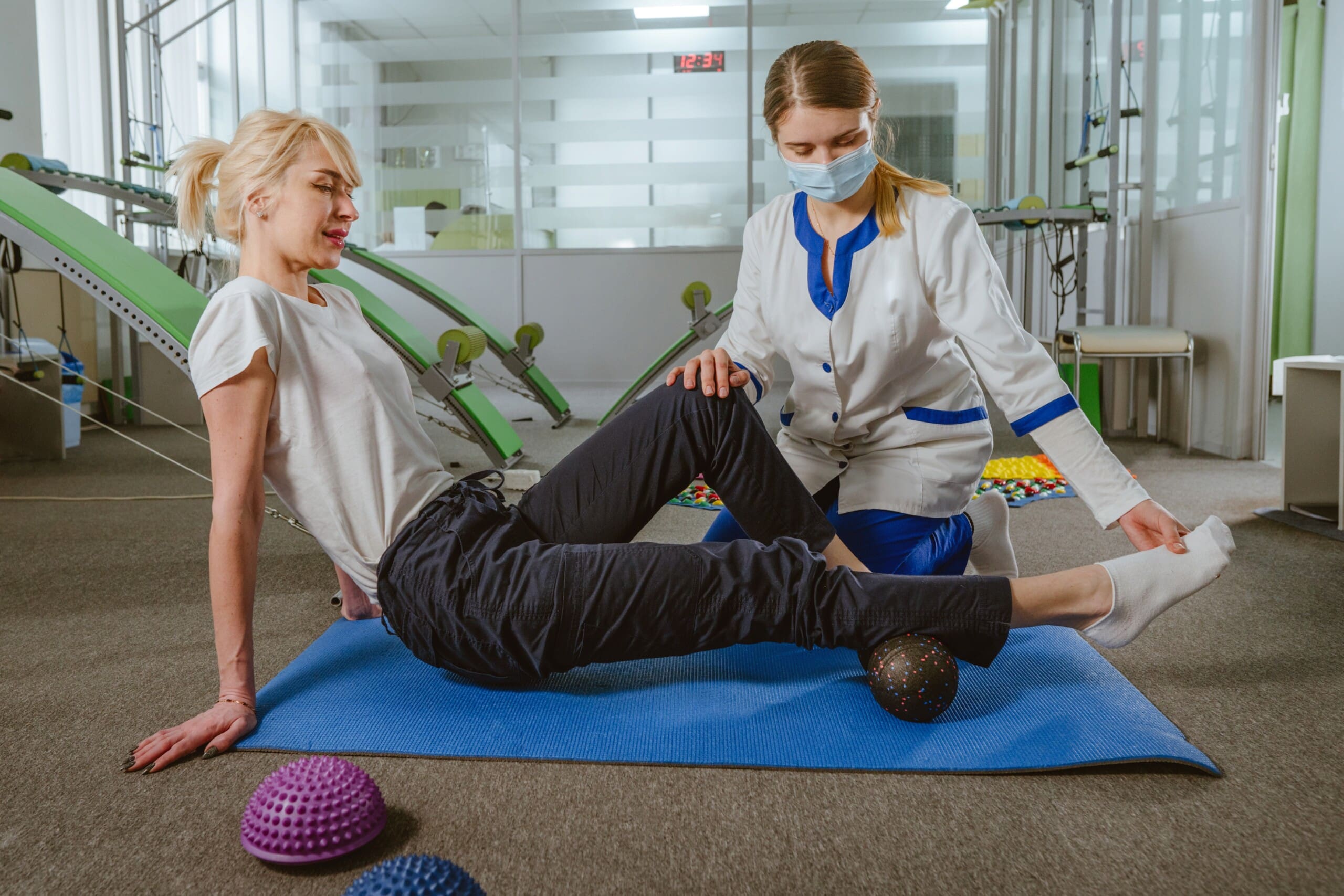
- Targeted Physical Therapy: Our physical therapy programs are designed to complement both chiropractic adjustments and regenerative injections. The goals are to:
- Strengthen Supporting Musculature: We build strength in the muscles around the affected joint (e.g., quadriceps, hamstrings, and glutes for the knee) to provide dynamic stability.
- Improve Flexibility and Range of Motion: Gentle stretching and mobility exercises help prevent stiffness and ensure the joint can move through its full, healthy range of motion.
- Neuromuscular Re-education: We retrain the body to move correctly, correcting faulty movement patterns that contributed to the initial injury. This is crucial for long-term prevention.
This synergistic approach ensures that we are not just treating the symptom (pain) but are fundamentally rebuilding the joint’s functional capacity. The PRP provides the biological “scaffolding” and signaling for repair, while chiropractic and physical therapy provide the mechanical and functional framework for that repair to be successful and durable.
Clinical Protocols and Timing: Maximizing Therapeutic Benefit
The timing and technique of regenerative treatments are critical. Many patients come to us having had previous cortisone injections. Corticosteroids are potent anti-inflammatories, but they are also catabolic, meaning they can break down tissue and suppress the very cellular activity that PRP aims to stimulate.
Therefore, we adhere to a strict washout period. Based on studies of steroid residency in joint spaces, we typically wait a minimum of 30 to 35 days after an intra-articular cortisone injection before administering PRP. This allows the steroid’s suppressive effects to dissipate, ensuring the joint environment is receptive to regenerative signals from platelets.
Dose and Volume: Customizing the Injection
A guiding principle in regenerative medicine is the delivery of an adequate platelet dose. The larger the joint and the more severe the condition, the more platelets are needed. This has led to innovative techniques for maximizing the therapeutic payload.
For a large joint like the knee, we might first draw off the most concentrated fraction after preparing the PRP. For example, if we process a blood draw and obtain 4-5 cc of PRP, the final 1-2 cc at the bottom of the syringe (closest to the red blood cell layer) will have the highest platelet concentration. In a patient with severe arthritis who can tolerate more volume, I might:
- Inject the most potent, platelet-dense fraction first.
- Follow this with the next-most concentrated layer.
- Finally, inject the remaining platelet-poor plasma (PPP), which contains valuable proteins and growth factors that help modulate inflammation.
This layering technique allows us to deliver a very high total number of platelets and other beneficial biological factors, essentially “hyper-dosing” the joint to maximize the healing response. For a large knee, we might inject up to 15 cc of total volume if the patient can comfortably accommodate it.
The research is detailed: dose matters. My clinical observations confirm that achieving a higher platelet count, especially in moderate-to-severe osteoarthritis, yields a more robust and lasting clinical improvement (Everhart et al., 2019).
The Role of Peptides and Other Biologics
The field of regenerative medicine is constantly exploring synergistic therapies. One area of growing interest is the combination of PRP with peptides like BPC-157. BPC-157 is a peptide chain known for its ability to promote angiogenesis (the formation of new blood vessels), which is fundamental to tissue healing.
While human data is still emerging, animal studies suggest that combining PRP with BPC-157 could enhance the healing response. The logic is compelling: PRP initiates the inflammatory and repair cascade, while BPC-157 may accelerate the development of a rich blood supply needed to fuel that repair process. This is an exciting frontier, and as more robust data becomes available, we will continue to integrate evidence-based combination therapies into our protocols.
As we continue this journey together, remember that our mission is to provide you with the most advanced, evidence-based, and personalized care possible. By integrating the biological power of regenerative medicine with the foundational principles of chiropractic and physical therapy, we can move beyond merely managing symptoms and guide you toward true, functional recovery.
References
- Everhart, J. S., Cavendish, P. A., & Flanigan, D. C. (2019). Platelet-Rich Plasma Preparation and Composition. In D. C. Flanigan (Ed.), Platelet-Rich Plasma in Orthopaedics and Sports Medicine (pp. 11-20). Springer. https://link.springer.com/chapter/10.1007/978-3-030-01919-3_2
- LaPrade, R. F., Dragoo, J. L., Rodeo, S. A., & Chu, C. R. (2021). The Orthobiologic Classification System: A Data-Driven Approach for the Standardization of Orthobiologic Reporting. The American Journal of Sports Medicine, 49(12), 3121–3129. https://doi.org/10.1177/03635465211029519
- Meheux, C. J., McCulloch, P. C., Lintner, D. M., Varner, K. E., & Harris, J. D. (2016). Efficacy of intra-articular platelet-rich plasma injections in knee osteoarthritis: A systematic review. Arthroscopy: The Journal of Arthroscopic & Related Surgery, 32(3), 495-505. https://doi.org/10.1016/j.arthro.2015.08.005







