For individuals who don’t have time for a full workout, could incorporating sprint exercise training be an option to improve their cardiovascular and overall health?
Sprint Exercise Training
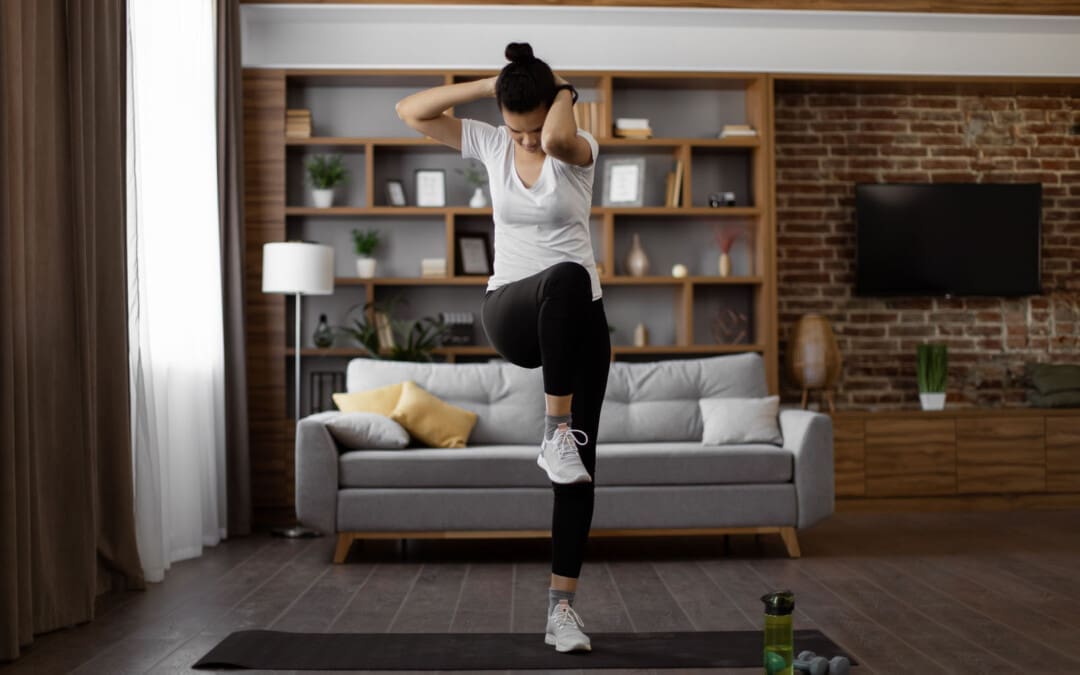
Most think of running when they hear the word sprinting. However, sprinting can be performed in any aerobic activity, whether swimming, cycling, rollerblading, or exercising on an elliptical machine. Sprint exercise training means varying the intensity levels of the activity. It is also known as sprint interval training or speed drills. It targets cardiovascular endurance and is suitable for all fitness levels, from beginners to advanced. This type of training is demanding and requires high motivation, but it can lead to significant improvements and help achieve fitness goals faster.
Sprint workouts are a time saver. Many exercise guidelines recommend up to 60 minutes of moderate exercise 3 times a week; however, many people don’t have the time. Studies have shown that short, high-intensity sprint exercise training improves aerobic capacity and endurance in half the time of traditional endurance exercise. Sprint exercise training burns calories, improves cardiovascular health, builds muscle, and increases speed and power. Sprint workouts are great for individuals who lack time for traditional steady endurance exercise but want to improve cardiovascular health. (Vollaard, N. B. J., and Metcalfe, R. S. 2017) Adding them to a workout routine can take training to a new level.
Training
The key to sprint training is performing an activity at a certain percentage of all-out effort to increase heart rate. Sprint exercise training is recommended three times a week, with at least one to two days of rest or other easy exercises between sprint workouts. How to do.
Warm-up
Warm up with easy exercise for five to 10 minutes.
Slowly perform the exercise that will be done for the sprints to prepare the body for the intense sprint.
Do the First Sprint
Perform the first sprint at around 60% intensity.
Slow down and continue warming up if there is muscle tightness or joint pain.
Rest
Recover for four minutes by slowing to a comfortable pace, but continue moving.
Do the Second Sprint
Perform the next sprint at 80% max intensity.
Rest
Rest for four minutes.
Do the Third Sprint
Perform the remainder of the sprints at 100% intensity or all-out efforts for 30 seconds.
Push to the maximum for each exercise.
Rest
Recover for four minutes after each sprint to slow down breathing and heart rate, and can hold a conversation without gasping.
Repeat
Repeat the sprint/recovery routine four to eight times, depending on fitness level and ability.
For the first workout, stop at four sprints.
Gradually build up to eight.
Benefits
Sprint exercise training enhances endurance performance and can be effectively used by athletes, fitness enthusiasts, and individuals who want to improve their fitness and health. (Litleskare, S. et al., 2020) In one study, participants who completed eight weeks of sprint training saw improvements in maximal oxygen uptake or VO2 max. The test is one way to measure cardiovascular fitness. (Litleskare, S. et al., 2020) These short bursts of intense exercise improve muscle health and performance comparable to several weeks of traditional training. (Gunnarsson, T. P. et al., 2013) Other studies have found that short, high-intensity exercise burns more calories than the same amount of moderate-level cardiovascular exercise. (Vollaard, N. B. J., and Metcalfe, R. S. 2017)
Variations
There are different ways to structure a sprinting routine, and different fitness goals will determine the intensity, duration, and number of sprints that should be performed.
Beginners
Those new to sprinting should start slow, as overdoing it can lead to injury. Work on building up a base level of fitness before introducing sprinting into an exercise routine. Start with one set of four sprint/rest cycles when trying sprints. As fitness goals are achieved, add more sprints to each set or different sprints.
Intermediate
Once a sprinting exercise routine is begun, it may only be a few weeks before one is ready to advance to an intermediate level. Try increasing the number of sprints at different intensity levels. However, avoid sprint exercises too often weekly as the body needs adequate rest.
Advanced
Advanced athletes can intensify the routine by increasing intensity and adding reps. One way is by adding resistance. For example, for those running or cycling, try sprinting hills, or if rollerblading, try wearing wrist and ankle weights to increase the load. Swimmers can use strength-building techniques to focus on specific body areas or add resistance. The intensity of any sprinting activity can be intensified by wearing a weighted vest.
Beginner Errors
A few common starting mistakes include going too hard, advancing too quickly, and doing too many for too long. Sprints are not meant to replace moderate-intensity exercise. The goal is to modulate the intensity of aerobic activities. A study showed that not getting enough rest between sprints led to an inability to perform as well during sprinting. (Selmi, M. A. et al., 2016)
Safety
Sprint workouts can be done with running, swimming, cycling, or other aerobic cardiovascular exercises. The following precautions should be considered before adding sprint training to a workout schedule:
Safety
Because sprinting is a high-intensity exercise, it is recommended that individuals consult with a healthcare professional and review the physical activity readiness questionnaire (PAR-Q) before beginning a sprint training workout.
Base Fitness
A strong fitness base in the sprint activity is also important.
To build a fitness base, follow the 10% rule and gradually increase training volume.
Frequency
Because of the intensity, sprint workouts should not be done more than three times a week.
Muscle Soreness
Launching into a sprint program can cause delayed-onset muscle soreness.
Experts recommend having about three to four weeks of base fitness before beginning.
Injuries are more likely if the body isn’t properly prepared.
The goal is to do a sprint workout six times in two weeks, then only perform 2 times a week for maintenance for six to eight weeks before changing the workout. On the days following a sprint workout, aim for 20–30 minutes of the same aerobic activity at an easier pace to help recover but maintain results. If pleased with the results, continue with the routine longer, but it is recommended to vary the workouts every few months and throughout the year. Modify the routine to find what works best.
Military Training and Chiropractic Care: Maximizing Performance
References
Vollaard, N. B. J., & Metcalfe, R. S. (2017). Research into the Health Benefits of Sprint Interval Training Should Focus on Protocols with Fewer and Shorter Sprints. Sports medicine (Auckland, N.Z.), 47(12), 2443–2451. https://doi.org/10.1007/s40279-017-0727-x
Litleskare, S., Enoksen, E., Sandvei, M., Støen, L., Stensrud, T., Johansen, E., & Jensen, J. (2020). Sprint Interval Running and Continuous Running Produce Training Specific Adaptations, Despite a Similar Improvement of Aerobic Endurance Capacity-A Randomized Trial of Healthy Adults. International journal of environmental research and public health, 17(11), 3865. https://doi.org/10.3390/ijerph17113865
Gunnarsson, T. P., Christensen, P. M., Thomassen, M., Nielsen, L. R., & Bangsbo, J. (2013). Effect of intensified training on muscle ion kinetics, fatigue development, and repeated short-term performance in endurance-trained cyclists. American journal of physiology. Regulatory, integrative and comparative physiology, 305(7), R811–R821. https://doi.org/10.1152/ajpregu.00467.2012
Selmi, M. A., Haj, S. R., Haj, Y. M., Moalla, W., & Elloumi, M. (2016). Effect of between-set recovery durations on repeated sprint ability in young soccer players. Biology of sport, 33(2), 165–172. https://doi.org/10.5604/20831862.1198636
Back pain for no reason that is non-specific is also known as idiopathic, meaning there is no definitive cause like a herniated disc, vehicle accident/crash, falling accident, work, school, or sports injury. An aching sore back that came out of nowhere can be baffling. However, there are reasons for pain, including age, unhealthy posture, work occupation, muscle spasms, lifestyle habits, family medical history, and viscerosomatic reflexes.
Back Pain No Reason
Individuals will trace back their steps and often find that there was no heavy lifting of packages, overdoing it working out, or bending, twisting awkwardly, but the pain is present.
Age
Age is a primary cause of back pain. After the age of 20, the discs in the spine begin to dehydrate, shrink, and compress/flatten out. This can cause everyday activities to generate back strain and pain as the discs begin to slip, slide, and rub against each other. This is known as degenerative disc disease and is a process that continues as the body gets older.
Back Muscle Spasms
Muscle spasms are a common manifestation of back pain and occur when the muscles involuntarily contract. Spasms often happen from bending, heavy lifting, or other physical activities.
Lifestyle Factors
Lifestyle factors can be a causation factor for back pain that comes out of nowhere.
Smoking increases the risk as nicotine increases the wear and tear on the discs as well as other organs.
The smoke/nicotine causes the discs to age faster because it breaks down the collagen, an essential part of the discs.
Individuals that are out of shape, overweight, and/or obese are more likely to have back pain from the added weight.
Unhealthy Posture/Mechanics
Practicing unhealthy postures will no doubt begin to cause back or some type of pain from the strain and awkward positioning placed on the muscles being used. Strains, twists, pulls, or tears can occur if repeating the same motion.
Viscerosomatic Reflex
Viscera means organ, and somatic refers to the body or musculoskeletal system. A viscerosomatic reaction happens when a pain signal from an organ is transmitted via the spinal cord, where neurons and motor structures like the muscles, blood vessels, and skin are interconnected. The body’s organs can become distressed or suffer an infection/disease that causes signals to be sent that there is something wrong. However, the signal could be pain that materializes in the spine/back muscles but is not a spinal injury or condition.
Diagnosis and Treatment
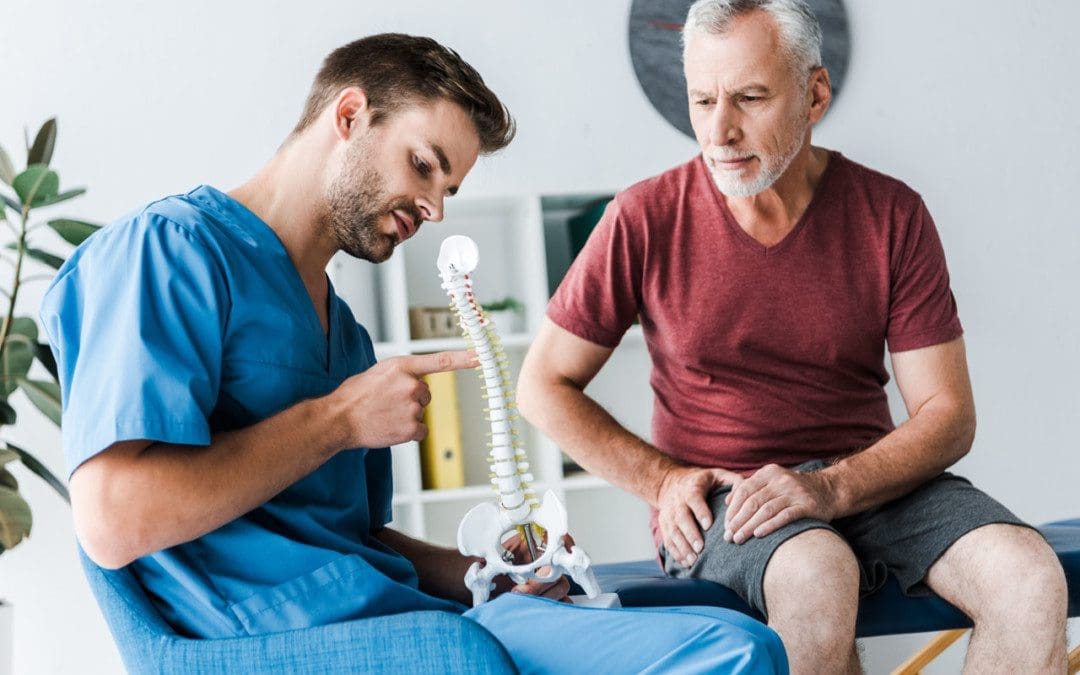
The first step to successfully treating back pain is scheduling an appointment with a spine specialist or chiropractor. A series of specific questions will be asked to gain insight into the underlying cause of the pain. These include:
Location of the pain
Intensity of the pain
Frequency of the pain
Medical history
Diet habits
A careful examination is necessary for the doctor to identify the reasons in any individual patient. Once the physician has learned about the symptoms and history, they can determine a possible cause and create a personalized treatment/rehabilitation plan to get the body back to optimal health.
Decompression Patient Testimonials
References
Koes, B W et al. “Diagnosis and treatment of low back pain.” BMJ (Clinical research ed.) vol. 332,7555 (2006): 1430-4. doi:10.1136/bmj.332.7555.1430
Lankhorst, G J et al. “The natural history of idiopathic low back pain. A three-year follow-up study of spinal motion, pain and functional capacity.” Scandinavian journal of rehabilitation medicine vol. 17,1 (1985): 1-4.
Walker, Bruce F et al. “Combined chiropractic interventions for low-back pain.” The Cochrane database of systematic reviews vol. 2010,4 CD005427. 14 Apr. 2010, doi:10.1002/14651858.CD005427.pub2
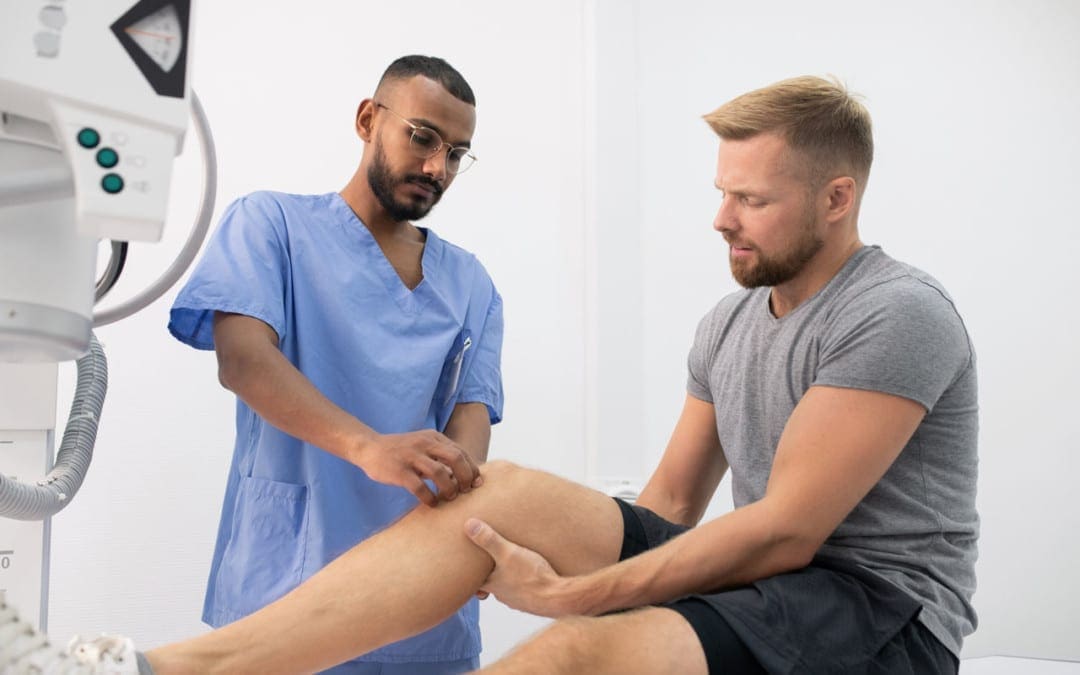
Knee pain chiropractic: Around 40 percent of running injuries are knee injuries. They fall under a general term of runner�s knee. This includes chondromalacia patellae also referred to as patellofemoral pain syndrome (PFMS). Other knee injuries include iliotibial band syndrome and plica syndrome.
Rest and ice are common therapies, but when that doesn�t work or when pain and mobility issues comeback, chiropractic is a tried and true treatment option. Structural issues that affect the knees are often very responsive to chiropractic treatment.
In the case of chondromalacia patellae and other knee problems, it has proven to reduce pain and help improve the condition significantly, providing increased mobility and flexibility.
Anatomy
The knee is constructed to take the impact of the body�s weight when bending and moving. Under the knee is a layer of cartilage that is a natural shock absorber. Injury/s, overuse, aging, and other conditions can cause damage to the cartilage. The condition causes pain and impaired mobility, especially when walking up or downstairs. The pain can be reduced with rest and ice, but sometimes it’s not enough.
Common treatments include:
Chiropractic
Physical therapy
Medications
Surgery
Symptoms
Common symptoms include pain at the front of the knee. It can be described as a dull ache deep in the knee.
This pain can be made worse when:
Sitting with the knee bent for a long time
Squatting
Kneeling
Walking up and downstairs
The more the knee is in use the worse it is. Rest and ice work fairly quickly to help relieve the pain. But if the pain persists even with rest and ice, more aggressive treatment is the next step. Traditional doctors prescribe medication and surgery. But now more individuals are gravitating to a drug-free, less invasive treatment, like chiropractic.
Causes
The exact cause of chondromalacia patellae is still unknown. The condition has been linked to several factors.
Overuse and repetitive stress placed on the joint. This is seen in sports and physical activities that involve jumping and running.
Poor muscle control when the muscles that surround the knee and hip don�t operate properly making the tracking of the kneecap off balance.
Trauma such as a fracture or dislocation.
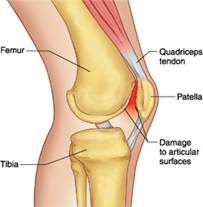
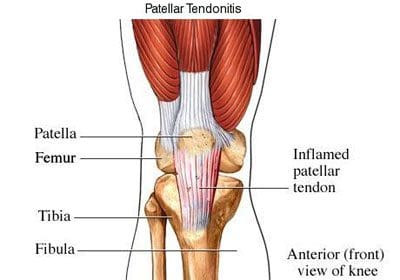
Figure 106. Patellar tendonitis (jumper�s knee).
Risks
A person�s risk of developing chondromalacia patellae can increase based on certain criteria.
Young adults and adolescents can acquire the injury as they’re still growing.
Older individuals with knee pain and possible arthritis are more susceptible to injury.
Gender is a risk factor, as women are twice as likely to develop the condition compared to men. Doctors theorize this is due to the skeletal structure of a woman as the pelvis is wider increasing the angle where the bones of the knee joint meet.
Those that participate in sports that involve a lot of jumping and running have a higher risk. Particularly if the individual increases their level of training.
Chiropractic
Chiropractic treatment for chondromalacia patellae includes nutritional intervention as well as adjustments, stretches and exercises. The treatment is focused on stretching shortened hamstrings and adjusting the sacroiliac joint.
The aim is to improve the tracking of the kneecap and increase motor control. Soft tissue work can help individuals with knee pain. The whole-body approach that chiropractic provides goes beyond relief from knee pain but curing or reducing the condition completely.
The Cost-effectiveness
Why see a chiropractor?
There are plenty of reasons why. From:
General health
Aches
Pains
Injury
Increased movement
Strength
Optimal health
Millions are now turning to chiropractic for natural healing, relief, and whole-body wellness. Some may think the price could hinder their decision to seek chiropractic. Lack of insurance and the number of treatments are two of the common reasons patients think it’s too expensive.
However, individuals need to understand the cost of other treatment options like medications and surgery that end up costing more than dollars with all the negative side-effects. Here are three reasons to visit a chiropractor, and the savings that come with it.
Prevention
Chiropractic promotes optimal health through prevention that is increasingly attracting those striving to remain younger, longer. It promotes whole-body healing through spinal adjustments/joint manipulations to increase mobility and optimize the body’s performance. It decreases blood pressure and reduces the chance of headaches.
Avoiding these health issues saves tens of thousands of dollars in medical bills. Seeing a professional chiropractor enables a person to stay healthy and enjoy a more active lifestyle because their back, bones, and joints are in optimal condition.
Re-Injured
Millions of bodies are injured from a variety of mishaps and accidents.
Sports injuries
Car accidents
Work injuries
Slips
Falls
Our backs, knees, ankles, hips, and feet take a beating. Chiropractic for injury/s is a wise choice as it promotes healing, decreases dependence on medications, and minimizes the chance of a recurrence. It also strengthens the other parts of the surrounding area of the body and not just the injured area. Treating injuries through chiropractic decreases money spent on expensive medicine and reduces time off work.
Chronic
Many types of medical conditions are ongoing, with no cure in sight. Daily pain, loss of strength and mobility are conditions that individuals power through and learn to live with when they don’t want to continually take medication and feel horrible. This is where chiropractic medicine can shine, as it’s all-natural. The aim is to get the body to react the way it is supposed to and heal itself.
An experienced chiropractor can treat these medical conditions by building a customized treatment plan to manage the symptoms with drug-free pain management. Adjustments to the afflicted area, proper anti-inflammation diet, and at-home exercises reduce pain symptoms and increases mobility. Chiropractic is a productive treatment for various injuries and medical conditions, combined with preventative therapy to maintain and prolong wellness.
IFM's Find A Practitioner tool is the largest referral network in Functional Medicine, created to help patients locate Functional Medicine practitioners anywhere in the world. IFM Certified Practitioners are listed first in the search results, given their extensive education in Functional Medicine