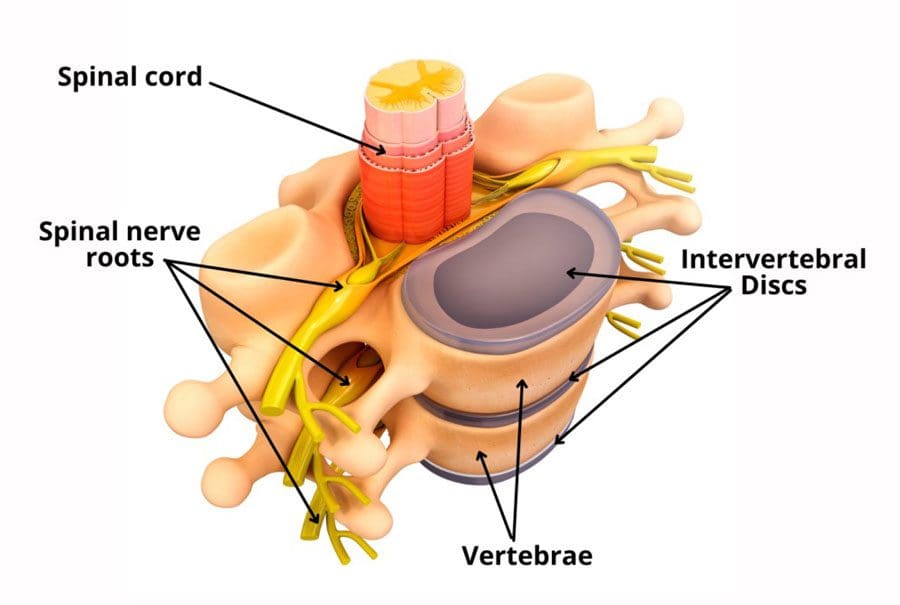
The central nervous system is responsible for sending neuron signals to all the organs and muscles in the body, allowing for mobility and proper functioning. These signals are constantly exchanged between the organs, muscles, and brain, informing of their activities. However, environmental factors and traumatic injuries can impact the nerve roots, disrupting the flow of signals and leading to musculoskeletal disorders. This can result in misalignments in the body and chronic pain if left untreated. Today’s article will inform us about peripheral neuropathy, a nerve injury correlated with back pain, and how spinal decompression can relieve this condition. We work with certified medical providers who use our patients’ valuable information to provide non-surgical treatments, including spinal decompression, to relieve pain-like symptoms associated with peripheral neuropathy. We encourage patients to ask essential questions and seek education about their condition. Dr. Jimenez, D.C., provides this information as an educational service. Disclaimer
What Is Peripheral Neuropathy?
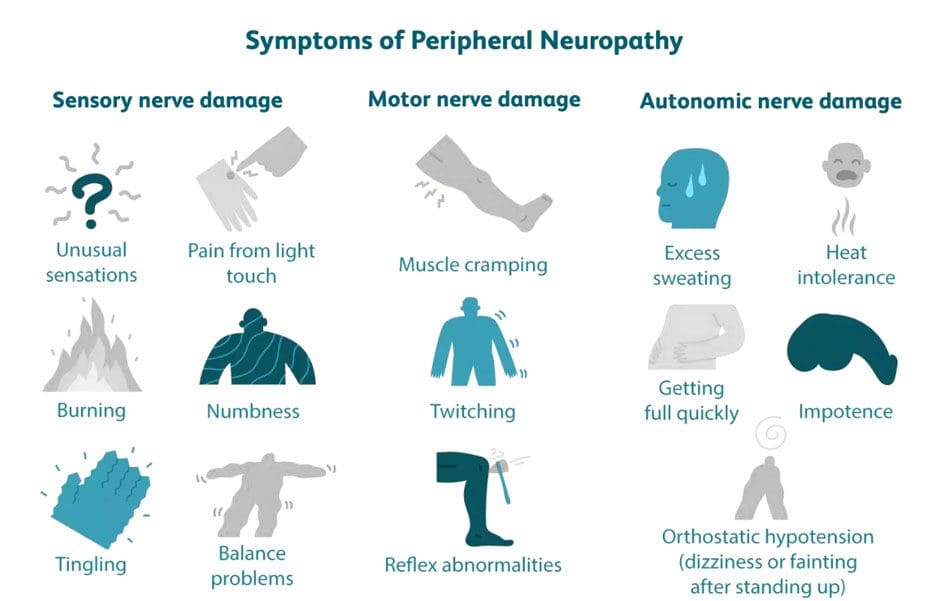
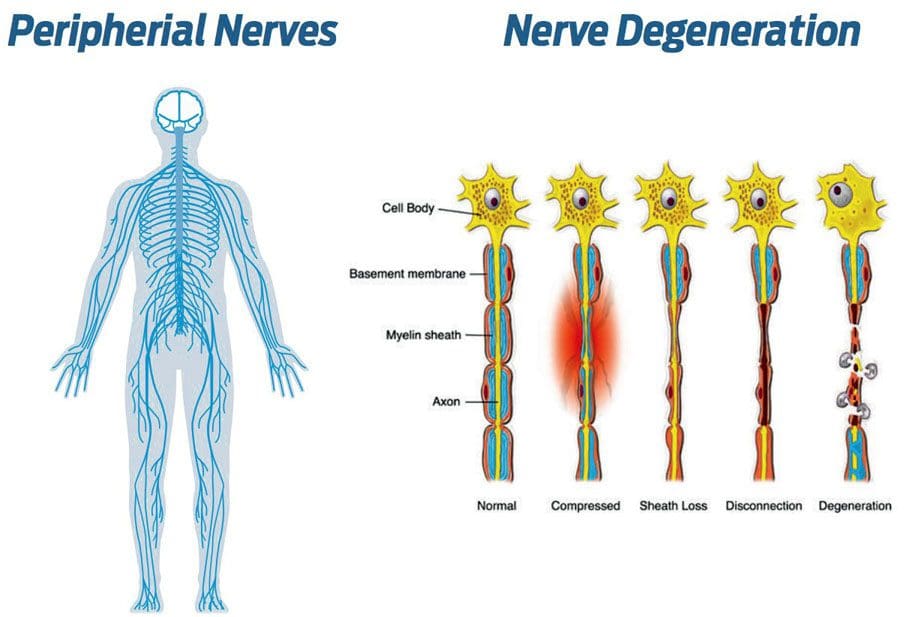
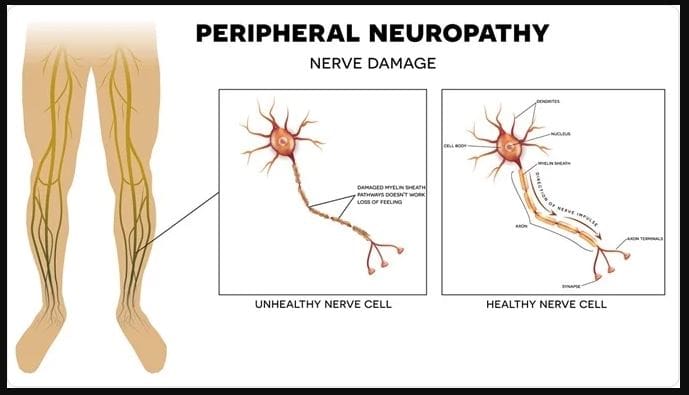
Peripheral neuropathy refers to a range of conditions that affect the nerve roots and can cause chronic symptoms throughout the body, as research studies revealed. The nerve cells in our body transmit messages between the brain and other body parts. When these cells are damaged, it can disrupt communication between the central nervous system, leading to muscle and organ problems. Studies have linked peripheral neuropathy to pain and other symptoms, which can have a negative impact on daily activities, quality of life, and mental and physical well-being. Additionally, peripheral neuropathy may increase the risk of falls.
How Peripheral Neuropathy Correlates With Back Pain
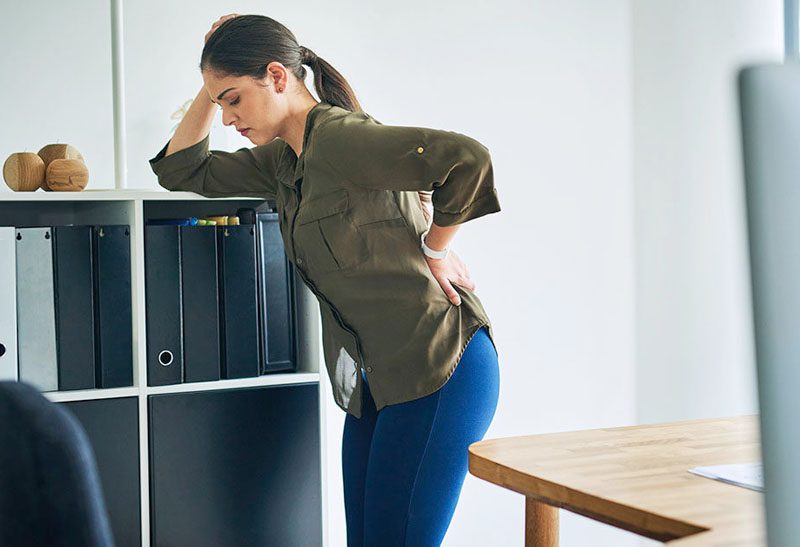
Have you recently felt a tingling or sharp sensation when you stepped or experienced constant lower back pain? These symptoms could be related to peripheral neuropathy, which can cause back pain. “The Ultimate Spinal Decompression,” a book by Dr. Perry Bard, D.C. and Dr. Eric Kaplan, D.C., FIAMA, explains that peripheral neuropathy is nerve damage that affects the legs, causing numbness, pain, tingling, and oversensitivity to touch in the toes and feet. This can cause the muscles in the lower back to shift weight away from the painful areas, leading to low back pain. Research studies have revealed that chronic low back pain can involve both nociceptive and neuropathic pain mechanisms. Nociceptive pain is a response to tissue injury that activates the muscles. In contrast, neuropathic pain affects nerve roots branching from the spine and lower limbs, often resulting from damaged spinal discs. Fortunately, there are ways to manage peripheral neuropathy and its associated back pain.
Peripheral Neuropathy Relief & Treatment- Video
Peripheral neuropathy is a nerve injury that affects people differently and can cause sensory symptoms in the upper and lower body. Those with peripheral neuropathy may experience constant pain in their extremities, which can lead to compensation in other muscles and spinal misalignment. This can result in chronic musculoskeletal conditions. Studies show that peripheral neuropathy, especially in cases of low back pain, can cause a malfunction in the brain’s pain modulatory system, leading to overlapping risks and dysfunction. However, various treatments are available to restore the body and reduce neuropathic pain, including chiropractic care and spinal decompression. The video above explains more information on how these treatments can help alleviate neuropathic pain and release the body from subluxation.
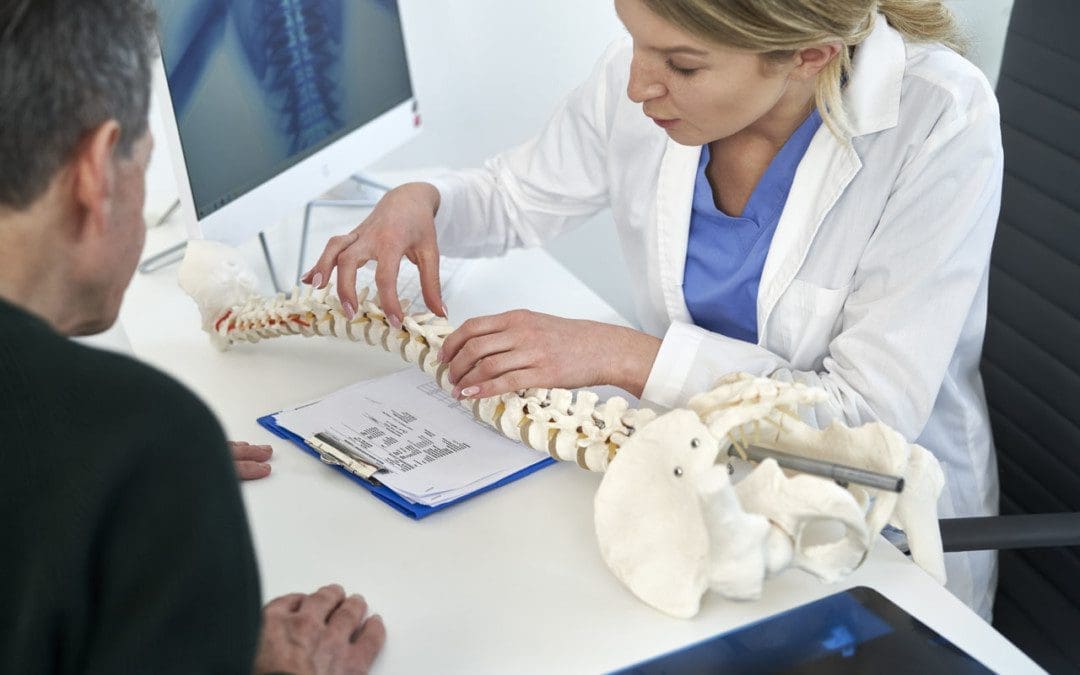
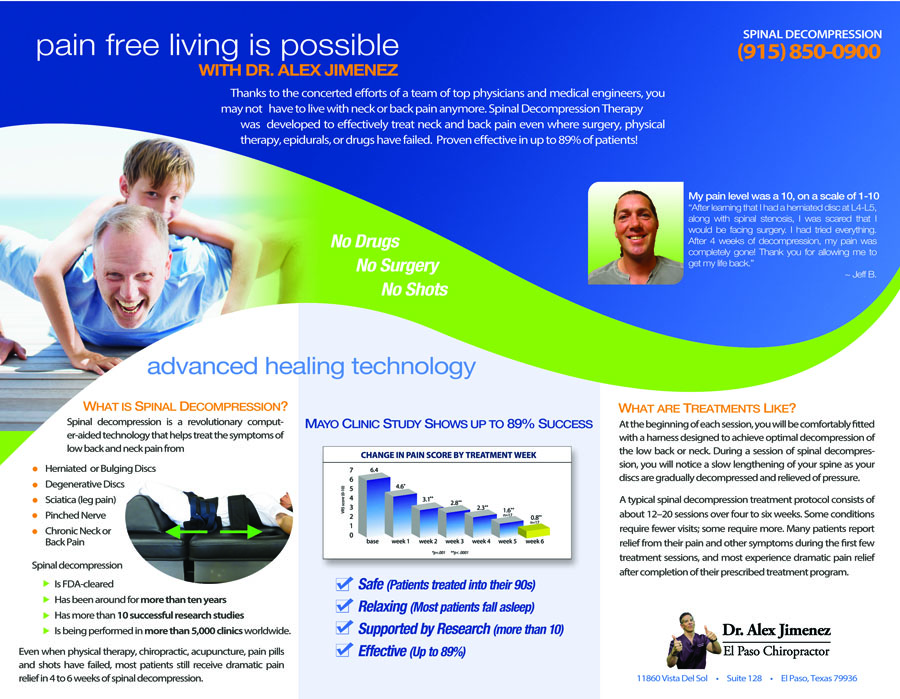
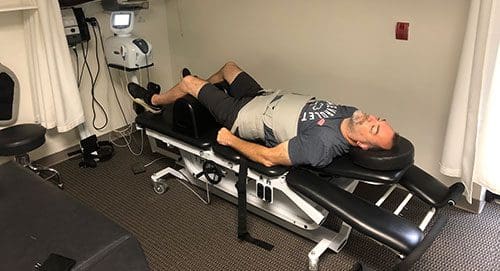
Peripheral neuropathy can cause a lot of pain, and many people consider surgery to treat it. However, this can be expensive, so some people opt for non-surgical treatments like spinal decompression and chiropractic care. Studies have shown that spinal decompression can be very helpful in relieving nerve entrapment and improving low back pain symptoms. It’s a safe and gentle treatment that uses traction to help the spine return to its position and allow fluids and nutrients to flow back in. Combining spinal decompression with other therapies can also help reduce peripheral neuropathy symptoms, improving people’s quality of life and helping them become more mindful of their bodies.
Conclusion
Peripheral neuropathy is a condition that results from nerve injuries and can affect both the upper and lower parts of the body. This disorder can cause sensory symptoms that may lead to musculoskeletal conditions, spinal misalignment, and disability. Pain and discomfort are common experiences for those with this condition, which can negatively impact their daily lives. Fortunately, spinal decompression can help alleviate the effects of peripheral neuropathy by gently stretching the spine, releasing entrapped nerves, and correcting subluxation. These treatments are safe, non-invasive, and can be incorporated into an individual’s health and wellness plan.
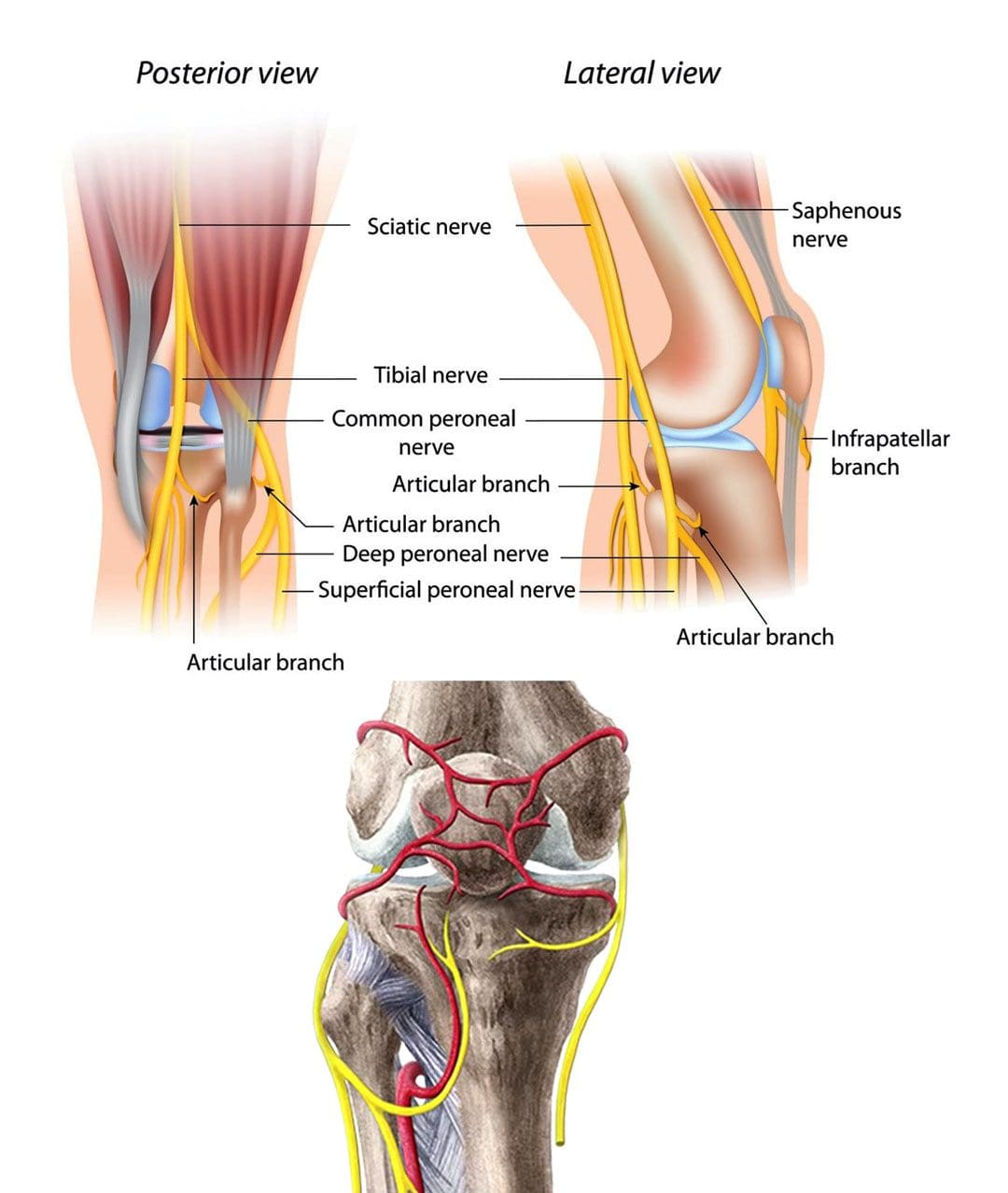
Individuals dealing with aching knees is one of the most common health problems and affects people of all ages. The knee is the largest joint in the body, comprised of muscles, tendons, ligaments, cartilage, and bones. The knees support walking, standing, running, and even sitting. Constant use makes them highly susceptible to injuries and conditions. The knees are also surrounded by a complex network of nerves that transmit messages to and from the brain. Damage to the nerves from an injury or disease can create various symptoms of discomfort in and around the knee joint.
Knee Neuropathy
Causes
Knee discomfort symptoms can be brought on by injury, degenerative disorders, arthritis, infection, and other causes, including:
Rheumatoid arthritis
This is a chronic inflammatory disorder that causes the knees to swell and causes damage to the cartilage.
Osteoarthritis
This type of arthritis causes the cartilage to steadily wear away, causing damage to the joints and various symptoms.
Cartilage Issues
Overuse, muscle weakness, injury, and misalignments can cause compensating postures and movements that can wear down and soften the cartilage, generating symptoms.
Several factors can increase the risk of developing knee neuropathy, including:
Previous knee injury
Undiagnosed and untreated knee injury
Unhealthy Weight
Gout
Compromised leg muscle strength and/or flexibility
Symptoms
Symptoms associated with a knee injury or disorder can vary, depending on the severity and damage. Symptoms can include:
Joint stiffness
Swelling in the joint.
Reduced movement/flexibility in the joint.
Increased instability/feeling of weakness in the knee.
Changes in skin color around the knee joint, like increased redness or pale discoloration.
Numbness, coldness, or tingling in and/or around the joint.
Pain symptoms could be a dull ache or throbbing felt throughout the knee.
Sharp, stabbing discomfort in a specific area.
If left untreated, knee neuropathy could permanently affect the ability to walk and lead to partial or total loss of knee function and mobility. Doctors recommend taking note of the following:
What activity/s generates symptoms?
Where are the symptoms located?
What the pain feels like?
Treatments available for knee pain
Chiropractic treatment offers various approaches to addressing the pain caused by nerve damage. Standard treatment includes chiropractic adjustments, therapeutic massage, non-surgical decompression, stretching, posture and movement training, and nutritional anti-inflammatory plans. Our medical team specializes in non-surgical treatments that decrease symptoms and increase strength, flexibility, mobility, and restore function.
Knee Injuries Adjustment
References
Edmonds, Michael, et al. “The current burden of diabetic foot disease.” Journal of clinical orthopedics and trauma vol. 17 88-93. 8 Feb. 2021, doi:10.1016/j.jcot.2021.01.017
Hawk, Cheryl, et al. “Best Practices for Chiropractic Management of Patients with Chronic Musculoskeletal Pain: A Clinical Practice Guideline.” Journal of alternative and complementary medicine (New York, N.Y.) vol. 26,10 (2020): 884-901. doi:10.1089/acm.2020.0181
Hunter, David J et al. “Effectiveness of a new model of primary care management on knee pain and function in patients with knee osteoarthritis: Protocol for THE PARTNER STUDY.” BMC musculoskeletal disorders vol. 19,1 132. 30 Apr. 2018, doi:10.1186/s12891-018-2048-0
Kidd, Vasco Deon, et al. “Genicular Nerve Radiofrequency Ablation for Painful Knee Arthritis: The Why and the How.” JBJS essential surgical techniques vol. 9,1 e10. 13 Mar. 2019, doi:10.2106/JBJS.ST.18.00016
Krishnan, Yamini, and Alan J Grodzinsky. “Cartilage diseases.” Matrix biology: journal of the International Society for Matrix Biology vol. 71-72 (2018): 51-69. doi:10.1016/j.matbio.2018.05.005
Speelziek, Scott J A, et al. “Clinical spectrum of neuropathy after primary total knee arthroplasty: A series of 54 cases.” Muscle & nerve vol. 59,6 (2019): 679-682. doi:10.1002/mus.26473
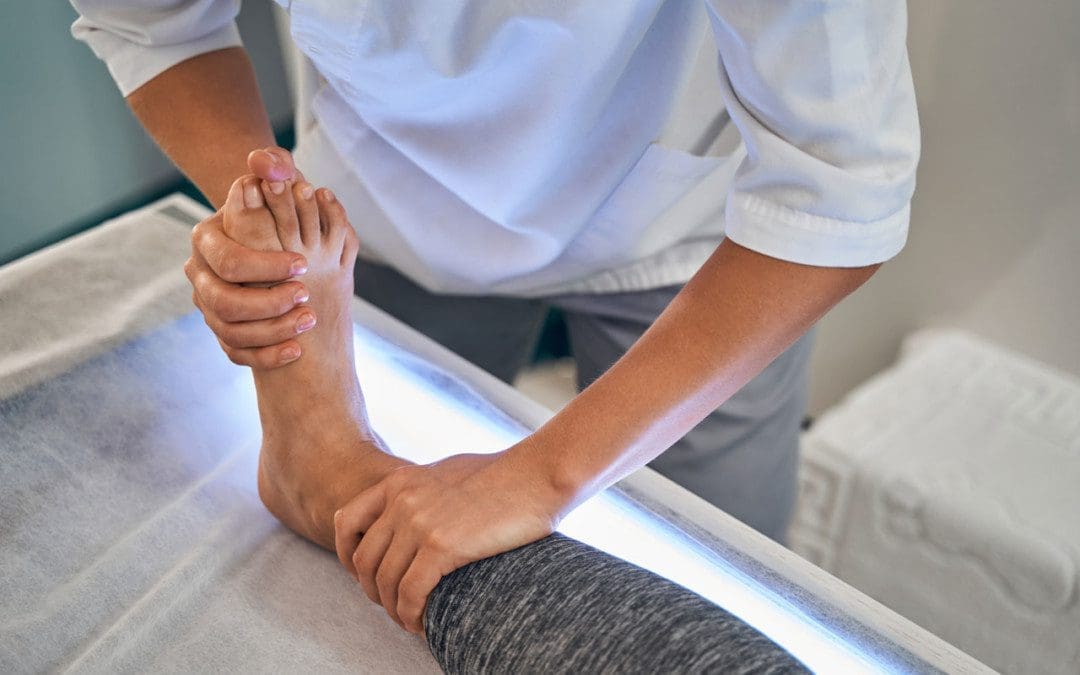
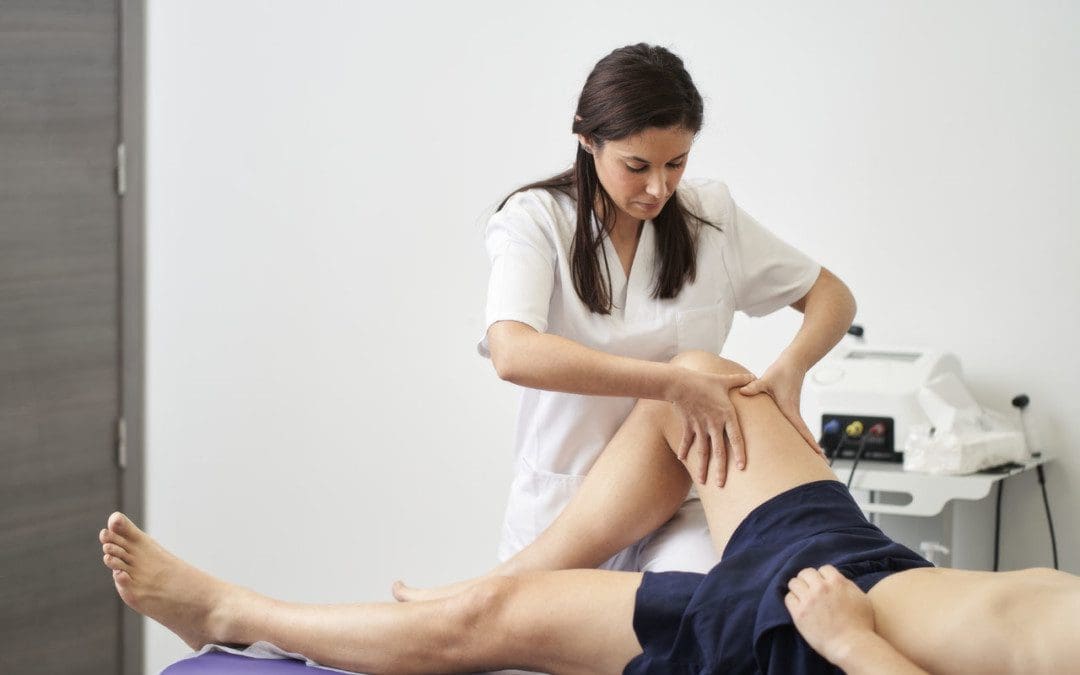
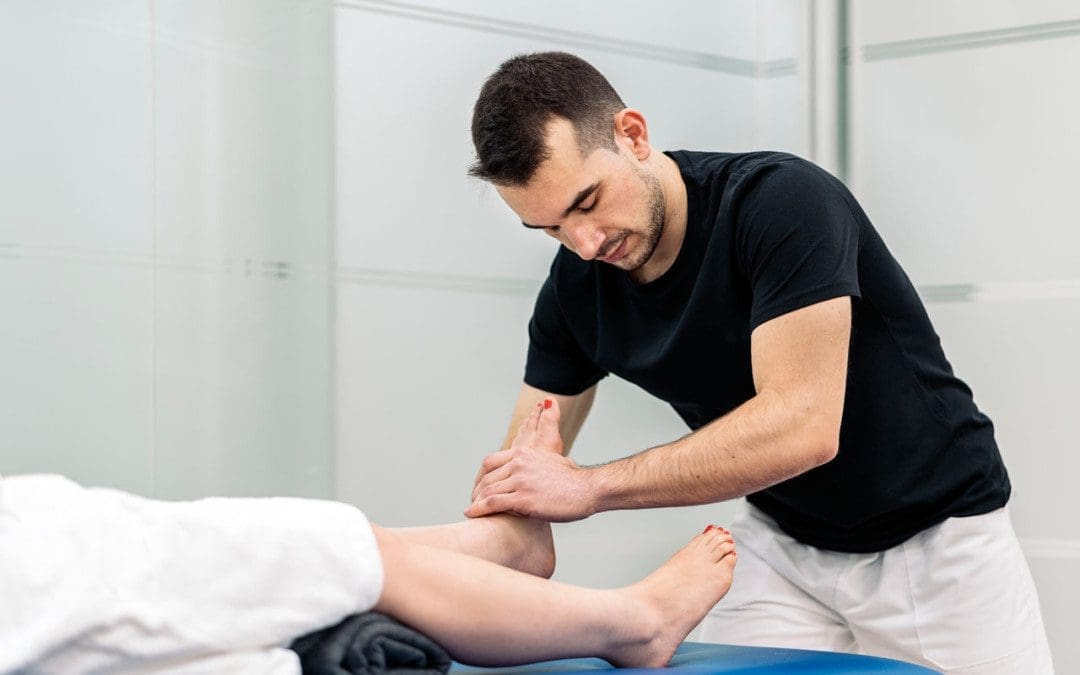
Neuropathy therapeutic massage is a system of structured palpations or movements of the body’s soft tissues. When the nerves don’t get enough oxygen and nutrients from blood circulation, symptoms like tenderness, tingling, numbness, and pain can present. The best way to move the blood is by massaging the circulation in and around the numb and sore areas and throughout the body. Many types of massage therapy are available for various health-related issues. This includes:
Pain alleviation and management
Injury rehabilitation and prevention
Stress alleviation
Anxiety and depression therapy
Immune system restoration
Increasing relaxation
Facilitating overall wellness
Neuropathy Therapeutic Massage
Neuropathy therapeutic massage: The objective is to stimulate blood flow throughout the body. This is because the more muscles move, the better they can maintain blood circulation to nourish the nerves and the body, which is why physical activity/exercise/movement is encouraged. Benefits include:
De-stressing the nerves that are causing tingling, numbness, and burning.
The discomfort eases as the muscles are lengthened and loosened, releasing the tightness and pressure.
Endorphins (natural painkillers) are released, minimizing the pain.
Increase in circulation
Reduced spasms and cramping
Increased joint flexibility
Mobility restoration
Symptom relief
Decreased anxiety
Improved sleep quality
Increased energy levels
Improved concentration
Reduced fatigue
Massage Techniques
Massaging techniques include:
Kneading
Stroking
Gliding
Percussion
Vibration
Friction
Compression
Passive stretching
Active stretching
Effleurage
This can be firm or light soothing, stroking movements without dragging the skin, using the fingertips or the palms.
Petrissage
Lifting or picking up muscles and rolling the skin.
Tapotement
Striking with the side of the hand, usually with slightly flexed fingers, rhythmic finger movements, or short rapid movements with the sides of the hand.
There are different types of massage, those that are for comfort and those for specific conditions or diseases. A few include:
Swedish Massage
Generally regarded as the most common form of massage, this technique involves a combination of five basic strokes and concentrates on the muscles and connective tissues.
Used to improve circulation, relaxation, pain relief, and overall maintenance and well-being.
Sports Massage
Sports massage therapies are used in preventative and therapeutic settings.
Athletes use the technique during warm-ups, training, and competition to treat and/or help in:
Injury prevention
Improved flexibility
Full range of motion
Improved performance
Helps to focus and mental clarity.
Reflexology
This technique uses a system of points on the hands, feet, and ears that correspond to or reflex other body areas.
Reflexologists apply appropriate pressure to these points to stimulate energy flow, to relieve pain or blockages throughout the body.
Reflexology is also used to ease stress and promote relaxation.
Aromatherapy
Various essential oils derived from plants, herbs, flowers, and roots have therapeutic qualities.
Aromatherapy involves essential oils to produce a certain effect; for example, lavender is used to induce calmness and relaxation.
When combined with body massage, aromatherapy can enrich the experience immensely.
A few drops can be added to massage cream or oil and applied to the skin.
Connective tissue massage is similar to myofascial release in that it involves working with the fascia, or soft tissue, to relieve pain, tightness, and discomfort.
The theory of connective tissue massage is that tight, restricted body areas negatively affect other body areas.
Practitioners/therapists hook their fingers into the connective tissue and use pulling strokes to lengthen the tissues.
This releases tension, improves mobility and reduces stress.
Deep-Tissue Massage
Deep-tissue massage utilizes slow strokes, direct pressure, and/or friction across the grain of the muscles with the fingers, thumbs, and/or elbows.
Its purpose is to reach the fascia beneath the muscles going deep into the muscles and connective tissue to release aches and pains.
Therapists thoroughly understand the human body and have been trained to administer deep-tissue massage.
The technique is used in treating chronic pain, inflammation, and injury.
Geriatric Massage
Geriatric massage involves treating the elderly and addressing specific needs related to age, conditions, and illness.
The sessions are usually shorter and involve gentle techniques to facilitate pain relief, relaxation, and overall wellness.
Lymph Drainage Therapy
This technique involves the application of light, rhythmic strokes to alleviate various conditions related to the body’s lymph system.
The lymph system supports the immune system and is responsible for flushing toxins and draining fluid.
When lymph circulation slows down or stops, fluid can build up and cause physical problems like inflammation, edema, and neuropathies.
Therapists restore lymph flow by using a mapping system to assess problem areas, then apply gentle pressure using the fingers and hands to reactivate circulation.
Neuromuscular Therapy
Neuromuscular therapy is massage applied to specific muscles, often used to increase blood circulation, release muscle tension knots/trigger points, and/or release pain/pressure on nerves.
This therapy is also known as trigger-point therapy in that concentrated finger pressure is applied to specific points to alleviate muscular pain.
HealthCare
Neuropathy therapeutic massage is used in combination to enhance regular medical care. Let a doctor know when trying massage therapies, and follow any standard treatment plans. Some forms of massage can cause soreness the next day but should be combined with a sense of improvement and being healthier. If any part of the massage doesn’t feel right or is painful, let the therapist know immediately. Most serious issues come from too much pressure during the massage or sensitivity or allergy to massage oils. Massage therapy caution includes the following:
Vigorous massage should be avoided by individuals with bleeding disorders or low blood platelet counts and taking blood-thinning medications.
Massage therapy should not be done in areas with blood clots, fractures, healing wounds, skin infections, weakened bones from osteoporosis or cancer, or after recent surgery.
Cancer patients should discuss any concerns about massage therapy with their oncologist.
Pregnant women should consult their healthcare provider before using massage therapy.
Peripheral Neuropathy Recovery
References
American Massage Therapy Association defines massage therapy and basic massage therapy terms. www.amtamassage.org
Complementary and alternative methods: types of bodywork. Available at www.cancer.org
Gok Metin, Zehra, et al. “Aromatherapy Massage for Neuropathic Pain and Quality of Life in Diabetic Patients.” Journal of nursing scholarship: an official publication of Sigma Theta Tau International Honor Society of Nursing vol. 49,4 (2017): 379-388. doi:10.1111/jnu.12300
MassageTherapy.com. www.massagetherapy.com
National Institutes of Health, National Center for Complementary and Alternative Medicine
Samuels, Noah, and Eran Ben-Arye. “Integrative Approaches to Chemotherapy-Induced Peripheral Neuropathy.” Current oncology reports vol. 22,3 23. 11 Feb. 2020, doi:10.1007/s11912-020-0891-2
Sarısoy, Pınar, and Ozlem Ovayolu. “The Effect of Foot Massage on Peripheral Neuropathy-Related Pain and Sleep Quality in Patients With Non-Hodgkin’s Lymphoma.” Holistic nursing practice vol. 34,6 (2020): 345-355. doi:10.1097/HNP.0000000000000412
Thomas, Ewan, et al. “Peripheral Nerve Responses to Muscle Stretching: A Systematic Review.” Journal of sports science & medicine vol. 20,2 258-267. 8 Mar. 2021, doi:10.52082/jssm.2021.258
Zhang, Yong-Hui, et al. “Exercise for Neuropathic Pain: A Systematic Review and Expert Consensus.” Frontiers in medicine vol. 8 756940. 24 Nov. 2021, doi:10.3389/fmed.2021.756940
Even though it is not officially summer, the heat says otherwise. Individuals with neuropathy can experience flare-ups when out in the heat for extended periods. Avoiding discomfort and having fun with family and friends can be stressful. This could be graduations, park festivals, family gatherings, weddings, etc. Here are some neuropathy summer tips/recommendations to maintain a healthy, fun, and pain-free season.
Neuropathy
Neuropathy results from damaged or destroyed nerve cells and is often a side effect associated with diabetes, autoimmune diseases, infections, tumors, and/or hereditary conditions. Also known as peripheral neuropathy, symptoms range from tingling sensations, burning pain, muscle spasms, difficulty moving the arms or legs, feelings of light headiness, and sometimes atrophy. The symptoms depend on the damaged nerves, ranging from autonomic, motor, and sensory nerves. As neuropathy progresses, individuals may begin to feel a loss of balance.
Neuropathy Summer Tips
Research and Prepare
Preparation and planning are highly recommended to prevent a flare-up. For long outdoor ceremonies:
Wear sunscreen
Stay fully hydrated
Dress in cool clothes
Make sure footwear has proper arch/sole support and breathing room.
Wear a hat and sunglasses
Stand periodically to ensure proper circulation if sitting for a while.
Shift weight back and forth during the event to pump circulation throughout the body.
Bring snacks like fruits, veggies, or gluten-free bars.
Know where cool resting areas are located.
If cooling down accommodations are not available, get there early to find a place in the shade, or in the case of bleachers, bring a more comfortable chair, umbrella, and misting fan.
Listen to the body
Listen to the body when engaged in activities, don’t try to push through where you don’t feel comfortable.
Take breaks
The goal is to ensure comfort during the activity, as being uncomfortable can exacerbate symptoms.
Self-care
The body needs thorough rest after a long day in the sun. It is recommended to ice any areas where pain presents to decrease inflammation and neuroplasticity and help with any symptoms of itching, pressure, numbness, or pins and needles.
Start with icing for three minutes, take the ice off and see how it feels.
If the area feels better, continue icing for a full ten minutes.
Remove the ice if irritation occurs or do not feel a difference.
Foods
Watching what you eat can be difficult at summer events. Specific foods like bread, gluten, and high-sugar products can cause symptoms.
If it causes an upset stomach or swelling, it is recommended to avoid it.
Go with fresh seasonal fruits and vegetables.
A little planning can ensure you eat the food that’s best for you.
Call ahead to let friends/family know of any food sensitivities.
Gluten apps allow the ability to scan an item to see if it contains gluten.
Consult a nutritionist to set up an enjoyable diet.
Chiropractic Care and Prevention
Chiropractic care for neuropathy focuses on the underlying conditions causing nerve pain and inflammation.
Treating the inflammation alleviates the pain in the joints and extremities.
Each treatment plan is personalized to meet the needs of every patient.
Treatment will focus on massage, adjustments, decompression, exercises, therapies, and nutrition that expedite healing throughout the body.
Spinal Decompression Non-Surgical
References
Campbell, James N, and Richard A Meyer. “Mechanisms of neuropathic pain.” Neuron vol. 52,1 (2006): 77-92. doi:10.1016/j.neuron.2006.09.021
Spinal stress can affect nerve health. Neuropathy happens when disease or damage is sustained in the nerves that transmit messages from the brain through the spinal cord to the whole body. The source of the damage can be inside the spine, where a herniated disc could be squeezing the nerves, impeding or completely blocking blood circulation until deterioration begins to disease or damage nerve receptors. Removing the pressure from the spine and reversing the stress on the nerves can be done through manual or motorized spinal decompression.
Spinal Stress and the Nerves
The peripheral nervous system is comprised of three types of nerves that are directly influenced by the central nervous system, each with a distinct function which is why there is a wide range of symptoms associated with neuropathy. The types of nerves include:
Sensory nerves receive sensations from the skin like heat, cold, pleasure, and pain.
Spinal nerves contain sensory and motor fibers giving them sensory and motor functions. The spinal nerves receive sensory messages from the skin, internal organs, and bones. Any disruption from a bent, crushed, or entangled nerve group will not allow proper blood circulation and message transmission, causing delayed responses, tingling, numbness, and pain. If left untreated, it could cause permanent damage that can lead to chronic pain. Decompression therapy accelerates healing as it floods the spine with blood, oxygen, and nutrients.
Peripheral nerves originate from the spinal cord and extend a network of lines throughout the body called dermatomes. Injury to one dermatome can radiate/spread out to other dermatomes and the peripheral areas like the hands and feet. Once communication with the brain is compromised, results can lead to sensations like numbness and severe pain. Several factors can result in peripheral neuropathy, including:
Gordon, Tessa. “Peripheral Nerve Regeneration and Muscle Reinnervation.” International journal of molecular sciences vol. 21,22 8652. 17 Nov. 2020, doi:10.3390/ijms21228652
Menorca, Ron M G et al. “Nerve physiology: mechanisms of injury and recovery.” Hand clinics vol. 29,3 (2013): 317-30. doi:10.1016/j.hcl.2013.04.002
Wang, Mark L et al. “Peripheral nerve injury, scarring, and recovery.” Connective tissue research vol. 60,1 (2019): 3-9. doi:10.1080/03008207.2018.1489381
Neuropathy is a painful condition that causes tingling, numbness, burning sensations in the hands and feet, and other symptoms throughout the body. Neuropathy can make life difficult. There is no cure for neuropathy, but symptoms can be managed with medications, antidepressants, anticonvulsants, and pain relievers. Another treatment option to help relieve neuropathy symptoms is chiropractic.
Symptoms
Symptoms vary from individual to individual depending on their health condition and how the nerves have been impacted. Common symptoms include:
Pain
Numbness
Tingling
Pins-and-needles feeling when touching something hot or cold.
Some individuals lose the sense of feeling like clothing on their body, even though it’s rubbing against the skin but feel as if it is not there.
Other changes can be familiar objects looking different than usual.
Lessened or heightened sense of smell.
Negative impact on mood.
Protective Sheathing Of The Nerves
Neuropathic pain is caused by damage and degeneration to the nerves or the protective covering/sheathing of the nerves. Various causes include:
Diabetes.
Injury.
Infections.
Medication side effects.
Exposure to toxins.
Stages
The symptoms of neuropathy depend on the location and severity of the nerve damage. The stages include:
Numbness and Pain
Stage one consists of numbness and pain.
Some individuals describe a tingling or numbing sensation.
What feels like pinpricks in the hands and/or feet.
This stage can last for months, but most individuals recover within a year.
Constant Pain
Stage two is characterized by continuous pain.
Some individuals may experience shooting pains that come and go.
Intense burning sensations around the waistline.
Numbness on one side of the body with stabbing pain.
This stage can last for a year or more and worsen until the individual is incapacitated.
Loss of motor skills like walking and falling over.
Doctors treat the symptoms so they don’t get worse.
Loss Of Sensation
The final stage is the loss of sensation.
This occurs when the nerve endings are destroyed and can no longer send messages to the brain.
Treatments To Help Relieve Symptoms
Treatments usually involve:
Antidepressants.
Pain medications.
Anti-seizure medications.
Pain-relieving creams.
All can help manage pain and inflammation.
Chiropractic Can Also Help Relieve Symptoms
Chiropractors use hands-on methods to adjust and realign joints, muscles, spinal discs, and ligaments to function more efficiently and bring relief from pressure on the nerves. Neuropathies are often caused by nerve compression in body areas that have been altered by injury or disease that affects ligaments, discs, spinal muscles, sacroiliac joint dysfunction, hip adhesions, leg length discrepancies, etc. These can contribute to pain and numbness in the peripheral nerves that supply the legs, feet, arms, hands, and neck. While a chiropractor cannot cure neuropathy, they can help relieve symptoms, make it much more manageable, and improve quality of life.
Body Composition
Common Cold
The common cold, also known as upper respiratory tract inflammation, is the most common infectious respiratory disease because of its effect on the nose and throat. The average adult will catch 2–3 colds a year, according to the CDC. A virus that causes a cold can enter the respiratory tract directly when inhaling droplets expelled from an infected person or by direct skin contact, like touching the face with a hand that came in contact with the virus. Cold symptoms vary but usually include:
Runny or stuffy nose
Sneezing
Coughing
Headaches
Body aches
The duration of a cold differs; however, most individuals with a healthy immune system recover in 7–10 days. However, individuals with a compromised immune system, asthma, or COPD have an increased risk of developing more serious illnesses like bronchitis or pneumonia. Hundreds of viruses can cause colds. Human Rhinoviruses are common culprits and are constantly mutating, which is why there is no cure. Several medications or natural treatments help alleviate cold symptoms; it is recommended to combat the illness effectively through a healthy immune system response. Doctors recommend proper rest, eating a nutrient-rich diet, and maintaining proper H2O hydration to boost the immune system.
References
D’Angelo, Kevin et al. “The effectiveness of passive physical modalities for the management of soft tissue injuries and neuropathies of the wrist and hand: a systematic review by the Ontario Protocol for Traffic Injury Management (OPTIMa) collaboration.” Journal of manipulative and physiological therapeutics vol. 38,7 (2015): 493-506. doi:10.1016/j.jmpt.2015.06.006
Kissel, Jaclyn A, and Cristina Leonardelli. “Isolated musculocutaneous neuropathy: a case report.” The Journal of the Canadian Chiropractic Association vol. 63,3 (2019): 162-170.
Passioti, Maria et al. “The common cold: potential for future prevention or cure.” Current Allergy and asthma reports vol. 14,2 (2014): 413. doi:10.1007/s11882-013-0413-5
T Francio, Vinicius. “Chiropractic care for foot drop due to peroneal nerve neuropathy.” Journal of bodywork and movement therapies vol. 18,2 (2014): 200-3. doi:10.1016/j.jbmt.2013.08.004
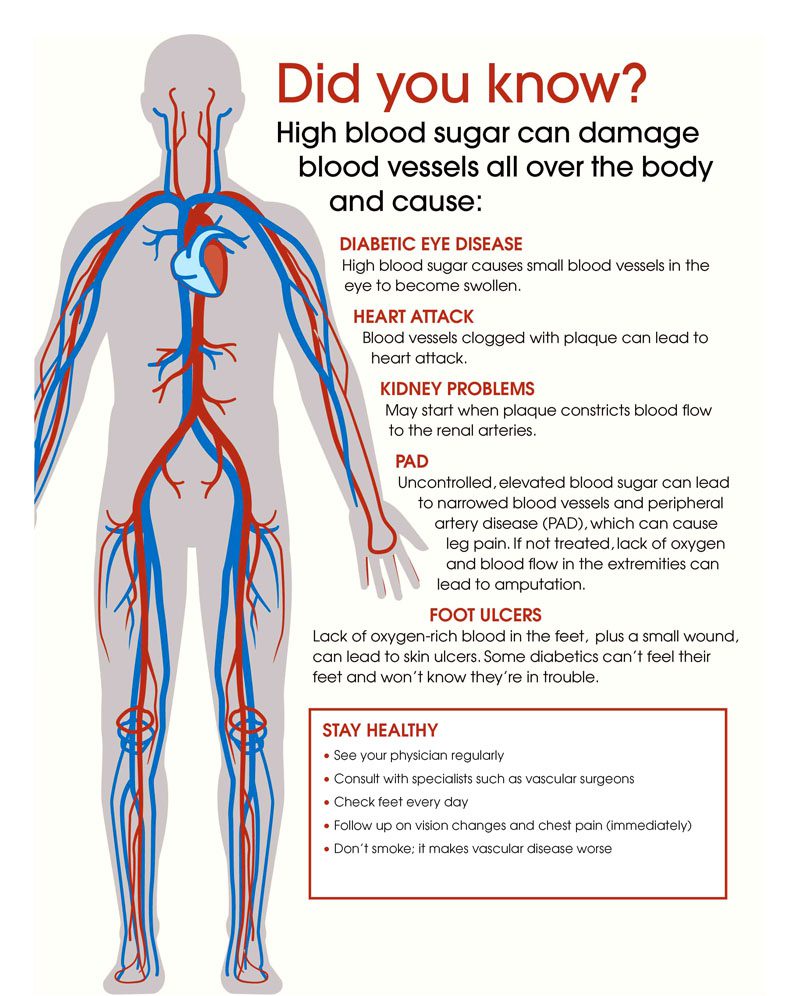
The diabetic disease processes can be a contributor to chronic back pain. Diabetes can damage the human body from the eyes to the feet if left untreated, and the spine/back is a prime target. Data from 11 studies consisted of individuals over 18 years of age diagnosed with type 1 or type 2 diabetes. The results showed individuals with diabetes had a 35% increased risk of experiencing lower back pain. According to the Centers for Disease Control and Prevention, around 34 million people were found to have diabetes in 2021. Diabetes primarily impacts blood sugar/glucose levels. However, the disease can affect several of the body’s systems. It is a state of chronic inflammation.
Diabetic Back Pain Connection
The connection between diabetes and back pain include:
Neuropathy
Diabetic neuropathy happens when constant high glucose levels damage/injure the nerves. The result is symptoms like pain, tingling, and numbness. It affects up to 50% of individuals with diabetes and can lead to severe chronic back pain. High sugar levels damage various organ systems including the nervous system that results in neuropathy that causes pain/discomfort.
Bone Health
A complication that diabetes can cause is compromised bone health.High glucose levels can damage the collagen that makes up bone. This creates an increased risk of vertebral and other types of fractures. The high-risk compounds fractures that do not heal properly or correctly. Diabetics have an increased risk of fracture because of the accumulation increase of advanced glycation products. This substance forms when proteins or lipids combine with sugar. With time these products can cause damage to various tissues that include bone.
Obesity
Obesity contributes to the development of type 2 diabetes and is also a complication that results from incorrect glucose level management. Regardless of which came first, the added weight is a major contributor to back pain because of the added pressure/load on the spine. Excess weight and physical inactivity can result in serious issues of the musculoskeletal system.
Additional Factors
Poorly controlled diabetes also reduces muscle blood flow and increases cartilage inflammation. Other types of tissue damage can occur like degeneration of intervertebral discs and spinal canal stenosis. Disc degeneration and spinal stenosis are common causes of back and neck pain. Diabetics are prone to infection/s. This can cause back pain if it is in the bone known as osteomyelitis.
Diabetic Back Pain Management
There are steps that can help ease pain and discomfort.
Getting Involved In Physical Activity
Exercising/physical activity is a must. The body needs to move to get all the systems flowing improving diabetes and back pain. A sedentary lifestyle can take back pain to new levels with time. Even though when pain presents the first instinct is to stop and rest. Simple ways to get moving include:
Walks
Stretches
Gentle laps in a pool
All can help with:
Improved blood flow
Aids in weight loss
Recommended for both conditions
Exercising releases endorphins, which are the pain relief chemicals that the body produces naturally.
Yoga can reduce physical pain and discomfort throughout the body
Quitting Bad Habits
Smokers have a significantly higher risk for low back pain compared to non-smokers. Nicotine can alleviate pain short term, but over time the nerves become more sensitive and can increase the pain. Alcohol use can help numb the pain short term, but it can cause muscle spasms and dehydration intensifying the pain. Complications can arise if taking pain medication. The most important thing is managing diabetes effectively.Injury Medical Chiropractic and Functional Medicine Clinic will help the individual feel better, move better, and keep back pain away.
Body Composition
Vitamin D and Healthy Blood Sugar Levels
Vitamin D benefits muscle health, muscle mass, and blood sugar. Insulin is the hormone that lets blood sugar into the muscles. Individuals with adequate blood vitamin D levels significantly lower the risk of hyperglycemia than those with below-recommended levels. Research shows daily vitamin D supplements used in combination with calcium decelerate the gradual rise in blood sugar in those with prediabetes. Adequate vitamin D levels can prevent the progression of hyperglycemia. Supplementation is beneficial for individuals going through a deficiency. Adults should aim for a dietary intake of 600 – 800 IU per day. However, supplements are never a substitute for a healthy and diverse diet.
Disclaimer
The information herein is not intended to replace a one-on-one relationship with a qualified health care professional, licensed physician, and is not medical advice. We encourage you to make your own health care decisions based on your research and partnership with a qualified health care professional. Our information scope is limited to chiropractic, musculoskeletal, physical medicines, wellness, sensitive health issues, functional medicine articles, topics, and discussions. We provide and present clinical collaboration with specialists from a wide array of disciplines. Each specialist is governed by their professional scope of practice and their jurisdiction of licensure. We use functional health & wellness protocols to treat and support care for the musculoskeletal system’s injuries or disorders. Our videos, posts, topics, subjects, and insights cover clinical matters, issues, and topics that relate to and support, directly or indirectly, our clinical scope of practice.* Our office has made a reasonable attempt to provide supportive citations and has identified the relevant research study or studies supporting our posts. We provide copies of supporting research studies available to regulatory boards and the public upon request. We understand that we cover matters that require an additional explanation of how it may assist in a particular care plan or treatment protocol; therefore, to further discuss the subject matter above, please feel free to ask Dr. Alex Jimenez or contact us at 915-850-0900.
Dr. Alex Jimenez DC, MSACP, CCST, IFMCP, CIFM, CTG* email: [email protected] phone: 915-850-0900 Licensed in Texas & New Mexico
References
Pozzobon, Daniel, et al. “Is There an Association between Diabetes and Neck and Back Pain? A Systematic Review with Meta-Analyses.” PLOS ONE, vol. 14, no. 2, 2019, doi:10.1371/journal.pone .0212030.
Murray, Cliodhna E, and Cynthia M Coleman. “Impact of Diabetes Mellitus on Bone Health.” International Journal of Molecular Sciences, MDPI, 30 Sept. 2019, www.ncbi.nlm.nih.gov/pmc/articles/PMC6801685/.
Groen BBL, Hamer HM, Snijders T, van Kranenburg J, Frijns D, Vink H, et al. Skeletal muscle capillary density and microvascular function are compromised with aging and type 2 diabetes. Journal of Applied Physiology. 2014;116(8):998–1005. pmid:24577061
Eivazi M, Abadi L. Low Back Pain in Diabetes Mellitus and Importance of Preventive Approach. Health Promotion Perspectives. 2012;2(1):80–8. pmid:24688921
IFM's Find A Practitioner tool is the largest referral network in Functional Medicine, created to help patients locate Functional Medicine practitioners anywhere in the world. IFM Certified Practitioners are listed first in the search results, given their extensive education in Functional Medicine

 Neuropathy Therapeutic Massage