Chiropractic treatment focuses on the musculoskeletal and nervous systems. As with all body systems, specific nutrients protect and increase their functional strength. Various chiropractic-recommended supplements can help in the treatment of musculoskeletal issues and help transform an individual’s health.
Chiropractic Education
Chiropractors study food-based supplements that are bio-available to cells and are easily absorbed by the body. These food-based supplements and vitamins are seen as food by the body. Supplements are used in detoxification to overcome nutritional deficiencies and enhance an individual’s diet by taking nutrients to optimum levels. Immune system health can also be strengthened by keeping the body resistant to diseases.
Functional Nutrition
Chiropractic medicine study’s all the building blocks of the body that, include:
Holistic nutrition teaches that the body heals from within, which is why healing the gut first, is essential to healing the rest of the body and maintaining health.
Recommended Chiropractic Supplements
Dietary supplements that directly impact the health of the musculoskeletal and the nervous system.
Potassium
Potassium is an important regulator of nerve impulses.
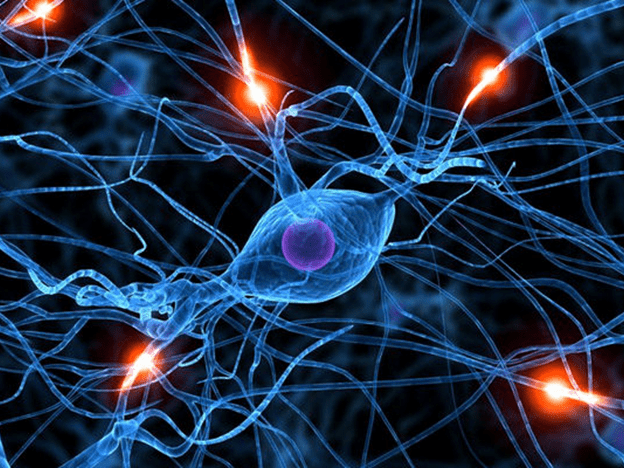
Electrochemical signals or action potentials use potassium and sodium to generate responses from cells in the nervous system.
Potassium is necessary for turning off nerve impulses and preventing the uncontrolled signaling of nerves.
Uncontrolled signaling can lead to movement disorders.
Calcium
Calcium is necessary for the regulation of the action potentials throughout the body.
Calcium helps initiate action potentials and helps the cells return to a normal state afterward.
Calcium contributes to the development of the nervous system helping guide the nerve cells.
Calcium is a major element of bone health to repair bones’ and facilitate regrowth.
The body will take the calcium from the bones if there is a calcium deficiency.
Vitamin D
One of the most important nutrients for bone health.
Vitamin D helps promote bone development and growth.
Facilitates calcium absorption helping the body process and absorb the calcium.
B12 is essential to the function of the nervous system and the body’s metabolism.
B12 breaks complex carbohydrates into more simplistic glucose for basic functions.
B12 helps maintain the nerve insulator myelin, which is necessary for nerve transmission.
B12 deficiency has been linked to the loss of myelin and can lead to serious conditions like Alzheimer’s.
B12 shots deliver the nutrient directly to the bloodstream bypassing the absorption process necessary for oral supplements.
Vitamin K
Vitamin K helps balance and facilitate calcium absorption.
Vitamin K helps strengthen bones and increase bone density.
Often recommended for individuals with osteopenia and osteoporosis to help prevent fractures.
How To Choose Supplements
References
Lee, Mi Kyung, et al. “The use of nutritional guidance within chiropractic patient management: a survey of 333 chiropractors from the ACORN practice-based research network.” Chiropractic & manual therapies vol. 26 7. 20 Feb. 2018, doi:10.1186/s12998-018-0175-1
Nguyen, Douglas L. “Guidance for supplemental enteral nutrition across patient populations.” The American journal of managed care vol. 23,12 Suppl (2017): S210-S219.
Pludowski, Pawel, et al. “Vitamin D effects on musculoskeletal health, immunity, autoimmunity, cardiovascular disease, cancer, fertility, pregnancy, dementia and mortality-a review of recent evidence.” Autoimmunity reviews vol. 12,10 (2013): 976-89. doi:10.1016/j.autrev.2013.02.004
Song, Yong-Ak, et al. “Electrochemical activation and inhibition of neuromuscular systems through modulation of ion concentrations with ion-selective membranes.” Nature materials vol. 10,12 980-6. 23 Oct. 2011, doi:10.1038/nmat3146
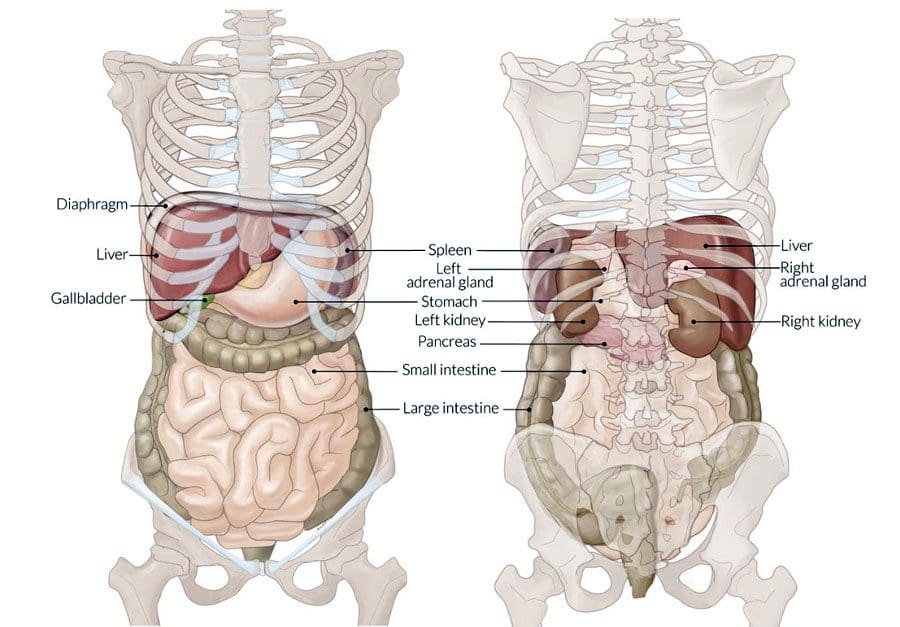
The digestive system in the body helps with the process of digesting food that the host consumes. The food being digested goes through a bio-transformation where it turns into nutrients and is stored in the intestines, liver, and gallbladder, where it turns into bile to be excreted out of the system to ensure a healthy functional gut system and body. But when disruptive factors like poor eating habits or gut issues start to affect the body and gallbladder, this causes many problems that can make an individual miserable. This affects their quality of life since they are dealing with painful issues in their bodies that overlap the primary source risk profiles. Today’s article looks at the gallbladder, how it functions with the body and parasympathetic nervous system, and how referred shoulder pain and gallbladder dysfunction are connected. We refer patients to certified providers specializing in gastroenterology and chiropractic treatments that help those with issues that affect their shoulders and gallbladder. We also guide our patients by referring to our associated medical providers based on their examination when it’s appropriate. We find that education is the solution to asking our providers insightful questions. Dr. Alex Jimenez DC provides this information as an educational service only. Disclaimer
What Is The Gallbladder?
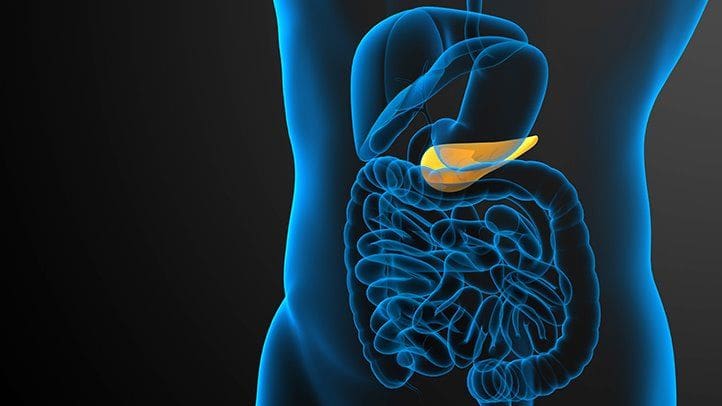
The digestive system comprises the mouth, the internal organs from the GI tract, the liver, the gallbladder, and the anus, where food is consumed, digested, and excreted out of the body to keep it healthy. The gallbladder is a small organ that store and releases bile at the appropriate time into the intestines to be mixed with the digested foods to be excreted out of the body. This pear-shaped organ inflates and deflates like a balloon when it stores and releases bile while having a casual relationship with the nerves and hormones that help regulate the gallbladder functioning properly. Studies reveal that the ganglia become the target of causing the hormone cholecystokinin and the parasympathetic nerve to up or downregulate the neurotransmission to the gallbladder. This causes the gallbladder to be functional in the body.
What Are Its Functions In The Parasympathetic Nervous System?
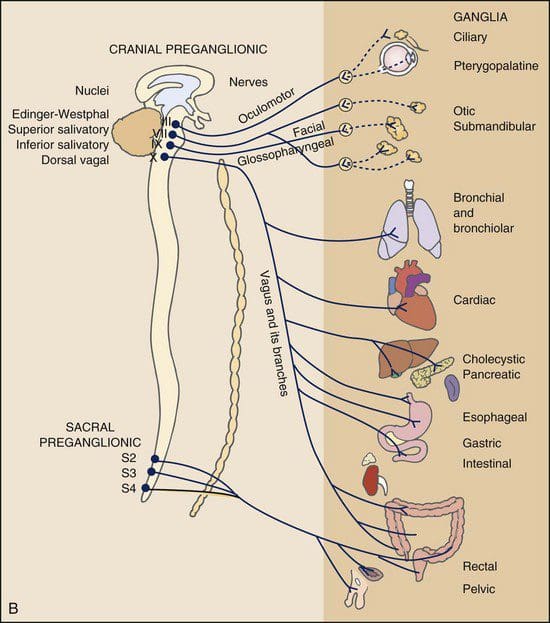
So what are the functions that the gallbladder provides to the body? For starters, the parasympathetic nervous system allows the body to rest and digest the consumed food to be turned into nutrients. The parasympathetic nervous system also provides gallbladder stimulation as studies reveal that the gallbladder receives innervation from the parasympathetic nervous system connected to the vagus nerve that transmits information to the spine and the brain. Keeping and releasing bile from this pear-shaped organ helps regulate the gastrointestinal tract. This causal relationship between the gallbladder and the parasympathetic nerve is essential because the body needs to know when to store and release bile from the gallbladder, or it might trigger some issues that can do more harm to the body and even affect the gallbladder itself.
Do You Have Shoulder Pain?- Video
Have you been experiencing gut issues causing a sharp or dull ache in your back or sides? How about questionable shoulder pain that seems to come out of nowhere? Or are your experiencing inflammation in your digestive system? Many of these symptoms are signs of visceral-somatic pain affecting the gallbladder. Visceral-somatic pain is defined when there is damage to the organ, and it starts to affect the muscles in a different location in the body. The video above gives an excellent example of visceral-somatic pain in the gallbladder and the shoulder. Now many people wonder how shoulder pain is the mediator of the gallbladder? Well, inflammation in the liver and gallbladder causes the nerve roots to be hypersensitive and compressed. This leads to overlapping profiles, triggering pain in the shoulder muscles and associated with upper mid-back pain.
Referred Shoulder Pain & Gallbladder Dysfunction
Now say the individual is experiencing shoulder pain; however, when they rotate their shoulder, there is no pain? Where is the source of shoulder pain localized, and what is causing the issue? And why is it correlating to the gallbladder? This is known as referred pain, where the source of pain is poorly localized when it is located elsewhere. Studies reveal that gallbladder dysfunctions like cholecystitis might be associated with acute thoracolumbar shoulder pain. So what does this mean? It means that any referred pain that is the causation of shoulder pain gives the impression that something is wrong with the gallbladder. This would provide much-needed information when individuals are being examined by their physicians.
Conclusion
The body needs the digestive system to help process food the host consumes and excretes for a healthy functioning system. The gallbladder stores and releases bile to the digested food. This ensures that the nutrients and bile are transported and passed out of the body. When disruptive factors cause gut issues and affect the gallbladder, it can correlate to different problems impacting the body. An example would be gallbladder issues associated with shoulder pain. This is referred to as pain, which is from an affected organ and associated with the muscle in a different location. This can make the individual feel miserable and wonder what is going on with their shoulders when it might be something associated with their gallbladder. Available treatments can provide better knowledge to determine the problem and how to alleviate the issues.
References
Carter, Chris T. “Acute Thoracolumbar Pain Due to Cholecystitis: A Case Study.” Chiropractic & Manual Therapies, BioMed Central, 18 Dec. 2015, https://www.ncbi.nlm.nih.gov/pmc/articles/PMC4683782/.
Jones, Mark W, et al. “Anatomy, Abdomen and Pelvis, Gallbladder.” In: StatPearls [Internet]. Treasure Island (FL), StatPearls Publishing, 8 Nov. 2021, https://www.ncbi.nlm.nih.gov/books/NBK459288/.
Mawe, Gary M., et al. “Nerves and Hormones Interact to Control Gallbladder Function.” Physiology, 1 Apr. 1998, https://journals.physiology.org/doi/full/10.1152/physiologyonline.1998.13.2.84.
Medical Professional, Cleveland Clinic. “Gallbladder: What Is It, Function, Location & Anatomy.” Cleveland Clinic, 28 July 2021, https://my.clevelandclinic.org/health/body/21690-gallbladder.
The body relies on the gut system to help regulate its homeostasis and metabolize the nutrients for the immune system. The beneficial gut bacteria help maintain the intestinal walls from developing chronic issues and affecting the entire body. The gut system also provides information to the central nervous system through the spinal cord to the brain. The neuron signals help transport the information to all the corresponding muscles, tissues, and organs that require the gut system to stay healthy and functional. When the gut develops issues, the related muscles, tissues, nerves, and surrounding organs begin to feel the effects, causing the body to be dysfunctional. When this happens, many individuals will start to suffer pain and go to their physicians to find relief. Today’s article focuses on the sympathetic nervous system, how it affects the body, and how gut disorders can disruptively affect the sympathetic nerves in the surrounded torso area. We refer patients to certified, skilled providers specializing in gastrointestinal and chiropractic treatments that help those suffering from gut disorders and bodily pain. We also guide our patients by referring to our associated medical providers based on their examination when it’s appropriate. We find that education is critical for asking insightful questions to our providers. Dr. Alex Jimenez DC provides this information as an educational service only. Disclaimer
Can my insurance cover it? Yes, it may. If you are uncertain, here is the link to all the insurance providers we cover. If you have any questions or concerns, please call Dr. Jimenez at 915-850-0900.
The Sympathetic Nervous System
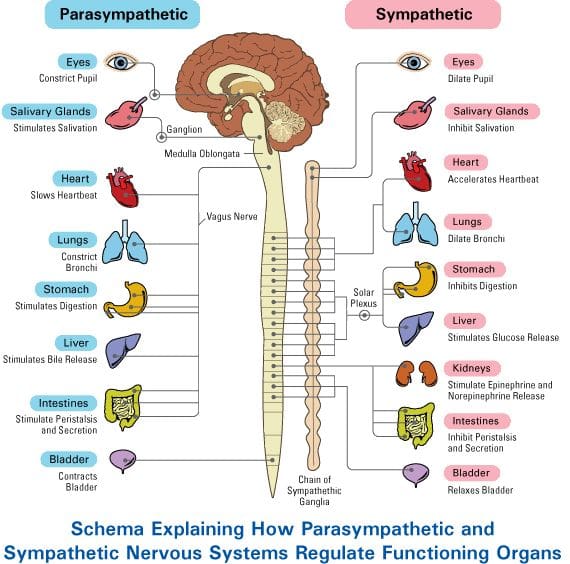
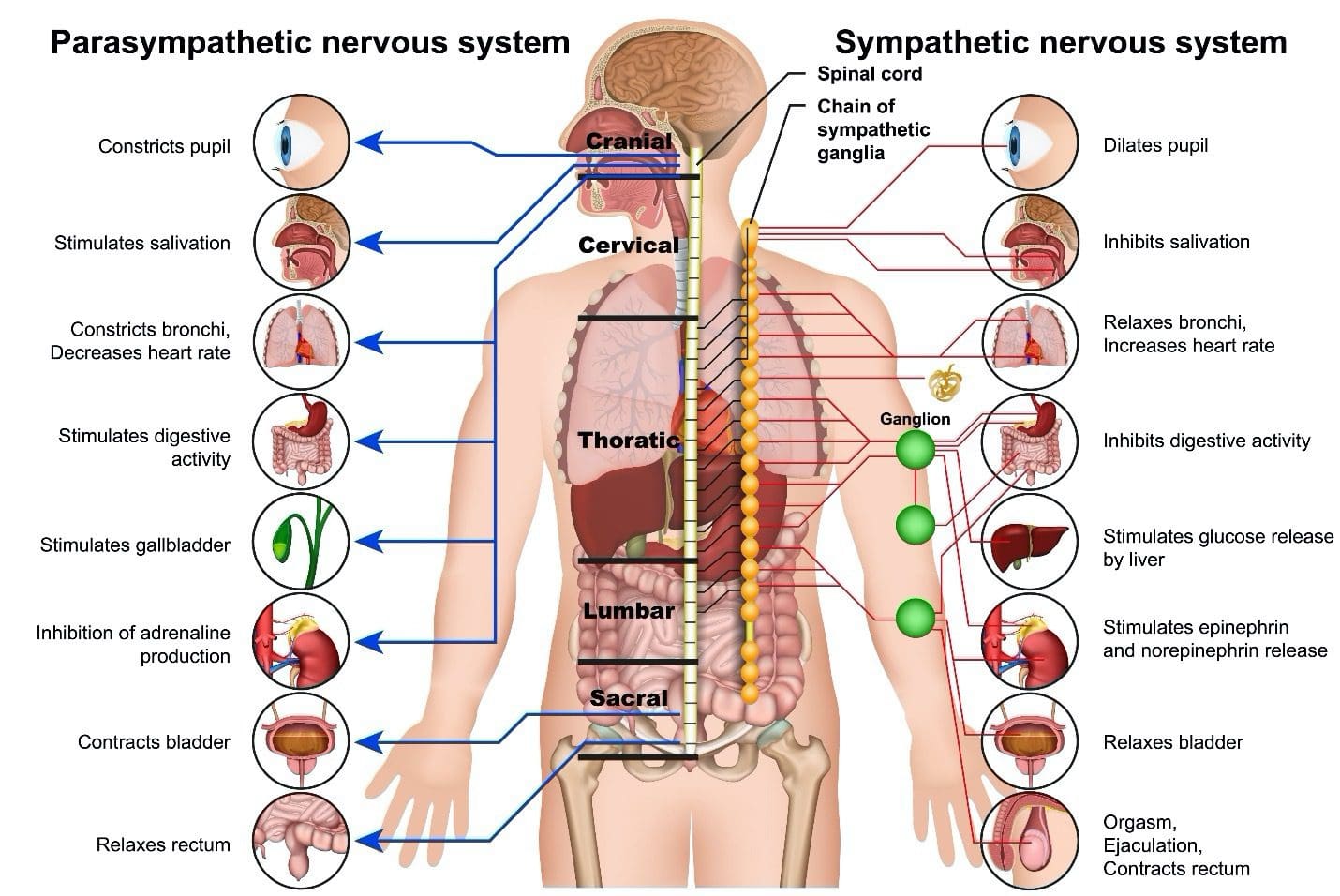
Have you been feeling stressed throughout the entire day? Do symptoms of inflammation tend to flare around the abdominal area or the abdominal organs? Do your muscles seem to tense up more than they should, even in their relaxed state? All of these signs and symptoms that affect the abdominal region of the body are all connected to the sympathetic nervous system in the body. Research studies have defined the sympathetic nervous system as part of the autonomic nervous system, a central nervous system component. The best way to describe the sympathetic nervous system is that it activates the adrenal glands to produce the hormone adrenaline causing the body to be in a “fight or flight” mode. The sympathetic nerves also help regulate the alpha and beta receptor activity of the various corresponding organs that stimulate the blood vessels surrounding the body, causing a relationship of the organs to the muscles.
How Does It Affect The Body?
As part of the autonomic system, the sympathetic nervous and parasympathetic systems help the body achieve homeostasis by exerting influences over the organ systems. Research studies have shown that this causes the organ systems to upregulate and downregulate the various functions that each muscle needs. Some of the tasks that the sympathetic nervous system that activates these organs include:
An increased metabolism
Decreased GI motility
An increased heart rate
An increase in movement and strength
Suppression in the immune system
Constriction of the large arteries and veins
Increase glucose production
Additional studies have noticed that the neurons in the sympathetic nervous system help prepare the body for various physical activities that affect the organs. This causal relationship between the organs and muscles helps redirect the blood flow to different body parts. The sensory impulses of the somatic tissue will then correlate to the spinal cord’s thoracic and lumbar spinal regions. When these nerves become irritated, it can coincidently cause a direct overlap on the muscles and visceral organs surrounding the nerves, changing their functionality. This causes somatic dysfunction to create the impression of overlapping profiles affecting the internal organs.
An Overview Of The Sympathetic Nervous System-Video
Have you experienced knee pain while having issues in the pelvic region? How about feeling pain in the lower abdomen that triggers spinal stiffness in the lumbar parts of the back? Or have you noticed any pain from the testicular area is relieved after a spinal manipulation? These symptoms are mediators of the sympathetic nervous system when internal organs are damaged. The video above explains the sympathetic nervous system and how it functions in the body. When the body suffers from traumatic forces or ordinary factors, it can cause an increased risk of other associated problems that can also affect it. The afferent fibers from the sympathetic nervous system can carry the pain signals from the somatic and visceral tissues that converge at the common synaptic site that is within the spinal cord. Research has stated that the somatic nociceptive signals can disrupt the gastrointestinal tract due to stress from various locations in the gut system. When this happens, it can cause an overlap of risk profiles in the entire body.
How Do Gut Disorders Affect The Sympathetic Nerves?
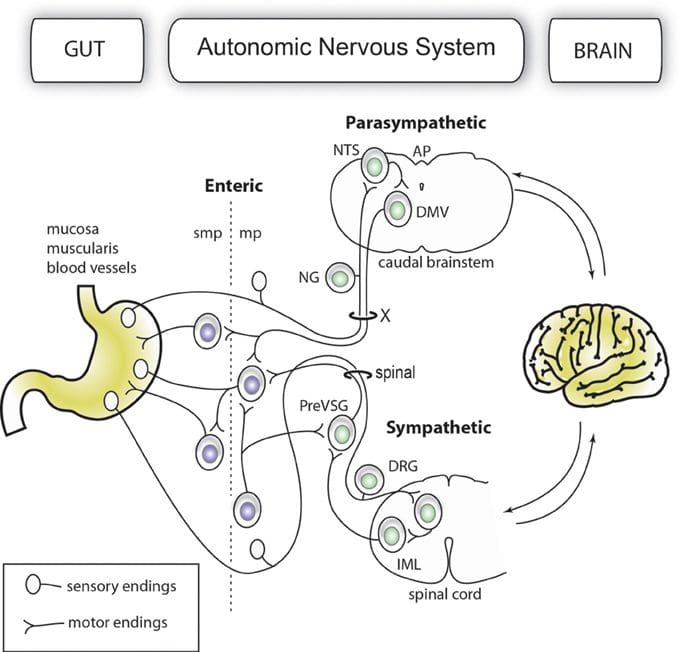
The way the gut system works is that it provides homeostasis to the body by regulating the immune system. When the sympathetic nerves are intertwined with the gut system and the spinal cord, research studies show that the sympathetic innervation to the GI tract helps regulate the motility, secretion, and blood flow by correlating to the nervous system’s activity and modulating GI inflammation. When the guts system begins to suffer from disorders affecting the entire body, it can trigger alarm points to the meridians that closely associate with one or more internal organs in the gut system. These alarm points are coincidentally represented as the first instances of visceral pain or tenderness to the somatic structures. When this happens, many physicians will notice that visceral pain involvement overlaps with referred pain, correlating with the individual’s history and other signs of dysfunction. This is a technique called nerve tracing, where physicians follow the line of tenderness from a painful region of the body to the spine, like how GI issues can cause musculoskeletal pain and disturb the visceral tone.
Conclusion
The body requires the gut to maintain homeostasis and help regulate the immune system. The gut system also provides information to the central nervous system by letting the neuron signals transport the sensory-motor functions through the sympathetic nervous system to make the body functional. The sympathetic nerves help provide organ activation to the body that can help prepare the body for various activities. When the sympathetic nerves become irritated, it can cause the muscles and organs to be triggered and change their functionality. This can make the surrounding organs and muscles have an increased risk associated with other disorders that affect the body and correlate to different symptoms. When individuals inform their primary physicians about these symptoms, it gives them a better understanding of these disorders’ causation.
References
Alshask, Mark N, and Joe M Das. “Neuroanatomy, Sympathetic Nervous System.” In: StatPearls [Internet]. Treasure Island (FL), StatPearls Publishing, 14 May 2022, https://www.ncbi.nlm.nih.gov/books/NBK542195/.
Boezaart, Andre P, et al. “Visceral versus Somatic Pain: An Educational Review of Anatomy and Clinical Implications.” Regional Anesthesia and Pain Medicine, U.S. National Library of Medicine, July 2021, https://pubmed.ncbi.nlm.nih.gov/34145074/.
Cervi, Andrea L, et al. “Neural Regulation of Gastrointestinal Inflammation: Role of the Sympathetic Nervous System.” Autonomic Neuroscience: Basic & Clinical, U.S. National Library of Medicine, May 2014, https://pubmed.ncbi.nlm.nih.gov/24412637/.
LeBouef, Tyler, et al. “Physiology, Autonomic Nervous System.” In: StatPearls [Internet]. Treasure Island (FL), StatPearls Publishing, 8 May 2022, https://www.ncbi.nlm.nih.gov/books/NBK538516/.
Waxenbaum, Joshua A, et al. “Anatomy, Autonomic Nervous System – Statpearls – NCBI Bookshelf.” In: StatPearls [Internet]. Treasure Island (FL), StatPearls Publishing, 29 June 2021, https://www.ncbi.nlm.nih.gov/books/NBK539845/.
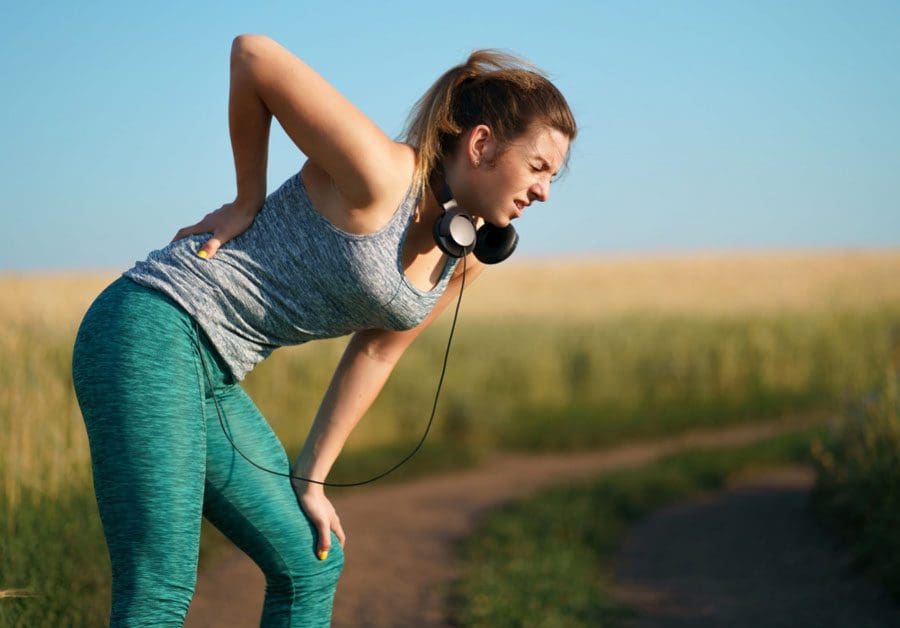
Back pain for no reason that is non-specific is also known as idiopathic, meaning there is no definitive cause like a herniated disc, vehicle accident/crash, falling accident, work, school, or sports injury. An aching sore back that came out of nowhere can be baffling. However, there are reasons for pain, including age, unhealthy posture, work occupation, muscle spasms, lifestyle habits, family medical history, and viscerosomatic reflexes.
Back Pain No Reason
Individuals will trace back their steps and often find that there was no heavy lifting of packages, overdoing it working out, or bending, twisting awkwardly, but the pain is present.
Age
Age is a primary cause of back pain. After the age of 20, the discs in the spine begin to dehydrate, shrink, and compress/flatten out. This can cause everyday activities to generate back strain and pain as the discs begin to slip, slide, and rub against each other. This is known as degenerative disc disease and is a process that continues as the body gets older.
Back Muscle Spasms
Muscle spasms are a common manifestation of back pain and occur when the muscles involuntarily contract. Spasms often happen from bending, heavy lifting, or other physical activities.
Lifestyle Factors
Lifestyle factors can be a causation factor for back pain that comes out of nowhere.
Smoking increases the risk as nicotine increases the wear and tear on the discs as well as other organs.
The smoke/nicotine causes the discs to age faster because it breaks down the collagen, an essential part of the discs.
Individuals that are out of shape, overweight, and/or obese are more likely to have back pain from the added weight.
Unhealthy Posture/Mechanics
Practicing unhealthy postures will no doubt begin to cause back or some type of pain from the strain and awkward positioning placed on the muscles being used. Strains, twists, pulls, or tears can occur if repeating the same motion.
Viscerosomatic Reflex
Viscera means organ, and somatic refers to the body or musculoskeletal system. A viscerosomatic reaction happens when a pain signal from an organ is transmitted via the spinal cord, where neurons and motor structures like the muscles, blood vessels, and skin are interconnected. The body’s organs can become distressed or suffer an infection/disease that causes signals to be sent that there is something wrong. However, the signal could be pain that materializes in the spine/back muscles but is not a spinal injury or condition.
Diagnosis and Treatment
The first step to successfully treating back pain is scheduling an appointment with a spine specialist or chiropractor. A series of specific questions will be asked to gain insight into the underlying cause of the pain. These include:
Location of the pain
Intensity of the pain
Frequency of the pain
Medical history
Diet habits
A careful examination is necessary for the doctor to identify the reasons in any individual patient. Once the physician has learned about the symptoms and history, they can determine a possible cause and create a personalized treatment/rehabilitation plan to get the body back to optimal health.
Decompression Patient Testimonials
References
Koes, B W et al. “Diagnosis and treatment of low back pain.” BMJ (Clinical research ed.) vol. 332,7555 (2006): 1430-4. doi:10.1136/bmj.332.7555.1430
Lankhorst, G J et al. “The natural history of idiopathic low back pain. A three-year follow-up study of spinal motion, pain and functional capacity.” Scandinavian journal of rehabilitation medicine vol. 17,1 (1985): 1-4.
Walker, Bruce F et al. “Combined chiropractic interventions for low-back pain.” The Cochrane database of systematic reviews vol. 2010,4 CD005427. 14 Apr. 2010, doi:10.1002/14651858.CD005427.pub2
The body has many nerves that intertwine and branch out from the spinal cord in the central nervous system. These nerves provide many functions that the body needs to work correctly, from motor function on the arms, legs, and neck to sensory functions like perceiving how much light comes into the eyes, that sense of fullness in the gut system, and when something is touching the skin. The body needs these nerves for everyday function and when a person feels pain from accidents and injuries. When there are factors that cause nerve damage or even gut issues that are internally affecting the body, it can cause many symptoms and cause a person to feel gloomy. Today’s article looks at the parasympathetic nervous system, how it affects the gut microbiota, and how autonomic neuropathy disrupts the gut system in many individuals. Refer patients to certified, skilled providers specializing in gut treatments for individuals that suffer from autonomic neuropathy. We guide our patients by referring to our associated medical providers based on their examination when it’s appropriate. We find that education is critical for asking insightful questions to our providers. Dr. Alex Jimenez DC provides this information as an educational service only. Disclaimer
Can my insurance cover it? Yes, it may. If you are uncertain, here is the link to all the insurance providers we cover. If you have any questions or concerns, please call Dr. Jimenez at 915-850-0900.
What Is The Parasympathetic Nervous System?
Have you experienced gut issues affecting your body? How about feeling dizzy or faint when standing up? Does it seem difficult to adjust your eyesight from dark to light? Or have you experienced gut inflammation? These signs and symptoms are usually affected when the parasympathetic nerves are damaged and causing gut issues in the body. The parasympathetic nervous system. as research has defined it, conserves the body’s energy to be used for a later date while regulating bodily functions. These nerves help the body go into a “resting” condition that allows the body to work in a less stressful environment than the sympathetic nervous system, which drives the “fight or flight” response. The parasympathetic nerves also help with the GI tract, as additional research shows the parasympathetic nervous system helps exert excitatory and inhibitory GI control and motility in the intestines. The parasympathetic nerves and the gut microbiota are connected as they help influence the body’s homeostasis.
How Does It Affect The Gut Microbiota?
So the brain and the gut are connected to the body as they help send the information back and forth to provide the body’s homeostasis and immune function in preventing diseases. So for the parasympathetic nervous system and how it affects the gut microbiota, it’s all due to the vagus nerve that keeps the gut microbiota functioning and doing its job to support the body. Research studies have shown that the vagus nerve is the primary component of the parasympathetic nervous system. The vagus nerve helps with the bi-directional communication between the brain and the gut system by overseeing the crucial bodily functions. Some of the tasks that the parasympathetic nervous system does for the gut microbiota include:
Connect emotional and cognitive areas of the brain
An Overview On The Parasympathetic Nerves-Video
Feeling inflammatory effects inside your gut? How about feeling dizzy by just standing for a little bit? Do you have difficulty eating or have a loss of appetite? Many of these signs of parasympathetic nerves are affected, causing abnormalities in the gut microbiota. The video above explains what the parasympathetic nervous system does and how it plays its role in the entire body. The parasympathetic nervous system also has a partnership with the gut microbiota. Research studies mentioned that the interaction between the parasympathetic nervous system and the gut microbiome ensures the proper maintenance of homeostasis and cognitive functions for the body. The gut-brain axis helps promote optimal bodily function while ensuring that the motor-sensory parts are doing their jobs.
How Autonomic Neuropathy Affects The Gut System
Injuries affecting the gut microbiota and the parasympathetic nervous system can cause gut inflammation in the intestines and nerve damage to the nervous system. This is known as autonomic neuropathy, and research shows that this type of neuropathy causes body and gut issues like diabetes and gastrointestinal motility and contributes to other GI symptoms. Other research studies have found that autonomic neuropathy can alter the gut microbiota’s homeostasis regulation. When this happens, the body will start to have various symptoms affecting each organ and making them dysfunctional. The body will develop more symptoms when the gut microbiota becomes affected. These symptoms cause a decrease in vagal outflow or an increase in sympathetic activity, which will be associated with a slow decreased gastrointestinal motility.
Conclusion
The gut and nervous systems have a bi-directional communication that helps provide the body with proper immune support and metabolizing homeostasis for functionality. The nerves in the nervous system are branched out from the spinal cord and help offer many functions to the arms, organs, legs, and muscle tissues. The parasympathetic nerves in the nervous system help the body rest and digest the nutrients provided to the body. When the nerves or the gut suffer from damage, it can cause various problems that cause dysfunction to the motor-sensory functions of the body. When this happens, many individuals can find different treatments to restore body functions to the gut and the parasympathetic nerves and reduce the symptoms that come with it.
References
Breit, Sigrid, et al. “Vagus Nerve as Modulator of the Brain-Gut Axis in Psychiatric and Inflammatory Disorders.” Frontiers in Psychiatry, Frontiers Media S.A., 13 Mar. 2018, https://www.ncbi.nlm.nih.gov/pmc/articles/PMC5859128/.
Browning, Kirsteen N, and R Alberto Travagli. “Central Nervous System Control of Gastrointestinal Motility and Secretion and Modulation of Gastrointestinal Functions.” Comprehensive Physiology, U.S. National Library of Medicine, Oct. 2014, https://www.ncbi.nlm.nih.gov/pmc/articles/PMC4858318/.
Kornum, Ditte S, et al. “Assessment of Gastrointestinal Autonomic Dysfunction: Present and Future Perspectives.” Journal of Clinical Medicine, MDPI, 31 Mar. 2021, https://www.ncbi.nlm.nih.gov/pmc/articles/PMC8037288/.
Mayer, Emeran A. “Gut Feelings: The Emerging Biology of Gut-Brain Communication.” Nature Reviews. Neuroscience, U.S. National Library of Medicine, 13 July 2011, https://www.ncbi.nlm.nih.gov/pmc/articles/PMC3845678/.
Tindle, Jacob, and Prasanna Tadi. “Neuroanatomy, Parasympathetic Nervous System – Statpearls – NCBI Bookshelf.” In: StatPearls [Internet]. Treasure Island (FL), StatPearls Publishing, 5 Nov. 2021, https://www.ncbi.nlm.nih.gov/books/NBK553141/.
Tougas, G. “The Autonomic Nervous System in Functional Bowel Disorders.” Canadian Journal of Gastroenterology = Journal Canadien De Gastroenterologie, U.S. National Library of Medicine, Mar. 1999, https://pubmed.ncbi.nlm.nih.gov/10202203/.
The central nervous system – CNScontrols body and mind functions, voluntary movements, including walking, and involuntary movements, specifically the breakdown of foods and waste removal. Studies have found associations between spinal problems and gastrointestinal-GI tract/stomach issues that include:
Abdominal pain
Constipation
Difficulty controlling bowel movements
Diarrhea
Nausea
Vomiting
Treating the underlying cause through chiropractic, non-surgical spinal decompression, and health coaching can bring pain relief, realign/heal the spine and alleviate stomach issues.
Spinal Problems and Stomach Issues
The spinal cord sends nerve signals throughout the body, including to and from the digestive system. Two types of nerves control the digestive system, extrinsic and intrinsic.
Extrinsic nerves
Connect the digestive organs with the brain and spinal cord.
Release chemicals that contract or relax the digestive system muscles.
The nerves relay signals to speed up or slow down the food’s movement through the gut.
The intrinsic system can function independently and work without communication from the extrinsic nerves. However, the stomach and esophagus/food pipe depends on information from the extrinsic nerves. If there is injury, damage, or interference with the extrinsic nerve supply to the stomach, it can lead to stomach issues. Spinal cord injuries and compressed or herniated discs interrupt the communication between nerves/systems, which can lead to digestive and bowel problems, including:
Feeling full quickly after eating.
Stomach pain
Constipation
Decreased appetite
Difficulty moving waste through the colon or large intestine
Hard stools
Tenesmus – the sensation/feeling of having to have a bowel movement even though there is none.
Herniated Discs
Herniated disc/s usually occurs in the neck or low back spinal area. Symptoms include:
Neck pain
Back pain
Pain spreads from the lower back through the buttocks, legs, and feet.
Pain spreads from the neck through the shoulders, arms, and hands.
Muscle weakness
Muscle spasms
Tingling or burning sensations
Numbness
Chiropractic Spinal Decompression
Chiropractic decompression therapy stretches the spine and manipulates its position to take pressure off the nerves and spinal discs. The decompression process creates negative pressure in the discs that retract herniated or bulging discs, allowing oxygen, water, and other healing nutrients to enter the disc and throughout the spine. The spinal decompression will help alleviate the stomach issues. Consultation from a health coach/nutritionist will recommend a diet that will aid in the disc/s healing, which is anti-inflammatory and easily digestible until the stomach problems are fully resolved.
DRX Patient Testimonials
References
Browning, Kirsteen N, and R Alberto Travagli. “Central nervous system control of gastrointestinal motility and secretion and modulation of gastrointestinal functions.” Comprehensive Physiology vol. 4,4 (2014): 1339-68. doi:10.1002/cphy.c130055
Holmes, Gregory M, and Emily N Blanke. “Gastrointestinal dysfunction after spinal cord injury.” Experimental neurology vol. 320 (2019): 113009. doi:10.1016/j.expneurol.2019.113009
Lara, F J Pérez, et al. “Thoracic disk herniation, a not infrequent cause of chronic abdominal pain.” International surgery vol. 97,1 (2012): 27-33. doi:10.9738/CC98.1
Papadakos, Nikolaos, et al. “Thoracic disc prolapse presenting with abdominal pain: case report and review of the literature.” Annals of the Royal College of Surgeons of England vol. 91,5 (2009): W4-6. doi:10.1308/147870809X401038
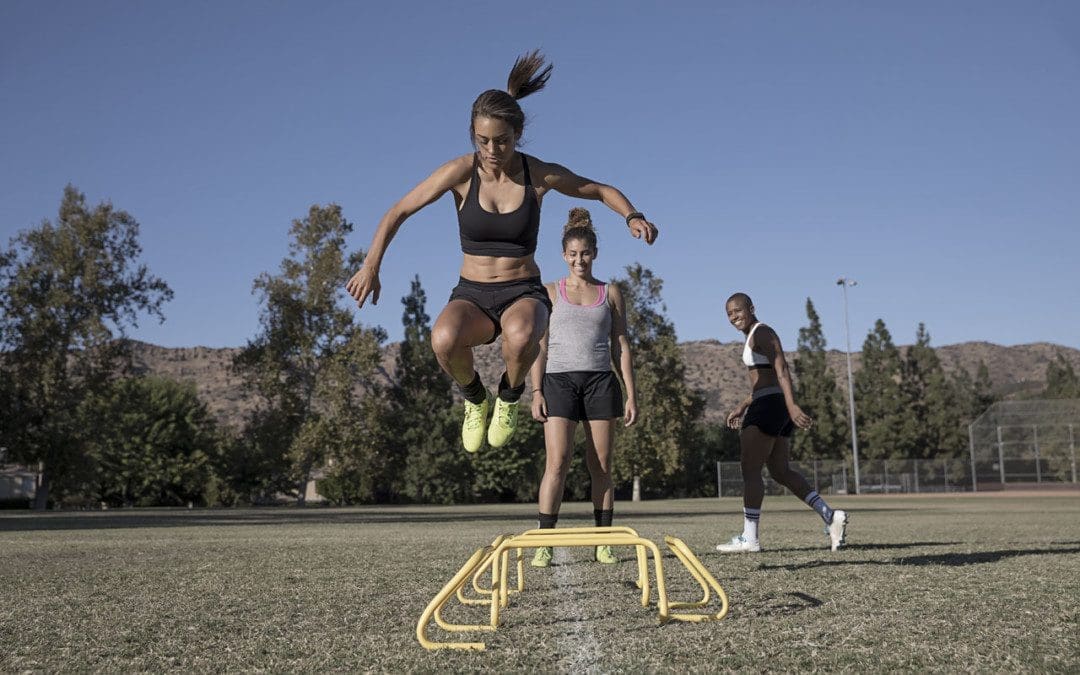
Athletes and fitness enthusiasts work hard to stay in shape, but they are also at an increased risk for a lumbar hyperextension injury. Lumbar hyperextension injuries happen when the low back is bent backward repeatedly or overarches repeatedly. The repetitive stress can lead to severe complications and damage the nerves, vertebrae, and backbones. Motorized decompression therapy could be a treatment option.
Lumbar Hyperextension Injury
Injuries can be caused by overuse, improper mechanics and technique, lack of proper conditioning, insufficient stretching, or trauma. When looking for symptoms of lumbar hyperextension injuries, the first is low back pain that is severe and lasts at least a few days while becoming more intense with time. The lower back pain that worsens when extending, or arching the back, in addition to stiffness, muscle spasms, radiating buttock and thigh pain, tight hamstrings, and difficulty standing or walking, can be indicators of a lumbar hyperextension injury. However, this could be difficult to distinguish from other injuries like muscle strain, disc herniation, and stenosis; this is why a proper examination by a medical professional is recommended.
Treatment
Initial treatment consists of resting, sitting out from the sport, and other activities that could aggravate the back.
A doctor may recommend over-the-counter non-steroidal anti-inflammatory medications.
Heat and ice can also be used to increase circulation and relieve pain.
If hyperextension of the back continues even after rest, it could signify a stress fracture in the vertebrae. This condition is referred to as spondylolysis.Spondylolysis is an overuse injury. It occurs in individuals who participate in sports like gymnastics, diving, volleyball, football, and weight lifting. Spondylolysis and spondylolisthesis are common in adolescent athletes experiencing lower back pain.
A doctor may assign a back brace to prevent movement, allowing the bone to heal back together.
A doctor could also recommend physical therapy for 6-12 weeks after the diagnosis and once the bones have had time to heal.
Rehabilitation exercises focus on improving back flexibility and strength.
Athletes can be cleared to return to their sport within 3-6 months.
Surgery is rarely necessary and only looked into if the individual continues to have persistent pain after 6-12 months of treatment.
This changes the spine’s position, takes the pressure off the nerves and discs, and restores the cushioning.
As the machine pulls the body, a vacuum effect fills the discs with oxygen and nutrients to stimulate healing.
Computer technology controls treatment duration, angle, intensity, and relaxation.
Prevention
Athletes and fitness enthusiasts are recommended to seek professional help to retrain how they perform repetitive and excessive high-impact activities. Specifically, those involving hyperextension movements like kicking, jumping, running, and back bending help minimize the risk of developing a back injury. They are also recommended to maintain body conditioning, back and hamstring flexibility, core muscle strength and endurance, cardiovascular fitness, and properly warming up and stretching before and after the physical activities.
DOC Decompression Table
References
Ball, J.R., Harris, C.B., Lee, J. et al. Lumbar Spine Injuries in Sports: Review of the Literature and Current Treatment Recommendations. Sports Med – Open 5, 26 (2019). https://doi.org/10.1186/s40798-019-0199-7
Carter, D R, and V H Frankel. “Biomechanics of hyperextension injuries to the cervical spine in football.” The American journal of sports medicine vol. 8,5 (1980): 302-9. doi:10.1177/036354658000800502
Goetzinger, Sara, et al. “Spondylolysis in Young Athletes: An Overview Emphasizing Nonoperative Management.” Journal of sports medicine (Hindawi Publishing Corporation) vol. 2020 9235958. 21 Jan. 2020, doi:10.1155/2020/9235958
Lawrence, Kevin J et al. “Lumbar spondylolysis in the adolescent athlete.” Physical therapy in sport: official journal of the Association of Chartered Physiotherapists in Sports Medicine vol. 20 (2016): 56-60. doi:10.1016/j.ptsp.2016.04.003
Low Back Pain: Could it be a Spondy? Nationwide Children’s Hospital. (n.d.). https://www.nationwidechildrens.org/specialties/sports-medicine/sports-medicine-articles/low-back-pain-could-it-be-a-spondy.
IFM's Find A Practitioner tool is the largest referral network in Functional Medicine, created to help patients locate Functional Medicine practitioners anywhere in the world. IFM Certified Practitioners are listed first in the search results, given their extensive education in Functional Medicine

 Chiropractic Education