by Dr Alex Jimenez DC, APRN, FNP-BC, CFMP, IFMCP | Chiropractic, Chronic Back Pain, Nerve Injury
Doctor of Chiropractic, Dr. Alexander Jimenez breaks down how pinched nerves cause back and neck pain.
You hear people say it a lot:
�I have a pinched nerve, and wow, it hurts.�
But what exactly is a pinched nerve? How does it cause back pain or neck pain? What are the symptoms of a pinched nerve�beyond pain? And most importantly, what can you do about a pinched nerve? Learn the basics of pinched nerves here.
Pinched Nerves: A Common Cause of Back & Neck Pain
What Is A Nerve?
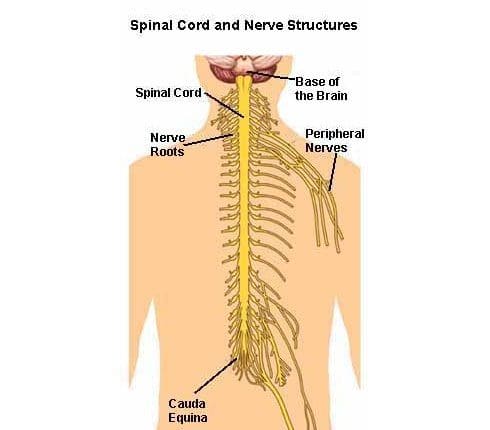
Nerves are your body�s messengers. They transport signals to and from your brain�messages like �Move this toe� or �Ouch, that cactus needle really is sharp.� You have a central nervous system, which is made up of your brain and spinal cord. You also have a peripheral nervous system, which is the system of nerves that branches off the brain and spinal cord.
What Do Nerves Look Like?

If it helps, think of nerves like a garden hose (except they aren�t green). They have an outside membrane that transports those electrical messages. Inside nerves, there�s a fluid that nourishes and replenishes the outer membrane.
You�re Getting on My Nerves
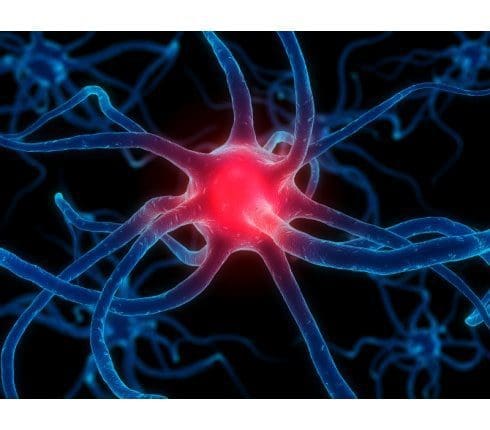
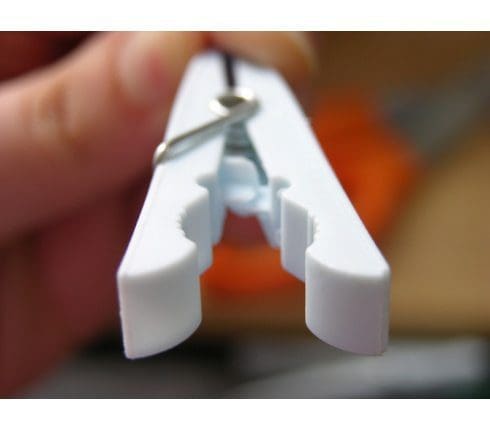
When a nerve gets pinched, the messages and the nourishing fluid don�t flow quite as well as they should (still helpful to think of a garden hose here). A pinched nerve can start sending the �Ow, pain� message to the brain, and it can also have trouble communicating clear messages, possibly leading to weakness, numbness, or tingling.
What Can Pinch a Nerve?
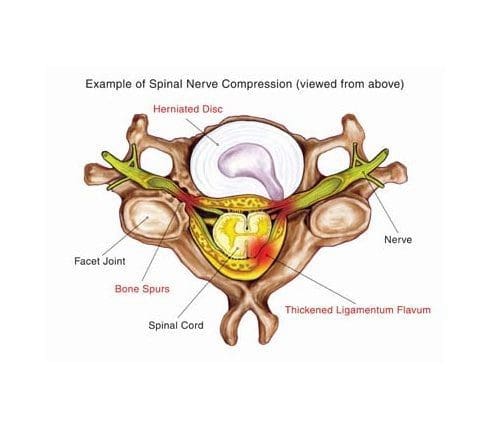
As a nerve exits the spinal canal, it can be pinched by a herniated disc or a bone spur. Bone spurs, also known as osteophytes, are bony bumps that can develop on a spinal joint over time. They can push into the spinal nerve, as you can see in this illustration (red = pain generator, of course).
What Does a Pinched Nerve Feel Like?

A pinched nerve mostly feels like pain. If you have a pinched nerve in your low back, it can cause pain to travel (or radiate, in doctor-speak) down your leg. You may also know that as sciatica. A pinched nerve in the neck can create pain that shoots down your arm. Other symptoms of pinched nerves include muscle spasms, burning, tingling, and a hot/cold sensation.
Now the Good Stuff: Pinched Nerve Treatments

Pinched nerve treatments fall into two categories: what you can do at home (self-care) and what your doctor may prescribe for you.
Pinched Nerve Self-care #1: Heat and Ice

Heat and ice can work wonders on a pinched nerve. Switch between 20 minutes of heat and 20 minutes of ice�and remember that you shouldn�t put the heat and ice packs directly on your skin.
Pinched Nerve Self-care #2: Get a Massage

The muscles around a pinched nerve can become tight, so having a professional massage therapist work the painful area can bring pain relief. You may also consider a handheld massager.
Pinched Nerve Self-care #3: Take a Walk

Let�s say it�s your low back�a pinched nerve in your low back�that�s hurting you. A nice, easy stroll is a good way to stay active and address your pain. Gone are the days of extended bed rest for back pain: doctors now are more likely to recommend you exercise and stretch to help relieve your pain.
When Should You Call a Doctor?

If you try the self-care thing and yet your pinched nerve pain persists, you should consider calling the doctor. If you�ve been in pain for more than a couple of days, schedule an appointment. You should also call the doctor if you experience a very sudden onset of weakness, or if you experience profound numbness. Losing bowel and/or bladder control is also a good reason to call the doctor.
How a Doctor Treats a Pinched Nerve

The doctor will try to diagnose the cause of your pinched nerve, and then the doctor will be able to develop a treatment plan. That plan may include prescription pain medications, physical therapy, or cortisone injections. But keep this in mind: the treatment plan will be specifically tailored for you, and it�s in your best interest to follow it closely.

by Dr Alex Jimenez DC, APRN, FNP-BC, CFMP, IFMCP | Chiropractic, Sciatica, Sciatica Nerve Pain, Spine Care, Treatments
El Paso, TX. Chiropractor Dr. Alex Jimenez listens in on how chiropractors can help with sciatica.
Dr. Joseph Licitra DC, a chiropractor that serves Clifton, NJ as well as Montclair, Bloomfield, and Passaic, recently discussed sciatica on a local cable show. Dr. Licitra says that chiropractors can help treat sciatic nerve pain.
Clifton, United States
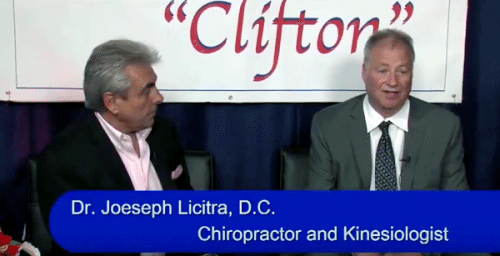
Dr. Joseph Licitra DC, the owner of a chiropractic practice that serves Clifton, New Jersey and surrounding areas such as Montclair, Bloomfield, and Passaic, recently discussed sciatica on a local cable show called �Meet Clifton.� Those interested in learning more about the challenges of sciatica and how it can be treated can view an exclusive video clip for free on Dr. Licitra�s website: http://www.josephlicitra.com/sciatica
In addition to speaking about the prevalence of sciatica in America, Dr. Licitra also touched upon the economic consequences of the debilitating condition. An interesting fact explored during his presentation brought to light the extent of which sciatica negatively affects employee attendance in the workplace. Dr. Licitra said: �People with sciatica have difficulty sitting and bending and therefore they can�t go to work. There is tremendous economic strain on the cities, on the companies, and on the families.�
The Causes Of Sciatica
Sciatic nerve pain can stem from many different things such as repetitive bending, direct trauma to the spine, as well as a sedentary lifestyle.
How chiropractors can help � There is hope for people who suffer from sciatica. Chiropractors can determine the origin of the sciatic condition and then focus on balancing out the spine to get the bones in correct alignment. Chiropractors like Dr. Licitra who specialize in kinesiology will also focus on the musculature to pinpoint the cause(s) of sciatic pain.
Dr. Licitra has been in practice for over 30 years and has worked on many professional athletes such as the New York Giants and the National Hockey League. His practice is now offering free consultations to new patients interested in receiving treatment for sciatica, as well as to patients suffering from other health conditions like neck or back pain, shoulder pain, and even migraines.
Struggling With Sciatica?
If you are experiencing pain that radiates from the back or buttocks all the way down the legs, you may have a common condition called sciatica. Many people in Clinton suffer with the pain of sciatica and may never achieve a long-term solution. An untreated sciatic condition can continue to worsen and make the daily tasks of living go from difficult to nearly impossible. Fortunately, chiropractic treatment can help you overcome this debilitating condition.
Sciatica In Clifton
Sciatica, also known as sciatic neuralgia, is a condition that causes pain in the lower back, down the back of the leg, and into the foot. It can make sitting and standing for long periods of time difficult and can lead to weakness, tingling, and numbness in the leg and foot. It will often come and go throughout a person’s lifetime, causing periods of varying degrees of pain and discomfort. If left untreated, sciatic pain will generally grow worse and the nerve can become permanently damaged.
The reason why the pain travels so far, radiating up and down the legs and back, is due to the compression of the sciatic nerve which is the longest nerve in the body. This nerve originates in the lumbar spine and extends into the buttocks before traveling down the leg to the ankle and foot. When the vertebrae in the lower back are compressed, the roots of the sciatic nerve can become pinched and irritated which is what causes the pain.
How Do You Develop Sciatica?
There are a number of factors that can lead to sciatica. It is most commonly caused by disc injuries and bulges. In this occurrence, the disc presses against the nerve root causing sciatic pain. Disc Injuries can occur because of poor posture, repetitive use injuries, and accidents. Sciatica is also common when there are subluxations (misalignments) in the spine due to postural issues, pregnancy, or trauma. Some patients report simply bending over to pick up a piece of paper and then being suddenly hit with extreme pain. The reality, however, is that the spinal condition was probably already developing for quite some time before the triggering incident occurred.
Chiropractic Treatment For Sciatica
Chiropractors in Clifton are highly trained to zero in on the source of the sciatica and to work with the patient in determining the most suitable approach to treatment. After a thorough assessment of the individual’s unique issue, gentle adjustments are made that will allow the body to recover its natural alignment.
Some people respond very quickly while others take more time to recover. It really depends on the condition of the disc or the joints that the chiropractor has to correct. In most cases, the longer the issue persists, the longer it will take to achieve correction. The great news is that it typically takes less time to fix an issue like this than it took to create it in the first place. Once the position of the spine and discs are corrected, patients often report improvements in their overall health. If you are experiencing symptoms of sciatica, please call our team at Joseph Licitra, DC today.

Call Today!
For more information and access to the video, visit Dr. Licitra�s website at http://www.josephlicitra.com/sciatica
For more information, please visit http://josephlicitra.com
Source: PressCable
Release ID: 185891

by Dr Alex Jimenez DC, APRN, FNP-BC, CFMP, IFMCP | Nerve Injury, Neuropathy, Wellness
Interesting Facts About Peripheral Neuropathy That You Need To Know
Almost everyone is well aware of what peripheral neuropathy means as well as its symptoms. However, many people will be surprised to know that tingling sensation, numbness and pain aren�t the only symptoms experienced by people with peripheral neuropathy. The symptoms of this condition are subjective to the type of nerve that is being affected. The three main types of nerves include motor, sensory and autonomic nerve; each having its own symptoms.
People diagnosed with diabetes must be very careful when it comes to taking all the necessary precautions of peripheral neuropathy. According to top researches, estimates of 70 percent of diabetic patients tend to develop one or more symptoms of neuropathy. While some of the medications may help improve the condition of neuropathy, many medications have the tendency to worsen the situation. Moreover, medications to treat other diseases like cancer are likely to cause nerve damage that leads to peripheral neuropathy.

It is essential for people with this condition to not take the simple symptoms like numbness lightly as it can cause some serious problems with time. For example, if you are feeling a sensation of numbness on your feet then you will not realize it if you even step on a broken glass. For this reason, you must never ignore even the simplest of the symptoms as it can lead to severe results. You must visit http://www.neuropathycure.org for more details.
Unfortunately, there is no treatment of peripheral neuropathy that can completely diminish the matter. The treatments of medication and therapy can only contain the symptoms as well as improve the condition so that the individual suffering can be relived from intense pain and agitation. For this reason, you must not get your hopes up with the prescribed medical treatment.
This entry was posted in Health.
The Four Big Myths About Neuropathy

Can you recall the first time you were told you might suffer from neuropathy?
Chances are unless you already knew someone who suffered from neuropathy � you didn�t know much about the condition. You�ve likely learned quite a bit about the condition since then � but you no doubt came across false or misleading information along the way.
The truth is, there are still a lot of misleading rumors and false information about neuropathy out there. In fact � you may be surprised to learn that some of the information you�ve picked up over the years may not be completely true.
I�ve encountered a number of half-truths and misleading facts over the years. While some are harmless, others can send you down the wrong path or prevent you from getting the best treatment for your nerve damage. To help dispel these myths, I�ve put together a list of four half-truths, misleading rumors, and other misconceptions about neuropathy that a lot of people still believe.
Myth #1 � Nerve Damage is Irreversible:
You may have been told at some point that your nerve damage is irreversible. The truth is, it largely depends on the cause and severity of your nerve damage. No one case is the same � but for many people, their nerve damage can in fact be slowed and even reversed. This is especially true for those suffering from diabetic neuropathy or nerve damage resulting from a vitamin B12 deficiency.
For those with diabetic neuropathy, managing blood sugar is the single most effective step one can take to both slow and reverse nerve damage. For those whose neuropathy was a result of a vitamin B12 deficiency, replenishing the body�s B12 reserves can both repair and regenerate damaged nerves.
Of course, those with diabetic neuropathy or a B12 deficiency aren�t the only ones who can hold on to the hope of reversing their nerve damage. With the right treatment, I�ve seen individuals with various different causes of their neuropathy experience nerve regeneration and a reduction (and even elimination) of their symptoms.
Myth #2 � Only people with diabetes develop neuropathy
While it�s true that around 70% of people with diabetes will also develop neuropathy, it isn�t the only cause of nerve damage. There are a number of other causes, affecting people from all walks of life. A list of known causes of neuropathy include:
- Vitamin B12 deficiency
- Chemotherapy
- Medications (see list of 65 medications that can cause neuropathy)
- Surgery
- Alcohol Consumption
- Exposure to Toxins
- Infections
- Autoimmune Diseases
- Trauma
- Repeated Pressure on Nerves
- Kidney Disorders
- Inherited Disorders
MORE: The Ultimate Cheat Sheet to Neuropathy Causes & Treatments
Myth #3 � Prescription medications cure neuropathy
There is no prescription medication on the market that �cures� neuropathy. In fact, many of the neuropathy drugs on the market today were originally intended for other medical conditions, such as epilepsy.
Rather than cure neuropathy, the prescription drugs on the market today are designed to mask the pain. They act as a volume knob, temporarily turning down the pain levels � but eventually wearing off. As such, the user never gets permanent, lasting relief.
Not only that, but some independent studies have shown most of the common neuropathy prescriptions on the market today to be �largely ineffective�. In one study published by the Cochrane Library in 2015, researchers found that only 1 in 10 patients taking anti-seizure medications for nerve pain experienced a reduction in pain. And of the 10% that did have a reduction in pain, the reduction was minimal.
More: Researchers: �Popular drugs for nerve pain are ineffective�
Myth #4 � Tingling, Numbness and Shooting Pains Are the Only Symptoms of Neuropathy
While these are the most common symptoms associated with neuropathy, there are many other problems that can manifest themselves if you�re suffering from nerve damage. Depending on the type of nerves that have been damaged, your symptoms could range from tingling sensations in the hands or feet to heartburn or indigestion.
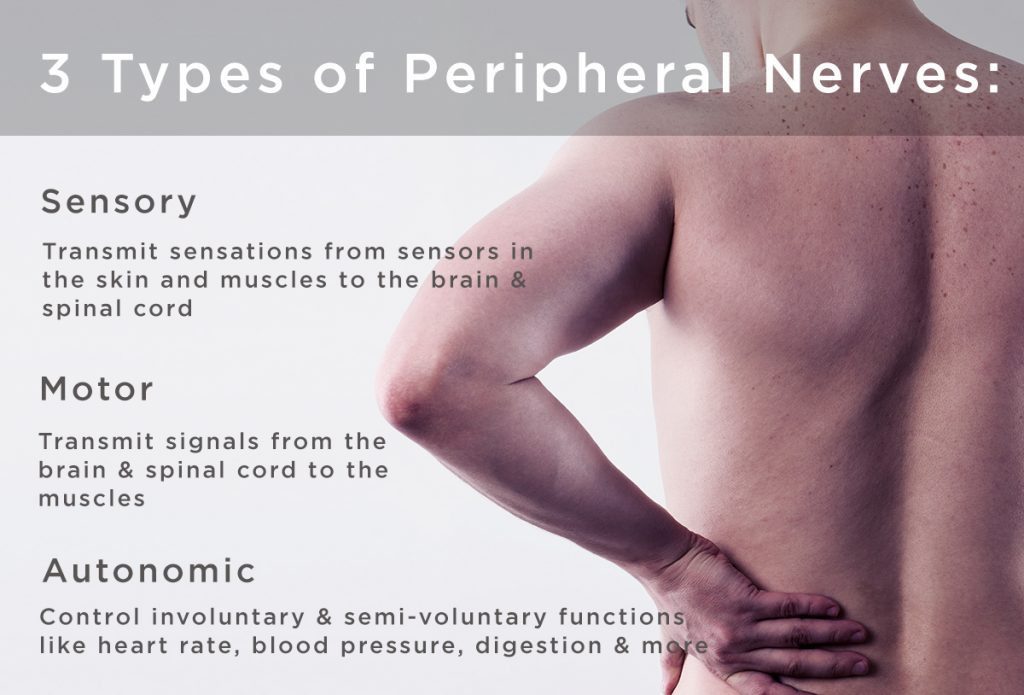
Your peripheral nervous system has three types of nerves: sensory, motor, and autonomic. Each has a different function and the symptoms of your nerve damage will vary depending on which of these nerve types was damaged. In some cases only one type of nerve may be damaged, while in others multiple nerve types may have been compromised.
Common Symptoms of Nerve Damage (based on nerve type):
Sensory:
- Pins and needle-like pain (sharp, painful sensations)
- Tingling or numbness
- Extreme sensitivity to touch
Motor:
- Loss of balance
- Muscle weakness
- Loss of muscle control (i.e. difficulty gripping things, difficulty walking)
- Cramps or twitching
Autonomic:
- Dizziness when standing
- Abnormal heart rate
- Shortness of breath
- Excessive sweating
- Lack of sweat
- Digestive problems
- Bladder problems
- Vision Problems
While there are many other myths and misleading facts floating around out there � these are four of the ones I�ve encountered most often in my years helping people suffering from neuropathy. Some of them can be more harmful than others � depriving the person that has fallen for them of the real information that could make a difference in their life.
What myths or misleading information have you been told over the years � only to discover the truth later on?
Call Today!