Identify the signs of delayed symptoms that an auto accident may bring. Knowledge can aid in a better recovery process.
Introduction
Even little car accidents may have a significant effect on a person’s physical and mental health. Some injuries could show up right away, while others might take days, weeks, or months to manifest. Recovery and quality of life may be much enhanced by identifying these delayed symptoms, comprehending their effects, and learning how to react. The seven typical delayed symptoms are examined, along with the implications on the body and day-to-day activities, effective treatments, such as chiropractic therapy, and what to do during the symptom-free time.
Seven Common Delayed Symptoms
Delayed symptoms often arise due to the body’s initial adrenaline surge, which can mask pain, or because soft tissue injuries take time to manifest. Here are seven symptoms to watch for:
Neck Pain or Stiffness: Whiplash, a common injury resulting from rear-end collisions, can cause neck pain, stiffness, or a reduced range of motion. Symptoms can emerge days or weeks after the accident. This common injury causes sudden biphasic movements, thus leading to injuries to the bony, muscular, and ligamentous structures of the body. (Alektoroff & Papanagiotou, 2021)
Headaches: Post-traumatic headaches, often linked to whiplash or mild traumatic brain injury, may start days later and range from tension-type to migraines. These cause the individual to have increased pain sensitivity and cervical musculoskeletal impairments. (Di Antonio et al., 2023)
Back Pain: Strains, sprains, or herniated discs in the lower or upper back may not cause immediate discomfort but can develop as inflammation builds. Additionally, back pain is associated with impaired movement coordination, which can affect the body’s sensory function. (Delitto et al., 2012)
Numbness or Tingling: Nerve damage or compression, such as from a pinched nerve or herniated disc; these musculoskeletal issues can lead to tingling or numbness in the arms, legs, or hands.
Fatigue or Sleep Issues: Physical trauma or stress from the accident can disrupt sleep patterns, leading to chronic fatigue or insomnia over time.
Cognitive or Emotional Changes: Symptoms like difficulty concentrating, memory problems, anxiety, or irritability may indicate a concussion or post-traumatic stress.
Joint Pain or Swelling: Joint injuries, such as those to the shoulders or knees, may cause delayed swelling, stiffness, or pain due to inflammation or damage to the cartilage.
What to Do During the Delay Period
The period before symptoms appear is critical for protecting your health and legal rights. Here are key steps to take:
Seek Medical Evaluation: Even if a person feels fine, visiting a healthcare provider within 24–72 hours is crucial. They can perform a thorough exam, order imaging (e.g., X-rays or MRIs), and document latent injuries.
Monitor Your Health: Keep a daily journal of physical and mental changes, no matter how minor. Note pain, discomfort, or mood shifts to help identify patterns.
Avoid Strenuous Activity: Individuals should refrain from heavy lifting, intense exercise, or activities that could exacerbate underlying injuries, such as running or participating in contact sports.
Document the Accident: Individuals should take photos of everything, including the accident scene, vehicle damage, and any visible injuries that may have occurred during the accident. They should also collect witness statements and file reports with the police for insurance and legal purposes within the time frame of the accident.
Consult a Specialist: If symptoms emerge or your primary provider recommends it, schedule appointments with specialists, such as chiropractors, neurologists, or orthopedic doctors.
Follow Up Regularly: Schedule follow-up visits to track your condition, as some symptoms may take several weeks to appear.
Notify Your Insurance: Make sure to report the accident to the insurance company promptly, but avoid giving detailed statements about your health until you have been fully evaluated.
Car Accident Injury Rehabilitation- Video
Impact on Quality of Life & the Body
Delayed symptoms can significantly affect both physical health and daily life. Physically, untreated injuries may worsen, leading to chronic conditions. For example:
Musculoskeletal Damage: Whiplash or back injuries can lead to muscle spasms, reduced mobility, or chronic pain if left untreated.
Neurological Effects: Concussions or nerve compression may impair cognitive function, balance, or sensation, complicating daily tasks.
Inflammation and Scarring: Soft tissue injuries can lead to prolonged inflammation or the formation of scar tissue, which can limit flexibility and cause discomfort. Additionally, chronic inflammation, when left untreated, can lead to joint damage and tenderness if there are pre-existing conditions like rheumatoid arthritis. (Gessl et al., 2021)
Quality of life often suffers as a result. Chronic pain or fatigue can hinder work performance, leading to lost income or job stress. Sleep disturbances and emotional changes, like anxiety or depression, may strain relationships or reduce social engagement. Simple activities, such as driving, exercising, or sitting for extended periods, may become painful or difficult, which can lower overall well-being.
Treatment Options: Chiropractic Care & More
Treating delayed symptoms requires a comprehensive approach tailored to the injury. Below are effective treatments with a focus on chiropractic care:
Chiropractic Care: Chiropractors specialize in diagnosing, assessing, and treating musculoskeletal injuries, especially those involving the spine. They use spinal adjustments, manipulations, and soft tissue therapies to:
Restore joint mobility and alignment to reduce pain from whiplash or back injuries. (Stephen Dies, 1992)
Relieve nerve compression to address numbness or tingling.
Chiropractic care promotes natural healing by improving blood flow and reducing inflammation.
Regular chiropractic sessions can prevent chronic pain and improve recovery outcomes.
Physical Therapy: Targeted exercises and stretches strengthen muscles, improve flexibility, and restore range of motion. Therapists may use heat, ice, or ultrasound to relieve pain. To that point, physical therapy can improve the individual’s body function and reduce disability. (Hon et al., 2021)
Pain Management: Over-the-counter medications (e.g., ibuprofen) or prescription drugs can reduce inflammation and pain. In severe cases for pain management, corticosteroid injections may be recommended.
Massage Therapy: This complements chiropractic care by relaxing tight muscles, reducing spasms, and improving circulation, especially for neck or back pain.
Cognitive or Psychological Therapy: For concussion-related symptoms or emotional distress, cognitive behavioral therapy (CBT) or counseling can address anxiety, memory issues, or PTSD.
Lifestyle Adjustments: Incorporating rest, a balanced diet, and stress management techniques (e.g., meditation or yoga) supports recovery and reduces fatigue.
Medical Interventions: In rare cases, surgery may be needed for severe injuries like herniated discs or fractures. Consult an orthopedic specialist for evaluation.
Conclusion
After a car accident, delayed symptoms might be unexpected, but they can be lessened with prompt action and appropriate care. By identifying symptoms like headaches, neck discomfort, or cognitive problems, getting medical attention right once, and implementing therapies like chiropractic adjustments, you can always safeguard your health and well-being. To restore strength and wellbeing, be proactive by keeping an eye on your symptoms, heeding your doctor’s recommendations, and making your recovery a top priority. For individualized medical advice on your health and well-being, generally speaking, you should always speak with a healthcare expert.
Injury Medical Chiropractic & Functional Medicine Clinic
We associate certified medical providers who understand the importance of assessing individuals with pain-like delayed symptoms affecting their musculoskeletal system when involved in an auto accident. When asking important questions to our associated medical providers, we advise patients to incorporate customized treatment plans for their pain correlated with musculoskeletal issues after being involved in an auto accident to promote recovery. Dr. Alex Jimenez, D.C., utilizes this information as a professional academic service. Disclaimer
References
Alektoroff, K., & Papanagiotou, P. (2021). [Whiplash injury of the cervical spine]. Radiologe, 61(8), 710-713. https://doi.org/10.1007/s00117-021-00877-5 (Schleudertrauma der Halswirbelsaule.)
Delitto, A., George, S. Z., Van Dillen, L., Whitman, J. M., Sowa, G., Shekelle, P., Denninger, T. R., & Godges, J. J. (2012). Low Back Pain. Journal of Orthopaedic & Sports Physical Therapy, 42(4), A1-A57. https://doi.org/10.2519/jospt.2012.42.4.a1
Di Antonio, S., Arendt-Nielsen, L., & Castaldo, M. (2023). Cervical musculoskeletal impairments and pain sensitivity in migraine patients. Musculoskelet Sci Pract, 66, 102817. https://doi.org/10.1016/j.msksp.2023.102817
Gessl, I., Popescu, M., Schimpl, V., Supp, G., Deimel, T., Durechova, M., Hucke, M., Loiskandl, M., Studenic, P., Zauner, M., Smolen, J. S., Aletaha, D., & Mandl, P. (2021). Role of joint damage, malalignment and inflammation in articular tenderness in rheumatoid arthritis, psoriatic arthritis and osteoarthritis. Ann Rheum Dis, 80(7), 884-890. https://doi.org/10.1136/annrheumdis-2020-218744
Hon, S., Ritter, R., & Allen, D. D. (2021). Cost-Effectiveness and Outcomes of Direct Access to Physical Therapy for Musculoskeletal Disorders Compared to Physician-First Access in the United States: Systematic Review and Meta-Analysis. Phys Ther, 101(1). https://doi.org/10.1093/ptj/pzaa201
Stephen Dies, J. W. S. (1992). Chiropractic treatment of patients in motor vehicle accidents: a statistical analysis †. J Can Chiropr Assoc., 36(3), 139-145. https://pmc.ncbi.nlm.nih.gov/articles/PMC2484939/
Explore effective pain management strategies after a car accident. Learn how to recover and manage your discomfort.
Introduction
Numerous bodily injuries are often the outcome of auto accidents. Among the most frequent, soft tissue injuries sustained in vehicle accidents may cause severe pain and suffering in many different parts of the body, making everyday living difficult and necessitating a methodical approach to pain treatment. Do you have any headaches that make you want to be in a dark, quiet place? Do you think your shoulders have a limited range of motion? Or if you have lower back and shoulder ache that radiates? With an emphasis on soft tissue injuries, their symptoms, and both surgical and non-surgical treatment options, this article provides suggestions for managing pain after an accident..
Understanding Soft Tissue Injuries
Soft tissue injuries damage muscles, tendons, ligaments, and fascia. Common examples include whiplash, sprains, strains, and contusions. These injuries frequently occur during automobile accidents due to sudden forces exerted on the body, such as rapid deceleration or impact. The mechanisms of soft tissue injuries can become an issue as they can affect a person’s functionality, especially if the area has overlapping risk profiles. (Arosarena & Eid, 2021)
Symptoms of Soft Tissue Injuries
Various symptoms of soft tissue injuries depend on where the injury is located and how severe it is, but often include:
Pain and Tenderness: Localized or diffuse pain that worsens with movement or pressure.
Swelling: Inflammation due to fluid buildup in the affected area.
Stiffness: Reduced range of motion in joints or muscles.
Bruising: Discoloration from damaged blood vessels beneath the skin.
Weakness: Reduced strength in the injured area, often noticeable in sprains or strains.
Neck or Back Pain: Common musculoskeletal pain associated with whiplash, where pain may radiate to the shoulders or arms due to a cracking sound within the cervical spine, causing pain to appear either hours or days. (Bannister et al., 2009)
Beyond the Surface: Understanding the Effects of Personal Injury- Video
Guidelines for Pain Management
Effective pain management after an automobile accident requires a comprehensive approach tailored to the individual’s injury severity, medical history, and response to treatment. The following guidelines provide a framework for managing pain associated with soft tissue injuries.
1. Initial Assessment & Diagnosis
Medical Evaluation: Individuals should seek immediate medical attention to assess the extent of injuries. A healthcare provider may use physical exams, imaging (e.g., X-rays, MRIs), or diagnostic tests to identify soft tissue damage.
Pain Assessment: Document pain levels using tools like the Visual Analog Scale (VAS) to guide treatment planning.
Monitor Symptoms: Track symptoms over time, as some injuries, like whiplash, may have delayed onset.
2. Non-Surgical Treatment Options
Non-surgical treatments are typically the first line of management for soft tissue injuries, aiming to reduce pain and inflammation and promote healing.
RICE
Rest: Limit activities that exacerbate pain to allow tissues to heal.
Ice: Apply cold packs every fifteen to twenty minutes every hour to reduce swelling and numbness in the affected area. (Hubbard & Denegar, 2004)
Compression: Use elastic bandages to minimize swelling, ensuring not to wrap too tightly.
Elevation: Elevating the injured area above the heart level can help reduce fluid buildup.
Evidence: RICE is widely recommended for acute soft tissue injuries to manage initial symptoms affecting the musculoskeletal system.
Medications
Over-the-Counter Pain Relievers: Nonsteroidal anti-inflammatory drugs (NSAIDs) like ibuprofen or acetaminophen can temporarily help relieve pain and inflammation in soft tissues.
Muscle Relaxants: Prescribed for muscle spasms, particularly in whiplash cases.
Topical Analgesics: Creams or patches for localized pain relief.
Considerations: Long-term NSAID use should be monitored to avoid gastrointestinal or cardiovascular side effects.
Physical Therapy
Stretching and Strengthening: Guided exercises to restore mobility and strength.
Manual Therapy: Massage or myofascial release incorporates various techniques to reduce tension.
Modalities: Ultrasound, electrical stimulation, or heat therapy to enhance healing. (Papadopoulos & Mani, 2020)
Evidence: Physical therapy is effective for chronic whiplash and other soft tissue injuries, improving function and reducing pain.
Alternative Therapies
Acupuncture: May reduce pain by stimulating specific points in the body.
Chiropractic Care: Spinal adjustments to alleviate pain, particularly for neck and back injuries.
Massage Therapy: Helps promote relaxation and reduces muscle tension where the affected area needs attention.
Acupuncture and chiropractic care show promise for pain relief in soft tissue injuries through various results. Chiropractic care can incorporate soft tissue mobilization to increase internal rotation and improve range of motion by reducing musculoskeletal pain. (Jusdado-García & Cuesta-Barriuso, 2021)
Psychological Support
Cognitive Behavioral Therapy (CBT): Helps manage chronic pain by addressing emotional and psychological factors.
Mindfulness and Relaxation Techniques: Reduces stress-related pain amplification.
3. Surgical Treatment Options
Surgery is rarely required for soft tissue injuries; however, they are considered during severe cases or when conservative treatments fail.
Arthroscopic Surgery
They are used to repair or remove damaged tissue from torn ligaments or tendons (e.g., rotator cuff tears). They are minimally invasive, utilizing smaller incisions to reduce persistent pain or instability, creating a faster recovery.
Tendon or Ligament Repair
Open surgery to reattach or reconstruct severely torn tendons or ligaments is often followed by extensive rehabilitation to restore function.
Rarely used for severe contusions causing compartment syndrome, where pressure buildup threatens tissue viability.
Involves cutting the fascia to relieve pressure.
Risks: Infection, scarring, and prolonged recovery.
4. Rehabilitation & Long-Term Management
Gradual Return to Activity: Follow a structured rehabilitation plan to prevent re-injury.
Pain Monitoring: Regularly assess pain levels to adjust treatments as needed.
Lifestyle Modifications: Maintain a healthy weight, practice good posture, and avoid activities that strain the injured area.
Structured rehabilitation programs improve outcomes for soft tissue injuries by providing multimodal treatments that are customized for the individual. (Bussières et al., 2016)
Considerations & Precautions
Individualized Care: Treatment plans should account for age, overall health, and injury severity.
Avoid Overtreatment: Overuse of medications or unnecessary surgeries can lead to complications.
Follow-Up: Regular check-ups to monitor recovery and address persistent pain.
Legal and Insurance Aspects: Documents of injuries and treatments for insurance claims or legal proceedings should be related to the accident.
Conclusion
Following a car accident, pain treatment calls for a multimodal approach, especially for soft tissue injuries such sprains, strains, and whiplash. The combination of early medical examination, non-surgical therapies such as RICE, medication, physical therapy, and, in rare instances, surgical intervention may help people achieve successful pain relief and rehabilitation. The best results are ensured by seeking advice from medical experts and following evidence-based recommendations.
Injury Medical Chiropractic & Functional Medicine Clinic
We associate certified medical providers who understand the importance of assessing individuals with pain-like symptoms affecting their musculoskeletal system. When asking important questions to our associated medical providers, we advise patients to incorporate customized treatment plans for their pain correlated with musculoskeletal issues after being involved in an auto accident. Dr. Alex Jimenez, D.C., uses this information as an academic service. Disclaimer
Bannister, G., Amirfeyz, R., Kelley, S., & Gargan, M. (2009). Whiplash injury. The Journal of Bone and Joint Surgery. British volume, 91-B(7), 845-850. https://doi.org/10.1302/0301-620x.91b7.22639
Bussières, A. E., Stewart, G., Al-Zoubi, F., Decina, P., Descarreaux, M., Hayden, J., Hendrickson, B., Hincapié, C., Pagé, I., Passmore, S., Srbely, J., Stupar, M., Weisberg, J., & Ornelas, J. (2016). The Treatment of Neck Pain–Associated Disorders and Whiplash-Associated Disorders: A Clinical Practice Guideline. Journal of Manipulative and Physiological Therapeutics, 39(8), 523-564.e527. https://doi.org/10.1016/j.jmpt.2016.08.007
Jusdado-García, M., & Cuesta-Barriuso, R. (2021). Soft Tissue Mobilization and Stretching for Shoulder in CrossFitters: A Randomized Pilot Study. International Journal of Environmental Research and Public Health, 18(2), 575. https://doi.org/10.3390/ijerph18020575
Papadopoulos, E. S., & Mani, R. (2020). The Role of Ultrasound Therapy in the Management of Musculoskeletal Soft Tissue Pain. Int J Low Extrem Wounds, 19(4), 350-358. https://doi.org/10.1177/1534734620948343
Find essential information on whiplash, including signs, prevention tips, and recovery strategies for optimal health.
Introduction
An abrupt impact, whether from a vehicle accident, sports injury, or fall, may cause symptoms that start off as a small shock and progress to crippling pain and functional impairment. Whiplash is one such ailment that often lacks recognition due to its intricacy. Although it is often linked to rear-end crashes, whiplash is a complex injury that, if ignored, may have long-term consequences for the musculoskeletal system and cervical spine. Have you had shoulder and neck stiffness before? Do you have persistent, chronic headaches? Or does it seem like your neck’s range of motion is limited? We’ll talk about whiplash’s frequent origins, symptoms, effects on the cervical spine and musculoskeletal system, and evidence-based therapy options to lessen the pain-like symptoms in today’s post.
What Is Whiplash?
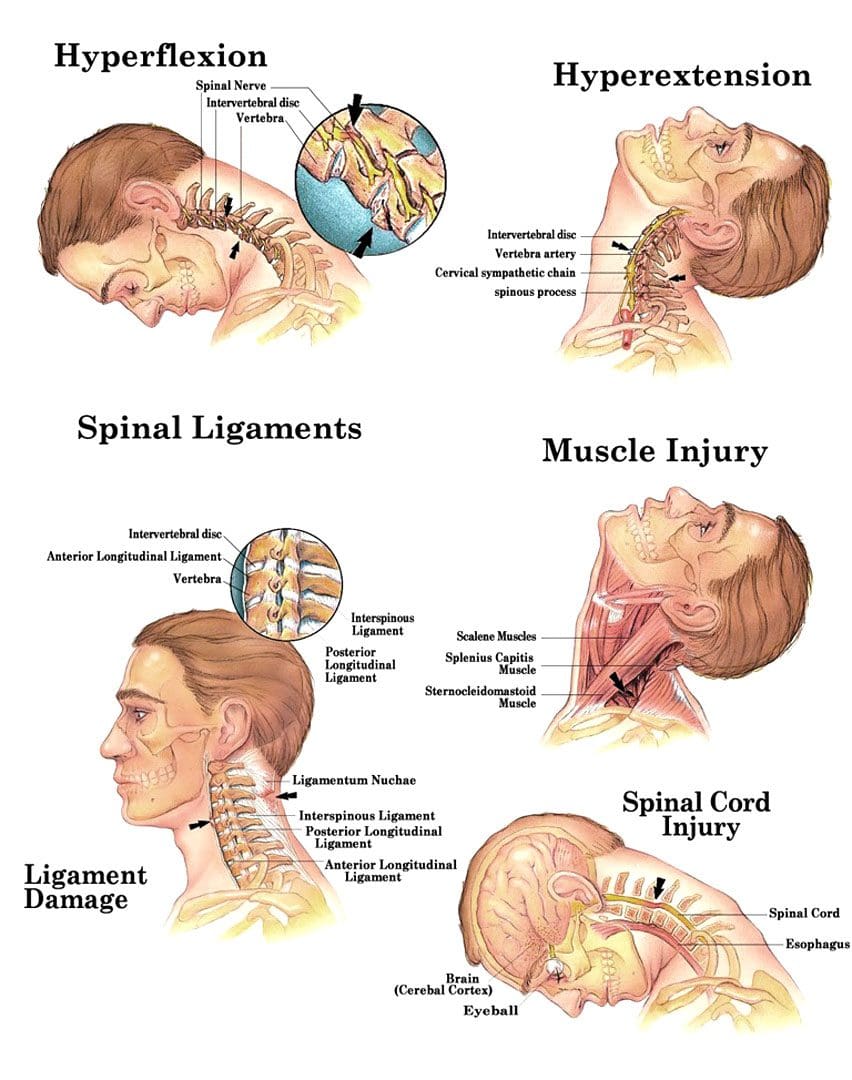
Whiplash is a type of neck injury associated with a rapid back-and-forth head-and-neck motion, mimicking the crack of a whip, hence the name. This causes persistent physical complaints and disability, and complaints when left untreated. (Mayou & Radanov, 1996) Medically, it is categorized under cervical acceleration-deceleration (CAD) injuries. This abrupt motion can damage muscles, ligaments, intervertebral discs, and even the neural structures of the cervical spine.
Common Causes Of Whiplash
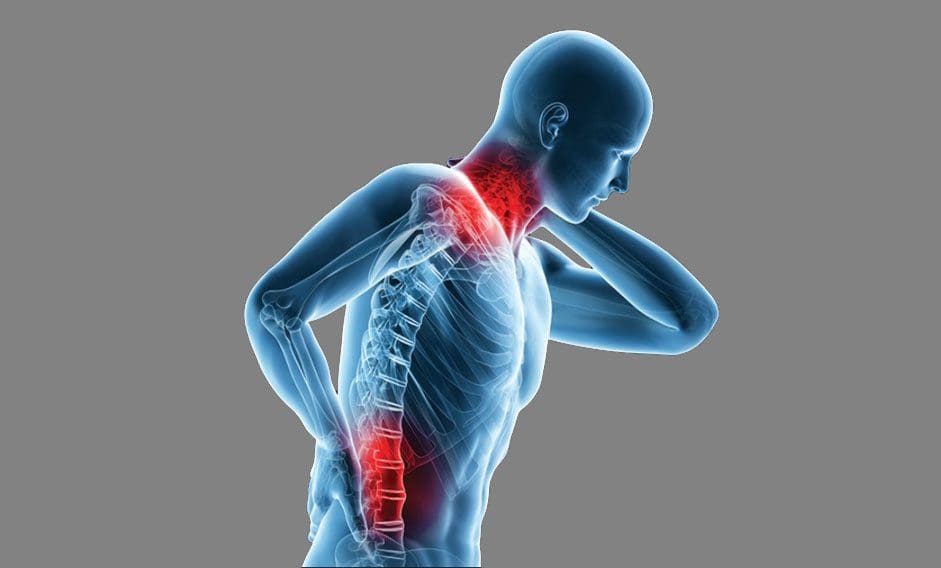
While motor vehicle accidents are the most recognized cause, many mechanisms can precipitate a whiplash injury:
Even minor collisions at speeds as low as 5–10 mph can produce enough force to cause whiplash symptoms in vulnerable individuals.
Symptoms of Whiplash
When individuals are experiencing whiplash, the symptoms can appear immediately or may be delayed for 24–72 hours post-injury. Additionally, whiplash injuries are considered soft tissue injuries to the neck with various clinical symptoms that vary in severity and may include: (Chen et al., 2009)
Neck pain and stiffness
Reduced range of motion
Shoulder and upper back pain
Headaches, especially originating at the base of the skull
Jaw pain or temporomandibular joint (TMJ) dysfunction
Dizziness or visual disturbances
Tingling or numbness sensations in the arms (cervical radiculopathy)
Fatigue and cognitive issues (“whiplash-associated disorders” or WAD)
How Whiplash Affects the Cervical Spine and Musculoskeletal System
Whiplash is more than just a soft tissue injury, as it impacts several interconnected systems:
1. Cervical Spine
The rapid motion during a whiplash injury can lead to:
Cervical facet joint irritation
Intervertebral disc compression or herniation
Muscle strain or ligamentous sprain
Altered cervical lordosis, leading to chronic postural imbalances
This causes pain, stiffness, and tenderness in the neck area due to injuries within the bony, muscular, and ligamentous regions. (Alektoroff & Papanagiotou, 2021)
2. Musculoskeletal Dysfunction
Whiplash often initiates a cascade of biomechanical issues:
Myofascial pain syndromes, especially in the trapezius, levator scapulae, and sternocleidomastoid muscles
Compensatory thoracic or lumbar strain
Poor proprioception and neuromuscular control
Chronic trigger points and fibrotic tissue development
The longer these musculoskeletal imbalances persist, the more likely they will evolve into chronic pain syndromes and central sensitization.
Why Choose Chiropractic?-Video
Diagnosing Whiplash
Diagnosis is largely clinical, supported by a thorough history and physical exam. Imaging may be required to rule out more severe pathology:
X-rays: To rule out fractures or malalignment
MRI: For soft tissue or disc pathology
CT scans: If fracture or serious trauma is suspected
Functional assessments: Range of motion, palpation, neurologic evaluation
Evidence-Based Treatments for Whiplash
Treatment for whiplash should be multimodal and individualized, focusing on restoring function, reducing inflammation, and promoting healing. (Bussieres et al., 2016)
1. Chiropractic Care
Chiropractic adjustments can offer significant benefits in managing whiplash-associated disorders:
Myofascial release and soft tissue mobilization: Target muscle tension, trigger points, and fascial restrictions.
Postural retraining and ergonomic correction: Essential for long-term resolution.
Additionally, chiropractic patients experienced significant improvements in neck pain and function.
2. Physical Therapy
Individuals dealing with neck pain associated with whiplash can benefit from physical therapy to improve neck pain and disability. (Chrcanovic et al., 2022) Rehabilitative exercises are fundamental:
Neck range-of-motion drills
Isometric strengthening
Scapular stabilization and postural correction
Proprioceptive neuromuscular facilitation (PNF)
3. Functional Medicine Approach
From a functional medicine standpoint, addressing systemic inflammation, nutritional deficiencies, and stress response can enhance recovery:
Magnesium and B-complex supplementation for nerve healing
Sleep optimization and cortisol balance
4. Other Complementary Treatments
Acupuncture: Improves blood flow and pain modulation while alleviating pain and promoting relaxation. (Moon et al., 2014)
Gua Sha or cupping therapy: Relieves muscular tension
Dry needling: Effective for persistent trigger points
Manual lymphatic drainage: For patients experiencing edema or prolonged inflammation
Recovery and Prognosis
With consistent and proper treatment, many individuals recover within a few weeks. However, approximately 30–50% of individuals may develop chronic symptoms if not properly managed early on. Factors predicting prolonged recovery include:
High initial pain intensity
Poor coping mechanisms
History of prior neck injury
Psychosocial stressors
Early intervention using a holistic, integrative care model offers the best outcomes in preventing chronic whiplash-associated disorders.
Final Thoughts
Beyond the common “neck strain” classification, whiplash is a complicated neuromusculoskeletal injury that requires careful consideration by both patients and medical experts. Accurate diagnosis and successful treatment depend on an understanding of the complex effects on the cervical spine, neurology, and musculoskeletal function. Reducing symptoms and improving quality of life may be achieved by combining non-surgical treatments as part of a personalized treatment strategy.
Injury Medical & Personal Injury Clinic
We associate certified medical providers who understand the importance of assessing individuals with whiplash associated with their necks. When asking important questions to our associated medical providers, we advise patients to incorporate customized treatment plans for their pain associated with whiplash. Dr. Alex Jimenez, D.C., uses this information as an academic service. Disclaimer
References
Alektoroff, K., & Papanagiotou, P. (2021). [Whiplash injury of the cervical spine]. Radiologe, 61(8), 710-713. https://doi.org/10.1007/s00117-021-00877-5 (Schleudertrauma der Halswirbelsaule.)
Bussieres, A. E., Stewart, G., Al-Zoubi, F., Decina, P., Descarreaux, M., Hayden, J., Hendrickson, B., Hincapie, C., Page, I., Passmore, S., Srbely, J., Stupar, M., Weisberg, J., & Ornelas, J. (2016). The Treatment of Neck Pain-Associated Disorders and Whiplash-Associated Disorders: A Clinical Practice Guideline. J Manipulative Physiol Ther, 39(8), 523-564 e527. https://doi.org/10.1016/j.jmpt.2016.08.007
Chrcanovic, B., Larsson, J., Malmstrom, E. M., Westergren, H., & Haggman-Henrikson, B. (2022). Exercise therapy for whiplash-associated disorders: a systematic review and meta-analysis. Scand J Pain, 22(2), 232-261. https://doi.org/10.1515/sjpain-2021-0064
Moon, T. W., Posadzki, P., Choi, T. Y., Park, T. Y., Kim, H. J., Lee, M. S., & Ernst, E. (2014). Acupuncture for treating whiplash associated disorder: a systematic review of randomised clinical trials. Evid Based Complement Alternat Med, 2014, 870271. https://doi.org/10.1155/2014/870271
Learn about the relationship between migraines associated with neck pain and how to alleviate discomfort through various techniques.
Introduction
Having a busy day with routine may lead to a number of problems, including headaches, stress, and physical exhaustion in the many parts of the body, including the skeletal system, muscles, and organs. The combination of pain and discomfort may result in overlapping risk profiles linked to long-term problems. Do you, for instance, get headaches that throb in different parts of your brain all the time, making it hard to focus on your task? Does moving your shoulders or neck provide momentary relief from stiffness? Or do you need a dark, quiet environment to feel better because you have sensitive light or sound issues? Many people who have neck discomfort and headaches may also be suffering from migraines that affect their lifestyles. In this post, we’ll examine the relationship between migraines and neck pain, the relationship between migraines and fibromyalgia, and holistic approaches to migraine symptom management.
The Migraine & Neck Connection
When it comes to headaches and migraines, many people will begin to feel tension in their heads from various areas and notice that their neck is stiff. This unilateral pain usually starts in the neck and then is accompanied by a reduced range of motion called a cervicogenic headache that can be confused with a migraine. (Al Khalili et al., 2025) Migraines are often a full-body experience with numerous symptoms that can make anybody’s daily life feel unmanageable. This is because the extra-cranial autonomic nervous system activates the trigeminal autonomic reflex, which is a physiological response that follows harmful stimuli that cause migraines to develop. (Vicente et al., 2023) Additionally, migraines can cause the individual to develop increased pain sensitivity and cervical musculoskeletal impairments like neck pain correlating with environmental factors that lead to its development. (Di Antonio et al., 2023) Many environmental factors can trigger migraines associated with neck pain, including:
Poor posture
Cervical spine misalignment
Muscle tension from stress or overuse
TMJ dysfunction
Inadequate sleep
How Fibromyalgia Connects With Migraines
Now, how would fibromyalgia be correlated with migraines for individuals? Since this link is a bit complex, both fibromyalgia and migraines are due to mitochondrial dysfunction that causes the body not to function properly. Fibromyalgia is a condition that causes the central nervous system to be affected chronically and is frequently present with other chronic pain syndromes like migraines. (Janssen et al., 2021) Fibromyalgia is often characterized by widespread pain and heightened pain sensitivity from central sensitization, causing the central nervous system to become hyperresponsive. Migraines are familial, episodic, and complex sensory processing disturbances associated with various symptoms mimicking fibromyalgia. (Aguilar-Shea et al., 2022) However, many individuals with fibromyalgia can experience the following symptoms:
Intense and frequent migraines
Musculoskeletal tenderness in the neck and upper back
Amplified severity and frequency of migraine attacks
When this happens, many people who are dealing with migraines associated with fibromyalgia will seek essential integrative treatments to manage the symptoms and find relief.
Tension Headaches Explained- Video
Holistic & Functional To Reduce Migraine Symptoms
When it comes to looking for treatments that can help reduce migraine symptoms, a holistic functional treatment approach is often the best approach. By incorporating this approach, many healthcare professionals can look beyond and understand the root causes of migraines. Many migraine treatments are cost-effective and non-surgical and can help reduce the pain-like symptoms associated with migraines and help restore neck functionality.
Chiropractic Care & Manual Therapies
When the body is dealing with misalignment from the cervical area of the spine, neck pain and migraines can develop. Many individuals take chiropractic care to help with cervical mobilization and suboccipital release, which reduces tension in the muscles while increasing the range of motion in the neck. Chiropractors utilize manual and mechanical manipulation to help realign the spine and help stretch and strengthen weak muscles. Chiropractors also incorporate myofascial release and MET maneuvers to help release tension and reduce inflammation affecting the body’s soft tissue, especially within the muscles and fasciae, by allowing contraction and relaxation methods to improve somatic dysfunction within the cervical spinal area. (Jara Silva et al., 2022) Additionally, cervical spinal manipulation can be effective by reducing the pain intensity of migraines and improving the symptomatic days when individuals are experiencing migraine associated with neck pain. (Mayo & Keating, 2023)
Postural & Ergonomic Interventions
Many individuals don’t realize that some of the sources that cause their neck pain could be due to everyday motions that can lead to poor posture. Being hunched from looking down at their phones or leaning forward to look at the computer can strain the neck muscles, thus compressing the cervical nerves, leading to migraines and headaches. Incorporating craniocervical exercises can provide beneficial results for individuals with migraines correlated with neck pain, therefore reducing the frequency and improving disability that is affecting the body. (de Almeida Tolentino et al., 2021) When people start doing postural retraining and neck mobility exercises as part of their daily routine, they reduce the chances of migraines returning.
Anti-Inflammatory & Nutritional Support
Migraines can be triggered or worsened by inflammation and blood sugar instability through improper dieting. When it comes to dieting, many individuals can often see that certain foods can trigger different reactions in the body. Certain foods can trigger migraines to develop; however, by figuring out which food causes the triggers that lead to the migraine to establish, many individuals can make various changes in what they eat. Many people are encouraged to try the elimination diet to identify the food trigger causing the migraines and avoid it. (Gazerani, 2020) Hence why, incorporating foods rich in omega-3s can help not only reduce migraine headaches but also reduce chronic inflammation that is affecting the body.
Additionally, many individuals can incorporate magnesium supplements, which can help decrease migraine attacks by altering the neurotransmitter secretion in the central nervous system (Shin et al., 2020). This can help many individuals feel better over time.
Final Thoughts
There is a common route between migraines and neck pain when determining the relationship between the two conditions. Many people might have a personalized treatment strategy to control migraine symptoms and regain neck mobility by comprehending this overlapping link. The objective is to provide patients with resources that will lessen the frequency and intensity of migraines, increase energy, and enhance their quality of life, whether this is accomplished by physical treatments, dietary assistance, or lifestyle modifications.
Injury Medical & Functional Medicine Clinic
We associate with certified medical providers who understand the importance of assessing individuals dealing with neck pain associated with migraines. When asking important questions to our associated medical providers, we advise patients to incorporate numerous techniques to reduce migraines from reappearing and causing neck pain. Dr. Alex Jimenez, D.C., uses this information as an academic service. Disclaimer.
References
Aguilar-Shea, A. L., Membrilla Md, J. A., & Diaz-de-Teran, J. (2022). Migraine review for general practice. Aten Primaria, 54(2), 102208. https://doi.org/10.1016/j.aprim.2021.102208
de Almeida Tolentino, G., Lima Florencio, L., Ferreira Pinheiro, C., Dach, F., Fernandez-de-Las-Penas, C., & Bevilaqua-Grossi, D. (2021). Effects of combining manual therapy, neck muscle exercises, and therapeutic pain neuroscience education in patients with migraine: a study protocol for a randomized clinical trial. BMC Neurol, 21(1), 249. https://doi.org/10.1186/s12883-021-02290-w
Di Antonio, S., Arendt-Nielsen, L., & Castaldo, M. (2023). Cervical musculoskeletal impairments and pain sensitivity in migraine patients. Musculoskelet Sci Pract, 66, 102817. https://doi.org/10.1016/j.msksp.2023.102817
Janssen, L. P., Medeiros, L. F., Souza, A., & Silva, J. D. (2021). Fibromyalgia: A Review of Related Polymorphisms and Clinical Relevance. An Acad Bras Cienc, 93(suppl 4), e20210618. https://doi.org/10.1590/0001-3765202120210618
Jara Silva, C. E., Joseph, A. M., Khatib, M., Knafo, J., Karas, M., Krupa, K., Rivera, B., Macia, A., Madhu, B., McMillan, M., Burtch, J., Quinonez, J., Albert, T., & Khanna, D. (2022). Osteopathic Manipulative Treatment and the Management of Headaches: A Scoping Review. Cureus, 14(8), e27830. https://doi.org/10.7759/cureus.27830
Mayo, Z., & Keating, C. (2023). Manual Therapy and Exercise for the Management of Chronic Neck Pain With Multiple Neurovascular Comorbidities: A Case Report. Cureus, 15(3), e36961. https://doi.org/10.7759/cureus.36961
Vicente, B. N., Oliveira, R., Martins, I. P., & Gil-Gouveia, R. (2023). Cranial Autonomic Symptoms and Neck Pain in Differential Diagnosis of Migraine. Diagnostics (Basel), 13(4). https://doi.org/10.3390/diagnostics13040590
Could making their own cervical neck roll help relieve pain and improve sleep for individuals who have neck pain after sleeping or during sleep?
Sleep Cervical Neck Roll
Neck pain can lead to sleep loss, leading to various health problems. Neck pain and everything that comes with it can limit the ability to work, drive, or sleep normally. A cervical roll may be one way to keep your neck in the optimal position while sleeping. Many with neck pain require extra support from their pillow. A cervical pillow can provide that support.
For individuals who develop neck pain, a visit to a chiropractic physical therapist can help manage symptoms. Treatments and modalities like traction may be necessary to relieve pressure on cervical nerves. (Gudavalli M. R. et al., 2015) Steps to self-manage neck pain may include performing specific neck exercises and maintaining proper posture (Hesby B. B. et al., 2019). Using the right pillow with the right support can help keep the neck in correct alignment, decrease or eliminate neck pain, and get you back to normal activities.
Neck Support During Sleep
The neck comprises seven vertebrae bones, normally forming a slight curve called lordosis. Maintaining a forward curve in the neck is important when treating neck pain, as it can help relieve pressure on spinal discs and nerves. A cervical roll, also known as a neck roll or cervical pillow, is a small pillow placed in the pillowcase that supports the neck while sleeping. The cervical roll provides the right amount of support for the neck and maintains alignment while lying down. (Gross A. R. et al., 2013)
Individuals can purchase a cervical roll online or at a store or pharmacy.
Individuals can also contact a physical therapist to help them obtain a cervical roll.
Making Your Own
Making a cervical roll is simple to do. Here’s how:
Using a hand towel.
Fold it in half.
Slide the towel into the pillowcase along the lower edge.
Be sure the towel is tucked in so it doesn’t slip out.
Individuals can place tape around it so it stays in the rolled shape.
The towel roll will also help support the neck when lying on one side or the other, filling in the space between the head and shoulder. Sleeping on the stomach is usually not recommended for neck pain. Exercise and postural correction training are essential components of treatment for neck pain, and finding the right sleeping posture can help quickly eliminate pain. (Harvard Publishing, 2022)
If neck pain persists, worsens, or is accompanied by arm weakness or numbness and tingling, a visit to a healthcare provider may be necessary to assess the cause. A visit to a local chiropractic physical therapist can also help. They can immediately show you how to treat neck pain.
Injury Medical Chiropractic & Functional Medicine Clinic
A cervical roll can give your neck the right support while sleeping. This can help you quickly and safely manage neck pain and return to your previous level of function. Injury Medical Chiropractic and Functional Medicine Clinic works with primary healthcare providers and specialists to develop an optimal health and wellness solution. We focus on what works for you to relieve pain, restore function, and prevent injury. Regarding musculoskeletal pain, specialists like chiropractors, acupuncturists, and massage therapists can help mitigate the pain through spinal adjustments that help the body realign itself. They can also work with other medical professionals to integrate a treatment plan to resolve musculoskeletal issues.
The Road To Recovery: Chiropractic Care
References
Gudavalli, M. R., Salsbury, S. A., Vining, R. D., Long, C. R., Corber, L., Patwardhan, A. G., & Goertz, C. M. (2015). Development of an attention-touch control for manual cervical distraction: a pilot randomized clinical trial for patients with neck pain. Trials, 16, 259. https://doi.org/10.1186/s13063-015-0770-6
Hesby, B. B., Hartvigsen, J., Rasmussen, H., & Kjaer, P. (2019). Electronic measures of movement impairment, repositioning, and posture in people with and without neck pain-a systematic review. Systematic reviews, 8(1), 220. https://doi.org/10.1186/s13643-019-1125-2
Gross, A. R., Kaplan, F., Huang, S., Khan, M., Santaguida, P. L., Carlesso, L. C., Macdermid, J. C., Walton, D. M., Kenardy, J., Söderlund, A., Verhagen, A., & Hartvigsen, J. (2013). Psychological Care, Patient Education, Orthotics, Ergonomics, and Prevention Strategies for Neck Pain: A Systematic Overview Update as Part of the ICON Project. The open orthopaedics journal, 7, 530–561. https://doi.org/10.2174/1874325001307010530
Harvard Health Publishing. (2022). Say “good night” to neck pain. https://www.health.harvard.edu/pain/say-good-night-to-neck-pain
Can physical therapy help individuals with a pinched nerve in the neck?
Pinched Nerve In The Neck
A pinched nerve in the neck can cause pain, numbness, and weakness that extends through the neck, shoulder, and arm. (American Academy of Orthopaedic Surgeons, 2024) Over-the-counter pain medications, resting the muscles, and gentle stretching can help. However, if you’re still in pain after a few days, see a healthcare provider. Common treatments include:
Rest
Over-the-counter (OTC) pain meds
Physical therapy
Steroid injections
Wearing a neck collar
Surgery is rarely needed, but it can provide relief if other treatments don’t help. Most of the time, a pinched nerve resolves within days or weeks.
Sharp pain that extends into the shoulder and arm.
The pain worsens, or there is a shooting sensation when turning the head.
Tingling or feeling of pins-and-needles in the fingers or hand.
Weakness in the arm, shoulder, or hand.
Numbness or loss of feeling.
Often, these symptoms occur only on one side. Some find their pain less when they lift their hand onto their head, which can relieve pressure on the nerve.
Causes
The cervical spine is the spinal cord area around the neck. It’s made up of seven vertebrae. Nerves branch off the spinal cords in the spaces between the vertebrae. Nerve compression occurs when the space between two vertebrae is reduced, putting pressure on the nerve, pinching it, and causing pain. Pinched nerves develop from age because the spinal discs between the vertebrae become compressed over time. Age causes about 70% to 80% of nerve compression. Other factors that cause pinched nerves include: (Harvard Health Publishing, 2021)
Degenerative disc disease
A herniated disc
Injuries like car accidents falls, or other trauma to the spine
Find a comfortable position and try to allow the muscles in your neck to relax and rest.
Heat or Ice
Warmth and coolness can relieve pain and inflammation.
Use a warm or cool compress for 15 minutes at a time.
Over-The-Counter Pain Medications
Pain medications, including nonsteroidal anti-inflammatory drugs (NSAIDs), can help bring relief.
Treatment for Severe Symptoms
If pain doesn’t resolve within a few days, or if it is so bad that you can’t go about daily activities, it’s recommended to see a healthcare provider. They can diagnose a pinched nerve after a physical exam and may also recommend imaging, including an X-ray, CT scan, MRI, or EMG, to reveal what’s causing the symptoms. After diagnosing the condition, the healthcare provider will develop a personalized treatment plan, which may include the following (Harvard Health Publishing, 2021)
Physical Therapy
Physical therapy can help build strength and flexibility in the neck.
This is especially important if there is frequent nerve pain in the same spot.
Cervical Collar
A soft cervical collar is a brace that fits around the neck.
It supports your head so the neck muscles can relax, facilitating healing.
The collar can also keep the head from turning in painful ways.
Oral Corticosteroids
Oral steroids like prednisone can help reduce inflammation.
If inflammation or swelling in the neck puts more pressure on the nerve, they can help.
Steroid Injections
Steroid shots right into the painful tissue reduce inflammation right away.
Muscle Relaxers
These medications keep the muscles in the neck from seizing up.
As the muscles relax, this brings pain relief.
Narcotic Pain Medications
Narcotic pain medications can be used short-term by individuals who have severe pain.
A healthcare provider will inform the patient of the benefits and drawbacks of these medications, which include opiates.
Hold for 20 seconds, then return to a neutral position.
Do this five times.
Eyes to Sky
Lean your head back and look toward the sky.
Hold for 20 seconds, then return to your starting position.
Do this five times.
Side to Side
Turn your head to the right as far as possible, bringing your chin in line with your shoulder.
Hold for 20 seconds, then turn as far as possible toward the left.
Repeat four times.
Ear to Shoulder
Bring your ear down toward your shoulder.
Hold for 20 seconds, then repeat the exercise on the other side.
Alternate between the right and left, stretching each side five times.
While it’s normal for exercises to hurt from stretching the muscles, they should never hurt more than a five on a pain scale of 1 to 10. If they do, stop exercising (National Health Service, 2025)
Healing Time
Healing and recovery depend on the severity of the injury. Some individuals find that the pain from a pinched nerve goes away in days, while for others, it can last for weeks. The pain goes away and then returns. If pain doesn’t go away with the conservative treatments or lasts more than a few days, talk with a healthcare provider or return for a second visit. Rarely do individuals need surgery to bring pain relief. The healthcare provider will discuss whether surgery is the best option and what to expect regarding pain relief. (American Academy of Orthopaedic Surgeons, 2024)
Injury Medical Chiropractic and Functional Medicine Clinic
Injury Medical Chiropractic and Functional Medicine Clinic works with primary healthcare providers and specialists to build optimal health and wellness solutions. We focus on what works for you to relieve pain, restore function, prevent injury, and mitigate issues through adjustments that help the body realign itself. The clinic can also work with other medical professionals to integrate a treatment plan to resolve musculoskeletal problems.
Revitalize and Rebuild with Chiropractic
References
American Academy of Orthopaedic Surgeons. OrthoInfo. (2024). Cervical radiculopathy (pinched nerve). https://orthoinfo.aaos.org/en/diseases–conditions/cervical-radiculopathy-pinched-nerve/
Harvard Health Publishing. Publishing, H. H. (2021). Treating a pinched nerve. https://www.health.harvard.edu/pain/treating-a-pinched-nerve
National Institute of Neurological Disorders and Stroke. (2025). Pinched Nerve Definition. Retrieved from https://www.ninds.nih.gov/health-information/disorders/glossary-neurological-terms#-P-
National Health Service. Service, N. H. (2025). Exercises for neck problems. https://www.nhsinform.scot/illnesses-and-conditions/muscle-bone-and-joints/neck-and-back-problems-and-conditions/exercises-for-neck-problems
Could individuals who are having headaches with neck pain need emergency treatment or need to get started with sustained physical therapy?
Headaches and Neck Pain
Headaches and neck pain are two very common symptoms. They often occur together and signal common health issues, including fatigue, sinus headaches, and migraines. The combination can also occur due to serious health issues such as a concussion or meningitis. Causes of headaches with neck pain range from various causes, such as not getting enough sleep, having the neck in an awkward position, or having a hangover, to life-threatening issues like fluid buildup in the brain. It is recommended that individuals see a healthcare provider as soon as possible to rule out any life-threatening issues. Discuss the symptoms of neck pain with headache, what can cause these symptoms, and discuss treatment and prevention.
Symptoms
Symptoms are similar to what they feel like when they occur alone. Headache can present as:
A feeling of fullness in the head
Head soreness
Sharp head pain
Throbbing head pain
Pounding head pain
Neck pain can present as:
Pain in the back of the neck
Pain and/or aching of the upper back and/or shoulders
Associated Symptoms
Additional symptoms are common. Symptoms associated with headaches and neck pain include:
Neck stiffness
Trouble concentrating
Exhaustion or sleepiness
Aching throughout the body
Nausea
Dizziness
Vertigo – feeling like the room is spinning.
Photophobia – discomfort when looking at bright lights.
A feeling of numbness or tingling down the arm
Generally, associated symptoms suggest a more severe cause and can help a healthcare provider make a diagnosis.
Emergency Help
New symptoms of headache or neck pain can indicate a serious condition. If you develop these symptoms together, get prompt medical attention.
Causes
There are a variety of medical conditions that can cause headaches and neck pain. Both of these conditions are caused by irritation of sensory nerve fibers. Sometimes, head or neck pain can spread to other areas because the sensory nerves of these structures are so close together. (Côté P. et al., 2019) Additionally, a medical condition like an infection can affect the other due to proximity. Causes of headaches with neck pain include:
Headaches
Sinus headaches, tension headaches, and cervicogenic headaches are usually associated with head pain, but they can also involve neck pain. (Côté P. et al., 2019)
Migraine
Migraines are commonly associated with headaches and often cause neck pain as well.
In addition, they can cause nausea and body aches.
Fatigue
Being tired commonly leads to temporary headaches and neck pain until thorough rest is achieved.
Alcohol Consumption and/or a Hangover
For many, drinking can trigger a headache.
This is a common migraine trigger, but it can also trigger headaches for those who don’t have migraines.
Muscle Strain
Prolonged or recurrent positions that strain the neck muscles, like lifting or sitting at a desk, can cause aching or pain that involves both the head and neck. (Houle M. et al., 2021)
Injuries
Trauma such as whiplash or falling can cause soreness in the head and neck.
Bruises or other injuries may be present.
Severe injuries can cause damage to the skull, brain, spine, spinal nerves, or spinal cord.
Concussion
A concussion often causes trouble concentrating, persistent headaches, and neck pain.
Usually, these symptoms improve within a few weeks after a mild concussion.
Meningitis
Inflammation or infection of the lining around the brain and spinal cord causes pain or tenderness in the head, back, and neck.
Neck stiffness and fever are commonly associated symptoms.
Pinched Nerve
Arthritis is a common cause of pressure on spinal nerves.
A pinched nerve in the upper spine can cause pain in the head and neck and tingling down the arm.
Herniated Disc
Degenerative arthritis or trauma can cause a spinal disc to press on a nerve and possibly on the spinal cord.
This may cause loss of sensation or weakness of the arm.
Subarachnoid Hemorrhage
This is a serious condition caused by bleeding of a blood vessel in the brain.
Irritation and inflammation can cause severe head and neck pain, possibly with seizures and loss of consciousness.
Hydrocephalus
Fluid can accumulate around the brain, causing pain-inducing pressure.
Causes include obstruction of cerebrospinal fluid flow due to brain tumors, brain infections, or congenital malformations. (Langner S. et al., 2017)
Increased Intracranial Pressure
Pressure on the brain and the brain’s blood vessels can cause pain.
Causes of pressure within the skull include hydrocephalus, head trauma, brain tumors, or swelling from a stroke.
Severe cases can cause lethargy or loss of consciousness.
Brain or Spine cancer
Cancer of the brain or within the spine can cause pain affecting the head and neck, often with other symptoms, like loss of vision.
Treatment
Talk to a healthcare provider about the following treatments. Treating headaches with neck pain includes methods that address symptoms and methods that treat the underlying cause. The medications used for headaches with neck pain often reduce both symptoms, but this depends on the cause. Treatments that can relieve both headaches and neck pain when they occur together include:
Getting proper sleep to alleviate fatigue.
Rest and rehabilitation after a concussion or another injury.
Physical therapy to keep muscles flexible and relaxed.
Fluids for meningitis treatment and antibiotics for bacterial meningitis.
Surgical procedures for a tumor or subarachnoid hemorrhage.
A surgical procedure to relieve hydrocephalus.
Headache Treatment
You can do a few things to relieve your headaches, and although they won’t directly take away your neck pain, your headache relief might also decrease your neck pain. These include:
Avoiding loud noises
Cranial massage
Applying gentle cranial pressure
Avoiding bright lights as much as possible
Using specialized migraine sunglasses
Neck Pain Treatment
Some treatments that can specifically treat neck pain include:
Injury Medical Chiropractic and Functional Medicine Clinic
Knowing whether a serious problem is causing headaches and neck pain can be difficult. The more dangerous conditions don’t necessarily cause more severe pain. This is why getting medical attention is crucial if you have these symptoms together. If you frequently have both headaches and neck pain, it can have a substantial impact on your quality of life. There are ways to manage the symptoms, including preventative measures such as physical therapy, exercises, and avoiding triggers. Injury Medical Chiropractic and Functional Medicine Clinic works with primary healthcare providers and specialists to build optimal health and wellness solutions. We focus on what works for you to relieve pain, restore function, prevent injury, and help mitigate issues through adjustments that help the body realign itself. They can also work with other medical professionals to integrate a treatment plan to resolve musculoskeletal problems.
Tension Headaches
References
Côté, P., Yu, H., Shearer, H. M., Randhawa, K., Wong, J. J., Mior, S., Ameis, A., Carroll, L. J., Nordin, M., Varatharajan, S., Sutton, D., Southerst, D., Jacobs, C., Stupar, M., Taylor-Vaisey, A., Gross, D. P., Brison, R. J., Paulden, M., Ammendolia, C., Cassidy, J. D., … Lacerte, M. (2019). Non-pharmacological management of persistent headaches associated with neck pain: A clinical practice guideline from the Ontario protocol for traffic injury management (OPTIMa) collaboration. European journal of pain (London, England), 23(6), 1051–1070. https://doi.org/10.1002/ejp.1374
Houle, M., Lessard, A., Marineau-Bélanger, É., Lardon, A., Marchand, A. A., Descarreaux, M., & Abboud, J. (2021). Factors associated with headache and neck pain among telecommuters – a five days follow-up. BMC Public Health, 21(1), 1086. https://doi.org/10.1186/s12889-021-11144-6
Langner, S., Fleck, S., Baldauf, J., Mensel, B., Kühn, J. P., & Kirsch, M. (2017). Diagnosis and Differential Diagnosis of Hydrocephalus in Adults. Diagnostik und Differenzialdiagnostik des Hydrozephalus beim Erwachsenen. RoFo : Fortschritte auf dem Gebiete der Rontgenstrahlen und der Nuklearmedizin, 189(8), 728–739. https://doi.org/10.1055/s-0043-108550
Petersen, S. M., Jull, G. A., & Learman, K. E. (2019). Self-reported sinus headaches are associated with neck pain and cervical musculoskeletal dysfunction: a preliminary observational case-control study. The Journal of manual & manipulative therapy, 27(4), 245–252. https://doi.org/10.1080/10669817.2019.1572987
IFM's Find A Practitioner tool is the largest referral network in Functional Medicine, created to help patients locate Functional Medicine practitioners anywhere in the world. IFM Certified Practitioners are listed first in the search results, given their extensive education in Functional Medicine




 Common Causes Of Whiplash