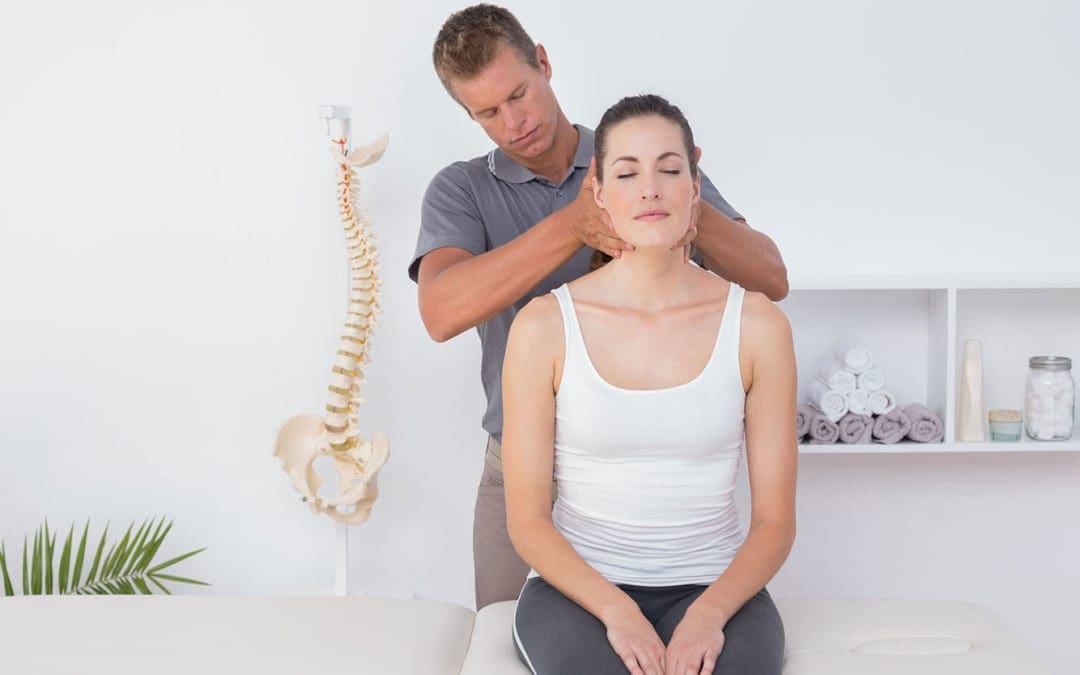
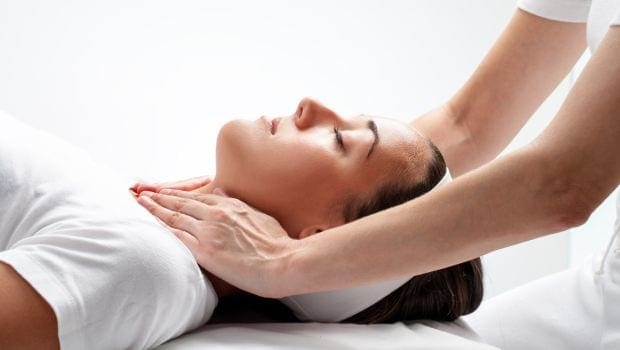
The manipulation of the cervical spine or neck is a common technique utilized by doctors of chiropractic for individuals complaining of upper back, neck, and shoulder/arm pain, in addition to headaches.
What is the benefit of cervical spinal manipulation?
Similar to the treatment for many injuries and/or conditions which affect the thoracic and lumbar spine, or back, chiropractic treatment is thought of as a first line of therapy for a range of cervical spine conditions.
Chiropractic treatment aiming for cervical spine pain management include (but aren’t limited to) a mix of:
Reducing pain
Improving movement
Restoring function into the head and neck region
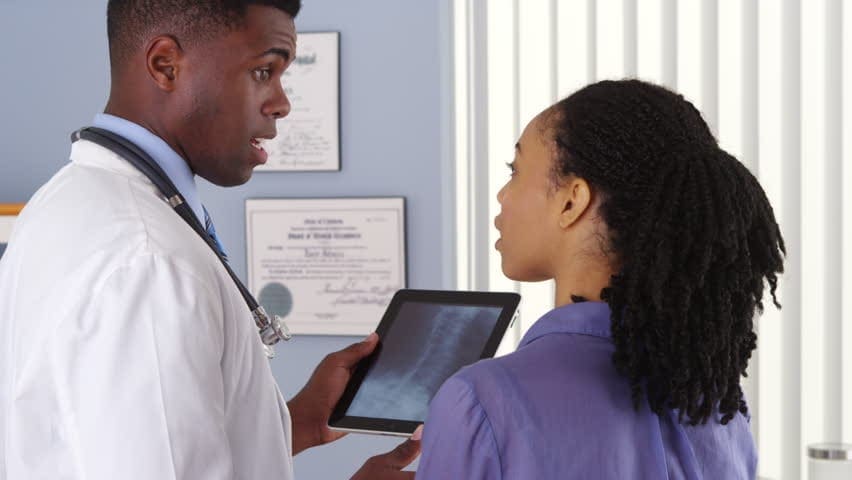
Patients must be advised that the treatment will start after a complete patient history, physical examination, review of past, family histories, and review of systems are completed. Tests might include X-ray, CT, MRI, EMG/NCV, urine analysis and lab blood, referral to a professional, more, depending on each individual case demonstration.
Different Types of Chiropractic Manipulation
There are two general manipulation approaches for spine ailments:
Cervical spinal manipulation – frequently thought of as the conventional chiropractic adjustment, or even a high-velocity, low-amplitude (HVLA) technique
Cervical spinal mobilization – which can be a more gentle/less forceful modification, or even a low-velocity, low-amplitude (LVLA) technique moving the joint through a tolerable range of movement.
The combination of the many approaches varies from patient to patient depending on the healthcare professional’s preferred tactics and tastes, the patient’s comfort and tastes, and the patient’s response to the treatment, in addition to both previous experience and observations made during the course of therapy.
Chiropractors may also use therapy to treat other cervical spine complaints. Adjunctive therapies may include therapeutic heat program, massage exercises, and more. Chiropractic manipulation can handle numerous causes of neck pain. It’s not a cure for every single type of neck problem. Two causes of pain which originate in the neck and may be treated by manipulation comprise of mechanical neck pain and disc problems.
Mechanical Neck Pain
Mechanical neck pain comprises of pain associated with the tendons, joint capsules, ligaments and/or the fascia. This type of issue is a frequent cause of neck pain and stiffness.� Facet joint issues are a well-known case of mechanical neck pain. The facets are located in the back of the neck. If a facet joint is hurt or sprained, pain may be localized or may radiate along other upper extremities. The pain pattern depends upon the specific level and is unique.
Cervical Disc Issues
Tears may develop in the cervical disc and/or the inside of the disc (the nucleus) may herniate through the outer area (the annulus) and trap or pinch the nerve root as it leaves the spine.
Cervical nerve root irritation can frequently refer pain down the arm and into the hand, typically affecting particular areas like the 4th and 5th digits, the palms side thumb to 3rd fingers and/or the back of the hands on the thumb, index finger side of the hand, depending on which nerve root is irritated.
On rare occasions, if the nucleus of the disc herniates straight backward, it can compress the spinal cord and create symptoms in the legs and also impact the function of the bowels and/or bladder. On such occasions, the patient needs to be referred to a spine surgeon to get prompt care.
These are two examples of types of cervical spine conditions which may be treated with spinal manipulation. The patient needs to receive a whole exam prior to receiving any kind of manipulation.
The scope of our information is limited to chiropractic and spinal injuries and conditions. To discuss options on the subject matter, please feel free to ask Dr. Jimenez or contact us at 915-850-0900 .
By Dr. Alex Jimenez
Additional Topics: Wellness
Overall health and wellness are essential towards maintaining the proper mental and physical balance in the body. From eating a balanced nutrition as well as exercising and participating in physical activities, to sleeping a healthy amount of time on a regular basis, following the best health and wellness tips can ultimately help maintain overall well-being. Eating plenty of fruits and vegetables can go a long way towards helping people become healthy.
It’s a frequent occurrence: You twist or tilt your head to the side and your neck cracks. You could be asking yourself why your neck does that but more importantly, is it something to be concerned about?
Rest assured that, typically, neck-cracking is nothing to worry about. However, there are a few exceptions when popping in the neck may be an indication of a more serious issue. It’s worth learning about the signs of unhealthy neck cracking.
Crepitus: Benign Joint Cracking
Whenever a joint in the body creates a cracking, popping, or grinding sound or feeling, this is referred to as crepitus. Experts think that crepitus is caused by gas bubbles in the synovial fluid of the joint being formed or bursting. Crepitus is considered benign, and studies haven’t shown any signs that it may cause joint damage or raise risk for arthritis.
A surefire indication that a neck crack is the end result of crepitus would be to repeat the motion that caused it and see if it happens again. Otherwise, the crack was probably crepitus. It requires about 20 minutes to the gas bubbles to reform.
When Neck Cracking Becomes a Concern
Generally speaking, neck cracking probably does not indicate a problem. However, a doctor ought to be consulted if neck cracking communicates some of the following symptoms:
Pain or swelling. Neck crepitus with pain or swelling could indicate osteoarthritis or some other kind of process .
Recent accident or injury. If the neck is creating new cracking or grinding sounds after trauma following a car crash or a fall, then that may signal a structural change which may need proper care.
Frequent or constant. If the neck crepitus is continuous, the joint is moved, then that could signal an issue in function, especially when accompanied by pain.
Recent surgery. Sometimes the neck develops crepitus after surgery in the cervical spinal column. While they could be normal and nothing to worry about, hey need to be mentioned to the surgeon in case.
Could Neck Cracking Cause More Serious Issues?
Some individuals regularly crack their neck on purpose, either due to a nervous habit or perhaps to bring some therapeutic relief from neck tightness. As such, it’s typical for people to wonder if by cracking the neck, the joints can be worn down and lead to arthritis.
The medical literature indicates that repeatedly cracking the neck, or some of the synovial joints throughout the body, doesn’t increase an individual’s risk for developing arthritis at those joints. Some studies suggest negative effects, such as loosened ligaments, could potentially result from this, however.
While quite infrequent, there are reports of vertebral artery dissection leading to a stroke following specific forms of manipulation of the cervical spine. This is likely to happen if the patient seeks treatment from a health care professional who doesn’t practice spinal manipulation. As a normal precaution, anyone experiencing concerning symptoms like nausea, nausea, lightheadedness, numbness, tingling, or other troubling symptoms not listed here, should consult with a qualified medical professional immediately.
The scope of our information is limited to chiropractic and spinal injuries and conditions. To discuss options on the subject matter, please feel free to ask Dr. Jimenez or contact us at 915-850-0900 .
By Dr. Alex Jimenez
Additional Topics: Wellness
Overall health and wellness are essential towards maintaining the proper mental and physical balance in the body. From eating a balanced nutrition as well as exercising and participating in physical activities, to sleeping a healthy amount of time on a regular basis, following the best health and wellness tips can ultimately help maintain overall well-being. Eating plenty of fruits and vegetables can go a long way towards helping people become healthy.
A cervicogenic headache begins in the cervical spine, or the neck. Sometimes these headaches mimic migraine headache symptoms. Initially, discomfort may start intermittently, spread to one side (unilateral) of the individual head, and become nearly continuous. Furthermore, pain can be exacerbated by neck movements or a particular neck place (eg, eyes centered on a pc monitor).
Possible Causes of Cervicogenic Headaches
The trigger of a headache is often associated to extreme tension to the neck. The headache may be a consequence of cervical osteoarthritis, a broken disc, or whiplash-type movements that irritates or compresses a cervical nerve. The neck’s bony structures (eg, aspect joints) and its delicate tissues (eg, muscles) can give rise to the improvement of a cervicogenic headache.
Nervous System Function
Certain nerves structures are involved in several cervicogenic headaches. Spinal nerves are signal transmitters that allow the body via the spinal cord and communication between the brain. At each level of the cervical spine is one on the right of the spine and a set of nerves; one on the left side. C1, C2 or C3 may be involved in development of cervicogenic headaches because these nerves permit function (motion) and feeling of the head and neck. Compression can cause pain and inflammation.
Cervicogenic Headache Symptoms
A cervicogenic headache provides in base and the back of the skull as a steady, non-throbbing pain, sometimes extending downward into the neck and between the shoulder-blades. Pain could be felt behind forehead and the brow, although the problem originates in the cervical spine.
Pain usually starts after a sudden neck movements, such as a sneeze. Along with head and neck discomfort, signs may include:
Stiff neck
Nausea and/or vomiting
Dizziness
Vision
Sensitivity to light or sound
Pain in both arms or one
Risk facets that will be engaged in headache on set or irritate cervicogenic headaches include:
Fatigue
Sleep difficulties
Disc problems
Current or neck injuries that are preceding
Poor posture
Muscular stress
Diagnosis of Cervicogenic Headaches
The analysis of a headache commences using a thorough medical background using a physical and neurological evaluation. Diagnostic testing may include:
X-rays
Magnetic resonance imaging (MRI)
CT Scans (rarely)
Nerve block injections to validate the diagnosis, cause
Treatment for Cervicogenic Headaches
Initially, your doctor may advise an over-the counter nonsteroidal anti inflammatory drug (eg, aspirin, Aleve). If this is ineffective, then a prescription anti-irritation and pain reliever might be prescribed. Other treatment options, outlined in purchase of from non-invasive to invasive, include:
Spinal manipulation or alternative manual therapies
Behavioral methods (eg, bio feedback)
Acupuncture
Trigger level injections
Prolotherapy
Facet joint blocks (a type of spinal joint injection)
Nerve blocks (this is generally of the medial branches of the nerves that provide you with the the facet joints)
Radiofrequency pulse ganglionotomy of the nerve root (eg, C 2, C-3)
Spine surgery to reduce nerve or vascular compression (this is rarely necessary)
The scope of our information is limited to chiropractic and spinal injuries and conditions. To discuss options on the subject matter, please feel free to ask Dr. Jimenez or contact us at 915-850-0900 .�
By Dr. Alex Jimenez
Additional Topics: Cervicogenic Headache and Chiropractic
Neck pain associated with whiplash-associated disorders resulting from an automobile accident are reportedly the most prevalent cause for discomfort along the cervical spine. The sheer force of an impact from a rear-end car crash or other traffic incident can cause injuries or aggravate a previously existing condition. While neck pain is commonly the result of damage to the complex structures of the neck, cervicogenic headaches may also result due to neck issues. Chiropractic care can help carefully restore the alignment of the cervical spine to relieve headaches and neck pain.
Manual manipulations and spinal adjustments have been demonstrated to be successful treatment alternatives for patient’s with headaches.
Chiropractic’s capability to correct bio-mechanical dysfunctions can help eliminate common factors which may lead to head and neck pain. A majority of headaches are associated with neck pain and other cervical spine issues, best known as cervicogenic headaches. These headaches are musculo-skeletal in nature and are related to tension headaches, which may also relate to migraines.
According to some research studies, there’s less risk of further injury or aggravation of a previous condition through chiropractic adjustments than with popular medical remedies. Additionally, newest research indicates that nine percent of men and 12 percent of women in the United States experience at least one to two headaches per month, with four percent of the population experiencing more regular headaches.
Prevalence of Head Pain & Neck Pain
Two-thirds of all adult males and greater than 80 percent of females in developed countries suffer from persistent headaches, according to the World Wellness Organization (WHO). Headaches are just as harmful in developing nations as well, primarily because such are not considered to be a symptom of disease. WHO estimates that about half of the individuals who experience headaches never receive any treatment for them.
People who suffer from chronic, everyday headaches amount to about four or five percent of the world’s population, surpassing the percentage of several other common illnesses. Experts genuinely believe the connection of headache victims to those with disabilities is approximately the same.
Headaches are so frequent that Americans pay more than one billion annually to get alleviation from them. Medical expenses plus lost-work time and productivity accounts for an estimated $50 billion in losses for American companies. Just as troubling: The discomfort associated with headaches and migraines might be so extreme, it’s often reported that mental illness follows soon after.
Approximately 95 percent of headaches are categorized as stress, migraine, or cervicogenic, originating in the neck. Symptoms include head pain on either side of the head or a stiff feeling in the neck, along with tightness and soreness. A small percentage of headaches is on the array that is more hazardous and it’s possible for these to need further referral to appropriate healthcare professionals to treat them as necessary.
Treatment for Headaches Associated with Neck Pain
By utilizing risk-free and beneficial treatment protocols, many doctors of chiropractic, or DCs, effortlessly help many individuals reduce the symptoms of headaches. A spinal adjustment can certainly help lessen the strain being placed on the spine and its surrounding structures, such as muscles, tendons, ligaments and blood vessels, diminishing the signs of a headache and allowing for better function.
Particularly as it relates to neck modifying, many people have worries about chiropractic manipulation. Atlas Orthogonal chiropractic is a different kind of chiropractic treatment which is performed without manipulation of the head or neck. The �snap,� �crack,� or �pop� sound usually associated with chiropractic or osteopathic manipulation is not necessary to move a vertebra, especially the atlas or upper cervical joint complex.
Chiropractors in general are perhaps not taught aggressive, forceful techniques; the type that’ll injure vessels or tissues. Chiropractors are taught to use speed and finesse as an alternative to pressure. When the physician performing the procedure compensates for slow-pace by increasing pressure in the manipulation, problems can occur.�Chiropractors provide by far the greatest number of manipulations to the spine than any other profession, but other healthcare professionals can also perform manipulation and mobilization techniques.
Chiropractic health practitioners have had the same simple coaching as any other primary care physician. The variation between DCs and MDs lies in their treatment protocols for certain types of injuries and/or conditions.
Conclusive Findings
The need to seek assistance in emergencies is essential, if all other choices happen to be explored. When seeking specific treatment for cervicogenic headaches as well as neck pain, it’s suggested to seek medical attention with Atlas Orthogonal chiropractic, followed closely by other actions that are less-invasive. Surgery is often suggested and recommended to be used as a last option unless otherwise necessary.
Most people that have had an Atlas Orthogonal chiropractic adjustment report feeling as either a puff of force or nothing at all. They hear a tiny tap and they describe feeling the neck’s tightness and soreness decrease. Some explain the experience as initially underwhelming.� Others report a wave like feeling rushing through the body, especially after various treatments. The healthcare professional�may determine substantial changes between his objective findings from before the adjustment and those he finds afterwards in the patients.
About the Atlas Orthogonal Chiropractic Technique
Atlas Orthogonal chiropractic therapy could be an excellent instrument in the prevention of headaches, accidents and several other problems and includes a calming outcome for many individuals.
The scope of our information is limited to chiropractic and spinal injuries and conditions. To discuss options on the subject matter, please feel free to ask Dr. Jimenez or contact us at 915-850-0900 .�
By Dr. Alex Jimenez
Additional Topics: Cervicogenic Headache and Chiropractic
Neck pain associated with whiplash-associated disorders resulting from an automobile accident are reportedly the most prevalent cause for discomfort along the cervical spine. The sheer force of an impact from a rear-end car crash or other traffic incident can cause injuries or aggravate a previously existing condition. While neck pain is commonly the result of damage to the complex structures of the neck, cervicogenic headaches may also result due to neck issues. Chiropractic care can help carefully restore the alignment of the cervical spine to relieve headaches and neck pain.
The Atlas Orthogonal chiropractic therapy is a specialization within the field of chiropractic. It’s widely recognized as a safe and effective form of treatment which helps restore the natural integrity of the body. This technique aids to re-activate the body’s natural healing abilities.
The atlas is the top, upper vertebrae of the spine in which the head sits on, connecting the skull and the spine. Orthogonal means at right angles, or square. The atlas must be leveled, or square, on the cervical spine, or neck, and the head must be square, or leveled on the atlas.
If the atlas becomes misaligned, or subluxated, it can cause the head to tilt. As a result of the altered posture, the body will instinctively try to straighten the head up by compensating the posture of the spine while also trying to maintain the proper center of gravity on the body. This however, can create on the spine, adding stress throughout the shoulders, the pelvis, the hips, the knees, and the ankles.
Subluxations, or misalignments, can ultimately be deceiving. People often report experiencing symptoms of pain and discomfort along their back, shoulders, arms and legs while the source of their symptoms often originates along the cervical spine or neck.
The Atlas Vertebral Segment
Specialty of the Atlas Orthogonal
The Atlas Orthogonal chiropractic therapy involves gentler adjustment techniques than traditional chiropractic adjustments, where no intense manipulations are required. The Atlas Orthogonal chiropractic technique utilizes an adjusting instrument developed by Dr. Roy W. Sweat with the aid of engineers at Georgia Tech University. The precision of the Atlas Orthogonal Instrument allows for an adjustment with specifically gentle pressure, one which differs from general chiropractic manipulations.
Atlas Orthogonal recognizes the whole influence that the health of the upper cervical spine has on overall structure and function. It is now believed that input into the brain from the spinal buildings is the primary impact on health which chiropractic helps.
This input is what seems to balance specific manual pressure input, through high velocity. This impact is perhaps greatest at the occipito-atlanto-axial joint complex. That’s, the occiput, or base of the skull, on the atlas, which comes in contact with the second vertebra in the cervical spine, or the axis. When the atlas is subluxated, misaligned or shifted, adversely affecting the nerves, further complications may develop.
How the Atlas Orthogonal Instrument Works
Dr Sweat used traditional chiropractic adjustments and manual manipulations to treat patients for over 20 years. He then began using Atlas Orthogonal chiropractic techniques, specializing on correcting spinal issues with a precision adjustment instrument. Utilizing such an instrument eliminated many of the existing variables associated with hand contacts and thrust variation in treatment.
Atlas Orthogonal chiropractic therapy efficiently corrects issues which affect the normal range of motion of the vertebrae by producing a voluntary muscular contraction in comparison to manual manipulations which, by definition, take the joint, or several joints, beyond its present range of motion.
After several prototypes created throughout the years, the instrument nowadays is made from a metallic density, activated with a solenoid, or a magnetically influenced stylus which transfers to the conclusion in contact with all the skin’s surface. The pressure produced on the skin is as little as 3 pounds. The movement of the atlas bone has been verified through radiographic studies or X-rays.
Assorted Benefits of the Atlas Orthogonal
Recent studies demonstrate this phenomenon of leg duration inequality (LLI) might be engaged in spinal discomfort syndromes. The patient lies on their straight back, the healthcare professional’s contact with all the legs and feet is reserved to a minimum, while the variation in leg-length is measured. When the patient rests after each adjustment, this can be measured again, and also the chiropractor evaluates exactly what the change means.
The Atlas Orthogonal specialist contacts the soft-tissue overlying the factors of exit of the correct and left C 1 and C2 nerves and tissue compliance, irritation and tenderness. The four points are then rated from 0 to 3, with 3 being the most severe. There should be some instant improvement in the palpation after adjustment.
If more objectivity is needed, the more accepted method of algometry, or use of an epidermis pressure instrument, over the neck can elicit the same result. Instruments are being developed in the USA to supply goal measurement-based on tissue compliance.
Atlas Orthogonal chiropractic techniques ultimately can help relieve asthma, headaches, migraines, dizziness, arthritis, fibromyalgia, poor posture, trigeminal neuralgia, arm/leg pain, autism, allergies, neck/ back pain, carpel-tunnel, herniated disc, and stress, among others.
The scope of our information is limited to chiropractic and spinal injuries and conditions. To discuss options on the subject matter, please feel free to ask Dr. Jimenez or contact us at 915-850-0900 .
By Dr. Alex Jimenez
Additional Topics: Cervicogenic Headache and Chiropractic
Neck pain associated with whiplash-associated disorders resulting from an automobile accident are reportedly the most prevalent cause for discomfort along the cervical spine. The sheer force of an impact from a rear-end car crash or other traffic incident can cause injuries or aggravate a previously existing condition. While neck pain is commonly the result of damage to the complex structures of the neck, cervicogenic headaches may also result due to neck issues. Chiropractic care can help carefully restore the alignment of the cervical spine to relieve headaches and neck pain.
Chiropractic care is a non-conservative, alternative treatment option, preferred by many individuals who seek a more natural approach to treat their spinal complications. A chiropractor is a health care professional who focuses on the diagnosis, treatment and prevention of injuries and conditions associated with the musculoskeletal and nervous systems, with a greater emphasis on the spine.
The goal of chiropractic treatment is to reduce painful symptoms and improve the function of the structures of the body as well as educating patients to maintain their overall health and wellness via the proper practice of ergonomics, stretches and exercises.
Chiropractic care is generally categorized as complementary medicine, stimulating the individual’s body to heal itself naturally, without the need of drugs, medications and/or surgery. This practice focuses to improve the relationship between the spine and the nervous system.
A structural misalignment of the spine and/or a bio-mechanical derangement of the vertebral bones can affect the complex network of nerves found throughout the body. In these cases, the goal of chiropractic is to reduce the pressure on the neurological tissue in order to restore the structural integrity of the spine and improve the function of the nervous system, ultimately restoring the well-being of the patient. The primary treatment of a chiropractor is to re-establish the original mobility of the spine, alleviating irritation and inflammation on the structures surrounding the spine.
While a chiropractor, or doctor of chiropractic (DC), is qualified and experienced in the treatment of a variety of spinal conditions, other healthcare professionals within the field of chiropractic have special training in specific areas of the spine, utilizing different forms of treatment than the general chiropractor.
Atlas Orthogonal for the Cervical Spine
Atlas orthogonal is a specialized chiropractic technique which utilizes a precise adjusting instrument to treat complications along the cervical spine, or neck. This type of adjustment has been recognized for its precision and gentleness, in comparison with traditional chiropractic adjustments and manipulations, using only three ounces of pressure per procedure.
As a matter of fact, many patients find it hard to believe how such a light technique can provide them relief, at least until they begin to experience decreased pain and discomfort as well as improved function.
There are many different techniques to adjust the spine. The Atlas Orthogonal procedure is a system which helps balance the anatomical structure of the spine and its surrounding tissues, reducing neurological symptoms caused by spinal misalignment, or subluxation, without using manual manipulation. Atlas Orthogonal incorporates the use of a state of the art floor-based percussion adjusting instrument along with precision X-ray analysis, to properly diagnose, treat and prevent further complications within the cervical spine, particularly the atlas, the topmost vertebra of the spine in which the axis forms the joint that connects the skull and spine.
Most chiropractors, or doctors of chiropractic (DCs) use methods of adjusting where they feel the spine, followed by a manual manipulation or spinal adjustment performed by applying force along the affected structure until a “popping sound” is heard. With the Atlas Orthogonal chiropractic technique, the chiropractor uses specific X-rays to view the cervical spine and determine exactly where and how the vertebrae are misaligned or subluxated. The Atlas Orthogonal Percussion Instrument, utilized for the procedure, is then set with those specific vectors to accomplish the precise and gentle adjustment. The patient feels no force and hears no pops or cracks. Patients adjusted this way stay in adjustment longer than patients who receive treatment with other chiropractors. This means fewer adjustments and more cost-effective health care.
The Atlas Difference Summary
Gentle, effective approach ideal for children, elderly and osteoporotic patients
Modern equipment along with the latest techniques
Specific care that is specialized means fewer adjustments needed
About the Atlas Orthogonal Procedure
In conclusion, chiropractic care is a safe and effective treatment for both neck and back pain, as well as other spinal complications. According to the patient’s needs, some chiropractic adjustment techniques may be most beneficial to them than others. The Atlas Orthogonal chiropractic technique is a gentle and precise form of adjustment which can benefit many patients with cervical spine issues. Despite the variety of treatment and care options available in the chiropractic field, it’s ultimately important for people to treat their spinal complications to achieve overall health and wellness.
The scope of our information is limited to chiropractic and spinal injuries and conditions. To discuss options on the subject matter, please feel free to ask Dr. Jimenez or contact us at 915-850-0900 .
By Dr. Alex Jimenez
Additional Topics: Cervicogenic Headache and Chiropractic
Neck pain associated with whiplash-associated disorders resulting from an automobile accident are reportedly the most prevalent cause for discomfort along the cervical spine. The sheer force of an impact from a rear-end car crash or other traffic incident can cause injuries or aggravate a previously existing condition. While neck pain is commonly the result of damage to the complex structures of the neck, cervicogenic headaches may also result due to neck issues. Chiropractic care can help carefully restore the alignment of the cervical spine to relieve headaches and neck pain.
There are many types of headaches. Is yours the dull pain that comes from a tension headache, or is it the forceful pounding, throbbing, and nausea from a migraine? Getting good headache treatment starts with identifying which type of headache you have.
Types Of Headaches
There are three main types of tension headaches -type, cluster, and migraine.
Many structures changes, and sense pain, particularly tension in muscles. However, the brain itself has no pain and also you have a headache as the surrounding tissues report their discomfort.
Tension headaches result from straining muscles that cover your skull, or your face or neck muscles. They might also occur when the blood vessels that circulates in your mind, face, and open. Exercise stress, and medication are a few things that could make your blood vessels open and provide you with a short-term tension headache.
Headache pain from tension headaches comes on gradually, and after that clears up in a number of hours. Just in case your tension headaches are severe or occur, you should see your doctor. Most headaches are just a part of life and no cause for concern.
Should you experience a cluster headache, the pain certainly will occur, and that’s sharp concentrate behind one eye. Headache experts attribute these headaches that are sudden and problems using a part of your brain called the hypothalamus.
Migraine Headaches And Their Symptoms
More than 60 million American adults report experiencing a migraine, and they affect women in a rate 3 times higher than men.1 Most people with migraines experience their first migraine as an adult, but children and teenagers can fall victim to them, too.
A pounding, deeply or pulsating throbbing aching headache, nausea, and pain which is immobilizing are the main symptoms of migraine headaches. Other common symptoms may include:
One-sided blind spots and blurred vision
Sensitivity to light, noise, or odors
Fatigue and confusion
Feeling sweaty or cold
A stiff or tender neck
Light-headedness
About 20% of people with migraines experience an aura lasting 15 to 20 minutes in front of the onset of the actual migraine.1,2 The most common aura is visual where people experience blind spots, flashing lights, and glowing zigzagging forms. Auras involve other senses, such as for example a tingling feeling or numbness. They confuse the migraine victim and may affect speech.
Causes Of Migraines
Medical experts aren’t sure what causes migraines. Shifting levels of serotonin together with other chemicals in the brain may provoke migraines, but brain scientists and neurologists admit that people have a great deal to learn before we understand the cause completely.
The list below covers a selection of migraine causes; learn more about what causes migraines in our detailed migraine and headache causes article.
You will discover a number of migraine triggers. And meaning you should consider avoiding food can often triggers migraines:
alcoholic beverages
caffeine
legumes, pea pods, lentils, beans, nuts, and peanut butter
pickled and fermented foods such as pickles, soy sauce, sauerkraut, and olives
bologna, ham, herring, hot dogs, pepperoni, sausage, and aged or cured meat
meat tenderizer, seasoned salt, bouillon cubes, and monosodium glutamate (MSG)
buttermilk, sour cream, and other cultured dairy
aged cheese
the artificial sweetener aspartame
avocados
onions
passion fruit and papaya
coffee cake, donuts, sourdough bread, and other items containing brewer’s yeast or fresh
chocolate, cocoa, and carob
figs, plumbs that are red, and raisins
Other common migraine triggers include:
fumes and strong odors
stress
bright lights
loud noises
fatigue
depression
weather changes
poor sleep
interruptions for example missing a meal, in your diet
certain medications
hormonal changes
smoking
exercise, sex, and other activities that are intense
In the event you live with migraine headaches, avoiding triggers may help you reduce the number of episodes you will need to endure.
The scope of our information is limited to chiropractic and spinal injuries and conditions. To discuss options on the subject matter, please feel free to ask Dr. Jimenez or contact us at 915-850-0900 .�
By Dr. Alex Jimenez
Additional Topics: Cervicogenic Headache and Chiropractic
Neck pain associated with whiplash-associated disorders resulting from an automobile accident are reportedly the most prevalent cause for discomfort along the cervical spine. The sheer force of an impact from a rear-end car crash or other traffic incident can cause injuries or aggravate a previously existing condition. While neck pain is commonly the result of damage to the complex structures of the neck, cervicogenic headaches may also result due to neck issues. Chiropractic care can help carefully restore the alignment of the cervical spine to relieve headaches and neck pain.
IFM's Find A Practitioner tool is the largest referral network in Functional Medicine, created to help patients locate Functional Medicine practitioners anywhere in the world. IFM Certified Practitioners are listed first in the search results, given their extensive education in Functional Medicine