Chiropractor, Dr. Alexander Jimenez�Finds Prescription Painkillers Most Common Treatment for Patients Seeking Care for Back Pain More than half of Americans suffer from back pain, as well as for those that seek treatment, doctors turn most often to prescription drugs
Ann Arbor, MI, May 19, 2017 � Many Americans (51 percent) have experienced back pain in the last 12 months, and of the 58% of those who sought treatment from a medical professional, 40 percent said they were recommended prescription painkillers, according to the Truven Health Analytics-NPR Health Poll.
Truven Health Analytics�, element of the IBM Watson Health business, and NPR run a national poll that is bimonthly to gauge opinions and attitudes on a broad variety of health�issues.
Following Are The Poll�s Findings:
Back Pain Plagues�Americans: Fifty one percent of Americans said they’ve endured from back pain in the last 12 months, and 46 percent of people who experienced pain said they are still in distress. Over half (58 percent) of back pain sufferers sought attention, with 70 percent visiting a medical doctor and 14 percent seeing a chiropractor.
Prescription Pain Killers are the Most Common Treatment: Of the 70 percent of back pain sufferers who sought care from a medical doctor, 40 percent were prescribed prescription pain killers, a rate that tended to decrease with increasing age of the patient. Other treatments prescribed were exercise/physical therapy (31 percent), shots (20 percent), massage (17 percent), steroids (17 percent), over-the-counter painkillers (13 percent), operation (12 percent), or another form of treatment (37 percent).
Almost a Third Stay in Pain with Treatment: Among all respondents, 25 percent said their back pain remained the same and five percent said their pain got worse. Forty-five percent said their pain improved, and 25 percent said it went away entirely.
�Experiencing back pain is extremely common among Americans, and there are a number of factors that may contribute to it, some of which are treatable without prescription pain killers, � said Anil Jain, MD, Vice-President and Chief Health Informatics Officer, Value-Based Care, IBM Watson Health. �These data reveal that when care is sought by the patients, they are generally prescribed painkillers. Compounding this challenge, back pain sufferers that are prescribed opioids for pain may be particularly at risk for dependency and addiction. Checking inappropriate opioid prescriptions for long-term pain is a focus of efforts by suppliers to fight the current opioid epidemic.�
To date, the Truven Health Analytics-NPR Health Survey has investigated numerous health topics, including vaccines generic drugs, data privacy, narcotic painkillers, and sports-related concussions. NPR archives reports on the surveys online in the Photos health blog here. Truven Health keeps a library of survey results here.
The Truven Health Analytics-NPR Health Poll is powered by the Truven Health PULSE� survey, an independently funded, nationally representative, multimodal poll that collects information about health-related behaviours and approaches and healthcare use from 80, 000 U.S. homes annually.
The results represent responses from 3, 002 survey participants interviewed from March 1 � 16 , 2017. The margin of error is /- 1.8 percentage points.
About NPR
NPR is an award winning, multimedia news organization and an influential force in American life. In collaboration with more than 900 independent public radio stations nationwide, NPR strives to generate a more educated public�one challenged and invigorated by way of a deeper understanding and grasp of ideas, events and cultures.
About Truven Health Analytics, section of the IBM Watson Health Company
Truven Health Analytics�, a part of the IBM Watson Health� company, supplies market-leading performance development solutions built on advanced analytics, data integrity and domain expertise. For over 40 years, our insights and alternatives have already been providing hospitals and clinicians, employers and health plans, state and government services, life sciences companies and policymakers, the facts they must make confident choices that directly alter the health and well-being of people and organizations in america and around the world. The firm was acquired by IBM in 2016 to help form a new business, Watson Health. Watson Health aspires to improve lives and give expectation by presenting innovation to deal with the world�s most pressing health challenges through cognitive insights and data.
Chiropractor, Dr. Alexander Jimenez gives insights into the most common questions about whiplash.
What Is Whiplash?
Whiplash, although not technically a medical term, can be quite painful and is quite serious. We call it whiplash because, within an accident, your neck actually can whip back and forth�first backward (hyperextension) and then forwards (hyperflexion). Doctors call whiplash a neck sprain or strain. Whiplash is an injury to the soft tissues of your neck and upper back that occurs when ligaments and your muscles get overstretched in the strength of an accident.
What Causes Whiplash?
The most common source of whiplash is car accidents. Nonetheless, you can even get whiplash from a sports injury or a fall. It’s also possible to get whiplash when you are hit or shaken.
What Are Some Non-Surgical Ways To Take Care Of Whiplash?
Time is just one of the greatest non surgical treatment options for whiplash. Most instances of whiplash recover by themselves to some months in several weeks. Your doctor may also indicate: wearing a cervical collar, cervical traction, chiropractic adjustment, physical therapy, and pain drugs as you heal.
Will I Need Surgery?
Patients with whiplash quite, very rarely need surgery. If, nevertheless, you’ve been through wide-ranging non-operative treatments and also you have pain, surgery may be considered by you. There are several kinds of surgery useful for whiplash
Corpectomy:
Sometimes whiplash induces the spinal canal to narrow because of how a soft tissues (muscles, ligaments, and tendons) and bones moved throughout the first injury. By removing area of the vertebra and the intervertebral disc using a corpectomy, the surgeon is wanting to make more room in your spinal canal.
Discectomy:
The surgeon will remove section of the intervertebral disc, which may be pressing on your own spinal cord or alternative nerves and causing pain. Sometimes, the surgeon will have to do a spinal fusion at the same time as the discectomy. The fusion plans to permanently stabilize that region of your spine, although not everyone who has a discectomy will need a fusion.
Foraminotomy:
As with a corpectomy, a surgeon uses a foraminotomy to make more room for your nerves that could have gotten pinched and compressed throughout the harm. In this process, the foramina (the place where the nerve roots leave the spinal canal) is removed to boost the size of the nerve pathway.
El Paso, TX. Chiropractor Dr. Alex Jimenez examines the “lats,” along with exercises and stretches.
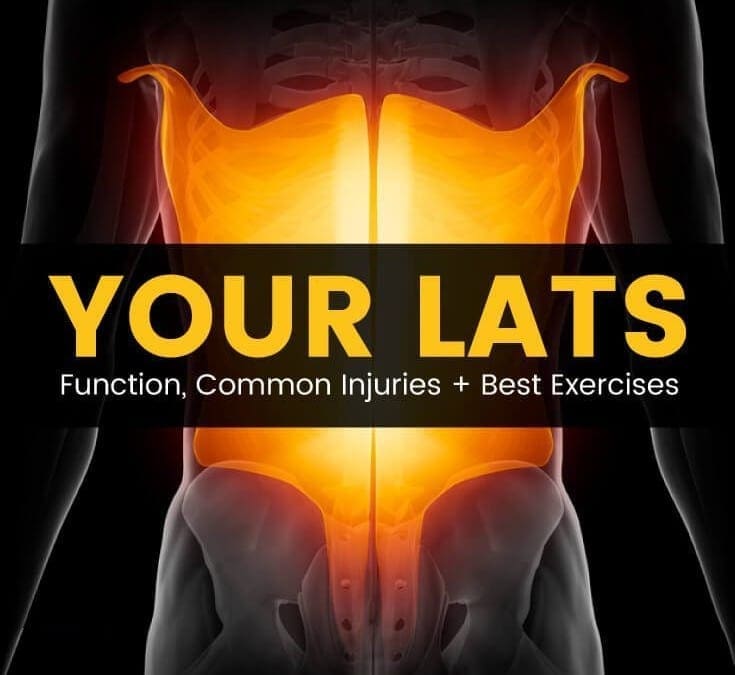
The latissimus dorsi muscles � generally only called �the lats� � are the two biggest, broadest muscles in your back and, overall, one of the largest muscle groups in the entire body. As extensor muscles, the lats mostly have the job of assisting to lift upward the arms as they reach and lengthen. The lats take part in other important functions beyond shoulder extension too, including internal rotation of supporting core equilibrium and the torso.
In case you perform pulldowns, rows or lifting exercises for the shoulders using a resistance band or machine, odds are you�re already strengthening and participating your lats. Nevertheless, it�s common even for sportsmen to wind up growing latissimus dorsi muscles that are tight due to overuse or little stretching � lower back pain and considered to be an important cause of both long-term shoulder.
For individuals who are performing strength-training moves, back and the lats are crucial areas to concentrate on. Based on a report in the Journal of Orthopedics, �Because the latissimus dorsi connects the spine to the humerus, tightness in this muscle can show as either sub-optimal glenohumeral joint function (which results in persistent shoulder pain) or tendinitis in the fasciae linking the latissimus dorsi to the thoracic and lumbar spine.�
Considering the primary function of the latissimus dorsi muscle would be to help in movement of the arms and protection of the spine, just about everyone may benefit from incorporating lat exercises in their day to help with range of motion, equilibrium, improving equilibrium and upper body strength.
What’s The Latissimus Dorsi?
Both latissimus dorsi muscles situated in the middle of the back are big, level, normally strong muscles that are posterior (next to) to the trapezius muscles in the arms. They help connect the back to the arms/upper extremities and support stability and overall strength of the entire torso. Considering that the lats are linked to the arms and upper back, they can play a role in preventing slouching help hold the back erect and so are used to maintain good posture.
The underparts of the the lats extend to the tops of glutes, lower back and close to the tailbone. Twisting or spinning movements in the back, plus lifting the arms overhead, both engage these muscles, making them important for general coordination, balance and upper body strength. Due to their size, strength and involvement in numerous motions of the body, exercising the heart, including the lats, along with being confident to stretch them enough are vital for preserving range of movement and a healthier back into older age.
What Do The Lats Do?
There are there are only three main muscles in the upper back: the trapezius, latissimus dorsi (lats), and erector spinae. Here�s a breakdown of the fundamental functions of the lats:
Extension of the arms overhead, backward and downward � The lats are also generally used simply because they keep the back and core upright when folks walk and swing their arms from side to side.
Adduction (motion of the shoulder toward the midline) and transverse extension, which is also called flat abduction � One Among the most crucial occupations of the lats is enabling both arms to move towards the torso within an adduction movement.
Medial (internal) rotation of the shoulder joint, which really helps to transfer the scapulae.
Flexion when standing location that is lengthy, within an erect � Including extension and lateral flexion of the lumbar spine, helping to contract and lengthen�the back muscles with moves up and down
What exactly are a few of the essential benefits of getting strong lats? Based on the way the lats support the back, arms and core advantages of building strength and flexibility in this region include:
1. Keeping strength in the shoulders, upper back and arms
You�re likely conscious that the shoulders are just one of the very most utilized parts of the body � whether you�re an athlete or only someone going about your day-to-day routine. The shoulders are involved in motions like throwing, holding up heavy items or weights, like getting reaching before you or behind, and functions, swinging, reaching and lifting the arms overhead.
The lats help support many motions of the shoulder muscles, joints and bones and are participated during many common shoulder exercises like boards, presses, lifts and pulls. Should you previously suffer with shoulder pain � for example on account of factors that degenerate connective tissue rotator cuff injury, such as older age, osteoarthritis or overuse � studies imply stiffness and your symptoms will likely just get worse if your lats/back become weaker. (2)
2. Stability through the center, which can be important for posture, balance and preventing falls
Both the lower back as well as the outer-middle part of your back (sidelong back muscles) are a part of your �core,� which means both must be powerful and flexible to support you as you stand erect. Bad position due to a weak back is linked to many different difficulties you might not comprehend � such as respiratory difficulties, headaches, digestive issues, poor sleep and also tingling.
A powerful core, all of the way from your font body (abs) wrapping around to your back, acts like a built-in girdle so you�re shielded as you sit, stand and walk each day. Strengthening your lats will help in keeping your abdominal muscles pulled in your shoulders pulled back and your body from entire feeling tired or weak through the day. This is essential for maintaining equilibrium and keeps extra pressure off the lower back, particularly as you age.
3. Help with sports or exercise performance (including twisting and rotating the torso/trunk)
Included in maintaining appropriate posture and preventing back pain, your lats help support the back during turnings, when lowering the hips down or when twisting and bending over. Your back muscles work together with abdominal muscles and your obliques to support the spinal column and provide you greater range of motion during all kinds of movements.
If you play with sports such as for instance rowing, golf, gymnastics, swimming, tennis, football, wrestling or basketball � or you work out by running and lively walking � a strong core is indispensable. A number of these actions include having enough flexibility and balance to remain strong on your own feet, keeping the core stable and lifting the arms.
About the Latissimus Dorsi Area
The latissimus dorsi and the teres major, fibres of the deltoid, long head of the triceps and many other stabilizing muscles connect to:. The teres major muscle is placed over the latissimus dorsi muscle. The lats insert to the tubercular groove in the front of the humerus and are partly covered by �the traps� (the upper back muscles) and connect to the deltoids (the front, side and rear of the shoulder).
Here�s an overview of the structure and area of the body enclosing the lats:
Lats originate in the iliac crest located at the base of the spine by the hip bones
They join to thoracolumbar fascia, rough membranes composed of three layers of tissue that cover the deep muscles beneath the trunk, which support the backbone
Lats are encouraging of poor six thoracic vertebrae and inferior three or four ribs
The nerve roots which make up the long thoracic nerve, especially those called C6, C7 and C8, which run through the trunk supply them
Reinforcing the labs usually causes the elbows to bend (flexion) and includes engaging the shoulders, biceps and trapezius muscles. One of the most frequently employed antagonist muscle pairs in the human body range from the pectorals/latissimus dorsi muscles. These antagonist muscles have opposing functions, helping to generate total range of movement. Agonists and antagonists usually exist on opposite sides near a joint, helping to lower and lift. The deltoids and latissimus dorsi muscles lift and lower the entire arm in the shoulder joints.
Common Injuries Affecting the Lats
Motives which you may have lats that are poor or stressed contain:
Not lifting the arms often enough, resulting in arms and stiff or poor shoulders
Developing pain which restricts you from rotating back, exercising, writhing and engaging the back muscles correctly. Risk factors for back pain include history of back injuries or disorder, having muscular tension due to anxiety/worry, and smoking or using tobacco, being overweight or fat, pregnancy, lack of sleep or sleeping in positions that are unsupportive.
Bad position, which often causes low back pain and reduced range of motion
Sitting for too long, for example at work for many hours of the day, which weakens the upper and mid-back
Injuring the low or shoulders back, which prevents flexion adduction and extension
Even though it doesn�t occur very frequently, lat tears have been reported related to sports activities like rock climbing, wrestling, golfing, body-building, gymnastics, basketball among others.
What kinds of side effects or limits can result from these lat-related harms? While rupturing or tearing of the lats is rare, other related pains are common and include:
Shoulder pain: The latissimus dorsi joins the humerus and the backbone, so weakness or tightness in the lats/mid-back can cause pain in the shoulder joints and decrease of upper body functions. Occasionally this results in frozen shoulder or persistent tendonitis pain affecting the fasciae connective tissue.
Back pain: The latissimus dorsi support the thoracic and lumbar regions of the spine, two areas that will develop pain due to factors like bad posture, forward head posture, a sedentary lifestyle (such as hunching over a desk all day) or due to impact and/or trauma. Back pain, whether light or severe, is one of the most typical complaints among adults and experienced by about 80 percent of men and women at one point or another. In many cases of low back pain, the trouble can generally be traced back to not having a powerful enough core, which is often overcome through routine exercise plus stretching (see below). Routinely performing lower back muscles, plus standing and moving throughout the day, can do amazing things to assist in preventing persistent back pain and injury.
Muscle and instability imbalances: Based on Men�s Journal, it�s not unusual for guys to have irregular lat strength which contributes to lack of balance and pressure set on the spine. (9) Postural problems, including spinal abnormalities or injuries that stem to the legs, together with muscle settlements or inactivity put added pressure on the rear. People of all ages experience bad position, but you�re particularly at risk for dealing with side effects because of weak back in the event that you don�t rest enough between workouts, you�re sedentary, elderly than middle aged or heavy. Exercises and strength training will help reduce back pain by increasing flexibility, reducing inflammation, improving posture and reducing muscle damages /weakness in the pelvis or hips.
Finest Stretches and Lat Exercises to Build Strength
Even though you don�t belong to some fitness center or wish to attend some sort of strength-training or yoga course, you practice simple bodyweight exercises and stretches at home improve total flexibility and to be able to build lat strength. Regularly performing several full- body motions and crucial stretches will help relieve core weakness, stiffness in muscle settlements and the low back that extend down through your hips legs.
Do 2�3 of the exercises below, about 1�2 times each week, for important body parts such as the lats. Purpose for 10�15 reps, unless otherwise stated. Follow with the two stretch moves later.
Lat work outs are often best complemented by either 1) a torso workout or 2) a biceps workout.
LAT EXERCISES
Lat Pulldowns Employing A Machine OR
Fundamental pulldown exercises employing a machine in the gym are just one of the greatest methods to engage the lats. You can either take a seat on the machine�s seat or kneel on one or both knees (whichever can help you grasp the bar evenly above your head). Pull down on the bar evenly to bring it down your chest while maintaining your back upright, then lift the bar to starting place back.
Lat Pulldowns Using Exercise Bands OR
Utilizing a resistance band that is economical in the home or the fitness center is a great method to boost latissimus dorsi strength, as well as strength in core and your shoulders. Start by anchoring a band to some steady high point, such as around a pole, and catching each end of the band using your hands. As you bring your hands closer to the very front of your torso, begin with your arms straight and in front of your face, then pull the arms back to flex your elbows.
Chin Ups
Utilizing a pullup bar, face and grab the bar along with your palms facing toward you. Your arms will be stretched overhead in the starting location. Pull your torso up until your head and keep your torso as straight as possible as you lift is the degree of the bar. From this caught position, slowly lower your torso back to the starting spot until your arms are fully extended again. Breath and repeat for about 5-10 repetitions. If this can be too problematic for you personally, try utilizing a seat under your feet for many assistance or a pull up help if accessible.
Seated Rows OR
Employing a machine, sit together with your knees bent so that your shoulders are level with the machine handles as well as your back straight. With a handle in every hand, sit tall as you bend the elbows and pull the handles toward you and transfer the shoulder blades together. Return to starting position and repeat.
Dumbbell One-Arm Rows
Stand near one side of a bench and place your opposite knee and palm flat at the very top of the seat. Maintaining your arm on the bench while you bend over torso and straight horizontal, hold a dumbbell in your hanging hand. Lift the dumbbell up toward your torso/side of your chest while bending the elbow, then lower and repeat. Squeeze your abdomen in and attempt to work with strength and go slowly in both directions, in the place of just relying on momentum.
Setting Torso Lifts (Aka �Supermans�) OR
Placing down on the floor with your fingers interlaced behind your face, lift your torso and shoulders off the floor to engage your back. You are able to either keep your ankles/feet anchored to a floor by placing them under a bar or having someone lift the toes somewhat, or support you. Raise and lower about 5�10 times, going slowly and breathing. Take care never to overextend or yank on your neck.
Yoga Chair Pose (Held Squat)
So your big toes touch lift your arms above your head bringing the palms to face inward, place your feet together. Imagine a seat behind you that�s backward and prepared to catch your hips as you sink your pelvis down and bend your knees. While looking to maintain a straight back, tuck your tailbone down and keep your arms stretched overhead. Hold for 5�10 breaths as you lower further down on your exhales and lengthen through your back on your inhales.
LAT REACHES
Standing Overhead Reach
Although they�re simple to stretch (you only need to extend your arms overhead), the lats are commonly disregarded during most post-workout cool downs. Extend and to gently engage your lats, stand upright with your arms reaching above your face. You might want to slightly bend side to side, but go in order to avoid yanking. Hold your reach for between 10 tucking the tailbone down, continuing to span the rib cage upward and �30 seconds at a time.
Cat- Cows or Kneeling Arm Stretches
You can duplicate the same type of arms-overhead movement as described above when kneeling on a floor on your own shins/knees. Reach your fingertips overhead as you stretch your shoulders to touch the floor and engage your back muscles. Do this while keeping your hips lifted or down near your heels. Hold the stretch for 10�30 seconds while breathing deeply to soften your muscles. This is known as �kid�s pose if you�re if you�re hips remain lifted hips remain low to the ground or �pup pose� �. You may also try other yoga poses by staying kneeled down on your shins while breathing through �cat-cow� moves. Do these as the back in a single direction stretch upward by lifting your torso as you turn and tailbone, then down towards the bottom.
Precautions When Activating the Latissimus Dorsi
If the lats lasts more than 2�3 days and or the rest of your back begin to feel pain through your workout, or pain increases after, back away from exercising the region and rest for at least several days. Start don�t overdo stretches and exercises. In the event you are feeling throbbing, stiffness or notice swelling extending around the upper body, avoid resistance training including the painful areas and consider seeing a doctor or physical therapist for guidance.
Final Thoughts On the Lats
The Latissimus Dorsi (aka �the lats�) are large muscles found in the upper-mid back that help support movement of the arms. Functions of the lats comprise backward or overhead to extension of the arms and shoulders and downward, plus core/torso stability.
The lats stressed due to being overweight overtraining with degenerative problems like arthritis, or deficiency of stretches or can be weak. This can cause chronic low back pain or shoulder pain in some instances.
Exercises for the lats comprise dumbbell raises and presses, pulldowns or pulls, supermans.
El Paso, TX. Chiropractor Dr. Alex Jimenez focuses on the rise in opioid use among older adults.
SpineUniverse reported on a study that indicated a 10% increase in opioid addiction or dependency in patients prescribed such drugs to take care of postoperative pain. Although spine surgery was not among the forms of operations included in the research, it�s intriguing to see that 3% of the patients ages 55-years plus, disclosed addiction and opioid use.
Older adults as well as the elderly are part of about 100 million adults in the USA (US) affected by severe or chronic pain. Low back pain is neck pain, and among the most frequent causes of pain, followed by headache/ migraine pain. Spinal stenosis, spinal osteoarthritis, and degenerative disc disease are frequent investigations in elderly residents and our mature adult.
In a presentation by Sullivan in 2003 about chronic pain and prescription opioid abuse and dependence in mature adults, it had been reported that �the prevalence of pain increases with each decade of life Additionally, 80% were grown by pain criticisms in adults age 65 and older. Moreover, as the number of opioid prescriptions increased, so did use by older adults�but some medical studies regularly blown off addiction as temporary or rather rare.
Regulators React
Acknowledge and its particular bureaus and the government started to recognize opioid use and the potential risks in elderly Americans. In 2012, a study revealed that more than 700,000 adults (ages 45 to 84) were hospitalized particularly for opioid abuse. Mature adults as well as the elderly accounted for a five-time increase in hospitalizations for opioid abuse compared to younger Americans.
Adults of any age taking an opioid may experience drug unwanted effects that are possibly dangerous. But for mature adults or senior -aged individuals, the hazards are weightier. Why? Old people frequently take several medications simultaneously to treat different medical problems (eg, diabetes, hypertension). It may be a challenge for the patient to keep an eye on when to take a drug that is prescribed or remember if the medicine was taken, which may result in unintentional doses. An opioid drops, and introduces another tier of potential risks, including respiratory depression, lack of balance, confusion, dizziness, drowsiness, nausea.
In 2015, Congress introduced a Medicare-specific bill called �Ceasing Drug Exploitation and Shielding Seniors Act.� Now, we see changes dispensed, and monitored to prevent physician- shopping and other ways drugs could possibly be obtained and abused.
Managing Opioid Medications
Elderly patients or some adult live alone, in a household setting, receive home-health support, or reside in a assisted-living facility or alternative scenario. In some cases, the direction of the medication, including pain-relieving drug is managed by healthcare or nursing staff.
Many older adults and aged patients are quite capable of handling physician�s visits, their drugs, and everyday life. Then there are other people who want support. They might not realize they need help or may not ask. This is where friend, a family member or caregiver might help by being observant and step in to help. By way of example, does the patient take their medication as prescribed, but nevertheless look to be in pain? Does he /she stumble easily or fall, complain about feeling dizzy, confused, constipated, or have a few other criticisms?
Remember that people so do their needs for drugs and change with age. In unwanted effects and handling pain, the alternative can be an alternate kind of drug or a dose change. Considering many senior adults and aged men take multiple medications, it’s an excellent idea to bring OTC medication all prescription and nutritional supplements to each physician�s visit for review. This creates a superb chance for you and the individual to talk together with the doctor about new challenges and health changes.
El Paso, TX. Chiropractor Dr. Alex Jimenez listens in on how chiropractors can help with sciatica.
Dr. Joseph Licitra DC, a chiropractor that serves Clifton, NJ as well as Montclair, Bloomfield, and Passaic, recently discussed sciatica on a local cable show. Dr. Licitra says that chiropractors can help treat sciatic nerve pain.
Clifton, United States
Dr. Joseph Licitra DC, the owner of a chiropractic practice that serves Clifton, New Jersey and surrounding areas such as Montclair, Bloomfield, and Passaic, recently discussed sciatica on a local cable show called �Meet Clifton.� Those interested in learning more about the challenges of sciatica and how it can be treated can view an exclusive video clip for free on Dr. Licitra�s website: http://www.josephlicitra.com/sciatica
In addition to speaking about the prevalence of sciatica in America, Dr. Licitra also touched upon the economic consequences of the debilitating condition. An interesting fact explored during his presentation brought to light the extent of which sciatica negatively affects employee attendance in the workplace. Dr. Licitra said: �People with sciatica have difficulty sitting and bending and therefore they can�t go to work. There is tremendous economic strain on the cities, on the companies, and on the families.�
The Causes Of Sciatica
Sciatic nerve pain can stem from many different things such as repetitive bending, direct trauma to the spine, as well as a sedentary lifestyle.
How chiropractors can help � There is hope for people who suffer from sciatica. Chiropractors can determine the origin of the sciatic condition and then focus on balancing out the spine to get the bones in correct alignment. Chiropractors like Dr. Licitra who specialize in kinesiology will also focus on the musculature to pinpoint the cause(s) of sciatic pain.
Dr. Licitra has been in practice for over 30 years and has worked on many professional athletes such as the New York Giants and the National Hockey League. His practice is now offering free consultations to new patients interested in receiving treatment for sciatica, as well as to patients suffering from other health conditions like neck or back pain, shoulder pain, and even migraines.
Struggling With Sciatica?
If you are experiencing pain that radiates from the back or buttocks all the way down the legs, you may have a common condition called sciatica. Many people in Clinton suffer with the pain of sciatica and may never achieve a long-term solution. An untreated sciatic condition can continue to worsen and make the daily tasks of living go from difficult to nearly impossible. Fortunately, chiropractic treatment can help you overcome this debilitating condition.
Sciatica In Clifton
Sciatica, also known as sciatic neuralgia, is a condition that causes pain in the lower back, down the back of the leg, and into the foot. It can make sitting and standing for long periods of time difficult and can lead to weakness, tingling, and numbness in the leg and foot. It will often come and go throughout a person’s lifetime, causing periods of varying degrees of pain and discomfort. If left untreated, sciatic pain will generally grow worse and the nerve can become permanently damaged.
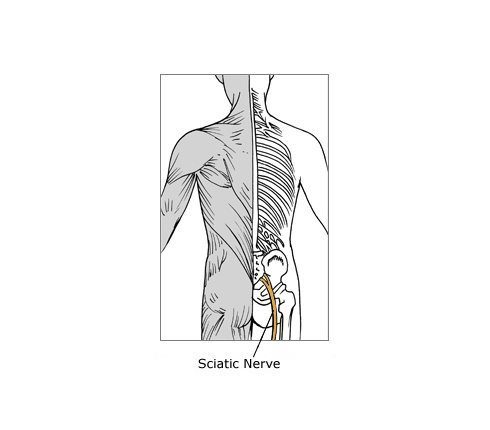
The reason why the pain travels so far, radiating up and down the legs and back, is due to the compression of the sciatic nerve which is the longest nerve in the body. This nerve originates in the lumbar spine and extends into the buttocks before traveling down the leg to the ankle and foot. When the vertebrae in the lower back are compressed, the roots of the sciatic nerve can become pinched and irritated which is what causes the pain.
How Do You Develop Sciatica?
There are a number of factors that can lead to sciatica. It is most commonly caused by disc injuries and bulges. In this occurrence, the disc presses against the nerve root causing sciatic pain. Disc Injuries can occur because of poor posture, repetitive use injuries, and accidents. Sciatica is also common when there are subluxations (misalignments) in the spine due to postural issues, pregnancy, or trauma. Some patients report simply bending over to pick up a piece of paper and then being suddenly hit with extreme pain. The reality, however, is that the spinal condition was probably already developing for quite some time before the triggering incident occurred.
Some people respond very quickly while others take more time to recover. It really depends on the condition of the disc or the joints that the chiropractor has to correct. In most cases, the longer the issue persists, the longer it will take to achieve correction. The great news is that it typically takes less time to fix an issue like this than it took to create it in the first place. Once the position of the spine and discs are corrected, patients often report improvements in their overall health. If you are experiencing symptoms of sciatica, please call our team at Joseph Licitra, DC today.
El Paso, TX. Chiropractor Dr. Alex Jimenez takes a look at sciatica.
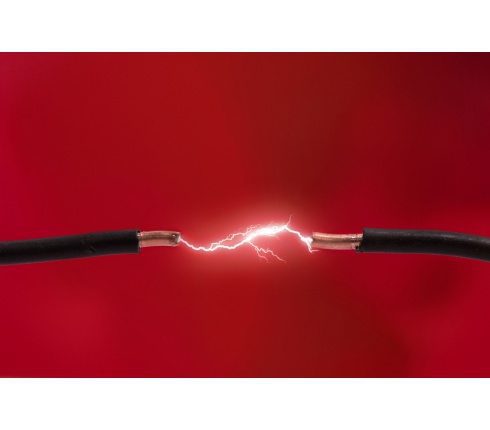
The pain shoots down your leg�burning, tingling, almost electric. Anyone who�s felt it knows that this is the hallmark symptom of sciatica. But did you know that there�s more to sciatica than just leg pain? And what about the best treatment�should you get plenty of rest or join boot camp? Get the answers with this slideshow. It�s your quick reference for all things sciatica�from what causes it to how to get rid of it.
Get the Answers to All Your Sciatica Questions
So What Exactly Is Sciatica?
Sciatica Isn�t A Condition, Disorder or Disease. Though the pain may certainly warrant such a title. Sciatica is actually a group of symptoms. It involves the sciatic nerve, which is the longest and largest nerve in your body. The sciatic nerve is made from several nerve roots in your spine that merge and travel through your buttocks. It then extends down to your knee, where smaller nerves branch out from it and travel to your feet. Sciatica occurs when the sciatic nerve is compressed or aggravated in some way. So what causes that? Read on to learn more.
I Have Sciatica�But How Did It Happen?
Have You Done A Lot Of Heavy Lifting Lately? Perhaps with poor posture? Heavy lifting can cause a disc in your low back to bulge or herniate, and that can pinch your sciatic nerve. Lumbar herniated discs are the most common cause of sciatica. Herniated discs aren�t caused only by heavy lifting�the effects of aging on your spine can also cause herniated discs.�Though a herniated disc is the most common sciatica cause, it isn�t the only one. Spinal stenosis, injury or trauma, and even pregnancy are other common culprits.
What Does Sciatica Feel Like?
You likely understand the pain of sciatica it can shoot from your low back down your legs, sometimes into your feet. Burning, numbness, and tingling are also common sciatica symptoms. You may find that sitting or walking can become painful chores�and even a cough or sneeze can cause your pain to flare up.
Where Does It Hurt?
Sciatica affects people in different ways depending on the root cause. Some have pain in their feet, while others have intense pain above the knee. That�s why you should not only pay special attention to what your symptoms are but also where they are. This will help your doctor understand what�s causing your sciatica and, in turn, recommend the best treatment.
Medications
In some cases, the only thing you need to reduce your sciatica pain is time and over-the-counter medication. To help reduce inflammation and pain, you�ll want to choose non-steroidal anti-inflammatory drugs (NSAIDs). Advil and Aleve are brand name examples of NSAIDs. You can also try alternating heat and cold packs.
Treating Sciatica Pain
How Do I Treat Sciatica at Home?�Stay Active
Bed rest might be best for a cold, but it won�t treat your sciatica any faster. In fact, it might slow down the healing process. Most studies support staying active with mild exercise. This doesn�t mean you should spend hours in a gym�that would only aggravate your sciatica. Think gentle stretches and soothing movements. Need a place to start? Watch our sciatica exercise video series.
What if At-home Treatments Don�t Work?
You should talk to your doctor. He or she may recommend prescription medications or epidural steroid injections to reduce pain and inflammation. Or you may want to consult with a chiropractor or physical therapist. These professionals use specific therapies and techniques to reduce your sciatica pain.
Should I Be Thinking about Surgery?
But if your pain just won�t go away�even after using a number of non-surgical treatments�then spine surgery might be the best option for you. Having surgery for sciatica is a big deal, so make sure you gather as much information as possible on your procedure and don�t be afraid to ask your doctor questions.
El Paso TX. Chiropractor Dr. Alex Jimenez takes a look at medication for joint pain and how they can make the pain worse.
Non-steroidal anti-inflammatory drugs (NSAIDs) are as common as candy, a staple of every home medicine cabinet and tossed casually in desk drawers, purses, and briefcases. Many people take these drugs, which include ibuprofen (sold as Motrin and Advil), naproxen (Aleve), and aspirin, at the first sign of a�headache or muscle cramps � and they are a daily ritual for many people living with arthritis.
But few people realize that NSAIDs carry a black-box warning, the strictest warning issued by the Food and Drug Administration. �Most people think that the government or FDA would not allow something dangerous on the market, especially since most of them are over-the-counter and [used] without a prescription,� says integrative medicine expert Sunil Pai, MD, author of An Inflammation Nation. �A black-box warning is the FDA�s attempt to let you know that you can end up in a casket if you are unlucky enough to suffer one of a medication�s serious reactions.�
Not only have NSAIDs been linked to a slew of serious side effects, including ulcers, hearing loss, allergic reactions and miscarriages, but they can actually worsen some of the conditions, such as arthritis, they are supposed to help.
�The scientific literature makes it abundantly clear that NSAIDs�have a significant negative effect on cartilage,� which accelerates the deterioration of arthritic joints, says Pai. �NSAIDs have no beneficial effect on [cartilage] and speed up the very disease for which they are most used and prescribed.�
Even worse, NSAIDs do not address the underlying conditions that cause pain and inflammation, such as a leaky gut, and can even exacerbate them. Stress, infections, alcohol, and a poor diet can all irritate the gut lining and lead to a leaky gut, but so can NSAIDs.
�If you use a full therapeutic dose of NSAIDs for two weeks, there is a 75 percent chance you will develop a leaky gut that doesn�t go away when you stop taking the drug, Leo Galland, MD, tellsExperience Life magazine.
6 Simple Dietary Interventions To Fight &�Heal A Leaky Gut
So, how can people with acute or chronic inflammatory conditions fight pain naturally? Some simple dietary interventions go a long way towards fighting inflammation and healing a leaky gut.
1. Try an Elimination Diet
Removing common foods that can irritate the gut, including gluten, sugar, dairy, processed foods and soy, can jumpstart the healing process. Sugar (and refined grains, which turn to sugar in the body), for example, is one of the single biggest drivers of inflammation and its downstream consequences.
When sugar cravings strike, try roasting root vegetables or sweet potatoes. Roasting concentrates the natural sweetness of the plant, but the fiber slows down sugar absorption in the bloodstream.
2. Eat Whole Foods
Michael Pollen�s recommendation � �Eat food. Not too much. Mostly plants.� � Is great advice when it comes to naturally fighting inflammation. Eating a Standard American Diet (SAD) � high in processed foods, unhealthy fats, and sugars � is like pouring kerosene on inflammation�s fire. Eating whole foods, rich in phytonutrients, helps put out that fire.
One fun way to eat more plants? Strive to �eat the rainbow,� or get at least one whole food from all the different colors of the rainbow each day:
Animal protein doesn�t need to be avoided if it�s grass-fed and pastured. Instead, try to reverse the ratio on your dinner plate: Make meat the side dish and vegetables the main course.
3. Supplement with Glutamine
Glutamine helps heal your gut by fueling the cells in your gut lining. You could think of it as a leaky gut superhero. �Glutamine heals the intestinal lining more than any other nutrient,� Liz Lipski, Ph.D., CCN, author of Digestive Wellness, tells Experience Life.
4. Get Your Omega-3s
Omega-3 fatty acids are natural inflammation fighters. Good whole food sources of omega-3s include wild-caught fish, grass-fed meat, pastured eggs, algae, and seeds such as hemp, chia, and flax. A high-quality omega-3 supplement is also worth considering. Even on a largely whole-foods-based, it can be hard to get the recommended daily amount of omega-3s.
5. Drink Bone Broth
Bone broth is one of the best natural sources of collagen, a protein found in abundance in our ligaments, tendons, bones, and skin. The collagen in broth is easily absorbed by our tissues and can not only help promote healthier connective tissue and ease joint pain, but it can also help heal a leaky gut. The best bone broth is homemade�but increasingly high-quality bone broth is available for purchase at cooperatives and health food stores.
6. Consider Botanical First Aid
Many plants are powerful inflammation fighters. Turmeric may be the best known and most studied.�Recent research suggests that the active ingredient in turmeric (called curcumin) has anti-inflammatory, antioxidant, antiviral, antibacterial, antifungal, and anticancer activities on par with commonly prescribed arthritis drugs like Enbrel and Humira.
A lot of other plants and plant compounds show similar activity in the body, including ginger, bromelain (an enzyme found in pineapple), capsaicin (the active ingredient in hot peppers), and ginger. Consult your healthcare practitioner before taking botanical supplements.
IFM's Find A Practitioner tool is the largest referral network in Functional Medicine, created to help patients locate Functional Medicine practitioners anywhere in the world. IFM Certified Practitioners are listed first in the search results, given their extensive education in Functional Medicine


 What Causes Whiplash?