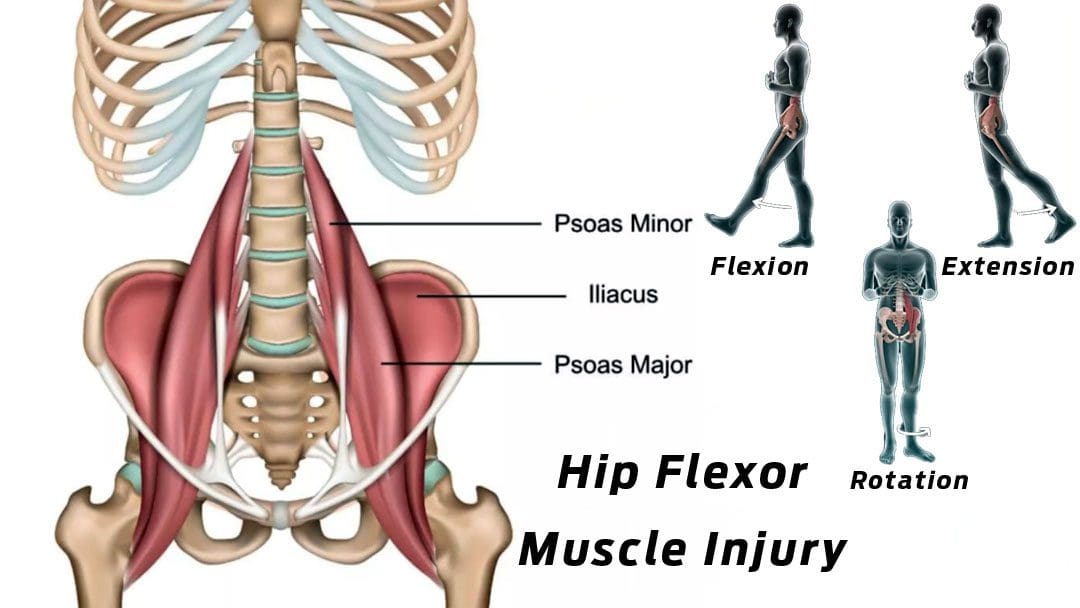
The iliopsoas muscle is a primary hip flexor that assists in the femur’s external rotation and maintains the hip joint’s strength and integrity. It also helps to stabilize the lumbar spine and pelvis. Athletes often overuse these muscles with all the sprinting, jumping, kicking, and changing directions when running, causing strains and/or tears. Repetitive hip flexion can result in chronic degenerative tendon changes. Chiropractic care and physical therapy can assist in the early phases of healing, safely transitioning to rehabilitation, and returning to physical activities.
Iliopsoas Muscle
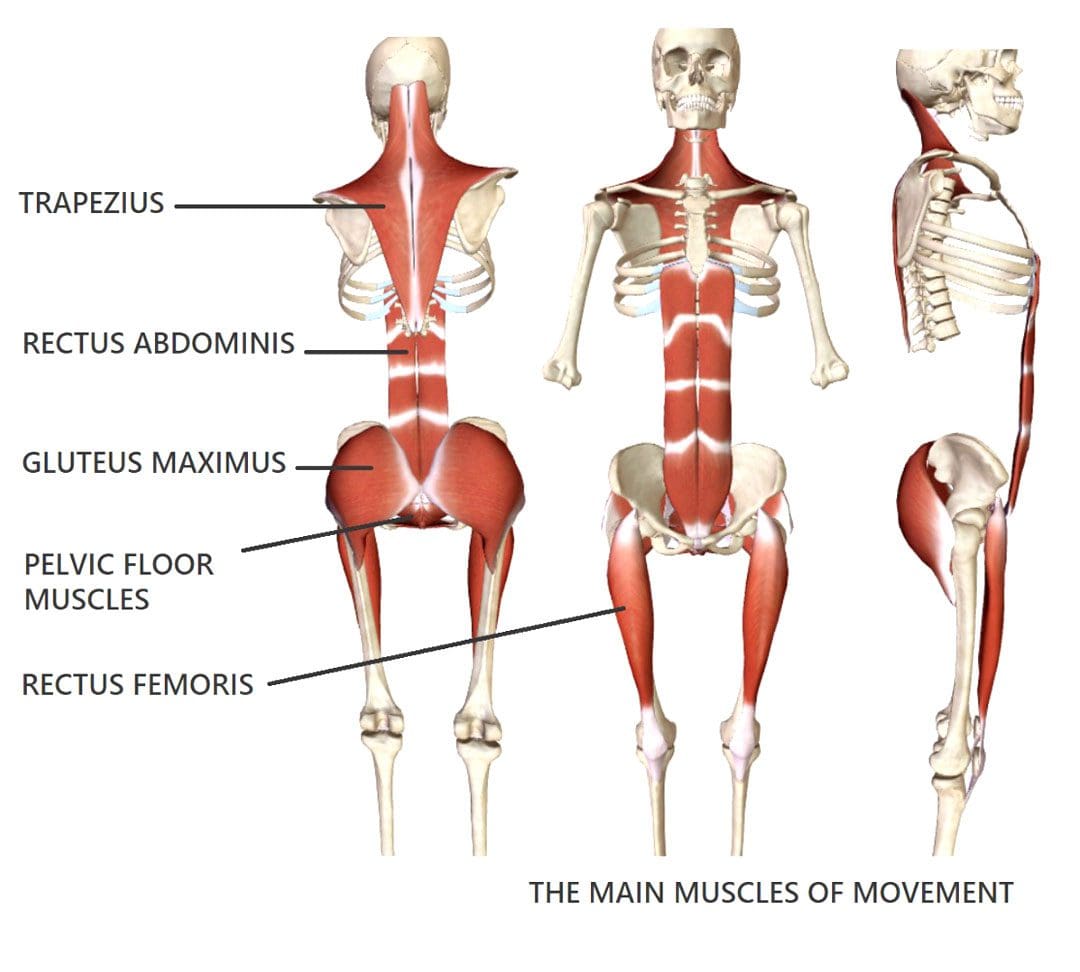
The hip flexors are the group of muscles, including the iliac and psoas major muscles/iliopsoas and the rectus femoris/quadriceps. One of the largest and thickest muscles in the body, the psoas, extends from the lumbar vertebrae, crosses in front of each hip, and attaches to the inside top of the thigh bone. The muscle works by flexing the hip joint and lifting the upper leg towards the body. These fibers can tear if tension is more than the muscle can bear. An iliopsoas strain occurs when one or more of these hip flexor muscles become overly stretched or begin to tear.
Injury
The injury can occur from sports or everyday physical activities. This leads to inflammation, pain, and scar tissue formation. An iliopsoas injury is commonly caused by sudden movements, including sprinting, kicking, and changing direction fast while running. Individuals participating in any sports, especially cycling, running, dance, tennis, martial arts, and soccer, are more likely to experience this injury. Other contributing factors include:
Muscle tightness
Joint stiffness
Muscle weakness
Inadequate core stability
Not warming up correctly
Improper biomechanics
Decreased fitness and conditioning
Individuals will feel a sudden stinging pain or pulling sensation, usually on the front of the hip, groin, or abdominal area. Other symptoms include:
Healing and recovery depend on the severity of the injury. A minor iliopsoas muscle injury can take around three weeks to recover fully. More serious strains and tears take six to eight weeks before returning to activity, as the tissue needs time to repair before starting rehabilitation.
Chiropractic Rehabilitation and Recovery
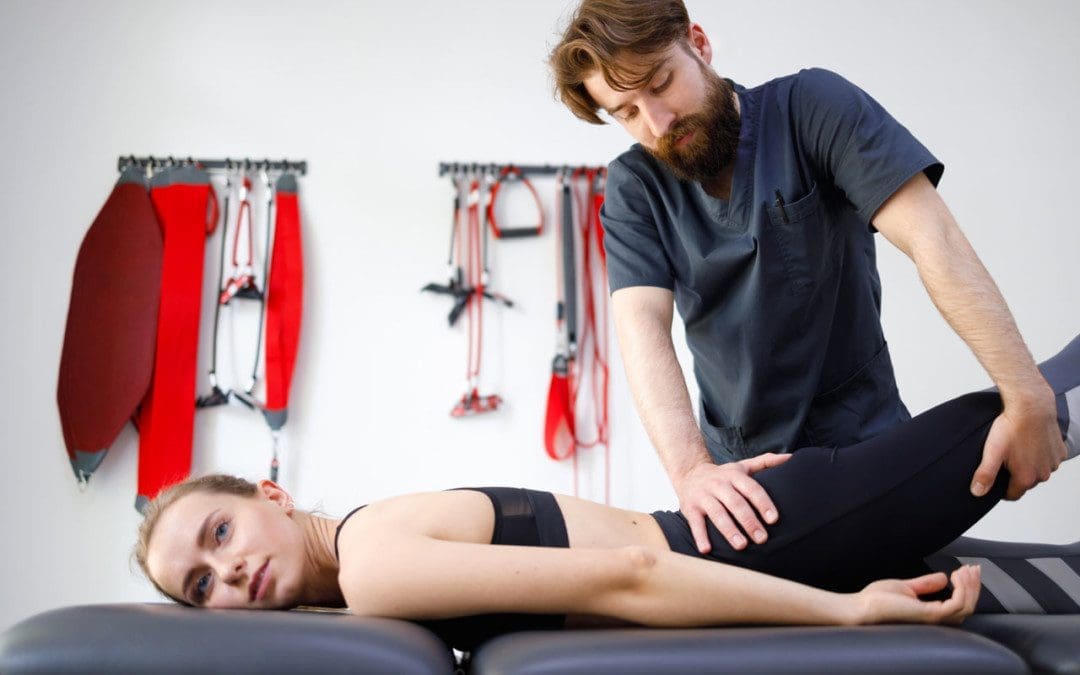
The first steps when dealing with this injury should be P.R.I.C.E. protection, rest, ice, compression, and elevation. It is important to rest and seek treatment immediately; if left untreated, the condition could worsen, lead to a chronic condition, and require surgery. A chiropractic treatment and rehabilitation plan will consist of the following:
Soft tissue massage
Joint mobilization
A chiropractor may recommend crutches to keep the weight off the hip.
A brace can help compress and stabilize the hip flexor to expedite healing.
A flexibility and strengthening program will be implemented to target the muscles around the hip.
Core strengthening exercises will improve the stability of the pelvis area to prevent any further overuse problems.
Wearing compression clothing could also be recommended, as the clothing helps maintain muscle temperature.
Labral Tear
References
Dydyk AM, Sapra A. Psoas Syndrome. [Updated 2022 Oct 24]. In: StatPearls [Internet]. Treasure Island (F.L.): StatPearls Publishing; 2022 Jan-. Available from: https://www.ncbi.nlm.nih.gov/books/NBK551701/
Lifshitz, Liran BPt, MSc, PT; Bar Sela, Shlomo BPt MPE; Gal, Noga BPt, MSc; Martin, RobRoy PhD, PT; Fleitman Klar, Michal BPt. Iliopsoas the Hidden Muscle: Anatomy, Diagnosis, and Treatment. Current Sports Medicine Reports 19(6):p 235-243, June 2020. | DOI: 10.1249/JSR.0000000000000723
Rauseo, Carla. “THE REHABILITATION OF A RUNNER WITH ILIOPSOAS TENDINOPATHY USING AN ECCENTRIC-BIASED EXERCISE-A CASE REPORT.” International journal of sports physical therapy vol. 12,7 (2017): 1150-1162. doi:10.26603/ijspt20171150
Rubio, Manolo, et al. “Spontaneous Iliopsoas Tendon Tear: A Rare Cause of Hip Pain in the Elderly.” Geriatric orthopedic surgery & rehabilitation vol. 7,1 (2016): 30-2. doi:10.1177/2151458515627309
Trail mix is a favorite snack for many individuals. A typical mix combines granola, dried fruits, nuts, seeds, cereals, and pretzels. The mix was originally developed as a portable snack/meal for hikers that was lightweight, could be stored in a backpack, and provided plenty of protein and energy. Prepackaged trail mix is available at many grocery stores and online retailers. It’s an excellent choice for traveling or going on a road trip because of its energy and nutritional content. However, not all types are considered equal in terms of nutrition. Some can consist of ingredients loaded with sugar and salt. Added consumption could cause weight gain and contribute to conditions like heart disease, type 2 diabetes, and liver problems. Here we look at choosing healthy mixes.
Trail Mix
The nutritional power comes from the high amounts of fiber and antioxidants.
Benefits
Protein and Healthy Fats
Protein is essential for tissue repair, immune health, and muscle development.
Nuts and seeds make up the largest portion.
A healthy source of protein, allowing individuals to snack on the go and not become hungry.
One of the greatest benefits of eating these is that they are full of heart-healthy fats.
These healthy fats help decrease unhealthy LDL cholesterol levels and reduce inflammation.
Fiber
The fiber in the seeds and granola helps keep the gut healthy and regular.
It also helps control appetite, aids in digestion, and keeps the body fuller longer.
Energy
Dried fruits and granola consist of healthy sugars.
Healthy sugars help stabilize blood sugar levels, providing the body with a consistent energy source.
Antioxidants, Vitamins, and Minerals
Dried fruit maintains a majority of its nutritional value.
The nuts and seeds are also packed with nutrients and antioxidants.
Choosing Healthy
Check the nutrition label and avoid varieties high in added sugar or sodium.
Look for products containing nutrient-dense ingredients like nuts, seeds, dried fruits, and limited amounts of candy or chocolate chips, if any.
Healthy ingredients include almonds, pumpkin seeds, cashews, sunflower seeds, dried fruit, popcorn, and dark chocolate.
Making trail mix at home allows control of its contents and maximizes its potential health benefits.
It is important to keep an eye on portion control.
A recommended serving is about a fourth of a cup.
Nutritionist
Nutritional consultation can improve an individual’s quality of life, health, and well-being. A nutritionist can help individuals with precision or personalized nutrition that focuses on the individual. Nutritionists can create meal plans for their clients and provide education and knowledge on appropriate food choices.
Potassium
References
Devitt, A A et al. “Appetitive and Dietary Effects of Consuming an Energy-Dense Food (Peanuts) with or between Meals by Snackers and Nonsnackers.” Journal of nutrition and metabolism vol. 2011 (2011): 928352. doi:10.1155/2011/928352
Grillo, Andrea et al. “Sodium Intake and Hypertension.” Nutrients vol. 11,9 1970. 21 Aug. 2019, doi:10.3390/nu11091970
Mehlhose, Clara, et al. “PACE Labels on Healthy and Unhealthy Snack Products in a Laboratory Shopping Setting: Perception, Visual Attention, and Product Choice.” Foods (Basel, Switzerland) vol. 10,4 904. 20 Apr. 2021, doi:10.3390/foods10040904
Vreman, Rick A et al. “Health and economic benefits of reducing sugar intake in the USA, including effects via non-alcoholic fatty liver disease: a microsimulation model.” BMJ open vol. 7,8 e013543. 3 Aug. 2017, doi:10.1136/bmjopen-2016-013543
The brain is one of the most powerful organs providing somatic and peripheral signals throughout the body. The brain ensures that the body stays functional and sends the right amount of neurons and other necessary substances to the various muscles, vital organs, tendons, and ligaments so that the host can continue to move, whether in an active or resting state. However, as the body ages naturally, so does the brain, as numerous factors can affect the body in multiple ways. Chronic conditions like neurodegenerative disorders can affect how the brain functions in the body and can cause a cascading effect on the body that affects not only the motor skills but the muscles, ligaments, and vital organs. Today’s article looks at one of the neurodegenerative disorders known as Parkinson’s disease, how it affects the body, and how to manage Parkinson’s early on to prevent it from affecting the brain. We refer our patients to certified providers that incorporate techniques and various therapies for many individuals from Parkinson’s disease and its correlating symptoms that can affect the musculoskeletal system. We encourage and appreciate each patient by referring them to associated medical providers based on their diagnosis when it is appropriate. We understand that education is a fantastic way when asking our providers intricated questions at the patient’s request and understanding. Dr. Jimenez, D.C., only utilizes this information as an educational service. Disclaimer
What Is Parkinson’s Disease?
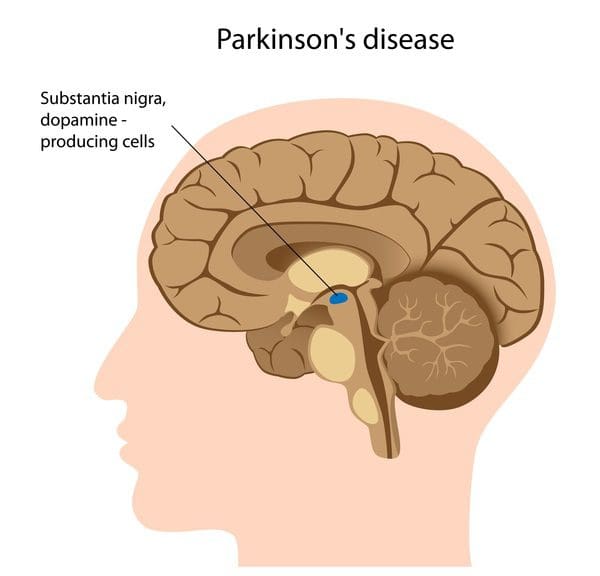
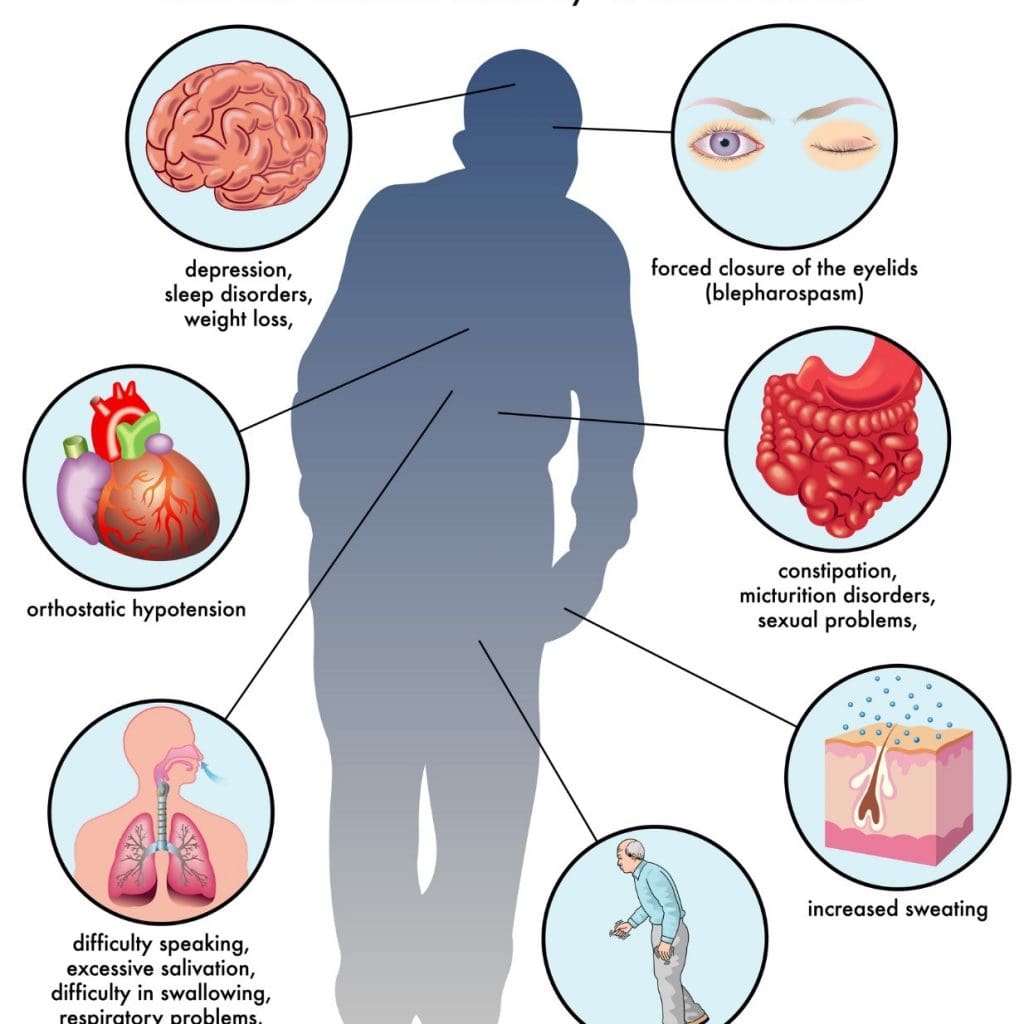
Do you often find yourself slurring your words? Have you been noticing you’ve constantly been slouching over, and it is affecting your posture? Or have you been dealing with stiffness in different muscle areas? If you have been experiencing any of these symptoms, it could correlate to the early signs of Parkinson’s disease. Studies reveal that Parkinson’s disease is a slow, progressive neurodegenerative disorder affecting about 1% of the world population over 60. This neurological disorder is common, and while it commonly affects men more than women, it causes the basal ganglia to deteriorate over time and causes numerous symptoms to affect the body’s motor function. Additional studies reveal that environmental influences like smoking and endocrine factors could potentially cause overlapping risk profiles that cause early development of Parkinson’s disease. Some of the symptoms that are most common with Parkinson’s disease include:
Loss of motor function in the hands and feet
Body Tremors when resting
Muscle stiffness
Unstable posture
Unable to write, speak or swallow
Sleep issues
Cognitive dysfunction
Urinary disturbances
These various symptoms cause body dysfunction in the multiple muscles and vital organs and can lead to overlapping risk issues that can mask Parkinson’s disease.
How Does Parkinson’s Affect The Body?
When Parkinson’s disease affects how the brain sends neuron signals to allow the body’s motor skills to function in each muscle group, the signs and symptoms can vary for each individual. Early symptoms are mild and go unnoticed. However, since Parkinson’s disease affects the body’s motor skills, muscle weakness fits in the symptoms associated with Parkinson’s. Studies reveal that Parkinson’s is a neurodegenerative disorder often characterized by different motor symptoms; a muscular deficiency could cause joint and muscle instability and torque. Muscular deficiency in the body could cause the brain to signal the immune system to send out inflammatory cytokines to the various muscles and vital organs and cause abnormality in the body, which then affects the gut-brain connection and leads to gut dysbiosis associated with muscle stiffness.
Understanding Parkinson’s Disease- Video
Have you been experiencing muscle weakness in different areas of your body? Do you feel constipated constantly? Or have you been dealing with cognitive issues affecting your quality of life? Many of these signs and symptoms are associated with a neurodegenerative disorder known as Parkinson’s disease. The video above explains what Parkinson’s disease is and how it affects the brain. Studies reveal that the association between the brain’s structure and Parkinson’s disease correlates to muscle deficiency in the body. Since Parkinson’s is a slow, progressive neurodegenerative disorder, one of the symptoms is muscle weakness. Muscle weakness does occur in the body when Parkinson’s disease starts to progress further and causes a deficit in the central activation of each muscle group. When this happens, numerous issues will begin to develop over time alongside Parkinson’s. On the bright side, there are various ways to slow the progression of Parkinson’s disease and restore the body’s functionality.
How To Manage Parkinson’s Disease Early
There are numerous ways that many individuals can slow the progression of Parkinson’s disease early on to prevent more issues from affecting the body’s motor skills. Getting enough exercise can help improve a person’s well-being and motor skills. Incorporating healthy foods and supplements that can improve brain function and reduce other symptoms like inflammation can help improve muscle and organ functionality. And finally, finding hobbies and setting boundaries can lower cortisol levels and decrease stress can be a positive impact on the brain; managing the progression of Parkinson’s can ensure a person’s well-being while making the brain from rewiring those neuron signals from going haywire.
Conclusion
Parkinson’s disease is a slow, progressive disorder that causes the brain’s basal ganglia to deteriorate and cause dysfunction in the body’s motor skills. When the brain’s neuron signals become haywire due to Parkinson’s, it can lead to muscle weakness in the body, and that can cause overlapping risk profiles in the body, causing more symptoms to mask Parkinson’s disease. Fortunately, there are numerous ways to slow the progression of Parkinson’s disease early on can reduce the symptoms of Parkinson’s:
Eating nutritious food for the brain
Exercising
Being mindful
When people incorporate these techniques into their lifestyle, they can regain their quality of life.
References
Frazzitta, Giuseppe, et al. “Differences in Muscle Strength in Parkinsonian Patients Affected on the Right and Left Side.” PloS One, U.S. National Library of Medicine, 25 Mar. 2015, https://www.ncbi.nlm.nih.gov/pmc/articles/PMC4373899/.
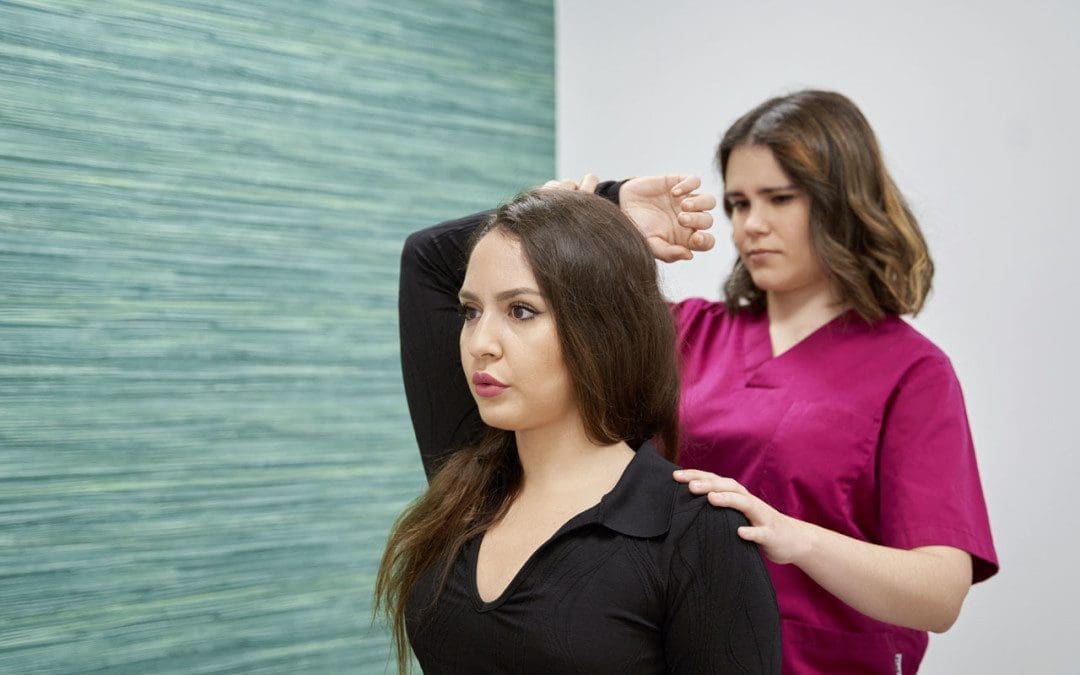
Making healthy posture adjustments is a process, especially for individuals that have been practicing unhealthy postures for years. Not only does the body have to relearn how to position itself correctly, but the muscles, especially those that haven’t been working, also have to adjust. This takes time and is usually at the beginning of postural training that individuals want to give up. This is because of the discomfort and soreness that goes with reactivating the core muscles. This is why it is recommended to go through the process with chiropractic care. A chiropractic therapy team can relieve sore muscles, strengthen the body, and help individuals gradually develop and maintain a healthy posture.
Posture Adjustments
Unhealthy postures shift the body out of balance, straining and stressing the muscles, especially those that have to work overtime every day. This causes the muscles to stiffen and tighten up to the point that they begin to pull the skeletal system in different directions, causing various symptoms that can lead to chronic conditions. Muscles can stay tight for years, with individuals getting used to the feeling. Individuals stretch out, thinking the muscles are loose but don’t realize that they return to their tight position because of the unhealthy muscle memory that developed.
Muscle Imbalance
Muscle imbalances usually progress over time and are typically caused by daily habitual physical routines.
This causes premature and advanced wear and tear on the body.
Postural Dysfunction
Individuals all have positions they spend a lot of time in.
Postural dysfunction begins with unhealthy positioning that shifts the spine and other joints out of balance and alignment.
The muscles become compromised, which leads to various neuromusculoskeletal symptoms.
Muscle fatigue and weakness occur from being overworked.
Headaches can present throughout the day.
Chiropractic Realignment
The muscles have become like tough meat, and the underlying imbalances are straining the neuromusculoskeletal system. The muscle tissues need to be broken up/tenderized and loosened up. Then they can be thoroughly stretched and strengthened to optimal health. Chiropractic care will identify and correct the underlying imbalance, and massage therapy will break up and release the compacted muscle tissue. A personalized treatment plan will consist of the following:
Mobilizing the joints and stretching/releasing shortened tight muscles and soft tissues.
Strengthening the elongated, weaker muscles to correct the body’s alignment and movement control.
Health coaching to identify and recommend lifestyle and nutritional adjustments.
This will restore the bio-mechanical systems, ensuring that equal muscle length and strength on both sides of the system joint or motion segment are maintained.
Posture Adjustments and Foot Orthotics
References
Aino, Masaki, et al. “Comparison of spinal column alignment and autonomic nervous activity using the intersegmental tenderness test in the segment above.” Journal of physical therapy science vol. 33,8 (2021): 570-575. doi:10.1589/jpts.33.570
Creze, Maud, et al. “Posture-related stiffness mapping of paraspinal muscles.” Journal of anatomy vol. 234,6 (2019): 787-799. doi:10.1111/joa.12978
Joshi, Reema, and Nishita Poojary. “The Effect of Muscle Energy Technique and Posture Correction Exercises on Pain and Function in Patients with Non-specific Chronic Neck Pain Having Forward Head Posture-a Randomized Controlled Trail.” International journal of therapeutic massage & bodywork vol. 15,2 14-21. 1 Jun. 2022, doi:10.3822/ijtmb.v15i2.673
Langford, M L. “Poor posture subjects a worker’s body to muscle imbalance, nerve compression.” Occupational health & safety (Waco, Tex.) vol. 63,9 (1994): 38-40, 42.
McLean, Linda. “The effect of postural correction on muscle activation amplitudes recorded from the cervicobrachial region.” Journal of electromyography and kinesiology: official journal of the International Society of Electrophysiological Kinesiology vol. 15,6 (2005): 527-35. doi:10.1016/j.jelekin.2005.06.003
Szczygieł, Elżbieta et al. “The Impact of Deep Muscle Training on the Quality of Posture and Breathing.” Journal of motor behavior vol. 50,2 (2018): 219-227. doi:10.1080/00222895.2017.1327413
When exercising, it is very important to warm each muscle group to prevent injuries from occurring when working out. Stretching the arms, legs, and back can loosen up stiff muscles and increase blood flow to allow each muscle fiber to warm up and allow maximum power when each set is performed. One of the best ways to reduce muscle fatigue or stiffness before working out is to foam roll each muscle group for at least 1-2 minutes max to provide optimal functionality. Foam rolling allows the muscles to warm up before an extensive workout session. Still, it can also offer many benefits when combined with other therapies to reduce pain-like symptoms like trigger point pain from causing further injuries from reoccurring in the body. Today’s article focuses on the benefits of foam rolling, how it reduces trigger point pain, and how it is combined with chiropractic care to achieve optimal health and wellness. We refer patients to certified providers incorporating techniques and therapies for individuals dealing with trigger point pain affecting different body areas. By locating where the trigger points are coming from, many pain specialists utilize a treatment plan to reduce the effects that trigger points are causing on the body while suggesting different tools, like using a foam roller to reduce pain in the other muscle groups. We encourage and appreciate each patient by referring them to associated medical providers based on their diagnosis when it is appropriate. We understand that education is a terrific way when asking our providers intricated questions at the patient’s request and understanding. Dr. Jimenez, D.C., only utilizes this information as an educational service. Disclaimer
The Benefits Of Foam Rolling
Have you been dealing with pain-like symptoms in different parts of your body? Do you feel stiffness in your muscles? Or have you been feeling exhausted throughout the entire day? Many people often feel stressed, overworked, and exhausted after a long day and need to find different ways to relieve stress. Whether going to the gym to work out or yoga class, many people should warm up for about 5-10 minutes to work out each muscle group to reduce muscle fatigue and stiffness. One of the tools that people should utilize is using a foam roller. Studies reveal that foam rolling before working out can improve muscle performance and flexibility and, at the same time, alleviate muscle fatigue and soreness.
Incorporating foam rolling as part of your warm-up can prevent issues like trigger point pain from causing more problems in the affected muscle group and causing more harm. Foam rolling has been known as a self-myofascial release (SMR) tool for many athletic people to relieve delay-onset muscle soreness (DOMS) and can help the recovery process for muscular performance. Studies show that when athletes have DOMS, their muscles are tender and stiff that which causes restricted movement. By foam rolling, each sore muscle group can get rolled out on a dense foam roll from the person’s body weight to apply pressure on the soft tissue. When performed correctly, the body’s range of motion will increase, and soft tissue restriction is prevented.
Foam Rolling To Reduce Trigger Point Pain
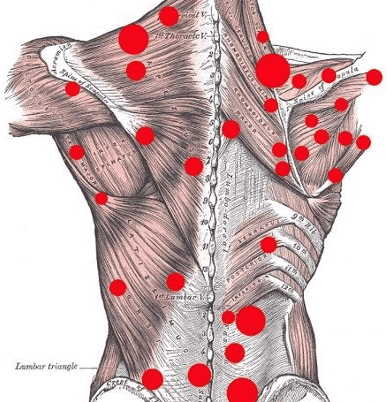
When the body has been overworked, the muscle fibers will start to overstretch and cause various issues in different body parts. When this happens, tiny, hard nodules form over time and cause referred pain to other body locations in each muscle group. This is known as myofascial pain syndrome or trigger points. Studies reveal that trigger point pain is when the affected muscles are either acute or chronic and cause pain in the surrounding connective tissues. Dr. Travell, M.D.’s book, “Myofascial Pain and Dysfunction,” mentioned that myofascial pain could cause somato-visceral dysfunction in the body as the affected muscles and nerves are correlated with the corresponding vital organs. This means that if someone is dealing with back pain, it could be an issue with their gut system. Now how does foam rolling help prevent trigger point pain? As mentioned earlier, foam rolling each muscle group can alleviate muscle soreness and improve blood circulation. Studies reveal that foam rolling on the muscle group affected by trigger point pain can increase blood flow to the affected muscle and reduce fascial inflammation in the body.
What Foam Rolling Does To The Body- Video
Have you been dealing with muscle soreness? Do you feel like you are constantly bending over or shuffling your feet? Or have you been experiencing constant aches and pains when stretching? If you have been dealing with these musculoskeletal issues, why not incorporate foam rolling as part of your routine? Many individuals have some pain that is affecting their muscles that is causing them pain. Regarding reducing pain, incorporating foam rolling on the affected muscles can increase blood flow to the muscle and reduce any symptoms associated with chronic conditions. Studies reveal that the combination of foam rolling and stretching before working out can provide these amazing benefits, which include the following:
Ease muscle pain
Increase range of motion
Reduce cellulite
Relieve back pain
Relive trigger points in muscles
The video above gives an excellent explanation of what foam rolling does to the body and why it provides relief to those different muscle groups. When people merge foam rolling with other treatments, it can benefit their health and wellness.
Foam Rolling & Chiropractic Care
As stated earlier, other various treatments can combine foam rolling to promote a healthy body. One of the treatments is chiropractic care. Chiropractic care incorporates mechanical and manual manipulation of the spine, especially in subluxation or spinal misalignment. When the spine is misaligned, it can cause muscle strain and mobility issues that can affect the body over time. So how does foam rolling play a part in chiropractic care? Well, a chiropractor or doctor of chiropractic can develop a plan to help manage the pain while treating the condition affecting the body. Since foam rolling is utilized in a warm-up session in association with physical therapy, many individuals who work with a personal trainer can incorporate foam rolling as part of their warm-up to loosen up stiff muscles and go to regular chiropractic treatments to improve muscle strength, mobility, and flexibility.
Conclusion
There are many beneficial properties that foam rolling can provide to the body. Foam rolling can allow blood circulation to the muscles while reducing muscle fatigue and soreness. Incorporating foam rolling as part of a daily warm-up can also prevent trigger points from forming in the muscle groups and can work out the tight knots that the muscle has occurred. At the same time, treatments like chiropractic care and physical therapy can combine foam rolling to promote health and wellness in the body and prevent muscle pain.
References
Konrad A, Nakamura M, Bernsteiner D, Tilp M. The Accumulated Effects of Foam Rolling Combined with Stretching on Range of Motion and Physical Performance: A Systematic Review and Meta-Analysis. J Sports Sci Med. 2021 Jul 1;20(3):535-545. doi: 10.52082/jssm.2021.535. PMID: 34267594; PMCID: PMC8256518.
Pagaduan, Jeffrey Cayaban, et al. “Chronic Effects of Foam Rolling on Flexibility and Performance: A Systematic Review of Randomized Controlled Trials.” International Journal of Environmental Research and Public Health, U.S. National Library of Medicine, 4 Apr. 2022, https://www.ncbi.nlm.nih.gov/pmc/articles/PMC8998857/.
Pearcey, Gregory E P, et al. “Foam Rolling for Delayed-Onset Muscle Soreness and Recovery of Dynamic Performance Measures.” Journal of Athletic Training, U.S. National Library of Medicine, Jan. 2015, https://www.ncbi.nlm.nih.gov/pmc/articles/PMC4299735/.
Shah, Jay P, et al. “Myofascial Trigger Points Then and Now: A Historical and Scientific Perspective.” PM & R : the Journal of Injury, Function, and Rehabilitation, U.S. National Library of Medicine, July 2015, https://www.ncbi.nlm.nih.gov/pmc/articles/PMC4508225/.
Travell, J. G., et al. Myofascial Pain and Dysfunction: The Trigger Point Manual: Vol. 2:the Lower Extremities. Williams & Wilkins, 1999.
Wiewelhove, Thimo, et al. “A Meta-Analysis of the Effects of Foam Rolling on Performance and Recovery.” Frontiers in Physiology, U.S. National Library of Medicine, 9 Apr. 2019, https://www.ncbi.nlm.nih.gov/pmc/articles/PMC6465761/.
The feet allow movement to make the host do various actions when it comes to the body. Whether running, walking, or stretching, the feet allow stability with help from the legs and lower limbs of the lower body to support the upper body’s weight and allow mobility and functionality to the hips. The feet have various extensor muscles that start at the head where the tibia and in the front of the shin and spreads out to the front of the foot and allow movement to each of the toes. Injuries like ankle sprains, objects landing on the foot, or muscle cramps can cause the various muscles to become injured and soon develop tiny nodules that can cause referred pain to the lower portion of the legs and cause mobility issues. To that point, trigger point pain can affect how a person functions and cause many to deal with unquestionable foot pain. Today’s article looks at the extensor muscles of the toes, how trigger points can affect the foot and toes, and how chiropractic care can help treat trigger points along the extensor muscles of the toes. We refer patients to certified providers that incorporate various techniques in the lower body extremities, like lower legs, calves, and foot pain therapies correlating to trigger points. This helps aid many people with pain symptoms along the extensor toe muscles, causing pain when doing everyday actions like stepping or walking. We encourage and appreciate each patient by referring them to associated medical providers based on their diagnosis when it is appropriate. We understand that education is a terrific way when asking our providers intricated questions at the patient’s request and understanding. Dr. Alex Jimenez, D.C., only utilizes this information as an educational service. Disclaimer
The Extensor Muscles Of The Toes
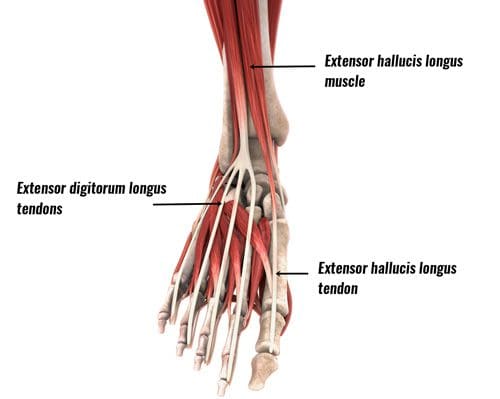
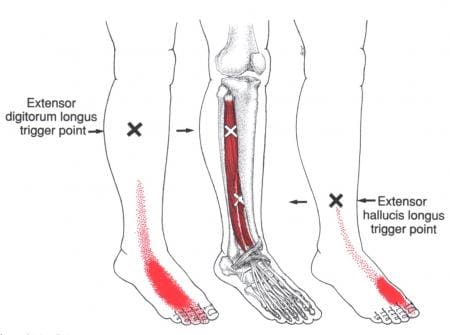
Have you been having issues walking for long periods? Do your feet constantly ache, so you have to take off your shoes to rub them? Or have you been having mobility issues that start at the hips and then travel down to the feet? Many of these issues are associated with pain that can affect the extensor muscles of the toes. The feet have various superficial muscles that allow movement to each toe. Today, we will look at the extensor muscles that enable movement to the toes and help with lower limb functionality. The extensor toe muscles include the extensor digitorum and the extensor hallucis longus. Studies reveal that the extensor muscles are the anterior compartment of the lower limbs that can allow extension and dorsiflex of the foot at the ankle. The extensor hallucis provides movement to the big toe, independently moving it up and down. At the same time, the extensor digitorum forms into four tendons to the other toe joints.
These muscles work together to control the foot when descending and allow the heel to land first and then the toes after to prevent foot slaps or hard stepping. To that point, during this gait action, the extensor digitorum helps provide pure dorsiflex of the foot through balance on the tibial muscle. In contrast, the extensor hallucis allows the foot to adapt when the host is walking. Now, what happens when the extensor muscles suffer from injuries that cause mobility issues to the individual?
Trigger Points Affecting The Foot & Toes
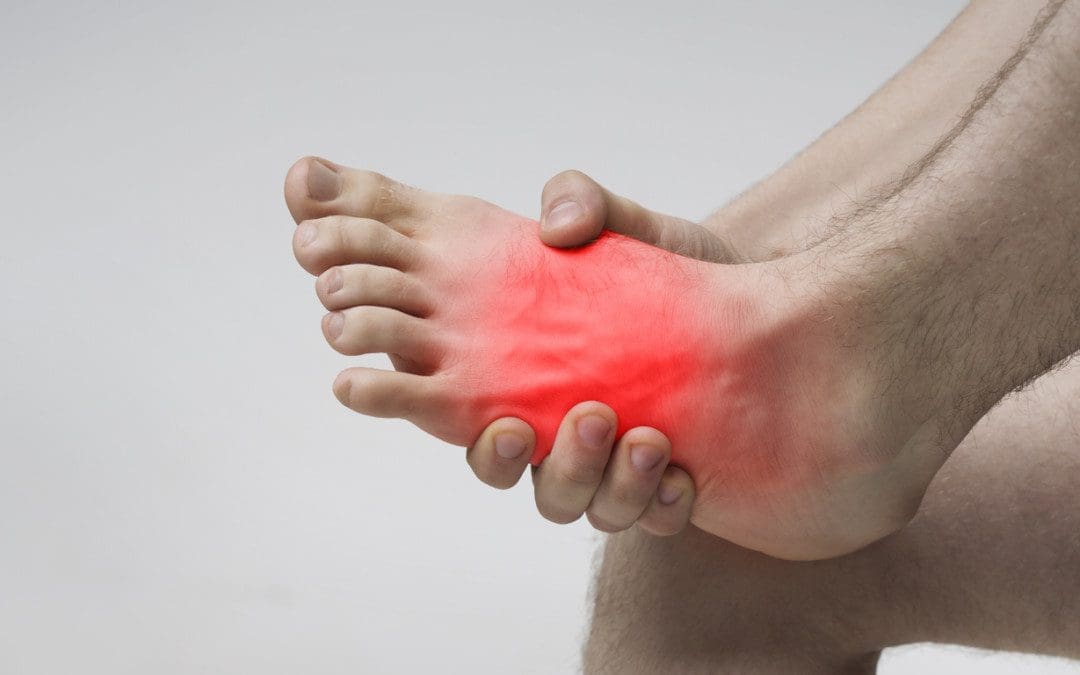
When issues affect mobility and prevent many people from walking, it could be due to trigger points associated with the extensor muscles affecting the foot and toes. Trigger points or myofascial pain syndrome is where sensitive points or pressure in the muscles or muscle groups can cause referred pain in different body areas. This means that, for example, someone is dealing with pain in their elbows; however, they are complaining about shoulder pain. Studies reveal that when the legs’ lower limbs have trigger points in the feet musculature, it can lead to hypersensitivity in the extensor muscles and tendons. According to Dr. Janet G. Travell, M.D., she explained in her book, “Myofascial Pain and Dysfunction,” when the extensor muscles of the toes are being affected by trigger points, it could potentially be associated with anterior compartment syndrome and ischemia along the lower limbs. To that point, trigger points could affect a person’s ability to walk and cause them to shift their weight around to compensate for the pain from affecting them. When this happens, it can lead to hip issues.
Trigger Points Of The Week: The Extensor Toe Muscles- Video
Have you been dealing with foot pain affecting your ability to walk? Does it hurt when you are stepping? Do you have mobility issues in your hips or legs associated with foot pain? Suppose you have been experiencing any of these issues in the lower extremities of your body. In that case, you could be dealing with trigger points associated with the toe extensor muscles correlating with foot pain. Studies reveal that trigger points associated with the extensor muscles can be characterized by pain and cause a limited range of joint motion. What that does is that trigger points in the extensor hallucis muscle can cause the lower portion of the legs to have intense sensitivity and hyper-irritability to the legs, which can affect how a person walks. The video above explains where the extensor muscles are located in the lower portions of the legs and where the trigger points cause referred pain to the foot and legs. When trigger points affect the extensor muscles, they can cause referred pain to the entire lower half of the body, including the hips. How would trigger points be associated with the hips when it affects the extensor muscles? Well, when the extensor muscles succumb to pain, it causes the individual to shift their weight and can cause the hips to become unstable, and that instability can affect not only the hips but the legs, knees, calves, and feet. Fortunately, treatments can reduce trigger point pain in the extensor muscles.
Chiropractic Care For Trigger Points
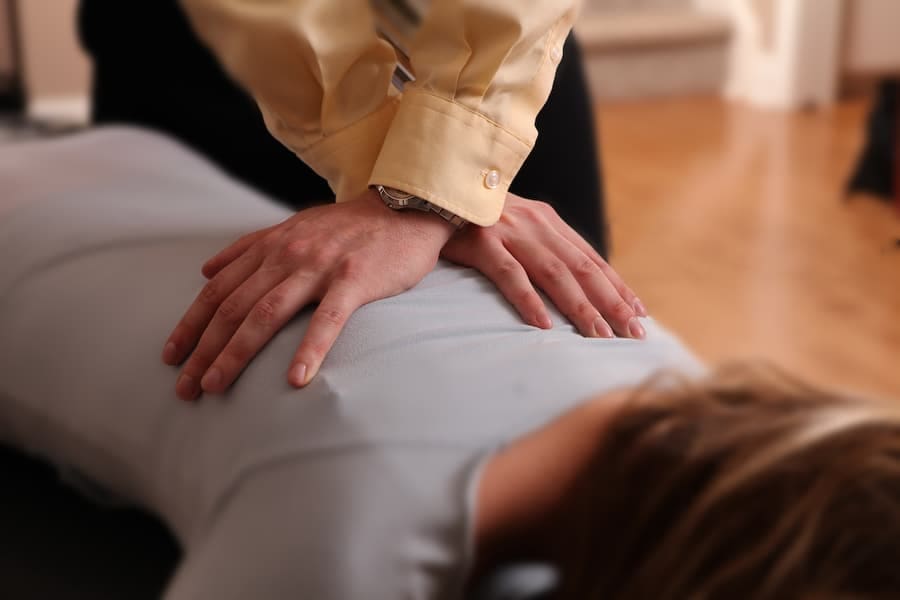
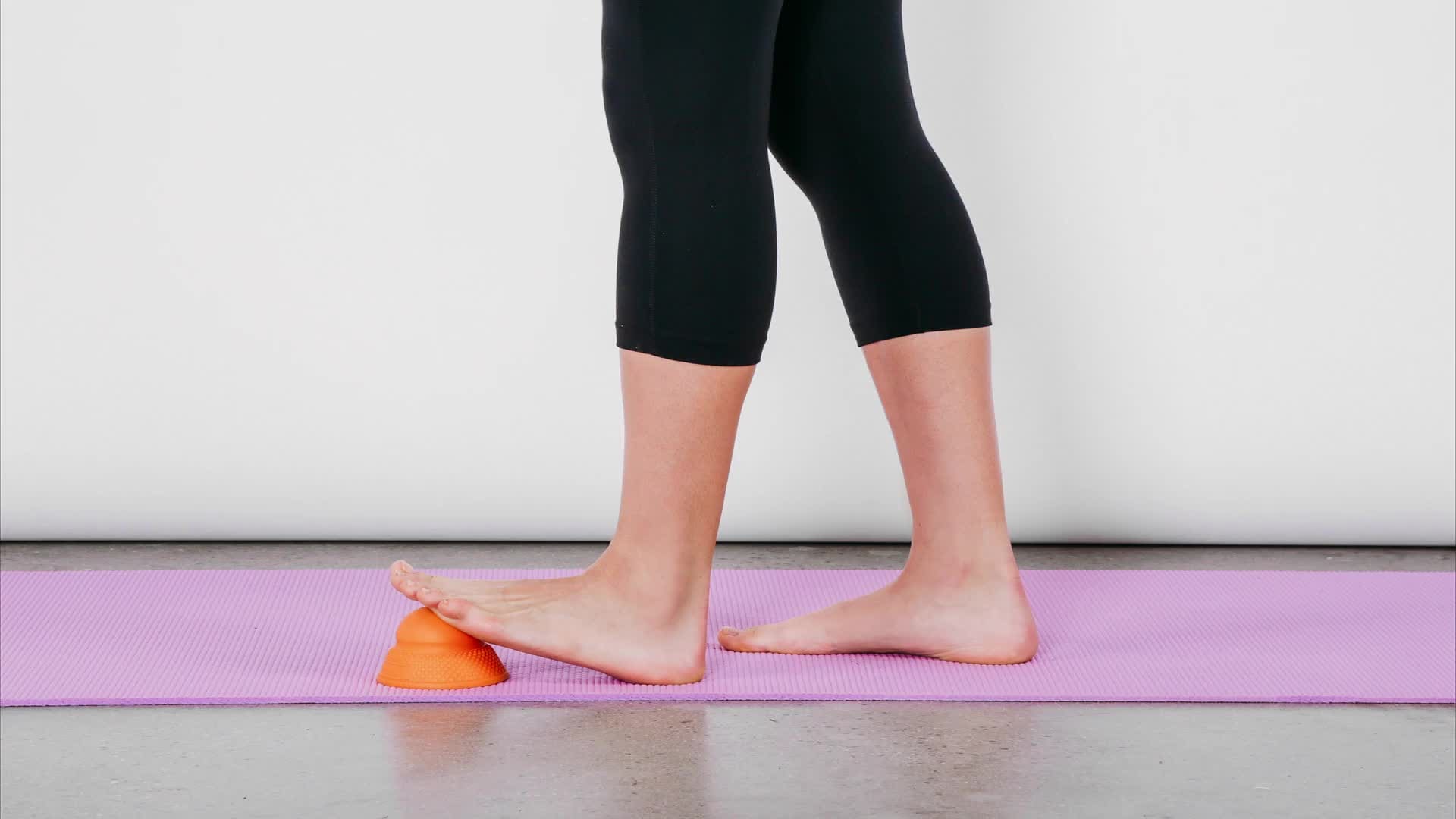
So when a person is dealing with mobility issues along the extensor muscles that are causing them pain, they don’t realize that their hips, legs, and knees are being affected. By going to chiropractic treatment, they can get the relief they are looking for and regain their ability to walk. A chiropractor will thoroughly examine and assess the individual dealing with trigger points along the extensor muscles. Chiropractors can pinpoint where the trigger points are located in the affected muscle and dramatically decrease pain through manipulation. Using mechanical and manual manipulation can help realign the spine out of subluxation, and chiropractors can provide a personalized treatment plan to the individual to incorporate to prevent trigger points from returning after a few treatments. Since chiropractic care is a whole-body approach, many patients can learn healthy habits, which include using a tennis ball under the feet, light stretching on the feet, and walking correctly with good posture can prevent future injuries from coming.
Conclusion
The feet allow movement to allow the host to walk from one location to another. The extensor muscles of the toes allow mobility and stability as they work together with the legs and hips to support the upper body’s weight and stability. When injuries like ankle sprains or heavy objects landing on foot affect the extensor muscles, it can lead to trigger points associated with foot pain that can affect the hips. When trigger points affect the extensor muscles, it can cause a person to be unable to walk properly and cause more issues in the hips. When this happens, treatments like chiropractic care can manually manipulate the spine and release trigger points from the extensor muscles. With chiropractic care, many individuals will be pain-free and can walk again.
References
Lezak, Bradley, and Spencer Summers. “Anatomy, Bony Pelvis and Lower Limb, Extensor Hallucis Longus Muscle.” In: StatPearls [Internet]. Treasure Island (FL), StatPearls Publishing, 26 Sept. 2022, https://www.ncbi.nlm.nih.gov/books/NBK539875/.
Tornero-Caballero, Maria, et al. “Muscle Trigger Points and Pressure Pain Sensitivity Maps of the Feet in Women with Fibromyalgia Syndrome.” Pain Medicine (Malden, Mass.), U.S. National Library of Medicine, 1 June 2016, https://pubmed.ncbi.nlm.nih.gov/27257287/.
Travell, J. G., et al. Myofascial Pain and Dysfunction: The Trigger Point Manual: Vol. 2:the Lower Extremities. Williams & Wilkins, 1999.
Wada, Juliano T, et al. “An Anatomical Basis for the Myofascial Trigger Points of the Abductor Hallucis Muscle.” BioMed Research International, U.S. National Library of Medicine, 22 Jan. 2020, https://www.ncbi.nlm.nih.gov/pmc/articles/PMC6998759/.
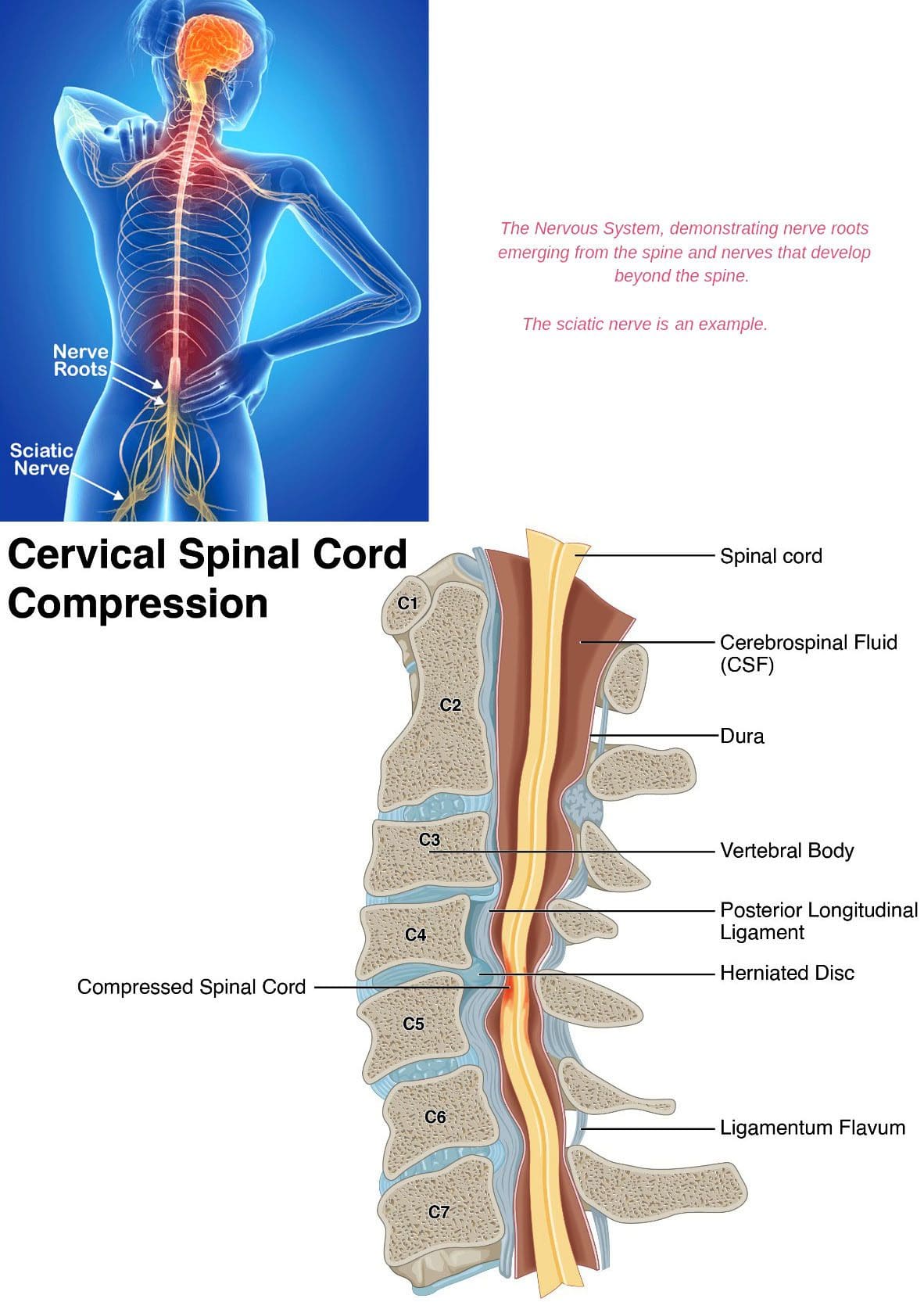
Pinched Nerves and Muscle Spasms: A pinched or compressed nerve can occur in various body regions, from the wrist to the foot. When a nerve is compressed, a pins and needles feeling can present until the pressure is relieved, or there can be no sensation symptoms, but other symptoms like muscle spasms, especially in the arm or leg, can appear. Individuals will feel a repetitive fluttering or twitching when the arm or leg is not in motion. A pinched nerve could be the cause of spasms in the back or extremities. Injury Medical Chiropractic and Functional Medicine Clinic can help if symptoms are not stopping or worsening.
Pinched Nerves and Muscle Spasms
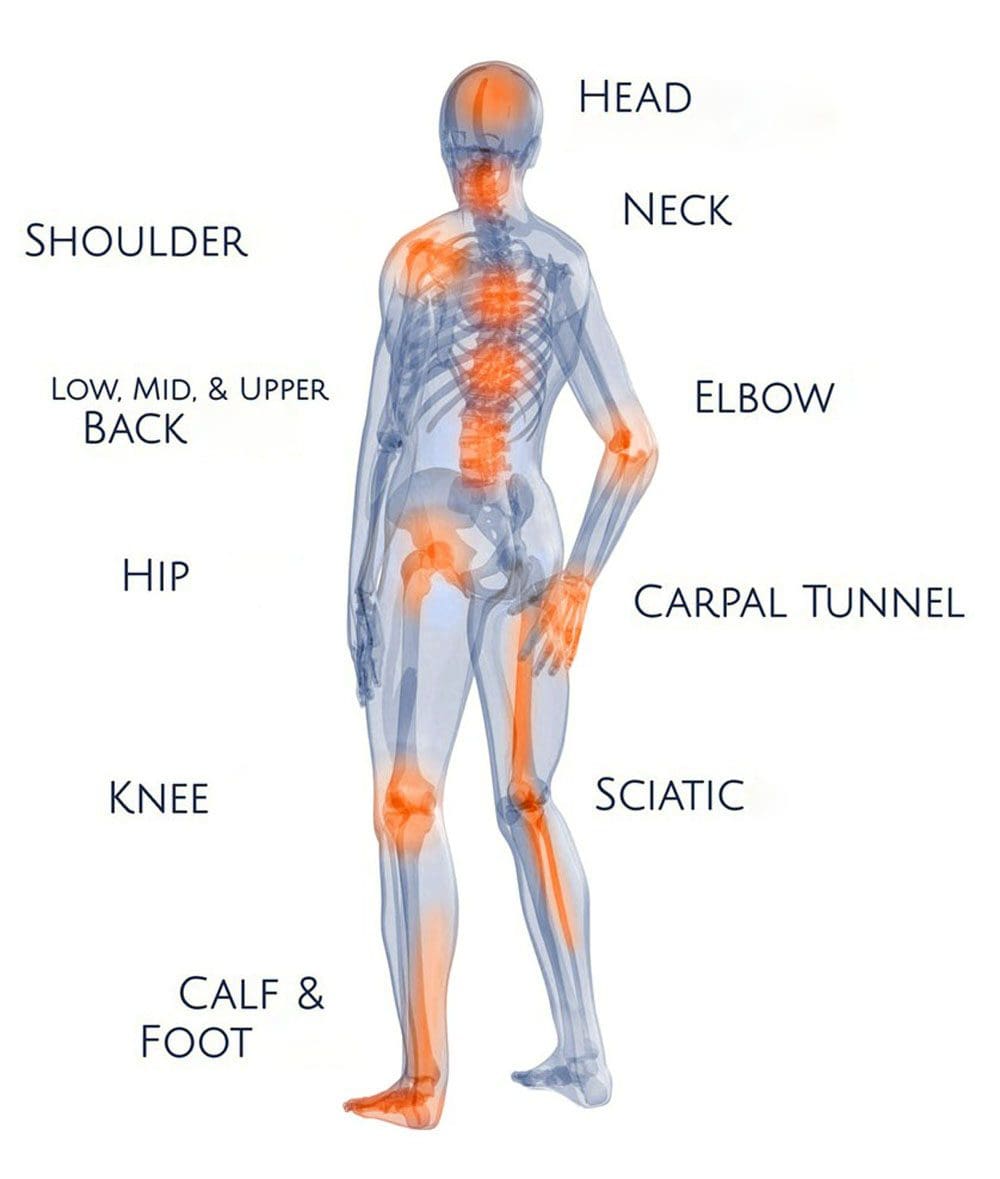
When multiple symptoms appear, individuals may not realize they are connected. Individuals may think aches, pains, and spasms are normal aging processes. Pinched nerves occur when there is an impingement on any one of the numerous nerves of the spine. Impingements can be caused by:
Repetitive motion injuries
Disc degeneration
Herniated/ruptured discs
Bone spurs
Arthritis
Trauma injury
The pain symptoms from the spasm can be quick, sharp, or pulsating and throbbing. The muscles respond by tightening or spasming as the nerve sends interrupted/incomplete signals. In addition to muscle spasms, a pinched nerve can contribute to other symptoms, including the following.
Tingling
Numbness
Pins and needles sensation
Reduced range of motion
Muscle weakness
Signs a Pinched Nerve Might Be Causing Spasms
Sudden shooting pain that radiates down the leg or arm.
Weak muscles
Muscle atrophy – shrinking or deteriorating.
Chronic tingling in the extremities.
A burning sensation in a specific area; this could but is not necessarily the source of the pinched nerve.
Electrical shock-type pain accompanies the spasms.
If a pinched nerve is left untreated and continues to generate symptoms, it can affect daily life and lead to uncomfortable long-term issues. Severe nerve compression combined with inflammation can cause damage to nearby soft tissues and muscles, leading to chronic conditions. When the nerves are damaged, it can be harder to control the muscles making certain motions uncomfortable or difficult to move certain body parts.
Chiropractic Care
Chiropractic care, massage, and decompression therapy will relieve pinched nerves and muscle spasms and restore neuromusculoskeletal system function. The body will be realigned, and patients will be trained on stretching exercises, muscle strengthening, posture training, and nutritional support to optimize the body’s natural healing abilities to repair the damaged nerves.
Low Back Pain
References
Bustamante, S, and P G Houlton. “Swelling of the leg, deep venous thrombosis, and the piriformis syndrome.” Pain research & management vol. 6,4 (2001): 200-3. doi:10.1155/2001/104091
Chu, Eric Chun-Pu, and Robert J Trager. “Thoracic Schwannoma as an Unusual Cause of Sciatic Pain in the Chiropractic Office: A Case Report.” The American journal of case reports vol. 23 e938448. 16 Nov. 2022, doi:10.12659/AJCR.938448
Coletti, Roger H. “The ischemic model of chronic muscle spasm and pain.” European journal of translational myology vol. 32,1 10323. 18 Jan. 2022, doi:10.4081/ejtm.2022.10323
Hirayama, Jiro, et al. “Relationship between low-back pain, muscle spasm and pressure pain thresholds in patients with lumbar disc herniation.” The European spine journal: official publication of the European Spine Society, the European Spinal Deformity Society, and the European Section of the Cervical Spine Research Society vol. 15,1 (2006): 41-7. doi:10.1007/s00586-004-0813-2
Kennedy, John G, and Donald E Baxter. “Nerve disorders in dancers.” Clinics in sports medicine vol. 27,2 (2008): 329-34. doi:10.1016/j.csm.2008.01.001
Waddell, Roger K. “Chiropractic care for a patient with spasmodic dysphonia associated with cervical spine trauma.” Journal of chiropractic medicine vol. 4,1 (2005): 19-24. doi:10.1016/S0899-3467(07)60108-6
IFM's Find A Practitioner tool is the largest referral network in Functional Medicine, created to help patients locate Functional Medicine practitioners anywhere in the world. IFM Certified Practitioners are listed first in the search results, given their extensive education in Functional Medicine






 Posture Adjustments