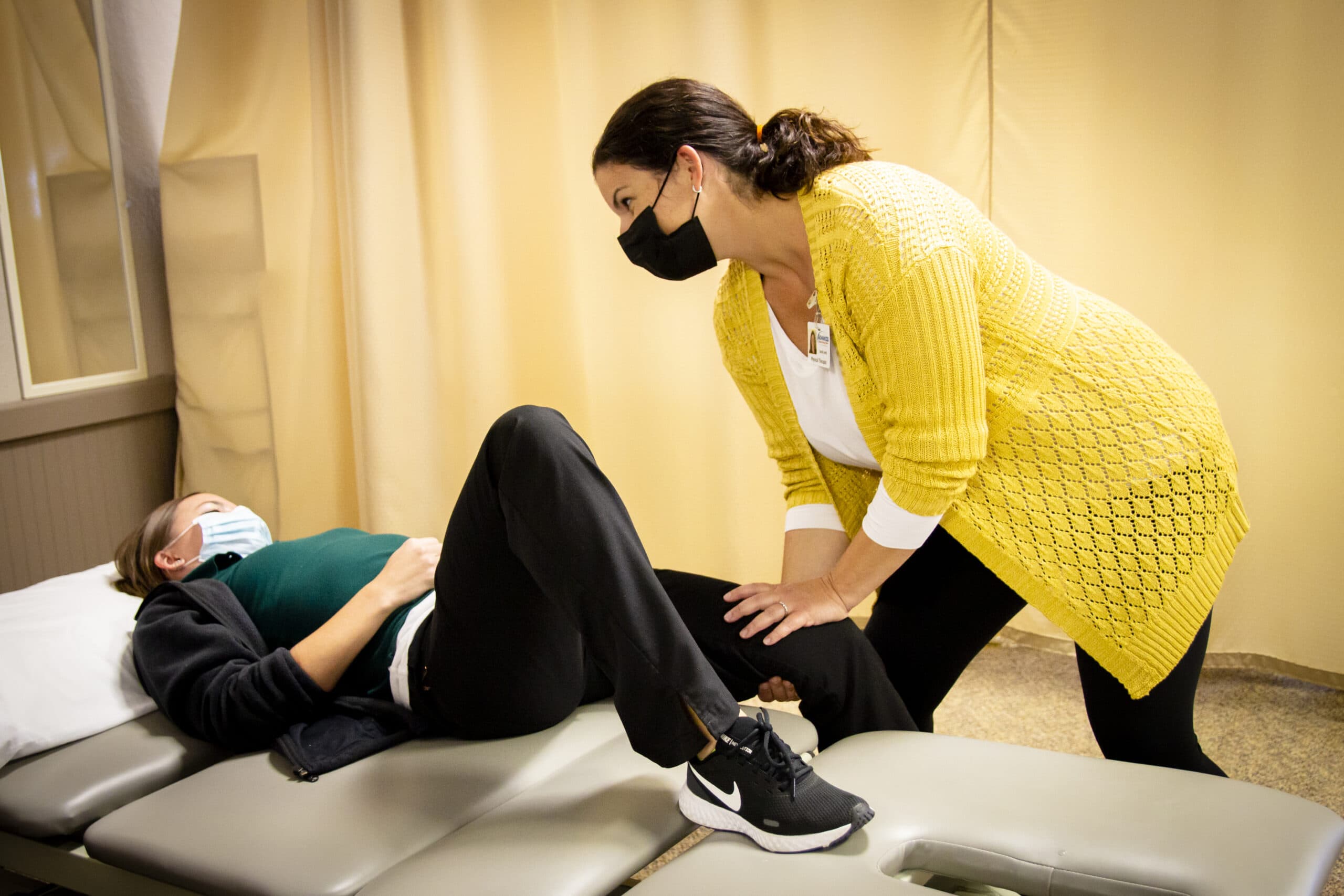
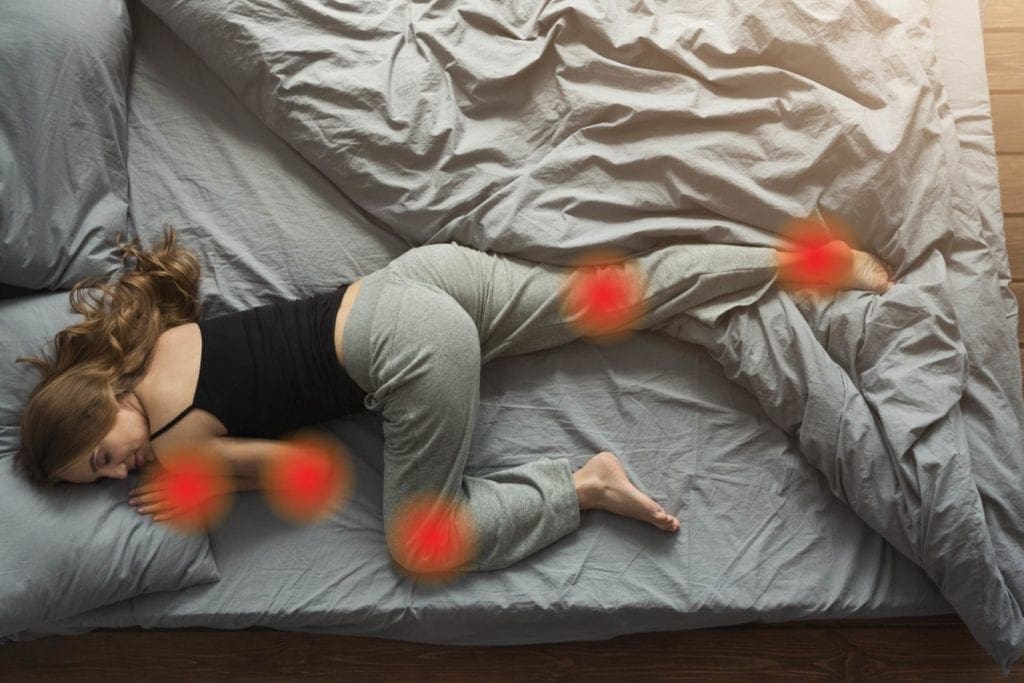
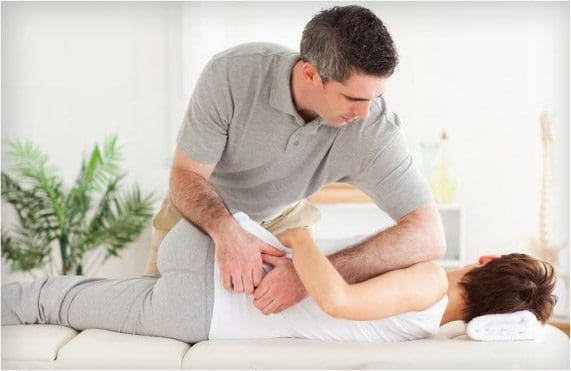
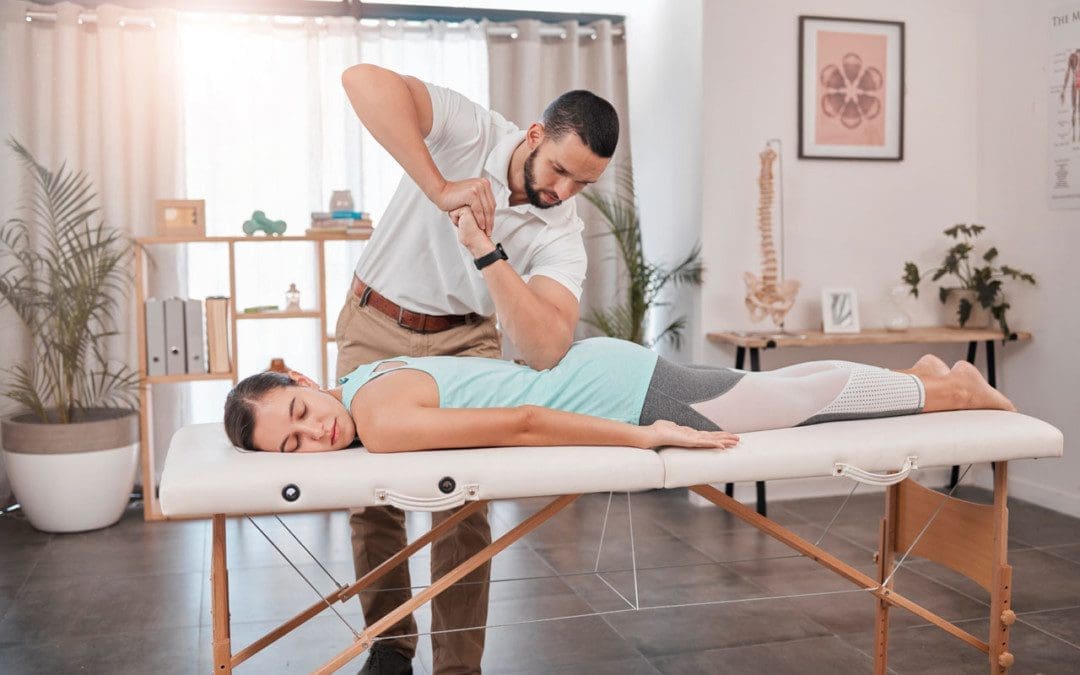
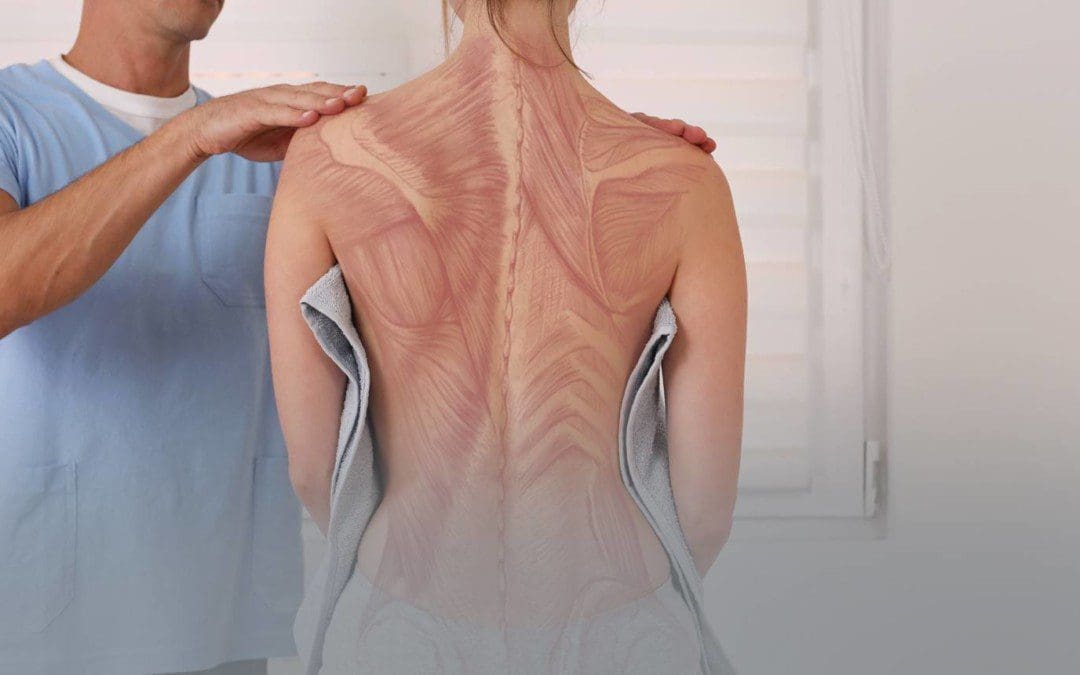
An exercise routine is highly important for anyone trying to get a kick start on their health and wellness journey. It could be simple as walking around the park for 30 minutes, going to the community pool to swim, or taking a group fitness class with friends. Incorporating an exercise regime can even help reduce the effects of musculoskeletal disorders and their associated symptoms from causing pain in the muscles and joints in the body. Even though many individuals have busy lives, it is important to ensure that their bodies are getting enough exercise to feel less joint and muscle pain while improving other systems that benefit from training. Today’s article looks at how to keep a constant exercise routine, how exercise can help musculoskeletal disorders, and how the MET technique is combined with physical activity. We provide and mention valuable information about our patients to certified medical providers who offer available therapy treatments like the MET technique combined with physical activities for individuals dealing with musculoskeletal pain disorders. We encourage each patient by referring them to our associated medical providers based on the patient’s diagnosis findings appropriately. We acknowledge that education is a spectacular way when asking our providers the most helpful questions at the patient’s acknowledgment. Dr. Alex Jimenez, D.C., utilizes this information as an educational service. Disclaimer
Keeping A Constant Exercise Routine
Have you been feeling sluggish throughout the day? Do you believe you don’t have enough time to exercise and feel stressed? Or have you been experiencing unwanted pain and stiffness in your muscles and joints? Many individuals experiencing these issues in their bodies could not be getting enough exercise to reduce these musculoskeletal disorders. When it comes to many individuals trying to keep a constant exercise routine to better their health may be difficult but not impossible. There are many ways to incorporate a daily consistent exercise routine by making small changes in your daily life routine. Walking with friends or pets, attending a group fitness class, or doing squats at home can benefit muscle growth and promote motivation to continue these small changes. However, some of the reasons that many people need to exercise more are to need more time. Studies reveal that most people often refrain from any form of exercise due to needing more time out of their busy schedules. People who do not exercise regularly are potentially at risk of developing health-related problems and disorders linked to the musculoskeletal system.
Exercise For Musculoskeletal Disorders
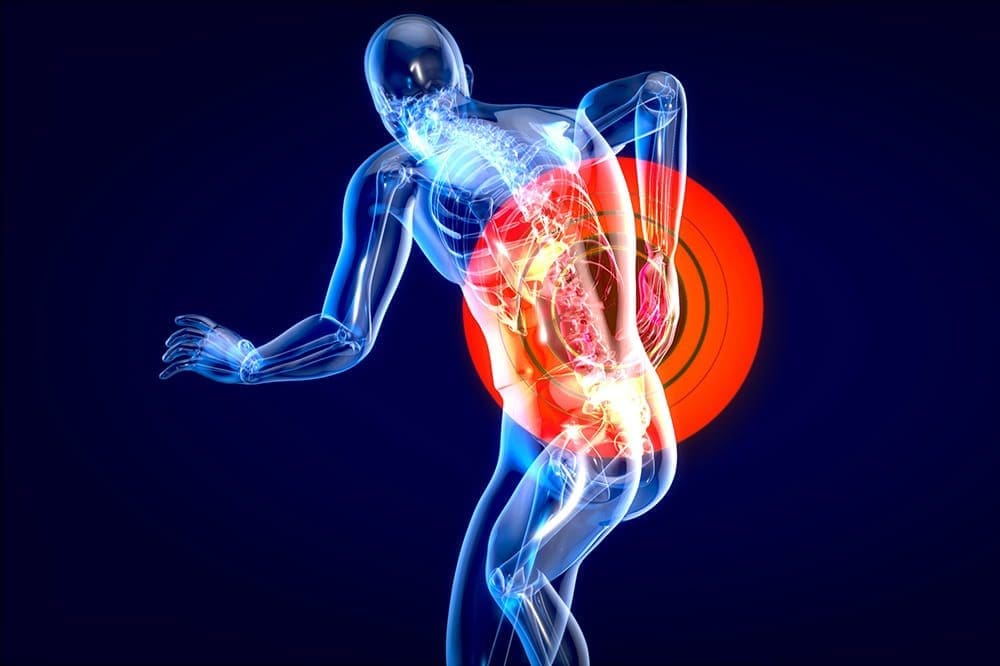
When the musculoskeletal system is linked to health-related problems due to physical inactivity, when the body is not getting enough exercise, it can cause muscle and joint pain and other associated symptoms that can affect mobility. Research studies have revealed that pain in specific areas of the body, which includes the back, neck, and shoulders, is often due to extended periods of sitting down and inactivity that cause many people to develop musculoskeletal disorders. When pain and discomfort affect the body, it can cause visceral-somatic pain in different body areas. Not only that, but the various muscles in the upper and lower extremities of the body will become shortened and weak over time, leading to disability and poor posture. Now all is not lost, as there are ways to reduce the effects of musculoskeletal disorders and incorporate exercise as part of a person’s daily routine.
Lumbar Spine Injuries in Sports: Chiropractic Healing-Video
Have you been dealing with back, neck, or shoulder issues? Have you been feeling sluggish after a long, hard day at work? Or do you want to incorporate more exercise into your daily routine? Many individuals have been dealing with musculoskeletal issues in their bodies due to being physically inactive or not having enough time in their day. When this happens, it causes numerous disorders associated with the musculoskeletal system that correlate with the pain. However, making small changes in a routine is achievable by setting time aside for a few minutes and moving around to prevent issues from affecting the body. Studies reveal that performing exercise interventions for a few minutes may help reduce the effects of musculoskeletal complaints and boost work abilities. Additionally, exercises combined with chiropractic care can further reduce the impact of musculoskeletal disorders that are taking effect in the various joint and muscles by restoring the body and causing it to heal naturally. The video above explains how chiropractic care is incorporated into musculoskeletal disorders and helps relieve the pain-like symptoms associated with spinal subluxation.
The MET Technique & Exercise
Now, an exercise regime can help reduce pain-like effects on the musculoskeletal system and help with muscle growth. According to “Clinical Applications of Neuromuscular Techniques,” by Leon Chaitow, N.D., D.O., and Judith Walker DeLany, L.M.T., each variation of exercise training, like strength and endurance training involves different muscle fibers in the body and helps with muscle growth. Now it is best to start slowly and build up to improving the body’s endurance to prevent injuries from affecting the muscle groups. Hence why available treatments utilize the MET technique combined with exercise to help stretch and strengthen the muscles and revitalize the joints. According to research studies, combining the MET technique and stretching before exercising has improved muscle and joint mobility and increased the body’s range of motion without pain. Incorporating stretching and exercise can help the body from developing future musculoskeletal issues and can be part of any daily routine for the busy worker.
Conclusion
With people having a busy schedule, incorporating a few minutes of exercising can benefit the individual and their musculoskeletal system. When the body is dealing with musculoskeletal issues associated with physical inactivity, it can lead to future disorders that can cause the body to deal with pain and immobility. Hence, small changes in a routine, like walking or exercising for a few minutes, can benefit the body in the long haul. Additionally, incorporating treatment techniques like the MET combined with exercise helps stretch and strengthen the musculoskeletal system, allowing the body to restore itself naturally to prevent further injuries.
References
Chaitow, Leon, and Judith Walker DeLany. Clinical Application of Neuromuscular Techniques. Churchill Livingstone, 2002.
Iversen, Vegard M, et al. “No Time to Lift? Designing Time-Efficient Training Programs for Strength and Hypertrophy: A Narrative Review.” Sports Medicine (Auckland, N.Z.), U.S. National Library of Medicine, Oct. 2021, https://www.ncbi.nlm.nih.gov/pmc/articles/PMC8449772/.
Phadke, Apoorva, et al. “Effect of Muscle Energy Technique and Static Stretching on Pain and Functional Disability in Patients with Mechanical Neck Pain: A Randomized Controlled Trial.” Hong Kong Physiotherapy Journal : Official Publication of the Hong Kong Physiotherapy Association Limited = Wu Li Chih Liao, U.S. National Library of Medicine, 14 Apr. 2016, https://www.ncbi.nlm.nih.gov/pmc/articles/PMC6385145/.
Shariat, Ardalan, et al. “Office Exercise Training to Reduce and Prevent the Occurrence of Musculoskeletal Disorders among Office Workers: A Hypothesis.” The Malaysian Journal of Medical Sciences : MJMS, U.S. National Library of Medicine, July 2016, https://www.ncbi.nlm.nih.gov/pmc/articles/PMC5025063/.
Tersa-Miralles, Carlos, et al. “Effectiveness of Workplace Exercise Interventions in the Treatment of Musculoskeletal Disorders in Office Workers: A Systematic Review.” BMJ Open, U.S. National Library of Medicine, 31 Jan. 2022, https://www.ncbi.nlm.nih.gov/pmc/articles/PMC8804637/.
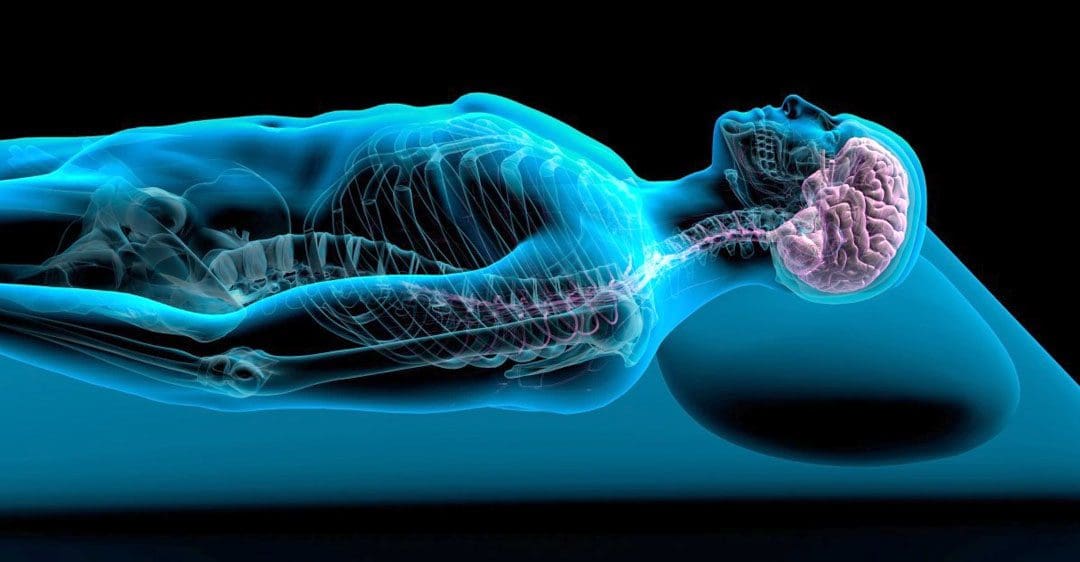
The body needs a good amount of rest after being in motion throughout the day in the form of sleep. Whether the body has been doing errands, standing, running, or walking, many individuals need to rest for a few hours to promote muscle growth and mental recovery. To that point, a good hour and a half nap or a full 8-hours of sleep can do the body good. However, when environmental factors or traumatic accidents start to affect the body, it can lead to pain-like symptoms in the muscle groups that can disrupt the sleeping process and allow recovery to occur in the form of sleep. Fortunately, numerous treatment techniques and therapies restore the body and allow the musculoskeletal system to recover. Today’s article looks at how different sleeping positions correlate with the musculoskeletal system, how pain disorders affect a person’s sleep, and how the MET technique can provide better sleep. We provide valuable information about our patients to certified medical providers offering available therapy treatments like the MET technique for individuals dealing with poor sleep quality associated with musculoskeletal pain disorders. We encourage each patient appropriately by referring them to our associated medical providers based on their diagnosis results. We accept that education is a spectacular way when asking our providers the most crucial questions at the patient’s acknowledgment. Dr. Alex Jimenez, D.C., assesses this information as an educational service. Disclaimer
Sleeping Positions & The Musculoskeletal System
Have you been feeling muscle stiffness in certain areas of your body? Do you feel aches and pains in your low back when stretching? Or have you experienced headaches that seem to go away and come back after a nap? Many of these symptoms are associated with how your sleeping position affects your musculoskeletal system. Many of us have different sleeping positions to feel comfortable and get a full night of sleep. From sleeping on the sides (left or right), on the back, or the stomach, finding a comfortable position can make the musculoskeletal system feel weird. Research studies have revealed that different body postures and movements during sleep have been associated with sleep quality and numerous health outcomes. So if an adult sleeps on their back or side, it could correlate with how much sleep their musculoskeletal system is getting for their mental and physical health. According to Leon Chaitow, N.D., D.O. and Judith Walker DeLany, L.M.T book, “Clinical Application of Neuromuscular Techniques,” stated that recovery of a normal sleep pattern is extremely important for the musculoskeletal system as it provides tissue repair and allows the pituitary glands to release growth hormones in the body while sleep is taking place at night. However, the book also mentions that sleep patterns can be easily disturbed by numerous factors that cause distress and pain to the body affecting the sleep cycle.
Pain Disorders Affecting Sleep
When environmental factors begin to affect how the body functions, it can lead to numerous issues and complaints to the musculoskeletal system that can affect a person’s ability to function over time. It could affect the person’s posture as the muscles are being overstretched, causing issues with the body’s functionality. Studies reveal that different habitual sleep postures or musculoskeletal disorders throughout the day could cause compressive load and muscle contractions on the spinal tissues causing them to become tight and leading to correlating risk factors to the musculoskeletal system. Additionally, environmental risk factors associated with pain can cause muscle weakness and contribute to musculoskeletal problems and imbalances that cause the muscle tissues to become short and tense while changing motor regulation and performance. This means that any muscles that have been overused and injuries can cause pain to the ligaments and joints of the body, leading to musculoskeletal pain and injuries that can affect a person’s quality of sleep.
The Secret Of Unlocking Mobility- Video
Have you been dealing with aches and pains in your muscles? Do you have issues with low back pain? Or do you feel your muscles tense when waking up from a good night’s rest? A good night’s sleep benefits the body’s musculoskeletal system by promoting tissue repair and growth. Many people dealing with musculoskeletal problems could affect their sleep cycle, causing pain-like symptoms in their bodies. When environmental factors or injuries occur to the musculoskeletal system, it can affect how a person sleeps and cause the muscles to become short and tense, leading to injuries over time. Luckily, available treatments are utilized to restore the body and stretch out the tight muscles to promote healing and help the individual to sleep better. The video above informs how chiropractic care can restore the body through spinal manipulation and allow mobility back to the different muscle groups. Many chiropractors would use various techniques to stretch the affected muscles and realign spinal subluxation in the body to help many individuals go throughout their day and have a better sleep.
The MET Technique & Better Sleep
When it comes to having a good night’s sleep, many individuals will find ways to reduce the pain that their body is experiencing by trying to find solutions to get those beneficial 8 hours. Studies reveal that sleep posture has been associated with sleep quality; it is important to identify the factors that could adversely affect a person’s ability to maintain sleep and reduce musculoskeletal issues. Treatments like chiropractic care combined with techniques like the MET (muscle energy technique) can help restore the body through spinal manipulation and stretching of soft muscle tissue when dealing with poor sleep and musculoskeletal problems. Studies reveal that the MET technique, combined with other treatments like chiropractic care, can help restore the range of motion to the joints while stretching weak and short muscles affected by musculoskeletal disorders. These combined techniques can relieve the body from pain and help many individuals sleep better while being aware of their bodies when sleeping to prevent future injuries or pain from reoccurring.
Conclusion
Knowing how you sleep and your position is important when it comes to having a better night’s sleep. Many factors are layered on top of one another that can affect the musculoskeletal system and cause the muscles to be tensed and short, which can lead to dysfunction and cause sleep issues. But with the combination of the MET technique and chiropractic treatment, many individuals can get their bodies restored and have a better night’s sleep without feeling muscle pain when waking up.
References
Cary, Doug, et al. “Examining Relationships between Sleep Posture, Waking Spinal Symptoms and Quality of Sleep: A Cross Sectional Study.” PloS One, U.S. National Library of Medicine, 30 Nov. 2021, https://www.ncbi.nlm.nih.gov/pmc/articles/PMC8631621/.
Cary, Doug, et al. “Identifying Relationships between Sleep Posture and Non-Specific Spinal Symptoms in Adults: A Scoping Review.” BMJ Open, U.S. National Library of Medicine, 28 June 2019, https://www.ncbi.nlm.nih.gov/pmc/articles/PMC6609073/.
Chaitow, Leon, and Judith Walker DeLany. Clinical Application of Neuromuscular Techniques. Churchill Livingstone, 2002.
Skarpsno, Eivind Schjelderup, et al. “Sleep Positions and Nocturnal Body Movements Based on Free-Living Accelerometer Recordings: Association with Demographics, Lifestyle, and Insomnia Symptoms.” Nature and Science of Sleep, U.S. National Library of Medicine, 1 Nov. 2017, https://www.ncbi.nlm.nih.gov/pmc/articles/PMC5677378/.
Wendt, Michał, and Małgorzata Waszak. “Evaluation of the Combination of Muscle Energy Technique and Trigger Point Therapy in Asymptomatic Individuals with a Latent Trigger Point.” International Journal of Environmental Research and Public Health, U.S. National Library of Medicine, 14 Nov. 2020, https://www.ncbi.nlm.nih.gov/pmc/articles/PMC7696776/.
Healthy sleep is vital for having enough energy, thinking clearly, and managing everyday stresses confidently. Chronic unhealthy sleep patterns and/or insomnia can lead to and contribute to various health issues. This includes daytime fatigue, irritability, difficulty concentrating, delayed reaction time, constantly getting sick, and memory problems. Sleeping health problems can get worse with every night of poor rest. Injury Medical Chiropractic and Functional Medicine Clinic provide treatment, training, and tools to realign and relax the body and restore healthy sleep.
Sleeping Health Problems
Lack of sleep disrupts and slows down nerve impulses and transmissions throughout the body. This can lead to health problems that can include:
Excessive fatigue
Brain fog
Slow responses
Physical performance problems
Inability to remember
Low sex drive
Chronic illness
Over time the risk of developing a serious medical condition increases and can include:
Anxiety
Depression
High blood pressure
Diabetes
Weakened immune system
Stroke
Heart attack
Seizures
Staying On
There is some research that insomnia is associated with hyperarousal or the state of staying on. It often starts with a stressful event that sets off the body’s systems, causing the inability to relax completely. Body discomfort and pain symptoms can also present when the mind and body can’t relax. The entire body can tighten/stiffen, causing aches, soreness, and pain. Continuation of sleeping health problems of the cycle leads to more stress.
Chiropractic care, massage, and decompression therapy can help break the cycle. Breaking the process is necessary to help the body recover and rehabilitate properly. Treatment retrains the body to relax; stretching and pulling the muscles increases blood circulation, as well as advanced and improved brain signals telling the body to relax. A chiropractor will evaluate the individuals sleeping patterns and recommend various solutions. The benefits for individuals with sleep issues include:
Alleviates muscle tension.
Stimulates nerve circulation and blood flow.
Relaxes the whole body.
Enhances central nervous system function.
Relieves pain and discomfort.
A chiropractor will also provide the following:
Sleeping position recommendations.
Postural stretches and exercises.
Recommendations on supportive mattresses.
Ergonomics for work, home, and bed.
Chiropractic’s Evolution
References
Hale, Deborah, and Katherine Marshall. “Sleep and Sleep Hygiene.” Home healthcare now vol. 37,4 (2019): 227. doi:10.1097/NHH.0000000000000803
What Are Sleep Deprivation and Deficiency?https://www.nhlbi.nih.gov/health/sleepdeprivation#:~:text=Sleep%20deficiency%20is%20linked%20to,adults%2C%20teens%2C%20and%20children.
What Makes You Sleep? https://www.nhlbi.nih.gov/health/sleep-deprivation/body-clock
How Sleep Affects Your Health https://www.nhlbi.nih.gov/health/sleep-deprivation/health-effects
Riemann, Dieter. “Sleep hygiene, insomnia, and mental health.” Journal of sleep research vol. 27,1 (2018): 3. doi:10.1111/jsr.12661
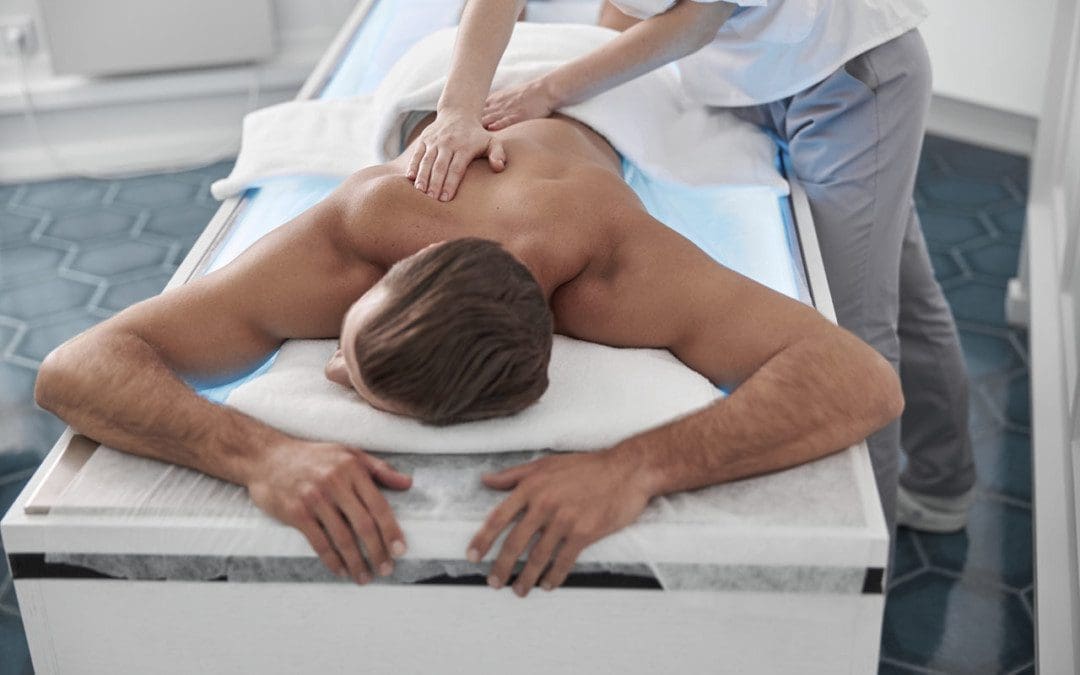
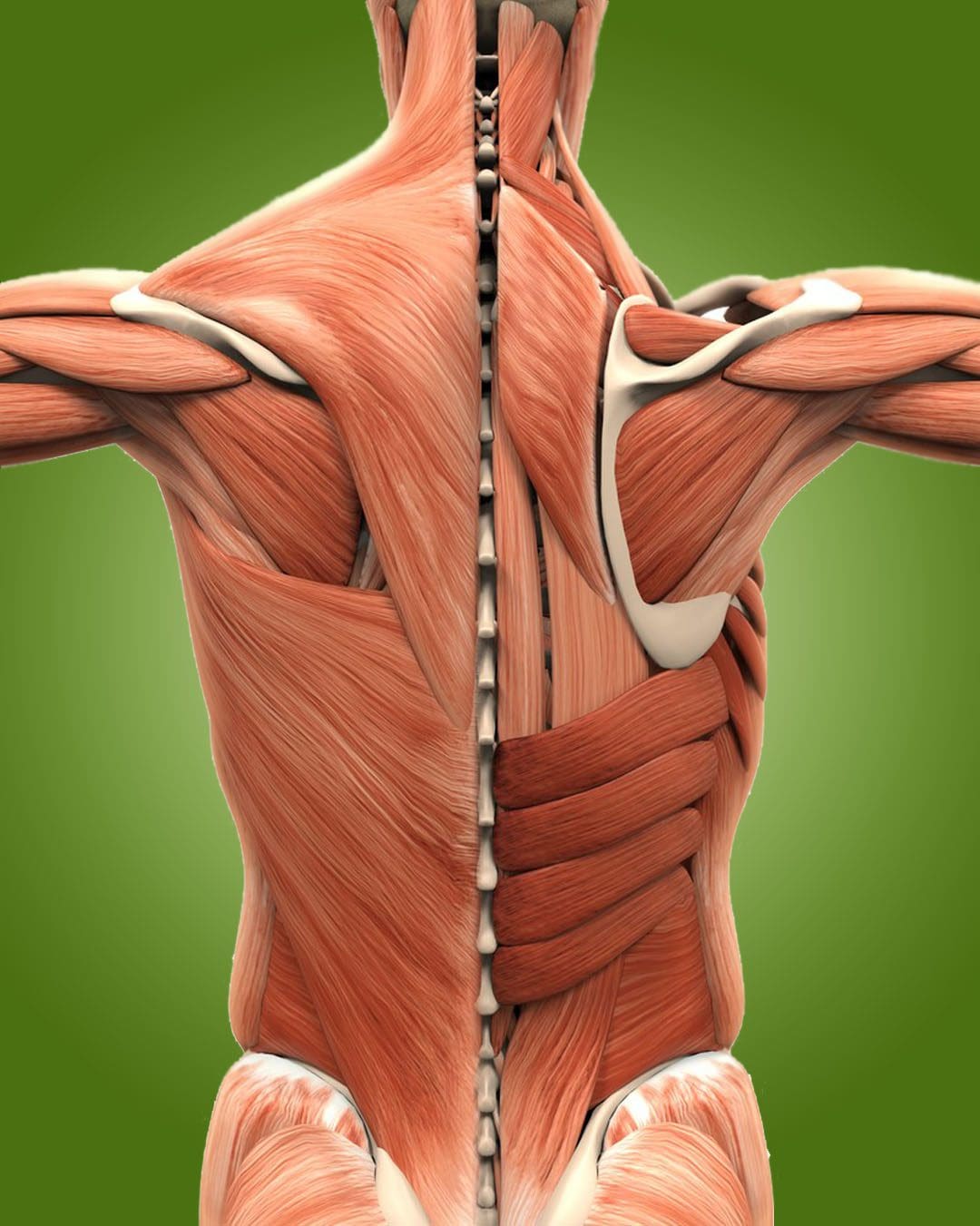
Individuals can experience back muscle rigidity for years and not realize it. This is because the muscles tighten incrementally, and slowly the body begins to acclimate to the feeling and positioning that it becomes normal. And it continues with gradually increased aches and pains. Not until an individual has experienced a therapeutic massage and chiropractic adjustment do they realize just how tight and stiff they were. This is when individuals realize how their musculoskeletal system works and need to maintain loose, flexible muscle tissue for mobility and function. Injury Medical Chiropractic and Functional Medicine Clinic can treat, rehabilitate, educate, and improve an individual’s overall health.
Muscle Rigidity
When the body needs to move, the brain sends a nerve signal to the muscles in that region, causing the muscles to tighten or contract. Muscles can contract a little or a lot, depending on the activity. After contracting, the muscles relax until the next time they are needed. Muscle rigidity happens when a muscle or a group of muscles stays fully or partly contracted for an extended period. The nerve signals keep telling the muscle to contract even when the muscle is no longer needed. This can last for several hours or days.
The longer the muscle remains contracted, the more symptoms present and persist. Muscle rigidity is often triggered by stress. Stress affects the body’s nervous system, including nerves and their function. The nervous system can respond to stress by generating additional pressure on the blood vessels, reducing blood circulation, and causing tension and pain.
Causes
Certain medications, such as statins, can cause muscle rigidity, and several conditions can also contribute to it. These include:
Dehydration is a condition as a result of not drinking enough water.
A repetitive strain injury is an injury to the muscles or nerves due to muscle overuse.
Pinched nerves.
Delayed-onset muscle soreness is stiffness and pain that develops hours or days after strenuous physical activity and exercise.
Chronic fatigue syndrome is a condition that causes extreme fatigue, sleep problems, and pain.
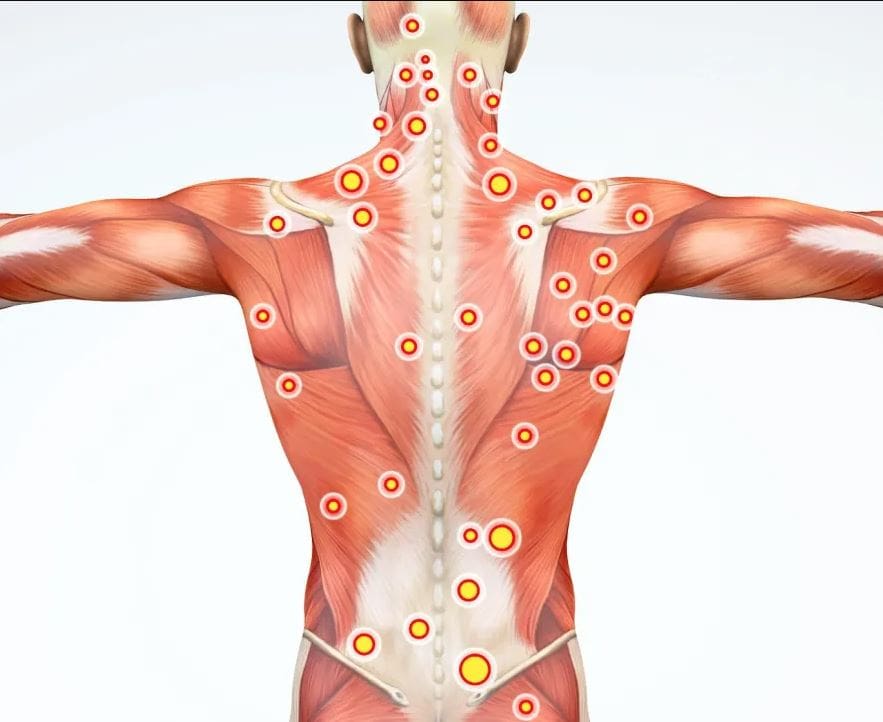
Myofascial pain syndrome is a chronic disorder where pressure on sensitive muscle points causes pain.
Rheumatoid arthritis is a chronic inflammatory disorder affecting the joints.
Fibromyalgia is a chronic disorder that can cause muscle soreness, pain, and rigidity.
Claudication is a condition in which cramping occurs due to a lack of blood flow to the muscles, usually in the legs.
Lyme disease and Rocky Mountain spotted fever wick-borne illnesses that can cause nerve damage.
Amyotrophic lateral sclerosis is a neurodegenerative disease that causes nerve problems and a loss of voluntary muscle control.
Chronic exertional compartment syndrome is a muscle and nerve condition that causes pain and swelling.
Dystonia is a condition that causes random/involuntary muscle contractions.
Lupus is a chronic inflammatory disease that can cause joint pain and stiffness.
Parkinson’s disease is a neurological disease that affects movement.
Polymyalgia rheumatica is a chronic inflammatory disease that can cause muscle pain and stiffness.
Bacterial and Viral infections.
Treatment
The objective of treatment is to train the muscles to relax completely. The specific treatment used can vary depending on the cause and severity.
Chiropractic
Chiropractic treatment will address the condition or injury and then the muscle rigidity. Treatment involves massaging (manually and percussively) the areas to relax and stretch the tight tissues. Chiropractic releases and realigns the misaligned joints and bones to their proper position. The central nervous system recognizes the new positioning as naturally energy efficient. However, there will still be aches and soreness as the body adjusts until it becomes more consistent and normal for the individual.
Home Therapy
Home therapy is recommended with physical therapy and/or chiropractic to maintain flexibility and make necessary changes/adjustments to a treatment plan as the patient progresses and the muscles start to adhere to the massaging, manipulation, and training. They can include the following:
Applying a warm compress or heating pad to the affected area increases circulation.
Targeted gentle stretches.
Avoiding certain activities that could trigger the muscle to become rigid again until the body is ready.
Chandwani D, Varacallo M. Exertional Compartment Syndrome. [Updated 2022 Sep 4]. In: StatPearls [Internet]. Treasure Island (FL): StatPearls Publishing; 2022 Jan-. Available from: https://www.ncbi.nlm.nih.gov/books/NBK544284/
Chu, Eric Chun-Pu et al. “Chiropractic care of Parkinson’s disease and deformity.” Journal of medicine and life vol. 15,5 (2022): 717-722. doi:10.25122/jml-2021-0418
Joshi, Aditi et al. “Effectiveness of Myofascial Release (MFR) vs. High-Frequency Transcutaneous Electrical Nerve Stimulation (TENS) for Pain Relief and Functional Improvement in College Students With Trapezius Myalgia.” Cureus vol. 14,10 e29898. 4 Oct. 2022, doi:10.7759/cureus.29898
Tan, Xueli, et al. “The efficacy of music therapy protocols for decreasing pain, anxiety, and muscle tension levels during burn dressing changes: a prospective randomized crossover trial.” Journal of burn care & research: official publication of the American Burn Association vol. 31,4 (2010): 590-7. doi:10.1097/BCR.0b013e3181e4d71b
When it comes to the body, the various muscles, tissues, joints, and organs provide functionality and movement when it is in motion. Everyone worldwide cares for their bodies by resting them when needed, eating numerous foods to provide energy, and staying active to live longer. However, over time, many factors can contribute to the body by causing many individuals to develop musculoskeletal issues that can affect a person’s posture and the sensory-motor functions that the body provides to maintain motion and stability. In today’s article, we examine muscle imbalances, how it affects the body’s gait pattern, and how the MET technique can help with muscle imbalances. We provide information about our patients to certified medical providers that offer available therapy techniques like MET (muscle energy techniques) for individuals dealing with chronic conditions associated with muscle imbalances that could affect a person’s gait pattern and lead to pain in the muscles and joints. We encourage each patient appropriately by referring them to our associated medical providers based on their diagnosis results. We accept that education is a spectacular way when asking our providers the most crucial questions at the patient’s acknowledgment. Dr. Alex Jimenez, D.C., assesses this information as an educational service. Disclaimer
What Are Muscle Imbalances?
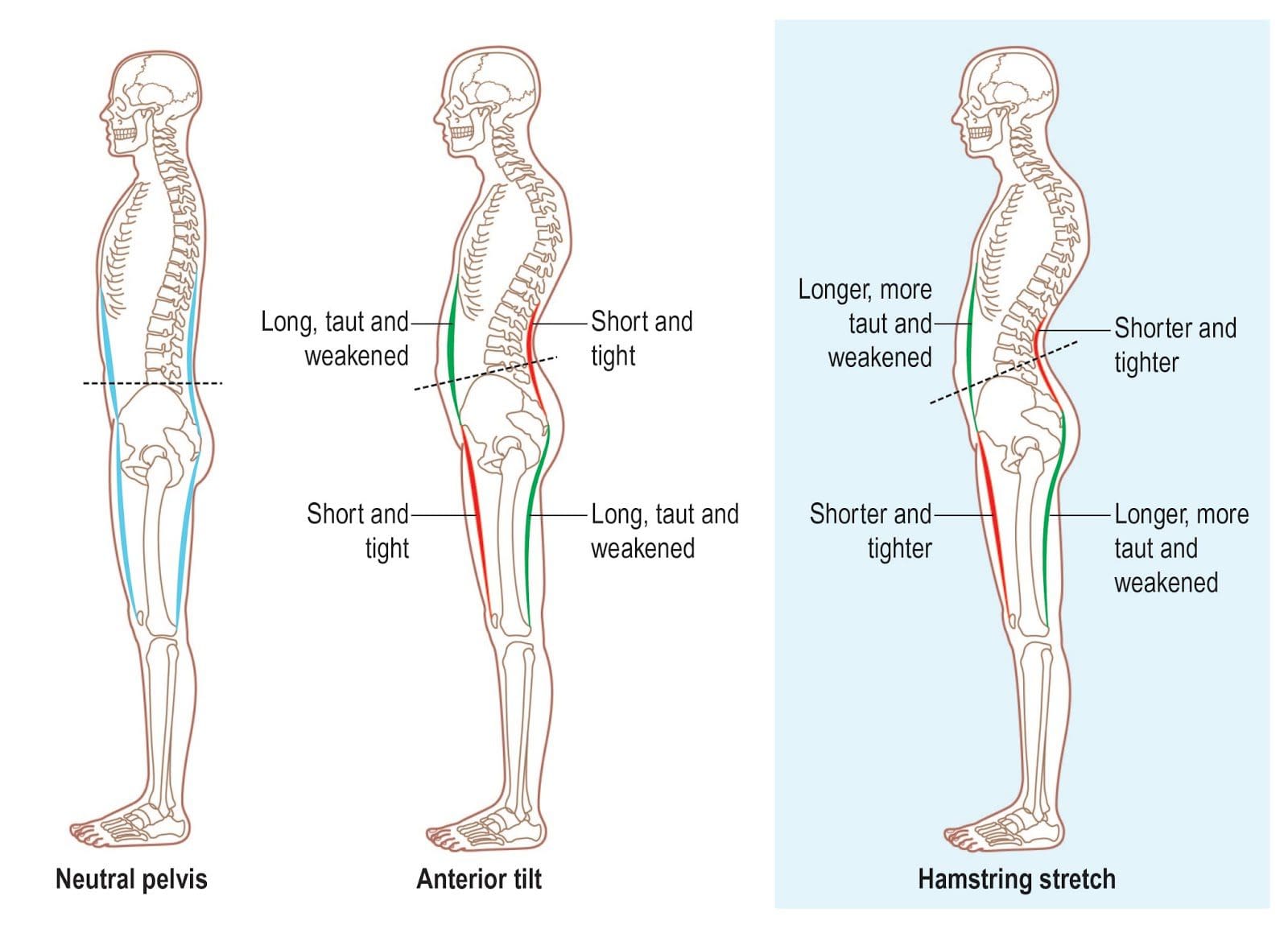
Have you been dealing with tight back, shoulders, and hip muscles? Do you feel one side of your body is weaker than the other? Or do you feel unstable when walking? Many people who are experiencing these issues are associated with muscle imbalances that are affecting their bodies. So what are muscle imbalances, and how does it affect the body? Well, according to “Clinical Applications of Neuromuscular Techniques,” written by Leon Chaitow, N.D, D.O, and Judith Walker DeLany, L.M.T., stated that the soft tissues in our bodies are often changed from their normal elastic, pliable, and toned functional status to short, fibrous and weak function in the different muscle groups. Since the body compensates (without any chronic symptoms) to everyday activities, when the body’s muscles and tissues are exhausted, it can cause the symptoms to develop over time, causing pain, muscle restriction, and limited range of motion to the body. Thus, these symptoms often correlate to musculoskeletal disorders, leading to muscle imbalances.
Other issues that can cause muscle imbalances in the body could result from muscle injuries from traumatic forces. Research studies have revealed that repetitive motions from traumatic injuries could result in microtrauma tears to the muscles and tendons, which can develop into muscle-referred pain and increase the risk of chronic joint inflammation. To that point, it can lead to referred pain in different body areas and affect a person’s stability. When the body is dealing with traumatic injuries that affect the muscles over time, many people shift how they walk or change their postures to compensate for the pain, which can change their gait patterns.
How Does It Affect The Body’s Gait Pattern?
When a person is walking, their entire body is in motion, and over time their posture will change depending on the upper body’s weight bearing down to the hips and lower extremities. Studies reveal that loss of muscle strength can be characterized by musculoskeletal disorders like osteoarthritis that can cause pain symptoms, reduce physical function, decrease range of motion, and muscle/joint instability. So how would muscle imbalances affect the body’s gait pattern? First, we must look at the influences that the neurological and metabolic functions of the central nervous system provide on the musculoskeletal system. The central nervous system sends neuron signals to each muscle group from the upper and lower extremities to allow the individual to walk, run, and do other motor functions. When muscle imbalances are associated with traumatic injuries, it can cause the body to be hunched over over time, causing the short muscles to be tight and the long muscles to be weak. To that point, it can lead to a chain of dysfunctional phases of the gait cycle and its associated symptoms. Some of the signs that can affect a person’s gait pattern include:
Associated joint restriction on the hips
Muscle tension on the pelvis and lower extremities
Muscle tightness in the cervical-thoracic region of the back
Trigger points on the lower extremities causing referred pain
How Muscle Imbalances Associate With Low Back Pain- Video
Have you been dealing with pain in your joints or muscles? Do you find it difficult to walk or carry heavy objects? Or have you been experiencing tight hips and shoulders? Many of these issues are due to muscle imbalances associated with traumatic injuries. The video above explains how muscle imbalances could be related to low back pain. When environmental factors or traumatic forces begin to affect the muscles and joints in the body, it can change a person’s gait pattern (how they walk) and develop into chronic issues affecting the body. When the muscles are imbalanced and cause gait problems, it can lead to muscle and joint pain associated with poor posture and other chronic conditions. When this happens, it can lead to dysfunctional phases of the gait pattern. Luckily there are many treatments and techniques to reduce pain and restore gait function to the body.
How The MET Technique Help With Muscle Imbalances
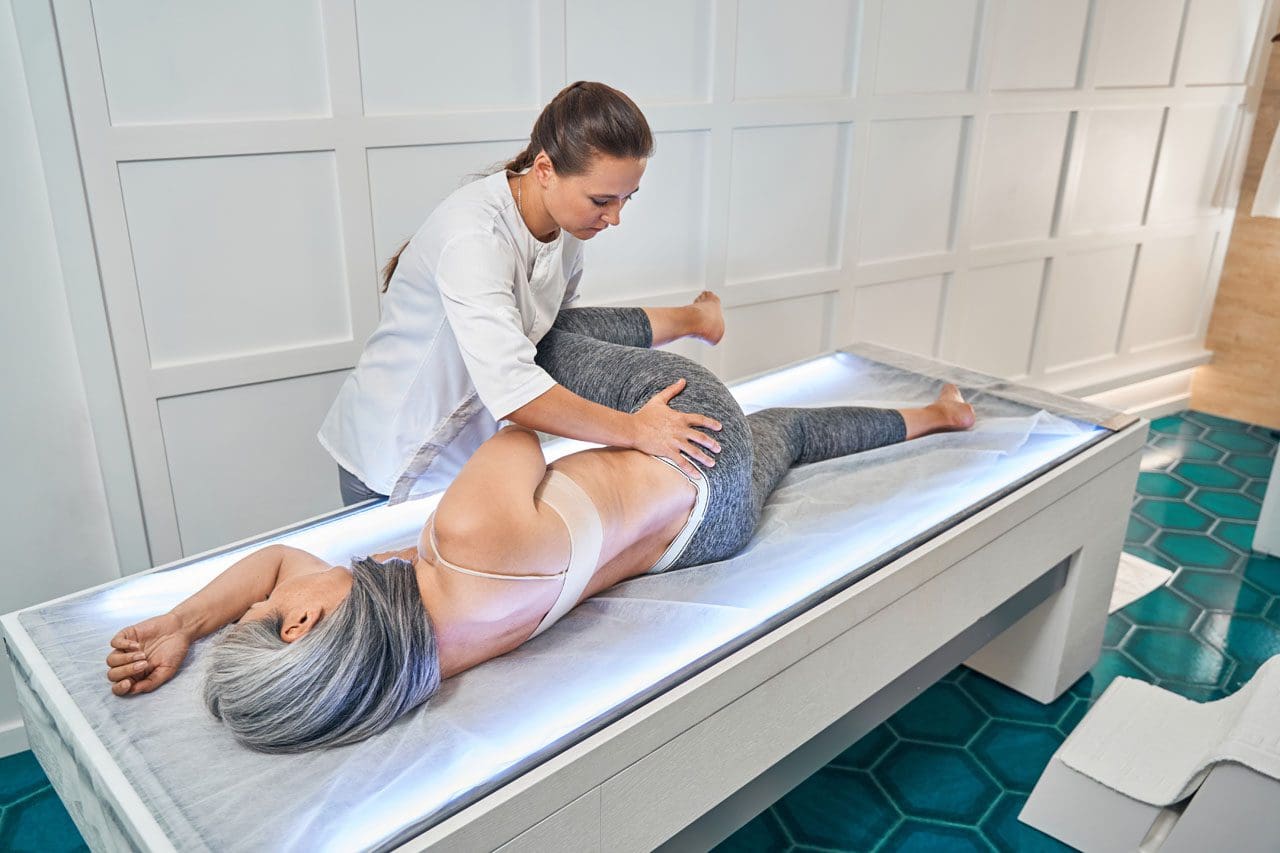
Going to therapy treatments to restore muscle functionality, enable the body to recover naturally, and reduce the chances of future injuries to come back. When the body is dealing with muscle imbalances, there are many treatments and techniques that many pain specialists, like chiropractic care that are utilized to restore the body and prevent injuries from re-occurring. One of the techniques is called the MET technique (muscle energy technique). The MET technique is a form of manual therapy that uses isometric stretches to reduce pain in the soft tissues and lengthen weak muscles. Studies reveal that when pain specialists use the MET technique combined with other treatments like physical therapy and spinal manipulation, it can help reduce the pain affecting the muscle fibers while restoring the body to normalcy and lengthening tight muscles. When the MET technique is combined with other forms of therapy, it can help stretch and strengthen the weak muscles and allows the individual to be aware of how their posture is being corrected.
Conclusion
It is important to everyone that different factors and injuries could result from muscle imbalances that can affect your posture. Muscle imbalances in the body can lead to unwanted symptoms of muscle weakness, pain, and dysfunctional gait patterns that correlate with musculoskeletal disorders. Going to therapy treatments and incorporating techniques like MET, physical activities, and chiropractic care can help the body be restored and prevent future injuries from returning and affecting a person’s health and wellness.
References
Chaitow, Leon, and Judith Walker DeLany. Clinical Applications of Neuromuscular Techniques. Churchill Livingstone, 2003.
Joshi, Reema, and Nishita Poojary. “The Effect of Muscle Energy Technique and Posture Correction Exercises on Pain and Function in Patients with Non-Specific Chronic Neck Pain Having Forward Head Posture-a Randomized Controlled Trail.” International Journal of Therapeutic Massage & Bodywork, U.S. National Library of Medicine, 1 June 2022, https://www.ncbi.nlm.nih.gov/pmc/articles/PMC9134480/.
Neme, Jamil R. “Balancing Act: Muscle Imbalance Effects on Musculoskeletal Injuries.” Missouri Medicine, U.S. National Library of Medicine, 2022, https://www.ncbi.nlm.nih.gov/pmc/articles/PMC9324710/.
Vodička, Tomáš, et al. “Could the Evaluation of Muscle Strength Imbalances Be Used as a Predictor of Total Hip Arthroplasty?” International Journal of Environmental Research and Public Health, U.S. National Library of Medicine, 11 May 2021, https://www.ncbi.nlm.nih.gov/pmc/articles/PMC8150769/.
The human body has numerous musculoskeletal muscles that allow the host to do various movements without pain or discomfort. Each muscle group has tendons, muscles, ligaments, and connective tissues surrounding the skeletal joint and protecting the skeletal structure. Each muscle group in the body allows different functions, from turning the neck from side to side to enabling the legs to provide motion when walking. Now naturally, the body ages over time, which can lead to muscle weakness in the muscle groups and affect the connective tissues, or various disruptors can develop in a healthy body that can also affect the muscles and connective tissues. Fortunately, the multiple muscle groups and connective tissues are affected by overlapping risk profiles. In that case, there are many treatments and techniques that many pain specialists utilize to restore the body and relieve pain-like symptoms associated with musculoskeletal disorders. Today’s article examines connective tissues, how conditions can affect the connective tissues, and how the MET technique stretches or strengthens the body’s connective tissue. We provide information about our patients to certified medical providers that offer available therapy techniques like MET (muscle energy techniques) for individuals dealing with chronic conditions associated with disorders affecting the body’s connective tissues that can correlate and develop with overlapping pain profiles. We encourage each patient appropriately by referring them to our associated medical providers based on their diagnosis results. We accept that education is a spectacular way when asking our providers the most crucial questions at the patient’s acknowledgment. Dr. Alex Jimenez, D.C., assesses this information as an educational service. Disclaimer
What Are Connective Tissues?
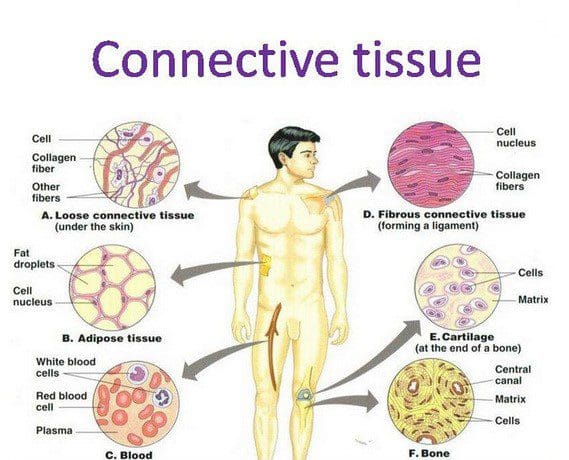
The human body is a multiplex machine that is composed of many tissues that surround the skeletal joints and vital organs with the basic functions that the body produces. Research studies reveal that, as the name has implied, connective tissues in the body refer to the several different body tissues that connect and support the other tissues by binding them to the body. Now there are three different categories that connective tissue can be broken down into:
Loose connective tissue
Dense connective tissue
Specialized connective tissues
These three different connective tissue categories have functions that allow the body to perform properly and provide support to the rest of the musculoskeletal system. The dense connective tissues make up the body’s tendons and ligaments that move the hands and feet while having a higher collagen fiber density. The loose connective tissues help keep the vital organs in place. And finally, the specialized connective tissues are composed of adipose tissues, cartilage, lymphoid tissues, etc. When the body begins to age naturally or is dealing with issues affecting the connective tissues, it can develop musculoskeletal disorders associated with the connective tissue.
Disorders Affecting The Connective Tissues
Have you been experiencing muscle pain or weakness in your body? Do your hands or feet feel tired? Or do you feel stiffness and pain in your joints? Many pain-like symptoms are associated with musculoskeletal disorders affecting the body’s connective tissues. As stated earlier, when the body begins to age naturally, the various muscles in the body can develop into musculoskeletal disorders associated with the connective tissues. Aging can affect connective tissue function as the cartilage from the specialized connective tissues has less elasticity and changes the proteoglycan both quantitatively and qualitatively, according to the book, “Clinical Applications of Neuromuscular Techniques,” written by Leon Chaitow, N.D., D.O., and Judith Walker DeLany, L.M.T. Additional research studies have revealed that environmental factors associated with the body’s immune system can affect the connective tissues. This is known as connective tissue disorder, and it can be comprised of numerous conditions that can affect the immune system and cause overlapping symptoms in the musculoskeletal system. This includes some of the following:
Inflammation in the joints causes them to lock up
Muscle weakness where myofascial entrapment affects the muscle fibers
Fatigue
Vitamin deficiency
An Introduction To MET- Video
Have you been feeling stiffness in your muscles or joints? Does it hurt when you are bending over and lifting heavy objects? Or are you feeling tired constantly? When the body deals with these issues, it can affect more than the muscles and connective tissues. This can lead to symptoms of stiffness and aches in the joints while restricting the range of motion to the muscles. When this happens to the body, many pain specialists utilize MET (muscle energy technique) and relieve those symptoms. Studies reveal that MET is a manual treatment for soft tissue, helping mobilize the joints and stretch tight muscles and fascia to improve circulation to the connective tissues and drain the lymphatic system. The video above introduces how MET is used on the body.
The MET Technique On Connective Tissues
Research studies reveal that since the muscles and joints are being held together by connective tissues, using the MET technique allows pain specialists to stretch the muscles and joints to release tension and other symptoms associated with pain. When pain specialists use the MET technique on the body, it can help strengthen the weaker muscles while paying attention to how short the muscles are affecting the body. While the MET technique can help support the muscles with combined physical therapy, it can help stretch the tight muscles and overworked connective tissues. This allows the body to be restored and get back to normal. Many pain specialists like chiropractic care allow the MET technique to stretch the trapped connective tissues and free the body’s structures to correct postural imbalances.
Conclusion
The body’s connective tissues support each muscle, organ, and skeletal structure. When issues affect the body, the various muscle groups, and connective tissues start to develop overlapping symptoms associated with pain. When pain-like symptoms affect the body, many people will go to a pain specialist and be treated using the MET technique to restore the muscles and body and return to normal.
References
Chaitow, Leon, and Judith Walker DeLany. Clinical Applications of Neuromuscular Techniques. Churchill Livingstone, 2003.
Kamrani, Payvand, et al. “Anatomy, Connective Tissue.” In: StatPearls [Internet]. Treasure Island (FL), StatPearls Publishing, 24 Jan. 2022, https://www.ncbi.nlm.nih.gov/books/NBK538534/.
Page, Phil. “Current Concepts in Muscle Stretching for Exercise and Rehabilitation.” International Journal of Sports Physical Therapy, U.S. National Library of Medicine, Feb. 2012, https://www.ncbi.nlm.nih.gov/pmc/articles/PMC3273886/.
Rao, Vijay, and Simon Bowman. “Latest Advances in Connective Tissue Disorders.” Therapeutic Advances in Musculoskeletal Disease, U.S. National Library of Medicine, Aug. 2013, https://www.ncbi.nlm.nih.gov/pmc/articles/PMC3728978/.
Thomas, Ewan, et al. “The Efficacy of Muscle Energy Techniques in Symptomatic and Asymptomatic Subjects: A Systematic Review.” Chiropractic & Manual Therapies, U.S. National Library of Medicine, 27 Aug. 2019, https://www.ncbi.nlm.nih.gov/pmc/articles/PMC6710873/.
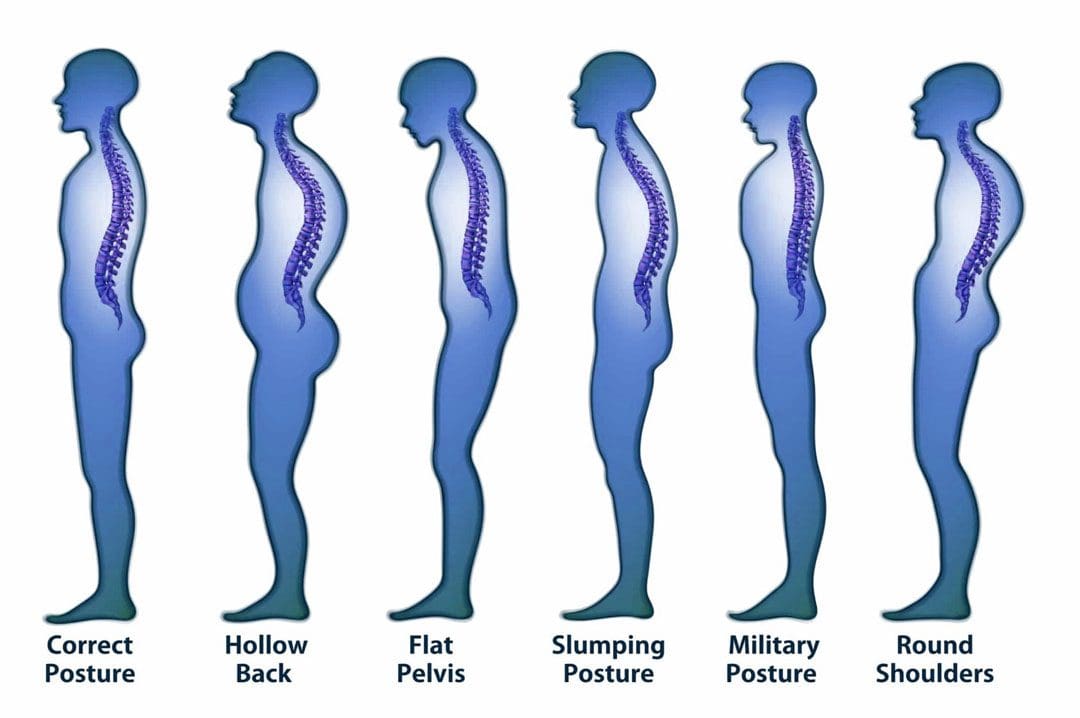
Every day, the body is in constant rest or active motion when needed, from working to exercising and getting adequate rest to repeat the cycle. However, as the body is in this dynamic/rest motion, unintentionally, many individuals will be hunched forward, causing their posture to be slouched for long periods. To that point, it can cause the surrounding neck, shoulder, and back muscles to be pulled and overly stretched, causing pain when the individual gets out of the reclined position. When a person is constantly being hunched over, the action alone could lead to poor posture, which can cause misalignment to the spine and be associated with many chronic conditions that affect their way of life. Fortunately, various treatments can help alleviate poor posture and its associated symptoms. Today’s article examines what defines good posture, the influences that can affect body posture, and how treatment techniques like MET (muscle energy technique) can help improve posture. We mention our patients to certified medical providers that provide available therapy treatments like MET (muscle energy techniques) for individuals suffering from chronic conditions associated with poor posture that can correlate with overlapping risk profiles. We encourage each patient when it is appropriate by referring them to associated medical providers based on their diagnosis or needs. We understand and accept that education is a marvelous way when asking our providers crucial questions at the patient’s request and acknowledgment. Dr. Alex Jimenez, D.C., uses this information as an educational service. Disclaimer
What Defines Good Posture?
Have you been experiencing referred pain in your neck, shoulders, or lower back? Do you feel pain when stretching after being hunched over throughout the day? Or have you noticed that your neck is slanted, which causes your head to poke in front of your shoulders? Many of these issues are correlated with poor posture. Many of us have heard the saying from our parents, “Stand up straight!” And this is a reminder that having good posture correlates with good spinal health. The book, “Clinical Applications of Neuromuscular Techniques,” written by Leon Chaitow, N.D., D.O, and Judith Walker DeLany, L.M.T, mentions that posture is used to describe the static state of the spine. There are two different types of posture: static and dynamic. Static posture is when the body is in motion, while dynamic posture is when the body is resting. So good posture allows the spine to naturally curve with minimal pain affecting the cervical, thoracic, and lumbar regions.
Influences That Affect Body Posture
As stated early, many of us unintentionally hunch our bodies over time. This is one of the issues as we constantly look down on our phones, and as we get older, it can affect our ability to balance ourselves. Research studies reveal that improper posture can affect static and dynamic balance as we age. This means that when we are constantly hunched over as older adults, we are more prone to the risk of falling and causing long-term disability to our bodies. Additional research studies also mentioned that chronic conditions like forward head posture (which correlates to constantly looking down at the phone) could cause a persistent and abnormal contraction of the neck and shoulder muscles to become dysfunctional. To that point, it can cause pressure on the muscles, fascia, and nerves in the cervical-thoracic regions of the body. When bad posture affects the body over time, it can develop into musculoskeletal disorders if not treated immediately.
5 Way To Improve Posture- Video
Have you felt muscle strain on your neck, shoulders, and back? Have you felt relief when you stretch after being hunched over? Do you feel unstable when walking? These issues could be correlated with your posture if you have been experiencing these issues. When it comes to the body, it is important to make sure that maintaining good posture is not just to please your parents but to have a healthy spine. When we are constantly hunched over, it can cause the muscles and connective tissues to have gravitational strain and shorten the length of the muscles. However, realizing that you have poor posture early on can be treated. The video above shows the five best ways to improve your posture and how to strengthen the back, neck, and shoulder muscles from developing chronic conditions. Exercise alone can not be the only solution; combining it with chiropractic therapy allows the body to be fully restored with various techniques to reduce pain-like symptoms.
How The Met Technique Helps Improve Posture
So how would chiropractic care help with improving posture? Many chiropractors use techniques like MET (muscle energy technique) and spinal manipulation to help restore the body to realignment. Studies reveal that the combinations of MET and stretching can help lengthen the short muscles and restore range of motion to the body. Chiropractors use their hands and various tools to help realign the spine from subluxation and return the body to normal while freeing the tense muscles. Chiropractic care decreases the body’s risk of back injuries while reducing wear and tear on the muscles and joints, contributing to poor posture.
Conclusion
Overall, it is important to maintain good posture to prevent unwanted chronic issues from causing pain-like symptoms to the body. Recognizing the problems contributing to poor posture, treatment, and exercise can help stretch and strengthen the back muscles from hunching over. Maintaining good posture allows the body to be pain-free and prevents many unwanted symptoms from developing.
References
Chaitow, Leon, and Judith Walker DeLany. Clinical Applications of Neuromuscular Techniques. Churchill Livingstone, 2003.
Cohen, Rajal G, et al. “Lighten up! Postural Instructions Affect Static and Dynamic Balance in Healthy Older Adults.” Innovation in Aging, U.S. National Library of Medicine, 24 Mar. 2020, https://www.ncbi.nlm.nih.gov/pmc/articles/PMC7092748/.
Lee, Joon-Hee. “Effects of Forward Head Posture on Static and Dynamic Balance Control.” Journal of Physical Therapy Science, U.S. National Library of Medicine, Jan. 2016, https://www.ncbi.nlm.nih.gov/pmc/articles/PMC4756019/.
Phadke, Apoorva, et al. “Effect of Muscle Energy Technique and Static Stretching on Pain and Functional Disability in Patients with Mechanical Neck Pain: A Randomized Controlled Trial.” Hong Kong Physiotherapy Journal : Official Publication of the Hong Kong Physiotherapy Association Limited = Wu Li Chih Liao, U.S. National Library of Medicine, 14 Apr. 2016, https://www.ncbi.nlm.nih.gov/pmc/articles/PMC6385145/.
IFM's Find A Practitioner tool is the largest referral network in Functional Medicine, created to help patients locate Functional Medicine practitioners anywhere in the world. IFM Certified Practitioners are listed first in the search results, given their extensive education in Functional Medicine