Chiropractic and Regenerative Therapies: Nutritional Support
Chiropractic Care and Regenerative Therapies: How Nutrition Reduces Inflammation and Speeds Tissue Repair
When injuries or ongoing pain affect your daily life, finding real relief often means looking beyond one type of treatment. Many people in El Paso and beyond now benefit from a combined approach that brings together chiropractic care and regenerative therapies. The main goal of this integration is simple yet powerful: lower whole-body inflammation while giving your tissues the exact nutrients they need to rebuild and heal.
This article walks you through why this combination works, how an anti-inflammatory diet supports it, and what practical steps you can take. You will also learn how a dedicated local team puts these ideas into action every day.

Why Combine Chiropractic Care with Regenerative Therapies?
Chiropractic care focuses on spinal alignment and nervous system function. Gentle adjustments help reduce pressure on nerves, improve movement, and ease muscle tension. Regenerative therapies, such as platelet-rich plasma (PRP) injections or bone marrow concentrate procedures, work at the cellular level to promote new tissue growth in damaged areas, such as joints, ligaments, or nerves.
When these two approaches are used together, they address both the structural and the biological sides of healing. Chiropractic care helps the body move better and reduces mechanical stress, while regenerative treatments supply growth factors that promote repair. The shared result is less systemic inflammation—the kind of widespread swelling that slows recovery and keeps pain going.
Dr. Alexander Jimenez, DC, APRN, FNP-BC, CFMP, IFMCP, ATN, has observed through years of clinical work that patients recover more completely when care addresses both spinal function and the body’s overall healing capacity. His approach at the clinic emphasizes natural restoration, using advanced therapies alongside hands-on care so the body can heal itself more effectively.
The Main Objective: Lower Inflammation and Supply Building Blocks
Systemic inflammation acts like a roadblock. It increases pain, stiffens tissues, and makes it harder for new cells to form. Regenerative treatments aim to turn down this response while delivering growth factors directly to the injured site.
To make those treatments work even better, the body needs the right raw materials. Think of it like construction: you can have the best workers (growth factors from PRP or similar therapies), but without lumber, nails, and tools (nutrients), progress stalls.
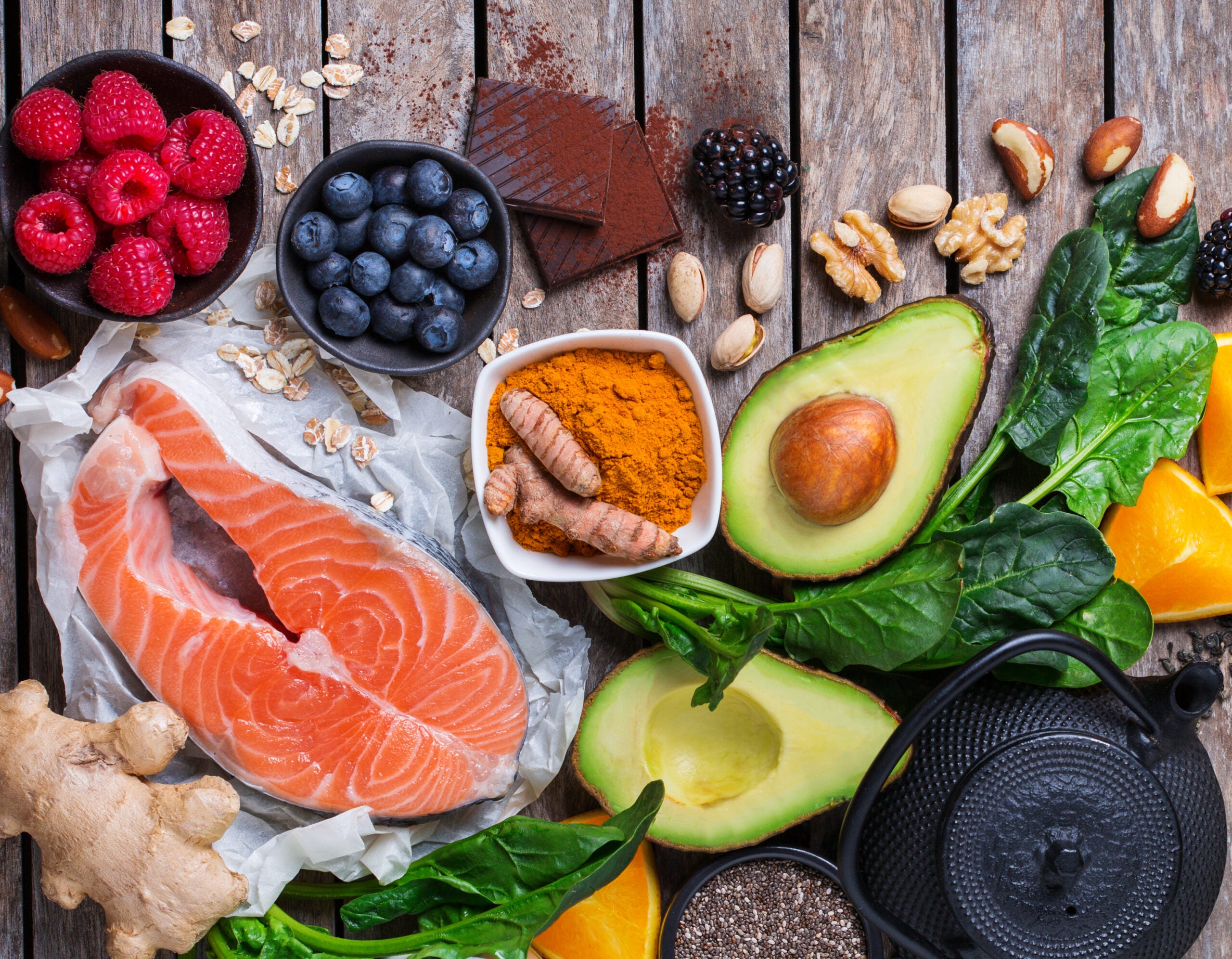
An anti-inflammatory diet rich in whole foods supplies those building blocks. It provides lean protein for tissue repair, healthy fats that help calm inflammation, and antioxidants that protect cells from further damage. Research and clinical experience show that patients who follow smart nutrition guidelines often see smoother recoveries and better long-term results.
How Nutrition Supports Healing Alongside Chiropractic and Regenerative Care
Nutrition does more than fill your stomach. The foods you eat directly influence inflammation levels, blood flow, and how well your body responds to adjustments or regenerative procedures.
Chiropractic adjustments work best when inflammation is already trending downward. Regenerative treatments like PRP or similar therapies also perform better in a less inflamed environment because growth factors can focus on repair instead of fighting constant swelling.
A steady anti-inflammatory eating pattern helps in several ways:
- It lowers baseline inflammation before procedures.
- It supplies protein and collagen-building nutrients right when tissues need them most.
- It supports hydration and circulation so nutrients reach healing areas.
- It complements other modalities you may receive, such as epidural injections for severe nerve pain, MLS laser therapy for deep tissue relief, or shockwave treatments that stimulate repair.
Because your specific plan may include several of these therapies, nutrient timing becomes important. Your care team can help match meals and supplements to each phase of treatment for the best possible outcome.
Key Foods That Fight Inflammation and Build Stronger Tissues
Focus on colorful, minimally processed choices. Here are the categories that matter most:
Lean proteins for repair: Protein gives your body the amino acids needed to rebuild muscle, ligaments, and cartilage. Good sources include wild-caught fish, pasture-raised poultry, eggs, Greek yogurt, lentils, and tofu. Aim for steady intake throughout the day rather than one large serving.
Healthy fats that calm inflammation: Omega-3 fats from salmon, sardines, mackerel, walnuts, flaxseeds, and chia seeds help turn down inflammatory signals. Extra-virgin olive oil and avocados add more anti-inflammatory compounds and support joint lubrication.
Antioxidant-rich plants: Berries (blueberries, strawberries, raspberries), dark leafy greens (spinach, kale), turmeric, ginger, and brightly colored vegetables supply compounds that protect cells and reduce oxidative stress. These foods pair especially well with regenerative treatments.
Supporting nutrients: Vitamin C (citrus, bell peppers, kiwi) helps build collagen. Zinc (pumpkin seeds, seafood) and magnesium (leafy greens, avocados, nuts) aid muscle relaxation and tissue recovery. Staying well hydrated—roughly half your body weight in ounces of water daily—helps move nutrients and clear waste.
Foods and Habits That Can Slow Progress
Just as some foods help, others can increase inflammation and interfere with healing. Limit or avoid:
- Refined sugars and sugary drinks
- White flour products and highly processed snacks
- Fried foods and trans fats
- Excessive alcohol
- Processed meats
These choices raise inflammatory markers and can reduce the effectiveness of regenerative treatments. Many patients notice better energy and less pain within a few weeks of making these simple swaps.
Timing Your Nutrition Around a Multi-Modality Plan
When your care includes several treatments—such as an epidural injection for nerve relief, MLS laser sessions for inflammation, or shockwave therapy for tissue stimulation—nutrient timing helps each step work better.
- Before procedures: Emphasize anti-inflammatory foods and stay well hydrated to lower baseline swelling.
- After regenerative injections or procedures: Prioritize protein and collagen-supporting nutrients to give tissues the building blocks they need right away.
- Around laser or shockwave sessions: Keep meals balanced with antioxidants and healthy fats to support the body’s natural repair response.
- Daily foundation: Maintain consistent anti-inflammatory eating so your system stays primed for whatever therapy comes next.
Your clinical team, including providers who understand both the chiropractic and medical aspects of care, can provide you with a personalized schedule. Small adjustments in meal timing often lead to noticeably smoother recoveries.
Expert, Multidisciplinary Support in El Paso
At Injury Medical Clinic PA in El Paso, Texas, patients receive coordinated care that blends chiropractic expertise with medical oversight. Dr. Alexander Jimenez, DC, APRN, FNP-BC, CFMP, IFMCP, ATN, brings extensive clinical experience in spinal care, functional medicine, personal injury recovery, and regenerative approaches. His observations show that patients achieve better mobility and reduced pain when spinal alignment and whole-body inflammation are addressed together through nutrition and targeted therapies.
Working alongside him is Dr. Maria Guadalupe Cardenas, MD, board-certified in Internal Medicine. With over 40 years of experience, NPI #1164426749, and Texas MD License #J2933, she serves as Medical Director and Collaborative Physician. This medically integrated model is common in strong injury and wellness clinics. The MD provides oversight for complex cases, diagnostics, and certain procedures, while the chiropractic and functional medicine team delivers hands-on care and lifestyle guidance. Together they create safe, personalized plans that cover rehabilitation, personal injury documentation, and advanced regenerative options.
This team approach means you are never navigating treatments alone. Providers communicate, adjust plans based on your progress, and help you time nutrition and other supports for maximum benefit.
Practical Next Steps
Start where you are. Add one extra serving of leafy greens or berries each day. Swap one processed snack for nuts or yogurt. Drink an extra glass of water with meals. These small changes add up quickly when combined with consistent chiropractic or regenerative care.
Keep an open conversation with your providers about your diet, any supplements you take, and how you feel between sessions. They can refine recommendations as your treatment plan evolves.
Healing is a journey, not a single appointment. By lowering inflammation through smart food choices and giving your body the precise building blocks it needs, you support every adjustment, every regenerative treatment, and every step toward feeling like yourself again.
References
- Optimizing Recovery: Why Nutrition and Supplements Matter after PRP and Bone Marrow Concentrate Procedures. (2026). New Regeneration Orthopedics.
- Eat to Heal: How Nutrition Supports Your Chiropractic Care. (n.d.). Ascend Chiropractic Health.
- Daily Habits to Improve Longevity, Balance Hormones and Decrease Inflammation – Section Two. (n.d.). Healing Peak.
- Integrating Chiropractic Care with Nutrition for Optimal Wellness. (n.d.). Grove Chiropractic.
- The Stem Cell Diet: How Nutrition Can Optimize Your Treatment Outcomes. (n.d.). Stem Cell Medical Center.
- Clinical insights and observations shared on Dr. Alexander Jimenez’s site and clinic resources regarding integrated chiropractic, regenerative, and functional medicine approaches at Injury Medical Clinic PA.