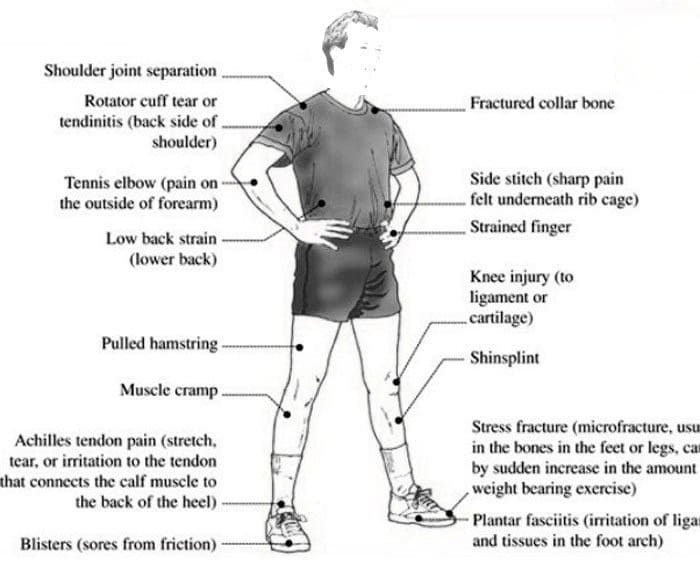
Acute and chronic sports injuries. Individuals who participate in sports or physical activities have an increased risk of experiencing an injury. These types of damages range from minor to severe and could require medical attention. Acute sports injuries happen suddenly and are usually the result of trauma to the area. A specific, identifiable incident is what causes an acute injury. Chronic sports injuries, also known as repetitive/overuse injuries, happen with time and are not caused by a single incident.
Acute and Chronic Sports Injuries Identification
Acute injuries can be identified by their cause. This could be a falling down during a run, sharp pain that presents in the shoulder after a throw, or a sprained ankle. The ability to focus on one cause usually means it’s acute. Acute injuries are characterized by:
Sudden pain in an area where there was none.
Swelling
Redness
Tenderness
Limited range of motion.
The inability of the injured area to support its weight.
A broken bone.
Dizziness
Headache
Nausea
Vomiting
Chronic injuries are different but are usually easy to identify. The pain begins gradually, usually over weeks or months. Repetitive activities like running, throwing, and swinging can exacerbate the pain. However, it is difficult to point to a specific issue that first caused the discomfort or pain. Chronic sports injuries are characterized by:
Pain and tenderness in the area, especially during and immediately after activity.
Minor swelling and limited range of motion.
Dull pain when resting.
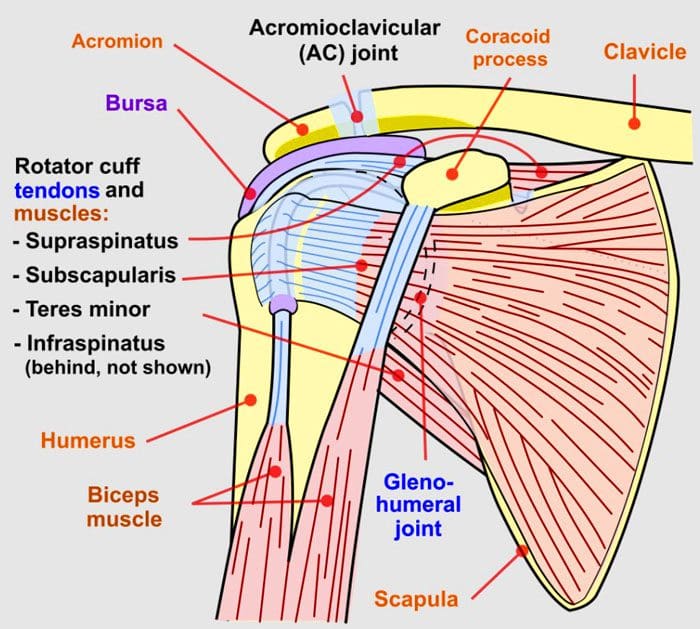
These two types of injuries have different causes – trauma for acute and wear-and-tear for chronic – but they can both result in similar issues. For example, shoulder rotator cuff injuries are common, especially those that repeatedly use their shoulder to swing, throw, swim, etc. The individual needs to undergo a rotator cuff injury test to diagnose the injury correctly, whether the damage is acute or chronic. Chronic injuries can cause acute injuries, and acute injuries can lead to chronic injuries if left untreated.
Examples of Acute and Chronic Sports Injuries
Chronic and acute injuries are common in every type of sport. There’s an opportunity for both types of injuries. The most common include:
Other injuries from trauma, overuse, or both include:
Nonspecific Back Pain
Herniated Disc/s
Spondylolysis
Treatment
Minor acute injuries can be treated with rest, ice, compression, and elevation, aka R.I.C.E. Overuse injuries, are different as the injury has been gradually increasing in its severity, possibly causing scar tissue and ganglion cysts to develop. To prevent the injury from worsening, it’s recommended to see a sports injury chiropractor or physical therapist. These professionals can help heal the body and educate the individual on self-care and prevention.
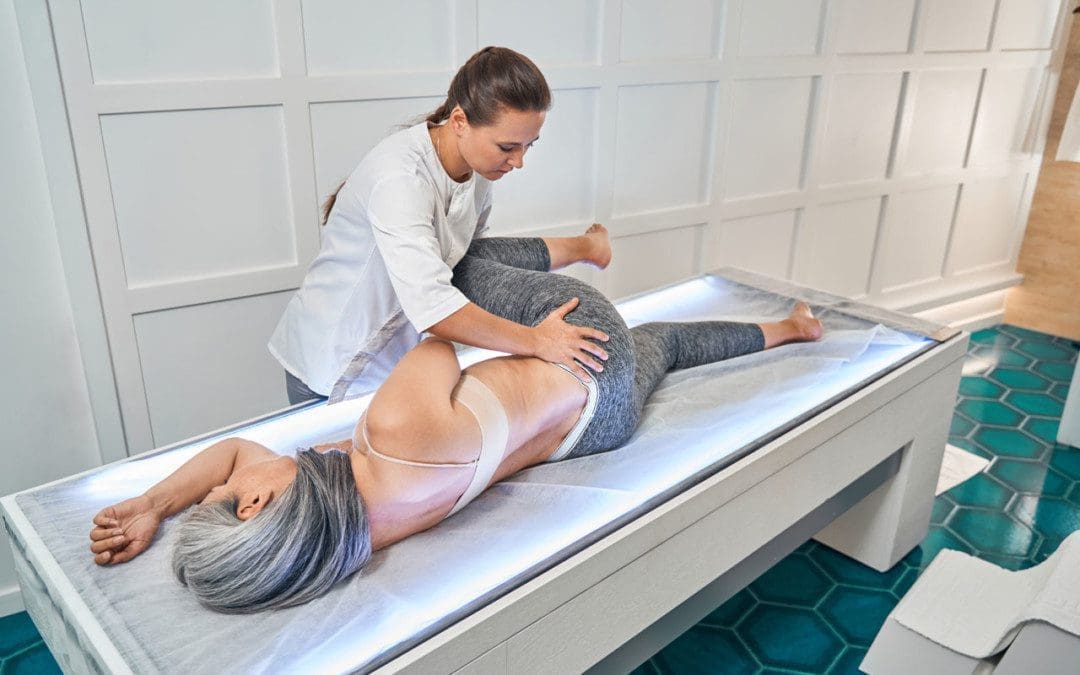
Chiropractic
The musculoskeletal system takes a beating. Chronic injuries usually affect the bones, joints, muscles, or a combination. Chiropractic helps keep the musculoskeletal system limber and in proper alignment. Adjustments include:
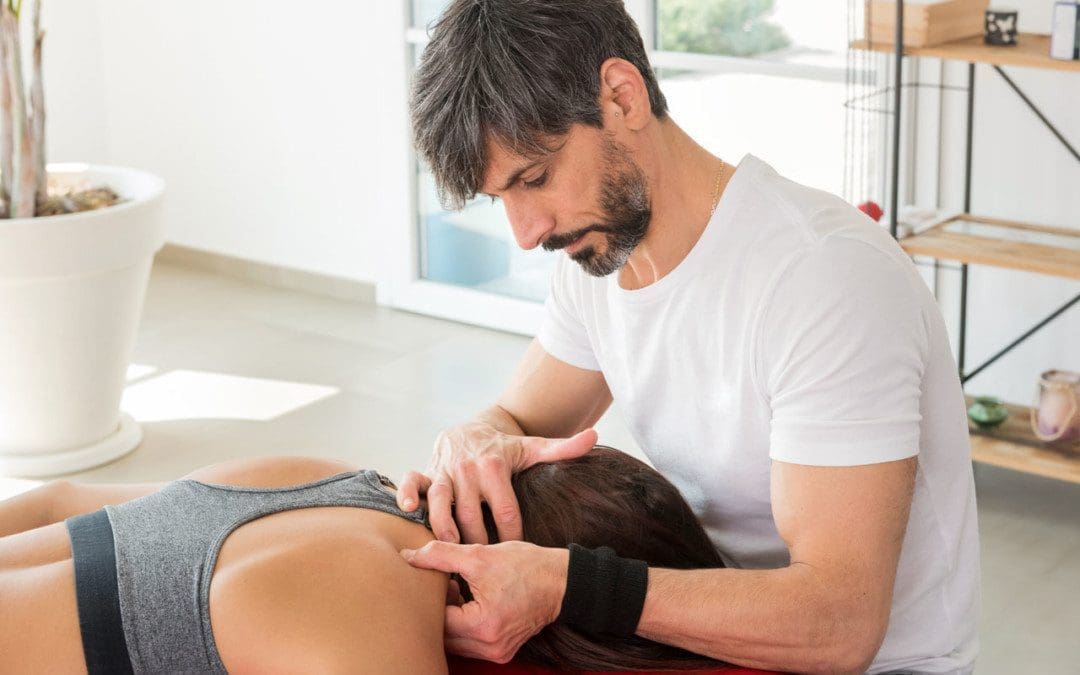
Neck adjustments
Arm and hand adjustments
Shoulder adjustments
Knee adjustments
Hip adjustments
Foot adjustments
Physical Therapy
Physical therapy for a chronic injury can help prevent future injuries. A physical therapist helps:
Improve range of motion
Reduces pain and swelling
Increases strength
Whether an athlete or is just staying active and having some fun with sports, acute and chronic injuries can sneak up and worsen if they are not treated properly. Healing with the help of a professional can quicken recovery time and prevent future injuries.
Body Composition
Maintain Muscle Mass While Losing Fat
Individuals who want to lose weight should focus on losing excess fat tissue, not muscle mass. Studies have shown that diet and exercise are crucial to preserving Skeletal Muscle Mass while losing weight. Losing weight healthily includes:
A healthy balance of cardio and resistance training to burn calories and build muscle.
Wörtler, K, and C Schäffeler. “Akute Sportverletzungen und chronische Überlastungsschäden an Vor- und Mittelfuß” [Acute sports injuries and chronic overuse stress damage to the forefoot and midfoot]. Der Radiologe vol. 55,5 (2015): 417-32. doi:10.1007/s00117-015-2855-3
Yang, Jingzhen et al. “Epidemiology of overuse and acute injuries among competitive collegiate athletes.” Journal of athletic training vol. 47,2 (2012): 198-204. doi:10.4085/1062-6050-47.2.198
Back pain usually comes from lifting an object the wrong way or awkwardly moving the body, injuring the spinal structures or muscles. However, sometimes it could be signs/symptoms of a more serious medical condition. The back pain could be caused by:
How to know when the root cause of back pain is from something else in the body? There are two types of pain that pain specialists look at. These are visceral pain and somatic pain. Visceral pain comes from damage or injury to the organs or organ tissues. This internal pain can radiate to the spine from conditions like:
Pancreatitis
Ulcerative colitis
Crohn’s disease
Gall stones
Cancers
Kidney pain
Urinary tract infections
Somatic pain is injury or damage to the muscles, skin, and soft tissues. It can be caused by:
Regular wear and tear
Aging
Injury
Sedentary lifestyle
However, visceral pain can cause somatic/bodily pain to flare up. The stress the body is going through because of the medical condition can cause inflammation.
Kidney Infections and Stones
The kidneys are located in the rear of the body toward the middle of the back. The kidneys:
Filter waste products from the body
Regulate bodily fluids
Perform other vital functions.
Kidney infections and kidney stones can easily mimic a sprain or strain in the back. Infections or stones can also present with other symptoms like:
Side and groin pain could accompany the back pain.
The pain does not go away after shifting positions or lying down.
Urinary Tract Infection UTI
Upper urinary tract infections in the kidneys or ureters can cause back pain. Upper UTIs happen when a lower UTI in the bladder or urethra goes unnoticed or does not respond to antibiotic treatment. Infections can occur at any age, with women and older men being more susceptible. The pain usually presents in the lower back and groin area. Other possible symptoms include:
Pain in the back, sides of the lower abdomen between the lower ribs and hips.
Fever
Vomiting
Frequent urination in small amounts
Burning during urination
Strong urge to urinate
Foul-smelling urine
Cloudy urine
Fatigue.
The pain can feel like:
Cramping pain
Pressure
Soreness
Pancreatitis
Pancreatitis is inflammation of the pancreas, the long flat organ located in the upper abdomen behind the stomach. It assists digestion and sugar management. The American Pancreatic Associationreports acute pancreatitis can make individuals feel sick with moderate to severe abdominal pain that can radiate to the back and often worsens after eating. The pain is felt in the upper to middle back. Other possible symptoms include:
Abdominal pain that radiates to the back
Abdominal pain after eating
Fever
Nausea
Vomiting
Tenderness in the abdomen
The pain can feel like a pulled muscle or joint pain that increases and decreases at first and then strengthens after eating or lying down.
Inflammatory Bowel Diseases IBD
Ulcerative colitis and Crohn’s disease are inflammatory bowel diseases not to be confused with irritable bowel syndrome.
Ulcerative colitis affects the colon.
Inflamed intestinal areas characterize Crohn’s disease.
Both can cause spreading back pain.
A study found 25% of individuals with IBD have chronic back pain. Other possible symptoms include:
The pain can feel mild or severe, like a cramp in the lower abdomen around the low back. It can present in cycles as a flare-up, then goes away. It’s essential to read the body’s warning signs and not push through the pain or ignore it. If any back pain goes on for more than a week, consult a doctor or chiropractor for a thorough examination. A pain specialist could be recommended if there is chronic back pain from a severe medical condition. A primary doctor or specialist helps keep the medical condition in check, while a pain specialist and/or chiropractor can alleviate chronic musculoskeletal pain from inflammation, irritation, and overstimulated nerves.
Body Composition
Personalized Lifestyle Medicine
Personalized lifestyle medicine develops customized treatment/health plans to fit the individual. It includes:
Research on how the body works as an integrated system.
Combines new technology approaches in medicine.
The relationship between nutrients and gene expression.
Life and behavioral sciences.
Nutrigenomics testing helps individuals understand the influence of dietary components on their genes, which can help prevent the development of certain chronic diseases.
References
American Pancreatic Association (Pancreapedia). (2015). Pathogenesis and Treatment of Pain in Chronic Pancreatitis. https://pancreapedia.org/reviews/pathogenesis-and-treatment-of-pain-in-chronic-pancreatitis
American College of Rheumatology. (2019). The U.S. Prevalence of Inflammatory Bowel Disease and Associated Axial Pain: Data from the National Health & Nutrition Examination Survey (NHANES). https://acrabstracts.org/abstract/the-us-prevalence-of-inflammatory-bowel-disease-and-associated-axial-pain-data-from-the-national-health-nutrition-examination-survey-nhanes/
There are various causes for achiness or soreness under the shoulder blades. The shoulder blade is the triangular bone that forms the back of the shoulder. This pain can range from dull, sharp, burning, or a combination between the spine and shoulder blade to tender or achy across the shoulder or upper back. Pain can spread from another body part or structure, like the neck or spine. Inflammation from injury or overuse is noticeable at onset or gradually after engaging in physical activity and can limit arm movements and interfere with regular activities.
Improper Posture
Improper poster combined with prolonged sitting can cause the spine to develop structural changes that cause pain under the shoulder blade. Habits that lead to poor posture include:
Hunching the back.
Tilting the head down – looking at the phone.
Leaning to one side while sitting, working.
Poor posture habits cause the muscles to weaken, placing added pressure on the spinal discs, muscles, and ligaments. This body imbalance can contribute to upper back and shoulder pain.
Lifting Improperly
Lifting weight above the head and not using the proper technique can leave the upper back and shoulders vulnerable to injury. Lifting an object that is too heavy or is held in an awkward way causing the spine to be misaligned creates added pressure in the upper back. This can strain the muscles, sprain ligaments, injure the shoulder joint, or spine, which can cause spreading pain under and/or near the shoulder blade.
Repetitive Overuse Injury
Painting, moving furniture, or participating in sports are activities that can overwork the upper back muscles and shoulders. Overuse can lead to muscle strains and ligament sprains. This can cause pain in the upper back between the shoulder blade and the spine. Scapulothoracic bursitis, also known as snapping scapula syndrome, is when the bursa between the shoulder blade/scapula and the thoracic spine becomes inflamed, causing pain.
Cervical Herniated Disc
A herniated disc in the cervical spine/neck happens when a disc’s outer layer/annulus fibrosus tears and the inner layer/nucleus pulposus starts to leak outward. This can cause pain and cause the nearby nerve roots to become inflamed, causing pain to run down into the shoulder, arm, and/or hand. A disc herniation in the lower part of the neck usually radiates pain into or near the shoulder blade area. Although less common, a herniation in the upper back can cause pain around or near the shoulder blade.
Dislocated Rib
An accident or fall could cause a rib to become dislocated or misaligned after repetitive/overuse strain or reaching too far overhead. Sharp pain near the shoulder blade can result from this activity and can sometimes make it challenging to take a deep breath.
Compression Fracture
A compression fracture occurs when a vertebral bone in the upper back weakens and compresses. This can lead to back pain with a heightened sensitivity across the shoulder area. The pain usually decreases with rest. Compression fractures are commonly caused by osteoporosis in older individuals. Any back or shoulder pain that persists for weeks or interferes with regular activities should be evaluated by a doctor or chiropractor. If the pain is severe or accompanied by symptoms like headache, tingling, weakness, or nausea, individuals are recommended to seek medical attention.
Body Composition
Carbohydrate/Carb Loading
Carbohydrates are macronutrients that serve a critical function in the body, as they are the body’s primary energy source. The body breaks down carbohydrates into sugar that enters the bloodstream and is stored for energy use in the muscles and liver as glycogen. The muscles only store small quantities of glycogen. And when engaging in physical activity or exercise, the energy stores get used up.
Carbohydrate loading can raise glycogen stores in the muscles from 25 to 100 percent of their average amount in men. Women have shown mixed results in studies on carbohydrate loading. Women need to take in more calories than men when carb-loading to experience the same gains in glycogen. Reasons to carb load are either to:
Build-up stores of glycogen so an individual can use the extra energy storage to help improve endurance.
Fill the muscles with glycogen to bring water into the muscles to help gain mass and tone.
References
Hanchard, Nigel C A et al. “Physical tests for shoulder impingements and local lesions of bursa, tendon or labrum that may accompany impingement.” The Cochrane database of systematic reviews vol. 2013,4 CD007427. 30 Apr. 2013, doi:10.1002/14651858.CD007427.pub2
Mizutamari M. et al. Corresponding scapular pain with the nerve root involved in cervical radiculopathy. J Orthop Surg. 2010; 18(3): 356–60.
Sergienko, Stanislav, and Leonid Kalichman. “Myofascial origin of shoulder pain: a literature review.” Journal of bodywork and movement therapies vol. 19,1 (2015): 91-101. doi:10.1016/j.jbmt.2014.05.004
Chiropractic treatment/care is a recommended pain relief option for musculoskeletal automobile, sports, personal – injuries, strains, sprains, pain, and rehabilitation. An initial chiropractic examination is similar to a standard examination administered by health care providers. What an individual can expect at their first consultation includes:
Some chiropractors offer individuals an initial interview over a video conference and/or phone call. It is focused on discussion with topics like the chiropractors:
The initial in-office clinical exam generally includes:
Patient History and Symptoms
The patient will be asked to fill out forms that can also be filled out online before the visit, saving a patient time if they so choose. This provides background information about symptoms and conditions in preparation for the in-person chiropractic consultation. Questions include:
Did the pain start as a result of an auto, sports, personal, work injury?
How did the pain start – activities, sports, work, etc.?
When did the pain start – a few days, weeks, months, years?
Where is the pain located?
Does the pain spread out to other areas?
Is the pain dull, sharp, burning, or throbbing?
Does the pain come and go, or is it constant?
What activities or body positions make it better and/or worse?
Patients are also asked to provide information on pre-existing medical conditions, family medical history if necessary, prior injuries, and previous and current treatments provided by other medical professionals.
Physical Examination
A chiropractic examination includes:
Reflexes
Respiration
Blood pressure
Pulse
Certain orthopedic and neurological tests can also be used. These include:
Range of motion
Neurological integrity
Muscle strength
Muscle tone
Walking gait
Posture analysis
Diagnostic Studies
Based on the medical history and physical exam results, diagnostic studies could help reveal pathologies and identify structural abnormalities to diagnose more accurately. X-rays are the most commonly used during an initial chiropractic exam and are used to:
Diagnose recent trauma
Diagnose bone fractures
Study spinal deformities
An MRI scan is recommended for soft tissue damage like a herniated disc, torn muscle/s, or nerve compression.
Patient Diagnosis after the Chiropractic Exam
All the findings from the medical history, physical exam, and diagnostic tests help the chiropractor form a diagnosis. Once the diagnosis is established, the chiropractor will discuss personalized treatment options.
Body Composition
Heart Disease
Many factors can contribute to heart disease, and research has pointed to inflammation caused by obesity as one of the most significant factors to its development. The main contributor is cytokines produced by excess body fat. Cytokinescause inflammation in the walls of the arteries causing damage and increasing pressure. Blood pressure is the force of blood pushing against the walls of the vessels. High blood pressure means that the heart is not pumping blood effectively, and the heart begins to enlarge. An enlarged heart is a significant risk factor that can lead to heart failure if interventions are not taken to repair the damage.
References
Jenkins HJ, Downie AS, French SD. Current evidence for spinal x-ray use in the chiropractic profession. Chiropr Man Therap. 2018; 26:48.
Wang, Zhaoxia, and Tomohiro Nakayama. “Inflammation, a link between obesity and cardiovascular disease.” Mediators of inflammation vol. 2010 (2010): 535918. doi:10.1155/2010/535918
Weeks, William B et al. “Public Perceptions of Doctors of Chiropractic: Results of a National Survey and Examination of Variation According to Respondents’ Likelihood to Use Chiropractic, Experience With Chiropractic, and Chiropractic Supply in Local Health Care Markets.” Journal of manipulative and physiological therapeutics vol. 38,8 (2015): 533-44. doi:10.1016/j.jmpt.2015.08.001
Self-cracking and popping the spine can feel good but should it be done without professional/chiropractic assistance? We’ve all done it getting up from bed or the couch, lean back, and wait for the sound of the spine cracking/popping. Some even have a friend help pop the spine to get that satisfying feeling. There are proper stretching techniques to follow, but cracking the spine without professional help is not recommended as it could lead to problems or worsen any underlying spinal issues.
Sounds
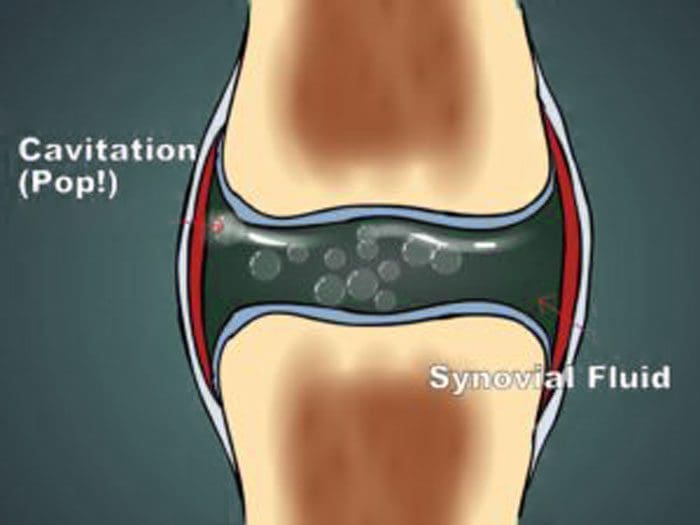
Self cracking, popping the spine refers to the sounds the neck or back make with certain movements. The joints in the spine contain fluid and gas. When the body moves, stretches can create cracking popping sounds as different pressures are exerted. The sound is known as joint cavitation, is the normal exchange of gases like oxygen, nitrogen, and carbon dioxide around the joints.
Spaces form in the synovial fluid that surrounds the joints. These spaces make an audible sound when the pressure changes/cavitation causing the gases to be released. The gases are naturally present in the body. A doctor of chiropractic mobilizes the joints very carefully through adjustments using their hands or specific instruments to increase the spine’s range of motion and stability. When adjustments and manipulations are not performed by a professional, problems can happen, that can include:
Loss of strength
Soft tissue swelling
Muscle spasms
When it’s done properly and safely injuries are prevented and any issues like swelling and tightness around the neck and spine are also avoided.
Self-cracking performed incorrectlycan lead to excessive force bringing the joints to excessive ranges of motion that can potentially cause injury. Individuals need to be careful even when self-cracking as the spine can make sounds for other reasons.
Age-related arthritis can generate a crunching type of sound when moving known as crepitus
A ligament or tendon can rub over a bone or bone spur, creating different sounds
These sounds are usually not problematic, but when they are consistent with certain movements they could cause inflammation and/or pain.
Chiropractic Professional Adjustments
The primary reasons most individuals seek chiropractic help are for problems, like pain, tightness, and weakness. Individuals can voluntarily see a chiropractor or they could be referred to one by a different doctor. Doctors routinely work with chiropractors to help patients recover from musculoskeletal injuries and conditions. A chiropractor performs manipulations in a safe, controlled manner. They are familiar with the sounds that the joints make and know they are safe. They usually have a multidisciplinary team that is involved in the management of various musculoskeletal conditions.
Why chiropractic care is so helpful?
All doctors of chiropractic are trained to diagnose and treat neuro-musculoskeletal conditions. During the diagnosis, the chiropractor will go through the individual’s medical history and conduct a physical exam to determine what treatment plan is best for the individual and their injury or condition. Many are now flocking to chiropractic care to avoid taking pain medications. Scientific evidence supports the health benefits of adjustments for various types of musculoskeletal pain, as well as to improve function and mobility
It is also recommended to work with a chiropractor in addition to other health professionals, like orthopedic specialists and physical therapists. They can help decrease pain, provide increased mobility and stability. If there is a constant need to self crack the back, or are having other issues with pain and tightness, talk with a doctor to see if chiropractic adjustments and manipulation will help. This will ensure that the right diagnosis is made and will help to create the optimal treatment plan to develop a stronger healthier body.
Body Composition
Increasing muscle mass is a recommended way to improve body composition and increase immune system function. Research shows senior adults with a higher skeletal muscle mass have an increased number of immune cellsin the blood. This indicates that the muscles and the immune system are connected. When working out myokines or hormone-type proteins are released that strengthen the immune system to help protect and fight diseases. Regular exercise with moderate intensity increases the release of T lymphocytes/T cells improving the body’s immunity. Regular exercise also helps reduce the risk of developing chronic diseases like:
Type 2 diabetes
Obesity
Different types of cancer
Cardiovascular diseases
Improved body composition with regular exercise and a well-balanced diet helps maintain a healthy proportion of muscle and fat mass. The more developed the body’s muscle mass becomes strengthens the immune system and lowers the risk of diseases and various health conditions.
Disclaimer
The information herein is not intended to replace a one-on-one relationship with a qualified health care professional, licensed physician, and is not medical advice. We encourage you to make your own health care decisions based on your research and partnership with a qualified health care professional. Our information scope is limited to chiropractic, musculoskeletal, physical medicines, wellness, sensitive health issues, functional medicine articles, topics, and discussions. We provide and present clinical collaboration with specialists from a wide array of disciplines. Each specialist is governed by their professional scope of practice and their jurisdiction of licensure. We use functional health & wellness protocols to treat and support care for the musculoskeletal system’s injuries or disorders. Our videos, posts, topics, subjects, and insights cover clinical matters, issues, and topics that relate to and support, directly or indirectly, our clinical scope of practice.* Our office has made a reasonable attempt to provide supportive citations and has identified the relevant research study or studies supporting our posts. We provide copies of supporting research studies available to regulatory boards and the public upon request. We understand that we cover matters that require an additional explanation of how it may assist in a particular care plan or treatment protocol; therefore, to further discuss the subject matter above, please feel free to ask Dr. Alex Jimenez or contact us at 915-850-0900.
Dr. Alex Jimenez DC, MSACP, CCST, IFMCP, CIFM, CTG* email: [email protected] phone: 915-850-0900 Licensed in Texas & New Mexico
“The Prevalence, Patterns, and Predictors of Chiropractic Use Among US Adults: Results From the 2012 National Health Interview Survey.” Spine. Dec 2017. https://pubmed.ncbi.nlm.nih.gov/28459779/
“Chiropractic Use in the Medicare Population: Prevalence, Patterns, and Associations With 1-Year Changes in Health and Satisfaction With Care.” Journal of Manipulative and Physiological Therapeutics. Oct 2014. https://www.sciencedirect.com/science/article/pii/S0161475414001444
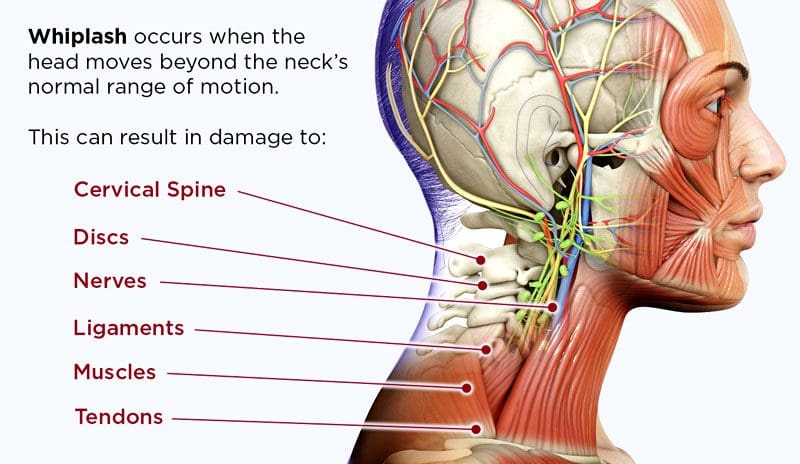
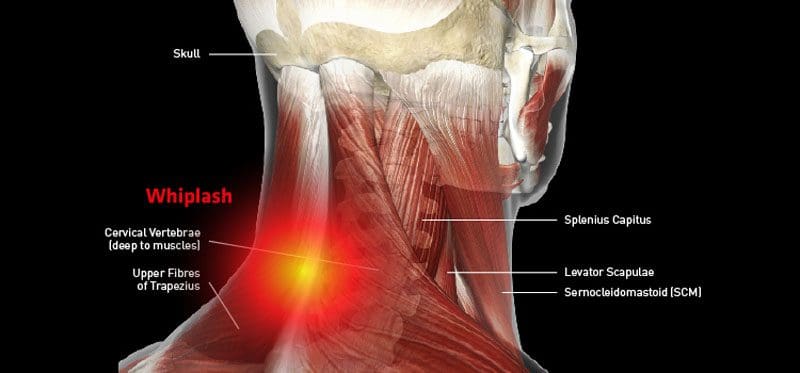
Motor vehicle accidents, sports injuries, work injuries, and falls are a few causes of whiplash. It is a condition that affects over 1.5 million individuals. It can cause serious side effects that can last for months and sometimes years. If not treated, the symptoms can worsen and lead to chronic conditions and pain.
Mild Whiplash
Mild whiplash can last around three months. During this time individuals might notice other symptoms other than neck pain that includes:
In certain cases, these symptoms happen immediately or they can be delayed.
Severe Whiplash
Severe whiplash means symptoms last longer than three months. The side effects can progressively go away or may not disappear at all. Severe whiplash falls in the whiplash classification of three to four. This indicates that there is a:
Loss of motion
Neurological problems
Fracture/s
Taking time off work for a whiplash injury depends on how severe the condition is. For mild symptoms, individuals are recommended to take about a month off to fully recover. If the condition is extreme, it could take a few years. For some individuals, the injury prevents them from working, and they have to leave their job.
Tinnitus
After a whiplash injury, some individuals develop tinnitus. This is a condition that results from the jolted ligaments and can irritate the surrounding nerves. This can cause an irritating ringing noise in the ears. How long tinnitus lasts depends on the severity of the injury. It can present every so often or could remain for several months even years.
Recovery Time
For most individuals, it takes around 4-6 weeks for a full recovery. This could last longer if the injury is not healed properly.
Chronic whiplash can present shooting pain throughout the body and prevents individuals from living a normal life. For chronic conditions chiropractic and physical therapy are highly recommended. Treatment could be difficult at first, but improvements will follow as long as the individual stays consistent with the therapy to completely heal the injury.
Treatment Options
The first recommendation will be to rest the body. This gives the body time to recover and also prevents worsening the injury. Ice packs and heating pads can help reduce swelling and pain.
Chiropractic
Chiropractors are experts in the musculoskeletal system. They inspect the whole body looking and feeling for misalignments, knotted muscles, swollen tendons, and ligaments that were stretched/pulled beyond their normal range. Various types of adjustments can be used. The most common are flexion-distraction and instrument-assisted.
Flexion-Distraction adjusting requires the chiropractor’s hands. They feel around the problem area and press their hands to slide the joint back in place.
Instrument-Assisted – utilizes a special tool, like an activator. The device helps the chiropractor delve deeper into the area than their hands. This helps them locate problems that could be hidden.
Anti-Inflammatory Diet
Adding more anti-inflammatory foods to the diet will reduce and alleviate inflammation and swelling. Some of these foods include:
Avocados
Blueberries
Mushrooms
Olive oil
Salmon
Strawberries
Turmeric
Vitamins
A full recovery can take longer if the body lacks essential nutrients. These nutrients are what helps the body create enzymes that repair the damaged tissues, bones, tendons, etc. If the body does not have enough it will not heal properly. Essential vitamins to take for injuries include:
These can be taken in supplement form or through food sources.
Body Composition
The body loses muscle every minute of life. This is because the muscles, like the other tissues in the body they depend on cell turnover and protein synthesis. This means that the body continually breaks down the protein in the muscles and rebuilds them. This is how the body is supposed to function and part of what keeps it alive. Skeletal muscle can be grown and developed with proper nutrition. This includes eating sufficient protein to provide the necessary amino acids and regular physical activity.
The reverse is also true becoming less physically active and the individual’s diet no longer supports the development of increased muscle tissue the body enters a catabolic/tissue-reducing state known as muscle atrophy.Muscles that are partially used meaning using less than 20% of their maximum force begin to atrophy over time. Muscles that are completely unused, like when bedridden with very little movement, can degrade around 1/8th of strength per week.
Disclaimer
The information herein is not intended to replace a one-on-one relationship with a qualified health care professional, licensed physician, and is not medical advice. We encourage you to make your own health care decisions based on your research and partnership with a qualified health care professional. Our information scope is limited to chiropractic, musculoskeletal, physical medicines, wellness, sensitive health issues, functional medicine articles, topics, and discussions. We provide and present clinical collaboration with specialists from a wide array of disciplines. Each specialist is governed by their professional scope of practice and their jurisdiction of licensure. We use functional health & wellness protocols to treat and support care for the musculoskeletal system’s injuries or disorders. Our videos, posts, topics, subjects, and insights cover clinical matters, issues, and topics that relate to and support, directly or indirectly, our clinical scope of practice.* Our office has made a reasonable attempt to provide supportive citations and has identified the relevant research study or studies supporting our posts. We provide copies of supporting research studies available to regulatory boards and the public upon request. We understand that we cover matters that require an additional explanation of how it may assist in a particular care plan or treatment protocol; therefore, to further discuss the subject matter above, please feel free to ask Dr. Alex Jimenez or contact us at 915-850-0900.
Dr. Alex Jimenez DC, MSACP, CCST, IFMCP, CIFM, CTG* email: [email protected] phone: 915-850-0900 Licensed in Texas & New Mexico
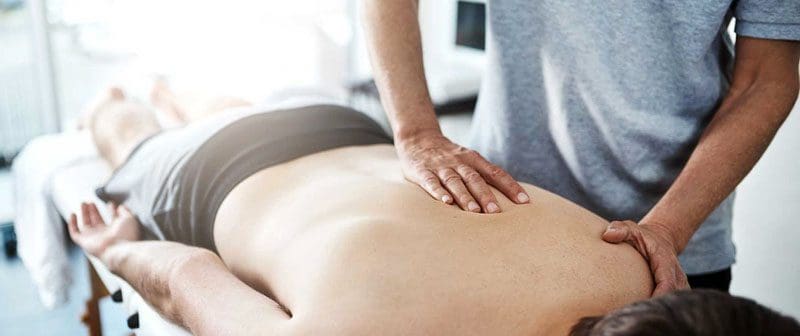
The first step in chiropractic care is getting the individual’s medical history. Many visit a chiropractor with certain expectations of how things will go. They will lay down on a table while the chiropractor adjusts the spine. There will be pops and cracks, and the tension will go away. And afterward, they�ll feel better.
However, without an individual’smedical history, the treatment will not be as effective because of the lack of information. This means that a chiropractor is only able to perform general adjustments but is not able to get to the root cause and maximize the full potential of the adjustments. Patient education starts the moment someone walks into the clinic.
The nature of holistic medicine
Some questions a chiropractor might ask include:
What type of pain is presenting – shooting, burning, aching, throbbing, etc?
Have you had any recent surgeries?
Is there a history of chronic pain?
What medications are being taken?
Each will be explained in further detail and what they mean for the development of a treatment plan. An individual needs to understand how important their medical histories are for treatment progress. Patient history prevents executing the wrong treatment plan by having an informed understanding of the individual’s body.
For example, a chiropractor can�t perform the same adjustments on a senior with osteoporosis that they do on a middle-aged athlete. And someone recovering from surgery will not have the range of motion when healthy.
An adjustment can result in X, Y, or Z, depending on the factors at work. Medical history is vital as it eliminates any unknowns, so a chiropractor can solve for X, Y, or Z by being able to provide the best outcome for the individual.
The more information, the better the treatment plan
When an individual has neck pain, a doctor is not going to prescribe immediate surgery, unless it is an emergency. Rather, they will perform a full examination, ask questions, try to find the cause, and analyze the intensity of the pain. A chiropractor is no different, and individual medical history is vital. Obtaining as much information as possible can help a chiropractor reach a proper diagnosis and ensures the right course of action is taken.Individuals often do not realize but for example,
An automobile accident that happened last year could be manifesting symptoms now.
Shoulder surgery five years ago could be limiting the range of motion, affecting the musculature around the cervical spine.
Chronic plantar fasciitis and self-medicating for a while can cause instability in the lumbar spine affecting the cervical spine.
Every little bit of information can help put the puzzle together to get a clear picture of what is going on. The biggest contributor of information is patient medical history, formally documented and informally spoken.
Informed care
A visit to Injury Medical Chiropractic Clinic is a collaboration between patient and chiropractor that leads to informed and the best treatment possible. Medical history informs optimal care. For more information or for more tips on chiropractic care, contact us today.
New Patient Chiropractic Care
Dr. Alex Jimenez�s Blog Post Disclaimer
The scope of our information is limited to chiropractic, musculoskeletal, physical medicines, wellness, and sensitive health issues and/or functional medicine articles, topics, and discussions. We use functional health & wellness protocols to treat and support care for injuries or disorders of the musculoskeletal system. Our posts, topics, subjects, and insights cover clinical matters, issues, and topics that relate and support directly or indirectly our clinical scope of practice.*
Our office has made a reasonable attempt to provide supportive citations and has identified the relevant research study or studies supporting our posts. We also make copies of supporting research studies available to the board and or the public upon request. We understand that we cover matters that require an additional explanation as to how it may assist in a particular care plan or treatment protocol; therefore, to further discuss the subject matter above, please feel free to ask Dr. Alex Jimenez or contact us at 915-850-0900. The provider(s) Licensed in Texas& New Mexico*
References
Hunter, J. �Medical history and chronic pain.��The Clinical journal of pain�vol. 17,4 Suppl (2001): S20-5. doi:10.1097/00002508-200112001-00007
IFM's Find A Practitioner tool is the largest referral network in Functional Medicine, created to help patients locate Functional Medicine practitioners anywhere in the world. IFM Certified Practitioners are listed first in the search results, given their extensive education in Functional Medicine