Tomatoes are low-calorie and nutrient-dense, what health benefits can individuals gain from their consumption?
Tomato Benefits
All varieties of tomatoes offer nutrients, including potassium and vitamin C, making them part of a balanced diet.
Raw tomatoes contain vitamin C, which brightens skin and fights inflammation.
Cooking tomatoes releases more antioxidants which are vital in small quantities such as lycopene, for maintaining heart health and preventing certain cancers.
Other benefits contribute to heart, prostate, and cognitive/brain health.
Various tomato recipes and products can offer a balance of nutrients. Variety is key and this applies to all fruits and vegetables. Try them raw, cooked, and steamed, as the different methods can offer different benefits.
Cooked and Raw Tomatoes
Tomatoes are low in calories and rich in nutrients. A raw, medium-sized tomato contains roughly 22 calories and less than 1 gram of fat. It is low sodium and low glycemic, with just 6 milligrams of sodium and 3 grams of sugar. They are an excellent source of hydration as a raw tomato contains about half a cup of water.
Tomatoes contain several essential vitamins and minerals that support the immune system and the bones and blood.
Antioxidants help combat free radicals and unstable molecules that damage the body’s cells. (Edward J. Collins, et al., 2022)
Antioxidants like lycopene, lutein, and zeaxanthin, are better absorbed with cooked tomatoes.
Raw tomatoes contain small amounts of vitamins A and K, fluoride, folate, and beta-carotene.
Heart Health
Tomatoes provide a healthy serving of potassium.
Potassium and sodium are both vital for heart function.
Potassium is essential for relaxing the blood vessels.
One medium tomato contains around the same amount as a banana.
The heart needs these electrolytes to contract and expand.
Most individuals with high blood pressure can benefit from high potassium, fiber, and lycopene levels.
Studies have linked lycopene to lower heart disease risk and mortality. (Bo Song, et al., 2017)
Exercise Recovery
Electrolytes are essential for basic cell function.
Potassium, sodium, magnesium, and fluoride can help decrease muscle soreness and exercise fatigue after physical activity or workouts.
The anti-inflammatory properties come from the vitamin C.
Eating tomatoes before or after physical activity can help replenish magnesium which is essential for muscle contraction. (Edward J. Collins, et al., 2022)
Protection Against Dementia
Potassium provides power to the heart and has a role in body nerve function.
One recent study found that individuals who consumed more potassium and less sodium had improved cognitive function. (Xiaona Na, et al., 2022)
Another study analyzed how carotenoids/antioxidants that affect the color of vegetables affect long-term brain health.
Researchers found that individuals with increased blood levels of lutein and zeaxanthin, which are both present in cooked tomatoes had a lower rate of dementia. (May A. Beydoun, et al., 2022)
Lutein and zeaxanthin are also known for protecting eye health as the body ages.
Help Prevent Prostate Cancer
Cooking tomatoes compromises the vitamin C content, but increases the availability of several antioxidants that can protect against cancer growth.
Especially for men, lycopene is beneficial to help reduce prostate-related issues.
Studies have found that men who eat tomatoes, including raw, sauce, and on pizza have a lower risk of developing prostate cancer due to the total amount of lycopene absorbed, which is optimized in cooked tomatoes. (Joe L. Rowles 3rd, et al., 2018)
Lycopene and other plant pigments/carotenoids are believed to protect against cancer because of their antioxidant properties. (Edward J. Collins, et al., 2022)
Lycopene and other antioxidants in tomatoes can also benefit male fertility by improving sperm count and sperm motility. (Yu Yamamoto, et al., 2017)
Balance Blood Sugar
Tomatoes can help manage blood sugar in individuals with diabetes.
They have fiber that helps regulate blood sugar and bowel movements.
Fiber naturally slows digestion to keep the body fuller and longer and does not negatively impact blood sugar levels.
Collins, E. J., Bowyer, C., Tsouza, A., & Chopra, M. (2022). Tomatoes: An Extensive Review of the Associated Health Impacts of Tomatoes and Factors That Can Affect Their Cultivation. Biology, 11(2), 239. https://doi.org/10.3390/biology11020239
Song, B., Liu, K., Gao, Y., Zhao, L., Fang, H., Li, Y., Pei, L., & Xu, Y. (2017). Lycopene and risk of cardiovascular diseases: A meta-analysis of observational studies. Molecular nutrition & food research, 61(9), 10.1002/mnfr.201601009. https://doi.org/10.1002/mnfr.201601009
Na X, Xi M, Zhou Y, et al. Association of dietary sodium, potassium, sodium/potassium, and salt with objective and subjective cognitive function among the elderly in China: a prospective cohort study. (2022). Glob Transit. 4:28-39. doi:10.1016/j.glt.2022.10.002
Beydoun, M. A., Beydoun, H. A., Fanelli-Kuczmarski, M. T., Weiss, J., Hossain, S., Canas, J. A., Evans, M. K., & Zonderman, A. B. (2022). Association of Serum Antioxidant Vitamins and Carotenoids With Incident Alzheimer Disease and All-Cause Dementia Among US Adults. Neurology, 98(21), e2150–e2162. https://doi.org/10.1212/WNL.0000000000200289
Rowles, J. L., 3rd, Ranard, K. M., Applegate, C. C., Jeon, S., An, R., & Erdman, J. W., Jr (2018). Processed and raw tomato consumption and risk of prostate cancer: a systematic review and dose-response meta-analysis. Prostate cancer and prostatic diseases, 21(3), 319–336. https://doi.org/10.1038/s41391-017-0005-x
Yamamoto, Y., Aizawa, K., Mieno, M., Karamatsu, M., Hirano, Y., Furui, K., Miyashita, T., Yamazaki, K., Inakuma, T., Sato, I., Suganuma, H., & Iwamoto, T. (2017). The effects of tomato juice on male infertility. Asia Pacific journal of clinical nutrition, 26(1), 65–71. https://doi.org/10.6133/apjcn.102015.17
Quagliani, D., & Felt-Gunderson, P. (2016). Closing America’s Fiber Intake Gap: Communication Strategies From a Food and Fiber Summit. American journal of lifestyle medicine, 11(1), 80–85. https://doi.org/10.1177/1559827615588079
“For individuals looking to improve their quality of life, can substituting healthy meal ingredients be a simple step toward better health?”
Food Substitutions
Eating well does not mean having to give up favorite foods. Part of the enjoyment of home cooking is putting one’s own style on each dish. Individuals soon discover they prefer healthy food substitutions to the original high-fat, high-sugar, or high-sodium ingredients. Healthy swaps can be introduced gradually to allow the taste buds to adapt. It is possible to reduce:
Calories
Unhealthy fats
Sodium
Refined sugars
Simply making smart swaps that replace some ingredients with more beneficial ones.
Ingredients for Healthier Meals
Recipes are the sum of their parts. A dish made with multiple ingredients adds its own nutrition for healthy or unhealthy. Ingredients high in calories, saturated fat, added sugars, and/or sodium can make a dish less nutritious. By making strategic food substitutions, individuals can transform a high-calorie, high-fat, sugary dish into something more nutritious. When done regularly this adjustment leads to long-term healthy behavior changes. Making small adjustments leads to improvements in weight management, heart health, and risk of chronic diseases.
Substituting Unhealthy Fats and Oils
Fat is a necessary nutrient, however, diets high in saturated fat have been linked with an increased risk of coronary artery disease, (Geng Zong, et al., 2016)
and high cholesterol levels. (American Heart Association. 2021)
Foods like butter, coconut oil, and lard are some of the most used saturated fats.
Conversely, research shows that eating more unsaturated fats is usually associated with better cardiovascular health and lower overall mortality. (Harvard T.H. Chan School of Public Health. 2016)
Instead of baking with butter, try using applesauce, mashed avocados, or mashed bananas.
These plant-based alternatives don’t overload the body with saturated fat.
Try using half butter and half an alternative to cut calories and fats.
For cooking, try sautéing, roasting, or pan-frying in olive or avocado oil.
Both contain healthy monounsaturated fats.
These oils can be used for dipping bread with dinner or for a quick snack.
Fresh herbs or a dash of balsamic vinegar can add flavor.
Refined Sugars
Enjoying sweets can be healthy, but the objective is to be mindful of how much-refined sugar is consumed. Sweet flavors send signals to the reward centers in the brain, increasing positive associations with sugar. However, eating high amounts of sugar can lead to:
An array of other herbs and spices can amplify the flavor of meals.
Purchase or create various flavor blends.
For example, cumin, chili powder, oregano, and red pepper flakes can spice up a dish or a blend of thyme, paprika, garlic powder, and onion powder can add savory notes.
A study found that adding lemon juice to recipes could reduce sodium content and add tanginess. (Sunkist Growers. 2014)
Whole Grains
Individuals don’t have to choose brown rice or whole wheat pasta for every meal but try to select whole grains half of the time. Food substitutions that can help achieve the halfway point include:
Popcorn or whole wheat crackers instead of refined flour crackers.
Whole wheat pizza crust instead of regular crust.
Substitute brown rice for white in stir-fries or casseroles.
Oatmeal instead of refined grain cereal.
Whole wheat pasta for spaghetti and meatballs or other pasta dishes.
Quinoa as a side dish instead of white rice or couscous.
More whole grains equals more fiber and B vitamins to help sustain energy, prevent blood sugar spikes, and promote digestive health. Eating more whole grains has been linked with a reduced risk of heart disease (Caleigh M Sawicki, et al. 2021) and a lower risk of colon cancer. (Glenn A. Gaesser. 2020)
Finding the right combination of each of these substitutions takes time. Go slow and taste often to see how each substitution affects a recipe’s taste and texture.
Boost Metabolism
References
Zong, G., Li, Y., Wanders, A. J., Alssema, M., Zock, P. L., Willett, W. C., Hu, F. B., & Sun, Q. (2016). Intake of individual saturated fatty acids and risk of coronary heart disease in US men and women: two prospective longitudinal cohort studies. BMJ (Clinical research ed.), 355, i5796. https://doi.org/10.1136/bmj.i5796
American Heart Association. Saturated fat.
Harvard T.H. Chan School of Public Health. Different dietary fat, different risk of mortality.
Faruque, S., Tong, J., Lacmanovic, V., Agbonghae, C., Minaya, D. M., & Czaja, K. (2019). The Dose Makes the Poison: Sugar and Obesity in the United States – a Review. Polish journal of food and nutrition sciences, 69(3), 219–233. https://doi.org/10.31883/pjfns/110735
Harvard Health Publishing. The sweet danger of sugar.
American Heart Association. How much sugar is too much?
Centers for Disease Control and Prevention. How to Reduce Sodium Intake.
Sunkist Growers. Sunkist Growers and Chefs from Johnson & Wales University Release New S’alternative® Research.
Sawicki, C. M., Jacques, P. F., Lichtenstein, A. H., Rogers, G. T., Ma, J., Saltzman, E., & McKeown, N. M. (2021). Whole- and Refined-Grain Consumption and Longitudinal Changes in Cardiometabolic Risk Factors in the Framingham Offspring Cohort. The Journal of nutrition, 151(9), 2790–2799. https://doi.org/10.1093/jn/nxab177
Gaesser G. A. (2020). Whole Grains, Refined Grains, and Cancer Risk: A Systematic Review of Meta-Analyses of Observational Studies. Nutrients, 12(12), 3756. https://doi.org/10.3390/nu12123756
Gender transitioning is the process of affirming and expressing an individual’s internal sense of gender rather than the one assigned at birth. How can learning the aspects of gender and gender transitioning help support the LGBTQ+ community?
Gender Transitioning
Gender transitioning or gender affirmation is a process through which transgender and gender-nonconforming individuals align their internal gender identity with their external gender expression. It can be described as a binary – male or female – but can also be non-binary, meaning an individual is neither exclusively male nor female.
The process can involve aesthetic appearances, changes in social roles, legal recognitions, and/or physical aspects of the body.
Social affirmation – dressing differently or coming out to friends and family.
Legal affirmation – changing name and gender on legal documents.
Medical affirmation – using hormones and/or surgery to change certain physical aspects of their body.
Transgender individuals can pursue some or all of these.
Barriers
Gender transitioning can be obstructed by various barriers that can include:
Cost
Lack of insurance
Lack of family, friends, or partner support.
Discrimination
Stigma
Addressing All Aspects
The process does not have a specific timeline and is not always linear.
Many transgender and gender-nonconforming individuals prefer gender affirmation to gender transitioning because transitioning is often taken to mean the process of medically transforming the body.
An individual does not have to undergo medical treatment to affirm their identity, and some transgender people avoid hormones or gender-affirming surgery.
Transitioning is a holistic process that addresses all aspects of who a person is inwardly and outwardly.
Certain aspects of transitioning may be more important than others, like changing one’s name and gender on their birth certificate.
Reevaluation and revision of gender identity can be continual rather than a step-by-step, one-way process.
Exploring Gender Identity
Gender transitioning often starts in response to gender dysphoria which describes the constant sense of uneasiness that occurs when the gender an individual was assigned at birth does not match how they experience or express their gender internally.
Some individuals have experienced symptoms of gender dysphoria as early as 3 or 4 years of age. (Selin Gülgöz, et al., 2019)
Gender dysphoria can be largely informed by the culture that surrounds the individual, specifically in cultures where strict codes determine what is masculine/male and feminine/female.
Unease Expressed in Different Ways
Dislike of one’s sexual anatomy.
A preference for clothes typically worn by the other gender.
Not wanting to wear clothes typically worn by their own gender.
A preference for cross-gender roles in fantasy play.
A strong preference for engaging in activities that are typically done by the other gender.
Dysphoria
Gender dysphoria can fully emerge during puberty when awareness about how an individual’s body defines them creates internal distress.
Feelings may be amplified when an individual is described as a tomboy, or a sissy, or is criticized and attacked for acting like a girl or acting like a boy.
During puberty, the physical changes can cause long-standing feelings of not fitting in and may evolve into feelings of not fitting in their own body.
This is when individuals can undergo a process referred to as internal transitioning and begin to change how they see themselves.
Gender transitioning/affirmation becomes the next step. Transitioning is not about changing or recreating oneself but about expressing their authentic self and asserting who they are socially, legally, and/or medically.
Social
Social transitioning involves how a person publicly expresses their gender. The transition can include:
Changing pronouns.
Using chosen name.
Coming out to friends, family, coworkers, etc.
Wearing new clothes.
Cutting or styling hair differently.
Changing mannerisms like moving, sitting, etc.
Changing voice.
Binding – strapping the chest to hide breasts.
Wearing breast and hip prosthetics to accentuate feminine curvature.
Packing – wearing a penile prosthesis to create a penile bulge.
Tucking – tucking the penis to conceal a bulge.
Playing certain sports
Pursuing different lines of work.
Participating in activities that might typically be seen as male or female.
Legal
Legal transitioning involves changing legal documents to reflect the individual’s chosen name, gender, and pronouns. This includes governmental and non-government documents that can include:
Birth certificates
Social Security ID
Driver’s license
Passport
Bank records
Medical and dental records
Voter registration
School ID
Provisions allowing for changes can vary by state.
Some states only allow changes if bottom surgery – genital reconstruction is performed.
Others will allow the changes without any form of gender-affirming surgery.
Medical transitioning typically involves hormone therapy to develop some of the male or female sex characteristics. It can also involve surgery to change certain physical aspects combined with hormone therapy.
Hormone therapy assists individuals to physically look more like the gender they identify as.
They can be used on their own and can also be used before gender-affirming surgery.
Hormone therapy takes two forms:
Transgender Men
Testosterone is taken to help deepen the voice, increase muscle mass, promote body and facial hair, and enlarge the clitoris. (M S Irwig, K Childs, A B Hancock. 2017)
Transgender Women
Estrogen is taken as well as testosterone blockers to redistribute body fat, increase breast size, reduce male-pattern baldness, and reduce testicle size. (Vin Tangpricha 1, Martin den Heijer. 2017)
Surgery
Gender affirmation surgery aligns an individual’s physical appearance to their gender identity. Many hospitals provide gender-affirming surgery through a transgender medicine department. Medical procedures include:
Facial surgery – Facial feminization surgery.
Breast augmentation – Increases breast size with implants.
Chest masculinization – Removes contours of breast tissues.
Tracheal shaving – Reduces the Adam’s apple.
Phalloplasty – Construction of a penis.
Orchiectomy – Removal of the testicles.
Scrotoplasty – Construction of a scrotum.
Vaginoplasty – Construction of a vaginal canal.
Vulvoplasty – Construction of the outer female genitalia.
Roadblocks
Transgender individuals are protected from public and private insurance discrimination under federal and state laws, including Medicare and Medicaid. (National Center for Transgender Equality. 2021)
Medicaid programs in nine states do not cover gender-affirming medical treatments, and only Illinois and Maine offer comprehensive standard care recommended by the World Professional Association for Transgender Health/WPATH. (Kaiser Family Foundation. 2022)
Medicare also has no consistent policy regarding the approval of gender-affirming surgery.
Others report family or partner disapproval as the main reason why they discontinue gender affirmation. (Jack L. Turban, et al., 2021)
If you know someone who is transgender or is considering transitioning, learning about gender and gender transitioning and how to be supportive is a great way to be an ally.
Enhancing Your Lifestyle
References
Gülgöz, S., Glazier, J. J., Enright, E. A., Alonso, D. J., Durwood, L. J., Fast, A. A., Lowe, R., Ji, C., Heer, J., Martin, C. L., & Olson, K. R. (2019). Similarity in transgender and cisgender children’s gender development. Proceedings of the National Academy of Sciences of the United States of America, 116(49), 24480–24485. https://doi.org/10.1073/pnas.1909367116
Irwig, M. S., Childs, K., & Hancock, A. B. (2017). Effects of testosterone on the transgender male voice. Andrology, 5(1), 107–112. https://doi.org/10.1111/andr.12278
Tangpricha, V., & den Heijer, M. (2017). Estrogen and anti-androgen therapy for transgender women. The Lancet. Diabetes & endocrinology, 5(4), 291–300. https://doi.org/10.1016/S2213-8587(16)30319-9
National Center for Transgender Equality. Know Your Rights in Health Care.
Kaiser Family Foundation. Update on Medicaid coverage of gender-affirming health services.
Center of Medicare and Medicaid Services. Gender dysphoria and gender reassignment surgery.
Transgender Legal Defense and Education Fund. Health insurance medical policies.
National Center for Transgender Equality and National Gay and Lesbian Task Force. Injustice at Every Turn: A Report of the National Transgender Discrimination Survey.
Turban, J. L., Loo, S. S., Almazan, A. N., & Keuroghlian, A. S. (2021). Factors Leading to “Detransition” Among Transgender and Gender Diverse People in the United States: A Mixed-Methods Analysis. LGBT health, 8(4), 273–280. https://doi.org/10.1089/lgbt.2020.0437
For individuals, does knowing about food condiments nutritional values help with overall health?
Food Condiments
Condiment options go beyond the standard mayonnaise, ketchup, and mustard. Today there are various options to use as toppers, to marinate, tenderize, increase flavor, and add an appeal to the dish. Most condiments don’t provide much nutrition, but some do contain healthy ingredients like herbs, spices, heart-healthy fats, and antioxidants.
Healthy
The food condiments that are made the healthiest are those that are low in calories and unhealthy fat and they are made with less or no processed additives and quality ingredients that provide health benefits.
Pico de Gallo
This is a low-calorie, low-fat, nutrient-dense salsa that can zest up any meal.
It is made with tomatoes, onions, jalapeños, and lime.
Easily make your own to control sodium levels.
Top salads, vegetables, or protein with the salsa to add flavor.
Use as a dip for fresh raw vegetables as a snack.
Mustard
Mustard is a very low-calorie – 5 calories in 1 teaspoon, low-carbohydrate, and fat-free condiment that can increase the flavor of food by adding a sweet, sour, or spicy kick.
Most traditional mustards – yellow and spicy – are made with mustard seed, distilled vinegar, garlic powder, onion powder, salt, spices, and turmeric.
This means that mustard contains little or insignificant calories, fat, protein, and carbohydrate in one serving.
Studies have shown that turmeric can provide health benefits from a compound called curcumin.
Preclinical studies suggest that curcumin can act as an antioxidant and has anti-inflammatory, anticancer, and neuroprotective properties. (Abrahams S, et al., 2019)
Flavored mustards, like honey flavor, can contain added sugars, therefore, it is recommended to read the label before eating.
Balsamic, red or white wine or apple cider vinegar can be used on side dishes, salads, sandwiches, and to marinate.
This condiment ranges from 0 calories to 10 calories per tablespoon and contains no sodium.
Studies have shown that apple cider vinegar can reduce fasting blood sugar in individuals at risk for type 2 diabetes. (Johnston CS, Quagliano S, White S. 2013)
Hot Sauce
Hot sauce is made from red chili peppers.
Top eggs, vegetables, or whole grains with a few dashes.
Studies suggest that adding spice can help satisfy hunger, help curb appetite and possibly speed up metabolism. (Emily Siebert, et al., 2022)
Read labels as sauces can contain added sugars.
Ketchup
Because of its carbohydrate and sugar content, ketchup is a condiment that needs to be portion-controlled, especially for individuals with diabetes who are following a modified nutritional plan.
Although much of the fat is unsaturated/healthy type, it can be hard to portion control this food condiment, which can result in excess calorie intake.
Barbecue Sauce
Barbecue sauce is moderate in calories, around 60 in two tablespoons, but it can contain a large amount of sodium and sugar.
Most brands can contain 10 to 13 grams of sugar/equivalent to 3 teaspoons and 280 to 350 milligrams of sodium.
The recommended serving size is two tablespoons.
Individuals trying to watch calorie and sugar intake are recommended to stick to one serving.
Sour Cream
Sour cream contains 60 calories and 6 grams of fat in two tablespoons.
Regularly consuming saturated fat has been linked with heart disease, high cholesterol, and diabetes.
A healthy substitute for sour cream can be a tablespoon or two of low-fat or non-fat plain Greek yogurt.
Regardless of the healthy or non-healthy food condiments, it is recommended not to drown the food in them and stick to the recommended serving sizes.
Benefits of Healthy Diet and Chiropractic Care
References
Abrahams, S., Haylett, W. L., Johnson, G., Carr, J. A., & Bardien, S. (2019). Antioxidant effects of curcumin in models of neurodegeneration, aging, oxidative and nitrosative stress: A review. Neuroscience, 406, 1–21. https://doi.org/10.1016/j.neuroscience.2019.02.020
Spicy brown mustard. FoodData Central. U.S. Department of Agriculture.
Johnston CS, Quagliano S, White S. Vinegar ingestion at mealtime reduced fasting blood glucose concentrations in healthy adults at risk for type 2 diabetes. J Funct Foods. 2013;5(4):2007-2011. doi:10.1016/j.jff.2013.08.003
Siebert, E., Lee, S. Y., & Prescott, M. P. (2022). Chili pepper preference development and its impact on dietary intake: A narrative review. Frontiers in nutrition, 9, 1039207. https://doi.org/10.3389/fnut.2022.1039207
Ketchup. FoodData Central. U.S. Department of Agriculture.
Caesar dressing. FoodData Central. U.S. Department of Agriculture.
Vinaigrette. FoodData Central. U.S. Department of Agriculture.
Mayonnaise. FoodData Central. U.S. Department of Agriculture.
Sour cream, regular. FoodData Central. U.S. Department of Agriculture.
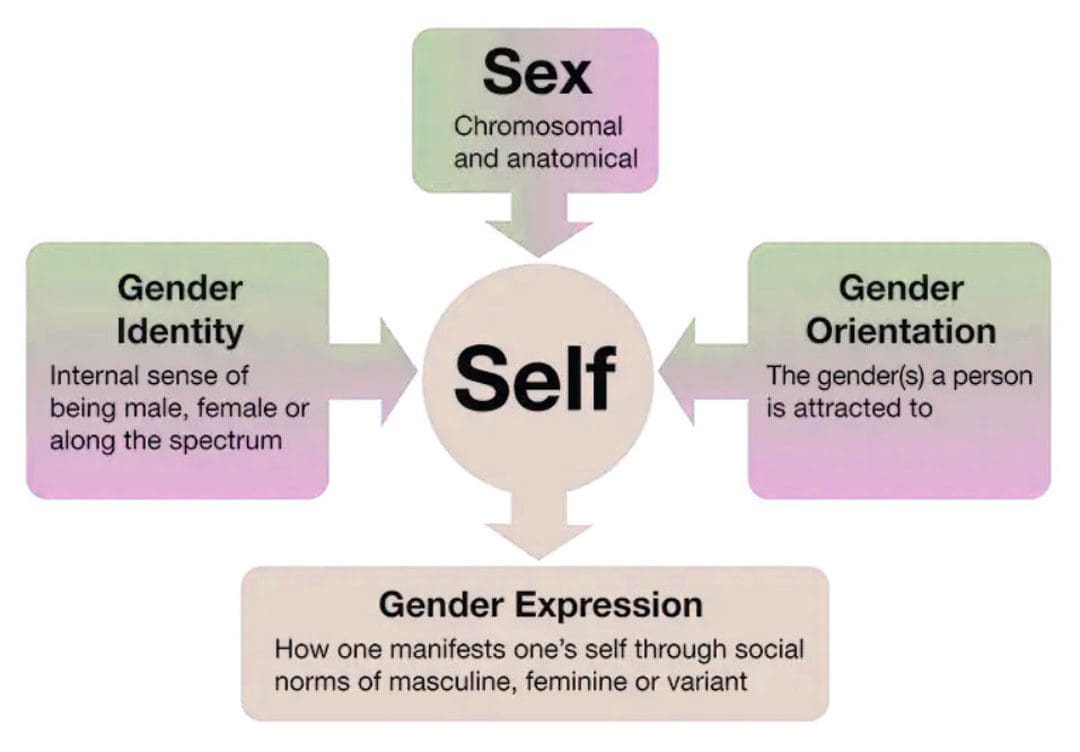
Gender is a concept with many facets. Everyone has a gender expression. Can learning about gender expression help healthcare professionals provide better and more effective treatment plans for the LGBTQ+ community?
Gender Expression
Gender expression refers to the ways that individuals present their gender identity and themselves. This can be clothing, haircuts, behaviors, etc. For many, there can be confusion between what society expects from their gender and how these individuals choose to present themselves. Gender expression is constructed from the culture that surrounds it, meaning that there may be a shared social expectation about gender. It can also mean that the same feminine hair or clothing style in one setting could be seen as masculine in another.
Society tries to regulate expression by making women wear certain kinds of clothes, and men other kinds, in order to participate in school, work, and when in public.
When cultures enforce gender norms it is known as gender policing, which can range from dress codes to physical and emotional punishment.
Creating a safe space for all genders requires awareness of these explicit or implicit gender norms so policing can be prevented. (José A Bauermeister, et al., 2017)
Research has shown that there are increased rates of discrimination against transgender and gender-nonconforming individuals compared with bias against those who are LGBTQ. (Elizabeth Kiebel, et al., 2020)
Health Care
Gender expression can and does affect access to and quality of health care.
Individuals with a gender expression that is different from what is expected for their assigned sex at birth may experience increased bias and harassment from providers. (Human Rights Watch. 2018)
A significant percentage of patients feared health workers would treat them differently because of their expression. (Cemile Hurrem Balik Ayhan et al., 2020)
Minority stress has been shown to play an important role in health imbalances. (I H Meyer. 1995)
Research suggests that gender expression is a part of the minority stress described by cisgender sexual minorities and gender minorities. (Puckett JA, et al., 2016)
Better Training
The effects of gender expression are different depending on a person’s sex, gender identity, and their setting.
However, doctors do need to know a person’s sex that was assigned at birth to be able to do proper screening tests, like screening for prostate or cervical cancer.
One way to be more affirming is for the doctor to introduce themselves first, using their own pronouns.
Health workers should ask everyone what name they prefer to be called and what pronouns they use.
This simple act invites the patient to share without creating awkward uneasiness.
Each person chooses how to present themselves to the world, and we respect all. We at Injury Medical Chiropractic and Functional Medicine Clinic will work to address the effects of minority stress on health disparities and raise awareness of the ways to continually improve positive experiences for LGTBQ+ individuals seeking inclusive health care for neuromusculoskeletal injuries, conditions, fitness, nutritional, and functional health.
Revolutionizing Healthcare
References
Bauermeister, J. A., Connochie, D., Jadwin-Cakmak, L., & Meanley, S. (2017). Gender Policing During Childhood and the Psychological Well-Being of Young Adult Sexual Minority Men in the United States. American journal of men’s health, 11(3), 693–701. https://doi.org/10.1177/1557988316680938
Kiebel, E., Bosson, J. K., & Caswell, T. A. (2020). Essentialist Beliefs and Sexual Prejudice Toward Feminine Gay Men. Journal of homosexuality, 67(8), 1097–1117. https://doi.org/10.1080/00918369.2019.1603492
Human Rights Watch. “You Don’t Want Second Best”—Anti-LGBT Discrimination in US Health Care.
Ayhan, C. H. B., Bilgin, H., Uluman, O. T., Sukut, O., Yilmaz, S., & Buzlu, S. (2020). A Systematic Review of the Discrimination Against Sexual and Gender Minority in Health Care Settings. International journal of health services: planning, administration, evaluation, 50(1), 44–61. https://doi.org/10.1177/0020731419885093
Meyer I. H. (1995). Minority stress and mental health in gay men. Journal of health and social behavior, 36(1), 38–56.
Puckett, J. A., Maroney, M. R., Levitt, H. M., & Horne, S. G. (2016). Relations between gender expression, minority stress, and mental health in cisgender sexual minority women and men. Psychology of Sexual Orientation and Gender Diversity, 3(4), 489–498. https://doi.org/10.1037/sgd0000201
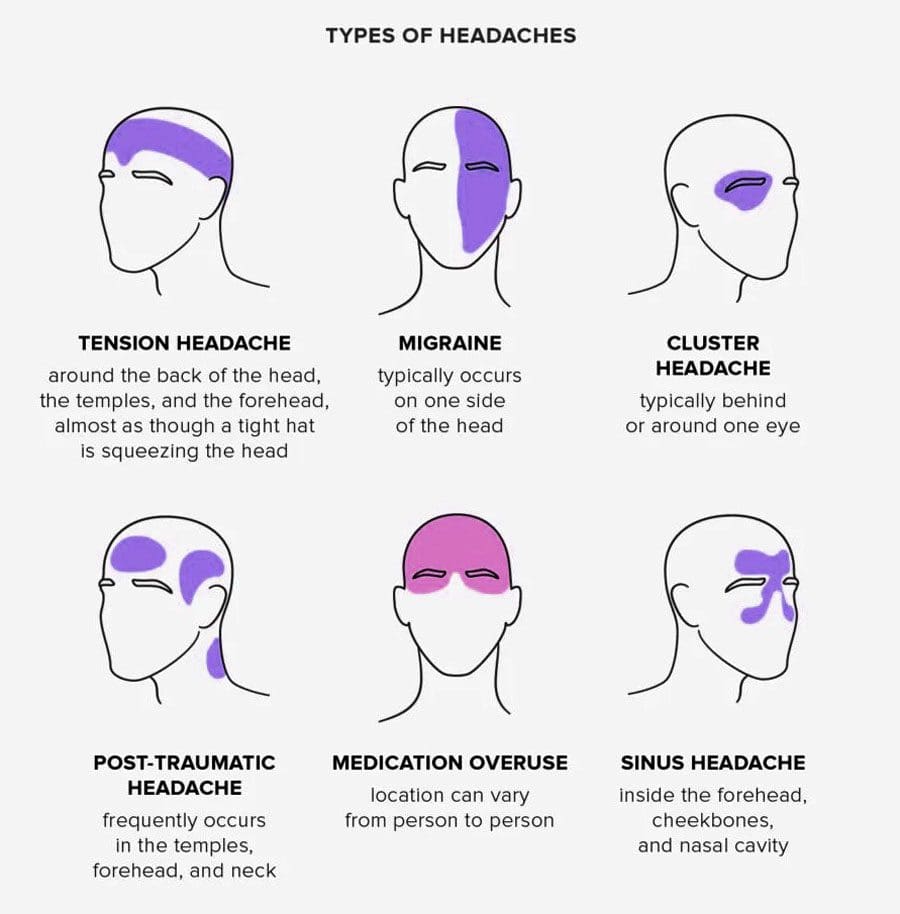
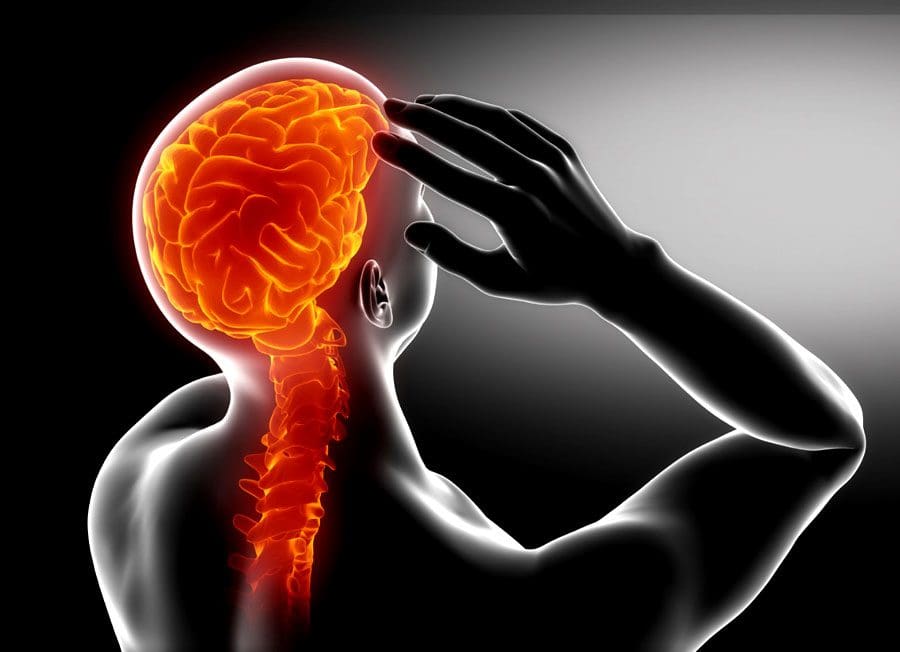
Headaches are a common condition that most experience and can differ greatly regarding type, severity, location, and frequency. Headaches range from mild discomfort to constant dull or sharp pressure and severe throbbing pain. A headache chiropractor, through therapeutic massage, decompression, and adjustments, alleviates the headaches, whether tension, migraine, or cluster, releasing the tension and restoring normal function.
Headache Chiropractor
Ninety-five percent of headaches are primary headaches caused by overactivity, muscle tension, or problems with pain-sensitive structures in the head. These are not a symptom of an underlying disease and include tension, migraine, or cluster headaches. The other 5 percent of headaches are secondaryand are caused by an underlying condition, infection, or physical issue. Headaches have various causes or triggers. These include:
Long hours driving
Stress
Insomnia
Blood sugar changes
Foods
Smells
Noises
Lights
Excessive exercise or physical activity
Individuals spend more hours in one fixed position or posture, like sitting in front of a computer or standing at a workstation. This can increase joint irritation and muscle tension in the upper back, neck, and scalp, causing achiness and discomfort that builds up to throbbing soreness. The headache’s location and the discomfort experienced can indicate the type of headache.
Chiropractic Care
Chiropractors are experts in the neuromusculoskeletal system. Research shows that a headache chiropractor can adjust the spine’s alignment to improve spinal function, release and relax the tense muscles, and alleviate nervous system stress helping decrease the intensity and frequency. Treatment includes:
The Injury Medical Chiropractic and Functional Medicine Teamwill develop a personalized treatment plan for the individual’s specific condition and needs.
Migraine Treatment
References
Biondi, David M. “Physical treatments for headache: a structured review.” Headache vol. 45,6 (2005): 738-46. doi:10.1111/j.1526-4610.2005.05141.x
Bronfort, G et al. “Efficacy of spinal manipulation for chronic headache: a systematic review.” Journal of manipulative and physiological therapeutics vol. 24,7 (2001): 457-66.
Bryans, Roland, et al. “Evidence-based guidelines for the chiropractic treatment of adults with headache.” Journal of manipulative and physiological therapeutics vol. 34,5 (2011): 274-89. doi:10.1016/j.jmpt.2011.04.008
Côté, Pierre, et al. “Non-pharmacological management of persistent headaches associated with neck pain: A clinical practice guideline from the Ontario Protocol for traffic injury management (OPTIMa) collaboration.” European journal of pain (London, England) vol. 23,6 (2019): 1051-1070. doi:10.1002/ejp.1374
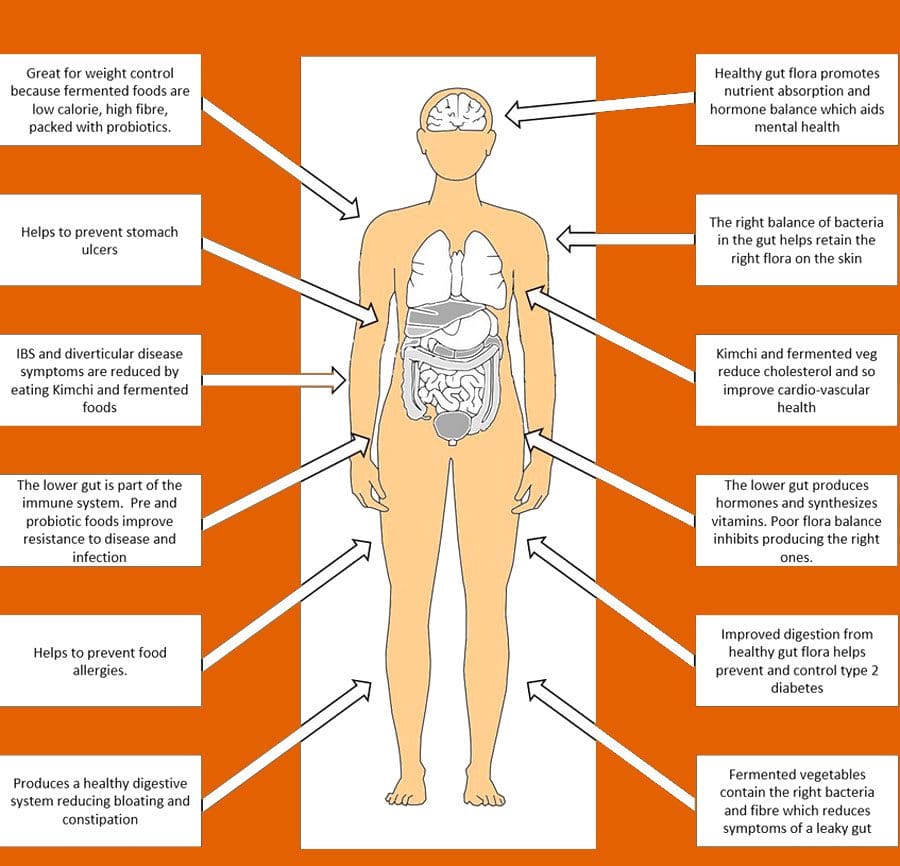
Fermentation is a process where bacteria and yeast are used to break down foods. The fermentation process has been around for centuries and was initially produced to preserve foods, improve flavor and eliminate toxins. Research has found that eating fermented foods can also increase the beneficial bacteria/probiotics in the gut. Functional medicine practitioners recommend these foods for their health benefits, including improved digestion, increased immunity, and weight loss and maintenance.
Fermented Foods
Fermented foods and beverages undergo controlled microbial growth and fermentation in which microorganisms like yeast and bacteria break down food elements like sugars/glucose into other products like organic acids, gases, or alcohol. The process gives fermented foods unique taste, aroma, texture, and appearance. There are many different types of fermented foods, including:
Whole foods like vegetables, fruits, cereals, dairy, meat, fish, eggs, legumes, nuts, and seeds can go through fermentation. These foods are nutritious in their original form, but through fermentation, they can provide probiotic and prebiotic health benefits.
Probiotics
Probiotics are live microorganisms that benefit the gut by creating a more favorable digestive environment. This helps:
Digest food easier.
Support a healthy immune system.
Support organ health – lungs, reproductive organs, skin.
Improves mood.
However, not all fermented foods contain probiotics, especially commercially produced foods that are pasteurized, killing bacteria and their associated health benefits.
Prebiotics
Prebiotics are food ingredients that the microorganisms like gut bacteria consume to grow and live, leading to improving the digestive environment. These include:
Milk
Honey
Tomato
Garlic
Onions
Asparagus
Wheat
Barley
Rye
However, most fruits, vegetables, and legumes contain prebiotics.
The Benefits of Fermented Foods
Fermented foods’ health benefits include reduced risk of:
Diabetes
Inflammation
High blood pressure
Cardiovascular disease
Obesity
They have also been linked to:
Better weight management
Improved brain activity
Increased bone health
Faster recovery after exercise and physical activity
There are currently no official guidelines regarding how often individuals should eat fermented foods. It is recommended to consult a nutritionist or dietician to figure out the best nutrition plan for the individual and their needs.
The Science
References
Aslam, Hajara, et al. “Fermented foods, the gut, and mental health: a mechanistic overview with implications for depression and anxiety.” Nutritional neuroscience vol. 23,9 (2020): 659-671. doi:10.1080/1028415X.2018.1544332
Dimidi, Eirini, et al. “Fermented Foods: Definitions and Characteristics, Impact on the Gut Microbiota and Effects on Gastrointestinal Health and Disease.” Nutrients vol. 11,8 1806. 5 Aug. 2019, doi:10.3390/nu11081806
King, Sarah, et al. “Effectiveness of probiotics on the duration of illness in healthy children and adults who develop common acute respiratory infectious conditions: a systematic review and meta-analysis.” The British journal of nutrition vol. 112,1 (2014): 41-54. doi:10.1017/S0007114514000075
Kok, Car Reen, and Robert Hutkins. “Yogurt and other fermented foods as sources of health-promoting bacteria.” Nutrition reviews vol. 76, Suppl 1 (2018): 4-15. doi:10.1093/nutrit/nuy056
Parker, Elizabeth A et al. “Probiotics and gastrointestinal conditions: An overview of evidence from the Cochrane Collaboration.” Nutrition (Burbank, Los Angeles County, Calif.) vol. 45 (2018): 125-134.e11. doi:10.1016/j.nut.2017.06.024
Şanlier, Nevin, et al. “Health benefits of fermented foods.” Critical reviews in food science and nutrition vol. 59,3 (2019): 506-527. doi:10.1080/10408398.2017.1383355
IFM's Find A Practitioner tool is the largest referral network in Functional Medicine, created to help patients locate Functional Medicine practitioners anywhere in the world. IFM Certified Practitioners are listed first in the search results, given their extensive education in Functional Medicine











 Headache Chiropractor