For individuals with back pain, can sleeping with a pillow between or under their knees help bring relief during sleep?
Sleep With A Pillow Between The Legs
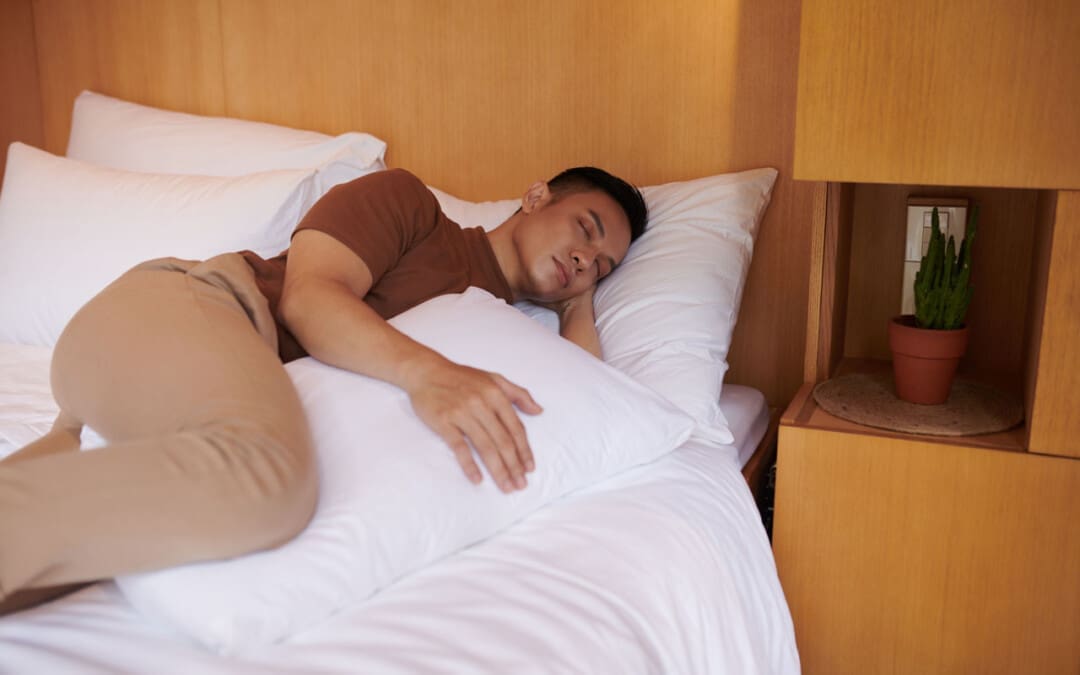
Healthcare providers may recommend that individuals with back pain due to pregnancy or conditions like a herniated disc and sciatica sleep with a pillow between their legs. Sleeping with a pillow between the legs may help relieve back and hip pain, as the position helps maintain pelvis and spinal alignment. Proper spinal alignment can help relieve back stress and pain.
The Benefits
Some potential benefits of sleeping with a pillow between the knees.
Reduce Back and Hip Pain
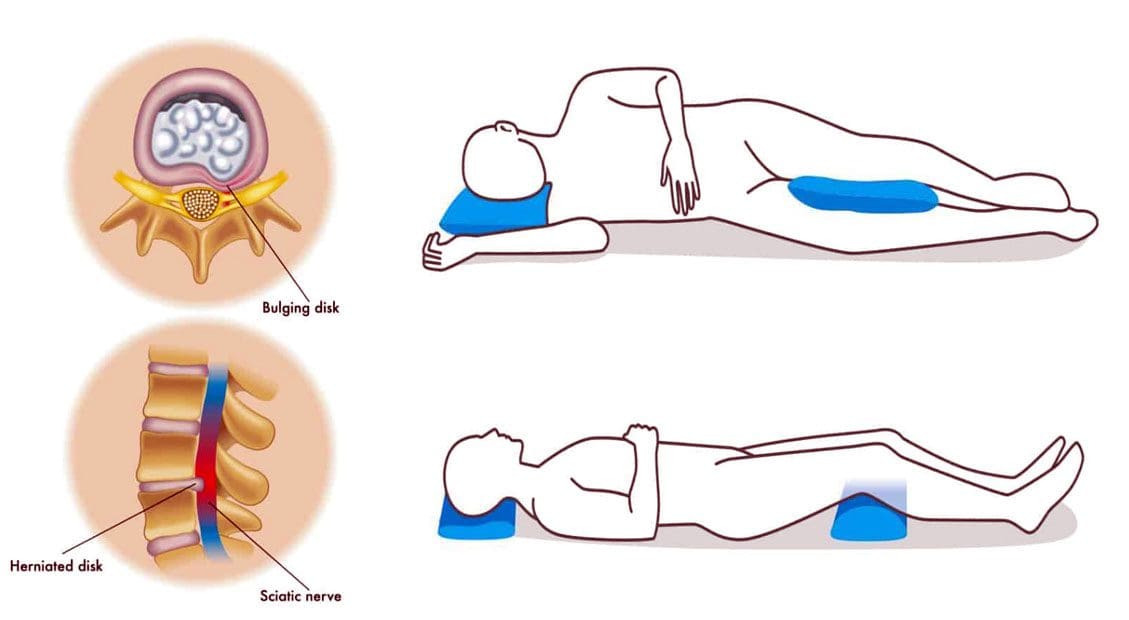
When sleeping on the side, the spine, shoulders, and hips may twist to maintain the position because the center of gravity is elevated, causing instability. (Gustavo Desouzart et al., 2015) Placing a pillow between the knees may help maintain stability and reduce back and hip pain. (Gustavo Desouzart et al., 2015) The pillow neutralizes the position of the pelvis by slightly elevating the leg on top. This decreases the pressure on the lower back and hip joints, which may help reduce pain and allow for improved sleep.
Reduce Sciatica Symptoms
Sciatica nerve pain travels from the lower back down one leg due to a compressed spinal nerve root in the lower back. (American Academy of Orthopaedic Surgeons, 2021) Sleeping with a pillow between the knees may help reduce symptoms and sensations. A pillow between the legs can help prevent twisting the back, rotating the spine, or tilting the pelvis during sleep.
Reduce Herniated Disc Symptoms
A herniated disc can pressure the spinal nerves, leading to pain and numbness. (Penn Medicine. 2024) Sleeping on the side can worsen herniated disc pain; however, placing a pillow between the knees keeps the pelvis in neutral alignment and prevents spinal rotation. Sleeping on the back with a pillow under the knees can also help reduce pressure on the disc. (University of Central Florida. N.D.)
Improve Posture
Maintaining healthy posture while sitting or standing is important to neuromusculoskeletal health and injury prevention. Proper alignment during sleep can help improve posture (Doug Cary et al., 2021). According to one study, individuals spend more than half of their time sleeping in a side-lying posture. (Eivind Schjelderup Skarpsno et al., 2017) Sleeping on the side with the top leg frequently falls forward, bringing the pelvis into a forward tilt that places added pressure on the hips and spine connective tissues. This position disrupts the body’s natural alignment. (Doug Cary et al., 2021) Placing a pillow between the knees improves sleeping posture by lifting the top leg and prevents forward shifting. (University of Rochester Medical Center. 2024)
Increased weight leads to increased pressure on joints.
Significant change in the center of gravity.
Hormonal changes make connective tissues more lax.
Pregnant women with hip or back pain are often recommended to sleep with a pillow between their knees to relieve pain and discomfort. Doctors agree that lying on the left side is the best sleep position during the second and third trimesters. This position ensures optimal blood flow for the mother and baby and helps kidney function. (Standford Medicine, 2024) Placing a pillow between the knees can help reduce the pressure on the joints and also help maintain the left-side lying position. (O’Brien LM, Warland J. 2015) (Standford Medicine, 2024) Larger maternity pillows supporting the abdomen and lower back can provide more comfort.
Consult a healthcare provider about sleeping with a pillow between the knees to see if it is right for you.
What Causes Disc Herniation?
References
Desouzart, G., Matos, R., Melo, F., & Filgueiras, E. (2015). Effects of sleeping position on back pain in physically active seniors: A controlled pilot study. Work (Reading, Mass.), 53(2), 235–240. https://doi.org/10.3233/WOR-152243
American Academy of Orthopaedic Surgeons. (2021). Sciatica. OrthoInfo. https://orthoinfo.aaos.org/en/diseases–conditions/sciatica
Penn Medicine. (2024). Herniated disc disorders. Penn Medicine. https://www.pennmedicine.org/for-patients-and-visitors/patient-information/conditions-treated-a-to-z/herniated-disc-disorders
University of Central Florida. (N.D.). The best sleeping position for lower back pain (and the worst). UFC Health Services. https://ucfhealth.com/our-services/lifestyle-medicine/best-sleeping-position-for-lower-back-pain/
Cary, D., Jacques, A., & Briffa, K. (2021). Examining relationships between sleep posture, waking spinal symptoms and quality of sleep: A cross sectional study. PloS one, 16(11), e0260582. https://doi.org/10.1371/journal.pone.0260582
Skarpsno, E. S., Mork, P. J., Nilsen, T. I. L., & Holtermann, A. (2017). Sleep positions and nocturnal body movements based on free-living accelerometer recordings: association with demographics, lifestyle, and insomnia symptoms. Nature and science of sleep, 9, 267–275. https://doi.org/10.2147/NSS.S145777
University of Rochester Medical Center. (2024). Good sleeping posture helps your back. Health Encyclopedia. https://www.urmc.rochester.edu/encyclopedia/content.aspx?ContentTypeID=1&ContentID=4460
Casagrande, D., Gugala, Z., Clark, S. M., & Lindsey, R. W. (2015). Low Back Pain and Pelvic Girdle Pain in Pregnancy. The Journal of the American Academy of Orthopaedic Surgeons, 23(9), 539–549. https://doi.org/10.5435/JAAOS-D-14-00248
Standford Medicine. (2024). Sleeping positions during pregnancy. Standford Medicine Children’s Health. https://www.stanfordchildrens.org/en/topic/default?id=sleeping-positions-during-pregnancy-85-P01238
O’Brien, L.M., Warland, J. (2015). Maternal sleep position: what do we know where do we go? BMC Pregnancy Childbirth, 15, Article A4 (2015). https://doi.org/doi:10.1186/1471-2393-15-S1-A4
For individuals dealing with eczema, can incorporating acupuncture into a treatment plan help manage and reduce symptoms?
Acupuncture for Eczema
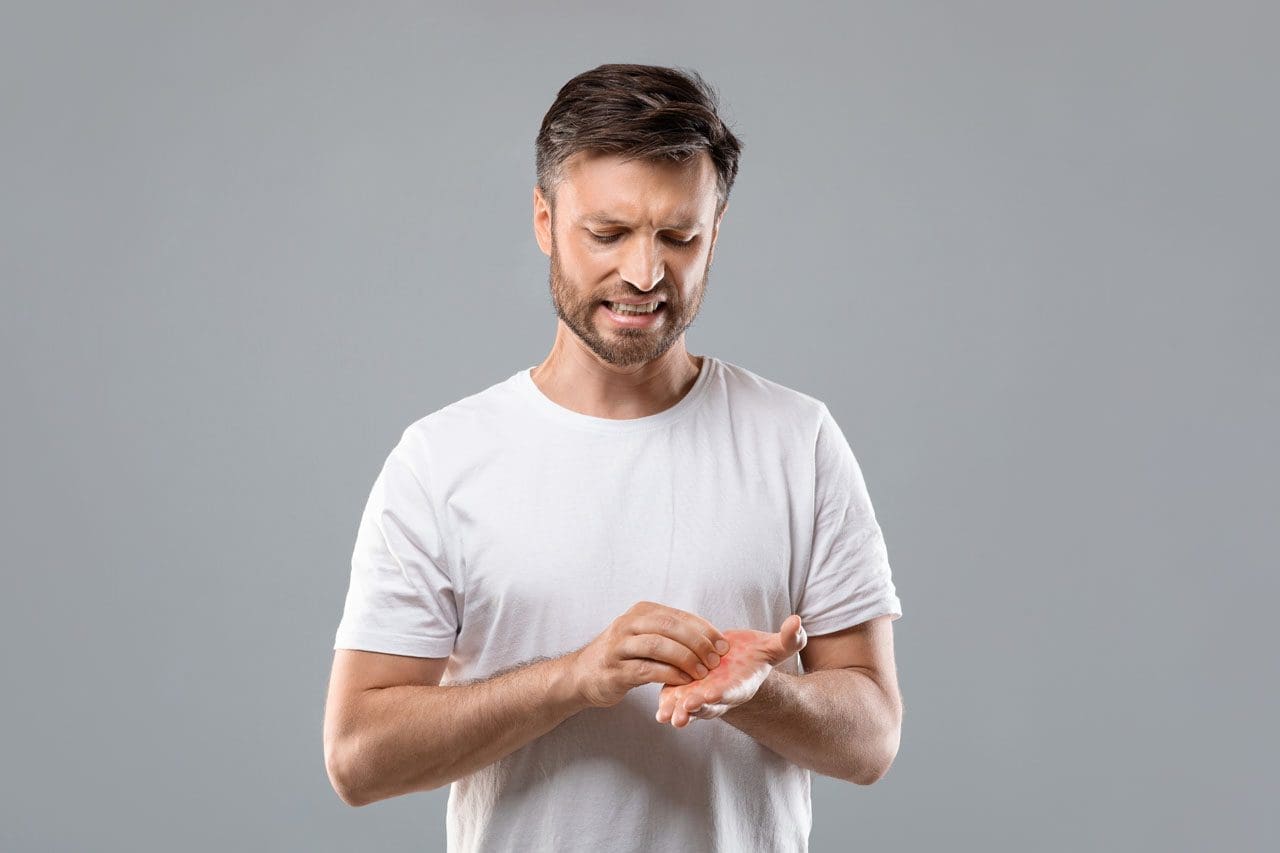
Eczema is a chronic skin disorder that causes intense itching, dry skin, and rashes. Common treatment options for eczema include:
Moisturizers
Topical steroids
Prescription medications
Some research suggests that acupuncture may also help individuals with eczema. In recent years, researchers have looked at acupuncture as a possible treatment option and found that it can reduce symptoms.
Acupuncture
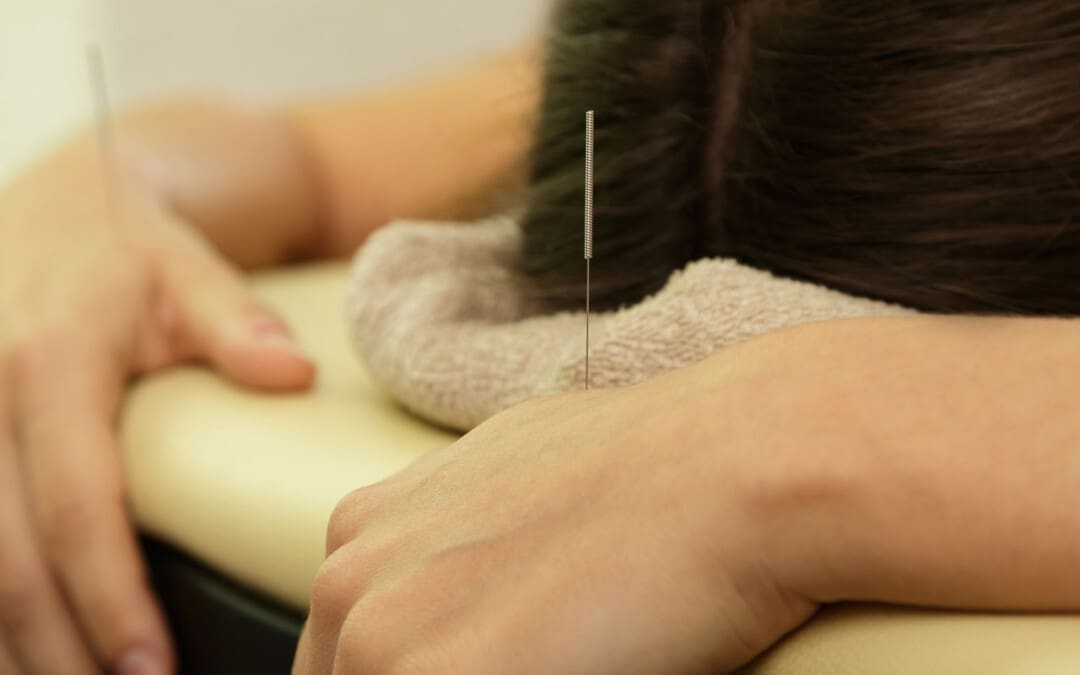
Acupuncture involves inserting thin metallic needles in specific acupoints in the body. It is believed that by stimulating specific points, the body’s central nervous system activates and releases certain chemicals designed to enable healing. Ailments that are treated using acupuncture include: (Johns Hopkins Medicine. 2024)
Headaches
Back pain
Nausea
Asthma
Osteoarthritis
Fibromyalgia
Treatment
Studies have found that acupuncture could be a treatment option depending on the severity of the condition and the intensity of the itching sensations. (Ruimin Jiao et al., 2020) The needles are placed at various points associated with relieving the condition. These points include: (Zhiwen Zeng et al., 2021)
LI4
Located at the base of the thumb and index finger.
It has been shown to help reduce inflammation and irritation.
LI11
This point is located within the elbow to reduce itchiness and dryness.
LV3
Located on the top of the foot, this point reduces stress on the nervous system.
SP6
The SP6 is on the lower calf above the ankle and can help reduce inflammation, redness, and skin irritation.
SP10
This point is located adjacent to the knee and reduces itchiness and inflammation.
ST36
This point is located below the knee on the back of the leg and is used to improve overall well-being.
Eczema flare-ups are also linked to stress and anxiety. Acupuncture has been shown to reduce anxiety and stress, which can also help relieve eczema symptoms (Beate Wild et al., 2020).
Acupuncture helps repair skin barrier damage or the outer part of the skin designed to protect the body. (Rezan Akpinar, Saliha Karatay, 2018)
Individuals with eczema tend to have a weakened skin barrier; this benefit can also improve symptoms. (National Eczema Association. 2023)
Individuals with eczema often have an overactive immune system contributing to the disorder.
According to research, acupuncture can also help in regulating the immune system. (Zhiwen Zeng et al., 2021)
Risks
Acupuncture is generally considered safe, but there are some risks to be aware of. These risks include: (Ruimin Jiao et al., 2020)
Swelling where the needles are inserted.
Red spots on the skin.
Increased itchiness.
A rash known as erythema – occurs when small blood vessels are injured.
Most studies on acupuncture for eczema show positive results that prove it can aid in relieving symptoms. (SeHyun Kang et al., 2018) (Ruimin Jiao et al., 2020) However, individuals should talk to their healthcare provider to see if it’s a safe option.
Jiao, R., Yang, Z., Wang, Y., Zhou, J., Zeng, Y., & Liu, Z. (2020). The effectiveness and safety of acupuncture for patients with atopic eczema: a systematic review and meta-analysis. Acupuncture in medicine : journal of the British Medical Acupuncture Society, 38(1), 3–14. https://doi.org/10.1177/0964528419871058
Zeng, Z., Li, M., Zeng, Y., Zhang, J., Zhao, Y., Lin, Y., Qiu, R., Zhang, D. S., & Shang, H. C. (2021). Potential Acupoint Prescriptions and Outcome Reporting for Acupuncture in Atopic Eczema: A Scoping Review. Evidence-based complementary and alternative medicine : eCAM, 2021, 9994824. https://doi.org/10.1155/2021/9994824
Wild, B., Brenner, J., Joos, S., Samstag, Y., Buckert, M., & Valentini, J. (2020). Acupuncture in persons with an increased stress level-Results from a randomized-controlled pilot trial. PloS one, 15(7), e0236004. https://doi.org/10.1371/journal.pone.0236004
Akpinar R, Karatay S. (2018). Positive Effects of Acupuncture on Atopic Dermatitis. International Journal of Allergy Medications 4:030. doi.org/10.23937/2572-3308.1510030
National Eczema Association. (2023). Skin barrier basics for people with eczema. What is my skin barrier? https://nationaleczema.org/blog/what-is-my-skin-barrier/
National Eczema Association. (2021). Get the facts: acupuncture. Get the facts: acupuncture. https://nationaleczema.org/blog/get-the-facts-acupuncture/
Kang, S., Kim, Y. K., Yeom, M., Lee, H., Jang, H., Park, H. J., & Kim, K. (2018). Acupuncture improves symptoms in patients with mild-to-moderate atopic dermatitis: A randomized, sham-controlled preliminary trial. Complementary therapies in medicine, 41, 90–98. https://doi.org/10.1016/j.ctim.2018.08.013
Those experiencing neck pain, stiffness, headache, shoulder and back pain may suffer from a whiplash injury. Can knowing whiplash signs and symptoms help individuals recognize the injury and help healthcare providers develop an effective treatment plan?
Whiplash Signs and Symptoms
Whiplash is a neck injury that typically occurs after a motor vehicle collision or accident but can happen with any injury that rapidly whips the neck forward and backward. It is a mild to moderate injury of the neck muscles. Common whiplash signs and symptoms include:
Some individuals can develop chronic pain and headaches.
The symptoms and treatment depend on the severity of the injury. Treatment can include over-the-counter pain medicines, ice and heat therapy, chiropractic, physical therapy, and stretching exercises.
Frequent Signs and Symptoms
The sudden whipping movement of the head can affect several structures within the neck. These structures include:
Muscles
Bones
Joints
Tendons
Ligaments
Intervertebral discs
Blood vessels
Nerves.
Any or all of these can be affected by a whiplash injury. (MedlinePlus, 2017)
Statistics
Whiplash is a neck sprain that occurs from a fast neck-jerking motion. Whiplash injuries account for more than half of vehicle traffic collision injuries. (Michele Sterling, 2014) Even with a minor injury, the most frequent symptoms include: (Nobuhiro Tanaka et al., 2018)
Neck pain
Next stiffness
Neck tenderness
Limited range of motion of the neck
Individuals can develop neck discomfort and pain shortly after an injury; however, the more intense pain and stiffness typically do not occur right after the injury. Symptoms tend to worsen the next day or 24 hours later. (Nobuhiro Tanaka et al., 2018)
Beginning Symptoms
Researchers have found that approximately more than half of individuals with whiplash develop symptoms within six hours of the injury. Around 90% develop symptoms within 24 hours, and 100% develop symptoms within 72 hours. (Nobuhiro Tanaka et al., 2018)
Whiplash vs. Traumatic Cervical Spine Injury
Whiplash describes a mild to moderate neck injury without significant skeletal or neurological symptoms. Significant neck injuries can lead to fractures and dislocations of the spine that can affect the nerves and spinal cord. Once an individual develops neurological problems associated with a neck injury, the diagnosis changes from whiplash to traumatic cervical spine injury. These differences can be confusing as they are on the same spectrum. To better understand the severity of a neck sprain, the Quebec classification system divides neck injury into the following grades (Nobuhiro Tanaka et al., 2018)
Grade 0
This means there are no neck symptoms or physical examination signs.
Grade 1
There is neck pain and stiffness.
Very few findings from the physical examination.
Grade 2
Indicates neck pain and stiffness
Neck tenderness
Decreased mobility or neck range of motion on physical examination.
Grade 3
Involves muscle pain and stiffness.
Neurologic symptoms include:
Numbness
Tingling
Weakness in the arms
Decreased reflexes
Grade 4
Involves a fracture or dislocation of the bones of the spinal column.
Other Symptoms
Other whiplash signs and symptoms that can be associated with the injury but are less common or only occur with a severe injury include (Nobuhiro Tanaka et al., 2018)
Tension headache
Jaw pain
Sleep problems
Migraine headache
Difficulty concentrating
Reading difficulties
Blurred vision
Dizziness
Driving difficulties
Rare Symptoms
Individuals with severe injuries can develop rare symptoms that often indicate traumatic cervical spine injury and include: (Nobuhiro Tanaka et al., 2018)
Amnesia
Tremor
Voice changes
Torticollis – painful muscle spasms that keep the head turned to one side.
Bleeding in the brain
Complications
Most individual generally recover from their symptoms within a few weeks to a few months. (Michele Sterling, 2014) However, whiplash complications can occur, especially with severe grade 3 or grade 4 injuries. The most common complications of a whiplash injury include chronic/long-term pain and headaches. (Michele Sterling, 2014) Traumatic cervical spine injury can affect the spinal cord and be associated with chronic neurological problems, including numbness, weakness, and difficulty walking. (Luc van Den Hauwe et al., 2020)
Treatment
The pain is typically more severe the next day than after the injury. Whiplash musculoskeletal injury treatment depends on whether it is an acute injury or the individual has developed chronic neck pain and stiffness.
Acute pain can be treated with over-the-counter medicines like Tylenol and Advil, which effectively treat the pain.
Advil is a nonsteroidal anti-inflammatory that can be taken with the pain reliever Tylenol, which works in different ways.
The mainstay of treatment is encouraging regular activity with stretching and exercise. (Michele Sterling, 2014)
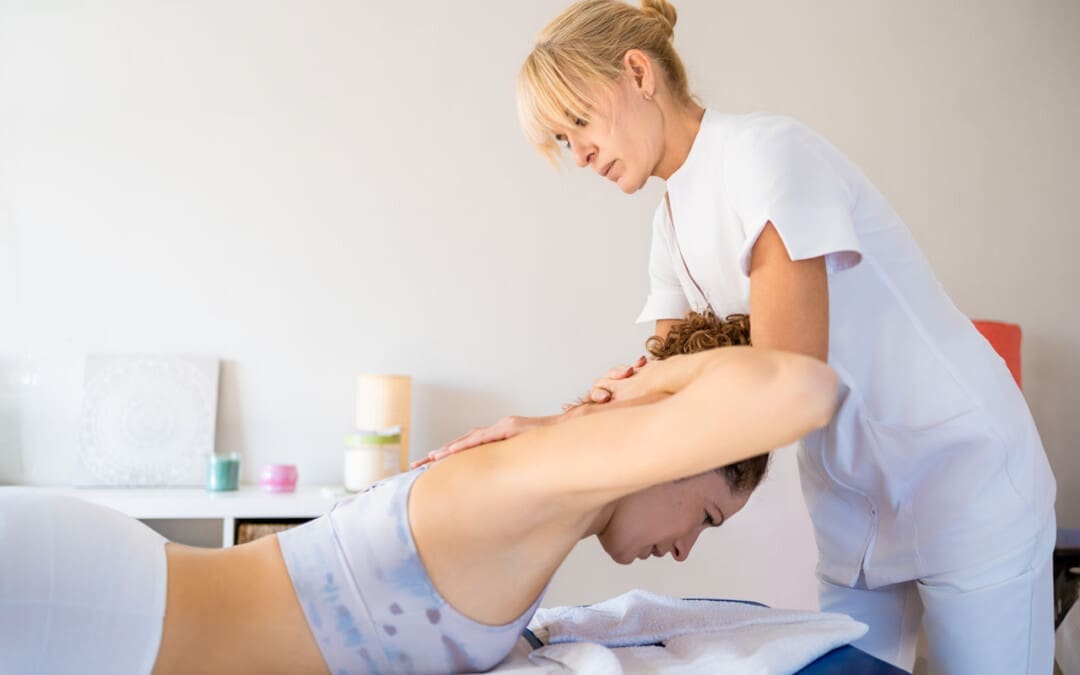
Physical therapy uses various range of motion exercises to strengthen the neck muscles and relieve the pain.
Chiropractic adjustments and non-surgical decompression can help realign and nourish the spine.
Acupuncture can cause the body to release natural hormones that provide pain relief, help relax the soft tissues, increase circulation, and reduce inflammation. The cervical spine can return to alignment when the soft tissues are no longer inflamed and spasming. (Tae-Woong Moon et al., 2014)
Neck Injuries
References
Medicine, J. H. (2024). Whiplash Injury. https://www.hopkinsmedicine.org/health/conditions-and-diseases/whiplash-injury
MedlinePlus. (2017). Neck Injuries and Disorders. Retrieved from https://medlineplus.gov/neckinjuriesanddisorders.html#cat_95
Sterling M. (2014). Physiotherapy management of whiplash-associated disorders (WAD). Journal of physiotherapy, 60(1), 5–12. https://doi.org/10.1016/j.jphys.2013.12.004
Tanaka, N., Atesok, K., Nakanishi, K., Kamei, N., Nakamae, T., Kotaka, S., & Adachi, N. (2018). Pathology and Treatment of Traumatic Cervical Spine Syndrome: Whiplash Injury. Advances in orthopedics, 2018, 4765050. https://doi.org/10.1155/2018/4765050
van Den Hauwe L, Sundgren PC, Flanders AE. (2020). Spinal Trauma and Spinal Cord Injury (SCI). In: Hodler J, Kubik-Huch RA, von Schulthess GK, editors. Diseases of the Brain, Head and Neck, Spine 2020–2023: Diagnostic Imaging [Internet]. Cham (CH): Springer; 2020. Chapter 19. Available from: https://www.ncbi.nlm.nih.gov/books/NBK554330/ doi: 10.1007/978-3-030-38490-6_19
Moon, T. W., Posadzki, P., Choi, T. Y., Park, T. Y., Kim, H. J., Lee, M. S., & Ernst, E. (2014). Acupuncture for treating whiplash associated disorder: a systematic review of randomised clinical trials. Evidence-based complementary and alternative medicine : eCAM, 2014, 870271. https://doi.org/10.1155/2014/870271
Can incorporating nopal or prickly pear cactus into one’s diet help individuals trying to lower blood glucose, inflammation, and risk factors associated with heart and metabolic diseases?
Nopal
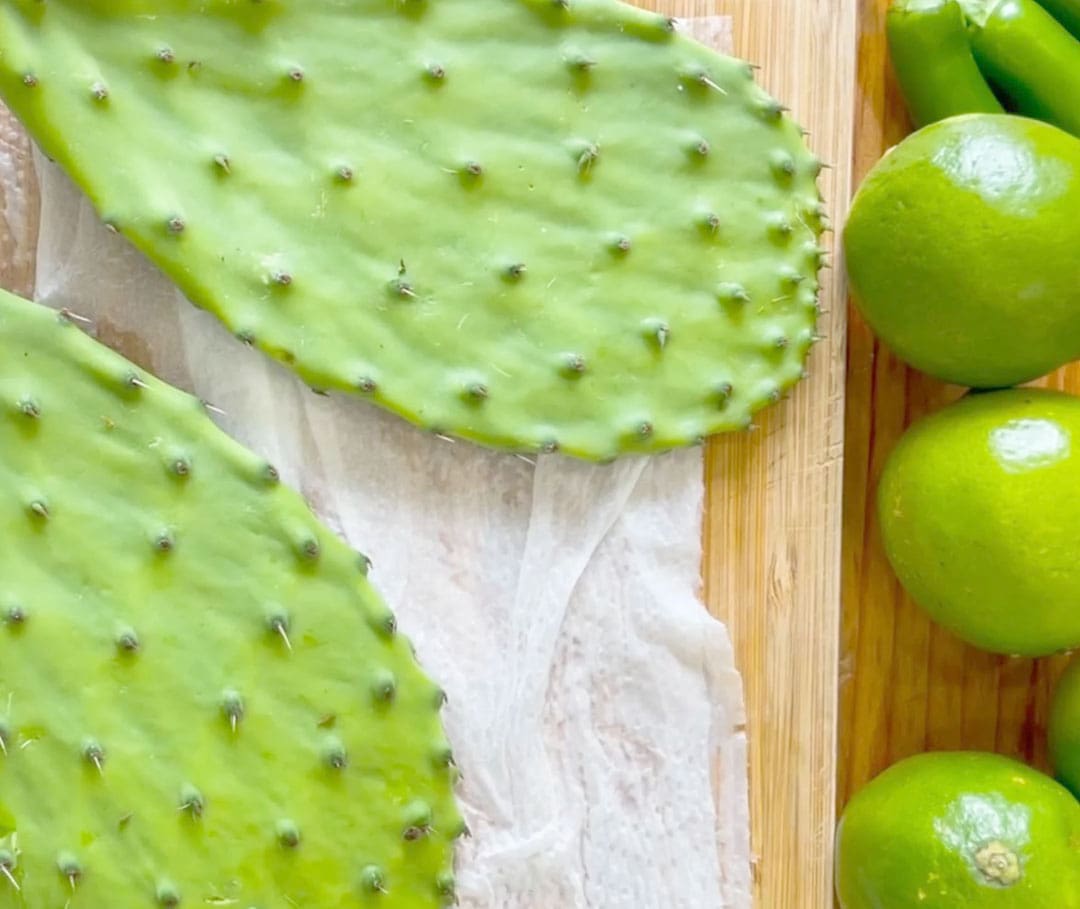
Nopal, also known as prickly pear cactus, is a versatile vegetable that can be added to nutrition plans to increase fiber intake, vitamins, minerals, and plant-based compounds. It grows in the U.S. Southwest, Latin America, and the Mediterranean. The pads, or the nopales or cactus paddles, have a texture like okra and slight tartness. The prickly pear cactus fruit, referred to as tuna in Spanish, is also consumed. (University of Arizona Cooperative Extension, 2019) It is often used in fruit salsas, salads, and desserts and is available as a supplement in tablet and powder form.
Nopal is highly nutritious, low in calories, free of fat, sodium, or cholesterol, and full of fiber, vitamins, minerals, and betalains. (Parisa Rahimi et al., 2019) Betalains are pigments with anti-inflammatory properties. The variety of fibers creates a low glycemic index (measures how much a specific food raises blood sugar levels after consumption) of about 32, a recommended addition to a diabetes-friendly diet. (Patricia López-Romero et al., 2014)
Compounds
Nopal contains a variety of beneficial carbohydrates, vitamins, and minerals.
Nopal has soluble and insoluble fiber, which benefits blood sugar.
It also contains vitamin A, carotenoids, vitamin C, calcium, and plant-based compounds like phenols and betalains. (Karina Corona-Cervantes et al., 2022)
Blood Sugar Regulation
Research has evaluated regular nopal consumption and supplementation for blood sugar control. A study on blood sugar evaluated adding nopal to a high-carbohydrate breakfast or a breakfast high in soy protein in Mexican individuals with type 2 diabetes. The study found that consuming nopales, about 300 grams or 1.75 to 2 cups before a meal, could reduce after-meal/postprandial blood sugars. (Patricia López-Romero et al., 2014) An older study had similar results. (Montserrat Bacardi-Gascon et al., 2007) Individuals were randomly assigned to consume 85 grams of nopal with three different breakfast options:
Chilaquiles – a casserole made with corn tortilla, vegetable oil, and pinto beans.
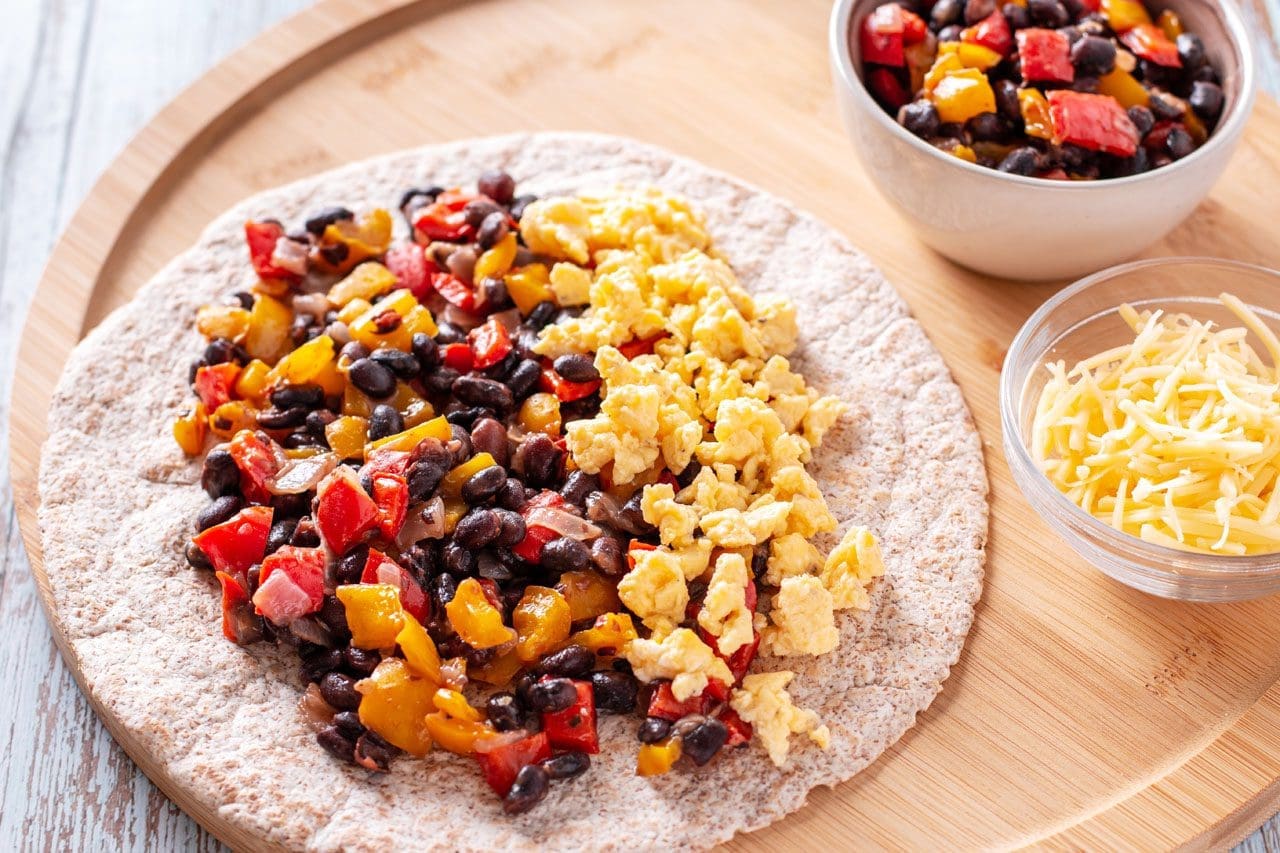
Burritos – made with eggs, vegetable oil, and pinto beans.
Quesadillas – made with flour tortillas, low-fat cheese, avocado, and pinto beans.
The groups assigned to eat nopales had reductions in blood sugar. There was a:
30% reduction in the chilaquiles group.
20% decrease in the burrito group.
48% reduction in the quesadilla group.
However, the studies were small, and the population was not diverse. so further research is needed.
Increased Fiber
The combination of soluble and insoluble fiber benefits the gut in various ways. Soluble fiber can act as a prebiotic, feeding beneficial bacteria in the gut and assisting in removing low-density lipoprotein (LDL) cholesterol from the body. Insoluble fiber increases transit time, or how quickly food moves through the digestive system and promotes bowel regularity. (Centers for Disease Control and Prevention, 2022) In a short-term randomized clinical control trial, researchers found an improvement in irritable bowel syndrome symptoms in individuals supplemented with 20 and 30 grams of nopal fiber. (Jose M Remes-Troche et al., 2021) For individuals not used to consuming fibrous foods, it may cause mild diarrhea, so it is recommended to increase intake slowly and with adequate water to prevent gas and bloating.
Plant Based Calcium
One cup of nopal provides 244 milligrams or 24% of daily calcium needs. Calcium is a mineral that optimizes bone and teeth health. It also assists in blood vessel contraction and dilation, muscle function, blood clotting, nerve transmission, and hormonal secretion. (National Institutes of Health. Office of Dietary Supplements 2024) Individuals who follow diets that exclude dairy products can benefit from plant-based calcium sources. This includes cruciferous vegetables like kale, collards, and arugula.
Other Benefits
Studies done in animals and test tubes suggest that fresh nopal and extracts may assist in reducing triglycerides and cholesterol in metabolic dysfunction-associated steatotic liver disease or when unhealthy amounts of fat accumulate in the liver. (Karym El-Mostafa et al., 2014) Other potential benefits with limited evidence include:
Unless individuals are allergic to it, most can eat whole nopal without a problem. However, supplementing is different because it provides a concentrated source. Individuals taking medication to manage diabetes and consuming nopal regularly may contribute to an increased risk of developing hypoglycemia or low blood sugar. Dermatitis has also been reported from contact with the cactus spines. (U.S. Department of Agriculture, FoodData Central, 2018) There have been rare reports of bowel obstruction in individuals who consume large amounts of the seeds found in the fruit. (Karym El-Mostafa et al., 2014) Ask a registered dietitian or primary healthcare provider if nopal can provide safe benefits.
Nutrition Fundamentals
References
University of Arizona Cooperative Extension. Hope Wilson, M. W., Patricia Zilliox. (2019). Prickly pear cactus: food of the desert. https://extension.arizona.edu/sites/extension.arizona.edu/files/pubs/az1800-2019.pdf
U.S. Department of Agriculture. FoodData Central. (2018). Nopales, cooked, without salt. Retrieved from https://fdc.nal.usda.gov/fdc-app.html#/food-details/169388/nutrients
U.S. Department of Agriculture. MyPlate. (2020-2025). Vegetables. Retrieved from https://www.myplate.gov/eat-healthy/vegetables
Rahimi, P., Abedimanesh, S., Mesbah-Namin, S. A., & Ostadrahimi, A. (2019). Betalains, the nature-inspired pigments, in health and diseases. Critical reviews in food science and nutrition, 59(18), 2949–2978. https://doi.org/10.1080/10408398.2018.1479830
López-Romero, P., Pichardo-Ontiveros, E., Avila-Nava, A., Vázquez-Manjarrez, N., Tovar, A. R., Pedraza-Chaverri, J., & Torres, N. (2014). The effect of nopal (Opuntia ficus indica) on postprandial blood glucose, incretins, and antioxidant activity in Mexican patients with type 2 diabetes after consumption of two different composition breakfasts. Journal of the Academy of Nutrition and Dietetics, 114(11), 1811–1818. https://doi.org/10.1016/j.jand.2014.06.352
Corona-Cervantes, K., Parra-Carriedo, A., Hernández-Quiroz, F., Martínez-Castro, N., Vélez-Ixta, J. M., Guajardo-López, D., García-Mena, J., & Hernández-Guerrero, C. (2022). Physical and Dietary Intervention with Opuntia ficus-indica (Nopal) in Women with Obesity Improves Health Condition through Gut Microbiota Adjustment. Nutrients, 14(5), 1008. https://doi.org/10.3390/nu14051008
Bacardi-Gascon, M., Dueñas-Mena, D., & Jimenez-Cruz, A. (2007). Lowering effect on postprandial glycemic response of nopales added to Mexican breakfasts. Diabetes care, 30(5), 1264–1265. https://doi.org/10.2337/dc06-2506
Centers for Disease Control and Prevention. (2022). Fiber: the carb that helps you manage diabetes. Retrieved from https://www.cdc.gov/diabetes/library/features/role-of-fiber.html
Remes-Troche, J. M., Taboada-Liceaga, H., Gill, S., Amieva-Balmori, M., Rossi, M., Hernández-Ramírez, G., García-Mazcorro, J. F., & Whelan, K. (2021). Nopal fiber (Opuntia ficus-indica) improves symptoms in irritable bowel syndrome in the short term: a randomized controlled trial. Neurogastroenterology and motility, 33(2), e13986. https://doi.org/10.1111/nmo.13986
National Institutes of Health (NIH). Office of Dietary Supplements. (2024). Calcium. Retrieved from https://ods.od.nih.gov/factsheets/Calcium-HealthProfessional/
El-Mostafa, K., El Kharrassi, Y., Badreddine, A., Andreoletti, P., Vamecq, J., El Kebbaj, M. S., Latruffe, N., Lizard, G., Nasser, B., & Cherkaoui-Malki, M. (2014). Nopal cactus (Opuntia ficus-indica) as a source of bioactive compounds for nutrition, health and disease. Molecules (Basel, Switzerland), 19(9), 14879–14901. https://doi.org/10.3390/molecules190914879
Onakpoya, I. J., O’Sullivan, J., & Heneghan, C. J. (2015). The effect of cactus pear (Opuntia ficus-indica) on body weight and cardiovascular risk factors: a systematic review and meta-analysis of randomized clinical trials. Nutrition (Burbank, Los Angeles County, Calif.), 31(5), 640–646. https://doi.org/10.1016/j.nut.2014.11.015
Corona-Cervantes, K., Parra-Carriedo, A., Hernández-Quiroz, F., Martínez-Castro, N., Vélez-Ixta, J. M., Guajardo-López, D., García-Mena, J., & Hernández-Guerrero, C. (2022). Physical and Dietary Intervention with Opuntia ficus-indica (Nopal) in Women with Obesity Improves Health Condition through Gut Microbiota Adjustment. Nutrients, 14(5), 1008. https://doi.org/10.3390/nu14051008
For athletes and sports enthusiasts, a torn triceps can be a serious injury. Can knowing their symptoms, causes, risk factors, and potential complications help healthcare providers develop an effective treatment plan?
Torn Triceps Injury
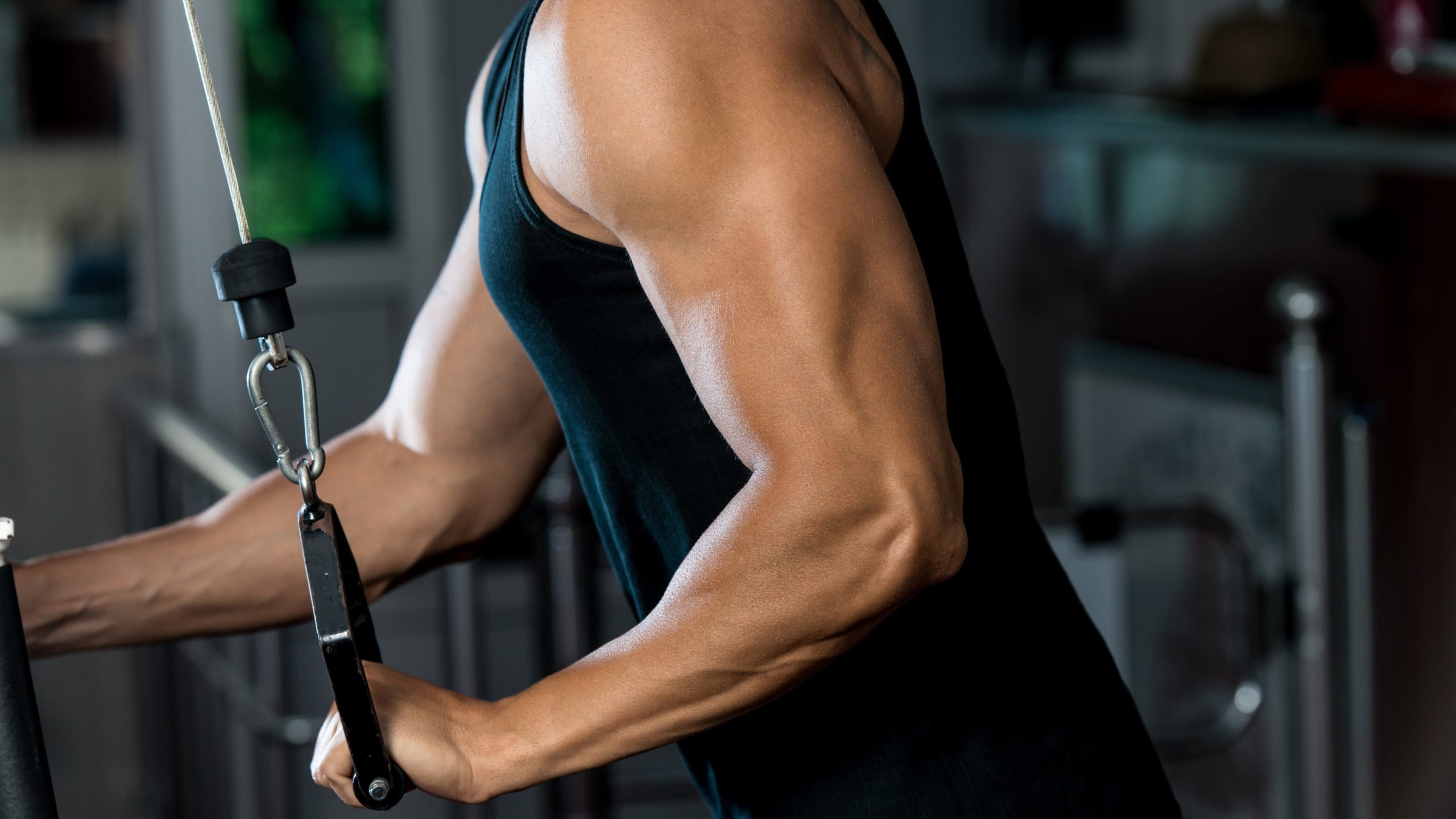
The triceps is the muscle on the back of the upper arm that allows the elbow to straighten. Fortunately, triceps tears are uncommon, but they can be serious. The injury affects men more often than women and usually occurs from trauma, sports, and/or exercise activities. Depending on the extent and severity of the injury, a torn triceps injury can require splinting, physical therapy, and possibly surgery to regain movement and strength. Recovery after a triceps tear typically lasts around six months. (The Ohio State University Wexner Medical Center. 2021)
Anatomy
The triceps brachii muscle, or triceps, runs along the back of the upper arm. It is named tri- because it has three heads – the long, medial, and lateral head. (Sendic G. 2023) The triceps originates at the shoulder and attaches to the shoulder blade/scapula and upper arm bone/humerus. At the bottom, it attaches to the point of the elbow. This is the bone on the pinky side of the forearm, known as the ulna. The triceps cause movement at the shoulder and the elbow joint. At the shoulder, it performs extension or backward movement of the arm and adduction or moving the arm toward the body. The main function of this muscle is at the elbow, where it performs extension or straightening of the elbow. The triceps work the opposite of the biceps muscle on the front of the upper arm, which conducts flexion or bending of the elbow.
Triceps Tear
Tears can occur anywhere along the length of a muscle or tendon, which is the structure that attaches the muscle to the bones. Triceps tears commonly occur in the tendon connecting the triceps to the back of the elbow. Muscle and tendon tears are graded from 1 to 3 based on severity. (Alberto Grassi et al., 2016)
Grade 1 Mild
These small tears cause pain that worsens with movement.
There is some swelling, bruising, and minimal loss of function.
Grade 2 Moderate
These tears are larger and have moderate swelling and bruising.
The fibers are partially torn and stretched.
Up to 50% loss of function.
Grade 3 Severe
This is the worst type of tear, where the muscle or tendon is completely torn.
These injuries cause severe pain and disability.
Symptoms
Triceps tears cause immediate pain in the back of the elbow and upper arm that worsens when trying to move the elbow. Individuals might also feel and/or hear a popping or tearing sensation. There will be swelling, and the skin will likely be red and/or bruised. With a partial tear, the arm will feel weak. If there is a complete tear, there will be significant weakness when straightening the elbow. Individuals may also notice a lump on the back of their arm where the muscles have contracted and knotted together.
Causes
Triceps tears usually occur during trauma, when the muscle is contracted and an external force pushes the elbow into a bent position. (Kyle Casadei et al., 2020) One of the most common causes is by falling on an outstretched arm. Triceps tears also occur during sports activities like:
Throwing a baseball
Blocking in a football game
Gymnastics
Boxing
When a player falls and lands on their arm.
Tears can also happen when using heavy weights during triceps-targeted exercises, such as the bench press.
Tears can also occur from direct trauma to the muscle, like a motor vehicle accident, but are less common.
Long-Term
Triceps tears can develop over time as a result of tendonitis. This condition usually occurs from repetitive use of the triceps muscle during activities like manual labor or exercise. Triceps tendonitis is sometimes referred to as weightlifter’s elbow. (Orthopedic & Spine Center. N.D.) The strain on tendons causes tiny tears that the body typically heals. However, if more strain is placed on the tendon than it can keep up with, the tiny tears can begin to grow.
Risk Factors
Risk factors can increase the risk of a triceps tear. Underlying medical conditions can weaken tendons, increasing the risk of injury, and can include: (Tony Mangano et al., 2015)
Diabetes
Rheumatoid arthritis
Hyperparathyroidism
Lupus
Xanthoma – fatty deposits of cholesterol under the skin.
Hemangioendothelioma – cancerous or noncancerous tumors caused by abnormal growth of blood vessel cells.
Chronic kidney failure
Chronic tendonitis or bursitis in the elbow.
Individuals who have had cortisone shots in the tendon.
Individuals using anabolic steroids.
Triceps tears tend to occur more commonly in males between 30 and 50. (Ortho Bullets. 2022) This comes from participating in activities like football, weightlifting, bodybuilding, and manual labor, which also increases the risk of injury.
Treatment
Treatment depends on which part of the triceps is affected and the extent of the damage. It may only need resting for a few weeks, physical therapy, or require surgery.
Nonsurgical
Partial tears in the triceps that involve less than 50% of the tendon can often be treated without surgery. (Mehmet Demirhan, Ali Ersen 2016) Initial treatment includes:
Splinting the elbow with a slight bend for four to six weeks allows the injured tissue to heal. (Ortho Bullets. 2022)
During this time, ice can be applied to the area for 15 to 20 minutes several times daily to help decrease pain and swelling.
Non-steroidal anti-inflammatory medications/NSAIDs – Aleve, Advil, and Bayer can help reduce inflammation.
Other over-the-counter medications like Tylenol can help decrease the pain.
Once the splint is removed, physical therapy will help restore movement and strength in the elbow.
Full movement is expected to return within 12 weeks, but full strength will not return until six to nine months after the injury. (Mehmet Demirhan, Ali Ersen 2016)
Surgery
Triceps tendon tears that involve more than 50% of the tendon require surgery. In some cases, however, surgery may still be recommended for tears smaller than 50% if the individual has a physically demanding job or plans to resume playing sports at a high level. Tears in the muscle belly or area where the muscle and tendon join are typically sewn back together. If the tendon is no longer attached to the bone, it is screwed back on. Recovery and physical therapy after surgery depend on the specific surgeon’s protocols. In general, individuals will spend a couple of weeks in a brace. Around four weeks after surgery, individuals will be able to start moving the elbow again. However, they won’t be able to start doing heavy lifting for four to six months. (Ortho Bullets. 2022) (Mehmet Demirhan, Ali Ersen 2016)
Complications
Complications can occur after triceps repair, whether there was surgery or not. For example, individuals may have problems regaining full elbow extension or straightening. They are also at a higher risk of re-rupture if they try to use the arm before it’s fully healed. (Mehmet Demirhan, Ali Ersen 2016)
Chiropractic Care for Healing After Trauma
References
The Ohio State University Wexner Medical Center. (2021). Distal triceps repair: clinical care guideline. (Medicine, Issue. https://medicine.osu.edu/-/media/files/medicine/departments/sports-medicine/medical-professionals/shoulder-and-elbow/distaltricepsrepair.pdf?
Sendic G. Kenhub. (2023). Triceps brachii muscle Kenhub. https://www.kenhub.com/en/library/anatomy/triceps-brachii-muscle
Grassi, A., Quaglia, A., Canata, G. L., & Zaffagnini, S. (2016). An update on the grading of muscle injuries: a narrative review from clinical to comprehensive systems. Joints, 4(1), 39–46. https://doi.org/10.11138/jts/2016.4.1.039
Casadei, K., Kiel, J., & Freidl, M. (2020). Triceps Tendon Injuries. Current sports medicine reports, 19(9), 367–372. https://doi.org/10.1249/JSR.0000000000000749
Mangano, T., Cerruti, P., Repetto, I., Trentini, R., Giovale, M., & Franchin, F. (2015). Chronic Tendonopathy as a Unique Cause of Non Traumatic Triceps Tendon Rupture in a (Risk Factors Free) Bodybuilder: A Case Report. Journal of orthopaedic case reports, 5(1), 58–61. https://doi.org/10.13107/jocr.2250-0685.257
Can using egg substitutes or replacements be safe for individuals with an egg allergy?
Substitutes and Replacements
Individuals should not assume either is safe unless they carefully read the label.
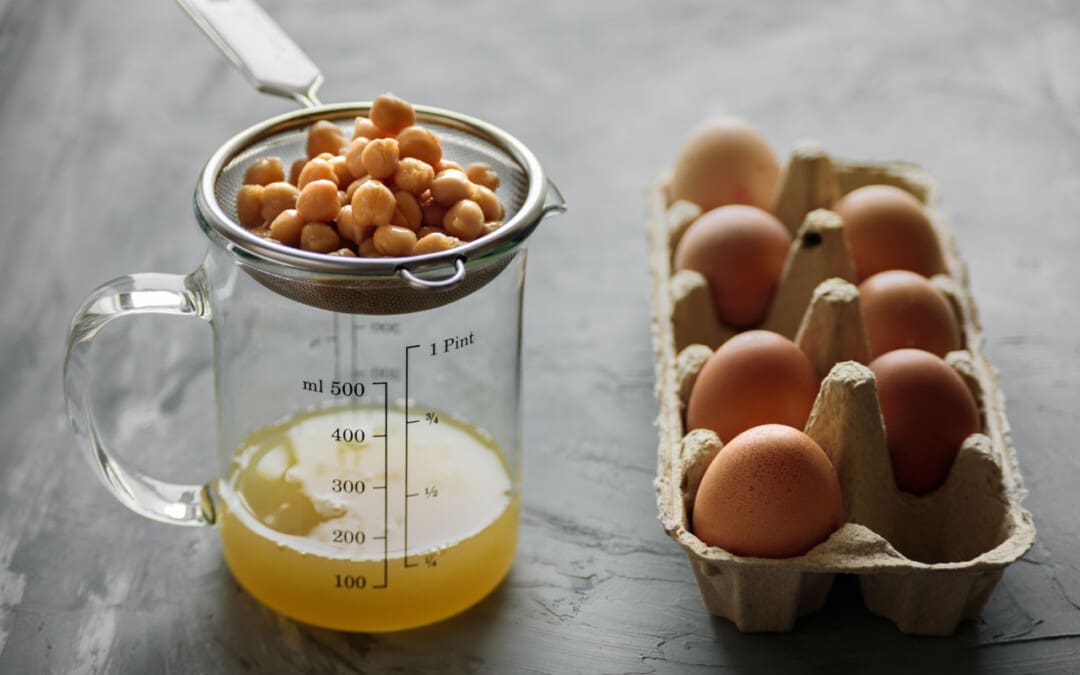
Egg substitutes may contain eggs.
Egg replacement products may be egg-free.
Look for alternatives labeled vegan or egg-free to ensure there are none.
Substitutes May Contain Eggs
Liquid egg substitutes in grocery store dairy aisles are made from eggs. The following all contain eggs and are not safe for individuals with egg allergies:
Generic liquid egg substitutes in cartons
Egg Beaters
Powdered egg white products
Replacements Are Safe Alternatives
Special replacement products that do not contain eggs are available.
They are labeled vegan egg substitutes.
They are usually sold in powdered form.
They are useful for baking.
They cannot be used as a replacement for eggs in foods like a quiche.
Always check the ingredients on the label before purchasing a product sold as a substitute or replacement to ensure it is completely free.
These products may also contain soy, dairy, or other food allergens.
Vegan – contains no animal products, which includes eggs and dairy.
Vegetarian – may contain eggs as they are not meat but an animal product.
Unaware of Foods With Eggs
Stay aware of eggs hidden in other food products, such as cakes, breads, pastries, noodles, crackers, and cereals.
The federal Food Allergen Labeling and Consumer Protection Act requires that all packaged food products that contain eggs as an ingredient must list the word egg on the label. (U.S. Food & Drug Administration. 2022)
Other ingredients that indicate eggs are in the product include:
Angioedema – swelling of the lips, tongue, or face.
Airway symptoms – wheezing, coughing, or a runny nose.
Gastrointestinal symptoms – nausea, stomach pain, diarrhea or vomiting.
Severe reactions – such as anaphylaxis, can cause multiple organ system failure.
Anaphylaxis is an emergency and requires immediate medical treatment.
A Guide For Food Allergies, Hypersensitivity and Intolerances
References
U.S. Food & Drug Administration. (2022). Food Allergen Labeling and Consumer Protection Act (FALCPA). Retrieved from https://www.fda.gov/food/food-allergensgluten-free-guidance-documents-regulatory-information/food-allergen-labeling-and-consumer-protection-act-2004-falcpa
Tan, J. W., & Joshi, P. (2014). Egg allergy: an update. Journal of paediatrics and child health, 50(1), 11–15. https://doi.org/10.1111/jpc.12408
Learning the cause of the problem and how to effectively manage it can help individuals experiencing back spasms to quickly and safely return to previous levels of function and activity.
Back Spasm
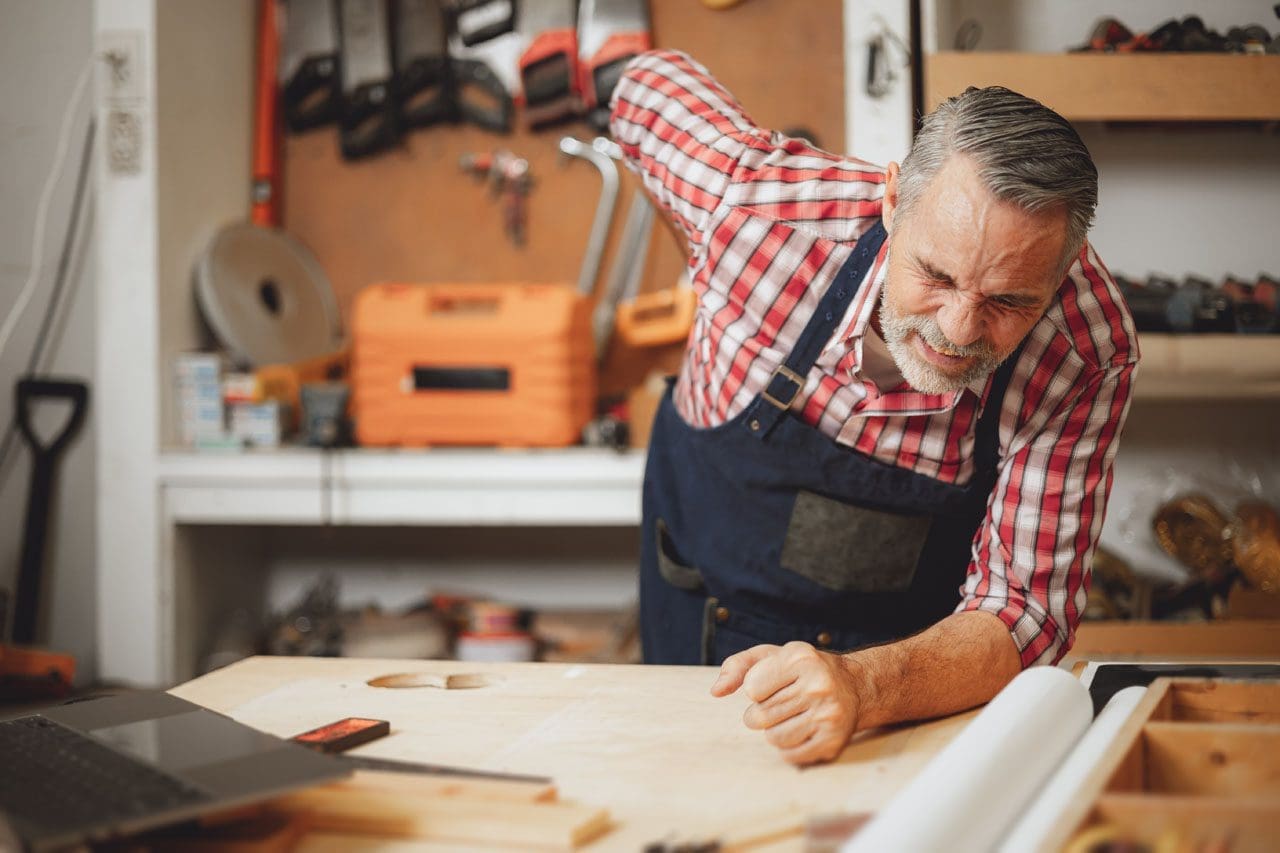
Individuals dealing with back pain or sciatica usually describe the symptoms as the back muscles tightening or spasming. A back spasm can feel mild, like a fist pressing into one side of the spine or an intense pain that prevents the individual from sitting, standing, or walking comfortably. Bask spasms can become severe, causing difficulty maintaining normal upright posture.
What Is A Spasm
A back spasm is a sudden onset of back muscle tightness. Sometimes, the tight sensation becomes so intense and severe that it prevents the individual from moving normally. Some individuals have difficulty bending forward because of the pain and tightness.
Symptoms
Most episodes last several hours to several days. Severe cases can last about six to eight weeks, but the spasms and pain subside gradually, allowing the individual to move normally and resume normal activity. Common sensations and symptoms can include:
Difficulty bending.
A tight sensation in the back.
Pulsing pains and sensations.
Pain on one or both sides of the back.
Sometimes, the spasm can cause radiating pain in the buttocks and hips. When severe, it can be accompanied by nerve pain, numbness, and tingling that radiates down one or both legs. (Medline Plus. 2022)
Causes
Back spasms are caused by tight muscle tissue, which often results from some mechanical stress. The stress causes the muscle tissue near the spine to be pulled abnormally. As a result of the pulling, the muscle fibers become taut and painful. Mechanical causes of back spasms may include: (Merck Manual, 2022)
Poor sitting and/or standing posture.
Repetitive overuse injury.
Lumbar strains.
Lumbar disc herniations.
Low back osteoarthritis.
Spondylolisthesis – vertebrae shift out of position, including anterolisthesis and retrolisthesis.
Spinal stenosis
All these can place increased stress on the anatomical structures in the spine. The lower back muscles near these structures may go into a protective spasm that can also cause a tight and painful sensation in the back. Other non-mechanical causes of low back spasms include: (Merck Manual, 2022)
Poor sitting posture or sitting for long periods without back support.
Lack of physical conditioning.
Being overweight or obese.
Psychological conditions – anxiety, depression, and emotional stress.
Family medical history of ankylosing spondylitis.
Smoking
Individuals can stop smoking, start exercising, or engage in positive activities to help manage stress. Individuals dealing with back spasms may need to see a healthcare provider for a proper diagnosis and treatment.
Treatment
Treatment for back spasms can include home remedies or therapies from medical providers. The treatments are designed to relieve the spasms and manage the mechanical stresses that may have caused them. Medical professionals can also show strategies to prevent spasms. Home remedies can include: (Merck Manual, 2022)
If self-care strategies are unable to provide relief, individuals may need to visit a medical professional for treatment. Medical treatments can include: (Merck Manual, 2022)
Most individuals are able to manage symptoms with physical therapy or chiropractic, which includes learning exercises and posture adjustments to relieve tightness.
National Institute of Neurological Disorders and Stroke. (2023). Back pain. Retrieved from https://www.ninds.nih.gov/health-information/disorders/back-pain?
Bhatia, A., Engle, A., & Cohen, S. P. (2020). Current and future pharmacological agents for the treatment of back pain. Expert opinion on pharmacotherapy, 21(8), 857–861. https://doi.org/10.1080/14656566.2020.1735353
IFM's Find A Practitioner tool is the largest referral network in Functional Medicine, created to help patients locate Functional Medicine practitioners anywhere in the world. IFM Certified Practitioners are listed first in the search results, given their extensive education in Functional Medicine