Spondyloarthritis is a group of inflammatory, immune-mediated diseases that cause chronic low back pain, inflammation, irritating aches, and pains. The conditions mostly affect the spine but can affect joints in the arms, legs, hips, skin, eyes, and intestines. Spondylitis types can significantly affect daily function, physical activity and compromise bone health.
Spondylitis Types
The main types include:
Ankylosing spondylitis
Psoriatic arthritis
Enteropathic arthritis
Reactive arthritis
Juvenile spondylitis
Undifferentiated spondylitis
Axial Spondylitis vs. Peripheral Spondylitis Types
Axial means relating to the body’s central region, as in the trunk and head.
Axial spondyloarthritis is arthritis and inflammation in the hips and spine.
The condition starts before age 45.
The pain typically starts in the low back but can begin in the neck or other regions.
Characterized by back pain, usually in the lower back and/or buttocks.
Morning back stiffness lasting 30 minutes or longer.
Sacroiliac joint inflammation can also present.
The back pain gradually progresses.
Lasts longer than three months.
Improves with physical movement, not with rest.
Peripheral spondyloarthritis is arthritis and inflammatory pain in the peripheral joints and tendons and does not include the spine.
Individuals can have peripheral and axial spondylitis symptoms simultaneously.
Diagnosis depends on whether symptoms are primarily peripheral or axial.
Spondylitis and Spondylosis
Spondylosis and spondylitis are similar in they cause pain and inflammation in the back and hips. The difference is in each condition’s triggers.
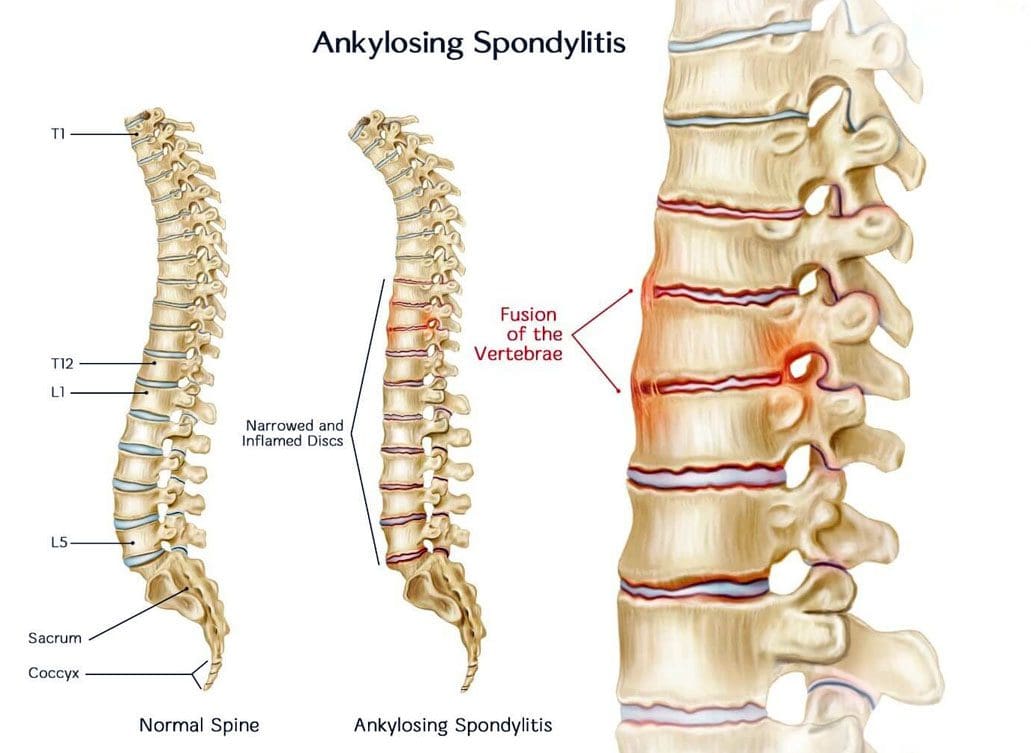
Spondylitis is a disease in which the body’s immune system degrades joints, causes inflammation, overproduces bone formation, and causes bone fusion.
Spondylosis is a category of arthritis that presents as the spine ages from normal wear and tear.
It happens during the degeneration of the spine’s discs and joints.
It also presents when bone spurs develop on the spine’s vertebrae.
Ankylosing Spondylitis
Ankylosing spondylitis is the most common form of arthritis affecting the spine, other joints, and body regions. The condition causes spinal joint inflammation causing extreme discomfort and chronic pain. In some cases, the inflammation progresses to ankylosis, where spine sections fuse and become immobile. Other body areas that can trigger inflammation include:
The ribs
Heels
Shoulders
Hips
Small joints of the feet and hands.
Ankylosing spondylitis symptoms vary from person to person. Common early symptoms include:
There is general discomfort, appetite loss, and mild fever early in the condition.
Persistent stiffness and pain in the buttocks and low back, gradually progressing over a couple of weeks or months.
The pain and stiffness can travel into the neck and spine within months or years.
The pain is usually spread out and dull.
The stiffness and pain are worse in the morning and night and improve with light exercise or a warm shower.
The pain typically becomes chronic, lasts for a minimum of 3 months, and can be felt on both sides.
Tenderness and pain in the hips, thighs, shoulder blades, heels, and ribs may also occur.
Treatment approaches include applications of ice and heat to reduce swelling, increase circulation, and decrease joint pain, posture exercises, stretches, physical therapy, and medication.
Psoriatic Arthritis
Psoriatic arthritis causes swelling, pain, and inflammation in the small joints of the hands and feet; however, the joints of the knees, ankles, and wrists can also be affected. Psoriasis is a rash that causes scaly skin patches.
Individuals can develop dactylitis when a finger or toe swells between the surrounding joints.
Spinal stiffness and pain can present.
Typically the ends of the finger joints are most affected and experience pain and inflammation.
Medications frequently utilized to treat ankylosing spondylitis can be used.
Exercise helps preserve the range of motion and maintain strength.
Isometric exercises work muscles without joint motion reducing the risk of further injury to inflamed joints.
Occupational and physical therapy can significantly assist in optimizing arthritic joint function.
Enteropathic Spondylitis
Enteropathic Arthritis is chronic inflammatory arthritis linked to inflammatory bowel disease. The most recognized are Crohn’s and ulcerative colitis.
The peripheral limb joints and sometimes the whole spine are the most prevalent body areas afflicted with enteropathic spondylitis.
The main symptom is intestine inflammation, including bowel and joint pain and/or inflammatory back pain.
Other symptoms can include weight loss, blood in the stool, abdominal pain, and/or chronic diarrhea.
Managing enteropathic arthritis typically means managing the underlying bowel disease.
Juvenile Spondyloarthritis
Juvenile spondyloarthritis is a group of childhood rheumatic diseases that cause arthritis before age 16 and can continue through adulthood. Juvenile spondyloarthritis encompasses:
Enteropathic arthritis
Enthesitis-related arthritis
Undifferentiated spondyloarthritis
Psoriatic arthritis
Reactive arthritis
Juvenile ankylosing spondylitis
Juvenile spondyloarthritis causes inflammation and pain in joints in the lower body, like the ankles, hips, knees, and pelvis. Other body areas that could be affected include:
The bowels
Eyes
Skin
Spine
Lethargy and fatigue can also present. The symptoms can be unpredictable and episodic, appearing and disappearing without a specific cause. The condition cycles between flare-ups and remission. Common treatment approaches include:
Medication
Exercise
Posture training
Physical therapy, medication
Ice and heat to decrease joint pain and relax muscles.
In severe cases, surgery could be recommended.
Reactive Arthritis or Reiter’s Syndrome
Reactive arthritis is arthritis that causes pain and inflammation in the mucous membranes, bladder, skin, joints, eyes, and genitals.
Reactive arthritis is believed to be a reaction to an infection, usually in the gastrointestinal or urinary tract.
Reactive arthritis does not affect the sacroiliac joints and spine in most cases.
Reactive arthritis is typically treated with nonsteroidal anti-inflammatory medications, steroids, and rheumatoid arthritis medications.
A physician could prescribe antibiotics if a bacterial infection brought on reactive arthritis.
Undifferentiated Spondyloarthritis
Undifferentiated spondyloarthritis is where the signs and symptoms of spondylitis don’t meet the criteria for a specific rheumatoid disorder. Individuals diagnosed with undifferentiated spondyloarthritis will have one or more of the symptoms that include:
Fatigue
Back inflammation
Back pain
Buttock pain that alternates or presents on both sides.
Swollen toes or fingers
Heel pain
Arthritis in the small joints.
Arthritis in the large limb joints.
Enthesitis or inflammation where the ligament or tendon connects to the bone.
Eye inflammation
Individuals can also present symptoms of other spondylitis types, like psoriatic or ankylosing.
Treatment approaches include:
Exercise
Physical therapy
Posture training
Ice and heat to decrease joint pain and loosen up muscles.
Spondylitis Types Diagnosis of Spondyloarthritis
References
Carron, Philippe, et al. “Peripheral spondyloarthritis: a neglected entity-state of the art.” RMD open vol. 6,1 (2020): e001136. doi:10.1136/rmdopen-2019-001136
Gill, Tejpal, et al. “The intestinal microbiome in spondyloarthritis.” Current opinion in rheumatology vol. 27,4 (2015): 319-25. doi:10.1097/BOR.0000000000000187
Rosenbaum, James T. “The eye in spondyloarthritis✰.” Seminars in arthritis and rheumatism vol. 49,3S (2019): S29-S31. doi:10.1016/j.semarthrit.2019.09.014
Seo, Mi Ryoung et al. “Delayed diagnosis is linked to worse outcomes and unfavorable treatment responses in patients with axial spondyloarthritis.” Clinical rheumatology vol. 34,8 (2015): 1397-405. doi:10.1007/s10067-014-2768-y
Sharip, Aigul, and Jeannette Kunz. “Understanding the Pathogenesis of Spondyloarthritis.” Biomolecules vol. 10,10 1461. 20 Oct. 2020, doi:10.3390/biom10101461
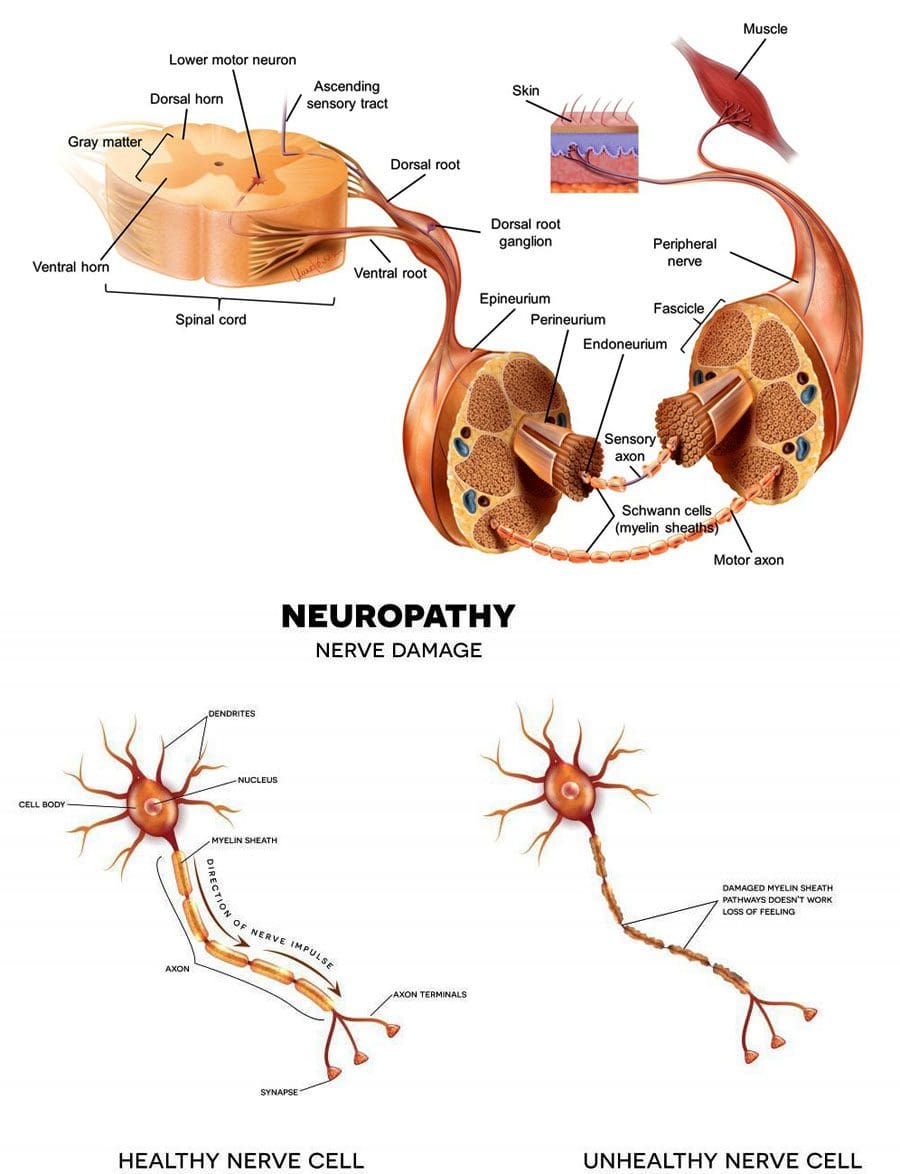
Nerve damage is also known as peripheral neuropathy. Peripheral nerves transmit information to and from the brain through the spinal cord to the rest of the body. Nerve damage symptoms are common in the neck, arms, hands, low back, legs, and feet. Communication becomes weakened, interrupted, or no longer transmits sensation signals. Nerve damage can be a complication from conditions like diabetes or present after an injury. Injury Medical Chiropractic and Functional Medicine Clinic recognize the symptoms and can treat the injuries rehabilitating the nerves back to functional health.
Nerve Damage Symptoms
Nerve damage symptoms can happen to a single nerve or a group of nerves that can affect the rest of the body. Damage depends on the severity of the condition or injury.
Partially damaged nerves can heal on their own with minimal treatment to ensure they heal correctly.
The fibers are covered with tissues that are a type of insulation.
Sometimes only the fibers get damaged.
Sometimes a nerve gets stuck or jammed inside a tight space, causing irritation and, over time, scarring.
Severe nerve damage can involve the fibers and tissues and often require surgery.
Symptoms can range from mild to severe and depend on which nerve fibers are damaged. These could be the following:
Motor nerves
These nerves regulate all the muscles under conscious control.
These control motor functions like walking, talking, and grabbing and holding objects.
Damage to these nerves usually causes muscle weakness, cramps, and uncontrollable muscle twitching or spasms.
Sensory nerves
These nerves relay sensory information, including touch, taste, smell, vision, temperature, and pain.
Symptoms can include numbness or tingling.
There can also be difficulties:
Sensing pain
Sensing temperature changes.
Walking
Maintaining balance with your eyes closed.
Working with the hands.
Autonomic nerves
This group of nerves regulates unconscious actions, including breathing, heart and thyroid function, and digestion.
Symptoms include excessive sweating, blood pressure variations, inability to tolerate heat, and gastrointestinal issues.
Various symptoms can be experienced as many peripheral nerve injuries affect more than one type of nerve.
Signs
Improperly functioning nerves can cause uncomfortable or painful sensations because the nerves cannot carry the correct signals from the brain to the spinal cord. The signs of nerve damage include the following:
Feeling like you’re wearing an overly tight glove or sock constricting circulation and movement.
Numbness or tingling.
Pins and needles or what feels like mild electrical sensations.
Specific body/limb positions can cause or decrease numbness, tingling, or pins and needles.
Muscle weakness.
Dropping objects regularly.
Sharp pains in the hands, arms, low back, legs, or feet.
Restoring Function
Chiropractic treatments can help restore function and include:
Therapeutic Massage
Therapeutic massage will promote circulation to relieve numbness and tightness and help restore function and feeling.
Chiropractic
Chiropractic adjustments will realign the body and keep affected muscles and joints active.
Electrical Stimulation
Stimulators can activate injured nerves and muscles while the nerve regenerates and recovers.
Braces or Splints
These devices could be used to maintain the position of the affected limb, fingers, hand, or foot to improve muscle function and promote healing.
Exercise
Specifically, prescribed exercises will improve muscle strength, help to maintain range of motion, and reduce muscle cramps.
Diet
A nutritionist will develop a personalized anti-inflammatory diet to expedite healing.
Peripheral Therapy
References
Chen, Zhengrong. “Progress of peripheral nerve repair.” Chinese Journal of traumatology = Zhonghua Chuang Shang za Zhi vol. 5,6 (2002): 323-5.
Gordon, Tessa. “Electrical Stimulation to Enhance Axon Regeneration After Peripheral Nerve Injuries in Animal Models and Humans.” Neurotherapeutics: the journal of the American Society for Experimental NeuroTherapeutics vol. 13,2 (2016): 295-310. doi:10.1007/s13311-015-0415-1
WEBB, E M. “Peripheral nerve injuries; early surgical treatment.” California medicine vol. 80,3 (1954): 151-3.
Welch, J A. “Peripheral nerve injury.” Seminars in veterinary medicine and surgery (small animal) vol. 11,4 (1996): 273-84. doi:10.1016/s1096-2867(96)80020-x
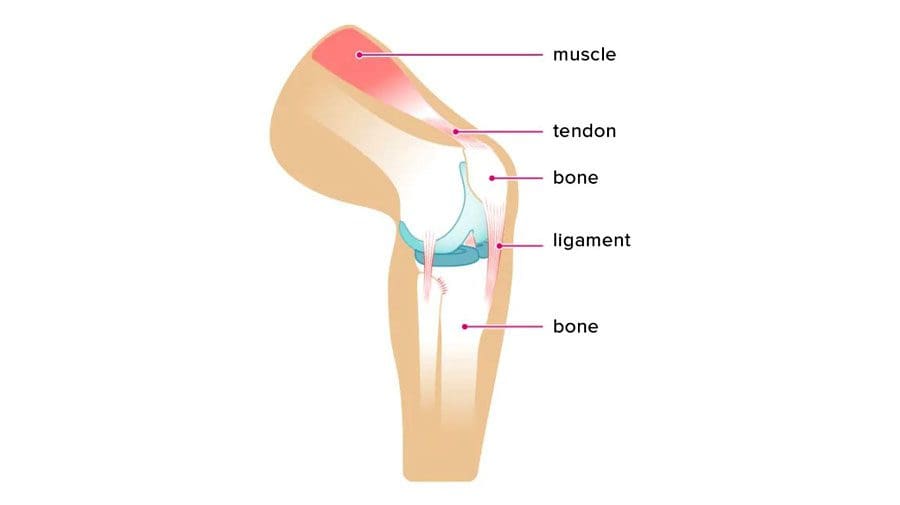
Tendons and Ligaments: A tendon is a fibrous flexible, strong tissue similar to a rope that attaches the muscles to the bones. Tendons allow for the movement of the body’s limbs and help prevent muscle injury by absorbing muscles’ impact when running, jumping, or performing other actions. Ligaments are bands of solid elastic tissue that connect bone to bone, hold structures together and keep them stable, support the joints and limit their movement.
Tendons and Ligaments
Tendons are strong and non-flexible.
Ligaments are flexible and elastic.
Both comprise collagen and living cells, essential in joints and bones and integral to locomotion.
Tendons allow body movement by transmitting force from muscle to bone, allowing the body to stand, walk, and jump.
Ligaments work by allowing for the full range of motion.
Ligaments are around the knees, ankles, elbows, shoulders, and other joints.
Connective Tissue
The collagen connective tissue that makes up tendons and ligaments is the same; their patterns are different.
Tendon fibers are laid out in a parallel pattern.
Tendon connective tissue needs to have more elasticity to help move the muscles.
Ligament fibers are laid out in a crisscross pattern.
Ligament connective tissue stabilizes and strengthens the bones’ joint structure.
Tendon Injury
A tendon that gets overstretched or torn is known as a strain. Common areas affected by strains are the:
Leg
Foot
Back
Strains often result from repetitive work movements, intense physical activity, and sports. Individuals who overuse their bodies without proper rest and muscle repair recovery have an increased risk of injury. Symptoms include:
Inflammation
Swelling
Pain
Cramping
Weakness
Ligament Injury
A ligament that gets overstretched or torn results in a sprain. Sprains can happen suddenly from a fall, awkward movement, or trauma. Sprains commonly occur in the:
Ankle
Knee
Wrist
Examples include:
Misstep causing the ankle to twist in an awkward position, snapping a ligament and causing unstableness or wobbliness.
There could be a popping sensation or the feeling of a tear when the injury occurs.
Wrist sprains often happen when reaching out and extending the hands to break a fall, and the wrist hyperextending back.
The hyperextension overstretches the ligament.
Symptoms of a sprained ligament include:
Inflammation
Swelling
Bruising
Pain
The joint may feel loose or weak and unable to take on weight.
The intensity of symptoms varies depending on whether the ligament is overextended or torn. Sprains are classified by grade:
Grade 1 – a mild sprain with slight stretching of the ligament.
Grade 2 – a moderate ligament tear, but not a complete tear.
Grade 3 – a complete ligament tear, making the joint unstable.
Chiropractic Care
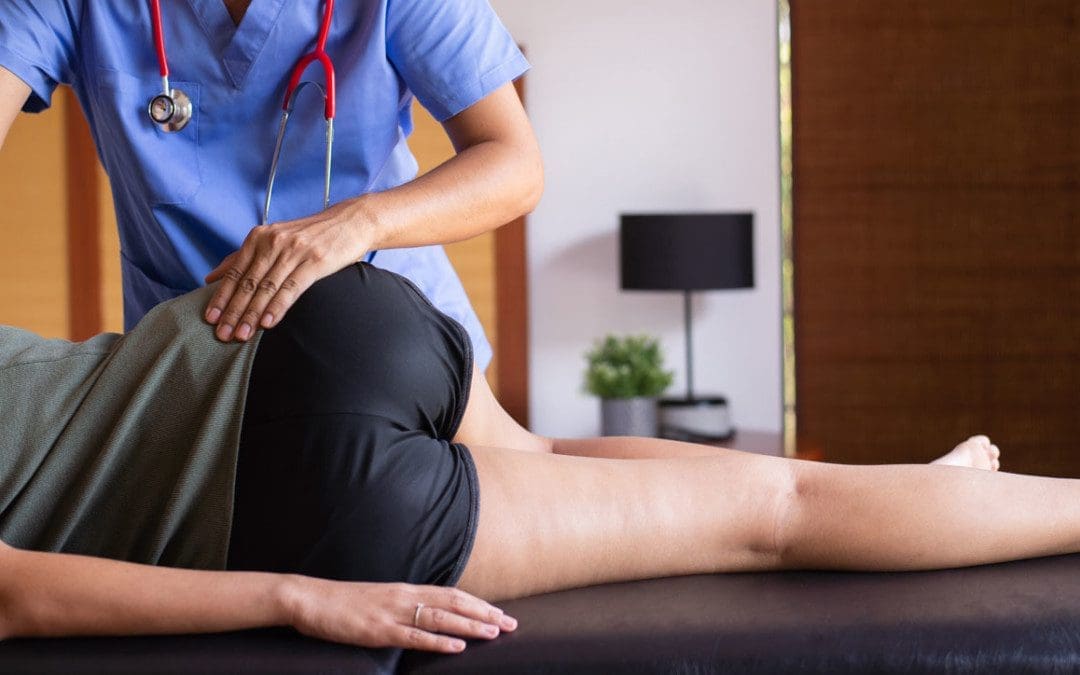
Tendons and ligaments do not receive full blood circulation like other soft tissues. Depending on the severity of the injury, and the slower transfer of oxygen and nutrients, ligament and tendon injuries can take six to twelve weeks to heal, and repeatedly stressing the injured area from overuse can extend recovery. Chiropractic adjustments, and massage therapy, combined with corrective exercises and stretches, will reduce inflammation, decrease pain, improve the range of motion, increase nerve and muscle function, and strengthen the muscles. Chiropractic treatment involves:
Childress, Marc A, and Anthony Beutler. “Management of chronic tendon injuries.” American family physician vol. 87,7 (2013): 486-90.
Fenwick, Steven A et al. “The vasculature and its role in the damaged and healing tendon.” Arthritis research vol. 4,4 (2002): 252-60. doi:10.1186/ar416
Leong, Natalie L et al. “Tendon and Ligament Healing and Current Approaches to Tendon and Ligament Regeneration.” Journal of orthopedic research: official publication of the Orthopaedic Research Society vol. 38,1 (2020): 7-12. doi:10.1002/jor.24475
Scalcione, Luke R et al. “The athlete’s hand: ligament and tendon injury.” Seminars in musculoskeletal radiology vol. 16,4 (2012): 338-49. doi:10.1055/s-0032-1327007
Nutritionists are medical professionals in food and nutrition and work one-on-one to develop an optimal nutrition plan for their body type, age, and health conditions. They explain the right foods to eat, how different foods impact the body, and what foods to avoid. Individuals can benefit from working with a nutritionist to help achieve a healthier lifestyle through education and healthy choices.
Working With A Nutritionist
Nutritionists work with individuals to enhance their knowledge about general nutrition, food, and health. Their focus is on food behavior, which includes developing and implementing meal plans to improve the individual’s or family’s nutrition. Nutritionists work in:
Clinical settings – hospitals, nursing homes, long-term care facilities, fitness and health, and chiropractic clinics.
Government – local health departments.
School districts – regarding school nutrition standards.
Private business – independent work in combination with other medical professionals.
Research – with various health and/or sports organizations.
Benefits
Working with a nutritionist will determine what factors are challenging an individual’s eating habits and triggers and find ways to overcome those barriers. Benefits include:
Nutrition plans are based on nutritional needs, current health, and lifestyle.
Nutrition plans cut down on grocery bills.
Shopping with a specific list cuts down on the extra foods being purchased.
Proper nutrition can help manage chronic diseases like diabetes and heart disease, combined with a primary care doctor or specialist treatment.
Nutritionists can help individuals dealing with food allergies or who have been diagnosed could require a diet change.
Nutritionists can help motivate when struggling to maintain a healthy lifestyle.
Responsibilities and Daily Activities
Nutritionists help individuals reach various goals, like weight loss, healthier eating habits, and stress management, and can be responsible for the following:
Evaluating health needs.
Screening for nutritional risk.
Discussing nutrition and eating habits.
Providing educational resources.
Developing personalized nutrition plans.
Talking about nutritional issues with individual families.
Discussing nutrition plans with primary doctors and other healthcare teams.
Equipping individuals with food behavior modification tools.
Adjusting plans as needed.
Monitoring progress.
Treating conditions and disease management through nutrition.
Functional Nutrition
References
Carrard, Isabelle et al. “Un outil pour évaluer les comportements alimentaires: ESSCA” [A tool for assessing eating behaviors: ESSCA]. Revue medicale suisse vol. 12,511 (2016): 591-6.
Golan, M, and A Weizman. “Reliability and validity of the Family Eating and Activity Habits Questionnaire.” European journal of clinical nutrition vol. 52,10 (1998): 771-7. doi:10.1038/sj.ejcn.1600647
Greenwood, Jessica L J, et al. “Healthy eating vital sign: a new assessment tool for eating behaviors.” ISRN obesity vol. 2012 734682. 22 Jul. 2012, doi:10.5402/2012/734682
Kelley, Claire P et al. “Behavioral Modification for the Management of Obesity.” Primary care vol. 43,1 (2016): 159-75, x. doi:10.1016/j.pop.2015.10.004
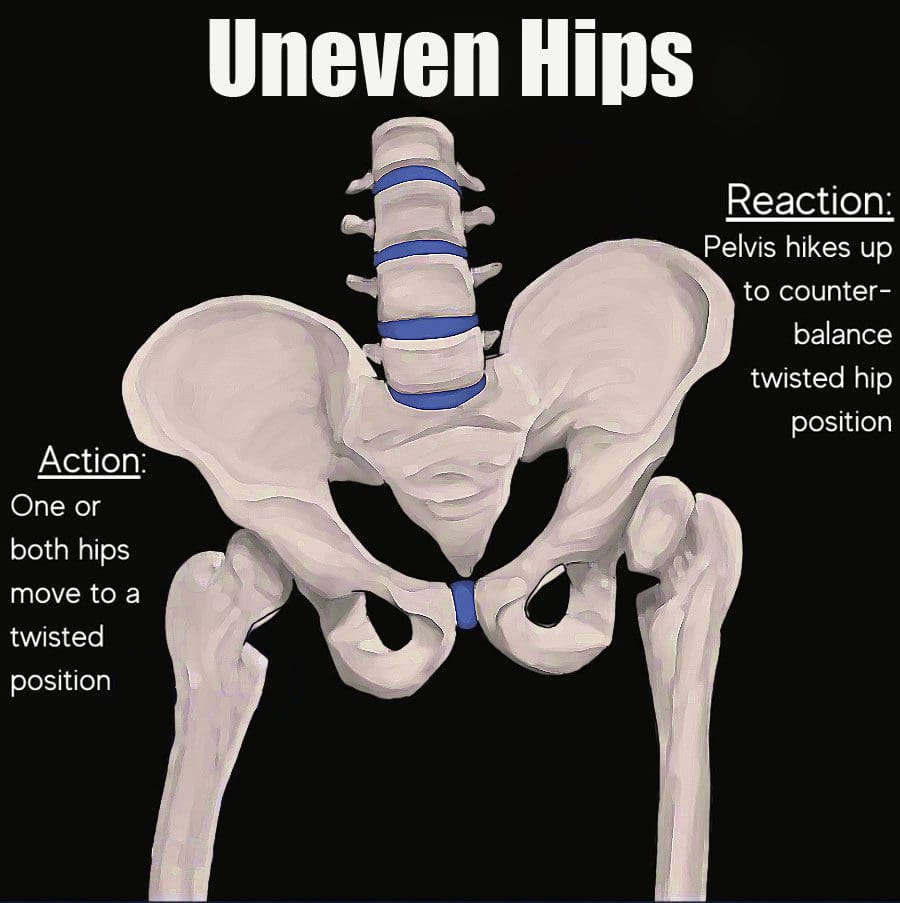
Uneven hips can throw the back out of natural alignment and cause back stiffness, tightness, discomfort, and pain. Hips that are off-balance unhealthily affect standing, sitting, sleeping posture, walking gait, and overall movements. Biomechanics issues cause the core and spine stabilizing muscles to become weakened and fatigued from overcompensating to keep the body up and moving. Over time this can lead to chronic pain in the back, hips, knees, and feet. Chiropractic care can restore proper hip and spinal alignment and wellness.
Uneven Hips
Misaligned hips can be caused by work or sports injury, exercise, vehicle collision, and/or general wear and tear. When hips are out of alignment, they have shifted from their centered position. They could be rotated forward or backward, forcing the spine and the lower limbs to compensate, resulting in the spine tilting that can make the legs appear uneven. Discomfort may be one-sided low back pain near the sacroiliac joint, causing a stiff/tight back, limited motion, and/or pain symptoms. Because the spine and lower limbs have to compensate for the unevenness, the shoulders and upper back, connected to the pelvis through the spine, are also affected and result in:
Back pain.
Hip and gluteal muscle pain.
Uneven leg length.
Knee, ankle, and foot issues and pain.
Uneven shoulders.
The shoulder blades can stick out on the side of the lower hip.
Rib discomfort and pain.
The rib cage could protrude out on one side. However, this could be due to advanced scoliosis.
Therapy
Staying active is recommended and includes stretching and core strengthening. General stretches recommended to optimize hip equity include:
Hamstring stretch
For this stretch, lie on a flat surface with your legs extended straight out.
Bend the right leg at the knee, placing the right foot on the ground.
Use a towel, belt, or band to grab and wrap around the left foot.
Keep the hip/buttock on the left side planted on the floor.
Slowly raise the left leg upward as far as possible until you feel the stretch.
Once you feel a stretch or restriction in the hamstring, hold the position for 30 seconds.
Repeat on the other side.
Perform 2 to3 times.
Hip flexor stretch
Kneel on the affected leg and bend the healthy leg out in front with the foot flat on the floor.
Back straight.
Slowly push the hips forward until you feel the stretch in the upper thigh and hip.
Hold the stretch for around 15 to 30 seconds.
Chiropractic Care
Chiropractic treatment is a highly recommended non-surgical option for uneven hips and pelvic tilt. Depending on the severity of the misalignment, underlying issues, and body scanning images, hip alignment treatment could include:
Soft tissue therapeutic massage
Chiropractic muscle release for tight hip flexors, quadriceps, hamstrings, and glutes.
Kiapour, Ali et al. “Biomechanics of the Sacroiliac Joint: Anatomy, Function, Biomechanics, Sexual Dimorphism, and Causes of Pain.” International journal of spine surgery vol. 14, Suppl 1 3-13. 10 Feb. 2020, doi:10.14444/6077
Lee, Jeong-Hoon, et al. “The effect of Graston technique on the pain and range of motion in patients with chronic low back pain.” Journal of physical therapy science vol. 28,6 (2016): 1852-5. doi:10.1589/jpts.28.1852
Patel, Rikin V et al. “Pelvic Tilt and Range of Motion in Hips With Femoroacetabular Impingement Syndrome.” The Journal of the American Academy of Orthopaedic Surgeons vol. 28,10 (2020): e427-e432. doi:10.5435/JAAOS-D-19-00155
Rivière, C et al. “Spine-hip relations add understandings to the pathophysiology of femoro-acetabular impingement: A systematic review.” Orthopaedics & traumatology, surgery & research : OTSR vol. 103,4 (2017): 549-557. doi:10.1016/j.otsr.2017.03.010
Suits, William H. “Clinical Measures of Pelvic Tilt in Physical Therapy.” International journal of sports physical therapy vol. 16,5 1366-1375. 1 Oct. 2021, doi:10.26603/001c.27978
Forklifts, also known as lift trucks, are used for loading, unloading, and transporting various goods and materials in construction, shipping, and retail industries. They are heavy-duty equipment and require extensive training to operate safely. Forklifts are involved in many serious workplace accidents causing thousands of injuries annually. Chiropractors specialize in injury care and rehabilitation from vehicle accidents and collisions. They can help restore optimal musculoskeletal function and health through adjustments, massage, decompression, and traction therapies.
Forklift Operation
The forklift is one of the most widely used pieces of equipment to raise, lower, or remove pallets, boxes, crates, or other containers and transport and stock goods and materials. There are a variety of lift trucks that include:
The weight, speed, and operation difficulty increase the risk of an accident, increasing the risk of injuries. Other factors include:
They can reach up to 20 miles per hour or more.
They have front braking systems making it harder to stop.
The weight distribution is in the back.
The rear wheels turn instead of the front, causing tip-overs.
Most carry their loads in front and can obstruct an operator’s view.
Lifting too heavy a load can destabilize a forklift and cause it to turn over.
Accident and Injury Causes
Federal work safety regulations require individuals to complete a training program to operate a forklift safely. The most common causes of accidents include:
Lack of training and experience.
Lack of safety equipment – helmets, seatbelts, grab handles, roll cages, cage guards, warning lights, and sirens.
Lack of maintenance – bent forks, no load backrest, unbalanced wheels, etc.
Improper loading – off center, damaged goods, loose loads.
Lifting, moving or tilting the mast too fast.
Riding with a raised load.
Speeding.
Improper backing-up techniques.
Poor communication.
Horseplay.
Giving rides.
Failing to immobilize the machine when the operator leaves.
Failing to pay attention to the position of the forks.
Failing to yield to pedestrians.
Traveling up or down unsafe inclines.
Driving off the side of a ramp.
Design or manufacturing defects.
Common Accidents
The most common type of accidents involve:
Tip-overs and Rollovers.
Falling off the lift.
Getting struck by falling materials or objects.
Pedestrian injuries like getting hit by the vehicle or tripping over the forks.
Getting caught in or compressed/crushed by the vehicle or objects.
Injuries
The most common injuries that result from lift accidents include:
Chiropractic therapy can help heal and rehabilitate musculoskeletal injuries. A chiropractic team will relieve pain symptoms and restore the body’s alignment and function. Treatment includes:
Adjustments
To gently realign joints.
Decrease pain.
Increase range of motion.
Improves posture.
Soft-tissue massage
To relax tight muscles.
Relieve spasms.
Release tension in the connective tissue surrounding the muscles.
Reduces pain.
Improves the range of motion of the spine and joints.
Exercises and stretches
To restore and maintain flexibility, joint stability, and mobility.
Joint bracing and taping
To support sprained joints or muscles during healing.
Health Coaching
Guides diet and nutrition to reduce inflammation and promote healthy eating to manage weight.
Forklift Fails
References
Bage, T et al. “Forklift-related lower limb injuries: a retrospective case series study with patient-reported outcome measures (PROMs).” Annals of the Royal College of Surgeons of England vol. 103,10 (2021): 730-733. doi:10.1308/rcsann.2020.7124
Born, C T et al. “Patterns of injury and disability caused by forklift trucks.” The Journal of trauma vol. 40,4 (1996): 636-9. doi:10.1097/00005373-199604000-00020
Hong, Choon Chiet, et al. “Forklift-Related Crush Injuries of the Foot and Ankle.” Foot & ankle international vol. 36,7 (2015): 806-11. doi:10.1177/1071100715576486
Ull, Christopher et al. “Injuries after Forklift Trucks Accidents – Injury Patterns, Therapy and Outcome in the Context of the Statutory Accident Insurance.” “Gabelstaplerunfälle – Verletzungsmuster, Therapie und Outcome im berufsgenossenschaftlichen Kontext.” Zeitschrift fur Orthopadie und Unfallchirurgie, 10.1055/a-1402-1649. 19 Apr. 2021, doi:10.1055/a-1402-1649
Waters, Thomas et al. “Lower back disorders among forklift operators: an emerging occupational health problem?.” American journal of industrial medicine vol. 47,4 (2005): 333-40. doi:10.1002/ajim.20146
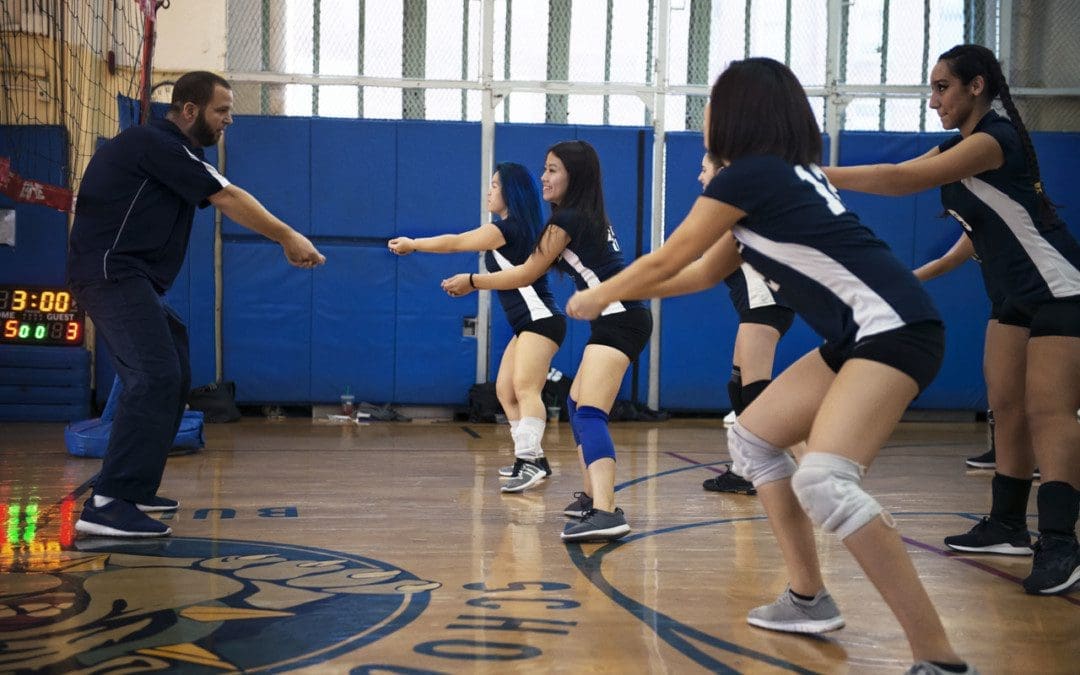
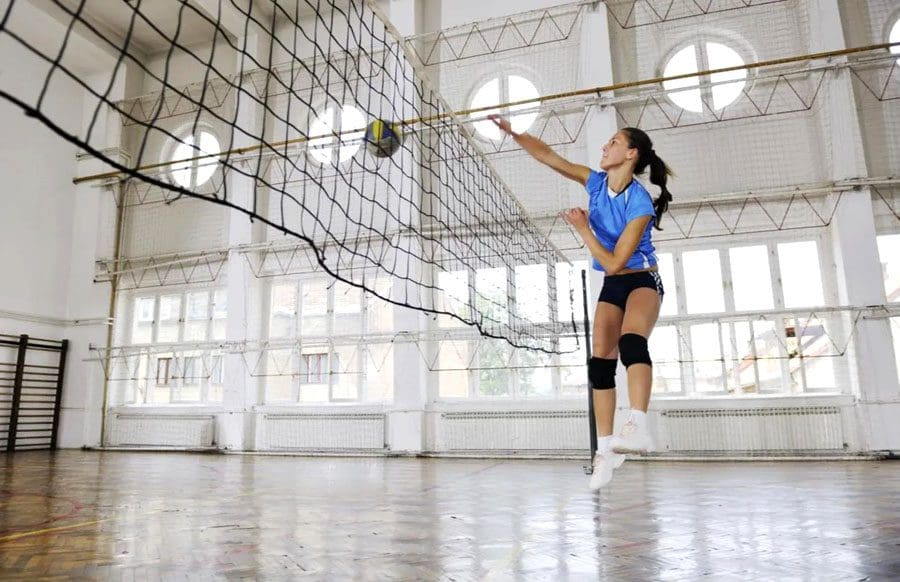
The low back is a common source of discomfort and soreness among volleyball players because of repetitive jumping, bending, and rotating of the trunk. Adolescents have an increased risk of this injury because their vertebral bones are still developing, which increases the risk for stress fractures. Chiropractic care, massage therapy, decompression, rest, and athletic training can help expedite pain relief and heal the injury.
Volley Back Pain
Muscle or ligament strains are the most common injury from repetitive jumping, bending, rotating movements, and hyperextension during serving, hitting and setting. This can lead to excessive compression forces on the discs and joints, causing reduced blood circulation, increasing the risk of overload injuries. One study reported that low back pain is experienced in 63% of players. However, if low-back pain is accompanied by pain that runs down the leg along with numbness or weakness in the foot or ankle, the issue could be a herniated disc.
Causes
One common reason is endurance imbalances in the muscles that stabilize the low back. The core muscles provide stability to the low back and spine for all movements. If imbalances are present, a player may spike or serve the ball with intense turning and arching. The added actions cause increased pressure in the joints and hip, gluteal, and leg muscles, affecting the spine’s stability.
The gluteals run from the back of the pelvis/hip bones down to the outside of the thigh.
The gluteal muscles prevent the trunk and hips from overbending forward when landing.
If the gluteal muscles do not have the strength and endurance to perform this motion, the upper body will bend too far forward, causing poor landing posture and decreased spine stability.
Anterior Pelvic Tilt
Studies have shown that players with low back pain tend to stand and land with an anterior pelvic tilt. This is an unhealthy posture when the front of the pelvis tilts forward, and the back of the pelvis raises. Landing hard with an anterior pelvic tilt causes increased arching and increases the pressure in the joints.
Chronic back pain
Warning signs of a more serious back problem include:
Pain that has lasted for more than 1 week and is not improving or getting worse.
Pain that prevents sleep or causes the individual to constantly wake up.
Difficulty sitting.
Back soreness when performing basic tasks and chores.
Significant pain on the court when jumping, landing, or rotating.
Chronic pain ranges from aches to shooting or throbbing pain that can run down the buttocks and legs.
Chiropractic Care
A chiropractor can alleviate volleyball back pain, rule out a more severe injury, such as a stress fracture or herniated disc, and provide a healthier and faster recovery. According to a study, athletes who received chiropractic care showed better speed and mobility. Quick reflexes and hand-eye coordination depend on an optimal functioning nervous system. 90% of the central nervous system travels through the spine. When one or more spinal segments are misaligned, the effect on the nervous system can seriously impact and disrupt nerve circulation, affecting speed, mobility, reflexes, and hand-eye coordination. Chiropractic adjustments will:
Relax and reset the back muscles.
Realign and decompress the spine.
Remove the pressure around the nerve roots.
Strengthen the core.
Improve and increase range of motion, strength, and overall endurance.
Anterior Pelvic Tilt
References
Haddas R, Sawyer SF, Sizer PS, Brooks T, Chyu MC, James CR. “Effects of Volitional Spine Stabilization and Lower-Extremity Fatigue on the Knee and Ankle During Landing Performance in a Population With Recurrent Low Back Pain.” J Sport Rehabil. 2017 Sep;26(5):329-338. doi: 10.1123/jsr.2015-0171.
Hangai M. et al., Relationship Between Low Back Pain and Competitive Sports Activities During Youth, Am J Sports Med 2010; 38: 791-796; published online before print January 5, 2010, doi:10.1177/0363546509350297.
Jadhav, K.G., Deshmukh, P.N., Tuppekar, R.P., Sinku, S.K.. A Survey of Injuries Prevalence in Varsity Volleyball Players. Journal of Exercise Science and Physiotherapy, Vol. 6, No. 2: 102-105, 2010 102
Mizoguchi, Yasuaki, et al. “Factors associated with low back pain in elite high school volleyball players.” Journal of physical therapy science vol. 31,8 (2019): 675-681. doi:10.1589/jpts.31.675
Movahed,Marziehet al. (2019). “Single leg landing kinematics in volleyball athletes: A comparison between athletes with and without active extension low back pain.”
Sheikhhoseiniet al. (2018). “Altered Lower Limb Kinematics during Jumping among Athletes with Persistent Low Back Pain”
IFM's Find A Practitioner tool is the largest referral network in Functional Medicine, created to help patients locate Functional Medicine practitioners anywhere in the world. IFM Certified Practitioners are listed first in the search results, given their extensive education in Functional Medicine