The fascia is important for connecting the musculoskeletal system, stabilizing function, and keeping the body healthy and balanced. Sugar consumption and the abundance of sugar in the body that doesn’t get burned directly negatively affect the fascia, making it lose its elasticity and affecting other connective tissues. Excess sugar in the blood leads to a pathological process called glycation. One effect of glycation is binding sugar molecules to fascial proteins, causing them to thicken and stiffen. The body sees the tangled molecules as foreign bodies initiating an inflammatory response to get rid of them. This can lead to chronic inflammation causing various symptoms. The Injury Medical Chiropractic and Functional Medicine Clinic Team will address soreness, pain, and discomfort associated with fascia problems.
Myofascial Tissue
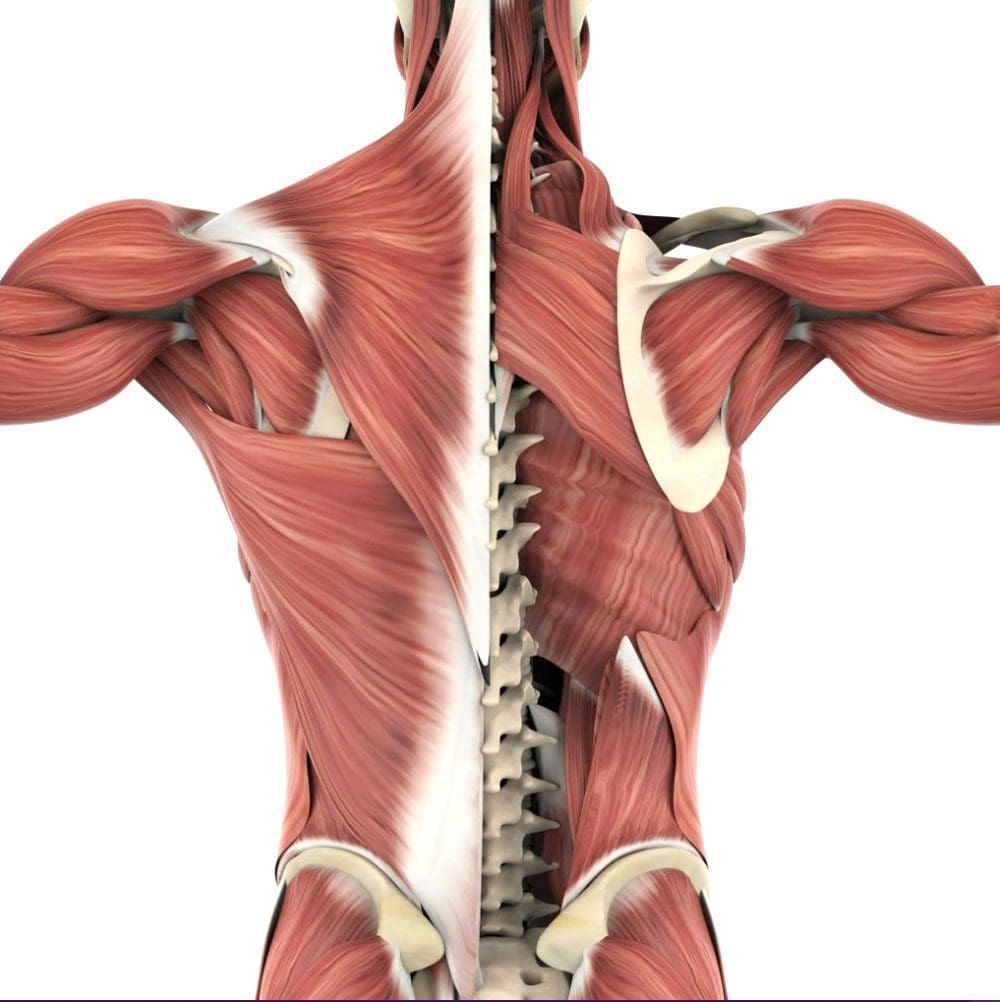
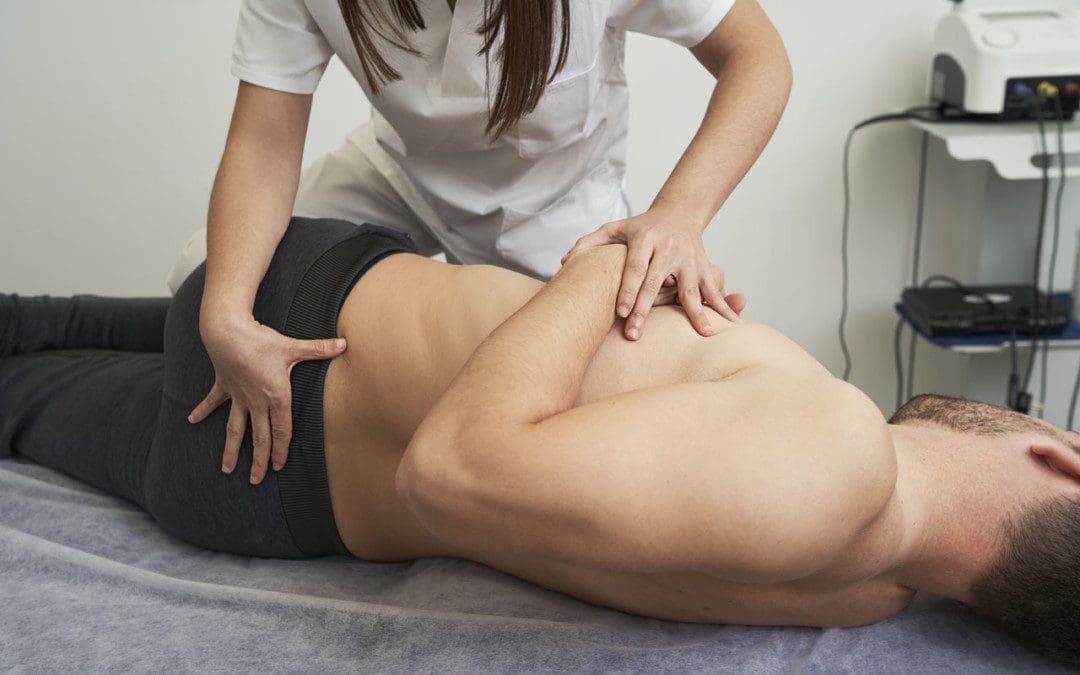
Myofascia or fascia is a layer of tissue that connects and supports the spine and muscles. It wraps and links internal body parts in bands, fusing them. This ensures the muscles can move freely without experiencing friction with other body parts.
Fascia is made of collagen, creating a tough and flexible texture that provides tension and elasticity.
Fascia is found around muscles, nerves, blood vessels, blood and cells, organs, and bones.
When the body stays or moves in repetitive patterns, the fascia can memorize certain positions/postures and hold the fascia in a contracted state. For example, sitting at a desk workstation causes the gluteal muscles, tendons, and ligaments to stretch and pull the muscles around them. The gluteal muscles can become restricted without releasing and training the fascia to return to a retracted position, causing tension and myofascial discomfort. When the body is in balance/homeostasis, and the fascia is healthy:
The viscoelastic gel flows without restriction in all directions.
The collagen fiber network moves freely.
Lymph and blood circulation flow correctly.
Communication between cells, the nervous system, and all tissues in the body work correctly.
In the event of an injury and activation of the healing process, specific components interact with cells to create the condition for healing and generate inflammation, allowing new cells to easily move and heal the tissue. An obstruction in the circulation increases pressure where the fluid sits stationary, preventing tissue communication. Sometimes the healing process doesn’t stop, and the inflammation response worsens and can become chronic.
Sugar Consumption
Many think of sugar as candy, sweets, chocolates, and desserts. However, all carbohydrates are sugar, and eating too much bread, pasta, grains, fruit, and cereals, contributes to a lot more sugar consumption.
Foods believed to be healthy such as wholemeal bread, low-fat alternatives, and granola cereal, have high amounts of sugar.
The connective tissues need collagen for the smooth functioning of joints.
High blood sugar exacerbates aches and pains and can lead to impaired joint movement and, eventually, arthritis.
Fascia Problems
Impaired flow and mobility
Fascia that has thickened and hardened impairs gliding ability.
In places where the body has become stiff and numb, the nervous system can’t transmit signals as quickly to control movements.
Muscles can constantly twitch or go into convulsions from misinterpreted signals.
A tight connective tissue chain can distort the skeleton causing the joints to wear faster.
Chiropractic Myofascial Massage Release
Chiropractic myofascial massage and release provides several benefits to the body’s health and well-being, including:
Relieves the overall effects of stress on the body.
Relieves soreness and pain.
Increases blood and lymph circulation.
Improves tissue recovery.
Improves joint range of motion.
Restores proper-length-tension relationships for dynamic movement.
Maintains normal functional muscular length.
Improves neuromuscular function.
Nutritional Guidelines Fascial Health
References
Barros-Neto, João Araújo et al. “Selenium and Zinc Status in Chronic Myofascial Pain: Serum and Erythrocyte Concentrations and Food Intake.” PloS one vol. 11,10 e0164302. 18 Oct. 2016, doi:10.1371/journal.pone.0164302
Dong, Shoubin, et al. “A three-dimensional collagen-fiber network model of the extracellular matrix for the simulation of the mechanical behaviors and microstructures.” Computer methods in biomechanics and biomedical engineering vol. 20,9 (2017): 991-1003. doi:10.1080/10255842.2017.1321113
Mattei, Giorgio et al. “Engineering Gels with Time-Evolving Viscoelasticity.” Materials (Basel, Switzerland) vol. 13,2 438. 16 Jan. 2020, doi:10.3390/ma13020438
Okumus, M et al. “The relationship between serum trace elements, vitamin B12, folic acid and clinical parameters in patients with myofascial pain syndrome.” Journal of back and musculoskeletal rehabilitation vol. 23,4 (2010): 187-91. doi:10.3233/BMR-2010-0264
Vlassara, Helen, and Jaime Uribarri. “Advanced glycation end products (AGE) and diabetes: cause, effect, or both?.” Current diabetes reports vol. 14,1 (2014): 453. doi:10.1007/s11892-013-0453-1
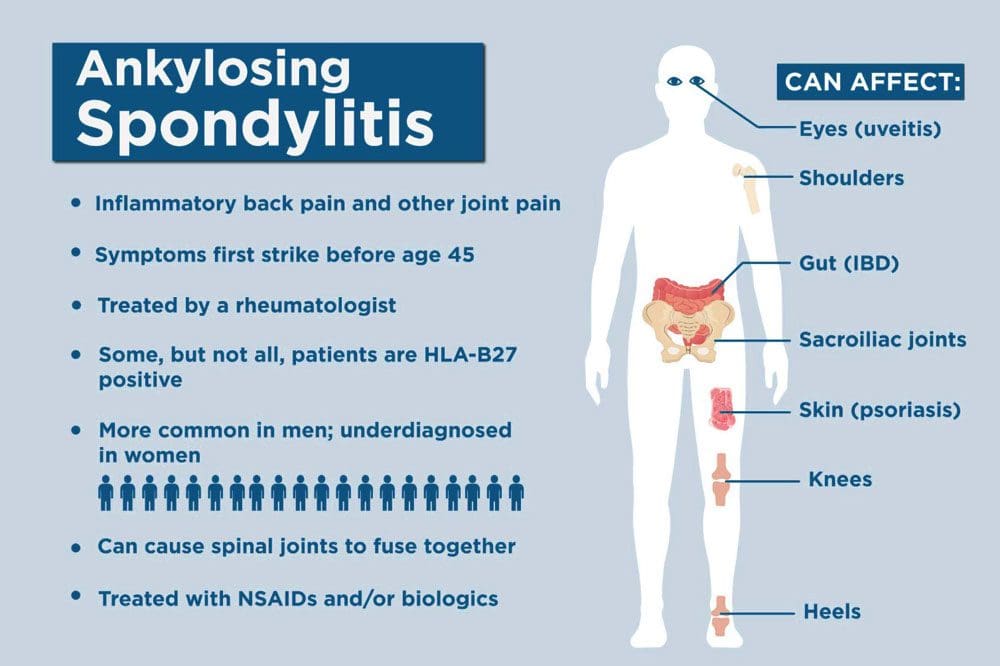
Ankylosing spondylitis is an inflammatory condition that causes pain and stiffness in the spine’s joints. Over time, it can progress to fusing the bones of the spine/vertebrae, limiting the spine’s mobility and leading to discomfort symptoms. The condition is more common in men but also affects women. There is not a known, singular cause, but individuals with a particular gene, HLA-B27, have an increased risk of developing the condition. However, the gene itself does not mean an individual has ankylosing spondylitis; genetics and other outside and environmental factors also play a role. DMARDs, or Disease-Modifying Antirheumatic Drugs, suppress inflammation. An emerging DMARD treatment uses biologics that further target and suppresses specific inflammatory compounds.
Biologics
Unlike regular medications, which are synthesized, biologics are made from and inside living sources.
They are grown in cultures or harvested from blood.
Biologics are complex and expensive.
Biologics provide some of the most powerful treatments for many conditions.
Two biologics commonly used to treat ankylosing spondylitis are:
TNF – tumor necrosis factor, TNF inhibitors are a biological medication that targets and suppresses TNF, which is involved in inflammatory processes throughout the body.
Blocking or suppressing TNF decreases inflammation and can delay the progression of ankylosing spondylitis.
It could be administered through an injection or infusion to provide the medication.
Side Effects
Side effects associated with this medication, along with other conditions, include:
IL – interleukin – IL-17 is a protein involved in inflammatory processes and conditions.
IL-17 inhibitors suppress inflammation which are newer medications that have been shown to benefit those with ankylosing spondylitis.
Doctors often administer IL-17 inhibitors through an injection.
Side Effects
Minor side effects include:
Headaches
Runny nose
Irritation at the injection site.
More serious side effects include:
Certain cancers
Severe infections
High blood pressure
Other Treatments
Treatment goals for ankylosing spondylitis include:
Slowing the disorder’s progression.
Decreasing inflammation.
Reducing pain.
Improving or maintaining joint and spinal range of motion.
Biologics are not the first-line treatment for ankylosing spondylitis.
Providers usually first treat an initial diagnosis with anti-inflammatory medications, like NSAIDs, to decrease inflammation and slow the condition’s progression.
Chiropractic care and physical therapy are recommended to maintain and/or improve posture, muscle strength, and endurance.
Recommended lifestyle and nutritional modifications.
Posture training stretches and exercises.
Optimal movement strategies to safely and confidently complete everyday tasks.
Biologic Medications
Biologics for ankylosing spondylitis may or may not be suitable. These medications are meant to help relieve the inflammation associated with the condition and slow the disorder’s progression. Your healthcare team will work with you to determine the right treatment option/s and explain the benefits, risks, and types of treatment. They will monitor the condition, track progress, and adjust the plan accordingly.
Assessing Hormone Therapy
References
Ankylosing spondylitis. (n.d.) National Institute of Arthritis and Musculoskeletal and Skin Diseases. U.S. Department of Health and Human Services. Available at: https://www.niams.nih.gov/health-topics/ankylosing-spondylitis#:~:text=Ankylosing%20spondylitis%20is%20a%20type,the%20spine%20can%20cause%20stiffness (Accessed: October 12, 2022).
Chen C, Zhang X, Xiao L, Zhang X, Ma X. Comparative Effectiveness of Biologic Therapy Regimens for Ankylosing Spondylitis: A Systematic Review and a Network Meta-Analysis. Medicine (Baltimore). 2016 Mar;95(11):e3060. doi: 10.1097/MD.0000000000003060. PMID: 26986130; PMCID: PMC4839911.
Gerriets V, Goyal A, Khaddour K. Tumor Necrosis Factor Inhibitors. [Updated 2022 July 4]. In: StatPearls [Internet]. Treasure Island (FL): StatPearls Publishing; 2022 Jan-. Available from: https://www.ncbi.nlm.nih.gov/books/NBK482425/
Lindström, U., Olofsson, T., Wedrén, S. et al. Biological treatment of ankylosing spondylitis: a nationwide study of treatment trajectories on a patient level in clinical practice. Arthritis Res Ther 21, 128 (2019). https://doi.org/10.1186/s13075-019-1908-9
Yin, Y., Wang, M., Liu, M. et al. Efficacy and safety of IL-17 inhibitors for the treatment of ankylosing spondylitis: a systematic review and meta-analysis. Arthritis Res Ther 22, 111 (2020). https://doi.org/10.1186/s13075-020-02208-w
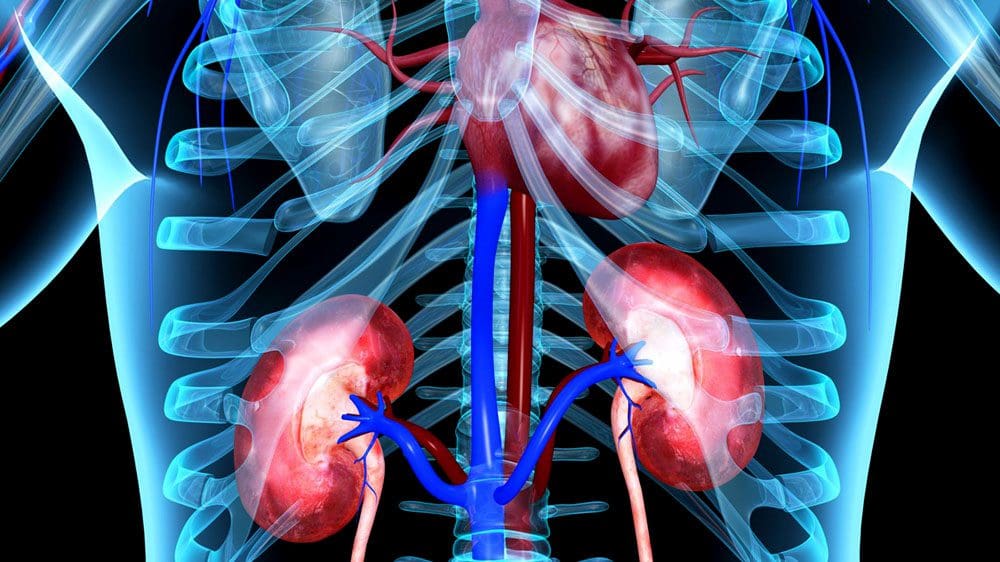
Maintaining kidney health is important to the body’s overall health and well-being. The kidneys are fist-sized organs located beneath the rib cage on both sides of the spine. A kidney detox maintains health allowing the body to filter and expel waste properly and produce hormones to help the body function at its full potential.
Kidney Health
The kidneys perform several functions that include:
Filters and cleanses out impurities from the blood.
Produces hormones that regulate blood pressure and control the production of red blood cells.
Filter’s waste products stored in the bladder and expelled through urine.
Activates vitamin D to support body absorption of calcium for bone repair and regulating muscle function.
Kidney Detox
A key measure of keeping the kidneys clean and healthy is to engage in a healthy nutrition plan. Doctors recommend implementing lifestyle changes to help the kidneys filter at full capacity. Certain foods can help detox the kidneys and promote their health.
Pumpkin seeds
Pumpkin seeds can help prevent the accumulation of uric acid, one of the compounds that cause kidney stones.
Grapes
These fruits contain a compound called resveratrol to reduce kidney inflammation.
Lemons
Lemons help with digestion.
They have vitamin C, which enhances the immune system and supports white blood cells to fight infections.
Citrate binds with calcium in the urine to stop the growth of calcium crystals, preventing kidney stones.
Carrots
Carrots have beta-carotene, alpha-carotene, and vitamin A.
Antioxidants for inflammation.
Ginger
Ginger can help in the dissolving process of kidney stones and prevents them from reforming.
Beets
Improves blood circulation to the kidneys.
Celery
Celery has alkaline and diuretic properties to help expel excess fluids.
It has coumarins which can help to increase vascular flow.
It is rich in vitamins D, C, and K.
Apples
Apples contain fiber to unclog the arteries, specifically the kidney arteries will improve filtration.
Maintain Hydration
The human body is almost 60 percent water, with every organ requiring water.
The kidneys (body filtration system) require water to secrete urine.
Urine is the primary waste product that allows the body to eliminate unwanted and unnecessary substances.
Low water intake means low urine volume.
Low urine output can lead to kidney dysfunction, like kidney stones.
Maintaining the body’s hydration is crucial so the kidneys can thoroughly flush out excess waste materials.
This is an example of a two-day kidney cleanse to help strengthen the kidneys and detoxify the body.
Day 1
Breakfast
Smoothie made with:
8 ounces of fresh lemon, ginger, and beet juice
1/4 cup of sweetened dried cranberries
Lunch
Smoothie made with:
1 cup almond milk
1/2 cup tofu
1/2 cup spinach
1/4 cup berries
1/2 apple
Two tablespoons of pumpkin seeds
Dinner
Large mixed-greens salad
4 ounces of lean protein – chicken, fish, or tofu
Top with 1/2 cup of grapes
1/4 cup peanuts
Day 2
Breakfast
Smoothie made with:
1 cup soy milk
One frozen banana
1/2 cup spinach
1/2 cup blueberries
One teaspoon spirulina
Lunch
A bowl of:
1 cup orzo rice
1 cup fresh fruit
Two tablespoons of pumpkin seeds
Dinner
Large mixed-greens salad
4 ounces of lean protein – chicken, fish, or tofu
Top with 1/2 cup of cooked barley
Add fresh lemon juice
4 ounces each of unsweetened cherry juice and orange juice
Consult a healthcare provider, nutritionist, or dietitian to ensure it is safe.
Dietary Prescription
References
Chen, Teresa K et al. “Chronic Kidney Disease Diagnosis and Management: A Review.” JAMA vol. 322,13 (2019): 1294-1304. doi:10.1001/jama.2019.14745
Den Hartogh, Danja J, and Evangelia Tsiani. “Health Benefits of Resveratrol in Kidney Disease: Evidence from In Vitro and In Vivo Studies.” Nutrients vol. 11,7 1624. 17 Jul. 2019, doi:10.3390/nu11071624
Pizzorno, Joseph. “The Kidney Dysfunction Epidemic, Part 1: Causes.” Integrative medicine (Encinitas, Calif.) vol. 14,6 (2015): 8-13.
Saldanha, Juliana F et al. “Resveratrol: why is it a promising therapy for chronic kidney disease patients?.” Oxidative medicine and cellular longevity vol. 2013 (2013): 963217. doi:10.1155/2013/963217
Tack, Ivan MD, Ph.D. Effects of Water Consumption on Kidney Function and Excretion. Nutrition Today: November 2010 – Volume 45 – Issue 6 – p S37-S40
doi: 10.1097/NT.0b013e3181fe4376
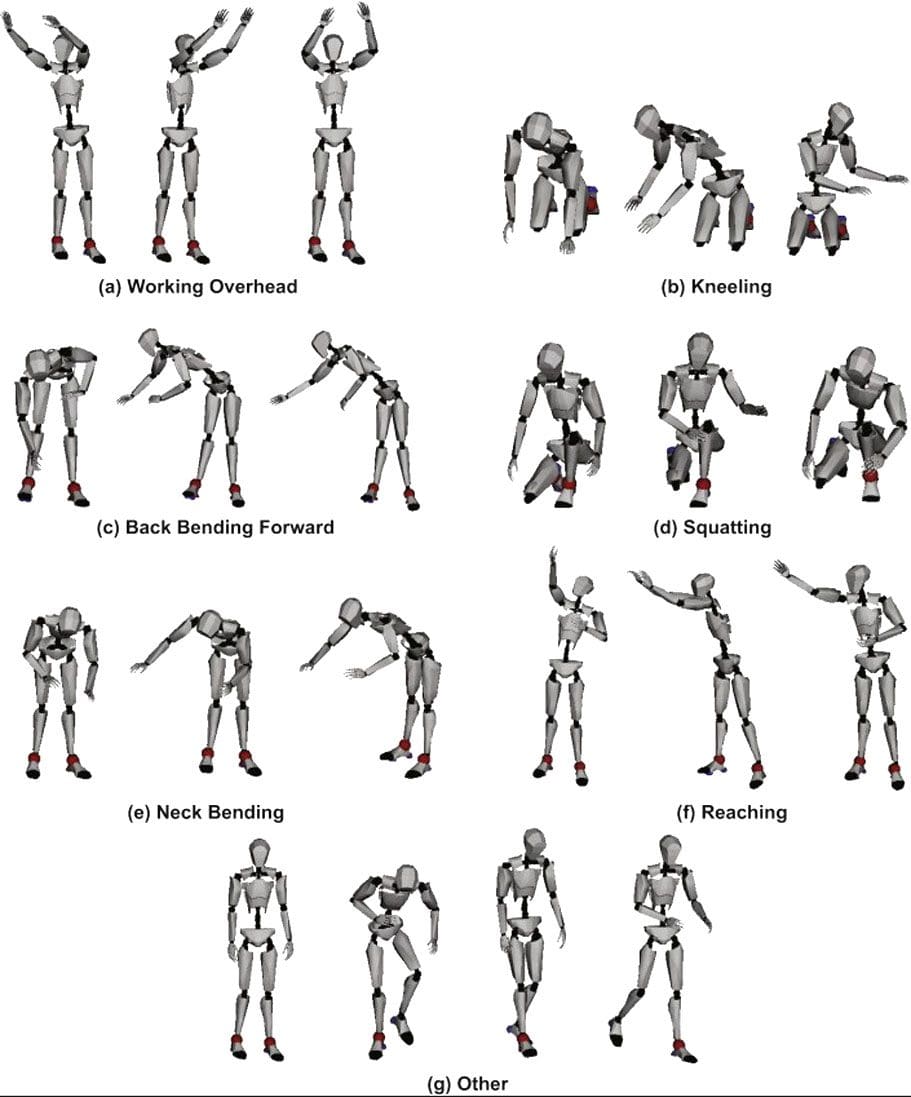
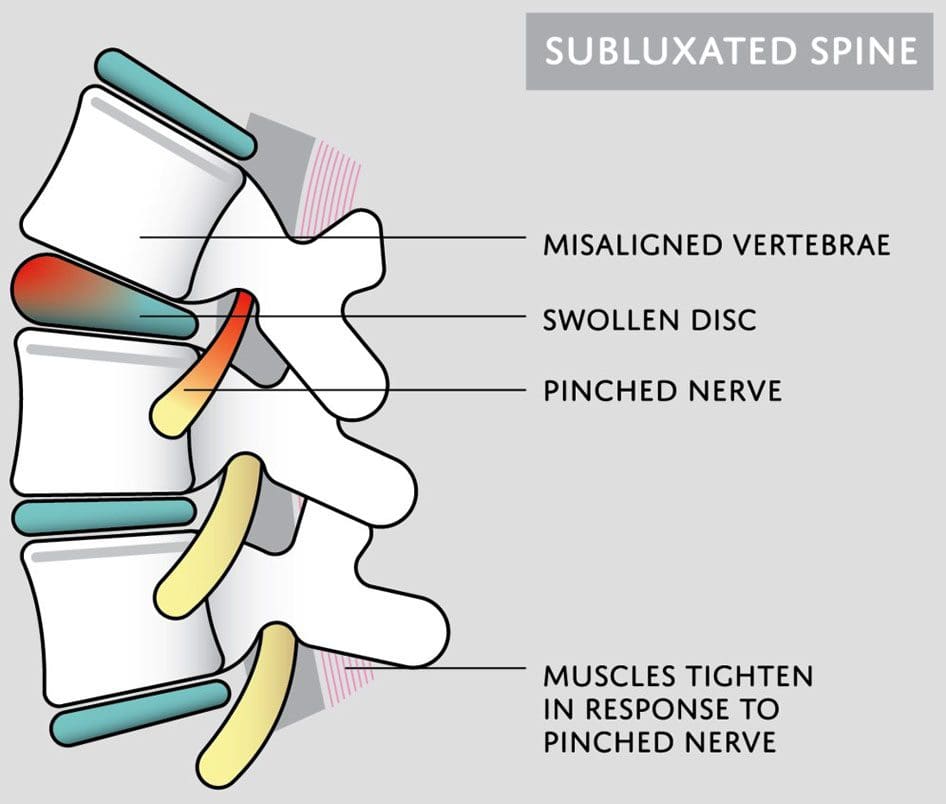
Subluxation is when a joint shifts out of alignment, which can happen to any joint in the body. Spinal subluxation indicates a misalignment of one or more portions of the spinal vertebrae. It is common in the spine from all the reaching, bending, twisting, and flexing the body goes through. Spinal subluxations, if left untreated, can cause disc degeneration, permanent nerve damage, neurological conditions, and chronic pain symptoms. A subluxation chiropractor will realign and decompress the spine combined with massage therapy to relax the muscles and restore mobility and function.
Subluxation Chiropractor
Some subluxations don’t cause any problems or pain, but that doesn’t mean they aren’t affecting the back and body. A spinal subluxation can cause long-term problems by:
Research shows that spinal subluxations can affect many facets of the body. Long-term effects may include:
Sleep problems
Low energy
Brain fog
Mood swings
Anxiety and depression
Digestive issues
Respiratory problems
Bone spurs
Spinal arthritis
Chiropractic Care
When the spine is out of alignment, it can cause issues throughout the body. Changes in one area affect the rest of the body. A subluxation chiropractor looks at the spine’s neurological and mechanical components and aims to reset everything back into its proper position. Similar to the way a massage helps the mind and body relax and de-stress, a spinal adjustment helps by:
Increasing circulation
Relieving discomfort and pain
Releasing tension
Improving mood
Reducing stress levels
Improving sleep function
Increasing energy levels
When the spine is properly aligned, the body can operate at its full potential.
Adrenal Dysfunction
References
Brian S. Budgell, Reflex effects of subluxation: the autonomic nervous system, Journal of Manipulative and Physiological Therapeutics, Volume 23, Issue 2,
2000, Pages 104-106, ISSN 0161-4754, https://doi.org/10.1016/S0161-4754(00)90076-9. (https://www.sciencedirect.com/science/article/pii/S0161475400900769)
Green, J D et al. “Anterior subluxation of the cervical spine: hyperflexion sprain.” AJNR. American journal of neuroradiology vol. 2,3 (1981): 243-50.
Meyer, S. “Thoracic spine trauma.” Seminars in roentgenology vol. 27,4 (1992): 254-61. doi:10.1016/0037-198x(92)90004-l
Neva MH, Häkkinen A, Mäkinen H, et al. High prevalence of asymptomatic cervical spine subluxation in patients with rheumatoid arthritis waiting for orthopedic surgeryAnnals of the Rheumatic Diseases 2006;65:884-888.
Nourollahi, Maryam, et al. “Awkward trunk postures and their relationship with low back pain in hospital nurses.” Work (Reading, Mass.) vol. 59,3 (2018): 317-323. doi:10.3233/WOR-182683
Vernon, Howard. “Historical overview and update on subluxation theories().” Journal of chiropractic humanities vol. 17,1 (2010): 22-32. doi:10.1016/j.echu.2010.07.001
Aging Arthritis: How the body changes as the years go by is determined by an individual’s diet, physical activity/exercise, genetics, stress levels, sleep patterns, and self-care. As the body ages, natural degeneration from everyday wear and tear will present. The focus is on understanding how age-related degeneration can affect the body and what to do to prevent and treat it.
The condition can cause long-term joint damage that can lead to disability.
Aging Arthritis and Chiropractic Care
Chiropractic care is recommended for the treatment of any form of arthritis. Chiropractic care can work with other therapies to reduce swelling and inflammation, alleviate pain, and improve mobility and flexibility.
A chiropractor will utilize body imagery before beginning treatment.
Imaging gives insight into the condition of the joints, and the visual, combined with a self-report from the individual, allows the chiropractor to create a personalized treatment plan.
Once a chiropractor has identified which techniques the body can handle, treatment will commence that can include:
Therapeutic massage
Percussive massage
Ultrasound
Electrotherapy
Low-level cold laser therapy
Infrared heat
A chiropractor’s objective is to rebalance, realign and strengthen the body, relieve pressure or stress at the junction of the joints, and expedite healing and rehabilitation.
LLT Laser Therapy
References
Abyad, A, and J T Boyer. “Arthritis and aging.” Current opinion in rheumatology vol. 4,2 (1992): 153-9. doi:10.1097/00002281-199204000-00004
Chalan, Paulina, et al. “Rheumatoid Arthritis, Immunosenescence and the Hallmarks of Aging.” Current aging science vol. 8,2 (2015): 131-46. doi:10.2174/1874609808666150727110744
Goronzy, Jorg J et al. “Immune aging, and rheumatoid arthritis.” Rheumatic diseases clinics of North America vol. 36,2 (2010): 297-310. doi:10.1016/j.rdc.2010.03.001
Greene, M A, and R F Loeser. “Aging-related inflammation in osteoarthritis.” Osteoarthritis and cartilage vol. 23,11 (2015): 1966-71. doi:10.1016/j.joca.2015.01.008
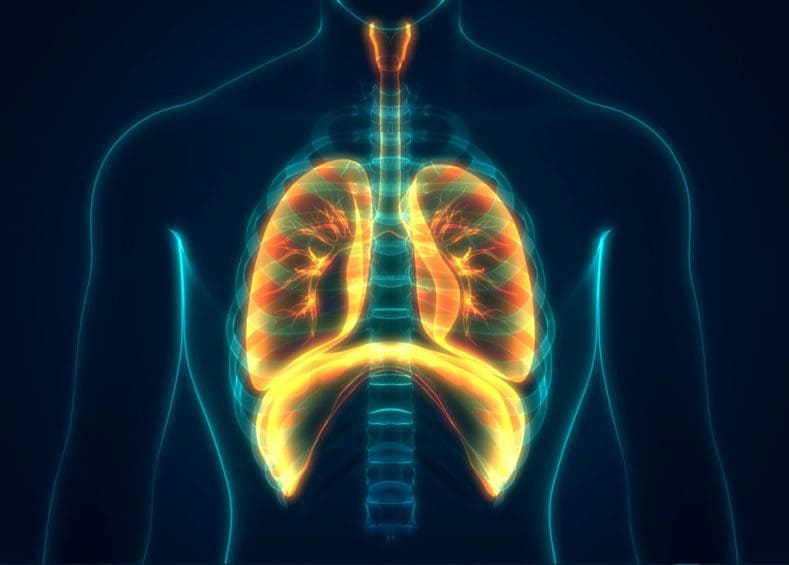
Back discomfort symptoms include stiffness, spasms, tenderness, and headaches often caused by unhealthy posture and overuse muscle strain. Breathing back discomfort can be caused by injuries to the spinal musculoskeletal system, conditions and/or disease in the back, lungs, or heart, and other conditions unrelated to the back. When taking a breath, the intercostal muscles surrounding the rib cage contract, expanding the chest and allowing the lungs to fill with air. These muscles directly affect the spine, which is why back issues can present when breathing. Chiropractic care, decompression, and massage therapy, combined with a functional medicine approach, can realign the spine, release tight muscles, and restore function.
Breathing Back Discomfort
A problem in the back could be a root cause for discomfort and back problems while breathing.
Spinal Conditions
Scoliosis
Scoliosis causes the spine to curve sideways, either in one direction, creating a C shape, or generating an S shape in two directions.
The curvature can be so minimal that it cannot be seen or so severe that it can be life-threatening. Most scoliosis cases fall in between.
Taking deep breaths can cause discomfort and pain because the spine curvature puts extra strain on certain muscles meant to support the body’s weight in tandem with other muscles that have limited function or are no longer functioning.
The condition normally begins in adolescence but can start later in life.
Scoliosis treatment varies depending on the severity.
Monitor
A spinal physician will monitor the individual for mild curvature, as sometimes the process stops before it becomes serious. This is known as the wait-and-see, what-happens approach.
Kyphosis is another curve in the back that is supposed to be there.
Instead of curving like scoliosis, kyphosis causes a curve forward in the thoracic spine/upper back.
Problems arise when the curve is too pronounced.
This curve can come from unhealthy posture, Scheuermann’s disease, or being born with it.
Kyphosis causes breathing back discomfort by straining the muscles in the upper back, which are used for each breath.
Treatment often involves chiropractic and/or physical therapy to restore proper curvature and reduce inflammation.
A back brace could be prescribed if discomfort and pain continue.
Spinal fusion could be recommended for severe cases.
Lungs
The lungs and the spine are close to each other, which is why back discomfort and problems with breathing are connected.
Pneumonia
Pneumonia is an infection in the lungs that causes the tiny sacks known as alveoli to fill with fluid.
This is where the body takes oxygen from the inhaled air to the bloodstream.
The infection causes inflammation and discomfort symptoms in and around the chest and back while taking deep breaths.
Lung Cancer
Lung cancer can cause back issues and pain.
Frequently coughing causes the muscles around the ribs and back to become overused and strained from the jerking and heaving.
The strained muscles cause discomfort and pain when taking a breath.
Tumors can push on sensitive nerves in the back, causing inflammation and pain.
Pleurisy
There is a thin layer of protective tissue surrounding the lungs called pleura.
Pleurisy describes the layer becoming infected and/or inflamed, which causes discomfort symptoms in the back when breathing.
Pleurisy can be caused by injury, infection, or cancer.
Individuals with autoimmune disorders are more at risk of developing the condition.
Pneumothorax
Pneumothorax describes a full or partial lung collapse, usually on one side.
The lung can collapse as a result of severe illness or injury.
The lung collapses because air gets between the pleura and the lung and not allowing the lung to expand.
Pain with breathing is a common indicator of pneumothorax.
Individuals with this condition also experience severe shortness of breath and chest pain on one side.
Pulmonary Embolism
A pulmonary embolism occurs when a blood clot gets stuck in an artery, blocking blood flow to part of the lung.
The lungs will display signs of distress through back pain when trying to take a deep breath.
This is a life-threatening condition that causes chest pain, coughing up blood, a heart rate over 100 beats per minute, dizziness or leg swelling, and painful breathing; get to an emergency room immediately.
Heart
Heart Attack
The nerves associated with pain in the muscles and bones differ from those surrounding the organs, including the heart.
However, a heart attack can cause back pain as the nerves of the heart travel along the same path as spinal nerves, specifically in the upper back.
The brain can misinterpret pain signals from the same roots that supply peripheral nerves in the chest, arm, jaw, and back.
Because they share nerve pathways, the upper back can present with pain during a heart attack.
Aortic Dissection
The largest artery in the body is called the aorta.
It comes off the top of the heart and then drops to supply blood to the rest of the body.
Sometimes, the vessel can get a small tear in the chest area, which grows from the blood circulation pressure.
Aortic dissection can cause intense back pain while breathing.
Chiropractic care, decompression, and massage therapy combined with functional medicine can help realign the spine, stretch and loosen the overused and strained muscles, and provide postural training and nutritional planning to help alleviate symptoms and restore function.
Deep Breathing Back Pain
References
Costumbrado J, Ghassemzadeh S. Spontaneous Pneumothorax. [Updated 2022 Jul 25]. In: StatPearls [Internet]. Treasure Island (FL): StatPearls Publishing; 2022 Jan-. Available from: https://www.ncbi.nlm.nih.gov/books/NBK459302/
Floman, Y., Burnei, G., Gavriliu, S. et al. Surgical management of moderate adolescent idiopathic scoliosis with ApiFix®: a short peri- apical fixation followed by post-operative curve reduction with exercises. Scoliosis 10, 4 (2015). https://doi.org/10.1186/s13013-015-0028-9
Hunter MP, Regunath H. Pleurisy. [Updated 2022 Jul 4]. In: StatPearls [Internet]. Treasure Island (FL): StatPearls Publishing; 2022 Jan-. Available from: https://www.ncbi.nlm.nih.gov/books/NBK558958/
Mansfield JT, Bennett M. Scheuermann Disease. [Updated 2022 Aug 21]. In: StatPearls [Internet]. Treasure Island (FL): StatPearls Publishing; 2022 Jan-. Available from: https://www.ncbi.nlm.nih.gov/books/NBK499966/
Raitio A, Syvänen J, Helenius I. Vertebral Body Tethering: Indications, Surgical Technique, and a Systematic Review of Published Results. Journal of Clinical Medicine. 2022; 11(9):2576. https://doi.org/10.3390/jcm11092576
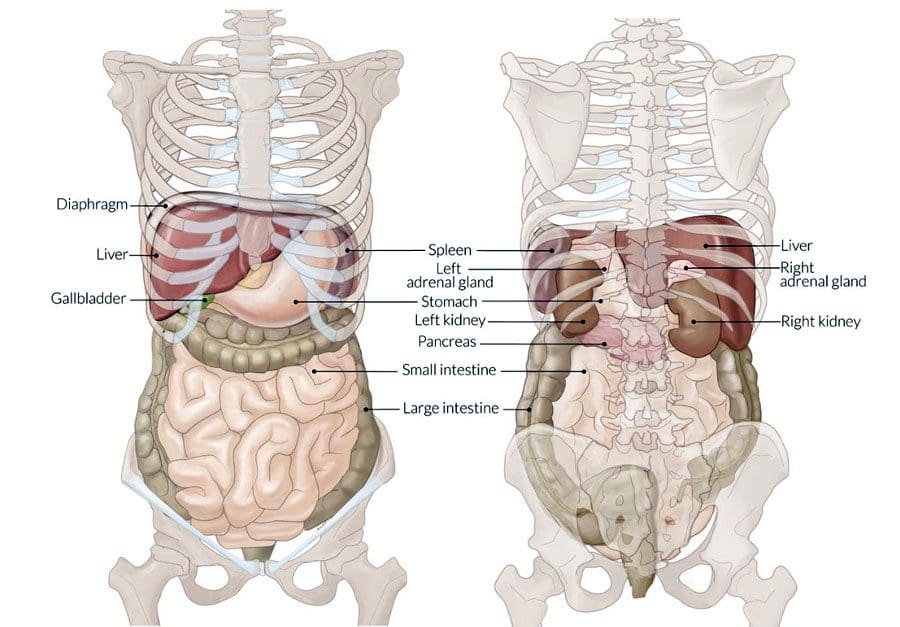
Back pain is one of the most common reasons individuals go to a doctor, massage therapist, physiotherapist, osteopath, and chiropractor. Various health conditions, some spine-related, others not, list back pain as a symptom. Many of these conditions begin in the stomach or abdominal cavity, which leads to stomach and back pain. Stomach and back pain happening simultaneously, independently, or in combination could be caused by gut problems, back issues, or something completely different. Understanding what causes these two types of pain simultaneously can help figure out a treatment plan.
Stomach Back Pain Causes
Problems in the abdominal cavity and stomach issues can cause back pain and vice versa. Symptoms can also include referred pain when the pain is felt in one part of the body but is caused by pain or injury in another area. Stomach back pain causes depend on the type of condition/s that can include:
Appendicitis
Inflammation in the appendix can cause sudden sharp pain in the abdomen.
It presents mostly in the lower right area of the abdomen but can appear in or spread to other sites, especially the back.
A chiropractic functional medicine team can work with an individual’s primary physician or specialist to develop a personalized treatment plan to alleviate back pain symptoms, re-balance the body, strengthen the musculoskeletal system and restore function.
Ford AC, Talley NJ. Chapter 122, Irritable Bowel Syndrome. Feldman M (ed.). Sleisenger and Fordtran’s Gastrointestinal and Liver Disease. 11th ed. Elsevier: 2021. 2008-2020. https://www.clinicalkey.com/#!/content/book/3-s2.0-B9780323609623001223?scrollTo=%23hl0001104
Inadomi JM, Bhattacharya R, Hwang JH, Ko C. Chapter 7, The Patient with Gas and Bloating. Yamada’s Handbook of Gastroenterology. 4th ed. John Wiley & Sons; 2019. https://doi.org/10.1002/9781119515777.ch7
Kliegman RM, St Geme JW, Blum NJ, et al. Chapter 378, Pancreatitis. Nelson Textbook of Pediatrics. 21st ed. Elsevier; 2020. 2074-2080. https://www.clinicalkey.com/#!/content/book/3-s2.0-B9780323529501003783
Krames E, Mousad DG. Spinal Cord Stimulation Reverses Pain and Diarrheal Episodes of Irritable Bowel Syndrome: A Case Report. Neuromodulation. 2004 Mar 22;7(2):82-88. https://doi.org/10.1111/j.1094-7159.2004.04011.x
Sifri CD, Madoff LC. Chapter 78, Appendicitis. Mandell, Douglas, and Bennett’s Principles and Practice of Infectious Diseases. 9th ed. Bennett JA (ed.). Elsevier; 2020. 1059-1063. https://www.clinicalkey.com/#!/content/book/3-s2.0-B9780323482554000783
Stephen Norman Sullivan, “Functional Abdominal Bloating with Distention,” International Scholarly Research Notices, vol. 2012, Article ID 721820, 5 pages, 2012. https://doi.org/10.5402/2012/721820
Wang DQH, Afdhal NH. Chapter 65, Gallstone Disease. Feldman M (ed.). Sleisenger and Fordtran’s Gastrointestinal and Liver Disease. 11th ed. Elsevier: 2021. 1016-1046. https://www.clinicalkey.com/#!/content/book/3-s2.0-B9780323609623000655?scrollTo=%23hl0001772
Weisman, Michael H et al. “Axial Pain and Arthritis in Diagnosed Inflammatory Bowel Disease: US National Health and Nutrition Examination Survey Data.” Mayo Clinic proceedings. Innovations, quality & outcomes vol. 6,5 443-449. 16 Sep. 2022, doi:10.1016/j.mayocpiqo.2022.04.007
Whorwell PJ. Chapter 13, Abdominal Bloating. Irritable Bowel Syndrome: Diagnosis and Clinical Management. Emmanuel A, Quigley EMM (eds.). John Wiley & Sons; 2013. https://doi.org/10.1002/9781118444689.ch13
Yarze JC, Friedman LS. Chapter 12, Chronic Abdominal Pain. Feldman M (ed.). Sleisenger and Fordtran’s Gastrointestinal and Liver Disease. 11th ed. Elsevier; 2021. 158-167. https://www.clinicalkey.com/#!/content/book/3-s2.0-B9780323609623000126?scrollTo=%23hl0000408
IFM's Find A Practitioner tool is the largest referral network in Functional Medicine, created to help patients locate Functional Medicine practitioners anywhere in the world. IFM Certified Practitioners are listed first in the search results, given their extensive education in Functional Medicine


 Myofascial Tissue




 Stomach Back Pain Causes






