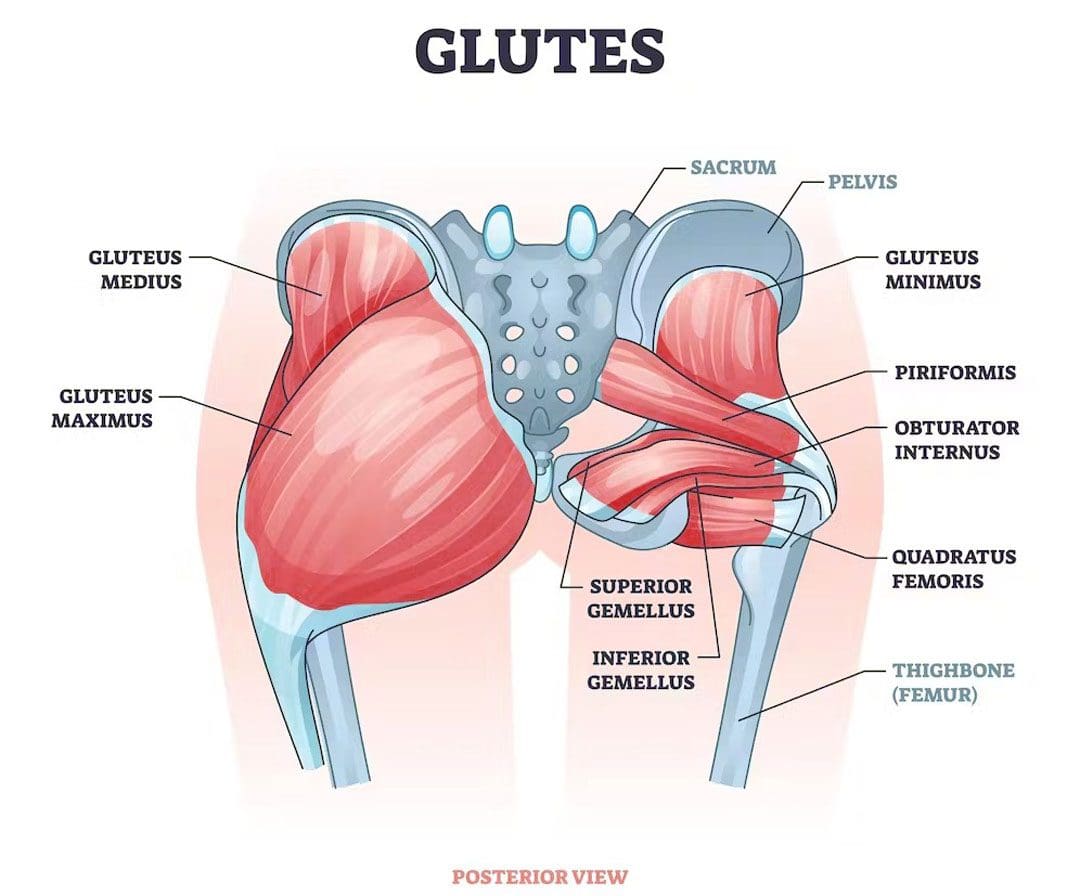
The gluteal muscles/glutes comprise the buttocks. They are a powerful muscle group that consists of three muscles. The gluteus maximus, gluteus medius, and gluteus minimus. The glute muscles help power physical performance and daily movements like walking, standing, and sitting and help to prevent injuries to the core, back, abdominal muscles, and other supporting muscles and tissues. Individuals can develop a glute imbalance where one side becomes more dominant and activates more or is higher than the other. An imbalance that is not addressed can lead to further muscle imbalance, posture problems, and pain issues. Injury Medical Chiropractic and Functional Medicine Clinic can develop a personalized treatment plan to relieve symptoms and restore alignment, balance, and health.
Glute Muscle Imbalance
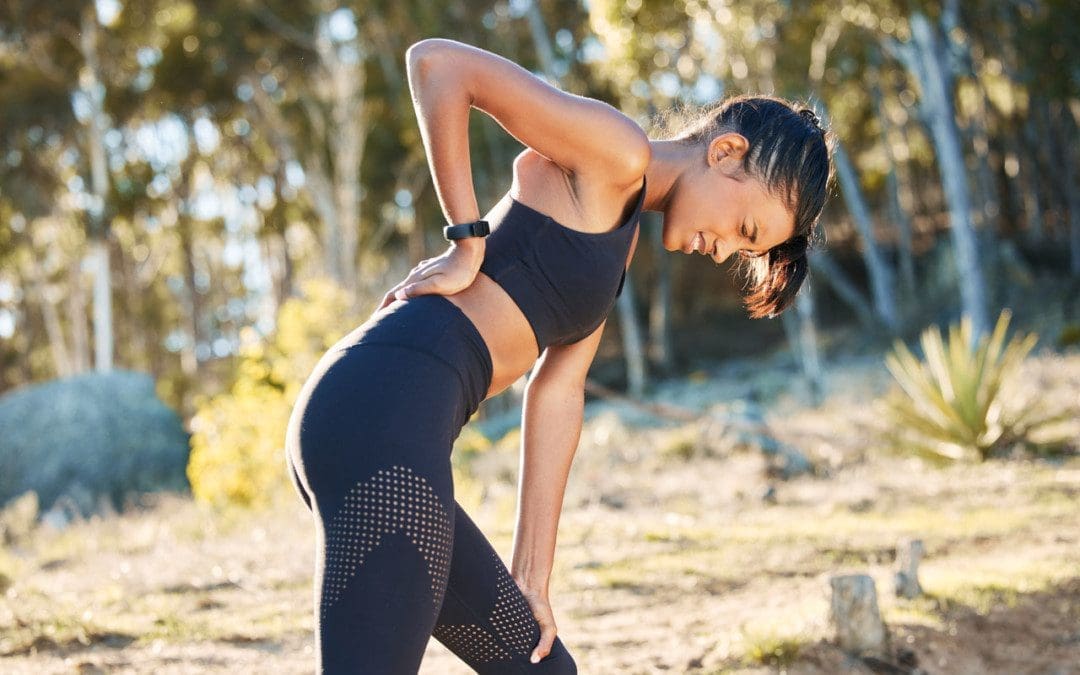
Strong, healthy glutes promote lumbopelvic stability and rhythm, meaning they keep the low back and pelvis in correct alignment to prevent strains and injuries. Glute imbalance occurs when one side of the glutes is larger, stronger, or more dominant. Glute imbalances are common and part of normal human anatomy, as the body is not perfectly symmetrical. Shifting and utilizing the more dominant side when taking on weight or picking up objects is normal, so the one side gets bigger. Just as an individual prefers one hand, arm, and leg over another, one glute side can work harder and become stronger.
Causes
There are several causes of glute muscle imbalance, including:
Anatomical variations- Everyone has uniquely shaped muscles, attachment points, and nerve pathways. These variations can make one side of the glutes more dominant or stronger.
Unhealthy posture.
Back pain symptoms can cause individuals to take on unhealthy postures and positioning, like leaning on one side.
Pre-existing injuries.
Inadequate rehabilitation from a previous injury.
Nerve injuries.
Ankle sprains can lead to reduced glute activation.
Improper training
Leg length discrepancies
Atrophy
Spine condition
Job occupation
Sports factors may prioritize one side of the body over the other.
Shifting the Body
When pain presents in one body area, signals are sent to caution the other muscles to contract/tighten as a protective mechanism to prevent further injury. These changes alter movement patterns, leading to muscular imbalances in the glutes and other areas. Individuals who do not rehabilitate from an injury properly can be left with an imbalance.
Chiropractic Relief and Restoration
This condition needs to be addressed to prevent further injuries and issues with posture. Treatment varies depending on the individual and the extent of the problem. A treatment plan to prevent and improve some forms of glute imbalance may include the following.
Spinal decompression will stretch out the body and muscles to a workable position.
Therapeutic massage will relax the muscles and increase blood flow.
Chiropractic adjustments to realign the spine and body.
Targeted stretches and exercises will be provided to maintain alignment.
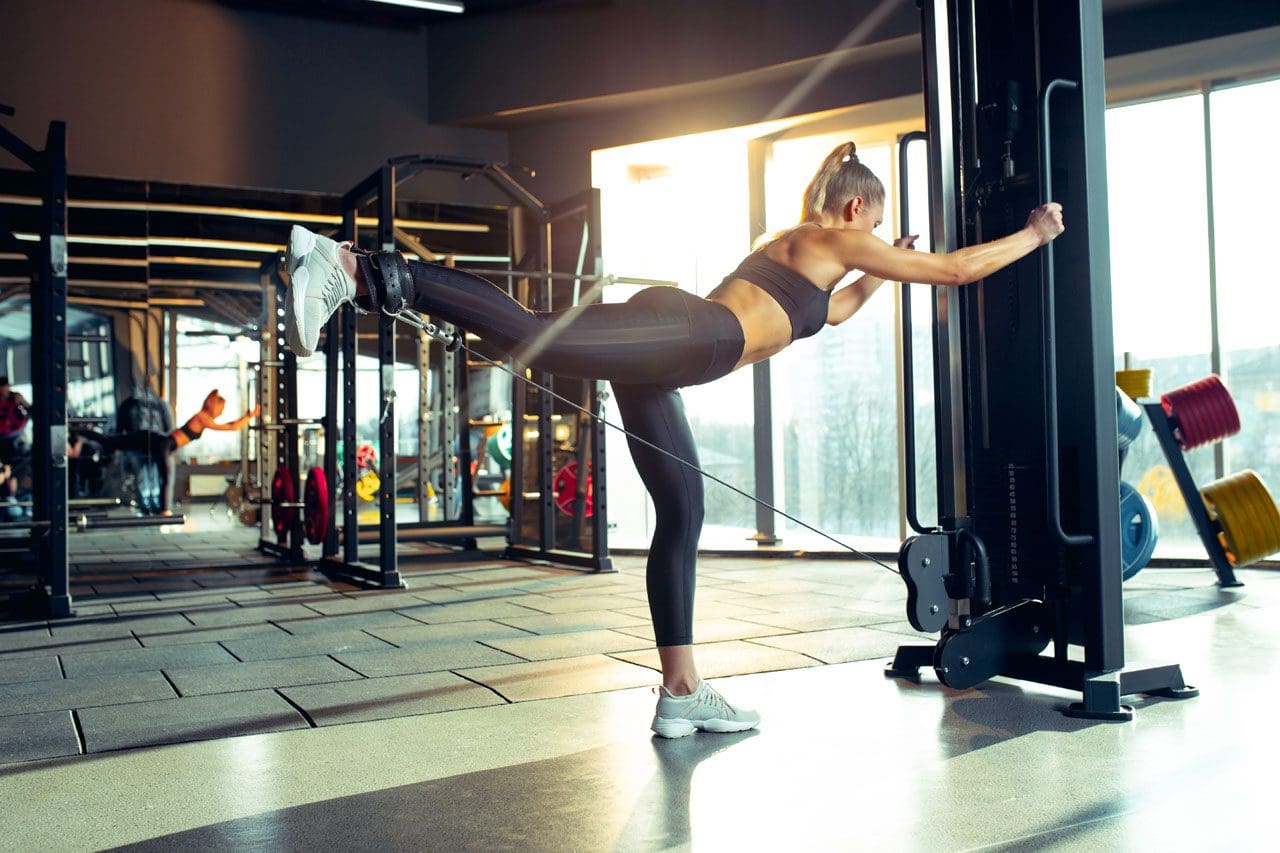
Unilateral training or training one side of the body at a time can help build and strengthen the weaker side.
Core strengthening can work out the differences on both sides of the body.
Chiropractic Approach for Pain Relief
References
Bini, Rodrigo Rico, and Alice Flores Bini. “Comparison of linea alba length and core-muscles engagement during core and lower back orientated exercises.” Journal of Bodywork and movement therapies vol. 28 (2021): 131-137. doi:10.1016/j.jbmt.2021.07.006
Buckthorpe, Matthew, et al. “ASSESSING AND TREATING GLUTEUS MAXIMUS WEAKNESS – A CLINICAL COMMENTARY.” International Journal of sports physical therapy vol. 14,4 (2019): 655-669.
Elzanie A, Borger J. Anatomy, Bony Pelvis and Lower Limb, Gluteus Maximus Muscle. [Updated 2023 Apr 1]. In: StatPearls [Internet]. Treasure Island (FL): StatPearls Publishing; 2023 Jan-. Available from: https://www.ncbi.nlm.nih.gov/books/NBK538193/
Liu R, Wen X, Tong Z, Wang K, Wang C. Changes of gluteus medius muscle in the adult patients with unilateral developmental hip dysplasia. BMC Musculoskelet Disord. 2012;13(1):101. doi:10.1186/1471-2474-13-101
Lin CI, Khajooei M, Engel T, et al. The effect of chronic ankle instability on muscle activations in lower extremities. Li Y, ed. PLoS ONE. 2021;16(2):e0247581. doi:10.1371/journal.pone.0247581
Pool-Goudzwaard, A. L. et al. “Insufficient lumbopelvic stability: a clinical, anatomical and biomechanical approach to ‘a-specific’ low back pain.” Manual therapy vol. 3,1 (1998): 12-20. doi:10.1054/math.1998.0311
Vazirian, Milad, et al. “Lumbopelvic rhythm during trunk motion in the sagittal plane: A review of the kinematic measurement methods and characterization approaches.” Physical Therapy and Rehabilitation vol. 3 (2016): 5. doi:10.7243/2055-2386-3-5
For individuals starting an exercise program and professional athletes, training must be well-spent to develop fitness and specific sports skills. It is important to remember basic athletic training concepts to ensure you are making the most of the workouts. Working one-on-one with a sports medicine doctor, chiropractor, physical therapist, or personal trainer can help individuals achieve fitness goals.
Athletic Training Checklist
Abilities and Interests
Individuals need to enjoy the training to stick with the program long enough to see results.
Rather than picking a generic program or doing what everyone else is doing, adjust workout time and intensity to fit your lifestyle, current fitness level, and ability to push when needed.
Choose a workout routine that meets your personal goals.
Working with a trainer is highly recommended if you don’t know where to begin.
For more advanced individuals, a personal trainer is a great way to fine-tune a fitness plan.
Keep It Simple
Athletic training involves consistency and focus.
Simplify the training by alternating hard, easy, long, and short workouts and sports skills practice.
Remember to enjoy the workouts and listen to your body.
Be Mindful of Overtraining
The body does not get stronger by constantly training.
The body needs to rest and be allowed to recover to develop.
Fitness is built by alternating workouts with recovery.
The best way to avoid overtraining is to listen to your body.
If your heart rate remains elevated after sleeping, or the legs feel heavy, and if motivation fades, more rest may be needed.
For individuals who train year-round, taking a week off every three months is recommended, and it is also the time to change the training routine.
Variation
Vary the workouts and intensity to enjoy a well-rounded routine that can help avoid burnout or plateauing.
Alternate training intensity and workout time.
Even training programs you enjoy can gradually lose physical efficiency if not changed.
To improve, variation is needed to challenge the body in different ways.
Workouts should be modified every month.
Cross-training is another great way to vary a routine and improve fitness.
Training Flexibility
Training consistency is what matters.
Don’t worry if you have to miss a day.
Continue with the training plan.
Realistic Goals
Finding a balance when setting goals between what you want to achieve and what you can do.
Be honest about fitness levels and potential.
If you are new to a sport or fitness routine, take it slow until you know what your body can accomplish to decrease the risk of injury.
Patience
It takes time and consistency to build up fitness and performance.
Avoid falling into the mindset that more is better.
This can result in injuries and loss of motivation.
Consistency
Even when starting with short workouts, doing them regularly is important.
Avoid falling victim to working out hard only on weekends and doing nothing during the week.
Injuries are much more common when exercise is inconsistent.
Nutrition
Sports nutrition and hydration go are vital to improving your ability to exercise and train.
Individuals on a regular exercise routine should reassess their nutrition plan.
Proper Equipment
Sports injury prevention begins by using the right equipment.
Whatever sport or exercise routine, ensure the equipment and footwear work and fit properly.
Pads, helmets, and mouthguards are made to help protect athletes and should be utilized.
Becoming An Olympic Athlete
References
American Dietetic Association, Dietitians of Canada, American College of Sports Medicine, Rodriguez NR, DiMarco NM, Langley S. American College of Sports Medicine Position Stand: Nutrition and Athletic Performance. Medicine & Science in Sports & Exercise. 2009;41(3):709-731. doi:10.1249/mss.0b013e31890eb86.
Beaupre, Justin, et al. “Athletic Training and Population Health Science.” Journal of athletic training vol. 57,2 (2022): 136-139. doi:10.4085/314-19
Garber CE, Blissmer B, Deschenes MR, et al. Quantity and Quality of Exercise for Developing and Maintaining Cardiorespiratory, Musculoskeletal, and Neuromotor Fitness in Apparently Healthy Adults. Medicine & Science in Sports & Exercise. 2011;43(7):1334-1359. doi:10.1249/mss.0b013e318213fefb.
Halson, Shona L, and Laura E Juliff. “Sleep, sport, and the brain.” Progress in brain research vol. 234 (2017): 13-31. doi:10.1016/bs.pbr.2017.06.006
Jeukendrup, Asker E. “Periodized Nutrition for Athletes.” Sports medicine (Auckland, N.Z.) vol. 47, Suppl 1 (2017): 51-63. doi:10.1007/s40279-017-0694-2
Mujika, Iñigo. “Quantification of Training and Competition Loads in Endurance Sports: Methods and Applications.” International Journal of sports physiology and Performance vol. 12, Suppl 2 (2017): S29-S217. doi:10.1123/ijspp.2016-0403
A satisfying salad is a great way to get more fruits and vegetables high in vitamins, minerals, and fiber. A salad using the right ingredients can be a filling meal. With the summer heat kicking in, making a quick, satisfying salad using your favorite ingredients can help cool off, rehydrate, and refuel the body.
Making A Satisfying Salad
Leafy Greens
Start with leafy greens.
They’re low in calories and a healthy source of fiber.
Different varieties include iceberg lettuce, leaf lettuce, spinach, escarole, romaine, kale, and butter lettuce.
Starchy vegetables like roasted sweet potatoes or cooked butternut squash.
These provide fiber, complex carbohydrates, vitamins, and minerals.
Fruit
Fruits or berries, blueberries, raspberries, blackberries, pomegranate seeds, apple slices, oranges, dates, and raisins can add vitamins, fiber, and antioxidants.
One-half cup of apple slices has 30 calories.
One-half cup of berries has about 40 calories.
Protein
A hard-boiled egg is an excellent source of protein.
A serving of lean beef, cooked shrimp, tuna, chicken breast, cheese strips, beans or legumes, hummus, tofu, or cottage cheese.
Be mindful of portion size.
A quarter cup of chopped chicken meat or one egg will add 75 calories.
Half a can of tuna adds about 80 calories.
Depending if it is low fat, two ounces of cubed or shredded mozzarella or cheddar cheese can add 200 calories.
Nuts or Seeds
Almonds, cashews, walnuts, pecans, sunflower, pumpkin, or chia seeds are great for added crunch.
All nuts add protein and heart-healthy polyunsaturated and monounsaturated fatty acids.
One-eighth cup of nuts adds around 90 calories.
Walnuts contain omega-3 fatty acids.
Salad Dressing
Add salad dressing.
One tablespoon of regular commercial salad dressing adds 50 to 80 calories.
Low-fat and reduced-calorie dressings are available.
Adding beans will increase fiber, protein, and total carbohydrates.
Body Signals Decoded
References
Chambers L, McCrickerd K, Yeomans MR. Optimizing foods for satiety. Trends in Food Science & Technology. 2015;41(2):149-160. doi:10.1016/j.tifs.2014.10.007
Cox, B D et al. “Seasonal consumption of salad vegetables and fresh fruit in relation to the development of cardiovascular disease and cancer.” Public health nutrition vol. 3,1 (2000): 19-29. doi:10.1017/s1368980000000045
Dreher ML, Davenport AJ. Hass avocado composition and potential health effects. Crit Rev Food Sci Nutr. 2013;53(7):738-750. doi:10.1080/10408398.2011.556759
Roe, Liane S et al. “Salad and satiety. The effect of timing of salad consumption on meal energy intake.” Appetite vol. 58,1 (2012): 242-8. doi:10.1016/j.appet.2011.10.003
Sebastian, Rhonda S., et al. “Salad Consumption in the U.S. What We Eat in America, NHANES 2011-2014.” FSRG Dietary Data Briefs, United States Department of Agriculture (USDA), February 2018.
Yen, P K. “Nutrition: salad sense.” Geriatric nursing (New York, N.Y.) vol. 6,4 (1985): 227-8. doi:10.1016/s0197-4572(85)80093-8
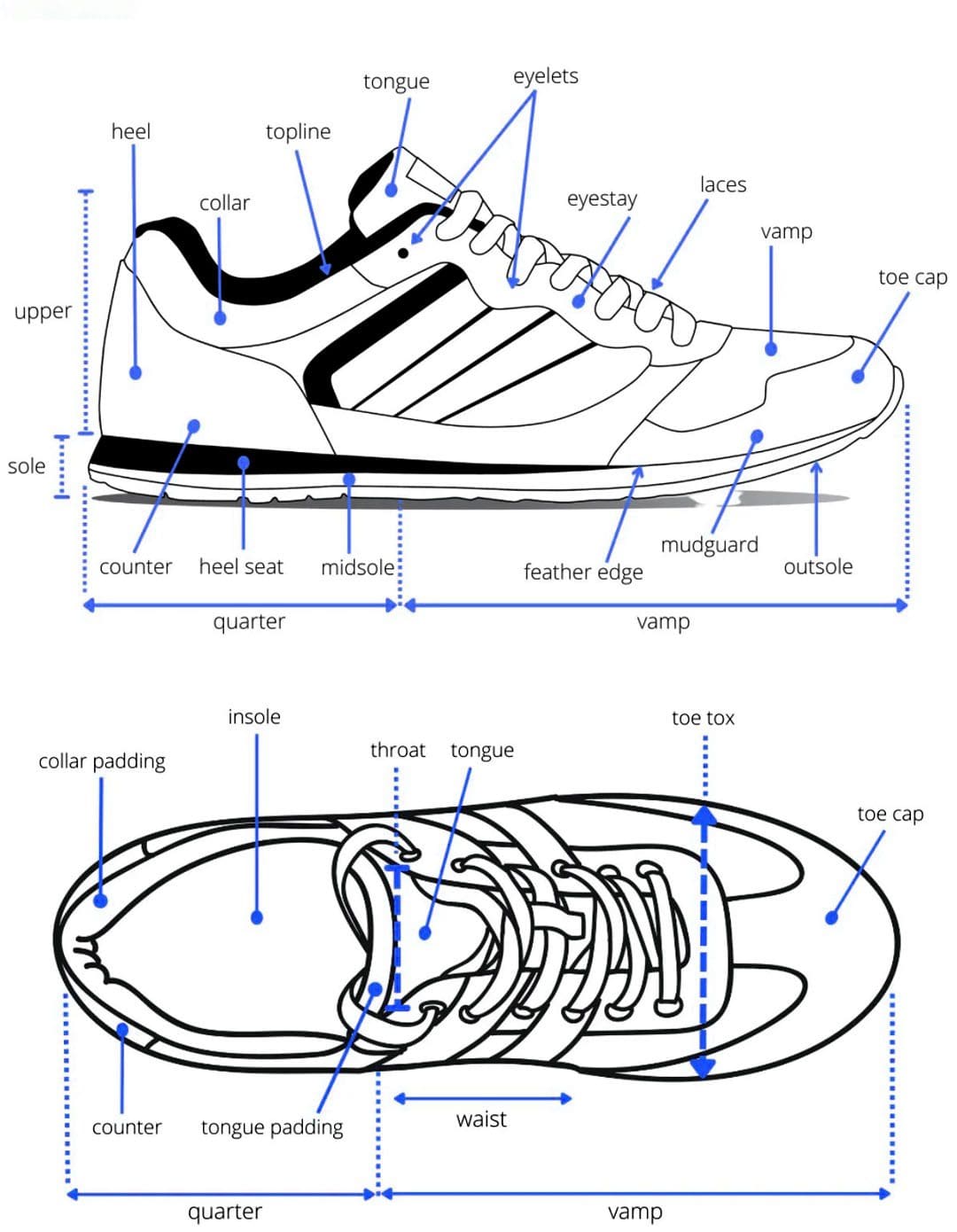
Individuals on their feet all day regularly experience back problems and discomfort symptoms. Wearing unstable shoes that are flat with no arch support with little or no shock absorption or the wrong type of shoe for gait can cause biomechanical issues that can cause back discomfort and lead to chronic back pain. Athletic running shoes are recommended for lower back pain because they are well-cushioned and designed to help absorb the impact of walking or running. They also have proper arch and ankle support to maintain foot position for correct posture. What to look for in running shoes to help relieve back pain and keep the back injury free?
Athletic Running Shoes
Shoes that don’t have enough cushioning can cause inflammation in the back muscles from the lack of impact absorption. The best athletic running shoes for back pain relief are stiff, supportive, and well-cushioned. When selecting shoes for back pain, the most important factors to consider are:
Stiffness of the sole.
Quality support and cushioning.
Proper and comfortable fit.
Shoe Type
Athletic running shoes are available in various types of support for all foot types.
Consider foot structure and gait when selecting shoes.
Flat and high-arched feet can cause muscle imbalances, which increase pressure on the back, hips, legs, knees, ankles, and feet.
The grooves and patterns increase friction and provide grip to the person while walking or running.
Durability
Wearing worn-out shoes with inadequate cushioning and shock absorption can increase the risk of back problems.
Depending on the uses, shoes can wear out in three months or less.
It is important to replace shoes when the cushioning wears out.
Look for high-quality material that doesn’t wear down quickly.
Improve Whole-Body Wellness
References
Anderson, Jennifer, et al. “A narrative review of musculoskeletal problems of the lower extremity and back associated with the interface between occupational tasks, feet, footwear, and flooring.” Musculoskeletal care vol. 15,4 (2017): 304-315. doi:10.1002/msc.1174
American Podiatric Medical Association. Which Running Shoe is Right for You?
Hong, Wei-Hsien, et al. “Effect of shoe heel height and total-contact insert on muscle loading and foot stability while walking.” Foot & ankle international vol. 34,2 (2013): 273-81. doi:10.1177/1071100712465817
National Institute of Arthritis and Musculoskeletal and Skin Diseases. Back Pain: Diagnosis, Treatment, and Steps to Take.
National Institute of Neurological Disorders and Stroke. Low Back Pain Fact Sheet.
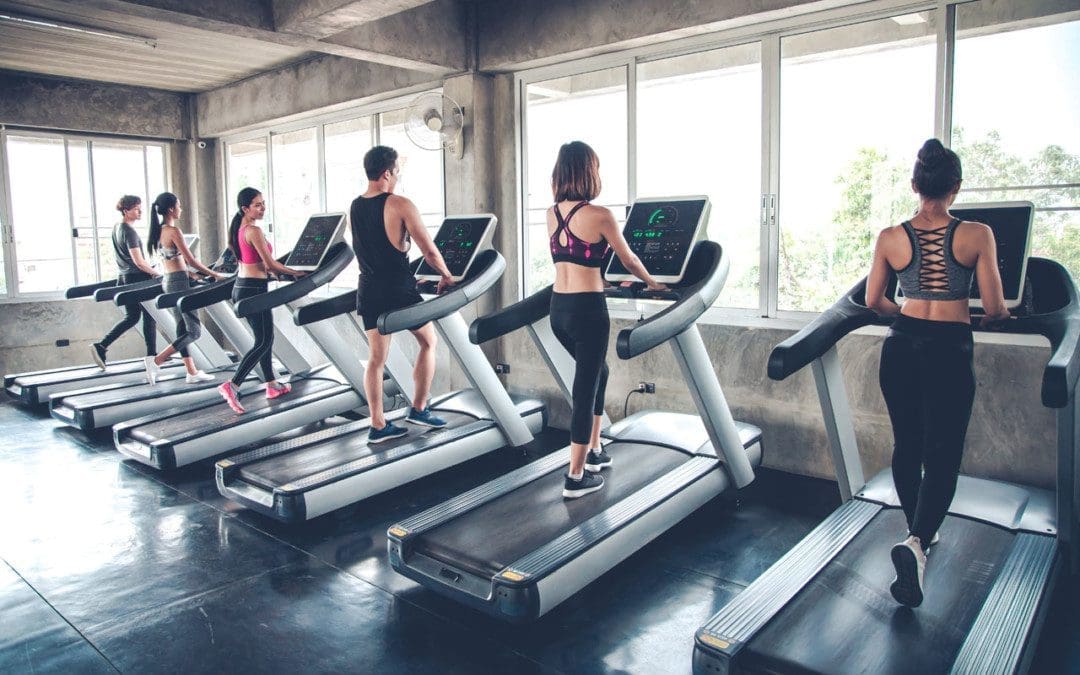
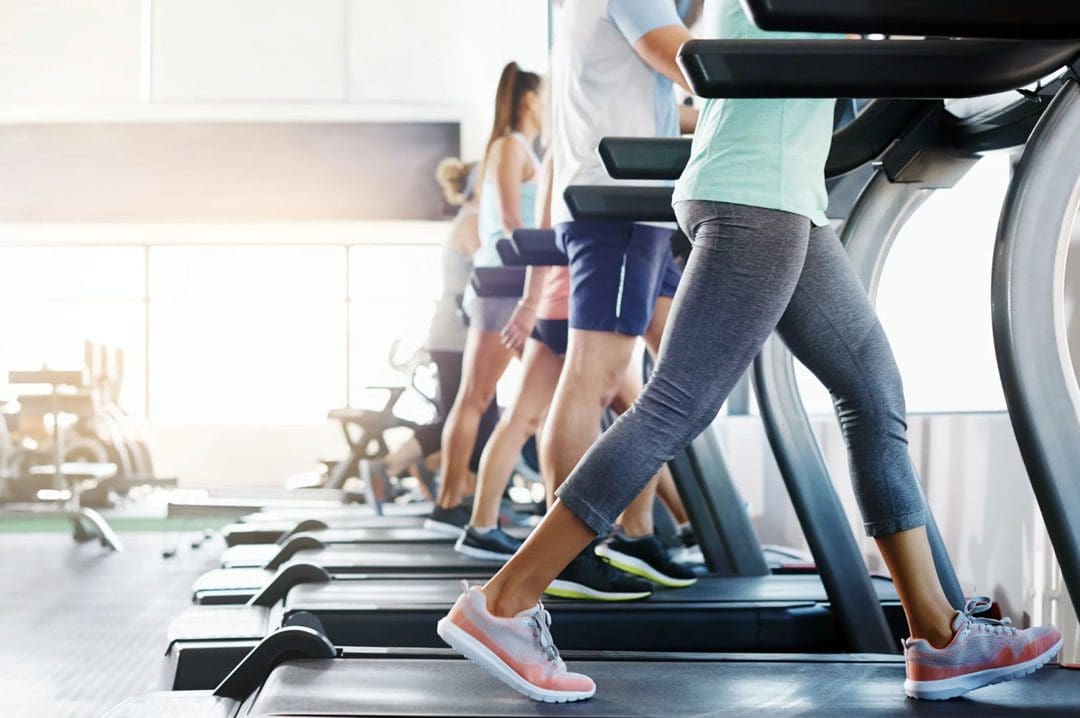
Working out on a treadmill is a great way to get cardiovascular exercise when unable to go outside or to change things up. However, it’s not just about getting on the machine and walking or running. Like anything, proper form and posture are important in preventing injuries. This allows the individual to walk smoother and faster, burn more calories, and get the full benefits. Individuals with a medical condition that impacts posture or makes it difficult to walk on a treadmill should speak to a healthcare provider for recommendations to ensure they can work out without aggravating the condition or putting themselves at risk. There is an option of working with a physical or occupational therapist to address any concerns individuals may have about using a treadmill.
Treadmill Walking Exercise Errors
Safety
A common error is getting on a treadmill with the belt already running. This may seem unnecessary, but many accidents happen when individuals just jump on. To avoid injuries, it is recommended to follow these safety tips.
Make sure the machine is off.
Know where the emergency stop switch is.
Stand next to the base/running deck.
Clip the safety key to your body to stop the treadmill if you slip or stumble.
Start the treadmill and set it to slow speed.
Look at the speed and carefully get onto the moving tread.
Gradually increase the speed once comfortably on board.
Wrong Shoes
A healthy step is to strike with the heel in front with the forward foot slightly off the surface. The foot then rolls from heel to toe; by the time the toe is on the ground, the individual is halfway into the next step, and the forward foot is now the rear foot and ready for the toes to push off to take the next step.
This sequence is only possible with flexible shoes.
Wearing stiff shoes may not allow for the roll-through.
Stiff shoes force the foot to slap down.
The body and walking stride become a flat-footed stomp.
Take a few minutes during a walking session to think about what the feet are doing.
Ensure they strike with the heel, roll through the step, and the rear foot provides an adequate push-off.
If you cannot do this in your present shoes, then it’s time to look at other flexible walking/running shoes.
Holding The Handrails
The handrails provide stability, but natural walking posture or natural movement involves a healthy stride and arm motion.
Constantly holding onto the handrails doesn’t allow for this motion.
Walking or running at a slower pace is recommended without using the handrails.
Individuals will get a better workout at a slower pace than they would at a faster rate holding on to the rails.
Individuals with a disability or balance issues may need the handrails and should consult a trainer or physical therapist for healthy workout recommendations.
Leaning Forward
Proper walking posture means the body is upright, not leaning forward or backward.
Before stepping onto the treadmill, check and readjust your posture.
Proper arm motion allows the body to go faster and burn more calories.
The swinging motion can help shoulder and neck problems developed from unhealthy postures.
The legs only move as fast as the arms do.
To speed up the legs, speed up the arms.
Going Too Fast
Go only as fast as the body can go while maintaining proper walking posture and form.
If overstriding, leaning forward, or hunching shoulders begin to present, slow down until a comfortable/maintainable speed that allows the body to walk correctly is found.
If the workout doesn’t feel like it’s helping
Individuals with a bad walking form at high speeds may consider adding running intervals.
Running will create quick bursts of higher heart rate and change form.
Running Intervals
Warm up at a slow speed for 3 to 5 minutes.
Increase walking speed to a fast pace that can maintain proper walking form.
Start a jog and increase the speed to match the jogging pace.
Jog for 1 to 3 minutes.
Return to the fast walking pace for 3 to 5 minutes.
Jog for 1 to 3 minutes.
Repeat until the end of the workout.
Finish with 3 to 5 minutes at an easy walking pace to cool down.
Challenge Yourself
When the body has fully adapted to a workout, it’s time to challenge the body to achieve greater fitness and stay motivated. This is where workout variation intensity, duration, frequency, and/or mode come into play.
Intensity
Add intensity by increasing the incline or the speed.
Duration
Increase the time spent on the treadmill.
If spending 30 minutes for several weeks, increase to 45 minutes for at least one weekly session.
After a couple of weeks, increase to 60 minutes.
Frequency
Once the body is used to treadmill walking, try to incorporate a session every day or every other day.
Walk at a brisk pace for 30 to 60 minutes, going for a total of 150 to 300 minutes per week.
Type of Exercise
Try jogging or running.
Alternate using the exercise bike, rowing machine, or stair climber.
Add weight training, circuit training, or anything enjoyable that gets the body moving in different ways.
Set goals and get into the habit of using the treadmill regularly to reap all the benefits. Avoid common treadmill errors, stay safe, and make the most out of walking and running workouts.
Move Better, Live Better
References
Centers for Disease Control and Prevention. Benefits of Physical Activity.
Donlin, Margo C et al. “Adaptive treadmill walking encourages persistent propulsion.” Gait & Posture vol. 93 (2022): 246-251. doi:10.1016/j.gaitpost.2022.02.017
Donlin, Margo C et al. “User-driven treadmill walking promotes healthy step width after stroke.” Gait & Posture vol. 86 (2021): 256-259. doi:10.1016/j.gaitpost.2021.03.031
Hashiba, M. “Transient change in standing posture after linear treadmill locomotion.” The Japanese Journal of Physiology vol. 48,6 (1998): 499-504. doi:10.2170/jjphysiol.48.499
Liang, Junjie et al. “The effect of anti-gravity treadmill training for knee osteoarthritis rehabilitation on joint pain, gait, and EMG: Case report.” Medicine vol. 98,18 (2019): e15386. doi:10.1097/MD.0000000000015386
MacEwen, Brittany T et al. “A systematic review of standing and treadmill desks in the workplace.” Preventive medicine vol. 70 (2015): 50-8. doi:10.1016/j.ypmed.2014.11.011
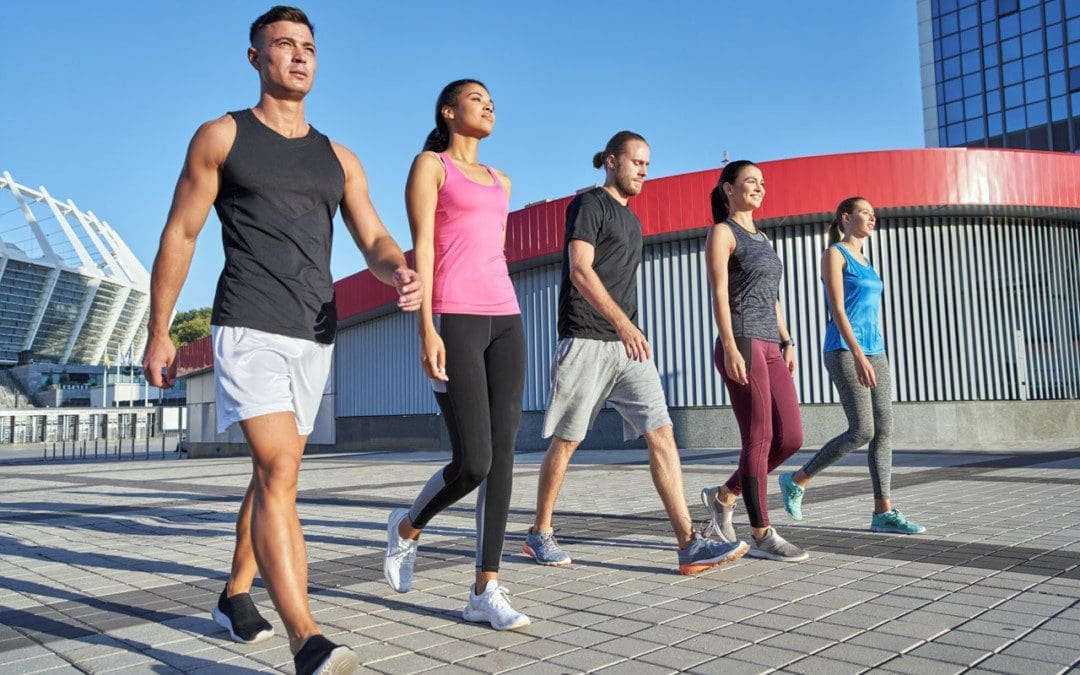
For individuals with aches and pains after walking, the first thing to check is posture. How an individual holds their body is important in walking effortlessly and comfortably. Improving walking posture will make it easier to breathe and walk farther and faster. Injury Medical Chiropractic and Functional Medicine Clinic can treat back problems, restore mobility, and retrain individuals on achieving and maintaining healthy posture.
Walking Posture
Sitting for extended periods weakens neck and back muscles and decreases spinal mobility, making it more difficult to maintain a healthy walking posture. Improving and maintaining healthy walking posture can go a long way regarding the body’s health.
Benefits
The benefits include:
Strengthened core, back, leg, and buttock muscles.
Improved balance and stability.
Easier breathing.
Increased energy levels.
Improved walking speed, distance, and gait.
Back and hip discomfort symptoms prevention.
Decreased risk of injury and falling.
Set Up Posture
Stand up straight.
Engage the core.
Relax shoulders.
Keep the chin parallel to the ground.
Eyes forward.
Minimize leaning forward or backward.
Spend the first 15 seconds of walking focusing on posture.
Once a rhythm is achieved, periodically check yourself to ensure you stay consistent with proper posture until it becomes normal.
Stand up Straight
Visualize standing tall and straight.
Resist the temptation to slouch or arch the back.
Control Leaning Forward or Back
Leaning strains the back muscles when sitting, standing, and walking.
Leaning slightly forward from the ankles when walking up a hill.
Going downhill, leaning slightly forward, or maintaining a straight back is okay.
Keep Eyes Forward
Avoid looking down.
The focus should be about 20 feet ahead.
Maintaining a forward visual path allows individuals to see anything from the side.
Keep Chin Parallel to the Ground
This reduces strain on the neck and back.
A proper chin position maintains forward focus rather than down.
Shoulders Back and Relaxed
Shrug and allow the shoulders to fall and relax slightly back.
Loosening up the shoulders helps relieve tension and…
Shrug and re-loosen at intervals during the walk to ensure the shoulders stay relaxed.
Engage Core Muscles
The core muscles help resist slouching and leaning.
Keep the stomach pulled in slightly.
Take deep, full breaths to maintain a healthy walking posture.
Maintain Neutral Pelvis
Ensure the hips are not tilting forward or back while walking.
Practice sticking out the buttocks, tucking them in, and finding a natural middle.
The middle is the healthy balance that will keep you from arching the back muscles and spine.
Devices
Resist the urge to engage with the phone or activity monitor while walking and looking down.
Only look when necessary and then mindfully regain posture.
Some activity monitors have vibration alerts to reduce the need to look down.
Utilize earbuds or headphones for making and taking calls and other tasks.
Certain earbuds or headphones allow for voice commands, so you don’t have to look at the phone.
Chiropractic Realignment and Retraining
Maintaining proper posture is a gradual process. A chiropractor can correct years of practicing unhealthy postures like forward head issues or chronic slouching and realign the spine to restore optimal function.
A chiropractic therapy team will work on bones and muscles in specific body regions.
Massage will relax the muscle tissues to restore correct balance.
Chiropractic techniques will realign the neck, spine, hips, and pelvis.
Strengthening and stretching exercises will maintain adjustments.
Posture retraining will teach individuals to stay aware of their spinal position and help create healthy habits.
Regular posture checks, whether at work, school, just walking around doing errands, or exercising, will help the body learn proper positioning until it becomes second nature.
Revitalize and Rebuild
References
Buldt, Andrew K et al. “The relationship between foot posture and plantar pressure during walking in adults: A systematic review.” Gait & Posture vol. 62 (2018): 56-67. doi:10.1016/j.gaitpost.2018.02.026
Hackford, Jessie, et al. “The effects of walking posture on affective and physiological states during stress.” Journal of behavior therapy and experimental psychiatry vol. 62 (2019): 80-87. doi:10.1016/j.jbtep.2018.09.004
Lin, Guohao, et al. “The relationship between forward head posture, postural control, and gait: A systematic review.” Gait & Posture vol. 98 (2022): 316-329. doi:10.1016/j.gaitpost.2022.10.008
Suh, Jee Hyun, et al. “The effect of lumbar stabilization and walking exercises on chronic low back pain: A randomized controlled trial.” Medicine vol. 98,26 (2019): e16173. doi:10.1097/MD.0000000000016173
Woollacott, Marjorie, and Anne Shumway-Cook. “Attention and the control of posture and gait: a review of an emerging area of research.” Gait & Posture vol. 16,1 (2002): 1-14. doi:10.1016/s0966-6362(01)00156-4
With the summer approaching, the day’s heat makes the body want to eat light or not at all. That’s when late-night hunger kicks in. Individuals can’t sleep because their stomachs won’t stop growling. Whatever the reason, the body needs something to eat to go back to sleep. The challenge is figuring out what’s quick, tasty, healthy, and can help promote sleep, as some foods contain compounds that can improve sleep.
Late-Night Nutritious Snacks
There are several reasons for needing a late-night snack, and a healthy snack can be a good way to get some additional nutrients for the next day. Having small nutrient-rich snacks under 200 calories is fine. Individuals who regularly have late-night snacks should consider having prepared snacks to promote sleep and not inhibit sleep. Planning is the key to choosing snacks to help support healthy sleep and satisfy hunger.
Snacks To Consider
Pumpkin Seeds
Pumpkin contains tryptophan which contributes to sleep.
They also contain essential nutrients zinc, phosphorus, potassium, selenium, and magnesium.
These can help combat illnesses related to inflammation.
Bananas
Bananas are a healthy source of dietary melatonin.
In one study, individuals who ate a banana had an increase in serum melatonin levels two hours after eating.
The potassium content of bananas can help inhibit muscle cramps, a problem some individuals have when trying to sleep.
Glass of Milk
Warm or cold, a glass of milk before bed can help improve sleep.
Milk contains antioxidant and anti-inflammatory properties, which can help improve sleep quality.
Sleep-inducing amino acids like tryptophan are also found in milk.
Dairy milk is not the only type of milk shown to aid sleep.
Soy milk is a good source of both melatonin and tryptophan.
Plant-based milk made with nuts can confer the same benefits as whole nuts.
Milk and Cereal
Individuals may reserve cereal for breakfast, but it can make a healthy late-night snack to promote sleep.
One study found that high-glycemic carbs in many corn-based cereals before bed reduced the time it took to fall asleep.
Limit portion size as the entire snack should be under 300 calories, especially for those with heartburn, as a heavy meal can exacerbate the problem.
Dairy products contain calcium, a mineral that directly produces the sleep hormone melatonin and is a natural relaxant in the body.
Peanut Butter and Jelly Sandwich
Foods like peanut butter contain an amino acid called tryptophan, which is converted into melatonin to promote sleepiness.
Carbohydrates like bread and jelly help make tryptophan more available to the brain.
Option for whole grain bread and natural peanut butter with no added sugars for added nutrition.
Yogurt with Fruit
Plain yogurt with berries, chopped nuts, and honey.
Yogurt provides a healthy source of calcium, which has been linked to better sleep.
Be sure to read the labels, as some varieties contain added sugar.
Fruit and Nuts
Fruit and nuts are great when hungry and tired.
They provide nutritional benefits, including vitamins, minerals, protein, complex carbs, healthy fats, and fiber.
They nourish, provide satisfaction, and help the body fall asleep.
An apple with a handful of almonds, a banana, and pecans, or a pear with a few walnuts.
One teaspoon of peanut butter on banana slices or dip apple slices in almond butter.
If almond butter is too thick for dipping, microwave 1-2 tablespoons for 30 seconds until it’s soft enough to dip.
Popcorn
Popcorn is a great snack that is low in calories.
Three cups of air-popped popcorn have fewer than 100 calories and about 4 grams of fiber.
Skip the butter and mix in dried spices for extra flavor.
Vegetables and Dip
Craving something crunchy and low-calorie, fresh vegetables and dip.
Any combination of raw carrots, broccoli florets, cucumber slices, celery, zucchini, peppers, and grape tomatoes can satisfy a rumbling stomach.
Enhance the flavor with a plain low-fat cottage cheese dip, Greek yogurt, or hummus.
Turkey Sandwich
When craving a sandwich, a combination of protein and complex carbohydrates from lean protein like turkey and whole grain bread with tomato, lettuce, and a splash of mayo and mustard can satisfy.
Allow enough time to digest, as being too full can inhibit sleep.
Chickpeas, the primary ingredient in hummus, contain tryptophan.
Body In Balance
References
Bandín, C et al. “Meal timing affects glucose tolerance, substrate oxidation, and circadian-related variables: A randomized, crossover trial.” International Journal of Obesity (2005) vol. 39,5 (2015): 828-33. doi:10.1038/ijo.2014.182
Beccuti, Guglielmo, et al. “Timing of food intake: Sounding the alarm about metabolic impairments? A systematic review.” Pharmacological research vol. 125, Pt B (2017): 132-141. doi:10.1016/j.phrs.2017.09.005
Behrouz, Sepide, et al. “The Antioxidant, Anti-Inflammatory, and Immunomodulatory Effects of Camel Milk.” Frontiers in immunology vol. 13 855342. 12 Apr. 2022, doi:10.3389/fimmu.2022.855342
Gallant, Annette, et al. “Nutritional Aspects of Late Eating and Night Eating.” Current obesity reports vol. 3,1 (2014): 101-7. doi:10.1007/s13679-013-0081-8
Stobiecka, Magdalena, et al. “Antioxidant Activity of Milk and Dairy Products.” Animals: an open access journal from MDPI vol. 12,3 245. 20 Jan. 2022, doi:10.3390/ani12030245
IFM's Find A Practitioner tool is the largest referral network in Functional Medicine, created to help patients locate Functional Medicine practitioners anywhere in the world. IFM Certified Practitioners are listed first in the search results, given their extensive education in Functional Medicine




 Athletic Running Shoes