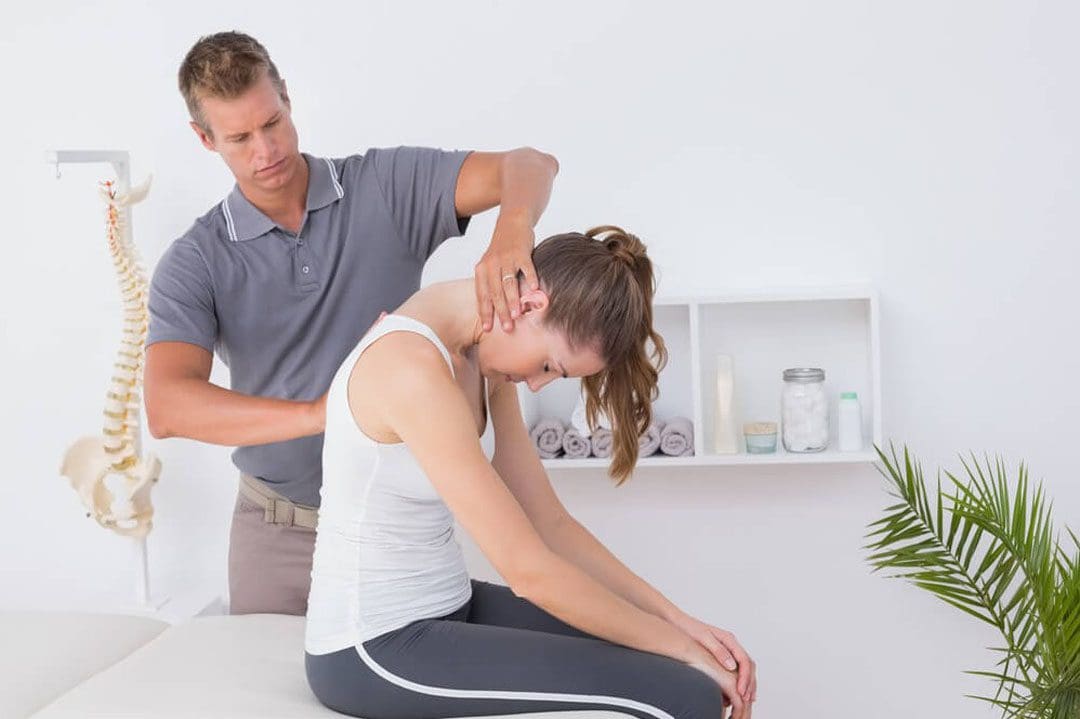
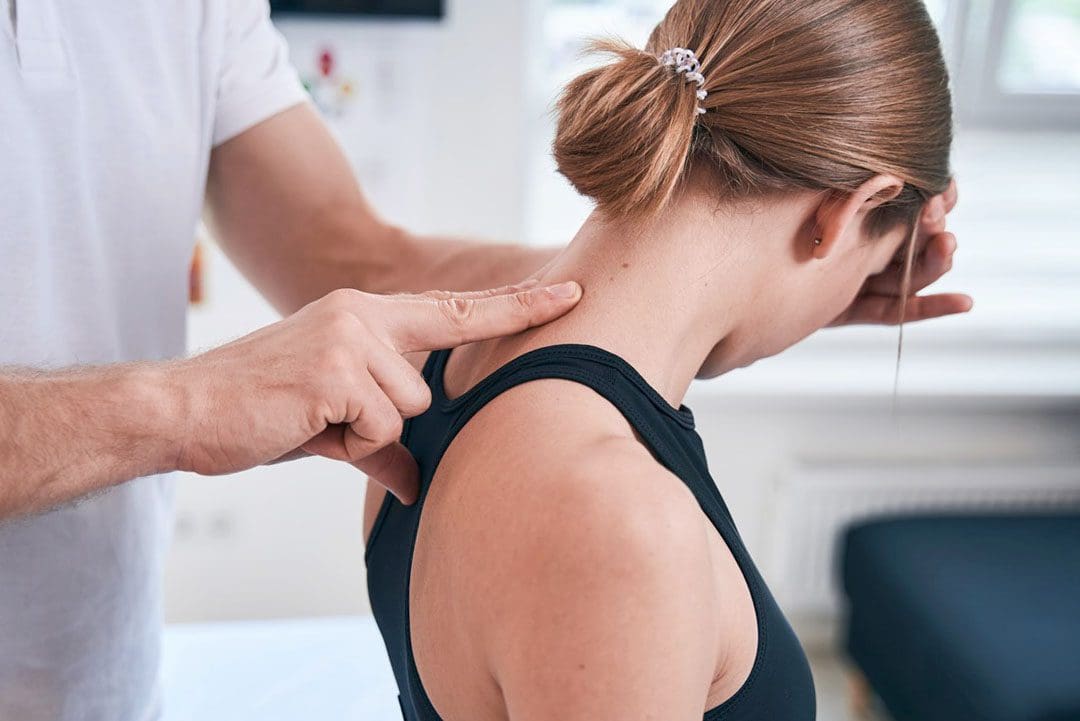
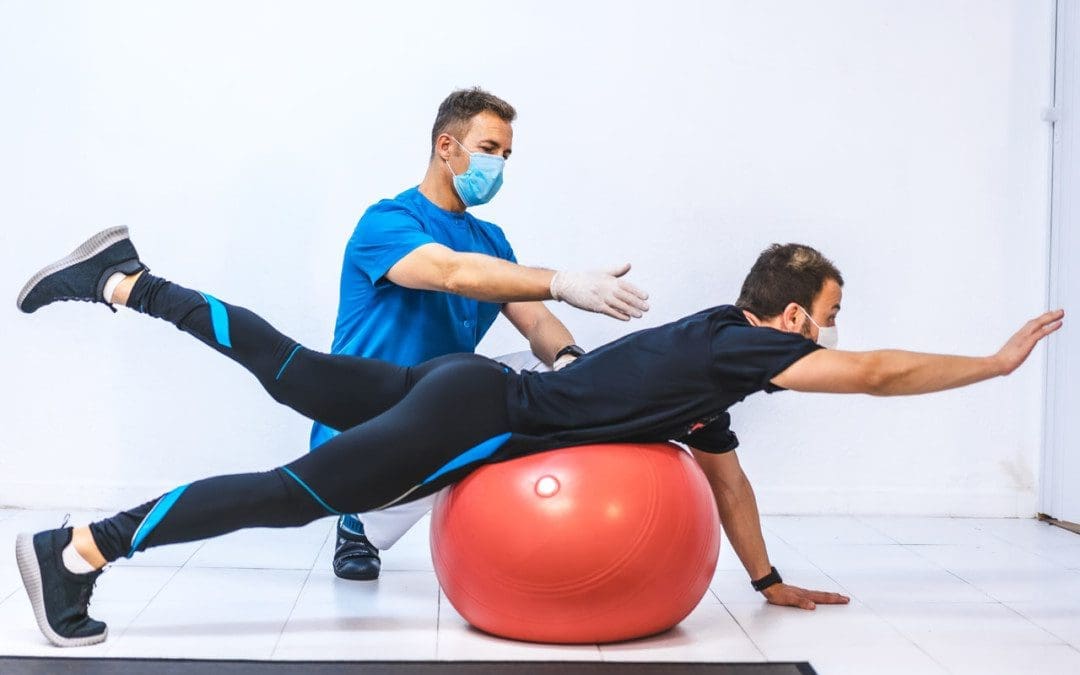
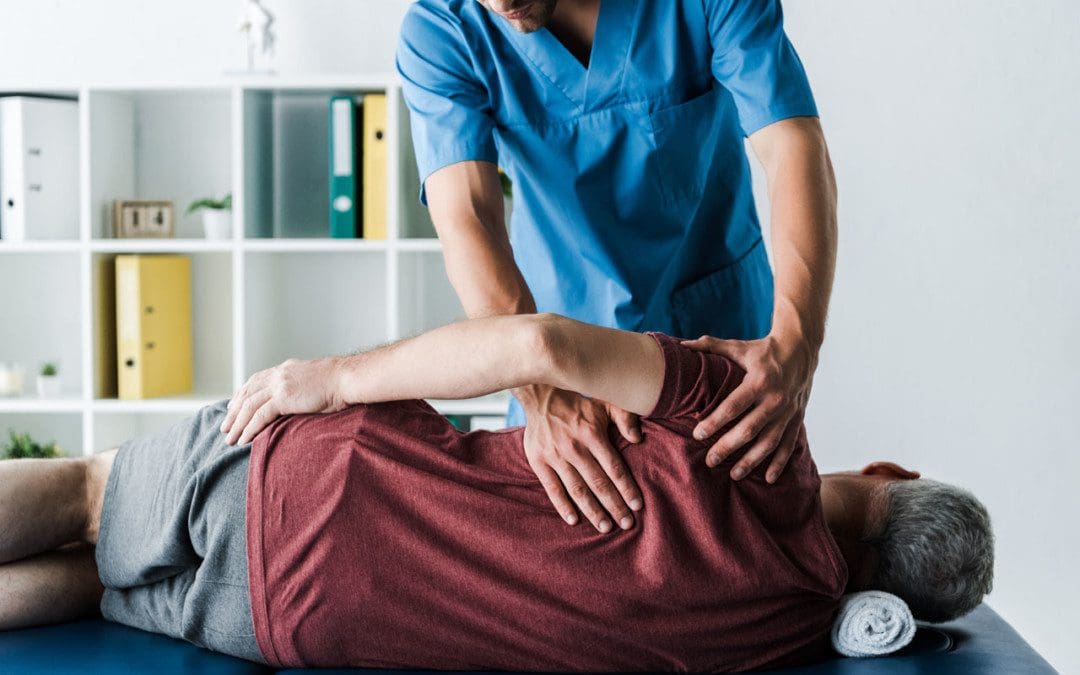
When temperatures are elevated in summer, heat-induced and severe headaches like migraines are common during the hot months. However, a migraine caused by heat is not the same as a headache caused by heat, as the two have different symptoms. What they have in common is that they’re both triggered by the way hot weather affects the body. Understanding the causes and the warning signs of a heat headache can help prevent and treat potentially dangerous heat-related conditions. Injury Medical Chiropractic and Functional Medicine Clinic use various techniques and therapies customized to the individual to relieve pain and improve function.
Heat-Induced Headaches
Headaches and migraines are common, affecting 20 percent of women and nearly 10 percent of men. An increase in frequency can be caused by
Dehydration.
Environmental factors.
Heat exhaustion.
Heat stroke.
A heat-induced headache can feel like a dull pulsing ache around the temples or in the back of the head. Depending on the cause, a heat-induced headache may escalate to a more intensely felt internal pain.
Causes
A heat-induced headache may not be caused by the hot weather but by how the body responds to heat. Weather-related triggers of headaches and migraine include:
Hormonal fluctuations are common migraine triggers that can also cause headaches.
Dehydration – can trigger both headaches and migraine.
When exposed to higher temperatures, the body needs more water to compensate for the lost water as it uses and sweats it out. Prolonged exposure to high temperatures puts the body at risk for heat exhaustion, one of the stages of heat stroke, with headaches as a symptom of heat exhaustion. Any time the body is exposed to high temperatures or spends a long time outside in the hot sun, and a headache occurs afterward, a heat stroke is possible.
Heat Headache Symptoms
Symptoms of a heat-induced headache can vary according to the situation. If the headache is triggered by heat exhaustion, the body will have heat exhaustion symptoms and head pain. Heat exhaustion symptoms include:
Dizziness.
Muscle cramps or tightness.
Nausea.
Fainting.
An extreme thirst that does not go away.
If the headache or migraine is related to heat exposure but not connected to heat exhaustion, the symptoms may include the following:
A throbbing, dull sensation in the head.
Dehydration.
Fatigue.
Sensitivity to light.
Relief
Individuals can be proactive about prevention.
If possible, limit time outside, protect the eyes with sunglasses, and wear a hat with a brim when staying outdoors.
Exercise indoors in an air-conditioned environment if able.
Increase water consumption as temperatures rise, and utilize healthy sports drinks to replenish electrolytes.
Craniocervical mobilization involves gentle chiropractic pressure on the neck to adjust the joints.
Spinal manipulation involves applying more force and pressure at certain points along the spine.
Neuromuscular massage includes kneading joints and muscles and relieves pain by releasing pressure from compressed nerves.
Myofascial release massage is aimed at the tissues that connect and support muscles and focuses on trigger points in the back and neck or head to relax muscles and improve blood circulation.
Trigger point therapies target tense areas to help relax muscles while improving blood flow and relieving stress.
Traction therapy.
Decompression therapy.
Exercises designed specifically to reduce pain.
From Inflammation to Healing
References
Bryans, Roland, et al. “Evidence-based guidelines for the chiropractic treatment of adults with headache.” Journal of Manipulative and physiological therapeutics vol. 34,5 (2011): 274-89. doi:10.1016/j.jmpt.2011.04.008
Demont, Anthony, et al. “Efficacy of physiotherapy interventions for the management of adults with cervicogenic headache: A systematic review and meta-analyses.” PM & R: the journal of Injury, Function, and Rehabilitation vol. 15,5 (2023): 613-628. doi:10.1002/pmrj.12856
Di Lorenzo, C et al. “Heat stress disorders and headache: a case of new daily persistent headache secondary to heat stroke.” BMJ case reports vol. 2009 (2009): bcr08.2008.0700. doi:10.1136/bcr.08.2008.0700
Fernández-de-Las-Peñas, César, and María L Cuadrado. “Physical therapy for headaches.” Cephalalgia: an international journal of Headache vol. 36,12 (2016): 1134-1142. doi:10.1177/0333102415596445
Swanson JW. (2018). Migraines: Are they triggered by weather changes? mayoclinic.org/diseases-conditions/migraine-headache/expert-answers/migraine-headache/faq-20058505
Victoria Espí-López, Gemma, et al. “Effectiveness of Physical Therapy in Patients with Tension-type Headache: Literature Review.” Journal of the Japanese Physical Therapy Association = Rigaku ryoho vol. 17,1 (2014): 31-38. doi:10.1298/jjpta.Vol17_005
Whalen, John, et al. “A Short Review of the Treatment of Headaches Using Osteopathic Manipulative Treatment.” Current pain and headache reports vol. 22,12 82. 5 Oct. 2018, doi:10.1007/s11916-018-0736-y
Upper and middle/mid-back pain and/or pain between the shoulder blades is common for individuals who spend long hours sitting or standing. Stress, tension, and repetitive movements can cause middle-back trigger points to develop. Symptoms occur anywhere from the neck’s base to the bottom of the rib cage. Trigger point development and reoccurrence can contribute to chronic upper and middle back pain. Injury Medical Chiropractic and Functional Medicine Clinic can release, relieve and help prevent trigger points through various therapies and treatment plans.
Middle Back Trigger Points
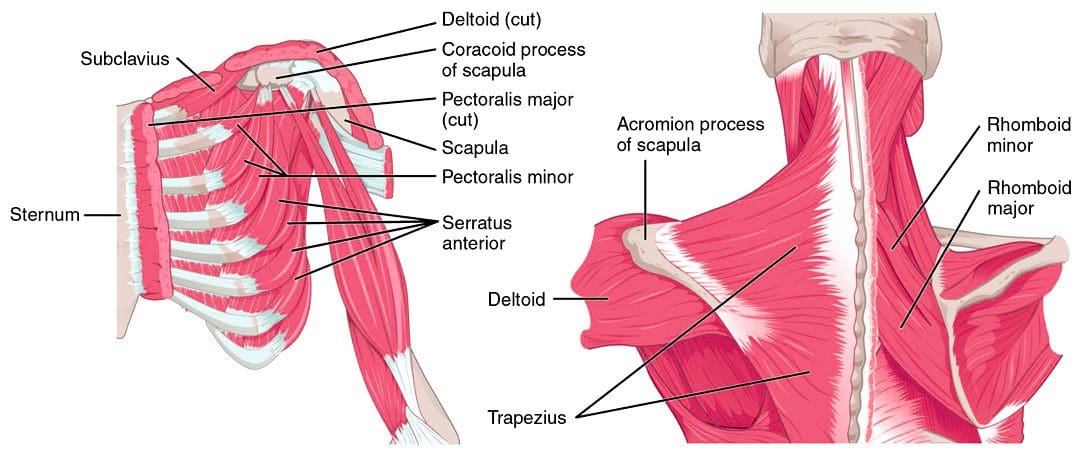
The ribs attach to the sternum and adhere to and wrap around the back. Pain and sensation symptoms can radiate to other places where the nerve travels if a nerve in this area is pinched, irritated, or injured. The muscle groups of the chest region also have a significant role in middle back trigger point development. Tension in the chest muscles can overload the muscles of the mid-back region, causing tightness. This happens to individuals that release the trigger points in the mid-back muscles but fail to address the trigger points in the chest muscles, causing reactivation that could worsen the injury. Three muscle groups can cause trigger point referred pain between the shoulder blades include:
Rhomboid Trigger Points Between the Shoulder Blades
The Rhomboid muscle group is found in the mid-back region, between the shoulder blades.
These muscles attach along the spine and run diagonally downward to connect to the inside of the shoulder blade.
The contraction causes the shoulder blades to retract and rotate.
Trigger points only cause pain in the region of the muscle group.
They can cause tenderness in the region and the spinous process or the bony tip extending from the lamina or part that can be felt when touching the back.
The pain is often described as burning.
Rhomboid Trigger Symptoms
A common symptom is superficial aching between the shoulder blades that individuals try to rub with their fingers to get relief.
Intense pain can extend upward to the shoulder area above the blade and into the neck area.
Individuals may hear or feel a crunching and snapping as they move the shoulder blades.
The common rounded-shoulder and forward-head hunching posture are nearly always present in individuals with these trigger points.
Middle Trapezius Trigger Points
The trapezius is the large, diamond-shaped muscle group that forms the base of the neck and upper back.
It has attachment points at the bottom of the skull, along the spine, collarbone, and shoulder blade.
When this muscle contracts, it moves the shoulder blade.
Movements can also affect the neck and head region.
Trigger points in the middle portion of this muscle refer to pain between the shoulder blades and the spine.
Trigger points develop for several reasons, including unhealthy postures, stress, injuries, falls, and sleeping positions.
Additionally, tension and added trigger points in the chest muscles can overload the Trapezius muscle fibers, causing trigger point development.
Trapezius Symptoms
It can be difficult to distinguish pain from the middle trapezius and rhomboid trigger points.
Pain in the middle trapezius can have more of a burning sensation and often extends over the thoracic spine.
The pain referral to the spine can activate secondary trigger points in the surrounding muscles.
Pectoralis Major Trigger Points
The Pectoralis Major muscle group is the large, flat muscles in the upper chest region.
The muscle has four overlapping sections that attach to the ribs, collarbone, chest bone, and upper arm at the shoulder.
The muscle group contracts when pushing with the arms in front of the body and rotating the arms inward towards the trunk.
Trigger points can radiate pain symptoms to the chest, shoulder, and breast regions.
Numbness and/or pain can radiate down the inside of the arm and into the fingers.
Trigger points in this muscle group can activate triggers in the upper back, causing pain symptoms between the shoulder blades.
Pectoralis Major Symptoms
Individuals will present with chest pain, front shoulder pain, and pain traveling down the inside of the arm to the elbow.
If referred pain occurs on the person’s left side, it can be similar to cardiac pain.
Consult a cardiologist to rule out cardiac involvement before investigating trigger points.
The pain will initially occur on one side of the chest but can spread to the other as it intensifies.
In many, the pain is only experienced with the movement of the arms and goes away or decreases with rest.
Simultaneous pain in the mid-back, between the shoulder blades, frequently occurs.
In women, there may be nipple sensitivity and pain in the breast.
The breast can become enlarged from the tension causing impaired lymphatic drainage.
Chiropractic Treatment
Chiropractors treat myofascial pain syndromes such as myofascial trigger points or adhesions with various therapies. A chiropractor will locate trigger points by pressing muscle tissue or manipulating the muscle fibers. Once the trigger points have been found, treatment can include:
Barbero, Marco, et al. “Myofascial pain syndrome and trigger points: evaluation and treatment in patients with musculoskeletal pain.” Current Opinion in Supportive and palliative care vol. 13,3 (2019): 270-276. doi:10.1097/SPC.0000000000000445
Bethers, Amber H et al. “Positional release therapy and therapeutic massage reduce muscle trigger and tender points.” Journal of Bodywork and movement therapies vol. 28 (2021): 264-270. doi:10.1016/j.jbmt.2021.07.005
Birinci, Tansu, et al. “Stretching exercises combined with ischemic compression in pectoralis minor muscle with latent trigger points: A single-blind, randomized, controlled pilot trial.” Complementary therapies in clinical practice vol. 38 (2020): 101080. doi:10.1016/j.ctcp.2019.101080
Farrell C, Kiel J. Anatomy, Back, Rhomboid Muscles. [Updated 2023 May 16]. In: StatPearls [Internet]. Treasure Island (FL): StatPearls Publishing; 2023 Jan-. Available from: https://www.ncbi.nlm.nih.gov/books/NBK534856/
Gupta, Lokesh, and Shri Prakash Singh. “Ultrasound-Guided Trigger Point Injection for Myofascial Trigger Points in the Subscapularis and Pectoralis Muscles.” Yonsei medical journal vol. 57,2 (2016): 538. doi:10.3349/ymj.2016.57.2.538
Moraska, Albert F et al. “Responsiveness of Myofascial Trigger Points to Single and Multiple Trigger Point Release Massages: A Randomized, Placebo-Controlled Trial.” American Journal of physical medicine & Rehabilitation vol. 96,9 (2017): 639-645. doi:10.1097/PHM.0000000000000728
Sadria, Golnaz, et al. “A comparison of the effect of the active release and muscle energy techniques on the latent trigger points of the upper trapezius.” Journal of bodywork and movement therapies vol. 21,4 (2017): 920-925. doi:10.1016/j.jbmt.2016.10.005
Tiric-Campara, Merita, et al. “Occupational overuse syndrome (technological diseases): carpal tunnel syndrome, a mouse shoulder, cervical pain syndrome.” Acta informatica medica : AIM : journal of the Society for Medical Informatics of Bosnia & Herzegovina : casopis Drustva za medicinsku informatiku BiH vol. 22,5 (2014): 333-40. doi:10.5455/aim.2014.22.333-340
Regular exercise and physical activity help with cardiovascular health, improved mood, better management of chronic conditions, and can help digestion. For individuals with any GI distress or inflammatory bowel disease that has caused digestive enzyme deficiencies, exercise, and physical movement have been found to provide digestive aid. Here we look at activities to help digestion.
Exercises To Help Digestion
When exercising the body, the cardiac output/volume of blood the heart pumps every minute increases as the demand for oxygenated blood throughout the body increases, particularly in the working muscles. During exercise, the same increase in blood circulation happens within the digestive system’s muscle groups. The blood flow to digestive organs causes peristalsis, which is involuntary constriction and relaxation of the muscles in the digestive tract. This process helps move food efficiently through the gastrointestinal tract. Exercise supports the growth of beneficial gut bacteria to maintain a healthy digestive system.
Exercise helps relieves stress which means lower amounts of cortisol.
Research has found that elevated cortisol levels are associated with compromised digestive function.
Tai chi has been shown to improve immune function and inflammation of the gut and is a helpful tool for maintaining homeostasis/gut balance.
This is a form of moderate-intensity exercise and meditative practice.
The emphasis is on slow controlled movements and deep breathing.
This makes it recommended for individuals looking to improve digestion and those with gastrointestinal conditions.
Pilates
Pilates is the practice that targets abdominal muscles and utilizes diaphragmatic breathing to help individuals perform a series of movements to strengthen and elongate the body’s muscles.
Individuals who perform this exercise often report relief from bloating and gas.
Whether new to exercise or returning, a plan can help you get there. Meeting with a fitness trainer or sports chiropractor is a great place to begin if you have limited knowledge about what works best for your body and schedule.
A certified trainer can help guide you toward an achievable program that focuses on gut health.
Individuals with a GI disorder should talk with their doctors before starting a new exercise plan.
This does not mean you can’t do intense exercises like running; you’ll want to work with a doctor to set up a program that doesn’t cause flare-ups.
Aim for roughly three hours of moderate-intensity weekly exercise to support a healthy digestive system.
Sit less and move more.
Do at least two or more muscle-strengthening activities of moderate intensity every week.
Cherpak, Christine E. “Mindful Eating: A Review Of How The Stress-Digestion-Mindfulness Triad May Modulate And Improve Gastrointestinal And Digestive Function.” Integrative medicine (Encinitas, Calif.) vol. 18,4 (2019): 48-53.
Drouin, Jacqueline S et al. “Comparisons between Manual Lymph Drainage, Abdominal Massage, and Electrical Stimulation on Functional Constipation Outcomes: A Randomized, Controlled Trial.” International Journal of environmental research and public health vol. 17,11 3924. June 1. 2020, doi:10.3390/ijerph17113924
Hamasaki, Hidetaka. “Exercise and gut microbiota: clinical implications for the feasibility of Tai Chi.” Journal of integrative medicine vol. 15,4 (2017): 270-281. doi:10.1016/S2095-4964(17)60342-X
Joyner, Michael J, and Darren P Casey. “Regulation of increased blood flow (hyperemia) to muscles during exercise: a hierarchy of competing physiological needs.” Physiological Reviews vol. 95,2 (2015): 549-601. doi:10.1152/physrev.00035.2013
LeBouef T, Yaker Z, Whited L. Physiology, Autonomic Nervous System. [Updated 2023 May 1]. In: StatPearls [Internet]. Treasure Island (FL): StatPearls Publishing; 2023 Jan-. Available from: https://www.ncbi.nlm.nih.gov/books/NBK538516/
Singhal, Rashi, and Yatrik M Shah. “Oxygen battle in the gut: Hypoxia and hypoxia-inducible factors in metabolic and inflammatory responses in the intestine.” The Journal of biological chemistry vol. 295,30 (2020): 10493-10505. doi:10.1074/jbc.REV120.011188
van Wijck, Kim, et al. “Physiology and pathophysiology of splanchnic hypoperfusion and intestinal injury during exercise: strategies for evaluation and prevention.” American Journal of Physiology. Gastrointestinal and liver physiology vol. 303,2 (2012): G155-68. doi:10.1152/ajpgi.00066.2012
Body stiffness is common, especially as the body ages. Stiffness can result from intense work, lack of physical exercise, or specific conditions. The reasons vary from individual to individual. Some feel stiff when they wake up, while others become stiff after stopping physical activity. For others, stiffness can result from practicing unhealthy postures, intense workouts, or something new that the body is beginning to get used to. There are several ways to prevent and treat stiffness, no matter the cause, including targeted physical movements, posture corrections, body decompression, chiropractic realignment, stretches, and therapeutic massage.
Body Stiffness
Knowing the cause of body stiffness and how to relieve it can help prevent and treat the condition so the body can function better. It’s vital to see a health care professional immediately if stiffness results from an injury, accompanied by pain, it does not go away with home treatments, or if an insect bite or infection could be the cause.
Individuals should speak to a healthcare professional for frequent stiffness that interferes with their quality of life.
Most of the time, stiffness can be treated at home and reduced through preventative measures.
Stay active but not too hard until the body gets used to the activity.
Various relief methods include a warm bath, massage shower, or self-massage.
Intense Work or Exercise
The muscles incur tiny tears when exercising or performing heavy labor, especially when the body is not used to the intensity or duration.
These tears are normal and help build larger and stronger muscles.
Individuals may feel stiff and sore for 24-72 hours as the body repairs itself.
Inflammation surrounding the joints/synovial fluid after heavy activity or repetitive movements is another cause.
Inactivity
Moving around generates the synovial fluid that lubricates the joints.
When body movement stops, like going to sleep or long periods spent sitting, working, or watching tv, fluid production slows down, resulting in body stiffness.
The lack of fluid after movement can make the body feel stiff when returning to activity.
Unhealthy Posture
The body can become stiff and sore when routinely holding the body in a way that strains the muscles, tendons, and ligaments.
Sitting or standing incorrectly from an unhealthy workstation setup or postural habits contributes to stiffness and musculoskeletal problems.
Medical Conditions
Medical conditions can cause stiffness like rheumatoid arthritis, Lyme disease, thyroid disease, strains and sprains, and low vitamin D levels.
See medical attention if you suspect any medical causes are behind the body stiffness.
Prevention
Depending on the reason behind body stiffness, there are ways to prevent it.
Warm-Up
Warming up before any physical activity loosens up the muscles before fully engaging.
Soreness will present and is part of the muscle repair process.
Properly warming up can help the repair go faster.
Mobility and Flexibility Breaks
Taking breaks from inactivity by getting up and moving around, walking, or performing mobility movements could increase the secretions of joint fluid, prevent stiffness, and relieve the effects of poor postural habits you may have been making.
Set a timer to break up periods of inactivity and move around.
Get up for 5 minutes every hour to move the muscles and get the blood flowing.
Stay Aware of Posture and Form
Postural awareness can help prevent muscle strain that leads to stiffness.
Adjusting the workspace and posture can help prevent stiffness.
The posterior chain: head, neck, torso, and legs are aligned with the feet flat on the floor and back supported.
Stay Active
Maintaining muscle movement maintains blood circulation, which can help reduce stiffness.
Exercise helps reduce inflammation, increases synovial fluid production, and helps strengthen the muscles.
Active Recovery
Participating in active recovery can help bring blood flow to the muscles and prevent inflammation.
Light cardiovascular activities include swimming, cycling, walking, or bodyweight movements.
Anti-Inflammatory Nutrition
Anti-inflammation nutrition like the Mediterranean diet, which includes healthy fats, plenty of fruits and vegetables, lean proteins, seafood, and whole grains, can help reduce aches and stiffness.
Getting enough vitamin D can reduce stiffness.
Chiropractic Flexibility Restoration
Chiropractic adjustments, decompression, MET, and therapeutic massage techniques can relieve muscle soreness and stiffness and restore body function. The chiropractic team will evaluate the individual, diagnose the cause/s, and develop a personalized treatment plan. The team will provide posture training, stretching the body, using a percussive massager or foam roller to break tight, stiff muscles and release adhesions of tissues.
Enhance Your Lifestyle
References
Mailey, Emily L et al. “Comparing the effects of two different break strategies on occupational sedentary behavior in a real-world setting: A randomized trial.” Preventive medicine reports vol. 4 423-8. 9 Aug. 2016, doi:10.1016/j.pmedr.2016.08.010
Schleip, Robert, and Werner Klingler. “Active contractile properties of fascia.” Clinical Anatomy (New York, N.Y.) vol. 32,7 (2019): 891-895. doi:10.1002/ca.23391
Shimoyama, Daisuke, et al. “Reliability of shoulder muscle stiffness measurement using strain ultrasound elastography and an acoustic coupler.” Journal of medical ultrasonics (2001) vol. 48,1 (2021): 91-96. doi:10.1007/s10396-020-01056-0
Trube, Niclas, et al. “How muscle stiffness affects human body model behavior.” Biomedical engineering online vol. 20,1 53. 2 Jun. 2021, doi:10.1186/s12938-021-00876-6
Weerapong, Pornratshanee, et al. “The mechanisms of massage and effects on performance, muscle recovery, and injury prevention.” Sports medicine (Auckland, N.Z.) vol. 35,3 (2005): 235-56. doi:10.2165/00007256-200535030-00004
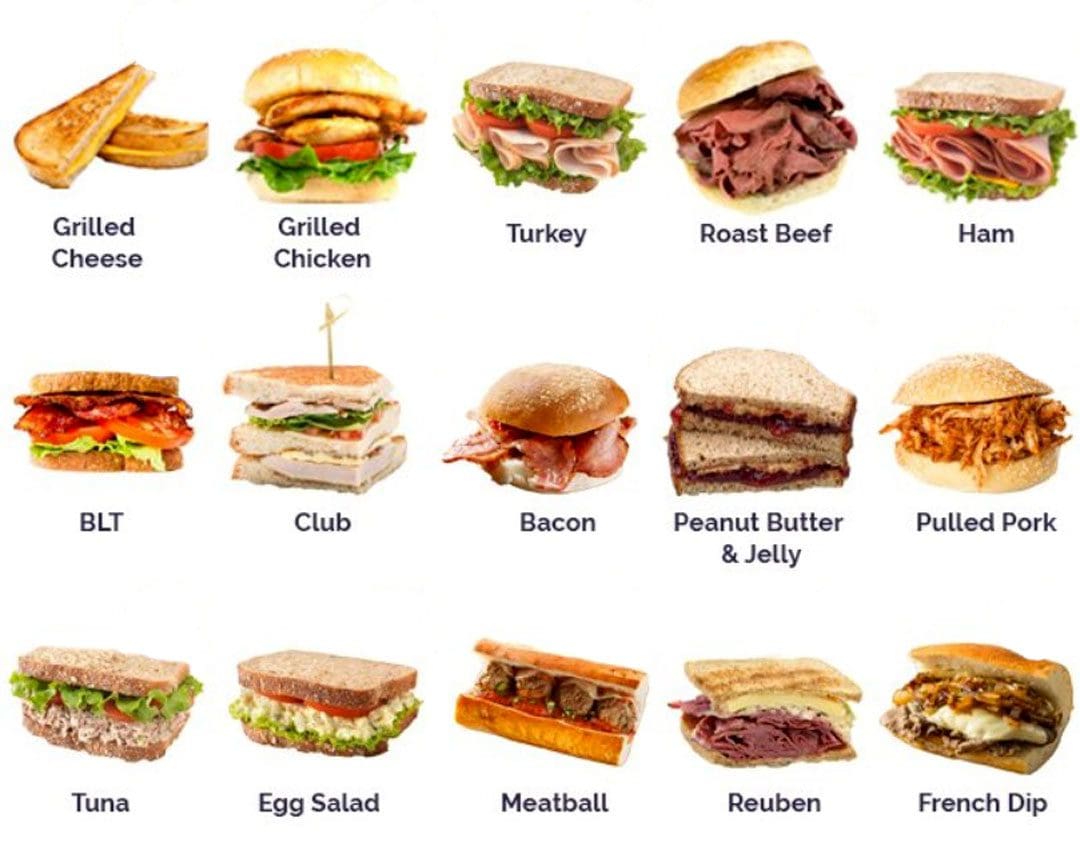
A typical sandwich from home includes bread – one thick slice of whole wheat, one or two favorite condiments, lunch meat, lettuce, tomato, and pickles. Packing a homemade lunch to work or school is one of the easiest ways to lose and maintain weight. Making a sandwich means the ingredients, calories, and nutrition can be controlled. However, a healthy sandwich can easily exceed calories if not careful. Bread choices and condiments like mayonnaise, dressings, and cheese can change a sandwich’s nutrition and increase calories, fat, and sodium. Calories can be cut with smart nutrition information and a few recommendations.
Sandwich Nutrition Facts and Health Benefits
Sandwich Calories and Nutrition
USDA nutrition information for one sandwich with ham, cheese, and mayonnaise equals 155 grams.
Total Calories 361
Fat 16.7 grams
Sodium 1320 milligrams
Carbohydrates 32.5 grams
Fiber 2.3 grams
Sugars 5.1 grams
Protein 19.3 grams
Favorites
The calories can vary based on the bread, fillings, and spread used to make it and whether vegetables are added.
Peanut Butter
Calories 200 – 300.
Peanut butter on white bread.
A single serving of peanut butter is two tablespoons.
Peanut Butter and Jelly
Calories 350 – 500.
Depending on how much peanut butter is used and the type of jelly or jam.
Nutella
Calories 300 – 500.
A 2-tablespoon serving is 200 calories.
Turkey Sandwich
Calories 160 – 500.
Depending on the amount of meat added and condiment choices.
Ham
Calories less than 200.
This is without the cheese.
With butter on French bread, it can be 400 calories or more.
Chicken Salad
Calories 400 – 600 or more.
Egg Salad
Calories 350 for the mayonnaise filling, plus around 150 for the bread.
Egg and Cheese
Calories 250 -400 or more.
If made on a biscuit or croissant.
Subway
230 to nearly 1000 calories.
Cut Calories
With a few adjustments and healthy swaps, a nutritious and healthy sandwich that is lower in calories but full of flavor can be made.
Low-Calorie Bread
Thick, crusty bread, bagels, baguettes, croissants, and hearty rolls can contain fat and calories.
Instead, choose a whole grain or bread alternative with additional nutrient benefits like healthy fats or fiber.
Consider an open-faced sandwich for heartier bread and keeping the portion to one slice.
Once a healthy bread is chosen, build the sandwich around a meat or meat-free filling. Get creative and try different choices to find new flavors. Read labels of meat or fish spreads that sound healthy. Many brands may contain protein and beneficial nutrients, but the filling is often combined with other ingredients high in calories. Try for:
Pack the sandwich with natural toppings like vegetables. Make a goal to have at least two vegetable servings per sandwich. Nutrient-rich vegetables add flavor and crunch to the sandwich.
Iceberg lettuce, spinach, romaine lettuce, or greens.
Shredded cabbage.
Tomato.
Sun-dried tomatoes.
Cucumber.
Jalapeno peppers.
Banana peppers.
Green peppers.
Plain or grilled onions.
Basil leaves.
Bean sprouts.
Low-Calorie Condiments
The spread takes up the least space on a sandwich but can contain the most fat. Condiments should be used moderately.
When first starting, cutting sandwich calories might seem complicated and unfamiliar. Fill the refrigerator with as many healthy choices as possible, get creative, and see what you come up with, as crafting a delicious meal is fun once you get the hang of it.
Body In Balance, Fitness, and Nutrition
References
An, R et al.” Sandwich consumption concerning daily dietary intake and diet quality among U.S. adults, 2003-2012″ Public Health vol. 140 (2016): 206-212. doi:10.1016/j.puhe.2016.06.008
Sebastian, Rhonda S., et al.” Sandwich Consumption by Adults in the U.S. What We Eat In America, NHANES 2009-2012″ FSRG Dietary Data Briefs, United States Department of Agriculture (USDA), December 2015.
U.S. Department of Agriculture, Agricultural Research Service. FoodData Central. [Historical Record]: Ham and Cheese.
U.S. Department of Agriculture, Agricultural Research Service. FoodData Central [Historical Record]. Whole Wheat Bread.
Zhao Z, Feng Q, Yin Z, et al. Red and processed meat consumption and colorectal cancer risk: a systematic review and meta-analysis. Oncotarget. 2017;8(47):83306-83314. doi:10.18632/oncotarget.20667
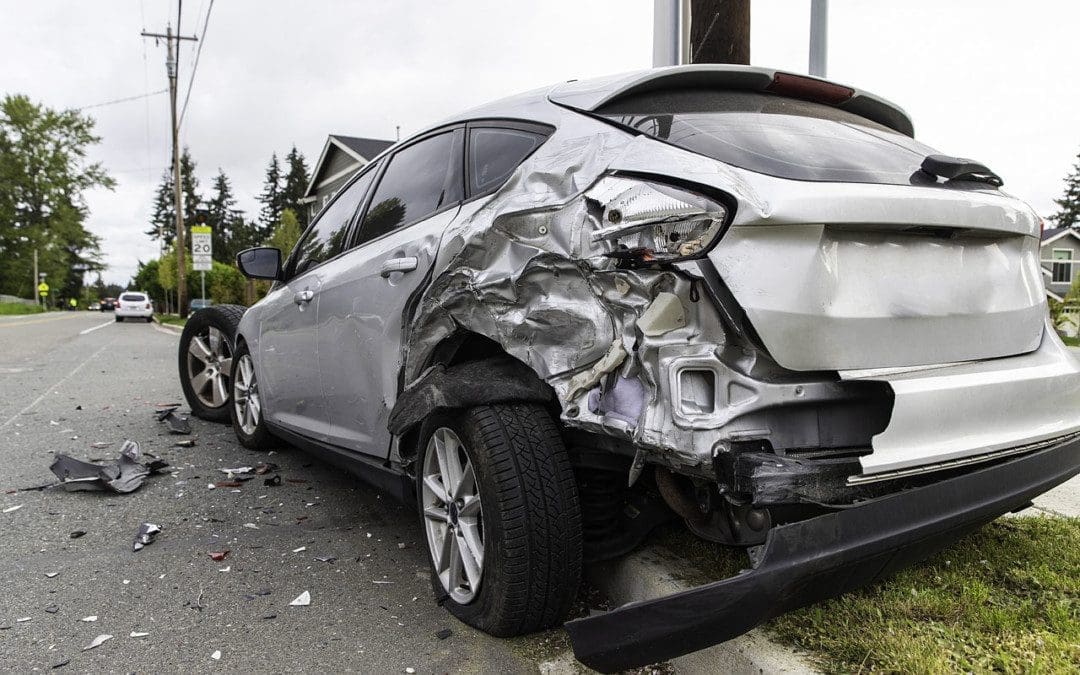
As one of the most load-bearing joints in the body, the hips nearly affect every movement. If the hip joint is involved in a vehicle crash, the space in the joint/hip capsule can fill with fluid, causing joint effusion or swelling, inflammation, dull-immobilizing pain, and stiffness. Hip pain is a common injury symptom reported after a vehicle crash. This pain can range from mild to severe and may be short-term or last for months. No matter the level of pain being experienced, action must be taken quickly to avoid long-term damage. Individuals need high-quality, patient-focused care from experienced specialists as soon as possible to get on the road to recovery.
Vehicle Crash Hip Injury
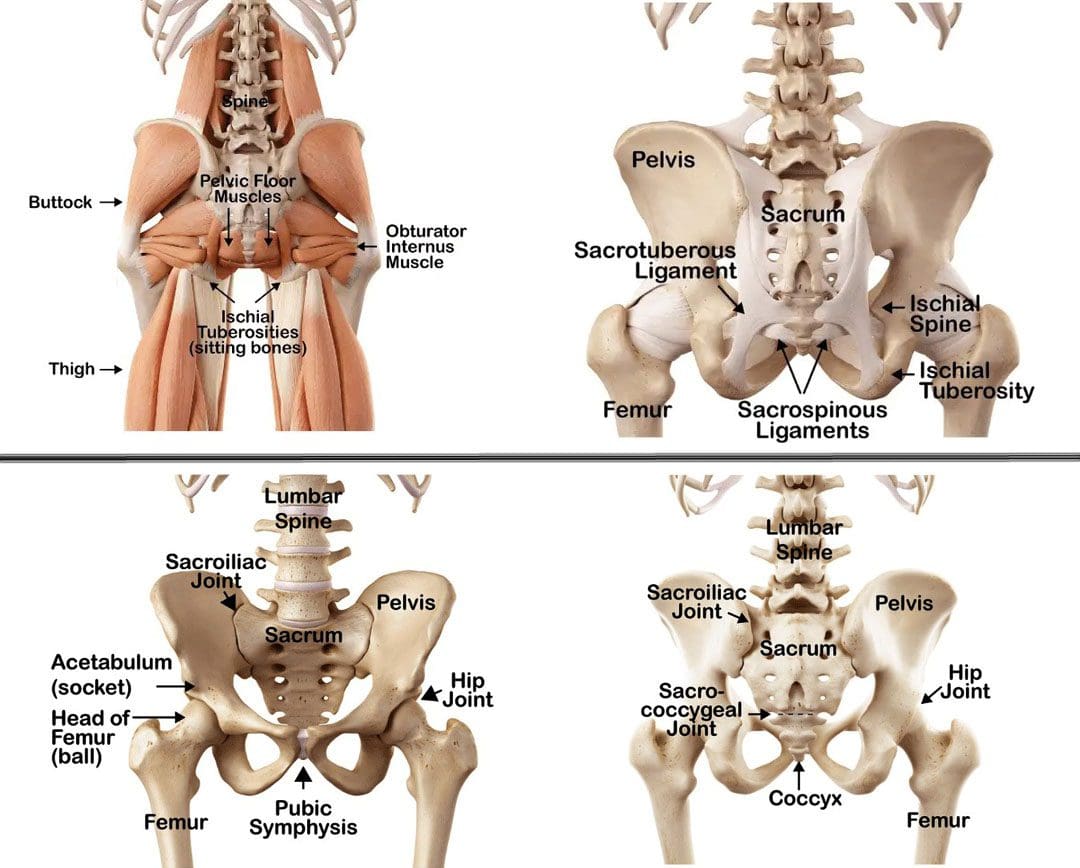
The hip joints must be healthy and work as effectively as possible to stay active. Arthritis, hip fractures, bursitis, tendonitis, injuries from falls, and automobile collisions are the most common causes of chronic hip pain. Depending upon the type of injury, individuals may experience pain symptoms in the thigh, groin, inside of the hip joint, or buttocks.
Associated Injuries
The most common injuries that cause pain in the hip after a collision include:
A hip ligament sprain or strain is caused by overstretched or torn ligaments.
These tissues attach bones to other bones and provide stability to the joints.
These injuries may only require rest and ice to heal, depending on the severity.
Chiropractic, decompression, and physical massage therapies may be necessary for realignment and to keep muscles flexible and relaxed.
Bursitis
Bursitis is an inflammation of the bursa, or the fluid-filled sac providing cushioning/material between bones and muscles.
It is one of the main causes of hip pain after an automobile collision and requires immediate medical attention.
Tendonitis
Tendonitis is a type of injury that affects soft tissues like tendons and ligaments, as opposed to bone and muscle.
Tendonitis can result in chronic pain and various discomfort symptoms in and around the hip area if left untreated.
Hip Labral Tear
A hip labral tear is a type of joint damage in which the soft tissue/labrum that covers the hip’s socket gets torn.
The tissue ensures that the thighbone head moves smoothly within the joint.
Damage to the labrum can lead to severe pain symptoms and affect mobility.
Hip Dislocation
A hip dislocation means the femur ball has popped out of the socket, causing the upper leg bone to slide out of place.
Hip dislocations can cause avascular necrosis, which is the death of bone tissue from a blockage in the blood supply.
Hip Fractures
The hip bones can be broken down into three parts:
Ilium
Pubis
Ischium
A hip fracture, or broken hip, occurs whenever a break, crack, or crush happens to any one of these parts of the hip.
Acetabular Fracture
An acetabular fracture is a break or a crack outside the hip socket that holds the hip and thigh bones together.
A fracture to this body part is not as common because of the location.
Significant force and impact are often necessary to cause this type of fracture.
Symptoms
If any of the following symptoms after a vehicle crash are experienced, it could be a hip injury and should be examined by a medical professional. These include:
Soreness or tenderness at the site of injury.
Bruising.
Swelling.
Difficulty moving the hip/s.
Intense pain when walking.
Limping.
Loss of muscle strength.
Abdominal pain.
Knee pain.
Groin pain.
Treatment and Rehabilitation
A doctor or specialist should always evaluate hip problems and pain symptoms. With the help of a physical examination and diagnostics like X-rays, CT Scans, or an MRI, a physician can diagnose and recommend treatment options. Treatment after a vehicle crash depends on the severity of the damage. For example, hip fractures often require immediate surgery, while other injuries may only necessitate medication, rest, and rehabilitation. Possible treatment plans include:
Rest
Pain, muscle relaxants, and anti-inflammatory medication.
Surgery – after surgery, a physical therapist can help stretch and work on muscles around the hip to gain mobility and flexibility for a complete recovery.
Total hip replacement
Our team collaborates with the necessary specialists to provide the complete care needed to experience full recovery and healing for long-term relief. The team will work together to form a comprehensive treatment plan to strengthen the hip muscles for better support and increased range of motion.
Movement as Medicine
References
Cooper, Joseph, et al. “Hip dislocations and concurrent injuries in motor vehicle collisions.” Injury vol. 49,7 (2018): 1297-1301. doi:10.1016/j.injury.2018.04.023
Fadl, Shaimaa A, and Claire K Sandstrom. “Pattern Recognition: A Mechanism-based Approach to Injury Detection after Motor Vehicle Collisions.” Radiographics: a review publication of the Radiological Society of North America, Inc vol. 39,3 (2019): 857-876. doi:10.1148/rg.2019180063
Frank, C J et al. “Acetabular fractures.” The Nebraska medical journal vol. 80,5 (1995): 118-23.
Masiewicz, Spencer, et al. “Posterior Hip Dislocation.” StatPearls, StatPearls Publishing, 22 April 2023.
Monma, H, and T Sugita. “Is the mechanism of traumatic posterior dislocation of the hip a brake pedal injury rather than a dashboard injury?.” Injury vol. 32,3 (2001): 221-2. doi:10.1016/s0020-1383(00)00183-2
Patel, Vijal, et al. “The association between knee airbag deployment and knee-thigh-hip fracture injury risk in motor vehicle collisions: A matched cohort study.” Accident; Analysis and Prevention vol. 50 (2013): 964-7. doi:10.1016/j.aap.2012.07.023
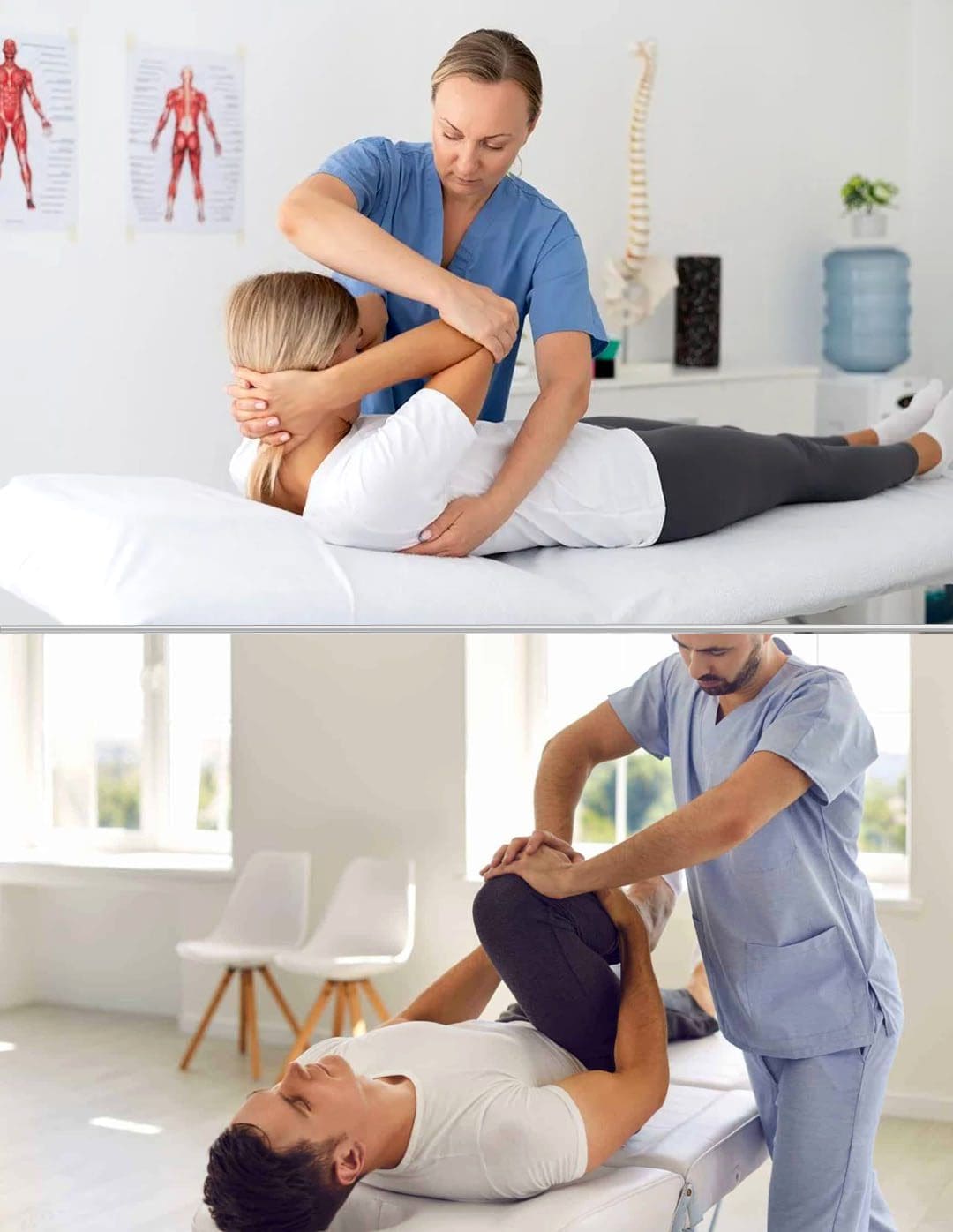
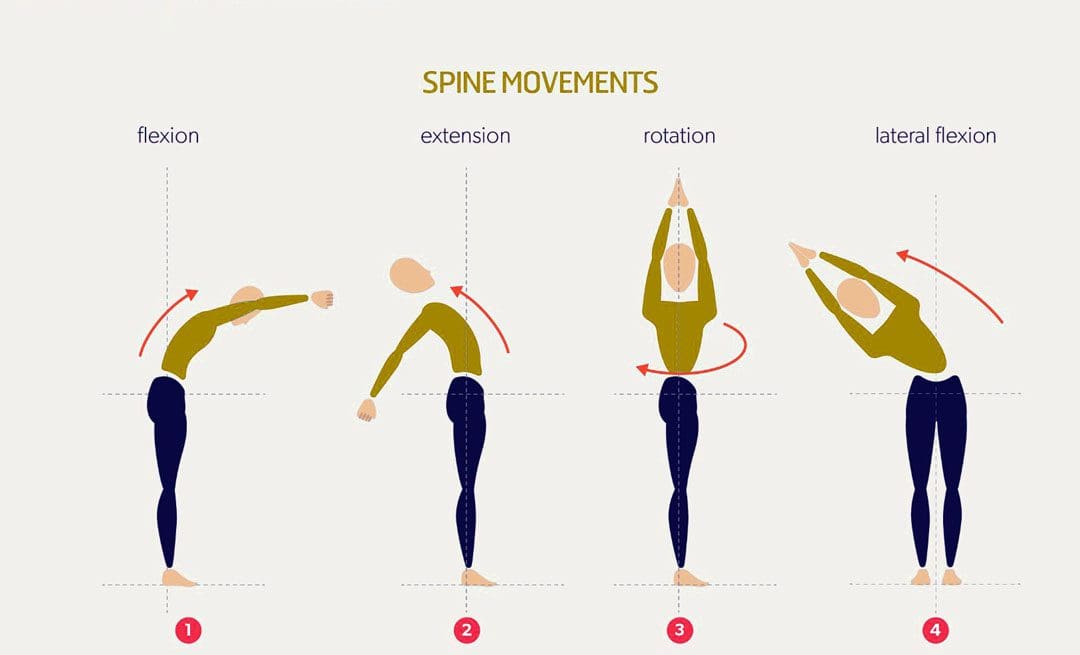
Range of motion – ROM measures the movement around a joint or body part. When stretching or moving certain body parts, like a muscle or joint, the range of motion is how far it can move. Individuals with a limited range of motion cannot move a specific body part or joint through its normal range. Measurements are different for everybody, but there are ranges that individuals should be able to achieve for proper function. The Injury Medical Chiropractic and Functional Medicine Team can address issues/problems with ROM through a personalized treatment plan to alleviate symptoms and restore mobility and flexibility.
Improve Range of Motion
Over 250 joints in the body move from extension to flexion and are responsible for all of the body’s movements. These include the ankles, hips, elbows, knees, and shoulders. Tightness in the hips and ankles can decrease ROM when lifting an object, limiting the muscles’ ability. Form and strength potential becomes limited and suffers from an inadequate ROM. When form and posture are compromised, pain and injuries can result. There are many reasons why this can occur, including:
Tight and stiff muscles.
Trying to use these muscles can worsen the condition, limiting ROM further.
A limited ROM in the back, neck, or shoulders may be due to the body being out of natural alignment.
Repetitive motions, injuries, and everyday wear and tear can shift proper alignment and limit movement.
Conditions like arthritis, brain, nerve, and/or muscle disorders.
A mild to moderate range reduction may be caused by a sedentary lifestyle or insufficient physical activity.
Daily Living
Decreased range of motion and poor mobility can hinder the body from lifting objects, job occupation performance, and household tasks. A healthy physical ability is what determines independent aging and optimal function.
Restoring a healthy range of motion can improve physical performance during work, home, and sports activities.
An improved range of motion allows the affected muscles to work at longer lengths, build strength and relieve tension.
A stronger muscle capable of contracting efficiently through larger ranges prevents and decreases the risk of injury.
Chiropractic Restoration
Chiropractic care can realign the body and improve range of motion to optimal levels.
Therapeutic and Percussive Massage
Massage therapy will release the tightness, keep the muscles loose, and increase circulation.
This prepares the body for chiropractic adjustments and spinal decompression.
Decompression and Adjustments
Non-surgical mechanical decompression realigns the body to a pliable state.
Chiropractic adjustments will reset any misalignments, restoring flexibility and mobility.
Exercises
A chiropractor will provide physical therapy-type exercises and stretches to mobilize the joints.
Targeted exercises and stretches will help to maintain the adjustments and strengthen the body to prevent ROM worsening and future injuries.
Secrets of Optimal Wellness
References
Behm, David G et al. “Acute effects of muscle stretching on physical performance, range of motion, and injury incidence in healthy active individuals: a systematic review.” Applied physiology, nutrition, and metabolism = Physiologie appliquee, nutrition et metabolisme vol. 41,1 (2016): 1-11. doi:10.1139/apnm-2015-0235
Calixtre, L B et al. “Manual therapy for the management of pain and limited range of motion in subjects with signs and symptoms of temporomandibular disorder: a systematic review of randomized controlled trials.” Journal of oral rehabilitation vol. 42,11 (2015): 847-61. doi:10.1111/joor.12321
Fishman, Loren M. “Yoga and Bone Health.” Orthopedic nursing vol. 40,3 (2021): 169-179. doi:10.1097/NOR.0000000000000757
Lea, R D, and J J Gerhardt. “Range-of-motion measurements.” The Journal of Bone and joint surgery. American Volume vol. 77,5 (1995): 784-98. doi:10.2106/00004623-199505000-00017
Thomas, Ewan, et al. “The Relation Between Stretching Typology and Stretching Duration: The Effects on Range of Motion.” International Journal of sports medicine vol. 39,4 (2018): 243-254. doi:10.1055/s-0044-101146
IFM's Find A Practitioner tool is the largest referral network in Functional Medicine, created to help patients locate Functional Medicine practitioners anywhere in the world. IFM Certified Practitioners are listed first in the search results, given their extensive education in Functional Medicine