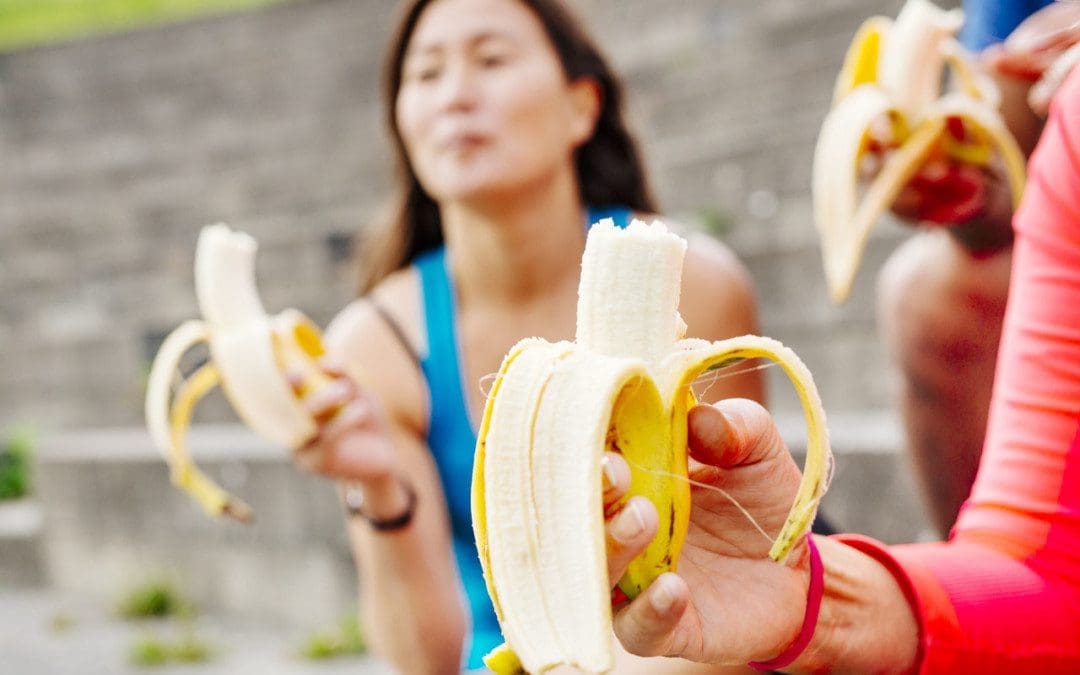
Should individuals with existing gastrointestinal problems eat bananas?
Bananas
Bananas can be easy to digest and are often recommended for nausea and diarrhea, however, not everyone can tolerate them. (MedlinePlus. 2021)
Bananas are high in fructose, sorbitol, and soluble fiber, which makes them a common trigger for gastrointestinal problems.
Additionally, individuals not used to eating a high-fiber diet may find it helpful to gradually increase fiber and drink more water to alleviate unpleasant symptoms.
If there is a suspicion of intolerance, IBS, or malabsorption, it is recommended to speak with a healthcare provider for an evaluation.
Bananas can make the stomach hurt due to:
Irritable bowel syndrome (IBS)
Cramping
Gas
Bloating
Other gastrointestinal (GI) problems.
Individuals can experience stomach discomfort if there is a fructose intolerance or a rare banana allergy.
Stomach Pain
Bananas are used to replenish potassium and other essential nutrients lost from vomiting or diarrhea.
Some individuals can experience bloating and gas after eating them.
One reason is because of their soluble fiber content.
Soluble fiber dissolves in water and is more readily fermented in the colon than insoluble fiber.
Bananas also contain sorbitol – a naturally occurring sugar that acts as a laxative and can cause gas, bloating, and diarrhea when consumed in large amounts. (U.S. Food and Drug Administration. 2023)
Irritable Bowel Syndrome – IBS
Bananas can be a common trigger food for individuals with IBS.
Bananas are also high in fructose/simple sugar especially when they have overripened.
Individuals who have IBS are advised to avoid bananas because they can trigger many of the same side effects as undigested lactose/sugar in milk. (Johns Hopkins Medicine. 2023)
Ripe bananas are considered to be high in FODMAPS – fermentable oligosaccharides, disaccharides, monosaccharides, and polyols.
Individuals following a low FODMAP diet to manage IBS may want to avoid or limit consumption.
Fructose malabsorption is when the body cannot digest or absorb fructose correctly. This causes bloating gas and abdominal discomfort.
Hereditary fructose intolerance is very rare. It happens when the liver cannot assist in the breakdown of fructose.
This condition often causes more severe symptoms and requires additional treatment besides removing fructose from an individual’s diet. (UW School of Medicine and Public Health. 2019)
Most can tolerate small amounts of fructose found in fruits like bananas.
If you’re eating bananas that are too green or unripe, you may also experience stomach discomfort.
Unripened bananas contain high amounts of resistant starch. In large quantities, this can cause mild symptoms like gas and bloating. (Jennifer M Erickson, et al., 2018)
Jackson Siegelbaum Gastroenterology. Colon gas and flatus prevention.
U.S. Food and Drug Administration. Sorbitol.
Capili, B., Anastasi, J. K., & Chang, M. (2016). Addressing the Role of Food in Irritable Bowel Syndrome Symptom Management. The journal for nurse practitioners: JNP, 12(5), 324–329. https://doi.org/10.1016/j.nurpra.2015.12.007
Johns Hopkins Medicine. 5 foods to avoid if you have IBS.
Monash University. Bananas re-tested.
Dayıoğlu A, Akgiray S, Nacaroğlu HT, Bahçeci Erdem S. The clinical spectrum of reactions due to banana allergy. BMB. 2020;5(2):60-63. doi: 10.4274/BMB.galenos.2020.04.013
Family Medicine Austin. Banana allergy.
UW School of Medicine and Public Health. Fructose-restricted diet.
Erickson, J. M., Carlson, J. L., Stewart, M. L., & Slavin, J. L. (2018). The Fermentability of Novel Type-4 Resistant Starches in In Vitro System. Foods (Basel, Switzerland), 7(2), 18. https://doi.org/10.3390/foods7020018
The Johns Hopkins Guide to Diabetes. What is resistant starch?
Can weight and strength training increase speed and power in athletes that participate in throwing sports?
Throwing Sports
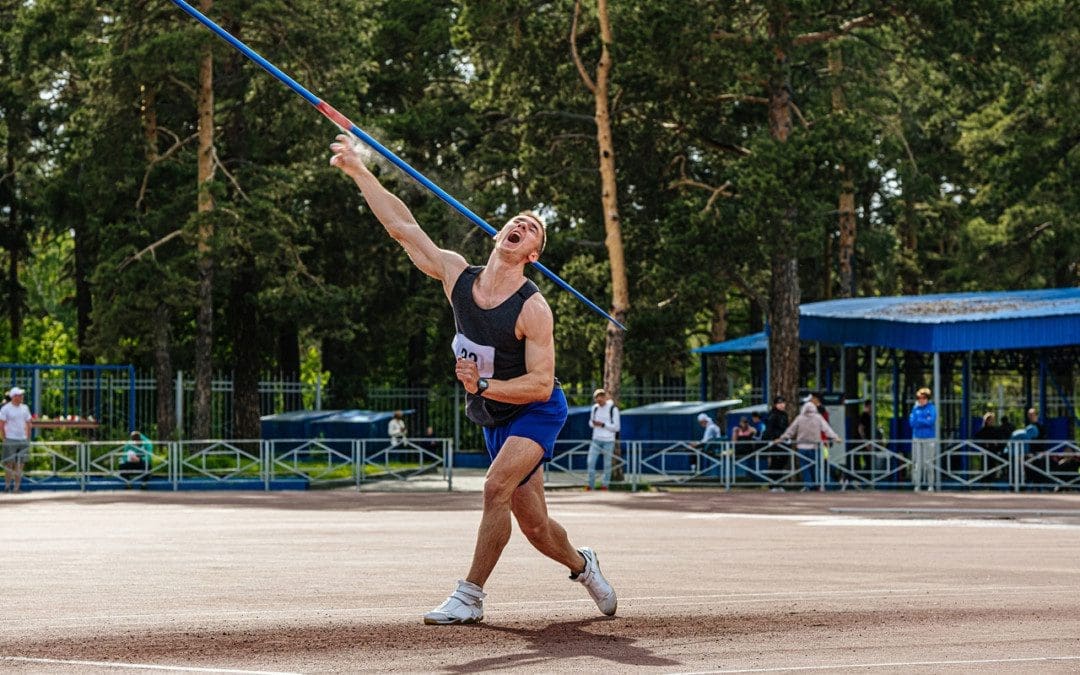
Top-throwing athletes have amazing arm speed. To succeed in throwing sports athletes need to be able to generate quick explosive power. This means the ability to propel the arm forward with substantial velocity for maximum object delivery like a baseball, javelin, hammer throw, shot put, discus, etc. Combined with sports technique training, throwing strength and power can be increased by training with weights. Here is a three-phase training plan to improve throwing performance.
Full Body
The arm provides only one part of the delivery process.
The legs, core, shoulders, and general flexibility need to work cooperatively to exert maximum thrust and achieve maximum object speed.
The natural ability to throw fast with power is largely determined by an individual’s muscle type, joint structure, and biomechanics. (Alexander E Weber, et al., 2014)
Preparation
Preparation should provide all-around muscle and strength conditioning for early pre-season conditioning.
Athletes will be doing throwing training as well, so fieldwork will need to be able to fit in.
It is recommended not to do weight training prior to throwing practice.
This leads to the start of competition and tournament play.
Frequency
2 to 3 sessions per week
Type
Strength and power – 60% to 70% for one-rep max/1RM
The one-repetition maximum test, known as a one-rep max or 1RM, is used to find out the heaviest weight you can lift once.
When designing a resistance training program, individuals use different percentages of their 1RM, depending on whether they’re lifting to improve muscular strength, endurance, hypertrophy, or power. (Dong-Il Seo, et al., 2012)
Throwing practice and competition are the priorities.
Before competition begins, take a 7- to 10-day break from heavyweight sessions while maintaining throwing workouts.
Weight training during competition should provide maintenance.
Frequency
1 to 2 sessions per week
Type
Power – lighter loads and faster execution than in the preparation stage.
Exercises
3 sets of 10
Rapid movement, 40% to 60% of 1RM.
Squats
Power hang clean and press
Romanian deadlift
Lat pulldown
Incline bench press
Crunches
Rest
Between sets 1 to 2 minutes.
Training Tips
Athletes have individual needs, so a general program like this needs modification based on age, sex, goals, skills, competitions, etc.
A certified strength and conditioning coach or trainer could help develop a fitness plan that can be adjusted as the athlete progresses.
Be sure to warm up prior to weight training and cool down afterward.
Don’t try to train through injuries or try to progress too fast – it is recommended not to throw or do weights when treating or recovering from an injury. (Terrance A Sgroi, John M Zajac. 2018)
Focus on the fundamentals and practice proper form.
Take a few weeks off at the end of the season to recover after hard training and competition.
Body Transformation
References
Weber, A. E., Kontaxis, A., O’Brien, S. J., & Bedi, A. (2014). The biomechanics of throwing: simplified and cogent. Sports medicine and arthroscopy review, 22(2), 72–79. https://doi.org/10.1097/JSA.0000000000000019
American College of Sports Medicine (2009). American College of Sports Medicine position stand. Progression models in resistance training for healthy adults. Medicine and science in sports and exercise, 41(3), 687–708. https://doi.org/10.1249/MSS.0b013e3181915670
Zaras, N., Spengos, K., Methenitis, S., Papadopoulos, C., Karampatsos, G., Georgiadis, G., Stasinaki, A., Manta, P., & Terzis, G. (2013). Effects of Strength vs. Ballistic-Power Training on Throwing Performance. Journal of sports science & medicine, 12(1), 130–137.
Seo, D. I., Kim, E., Fahs, C. A., Rossow, L., Young, K., Ferguson, S. L., Thiebaud, R., Sherk, V. D., Loenneke, J. P., Kim, D., Lee, M. K., Choi, K. H., Bemben, D. A., Bemben, M. G., & So, W. Y. (2012). Reliability of the one-repetition maximum test based on muscle group and gender. Journal of sports science & medicine, 11(2), 221–225.
Sakamoto, A., Kuroda, A., Sinclair, P. J., Naito, H., & Sakuma, K. (2018). The effectiveness of bench press training with or without throws on strength and shot put distance of competitive university athletes. European journal of applied physiology, 118(9), 1821–1830. https://doi.org/10.1007/s00421-018-3917-9
Sgroi, T. A., & Zajac, J. M. (2018). Return to Throwing after Shoulder or Elbow Injury. Current reviews in musculoskeletal medicine, 11(1), 12–18. https://doi.org/10.1007/s12178-018-9454-7
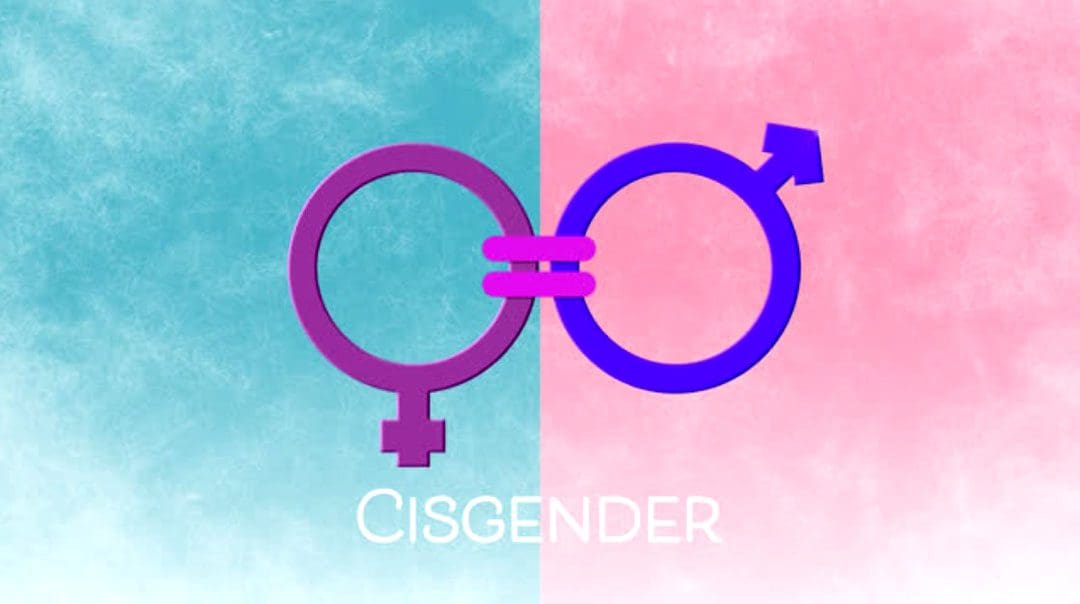
Cisgender has nothing to do with an individual’s sexual orientation. Therefore how do sex and gender differ and where does cisgender fall within the spectrum of gender identities?
Cisgender
Cisgender is a segment of the larger spectrum of gender identities. Also referred to as “cis,” it describes an individual whose gender identity corresponds to the sex they were assigned at birth. Therefore if an individual assigned sex at birth is female and identifies as a girl or a woman they are a cisgender woman.
The term describes how a person sees themselves and helps others communicate more accurately and respectfully.
Although many individuals may identify as cisgender, a cisgender person is not typical nor has qualities or characteristics that inherently differentiate them from a person of other gender identities.
Cisgender women commonly use the pronouns she and her.
A common mistake is using the term cis-gendered.
The proper usage of the term is cisgender.
Sex and Gender Differences
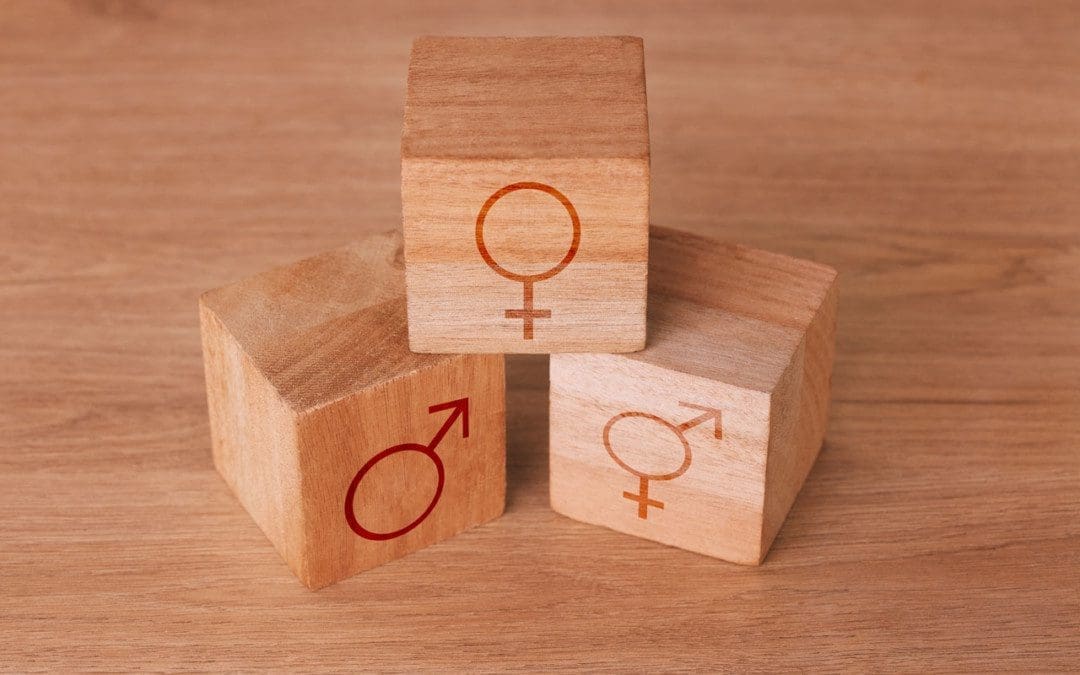
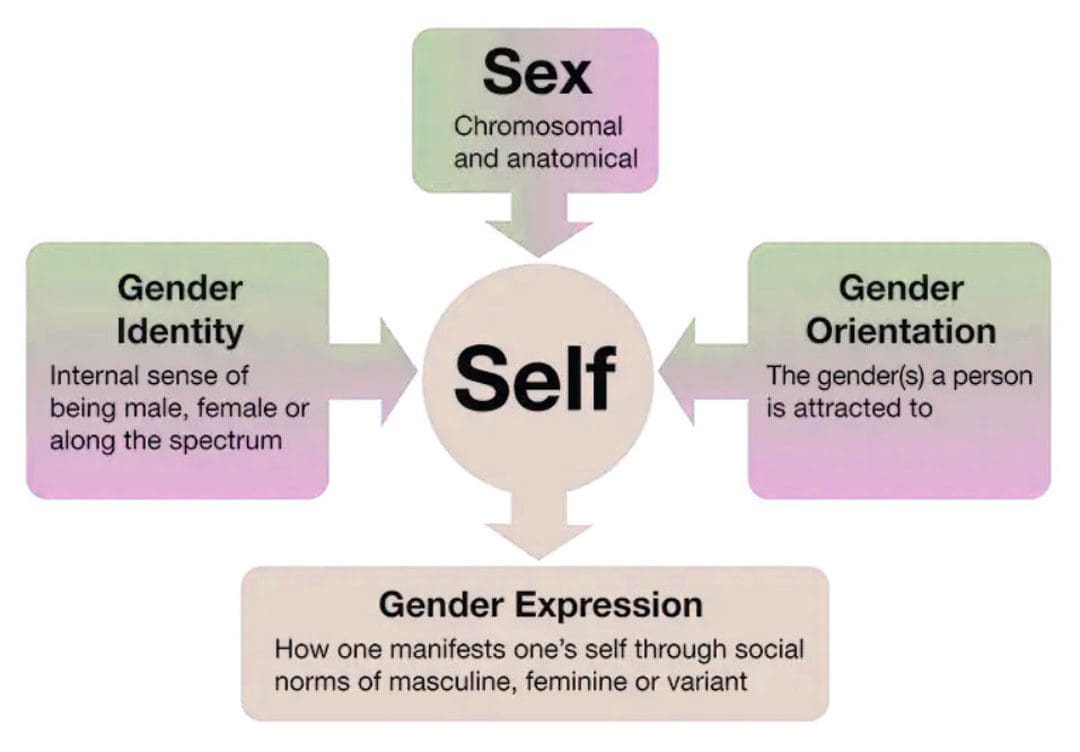
The terms sex and gender are often used interchangeably, however, they are not the same.
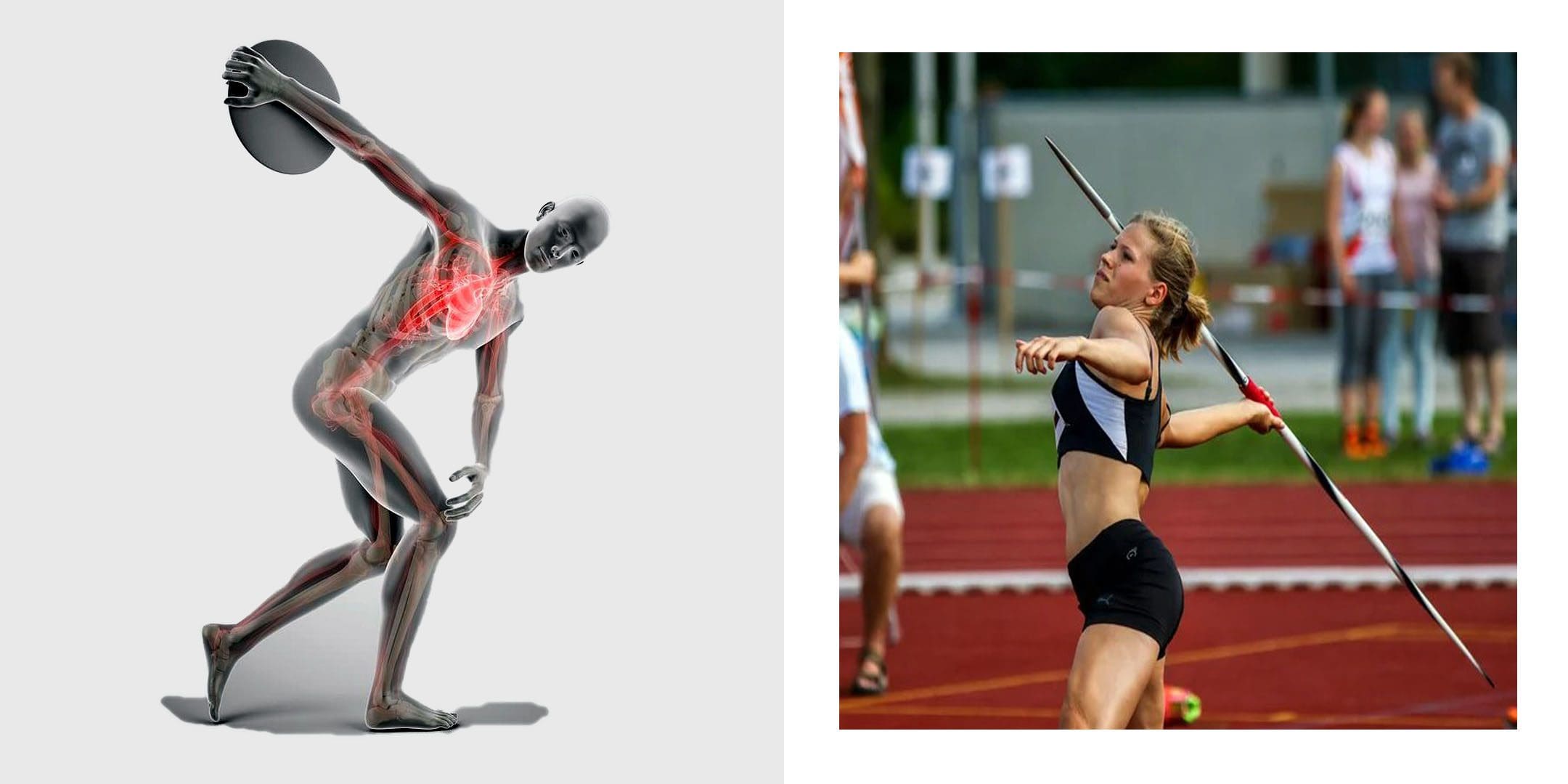
Sex is a biological and physiological designation based on an individual’s sex chromosomes and sexual organs.
This includes an individual’s genitals and sex organs.
It also encompasses secondary characteristics – like body size, bone structure, breast size, and facial hair – that are regarded as female or male.
Differences
Gender is a social construct that refers to roles and behaviors that society assigns as being masculine or feminine. The construct infers behaviors that are accepted or appropriate based on how an individual behaves, speaks, dresses, sits, etc.
Gender titles include sir, ma’am, mister, or miss.
Pronouns include him, she, he, and her.
Roles include actress, actor, prince, and princess.
Many of these suggest a power hierarchy of who has it and who does not.
Cisgender women often fall victim to these dynamics.
Sex
Refers to an individual’s chromosomes and the way that their genes are expressed.
Typically described in terms of male and female characteristics or the sex assigned at birth.
Gender
A social construct.
Refers to the social roles, behaviors, and expectations considered and/or deemed appropriate for men and women.
Historically defined as masculine and feminine, however, definitions can change as society changes.
Gender Identities Glossary
Today, gender is viewed as a spectrum where an individual might identify as one gender, more than one gender, or no gender. The definitions are often subtle and can often overlap, co-exist, and/or change. Gender identities include:
Cisgender
An individual whose gender identity matches their assigned sex at birth.
Transgender
An individual whose gender identity does not align with their assigned sex at birth.
Non-binary
An individual who feels their gender identity cannot be defined.
Demigender
An individual who experiences a partial, but not full/complete connection to a particular gender.
Agender
An individual who feels neither male nor female.
Genderqueer
Similar to non-binary but infers refusal of societal expectations.
Gender-neutral
Non-binary similarities but focuses on abandoning gender labels.
Gender fluid
An individual who experiences multiple genders or shifts between genders.
Polygender
An individual who experiences or expresses more than one gender.
Pangender
An individual who identifies with all genders.
Third gender
Third gender is a concept in which individuals are categorized, either by themselves or by society, as neither male nor female, not transitioning.
They are a different gender altogether.
Twin gender
A Native American term describing someone who is male and female or of two spirits simultaneously.
Cis Woman Identity
The terms cis woman or cis female are used to describe individuals who were assigned female at birth and identify as a woman or female. For cisgender woman, this means their gender identity aligns with their primary sex organs and secondary sex traits that include:
Higher pitch voice.
Wider pelvis.
Broadening of hips.
Breast development
It can also involve cisnormativity – a concept that everyone identifies as the gender they were assigned at birth. This could inform how a cis woman is expected to dress and act. An even more extreme concept is gender essentialism – this is the belief that gender differences are rooted purely in biology and cannot be changed. However, even cisnormativity beauty standards can influence the perceptions of transgender women that end up reinforcing gender stereotypes. (Monteiro D, Poulakis M. 2019)
Cisgender Privilege
Cisgender privilege is the concept that individuals who are cisgender receive added benefits compared to individuals who don’t conform to the gender binary norm. This includes cisgender women and men. Privilege happens when a cisgender individual assumes they are the norm and consciously or unconsciously takes action against those who are outside the definition of masculine and feminine. Examples of cisgender privilege include:
Not being denied work and social opportunities because of not fitting into the boy’s or girl’s club.
Not having to have sexual orientation questioned.
Not being denied healthcare due to provider discomfort.
Not fearing that civil rights or legal protections will be taken.
Not worrying about being bullied.
Not having to worry about attracting questioning looks in public.
Not being challenged or questioned about the clothes being worn.
Not being demeaned or mocked because of pronoun use.
Gender identity and sexual orientation are not the same.
A cisgender individual can be heterosexual, homosexual, bisexual, or asexual and so can a transgender individual.
Being cisgender has no correlation to an individual’s sexual orientation.
Chiropractic Care After Accidents and Injuries
References
Clayton, J. A., & Tannenbaum, C. (2016). Reporting Sex, Gender, or Both in Clinical Research? JAMA, 316(18), 1863–1864. https://doi.org/10.1001/jama.2016.16405
Monteiro, Delmira and Poulakis, Mixalis (2019) “Effects of Cisnormative Beauty Standards on Transgender Women’s Perceptions and Expressions of Beauty,” Midwest Social Sciences Journal: Vol. 22: Iss. 1, Article 10. DOI: https://doi.org/10.22543/2766-0796.1009 Available at: https://scholar.valpo.edu/mssj/vol22/iss1/10
Moleiro, C., & Pinto, N. (2015). Sexual orientation and gender identity: review of concepts, controversies and their relation to psychopathology classification systems. Frontiers in Psychology, 6, 1511. https://doi.org/10.3389/fpsyg.2015.01511
While a healthy, sustainable lifestyle for one individual may not be the best option for another, can experts point out signs of a healthy life?
Healthy Life
Being or living a healthy life is a phrase that can be confusing. Researchers examine some major areas of concern with constant imagery like social media’s role in shaping what behaviors people consider important to reach a physical fitness/health goal. These behaviors prioritize physical appearance and are often linked with negative psychological effects and worsening physical health outcomes. (Binder A, et al., 2021) Studies routinely show that someone’s body shape is not a good indicator of how healthy they really are. (Uhlmann LR, et al., 2018)
Living a healthy life is a multi-faceted endeavor that requires maintaining a balance. New research has shown that “adhering to both quality diet and sufficient physical activity is important for optimally reducing the risk of mortality from all causes, CVD and PDAR cancers.” (Ding D, et al., 2022) Individuals do not need to make extreme changes to these areas of their lifestyle. Studies show that making small adjustments, little by little, prepares the individual to develop long-term sustainable habits. (Adhikari P, Gollub E. 2021)
Nutritional Health
Too much salt, sugar, and saturated fat increases the risk of diseases like diabetes, heart disease, and stroke. (National Institutes of Health, 2017) It can be easy to overlook balanced nutrition and it is not all about what should be restricted and avoided. It is about making sure the body gets the proper amount of nutrient-rich foods essential to overall health. Examples include:
Deficiency of nutrients like magnesium, calcium, and vitamins A, C, D, E, and K are with sleep problems. (Ikonte CJ, et al., 2019)
Not acquiring enough protein can lead to slowed metabolism and weight gain. (Pezeshki A, et al., 2016)
Healthy fats are essential to protect against heart disease and can help maintain high energy levels. (Gammone MA, et al., 2018)
Research has found that depression and nutrition are linked.
Incorporating a diet like the Mediterranean has been associated with a reduced risk of depression symptoms. (Oddo VM, et al., 2022)
Physical Activity
Regular physical activity helps with weight management, reduces the risk of chronic diseases, maintains healthy bones and joints, and contributes to positive mental health and mood.
The Centers for Disease Control and Prevention estimates around 60 percent of the population does not get enough daily physical activity. (Surgeon General Report, CDC. 1999)
According to the research, individuals don’t exercise for consistent reasons that include: not having enough time, no access to resources, and being too tired to work out. (Yen Sin Koh, et al., 2022)
Increasing the heart rate for only 12 minutes a day can protect the cardiovascular system. (Matthew Nayor, et al., 2020)
Signs
A few signs that an individual is healthy.
Stable Energy Levels
Having energy throughout the day is a sign you’re getting high-quality sleep.
Energy levels can also offer clues on nutritional intake, particularly of fats, carbohydrates, and proteins. (Yohannes Adama Melaku, et al., 2019)
The right combination of macronutrients can be different for everyone, especially depending on factors like age, job, medical history, and physical activity.
Paying attention to energy levels at different times of the day can help guide fitness and health goals.
One sign that the mind and body are dealing with stress well is the ability to set boundaries.
Setting boundaries shows recognition and priority for their needs.
This could be boundaries for respect of thoughts and ideas, physical space, emotional needs, the time spent on certain things, sex life, and material possessions.
Fresh Breath
The mouth can show what is going on as far as the health of the body.
Poor oral hygiene can lead to a buildup of bacteria that can spread throughout the respiratory and digestive tracts.
Chronic bad breath is a common sign of poor oral health.
Studies suggest that increased bacteria entering the body can lower immune system response and increase the development of general health problems. (NIH. 2018)
Time to Change
Signs that the mind and body are not healthy include:
Always sick or feel as if you’re coming down with something.
The stomach is constantly feeling like it is bloated, backed up, or dealing with acid reflux or indigestion.
The human body, organs, and tissues are complex structures, and the signals they transmit about underlying issues can be subtle which individuals tend to not notice until the little problems become major ones. It’s important to look at life habits and be honest about changes that may need to be implemented to improve health, lessen the risk of chronic health conditions, and improve quality of life.
Multidisciplinary Evaluations and Treatment
References
Binder, A., Noetzel, S., Spielvogel, I., & Matthes, J. (2021). “Context, Please?” The Effects of Appearance- and Health-Frames and Media Context on Body-Related Outcomes. Frontiers in public health, 9, 637354. https://doi.org/10.3389/fpubh.2021.637354
Uhlmann, L. R., Donovan, C. L., Zimmer-Gembeck, M. J., Bell, H. S., & Ramme, R. A. (2018). The fit beauty ideal: A healthy alternative to thinness or a wolf in sheep’s clothing? Body image, 25, 23–30. https://doi.org/10.1016/j.bodyim.2018.01.005
Ding, D., Van Buskirk, J., Nguyen, B., Stamatakis, E., Elbarbary, M., Veronese, N., Clare, P. J., Lee, I. M., Ekelund, U., & Fontana, L. (2022). Physical activity, diet quality and all-cause cardiovascular disease and cancer mortality: a prospective study of 346 627 UK Biobank participants. British Journal of sports medicine, bj sports-2021-105195. Advanced online publication. https://doi.org/10.1136/bjsports-2021-105195
Adhikari, P., & Gollub, E. (2021). Evaluation of the Small Changes, Healthy Habits Pilot Program: Its Influence on Healthy Eating and Physical Activity Behaviors of Adults in Louisiana. European journal of investigation in health, psychology, and education, 11(1), 251–262. https://doi.org/10.3390/ejihpe11010019
How dietary factors influence disease risk. National Institutes of Health (NIH)
Ikonte, C. J., Mun, J. G., Reider, C. A., Grant, R. W., & Mitmesser, S. H. (2019). Micronutrient Inadequacy in Short Sleep: Analysis of the NHANES 2005-2016. Nutrients, 11(10), 2335. https://doi.org/10.3390/nu11102335
Pezeshki, A., Zapata, R. C., Singh, A., Yee, N. J., & Chelikani, P. K. (2016). Low protein diets produce divergent effects on energy balance. Scientific reports, 6, 25145. https://doi.org/10.1038/srep25145
Gammone, M. A., Riccioni, G., Parrinello, G., & D’Orazio, N. (2018). Omega-3 Polyunsaturated Fatty Acids: Benefits and Endpoints in Sport. Nutrients, 11(1), 46. https://doi.org/10.3390/nu11010046
Oddo, V. M., Welke, L., McLeod, A., Pezley, L., Xia, Y., Maki, P., Koenig, M. D., Kominiarek, M. A., Langenecker, S., & Tussing-Humphreys, L. (2022). Adherence to a Mediterranean Diet Is Associated with Lower Depressive Symptoms among U.S. Adults. Nutrients, 14(2), 278. https://doi.org/10.3390/nu14020278
Adults, Surgeon General Report, CDC.
Koh, Y. S., Asharani, P. V., Devi, F., Roystonn, K., Wang, P., Vaingankar, J. A., Abdin, E., Sum, C. F., Lee, E. S., Müller-Riemenschneider, F., Chong, S. A., & Subramaniam, M. (2022). A cross-sectional study on the perceived barriers to physical activity and their associations with domain-specific physical activity and sedentary behavior. BMC public health, 22(1), 1051. https://doi.org/10.1186/s12889-022-13431-2
Saint-Maurice, P. F., Graubard, B. I., Troiano, R. P., Berrigan, D., Galuska, D. A., Fulton, J. E., & Matthews, C. E. (2022). Estimated Number of Deaths Prevented Through Increased Physical Activity Among US Adults. JAMA internal medicine, 182(3), 349–352. https://doi.org/10.1001/jamainternmed.2021.7755
Nayor, M., Shah, R. V., Miller, P. E., Blodgett, J. B., Tanguay, M., Pico, A. R., Murthy, V. L., Malhotra, R., Houstis, N. E., Deik, A., Pierce, K. A., Bullock, K., Dailey, L., Velagaleti, R. S., Moore, S. A., Ho, J. E., Baggish, A. L., Clish, C. B., Larson, M. G., Vasan, R. S., … Lewis, G. D. (2020). Metabolic Architecture of Acute Exercise Response in Middle-Aged Adults in the Community. Circulation, 142(20), 1905–1924. https://doi.org/10.1161/CIRCULATIONAHA.120.050281
Melaku, Y. A., Reynolds, A. C., Gill, T. K., Appleton, S., & Adams, R. (2019). Association between Macronutrient Intake and Excessive Daytime Sleepiness: An Iso-Caloric Substitution Analysis from the North West Adelaide Health Study. Nutrients, 11(10), 2374. https://doi.org/10.3390/nu11102374
Jamieson, J. P., Black, A. E., Pelaia, L. E., Gravelding, H., Gordils, J., & Reis, H. T. (2022). Reappraising stress arousal improves affective, neuroendocrine, and academic performance outcomes in community college classrooms. Journal of experimental psychology. General, 151(1), 197–212. https://doi.org/10.1037/xge0000893
Smelling Sickness, Body Odor May Be A Sign of Disease. NIH, News in Health.https://newsinhealth.nih.gov/2018/09/smelling-sickness
Vernia, F., Di Ruscio, M., Ciccone, A., Viscido, A., Frieri, G., Stefanelli, G., & Latella, G. (2021). Sleep disorders related to nutrition and digestive diseases: a neglected clinical condition. International journal of medical sciences, 18(3), 593–603. https://doi.org/10.7150/ijms.45512
Can adding calisthenics resistance training to a fitness routine provide health benefits like flexibility, balance, and coordination?
Calisthenics Resistance Training
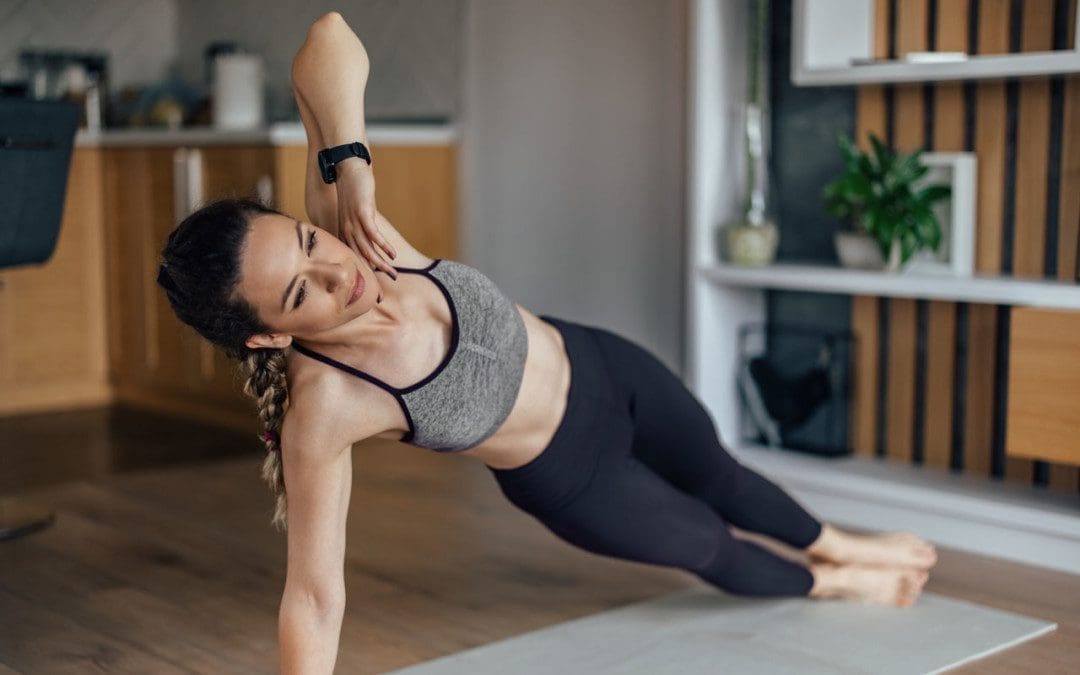
Calisthenics resistance training requires no equipment, they can be done with minimal space, and are a great way to get a quick burn.
They are a form of resistance training using your own body weight that is low-impact, which makes it accessible to individuals of all ages and fitness levels.
They effectively help build agility, and cardiovascular health, and improve balance, coordination, and flexibility.
Benefits
Muscle Strength
Because calisthenics are easily adaptable to any fitness level, require minimal or no equipment, and are great for beginners and experienced exercise enthusiasts it is a fantastic full-body workout and an excellent way to build strength and muscle. Research supports that calisthenics resistance training can improve muscle strength in various ways.
One study found that eight weeks of calisthenics not only improved posture and body mass index/BMI but can impact strength, even with exercises not routinely performed. (Thomas E, et al., 2017)
During the study, one group did calisthenics and the other maintained regular training routines.
The researchers discovered that the group that did calisthenics increased their repetitions of exercises that were not included.
The group who continued with their regular training routines did not improve on what they could do before the eight-week study. (Thomas E, et al., 2017)
Cardiovascular Fitness
Regular participation in calisthenic resistance training can lead to improved cardiovascular health, including increased endurance and a healthier heart.
Certain calisthenic exercises, like burpees and mountain climbers, are high-intensity movements that can increase heart rate and blood circulation just from the movements.
Gradually performing these exercises at a faster pace, research indicates could potentially experience the same cardiovascular benefits from interval or treadmill running. (Bellissimo GF, et al., 2022) – (Lavie CJ, et al., 2015)
Balance, Coordination, and Flexibility
The movements require a full range of motion that stretches and strengthens the muscles, tendons, and ligaments.
These exercises can help decrease the risk of injury and make daily physical activities easier to perform without over-exertion.
Incorporating calisthenics resistance training on a regular basis can help improve posture, balance, and flexibility, depending on which exercises are recommended.
Exercises like stretches, lunges, and squats help to improve flexibility and mobility.
Exercises like single-leg squats and one-arm push-ups can work the balance, coordination, and proprioception of the body.
Mental Health
Exercise, in general, is known to improve mood, reduce stress, and improve overall well-being.
Calisthenic resistance training can have additional impacts on mental well-being.
For example, the discipline and focus required to perform the movements can help concentration and mental clarity.
One study found that calisthenics can reduce cognitive decline and may be useful for dementia prevention. (Osuka Y, et al., 2020)
Another study found that calisthenics helped mental well-being in individuals with diseases like ankylosing spondylitis and multiple sclerosis. (Taspinar O, et al., 2015)
Types
Bodyweight exercises that use an individual’s own body weight as resistance are the foundation. Common examples include push-ups, squats, and lunges. An overview of some of the types of exercises.
Pulling
These exercises focus on training the muscles for pulling movements, which include the back, shoulders, and arms.
Examples include pull-ups, chin-ups, and rows.
Pushing
These exercises focus on training the muscles for pushing movements, like the chest, shoulders, and triceps.
Examples include dips, push-ups, and handstand push-ups.
Core
Core exercises focus on training the abdominal and lower back muscles, which are responsible for maintaining stability and balance.
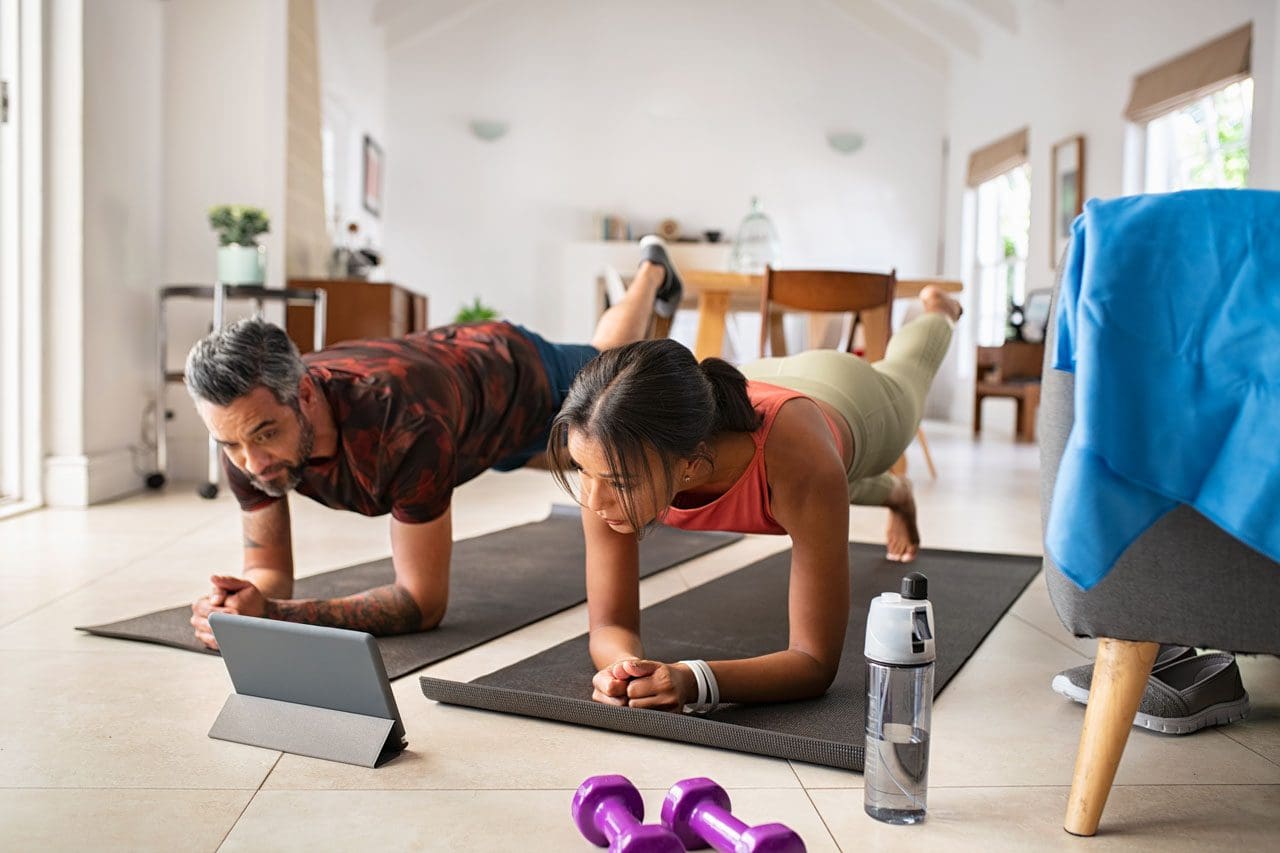
Examples of core exercises include planks, sit-ups, and leg raises.
Single-Leg
Single-leg exercises focus on training one leg at a time.
These target the muscles of the legs, hips, and core.
Examples of single-leg exercises include single-leg squats, lunges, and step-ups.
Plyometric
Calisthenics resistance training focuses on powerful explosive movements.
Plyometric exercises challenge the muscles to work quickly and forcefully.
Examples include jump squats, clap push-ups, and box jumps.
Getting Started
Start by making sure calisthenics is an appropriate workout option, especially if you are a beginner or have pre-existing medical conditions.
Once cleared to exercise start with familiar movements that can be done with the correct form.
Pushups, bodyweight squats, planks, lunges, and other basic movements are a good place to start.
Make sure to warm up with light and easy motions that mimic the workout movements.
Aim to work each body part during the workout.
Try for at least two workouts a week.
It is recommended to split the movement patterns.
Reps can be counted or set a timer to switch exercises every minute. This is called EMOM-style or every minute on the minute.
Pick four to five exercises that target various areas.
For example, sit-ups can be done for the core, lunges for the glutes and thighs, planks can be done for the shoulders and core, and jumping jacks or jumping rope for cardiovascular.
Calisthenic resistance training is easily modifiable and can be adjusted to individual needs.
Core Strength
References
Thomas, E., Bianco, A., Mancuso, E. P., Patti, A., Tabacchi, G., Paoli, A., … & Palma, A. (2017). The effects of a calisthenics training intervention on posture, strength, and body composition. Isokinetics and exercise science, 25(3), 215-222.
Bellissimo, G. F., Ducharme, J., Mang, Z., Millender, D., Smith, J., Stork, M. J., Little, J. P., Deyhle, M. R., Gibson, A. L., de Castro Magalhaes, F., & Amorim, F. (2022). The Acute Physiological and Perceptual Responses Between Bodyweight and Treadmill Running High-Intensity Interval Exercises. Frontiers in physiology, 13, 824154. https://doi.org/10.3389/fphys.2022.824154
Osuka, Y., Kojima, N., Sasai, H., Ohara, Y., Watanabe, Y., Hirano, H., & Kim, H. (2020). Exercise Types and the Risk of Developing Cognitive Decline in Older Women: A Prospective Study. Journal of Alzheimer’s disease: JAD, 77(4), 1733–1742. https://doi.org/10.3233/JAD-200867
Taspinar, O., Aydın, T., Celebi, A., Keskin, Y., Yavuz, S., Guneser, M., Camli, A., Tosun, M., Canbaz, N., & Gok, M. (2015). Psychological effects of calisthenic exercises on neuroinflammatory and rheumatic diseases. Zeitschrift fur Rheumatologie, 74(8), 722–727. https://doi.org/10.1007/s00393-015-1570-9
Lavie, C. J., Lee, D. C., Sui, X., Arena, R., O’Keefe, J. H., Church, T. S., Milani, R. V., & Blair, S. N. (2015). Effects of Running on Chronic Diseases and Cardiovascular and All-Cause Mortality. Mayo Clinic Proceedings, 90(11), 1541–1552. https://doi.org/10.1016/j.mayocp.2015.08.001
Gender transitioning is the process of affirming and expressing an individual’s internal sense of gender rather than the one assigned at birth. How can learning the aspects of gender and gender transitioning help support the LGBTQ+ community?
Gender Transitioning
Gender transitioning or gender affirmation is a process through which transgender and gender-nonconforming individuals align their internal gender identity with their external gender expression. It can be described as a binary – male or female – but can also be non-binary, meaning an individual is neither exclusively male nor female.
The process can involve aesthetic appearances, changes in social roles, legal recognitions, and/or physical aspects of the body.
Social affirmation – dressing differently or coming out to friends and family.
Legal affirmation – changing name and gender on legal documents.
Medical affirmation – using hormones and/or surgery to change certain physical aspects of their body.
Transgender individuals can pursue some or all of these.
Barriers
Gender transitioning can be obstructed by various barriers that can include:
Cost
Lack of insurance
Lack of family, friends, or partner support.
Discrimination
Stigma
Addressing All Aspects
The process does not have a specific timeline and is not always linear.
Many transgender and gender-nonconforming individuals prefer gender affirmation to gender transitioning because transitioning is often taken to mean the process of medically transforming the body.
An individual does not have to undergo medical treatment to affirm their identity, and some transgender people avoid hormones or gender-affirming surgery.
Transitioning is a holistic process that addresses all aspects of who a person is inwardly and outwardly.
Certain aspects of transitioning may be more important than others, like changing one’s name and gender on their birth certificate.
Reevaluation and revision of gender identity can be continual rather than a step-by-step, one-way process.
Exploring Gender Identity
Gender transitioning often starts in response to gender dysphoria which describes the constant sense of uneasiness that occurs when the gender an individual was assigned at birth does not match how they experience or express their gender internally.
Some individuals have experienced symptoms of gender dysphoria as early as 3 or 4 years of age. (Selin Gülgöz, et al., 2019)
Gender dysphoria can be largely informed by the culture that surrounds the individual, specifically in cultures where strict codes determine what is masculine/male and feminine/female.
Unease Expressed in Different Ways
Dislike of one’s sexual anatomy.
A preference for clothes typically worn by the other gender.
Not wanting to wear clothes typically worn by their own gender.
A preference for cross-gender roles in fantasy play.
A strong preference for engaging in activities that are typically done by the other gender.
Dysphoria
Gender dysphoria can fully emerge during puberty when awareness about how an individual’s body defines them creates internal distress.
Feelings may be amplified when an individual is described as a tomboy, or a sissy, or is criticized and attacked for acting like a girl or acting like a boy.
During puberty, the physical changes can cause long-standing feelings of not fitting in and may evolve into feelings of not fitting in their own body.
This is when individuals can undergo a process referred to as internal transitioning and begin to change how they see themselves.
Gender transitioning/affirmation becomes the next step. Transitioning is not about changing or recreating oneself but about expressing their authentic self and asserting who they are socially, legally, and/or medically.
Social
Social transitioning involves how a person publicly expresses their gender. The transition can include:
Changing pronouns.
Using chosen name.
Coming out to friends, family, coworkers, etc.
Wearing new clothes.
Cutting or styling hair differently.
Changing mannerisms like moving, sitting, etc.
Changing voice.
Binding – strapping the chest to hide breasts.
Wearing breast and hip prosthetics to accentuate feminine curvature.
Packing – wearing a penile prosthesis to create a penile bulge.
Tucking – tucking the penis to conceal a bulge.
Playing certain sports
Pursuing different lines of work.
Participating in activities that might typically be seen as male or female.
Legal
Legal transitioning involves changing legal documents to reflect the individual’s chosen name, gender, and pronouns. This includes governmental and non-government documents that can include:
Birth certificates
Social Security ID
Driver’s license
Passport
Bank records
Medical and dental records
Voter registration
School ID
Provisions allowing for changes can vary by state.
Some states only allow changes if bottom surgery – genital reconstruction is performed.
Others will allow the changes without any form of gender-affirming surgery.
Medical transitioning typically involves hormone therapy to develop some of the male or female sex characteristics. It can also involve surgery to change certain physical aspects combined with hormone therapy.
Hormone therapy assists individuals to physically look more like the gender they identify as.
They can be used on their own and can also be used before gender-affirming surgery.
Hormone therapy takes two forms:
Transgender Men
Testosterone is taken to help deepen the voice, increase muscle mass, promote body and facial hair, and enlarge the clitoris. (M S Irwig, K Childs, A B Hancock. 2017)
Transgender Women
Estrogen is taken as well as testosterone blockers to redistribute body fat, increase breast size, reduce male-pattern baldness, and reduce testicle size. (Vin Tangpricha 1, Martin den Heijer. 2017)
Surgery
Gender affirmation surgery aligns an individual’s physical appearance to their gender identity. Many hospitals provide gender-affirming surgery through a transgender medicine department. Medical procedures include:
Facial surgery – Facial feminization surgery.
Breast augmentation – Increases breast size with implants.
Chest masculinization – Removes contours of breast tissues.
Tracheal shaving – Reduces the Adam’s apple.
Phalloplasty – Construction of a penis.
Orchiectomy – Removal of the testicles.
Scrotoplasty – Construction of a scrotum.
Vaginoplasty – Construction of a vaginal canal.
Vulvoplasty – Construction of the outer female genitalia.
Roadblocks
Transgender individuals are protected from public and private insurance discrimination under federal and state laws, including Medicare and Medicaid. (National Center for Transgender Equality. 2021)
Medicaid programs in nine states do not cover gender-affirming medical treatments, and only Illinois and Maine offer comprehensive standard care recommended by the World Professional Association for Transgender Health/WPATH. (Kaiser Family Foundation. 2022)
Medicare also has no consistent policy regarding the approval of gender-affirming surgery.
Others report family or partner disapproval as the main reason why they discontinue gender affirmation. (Jack L. Turban, et al., 2021)
If you know someone who is transgender or is considering transitioning, learning about gender and gender transitioning and how to be supportive is a great way to be an ally.
Enhancing Your Lifestyle
References
Gülgöz, S., Glazier, J. J., Enright, E. A., Alonso, D. J., Durwood, L. J., Fast, A. A., Lowe, R., Ji, C., Heer, J., Martin, C. L., & Olson, K. R. (2019). Similarity in transgender and cisgender children’s gender development. Proceedings of the National Academy of Sciences of the United States of America, 116(49), 24480–24485. https://doi.org/10.1073/pnas.1909367116
Irwig, M. S., Childs, K., & Hancock, A. B. (2017). Effects of testosterone on the transgender male voice. Andrology, 5(1), 107–112. https://doi.org/10.1111/andr.12278
Tangpricha, V., & den Heijer, M. (2017). Estrogen and anti-androgen therapy for transgender women. The Lancet. Diabetes & endocrinology, 5(4), 291–300. https://doi.org/10.1016/S2213-8587(16)30319-9
National Center for Transgender Equality. Know Your Rights in Health Care.
Kaiser Family Foundation. Update on Medicaid coverage of gender-affirming health services.
Center of Medicare and Medicaid Services. Gender dysphoria and gender reassignment surgery.
Transgender Legal Defense and Education Fund. Health insurance medical policies.
National Center for Transgender Equality and National Gay and Lesbian Task Force. Injustice at Every Turn: A Report of the National Transgender Discrimination Survey.
Turban, J. L., Loo, S. S., Almazan, A. N., & Keuroghlian, A. S. (2021). Factors Leading to “Detransition” Among Transgender and Gender Diverse People in the United States: A Mixed-Methods Analysis. LGBT health, 8(4), 273–280. https://doi.org/10.1089/lgbt.2020.0437
Can musculoskeletal therapies treat individuals with upper crossed syndrome to relieve pain, improve posture, and strengthen the muscles in the neck, shoulders and chest?
Upper Crossed Syndrome
Upper crossed syndrome is a condition in which the muscles of the shoulders, neck, and chest become weak and tight, and is usually brought on from practicing unhealthy posture. Symptoms typically include:
Neck stiffness and pulling sensations.
Jaw tension and/or tightness
Upper back tension, lack of flexibility, stiffness, and aching soreness.
Neck, shoulder, and upper back pain.
Tension headaches
Rounded shoulders
Hunched spine
Upper Crossed Syndrome and Posture
The condition affects healthy posture by creating imbalanced muscles between the upper back and chest.
The tight short muscles in the upper chest get overly stretched and remain in a semi-contracted state pulling on the back muscles.
This causes the muscles in the upper back, shoulders, and neck to get pulled and weaken.
The result is a hunched back, forward shoulders, and protruded neck.
The specific muscles affected include the trapezius and the levator scapula/side of the neck muscles. (Hospital for Special Surgery. 2023)
Prescription anti-inflammatory medication for pain symptoms – short-term.
Individuals may be advised by the chiropractic therapy team to avoid too much bed rest and to limit or avoid activities that can cause pain or worsen symptoms. (Cedars-Sinai. 2022)
Studies have shown chiropractic spinal manipulation effectively reduces neck, spine, and low back pain symptoms. (Gevers-Montoro C, et al., 2021)
Increasing or decreasing physical activity as recommended by the therapy team.
Using ice or heat packs to relieve pain and increase circulation to promote muscle rehabilitation and healing.
Using topical pain creams or gels.
Over-the-counter nonsteroidal – NSAIDs, like Advil or Motrin and Aleve.
Muscle relaxants to relieve tension short-term.
Enhance Your Lifestyle
References
Hospital for Special Surgery. Move with the purpose to combat upper and lower crossed syndromes.
National Institute of Arthritis and Musculoskeletal and Skin Diseases. Back pain.
Seidi, F., Bayattork, M., Minoonejad, H., Andersen, L. L., & Page, P. (2020). Comprehensive corrective exercise program improves alignment, muscle activation, and movement pattern of men with upper crossed syndrome: a randomized controlled trial. Scientific reports, 10(1), 20688. https://doi.org/10.1038/s41598-020-77571-4
Bae, W. S., Lee, H. O., Shin, J. W., & Lee, K. C. (2016). The effect of middle and lower trapezius strength exercises and levator scapulae and upper trapezius stretching exercises in upper crossed syndrome. Journal of physical therapy science, 28(5), 1636–1639. https://doi.org/10.1589/jpts.28.1636
National Institute of Neurological Disorders and Stroke. Back pain.
Cedars-Sinai. Back and neck pain.
Gevers-Montoro, C., Provencher, B., Descarreaux, M., Ortega de Mues, A., & Piché, M. (2021). Clinical Effectiveness and Efficacy of Chiropractic Spinal Manipulation for Spine Pain. Frontiers in pain research (Lausanne, Switzerland), 2, 765921. https://doi.org/10.3389/fpain.2021.765921
IFM's Find A Practitioner tool is the largest referral network in Functional Medicine, created to help patients locate Functional Medicine practitioners anywhere in the world. IFM Certified Practitioners are listed first in the search results, given their extensive education in Functional Medicine